

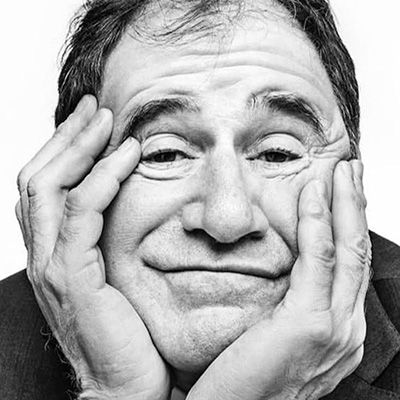
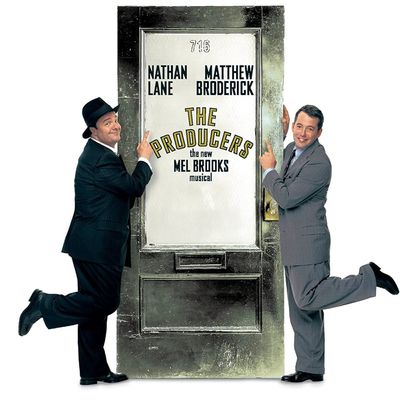
One of the entertainment industry's most recognizable faces, Richard Kind, swings by Shetler Studios to talk to Kevin and Rob about his obsession with theater and his appearances in Sly Fox, The Producers, Bounce, A Funny Thing Happened On The Way To The Forum, and so many more!.. Read More
From the show: BEHIND THE CURTAIN: BROADWAY'S LIVING LEGENDS » Podcast
Guests
Featured Shows
About
One of the entertainment industry's most recognizable faces, Richard Kind, swings by Shetler Studios to talk to Kevin and Rob about his obsession with theater and his appearances in Sly Fox, The Producers, Bounce, A Funny Thing Happened On The Way To The Forum, and so many more! Richard pulls back the curtain on his career to discuss how he sang with Jose Ferrer, what it was like originating a Sondheim role, and why the stage will always be his true love. Also, Richard shines the spotlight on Hal Prince, Joanne Woodward, and Paul Newman! Become a sponsor of Behind The Curtain and get early access to interviews, private playlists, and advance knowledge of future guests so you can ask the legends your own questions. Go to: http://bit.ly/2i7nWC4
Transcript
This transcript was automatically generated and might contain errors.
[0:00] RICHARD KIND: She shows up, you gotta put her on the air, right? You gotta put her on the stage. And she does liaisons. And from what I hear, uh, she had a fishing wire, which you couldn't see. You know, the transparent fishing wire attached to her thumb, wrapped on her thumb, and attached to her hair. And at the end of the number, she falls asleep, and as her head goes down, her arm goes down and pulls the wig off. Oh, and she had wisps of hair because she was old and her hair had all gone. So here's this woman talking about the great amours and liaisons she's had in her life. And here she is, this old lady bald, and they said they gasp. They simply gasped because it's the saddest thing. Age, God is terrible.
Oh, yeah. And really to women, oh my god, it's so mean. And so as history has it, she got the part. They I hear that they tried it out in previews. It was too much for the audience. However, she was, you know, said I can do the part, and when it improved, she could do the part.
[1:13] RICHARD KIND: My dream, I've told this story before, so if it sounds like it's rehearsed, it sort of is because it's a good story, and I've told it, I can't tell you how many times. My dream when I was a kid was three things. You know, usually you uh you're a kid, you're lying in bed, you want to play center field for the Yankees or be in a rock band, be Mick Jagger. I wanted to be in a Stanley Kubrick movie, a Woody Allen movie, and be in an original Sondheim Prince musical. Because that's what I was raised in. Those were my dreams. Um I jokingly say, I still think I have a better chance of being in a Stanley Kubrick movie than a Woody Allen movie. Because he hired me twice for uh plays, offered me, and I turned them down.
One was Bullets Over Broadway, yeah, uh, to play the producer and uh the uh Jack Wharton part, but there was no song, and they said you had a year and a half or two years that you had to devote to it, and I wasn't gonna do it. I had to be on the road and stuff like that, and I have kids, and I couldn't do it. The second one was I'll tell you, it was the evening of three one-act plays. Death Defying Acts. Was that what it was called? It was Elaine May. Yes, it was supposed to call that divine acts. The Joel Coen one was really uh not Joel, the Ethan Coen play was really good, and I was supposed to play the therapist, and but the only thing is I had a problem with the script because I couldn't justify it.
Why wouldn't this, well it's a um uh present psychologist in the jail cell with a hardened criminal, and this hardened criminal is becoming very threatening. And why wouldn't the guy just call the guard? He's in the, yes, uh so I didn't believe it, but the part was good, but I just couldn't get a handle on it. I think I would have been arguing with Ethan too much, and I was worried about that.
[3:10] RICHARD KIND: And the Woody Allen play was horrible, horrible. Now, there is no bigger fan of Woody Allen ever, ever, ever. Just I reading him, seeing his plays, much less his movies. I adore him even today when he is maligned and reviled, yeah. I adore him, but I couldn't do it. Uh the part was just you come in, you say eight lines that aren't very funny just to fill up the scene, like the Marx Brothers stateroom scene. So you have all these people in a hotel room, and I couldn't do it. I could see myself the second preview taking a gun and shooting myself. I couldn't do it. So I've turned down Woody Allen twice. Oh man. So in any case, there's so that's my joke. But uh I'd love to be in a Woody Allen movie.
And the Stephen Sondheim play. I'm not gonna be in a Stephen Sondheim musical, an original musical. But I don't, I sing, but not that well. But I wanted to audition. And Hal calls up my agent and says, I'm very well aware of RICHARD KIND. My son-in-law is in a TV show with him, Spin City. I love him very much. He's very funny on the show, but he's not right for the part.
[4:32] RICHARD KIND: Well, two things. Number one, Hal Prince knows that I exist. So that's that in itself, I'm okay. But my manager had the foresight to say, look, you don't give him the part, you don't give him the part, but let him go in the room. Yeah, and go in. So I get the audition. And I don't know all of this. Uh that I've been denied the audition, but I go in and I've worked pretty hard, and I sang a Jerry Herman song. Because I know that they don't like each other, uh, Herman and Sondheim, especially after the La Cage aux Folles thing, where he said, you know, finally you reward somebody who can write melodies, and what a horrible thing to say. And so I know that they don't like each other, but sometimes I just don't think.
And it's a song that I worked on, and it's why was it? Uh look over there. Boom. So it was a beautiful song. I've worked on it before. So I thought, and it showed the tenderness of this guy, and it's a nice ballad. So I sang it. Did not even when I say for a second, didn't even occur to me that I'm singing a Jerry Herman song in front of Stephen Sondheim. Didn't matter.
[5:43] RICHARD KIND: So anyway, uh then Hal comes up and we start doing the scene, and I do the scene pretty well. So Hal comes up and he whispers in my ear and he starts giving me direction, and it's great and I love it. And I do it again, and it's wonderful. And I leave. And the next day, and I don't know whether I tell this part well enough, but it really is beautiful. I'm in the back of a car with Hal Linden, and we're going to play golf. Because Hal was doing Cabaret at the time. I'm doing Tale of the Allergist's Wife. We're gonna go play. It's a Friday. And we're on our way to the golf course, and I get a phone call. It says, Hal Prince, Hal Prince is on the line for me. And I go, okay. And I say hello, and he goes, uh uh kid, kid, we're gonna have a great time doing this.
It'll be a lot of fun. I want, I have great ideas, I'm fun to work with, we'll have a great time, everything. Uh I'm so happy about, but he never said you've got the part. Right. He never came out and said, You've got the part. And I don't think I was hired, or my agent didn't tell me. So I really didn't know. And it was a little bit of a time I didn't know. But that after that morning, he's gone, kid, kid, we're we'll have a great time. Uh I'm a lot of fun to work with. I have a great idea. Oh, and you'll be you're great, you're great. But your reading was wonderful, blah, blah, blah. And I hang up and I turned to Hal Linden, which, if I think about it, is now he's on Broadway, but his career is a little on the decline.
And he'd like to be in my shoes. And I just looked over and I started to cry. And I said, I think I just got hired for an original Sondheim Prince Wyden play. I just started crying. I couldn't believe it. I couldn't believe it.
[7:44] RICHARD KIND: Now, a story about that is we were having the Zitz probe. Oh, I've got so many, I got lots of stories about Bounce, which I know everybody wants to hear, so this will go on the record. Um, we're doing the Zitz probe, and I have to go to the bathroom. At the same time, Stephen Sondheim is going to the men's room as well. This does not go where you think it is. Um and uh I said to him, I said, Stephen, I have to thank you so much because I don't sing any harmony in this show, and I can't. I have one note, the very last note, uh uh on the uh the title song as we end it, is a real harmonizing note that somehow I'm able to get. I don't know how, but I do. Otherwise, I cannot harmonize. I can sing.
Uh sometimes I'm a little pitchy, or you have to really teach me how to get there, even with and with Sondheim, who's tough, but I got there and I can do it. Uh, and I rarely go off once I have it. Uh, but it sometimes it takes me a while, but I cannot harmonize. Played Harold Hill in uh The Music Man, couldn't harmonize until there was you. I would just and and it's not that I can't take a harmony part. If the person has the harmony part and I have the melody, I still go to her his or her part. I can't do it. I understand.
[9:07] RICHARD KIND: Um I said, I said, thank you so much. He goes, you know, I can't, he goes, I can't harmonize either either. I go, what? He goes, Yeah, I can I can't harmonize. You know, I can write this stuff, but I can't harmonize. I went, wow. So who knew that? But he can't, and and he sings some of his own songs. Oh, yeah. And uh, but he can't harmonize. So he said, or he could have been lying in the bathroom. But the silly thing was is that when I was in high school and in the chorus, you know, we'd go over, okay. Here's the tenor line, blah, blah, blah, and they'd play it out for me, and everybody would sing it. And then once we all started going at the four, I would just go to the melody. That's just all I would do.
Uh and I know this sounds crazy, but in my head, I didn't understand chords. Nobody told me. Yeah. A chord is made up of three or four notes, and this is one of the lines. So it wasn't until much, much later in my life that I put two and two together and said, Oh, that's what harmony is. So from the get-go, I didn't understand it. Uh I and I was curious if I could have done it back then. If my ear, if I had been trained, could I have done it? But I don't know. Who knows?
[10:27] Kevin David Thomas: I'm the same way, I understand. So, what was it like doing Bounce when it went into Chicago?
[10:31] RICHARD KIND: Chicago and DC? We did uh um we did uh hold on, hold on, hold on. Good. I thought we did the Goodman first.
[10:39] RICHARD KIND: Yeah. We did the Goodman first. Okay, I'm I'll tell you a couple of things about Bounce. Um uh I guess it was cursed from the get-go uh because of Rudin and this and that. And you know, I mean it goes way back to Irving Berlin, I think, or Cole Porter wanted, I think it was Irving Berlin wanted to do a story about the Misers because he knew them personally. And uh, and it is a fascinating story. I loved it. All Steven worried about, it seemed, was the last number with the uh market falling apart with the real estate boom and then the crash. And uh okay, maybe it needed work. I'm watching it from on stage, so I can't see it, but there were other issues, and they should have been dealt with.
[11:26] RICHARD KIND: Uh oh, that's that's my phone, I think. Okay, I can't take it. Uh I'm here. Is that you? It's not us. It might be you. You can take it. I don't know how to take it. Come on. I'm telling stories. I'm talking about me.
[11:40] RICHARD KIND: Yeah. So uh one thing after I got the role, I well, uh I was at Hal's Christmas party, and I and Sondheim was there, and I had a beard. Uh uh, it was Christmas time. So uh I went up to him and I said, Do you know who I am? And he goes, Yes, you're RICHARD KIND, and the beard goes. So that was the first thing he said. That's the first thing I ever said to him. Sassy the second thing that I said to him was, and I'm really honest about this, and I had practiced it. I said, We're gonna have to work as peers, and I promise you I will treat you with the respect, and I will talk to you as a human being. But before we start, I just have to say, I can't believe what you do. I just am in awe of everything, and I've had the opportunity to talk to you a couple of times.
I've been at some parties, I was at Sandy and Daisy's wedding, I've been in the room with you, and I just am worried that spittle will go down the side of my mouth because I won't find the words to express it. And I would say, and and I'd be embarrassed at the words that I've chosen.
[13:02] RICHARD KIND: And he said the most wonderful reply. He said, I am not my songs, I'm just a nice Jewish boy from the Upper West Side. So it was humble as well as celebrating just how good he knew he was. Yes. And I will tell you, he can be very funny, but there's a lot of times where he's not as funny as he thinks he is, but his lyrics are always the funniest that they are. Yeah. They're the greatest.
[13:46] RICHARD KIND: Yeah, company. Yeah, I was uh I was uh uh a kid in must have been like ninth grade, so um I could have been earlier, but I used to take the train in from Trenton, New Jersey, which is I lived in Yardley, and my mom would drop me off in the morning. I would go into New York, I would see a Broadway play. By yourself, all by myself. Oh my god, and then I would get a uh hot dog at Nathan's, a one or two hot dogs and fries, and then I'd go to the drama bookshelf, then I'd go to Sam Goody, and then I would go and see a show at night. And I remember clearly seeing I would clearly remember seeing the first time I saw the ad uh the the poster uh of Company in the Purple uh with uh the word company, and I thought who would want to see a show about an industry, about a compound.
I didn't know but that was just my first thing. Is then I saw industry, I didn't think of company. Uh and then you know, you follow you follow the things, and I was I didn't even know what it was about, but it's Sondheim, it's Broadway, it was a big hit, it's well reviewed. So I go and see it. And I'm a kid, and I don't know about marriage, and I don't even know about men and women. And I saw it and I didn't know what the hell was going on, and all I remember was the karate um flip over the couch. Okay, I remember that. I remember the set quite quite well. And I remember Ladies Who Lunch because she was standing up there, and I I uh, but I didn't know what the hell was going on, and that's the honest to God's truth.
I didn't know well, and and at that age, having to listen to uh listen to everybody, but I really wanted to tell you about the wedding sits a wedding, and I I I wasn't used to listening that hard. Uh so I didn't know what was going on, but that was the first Sondheim thing. Oh my god that I ever saw.
[15:42] Kevin David Thomas: Okay, so you grew up in New Jersey, went and your parents were okay with you liking the theater and and and and pursuing.
[15:48] RICHARD KIND: Well, no, no, no. My grandparents introduced me. My grandparents, my grandparents lived on East 69th Street. Oh, okay. And they would take me to Leonard Bernstein's Young People's Concert. Oh, and I always thought that my grandparents knew Leonard Bernstein. I don't know why, but in my head, that that's what I thought. And I remember the, you know, well, I remember my uh the whole family went to see Fiddler and then Mama Leone's after, and my dad threw up after on the curb because he had been uh dieting. And uh so we went to see Fiddler. We had dinner that uh dinner that night at um Mama Leone's, of which you always overeat. Yeah, and then uh my dad saw one of those rotating uh sausages, you know, on those rollers on those metal rollers, and he saw the grease and everything, and he just went to the club and threw up. So that's what you remember.
[16:31] Kevin David Thomas: Do I remember Fiddler? I don't know. Was that your first show? What was your very first Broadway show?
[16:37] RICHARD KIND: Then my grandparents took me to MAME, they took me to uh uh I went to see uh Minnie's Boys because I uh You saw Minnie's Boys? I saw Minnie's Boys, not really knowing about the Marx brothers, and then I did get to know the Marx Brothers and crazy, and then I know um um Grossman, um how uh how Grossman who was. Larry Grossman. Larry Grossman, who I I know uh I'm gonna say well, but it the the only reason I forget his name is because I'm I'm older and I have too many names in my head, but he's the sweetest guy and he's so talented, Northwestern grad. Yeah, and then uh oh my gosh, I saw everything so Pippin'cause I I know I saw it all. I saw hair not knowing what I what it was about because I was too young. I saw a lot a lot of stuff.
[17:19] Kevin David Thomas: But and were you watching thinking I want to be up there?
[17:21] RICHARD KIND: Oh, yes. Oh, I knew as this was I oh I knew that I wanted to be an actor, but I knew that I was not going to be an actor because I was raised to be a lawyer and take over my father's store. He's a jeweler. He was a jeweler and at a very fine store. Not a jeweler as in he makes jewels. He was a retailer. And his uh competition was Tiffany and Cartier. Because if you're from Princeton and you have a lot of money, you're gonna go to New York to buy all of your stuff, right? Well your choice is also if you have the same suppliers as Tiffany and Cartier, is my dad's store, and you get a personal touch. You're not just one of the masses. Right, yeah. And he was revered in that town. My dad was big Sam.
He everybody came to him. If you got a LeVax box, which was the name of his store, a LeVax uh gift, it was like you, it was the equivalent of K Tiffany O'Cardia. Yeah. And he was way overpriced, just like Tiffany and Cartier's. Yeah, he he was the same quality. And so that was the path you were supposed to.
[18:24] RICHARD KIND: I was supposed to take my mom raised in New York, uh, and that was her her parents who took them. So I was we always went to uh plays. I always went to plays, I always watched movies uh late at night. My dad was sleeping, my mom was in her bed, and I'm down at the foot of the bed on the floor looking up. So I really knew I I knew uh movies. Your movie, yeah. I was I'm a real movie buff. Not in how to make a movie, not in lenses or directing, but who was in it, who was that character actor. I loved them all.
[18:56] Kevin David Thomas: Did you see a lot of the Neil Simon plays? Because that was like hated.
[19:01] RICHARD KIND: I saw us all. I did not see Barefoot in the park. I guess I didn't see Odd Couple, but I see you know, I saw both Plaza Suite and uh California Suite, I saw Sunshine Boys. I saw Gingerbread Lady. I saw them all. Oh my god. I saw him all. Yeah, yeah, yeah. I saw them all. Yes, I saw everything. And to this day, I continue to see everything.
[19:20] RICHARD KIND: Yeah, and the weird thing is that I know if a show is going to run and run and run, that I see it with the replacement cast, which is bad. No, no, no. I don't see it early on. I go, ah, it's too tough a ticket. I'll see it. I'll have it later. Oh, I'll tell you something. I was in a show called Tale of the Aller's Wife. Yes. And Caroline Ray happened to be at the poor performance. Now, that has nothing to do with it, but I will tell you something. It was a Wednesday night during a Wednesday, you do the matinee, and I would go upstairs. I would always take a nap, and I'd want a nap. And a nap to me is 20 minutes. I'm one of those sleepers. I can do, I can take a nap in 10 minutes and be refreshed or five minutes even.
So, but I turned the speaker down so that I'm not disturbed. So I go to sleep, I wake up, I'm playing video games on my phone. I'm just sitting there reading, doing nothing. And all of a sudden, I hear from way down the hall. I mean, RICHARD, you're on! You're on. Well, thank God I didn't take my costume off. It was uh I enter about 10 minutes, 10, 20 minutes into the show, and my speaker wasn't on. I never got places. And I never got a half hour, I never got places, and I'm just sitting there, and I'm I I'm sure that people who are actors will realize what a minute and a half is, but you won't the normal person doesn't know what a minute and a half on stage with no script is like. So I'm in costume.
When I enter, I have a fanny pack on, I'm holding a newspaper, a cup of coffee, I'm talking on a cell phone. Uh, you know, various things from I've just been out for a walk in the park. I go down to the prop table, I scooped them up in my arms. I have the phone, and I I enter. Oh my gosh. And they're glaring at me. And I look at them and I go, I was almost mugged. See, uh I didn't know what to say. And I was supposed to be on the phone, and then I get back and I go and I start to think. And so they're on stage for a minute and a half, going, uh, you know, the the the um the doorman is is a uh Indian. He's going, uh, shouldn't be husband be home by no like that. And then she's going, yes, he's he's due home and he made it, and they're just vamping.
Treading water treading water for a minute and a half. Now, the reason why I mentioned Caroline Ray, she was there that night, she had no idea I was late. So what I'm saying is it's enough an audience that doesn't know you're late. Here's a professional had no idea that I had entered late.
[22:09] Kevin David Thomas: Who were some of the iconic performances that you saw when you were growing up that made you go?
[22:13] RICHARD KIND: Cliff Gorman, Ben Gazara, and not Colleen Dewhurst, as uh George in Who's Afraid of Virginia Wolf. Ben Gazara blew me off the stage. I mean, but blew my head away. Yeah, he was he was unbelievable. I'm not not Colleen Dewhurst of Grey, of course, great. And I saw uh Robards and her do uh Moon for the Misbegotten uh and um some others, um, Philip Bosco in everything, except for Lend Me a Tenor, because I hated Lend Me a Tenor so much. Uh but Philip Bosco, Philip Bosco and George Grizzard in Man and Superman. What an afternoon. I saw the the matinee of that, and uh I it was unbelievable. And I didn't, I only went because yeah, it's Sew's on Broadway, let's go see it. And uh, but it was fantastic.
He Bill Philip Gosco was my hero hero. He and John Wood, John Wood doing Travesties was one of my heroes, and I did travesties at Bay Street Theater. And let me put it, it's the last thing I should have ever been cast in, but Gregory, the director, was had the foresight to say this is a comedy, and it's a burlesque type of comedy, and chose me. This was the sixth time he had directed it, and he chose me to do it, and we did it in two and a half weeks. Now I worked longer on the monologue, but I did it in two and a half weeks, and the end of the show, you know, if you're working and you're working, okay, let's do this, it's the beginning, then you get to the middle. You sort of get short-shrifted if you've got that sort of a time, and it's a monologue, so I should have been working on it.
But I wasn't, I was working on the rest of the show, and I went on doing that last monologue for about a week, week and a half, not knowing what the hell I was talking about. And all of a sudden, one night I'm doing the monologue, and I realize, and it's a short monologue, I realize what it's all about, what this monologue means to the rest of the play, and I started to cry. I'm going, oh my God, oh my god, like put myself in the audience and realized what I was saying, and I'm going, oh, oh my god, and and it so informed my performance because I realized what the whole play is about because of that, and the last monologue only lasts a minute, minute and a half. But it's him, the it be started.
And I'm I'm sitting at the piano, and I and and I give myself a hook before I start talking, and I say, 'You want to hear a great story.' And then I turn to the audience. He was Irish, of course, and then I go through the whole monologue, but or or I say, I got a story for you. He was Irish, of course, and then I go into the stop art stuff. But at the end, it's him grabbing the audience by the lapels and saying, I mattered. I was somebody, I existed. You gotta listen to me. And that's what the whole play is. The whole play is listen to this story that I'm gonna tell you. But that's all I did is I told the story. But at the end, it's this is why I have to tell you this story. And it was so revealing and emotional that I then was able to bring it to the to the whole play and why I was there.
I thought I was just telling a story that's stop art, and it isn't this interesting, and aren't we facile with the words? But I was able to bring it, which is why you have rehearsal. Right, yeah. It's why you have uh um uh uh previews is to find this stuff, and hopefully, I always call it the drive home. Usually that would have come when the play had closed and at the driver's home. But I was lucky enough because at the drive home, you're driving and you go, oh God, oh, why didn't I do that? Oh my gosh, this is it was so obvious. And you done you know, I was lucky that I found it about a week and a half into a three-week run.
[26:30] Kevin David Thomas: So um, so that that was very lucky. How do you approach a role?
[26:32] RICHARD KIND: So you so you get it? Are you are you uh you know the Meisner guy, an Adler person?
[26:38] RICHARD KIND: It's on pure instinct. It's pure instinct, yeah. Um I had a teacher, a guy named Harry Master George, who just said, he honestly said, you don't have to do research, you don't have to look into when kids go out to the playground and they say, let's play cowboys and indians, they say, what tribe? They don't say what tribe. They go, Well, are we later in the cowboy career? Have we been how were we wrestlers? Were we building trains? What were we doing? They don't. They go out and they pretend to be cowboys and Indians and they buy it. Okay. So the the two things are is you play pretend, and all of the answers are in the script. Everything. Everything is in the script. So that when somebody says, like a director, or you're doing an audition, they go, Wow, I never even saw it that way.
[27:33] RICHARD KIND: You go, well, there's no other way to see it. The answer's right here. And um, when you say you do your you don't do your homework, you do do your homework because you read the script over and over and over and over and over and over and over again. Every answer you want is there in the script. Everything, everything. So if something is italicized, there's an answer. If it sounds like you're yelling at somebody because that's how you interpret it, and you read it, and it comes after something, then he's angry or he's yelling. And the writer may have, or the director may say, No, that's not what I intended. It doesn't matter. That's how when I was reading it, that's how I interpreted him. So if you want to know how do I approach a role, I've made my decisions, and I'm gonna enter the room with a very, very clear decision.
I don't find my a lot of my well, I do. I do find a lot in rehearsal. Absolutely. With the actor works for that. And I never ever memorize my lines before we start rehearsal. Never. And some people go, oh my God, he came in, he was off book and everything. I would never do that. Because that informs the blocking. I'm looking at the person and finding out how do I how you know what how am I motivated to say the line? If I just know the lines, well, that's just stupid because I any any audience member can just pick up the book, you know, the the script and read it. So I've got to find what what in the room. But that's what rehearsal is, and that's why it differs from TV. The difference between TV or why no, I should say the reason why every actor should go and do theater, especially if they have a TV job, is because your goal in TV is to make your day.
That's what it is. What does that mean? You've got nine pages to shoot. You start at seven in the morning, when seven at night comes, all nine pages had better be shot, or we're gonna spend a lot of money in overtime. We gotta push the call the next day. We've got to make your day. So a producer, a line producer says, We're gonna shoot this show in eight days. On Monday, we're gonna shoot pages four, nine, eight, whatever it is, and you do your nine days, and you have to finish by seven o'clock on the eighth day. For theater, just just it's it's not a walk in the park, but we have day after day after day to work. It's a luxury. So when you do a play, you should know this is a luxury that an actor gets to have, and the luxury is getting to act and work hard, and you're gonna be paid less.
But on TV, you better come to the set with every line so memorized that they don't have to hold for you. You deliver take after take after take. You can change it, you can you can talk to the director and say, Can I try it this way? You can listen to director. Uh, you don't have the luxury of trying it many different ways or saying, Wow, I didn't see it like that. You gotta get your lines out, bottom line, and that's what it is. Uh so that's why an actor should go do plays because your goal is to do a good play and act it thoroughly and not just memorize the lines. And on TV, sometimes it's you just memorize the lines.
[31:02] RICHARD KIND: Let's jump back for a hot second. So you go off to college, uh-huh. And you do pre-law? I was pre-law. I was taking theater classes at Northwestern. At Northwestern, Bud Beyer took me up in front of the class and knew he knew my parents, and he uh knew that the pressures that they were giving me, and he got me on stage for 50 minutes for an entire class and sitting solo on stage in a metal folding chair while the whole class is listening, and he's berating me for taking the easy way out and not going into the business and going to my dad's store, and he just I it was memorable. It was a memorable class for me. And I just said, I I gotta do it. I I can't take these classes anymore. Because as you went into your second year, you had to take more theater classes.
I said, I I I can't do it. I have to take the the liberal arts studies, you know, and the communication studies and not do theater. And I also knew I knew a lot about theater. I liked reading plays, and I would take classes in New York. I would go to other places, uh, but I didn't think I would be an actor. And then my dad's best friend when I graduated and uh I was supposed to go to law school, he said defer for a year because you're going to kick yourself when you're 40 for not trying it. And I had talent and through the ranks and and luck and luck. Uh okay, another another uh story about about luck. Here's a how okay go on. You want to ask me any questions about another? No, no, no, you go, you go.
So I'm doing I did a reading or two of Hal's uh Prince of Broadway. Oh, yes. Which he always said was uh not a review, it's uh it's uh I know I I was not pleased with the show entirely, but I thought it was great. But I did the readings, look, just to go and have those songs performed. Yeah, it's crazy. And by by these great people, and I sing, but not good enough to be one of those cast members because I had to be ensemble a lot, and I had to harmonize. I was really worried. But we did uh we we did the uh the show for a couple of readings, and it started out with him saying, because he had made a speech about luck, and that he is where he was today because of luck. And I went into him, into his office.
Now I may have been in my riding by those bicycle pants there, but it wasn't an audition. But I went up to his office and I started talking to him about the script, and I said, I gotta tell you something. I know you gave this little speech at UFP about luck, and that you wouldn't be where you were today. And Hal, that is clear and utter bullshit. It's simply bullshit. You got out of the army and you went to work for George Abbott for free. Well, you're lucky he took the meeting. You're you were a rich kid or a middle, you know, you had connections, and you were a hard worker and you worked for George Abbott for free, and you work hard for years. And that's not luck. You got lucky that he asked you to be a stage manager.
But you had sort of proven yourself, and you were lucky that you were a stage manager, you were really good, but you learned the ropes. You were lucky, really lucky, that the first play you produced was was a pajama game or damn yankee. Okay, but you make your own luck. And if you say that you are here because of luck, that is not a that's enough that it's a disservice to you and it's uh modesty, but it's a disservice to anybody who gets into the business and says, Hey, why why why not me? Why didn't I do that? You gotta make your luck. You gotta you gotta work hard so that you're there to make your luck. Because I say I buy a lottery ticket every week. Why the fuck aren't I winning? I'm buying it every week.
Why aren't I lucky? Yeah, you gotta work hard and you've got to be good. And you were good. You really worked hard, you were smart, you were talented. So it's not just luck, because uh uh Salieri had a lot of luck, but he was never Mozart. He worked and he worked and he worked and he worked, and yes, sometimes you're lucky in your Amadeus, but uh but Salieri worked and worked and worked, and he was lucky. That's what luck can bring, that you're a forgotten man and you're at the court, and okay, you worked, but sometimes you're blessed and you were blessed. So that's what I told him. I really I really called him out on it. I said, I was and he didn't, and then I also said, and I'm sorry, your script.
I said, I want to know what a producer does. I still learn what a producer does. I know that 99.9 percent of the theater audience has no idea what a director does. They don't know. They don't know that making a picture that stays in your head is an important thing, or that blocking some person or revealing some person a certain time. I said, that scene of musical chairs in Avita is the most memorable image I've ever seen in my life. And and an analogy of the uh of Banana Republics or whatever you call and the uh rebellions and stuff, and it's all musical chairs. I said, that's something a producer uh or a director does. They don't know that. So you have to say this is what a director does. Yeah.
And he never did. He's just, well, then with three sentences introduces a play. Here's the next show. Yeah, and he would never get into it, and he would never get into the stories that we're telling now. And I think these stories are great. Yeah, oh, absolutely. I mean, he he would tell me, you know, he liked everybody. Um, and then he said, I'm I'm talking out of school here, but that he had a hard time with John Carradine in Funny Thing Happened. No, he didn't, he he went into it, but I'm not gonna go into it here. But he had a hard time with uh Carradine in uh in Funny Thing Happened. No, I think that's an interesting thing. Absolutely and worth uh uh mining those though the those stories.
Much more interesting than doing a song, even yeah, and showing off just how uh I uh you know, I did a here's an interesting story because I this is something I did recently. The Yiddish production of uh uh Fiddler has been recorded for Cast How, but what they did was they got um Um Sheldon to get uh a collection of the some of the songs that were excised from the road. Yeah. Okay. They asked me to do one of them. Now it's called What a Life, and it's Tevya dragging on his horse and yelling at him and going, March, Bush, you know, get him a move, get a move on, you know, something like that. And he's going, oh, what a life, what a deal. It's a great song. You'd love to sing it. It's a great song.
And I recorded it and I was worried about it, and I'll tell you something. I love it. I mean, I'll I'll be the first to say, I didn't do it so well, or I didn't sound so good. I love the way that I did it. And I was worried, and I really want it to be good, and I was. But the reason why the number was cut was because Jerome Robbins didn't want a horse, a live horse on stage. So they cut the song. And they replaced it with If I Were a Rich Man. Now I think that's pretty fantastic. That's a great story. Yeah. You know? And why not give give them a couple of bars of what got cut? Yeah. And then see, oh, this is what it was replaced with. Isn't that fantastic? I know. I love the story. The process.
Yeah. I had no idea. I've never heard that story before. And that's that's what people want to see. The lore. Or want to know. Well, yeah, want to know. Well, I don't know, but everybody who's listening today wants to know. Yeah, exactly. Uh-huh. And if you've got any sort of a brain, you'll want to want to hear it. It's fascinating.
[34:20] RICHARD KIND: What one one is one or the other.
[34:22] Kevin David Thomas: That was his first play.
[34:23] RICHARD KIND: Oh my God.
[34:25] Kevin David Thomas: Right.
[34:25] RICHARD KIND: You were lucky.
[34:27] Kevin David Thomas: You were really lucky.
[34:29] RICHARD KIND: But my guess is you put yourself in a place where the best people in town were working and you got a hold of it with the help of Mr.
[34:37] Kevin David Thomas: Abbott.
[34:37] RICHARD KIND: And then you became a producer.
[34:39] Kevin David Thomas: And you're lucky that you became such good friends with Stephen and then went on, and that you there are parts where you directed, you were very unlucky with She Loves Me, that it opens during a newspaper strike.
[40:27] RICHARD KIND: Tell us about auditioning for Jose Ferrer. Okay. This is this is just uh it's a good story. Um and uh everybody asked the same question when I'm finished. So you're gonna ask me. Uh it's a real nothing story, except that when I graduated from college, I went on a trip to Russia and uh and then the Iron Curtain countries and all over Europe and then I went to Washington with my dad and mom on a business trip where we got treated like royalty, and then come October, I'm gonna be an actor. Okay. So in September I rented the apartment. My dad gave me first month's rent, last month's rent, uh money for the photo, money for the uh picture and resume, and money for the contacts, contact lenses, because the person taking the picture said, Oh, you can't wear glasses, you've got to get contacts.
[41:27] RICHARD KIND: And after that, my dad gave me no more money for the rest of my life. Okay. Okay, so that's what he set me up with. I am in New York, young actor. What do you what's the first thing you do? You buy show business magazine, which had the list of every uh you buy the trades of every audition. Carmelina is auditioning by Burton Lane. Uh Jose Ferrer is directing. I get there, uh equity principal auditions. I go up to the table, RICHARD KIND, young actor. It's my first audition ever, ever, for ever. Show us your equity card. What? Uh your equity card. I I don't know. Your union card. Well, I'm not I'm not a member of the union. I'm I'm sorry, you have to be a member of the union. And here's where I was taught to catch 22.
How do you become a member of the union? Well, you have to you have to be in an equity show. And so it's the catch 22. I go, well, I don't know. He goes, Well, we're holding non-equity auditions at uh five o'clock this afternoon or four o'clock, whatever it is. And I go, okay, okay, I'll be there. Well, like an idiot. I get there an hour and a half before to show this monitor that I really am serious about being an actor. And so I'm waiting around and waiting around and waiting around. And then it is time for us. And uh there's about 50 guys who uh uh are non-equity and auditioning. So it was at the Minskoff's uh rehearsal studios. I don't know whether you remember that then and so a huge room, and 50 guys are all lining up.
And if you had dark hair, you probably got picked because it took place in Italy, so we're Italian. So you, you, you, and I'm there. And uh there uh so and we were all in the room. No, we didn't didn't come in one at a time. We all sat in the room. And so one guy gets up and he gives the music to the conductor, and uh uh the guy's uh playing it. I don't have any music. I don't, I don't, I don't have music. And so uh it's my turn, and I go up to him and I go, I don't, I don't, I don't have any music. And he goes, uh well, what's what song do you know? And I go, Do you know hey there? And he goes, Yeah, and I go, he goes, what can you? I go, I don't, I don't know. So he starts playing Hey There, and I'm going, Hey there, you with the stars in your eyes.
And all of a sudden, Jose Ferrer looks up on the table and goes, Hey there. Why my my ex-wife had a hit with that song. And he he gets and he's gets up, he moves over to the piano, pushes the guy aside, and starts accompanying me to Hey There, uh at my very first audition, and then starts singing along. And that was my first audition. Because it was Rosemary Clooney. Yeah. You can't make that up. I know, I know, I know. Now everybody asked the question. Did you get it? No! It's my fucking first audition for a Broadway play. And I sing like I said. Yeah, right, right. Oh, oh no. Um, no, no, he was after the women. Yeah. Oh, that's young. Oh, God, yes. Total. A great story is is uh when Dustin Hoffman was doing Tootsie.
He got in the elevator and put the moves on Jose Ferrer. In drag. In drag. It drags. And that's when he knew he could pass as a woman. Oh my god. That's great. Yeah. That's brilliant. Yeah. That's exciting. Yeah. So so anyway, so that was my, that was it was Carmelita. So how was treading the the boards when you first came to New York? I mean, what what you went to all every you you eventually learned your way. You figured out, well, I guess. Oh, yeah, yeah, yeah. I need to see what I'm saying. Oh, I went to uh get a new uh what was it? Um uh on Long Beach Island, what was the the the Summerstock Theater? Not that one no, no, no, and no, oh my god, why can't I think of it? Oh my god, it's awful.
I could memorize lines, but no, um uh um it's not Bay Street, but um Beachhaven. It was a Beachhaven, New Jersey. Oh, Jersey. Not Peachy Seaside, nothing. No, no, no, the BB chair the the thing. Oh, and I just saw them, my director Gil the other night, who was so old and he was so young back when he was yeah, he was at Karas at Carnival. Um it's not there anymore. Oh my god. Is it Summerstone? Yes. Truly Summerstock. We did 14 shows. Okay, I'll continue while you look. Um Surflight. Surflight. So I did Surflight. Yeah. So I did 14 shows in 15 weeks. It was crazy. It was crazy, crazy, crazy. And they weren't just little shows. They were MAME and Little Abner and Fiddler and Good News. That was our first show, good news.
And then you uh you do like around uh 11 of those, then you did a review, which ours was Rogers and Hart review, and then you do two straight plays. So I come there as the character actor. Yep. Okay, and a girl named Sally, I can't remember her name, she lovely. And uh she was the character actress, so we did all of our stuff. We did Greece and you rehearsed this in six days. Yeah. Okay, and the and the seventh day is tech. So you had you worked seven, you you did you did eight performance. You worked every single night, and then they would tear down the set that Sunday night, and it would be ready for Monday, and then you would uh you would do tech and then go on Monday night. So you would be performing at night but rehearsing the next show during the wheel during the day and on Wednesdays and Thursdays doing the children's show.
Right. Okay. In the morning. In the morning. Yeah, yeah, yeah. No, at one in the afternoon. Oh my god. Usually you were uh you did not uh have to um do a children's show if you were a lead, but there were a couple of shows, like in May. I played Mr. Babcock, so I had to do, but I was learning whatever the next musical was. And but can you imagine learning Marion Sam, Corn Pone, General Corn Pone, and the uh Sadies Hawkins Day? He wakes up at the top uh at the uh drop of dawn, you go slap hogs and you mows the lawn with the woods that performed at chores and it's rainy and cold outdoors, you can I mean it was crazy. I still remember it. And the weird thing is that they said that Stubby K used to have the lyrics in the Bible.
So really the one time I had the and I would do it because I memorized it. One time I said, All right, I'll put the lyrics in the Bible. It's the only time I fucked up because I I had the but I knew I knew General Corn Pone, I know uh I knew uh um the Marion Sand number. It was crazy. I learned Fiddler on the Roof in a week. I learned it right now. Thank God I knew the back the the uh the words uh you know the music backwards and forwards because I was raised on it and listened to it uh over and over and over and over and over. But uh you learn a script. You still have those pinch me moments? Oh god, yes, yes. Oh, you know, okay, this is theater. I will tell you my five best compliments. Uh first one was when I I did um uh uh uh big knife at Williamstown.
Now I don't like to do a play twice, but I did Big Knife at Williamstown directed by Joanne Woodward. Oh, okay, and she was great, she was phenomenal. Uh she the best thing she did, she's not a great director, but she just said sit. She said, I wanted to get up and I wanted to grandstand, this and that. She just had me sit, and I was still, now I'm huge in the role, but she had me sit. She was great. She was very good for me, really, really good. And uh, so I come out one night, and somebody jumps on my back, putting their arms around my neck. They have around a good choked, and he goes, Kid, you're like a locomotive. Once you get going, there's no stopping you. Paul Muirman. Paul Newman, who was about 5'5, 5'6, and did not weigh a lot.
And so he jumped, jumped up there. Yeah, it was a real holy shit. Yeah, so that's good. Uh, I've been directed by Arthur Penn twice. Oh wow. And he was great, and he really loved me. And uh he said um uh to the whole cast, it was a it was an actor studio theater production. So you got all these actors studio, and he asked one of the girls who happened to have been in big knife, so that's how I got the role. She's he said, You know anybody really funny? And she goes, uh she meant mentioned me. And he gave me the part without without me reading. What? I know, but it you know, it was it's all it was off off Broadway. It was the actor studio free theater, uh, but he liked me very much, and he he looked at the whole cast, and he goes, Why can't you act like RICHARD KIND?
He's got the balls of a blind burglar. And I wow, I love that wildly specific, and that's amazing. I love that. So I love that. Um, another great compliment was uh Stephen Wright. Uh when he was doing Mad About You, he comes up and he goes, You know, I usually really hate actors like you. So big, you crack me up. That's what he said. I mean, I usually don't like actors like you. You know, you're so big, but you crack me up. Kill me. He was so nice. He was very nice. And then uh uh Frank Oz during um uh the premiere of uh uh actually it was the casting crew and it was great because they're not normal cast and crews uh for Pixar for Inside Out, and he sat next to me uh uh during Inside Out, and when it was over, he squeezed my forearm and he just went, You're the next Edwin.
And I just oh my god, coming from the it was crazy. That's wonderful. Yeah, yeah, yeah. Could die happy after any one of those. No, any one of them, isn't that crazy? Yeah, I know. I wanted to ask you, I mean, it's it's not theater-related, but in a way it is, which is the Carol Burnett show, working with Carol Burnett, uh-huh, the Queen of Comedy. Right. What was that experience? Uh I will tell you, and actually, this is very uh it's a good story for for theater and for because um Carol um she uh uh she had heard about me in anything. Anyway, I'm comfortable for the audition. Usually you're sitting out in the hall, and I was alone, but you're sitting out in the hall, and the casting director comes out and goes, uh RICHARD, we're ready, and you then go in, and hi, how are you like that?
I'm alone, I'm in the hall, and out of the door and around the corner comes Carol Burnett, opens her arm, and literally says, I hear you're wonderful. Come on, let's play. How much more do you want to go in and do the best job that you can? Yeah, it was fantastic. So the room perfectly. Yeah, perfectly to come in there because I understand why this is, is because they're making it so uncomfortable that you'd better be great and draw us in. But aren't you better when they're with you and their arms aren't crossed and they're saying, please delight us? Now I will tell you something, and this is for the actors of you out there, and it's something that I teach whenever I teach, and I don't teach that often, but this is something that's important, and I believe this.
And I really believe this wholeheartedly. Usually when you go into a room, you're going in with, I gotta do well. I I I need this job, you know, I'm God, I need this job, and it is the opposite attitude you should have. If you believe number one, you're good, number two, you're great, and number three, you're really, really right for this role. You can't just say, Oh, I think I can do this. You've got to say, I I I know this, I can I can do this. This is I can do this. I I need this role, and I want this role because I'm great and I can do this. Go in the room with the attitude of you guys need somebody to play this role and do it well. I just hope you cast around me as good as I am doing this role.
You better not fuck this up, because anybody sitting behind this table is not saying, Oh gosh, I hope we can give RICHARD KIND this job. They're all saying, I hope this guy is good so I can make a lot of money and my show can run for five years. That's what they're thinking, no matter how genuine and wonderful they are, they're not saying, Oh gosh, I hear this guy's on going on hard times. I really hope I can help him out. Doesn't matter. They want their show to be the best that it is, and you go in saying, I'm gonna help you make your goal, and I'm gonna make this the best show that you'll ever want. You're gonna get on your knees, you're gonna thank me that I'm so good. And you go in with that attitude that I'm gonna help you, and not it takes all the pressure off of you and puts it on them, but you gotta believe it. Yeah, you gotta say, this, I know I can do this. Just watch. Just watch me hit this out of the park. So I I think that that's a really good way of entering a room.
[55:01] RICHARD KIND: Because what you're entering is a long table with guys when their arms folded and saying, yeah, yeah, okay. Your number, uh, what are you? Number 42. Let's see what you got. It's a horrible way to do that. And that, and that's how you go in pretty much with every audition. So why not change the change, change the rules a little bit? Right. So yeah. That's a great, great energy. I know, it's a really helpful thing. Okay, now how did I get there? Oh, oh, oh, so, so Carol, uh, comes in. What we were doing, look, she loves theater, as you well know. We were, these were, uh, truly one-act plays. It was an anthology series, and she used to joke, you know, when she gets a hold of a joke or a way of thinking, she holds on to it, and she used to go, it's the A-word, anthology.
And she goes, no, you know, the only anthologies you've had were Twilight Zone or, you know, stuff like that. And here was a comedy, and, um, it was hit or miss. Some of the shows were terrific, and some of them were not so great. They were always acted well because we were with great people, and you have Carol Burnett, but they weren't always great, but some of them were really good. And they were always theatrical. Uh, and which is what Carol does in front of a live audience. The difference of what Carol, I got to work with two true legends and truly phenomenal talents, Michael J. Fox and Carol Burnett. Michael J. Fox needs an audience to hear the laugh and keep him in rhythm. But he's playing for a camera.
But he needs the audience. Carol needs the audience because she plays to the audience and the camera catches it. Interesting. Wow, that's really good. Yeah. And that's why she is the perfect example of why you shouldn't film a play. Okay. However, Carol is so talented that she knows how to do what Michael does when she goes to a single camera, you know, to Annie, or she can, she's huge, but can take it down for a camera. Yeah. Yeah, yeah. And, uh, but when we were doing that show, that's what we were doing. We were playing to the audience, and, uh, and it was very theatrical and not always right for TV and sometimes great for TV. Uh, so it was great working with her. Just great. What's still on your bucket list?
What, what dream roles are there that you say? There's one dream role that's dreamer, dream, dream, dream, dream, dream, dream, dream role, which is Roy Cohn in Angels in America. And, and I did a reading for Tony. Uh, I, I was over in London doing Guys and Dolls. Uh, and by the way, every role that I sort of do ends up becoming a dream role. Like in Front Page. I have a really, really, really wealthy friend in Wales. He was a Chicago boy. I play golf with him, and he had an insurance company, sold the company for 1.8 billion dollars. Billion. Yeah. So, and it's just, and I, and that's when you find out firsthand what a billion dollars will buy. So he had a 50th birthday party and his 25th anniversary, and he flew everybody over to France, and they took a trip down the Rhone River, and it was, and he put everybody up in hotels, and it was a lot of people.
And then he had a huge party, and I was invited to go on it. He was one of my dearest, dearest friends. I get a call, uh, to play Frank Burns, not Frank Burns, uh, Walter Burns, Jesus, to play Walter Burns in Front Page. And, uh, no, I got a call to be in the Front Page, that they want me to be in the Front Page, and I go, you know what, every role is great, but unless it's Walter Burns, uh, no, I'm going on this trip. They say it's Walter Burns. So I turned on the trip, and you find out that Walter Burns is a dream role. Yeah. However, you also find out Walter Burns is in the Samuel French edition of a hundred and forty-eight page script. You know what page he enters on? Far way in there, isn't it?
100? Yeah. 100. Yeah. He enters on page one hundred. But he owns the next 48 pages. Oh, yeah. It's worth it. So it is worth it. So my dream is, is, um, uh, I'm over in London and I hear that they're doing Angels in America over there, and I call my agent, I go, but throw my hat in the ring. I'll, I'll go meet Marion, uh, uh, Ellison or whatever with an E, uh, I'll go, um, I'll, I'll meet her anytime you please, please, please. And then I hear, of course, and Nathan's gonna do it. And I go, of course. Uh, so I'm at, uh, a reading that Tony's doing, and I say to him, uh, listen, I, I told him the story about London. I said, but if you ever hear of a production or if you like me, and he, I knew he liked me.
Um, I'd, I really, it's my dream job, my dream, my dream, my dream to do Roy Cohn. And he came through and he offered, he had somebody in Seattle, Seattle Rep. Yeah, they just did it, and they offered me the role. I can't, I can't go away for eight months and leave my kids with a Sunday off. Yeah, I, I couldn't do it. I simply can't, and that's my dream, and that's why actors should not have children. But, um, but it was my dream. And I, I, I really do, I really do want to play Willie Lohman. I really, really do. I really do. And I never did until somebody said to me, you'd be great as Willie Lohman. Oh, yeah. And it's true. I, I, I think it's a part that I'd, I'd love to, I don't know when, and I still have children.
I, I can't do theater now because I have children. I can't afford it. Um, and a lot of it means you go on the road. I, I would, they asked me to do Tootsie, and I just can't do it. It's, it's a year and a half that you have to devote or more, probably two years. And then, uh, yeah, and I, I can't do it. And it, it kills me. I, I feel like our listeners would chastise us if we didn't ask about Co-op and Documentary Now. Would you tell us a little bit about this process? It was hysterical, by the way. It's great. We've talked about this before. But I, uh, look, I'm writing the coattails of, of true geniuses. I mean, people who work very, very hard. But John Mulaney and Seth Meyers are, uh, elevate our level of comedy.
Yeah. And, and in fact, so many people today are doing that. They're better than any, they're, they're all, well, Gilbart was the best. He was the best. Wait, I have a funny Gelbart story. Oh, yeah. Okay. Uh, Arthur Penn. Um, the play that I did was written by Larry Gilbart. It was called, uh, it wasn't Mastergate. Sly Fox, right? I did Sly Fox, but it was another play. It was a Washington version of, uh, La Ronde. So it would be two people, then one of them goes off. And it wasn't Mastergate, and I can't think of the name because I'm on the spot in the moment. Okay, so he comes to the rehearsal, he loves me, and it's, and it's Arthur directing it, and he really, it's really, really great. And then this is the nuts of it all.
This is, this is how stupid producers can be. And I get along with him really well, and he's as smart as all get out, and he's very, very politically conscientious. He's a great man, but he will admit that his brain is fried on drugs and liquor. Okay. He's doing Sly Fox, and he cannot remember his lines. And it's horrible. It's horrible. Larry Gilbart came to Boston to see the production. When they opened in New York, he didn't come to opening night. It was horrible. Arthur Penn was furious, everything. It was a horrible experience. And when RICHARD left, they wanted somebody to take over. Well, Arthur remembered me. Now, can I sell a show like RICHARD Dreyfus? Absolutely not. So, but I get offered the part, and of course I'm gonna do it.
It's Arthur, it's Broadway. My face, my face was on the lighted billboard outside. Well, we opened, I opened in August during the Republican convention. Oh, I remember that. When I heard that Orso's had the only day where nobody came to the restaurant. The town was empty, and the Republicans were all in their thing. They went to one Broadway show, which was Fiddler on the Roof. And my joke was is that they came out in the beginning to say, remember, the Cossacks are the bad guys. So that was my, so that, that's where all the Republicans went to. Uh, so we opened then, and then come September is going to be the Jewish holidays. I played it for two weeks on Broadway. They spent a lot of money.
They rehearsed us for a month. They didn't sell any tickets, and you, yeah, you know, it's, it's the fallow months with the Jewish holidays and the Labor Day and everything. But I got to do it. Yeah. Uh, what was I gonna say about, uh, oh, so Larry Gilbart, uh, doesn't come. He then, okay, this is the point of the story. Uh, I did pretty much all of his plays except for Mastergate. Uh, I, I did for him, I did, uh, this other, uh, this other play, which, uh, Power Failure, that was the name of it. I, I did, uh, uh, Sly Fox, and so, and I knew his daughter, Becky, and his mom, uh, his wife, uh, during when he had died, uh, they did a memorial in LA, and they knew that everybody was just gonna talk about Mash or, or Tootsie or, or, you know, uh, Show of Shows, and they wanted somebody to talk about his theater.
So I got up and she asked me to talk about his plays because I knew he liked me on stage. So I get up and I'm talking and I'm, my speech is pretty good, but then he wrote a speech at the beginning of Sly Fox, which is all about money, and his brilliant, brilliant wit showed it off. He said, God, he said gold, gold, god with an L, gold. And it was every line was so was, uh, you know, the, he compared the sun to the shining of, of gold. It was a great speech, and I decided to read it as an example. And halfway through, it's going on too long. Yeah, you can tell. And from the front row, now it's, this is being done at the academy, which is in an enormous, enormous theater. Enormous. And thank God Mel Brooks was in the front row and he's screaming to the front and not to the back.
So nobody really heard it. But I'm heckled by Mel Brooks, who screams out, they're pulling out the hook, Rich! So I, uh, so it's not great. However, I have a great Mel Brooks story. We're getting heckled over at a memorial told by Mel Brooks. This was so much fun. Oh, I can't even believe our time is up. Oh my God. Oh, I got, well, I can, I really could talk because I love, I do love talking about it. I hope you'll come back. I hope you'll come back at some point. My God, this has been so much fun. All right, until next time. Bye, everybody.
[1:07:27] RICHARD KIND: Today's episode was recorded at Shetler Studios on 244 West 54th Street. Visit Shetler Studios to book your room today, and you could be as cool as us. That's S-H-E-T-L-E-R studios.com. And a big thanks to our sound editor Daniel Schwartzberg and social media manager Bethany Ann Solecki. And friends, don't forget, we want more folks to hear these incredible stories, and that's where you guys can come in and help us out.
[1:07:52] Kevin David Thomas: Yes, in order for people to find out about us, we need lots of ratings on iTunes. The more ratings, the more they'll come up and search us. So head on over to iTunes, search for Behind the Curtain: Broadway's Living Legends, click on our logo, click on ratings and reviews, then write a review and leave us five stars and make us feel as special as Eliza Doolittle on Eliza Doolittle Day.
[1:08:15] RICHARD KIND: Or you can leave us one star and make us feel as bad as Annie did in that weird production in Boston where Annie dreamed about being adopted and then ended the show back in the orphanage. True story, Rob was there.
[1:08:27] Kevin David Thomas: I saw it. So head on over to iTunes and make us feel even more special than we already do.
© Broadway Podcast Network, All Rights Reserved