

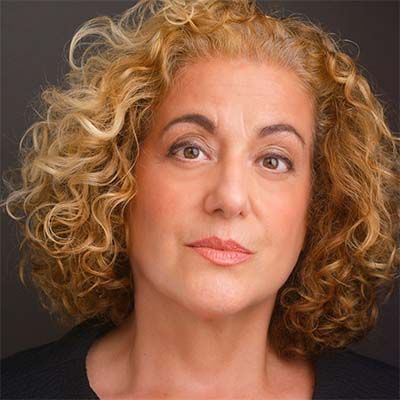
In this very first episode, Ben and Daniel talk to Broadway star Mary Testa about Joe Cocker's 1970 live album Mad Dogs & Englishmen... Read More
From the show: Cast Offs with Ben and Daniel
Guests
Featured Shows
About
In this very first episode, Ben and Daniel talk to Broadway star Mary Testa about Joe Cocker's 1970 live album Mad Dogs & Englishmen. They also discuss Leon Russell, Pink Floyd, Bonnie Bramlett, Bill Finn, Liza Minnelli, Chita Rivera, The Rink, Company, riffing Sondheim, belting, Les Misérables, character actors, foreign film, British television, and the current state of Broadway and cabaret. Mary also talks about her Tony-nominated performance in Broadway's smash hit revival of Rodgers and Hammerstein's Oklahoma!, currently running at The Circle in the Square Theatre in NYC.
Transcript
This transcript was automatically generated and might contain errors.
[0:01] Ben Rimalower: Broken records, the albums you wouldn't shut up about.
[0:06] Daniel Nolen: Broken records.
[0:07] Ben Rimalower: The music our guests can't live without like Judy.
[0:10] Daniel Nolen: Barbara, Liza, Bent, Daddy, Audra Bernadette.
[0:14] Ben Rimalower: We broadcast this podcast with hopes that someday we might get Patty LaBelle.
[0:25] Daniel Nolen: Broken wreck, broken wreck, broken wreck, broken wreck, broken wreck.
[0:41] Daniel Nolen: Hey y'all.
[0:42] Ben Rimalower: Today's guest is three-time Tony Award nominee Mary Testa.
[0:47] Daniel Nolen: Hey, we're going to talk to Mary about an album that inspired her, which is Joe Cocker's's Mad Dogs and Englishmen.
[0:52] Ben Rimalower: I wonder if that's that must be related to the Noel Coward song.
[0:56] Daniel Nolen: Which one is that?
[0:57] Ben Rimalower: No Coward song Mad Dogs and English.
[0:59] Daniel Nolen: Oh, of course, absolutely.
[1:00] Ben Rimalower: Um just a crazy coincidence.
[1:02] Daniel Nolen: Maybe they were sleeping together.
[1:03] Ben Rimalower: Joe Cocker's.
[1:04] Daniel Nolen: No wonder they called him Joe Cocker's.
[1:07] Ben Rimalower: Anyway, Mary Testa is currently starring as Aunt Eller in the Tony-winning revival of Oklahoma at Circle in the Square.
[1:13] Daniel Nolen: Speaking of Oklahoma, that rocks.
[1:16] Ben Rimalower: Besides her nomination for this role, she was also nominated for On the Town and 42nd Street, and has been a memorable presence.
[1:23] Daniel Nolen: And I mean memorable.
[1:25] Ben Rimalower: And I mean presence. In A New Brain, In Trousers, Santa, Does a Funny Thing Happened on the Way to the Forum, Guys and Dolls, and many others.
[1:33] Daniel Nolen: Going back all the way to Barnum, and of course The Rink, The Rink and her starring role in Michael John LaChiusa's Queen of the Mist, which he wrote just for her.
[1:43] Ben Rimalower: He loves her. Everyone needs to write for her.
[1:45] Daniel Nolen: He's a composer. All composers love her.
[1:47] Ben Rimalower: She is the Ethel Merman of our generation.
[1:50] Daniel Nolen: But if Ethel Merman were like a really good actress, we'd like the good act.
[1:57] Ben Rimalower: Um, they all love her. Her voice is insane.
[1:59] Daniel Nolen: They're obsessed with her, just like I was in college when I heard her in Bill Finn's In Trousers.
[2:05] Ben Rimalower: Absolutely.
[2:05] Daniel Nolen: Set those sails.
[2:08] Ben Rimalower: Lovers don't go hungry, and the appetite of young men counts for all.
[2:24] Daniel Nolen: I know you set the same man.
[2:37] Ben Rimalower: I know you set the same.
[2:48] Daniel Nolen: Well, and you know, this podcast is about the albums that our guests were obsessed with, whether in college or high school, or a child in a nursery school, grad school, prison, whatever.
[2:58] Ben Rimalower: Prison, summer camp, on their trip to Israel when they were 16 and they were known as that Evita guy.
[3:05] Daniel Nolen: The kind of things our guests tend to write in about. The albums they wouldn't shut up about.
[3:10] Ben Rimalower: Thank you. Well, you know, and it's so interesting that Mary's album is Joe Cocker's's Mad Dogs and Englishmen, because it's not a cast recording, not a Broadway album.
[3:18] Daniel Nolen: It's not even really theater adjacent, you know, and that's so interesting because Mary has such a unique talent that's not, you know, she doesn't have a heavy theater background, you know.
[3:29] Ben Rimalower: I mean she does. She does now. She's like the fabric of the history of Broadway for the last thirty-five years.
[3:36] Daniel Nolen: If that's not a background, I don't know what is.
[3:38] Ben Rimalower: No, but she is she's unlike me, who is kind of like a nerd and definitely like the number one and like through eleven albums I wouldn't shut up about are Broadway things.
[3:47] Daniel Nolen: Like, you know, Mary is one of these Broadway people. I mean, there's two kinds of people on Broadway. There's the people that came to Broadway because they were like Broadway.
[3:55] Ben Rimalower: And the people that came to Broadway because like they like were just like so talented that like even though they were too cool for Broadway, Broadway was like, please be on me.
[4:05] Daniel Nolen: And they're like, I guess I'll give you this talent. I mean like you know, I feel like was that Patti?
[4:10] Ben Rimalower: Patti was a good one.
[4:10] Daniel Nolen: No, because Patti's like in the cool.
[4:12] Ben Rimalower: Yeah, right. Patti's like, I wanted to be a rock and roll singer, but I had a Broadway voice.
[4:17] Daniel Nolen: So I knew that I knew when I was three years old that my career would be on the stage.
[4:21] Ben Rimalower: Right, or Barbara who just wanted to be an actress and did not want to sing at all. Can you imagine if Barbara hadn't sung?
[4:26] Daniel Nolen: You know, or Betty Buckley, who says that you know, she wanted to be Janis Joplin, but her mother wanted her to be Julie Andrews.
[4:32] Ben Rimalower: And I think that Betty and her mom.
[4:34] Daniel Nolen: Her mom, by the way, they well, I have to say first that they came to a nice middle ground.
[4:39] Ben Rimalower: Betty Buckley is the exact middle point between Janis Joplin and Julie Andrews.
[4:44] Daniel Nolen: And then but I'll but but but uh the important thing is that you follow Betty Buckley's mom, Betty Bob Buckley on Facebook, because she is still with us and she is the greatest.
[4:53] Ben Rimalower: Is Betty Bob one word or a hyphen or what?
[4:55] Daniel Nolen: It's two, it's she's a southerner. You should understand this.
[4:57] Ben Rimalower: Betty. Betty Bob, just like Betty Lynn, Betty Lynn Buddy, Betty Lynn Buckley, Betty Bob Buckley.
[5:03] Daniel Nolen: Betty Robert. I'm gonna change my name to Betty Ben Rimalower.
[5:09] Ben Rimalower: Broken wreck, broken wreck, broken wreck.
[5:15] Daniel Nolen: Um Wow, we are so excited to be here today on Cast Offs with three-time Tony nominee, Broadway goddess Mary Testa.
[5:23] Mary Testa: Hi, hi three-time or four-time?
[5:23] Ben Rimalower: Three, three, three.
[5:26] Mary Testa: This was three, yeah.
[5:28] Ben Rimalower: Well, the four-time fourth time is the next time.
[5:29] Mary Testa: Yeah, maybe. Who knows?
[5:32] Ben Rimalower: No, there's always something in my category.
[5:34] Mary Testa: There's always something.
[5:35] Ben Rimalower: It's like, oh, okay, this ain't happening.
[5:37] Mary Testa: Well, as a fan, selfishly, I would rather have you have a hundred Tony nominations than one award.
[5:43] Ben Rimalower: Oh yeah, that's a good one. We just want more Mary.
[5:45] Mary Testa: Oh, that's very nice. Thank you. I appreciate that.
[5:47] Ben Rimalower: Well, well, we're I'm so psyched to have you in this particular it's always exciting to talk to you.
[5:51] Mary Testa: Thank you.
[5:51] Ben Rimalower: But to have you talk to us about albums that inspired you because it's so interesting, and I'm not surprised, knowing your oeuvre as an artist that the ones that you took after were not necessarily Broadway people.
[6:08] Mary Testa: Oh no, no Broadway people actually know.
[6:10] Ben Rimalower: And one of the first names, and I remember now talking to you about Leon Russell in the past.
[6:14] Mary Testa: Yes.
[6:17] Ben Rimalower: You know, I knew some of the songs he wrote, right? And I didn't know him as a singer, and then I thought, well, I better go listen to him.
[6:23] Mary Testa: And I was like, oh my god, he's like he's like the man version of Mary Testa.
[6:27] Ben Rimalower: Oh my god, you know, he died like I think like a couple of years ago, maybe now.
[6:27] Mary Testa: He was a genius, and he played for all the greats.
[6:36] Ben Rimalower: Like Dr. John just died, like they all played together.
[6:39] Mary Testa: Yeah.
[6:40] Ben Rimalower: Um he was he was magnificent and an unbelievable writer.
[6:45] Mary Testa: Like my favorite song of his is um Superstar.
[6:56] Ben Rimalower: It's such a sad thing.
[7:17] Mary Testa: Which was recorded.
[7:19] Ben Rimalower: Yes, which was recorded by the Carpenters.
[7:22] Mary Testa: And so it became sort of famous through them.
[7:26] Ben Rimalower: Kind of a, I mean, she had a tremendous voice, but it was kind of a homogenized version of it.
[7:32] Mary Testa: It's a aching, soul-aching the lyrics.
[7:43] Ben Rimalower: No, they didn't change the lyrics.
[7:44] Mary Testa: They didn't but it's a little dirtier in they say they change it from uh sleep with you to be with you.
[7:50] Ben Rimalower: Oh yeah, exactly right.
[7:51] Mary Testa: But it's like I love this song, and I did it years. I've done it over the side.
[7:56] Ben Rimalower: Well, I do it for I used to do it for auditions, and they just stare at me like um uh yeah, I always picked the wrong material for auditions in my early years because it was all the stuff that excited me that did not excite musical theater people.
[8:09] Mary Testa: But um anyway, uh I sang it for a benefit many, many years ago, and the person who's putting the benefit together said, Can you pick another song?
[8:18] Ben Rimalower: And I said, Why?
[8:19] Mary Testa: And she said, Well, because this was a Carpenter song.
[8:22] Ben Rimalower: I said, No, no, no. This is a Leon Russell song, my dear, you know.
[8:27] Mary Testa: So and Bonnie Bramlett, I didn't know that she had co-written that song.
[8:30] Ben Rimalower: Yes.
[8:31] Mary Testa: I knew her from Roseanne.
[8:32] Ben Rimalower: Yes.
[8:33] Mary Testa: Oh no, she's made. I went back and watched videos of her, you know, but it's weird if you try to find her on YouTube, it's like little bootlegs from the back of a church somewhere.
[8:42] Ben Rimalower: No, I know.
[8:42] Mary Testa: You know, but I didn't know that she was so uh major.
[8:45] Ben Rimalower: And she wasn't she in a duet too, something in Bond or something.
[8:48] Mary Testa: Oh god, I was just reading it.
[8:49] Ben Rimalower: Yeah, but I just can't remember now.
[8:51] Mary Testa: I literally it's probably still well and Superstar.
[8:54] Ben Rimalower: I think in the Karen Carpenter biography, they talk about Richard heard Bette Midler sing it.
[8:59] Mary Testa: Uh you know she's singing a little uh Divine Bonnie Delaney and Bonnie that's right yeah and then they heard Bette Midler sing it and then he was like oh well let's let's let's do this song yes exactly and then they did it and I think Bett did not like that button was a huge hit of it.
[9:13] Ben Rimalower: Of course and she was they were huge and you know and it's a lovely version but it has no um that ache and ache in it yeah that that should be in the how do you feel about the Bet version?
[9:13] Mary Testa: I you know what I never heard the Bet.
[9:13] Ben Rimalower: You've never heard it oh my god that's crazy.
[9:13] Mary Testa: Yeah what's to say I never oh I shouldn't say that's not gonna listen you know no I never listened to Bette Midler.
[9:13] Ben Rimalower: Well listen you are you are Bette Midler in a separate lane.
[9:13] Mary Testa: Yeah I know but you know I mean you guys come from the same I suppose I mean she's iconic it's I'm not dissing her I just never listened to her but I mean if I got superstar via Bet Midler you got it via Leon Russell exactly that's exactly right that's exactly right.
[9:13] Mary Testa: So okay tell us about actually Rita Coolidge I think sang it and I didn't expect her to be on the Joe Cocker's album singers when I was a kid I used to put on Mad Dogs and Englishmen and in my bedroom my desire was to be one of those backup singers.
[10:08] Ben Rimalower: Like not the lead singer one of those backup singers because they were phenomenal you know I mean look at Lisa Fisher who's like a f the one of the famous backup singers who's genius you know like the voice like you know Lisa Fisher right yeah sure.
[10:22] Mary Testa: Yeah okay well it's funny thinking of that because uh another thing you mentioned was Pink Floyd.
[10:27] Ben Rimalower: Yeah and I remember so much when I first heard your voice, I pretty sure it was the first time it was on the In Trousers album.
[10:34] Mary Testa: Right.
[10:35] Ben Rimalower: And um, it was so Pink Floyd to me.
[10:38] Mary Testa: And the wailing that you do on that album, it reminded me of specifically like in Dark Side of the Moon.
[10:43] Ben Rimalower: Yes.
[11:13] Mary Testa: Yeah, yeah.
[11:13] Ben Rimalower: Like I that riff at the at the end.
[11:17] Mary Testa: Yeah. I actually put I did years, we're talking years and years ago. I used to get hired to do music for this particular industrial. These guys that wrote industrials.
[11:28] Ben Rimalower: Oh no, can't remember his name.
[11:30] Mary Testa: But anyway, um, I put that riff in an industrial.
[11:34] Ben Rimalower: Amazing.
[11:34] Mary Testa: And I was like, I don't even remember the song.
[11:39] Ben Rimalower: But I took that riff verbatim and put it into an industrial recording. I was so proud.
[11:43] Mary Testa: I mean now they all riff. Broadway show without riffing.
[11:48] Ben Rimalower: You were the original riffer.
[11:50] Mary Testa: No, I don't know that I was the original. But and and I I think it's because I grew up listening to Soulful Singers.
[11:57] Ben Rimalower: Um, you know, I don't know how it happened, but you know.
[12:01] Mary Testa: Was it in your was your were your parents playing a lot of music?
[12:04] Ben Rimalower: Yeah, my mother was a an amateur singer. My mother was a singer.
[12:08] Mary Testa: Um, my mother, my aunt, and a friend of theirs, they had a girl group in the 40s called The Gay Sisters.
[12:15] Ben Rimalower: And they and they auditioned. Um, there was a contest for um a big band contract in Providence, Rhode Island at the Biltmore, which was a big thing in its day in Rhode Island, and they won.
[12:28] Mary Testa: And they went home and asked my grandfather, and my grandfather was like, No, no, absolutely not. And that ended their singing career.
[12:35] Ben Rimalower: Wow.
[12:36] Mary Testa: So my mother always I always sang with my mother. My mother had a great voice, um, very different from mine, like more of a soprano-y voice.
[12:43] Ben Rimalower: But we used to sing together all the time when I was little, and she's the one that taught me how to like hear harmony and stuff.
[12:49] Mary Testa: So um that that's and did you study voice as a kid?
[12:53] Ben Rimalower: Uh, not as a kid, no. When I came to New York, I studied for six years straight with an a teacher named Michael Warren, who um was an opera tea.
[13:03] Mary Testa: All of his students were opera singers except for me.
[13:06] Ben Rimalower: And then um, and so I sort of studied opera technique um with him, and uh that's done me very well over the years, and then I just sort of sang.
[13:15] Mary Testa: Did you not have that kind of operatic support beforehand?
[13:19] Ben Rimalower: Not no, it wasn't a good one.
[13:22] Mary Testa: Yeah, it's not my it was never my interest to sing opera.
[13:25] Ben Rimalower: So I studied with him purely for technique, not for not to be an opera singer.
[13:30] Mary Testa: It's not just not in my ken.
[13:32] Ben Rimalower: And uh and so, but it's it's totally helped me over the years because as I age I realize there's certain things you have to do.
[13:40] Mary Testa: I was just saying this to this guy that I was talking to this morning. You know, I hear these young singers, and I'm like, man, you're not gonna last.
[13:49] Ben Rimalower: Yeah.
[13:50] Mary Testa: I mean, and also these people are writing these incredibly high belting things, and it's like that's fine for your twenties.
[13:57] Ben Rimalower: Yeah.
[13:58] Mary Testa: But as soon as you start crossing over into 30s and 40s, you can't sing that way anymore and want it to sustain a healthy voice.
[14:04] Ben Rimalower: I mean, look at Tony Bennett. Tony Bennett is still singing really well in his 90s.
[14:09] Mary Testa: Yeah.
[14:09] Ben Rimalower: I mean, he's not doesn't have the power that he used to have, but he's still phonating and singing really well.
[14:15] Mary Testa: You know, because he sings properly, you know.
[14:18] Ben Rimalower: It seems like it's easier for men though.
[14:20] Mary Testa: It might be, but I don't know. And look at Frank Sinatra blew his out.
[14:24] Ben Rimalower: Yeah.
[14:24] Mary Testa: You know what I mean? So, you know, it's all about learning, knowing where to place it, not pushing through, you know.
[14:32] Mary Testa: Uh, but when you sing, it's so powerful, but it's so effortless. You know, it truly is like an operatic technique because you just let it go, and you can hear it miles away, but it's still so effortless. You're not forcing it at all.
[14:45] Ben Rimalower: Yeah, well, I try. And I certainly know my limitations, and I know that if I'm tired, I don't push through.
[14:52] Mary Testa: I just find an alternate way to sing. And you know, because I just always have that wisdom. No. I mean, I used to push through when I was younger. Did you get in trouble? Did you get it? Yeah, oh sure. I've been on uh, you know, I've been on steroids many a time. I've been on, you know, I've oversung many a time. I remember when I was doing Marilyn, an American fable.
[15:10] Ben Rimalower: You were head of hopper, right?
[15:11] Mary Testa: I was head of hopper, and I remember I was a horse uh during rehearsals, and I dreamt that night, and um in my dream my voice said, "You're singing too loud." Wow. And I went, "Oh," because I was in the chorus basically, and I guess I wanted to be heard. Yeah, and so I went, "Oh, sh oh, yeah, okay." And so I just pulled it back, and then I was okay. But um, yeah, it's interesting. So, okay, but you listening to Leon Russell and Joe Cocker's and Pink Floyd, did you want to just be a rock and roll singer? How did you do that?
[15:42] Mary Testa: Yeah, I mean, I did a lot of rock stuff in Rhode Island. I sang with a band in Rhode Island and I recorded my br my brother-in-law at the time had a band, and I was the lead singer, you know, for a while, but they were just basically recording. They weren't playing live. And yeah, I did a fair amount of like rock stuff. I mean, were you also doing like school shows and stuff?
[16:03] Mary Testa: Uh you know, I didn't have a drama department unt in high school. We started one, but it was lame. But um when I went to college I majored in theater and so I was uh uh I was doing plays basically until Bill Finn came. Um I was doing Antigone and I was basically in the chorus and I think I was a uh a junior. I mean a f uh f sophomore. And um we had this one thing in Antique, I don't even remember w what it was. I I just remember JT Walsh, who has since passed away was a fabulous actor was Antigone. And um we were walking around in a circle, sort of making musical sound. But and Bill Finn came and the next year we were doing a ten show season excuse me of all new musicals uh or new uh new things, new plays, new musicals, that kind of thing. And and they said, "Who do you want to be in your musical?" And Bill came to see Antigone and said, "I want that girl with the big voice there." Yes. And that's how I did ended up starting to do musical theater.
[17:04] Mary Testa: Wow. Because I did s it was called Scrambled Eggs, the show Bills in college. And then people came to see it and just assumed that that's all I did. So when I moved to New York, um they just and we started and we did in trousers, people just assumed oh, she's a musical theater performer. Had you liked musicals? Was that something?
[17:21] Mary Testa: No, I I didn't. And did did but Bill That's why I have no um background. Right, right. Like uh, you know, like cla background of established musicals. Like I haven't seen most established musicals. I mean, you know, it's not a bad thing. I mean, I think, you know, part of the reason that we're so excited by shows like Hades Town and stuff is because they don't have that in Silar same same quality of like musical theater feeding on itself.
[17:47] Ben Rimalower: Exactly, yeah. Exactly.
[17:48] Mary Testa: Um but uh but Bill Finn stuff obviously resonated with you in a different way. Well, I mean, we just as soon as I moved to New York when I was 21, I think you know the story, and Allison Frazier had moved from Natick at the same time, and a woman named Kay Pessick also uh who Bill knew and had worked with in other places. He just called all three of us and we started singing together and we were the perfect three harmony blend. And um we just uh that's how in trousers came about. So yeah, Bill's music um affected me. And then, you know, Michael John and then, you know, other people I started getting Michael Michael John was ten years later at least.
[18:26] Ben Rimalower: Yeah, oh yeah, absolutely. But you know, I you were sweating it out in like the regular Broadway stuff for a long time.
[18:32] Mary Testa: I was doing yeah, the sort of the regular. I mean but I was doing a lot of downtown stuff too. I was doing like w weird stuff too, but yes. And was that like and people talk so much now about how the post Giuliani, the downtown isn't what it was, and you know, I mean, we see it with the economics, I guess, of off-Broadway. But I mean, do do you feel that that was a more thriving time to be working on?
[18:54] Mary Testa: I don't. I think it's I think off Broadway is totally where it's ha happening most of the time because it's daring and new and new voices and different kind of perspectives, and you know, I don't think anything is really new because you know, some pe uh some people think they're inventing something where they're really they're just re-looking at things. Um but um uh I think I think downtown is a really thriving, interesting place.
[19:22] Ben Rimalower: Yeah. I mean, look at Arsnova and you know, New York Theater Workshop and and places like I remember seeing you in in our hit parade at Joe's Pott.
[19:30] Mary Testa: Yeah, which I love doing. I love well, first of all, I love Kenny Melman and Justin and Justin Vivian Bond. I mean, I think they're just genius now. Yeah, royalty. So yeah, and so anytime he I did it twice, and you know, I just love doing it. I wish they'd bring that back. I think that's really cool.
[19:43] Ben Rimalower: But totally. Um that's a good idea. Somebody else had it in the future.
[19:49] Mary Testa: Oh, is that right? Okay, like that's brilliant. Yeah, yeah. And no, totally. I mean, I uh I just love that kind of work is very exciting to me because it's daring and it's doesn't fit in a box, you know what I mean? And so that's you know, so I think uh downtown is thriving. Maybe economically maybe not, but art wise, yeah, I think it's totally thriving.
[20:10] Ben Rimalower: Yeah. And then what about um something like um Oklahoma that I mean you started off in Brooklyn and and did you did it?
[20:18] Mary Testa: No, we uh we started off at New York Theater Workshops, matter of fact, working around a table.
[20:22] Ben Rimalower: Oh okay. Tell us that, Evelyn.
[20:23] Mary Testa: Uh that was like I think it was a week or two weeks. I got a call from Daniel asking me to be on A. Had you worked with Daniel Fish before.
[20:30] Mary Testa: I had done a reading of a Polly Penn musical and t uh it was uh combo, it was just the beginnings of a musical about the three stooges and um cultum. I don't think she's worked on it since. But we did like a reading of it, like a just a week, I think it was a week, uh just exploring, you know, and some songs that she had written. And I love Polly. I mean, I think her music is so great. And uh um and so I would work with Daniel then, but I didn't remember. And so when he called and said, you know, we've worked together before, and I was like, "We did when I don't remember anything." That's the problem. And I I like I'm so bad. Um, but he reminded me, and so uh I just remember if he was associated with Polly, then it was somebody I'd w I'd love to work with.
So I said yes, and we started at we did like a table read. We're just looking at the script because he knew that he wanted to uh do, you know, basically what he what it ultimately became. So he knew he had to cut it down, cut down character-wise. So he knew he had to sort of take some lines out and combine some of the skid words and so uh that was what so no singing.
[21:36] Mary Testa: No, we didn't. Well, I think they did can't say no. Uh Carmen, I don't know how to say her name. Xilas, Carmen Zilas. I don't know. She's a da I probably saying her name wrong, but she was the first Ada Ann. Yeah. Uh Jimmy Davis has always been Will Parker. Yeah. And so we did that, and then we went to Bard for some. And was that I w were you as the actors around the table able to s envision what he had in mind?
[22:03] Mary Testa: Not really. It was just basically uh uh just a make sense of the script, which I love. Yeah, and uh uh it wasn't about the numbers or the production numbers, it was about making sense of the script, and that's kind of been the thrust of that piece the whole time. And then we went to Bard for seven weeks, and w uh it was a hugely uh critically acclaimed sold-out run, and then it took four years almost from Bard to St. Anne's.
[22:30] Mary Testa: Wow. And then St. Anne's, which was a dream come true for me, is I was always wanted to work at St. Anne's because I think that is just a tremendous space. And uh and tremendous people, like everybody at St. Anne's is great. Um and so then St. Anne's same thing, sold out, critically acclaimed, and then we closed like in November of last year, and then and you guys already knew at St. Anne's that it was gonna go to Broadway.
[22:54] Mary Testa: No, no, no, but it would but they were but that was being cleared. There were rumblings, but you know, you don't believe anything until you get a contract, you know. Yeah. So um, so yeah, that was it. But so the Daniel's vision sort of got clearer and clearer and clearer each step of the way, and um, you know, he's it's this kind of work is the kind of work I really want to do because it's much more based in a reality uh truth of finding the moments and stuff like that.
[23:21] Ben Rimalower: So yeah, it's I mean it is exciting to see not just new musicals that that are centered on that, but people like Daniel who you wouldn't think are Rogers and Hammerstein.
[23:31] Mary Testa: That's exactly and I just feel too like if you're gonna do one of these old music and now the thing about Oklahoma is it's still relevant. That's the that's the question. I didn't realize how to do it. Because they don't uh a lot of the times, and I've never seen a production of Oklahoma, so here we go.
[23:47] Mary Testa: Oh wow. But a lot of the times they just kind of gloss over the strip script and then get to the big production number with like 20 girls dancing with hampers. So, you know, that's not the thrust of this particular one. So you really get to hear the script and and see the themes that are running and see the darkness in it.
[24:03] Ben Rimalower: Yeah, I mean it's a I I don't know how I'll ever see. I mean, people say that kind of thing about you know, you really see the script and all that, and and it's true, and about the characters and the relationships, and you know, but I don't know how I'll ever see Oklahoma and not feel like it's this like indictment of like you know, American corruption.
[24:21] Mary Testa: Exactly, and that's so great. I love that. I love when people say that. Well, and it's so great too because there's so much of that going on now, uh, usually in a more overt and sometimes like cloying way. Yeah, and and it's very finger pointy, you know, whereas Oklahoma, I felt as implicated as anyone else. I mean, you know, it's it's about what we love about America, having that ugly underbelly, exactly. Some other bad guy, the Republicans or whatever.
[24:47] Ben Rimalower: Yes, exactly. We're all the blame. And I mean, that was just so striking. I mean, and I I can't, it's so weird to think. I mean, I kind of want to go watch the movie now and see how that just you know. And I I grew up in Oklahoma, so I did. I would see Oklahoma basically every summer at Discovery Land in Tulsa, Oklahoma, they would do just all summer, you know, a run of Oklahoma back to back, and sometimes Seven Brides for Seven Brothers.
[25:09] Mary Testa: Yes, I'm not sure. But um You know, there was always that I always as a kid sensed that darkness with like the Judd storyline and but it you know at the very end it was very celebratory.
[25:20] Ben Rimalower: Yeah, yeah.
[25:20] Mary Testa: Exactly. And it was very celebratory at the end with the Oklahoma, you know, the title song and all that, which is also our state song. Of course. I know that. Yeah, it's crazy. A conservative state actually, you know, we're the only uh state with a show tune for a state song. Anyway, but you know, in this production, it really does lean into that darkness, and then like you're saying, now I I won't be able to see it without that in my mind.
[25:43] Ben Rimalower: Well, I I didn't see the um carousel, I think. The one with Audra.
[25:48] Mary Testa: Uh oh, just the recent one.
[25:51] Ben Rimalower: Last year recently, I didn't see it, but I just feel like if you're gonna do these shows that have been done a million, you've got to look at them with fresh eyes.
[25:59] Mary Testa: Yeah, and there has to be a reason for doing it now. But I mean, you know, I think there's a difference between thinking you're having fresh eyes and being someone like Daniel that really with no preconceived notions, there's just you know, and and the fact that it was around a table and then it was that bar. I mean, you know, it there's such an integrity there toward of intention that exactly. You know, you can say, here's ten million dollars, go do carousel, have fresh eyes. Yes, okay, great. I have fresh eyes. It takes time to have fresh eyes, I guess. It takes time to find some eyes don't get that fresh.
[26:33] Ben Rimalower: Yes, exactly, exactly. That's exactly right.
[26:35] Mary Testa: Yeah. So I mean, h at any point, I mean, you know, now there are these cool things going on and and you're a part of them, you know, in theater. But were there any times where you where you wanted to go back and and and just do other things, rock and roll? Thought you'd maybe do your music.
[26:49] Mary Testa: Yeah, I thought I was gonna do my music separately, but then but but when I once I started, you know, just being in the business and trying to make money to pay bills and stuff like that, then I kind of uh it kind of sort of fell by the wayside. But um that's where I started working with Michael Starabin, you know, we met during in trousers and we uh are very um really good together collaboratively. And so that's when we started putting sort of shows together that were sort of left of center cabarets. And um our first show was in 1981, it was called No Shame. Ended up doing that rather than pursuing like rock or stuff like that. I ended up sort of working with Michael.
[27:32] Ben Rimalower: And did did you feel like uh I mean that's you know, were you were did you feel like you were creating an evening? Uh did you look at it at a rock concert kind of?
[27:40] Mary Testa: No, I didn't look at it at the rock concert thing at all, actually. It was more sort of cabaret but cabaret the way we like to do it. And uh I think we got reviewed in like one variety, and they were like, "This is great, but she really needs to, you know, because I was just me. I wasn't trying to be like glamorous or anything like that. I think I made my own shirt and stuff like that. And they were like, if she would get a little more polished, this would be, you know, really fabulous kind of thing, you know.
[28:12] Mary Testa: Um, but yeah. I I go my own way, you know what I mean? I mean uh what were there those kinds of shows that that you liked that were there any of like cabaret shows that spoke to you?
[28:27] Mary Testa: I know there were like certainly There was lots of didn't speak to me. A lot that didn't speak 'cause I I went around and saw some stuff just to see what people were doing. And uh it just you know the those kind of cabarets are people are like, I sang this in the recital. Yes, I I you know, I sang this in the thank you. I sang this in whatever show they were in. It's just like I yeah, I I it's not, you know, it's not my thing. So I I mean I'm not I'm I'm sort of dissing people like that, but I'm you know, to each his own, whoever you would the would the way you want to express yourself is your own business, but it's not for me. That's not for me.
[29:05] Mary Testa: So yeah. I I did a show in Houston um I don't know, maybe five years ago. Um and uh Tys Green, you know, Tys he put the show together, he was lovely and d paid me well and uh uh booked a beautiful hotel for me all that whole nine nine yards and he it was all stuff I've done um in shows and it's nothing I would ever do here. Yeah. But it was kind of fun to do it in Houston because you know, oh yeah, I sang this and I sang that and I did this and I did that, you know.
[29:35] Mary Testa: So anyway, um well I mean, are you somebody that like when you go back to sing a song you sang ten years ago or whatever, you know, do you remember it? Do you have is it emotional or is it just it depends on the song, but yeah, yeah, sure. I mean, there's stuff I've had to sing in shows, you know, that um if I revisit it's like, oh yeah, I remember this like uh the uh in the from The Rink, um all the children in a row or or uh colored lights really and I sang colored lights in Houston. And that's uh like a great song.
[30:06] Ben Rimalower: Can we talk about all the children in a row?
[30:09] Mary Testa: Oh my god, I loved all the children in a row. Do you remember that?
[30:12] Ben Rimalower: Yeah, I mean, I love that album so much. I think it's such a good musical.
[30:16] Mary Testa: Yeah. Uh I don't remember why it didn't la well, actually there's there's a few reasons maybe why it didn't last long. But um uh yeah, I thought it was such just a really fascinating piece.
[30:30] Ben Rimalower: Yeah. I I wonder, um I I I guess I one point I heard John Doyle wanted to do it. But I mean that was like ten years ago already. I think that's I know they keep talking about doing something, but they have to find the right two women.
[30:43] Mary Testa: That's interesting. So I mean, you know, uh I mean I've heard a lot of you know stuff. I know Liza went into rehab and I've...
[30:46] Ben Rimalower: She did.
[30:49] Mary Testa: That's and I that's when I went on. So you covered the gap between when Stalker Channing came in and Liza.
[30:54] Mary Testa: I was um not the original stand by Lenora Nemitz was.
[30:58] Ben Rimalower: Oh yes.
[30:58] Mary Testa: And then I think I was hired like in May. Uh Lenora left and I was hired in May. And then in July, Liza committed herself to the Betty Ford Center and I finished her last two weeks of her contract and then Stalker Channing started and then the show only lasted two weeks.
[31:13] Mary Testa: Oh, she was the end of her contract anyway. Her contract was over whatever c my first two shows was a Wednesday and it was the Fourth of July. And so it was two weeks from Fourth of July, whenever that was, that was the end of Liza's contract. And then Stocker.
[31:31] Ben Rimalower: I mean, that's so interesting because I think the show kind of has a bad rep as if there were such artistic problems that it just doesn't work.
[31:40] Mary Testa: I don't think that's true. And maybe it really was just without Liza that they had built their big production on selling. They couldn't I don't think Stalker Channing was the right choice.
[31:49] Ben Rimalower: Sure. This is in retrospect. Um you really need somebody who can sing the shit out of that role.
[31:54] Mary Testa: And that wasn't the case. I mean, I guess she was doing a lot of musical theater in that little couple year window with the playing our song and yeah. Um, but uh, you know, and everybody loves her in Greece, but I guess a movie studio is a little different.
[32:08] Ben Rimalower: Yeah, it's a different thing.
[32:09] Mary Testa: Well, and that's a hard thing, too. That's a really hard thing. That's a really dramatic, huge moment with a very high belt at the end. Um yeah, um, I just I I don't know why it ended, but I think if they had found somebody who was a more exciting singer as well as actor, and maybe it's funny hearing that uh that you you like the show just because so often when you talk to performers who've been in shows that were unsuccessful, if anything, they're more uh jaded critical about it.
[32:42] Ben Rimalower: Yeah, yeah, no, I um I think it's an interesting script, and it's a mother-daughter relationship, which is not always the case, and it's a fraught mother-daughter relationship with two difficult women. I don't mean the actress, I mean the characters, and there's a rape in it, and there's you know, it's like there's I think it's an interesting it's Terrence McNally. I think it's an interesting piece, you know.
[33:07] Mary Testa: I do, and uh and beautiful music. And I mean I assume working with Chita is everything.
[33:12] Mary Testa: Oh, well, she was she was exacting, yeah, but um great. I mean, she's just spectacular. I rem I have great stories, but I remember one night Chita is very choreographed how she does everything. She basically it's always fresh, but she does it the same.
[33:32] Ben Rimalower: Yeah.
[33:33] Mary Testa: And one night when I was on, I said something to her and she reacted back to me in a completely different way. And I came off stage and said to her, I got you. And she goes, Yeah, and it didn't work. But she was great. She was spectacular in the role and won the Tony for it and she showed up. So yeah.
[33:53] Ben Rimalower: Well, that's so interesting about The Rink. I mean, I mean, obviously you don't I don't hear you saying that about Marilyn.
[33:58] Mary Testa: So, you know Marilyn, let me tell you something. I had a conversation with somebody the other on the other night. Marilyn was such a mess.
[34:04] Ben Rimalower: Yeah.
[34:04] Mary Testa: Because there were six thousand producers, although did you see all the producers get up at Tades Town? I mean I was like, shall we all go? There were like three thousand people who got up on stage for the Tonies, but you know, and that's the case.
[34:16] Ben Rimalower: Well, it's like now that's how that's the case.
[34:19] Mary Testa: Yeah, exactly. But um uh uh what was I saying? Oh, um Marilyn uh had half the people were from LA and half the people were from New York. There was no director. They fired Kenny Ortega right away. Kenny Ortega was the director.
[34:36] Ben Rimalower: Wow.
[34:36] Mary Testa: They fired him right away, and then there was a succession of people who came in, so there was nobody that's just rehearsals. Yeah, and and previews.
[34:45] Ben Rimalower: Wow.
[34:45] Mary Testa: There was no one to steer the ship. And Wally Harper was the last director.
[34:50] Ben Rimalower: Wally Harper the conductor.
[34:52] Mary Testa: The musical director, yeah.
[34:53] Ben Rimalower: Wow.
[34:53] Mary Testa: Raleigh's musical director. Barbara Cook's musical director. So they had nobody.
[34:58] Ben Rimalower: Wow.
[34:58] Mary Testa: But um there was a show in there. They just needed some dramaturg, smart writer who goes, put this here, put that there, put that there. Because there was some really good stuff in there.
[35:12] Ben Rimalower: This this is the one that was Marilyn and American Fable.
[35:14] Mary Testa: Yes.
[35:15] Ben Rimalower: Because there was like a British around the same time, Mary.
[35:18] Mary Testa: Yeah, no, this was Ma in 1983.
[35:21] Ben Rimalower: Yeah.
[35:21] Mary Testa: Um, yeah. And that's how I know time. Otherwise I don't know any time from any but you're good with years.
[35:27] Ben Rimalower: I'm good with Broadway show years.
[35:30] Mary Testa: That's it. That's still gay, Mary.
[35:32] Ben Rimalower: I know.
[35:32] Mary Testa: Oh, that's funny. I know that's it. I'm like, oh no, it's the 88 Tony. If you ask me about yeah, Tony's, I don't know. If you ask me about off Broadway stuff, I'm like, I think it was ninety something. I'm not sure.
[35:45] Ben Rimalower: Yes, but Broadway years I know.
[35:48] Mary Testa: Yeah. It's the only thing I know.
[35:51] Ben Rimalower: Okay, so then what I'm curious, I what was like because then it was a few years before you were on Broadway again after The Rink.
[35:57] Mary Testa: I was blacklisted by um uh Johnson Liff for uh twelve years um because I had done a production I have good stories. I had done a production of Company uh Playwrights Horizons in like nineteen eight seventy.
[36:12] Ben Rimalower: Yeah, Playwrights Horizons.
[36:13] Mary Testa: Playwrights Horizons used to have a theater out in Queens with the old um World Fair site in Queens. They used to have a theater there. They used to use that theater and and the theater on 42nd Street. And so there was a production of Company and Michael Sarabin was the musical director, and I was um Marta, and Christine Baranski was April.
[36:37] Ben Rimalower: Oh wow.
[36:37] Mary Testa: Uh uh Peter Evans was Bobby Peter was a fabulous actor who was lost to AIDS uh uh w quite a while back. But Walter Bobby was in it.
[36:48] Ben Rimalower: Wow.
[36:49] Mary Testa: It was uh it was like sort of this cast that was spectacular. And Andre Arnott, who was a Danish directory. Yeah there was Holly Panelot.
[36:57] Ben Rimalower: Yes.
[36:58] Mary Testa: And directed the original Lady Day and Emerson's Barrington. It's exactly right. And Andre directed it. And I because I have no background in musical theater, I wasn't I didn't worship at the Sondheim altar. So you know and so I said to Michael in rehearsals um this this song Another Hundred People is so boring. And so I riffed on all the held notes.
[37:21] Ben Rimalower: I like that um.
[37:21] Mary Testa: And so the audience...
[37:21] Ben Rimalower: Wait so like another hundred people just got off of the train?
[37:21] Mary Testa: Oh yeah I riffed on all the held notes. And um and so people either really loved it or really hated it. And at one point a woman named Dorothy Mafey was like sort of the person who was running uh Playwrights Horizons uh like sort of the general manager kind of person. She came to my dressing room and said Mary, we really fear for your career because we're getting a lot of complaints and I being the you know I don't care what anybody thinks went to Andre and said do we have uh should I and he's darling I love it. Don't change a thing and Sondheim was there and I walked up to him and said you got a problem with me? And he said Yeah you're singing two intervals wrong. And that was it. That was it.
So I don't think Sondheim has liked me since but that's fine too. But um but not the riffing but he didn't mind the riffing he didn't say a word about it. But anyway uh Andy Zerman who was has since passed away, I think he passed away this year was a big agent and they Johnson Liff was doing all the musicals. All the Broadway music, all the Brit musicals. That was what was happening in um the 80s.
[38:38] Ben Rimalower: Yeah.
[38:38] Mary Testa: And um, and he called my agent and said, Who does she think she is? We will never see her for a single musical. And they didn't. So for 12 years, I wasn't seen for anything. It was perfectly fine with me. I you know, I did a lot of work. I did a lot of concert work. I did a lot of off Broadway work. I was fine.
[38:58] Ben Rimalower: How did you how did you um like support yourself doing off Broadway stuff?
[39:04] Mary Testa: I did. I just did. I did a lot of concert work um with the orchestras, and um I didn't have a problem really, you know, there's unemployment and there's you know, and it was the eighties, so um, and then and then I got Forum in '96.
[39:18] Ben Rimalower: Wow.
[39:19] Mary Testa: So I went from so it was 12 years. It was the time I was blacklisted.
[39:23] Ben Rimalower: Oh my god.
[39:23] Mary Testa: And then they called my agent one day and said, I think we made a mistake about her. We really need her. We take it back. You know, that I couldn't get those 12 years back, but I didn't really care actually, because I was, you know, I was, you know, when a door closes, and I tell this to young students too, if a door closes in front of you, just climb in the window. You know what I mean? Then that's what I did. I just found a different path.
[39:43] Ben Rimalower: So were there shows that happened in those years where you were like, I should have been doing that?
[39:46] Mary Testa: Uh you know, I don't have that. Yeah. I don't have that gene. I don't look at something and go, why didn't I get that? I always think a job is yours because it's yours. And so if if it's not meant to be, it's not meant to be. I never saw Les Mis until much later, and then I was like, wait a minute, are these guys gay? Jiffar and and Javere. Because I was like, I saw the last revival, and I was like, why are they so obsessed with each other?
[40:15] Ben Rimalower: Oh my god, that would be an amazing.
[40:17] Mary Testa: That's very funny. And as somebody I was sitting next to was like, oh, oh like you. This is like many Miz. Like, well, I don't understand why they're so obsessed. I don't understand this musical.
[40:27] Ben Rimalower: That's what we made as a is a homoerotic language.
[40:30] Mary Testa: Well, I mean that Valjean was so hot. I could see where...
[40:32] Ben Rimalower: Mary God was he.
[40:34] Mary Testa: Yeah. But they were really they're circling around each other the whole time and it's like Yeah, get a room, get a room. Yeah. Anyway. So no, I didn't think, oh, I missed out. I just did other things.
[40:46] Ben Rimalower: Well, I think there's something really powerful in that. Like the you know, throughout, you know, the whole time we've been talking that there's this theme of, you know, you're like what? But I didn't care. And I think that's so powerful. It's like you have nothing to lose if you don't care, you know. It's you just do your thing.
[40:57] Mary Testa: Somebody asked me, you know, what oh, it was during one of the Tony interviews, you know, like what is the competition or something. I I I don't look at this as a competition. I just don't. When I go to an audition, I usually see all my friends, and one of us is gonna get the job. And then it's if it you don't get it, it's not your job. You know, it's it's just it's too stressful. Yeah, a business to put that on top of it as well. So whatever I missed out in those twelve years or whatever happened and that I wasn't a part of, that's okay. I wasn't meant to be a part of it.
[41:29] Ben Rimalower: Or what about taking it out of the context of like should have been? Are there any things that you see where you go, oh, I would really like to do that?
[41:36] Mary Testa: There's a ton of things where I could do and kill.
[41:39] Ben Rimalower: Yeah, but like what?
[41:41] Mary Testa: Like what's on the...
[41:41] Mary Testa: Well, no, I mean uh there's just stuff that you know I can say, oh, I could I could totally do that, or you know, I could I could totally kill on that. Or you know, I mean I remember when Kiss Me, Kate with Brian Stokes Mitchell and...
[41:56] Ben Rimalower: Maze.
[41:56] Mary Testa: I would love to see Mary Testa do that part.
[41:58] Ben Rimalower: Well I'd love to do that part, but they'd never let me do that part because I'm a character actor and they don't hire character actors to be leads.
[42:04] Mary Testa: But that's the problem with productions of that show.
[42:07] Ben Rimalower: That's what I think.
[42:08] Mary Testa: To me, that is a character actor.
[42:10] Ben Rimalower: That's what I think, but that's just not the way they cast. They would never in a million years I've been screaming about that for years. I'm actually on a in a film. Remember Rick um McKay?
[42:21] Ben Rimalower: Yes.
[42:22] Mary Testa: I'm in the first film he did talking about.
[42:25] Ben Rimalower: Yes, talking about how things are cast.
[42:27] Mary Testa: Um I really just it's really to me, it's really I mean, I understand type casting though. I just think Kiss Me, Kate is not funny when it's like a sort of bland, you know, no disrespect um to Marin Maisie.
[42:40] Ben Rimalower: Yeah, yeah.
[42:41] Mary Testa: I said no disrespect to Marin Maisie. You know, when it's a bland person, but it it the show could actually be really funny and and dramatic. You know, right?
[42:50] Ben Rimalower: Yeah.
[42:50] Mary Testa: Not to mention do you hear a voice like yours sing those things?
[42:53] Ben Rimalower: Yeah, no, I know, I know. I've done high I've done I Hate Men with the Minnesota Orchestra, um several times. Yeah, yeah, yeah. No, I know. I mean, I feel that way, and there's a ton of women who could be brilliant and you know, uh but even so in love. I mean, that's not a little ingenue ballad. That could have so much like balls to it.
[43:12] Mary Testa: Oh, yeah. And also, you know, uh older woman in these roles makes sense to me as well. Because I've always wanted to do Kiss um Taming of the Shrew, not Kiss Me, Kate the Taming of the Shrew.
[43:25] Ben Rimalower: Well, you're classy like that.
[43:26] Mary Testa: Yeah, because that and and even even though I'm probably too old now, I just think I could pull it off because she should be old. She should be older, you know. Like you should go, yeah, nobody wants to marry her because she's a pain in the ass, you know, until there's the one person that they find common language together. You know what I mean?
[43:47] Ben Rimalower: Yeah.
[43:48] Mary Testa: So um that's something I've always wanted to do, but you know, they just don't cast like this. They just don't.
[43:53] Ben Rimalower: Well, or or in Kiss Me, Kate, they're not even those characters. They're these great um, you know, what are they supposed to be like? The Lunts or something?
[44:00] Mary Testa: Yeah, exactly. So I mean they they're always gonna they're not the right age to play Kate anyway. That's the joke, right? But they're always gonna go with a leading lady type to play in those roles, and it's to me it's so boring. It's so it's yeah. I mean, no disrespect to anybody who's playing it, but um, you know, I just anyway. I don't know though, maybe not. I mean, maybe something like the success of Oklahoma is that directors who are thinking really outside the box, like Daniel Fish, that can be more encouraged, or producers will have more um confidence in that.
[44:34] Mary Testa: Maybe, maybe, who knows? Probably not. I mean, I don't know. I mean, you know, Eva Price is a good friend of mine, and we came up together for, you know, twenty years. And she's somebody who now has become kind of this big Broadway player, but she's always been a fan of off-Broadway things. I mean, on Broadway things, but it's not surprising to me that this thing that she would win a Tony for would be something that's actually avant-garde and challenging to the norms, you know. Yeah, she saw it at St. Anne's and, or no, she saw it at Bard and fell in love with it and really wanted to do it. So, you know, great. And it's non-traditional casting in a way. And so, yeah, there should be way more of it.
And so that's interesting. I assumed that Allie was always involved from the beginning. Allie came into it at Bard. There was a woman named Alison Strong who played the role who was a tremendous singer and musician. And I guess they decided against, you know, that they were gonna get somebody new. So, yeah, and it wasn't about her apparently being in a wheelchair, it was just she was the best person to audition for the role. Well, and seeing her sing, you know, anyone that might go into that theater thinking, you know, this is like, you know, great that they're giving her this opportunity, as soon as you see her do it, you go like, okay, exactly. And her understudy, Sasha, is, you know, able-bodied and went on for Allie and does a great job and is able-bodied.
So then it's just, you know, somebody walking around where there's somebody wheeling around, you know what I mean? It's tremendous that Allie is opening doors like this for so many disabled people who can see themselves on stage and now dream bigger, you know what I mean? So it's great.
[46:22] Daniel Nolen: Totally, it's great. So, I mean, it's interesting that where the cracks in the wall of, you know, the preconceived notions of what these characters have to look like. I know that's why I like foreign film, and this is something I've said many times before, because you can look at the lead in a foreign film and go, yeah, that's a relatable character. That's a human. I hate American films because it's all the same, all the same. Yeah, it's the same casts, it's the same perfect-looking people, and I find that incredibly boring. Yeah, and so I hence don't really go and see many movies because to me it's just like, okay, I just can't, you know. I like to see real people. And I remember saying to my agents many years ago because I had to audition for her.
They flew me to California for one of the soap operas, and I can't remember which one it was, you know, it's now defunct, but it was a funny role, and they flew me, and there were like six of us, and we all did screen tests, and the feedback was, we want to find somebody funny like Mary Testa, but soap pretty. And I said, good luck. Good luck, you know. So, and I remember saying to my agent, why don't they do a soap with real-looking people?
[47:39] Mary Testa: Yeah.
[47:39] Daniel Nolen: Why don't they do, and he's like, no one would care because they want to see that fantasy of, you know.
[47:51] Mary Testa: So weird because, you know, I watch a lot of British TV, and in those shows as well, they use very human-looking people. Like Olivia Coleman is in all those, and she's exactly very human, and you know, her face tells so much story because it's an actual face.
[48:04] Daniel Nolen: That's exactly right.
[48:05] Mary Testa: And I feel the same way. I watch a lot of British television too. And, you know, it's relatable, it's interesting, and it's the human condition, kind of.
[48:15] Daniel Nolen: Yeah.
[48:15] Mary Testa: I don't want to see somebody with those big fake teeth and the perfect skin. I just don't care.
[48:20] Daniel Nolen: Don't care.
[48:21] Mary Testa: Yeah.
[48:21] Daniel Nolen: Well, even our reality shows, people look not real.
[48:24] Mary Testa: No, I know.
[48:25] Daniel Nolen: It's society's a mess. I mean, how does that trans, how does that come up for you in work?
[48:33] Mary Testa: I, you know, I just always try and do interesting work, and I've been very fortunate to have really interesting projects come my way, and it doesn't really change much for me. I mean, except for being, you know, completely stressed by everything that's going on in our country.
[48:33] Daniel Nolen: Yeah.
[48:33] Mary Testa: But it doesn't really change much for me as an artist. I just will always try and do the best work I can do with the interesting. But, I mean, now you're doing something that every single night is this catharsis. Well, I don't know how it feels for you, but I mean, you see the audience having this catharsis that it's just such a connected experience, and you know, it's everything we go to the theater for, especially in a political time like this.
[49:14] Mary Testa: Yes, exactly. But I mean, going back, thinking about, you know, I guess it was, I think it was after the Bush v. Gore, it was when you were in Forty Second Street, right? I mean, was that, you know, how was it to go, I mean, I love Forty Second Street, but how is it to go to a show like that, a production like that?
[49:30] Mary Testa: You know, that was one of the most miserable experiences I had in the theater. Really, the process of it. But ultimately it was a great group of people, you know, it's never a problem with the actors and a great group of people and a really big, you know, fabulous show that was very pleasing to people, and it was and ran for a long time, didn't it?
[49:50] Daniel Nolen: It was like three years.
[49:51] Mary Testa: I was there for two years, and then they fired me and Jonathan Freeman to get somebody cheaper. Yes, and also the director who has since passed away hated us. But it was kind of miserable. But, you know, that was a different thing. That was like about this deep, and I was grateful for it, and it paid bills, and that's, you know, it's art versus commerce, so sometimes it's not all art.
[50:14] Daniel Nolen: So is that the longest run you've done?
[50:17] Mary Testa: No, two years is, I did two years in Forum as well. I had a little break doing Marie Christine, but a workshop of Marie Christine, but two years. It seems like two years has been what, well see, Sondheim must have liked you.
[50:29] Daniel Nolen: You were very well, you know, right?
[50:33] Mary Testa: I, you know, I really don't know. I mean, you know, that production was very approved, and I guess, yeah. I guess, yeah. I don't really know, but yeah, that was a fun production to do.
[50:46] Daniel Nolen: Yeah.
[50:46] Mary Testa: And I remember standing, you know, I was doing Wicked and standing backstage going, like, wow, this is like to be part of this is kind of a tremendous thing as well. You know, it's such a big McGillah.
[50:58] Daniel Nolen: Yeah.
[50:59] Mary Testa: So that's all it's satisfying. Artistically, sometimes you have to put the artistic train on a separate track, you know what I mean? And everything, there's the commerce train, which you have to get on board. And then you have to find that sort of, you have to find your way into things. You know, you have to find the depth in Wicked or in Forty Second Street, you've got to find that sort of energy, you know.
[51:28] Daniel Nolen: Well, and I would imagine even in the most artistic, you know, deep endeavors, at a certain point, if you're doing eight shows a week, you could wind up feeling empty and burnt out in that.
[51:39] Mary Testa: Well, you're always exhausted, but in a case like Oklahoma, you can't, there's no phoning anything in. Like there are times where I've seen shows where you can tell people are phoning it in. And I try not to do that actually, because people pay a lot of money. So I try and always be fresh, and when I'm feeling sort of stale, then I say to myself, let's do every line differently tonight. Let's find a different way to say it because it's your obligation, that's your job. You're an actor, and these people pay a lot of money. But with Oklahoma, everything has got to be spontaneous every night, and you have to be in it 100% or 150% every night, or it doesn't work.
[52:17] Daniel Nolen: Yeah, and so it's thrilling actually to do that, to hear things like for the first time that I've heard a million times, to find a new way to say something, or, you know, it's thrilling.
[52:30] Daniel Nolen: Well, I have to come back because I know I was watching and I was thinking this production is so exciting and original, and everything Mary's doing, of course, is completely a part of that, but also every line reading of yours, I was like, this could be in any production of Oklahoma and still be the best possible choice.
[52:48] Mary Testa: And Eller has never been better.
[52:50] Daniel Nolen: Well, I've heard people say, you know, some guy said to me, I knew Mary Wicks, and you're better than Mary Wicks for the most part.
[52:56] Mary Testa: I've got there, and I was like, I know she's better than Mary Wicks was.
[53:00] Daniel Nolen: I know, I'm sure Mary Wicks was great.
[53:03] Mary Testa: I know Margaret Hamilton did it.
[53:05] Daniel Nolen: I know.
[53:05] Mary Testa: I think her grandson was at the show.
[53:07] Daniel Nolen: Oh, yeah.
[53:08] Mary Testa: And said, oh yeah, I'm Margaret Hamilton's grandson.
[53:11] Daniel Nolen: And is he single? Is he gay? Is he green?
[53:12] Mary Testa: I think he was married.
[53:15] Daniel Nolen: I can't remember.
[53:16] Mary Testa: I love to date Margaret Hamilton's grandson.
[53:17] Daniel Nolen: Well, I know that would be cash, eh, baby.
[53:20] Mary Testa: Baby.
[53:22] Daniel Nolen: But I, you know, I told so many people in like the opening scene, you're there cracking eggs and making mixing Jiffy cornbread, and I said, I could watch that for two hours. You know, literally, it's like really.
[53:33] Mary Testa: Yeah, you know, I've been doing it for so long that it's like natural to me now, so I'm sure I feel bad for my understudy.
[53:39] Daniel Nolen: Right?
[53:39] Mary Testa: I mean, yeah, when she goes on, you know, it's like it's really a lot to dig.
[53:44] Daniel Nolen: I know, yeah.
[53:44] Mary Testa: I know.
[53:45] Daniel Nolen: I mean, what is that like, me? Just so close to the audience, like almost no personality.
[53:50] Mary Testa: It's great and awful.
[53:52] Daniel Nolen: Yeah, because people don't know how to behave in the theater anymore, and it drives me insane. Last night, a woman had her in the smokehouse, put her phone on, apparently. And the usher came down and said, you gotta turn that off, and she was surly, and as soon as the usher went away, she turned it right back on. It's like, why are you at the theater? Go home.
[54:08] Daniel Nolen: Go home.
[54:09] Mary Testa: And people love to eat and talk.
[54:13] Daniel Nolen: It's not everybody.
[54:14] Mary Testa: So that kind of stuff, and I've been saying this through a lot of interviews as well, that kind of stuff is hateful and is very distracting. But when the audience is really into it, it's wonderful, you know.
[54:26] Daniel Nolen: But I mean, even aside from the people that behave badly, I mean, even just for the people that are really there having the experience, you're very close to them for so much of the time.
[54:38] Mary Testa: When they're in it, it's great.
[54:39] Daniel Nolen: Yeah.
[54:50] Mary Testa: Um, and it's the philosophy, part of the philosophy, his philosophy of this show. So it is, it presents a different challenge, but when it's silent and there's no phones going off, which there's always phones going off, and it's like all over the theater. I mean, it's just, there's nothing, it's magic, it's really magic when it's great, you know, when it's silent and you can hear a pin drop in that last scene.
[55:18] Daniel Nolen: It's great.
[55:18] Mary Testa: Well, I saw it at St. Anne's, I haven't seen it on Broadway.
[55:21] Daniel Nolen: Oh, I didn't know that.
[55:22] Mary Testa: But it really is, especially those moments where it gets real bright and then gets real dark. It's almost like being in like a ride, you know, like you truly feel like what's gonna happen. Like, is it gonna be like a 4D experience? Like, it truly feels like every sense is heightened.
[55:38] Mary Testa: I know.
[55:38] Daniel Nolen: I'm really mad that Scott didn't get a Tony nomination for his lighting because I think his lighting's pretty brilliant.
[55:43] Mary Testa: Yeah, totally.
[55:44] Daniel Nolen: It makes you really feel everything.
[55:45] Mary Testa: Yeah, yeah, yeah, yeah.
[55:46] Daniel Nolen: I've never had an experience like that.
[55:48] Mary Testa: I know, I know. It's really tremendous.
[55:51] Daniel Nolen: I know.
[55:51] Mary Testa: Yeah, I'm glad you enjoyed it.
[55:53] Daniel Nolen: Yeah. All right, so we play a game with our guests. I'm not gonna like, um, you've heard of the game Merryfuck Kill.
[55:59] Mary Testa: Yeah, you know.
[55:59] Daniel Nolen: So our version of that is Dolly Concert Kill. And so we give you three performers, and one that you would want to see as Dolly Levi.
[56:03] Mary Testa: Okay.
[56:03] Daniel Nolen: One that you would want to see in concert, and the other one that you want to kill.
[56:12] Mary Testa: Yeah, okay.
[56:13] Daniel Nolen: So, uh, why don't we give her Chita Rivera?
[56:15] Mary Testa: Chita Rivera.
[56:16] Daniel Nolen: And, um, uh, Bonnie Bramlett.
[56:20] Mary Testa: Okay.
[56:20] Daniel Nolen: And, um, who's the third one?
[56:23] Mary Testa: Uh, Liza.
[56:24] Daniel Nolen: Yeah, I guess.
[56:25] Mary Testa: Well, let's be different because it's Mary.
[56:27] Daniel Nolen: Okay.
[56:27] Mary Testa: I was gonna say Whoopi Goldberg, so I was thinking about.
[56:27] Daniel Nolen: Oh yeah.
[56:32] Mary Testa: I don't want to kill anybody though, out of those three.
[56:32] Daniel Nolen: Well, it's the one that you least want to see in concert or Hello Dolly.
[56:35] Mary Testa: Well, I would want to see Bonnie Bramlett in concert.
[56:38] Daniel Nolen: Yeah.
[56:39] Mary Testa: I get, well, I don't want to kill Chita. So then I guess, uh, no, I, I would love to see either Chita.
[56:45] Daniel Nolen: I cannot kill any of those three women.
[56:47] Mary Testa: Which, well, which one would you like special for you?
[56:49] Daniel Nolen: We'll call it Dolly Concert Hiatus.
[56:53] Mary Testa: There you go.
[56:54] Daniel Nolen: Okay.
[56:55] Mary Testa: I'd love to see, uh, well, I'll give Whoopi hiatus so she can just like rest up.
[56:59] Daniel Nolen: She can make her hiatus.
[57:00] Mary Testa: She's always very busy.
[57:01] Daniel Nolen: She can make her shoes and no, she can rest up.
[57:04] Mary Testa: She got a lot going on.
[57:05] Daniel Nolen: So she'd probably need to. Chita is Dolly.
[57:08] Mary Testa: And Bonnie in concert.
[57:09] Daniel Nolen: There you go.
[57:09] Mary Testa: All right, yeah.
[57:10] Daniel Nolen: And, um, I think that'd be my choice too.
[57:11] Mary Testa: Uh, well, obviously we've been talking about Oklahoma a lot. Is there when we should plug your album, which is on Ghostlight Records?
[57:17] Mary Testa: Yeah, I guess it is, yes.
[57:18] Daniel Nolen: Yes, have faith. It's a must listen.
[57:21] Mary Testa: Yes, thank you.
[57:21] Daniel Nolen: And, um, I don't, you're not on Twitter and Instagram and all that.
[57:25] Mary Testa: No, I don't do any of that stuff.
[57:27] Daniel Nolen: I posted my Tony picture from Getty Images on Instagram, but I don't know how to do it.
[57:33] Mary Testa: And my friend said you cut your head off.
[57:36] Daniel Nolen: We're gonna share a decapitated Mary Testa Instagram.
[57:40] Mary Testa: Wait, so you'll, so you are on Instagram?
[57:41] Daniel Nolen: I follow her, I think, but she's not gonna be a little bit more.
[57:43] Mary Testa: No, but I don't do anything.
[57:44] Daniel Nolen: Um, somebody set up an account. My friend Byron set up an account for me, and I don't remember my password, and I don't know how to do things.
[57:51] Mary Testa: So I don't do anything, but we're also taking anyone can submit if they want to marry Mary Testa's intern. Just write to us.
[57:57] Daniel Nolen: Right.
[57:58] Mary Testa: And we'll filter me.
[57:59] Daniel Nolen: I need somebody to help me with it.
[58:01] Mary Testa: I had Mallory sign me up for something today because I don't know how to do it.
[58:04] Daniel Nolen: All right, we're on it.
[58:05] Mary Testa: I love you, Mary.
[58:06] Daniel Nolen: We love you, Mary.
[58:07] Mary Testa: I had a great time. Thank you so much.
[58:09] Daniel Nolen: Bye.
[58:10] Mary Testa: This was so much fun.
[58:12] Daniel Nolen: So have you.
[58:13] Mary Testa: Oh my god.
[58:14] Daniel Nolen: It was so much fun.
[58:17] Daniel Nolen: Thanks for listening to Ben Rimalower's Broken Records on Broadway World.
[58:21] Daniel Nolen: For more episodes, visit Broadway World, iTunes, Stitcher, or wherever podcasts do be.
[58:28] Daniel Nolen: Come back next week for America's Sweetheart Cola Scola, talking about the girl next door, Judy Garland.
[58:34] Daniel Nolen: Other upcoming guests include Tony-winning lyricist and director Scott Whitman, legendary columnist Michael Musto, and Broadway star Telly Leong.
[58:42] Daniel Nolen: This episode was recorded at John Kilgore Studios in New York City and was edited by me, Daniel Nolen.
[58:47] Daniel Nolen: Special thanks to Emmy-winning composer and lyricist Lance Horn for the Broken Records theme song.
[58:52] Daniel Nolen: Follow us both, Ben Rimalower and Daniel Nolen on all y'all socials.
[58:56] Daniel Nolen: That's Ben Rimalower. B-E-N R-I-M-A-L-O-W-E-R.
[59:02] Daniel Nolen: And that's Nolan with an E, not Nolan with an A.
[59:02] Daniel Nolen: Nolan with an A, isn't it?
© Broadway Podcast Network, All Rights Reserved