

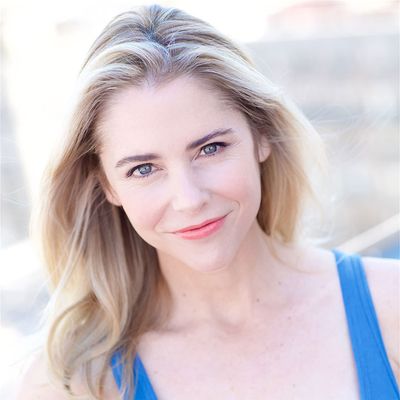
Kerry Butler is a theatrical powerhouse. A triple threat - Actor. Singer. Podcaster! A comic genius, Kerry has created many iconic roles including: Penny Pinkleton in "Hairspray", Clio/Kira in Xanadu, Brenda in "Catch Me If You Can", Marianne in "Disaster!", Betsy Horan/Mrs... Read More
From the show: Deep Dive Broadway
Guests
Featured Shows



About
Kerry Butler is a theatrical powerhouse. A triple threat - Actor. Singer. Podcaster! A comic genius, Kerry has created many iconic roles including: Penny Pinkleton in "Hairspray", Clio/Kira in Xanadu, Brenda in "Catch Me If You Can", Marianne in "Disaster!", Betsy Horan/Mrs. Norby/Mrs. George in "Mean Girls" and most recently Barbara in "Beetlejuice". Kerry also starred in "Little Shop", "Rock of Ages", "Beauty and the Beast" and Blood Brothers. And now, Kerry is taking the Podcasting world by storm with BREAKING BROADWAY, an invaluable podcast offering a roadmap to making it on Broadway. Join us on DEEP DIVE BROADWAY as Kerry takes us through her extraordinary career (which began when she was 3-years-old!!) and shares extraordinary insider, behind-the-curtain stories.
Connect with Dori
Transcript
This transcript was automatically generated and might contain errors.
[0:06] Dori Berinstein: Welcome to Deep Dive Broadway.
[0:08] Dori Berinstein: Given the state of the world, this is a podcast that's recorded remotely.
[0:14] Dori Berinstein: And like all of you, we can't wait to be looking at all of this in the rear of the mirror.
[0:19] Dori Berinstein: Today's very special guest is the spectacular Kerry Butler.
[0:23] Dori Berinstein: I'm such a giant fan of Kerry's on stage and off.
[0:27] Dori Berinstein: She's a brilliant performer and a truly extraordinary human being.
[0:32] Dori Berinstein: You've seen her in Hairspray, Little Shop, Xanadu, Catch Me If You Can, Rock of Ages, Disaster, Mean Girls, Beetlejuice, and Kerry is the host of the hit podcast, Breaking Broadway.
[0:44] Dori Berinstein: Let's dive in.
[0:46] Dori Berinstein: Welcome, Kerry.
[0:48] Kerry Butler: Thank you.
[0:49] Dori Berinstein: Can you hear me?
[0:50] Kerry Butler: I can hear you perfectly.
[0:52] Dori Berinstein: Okay, good.
[0:54] Dori Berinstein: So, you know, just a great intro.
[0:56] Kerry Butler: So nice.
[0:57] Dori Berinstein: It's so deserved.
[0:59] Dori Berinstein: I can go on for hours.
[1:01] Dori Berinstein: Why don't we start out just for a moment and then let's move on from it right away.
[1:05] Dori Berinstein: But I just how are you doing? You're, you know, with the challenges of all of this and being a mom and it's, you know, challenging for everyone, but how are you doing?
[1:14] Kerry Butler: I'm doing good.
[1:16] Kerry Butler: Um, you know, I've kind of, uh, I've, you know, let myself be sad for a few days in the beginning.
[1:24] Kerry Butler: And, um, because I was supposed to, we were supposed to be on my first vacation in five years.
[1:28] Kerry Butler: We had the whole big trip planned to Disney World and all this stuff, and so, uh, and I started packing like a month ago.
[1:36] Kerry Butler: But, um, you know, there are bigger things going on in the world, but I think everybody had disappointments with this, and it's okay to, um, be sad for a day or two and get it out of your system.
[1:46] Kerry Butler: So I let that happen, and then I just really, really, um, felt called to be still, and it's been really, really great to be present, fully present with my family, and, um, you know, as actors, we're always looking for that next job, and always, and so it's been great to be forced not to do that, and to take the time just to be still and to really kind of listen to what I'm supposed to learn from this.
[2:14] Kerry Butler: Um, and then after, you know, having that time now our vacation would have been over, so now our kids are back in school, and so that's a new challenge that I'm still trying to figure out, and I've been trying to make it really fun for them too and normal, and they seem good so far, it's not bothered them.
[2:36] Dori Berinstein: Well, I know you're an incredible mom, but I'm sure online learning is everyone's adjusting to that.
[2:45] Kerry Butler: Yes, and that's been working out okay.
[2:48] Kerry Butler: Well, it's only been two days, so okay, so far so good.
[2:48] Kerry Butler: So far, so good.
[2:55] Kerry Butler: We're still figuring out the school is still figuring it out.
[2:57] Kerry Butler: Um, I think next week should be, uh, a little bit easier.
[3:01] Dori Berinstein: Good, good.
[3:02] Dori Berinstein: Well, it's the new normal for hopefully not too long, but let's dive into you.
[3:09] Dori Berinstein: Um, and let's start back in Brooklyn.
[3:13] Dori Berinstein: And I'm so curious to know because you made your commercial debut at three years old.
[3:20] Kerry Butler: Yes.
[3:21] Dori Berinstein: Oh, how did that happen?
[3:22] Kerry Butler: And what was the commercial?
[3:24] Kerry Butler: Well, my mom and my aunt both took me and my cousins into the city for commercials because they just thought, oh, we were cute and we could raise money for college.
[3:35] Kerry Butler: So it wasn't like they're gonna be an actor, it was more about, you know, just doing this little thing while we're little, and, um, I ended up loving it, and my mom stopped with everybody, everybody in my family stopped doing it when they, you know, when we went to school.
[3:51] Kerry Butler: My mom wanted me to have a normal education, a normal childhood.
[3:55] Kerry Butler: And, um, and then I would beg her to let me start again.
[3:59] Kerry Butler: And then when I saw Annie, that was it.
[4:01] Kerry Butler: So then she, so I had a short career doing commercials from like four to five, three to five or something, and that was for tags, but I did a bunch of a few, a few commercials, and then, um, I stopped, and then once I saw Annie, I've been doing it ever since then, ever since I was nine.
[4:17] Dori Berinstein: So even though you had done commercials and so you started in front of the camera, you gravitated towards the stage after Annie.
[4:25] Kerry Butler: Um, definitely, but I would, but I didn't get work doing in the stage really.
[4:31] Kerry Butler: Um, you know, I was always putting on shows in my backyard for the neighbors, and I was always, you know, directing, doing everything, forcing all the neighborhood kids to be in it.
[4:40] Kerry Butler: They didn't really appreciate that that much, and I did not appreciate their work ethic at all.
[4:46] Kerry Butler: I was kind of a bossy director.
[4:48] Kerry Butler: Um, but so I always kind of, um, gravitated towards the stage, but I didn't really know that that's what I was doing.
[4:56] Kerry Butler: And then all of my jobs that I got from when I was nine, I had an agent, and but I never got theater jobs, I only got, um, commercials.
[5:06] Kerry Butler: And I booked a lot of commercials and I ended up like being able to pay for my college with all the money I made from commercials.
[5:14] Kerry Butler: Um, but a lot of people think like, oh, I have had such, um, this career, you know, that I just got out of school and I just started booking Broadway, but, you know, in actuality, I had, you know, a good 10 years of rejection before that because I was like, I was auditioning for stuff and not getting it.
[5:30] Kerry Butler: I had agents tell me I would never make it.
[5:33] Kerry Butler: Um, you know, all of that, all of that.
[5:36] Kerry Butler: And my parents were really, really good at, um, helping me to deal with rejection, I think.
[5:43] Dori Berinstein: And what do you remember some of the commercials that you did early on?
[5:46] Kerry Butler: Oh yeah, I did so many.
[5:47] Kerry Butler: I had actually a fan found my first commercial and I was able to post it on my Instagram account.
[5:54] Kerry Butler: So that was, I think maybe for Fab.
[5:57] Kerry Butler: And, um, like my mom picks me up in a laundry basket and I did, um, Dixie Cups, um, some of the older ones I did like as a teenager.
[6:09] Kerry Butler: Uh, do you remember those Stridex wipeout commercials where it was like, and everyone's wiping their faces?
[6:17] Kerry Butler: I did that, I did, uh, Bubble Yum.
[6:21] Kerry Butler: I did so many.
[6:23] Dori Berinstein: So while you're doing commercials, did you, were you aware that you had this extraordinary magical voice?
[6:31] Kerry Butler: I knew, yes, I knew that I had, not, not your, not anybody, but I knew that I had, um, a gift for singing, and so I was in the community theater, I was in my high school plays.
[6:43] Kerry Butler: I loved singing.
[6:44] Kerry Butler: I really, really wanted to sing.
[6:45] Kerry Butler: I really want, oh, and also I did, I did go up for Annie.
[6:49] Kerry Butler: I did go to the open call and made it to the final callbacks, but I didn't make it.
[6:54] Kerry Butler: So, so I had always wanted to do it, always, um, but I, and so then since I didn't make it on Broadway, I just took whatever I could.
[7:01] Kerry Butler: I was doing the community theater, I was doing cabaret in the city.
[7:04] Kerry Butler: Um, anything, anything, anybody that would take me, I would perform for free.
[7:10] Dori Berinstein: Well, let's go back for a second to your directing career in the neighborhood.
[7:16] Dori Berinstein: What shows were you putting on?
[7:18] Kerry Butler: Um, I was putting on my own productions of jukebox musicals, actually.
[7:25] Kerry Butler: Uh, mainly Olivia Newton-John or Donna Summer.
[7:29] Dori Berinstein: And were you directing and starring?
[7:32] Kerry Butler: And choreography.
[7:33] Kerry Butler: I'm doing choreography, which is very scary if anyone knows that I'm a terrible dancer.
[7:39] Dori Berinstein: Well, do you have, do you have any pictures of these productions?
[7:39] Dori Berinstein: Do you have any?
[7:44] Dori Berinstein: Because we'd love, we'd love to post them.
[7:46] Kerry Butler: Oh, maybe I, I have to ask my parents.
[7:48] Kerry Butler: They would be the ones that have them.
[7:50] Kerry Butler: I don't, I don't even know if they, they took pictures of them.
[7:53] Kerry Butler: They were like in my backyard in the dark.
[7:56] Kerry Butler: I think we charged like 25 cents for the neighbors.
[7:59] Kerry Butler: And sometimes someone would throw in a dollar and be like, oh my gosh!
[8:05] Dori Berinstein: So while you're doing commercials and you're bossing around the neighborhood kids, were you also starring in school shows?
[8:14] Kerry Butler: My grammar school didn't have, uh, much theater.
[8:18] Kerry Butler: My high school was an all-girls school.
[8:23] Kerry Butler: And so I auditioned for the boys' school, and I started being in their school.
[8:28] Kerry Butler: I think when I was a freshman, actually, I started being the leads in their school.
[8:32] Kerry Butler: So, uh, that was because, you know, usually when you're a freshman, you don't get the leads in your show.
[8:37] Kerry Butler: So that was cool that I got to go to the boys' school.
[8:39] Kerry Butler: And so every single year I was, you know, the lead in the boys' school in their high school show.
[8:45] Dori Berinstein: Well done.
[8:45] Dori Berinstein: And when you, it was time to think about college, you had spent basically your entire life raising the, uh, tuition money, which is so impressive.
[8:55] Dori Berinstein: Uh, so were you very focused on going to a school, uh, for musical theater?
[9:01] Kerry Butler: I was, and I also, I grew up in Brooklyn, so I've always been in the city, and I thought I kind of want that college experience and I want a campus and I want to see what life is like outside of the city.
[9:14] Kerry Butler: And so I went to Ithaca and I loved it, and it was just such a great experience for me.
[9:19] Kerry Butler: Some what I really needed.
[9:21] Kerry Butler: I mean, there isn't any other experience like that where you're really just immersed in theater and you do everything and you get to do all these shows all the time, and so many opportunities to learn different styles, comedy, drama, and then also do all the stuff behind the scenes, you know, work on the costumes, learn the lighting.
[9:45] Kerry Butler: So I loved it.
[9:47] Dori Berinstein: What was your standout production, your favorite thing that you did in college?
[9:52] Kerry Butler: I think maybe Anything Goes.
[9:55] Kerry Butler: I played, um, the Bonnie, and I think that was the first time I knew that I was, I could be funny.
[10:04] Kerry Butler: And my teacher, Susanna Berrman, is the one who cast me in that show and believes that I could be funny.
[10:12] Dori Berinstein: So did that change, uh, what you ended up auditioning for after that?
[10:16] Kerry Butler: You just kind of pivoted and really focused on that area, or you continued to audition for all sorts of different things?
[10:16] Kerry Butler: I definitely, uh, continued to audition for everything, but I feel like it was a turn when I found out that I could be funny.
[10:34] Kerry Butler: And you know, that's, um, I don't know, it's something, it's good to get your foot in the door to, um, figure out what you're best at and what will be your best way to get into that door.
[10:46] Kerry Butler: And so I think that was what I figured out.
[10:48] Kerry Butler: And then sure enough my first show outside of college, I played 80 Annie in Oklahoma on college.
[10:55] Dori Berinstein: So it kind of confirmed that, okay, I'm supposed to be, I'm supposed to be funny.
[11:00] Kerry Butler: Definitely.
[11:00] Kerry Butler: So when you think about even the neighborhood productions, you think about, um, the shows that you did in at the boys' high school and the, uh, your college productions, the feeling of community, the feeling of a team working on something, it's, uh, would you say that it's really very similar just in terms of those same, uh, feelings and the camaraderie that you have doing a Broadway show?
[11:31] Kerry Butler: Yeah, I mean, you definitely form a family with your Broadway show and I love that and I love how the whole Broadway community is such a family.
[11:39] Kerry Butler: I love all of the fundraising that we do, the Broadway Cares, the flea markets.
[11:39] Kerry Butler: Um, I just, I think all of that is so wonderful and special when I'm not in a Broadway show and I walk, you know, in Broadway and on those streets, I always think about the community that's the part that I miss the most when I'm not working.
[12:00] Kerry Butler: I think, oh, I wish I was a part of this right now and I try to not take for granted every time I walk through the stage door I look at the sign, oh, I'm going into a Broadway stage door.
[12:15] Dori Berinstein: Well, we're gonna talk about what you're doing on behalf of the community with your podcast a little later, but let's talk.
[12:21] Kerry Butler: You started to talk about your first show after college, which was Oklahoma, and you also did tours of Beauty and the Beast and Les Miz. Can you tell us some stories about those experiences? Um, well, Oklahoma was actually my only tour. My other shows were all out of town sit-downs. But um, Oklahoma was crazy. Uh so that was, and it was wonderful because it was my first job, and you know, most college kids they want to spend a year going through New York, backpacking through Europe. And I got this show, and I was going, it was a European tour, bus and truck tour, going all through Germany mainly, and then we went to Italy and um a few other places, but it was mainly for Germany. We did the whole show in English, except for Oklahoma, Dina Felda, Vegan Zick and Vind.
We learned Oklahoma in three different languages, that one song. Wow. And but it was kind of crazy doing um a comedy in Germany because the audience loved it, but they did not get the jokes. And so it was kind of strange in that way. And then the crazy part was um all this stuff happened. So you're on the bus, the bus becomes your home. You know, you post your pictures of your loved ones on your window. Um, all of your stuff is on board because you pack up your suitcase. Every day you go to the hotel, unpack, put your suitcase back on the bus, drive to the next spot. It was a lot of one-nighters. So we would sometimes drive all night, get to the hotel, do a sound check, whatever, perform that night, then get back on the bus. And our bus was stolen.
[13:57] Dori Berinstein: What?
[13:57] Kerry Butler: Yeah, our bus was stolen. And with all of our stuff on board. So that was crazy. Where were you when that happened?
[14:12] Kerry Butler: I guess we were in the hotel. And in what city? Oh, definitely in Germany. I don't they all blur together, but it was definitely in Germany. And so we had to, you know, they gave us some insurance money. We had to buy everything new. But some people had, you know, their parents had passed away. They had photo albums on there that they lost. And so it was very sad for some people. Um, and then later we found out that some kids took it for a joy ride and they found it with all our stuff on it. Oh my gosh. A few months later. Um, so that was one thing. Um, another thing was this was before cell phones before everyone had a cell phone, and we would forget people sometimes on the pee breaks. Like, oh no. And yeah, we were supposed to have a buddy system where we would check in with our buddy every time we after we come back from the bathroom, but you check to make sure your buddy was there, and somehow, like one or two times somebody wasn't didn't make it back, and then they were stranded at a pit stop in Germany with no way to get to the next theater.
[15:17] Dori Berinstein: Oh my gosh, and no way to reach them to to Sari.
[15:20] Kerry Butler: No, it was crazy. And so then they would have to figure out a way to I don't even know how they did it, but they did end up taking a train to meet us at our next place. Um but so crazy stuff like that would happen. I ended up at oh, we went through so many different curlies. They all, I don't know, were unhappy and they would leave. And so it was so it was a great first experience because it kind of set me up to be ready for anything. Oh my gosh. Yeah, and then towards the end of the run, I ended up losing my voice. So I literally couldn't say no anymore. Because I ended up getting vocal on my notes on my um no it's on my vocal cords. And then I was in Italy at that point and seeing a doctor, and I couldn't understand what he was saying.
But uh luckily I um didn't speak for a month and then I was fine. And and then I just really I wasn't belting correctly and I was screaming a lot. So then I re since then I'm glad that that happened because then I learned how to be really, really careful with my voice.
[16:23] Dori Berinstein: So did you go home for that time or did you did you?
[16:23] Kerry Butler: I went home, yeah, because I couldn't sing anymore. Yeah, I thought, okay, no, it was a good excuse to go to like Lake Cuomo and No, I wish. Yeah, no, I was scared though. Yeah. You know, I was I was scared I was never gonna be able to sing again. And but you they held the place and you had an understudy that went on for the month.
[16:43] Dori Berinstein: No, I left then.
[16:45] Kerry Butler: So you left. It was it was towards the end of the tour. And so I I had to go, yeah. Because I had to be on vocal rest for like a month anyway. So after Oklahoma, what happened next?
[17:01] Kerry Butler: Then um I started working with my agent in New York, and um I found out that Blood Brothers, which I had seen in England, and I absolutely loved I saw it three times in England, and I heard it was coming to Broadway, and so I called these new agents and I said, Oh, you know, I'm perfect for this show. You know, they were kind of like, who are you? But um they somehow, I still don't know how this happened, but they somehow got me into the final callback almost for Blood Brothers. Like I didn't just go in for the casting director, I went in for the full team. And I remember Bill Kenwright, I don't know if you know him. Sure, sure. He is the producer, and I sang, I just want to be a star from nonsense.
And when I finished, he said, Carrie, I think you will be. And um, and then I had a callback later that day. And I went in for the callback, and so that one was in a big room. This the callback was in a smaller room, and it wasn't as many people. And I was so excited because I loved this show so much. I finished my callback and I said, I just have to tell you, I love this show so much. I don't care whether I get in. And I just I'm so excited to see it every single day. And then I got cast as the swing, and I did get to see it every single day.
[18:22] Dori Berinstein: Did you did you get to go on?
[18:24] Kerry Butler: Um, well, after I did get to go on, definitely, but then after six months, I got moved up into the part too. So then I was on all the time. But I it was so crazy because I got to see Stephanie Lawrence was who I saw playing it in England, and then I got to play do it with her on Broadway. So that was surreal. And I saw Con O'Neill and I mean all the people that I saw on Broad on in the West End. I'm then like working with them. Uh and this the understudy situation, because I was since I was an understudy, it was um interesting. Where if one person was out, everybody moved up. So, like if Stephanie Lawrence, who played the lead, if she was out, then the person who played the other mom moved into Stephanie's part, and the person who played the other mom moved into her. So it was like a rotating thing where everybody changed. If one person was out, everybody changed their roles.
[19:14] Dori Berinstein: Oh my gosh. What was it like?
[19:15] Kerry Butler: You had to know every part, right? You had to know.
[19:18] Kerry Butler: I didn't call the um, I guess, like it wasn't that hard because there weren't that many parts that I covered. I covered maybe there was one person who played a bunch of different parts, and then I understied Linda, which I never got to go on for, and uh I love that part so much. Uh but so when I went on, I feel like it was only one track because the person that I was under. Oh, so I had to, yeah, I had to understand a few parts, but you know, like swings and musicals normally have to understand like eight people. Right. And I didn't have to do that. I only had maybe three people. I had to know their tracks. So it was pretty easy and just fun to come up with because I because everybody, everyone I understood played a lot of different parts, so it was fun to come up with um different characters for all those parts.
But and sometimes you find out two seconds before you go on that you're going on, right? And so you get in that zone, and you since you have so many tracks in your head, is that hard to just get get where you need to go mentally to be able to jump into that character?
[20:19] Kerry Butler: Yeah, it's definitely nerve-wracking, I would say. Uh, I mean, I loved every second of it, but there is sometimes it in that show too, like sometimes our lead would not decide whether or not she was gonna call out or or go on, and it would so it would be like waiting on pins and needles to find out whether you were actually going on or not. Um but I think for other people, again, I I I do think that there's a certain um mindset for being a swing, and some people are just brilliant at it, and that is what they're meant to do because they're super organized and they're great under pressure. I don't know whether I'm that person, but I I did a good job when I did it.
[21:08] Dori Berinstein: Well, how great to have that experience.
[21:10] Kerry Butler: And you can, you know, I just I so deeply appreciate swings, it's incredible what they do.
[21:14] Dori Berinstein: It's incredible, yes.
[21:16] Kerry Butler: It's mind-boggling. I I couldn't begin. I just so after after that amazing experience, uh then you did um the sit down of beauty.
[21:29] Kerry Butler: Yes. Uh then I got Beau Beast in Toronto. And I had auditioned for it for the Broadway replacement, and they said that um I was probably going to get it, but then I had my dance call. And they were like, um, she needs a little bit more time. So, and it actually turned out great because when you're put into a show, you only have 10 days. And when you get and I got to originate the show in this Toronto production, which is amazing. I love Toronto so much. And you know, I got to do all the press for Beauty and the Beast. I wouldn't, I wouldn't have traded that for anything. And then I ended up going back and doing it on Broadway for over a year.
[22:10] Dori Berinstein: Yeah, I saw you. I remember it was amazing.
[22:14] Kerry Butler: And so after that, you did Le Miz.
[22:18] Kerry Butler: Yes, then I did Le Miz on Broadway just for a few months, and I loved that. That was another one that I loved from my childhood. And I also auditioned for that when I was 16 and didn't get it. Uh and so then it was great to be able to play that part. And and to finally make it on Broadway, you know, obviously given the kid that you were, that was a complete dream. What was do you remember some of the first emotions uh that you had, just like, oh my gosh, this is Broadway. This is where I am.
[22:46] Kerry Butler: I do. I remember opening Night of Blood Brothers, even though I was with Swing, they let the swings go on for that final number. Um, and I just remember standing on the Broadway stage and thinking, I made it, I'm here, I'm on Broadway, and just being so um emotional and excited and happy. Yeah, and especially in a show that I love so much. Yeah, and then and I still I still feel that. I still feel so lucky. And stepping into those iconic roles and Beauty and the Beast and Le Miz, uh the how did how did that work for you in terms of being able to own it as Carrie, you know, and create your own characters?
[23:31] Kerry Butler: So I don't go back and watch the shows uh or the movies or TV shows that these actors were in. I just kind of try and channel them from memory, and that way I can make up my own. And then once I do, once I have my own take on it, then I will go back and watch and see what I could steal from the original people. Uh are you did you work in in either any of those shows, Blood Brothers or um uh Le Miz uh or Beauty with people that you continue to work with today, you know, people friendships that you formed back then?
[24:09] Kerry Butler: Yes, definitely. Um, well, Le Miz, we I just missed David Josephsburg, who's in Beetlejuice with me now. But we I worked with all the same people that he worked with during Le Miz. So I don't know how we missed each other, but we knew all the same people. Um Beauty and the Beast. Oh, I just did a concert with Steve Blanchard, who was my beast for a little while and still does a lot of Disney shows, and so we got to do this concert in Disney World, which was amazing.
[24:39] Kerry Butler: Yeah, uh Beth Fowler, I did I did Beauty and the Beast with her, and she still works all the time. So yeah, I I've run into the people from the shows all the time, all the time that I've worked with. And I actually still see some of the people from Canada. When did Bat Boy happen? Bat Boy was just such a cool show. You were amazing. When Yeah, Bat Boy was the thing that kind of put me on the map because when you replace, you don't get that much like notoriety. And when it's you really, really want to originate roles. And Bat Boy came, I think shortly after Le Miz. Uh, I'm pretty sure. And yeah, that was an amazing experience. Uh so fun and so great to get to create that part and be a part of something that was kind of a cult phenomenon.
[25:33] Dori Berinstein: Yes. And when you're creating an original role and you've created so many, what is how is your process different than when you're stepping into a part that's been that's already established?
[25:45] Kerry Butler: I think you rely a lot on the director and the writers uh to steer you and guide you. Uh, because you really want to be doing when you want to make it your own, but you also want to be true to their vision. And you know, we're not seeing the big picture when we're inside it. I remember Bat Boy, I had no idea what that was. It seemed like the craziest thing ever. I had no idea whether it was good. I just I went by other people who would I'd never seen any part of it. I'd never seen a workshop or anything, and people told me, my agents told me, this is gonna be really good. This, I saw the workshop of this, it's hilarious. And so I was kind of just trusting those people because when we were in it, it seemed crazy. I mean it was definitely funny, but you know, it's so out there. It is you're like, you have no idea how the audience is gonna take it.
[26:44] Dori Berinstein: But so I mean, I would imagine that was fun to perform.
[26:44] Kerry Butler: That was it was really, really fun. Yeah, really, it was and also it was fun. I think you know, uh Beetlejuice audiences, kind of like the Bat Boy audience, where the audience got so into it, they would do the dance moves, they were ever outside, they would have fans, they would dress up um as the characters. So it was it was really fun in that way.
[27:08] Dori Berinstein: That is so great. But then you went on, and you've you've done so many, created so many iconic roles, you know, and and uh that have your your stamp all over them. I mean, Penny Pinkleton, my gosh, you know, how did that all happen?
[27:22] Kerry Butler: They saw me in Bat Boy, uh-huh. So they had already it's always nice when you go into the room and you feel like, oh, they already know who I am and like me. Uh and but I I I did audition for the workshop, and um I made up my song to be very much like Penny Pinkleton, and I acted like Penny Pinkleton kind of when I went into the room, and they were laughing a lot, and and they spoke to me afterwards about how they loved how I created kind of a whole scene. Um, going and and I got it right right after that. And so it was amazing. That was like, you know, a a life-changing experience just to be a part of a show like that that was such a huge hit, and with all of those people, and then to be in the show that every single celebrity wants to see and wants a piece of it was it was incredible, and we all love each other so much.
We just saw each other from Margo Lyons Memorial, and everybody showed up, and you know, we all loved her and are so grateful to her. Um and uh yeah, so it's nice that we have all stayed really close.
[28:29] Dori Berinstein: Did you know? I I mean I remember when the show was in Seattle and the buzz in New York for that show was so huge, you know, the anticipation of it coming in. Did you know, like right off the bat in Seattle this is gonna be a big hit?
[28:43] Kerry Butler: That show, you know, in the rehearsals and everything, it felt magical, it felt like it was gonna be a big hit, but we I didn't know how big until Seattle, and I think we might have gotten a standing ovation after the first number. Wow. And and also I had one of the first lines in the show, like it starts out with Tracy in the bed, and then we go running across the stage, and I didn't even know that my lines were that funny, where you just hear this huge laughter from the audience. Um, so it was it was really fun.
[29:15] Kerry Butler: After Hairspray, Little Shop, Xanadu, right? And uh Xanadu, um, did you already were you already a proficient roller skater?
[29:28] Kerry Butler: No. Um I had done the workshops for Santa, which obviously we did not have to roller skate. They were just staged, they were just staged readings, and then I was going to be replaced and um with a star. And then uh that star pulled out and they came back to me. And I was uh at my parents' house in Florida with my husband, and uh my husband remembers me on the phone being like, Oh, can you can you roller skate? And I was like, Yeah, yeah, I can roller skate. My husband got off the camera. He's like, What did you just tell them that you could roller skate? And he's like, We've been married, you know, forever, and I've never seen you roller skate. And I was like, Well, I used to go to roller skating birthday parties all the time when I was little, so yeah, I can roller skate.
And you know, I didn't really realize that they meant like do tricks and all this stuff, and so then I had to go into like boot camp roller skating, it was crazy hard. I mean, that show was definitely the hardest thing I've ever had to do. Because even for the first week of rehearsal, I I was almost fired because I couldn't Chris. I I couldn't, I couldn't think about acting. I had to tell Chris Ashley, the director, I was like, I can't even think about acting right now because all I can think about is push off on this foot, stop with this foot, and then I would have roller skating lessons on my lunch to try and catch myself up. It was crazy. And then during the show, it's like if there was anything on stage, everyone had jewels on their costumes. And if a jewel fell off and landed on the stage, that could propel you into the audience. Oh my gosh.
[31:05] Dori Berinstein: So it was so scary.
[31:08] Kerry Butler: Well, I think it's so full circle too. Because when you think about the neighborhood productions and you're playing Olivia Newton John, you know, and here you are on Broadway, stepping into that role.
[31:18] Kerry Butler: Absolutely. She was definitely a role model, a huge role model growing up, and yeah, I was really nervous. She came to opening night. I was really nervous, but she loved it and was so kind.
[31:28] Dori Berinstein: Oh, I love that. That's great. And um, did are you still roller skating? Is that something that's part of the...
[31:33] Kerry Butler: I do still roller skating? Okay, good. Um, I'm not doing it on this break because my husband is like, we can't do anything that could possibly get us into the hospital right now, you know. You know, so we're not we're not taking any chances.
[31:47] Dori Berinstein: I think that's really, really smart. Uh and Little Shop, how did you, you know, uh and I'm so curious, you know, while working opposite a plant. What was that? Was that a challenging experience?
[32:00] Kerry Butler: I love that show someone. You were amazing. Uh thank you. Um it was really fun. Uh it I think the hard part about that show was that um Jerry Zach had his own take on it and it was different than the off Broadway production. And so some people, you know, loved that, embraced that, and and then people were always going to compare me to Ellen Green, which was hard. And I wasn't doing, you know, it was a very different production, much, much more real. And that's what you know, we wanted. Uh so I think that was the hardest part. Working with the plant was uh lovely. The plant was not a diva at all. In fact, um my husband's a puppeteer, as you know. Yes. And many of the I knew already because they were on Sesame Street.
So it was it was really, really fun to get to work with them. And my favorite part was at the end of the show, the plant would come out over the audience, and I was hanging out of the plant's mouth, and my legs were dangling over the audience. This is when the plant is eating me. And all I I'm not harnessed in or anything. This was before kids, before I like cared cared about living. And all that was holding on was a a bar inside the plant's mouth, and I was just holding on to this bar. So if anything happened and I let go, I would have fallen on top of the audience.
[33:30] Dori Berinstein: Wow. It's amazing how your your view on life and living changes when you have kids.
[33:35] Kerry Butler: It's just now the slightest thing I do in Beetlejuice I'm like oh I need to be a harness nothing ever happened right in in Little Shop.
[33:47] Dori Berinstein: When you little shop no nothing nothing bad happened in Little Shop.
[33:51] Kerry Butler: Okay. No no shoe falling off or anything like that. Um I think I already had my shoes off.
[33:57] Dori Berinstein: Okay good.
[33:58] Kerry Butler: Yeah. Yeah we we prepared for that.
[34:00] Dori Berinstein: Good.
[34:01] Kerry Butler: Yeah I'm sure that would have been difficult to digest for the plant.
[34:05] Dori Berinstein: So yeah that's hard. So Catch Me If You Can. You're back in Seattle, right? That you did the Adam Town there. That must have been...
[34:10] Kerry Butler: Yeah and and uh oh my gosh I listen to that cast album all the time.
[34:17] Dori Berinstein: Uh it's so great.
[34:19] Kerry Butler: So great. Yeah and uh so underrated.
[34:23] Dori Berinstein: Underrated so good.
[34:27] Kerry Butler: And a and a true story too.
[34:30] Dori Berinstein: Yeah.
[34:30] Kerry Butler: Yeah that was fun. He was involved uh the the whole time. He was very Frank Abamdell Jr. He was very much involved in the show and loved it and would come and bring people and uh was uh helping you know write it and make sure it's accurate.
[34:47] Dori Berinstein: Yeah I went to I went to a a talk back after uh the show that he gave and it just I had to after hearing his his real story had to go back and see it again. So for anybody listening to this, you know it he he wrote a book I think, right? And so you should you should look into the real story and then go back and listen to the cast album and and uh it just adds a whole other layer to it. Um but uh it's so good.
[35:14] Dori Berinstein: Um did you see it in Seattle or on Broadway?
[35:16] Kerry Butler: I saw it on Broadway.
[35:18] Dori Berinstein: Oh okay because we had Terrence McNally was our writer in Seattle.
[35:22] Kerry Butler: Of course of course oh that must have been great working with him.
[35:26] Kerry Butler: It was it was uh now you know when you think about Belle and you think about you know all these wonderful sweet characters and then all of a sudden you're Rock of Ages so your range is ridiculous. What were just stepping into that part and just being an entirely different character. What where how did how did you uh uh shape that character for yourself?
[35:50] Kerry Butler: Um I just really you know she's a small town girl so she was a sweet girl in this in this crazy circumstance and I felt like uh the way for that show that works best is when the two leads are so real and down to earth and then everyone else is like a huge character around them and um and so I had a lot of fun it was really really fun to sing those songs and to pretend I'm like this pop rock star the music was really great and uh the audience goes by manas and especially that end don't stop believing uh but I have my craziest stories from Rock of Ages because the audience was drunk and I mean like the guys who worked um security the ushers, they said they threw more people out in one night of Rock of Ages than they had in their entire careers on Broadway.
[36:53] Kerry Butler: Well, you know, it brought a very different audience to see theater, and I'm sure they had a fabulous time, and now they're regular Broadway theater goers.
[37:01] Dori Berinstein: So that's amazing.
[37:02] Kerry Butler: Yes, yeah.
[37:03] Kerry Butler: One time, half of the audience broke out into a brawl. Like the entire, and we're just singing on stage, and we look out, and the entire section of the audience is fighting, throwing things.
[37:18] Dori Berinstein: So what'd you do? Did you keep going?
[37:20] Kerry Butler: The show went on, yeah. We watched as the security guards ripped them apart, and you know, the show never stopped.
[37:29] Dori Berinstein: Oh my gosh, that's fabulous.
[37:31] Kerry Butler: I'm sure the stage door for that show is a little different than the stage door for other shows.
[37:37] Dori Berinstein: I don't remember.
[37:38] Kerry Butler: I don't remember how crazy the stage door was for that show. I think it was pretty similar. You know, I don't think it was that huge because people were so drunk, I think they probably needed to go home and pass out.
[37:55] Kerry Butler: And um, you stepped into Disaster, which was so much fun. That, you know, just the parts that you played, I just can imagine, you know, that when I think about, you know, doing Long Day's Journey Into Night or something eight times a week. I mean, on stage, and so many of the parts that you've had, it just seems joyous and fun, and Disaster just looked like you were having a blast.
[38:24] Kerry Butler: Yes, yes. We all loved each other so much, and everybody made each other laugh all the time. And it was nice because we were all already established pretty much. So there were no egos. There was nobody like, "Oh, I need to get this moment to shine." We were all just like really happy to have a job that we loved, and we were all happy to let each other have their moment in the spotlight and support each other. That was a really, really great experience.
[38:54] Kerry Butler: The whole going then, I think to Mean Girls, stepping into again this just incredible iconic known role and making it your own and really stepping into Tina Fey's shoes. What was that like?
[39:11] Kerry Butler: I was very nervous, I will say. I'm friends with Tina. I'd been friends with Tina for years. But having her sit there behind the table, it's like you almost want to do a better job for your friends than a stranger. And especially since she trusted me with these parts. But she was very open and supportive in letting me make it my own, which was great.
[39:38] Kerry Butler: And it was so funny because in that show I never went back to watch the movie until much, much later. And everyone said I was channeling Tina, and I hadn't even watched her at that point. It was just like from memory, and I just was channeling her, you know, from knowing her. So that was pretty cool. And it was exciting that I got to meet Amy Poehler, and she was so nice, and it was fun that the show is so different from the movie.
[40:13] Dori Berinstein: Yes.
[40:14] Kerry Butler: That, you know, if I wanted to do the exact caricatures that they did, I wouldn't have been able to because the scenes and the lines are all so different. And also that show really reminded me of Hairspray because all these young kids making their Broadway debut over the top, it just reminded me, it brought that joy and excitement back to me. And I loved being with them all, and they included me, which was so sweet.
[40:44] Kerry Butler: The love for Beetlejuice and the excitement about it. How does that, when things are happening around a show, how does that affect your performance? Does that change what you want to bring to the audience?
[40:59] Kerry Butler: I don't think it changes, you know. We're still doing the, we always want to stay true to our director's vision and do the same show, but as the audience started after the album came out and people started becoming like crazy obsessed with the show, the audiences started getting even more insane. Like they were always really good. Our audiences always loved it, always jumped to their feet. But I mean, towards the end, like even the last few months, it was like deafening the sound, and it sounds like a laugh track going on in the audience. So, you know, that just makes it more fun for us.
[41:39] Dori Berinstein: Sure.
[41:39] Kerry Butler: Because you don't want to be doing a comedy to an audience that doesn't laugh. And the more they laugh, the more we're like, "Oh, we're having fun with you, we're having this experience with you."
[41:51] Kerry Butler: And I just love seeing the creativity that goes into all the kids in the costumes, and they're making the costumes themselves. They're sewing and painting. So, I mean, so much fan art. And so I love that it takes people off of their devices, and I bet Beetlejuice is bringing a whole new audience to Broadway.
[42:15] Dori Berinstein: Oh, absolutely.
[42:16] Kerry Butler: Definitely. Our fans are very young too. We see, it's not bored, but we see, you know, five-year-olds, six-year-olds who are singing the songs on TikTok and on Instagram. I mean, they just all love it. And working with all those effects and working with a snake, and you've worked with plants, you worked with all sorts of... What was it? The tech must have been incredible on that show to try and, you know, you're falling through floors. What was that like?
[42:47] Kerry Butler: Um, I would say that is scary. It's not fun. The first, I mean, I had totally, I'm in a much better place now than I don't know, for the first six months, maybe, but falling through the floor was never fun just because you're not in control, and little things can change it. You have to depend on the other person falling through the floor with you, that they're going to land in the exact same spot and not, you know, kick you in the face or something. And also you have to just trust that the floor that you're jumping through, that there is going to be something else there to catch you. And so it just is like, uh, plays tricks with your mind a little bit. Setting your hand on fire, also not particularly fun. A little scary. It's real fire. I always like worry about setting myself on fire.
[43:49] Dori Berinstein: I can understand that.
[43:52] Kerry Butler: Well, levitating now is fun. I'm fine. Um, levitating. If when the show came back and they wanted me to go higher, I'd be like, yes, let's do it.
[44:03] Dori Berinstein: Well, I, uh, yeah, I'm nervous for you every time I've seen the show. I'm just like very nervous for you. But, um, what are the dream roles out there, if there are any left that you haven't played that you've always dreamed of playing?
[44:20] Kerry Butler: Um, I think, well, for sure, any part in Blood Brothers. I always say that like I would love to be Miss Johnson in Blood Brothers. I would love to be any of the parts in Blood Brothers, really. Especially since I never understood, understated and never got to play them. I don't know. I really, really love creating new work. I guess I love Patti LuPone. I love the things that she's done. I would love to, you know, move into the things that she kind of does. I would love to have that kind of career, like Angela Lansbury or Patti LuPone, where they can, and I love being able to play parts that people don't think of me as. And that's something that I am proud of about my career in that I've played like a lot of different parts, and I haven't, I've been able to break out of a box being put in the box and not be an ingenue.
[45:23] Dori Berinstein: Yes, yes.
[45:23] Kerry Butler: And so I think I'd just like to continue more with that and surprise people.
[45:29] Dori Berinstein: Well, on top of your extraordinary theatrical career, you are an extraordinary podcaster, and you shot out Canon with Breaking Broadway and have a huge following. It's such a successful podcast. How do you like, you know, with all the experience that we've talked about that you had auditioning and all these different circumstances, you're giving back so much to all the people who were going through what you went through long ago. So, what is that like to kind of now be a mentor and a teacher for everybody?
[46:01] Kerry Butler: I really love it. I think it's important to give back. And I mean, if I had this podcast when I was younger, it would, I mean, I grew up in Brooklyn and I still had no not a great sense of the business side of Broadway and what it took to make it and audition techniques, things like that. So I'm happy to pass it along. And I really, really like doing it because I learned something from all the people that I interview, and I really try and pick inspirational people. So I have people who aren't interested in Broadway at all that love listening to the podcast because they said it's just, you know, inspirational and interesting to hear the behind-the-scenes stories of people in this world, in our theater world and what the other jobs are and people's paths.
So I've liked that. And I, but I like I said, like I really think, especially like during this time now, if you are not doing anything, it's a great podcast to listen to because it's very hopeful and uplifting, and also I think motivates you to create your own work.
[47:08] Dori Berinstein: Absolutely.
[47:09] Kerry Butler: And for those that don't know, can you just give a brief overview of what Breaking Broadway is all about?
[47:15] Kerry Butler: Sure, I try and interview people who I think will help people in the business, whether they're just starting out or they've been in it for a long time, because I've learned a lot of things. I learned about YouTube, which I still have not implemented. But I learned how, you know, if you can't get in a door, go in through a window. And so I try and put people on who are windows and who have made their own way and to give people ideas that you don't have to, it's not just one way of making it and using your gifts. If you have these gifts and you have this passion, how can you use that to fulfill your soul? Because everybody isn't going to make it on Broadway, unfortunately. But that doesn't mean you can't have joy and you can't live your passion and that you can't use your gifts to serve.
[48:05] Dori Berinstein: Absolutely. And you know, your giving back to everybody has just been invaluable for so many people I know who are so grateful for what you're doing. So, um, thank you, Kerry. It's been amazing to talk to you. Um, I hope you and your family stay really safe and healthy throughout all of this and everybody who's listening. The second we ramp back up for Broadway, run to Beetlejuice, see it again because you've probably already seen it, but see it again, and everything that's ahead for Kerry. Um, thank you all so much, and Kerry again. Thank you so much.
[48:15] Kerry Butler: Thank you.
[48:42] Dori Berinstein: Thank you for listening to Deep Dive Broadway, produced by Dori Berinstein, edited by Alan Seales, and special thanks to Bia and Brittany, who are fabulous. You can find me at bpn.fm/deepdivebroadway. My Instagram is Dori.Berinstein, which is B-E-R-I-N-S-T-E-I-N. Please subscribe and leave lots of fabulous comments and check out my website at dramaticforces.com.
© Broadway Podcast Network, All Rights Reserved