

The Grammy winner and Tony nominee on the unparalleled joy of returning to Broadway this season with The Piano Lesson opposite Samuel L. Jackson, the honour of the New York Women in Film & Television “Made In New York” Award and why “theatre belongs to us all”... Read More
From the show: eleven
Guests

Featured Shows
About
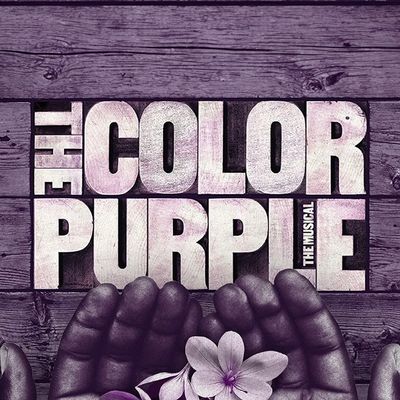
The Grammy winner and Tony nominee on the unparalleled joy of returning to Broadway this season with The Piano Lesson opposite Samuel L. Jackson, the honour of the New York Women in Film & Television “Made In New York” Award and why “theatre belongs to us all”. We also talk Zoom calls with Oprah, wrapping the much-anticipated new The Color Purple movie musical and the personal responsibility of success.
Host: William J Connolly
Produced by: William J Connolly/Darren Bell
Image: Ira Black/Danielle Brooks
instagram.com/daniebb3
Welcome to eleven. The official theatre podcast that brings the biggest stars and creatives together in one place to discuss life in the arts. Follow eleven on social media via @elevenpodcast and via elevenpodcast.com.
Transcript
This transcript was automatically generated and might contain errors.
[0:01] Danielle Brooks: My name is Danielle Brooks, and you're listening to Eleven, the official theatre podcast.
[0:17] William J Connolly: Hello and welcome to Eleven, the official theatre podcast that brings the biggest stars and creatives together in one place to discuss life in the arts. She's the Grammy winner and Tony nominee that's become one of the greatest stars to ever grace a Broadway stage. After launching to international global fame on the smash hit TV show Orange is the New Black, she earned a whole new army of fans in the world of live theatre when she tore it up as Sophia in Oprah's Broadway revival of The Colour Purple, a production that also featured Jennifer Hudson, Heather Hadley, Cynthia Erivo, and Jennifer Holliday. Since then, she's continued to earn rave reviews in the varying projects that she's turned her hand to, bringing herself back to New York for the ultimate stage return in The Piano Lesson, the smash hit production that has none other than the legendary Samuel L. Jackson leading, directed by Latanya Richardson Jackson.
And for her, it's a show that's personal and completes a rather special full circle moment. So here, in an exclusive conversation just days before she collects the New York Women in Film and Television Made in New York Award on behalf of The Piano Lesson, we talk the joys of a great Broadway return, how theatre is her first love, and why she's embracing the imperfect perfections of human mistakes. We also talk standing ovations in The Colour Purple on Broadway, Zoom calls with Oprah, and how she offered her the leading role in the soon-to-be Color Purple big screen musical adaptation and why theatre belongs to us all. She's a joy, she's a star, and she's unbelievably kind. So let's get right into it with the truly wonderful Danielle Brooks here now on this, the next episode of Eleven, the official theatre podcast.
[2:00] William J Connolly: To ensure the safety of all involved in this episode of Eleven, Danielle and I connected for this conversation digitally. So please forgive any brief moments while we wait for the internet to catch up. Enjoy. Please help me welcome to this, the next episode of Eleven. She's a certified goddess of stage and screen that's earned herself a Tony nomination and a Grammy win. So all rise for the gorgeous Danielle Brooks. Hi Danielle, how are you?
[2:27] Danielle Brooks: Hello, William. How are you?
[2:30] William J Connolly: I'm doing really well. Thank you so much for agreeing to do this. You've got the biggest smile on your face, which has instantly put me at ease because you're such a superstar, and this feels like such a pleasure. So a thousand times in advance before we even dive into anything. Thank you so much for your time. I really appreciate it.
[2:43] Danielle Brooks: Oh, thank you for having me. Thank you for your time. We're gonna have lots of fun, and we've got lots of exciting and fun things to talk about in a second. But before we dive into one very specific thing that we're gonna celebrate, I just want to ask, how are you? And how is it being the Queen of Broadway? How is it just slaying everything? How is it racking up all these awards? Like, is just excellence as a minimum for you every day now, right?
[3:02] Danielle Brooks: Wow, I thank you. I will take all of the love and all of the compliments, William. Uh, Queen of Theatre, I don't know. I mean, I'm working my way to all of it, but uh it's been pretty great. Um, The Piano Lesson wore me out, I had to say. I feel like it probably took 20 years off of my life, but uh other than that, you know, I'm doing really well. I came to New York in January to experience New York and to experience that buzz, which I think we've all missed so much during the pandemic. So to be there to experience it again, but also imagine for you to be at the heart of it, that must have felt a bit like a gift for you to get to be in not just the extraordinary piece with this extraordinary cast, which we'll get to in a second, but also to feel a connection to an audience again. I mean, that must have been amazing.
[3:48] Danielle Brooks: Sure. That's probably one of the best parts. I really lean into rehearsal. I really like the process of creating theater. Believe it or not, like sometimes being on the stage is the most difficult part for me. But the part that is always so satisfying is connecting to the audience, like you said. That is truly one of the best things ever to hear people talk about their connection to the character or coming back to the theater and how much they missed it, or my favorite is when it's someone's first time coming to the theater and they chose to celebrate and have this moment with us. Like that to me is truly a gift because who doesn't remember their first time at the theater, right? So yes, um, coming back to the Great White Way was awesome.
[4:41] William J Connolly: Is the opportunity to go back onto Broadway something that you enter into with open arms, or do you take that beat to think, if I'm gonna do it, I want to make sure it's the right thing at the right time with the right story?
[4:53] Danielle Brooks: Theatre has always been my first love. So when I first was offered The Piano Lesson in 2018, end of 2018, 2019, somewhere in there, uh, it was an immediate yes because of the material and because of the people, like there was no hesitation. But now that I'm a mom and now that I don't like my primary residence isn't in New York, it does make me take the moment to really reflect on is this something that I want to do for six months of my life, if not longer. So I don't take it as um carefree as I used to. I don't just jump right in as I used to. But in the past, um, and this is for those who want to do this in the future. In the past, I would have jumped for anything because, you know, just getting close, getting a callback, getting anything near off-Broadway or Broadway was always the goal.
And so I was just ready for that experience when I first came out of Juilliard in 2011. But oh, how life has changed. And now with some time and experience, I definitely take um my decision making very seriously.
[6:16] William J Connolly: Can you remember the specific part that changed for the now? You obviously reference being a mother now, but can you remember what it was about the now that you and now is the right time for me to do this?
[6:26] Danielle Brooks: Oh, yeah. I mean, I just finished Orange is the New Black. I was actually pregnant. I had also just finished doing Shakespeare in the Park, playing Beatrice in Much Ado About Nothing. So my heartstrings were definitely pulling for the theater. And I was about to give birth to my daughter. So I'm like, what is next? And you know, just not knowing, being that it's my first child, how the television film industry really would receive me now that I am a mom or was becoming a mother, it kind of all came very sporadically for me when I got that call. And I was about eight months pregnant at the time, and this was pre-pandemic. So I did not know what we were about to step into. Uh so when I got that call, and now it was like Samuel L. Jackson and Latanya Richardson Jackson, Richardson Jackson, excuse me, and um John David Washington, that was the pool for me.
Uh and and not only that, the biggest number one reason was because I really truly wanted to play Bernice in The Piano Lesson all my life. And crazily enough, I was manifesting it, but not understanding this whole time that it was right around the corner because I hadn't been like telling my team this is a character I want to play. Like I wasn't talking about it. But I think from all of the energy that I had placed in this character uh when I was in high school, from like reading about her, auditioning, you know, with one of the monologues from Bernice for colleges, all this energy that I had put into this character, this play was coming back to me now 15 plus years later. So um everything just really aligns how it's supposed to.
[8:16] William J Connolly: Do you believe that it was written in the stars that this maybe would come around one day, particularly with the fact that obviously it was your audition piece for Juilliard? Do you think someone somehow was saying, you know, it's gonna happen?
[8:26] Danielle Brooks: I don't, I really don't. I don't think it was like puppet master back there trying to figure out how can we get this girl to play. I just think it aligned because once I told, once I got the uh excuse me, I didn't audition, but once I got the part and I spoke with the creative team, nobody even knew that I used this monologue to get into Juilliard of Bernice. Nobody knew that. So I'm just like, wow, you know, this it's I don't know. It's um just one of those like moments you can't really explain.
[9:05] William J Connolly: Did that ever leave your mind during the very many processes of either rehearsals or even nightly where you thought about your other connections to the show and the fact that you had uh connections to that monologue, and then obviously being in the show each night? Did you think about the fact that this is kind of brilliantly fantastically weird?
[9:22] Danielle Brooks: Every time, every night. So I auditioned for Juilliard back in '07. I actually used the audition piece of Bernice um for all my colleges. So that's Carnegie, um NCSA, uh I auditioned for Guthrie and maybe one other that I can't remember right now. And Juilliard. So I used them all. I used this particular monologue for all of them. It's the monologue was you ain't taking this piano out of my house. Look at this piano, look at it. Mama Ola polished this piano with her tears for 17 years. I got it, like you know, clockwork at this point. So it was that monologue that I remember doing in the hall or in the in the in the studio of 301 at Juilliard, however many years later, being on this massive stage where my heart has always desired to be on Broadway, saying this monologue with this incredibly carved out piano that now will live in the Smithsonian, which is mind-blowing, opposite John David Washington with Samuel L. Jackson in the room.
What the hell is like what? Like, what you know, I it every night I was kind of like taken aback by what is happening, and then which was really cool was like my classmates from college would come to see the show and they would get super emotional because they also were in disbelief of what was taking place. They remember seeing young 17, 18 year old Danny, you know, reciting this monologue in front of them and learning, you know, what it is to be an actor and how to act and how to listen, how to respond, being vulnerable, being okay with failing, all of these things to now this moment. I I just um yeah, every night, every night it would get me.
[11:23] William J Connolly: Isn't it wild how sort of life works and the world works? And it's almost the times when you expect them almost the least where they tend to touch you the most.
[11:30] Danielle Brooks: For sure, for sure. I agree, William. It's extraordinary just to hear you recall it with such joy about the fact that you get the opportunity to go to work and to experience it on a working professional level to also experience it with your former colleagues and friends, and to also have these new colleagues and friends that I know that you love and admire and have spoken about. And I've read some wonderful interviews that you've done where you said it felt you felt so privileged to call them colleagues, to be on the stage with these legends, these amazing artists, and then add on top that you get to be potentially a first touch point for somebody at the theater, but then also people coming back wanting so desperately to connect. Was the sense of connection to an audience stage door, even in the theater? Was that something that you'd forgotten how truly magical that is? Because having been in New York, having been in that theater, it's almost indescribable.
[12:19] Danielle Brooks: It was, it was a moment. Oh, thank you. Yeah, I I love connecting with everyone. I always go to stage door and I'm always asking, where are y'all from? Where y'all from? That's my first question. Because I'm so into where how far people have traveled to come to see us and hang out with us and go on this ride for three and a half hours. Because I play with long. Oh, you know, but I even remember doing The Colour Purple on Broadway, and that connection was mind-blowing, you know, seeing people who've never met sitting beside one another at the end when we're singing the finale number, holding hands and crying, you know, and the standing ovations just from because you've made people feel that strongly.
They they're so moved that, you know, Cynthia was getting standing ovations in the middle of the show. I think it's one of the most powerful art forms ever, you know, because on one hand, you have the story, which can be so compelling and so moving in different ways for an audience member. But then also, you know, people are reminded at times that we're not machines, that we are humans, that we're gonna make mistakes, that so they get to watch us live, work through this language and try to be as honest and authentic as we can in the midst of being human. And I think that's what's really cool about the theater. It kind of like awakens people and like reminds people like we're all alive. It's almost that like pinch me moment of like, hey, we're here, we're all in this together, you know.
So I just, yeah, I I loved being able to connect with the audience. And also one thing that I do love about the shows that you choose to do in New York is in both in both occasions that the audience aren't afraid to get involved, they're very vocal about the good, they're also very vocal when they don't like somebody on stage, which is certainly not something we experienced too much in British theater, which was a very interesting experience to me.
[14:31] Danielle Brooks: Did that take you by surprise the first time it happened? Because I was like, what is going on? I love it. I love it, I love it, I love it. Uh, I feel like it's necessary to be honest, because the theater should be shared, and the theater should be um something that is adaptable to the audience. You know, I feel like sometimes we get so stuck in ownership of something that we love so much, and so the format has to be a certain way. And a lot of times I think that kind of um lends itself to cutting out a certain group of people to enjoy in a way that they feel comfortable. I grew up in the church, so the call and response is so natural to me, and it makes so much sense to me because when you have that, you're you're it's this it's just um reminder that like I see you and I feel seen.
I feel like that's what it's about too, is feeling seen, and also like I don't know. I just remember like I had um uh I'm calling somebody out. Oh well. Um, I was executive producing Ain't Too Proud, and Ain't Too Proud was the you know, story of the temptations that we love so much, and when we when I was there and I came to the show several times, there was a lot of call and response, people singing along. So I was asking the producers of Ain't Too Proud if we could have some little excerpt in this the playbill to just say to the audience, hey, it's okay to be vocal, um, you know, don't do anything that's gonna distract the um performers, but feel free to sing along or whatever that is. And the dire though, excuse me, the writer, Dominique was very much on board.
It was actually her idea, and they shut it down, and I just couldn't believe it because I felt like it was um their way of controlling this thing that should be um ever changing, you know. I I think that's first of all, what really pissed me off about it was this is a story about five, six, seven because the temptation is a lot of black men, right? This music is black music, and ultimately you are telling black people who have put paid their black dollars to see your show that they need to sit and be quiet a certain way, and I just did not like that at all. And so this season as well, um, getting to see my boy Jordani Cooper's show, um, Ain't No Mo. Getting to see that, and the music, the intro music, you know, while we're get uh getting into the theater and getting getting seated, was like Kurt Franklin, it was like juvenile, all this music that I grew up on, and it just was so inviting.
And I feel like so often we are I'm going a whole nother direction, probably from what you wanted to talk to about. But now that I've been able to cross over a little bit into executive producing, I feel like so often we are trying so hard to find a way to tap into different audiences, specifically black audiences or people of color. And when we are actually ready to put our dollars into the theater, it feels like it's still um some kind of chain on the door saying, This is as far as you can get, okay, this is how it is, okay. And I feel like we have to start letting loose a little bit and allowing people to be who they are. And I do think there is a bit of etiquette that people do need to learn, like turning their phones off.
I will get you on that one. But uh, but as far as like feeling uh inclined to say, like those little things, they feed us, but also it's such a joy, and I I can imagine if you were to sort of survey the people that have had those experiences in the theater, people would say, Oh, it might have taken me by surprise that I'd not experience that, but they're not against it, and I think that's the point is that this is a mutual experience of joy. Sometimes it's like oh, responding to a bad person on stage or whatever, but like it's it's a celebration of joy. I mean, like coming from queer spaces, I'm always like you try and tell a room full of queers to not comment or talk back, like good luck, you'll you it won't win.
It's like if you want the people, let's go, but let's go properly. And I I you know, credit to you for for being, I'm gonna say bold enough and brave enough, but perhaps that's too much of just saying, actually, that's not how it works. And we're gonna do this, and you want to come with us, we'll go with you. But I think it's important that people listen as well. Like, I think it's nice that people were receptive to you.
[19:39] Danielle Brooks: Um, I wouldn't say they listened. I say um they they might have listened, but they did not respond. The action was uh non-existent. Uh, so that's why, you know, it's great to have spaces like 11 where you can just allow your voice to be heard when people find a way to shut it down and say no. I do feel like there is change happening, and I hope that does happen in all of the spaces, you know. Um, you know, as you mentioned, queer spaces, I mentioned black spaces. I just feel like the theater belongs to us all. So let's find a way to in totality and wholeness, uh, bring everybody to it in every aspect.
[20:25] William J Connolly: Print and retweet that, definitely, definitely. I want to ask you just quickly, just go back just before we we stepped into that was just about the reaction. And we spoke so much about your connection to this piece and this amazing cast. When you then add on the extra bit of the billboards, your face in New York, your face on the side of a theater, then you add in some of the quotes. I mean, I want to sort of spare your blushes a little bit, but to say that you give a masterclass in this show, having it plastered across New York. I mean, I took so many pictures of it when I was there of the marquee of the cast, like to know that people are a gonna entrust a night in the theater with you, to know they're gonna get a performance of that level, but also the people that want to be you and do you and go on their own journey to this successes that you've had.
I mean, it sort of takes on a life of its own outside of going to work and doing a job that you are very lucky to enjoy, but it's also a very, very important part of the job. But it's it's a difficult but sensible line that you have to tread of making sure that you're true to yourself. It's a wonderful hybrid, I imagine, of great joy but also great responsibility.
[21:26] Danielle Brooks: Hell yeah. I think you hit it on the nose. I feel like you spoke for me, actually. Sorry. In the best way. No, I I agree. I think it is so much joy wrapped into this young girl, or I go back to the young girl in me that just dreamed of being a part of this community and this tribe, and I finally get this opportunity. And now, like you've described, getting to be on a billboard with my face on it, my name above the title, these things that actors dream of, I actually get to do and be, it is definitely filled with so much joy. Um, and sometimes disbelief, but I'm starting to shed that off a lot more and you know, own where I have landed. Uh, because what comes with that is a lot of hard work, is a lot of no's, is a lot of reflection on who you are as a person, as an artist.
It's a lot of work. But to add to what you're saying about the responsibility, it always hits me so hard, William, because my first Broadway show was the Color Purple, the original with LaChanze and all of those brilliant women and men that were in that piece. But LaChanze really stood out to me, and Felicia P. Fields stood out to me as well. The impact that she had on this 15-year-old girl that got to see this particular musical. And now, you know, me believing in myself enough to say I can do what she did, getting there, getting to play this part on Broadway now in the Piano Lesson, and having my face on this billboard and my name up there with one of the GOATs, Samuel L. Jackson, and directed by his phenomenal wife.
That speaks volumes for the power of the theater, right? And so now I know without a doubt that my responsibility goes way beyond just me and my family. It goes to the next LaChanze, the next Danielle, whoever that young girl or boy or person is, that's what it is next. And I have a responsibility for the really longer than the two and a half, three hours that I'm on stage to that person by delivering the best performance that I can so that they are inspired. But it also has to lend itself to how I walk day to day. You know what I'm saying? Because now people aren't just interested in who you are on stage. The access to who you are is way greater now because of podcasts, because of social media, all of these things where people are really leaning into who you are to figure out how they can be that too.
It's really, really cool. And I and I look forward to 10 years from now and hearing some young girls say, I saw you, my first Broadway show was a Piano Lesson, and it changed my life. I will, I'm gonna be a puddle of tears. I'm gonna be a puddle of tears because I really hope for that full circle moment.
[24:44] Danielle Brooks: Speaking of full circle moments, when you heard about the Made in New York Award, was that one of those like, wow, this really is a full circle moment because it was something you wanted to do that you have done and absolutely smashed based on the reviews and and the way in which people have responded to this, and then to be given an award. I mean, and to be able to collect this, we should say this is just sort of a week before you're actually going to go and collect the award, but to know that this is gonna happen. I mean, what is what does a moment like that feel like?
[24:44] Danielle Brooks: Made in New York Award came out of the blue. I was like, what? And to see someone that I really looked up to and still do, Patina Miller, who had accepted this award, I think the year or two before myself means a lot as well because she's comes from the same, you know, state and high school. We went to the same high school, and to see her journey on Broadway and television now. Um, just means a lot. And New York just gave me my first everything in a lot of ways. Um, New York was my first Broadway show. My, you know, where I went to college, I get found my husband here, uh, you know, and I had gave birth to my daughter in New York. So there's just so many um memories that I've had in the 16 years, I believe, of living in New York that I'm so grateful for.
So it is very special um to be thought of and and just be given my flowers. I appreciate it a lot. It's such an extraordinary honor. I know that you've spoken about so many of the awards that you've got and how much it means on a personal level. It's sort of like this extra bit. And while, of course, we don't expect these, it's nice to know that the other people have felt connected to a piece. And I think a world where we are, and we do all seem so far apart to receive this award in the city and the place, and from the people that that you respect, also from peers as well, like Patina Miller, who is of course a goddess of the industry. I mean, that's must feel extraordinary when you line up some of the people that you've mentioned with your co-stars, of course, Jennifer Holliday, Jennifer Hudson, Cynthia, some of the other extraordinary people that you've worked with to be seen within these groups and to be a peer and a colleague. I mean, it seems this seems like such a stupid question, but does does that ever become normal?
[27:05] Danielle Brooks: It does. It starts to. And then there's something else that'll get you, and you'd be like, wait, what? You know, I think in the beginning it definitely wasn't because I guess I wasn't believing in myself enough, or under like I just didn't understand like how I landed in between certain people or in certain jobs. I didn't understand like why me, you know, because in my head I am just this country girl that was raised in the church from South Carolina who just had a dream and landed somewhere in a good place with that dream. But then you realize with time and with work ethic, you deserve to be here. You know, you have something to offer. You actually did put in the work, and you now are understanding who you are and whose you are, that you belong here, and it is a privilege just as much to work with them, it is for them to work with you.
And that's where I am now. I've under I understand that, you know, I feel like, you know, it I've I always come trying to like understand the fame thing and why we put people on such a pedestal. And I get a part of it because a lot of it comes from just the awe of the talent, the gift. Like, wow, like you are able to do that. You know, you think about LeBron James or Michael B or Michael Jordan or I don't know uh Serena Williams.
[28:43] Danielle Brooks: Um you know, that's a talent I do not have. So I am very much like, wow, you know. But being that I'm in this industry, I know how much work goes into this thing that we love and do. So I understand why people like really are in awe. I keep uh I'll say that again, of um people with talent, but sometimes I'm like, do y'all realize like I still have to go change my license plate at the DMV office just like everybody else? Like, do y'all realize that um I still gotta go pick up toilet paper when we run out? Like I don't understand, like people forget that we're normal too, you know what I'm saying? Like, yeah, so I feel like the it's really weird to me. Like now I'm more in that place when I come across um someone that I admire a lot.
I'm starting to lean more into like they shit just like I do. You know, like more so than like they shit on a more expensive toilet, you know. You know, I don't I don't I don't think of it like that anymore. So my perspective's changing with time. But you alluded it to at the start of this conversation and you sort of reference it there. But the more of the understanding and accepting that you have of your successes and your own personal talent and learning how that you that is a great wonderful gift that you and only you have in the way that you do, but you understand your place within the industry and the fact that you deserve the successes that you've had because most importantly of the work, which is the foundation of every great success.
Is is that an easier journey? I guess you reference it slightly there, but to get to a place where you know you can stand on stage with these icons and know that your ground is as important as that is.
[29:22] Danielle Brooks: You know what I'm saying? Until they once you go through that enough, you the and you know what you like your purpose is, that's when the shift happens. That's when you like, you know what? I really don't have to do this. You realize that, right? You you know what? I actually do know how much I'm worth here, you know. You know, so it just takes time, it takes a lot of time and um and and growing pains. My favorite phrase is no your worth, add tax.
[31:52] Danielle Brooks: Hey. Mine is yesterday's price ain't today's right. Ain't that the truth? Ain't that the truth. Now I know you're probably gonna be able to tell me very little, so but please don't shoot me for asking and mentioning the color purple film, which of course is just the hottest property that we're all counting down the days to even get the opportunity to know the first thing about it. I mean, dare we even discuss the word trailer, but you have wrapped on that. It has happened. It's a real life living thing somewhere in the universe. Judging by the look on your face, it is and will be as extraordinary as I expect. You already know. I'm like so bursting with so much energy for this to come out, and I'm like, it's almost like Christmas, but that thing where you like Christmas and you're ready to open a gift, but you know, like the minute you open a gift, it's like oh like you can't take it back, you know, like that moment of excitement is just ah, it's out there now, and like you know, so there's a part of me that's really holding on to this moment right before we get to the gift of getting to watch this film because once it's here, it's here.
But the anticipation after shooting it and knowing how incredible Blitz has and his team have put this together and the work of some incredible people like Coleman Domingo, Fantasia, Taraji, Hurt, Corey Hawkins, you know, the list goes on, Dion Cole, Anjou Ellis, blah blah blah. And I'm gonna stop because I'm not gonna give away some of the surprises of people in this film.
[33:36] Danielle Brooks: Oh no, please do. There's some surprises they have not announced, and they announced a lot of people. This is teasing. That's a little tease. That's a little tease. I'm just really anticipating, but trying to hold on to this moment right before purple has changed my life in so many ways. And I just am like, oh my gosh, I think there's more levels to this. What is this about for me? Oh my god, you know. Um, so yeah, I'm excited for everyone to see it. It's it's it's very special. Did it feel when you closed your dressing room door when you left the Broadway production? Did it feel like there was a dot dot dot moment? Did it feel like that was the end? It felt like it was the end for sure. I didn't like a movie never even crossed my mind, and maybe that's my ignorance, but even then, that's what six years later that we put they put the movie together.
So no, I really was just I had moved on, you know. Um was but and was super grateful for what had come out of it because I had gotten a Grammy and getting the Tony nomination for my first Broadway show. I was like, this is I'm banked good money, I'm good. Like, thank you. Y'all have blessed my whole life from that. You know, one experience. I look back and I'm like, wow, cool circle keeps circling. Very funny on the color purple movie. Does does every Zoom call feel a little bit disappointing? I mean, I feel like I probably should apologize for the fact I don't have the greatest woman of all time in this conversation. And that is, of course, Oprah. I know that she surprised you. Are you like, is she coming?
Is she coming? Like has that moment even become true? Because I was watching it the other day, knowing that we were gonna chat. I was like, obviously, I watched it the first time you posted it, and it's just something about it. It's one of those things where you watch it and you go, I feel good now. I feel like I've had a reset. It's just pure unadulterated joy.
[35:40] Danielle Brooks: That was special. I mean, that was very much I was caught off by me by surprise for sure. Had no idea that she was going to um personally pass the baton for to me, which even saying that out of my mouth feels very foreign, you know. And and one could say, well, she did before with the tone, the you know, the Broadway Broadway show. And that's true, but this is this lands different because of the medium. This role really shifted her career in a lot of ways as an actress, and I'm sure in other ways as well. I mean, she started her own network, you know, that speaks volumes. So uh for her to now say, you know, I'm down with you taking over this character in the film adaptation. Man, um I'm still like processing that, I guess, but it doesn't go because I guess the theme of this conversation is about work because I definitely auditioned for that.
That was not just handed to me, and the audition process was lengthy. So uh I worked for it. Glad I did. At first, I was kind of disheartened by the fact that you know I had accomplished so much with the Broadway show, and now I'm having to prove myself again. And that's a but goes back into what we're talking about self-worth, you know, in those rainy days, and those are the days you learn who you are. And so that was um tough for me because I had to really remove ego and say, I'm not gonna let my ego trump my blessing. So I went in there and went through every hurdle they asked me to, and I'm very glad I did because I can't wait to um go through this experience that we're about to go on with the people, like you said, Miss Oprah, you know, it's so cool in the cast. I just I'm very very excited.
[37:56] Danielle Brooks: I bet I actually regret asking you though those questions because now all I want actually is to see it, and now I know I can't for such a long time that it's done in the world. It is coming because I remember people being like, uh, when they first told us we shot it like last year, we've we we wrapped in I don't know, June of last year, so 2022, and then they're like the movie's not coming out until 2023, and you're like, what? We gotta wait a year for this, and not only 2023, but like the end of 2023. Like, what? But it's actually, I mean, it's moving. We almost in April. We we started move that track, we're moving, so we'll see. Good things come to those that wait, I'm told. Um we're gone, baby.
You already know. My final question for you, because you've been incredibly calm with your time. One thing that's been so great about this conversation that I I really love and respect that's happened so far is you've spoken about the work, but also the fact that life and the creative world is a journey. You do have to go on it and believe in yourself. You do have to do a lot of things that probably scare the shit out of you just in order to make sure you are moving forward, which again I think is important. But also it's about the responsibility and the recognition that you reference to other people, the fact that we constantly have to build on our own good, but also the good of other people to try and move move the wheel forward, make sure that we're taking people with us.
It's not just about us. When you think about the various touch points that so many of the things that you've done in your career, if that's monologues or if it's shows, if it's heroes of yours, awards and recognition, when you think about all of those things put together, and you think about the fact that there was this connection between this monologue and this amazing Broadway show that you got to do, and now to be recognized for it and to be seen for that and celebrated for that. If you go back to the person that first started that wanted to be on Broadway, that wanted to be an actor, that wanted to just have probably the smallest slice of this wonderful industry. When you think of all the things you've done, what would you say to that younger version of yourself about the journey they're about to go on and how a lot of their dreams are about to come true?
[39:58] Danielle Brooks: William, you bear, you're trying to make me cry. You need to start. Sorry. You need to stop. Um I would say keep the faith. Your hope is strong, but keep the faith. And I'm learning as I get older what faith means for me. And I realize hope is the belief that you can get the thing. It's wanting the thing. It's saying, you know what? I believe that I'm gonna get to Broadway. I believe that I can accomplish, you know, getting whatever it is you want in life. That's what that is. But faith is understanding that if you get that thing or not, you are going to be okay. And that's what in my years of being in this business, I've had to understand is that I am going to be okay. There are so many times that you will be rejected and hear no that you feel that you're not enough.
You're not the right puzzle piece for this project. Whatever it is, you don't sing high enough or loud enough, or you can't hit that note, or you can't hit that pot of a ray. Whatever it is, just understanding that faith without works is dead. So, yes, first put in the work, do what you need to do to try to reach that goal. But remember the faith part, you will be okay. And that's what I would tell the young Danielle, and and what I am very proud of her for um getting to the understanding of life moves the way it does for a special reason. And you might not understand the reason, but if you hang on and you be patient, when I tell you the reveal is off the chain, the reveal is off the chain.
[41:57] William J Connolly: Well, let me tell this, Danielle, that I've had the pleasure of talking to you today. That this has been such a joy. Thank you so much for sending for sharing some of your time with me. Most importantly, enjoy next week. Enjoy the moment just before it happens to take a breath and thing. This is a moment that I'm allowed to cherish and know that it's truly, truly deserved. So thank you so much. Please make them release the film soon. We need to do see that as well. Please, please, please. But just most importantly, thank you so much. It's been such a pleasure.
[42:23] Danielle Brooks: And thank you, William. Thank you for having me on 11. Thank you for your time. Um, it truly is a pleasure talking with you, and and thank you for just all of the great questions and conversation, which I enjoy more than just questions. So thank you for that. All love to you, man.
[42:43] William J Connolly: You've been listening to Eleven, the official theater podcast. Find out more about 11 at 11podcast.com or via the Broadway Podcast Network.
© Broadway Podcast Network, All Rights Reserved