

How do you embrace your full identity and use social media as a tool for connection? In this episode, Jennifer talks to Alexi Melvin who opens up about her journey as a queer artist, from building an online presence in the queer space to advocating for authentic representation in theater and beyond... Read More
From the show: Empowered Artist Collective Podcast - for actors, singers, dancers, writers, creators and performers
Guests
Featured Shows

About
How do you embrace your full identity and use social media as a tool for connection? In this episode, Jennifer talks to Alexi Melvin who opens up about her journey as a queer artist, from building an online presence in the queer space to advocating for authentic representation in theater and beyond. As a producer, Alexi sheds light on the Broadway landscape, the need for more inclusive and innovative storytelling, and how advocating for oneself and others can change the industry from the inside out. She offers insights on showing up as your whole self, staying open to new creative paths, and using humor as a bridge for connection and understanding. Together, they reflect on the generational shifts in embracing queerness, the importance of finding spaces where you feel truly seen, and how relationships -- whether online or in person -- built with kindness and curiosity, can shape opportunities in the industry. Plus, they talk about the responsibility of lifting up others, and the power of showing up—messy, imperfect, and fully yourself.
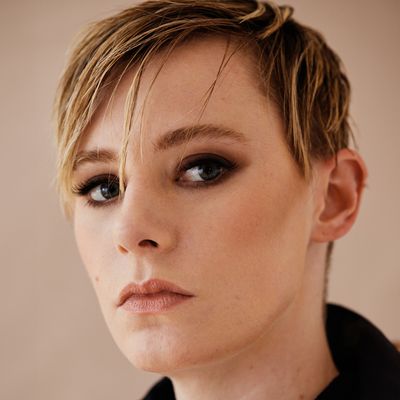
About Alexi: Alexi Melvin is a Tony-nominated producer, as well as an actor, writer and lgbtqia creator with upwards of 200K followers on social media. A graduate of the Lee Strasberg Institute and The New School, Alexi’s career spans multiple disciplines, blending her love for performance with producing and content creation. Her producing team credits on Broadway include Illinoise, Here Lies Love, and The Notebook. On the West End, she has co-produced Jamie Lloyd’s acclaimed Shakespeare productions, The Tempest and Much Ado About Nothing. Alexi is also an investor in the Broadway productions of Sunset Boulevard and The Outsiders. Alexi’s goal is to continue to make an impact in the world of the arts as well as the lgbtqia space, elevating diverse voices and pushing artistic boundaries.
Alexi’s IG:@thealeximelvin
Alexi’s TikTok:@thealeximelvin
Download the FREE Monologue Selection Toolkit: www.jenniferapple.net/freebie
Want to coach with Jennifer? Schedule a session here! https://appt.link/jenniferapple
Learn more about Jennifer Apple: www.jenniferapple.net
Jennifer Apple’s IG: @JenniferApple_
Monologue Sourcing Promo Link! https://empoweredartistcollective.com/podcastpromo
Learn more: https://www.empoweredartistcollective.com/podcast
EAC IG: @EmpoweredArtistCollective
EAC TikTok: @EmpowerArtistCollective
EAC Facebook: https://www.facebook.com/empoweredartistcollective/
Sign up for our newsletter! https://mailchi.mp/8e72e8dcb662/stay-in-touch
Check Out Our Merch! https://www.empoweredartistcollective.threadless.com/
Any thoughts you'd like to share? Email us at EmpoweredArtistCollective@gmail.com
Transcript
This transcript was automatically generated and might contain errors.
[0:00] Jennifer Apple: Hello. Welcome to the Empowered Artist Collective Podcast. I'm your host, Jennifer Apple, a multi-hyphenate actor, educator, acting coach, writer, dog mom, and founder of this vibrant community that champions artists as they carve out their own unique paths in this wild industry. Whether you're just starting out, in the thick of it, or seeking a bit of artistic fuel to expand your toolbox, you're in the right place. In this space, we'll have honest conversations, share actionable strategies, tips, and resources, and delve into the messy yet beautiful journey of living a sustainable, creative life. We unmask the reality of life as an artist, from navigating career highs and lows to nurturing your full human well-being.
I chat with women and non-binary guests who share their personal stories, helpful learnings, and hearts to help you unlock your artistic potential, expand your knowledge, and show up fully and fearlessly in your artistry and daily life. Before we dive into this week's conversation, don't forget to hit that subscribe button so you never miss an episode. If today's chat resonates with you, please leave us a review. It helps us reach even more incredible artists just like you. And hey, feel free to spread the love! Share this podcast with a friend or post it on your socials, making sure to tag @EmpoweredArtistCollective and @JenniferApple_ so we can chat with you there. Alright, grab a cup of something cozy, settle in, and let's get to it.
How do you embrace your full identity and use social media as a tool for connection? In this episode, I talk to Alexi Melvin, who opens up about her journey as a queer artist, from building an online presence in the queer space to advocating for authentic representation in theatre and beyond. As a producer, Alexi sheds light on the Broadway landscape, the need for more inclusive and innovative storytelling, and how advocating for oneself and others can change the industry from the inside out. She offers insight on showing up as your whole self, staying open to new creative paths, and using humor as a bridge for connection and understanding. Together, we reflect on the generational shifts in embracing queerness, the importance of finding spaces where you feel truly seen, and how relationships, whether online or in person, built with kindness and curiosity, can shape opportunities in the industry. Plus, we talk about the responsibility of lifting up others and the power of showing up—messy, imperfect, and fully yourself. Enjoy! Alexi Melvin, hi!
[2:18] Alexi Melvin: Hi, how's it going?
[2:20] Jennifer Apple: You know, it's happening. It's really happening.
[2:24] Alexi Melvin: Things are happening.
[2:25] Jennifer Apple: Yeah, it's going for you too, I'm imagining?
[2:27] Alexi Melvin: Yes, yes, the things are happening. I'm not sure how I feel about them. Mostly not great, but you know, we are where we are.
[2:34] Jennifer Apple: We say both of us with a smile. If anybody's tuning into a YouTube, the great was smiled through. For anybody who does not know you, who are you today?
[2:44] Alexi Melvin: Today, I'm feeling very much like the Renaissance person that I have always been. But yeah, I am an artist, a storyteller, a producer, an actor, occasional writer, and as of late, definitely a social media creator in the queer space.
[3:05] Jennifer Apple: Yeah, I wouldn't even say as of late. I mean, I guess we're putting time on it. What do you mean by late for this? Because time means nothing.
[3:14] Alexi Melvin: Yeah, since the pandemic, I would say.
[3:16] Jennifer Apple: Yeah, you know, that's like, I don't mean to age us or you or it, but like, that's five, over five years.
[3:22] Alexi Melvin: I know, which seems crazy. But yeah, yeah.
[3:26] Jennifer Apple: Yeah, like a fifth year anniversary moment. So you've been doing it for like, later than late.
[3:33] Alexi Melvin: It's been an era for sure.
[3:34] Jennifer Apple: Love, love that for you. I'm really excited for you to be in this space. We don't need to get into our personal history necessarily.
[3:41] Alexi Melvin: Or why not? I mean, if you want to.
[3:48] Jennifer Apple: We could. I mean, I feel like the listeners might be intrigued.
[3:54] Alexi Melvin: We could go there. But I also, you know, I think for the latter part of this journey of yourself, I feel like the thing that's been really exciting to watch and see is the way you have shown up on social media. I think arguably that's something that many folks maybe know you more from just because the way in which you engage. And so I'm curious, what had you begin to explore in that way and then continue sharing in that way? And then I guess even more specifically now leaning into, you know, sharing in that way.
[4:34] Alexi Melvin: Yeah, I think a lot of us over the pandemic, we're feeling very powerless in terms of how are we going to create something? There's nothing going on. There's no theater. There's no film. There's no, you know, there's no work. And for myself, I had left New York. I had been in the Bay Area. I was in Arizona for a bit. You know, I was kind of like living a ranch life, like with horses and things like that, which is lovely. But I was feeling very, like I said, kind of powerless. And my creative muscles had not been worked in a very long time. And somebody mentioned TikTok. And I was like, OK, that's like a thing for kids, right? Like, I had no idea. Like, I just was seeing in my mind's eye, like, you know, young boys skateboarding and stuff.
[5:25] Jennifer Apple: Oh, OK. That's a very different visual.
[5:30] Alexi Melvin: Yeah. No, initially, like that's it was like the kids these days were on TikTok. But also just for you, just from my understanding, kids these days, that's boys who skateboard. I guess that's what I that's what I had seen from TikTok. It was like kids doing things that were it was. Yeah, I was giving very like jackass.
[5:45] Jennifer Apple: I imagine your algorithm has changed since then.
[5:51] Alexi Melvin: A little bit. Yeah. My friend was like, no, there's you don't you have no idea. There's literally like a lesbian TikTok. And I was like, I'm sorry, what? I had no concept of the algorithm or what that even meant. But I was like, OK, well, show me. So she pulled it up and I was like, oh, interesting. OK, you weren't kidding. This is lesbian TikTok. And at that point, it was kind of at least what I was seeing was more just kind of the thirst traps, you know, which were, you know, they did prove to be beneficial for a certain audience of women that were perhaps, you know, realizing some things. And we love that.
[6:28] Alexi Melvin: Yeah, I love that. It was great. But I was like, OK, well, how could I sort of get into this space? And it certainly wasn't immediate that I found my niche. I started out kind of I guess my first video was like a reaction video, which I still do those for sure. But it was just kind of like a reaction of like a queer woman going, what is lesbian TikTok? Oh, my. And it kind of got a good amount of views. And then I kind of tried to see what the whole thirst trap of it all looked like. And I was like, absolutely not. This is not a thing for me. Never again.
[7:05] Jennifer Apple: Did you take those videos down or if I go scroll back further, I'm sure you could find a couple.
[7:11] Alexi Melvin: Noted. Now I'm going to go back and delete that.
[7:18] Alexi Melvin: Yeah, for sure. And then I think it just kind of evolved to I might have done a video of me watching something with Cate Blanchett in it or something like that. And then it kind of exploded where everybody was like, a relatable and B, you kind of look like a gay version of Cate Blanchett. And I was like, biggest compliment of your life, truly.
[7:36] Jennifer Apple: Yeah, absolutely. So I sort of ran with both of those things and it has sort of become what it is. But it's been, you know, it took me a while. I mean, I know there's some creators that, you know, make one viral video and have millions of followers. That was not my experience. Like it has taken a few years to get to a certain point. You know, and now I'm in New York and I can kind of blend my, you know, theatre family with what I'm doing, especially, you know, the queer theatre kids and, you know, it's kind of just come together in that way.
[8:15] Jennifer Apple: Thank you for sharing the origin of that. I think, you know, so many people see things and they forget that like it took a moment to do the thing or create the thing or to get to the place of where we go. And so just to go into the nuts and bolts of it for a hot second, and then we can go into the creative part. When you are creating and you are actually deciding to do a TikTok, do you make them in real time? Do you backlog them? Do you have a strategy around the way in which you create? Do you use particular templates or it's like if you see it, then it inspires you? Like what is your method to your madness?
[8:59] Alexi Melvin: It's a good question. I do know a lot of people that tend to backlog a lot or they'll kind of just like write down ideas and they'll have this whole like note section of ideas. I typically don't. If I see something to react to or whatever, I'll typically do it in that moment. Or if I have an idea, I'll do it fairly soon after I have the idea. You know, like improv and sketch comedy is like one of my favorite things. So I typically like want to get out of my system right then and there and kind of just react in the moment. So that's but, you know, sometimes I won't have time and I'll kind of like see something and save it in my drafts and I'll get to it when I get to it. But typically, yeah, it's like sooner than later for me.
[9:37] Jennifer Apple: Have you found that people now know you from your content rather than potentially like some of the work that you are doing in the creative space? Not that this isn't creative, but just like in the actual doing of it?
[9:46] Alexi Melvin: Yes, definitely. Which is so funny for me, where I'll be sort of at. Actually, I was at the opening for The Tempest in London, which I am one of the producers for. And at the after party of the after party to this like gorgeous lesbian couple came up to me and were like, I watch you on TikTok. I was like, no, you don't. In London. I'm like, so yes, that is definitely what I'm more so recognized for, which I don't hate.
[10:17] Jennifer Apple: I would imagine then and please correct me if I'm wrong. Has it been in some ways like a tool that has connected you to other folks that maybe you might not have otherwise been connected to? And if so, in what way?
[10:29] Alexi Melvin: For sure. I think even, you know, in terms of projects that are presented to me, you know, even if it's not like I knew this person knew this producer that I worked with. It's more so like, oh, you know, they get wind of the fact that I am involved in theater through my content and approach me from there. So it's definitely another channel from which I can sort of connect, which, you know, that that part I didn't expect. And especially if it's a queer project, you know, it's I've gotten a lot of people coming to me with, you know, a play that's, you know, that's queer and it's lovely. And that's always sort of the material that I prioritize anyway.
[11:14] Jennifer Apple: I love it. I think what you're getting at here or what I guess I'm trying to get us towards is, you know, so much about this industry is relationships and who you know, who you know or who knows you. And I don't mean that in like a skeevy way. I mean that in like truly like who can vouch for you and either like your talent or the things that you've done or more importantly, just like how you are as a human being in a room and as a person and whether or not people want to spend their time with you. And I would imagine from, you know, building this networking moment in the like Ethernet, like, you know, the translation of that for me also has been something that's like so interesting to watch and see with a lot of my friends who have also been, you know, spending a lot of their energy creating content on social media in addition to them actually doing the craft and the way in which they're doing so in person and how in many respects it actually is just another way of doing this kind of networking without having to like be in those physical rooms.
And I mean, I don't have the answers for it, especially for folks like myself who are maybe a little bit more resistant to the front-facing camera creating stuff like offering that for folks who maybe are more interested in that maybe than the in-person just like the balance of it and how both are necessary and also valuable and also expanding of one's network of people who you can connect with.
[12:56] Alexi Melvin: Yes. Well, I think both things are important. And let's say that some people are just more skilled at, you know, sliding into DMs, let's say, and not in the like creepy way, but in the like, hey, I love what you're doing. Yeah, let's collaborate, you know, and some people are a little more. It's tough to approach somebody in a room, right? Like that's really a skill you have to build up. And if you're not quite there yet, it's perhaps easier to be like, you know, to have something written out and to connect on the creative space within social media. Maybe you create similar content, maybe, you know, whatever it may be. But yeah, it's funny, you know, you talk about networking. I always kind of associated like a negative connotation with that word because it seems like, oh, what can I get from you?
[13:50] Jennifer Apple: Correct. Like transactional in that way.
[13:50] Alexi Melvin: Yeah, it does sound very that. But I kind of see it now is like, maybe don't be a terrible human in rooms where you might be surrounded by people you admire, people you might want to work with in the future, because you really never know.
[14:03] Jennifer Apple: Yeah. You know, for me, like I came to New York when I was very young. And, you know, I made some connections within the theater space, but was never built to be a theater performer. So I didn't really know how that was going to manifest or what that was going to look like. But, you know, like 15 plus years down the line, I run into these people again and they're like, oh, cool. I see what you're doing now. And that's really great. And like, I remember you from this place. So let's work together. So you just never know what that networking is going to look like or what the timeline is going to be around it. But.
[14:41] Alexi Melvin: Yeah. And again, it can happen online, it can happen offline. Both of those things, you just never know. It's also it reminds me of, you know, how some people...
[14:53] Jennifer Apple: Welcome back to the Empowered Artist Collective Podcast. Today, I am thrilled to have Alexi Melvin with us. Alexi is a Tony-nominated producer, actor, writer, and LGBTQIA creator. She has built an impressive online presence and is passionate about advocating for authentic representation in theater and beyond.
[15:23] Alexi Melvin: Thank you so much for having me, Jennifer. I'm really excited to be here and share my journey as a queer artist.
[15:53] Jennifer Apple: Absolutely! Let's dive right in. You’ve mentioned before how social media has played a significant role in your career. Can you talk about how you’ve used it to connect with others in the queer community?
[16:13] Alexi Melvin: For me, social media has been a powerful tool for connection. It allows me to express my identity and share my experiences as a queer artist. I’ve found that by being open and vulnerable online, I can create a space where others feel seen and heard. It’s all about building community and supporting one another.
[16:23] Jennifer Apple: That’s so important. I think many artists struggle with the idea of showing their true selves on social media. What advice would you give to someone who is hesitant to embrace their full identity online?
[16:33] Alexi Melvin: I would say start small. Share little pieces of yourself that feel comfortable. It’s okay to take your time. The more you share, the more you’ll find your voice and realize that there are people out there who resonate with your story. Authenticity attracts authenticity.
[16:43] Jennifer Apple: I love that. And you’ve also spoken about the need for more inclusive storytelling in theater. Can you elaborate on that?
[16:53] Alexi Melvin: Absolutely. I believe that theater should reflect the diversity of our world. We need more stories that represent different identities and experiences. It’s not just about having diverse faces on stage; it’s about telling stories that resonate with those experiences. That’s how we can create real change in the industry.
[17:03] Jennifer Apple: Yes! And as a producer, what steps do you think can be taken to promote this kind of storytelling?
[17:13] Alexi Melvin: It starts with advocating for diverse voices in the room. We need to ensure that writers, directors, and producers from various backgrounds are given opportunities to tell their stories. Additionally, we should support projects that prioritize inclusivity and challenge the status quo.
[17:23] Jennifer Apple: That’s a great point. It’s about lifting each other up and creating opportunities for everyone. How do you see the role of humor in your work and in connecting with audiences?
[17:33] Alexi Melvin: Humor is such a powerful tool. It can break down barriers and create a sense of connection. When we can laugh together, it opens up space for deeper conversations. I often use humor in my storytelling to make difficult topics more approachable and relatable.
[17:43] Jennifer Apple: That’s so true. It’s amazing how laughter can bring people together. Speaking of connection, how do you think relationships—whether online or in person—shape opportunities in the industry?
[17:53] Alexi Melvin: Relationships are everything in this industry. Building genuine connections with others can lead to collaborations and opportunities that you might not have anticipated. It’s about being kind, curious, and supportive of one another. Those relationships can really shape your career.
[18:03] Jennifer Apple: I couldn’t agree more. It’s all about community and support. As we wrap up, what message do you want to leave our listeners with today?
[18:13] Alexi Melvin: I want everyone to remember that it’s okay to show up as your messy, imperfect self. Embrace your identity and don’t be afraid to advocate for yourself and others. We all have a responsibility to lift each other up and create a more inclusive industry.
[29:47] Alexi Melvin: If you don't, you know, for instance, if you don't know something about a particular marginalized community that you're not a part of, ask questions so that you can better advocate for them as well.
[29:57] Yeah.
[29:58] It's, you know, there's like, there's no, there's no, there's nothing bad that can come from asking questions.
[30:05] And then speaking from what you know, I've heard you talk about the silence that's happening right now, right? It goes back to what we were talking about in the beginning of like being a good person. Like, you know, and I really do believe that in order for change to happen, we will all make mistakes.
[30:22] And I think there's a real fear around being messy and a real fear around making those mistakes because it potentially costs you or somebody else something.
[30:32] And then what happens, right? And there's a fear around hurt, which is very real. There's intent versus impact of it all. Like I intended to do this, and this is what happened.
[30:42] And then what do you do when something happens, right? And so there's a fear around not wanting to even get into that as part of, you know, something that can play out because we don't necessarily know how to navigate it once the damage is done.
[30:55] But we don't grow unless we try and we don't grow unless we are messy. And sometimes like actually asking things when you're like, I don't know how this works. Or I feel like I've heard these things and I would love to understand this better.
[31:09] Or actually, I'm unsure if this is something that actually is really helpful. Is there a way for me to like, you know, without costing somebody emotional stress or if they don't have the bandwidth for it, you know, barring that, showing up with an open heart and curiosity doesn't cost you anything.
[31:30] Arguably, that is the gateway that will allow people to come towards you and have a conversation.
[31:36] Yeah.
[31:37] Yeah, exactly. I mean, even, you know, within the sapphic community, you know, I do get sort of like, you know, cishet men that are commenting and some of them like I don't mind for a very specific reason, which is that they genuinely ask questions or, you know, comment on how this is changing their perspective, you know, and like, I don't mind that at all.
[32:03] Like, yes, my content is for the sapphic community. But if somebody is benefiting from it, if somebody is, you know, I made a video about like when you're ready to date a woman and when you're not ready to date a woman and what that looks like.
[32:18] And like, genuinely, like these cishet dudes are like, wow, that's really helpful. And I'm going to send this to my other guy friend and I'm like, oh, OK, this wasn't actually for you.
[32:31] However, if this is going to help you sort of like champion the woman that you're with and like empower her and make her feel seen and like fantastic, because like as much as I would love everybody to be gay, they're not so fantastic.
[32:45] But yeah, that's just going back to what you were saying. Like I don't mind. I don't mind if they ask questions.
[32:54] Have you been using the same monologue for years? Are you gearing up to apply for BA, BFA or MFA programs and need pieces for that process? Or maybe you just have no idea where to even start with monologue hunting.
[33:05] I get it. And that's why I offer monologue sourcing. This is a unique process where I find monologues chosen specifically for you.
[33:14] So many artists pick pieces based on external labels like type or for roles rather than finding material that represents who they truly are. So here's how it works. You'll meet virtually and you'll share all about who you are, your passions, values, beliefs and everything in between.
[33:30] Don't worry, I will help guide you through this process. Then I'll get to work finding monologues that fit you like a glove. With years of experience sourcing pieces for hundreds of artists, I've seen the difference it makes to have a monologue that genuinely feels like you.
[33:44] So if you want to feel empowered about the monologues you bring into rooms and use for auditions, I would love to help you find them. And because you're a listener of the Empowered Artist Collective podcast, I'm offering an exclusive rate.
[33:55] Head to empoweredartistcollective.com slash podcast promo to register and claim the special offer. That's empoweredartistcollective.com slash podcast promo.
[34:07] I cannot wait to help you find monologues you absolutely adore.
[34:12] Going back to social media for a sec then in this, you know, I don't know why I'm so fascinated by it, but I think it's just because you've figured out a niche for people who are newer to it or want to be more engaged in their social media presence.
[34:34] What would be some of your like starter kit suggestions for folks who are wanting to get into it?
[34:40] First of all, I would say just scroll, spend more hours of your time, more hours, more screen time.
[34:50] Yeah.
[34:51] You know, don't read or anything. Just sit in bed scrolling.
[34:53] Exactly.
[34:54] No. I would say no, but within the sort of community that you are drawn to or that you consider yourself to be a part of, see what pings for you, see what makes you laugh, see what you sort of resonate with.
[35:07] But also just like be very unapologetic because, you know, the experience and the versions of myself that I've been throughout my years, it all comes out, it all comes through.
[35:25] It's all very, you know, self-deprecating in a way, like I'm a simp, I'm a hype girl for women. Like I've always been those things.
[35:37] And you know, I think like growing up sometimes there was a little bit of shame around aspects of that.
[35:43] But like the moment I started doing it and just like really leaning in, people were like, oh my gosh, same, I feel seen.
[35:53] So the ability to make those people feel seen and also laugh, especially in this current climate is really rewarding.
[36:01] So you know, the things that you, you know, the things that make you laugh about yourself, right. The things that you thought were other about yourself growing up that now you might be like leaning more into or embracing more like that, you know, like, for example, if you, you know, I know I've gone through many versions of like finding my style or, you know, like dressing for my body.
[36:30] And like, especially since I'm kind of very much on the she, they spectrum, things like that. Right. Like if you're in the current exploration of self, like share that with people if you feel safe to.
[36:42] Yeah.
[36:43] I mean, I hate this word. It's like the authenticity of it all. I wish we had another word that wasn't fully like commandeered and used for marketing tools.
[36:49] But there is what we really boil down to when we actually mean the word is like, and I used to feel this way, and this is like an ADD tangent, but I used to feel this way when back in the day when my thrival job was headshot photography, did you know that I used to do that?
[37:05] I don't know that I did.
[37:06] No.
[37:07] Yeah.
[37:08] That was like a thrival job for a hot second and I hated editing, but I still love and would do.
[37:13] I mean, somebody asked me recently, they're like, would you go back to this? And it's like 1000% if somebody else was the editor.
[37:18] But the reason I loved it so much was I really did like fall in love with every single client of mine because the camera didn't lie.
[37:26] And I got to like see this person and just like all of their organic, natural elements of every single human emotion while I was like seeing them through this lens.
[37:37] And I was trying to capture the essence of them. And you know, yes, social media for a lot of the things is like a lie.
[37:45] And we it's a really horrible, horrifying place. And the good parts of it is when somebody is showing up authentically and themselves, you can tell you can like really, really, really tell like, oh, yeah, this is energetically I'm getting something truthful from this person and the way in which they're storytelling and the way in which they're sharing of themselves and showing up vulnerably.
[38:06] Even if it's comedically, there's still an element of vulnerability in that.
[38:09] So you know, I think arguably, you're tapping on the fact that like, you've tapped into your own sense of authenticity and who you are and showing up from wherever you are, whether that's messy or in flux or not, people will relate to that.
[38:25] And arguably, we deserve to see more of each other in process.
[38:29] Yes.
[38:30] Yeah.
[38:31] That's what I mean.
[38:33] And also kind of going back to your question of how do we support one another? Like that's a way to do that.
[38:38] You know, like if we're going to be scrolling on social media, why not sort of share all the messy parts of yourself so that people can be like, OK, I'm not alone.
[38:46] Yeah.
[38:47] It just requires a lot of bravery, frankly, in the climate that we live in, I think.
[38:54] So how do you find that bravery within yourself to just like ignore people who have a lot of feelings, who may be potentially come at you and say things that are not kind?
[39:02] Hmm.
[39:03] Well, I'm very quick to block people off.
[39:10] And I know that some people don't really have that luxury, especially people who have followers in the millions and millions like that, you know.
[39:18] But the bravery, I think it helps that I.
[39:24] I think the queer community is a very supportive community these days, for sure.
[39:29] That might not have been the case when I was younger, which I can touch on as well, but and also, you know, the fact that it is through a comedic lens generally does help because it kind of it's a softer approach.
[39:44] Right.
[39:46] And I think it does. And then it's an act. You know, it's another layer of bravery to just sort of look at the camera and say something just like dead ass, you know, which, you know.
[39:57] Especially these days, which I have done a few times recently, and it's like that's when I feel scared, honestly, like I my defense mechanism is comedy.
[40:07] It's comedy.
[40:08] So you say again through through a smile.
[40:11] Yeah.
[40:12] Yeah.
[40:13] It is.
[40:15] It can be very hard.
[40:16] Yeah.
[40:17] Like I said, recently, I have felt very passionate about certain things that are going on in the world.
[40:22] So I just have to say it and not laugh at myself and just sort of, you know, and I think it does feel rewarding in a different way.
[40:32] Right.
[40:33] Are you are you comfortable talking about your your youth to now?
[40:38] My youth.
[40:39] I mean, you mentioned it just now. So now I'm curious to hear the growth that you feel you've navigated, like how that's changed.
[40:47] Sure.
[40:48] Well, I mean, I knew I was queer from a very young age. I was 13 when I realized it.
[40:54] And there were no examples.
[40:56] Did you have a moment that you were like, oh, I definitely am.
[40:59] Oh, yes.
[41:00] And I've said this. I've said this on social media. But Nicole Kidman and Moulin Rouge, OK, was it that I had sort of my mom will tell you she knew I was queer from age five, like I was just enthralled with women, you know, watching old movies and just like I was I was so gay, I was so gay.
[41:20] But again, not having examples of what that looks like, you know, like the movies I would watch, the shows I would see, you know, like there was no examples, even when it comes down to like celebrities in the spotlight, there was, you know, I just didn't see it.
[41:36] But, you know, then there was kind of like the Ellen DeGeneres of it all and Melissa Etheridge.
[41:40] And like it started to be a little bit more of a known thing in my in my orbit.
[41:45] And so, yeah, 13 saw Moulin Rouge.
[41:51] And I remember looking at both of the leads in that film who are very beautiful, right.
[41:59] And I really asked myself, which which one of these two would I want to be romantic with in this time?
[42:06] Mm hmm.
[42:07] And the answer was very clear.
[42:09] Yeah.
[42:10] And I was like, OK.
[42:11] So I remember, you know, going back to to my mom and saying, you know, I think I think I like Nicole Kidman.
[42:19] Do you know what I mean?
[42:20] When you were 13?
[42:21] I was 13.
[42:22] And your mom was like, yes, honey, we knew.
[42:24] Yes.
[42:25] Yes.
[42:26] She was like, right.
[42:27] I was like, OK.
[42:29] So I just wanted to like I just want to say that she's like, OK, great.
[42:34] And then, you know, there was no there was no opportunity for me to really explore it in high school because there were no queer women.
[42:41] That's a lie. There were queer women. They just weren't.
[42:44] They weren't aware.
[42:46] That's correct.
[42:47] That's really.
[42:48] Yep.
[42:49] Correct.
[42:51] But I just sort of like I never really had a coming out.
[42:55] It just kind of was.
[42:57] And you know, the close friends that I made along the way, it just kind of became that's just who I was.
[43:04] And then.
[43:05] I don't know.
[43:06] Do you I don't know if you'll remember this, but there is a website called After Ellen Dotcom.
[43:11] No, it was it was in the in the in the sort of like late high school, early college days of my life.
[43:21] And they had video blogs.
[43:23] So it was kind of like lesbians creating content before even TikTok like was a thing.
[43:29] Right.
[43:30] And I did that when I was probably 18, 19, 20, 18, 19, maybe.
[43:37] And it was very cruel.
[43:39] Like it was a very I mean, the experience of it was nice because I think, you know, the people behind that website and other, you know, other ones that I was involved with gave me the space to, you know, it was like a style blog, which is so silly because I don't think I would do that these days.
[43:57] But and I was very femme.
[43:59] I did not again. I didn't really have a good sense of myself or where on the queer spectrum I was even, you know.
[44:07] But anyway, there was this forum called the El Chat, it was called the El Chat.
[44:13] And their entire mission was just to create threads to say nasty things about lesbians in the spotlight.
[44:21] And they were queer themselves.
[44:22] So I'm just like, why are you doing this in your own community?
[44:26] So I think we have evolved quite a bit since then, because like I said, I feel that, you know, the queer TikTok community and the Instagram of it all, like overall, very supportive, very loving, very empowering.
[45:41] Jennifer Apple: Welcome back to the Empowered Artist Collective Podcast. Today, we are diving into a conversation about social media, sapphic expression, and storytelling with the incredible Alexi Melvin.
[46:11] Alexi Melvin: Thank you for having me, Jennifer! I'm really excited to be here and share my journey.
[46:21] Jennifer Apple: Absolutely! So, let's start with your experience as a queer artist. How has social media played a role in your journey of embracing your full identity?
[46:31] Alexi Melvin: Social media has been a game changer for me. It allowed me to connect with other queer artists and find a community that really understands and supports me. It’s a platform where I can express myself authentically and share my experiences, which has been incredibly empowering.
[46:41] Jennifer Apple: That’s so important. I think many artists struggle with feeling seen and valued, especially in spaces that may not always be inclusive. How do you advocate for authentic representation in theater and beyond?
[46:51] Alexi Melvin: I believe it starts with telling our own stories. As a producer, I focus on projects that highlight diverse voices and experiences. It’s about creating opportunities for others and pushing for narratives that reflect the richness of our community.
[47:01] Jennifer Apple: Yes! And I love that you mentioned the importance of lifting others up. Can you share more about how you approach that in your work?
[47:11] Alexi Melvin: For me, it’s about collaboration and support. I try to create spaces where everyone feels valued and heard. Whether it’s through mentorship or simply sharing resources, I think it’s crucial to help each other navigate this industry together.
[47:21] Jennifer Apple: That’s such a beautiful perspective. I also want to touch on the role of humor in your work. How do you see humor as a bridge for connection and understanding?
[47:31] Alexi Melvin: Humor is a powerful tool! It can break down barriers and create a sense of camaraderie. In my content, I often use humor to address serious topics, making them more accessible and relatable. It’s a way to connect with people on a deeper level while still keeping things light.
[47:41] Jennifer Apple: That’s a fantastic approach. Speaking of connection, how do you navigate relationships, both online and in person, to build opportunities in the industry?
[47:51] Alexi Melvin: I think it’s all about kindness and curiosity. I try to engage with others genuinely, whether it’s through social media interactions or in-person networking. Building relationships takes time, but being open and authentic can lead to amazing opportunities.
[48:01] Jennifer Apple: Absolutely! And as we talk about embracing queerness, what generational shifts have you noticed in how people express their identities?
[48:11] Alexi Melvin: There’s definitely been a shift towards more openness and acceptance. Younger generations are more willing to embrace their identities and express themselves without fear. It’s inspiring to see how far we’ve come and how much more work there is to do.
[48:21] Jennifer Apple: Yes, it’s a journey for sure. As we wrap up, what advice would you give to artists who are looking to show up as their whole selves in their work?
[48:31] Alexi Melvin: My advice would be to embrace the messiness of being human. It’s okay to be imperfect and to show vulnerability. When you show up as your true self, you invite others to do the same, and that’s where real connection happens.
[48:41] Jennifer Apple: Thank you, Alexi. That’s such a powerful message. I appreciate you sharing your insights and experiences with us today.
[48:51] Alexi Melvin: Thank you for having me, Jennifer! It’s been a pleasure.
[49:01] Jennifer Apple: And thank you to our listeners for tuning in. Remember to keep creating, keep thriving, and stay empowered! Until next time!
© Broadway Podcast Network, All Rights Reserved