

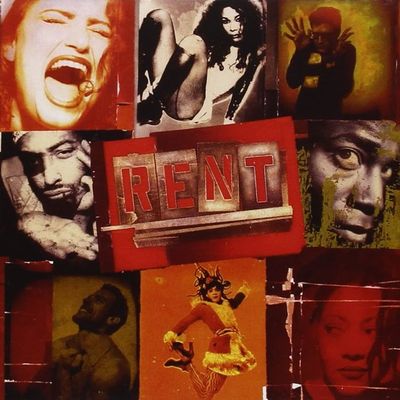
“Viva la vie Bohème!” In ‘96, Kristen and Sarah Goodman were blasting their RENT cast album CD in their childhood bedroom in Chicago. Today, they’re NYC roommates getting to chat with queer icon, Jai Rodriguez, about his experience growing up in a conservative religious family to starring in RENT as one of the youngest lead characters ever cast in the show!.. Read More
From the show: GOOD SHOW! with Sarah Goodman
Guests

Featured Shows
About
“Viva la vie Bohème!” In ‘96, Kristen and Sarah Goodman were blasting their RENT cast album CD in their childhood bedroom in Chicago. Today, they’re NYC roommates getting to chat with queer icon, Jai Rodriguez, about his experience growing up in a conservative religious family to starring in RENT as one of the youngest lead characters ever cast in the show! There are 525,600 reasons to love this Tony Award winning hit musical by Jonathan Larson. Find out what these two showbiz siblings love most about it and just “how queer is it?” in this third episode of the Queer Series. “No day but today.”
Good Show Instagram: @goodshowpodcast
Good Show Tik Tok: @goodshowpodcast
Jai Rodriguez Instagram: @jairodriguez
Transcript
This transcript was automatically generated and might contain errors.
[0:00] Kristen Goodman: Hi, I'm Kristen Goodman.
[0:02] Sarah Goodman: I'm Sarah Goodman, and we're Showbiz Siblings.
[0:06] Kristen Goodman: We live in New York City.
[0:08] Sarah Goodman: We're both queer and we love musical theater.
[0:11] Kristen Goodman: This is our podcast.
[0:32] Sarah Goodman: All right, welcome back to Good Show.
[0:35] Kristen Goodman: Today we're talking about Rent.
[0:37] Sarah Goodman: Yeah.
[0:38] Kristen Goodman: Woo-hoo.
[0:40] Sarah Goodman: Yeah, one of your faves.
[0:41] Kristen Goodman: Totally.
[0:42] Sarah Goodman: Yeah, we grew up listening to this cast album so much.
[0:45] Kristen Goodman: Kristen had the two CD set.
[0:48] Sarah Goodman: Um, this is a show from the mid-90s.
[0:52] Kristen Goodman: It opened on Broadway in '96, and Kristen and I watched the pre-Broadway production at New York Theater Workshop.
[0:59] Sarah Goodman: Um, the Off Broadway, you know, um pre-Broadway run, which was really fascinating to see um all of those big stars when they were little babies.
[1:10] Kristen Goodman: Yeah.
[1:11] Sarah Goodman: Just getting started.
[1:12] Kristen Goodman: Just getting started.
[1:14] Sarah Goodman: Um, Rent is a very iconic musical written by Jonathan Larson.
[1:19] Kristen Goodman: He wrote the music and books.
[1:20] Sarah Goodman: Uh books.
[1:22] Kristen Goodman: He wrote the music and lyrics and the book.
[1:25] Sarah Goodman: Um, and it's a show that the story is loosely based off of La Bohème, the opera by Puccini.
[1:33] Kristen Goodman: Right.
[1:33] Sarah Goodman: Um, the opera's about a lot of bohemian young people dying of tuberculosis, and Rent is about a bunch of young New Yorkers, artists in the '90s dying of AIDS.
[1:47] Kristen Goodman: Right.
[1:47] Sarah Goodman: And it centers around these two friends, Mark and Roger, a filmmaker and a musician who live um in this sort of like derelict building in New York.
[1:58] Kristen Goodman: They're squatting in a place where they haven't been paying rent.
[2:02] Sarah Goodman: Yeah, and it's like Alphabet City, right?
[2:04] Kristen Goodman: Lori's side kind of.
[2:06] Sarah Goodman: Alphabet City, Lori's side.
[2:08] Kristen Goodman: Um, and there's it's sort of an ensemble story.
[2:13] Sarah Goodman: There's a whole lot of different characters.
[2:15] Kristen Goodman: Um, Mark and Roger have a friend named Tom Collins, who's a professor, he's gay.
[2:21] Sarah Goodman: Um, he meets a character early in the show named Angel, who's a drag queen, and they have a beautiful romance that blossoms throughout the show.
[2:31] Kristen Goodman: Um, and then sadly, spoiler alert, Angel dies at the uh in the second act, which is very sad.
[2:37] Sarah Goodman: Um, there's Maureen and Joanne, a lesbian couple.
[2:41] Kristen Goodman: Maureen is um bisexual.
[2:44] Sarah Goodman: She was formerly with Mark.
[2:47] Kristen Goodman: Um, a character named Mimi comes into the picture and meets Roger and their love interests.
[2:54] Sarah Goodman: Um, Mimi is a dancer, but also has a heroine addiction that's really triggering for Roger because he's like a recovering addict.
[3:03] Kristen Goodman: Um, and then there's Benny, who used to be their friend.
[3:07] Sarah Goodman: Uh, they all were squatting in this building together, and then Benny went off and married Rich and bought the building and is now making everybody pay him rent.
[3:16] Kristen Goodman: Back owed rent.
[3:17] Sarah Goodman: Yeah, Benny's not a nice guy.
[3:20] Kristen Goodman: He's not a nice guy at all.
[3:21] Sarah Goodman: And he kind of gets with Mimi too, right?
[3:23] Kristen Goodman: Yeah, like you find out during the show that Benny and Mimi previously dated and now they're kind of dating again.
[3:31] Sarah Goodman: It's weird.
[3:32] Kristen Goodman: It's not good.
[3:33] Sarah Goodman: Benny doesn't treat Mimi very good.
[3:35] Kristen Goodman: No.
[3:36] Sarah Goodman: And takes advantage of her like weakness as a person who has an addiction and doesn't have a lot of money and whatnot.
[3:47] Kristen Goodman: Right.
[3:47] Sarah Goodman: But um it's a really unique story for that time to have a show kind of be pretty unconventional.
[3:56] Kristen Goodman: You know, there are some love stories and it is based on an opera, but um the storyline follows all these different people.
[4:04] Sarah Goodman: It's like kind of intricate what's going on throughout the show.
[4:06] Kristen Goodman: And it's so it's sort of strange because the first act takes place in just one day, and then the second act takes place over the course of the whole following year.
[4:16] Sarah Goodman: Right.
[4:16] Kristen Goodman: Um, so it's it's a little unbalanced.
[4:19] Sarah Goodman: Um, but as you'll bring up, Jonathan Larson, the creator of this musical, passed away when the show had just was just about to open at New York Theater Workshop.
[4:30] Kristen Goodman: Right.
[4:31] Sarah Goodman: Um, so it was in some ways sort of unfinished for the version that we watched at Toft, the New York Theater Workshop production.
[4:41] Kristen Goodman: The director was Michael Grife, scenic design, Paul Clay, choreography, Marley's Yearby, costume design by Angela Went, lighting design by Blake Burba, sound design by Darren L. West.
[4:56] Sarah Goodman: And then in the Broadway production, it was all the same creative team, except for the sound designer who was Kurt Feisher on Broadway.
[5:06] Kristen Goodman: Cool.
[5:06] Sarah Goodman: And there were a lot of um big stars in this cast that got their debuts on this show, right?
[5:13] Kristen Goodman: Yeah.
[5:14] Sarah Goodman: Anthony Rapp, Adam Pascal, Daphne Rubin Vega, um, Jesse L. Martin, Wilson Germain Heredia, Idina Menzel.
[5:24] Kristen Goodman: Come on.
[5:25] Sarah Goodman: Adele Dazeem.
[5:26] Kristen Goodman: It was like her breakout moment.
[5:27] Sarah Goodman: It's her first show, right?
[5:28] Kristen Goodman: Like it was.
[5:29] Sarah Goodman: Yeah, it was her first big show.
[5:31] Kristen Goodman: Freddie Walker and Tay Dix.
[5:33] Sarah Goodman: Really, truly, everybody, everybody.
[5:35] Kristen Goodman: Everybody became huge stars.
[5:38] Sarah Goodman: I mean, it was a hugely successful show, so it makes sense.
[5:40] Kristen Goodman: But yeah, a lot of talent in the cast for sure.
[5:43] Sarah Goodman: I mean, so many, I think, of the younger generation of Broadway fans knows of Idina Menzel, of course, as like Elphaba, but I know her as Maureen.
[5:53] Kristen Goodman: Yeah, same.
[5:54] Sarah Goodman: I mean, uh, she was Maureen 10 years before she was Elphaba, so I feel like that was like her thing for the longest time.
[6:01] Kristen Goodman: And now I suppose she's Elsa to the tiny kids.
[6:03] Sarah Goodman: Now she's Elsa, yeah.
[6:05] Kristen Goodman: Wow.
[6:05] Sarah Goodman: Interesting.
[6:06] Kristen Goodman: Which Adele Dazeem role do you identify with the most based on your generation?
[6:12] Sarah Goodman: Right.
[6:16] Kristen Goodman: That's funny.
[6:17] Sarah Goodman: Well, so we're '90s kids.
[6:19] Kristen Goodman: We grew up mostly in the '90s.
[6:21] Sarah Goodman: I mean, you you have some '80s in there too, but um, tell me more about what was going on in uh '96, '95.
[6:29] Kristen Goodman: Right.
[6:32] Sarah Goodman: So Bill Clinton is president.
[6:34] Kristen Goodman: He'll be re-elected later in '96 again.
[6:38] Sarah Goodman: Um, there's a couple pro-LGBT rulings that happened in the Supreme Court during this time, but this is also the era of like don't ask, don't tell, and the Defense of Marriage Act.
[6:50] Kristen Goodman: So definitely tumultuous and lots of different uh rulings and legislation and things happening that are kind of seeing how all of this um LGBT stuff shakes out.
[7:06] Sarah Goodman: Um Chicago Bulls and Michael Jordan are still dominating the NBA.
[7:11] Kristen Goodman: Um that summer, the summer Olympics took place in Atlanta in '96.
[7:17] Sarah Goodman: Uh, this is also when the Fox News channel launches.
[7:20] Kristen Goodman: Whoa.
[7:20] Sarah Goodman: That was interesting.
[7:22] Kristen Goodman: Um Nintendo 64 was released in the US that year, and so was the first flip phone for on sale in the U.S.
[7:31] Sarah Goodman: Flip phones.
[7:32] Kristen Goodman: Remember those?
[7:33] Sarah Goodman: Those are coming back.
[7:33] Kristen Goodman: They are, but are they any good?
[7:36] Sarah Goodman: These new flip phones.
[7:38] Kristen Goodman: No, I don't know.
[7:43] Sarah Goodman: If you've got a flip phone, let us know.
[7:46] Kristen Goodman: Um Tupac was killed, so was Jean-Benet Ramsey.
[7:50] Sarah Goodman: Oh, wild.
[7:51] Kristen Goodman: Mm-hmm.
[7:52] Sarah Goodman: Uh some of the films that were popular that year were Twister, Braveheart, Space Jam, Um, Disney's Hunchback of Notre Dame, and The Nutty Professor with Eddie Murphy.
[8:05] Kristen Goodman: Some of the other Broadway shows that opened in '96 were Big, Bring In Da Noise, Bring In Da Funk, State Fair, and Victor/Victoria, which will be our next episode of the Queer Series.
[8:17] Sarah Goodman: Excited to talk about that show.
[8:20] Kristen Goodman: Uh Rent was nominated for 10 Tony Awards in '96, and the show won four Best Musical, Best Book, Best Original Score, and Best Performance by a Featured Actor in a Musical, and that was for um Wilson Germain Heredia, who played Angel.
[8:42] Sarah Goodman: Rent ran at the Nederlander from April '96 until September 2008.
[8:48] Kristen Goodman: Wow.
[8:49] Sarah Goodman: So it's the 11th longest running show in Broadway history.
[8:53] Kristen Goodman: Damn.
[8:54] Sarah Goodman: The show toured all over the world for many years, and a film version was released in 2005.
[9:00] Kristen Goodman: I think a lot of the diehard Rent fans, like Broadway fans, didn't love the movie.
[9:05] Sarah Goodman: I didn't love the movie.
[9:06] Kristen Goodman: I did not love the movie.
[9:07] Sarah Goodman: But I was glad that the movie helped expose a new generation to the show and hopefully new fans of the Broadway version.
[9:15] Kristen Goodman: Um but I just didn't like some of the changes they made, and I felt like it was just kind of like plastic.
[9:21] Sarah Goodman: It was too Glee.
[9:22] Kristen Goodman: Mm-hmm.
[9:22] Sarah Goodman: They Glee-ified it.
[9:25] Sarah Goodman: But it did have a lot of the original people in it, which was kind of cool.
[9:28] Kristen Goodman: It was very nice to see some of those original cast members for sure.
[9:32] Sarah Goodman: Yeah.
[9:33] Kristen Goodman: Um, yeah, and as you mentioned, Sarah, um, Jonathan Larson tragically died at the age of 36 from an aortic aneurysm the day before the first off-Broadway preview performance of Rent.
[9:46] Sarah Goodman: Um so sad.
[9:47] Kristen Goodman: Huge talent.
[9:48] Sarah Goodman: He also wrote Tick, Tick... Boom.
[9:50] Kristen Goodman: Um, so clearly so sad to see such a talented person go so young from such a like unexpected thing.
[9:59] Sarah Goodman: Um, but I know, you know, from some things we've heard and whatnot, that it just made this show I think extra special and made the cast really bond together in a unique way.
[10:11] Kristen Goodman: Um, certainly with the message of the show of like, you know, no day but today, I'm sure that was really emotional as they had to navigate through Jonathan Larson dying.
[10:23] Sarah Goodman: Um yeah, sorry, go ahead.
[10:25] Kristen Goodman: Um, I am working on a podcast that will be announced very soon, uh, for BPN that is doing a deep dive on Rent, and it's been really fascinating learning so much more about the production.
[10:39] Sarah Goodman: Um, especially because we decided to do this before I really realized what was going on with that.
[10:45] Kristen Goodman: Um and just the most poignant takeaway I have about Jonathan Larson's death is that that night, the night the whole cast found out, well they found out in the morning.
[11:00] Sarah Goodman: Everyone found out the morning he died overnight.
[11:02] Kristen Goodman: And they all went to the theater and sort of had a moment together as a cast and with the MD and everybody in the production.
[11:12] Sarah Goodman: And then they decided that that night they would do just an invited dress for friends and family.
[11:19] Kristen Goodman: And they were just gonna do a reading style, like sit at tables and uh read through and sing through the show, but not do staging or costumes or anything like that.
[11:31] Sarah Goodman: But then when it got to La Vie Bohème, the actors just like couldn't contain their energy and um Daphne Rubin-Vega said that she thought to herself if I died I would want them to get onto those fucking tables.
[11:47] Kristen Goodman: So they got up and did the whole thing.
[11:49] Sarah Goodman: So they got up and did the whole thing.
[11:51] Kristen Goodman: And then they were so like full of inspiration that they said, let's get into full costume and makeup and we're doing the whole second act full out.
[11:59] Sarah Goodman: Well like full production.
[12:00] Kristen Goodman: That's theater people for you.
[12:02] Sarah Goodman: Yeah.
[12:02] Kristen Goodman: Yeah.
[12:03] Sarah Goodman: The show must go on.
[12:05] Kristen Goodman: I love that.
[12:06] Sarah Goodman: And that I mean what better song to inspire them to want to get up and absolutely proceed on with it.
[12:12] Kristen Goodman: I mean Viva La Vie Bohème, you know it's like wild.
[12:16] Sarah Goodman: They're like, we can't do this sitting down and reading.
[12:19] Kristen Goodman: We have to get up and do this show.
[12:21] Sarah Goodman: Yeah.
[12:22] Kristen Goodman: Yeah.
[12:23] Sarah Goodman: It's such a big um important time, I'm sure.
[12:27] Kristen Goodman: Um, I don't know, on a personal note, this is like I said, you know, one of my favorites and one of the most influential Broadway shows in my life.
[12:34] Sarah Goodman: Um I got that cast album in '96 when we were living in Chicago, and I would blast that CD in our bedroom that we shared with our baby sister Gabby.
[12:44] Kristen Goodman: Yeah.
[12:44] Sarah Goodman: And I remember just looking out our eighteenth-floor windows and singing along and imagining that I was in the show.
[12:52] Kristen Goodman: Um, the first time I saw it was when the national tour came to Chicago and I went to see it with Aaron, my eighth-grade boyfriend.
[13:01] Sarah Goodman: And um, he was also a Broadway fan.
[13:03] Kristen Goodman: And I just remember we felt very grown up, like going downtown and going to the theater together.
[13:09] Sarah Goodman: Well, yeah, eighth grade. You must have been like thirteen.
[13:12] Kristen Goodman: Yeah, but I think the tour didn't come until maybe '97.
[13:19] Sarah Goodman: So maybe I was like a freshman.
[13:22] Kristen Goodman: Yeah, but that's young.
[13:23] Sarah Goodman: That's young to be going on a theater date.
[13:25] Kristen Goodman: Yeah, for sure.
[13:26] Sarah Goodman: We felt very grown up going by ourselves down to the theater.
[13:29] Kristen Goodman: That's cute.
[13:30] Sarah Goodman: And you know, one of the biggest themes in the show, I think, is figuring out how to continue to make art and tell stories in times of tragedy and challenge.
[13:41] Kristen Goodman: And this show exposed me to this bohemian artist's lifestyle and what that could potentially look like, even if it is the musical theater fantasy version of it.
[13:53] Sarah Goodman: Um, you know, watching it again recently for the pod, I felt inspired that there is hope to make music and theater and art during times of darkness and how important and necessary that is.
[14:08] Kristen Goodman: Yeah.
[14:09] Sarah Goodman: Um, you know, here we are in New York City in 2023, during this like incredibly challenging time to be a freelance artist.
[14:20] Kristen Goodman: Um and I think it it's just interesting that you know, we were sharing that little bedroom back in 96, and I'm we're singing La Vie Bohème, and you know, now we're sharing an apartment in Brooklyn and doing a podcast about this show and yeah being artists and theater makers in this city, and the connections of that and the irony of all that is like not lost on me right now.
[14:45] Kristen Goodman: And I'm just I'm really great to I'm really grateful to be experiencing this with you, Sarah.
[14:51] Sarah Goodman: Yeah.
[14:53] Kristen Goodman: It's um it's a hard lifestyle um here in New York City, but um it's as the cast uh characters of of Rent show us. I think it's it's worth it, and sometimes it's all that we can do. We just have to keep making films and making songs and doing shows and pushing on. And to me, one of the characters that embodies that sentiment the most is Angel. And I'm so excited for our special guest of this episode. Um someone who played Angel in Rent on Broadway and around um then the tour and in Canada and whatnot. So I'm so excited to talk with Jai Rodriguez.
[15:34] Sarah Goodman: Me too.
[15:35] Kristen Goodman: Me too.
[15:36] Sarah Goodman: It's gonna be amazing.
[15:37] Kristen Goodman: Yeah. But first, let's hear what we had to say about watching Rent at Toft.
[15:43] Sarah Goodman: Yeah, let's do it.
[15:47] Kristen Goodman: Afternoon. We went to Toft and we watched Rent.
[15:52] Sarah Goodman: Woo!
[15:52] Kristen Goodman: 1996 production at the New York Theater Workshop.
[15:56] Sarah Goodman: This was the pre-Broadway production.
[15:59] Kristen Goodman: Yeah.
[16:00] Sarah Goodman: I have never seen Rent before. Um, I've seen the movie, but that's it. I've never seen the live production or any kind of like bootlegs or anything. So it was pretty exciting to see it for the first time.
[16:12] Kristen Goodman: Yeah. I've I've seen the National Tour, I think three or four times. And so I and I know it very well. But it was so cool to see the original cast in this off-Broadway pre-Broadway scenario.
[16:27] Sarah Goodman: Yeah. They were great.
[16:30] Kristen Goodman: Yeah, and I just went to that theater for the first time recently. So it was cool. I just a few days ago was inside of that same theater.
[16:39] Sarah Goodman: So it's pretty cool.
[16:40] Kristen Goodman: Looks like a cool space. This was like a unit set, just like I remember from the tour.
[16:45] Sarah Goodman: Mm-hmm.
[16:46] Kristen Goodman: Um very like urban decay, kind of industrial. Some of it was like kind of realistic, and then some of it was like more abstract. Like sometimes they had the table was the door, or you know, um, and in the opening scene, we're like in Mark and Roger's apartment, but we don't really know like what that is. They just describe it as like having an extension cord through the window, and like they're squatting in this big industrial warehouse building.
[17:19] Sarah Goodman: Right.
[17:19] Kristen Goodman: Yeah, and there's like scaffolding that they use often, and that becomes different locations, and the band is there on the Bamazon.
[17:32] Sarah Goodman: Upstage right upstage right side.
[17:35] Kristen Goodman: And um, yeah. It was kind of pretty much how I remembered.
[17:41] Sarah Goodman: Mm-hmm.
[17:43] Kristen Goodman: Yeah. What were what are some of your other reactions from it, Sarah? Because you, since you haven't seen it, you know, like what did were there any surprises or like Yeah, you know, it's interesting because kind of the image I had in my head was maybe a little bit more chaotic than what I ended up seeing today. Like this staging for this show was a little bit more mild than what I was expecting, except for like the iconic stuff from like La Vie Bohème.
[18:12] Sarah Goodman: Sure.
[18:13] Kristen Goodman: Um, or the snow sequence where there's all these different scenes happening at once where they're kind of in that empty lot where people are selling stuff and there's all kinds of people, and yeah, um Collins is trying to get his coat back and all that. Um that stuff was all kind of the energy of what I always had envisioned listening to the cast album, because I've listened to that original Broadway cast album a bajillion times because of you, because you you had that two CD set.
[18:40] Sarah Goodman: Yep.
[18:40] Kristen Goodman: And I wore it out. I listened to it so many times.
[18:45] Sarah Goodman: Yeah, I mean, this was interesting today for me at Toft because this was the first show we've ever watched at Toft where I literally knew every lyric. And so there was not one single surprise moment for me. And so it was more of a passive observational kind of viewing for me today. Whereas shows that I wasn't as familiar with or hadn't ever seen live, I'm like really invested in the story and like, you know, but this time I could kind of watch it as an observer of the medium and as an observer of the piece instead of like being really in it, you know.
[19:24] Kristen Goodman: Yeah.
[19:25] Sarah Goodman: So that was kind of cool and different, you know.
[19:28] Kristen Goodman: Yeah. That first couple scenes, I was like, wow, we're putting this in the queer series, and it opens with these two like straight guys just singing to each other. Like just like these bros are just like being sad artists. Like, and then finally when Angel, like we we get a taste of the queerness with Collins.
[19:50] Sarah Goodman: Yeah.
[19:50] Kristen Goodman: But then when Angel enters the story, it's like, okay, great. Like we're in full-on queer mode now.
[19:56] Sarah Goodman: This is Maureen for quite a while.
[19:59] Kristen Goodman: Oh, yeah, Maureen's entrance.
[20:01] Sarah Goodman: Oh, and that's another thing I noticed in today's production, they just like the light of the motorcycle was pretty rudimentary.
[20:10] Kristen Goodman: Yeah.
[20:11] Sarah Goodman: But when I saw it on tour, I recall it felt like a real motorcycle was like rolling on stage.
[20:18] Kristen Goodman: Yeah, I feel like maybe I remember the the anecdotal story that she does ride out on a real motorcycle on Broadway.
[20:28] Sarah Goodman: I think she did.
[20:29] Kristen Goodman: And then uh you know, in the tour, in the tour as well.
[20:32] Sarah Goodman: I think she did. If listeners, if you saw the Broadway production or you saw it on tour and have like a rem, you know, actual memory like message us, because I think I rec I also recall a real motorcycle in Maureen's entrance.
[20:45] Kristen Goodman: And it's cool because like you said, she's we've waited so long. We've heard about, we've tangled about her. We've you know, we've heard all about the you know uh the myth or whatever. Yeah, it's like the first thing we learn about Mark really, about his like personal life. Clearly on the cast album, and from my memory of the tour, Over the Moon was way more unhinged than the version that we saw today.
[21:10] Sarah Goodman: Yeah.
[21:11] Kristen Goodman: I think this early off-Broadway production clearly was like more tame. I feel like eventually they let them like, or they like drew out more of the unhinged, like wild moments. Even just like the side characters, um, the woman who plays the uh she plays multiple characters, but in one scene during snow, I think she's like Who the fuck do you think you are? I love that woman.
[21:39] Sarah Goodman: Me too.
[21:40] Kristen Goodman: And she's so great. And that the performance we saw today, she was just kind of like, who the fuck do you think? And I, but on the cast album, she's like, who the fuck do you think you? I'm just like, what would where was that? Like, yeah, so whoever like MD'd the cast album, maybe, I don't know, like who I don't know who's to credit for like drawing out even more energy in every moment.
[22:01] Sarah Goodman: Yeah.
[22:01] Kristen Goodman: But when I saw it, I feel like at least at that first time I saw it in like the 90s in Chicago. My every minute I felt like there was just an explosion of like intensity.
[22:14] Sarah Goodman: Yeah, yeah, yeah.
[22:15] Kristen Goodman: I feel like maybe maybe um because it was so different and new, and at New York Theater Workshop, like they were still just like figuring out how to dig into that.
[22:26] Sarah Goodman: Yeah, like how wild can we get, or how far can we take the because the audience I felt was sort of like what's happening? Because uh after the first few numbers, there was just like awkward smattering of applause where people were like, What are we watching right now? But then by the time Angel came out and every number after that, the audience was like cheering.
[22:47] Sarah Goodman: Like they gave a thunderous applause at the top of Act Two.
[22:52] Kristen Goodman: Yeah, I I agree with you. I think the audience just didn't know how to react, and I seem to notice that they started to perk up and applaud more after definitely after Angel, but then also after No Day But Today.
[23:05] Sarah Goodman: Yeah.
[23:05] Kristen Goodman: And I just think that it's also telling that that song is so moving. That phrase I think is so inspiring.
[23:12] Sarah Goodman: Totally.
[23:14] Kristen Goodman: And you know, there was there was a moment during act two where I was like, whoa this show's long.
[23:22] Sarah Goodman: It is kind of long.
[23:23] Kristen Goodman: And I'm just like, what I why did I love this again? Like, why am I obsessed with this show? And I and then the reprises of No Day But Today at the end. I'm just like, yeah. It's so this is it. Like no day but today. Like that's the whole point to me.
[23:40] Sarah Goodman: Yeah.
[23:40] Kristen Goodman: It's like live in the present. We could all die tomorrow. This is all we've got.
[23:48] Sarah Goodman: Yeah.
[23:49] Kristen Goodman: And also about like how to make the how to enjoy it, even though it's shitty. Not just that life could end tomorrow, but like your life now may absolutely suck. But there's still like beauty and love and self-expression.
[24:07] Sarah Goodman: Yeah.
[24:08] Kristen Goodman: Yeah. They're all like struggling to be seen and heard and tell their stories and whatever their medium is, you know.
[24:21] Sarah Goodman: Yeah.
[24:22] Kristen Goodman: Yeah, it was really inspirational and it still really applies, you know?
[24:25] Sarah Goodman: Yeah, it really does. Thankfully, we are not in the midst of an an epidemic of the AIDS crisis anymore. But we're in our own global pandemic situation at the moment and global un you know, unrest and just it's uh it's a dumpster fire out there, so yeah, totally it really did feel like it all still was 100% applicable.
[24:53] Kristen Goodman: Yeah, and we're in like terrible inflation, and you know, times are really hard for people. I don't I don't know if there's necessarily as much of a squatting population all over New York City like there was in the 90s in certain neighborhoods, like Alphabet City or like Dumbo, but um people are really facing very hard times, and the rent is too damn high.
[25:16] Sarah Goodman: How we gonna pay, how we gonna pay.
[25:23] Kristen Goodman: I don't know, sometimes.
[25:25] Sarah Goodman: Why hadn't they paid rent for a whole year though?
[25:28] Kristen Goodman: They that's the thing is they don't really go into the right amount of detail with this agreement. Yeah, it's a little loose in terms of this arrangement they had with Benny. But I think Benny seems to be kind of an opportunist and a flip-flopper, right? It's like the long and short of it is that Benny screwed them. But he pretty much told them they could live there and they were gonna create this like artist commune, you know, workspace kind of thing, cyber arts.
[26:02] Sarah Goodman: Yeah, and then he was like, now I'm your landlord and you owe me all the money.
[26:05] Kristen Goodman: Right. Rude.
[26:07] Sarah Goodman: Rude.
[26:07] Kristen Goodman: Benny's a dick.
[26:09] Sarah Goodman: Benny is a dick, but Tay Diggs is so hot.
[26:13] Kristen Goodman: His voice is gorgeous, such a good voice. And I just kept thinking, I want Tay Diggs back. Where's he been?
[26:17] Sarah Goodman: Yeah, Tay Diggs, where are you?
[26:21] Kristen Goodman: Come out, man. Like not like come out, but like, I mean, if you sure if you want to, if that's if that's your truth. But that's not what I'm saying. I'm saying, get out here, Tay Diggs, because I miss seeing and hearing your voice, your face.
[26:36] Sarah Goodman: Yeah.
[26:36] Kristen Goodman: So many good things going on with Tay Diggs.
[26:39] Sarah Goodman: Right.
[26:40] Kristen Goodman: It's kind of hard to hate the villain when they're as sexy as Tay Diggs.
[26:45] Sarah Goodman: Yeah.
[26:45] Kristen Goodman: And also he was like their friend and also he's cool. So it's like hard.
[26:49] Sarah Goodman: It's hard to hate Benny in general.
[26:51] Kristen Goodman: And I think that's what's interesting about that character is that he is like charismatic and cool and like in the second act, he he starts kind of hanging out with them all again. Even though and then he and then he fucks over Mimi and he's the worst. But like, you know.
[27:05] Sarah Goodman: There's a moment.
[27:06] Kristen Goodman: There's a moment where like him and Collins and Mark are hanging out.
[27:11] Sarah Goodman: Right, right.
[27:12] Kristen Goodman: And as much as they're all fighting with each other all the time, they're never really like reading into Benny for how much of an asshole he is.
[27:22] Sarah Goodman: Yeah, totally.
[27:23] Kristen Goodman: Like you'd think they'd be more mad at him, but the They're just kind of like, fuck you, Benny. And then they're like, hey man, hey, you're cool. Hang out. You're gonna buy stuff for us.
[27:35] Sarah Goodman: Um I I noticed that this show didn't have any moving lights whatsoever. And it had very dark lighting a lot of times, which was interesting and I I'm sure looked way better in person.
[27:48] Kristen Goodman: Yeah, you're right. It was like very simple.
[27:52] Sarah Goodman: It was very simple, kind of spark.
[27:53] Kristen Goodman: Sparse on or off. There were a couple really cool moments though, like um over the moon, they had this really low angle spot pin spot, not like a follow spot, but like a pin spot thing on Maureen, so that her shadow was huge.
[28:08] Sarah Goodman: Massive silhouette on the back wall.
[28:09] Kristen Goodman: Yeah. Yeah. That was so cool. And the big moon light that they have up behind her shoulder.
[28:15] Sarah Goodman: Mm-hmm.
[28:15] Kristen Goodman: That was really cool. And then there was a couple moments where there were some like really isolated spots and it looked kind of cool.
[28:23] Sarah Goodman: Yeah.
[28:23] Sarah Goodman: So that makes me think of another moment that I seem to recall was enhanced for the Broadway version and then the tour.
[28:33] Sarah Goodman: Because I seem to recall that in contact in that moment where they're under the sheet and he like sings, take me, take me.
[28:45] Sarah Goodman: I think he gets flown.
[28:47] Kristen Goodman: Oh.
[28:47] Sarah Goodman: In the Broadway version.
[28:49] Kristen Goodman: Wow.
[28:49] Sarah Goodman: Not like super high, but I seem to recall that he kind of lifts up out of the fabric becomes like way bigger.
[28:56] Kristen Goodman: Wow.
[28:56] Sarah Goodman: And they're all kind of dancing underneath him.
[28:59] Kristen Goodman: Whoa.
[29:00] Sarah Goodman: And then it's a little more obvious that he dies because he's just been like up here and he's literally like going up into heaven.
[29:08] Kristen Goodman: I again, these are like my 90s, early 2000s brain is fuzzy.
[29:14] Sarah Goodman: So listeners, if you can verify for me if you're making that angel flies during contact, like he gets raised up in the white sheet. Like, let me know because I'm curious if I just made that up in my head or if it actually happened.
[29:29] Kristen Goodman: But it was still cool how they did it in this version where they were like backlit or like underlit from that white sheet.
[29:35] Sarah Goodman: Yeah, yeah. You know, the cast album bec you know, it's a two CD set because it's so huge.
[29:40] Kristen Goodman: It's a rock opera.
[29:42] Sarah Goodman: Yeah, it's pretty much sung through everything.
[29:43] Kristen Goodman: Yeah, there are very few scenes we saw today that don't appear on the cast album.
[29:49] Sarah Goodman: Yeah. Um very little.
[29:52] Kristen Goodman: Tiny.
[29:53] Sarah Goodman: I would say just a few minutes are cut out from the album.
[29:58] Kristen Goodman: Yeah, so I think the only things that were enhanced were some more energetic staging and some improvements with lighting and then it we noticed in the clippings we saw today at Toft that there was like an update in the tour in like 2011 or something where they like updated all the costumes and made them more colorful and kind of gave it a facelift.
[30:21] Sarah Goodman: Totally.
[30:22] Kristen Goodman: When we first started hearing the audio on the recording today, it was just like the crowd noise of people being seated, and then the band was just sort of like tuning and warming up.
[30:32] Sarah Goodman: And the bass was doing this like slap bass.
[30:36] Kristen Goodman: I was like, oh my god, it sounds like Seinfeld.
[30:39] Sarah Goodman: Maybe it was the guy who plays the bass on Seinfeld.
[30:42] Kristen Goodman: Absolutely could be.
[30:43] Sarah Goodman: Did you know that's actually Keys?
[30:45] Kristen Goodman: Oh, well, maybe it was Keys.
[30:49] Sarah Goodman: What we heard too, because there were a lot of like Cynthia kind of things happening in that band.
[30:54] Kristen Goodman: I think it was the bass player slapping slapping that bass right before the show.
[30:58] Sarah Goodman: It's just like yeah.
[31:04] Kristen Goodman: Oh my gosh. The music really I like watching the show again today, I was struck by how much this show influenced me musically.
[31:16] Sarah Goodman: Yeah.
[31:17] Kristen Goodman: Um there's so many good songs in it.
[31:20] Sarah Goodman: So I mean many good songs. La Vie Bohème is such an amazing song, and I thought about today, like how much it reminds me of Hair, and then so many of those clippings we were looking at today compared Rent to Hair.
[31:36] Kristen Goodman: Yeah.
[31:37] Sarah Goodman: Um, how it's kind of like listy uh and and culture, pop culture-y.
[31:43] Kristen Goodman: Yep, and this like ensemble, like yeah, community kind of vibe.
[31:49] Sarah Goodman: But it also made me think of We Didn't Start the Fire by Billy Joel.
[31:54] Kristen Goodman: Uh-huh.
[31:55] Sarah Goodman: And uh I don't know, I just like as an adult watching it, I had such a different reaction than I did as a kid, you know. When I first heard this music, I was nine years old.
[32:11] Kristen Goodman: I did not know most of the references, you know.
[32:15] Sarah Goodman: Um Jonathan Larson said, I'm going to have the entire cast sing to faggots, lesies, dykes, cross dressers too, to me to me to me, to you and you and you, you and you.
[32:30] Kristen Goodman: Yeah.
[32:31] Sarah Goodman: And I love that. It's such a great lyric. Having that in my mind and my brain and in my mouth as a child, very good.
[32:40] Kristen Goodman: Yes.
[32:41] Sarah Goodman: Yeah. That's the gay, that's the gay agenda, everyone.
[32:46] Kristen Goodman: Representation.
[32:47] Sarah Goodman: Yeah. Just acknowledgement of all those identities, and then the inclusivity of you and you and you and you and you.
[32:55] Kristen Goodman: Yeah. I love that.
[32:56] Sarah Goodman: Yeah. I thought that was really amazing. Yeah. You know, seeing all those actors, so many of those people in the cast ended up going on to enormous things.
[33:05] Kristen Goodman: Huge.
[33:06] Sarah Goodman: Jesse L. Martin in this viewing was my favorite person in the whole show, playing Tom Collins.
[33:11] Kristen Goodman: He was great.
[33:12] Sarah Goodman: He was so good. And I've always enjoyed that role, but never really like cared about that role as much as like Mimi or Maureen or whatever. But today I was like, oh, Collins is my favorite person in this show.
[33:25] Kristen Goodman: Yeah.
[33:26] Sarah Goodman: And the relationship between Collins and Angel is just so sweet.
[33:31] Kristen Goodman: And then it's beautiful.
[33:32] Sarah Goodman: I'll cover you. I think it's just such a beautiful song.
[33:35] Kristen Goodman: It really is.
[33:35] Sarah Goodman: And then when it's brought back in the funeral scene, and he just rips your heart out.
[33:41] Kristen Goodman: Seriously.
[33:42] Sarah Goodman: With that rendition.
[33:45] Kristen Goodman: So many reprises. Like I love that.
[33:48] Sarah Goodman: And the way that all the melodies are woven together at times.
[33:54] Kristen Goodman: Especially at the end when it's no day but today over without you.
[34:00] Sarah Goodman: Yeah.
[34:01] Kristen Goodman: And like a couple other things mixed together.
[34:03] Sarah Goodman: Yeah. Just brilliant. Brilliant songwriting.
[34:07] Kristen Goodman: Yeah. Really cool music throughout the whole show. I really loved at the end when Mark finally shows some of his footage on the projector.
[34:16] Sarah Goodman: That was cool.
[34:17] Kristen Goodman: It was like just really raw, like on the back brick wall. And it was kind of distorted and shitty looking.
[34:24] Sarah Goodman: And it was it was really interesting.
[34:26] Kristen Goodman: It was cool. It kind of brought a real sense of like specificity to it that made it feel more authentic.
[34:34] Sarah Goodman: Mm-hmm.
[34:35] Kristen Goodman: Um, and I think in the Broadway version, like I think when I saw it on the tour, that footage goes on a little bit longer than what we saw today.
[34:47] Sarah Goodman: Yeah.
[34:48] Kristen Goodman: Um, I think it's like almost that whole once it comes to the up tempo, this only was pretty much like the rest of the song was again. This is my memory of it, like fuzzy memory of it.
[35:00] Sarah Goodman: Yeah, yeah.
[35:03] Kristen Goodman: Um, yeah, I really love that aspect. Cause then it you kind of get to see a flash, a quick flashback of like the whole year that you've just witnessed of this group of friends.
[35:17] Sarah Goodman: Yeah, I like that.
[35:20] Kristen Goodman: So here comes the most important question.
[35:24] Sarah Goodman: How queer is it?
[35:28] Kristen Goodman: Okay, we are rating all of these shows on a queerness scale from highest most queer is the queerest fuck. And then below that is hella gay.
[35:42] Sarah Goodman: Oh.
[35:45] Kristen Goodman: Just medium.
[35:46] Sarah Goodman: Medium.
[35:47] Kristen Goodman: And then a little less gay would be fruity.
[35:52] Sarah Goodman: And the least gay is Pete Buttig.
[35:56] Kristen Goodman: Because if you if he didn't tell you, you probably wouldn't know.
[35:59] Sarah Goodman: Might I know.
[36:00] Kristen Goodman: Yeah.
[36:01] Sarah Goodman: So baseline gay. But then, yeah, from Pete Buttig up to queer as fuck. What do you think, Sarah? What's your rating?
[36:07] Kristen Goodman: You know, for 1996, I'm gonna say this was hella gay and almost queer as fuck. I'd say if it weren't centered around two white straight guys, it would be closer to queer as fuck. But having a gay male couple character characters who one of them is also a drag queen. And then we have a lesbian and a bisexual. We've got, you know, a lot of people with varying degrees of sexual expression.
[36:39] Sarah Goodman: Um, and a lot of varying degrees of gender expression. And for 1996, and for Broadway in general, I would say hella gay.
[36:50] Kristen Goodman: Yeah, I'm gonna agree with you. Hella gay is also my choice rating. Um, and I'll reference what you just said about the lyrics of La Vie Bohème. I mean, any show that's gonna have the entire ensemble sing faggots, lesies, dykes, cross dresses, to me to me, to you and you and you, you, and you.
[37:10] Sarah Goodman: I mean, that's hella gay.
[37:11] Kristen Goodman: That's hella gay. That's very gay. If you're gonna literally say the word faggot in your show in a positive way, yeah, that shows hella gay.
[37:20] Sarah Goodman: Yeah.
[37:21] Kristen Goodman: Pretty good show, I'd say.
[37:22] Sarah Goodman: I think it was a good show. I'm gonna put the good show stamp of approval on that.
[37:26] Kristen Goodman: Yep, me too.
[37:28] Sarah Goodman: And my little eighth grade self was really vibing today.
[37:38] Kristen Goodman: Today we are absolutely thrilled to welcome a queer icon, an Emmy-winning star of TV, film, Broadway, and cabaret.
[37:46] Sarah Goodman: He played the role of Angel in Rent on Broadway when he was just 18 years old. He is best known for being one of the original Fab Five as the culture guy on the groundbreaking Queer Eye for the Straight Guy. You may have also seen him on Grey's Anatomy, How I Met Your Mother, All My Children, Malibu Country, Uncoupled, and in films like The Producers, Bros, and Oy Ve, My Son is Gay, just to name a few. He recently returned home to New York to present his multi-night cabaret show, A Thousand Sweet Kisses at 54 Below. Please welcome to the Good Show pod Jai Rodriguez.
[38:26] Jai Rodriguez: Hello. Dear listener, by the way, we had some technical, like snag books, little snags to get here, and we're thrilled to be here talking with you today.
[38:36] Sarah Goodman: We persevered.
[38:37] Jai Rodriguez: Yes, we made it through. We got the camera out. There's wires, there are cables, there's multiple screens open so we can see each other and hear each other.
[38:45] Sarah Goodman: This is great.
[38:46] Jai Rodriguez: Devices on devices.
[38:47] Sarah Goodman: Devices on devices on devices from coast to coast.
[38:51] Jai Rodriguez: We did it, Joe.
[38:54] Sarah Goodman: Yes.
[38:54] Jai Rodriguez: Oh my god. Jai Rodriguez, thank you so so much for joining us today on the Good Show podcast. Um, our first question for you is what are your pronouns and how do you identify?
[39:05] Jai Rodriguez: Yeah, so I am he, him, his, I identify as queer. I um remember when we first were getting offered Queer Eye. Um, and the first before we even aired, we shot commercials that NBC paid for, and it was fancy because they sent a car service and they shot them on film, and that's when we were like, this might like be something. And I remember the script required each of us to have our own commercial where we made over a couple, and at the end, the wife would turn to us and say, Thanks, queer guy. And I remember at the time being so triggered by it, but a couple years prior, Anthony Rapp from Rent, I'd read an article where he I self-identified as queer, and it was the first time I heard a person um sort of reclaim what I had always known to be a slur, and that always stuck with me. And so going from getting kind of like feeling ick about being called queer guy to suddenly discovering my queer identity. Um, it's the it's what I think fits best uh for me.
[40:06] Sarah Goodman: Yeah, yeah, it's it's so interesting to see how language evolves over the generations, and that's yeah, that's so cool.
[40:13] Jai Rodriguez: Yeah, absolutely.
[40:14] Sarah Goodman: That's amazing. And um, this is an interview that's part of our queer series that we're doing. We're focusing on all queer shows. This episode is specifically focused on Rent. Uh, Kristen and I both identify as queer, and we're sisters, and you know, we are big musical theater fans, so that's sort of where we're gonna clarify.
[40:33] Jai Rodriguez: You mean sisters or do you mean sisters?
[40:36] Sarah Goodman: Sisters, we're close.
[40:37] Jai Rodriguez: No, no, not that, not that.
[40:39] Sarah Goodman: Biological siblings.
[40:41] Jai Rodriguez: Yeah.
[40:42] Sarah Goodman: Siblings.
[40:43] Jai Rodriguez: That's that whole Joanne Maureen moment in life.
[40:46] Sarah Goodman: Yeah, exactly.
[40:47] Jai Rodriguez: It's confusing.
[40:48] Sarah Goodman: It's confusing.
[40:49] Jai Rodriguez: Actual sisters, actual sisters, but speaking of Rent, you were so young when you took over the role of Angel on Broadway, just 18 years old, a little bebet. Um, what was it like growing up in, I think a religious family, right? Singing with gospel choir in Long Island, and then now you're playing a drag queen at 18 on Broadway, and then you're like launched into stardom as a queer icon in your 20s. So tell us a little bit about how that was.
[41:11] Jai Rodriguez: So, I mean, I was uh going to performing arts high school, which was already tricky because I grew up in a very evangelical born-again uh single parent household where my mom didn't allow anything in the house that wasn't for the glory of God. So to listen to homework or memorize songs, I would smuggle in burnt CDs and write like Amy Grant on them, and really it would be the soundtrack of Rent.
[41:33] Kristen Goodman: Yeah.
[41:34] Jai Rodriguez: Um that was my life. So my exposure to the outside world was really through performing arts high school um in 11th and 12th grade. And one of the things we went to go see was Rent in I believe April of 1997. I didn't have college plans. My mom was not gonna support anything that would make me more that way. Um, I hadn't done anything with a boy, so when I saw Rent, I didn't see myself playing the role of Angel. I couldn't even relate, even though I loved the character. I just had never explored queer culture, and I felt at that time deep, you know, inner homophobia about the feelings I had. There wasn't language. And while the viewer can't see this, you two ladies can. It was really tricky. I didn't even understand how the um how sex worked.
I was like, how did what's this? I just is how and I'm I'm pushing my two fingers together to suggest other. And then I was like, and it's not gonna go where poop comes out. Like I just honestly, the internet was the internet was for rich people. Right. Private computers were for the fancy. I didn't have access. And one time I tried Googling a picture of a naked man at school, like, and it literally took 37 minutes, and I just got to the nipple. I was like, I'll guess what else happens. Like, I don't even know.
[42:52] Jai Rodriguez: Um, I basically had a school teacher who said, "You should just audition for Rent." I'm like, "Yeah, I'm sure I should." And at my senior showcase at Performing Arts, a girl who had graduated before me, she never met me and she came to see the show as an alumni, and she said, "You're so good. I think you need to meet my agent," which was at Abram's agency. I met them. I drove, I literally took the Long Island Railroad, played hooky from school, went into the city without my mom knowing. I met with this woman. The first thing she said was, "You know, here, read the scene, cold, and let's see how you can act." And then she said, "Do you sing?" I sang "Glory" from Rent. I was about just to the chorus, after "Glove," right?
So then she picked up the phone, called Bernard Telsey’s casting office who was casting the show. She said, "Hey, I know you're going today. Could you see this kid? I had this kid in my office, he's perfect for the show." She got me an appointment that day. Oh my gosh. I left her office, went to the audition. I was wearing a suit because I don't know, agent. And so I wrapped it around my waist like a skirt, went to Duane Reade, got some clear lip gloss. Everyone did at the time, who was in the show like the back of my hand, like everyone did today for you, and the casting director on the spot gave me a callback. I didn't know what that meant, but I was panicked. I didn't have a headshot or resume like the other people in the waiting room.
Wow. Wow. Wow. And so the next day I told her, and she goes, "Um, we need you to come back in tomorrow morning. We'd like to sign you." I was like, "Oh, okay, I don't even know what that means, but okay, I have an agent now, cool." Signed, went to the callback the next day. It was for Bernard Telsey. I sang "Today for You," and he looked up at me and he said, "Where have you been?" Oh, wow. And I was like, "Well, I didn't have a headshot and I didn't, I don't have, I just got an agent." He's like, "I would have hired you without an agent. You're perfect. I'm giving you a callback." Then it was like moving up the train. You like do choreography, then it's the director work session, then it's the producers, then it's Jonathan Larson's parents.
Wow. Um, who are extensively involved in the process of hiring leads and needed to approve them. Um, and I had a choice to come and do, I think New York as an understudy or open Toronto with the original creative team. And I chose the latter so I could create the role and not follow someone else's path. That's really so good. And so they sent me to Canada for a year. It was my first city of independence, first time making a check, first time paying bills, first time being able to explore my sexuality. Um, and I did all those things for a year, and it was amazing. And when that show ended, I came back to New York City, slept on a friend's couch for two weeks, and then Rent Broadway called and said, "We'd like you to come understudy Wilson Cruz for his final two weeks."
And I did that, and then a couple months later, I was playing the role. Wow, that's really amazing. What an incredible story experience, yeah. Wow. So amazing. It is, it was really wild because I the first time I went on for Angel, I remember it was moving because I was on stage. I'd been in rehearsal, but I was on stage with an audience. And when we sang "Seasons," I looked down at the seat that I had slept on the streets like a year prior to get those $20 rush tickets. And there I was on the opposite side of things. That gave you stumps me too. It's on my Instagram. Go check it out at J A I Rodriguez is a picture of me as a fan standing in front of Wilson Heredia because the doors of the theater were the "Seasons of Love" image.
And I was pretending to sing "Seasons of Love." And literally from the time of that photo being taken, which I believe was May '97, just barely six months later, October 20th, 1997 was my first day of work. Wow, that is so cool. That's really, really amazing. Also, I grew up in a really like a big mega church where it was like 2500 seats. So when I think the first theater we played was like 1800, I was like, "Oh, that's it." You're like, "I'm used to this crowd." I know someday I think none of that hit me. I didn't have performance anxiety regarding crowd size. It was really about living up to the expectations of the professionals who had dozens of theatrical and television credits in my cast.
And I think trying to not be the youngest, most ignorant one about life. Um, that was the trickier part because I was exploring what most people do in their adolescence in my late teens. And so trying to understand I am a lead, even though my understudies for my role are 10 years older with dozens of Broadway credits and leading roles and original Broadway soundtracks. I got hired to play this role. This is my role.
[47:45] Jai Rodriguez: Yeah. Yeah, everyone really struggles with that imposter syndrome. And when you're so incredibly young and experiencing what a lot of queer people experience, which is that sort of delayed adolescence. Like we sort of have to be teenagers, like young tweens a little bit later in life. And for some people, even later in life. I wonder if y'all had this the fashion exploration. When you leave the house, you kind of overshoot the mark of where you've landed today. But just because you're now able, right? You know, I was wearing crop tops, and like this is again late 90s, so things Spice Girls, but like fuzzy jackets, platform shoes, glitter, things that like now I would wear and feel more costume-y with, and maybe an accent piece of that here or there.
But I was giving head to toe, all of us, to be honest, in the cast, dressed very similarly to how our characters dressed. I don't know if that was by design, but it was true in the late 90s and early 2000s. We did look like in our social life and at events, what our characters were wearing in the show. Um, you know, which is fascinating. I look at the pictures, I'm like, we were literally killing like it's the aesthetic of like what the kids wear now or season one of Euphoria. Yeah, it's like totally aesthetically the vibe. And I have a picture like from my opening night where I wore an eggplant colored, it was a woman's suit because I couldn't find anything small enough and fashion forward for opening night.
It was an eggplant suit that was completely like a glittery fabric with no shirt and a black smoky sparkly eye, yes, and an age ribbon. It was '97. And I never forget that image because I remember how I could have never worn that back home. And I look at it now and I was like, "Is this? I thought then, is this too much?" And I look at it now and I'm like, "It was a slay." It was such a slay. So ahead of my time. Um, and I'm so glad that I can look back at those moments. And when I second guess decisions now, I can remember that inner confidence that that scared 18-year-old boy felt, and I can kind of like tap into that when I need it now.
[49:57] Jai Rodriguez: That's amazing. Had you ever done drag in any way before playing Angel in Rent? No. My first time in drag was like my costume fittings. And then Tom Allison, who's a big Broadway star and star in Canadian television and stuff, he was my understudy, and he took me under his wing. He did drag often. And we started October 20th, which means Halloween was right around the corner. The big gay district in Toronto was Church Street. He did me in full high drag in a sort of RuPaul red patent leather outfit in five-inch stilettos. I'd never worn heels. And the bitch put me in a cab and sent me on like on my freaking way. Out onto the streets of Toronto. And I was underage, but they didn't card drag queens.
So I got into every bar. Yes. And it was wild. Like it was wild. Like I think about that now. I wouldn't even do that now. Like I'd be so scared to go to another city and like go out and drag like by myself. Like I wouldn't, but I did it then because I felt that it was important that I have this lived experience. And it was remarkable. One of the biggest learning curves though was Michael Grife, the director instilling in me, "Jay, you're a fantastic actor. Angel's not a woman. Angel's a boy in a dress. Angel is a drag queen. And from this era, it doesn't matter if you're pretty. You know, you're playing the pretty, you're playing the as if Angel were a woman. And I don't think that's the mark we're trying to hit."
And it was right for the period. Like then he turned me on to movies like To Wong Foo and Paris is Burning. And I did not play Angel as a trans woman because Angel lives very much as a boy a lot of their life. And so you see that. And so I knew one of the people I met who adopted me was this woman named Rosie, who had served her country and was a former veteran in the Canadian forces. And she was friends with one of our memes. And every night after the show, she'd make me a brown cow, which is Kahlua and cream. And she would go to this store because she knew I liked wings and get like chicken wings. And we would eat and like smoke weed and like drink and chat. And she happened to be trans and she was in her 60s. Wow.
And so I knew the difference between what it was to be a drag queen and to be a trans woman. And while that can overlap, in this instance, we made the deliberate decision that for me it wasn't going to. And it was fascinating. I started exploring drag culture and the world and it was different. You know, the makeup aesthetically was more trying to look passable and pretty as opposed to the avant-garde and more exaggerated, beautiful, gorgeous, extreme makeup that we see today. There wasn't a whole lot of divines or Jackie Beats that were in the mainstream. They were all trying to look like, you know, in air quotes, real girls. And so I, with my little twinky ass self and three strands of facial hair.
And he was like, because of that, it's really important that you ground the character of Angel, which was a great note because it allowed me to have my fabulousness, but it also allowed me to have the strength of Angel's masculine side as well. And as an adult at 44, I have all those colors. I have all those shapes. I'm not one note. I'm not just one thing. So if you see me out at an event and I choose to wear lashes and a glitter eye, that is just my expression that day and something I'm comfortable with. But it's not indicative of me being trans or even non-binary. It's just an expression that day of part of the colors of what makes me me.
[53:52] Sarah Goodman: I love that.
[53:53] Jai Rodriguez: Yeah, absolutely. One of the I think most incredible and beautiful things about being a queer person is that spectrum of identity and presentation. And everybody has it. It's whether or not, you know, however they identify, even straight folks, it's how much of that are they comfortable accessing and presenting. I think a lot of times I learned in Queer Eye, there were a lot of things, whether we'd find a lipstick concealer stick that men had hidden to cover a zit because there was shame in the early 2000s about men wearing makeup. Obviously, there still is that because they wanted to have clear skin, and this was what they chose to do, that there should be shame or it's or feminizing. And um, and we are we allowed to talk.
Is this like can I talk freely or do I have to send so it's a chance? Say whatever you want. Okay, so we found a dildo in a guy's nightstand. And I, as raunchy as that sounds, he turned to us and said, "Well, it's not gay if your girlfriend's doing it." And I said, "You're right." Yeah, yeah, that's legit. Like the fact that this man was like this whole body gets to be sexually pleasured, yeah, by the woman that I love, and I feel no shame about that with these cameras rolling. And I will tell you at that time at lunch. I think my memory is we did have conversations like, "Oh, what if he's a closet case, whatever?" And now, with more lived experience, 20 years later, I'm like, "No, like why wouldn't why?
Why wouldn't he?" You know, there's there's why wouldn't he be able to safely explore without having to be gay? To me, being gay is who you choose to love and also sometimes go to bed with, you know what I mean?
[55:37] Sarah Goodman: Yeah.
[55:38] Jai Rodriguez: Um, if you're lucky, yeah.
[55:39] Sarah Goodman: Yeah.
[55:40] Jai Rodriguez: So yeah, back to Rent and sort of your own identity and what you were experiencing in your personal life then. Um, I listened to your interview on Was It Chance, another BPN show. And um, you mentioned that your first kiss was in rehearsal for Rent.
[55:58] Jai Rodriguez: So not just the first kiss though.
[56:01] Sarah Goodman: Oh, ooh, okay.
[56:04] Jai Rodriguez: Tell us more.
[56:06] Sarah Goodman: Can we talk?
[56:07] Jai Rodriguez: Please talk.
[56:08] Sarah Goodman: Let's talk.
[56:09] Jai Rodriguez: Okay, ready to spill. I'm spilling some tea. I talk about it.
[56:11] Sarah Goodman: We want to hear the tea.
[56:13] Jai Rodriguez: Here we go. Please. So I we already know, right? Bright eye, blushy tail. Like, I don't even know what Holland Oates is. And we're on a talk show with them, and we get this great picture with the cat. Holland Oates is in it. And they're like, "Jake, come here." I was late for the picture. I get in and I look over, and there's an older guy. I'm like, "Who are you? You're not in Rent." And the whole cast was like, "No." So that's I do I say that to put you in the mindset of who I was then. Isolated didn't know what you're saying. Baby little Broadway baby. Like a 16 year old, maybe 15 on a good day. And um, so then one of the cast members, I won't name names, very handsome, very muscly, like the body of like something I'd only see in international mail when it had been accidentally sent to my house, right? Oops. He was staying in the same hotel because we were both American. And he said, "Hey, do you want to come over and play some video games and order a pizza?"
[57:02] Jai Rodriguez: That's the modern day Netflix in front of the show.
[57:10] Jai Rodriguez: He offers me a cocktail, and I'm like, oh my god, I never had alcohol before. Like, this feels so naughty. Fuzzy Navel, gateway drug. Then we all have pizza. Then he brings out a bong. He's like, Do you want to smoke? No, I know. We sing about it. I'm method. I'm like, I have to try it. So now you gotta try it. And Buzz, I'm high with a full belly of pizza. Yeah. And he turns to me and he says, You know you have to kiss a guy in the show, right? And I'm like, Yeah, it's like acting and stuff. He's like, they were kissed a guy. And I was like, no, never. Wait, have you? And he's like, Well, sometimes me and the guys make out on the road, just to fuck with the girls. And I'm like, wait, you made out with your guy friends?
He's like, Yeah, I'm telling you, bro, you want to kiss one of your guy friends this way you don't feel uncomfortable on stage. And I'm like, Well, I'm not from here, and I don't think my guy friends back home would really go for that. And without missing a beat, he was like, I'm your friend. Oh we could kiss now this way, you don't feel uncomfortable. And let me tell you, all of a sudden I'm like kissing him, and I understand now what love songs are scored for. It's not every queer person knows this feeling when all of a sudden you're like, this is what it's supposed to be. Yeah. And he was so strong, and all of a sudden, like I felt like his body against mine, and like the strength of his hand was at the back of my head, and all of a sudden I'm like on my eyebrow penis in front of me, but it was uncircumcised.
So I had never seen one of those. And there I am trying to like find it, karate chocolate. What is going on? And then up close and personal, it looked like it was crying. So I kept on like doing this. And I was like, you know what? Don't play with your food. And then that's weird. And then, and then literally, I was like, this is the moment that like makes you know Jesus sad. And I'm gonna do the thing that makes me the capital G words. So I took a deep breath and I gave the world's worst blowjob for about 60 seconds till without warning, he just came. And I looked up at him, my eyes immediately involuntarily filled with tears. Oh, baby. And then I threw up on him. Oh no! Three times. Oh no. And that ladies is how I became a homosexual.
Wow. Wow. You know, what a story though. And I did, and then guess what? Then they assigned dressing rooms a week later, and he was my dressing roommate for the remainder of the run. Was it awkward or were you like pals? Like it was like a it was an experience. He knew I was inexperienced. He knew that I had, you know, been overserved by one drink, like I had one in a cool. But like, if you know, like we don't know how much we need to smoke. How do you think it's a big thing? Alcohol and weed sometimes don't play well together with pizza and nerds, especially semen. It's all about mixing together. You're warned about homosexuality your whole life. You know, you feel so deeply connected to like this is who you are, and that's your first experience.
So I was celibate angel for like seven months. Wow. Because I was like, Well, if that shit is it, I am not that, you know, and um it's wild, but uh that's kind of what happened. I talk about that in my cabaret shows because then from there, you know, I kind of I had my first boyfriend, and then I got queer. I we broke up and three months later, and all of a sudden I'm like propelled into queer stardom. Wow. And I'm like, my sexual experiences are quite limited in this space, you know. Yeah, that's overwhelming. I don't throw up anymore because of that. Oh that's good. Glad you fixed that little situation. Well, yeah, yeah. And speaking of your cabaret shows, you are um not new to the cabaret scene.
Um, when you were doing rent on Broadway, you were also doing a weekly cabaret show. What was that like doing so much nightlife and doing eight shows a week? How did you keep up with that kind of a schedule? This is wild because at that time there was a venue on 16th and 9th called XL, and it was new, and they had female Broadway divas and singing drag queens and no cis cisgender gay men. They were like, Nope, you guys cannot pack a house. I begged and pleaded after seeing the show. I was like, I just give me one night. I did one night, think gay Justin Timberlake, top 40 live band. I'm here three background singers. I opened with dirty. Ooh, yeah. In the chaps with dancers singing live. Wow.
Amazing. It sounded just like the record. We had electric drums, double keyboards, we had the sample going, like it was insane. It got so packed that they were like, We want you next week. And I did that show probably for about three or four years before I had to leave because queer I got really busy, and I Shoshana Bean took over for me. It was called Twisted Cowboy Mondays. Yeah. But it was really tricky to try to navigate doing eight shows a week and then also 12 additional songs that night. And one of the biggest tips someone gave me was um warming up, warming up and warming down your voice. Warming down. I know. But then during the era, I couldn't do drugs. I couldn't drink, not that I wanted to do drugs, but like eight, I couldn't smoke weed, I couldn't go to bars, I couldn't go to clubs.
So when Queer Eye came along, I was like, oh, this is just talking. Um, get back to the party. Um, well, so speaking of queer eye, you have so many credits in TV, film, theater, particularly in groundbreaking shows and movies that feature queer stories and characters. Like you played Xana in the off Broadway musical Xana Don't, which I understand is based in like a parallel universe where homosexuality is the norm and heterosexuality is taboo. Um, and so you've been able to watch the entertainment industry evolve over the years from this inside perspective. So, how do you think shows like Queer Eye and Rent and Xana Don't and some of the others you've been in? How do how do those uh properties like make a positive impact on the LGBTQ plus community and the the movement towards acceptance?
Let me say that that's not lost on me. Let me say that I am so so humbled and beyond lucky that my early work set me up for an outlook on life that was open and um embraced all folks because rent, multi-ethnic, multi-generational cast, people identifying all over the spectrum. Um, so that gave me five years of that. Then I play Xana, who's a non-binary character, they sing a lyric on man, woman, gay, straight, all things in between. And they presented as such during the course of the show. And then I get queer eye, and I'm the queer person, and that comes with a political moment of being the first all-out gay cast in network television. While it did play to society's stereotypes of what gay or queer folks present and what they have to offer, the strength of that show was we had never seen real life queer people and straight people interact in a positive way.
Right. Where we developed intimate relationships, intimate friendships. And those intimate relationships were then paralleled into the real world when people watched and said, because of you, it was safe to come out to my family. My uncle came out to me. My family and I would watch her show together, and my straight conservative dad would be like, I love those guys. That's where we were then. We opened the door a little. Yeah. And off the wings of people like Amanda Beers, who got fired from married with children. She plays my mom on bros, from people like Ellen who lost her sitcom for coming out. For perspective, when I was doing Queer Eye, Sean Hayes, Jack from Will and Grace was closeted.
Ricky Martin was an out. Okay. So we talk about visibility. Lance Bass was still in the closet. Right. We were doing something that we did not think was that groundbreaking because most of us were already doing, you know, living our lives pretty openly, just not in a way where when we entered a room, people knew. And having had a first look in, there's a couple things I can say. One, the gay explosion of the early Ots was a gay white cis right explosion. It was there was no room for people like me. I was the diversity hire that often got the short end of the stick. If there was three pictures of the cast for Vanity Fair, let's say, it was, I was the only queer person of color in all three spreads that included Will and Grace, Queersfolk, L word, um, uh, boy, meet boy, everybody was either white, and uh the people of color were straight people playing queer.
So one and all my cast members got to be in two out of the three pictures, and I got to be in one and right at the fold where you had to break the magazine open to see me. That's the kind of treatment that queer people of color got back then. It's not like we didn't already have Billy Porter, Wilson Cruz, um Guillermo Diaz. We had these folks in place, they had credits, they had visibility. They weren't gonna be on the cover of magazines, they weren't gonna get the big, you know, brand deals. Every single queer eye cast member got a million-dollar-ish deal during queer egg time, except for me. And it was answered quite simply via my first interaction with a big agent who tried to woo all five of us.
And when they separated us after the original pitch, he said to me, What do you want to do? And I said, I'm an actor, I ran through my credits if I played a straight guy at Lincoln Center in this play, and it was groundbreaking here. The reviews, I played Angel, I played Xana, I was a straight father on all my children. And he looked at me blankly and said, I don't know what to tell you. You're not gonna be the next Antonio Banderas, bud. And I was like, and I took it, I took it because that's what we did then. And I was like, okay. And I thought I'm used to this, but wow, to way to crush my dreams. But then he said, I said, Well, what about the guys have endorsements? It's like, I just, I mean, we can try like Taco Bell or something, but you're not Mexican, are you?
I was like, no. And he was like, I just think I'm gonna be honest, you're Latin, you're somewhat feminine. It's gonna be hard to sell you. And you know, I don't know if you're a safe choice in America's ready for you. So that's my story from the early OTS. But Billy Porter has been around. I grew up listening to him. He was a big star. He did movies, his songs were on soundtracks, like for the first wives club and stuff. He should have been more famous way earlier. But he says something that I paraphrase, but he says, Trailblazers rarely reap the benefits of the very trail that they helped blade. And so while I stand on the shoulders of the queer folks, the activists who got zero visibility or recognition for their work and the visible folks in media.
The truth is we adjusted the door a little open. And because there's no social media, because there's no documentation of some of my personal things, the jobs I got fired from, TV and movies, fired for speaking up about the representation in the script. Fired, just fired. And so when we talk about trailblazers and stuff, I know it's not like I don't feel hoity-toidy or arrogant or boastful. I know what happened behind the scenes, but we didn't have TikTok to give a testimonial to talk about what had happened. And if you look, watch Rita Moreno's documentary, she talks about some of the roles she had to play, which were incredibly racist, but it was all that she was offered at the time. And as hard as she would, you know, try to push, it was like either working or not working at all.
And so I took some roles that I would never take again. Um, and I'm glad that I could have been a voice, and I hope that the ones that I got fired from, that the words I said to these people about what should change in the script stuck with them. And some people who when I would pitch things that were in like a ballroom space or whatever, and later, you know, at the time they were like, oh, that's tacky. And later they're producing, you know, shows about ballroom culture. I'm like, I'm glad there was an evolution, and I hope that what I said was a seed planted that is now come to fruition, you know. Well, I mean, thank you for speaking up and for being that trailblazer and suffering the consequences, unfortunately, that came with that, especially as a lot of people.
And by the way, I haven't talked about this and literally was the pandemic. Yeah. That I was like, because I thought I had to protect people. I thought I had to protect the powers that be the status quo, because I was fearful I'd never get hired again. But as me too started and the BLM movement, and we started talking about the disparities in entertainment, especially for people of color and queer folks. I was like, you are you are doing society a disservice by not sharing your experience and everyone thinking it was all sunshine and rainbows, and you were great. I'm not casting blame on anyone specifically. What I'm saying is reflecting my experience, my truth is queer history. Full stop. It just is.
And um, and I'm not someone who over-exaggerates things to you know, get a sound bite like that's just not my vibe. And I really honor and respect, because I believe the people that hired me, the people that wanted me to be a part of projects were doing the best they could with what they knew at the time. Now that they know better, I see many of them are doing better. But unless you had our lived experience, those dialogues weren't happening. The performers were scared to talk to the powers that be for fear of being fired. And so the conversations were what much more muted than they are today, where there's a sensitivity to it and a lot of action around putting their money where their mouth is.
Yeah, absolutely. And kind of that was so long-winded. I'm sorry. No, it was so well said. Thank you. Thank you for sharing that. I think, you know, a lot of I'm I'm just a couple years younger than you. And I I think a lot of younger people today, queer people or however they might identify, might take for granted how things are now, you know, and just you being able to share your story of just the last 15, 20 years of what's been going on in the industry is just really important for us to continue to like see where we've come and how we can do better. Yeah. Like 26 26 years was October 20th, first time I got, you know, rent. So I've been doing this in queer spaces for uh a quarter century. And in that time, I had an insider's look at what the evolution evolution process um was like, what I experienced, what I know to be true.
[1:11:35] Jai Rodriguez: And oftentimes I don't see it documented or reflected based on my experience.
[1:11:40] Jai Rodriguez: When people ask, they'll ask the affluent white cis gay folk who had a hard time, but an easier time.
[1:11:51] Jai Rodriguez: Right.
[1:11:52] Jai Rodriguez: They're on the project as the lead.
[1:11:54] Jai Rodriguez: Right.
[1:11:54] Jai Rodriguez: And people like me are in supporting roles who at that time were just told we should just be thankful to have been invited and to have a job.
[1:12:03] Jai Rodriguez: But if you're gonna talk about equity and inclusion and diversity, it's not just sprinkling folks in who fit that, it's giving them something meaningful to do and allowing us to tell our own stories.
[1:12:15] Jai Rodriguez: That means hiring writers, composers, directors who have the lived experience to be authentic to the stories that are our stories.
[1:12:23] Sarah Goodman: Preach.
[1:12:24] Jai Rodriguez: Yeah, absolutely.
[1:12:25] Sarah Goodman: Um, in your opinion, what makes a good show? And what are some of your favorite shows?
[1:12:31] Jai Rodriguez: Um, you need earworm, you need the song that can't get out of your head. You need a story that makes you have to rush back to your seat at intermission because you want to know what happens. Um, you need something that even in its simplicity, if it's not a big budget production, captivates you so much of your attention that in the digital age you don't once look at your cell phone or watch. Um, and those things can start as simply as having a story that connects and is universal. The details might be complex and you might not actually have anything in common with how the character presents, but their experience of what they're going through is something that's so universal that it draws you in. Um, I think those are the tenets of what makes a show successful.
[1:13:21] Sarah Goodman: I love that.
[1:13:22] Kristen Goodman: Amazing.
[1:13:22] Sarah Goodman: And what are some of your favorite shows?
[1:13:25] Jai Rodriguez: I mean, I'm cliché. I'm gonna say Wicked.
[1:13:26] Kristen Goodman: Yeah.
[1:13:28] Jai Rodriguez: I think 20th anniversary. We love magic. We love musical. We love the whimsy of Broadway. I mean, I love The Producers. I got to do it for three months, play Carmen Ghia opposite Gary Beach, Tony Award winner, and every during Act One, because we didn't have a lot to do in Act One, we'd have a dirty martini in his dressing room. There was no Broadway moment I've ever had that was classier than my Act One martini with a Tony Award winner in a lavish dressing room in our costumes and our mics. It was the most surreal old Hollywood Broadway. It was the chicest and most generous moment I ever had from a trailblazer in the theatrical community to regale me with stories of shows he'd been in and experiences he learned and the mentorship that he offered me over that daily cocktail was like something I can't even I can't parallel it to anything I've ever experienced.
[1:14:28] Sarah Goodman: That's so incredible.
[1:14:29] Kristen Goodman: Amazing.
[1:14:30] Jai Rodriguez: Also, that what a fun show.
[1:14:33] Sarah Goodman: I know.
[1:14:34] Jai Rodriguez: Yeah, I got to play Carmen Ghia. And then a year later they were like, hey, do you want to come do it on Broadway while the movie airs? And I was like, yeah. So then I played Sabu in the movie, and then a year later I played Carmen Ghia, the larger role on Broadway.
[1:14:48] Kristen Goodman: Amazing.
[1:14:48] Jai Rodriguez: So did you see an impact from? Like we're talking about this, but I just walked past the theater because it's on 54th Street, and I was like, I worked here. Yeah, like it's I don't know how to say it. Like being back, I got emotional on stage because it's just like it is home. And I sang "Home" from The Wiz toward the end of the show because I didn't know it would move me. And I don't know how you feel about this, but there is I had to examine what that word meant to me. It's not a geographic, none of the places I grew up in still exist, or no one lives there that I know. It is for me, my Rent dressing room, the grungy theater at the Nederlander before the renovations and the polished theater the Nederlander has become.
It is that walk from the subway to the theater and that kind of wash of excitement of getting to entertain and have this communal relationship. There is no other medium I've ever worked with that you directly impact the audience outside of Broadway and cabaret in such a moving and visceral way.
[1:15:47] Jai Rodriguez: It's a feeling you get in your body after you see a Broadway show that you don't get from seeing a movie or a television program.
[1:15:54] Sarah Goodman: I agree 100%.
[1:15:55] Kristen Goodman: Yeah, that really resonates with me for sure.
[1:15:58] Jai Rodriguez: Same. Yeah, that the live experience, like breathing the same air as the audience and having everyone suspend their disbelief and buy into the magic of that moment. There's just nothing like it.
[1:16:10] Jai Rodriguez: It is. And you know, when you see a good performance, you catch, you see a show you've seen multiple times, and you catch something new, or that actor finds a new moment that you've never seen them do before, but now they've discovered this thing as an audience member. You're like, oh my God. Or you see an understudy or a different actor, and they bring something else. And you're like, I didn't know Rent was magic because there were so many people out because it's a hard show to sing. And every time it was an understudy, new show. New show. Like we had like Shapakani type memes. We had like Britney Spears style memes. And the energy brought a different vibe. I mean, we had Mel B play, you know, Scary Spice play Mimi. And then we had George Batone, who completely transformed himself into the role of Mark and did eight shows a week for six months.
[1:17:04] Kristen Goodman: Yeah.
[1:17:04] Jai Rodriguez: Like these are the people who had to work 10 times harder because people are like, you can't do this. And he killed it. But he was nothing like how he is in real life. And he's such a fine actor. And I was shocked because when the stunt casting starts, you're like, oh, what's this gonna be? And then I got Queer Eye, and then I got put into The Producers. And the eye rolls I got, the hate I got from some of the cast and the crew was like, what's this gonna bring? Oh, this is, you know, and so having to prove your own. But there's something when you just hit that stage and the relationship with a beaming audience that we can see, it's special.
[1:17:41] Sarah Goodman: Absolutely totally.
[1:17:42] Jai Rodriguez: Yeah.
[1:17:43] Sarah Goodman: Well, we want to wrap things up because we want to respect your time. Um, so we just have like one or so more questions for you. Um, so since the middle of July, the American Actors Union SAG-AFTRA has been on strike, and for what it's worth, we obviously support the actors union 100%. And we hope that by the time this episode is released that an agreement has been reached and that all of the demands are met of the union. Um, not to mention I also think that Fran Drescher is just a total badass babe and love the work she's doing as union president.
[1:18:12] Jai Rodriguez: Yeah.
[1:18:13] Sarah Goodman: Um, so we know that the actor's strike prevents you from being able to promote some of your current projects that you're working on. So is there anything you can share with our listeners about what you're currently working on or where we can find you?
[1:18:24] Jai Rodriguez: Sure. Um, you can always find me on socials, which is probably the best way at J A I Rodriguez. But um, I will say that you know, when it comes to the strike, I think what this did highlight was 96 or 95% of us are working actors who struggle to make a living wage. And even though you see us doing these shows, um, if it's streaming, it's substantially less than what networks used to pay um or still pay. And um, you know, we used to do 22 episodes a year, and streaming's doing eight. And so it's like the work really is getting the next job. So you are constantly working for hours for free, putting down auditions, self-taping yourself on a nice camera, editing that footage, all that stuff hours of your time.
You don't get paid for that, and you know, the amount of time you're supposed to keep open and available, so you're available for work, it's really tricky. Couple that with the lack of residuals because we all consume entertainment differently. You know, the business model has changed. Our contracts have not. Our contracts now need to reflect the change of how society consumes media, and all we're asking for is a fair living wage. Ain't nobody gonna get rich off this new contract deal. None of us, like it's just gonna be able to minimum. Like I rent a modest two-bedroom apartment that is rent controlled, and I'm never moving out of here until something big happens. But like, you know, when people come over, they're always surprised.
I think they think I would be a homeowner by now, but not with being a working actor, it's really almost near impossible because you know, if I'm lucky, I'll do four or five guest stars a year. The rest of the time I gotta pepper that with appearances, prides, cabaret shows, and I'm not playing a small violin for myself. I love my lifestyle. I'm just saying the optics are when you're on television or film that you're rich, and it couldn't be further from the truth. I think people think Hollywood and they consider the top three percent of the earners and assume all of our lifestyles are like that. Unfortunately, most of us have to really struggle just to even make our health insurance. Um, and that's just the truth.
So I'm glad that big actors who are working class actors have spoken out about this because it makes me feel less bad and less shame about it, and you know, I am told that the show I was on, Uncoupled, will be returning for a season two once we reach a fair and equitable deal with the AMPTP. But I hope we're not one of those shows that gets canceled. But if we are, I'm still very happy and proud of my union for advocating not just for the big names, for the small names for the um for the background actors who will be deeply impacted by the use of their images for AI. Um, and I think that's part of this. The bulk of us are not who people think of when they think of actors and what they make. And for those reasons, I'm really excited about the strength and solidarity of the union.
Would I like to get back to work? Yes, I miss it so much. But until then, I'm really fortunate that I do other things like sing and um host and and that I have opportunities to listen, girls. I I would literally be at the Starbucks right now. I don't even care. I would spit the hustling. I'm not the one. I'm not, I have no shame about paying my rent. You know, I have a Patreon, which I love, um, which is like I monetize YouTube and my members there, you know, have really helped support me over the past years, started during the pandemic, and now it's a creative outlet for me that isn't acting, but it's um, you know, vlogging my life. I mean, there's also thirst traps on there, you know, pick your poison.
But um, for me, I feel like the one thing that came out was a wind, it we pulled back the curtain, and you can now see the wizard, and you can see what the reality is. And I like that. I've always done that. I've always spoken honestly, but just thought I was the only one experiencing it. And to know there's other people far more famous than me with a lot more credits who are in the same hustle and struggle. It makes me feel like okay, at least I'm not losing my mind here. Like this is what it is, and we're all dealing with it together.
[1:22:40] Sarah Goodman: Yeah.
[1:22:41] Kristen Goodman: Ugh.
[1:22:43] Sarah Goodman: Well, thank you so so much, Jai, for giving us some time on a Saturday. And we just had such a great time talking to you. Um, yeah, thank you so so much for joining us.
[1:22:54] Jai Rodriguez: We love it.
[1:22:55] Jai Rodriguez: Thank you. And my camera battery lasted this whole time. We did it.
[1:22:57] Jai Rodriguez: We made it through all of the technological issues. I'm so proud of all three of us.
[1:23:04] Jai Rodriguez: Amazing. Well, thank you for having me, and I look forward to hearing this episode. If anyone wants to follow me, it's at J A I Rodriguez. I respond to everybody on the gram. So hit me up there.
[1:23:14] Sarah Goodman: Awesome.
[1:23:15] Kristen Goodman: Yeah.
[1:23:16] Sarah Goodman: Thank you.
[1:23:17] Jai Rodriguez: Talk to you soon.
[1:23:19] Jai Rodriguez: Bye.
[1:23:54] Sarah Goodman: Hey good show listeners. For the queer series, we're highlighting the work of a very special nonprofit organization, Broadway Cares Equity Fights AIDS. Since its founding in 1988, BCEFA has raised over $100 million dollars for critically needed services for people with AIDS, HIV, and other illnesses. You may have seen the actors passing the donation buckets at the end of a national tour production or at a Broadway show.
[1:24:16] Kristen Goodman: Right.
[1:24:24] Sarah Goodman: And Broadway Cares Equity Fights AIDS produces several big events like the Broadway Flea, Broadway Bears, and Broadway Barks with my girl Bernie P, just to name a few. The money they raise goes towards funding grants to over 450 AIDS and family service organizations across all 50 states, Puerto Rico, and Washington, DC. To learn more about how you can support Broadway Cares Equity Fights AIDS by volunteering, making a donation, or attending one of their upcoming events, please visit BroadwayCares.org.
[1:24:57] Sarah Goodman: We hope you've enjoyed this episode of the Queer series. Thanks for following, liking, and leaving a review on your streaming app. Good Show is a part of the Broadway Podcast Network. You can find us on Instagram and TikTok at Good Show Podcast. That's where we post the archival photos and cool stuff we find in the research collection at the Performing Arts Library. It's also where we post info about our upcoming live shows and so much more.
[1:25:05] Kristen Goodman: Thanks everybody.
[1:25:05] Sarah Goodman: Hey Kristen.
[1:25:05] Kristen Goodman: Good show.
[1:25:27] Sarah Goodman: Hey Sarah, good show.
© Broadway Podcast Network, All Rights Reserved