

As Michael Arden says this week, "There is not nation without culture." The Guys couldn't agree more. WELL here is another episode where Joe can't keep his cool. Spring Awakening and Once On This Island director Michael Arden IS HERE. Talk about a multi-hyphenate... Read More
From the show: Guys Who Like Musicals
Guests

Featured Shows

About
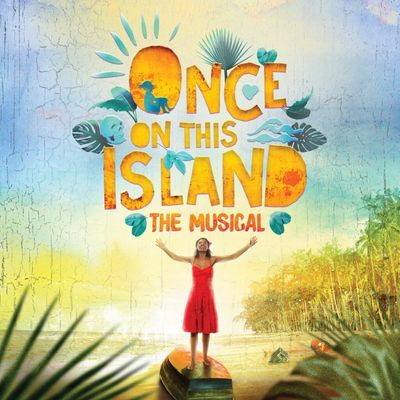
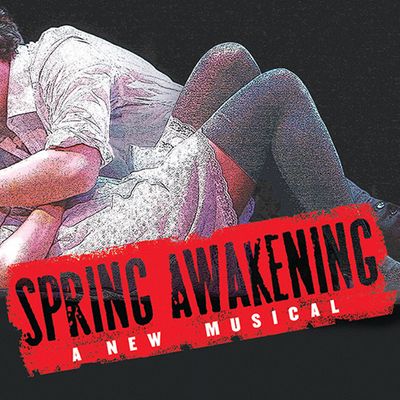
As Michael Arden says this week, "There is not nation without culture." The Guys couldn't agree more. WELL here is another episode where Joe can't keep his cool. Spring Awakening and Once On This Island director Michael Arden IS HERE. Talk about a multi-hyphenate. Michael is an actor, stage director, film director, writer, musician, producer, singer, composer, and on and on and on, Michael is a beacon of creative light in our industry. WE LOVE HIM.
Dan gets to ask Michael a burning question that has been on his mind since he saw Michael Arden’s production of Spring Awakening back in 2015. Michael is full of incredible insight and thoughtful artistic conversation. Dan and Joe have always been huge fans Michael’s … From the early days of
We talk to Michael this week about how “the failures and foolishness lead us to the truth”, how you learn more from the flops and the failures than you do from the successes, to always embrace what is hard and run toward what is scary, and that “A laser only looks focus because of the space around it”… WHAT WE MEAN IS… become as well rounded as possible. Learn as much as you can.
Michael received a scholarship to Interlochen Arts Academy as a theatre student, where he graduated in 2001. He was accepted on a full scholarship to the Juilliard School, where he was in the Drama Division's Group 34. He left Juilliard in 2003 to join the Broadway revival company of the musical Big River. Arden is a Tony-nominated director for his revivals of Spring Awakening and Once on This Island. He won the Ovation and Outer Critics Circle Award for Outstanding Director of a Musical for Spring Awakening. Once on This Island recently received the Tony Award for Best Revival. He has directed the Los Angeles premier of The Pride by Alexi Kaye Campbell, My Fair Lady at the Bay Street Theater, and has won an NAACP Award for his production of Merrily We Roll Along at the Wallis Annenberg, where he served as Artist in Residence. He most recently directed Annie at the Hollywood Bowl with the Los Angeles Philharmonic. This past year he was at the helm of a new production of Charles Dickens’ A Christmas Carol starring Tony winner Jefferson Mays that was filmed and will hopefully be headed to Broadway next year.
As an actor, Michael has appeared on Broadway in The Times They Are A-Changin’ and Big River as well as in numerous films and television shows, most notably Anger Management, Bride Wars, and Source Code. He also created the role of Quasimodo for the American Premier of The Hunchback of Notre Dame. He has toured and sung with Barbra Streisand and starred in Trevor Nunn’s production of Aspects of Love in London. Michael has a servant’s heart and has performed for several fundraisers for the Midland Area Aids Support and benefit concerts for World Aids Day, Covenant House, Broadway Cares Equity Fights Aids and the St. Vincent’s School in Haiti.
Check out The Forest of Arden for all things Michael Arden!!
Transcript
This transcript was automatically generated and might contain errors.
[0:00] Dan Tracy: Welcome to Guys Who Like Musicals.
[0:02] Joe Carroll: Welcome to Guys Who Like Musicals.
[0:04] Dan Tracy: Um, Dan?
[0:06] Joe Carroll: Joe?
[0:07] Dan Tracy: This is kind of a wild week. Um, I'm a little freaked out about our guest because our guest is basically, I would, I've dubbed, I don't know if this if you like this, but I'm calling him the Ron Howard of musical theater.
[0:20] Joe Carroll: Wow.
[0:21] Dan Tracy: Do you like, I don't know? It's new. We could call it. How could you not like that? Michael Arden is here.
[0:26] Michael Arden: Hey, what a way to be introduced, my God. I mean, I'll take it. I'm a big fan of Ron Howard, so this is crazy.
[0:36] Dan Tracy: Well, I think that our first question, um, which is again not a, it's not a good question, but we want that Dan and I were talking this morning. How do we become you? How do you do it? What's the secret? What's the secret sauce? I mean, add your writer, director, musician, lyricist. I mean, like TV, movie, film, theater, musical theater, all of the you've done ever all of these things. So how do we?
[1:04] Michael Arden: I wouldn't say it's necessarily fun. Uh, it's, uh, yeah, but I hate it.
[1:11] Michael Arden: Yeah, no, I don't hate it at all. Um, I don't know. I mean, I, I, uh, I'm very flattered, but I, I don't think anyone would actually want to be me because, you know, like with everybody, it's like we see that we see the bit you see, and then the rest is like, you know, you never really know what's going on in people's lives. And, you know, most days I'm, you know, want to be somebody else. So I think, you know, that, that like fallacy is like, I want to make sure people listening know they're like not like living in some, you know, amazing world where everything's perfect, but, uh, I am very lucky to have worked in like lots of different fields in entertainment, and, um, and I, I, you know, I, I don't know how it really happened.
I just, I think it's with everything in this business, it's like hugely to do with being in the right place at the right time and luck and somebody, uh, taking a risk and a chance on me. Um, but also just, um, at a certain point, like, you know, a lot of people don't like to necessarily give opportunities, they like to sort of feel like they have discovered something already in process. So I, I think just like, yeah, so many times I've just like raised money on Kickstarter and like done it myself because I'm like, well, nobody'll like take a meet when I was first trying to be a director. I was like, nobody's gonna, nobody would even consider me as a director or think about it, or even, you know, entertain the ideas.
So I was like, you know what? I'm gonna assist some directors on my own, and then I'm gonna raise money on Kickstarter and direct my own plays, and the right people came to see them, and they're like, you're really good. And then it was just like, oh, I've always been a director, of course he's a director. As opposed, you know, it's like, oh yeah. Sometimes you just gotta like, you just gotta bake the cake before somebody says they want cake.
[3:06] Joe Carroll: Oh, that's great. That's really great. Write it down. This is off to a great start. I am thrilled. That's amazing. I'm already mixing my metaphors, so it's good.
[3:14] Michael Arden: So an actor is saying his lines, and then out of nowhere, he just starts singing.
[3:30] Michael Arden: Don't cry for me.
[3:40] Joe Carroll: It's inspiring to hear that from somebody who we only see your arrival. We don't see all of the things you had to do to get to where you are. You know?
[3:50] Michael Arden: Yeah. Nobody sees like what a, what a nightmare like, you know, backstage looks. You don't see, you know, you see, you see what, you know, optics are everything. And, uh, I feel that, uh, it's important to know that like you said, the arrival is based upon an incredibly nonlinear journey. You know, it's like, uh, there's that great anim, that great animation of like what people think that like somebody's path is that which is a straight line to somewhere, but it's actually this like insane squiggle that, that almost never goes directly toward the, you know, the destination.
[4:31] Michael Arden: The Christmas Carol is just remarkable. This, this movie, um, if anybody hasn't seen it yet. This, this version of it is certainly was just for this Christmas and just to help regional and community theaters around the US, uh, have some income when they can't invite people into their auditoriums. So I hope, I hope everybody watches it. It was a really wild and special thing, and it came together so quickly. I mean, we, we didn't know we were doing it until like September, and then like it was done on election day. Uh, so it was, it was a wild ride.
[5:08] Joe Carroll: Well, it was fantastic. I had a great time, um, watching it, watching Jefferson, watching your work. I could see pieces of, you know, some of the things I've noticed in, in some of your shows there, but the way that you guys utilized camera to make the story clear, even though there was only one actor, and, and the way that all the production elements came together, I'm sure it was based off of the version that you did, uh, at the Geffen.
[5:37] Michael Arden: Yeah. So originally, yeah, two Christmases ago, uh, we, we did this production at the Geffen, and that was the first time we'd ever done it. And I would say it's like 95% the same as what it was at the Geffen, almost completely. There's like a couple of new things. Um, and we had to slightly adjust, uh, the theater that we did, the filming in did not have traps. So anything coming out of the floor had to be rethought. So we had to kind of like rethink just how things happened. But, um, I, that's pretty much what it was. Uh, so it was fun getting to, I, I love getting to revisit something because it like, it just is like the best gift. And to get to do it, especially when we did it at the United Palace, uh, this Christmas.
I mean, the, the crew we had on this show, because all of the Broadway shows were shut down, was like the most insane like group of people I have ever been around. I mean, it was like the head carpenter from like every incredible show was like, you know, our like deck crew and the best props person. We had, I mean, like we had our pick of, it was insane. It was like the most amazing tech I've ever had. And I was kind of like, I had to remind myself this will never happen this way again because, um, you know, not that, uh, everyone isn't great, but it was like, it was like the Olympics of, of stage crew.
[7:02] Michael Arden: Um, I just have to hear and now say like our, for our production team on putting this together. I mean, we tech's and shot it in like two weeks. You know, it was nuts.
[7:15] Joe Carroll: Um, and how did you do it from, uh, from a production standpoint? This is obviously where my brain's gonna go, Joe. Did you do piece to piece?
[7:21] Michael Arden: No, we, we tech the, and so part of part of the endeavor was to basically assemble and tech the show for next year, hopefully. So we tech's the whole play like it was the Broadway show. I mean, just like beginning to end, the cameras weren't there. Our, our DP was with me from the beginning, um, Maseo Bishop, who's amazing, and he like sat in rehearsal and we talked about what we want a camera to do, and he sort of thought that, but thought about that, but we really just focused on like creating the piece of theater first because it was really important that this not be like NBC Live kind of made built for the camera. Like this is right what you see in the show, hopefully knock on wood next year.
Like that is what it looks like, almost like ex that that's what it is. It's like that's the show. There aren't any special things we did for camera. Um, so, uh, we tech the tech the play, and then, uh, it's a, it's a real lesson in darkness in the, in the theatrical experience. So like really there are like moments of like complete and utter darkness where we had to like put, we all put, um, put like blankets over our computer monitors so that we can make sure that we were like, we couldn't see like anything because we, it was really important for when you come to see the show that there are moments that you're like truly afraid of what's gonna happen next. So we went through that process, and then we have spent one day.
So we, we checked the whole show and we did like a dress rehearsal, stumble through, uh, in which like we showed the camera operators what it looked like, and then we spent a day sort of relighting the show just for balances for camera, because obviously picking up different things and, and adding some backlight here and there to sort of separate something from the background. But that was just one day, and then we filmed the next day. We filmed two performances, one starting at 9 a.m. and one in the afternoon, and that's what you see. So it's literally just we ran it twice all the way through, sort of without stopping. Uh, and then assembled that. And you know, Jefferson's so incredibly, um, what's the word I'm looking for? He's, he, you know, consistent.
[9:45] Michael Arden: He's able to consistent, yeah. Um, he's so consistent that like you really could like, you know, if we needed to like if there was a weird sound bump or something, you could like take a sentence and it just, and it would literally fit in his mouth from the prior performance that day. Um, he's just, uh, he's such an amazing performer that like I, I think with any lesser actor, we couldn't have done what we did in so short of time. So yeah, that's, that's um, two performances one day, uh, what you saw. So that was sort of how we did. And the cameras came in and they got in the positions, and then for the second show, they sort of moved positions a little bit. Um, but yeah, that's, that's how we did it.
[10:29] Joe Carroll: Yeah, the, the continuity difficulty that you would have, uh, what I mean, uh, is putting one performance into another performance is impossible unless the actor's physical placement is almost exactly the same. And in stage, we're not necessarily taught to like have a perfectly consistent physical presence, but I assume with Jefferson you were able to, to almost map them show for show.
[10:43] Michael Arden: Well, yeah, I mean, it's not ever something we discussed like the consistency. I think there was like, you know, in addition to this there, there's a whole other side of this which after we filmed what you saw this Christmas, we spent five days shooting a proper movie which no one has even seen yet which will hopefully come out on, you know, Netflix next year. But, uh, so that was like a different process but is that so that on the stage that required more continuity. It's like on the stage it's in the audience, it's like under the theater, it's above the theater, it's cool, cool. It's also on location as well. It's kind of a, um, more soon on that. That's kind of, uh, an exciting real news, Joe.
This is a real news podcast you gotta hear from. But, um, he, the show is sort of devised in a way that like it becomes really dangerous if he's like not in the, in the right place at the right time. Um, true like, uh, Michael Arden, Dane Laffrey fashion, who's my designer, like we call it zero tolerance because like you have to be like exactly here one for lighting and two because there's like turntables and moving walls and flying pieces and it's all in the dark and if you're like not on your mark like look out, you know, um, there's a lot of, there, there's a lot of infrared cameras at work to make sure that he's safe but and I have to hand it to him I've only, uh, stepped on, on the stage while it's in motion a couple times and it's absolutely terrifying like I, I, you know, you're like it's a black stage he's wearing black clothing like the floor is turning the walls are moving fire there's fire there's stuff coming out of the ceiling like it's, it's like, uh, an Indiana Jones trying to get into the, the, you know, the temple.
[10:43] Joe Carroll: Right, that's wild. Oh my gosh. Well, I, I hope we get to see it next Christmas live in theaters and it was so cool and it was so, it was really emotional to watch as you know, as actors not, you know, sitting at home thinking about this experience in the middle of a pandemic how I'm, I'm glad to hear it was kind of as amazing as it was with that crew and everybody was, everybody must have just been so happy to be at work.
[10:43] Michael Arden: Yeah, I mean, I think everybody was so, um, so happy to be working after having so much time off and, you know, during COVID it was like we were all wearing face masks and spaced out and can't, you know, theaters you, you know how it goes you're like always got your arm around each other, you know, so this was certainly different but it was, you know, it was also thrilling. We, we did recognize again like I said the fact that like we were working with the top people in each department and we had shorter days because of we were on a SAG contract and we could only work so many hours a day which were like so many hours less than what we're used to doing in the theater like we never had a 10 out of 12 and we tech the show in shorter because we, you know, every day we're like well we, we did our work and we're going home by 7 p.m.
[14:01] Michael Arden: You know, like we started at 10 and went home by like six or seven, which was like you know, it was like, oh, this is actually, you know, this is humane, right? You know in the theater like we're like there at 8 a.m. and leave at 2 a.m. and then we go have drinks, you know, and try to figure out how to do it. Um, but there was just an efficiency, and I think uh uh because everyone just so happy to be back at work. It was really that's awesome.
[14:29] Dan Tracy: Well, we've got a lot to cover here. We want to talk about a lot of different things. Um, we should probably give them a little clue into some embarrassing details of Michael's career, about how comprehensive it's been. He left Juilliard in 2003 to work on the Broadway revival of Big River. Uh, he was in the original production of Bear, which was my first introduction to Michael Arden. I had that uh album on repeat on my iTunes back in the day. Uh he's worked, he obviously was Quasimodo in the Hunchback of Notre Dame at San Diego, which I saw at Paper Mill, which was mindful. That cast album is also incredible. He's worked on absolute fire, lots of television shows, uh, a couple episodes of Mrs. Maisel, Nurse Jackie, The Good Wife, Grey's Anatomy, Numbers, The Mentalist, a hundred episodes of Anger Management, which I feel like we could do a whole hour on working with Charlie Sheen.
And he also is I blacked out right. I I don't remember it at all. I was I was out and uh he's also a very decorated director, as we've discussed. Uh his he was nominated for a Tony for the Once on This Island Broadway revival, the uh Spring Awakening Deaf Best Revival. He was nominated for Tony for that as well. He directed Annie at the Hollywood Bowl, and he's working on lots of upcoming projects, including this feature film, The Book of Ruth, starring Ruth Wilson and Matt Bomer. Wow, I'm exhausted. How do you do it?
[15:57] Michael Arden: Well, and and I I wanted to just jump in for a second because Dan got to mention his introduction. I remember in college, or actually I was in high school, Benj Pasek singing I'm Not Afraid from Easter Rising on YouTube. I remember that being like an early YouTube obsession for me. I am not afraid to hold you. Now you're sleeping by my side. I am not afraid to sing it to the heaven. And being like, oh, Michael Arden's a writer. No, wait, Michael Arden's not a writer. Michael Arden's a why is he why is he Big River? Why is he wait a minute? I could not I I remember see hearing that song and being like, this is beautiful, and loving that song. And then like what it's just your career has it's impossible to follow. What are you doing? Where are you?
[16:55] Michael Arden: I think it's ADHD, honestly. But I can fully relate to it. I I've never wanted to do just one thing. It just doesn't make sense. I can't just do the one thing. So is have you always been like that? Have you did you always have a plan to do all of these things?
[17:09] Michael Arden: Or yeah, well, I think, you know, even as a kid, when I was like a little kid, I would like build sets for plays, but then like kind of like explain to my grandparents who raised me like what the play was about, but I wouldn't like act in it. I would just like explain, like, oh, here's the chair that the character sits in and you know, so like looking back, I'm like, oh yeah, I guess I was like, you know, creating stories for people in a sort of like curatorial way. I don't know. Um, but and then I loved performing and loved singing in church choir and went to Interlochen Arts Academy like as a performer and ended up getting into Juilliard but I was also like for a while I was trying to be a lighting designer so I was like maybe gonna go go to school for lighting design but then I got into Juilliard I was like I have to go to Juilliard I can't like say no to that to be a lighting designer or are you crazy?
I don't know I guess I just I I want to learn and know and contribute to as many facets of the of storytelling as possible especially theatrical storytelling um and it's just all sides fascinate me and I and I think it helped they feed into each other and that's the main piece of advice I have for like young artists who come and they're like how do I you know be a director or how do I be an actor and I was like well look at all the other people in the room and learn what they do because that will help you do your work better not only as a communicator but as a facilitator as well.
[18:36] Michael Arden: So I don't know and I just get a really bored and antsy really quickly like I can't watch TV shows because I can't the thought of like having to come back and watch another episode of something the next day of the same show really like I can't do it.
[18:54] Dan Tracy: Totally. So you have to watch the whole thing or you just don't watch it all?
[18:55] Michael Arden: No I just usually like watch maybe the pilot and then I'm like I'm good. Wow I don't know it's a weird thing. I watched Game of Thrones but but only like I think because my husband like chained me down to watch it but I can't I like I've got to watch weird like if I watch TV it's got to be like the news or or like uh House Hunters or something where it's like a different story each week or like an anthology series, you know, like Black Mirror, like, oh, it's like uh on a theme or something, but I guess it's so funny. I've really been I've been like googling like ADHD because I think I might like have a problem with it, but too much information for this podcast.
[19:35] Dan Tracy: No, I I couldn't relate to anything more, and I I about just I get bored so quickly, and so I think you know that's why I think we we're so enamored with your career is because we Dan and I both just want to do as many things as possible. And so you know that I I think the jumping around, we're like, oh yes, it's it is possible, it is you know, you can do it. But do you feel like when you are in this mode when you're like, oh, I want to I'm directing something now or I'm acting something now, do you just throw yourself 110% into that? That's a moment in time and then on to the next thing, and it's like 110% into these into these moments. Is that does that feel yeah, a little bit?
[20:11] Michael Arden: I've like become like obsessed for a while, like compulsive about a project where I don't think about anything else. Like if I'm in tech for something, like you don't want to know me, you know what I mean? Or if I'm like working on a project because it's all I care about. Um yeah, which is which is which is great, but then can leave you a little like grieved when they're when they're done, you know. So that that's the um the inverse of that, I think that that's that's it's shadow, it's ugly shadow is the like you know, feeling like it's like after I direct a show, I like really I don't want to go watch it again because I won't be able to make changes. Uh it's really hard for me to like go back to and not because like I'm don't love what the company's doing or whatever, but like with like Once on This Island, like I couldn't see it after it opened, I still wanted to like do a bunch of I still wanted to change a lot of things, but I and I was like, I can only see it once a month.
Right. Because I just like otherwise I'll just be like, Well, let's just go back and rehearsal. I mean, what else are we doing? You know, to which like the frustrated company, like it's like, oh my god, we want to kill you. Uh you know, it's because then it becomes exciting to me, and I I can have taken a step away from something and then approach it like as something that already exists and not something in process.
[21:32] Dan Tracy: Totally. Totally. Because I actually I wondered about that because as someone who you I mean, you hit the nail on the head. I mean, as someone who does want to do so many different things, like directors generally don't come and see the show a lot after it opens, if it's a long-running hit, but like you have to keep it up. You have to see it to make sure that it's you know that opening night is is still, you know, intact. But you know, I I guess I guess that would be hard if you're like, no, I'm done, I'm not you're not ever done with it. I don't know. I don't want to like offend the the the cast that's out there, you know. But it's like, you know, you're like, no, I'm done with that now. I mean, some people, you know, some directors like are there every day, and you know, I've heard stories from actor friends of mine who are like, oh my God, like we we after we open the directors every very day, and it just would drive me crazy.
I want the company to like be able to soar on their own, and right, um, you know, and I also like am fortunate enough to work with such incredible, you know, talented stage managers and associates who can make sure that like the integrity of what we were all trying to make together is maintained, but um, yeah, I just I can't. It's also why I won't get a tattoo, is because I know the minute I get it, I'd be like, oh, I hate it, I gotta change it.
[22:46] Dan Tracy: Yeah, I love it. So, how did this project come about this summer? The uh Forest of Ardenco. Well, what what originated that idea? And can you talk a little bit about that project?
[22:59] Michael Arden: Yeah, it seemed really interesting. Well, um, I had started doing years ago in Los Angeles in like 2012, I think was our first piece. Um creating a company called The Force of Art and it did site specific immersive narrative theater and dance theater. Uh and I was just really interested in how blurring the line between audience and performer and giving the audience more to do within a theatrical setting. Uh and so when the pandemic occurred, I was like, I had uh always been like walking around this area in upstate New York and driving around thinking, God, these these places are so beautiful, it'd be so great to like see dance in this abandoned building or you know, the list goes on. And I thought I saw so many people, of course, hurting economically and you know, uh financially, but also really feeling like especially there at the beginning of the pandemic when like we didn't know it was gonna happen.
It was like feeling really artistically stifled. And so I started calling all my like favorite people or people who I had like wanted to work with for a while, dancers who I obsessed with but had never been able to hire, yeah, because I like there wasn't a track for their particular talent. So I like called a bunch of people that either I had worked with before or I had been a fans of, and I said, Hey, do you want to like make a piece of crazy immersive outdoor theater while uh experimenting with ways technology could keep audiences distanced and safe and how we might how you can we could work as a sort of democratic company in a very non-democratic field at times. So we raised money on Kickstarter, which is like my favorite pastime to do this, and we all quarantined together and uh tested quarantine together.
We started meeting on Zoom a couple months prior, and then we really like developed the show, devised the show in person. Like we didn't have anything we started, and we had filmmakers and composers and stage managers and dancers and actors and singers and choreographers, and we uh made this like three city project that happened over the course of one weekend where we like had guinea pig audiences that were instructed via their phones where to go and could hear uh a sort of like soundscape and videoscape directly in their headphones that then like linked up perfectly with what they were seeing. So they could see like a lip sync from like 200 feet away that you know, things like that. So we we explored with FM technology and uh as well as as that technology I was talking about, and it was wild.
It's like the greatest time I've ever had. I can't, it was like summer camp, yet we really made something cool and um developed like a way of working together as a company that felt really democratic in which like every single person mattered equally. No decision was made without the entire company's voting on it, like even like we had to cancel a show because like we lost a location, and then we had to like uninvite people who were gonna see it, and as opposed to you know, usually like one person does that and then informs the company what, but no, we sat as a group and like decided together what we were gonna do, what what we wanted the play to be about, what we wanted to see it, how we wanted to use our funds, that kind of stuff.
[26:37] Michael Arden: And it was like so liberating. It was very, very Russian of us.
[26:43] Dan Tracy: I was gonna say it was very, very Mary Overly and very Tina Landau and Anne Bogart of you to have that kind of horizontal system as opposed to like this kind of top-down vertical system that we'll just I mean the best ideas come that way.
[26:59] Michael Arden: I mean, I always feel right. Oh, you always find when you like, you know, and it's a good reminder to me. It's like it can be very alluring to like hear like the word director and be like, oh, I'm in charge, but no, not really. You're just like there to like keep the walls up.
[27:15] Dan Tracy: You said facilitator earlier.
[27:17] Michael Arden: I really liked that perspective.
[27:19] Dan Tracy: Traffic cop.
[27:20] Michael Arden: They also go by traffic cop. That's awesome. I help people like stay in the make sure they can find their light. That's really a wall. Not get hit by things, right?
[27:29] Dan Tracy: Yeah, that's safety gap.
[27:32] Michael Arden: We would love to keep going and keep pushing through, and we would love to do a deep dive into one of your projects.
[27:40] Dan Tracy: I could help you choose, but you can choose whatever you want to talk about.
[27:44] Michael Arden: Can be directing or acting.
[27:45] Joe Carroll: Oh, I think you should choose.
[27:46] Michael Arden: I like well, I what do you uh well Dan?
[27:49] Dan Tracy: But let's I kind of want to do all of them. You know, let's do all of them and just start at the beginning.
[27:53] Michael Arden: No, I know what Dan's gonna choose, but I wonder because the hunchback process as an actor. Maybe we could do one as an actor and one as a director.
[28:01] Joe Carroll: The hunchback process is seeing it at Paper Mill.
[28:08] Michael Arden: I loved it. I thought it was it was so dark. And I mean, you're was it man of stone, the big the Veg acting one.
[28:18] Joe Carroll: Like still still.
[28:20] Michael Arden: I just um I'd love to talk about that one because that was that one of the last was that one of the last musicals you did as an actor.
[28:29] Michael Arden: Oh I think it might have been.
[28:32] Michael Arden: Yeah, because I was I had directed Spring Awakening in LA and then did the out of town at La Jolla of Hunchback like back to back. Like I had to miss the first few days of rehearsal to open Spring Awakening.
[28:48] Michael Arden: And then so I was sort of doing those shows simultaneously, as well as shooting Anger Management. And that so I was like so my friend and the understudy on that job, uh Julian had to like had to like do like a show a week so that so I could like I was very Elaine Strich.
[29:07] Michael Arden: I would like yes, I would see the show, I would see like the Sunday night of like see the Sunday night show of Spring Awakening and take notes and then shoot like Anger Management Monday and Tuesday, and then drive down to La Jolla and do this hunchback and then drive back up after the Sunday matinee to see the evening show of Spring Awakening and then do to do the shooting.
[29:31] Michael Arden: It was crazy. But yeah, I think that was the last musical I did.
[29:36] Joe Carroll: Um long winded way that that feels like a was that a dream during that time, or was that like the dream, or was that like I mean, I bet you didn't sleep for about no, I was exhausted.
[29:48] Michael Arden: I mean, like it was a time in my life, and then and then going to Paper Mill and doing it like the hunchback was such a demanding physical and emotional vocal.
[29:58] Michael Arden: Yeah, it probably wasn't the smartest thing to do, but it was like I've never felt more alive. You know what I mean?
[30:03] Dan Tracy: Yeah.
[30:03] Michael Arden: Me on the on the just like the like the five freeway, like chugging coffee and like trying to keep, you know, while on the phone, like trying to figure out how we could like move Spring Awakening forward.
[30:16] Joe Carroll: Um trying to spin the plates.
[30:17] Michael Arden: Yeah. Plate spinning.
[30:19] Joe Carroll: Yeah, it's unbelievable.
[30:20] Michael Arden: But it was, it was really, I mean, I was in the room with like I love Scott Schwartz and I love I'm, you know, Steven Schwartz and Alan Mankin and Chase Brock and people who I've known for a long time and was getting to work with and uh Michael Coseran and he's just like incredible you know, titans of this industry.
[30:41] Michael Arden: So it was like I got to it was so nice to like to just show up and just like be an actor.
[30:46] Michael Arden: And I really, you know, I really just took a I wanted to like kind of disappear into that role.
[30:54] Dan Tracy: Yeah.
[30:54] Michael Arden: Um I think because I had so much other stuff in my head at the time, I w I just like really was like a lot of actors tend to want to like question a lot of things and like well, what if I did this or what if I said this or b- you know, and I was like, I am I'm not gonna like say a word that isn't a line that's written for me in this process.
[31:17] Michael Arden: And I had a great time, you know.
[31:21] Joe Carroll: That's really interesting because I'm sure there would be a pressure. I always assume that there would be a pressure on somebody like you who has such a understanding of all of stagecraft that when you become the lead actor in a company that you're then gonna contribute kind of all of your brain.
[31:37] Michael Arden: So it'd be interesting to step back from that.
[31:38] Michael Arden: Yeah, I mean, Spring Awakening just opened in LA, but like no one like knew I was a director at that point like besides me in fact Steven Schwartz gave me a mug that said what I really want to do is direct as as like a gag gift first day of rehearsal because he was like I know you really want to direct but also you know I I have my point of view and Scott had his point of view and it was so nice to live in someone else's you know it's like it's like when I have acted since like working on King Lear with Sam Gold like I mean what a I you know I just want to like show up and do my job as an actor and I think like that it isn't my it isn't my place to try to like put my spin on something my job is to like listen and respond as a character that's it.
[31:38] Dan Tracy: That's really that's a really awesome point of view truly because giving over the permission to not have control is probably the hardest thing to do when you're only in a position where you don't have control but like surrendering that idea when you are used to sometimes having control and then sometimes not and kind of understanding that balance is something I hadn't really thought about.
[32:52] Michael Arden: It's really freeing to be able to do that.
[32:54] Michael Arden: I mean you know like yeah I I wouldn't say that I like love it um being an actor but it is really like oh I can you know in the times that I've been acting like oh I I don't have to stay for the production meeting.
[33:08] Michael Arden: This is amazing I can't believe I'm like I I'm done and I get to bow and people clap for me you know um it's it's it's cool.
[33:17] Michael Arden: And you know, actors I have such incredible respect for actors, probably because I do it sometimes, but just the hardest thing to do as an actor is to like not see yourself from the front.
[33:32] Dan Tracy: Yeah, yeah.
[33:33] Michael Arden: You know, like you actually have to kind of be like ignorant to so much.
[33:39] Michael Arden: You have to know so much, but then when you step on stage, you have to be ignorant to everything that you don't know, which is so much more than you do as a character.
[33:47] Michael Arden: So it's it's you know, it's like a it's a real adjustment and so and um nice to get to be able to be reminded of that because like it's not easy to do that.
[33:58] Michael Arden: It's it's also scary. Like I have stage fright, you know, sometimes.
[34:03] Dan Tracy: So like you know, it's like, oh yeah, actors are like doing a lot.
[34:09] Michael Arden: It's it's cool.
[34:10] Dan Tracy: How do you feel like like one contributes to the other?
[34:14] Dan Tracy: Do you feel because are there like the all of the different hats that you wear? Is there a way that acting feeds directing, feeds writing, feeds, and then kind of I mean, I you know, they all as an actor, being a director, I think is helpful in like knowing when to shut up, um, you know, or just like being like, oh, actually, like I don't have to worry so much.
[34:37] Michael Arden: You know, like it's so easy when you're on stage and like everyone's looking at me that you need to like somehow provide the play to the audience, and like you really don't have to do that at all.
[34:46] Michael Arden: All you have to do is like say your lines and mean them and stand in your light, you know, but it also uh but then again it like helps me as I that I sort of like you know have a sense for staging.
[35:00] Michael Arden: So, like, you know, you see some of the best actors have like no sense of like where to how to physically relate to some to someone on stage, you know what I mean?
[35:10] Michael Arden: So, and I sort of get the like balance and of stage picture and stuff, which I guess kind of might be helpful or annoying for a director who like isn't into that.
[35:19] Dan Tracy: Um, so you know, but I think just understanding that um you're not like alone is really helpful.
[35:31] Michael Arden: You're not like you the responsibility isn't all have to fall on you as the actor to like give the play to an audience.
[35:37] Michael Arden: I mean, Jefferson Mays, you know, whatever. He does it, but um, uh, and then as a director, like just knowing how to communicate to actors, because I've certainly as an actor been communicated to by a director in incredibly unhelpful ways.
[35:53] Michael Arden: Um, or disrespectful ways.
[35:57] Dan Tracy: So that's really helpful in terms of, you know, you don't want to say, like, can you like you just gotta make me cry here?
[36:03] Michael Arden: Like, you know what I mean? Like, that has been to me as an actor, and I'm like, that's super unhelpful.
[36:08] Michael Arden: Uh so it it helps that that sort of, you know, articulation is helpful.
[36:18] Joe Carroll: I was so profoundly moved by your contributions to my favorite childhood. My my most influential musical in my young adult life was Spring Awakening, and to see your spin on that story, aside from the fact that that there was a whole new take on it because of the capabilities of the actors or lack thereof, depending on how you want would want to frame that.
[36:48] Michael Arden: What was your what were you what was your approach to that process to kind of take it, take a different look at it from the way it was done originally?
[36:59] Michael Arden: Well, I like you was like an enormous fan of the show. I saw the first preview at The Atlantic.
[37:05] Joe Carroll: Wow.
[37:06] Michael Arden: I was a huge fan of Duncan before way before like his Phantom Moon album was like literally in college played it out.
[37:14] Michael Arden: So when I heard Spring Awakening was happening, I was like already, I was like the built-in audience for that show.
[37:19] Michael Arden: Um and then I I was doing a show on Broadway at the time that transferred to broad the original production was on Broadway, and I think I might have seen Spring Awakening like 12 times.
[37:30] Michael Arden: Like, and then I saw the tour and ended up marrying someone from the tour.
[37:35] Michael Arden: I mean, like I put it followed me around, you know.
[37:38] Michael Arden: Um I remember hanging out with Andy Miantis, my now husband.
[37:47] Michael Arden: Um, what a weird term, now husband. I don't know why I said it like that.
[37:50] Michael Arden: Um he was doing Spring Awakening at the Amundsen, and I was doing Deaf West's Pippin at the taper.
[37:58] Michael Arden: And we were like sharing rehearsal space and uh doing right there, and we started talking then.
[38:05] Michael Arden: We were we were friends for a long time before we were a couple and talking about how it would be really interesting to look at Spring Awakening through that lens of communication when actually and and taking a look at like what was happening in deaf culture at the time in Europe and looking giving like these kind of hormone enraged kids more than that, like a bigger problem to deal with, you know, like it's a it's like not just an angsty kids, it like gives it context, it gives them like the the deafness, and I think what we what we uncovered with our work on Spring Awakening gave them like a reason to a reason to sing and and also I just like having worked with on two shows prior with the deaf community and with Deaf West I really wanted to one uplift these performers um who might not have a chance to be by like making them rock stars in a way that they like really like don't get the opportunities they should um you know uh like even if like a a deaf character is deaf in a play it's like always like you know it's it they're never like moving lights focused on them and like you know what I mean?
[39:31] Michael Arden: Yeah, so you know this it was a real opportunity to like really make these performers rock stars um and tell a story about deafness and the work I had done prior was sort of using deaf performers and hearing performers together and in a world in which like deafness may or may not have existed and I like really wanted to like dig into dig into the stories and horrible you know history of deaf culture and what was happening in education at the time.
[40:09] Michael Arden: So um it kind of like when I started on the process it like I certainly didn't know like oh this is going to be about the Milan conference when deaf students refuse forced oralism and you know uh but and it just sort of like with enough Googling and talking to people and you know whiskey and it it sort of evolved into what it became.
[40:32] Michael Arden: Um I think that's really interesting.
[40:34] Dan Tracy: You because that's that's what I hadn't really put to words is exactly what you're saying.
[40:40] Dan Tracy: You basically found a way to dramatize angst so that the angst had something to be anchored to, as opposed to just being a feeling of general frustration, which you kind of noticed in the first one.
[40:51] Dan Tracy: It was like tied to this like inability to communicate, which is super genius.
[40:56] Michael Arden: I think like if you're looking objectively at the story, like it's very easy, you know, to be like, oh, these are just a bunch of like horny kids, like get over it or wait a couple years, as opposed to like giving it like a real worldly conflict that was that was you know giving them something to to bash their heads about.
[41:22] Michael Arden: Um I think helped with audiences who weren't necessarily teenager, angsty teenagers.
[41:28] Dan Tracy: Who like if you're an angsty teenager going to Seaspring Wake and you're like, yeah, I totally get it.
[41:31] Michael Arden: Yeah, right.
[41:32] Dan Tracy: Everybody, you know, and then but if you're like 45, you're like, yeah, no, I get it, but like I paid 150 bucks for the seat.
[41:40] Michael Arden: Right.
[41:40] Dan Tracy: Um, what is this about?
[41:41] Michael Arden: You know, um, which I think is uh, you know, what's so great about how that show is constructed is that it can like withstand new lenses.
[41:53] Michael Arden: Um, and that's a testament to, you know, Michael Mayer and Duncan and Steven.
[42:00] Michael Arden: I must know why they went into the green pastures.
[42:06] Dan Tracy: I will never forget that moment where they walk upstage at the end.
[42:11] Dan Tracy: What is the what where's the that conception come from?
[42:14] Michael Arden: It just was like an image I had in my mind of like I knew that like the kids at the end like had to leave and that the adults could not.
[42:22] Michael Arden: It was like too late for them.
[42:25] Michael Arden: I knew that they had to like this in the design, like we always wanted to feel like a very kind of like constructed almost claustrophobic space.
[42:37] Michael Arden: Um so that then they could leave on to like hope for the future and greater understanding.
[42:45] Michael Arden: Um yeah, so that that was sort of where they came from.
[42:48] Michael Arden: And it was just an image I had in my mind of like the these adults being left alone because their lives had passed them by.
[42:59] Michael Arden: It was too late for them.
[43:01] Dan Tracy: Very sad.
[43:03] Michael Arden: Very sad, but very but but optimistic.
[43:06] Michael Arden: I mean, it is it's about the future.
[43:10] Michael Arden: So it I always I mean, it was different in each production.
[43:13] Michael Arden: In our first LA production, we like Yeah, it was very different in each one, how they how they exited, um, but always with the same kind of intent.
[43:22] Michael Arden: They like something magical like occurred and they were able to finally get out of this space that had no like exits before.
[43:30] Dan Tracy: Amazing.
[43:30] Michael Arden: And it had something to do with, you know, growing up.
[43:35] Dan Tracy: Yeah, well that free will.
[43:37] Michael Arden: Yeah, well that was one of those things that um uh that I just for to be honest, the the win song of Song of Purple Summer, like when I was 16 in Angsty, and I saw that I saw it for the first time and I saw them pull the microphones out of the jackets and and their inner thought is a rock song.
[43:54] Michael Arden: It's I was like, whoa, I totally get it, and you know, yeah, fuck everybody.
[43:57] Michael Arden: But the end, I I didn't get the ending at that when I when I was when I was, you know, when I was in that space.
[44:05] Michael Arden: I think the end, I mean, the Slummer Purple Summer.
[44:09] Michael Arden: God, I can't say it.
[44:10] Michael Arden: But like, you know, it it's beautiful.
[44:13] Michael Arden: It's beautiful poetry, but but I think it's a bit of it's a bit obtuse.
[44:17] Michael Arden: It's a bit hard to be like, okay, what does this actually mean?
[44:20] Michael Arden: And I really treated it like a an epilogue.
[44:22] Michael Arden: Like right.
[44:23] Michael Arden: The play was over.
[44:24] Michael Arden: This is our like benediction to the audience.
[44:26] Dan Tracy: Right.
[44:26] Michael Arden: Um, that's why, like in my production, I had them like take off their costumes again.
[44:31] Michael Arden: And so we're all like, we're sort of now able to like speak to the audience.
[44:35] Michael Arden: And as 25-year-olds playing children, yeah, you know, it's it became a bit a bit of a different, a different um thing.
[44:44] Michael Arden: But I wanted to give it a bit of a give some story and and leave us with that final image of like, huh, remember that moment?
[44:52] Michael Arden: Remember when like we could just go out of the world sort of knowing nothing and would be able to stumble and find it on our own.
[45:00] Michael Arden: Um and our parents like had to let go.
[45:03] Michael Arden: Sort of that's what I wanted to achieve there.
[45:05] Michael Arden: It's like the hope, the hope of that, the hope of like moving towards some sort of greater understanding and how we treat each other better and treat ourselves better.
[45:13] Michael Arden: And I think what was what was so moving about it was that I can't remember for this in this moment what I took away from it.
[45:22] Michael Arden: But it was one of those things that happens where it leaves you with just as many questions as it does answers.
[45:27] Michael Arden: So it it gives you this talking, this reason to communicate with somebody after the show.
[45:32] Michael Arden: Kind of what what what was that?
[45:34] Michael Arden: What did you think that was?
[45:36] Dan Tracy: Which I think is part is which is why we wanted you have to have you on the podcast.
[45:39] Dan Tracy: So I could get an answer later.
[45:42] Michael Arden: Yeah, it's um they're all going to they're going to display.
[45:48] Michael Arden: It's uh they're about to take the I thought it was something like they're all in purgatory, and then you know, one of those.
[45:54] Michael Arden: Yeah, I mean, it's like this this the sort of gray space represented like being trapped in in a world in which like your freedoms, your educational system, your spiritual beliefs, your sexual prowess is all determined by a construct created and passed down through parents who had it created and passed down to them.
[46:18] Michael Arden: So you are in a way imprisoned by this.
[46:22] Michael Arden: And that was this, you know, I wanted to represent enlightenment and being able to like move past that.
[46:29] Michael Arden: So at some point we stop this reciprocal reciprocal and circular like nightmare of shame.
[46:40] Dan Tracy: Absolutely.
[46:42] Michael Arden: That's it.
[46:43] Dan Tracy: I guess isn't it?
[46:45] Dan Tracy: I mean, this Disneyland is also I love it.
[46:52] Michael Arden: Um so we'll what thank you.
[46:54] Michael Arden: First of all, we're coming to the end.
[46:56] Michael Arden: Thank you for spending your your morning with us.
[46:58] Michael Arden: This is we again, if you haven't got the gotten that we're fans and of yours uh yet, uh you know you know.
[47:05] Michael Arden: Uh but we we we have a we have a couple questions that we just we end uh with.
[47:09] Michael Arden: You mentioned it earlier, but is there any other advice that you've had for someone starting out?
[47:13] Michael Arden: Just learn as much as you can.
[47:14] Michael Arden: I mean, you know, ask people if you can watch what they do, if you can sit in the back row.
[47:19] Michael Arden: I wouldn't be where I am if I had not shadowed producers, assisted directors, interned with lighting designers.
[47:28] Michael Arden: Uh spent an hour in a costume shop learning about how a costumer works.
[47:33] Michael Arden: You know, I think it's like uh it's very easy to become like laser specific, which is what we're we're always taught, like focus, focus, focus.
[47:42] Michael Arden: But actually, you know, you need to know, you know, a laser only looks focused because of the space around it.
[47:51] Michael Arden: So I think you have to like become as well rounded at uh of an artist in your field as you can, and also even outside of art, like totally go like you know, have an affair.
[48:03] Michael Arden: I don't know, learn something about it.
[48:04] Michael Arden: Crash and burn the personal life is a great way to find some artistic depth.
[48:09] Dan Tracy: Yeah, for sure.
[48:09] Michael Arden: Absolutely.
[48:11] Michael Arden: Yeah, and my other advice is to like is to just like it's gonna suck more than it's gonna be good.
[48:17] Michael Arden: So like enjoy that and know that that is part of learning, which is what I'm trying to remind myself.
[48:24] Dan Tracy: Yeah.
[48:24] Michael Arden: Today, I think I think yeah, I needed to hear that, yeah, for sure.
[48:28] Michael Arden: Because most days suck, you know, and then the there's the good ones are really good, but yeah, and mistakes and and falling down is like really helpful.
[48:39] Michael Arden: As Lynn Ahrens wrote, the failures and the foolishness lead us to the truth.
[48:44] Michael Arden: It's like, yeah, you learn so much more out of a flop or a failure than you do out of a success.
[48:49] Dan Tracy: Totally.
[48:50] Michael Arden: Find a way to like find grace in that.
[48:54] Michael Arden: That's my advice.
[48:55] Dan Tracy: Yeah, totally.
[48:55] Michael Arden: But I'm still trying to do that.
[48:56] Michael Arden: I heard somebody saying recently, you gotta run towards what's hard.
[48:59] Michael Arden: It's the same kind of thing.
[49:01] Dan Tracy: I like that.
[49:01] Michael Arden: That's great.
[49:02] Dan Tracy: Yeah.
[49:02] Dan Tracy: And then and then our last question that we uh we ask is uh and this is why I I'm really interested to hear what you what you have on this.
[49:11] Dan Tracy: But I we call it our unreachable star question.
[49:14] Dan Tracy: What it's just like what is way in the horizon, something you're pointed to, something that you that you're you're headed towards that you'd like to achieve now with everything that you've done.
[49:24] Michael Arden: I mean it's just you know you can't say that, oh I want to be a director, oh I wanna you know whatever, you know.
[49:30] Michael Arden: Um I want to create a like national theater for the US that is like a a company in the sort of like dansteer vote, you know, style.
[49:43] Michael Arden: Um is constantly creating new work, you know.
[49:46] Michael Arden: It's like it's what I wish Lincoln Center could and would be.
[49:50] Michael Arden: It's you know, a true rep company that focuses on inclusive work and um and that that brings accessible work to the entire country that isn't doesn't cost isn't cost prohibitive.
[50:06] Dan Tracy: You know, that's that's it.
[50:08] Dan Tracy: I feel like the Kennedy Center could do something like that too, right?
[50:10] Dan Tracy: Isn't that kind of like what you would you would think and hope, you know, we can only hope for the future.
[50:17] Michael Arden: Yeah.
[50:17] Michael Arden: That that people understand that and that that our lawmakers and you know, and ultimately population who votes them into power understand that there is no nation without culture.
[50:28] Dan Tracy: Right.
[50:29] Dan Tracy: Couldn't agree more.
[50:31] Michael Arden: Well, I hope that happens.
[50:33] Dan Tracy: That's me too.
[50:34] Michael Arden: Me too.
[50:35] Michael Arden: I mean, it sounds great.
[50:37] Dan Tracy: Uh that's I I could not Kickstarter as soon as we sign off.
[50:41] Michael Arden: Um yeah, let's just back to Kickstarter.
[50:44] Dan Tracy: Why not?
[50:45] Michael Arden: You know if there's gridlock in Congress, we'll just we'll just go back to Kickstarter.
[50:48] Michael Arden: Keep putting Broadway stars in movies and maybe it'll happen.
[50:52] Dan Tracy: Um how can people find you and uh what what can we what can we look forward to?
[51:00] Michael Arden: Uh I you can we'll see what our company is up to on theforestofarden.com.
[51:05] Michael Arden: Um and we have some something really exciting that's coming with our company that should be announced hopefully soon.
[51:11] Dan Tracy: Yes.
[51:13] Michael Arden: Um and I yeah, I don't really do much social media besides Instagram.
[51:17] Michael Arden: Uh so you can follow me at Michael Arden or follow Forest of Arden Co.
[51:23] Michael Arden: And uh begin to go down the rabbit hole of that incredible group of 40 or so artists that have assembled trying to trying to look for that unreachable star together.
[51:36] Dan Tracy: Awesome.
[51:37] Dan Tracy: Oh amazing.
[51:38] Dan Tracy: Michael, thank you so so much.
[51:40] Michael Arden: Wow, we got some t shirts to make.
[51:42] Dan Tracy: We got some t shirts and some posters to make.
[51:45] Michael Arden: I got some journaling to do, is I think where I'm at.
[51:47] Dan Tracy: Jeez.
[51:48] Michael Arden: Thanks for having me, guys.
[51:55] Dan Tracy: Thank you for listening to guys who like musicals.
[51:57] Dan Tracy: We are now part of the Broadway podcast network.
[52:02] Dan Tracy: We are hosted by Dan Tracy.
[52:03] Dan Tracy: That's you and Joe Carroll.
[52:05] Joe Carroll: That's me.
[52:05] Dan Tracy: We're produced by Ryan Kincaid, and Matthew Mucha is the social content manager.
[52:10] Dan Tracy: You can find us on Instagram at Guys Who Like Musicals, on Twitter at musicalguys, or the old fashioned way at www.guyslike musicals.com.
[52:17] Dan Tracy: If you'd like a chance to be featured on the Ask the Guys segment of our show, please call 203 900 7990 and leave a message with your question.
[52:27] Dan Tracy: As always, thanks for listening.
© Broadway Podcast Network, All Rights Reserved