

Happy 100th Episode! In this celebratory Artist Exploration, Leo and Charlie discuss: How Leo fell in love with the grind of auditioning. Ways to approach the same role in different productions. What motivates Leo’s artistic and business careers... Read More
From the show: Mapping The College Audition: An MTCA Podcast
Featured Shows





About
Happy 100th Episode! In this celebratory Artist Exploration, Leo and Charlie discuss:
- How Leo fell in love with the grind of auditioning
- Ways to approach the same role in different productions
- What motivates Leo’s artistic and business careers
- Advice for voice over actors
If you would like to hear more from Leo, follow him at @leoashevens on instagram
If you have any questions about the college audition process, feel free to reach out at mailbag@mappingthecollegeaudition.com. If you’re interested in working with MTCA for help with your individualized preparation for your College Audition journey, please check us out at mtcollegeauditions.com, or on Instagram or Facebook.
Follow Us!
Instagram: @mappingthecollegeaudition
YouTube: @MTCA (Musical Theater College Auditions)
TikTok: @mtcollegeauditions
Charlie Murphy:@charmur7
Meghan Cordier:@meghanmarie2014
About MTCA:
Musical Theater College Auditions (MTCA) is the leader in coaching acting and musical theater students through the college audition process and beyond with superlative results. MTCA has assembled a roster of expert artist-educators who can guide students artistically, organizationally, strategically, and psychologically through the competitive college audition process. MTCA provides the tools, resources, and expertise along with a vast and strong support system. They train the unique individual, empowering the artist to bring their true, authentic self to their work. MTCA believes that by helping students reveal their potential it allows each school to connect with those who are truly right for their programs, which in turn guides each student toward their best college fit.
About Charlie Murphy:
Charlie is a proud graduate of Carnegie Mellon University’s BFA program. As an Actor he has performed with theaters such as: NY Public Theatre’s “Shakespeare in the Park”, The Pearl Theatre Company, Hudson Valley Shakespeare Festival, Chautauqua Theatre Company, Kinetic Theatre Company, and the Shakespeare Theatre of DC.
With MTCA [Musical Theater College Auditions -- mtca.nyc], he has been helping prospective theatre students through the college process for over 15 years. As a Teacher and Director, he is able to do a few of his favorite things in life: help students to find their authentic selves as artists, and then help them find their best fit for their collegiate journey. Through this podcast, he hopes to continue that work as well as help demystify this intricate process.
This episode was produced by Meghan Cordier and Charlie Murphy. Episode theme music is created by Will Reynolds.
Transcript
This transcript was automatically generated and might contain errors.
[0:10] Charlie Murphy: Hello and welcome to Mapping the College Audition, a podcast where we explore the landscape of the college theater world and try to demystify this daunting audition process.
[0:20] Charlie Murphy: As ever, I am your host, Charlie Murphy, one of the directors of MTCA, that's Musical Theater College Auditions. And today we've got our other director coming on the pod to celebrate our 100th episode.
[0:34] Charlie Murphy: Leo Ash Evens is on the pod, and many of you listening will know him, or at least know of him, alongside being the other director of MTCA. Leo is a fellow Carnegie Mellon graduate, much older than me, of course, and grew up a stone's throw away from my house in the suburbs of Pittsburgh, though we didn't know each other until meeting with MTCA. Um, I think you're really gonna enjoy the interview.
[0:55] Charlie Murphy: Leo and I squeezed it in a busy day with meetings and end-of-year consults for our seniors, but we had a lot of fun as we always do chatting with each other. I'm gonna skip the personal update today and just throw out a huge thank you to you, our listeners, as we reach our hundredth episode.
[1:14] Charlie Murphy: I started this podcast a few years back, knowing that there was a demand for it and knowing that I had some things to explore and some things to say, but also desperately did not want to write a book. But I really didn't anticipate quite the level of success and interest that there would be.
[1:45] Charlie Murphy: Tens of thousands of downloads. Um, we've reached listeners in 75 countries, many of which I can't pronounce and won't try to hear. And while we have students all over the world, there are many countries represented on that list that we have never had students in, which speaks to the power of the internet and speaks to the generosity of all of you as listeners, sharing it with your networks and helping to spread this pod all over the globe.
[2:07] Charlie Murphy: This podcast is certainly a labor of love and a passion project. Of course, it serves to advertise our company for those who can afford coaching services like ours, but we do want it to be of use to all, including those who can't. So, along with my deepest thank you to our listeners for making this podcast successful, I want to thank the people who make it happen.
[2:25] Charlie Murphy: First off, the amazing Meghan Cordier for helping me put this project into motion and helping me every day with so many things. Uh, the multi-talented Will Reynolds, uh, as well as a begrudging Elizabeth Stanley for our theme music, all of our guests who generously donate their time and talents, and to my partner in crime, Leo, for generously allowing me to dedicate this large portion of my MTCA work time to something I enjoy so much. And with that, let's bring him on, the incomparable Leo Ash Evens.
[2:58] Charlie Murphy: Well, we are beyond excited to have the great Leo Ash Evens on the pod today.
[3:06] Leo Ash Evens: Don't call me Evans, it's Evans, um, for our hundredth episode. Uh, Leo has a BFA from Carnegie Mellon University.
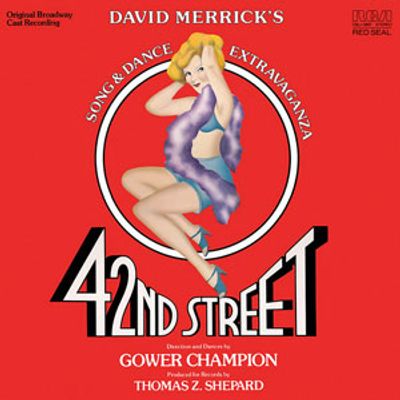
[3:13] Leo Ash Evens: He's been on Broadway in shows like Jesus Christ Superstar, his debut, which I was most certainly in the front row for, Shuffle Along, School of Rock, lots of great off-Broadway stuff and tours, for instance, like West Side Story, one of the many times he played Riff, 42nd Street.
[3:28] Leo Ash Evens: He also has a really wonderful voiceover career that we're gonna get into, and is the other director of MTCA, my partner and work husband, Leo. Welcome to the pod.
[3:38] Charlie Murphy: How are you feeling today?
[3:40] Leo Ash Evens: It feels good to be back.
[3:44] Leo Ash Evens: I love it. I'm I'm very excited to do this. Are you are you honored to be our hundredth episode?
[3:48] Leo Ash Evens: I mean, this is well, the centennial. When you said 100, I first couldn't believe that you actually are up to 100. And then I thought, well, I better be. No, Carrie.
[3:57] Leo Ash Evens: No, but when Megan asked me, I was like, well, hell yeah, of course I'd love that.
[4:01] Charlie Murphy: We thought about saving you for a thousand, but we thought, no, no, we gotta go for a hundred. We'll get we can't keep the people waiting that long.
[4:07] Leo Ash Evens: No. Truth is truth. I'm gonna start you off with the first question because everyone wants to know about your life. And we're gonna talk a lot about the sort of theme of today is like, how do I become a Leo Ash Evens?
[4:17] Charlie Murphy: Um, but we'll start with the same question we ask everybody, which is if you can remember back to 16, 17 year old Leo and what you were thinking about in the college process. So, like if you had a goal for like, here's what I think I'm looking for in a school, really when you started the process, what were those goals and maybe how did it change over the course of the process as you did it?
[4:36] Leo Ash Evens: I mean, it feels like it was so many moons ago. It feels so it was so long ago. No, but I I you know, I would say that the the number one thing that I wanted out of a school that sounds so basic is to learn.
[4:48] Leo Ash Evens: Like I really wanted to be in school because I never felt that I was ready to make a professional career. I always felt, my gosh, I know there's so much for me to learn. And I knew that like the principal acting work within musicals and plays was always my passion.
[5:03] Leo Ash Evens: So I knew that in order to be more likely successful in doing it, I needed to train. So I didn't even care so much about which school, as much as I've got to get training.
[5:15] Charlie Murphy: Yep. And you often talk to our wonderful MTCA students about your relationship with your parents. Um, tell me a little bit. What was that like navigating this process with them? Were they supported from the beginning? Did they have separate goals of yours? How did that go for you?
[5:28] Leo Ash Evens: They were always supportive. I feel very fortunate that, especially with all of our MTCA students, when you know there's pressure in the house or someone isn't as supportive of a theater career. My parents always they love the arts. They took me to plays and musicals.
[5:40] Leo Ash Evens: Um, they were always listening to soundtracks in the car, movie soundtracks, show recordings. So yeah, I always had a very supportive um family. They all they always wanted, you know, me to pursue the dream.
[5:54] Leo Ash Evens: It was never about how much money are you gonna make. It was never about, you know, um, you know, being at the top of a law firm or or some big successful surgeon or doctor, like that never, it was always about what makes you happy.
[6:08] Leo Ash Evens: And I think if my my parents were here, I think my mom would certainly say this started young, that you were like, you know, running around the house. Apparently, my father tells a story.
[6:17] Leo Ash Evens: I don't totally remember this to be true. But apparently he tells a story that I got into a big fight with him. He doesn't remember exactly what we were fighting about, but I went, Well, Dad, I'm gonna be on Broadway.
[6:31] Leo Ash Evens: And I stormed up the room and like slammed my door. I definitely believe that I would be emotional enough to scream that. There's no question about that. But I still don't quite remember the story like that.
[6:41] Leo Ash Evens: But according to him, that's how I punctuated the argument.
[6:45] Charlie Murphy: And how right you were. How right you ended up being. Um, but so you ended up getting into a lot of schools, you did this process. Um, what made you pull the trigger on Carnegie Mellon? What made you say, This is definitely the right fit for me? I want to go here.
[6:56] Leo Ash Evens: Well, the irony of that is that because growing up, you know, 40, 45 minutes north of the city on a good day, I never thought I'd want to go there. I always thought that going to college meant get away from home.
[7:09] Leo Ash Evens: I was very aware of the reputable program. I was aware, you know, as a Pittsburger, you know, the prestige that came with the program. But, you know, my parents were Michigan grads, so they were really excited for me to audition for Michigan.
[7:21] Leo Ash Evens: And I, when I got there, I thought, this campus is like really big. Are we still walking on the camp? You know, so it wasn't until I did the actual audition at school that made me fall in love.
[7:32] Leo Ash Evens: And I remember I remember exactly who I talked to. His name was Justin Brill. Justin Brill was a junior when I was a freshman. And I thought, he like is he's like me. Like this guy talks and sounds, and and like I want to be, and I want to be like him.
[7:45] Leo Ash Evens: So I remember that, and I remember I remember Gary Klein, and I remember Don Wadsworth. I remember the long creaky hallway of Margaret Morrison. This is before the Prunell Center, that they currently have in these like creaky wood floors.
[7:57] Leo Ash Evens: And I thought, you know what, creaky wood? That means good acting.
[8:02] Leo Ash Evens: Creaky wood is what sealed the deal. Yeah, there was like a creakiness, and I was like, ooh, there's a lot of talent here. Like it just all came together. And then I just kind of like I like everybody else in this process, you're like, I don't know if I'm gonna get in.
[8:15] Leo Ash Evens: You know, they talked to me, you know, and they gave me adjustments, and but I just kind of kept my fingers crossed.
[8:20] Charlie Murphy: Um, I got a quibble with you with 45 minutes away from Carnegie Mellon. Are you taking a horse-drawn carriage? I mean, come on, you gotta I gotta pedal the medal.
[8:28] Leo Ash Evens: I make it in 25 minutes. Come on.
[8:30] Charlie Murphy: 25.
[8:30] Leo Ash Evens: Oh, for sure. Maybe you're right. Not 45, maybe 30, 35.
[8:35] Charlie Murphy: Um, so tell me a little bit about so then you, of course, you did get in, you chose to go to Carnegie Mellon. Tell me a little bit about the Carnegie experience for you.
[8:39] Leo Ash Evens: What was it like? What's like the biggest thing that you take away from those years?
[8:44] Leo Ash Evens: Right, right. You know, it really, it really, I think the biggest thing I take is the talent of my classmates. I mean, the teachers, of course, were amazing, but I remember just thinking, my God, I am surrounded with so many really good people.
[8:57] Leo Ash Evens: So the I think the inspiration came frequently from just day in and day out looking up to people that did amazing things that I wanted to aspire to be like. And you know, artistically, I just had never, I mean, North Allegheny High School, an amazing place, but not not loaded with a lot of people majoring in theater.
[9:16] Leo Ash Evens: So to finally meet people that were like me, um, was amazing. And I think the other, you know, these years are coveted. You you never get this chapter back.
[9:23] Leo Ash Evens: And there's something so beautifully um vulnerable and sensitive, and and I was learning who I was as as a man, as an artist. It wasn't just about growing as an actor, but there's something about that like 16, 17 to 21, 22.
[9:39] Leo Ash Evens: Um, and it just was very it was I you know, you don't realize the power of it while you're in it, but the further away I am at my older age now, when I look back, I think, my gosh, those were such pivotal years because I I grew so much as a person.
[9:54] Charlie Murphy: Is there a class that you feel like I never thought I would use this, or that you're surprised how much you ended up using? Is there a class that you like particularly remember fondly?
[10:00] Leo Ash Evens: Voice and speech was the class that I thought, oh God, get me out of here. This is the this is so boring.
[10:09] Leo Ash Evens: Breaking the light bulbs. Oh my god. I was like, this is ridiculous. If my parents knew they were supporting me with that tuition, they would be I thought they would think we're laying on the ground.
[10:18] Leo Ash Evens: What are we doing? And I would like, and I remember we would like leave class, and I'm like, Are are you guys liking this? We're just moaned for half an hour. That was it.
[10:26] Charlie Murphy: Right. What are we doing?
[10:27] Leo Ash Evens: But now other projects that other classmates complained about, like animal projects, for example. I had Barbara for that. I loved it.
[10:34] Leo Ash Evens: I was like, I get to embody an animal and walk in a circle and then like create a human where other people were complaining about that. I thought that was really cool.
[10:44] Leo Ash Evens: Um, but yeah, so so I would say the class that surprised me is voice and speech. The other person that really made an impact on me was Thomas Douglas, who was so much about not kind of getting it right.
[10:55] Leo Ash Evens: It's either right or it isn't. And it he was like a it was a music skills music theater workshop class, and he was quite inspiring.
[11:02] Leo Ash Evens: And he would he would call us out, Charlie. He would say, Did you guys um did you guys really learn this song or did you listen to the cast recording?
[11:09] Leo Ash Evens: Because just because you listen to the cast recording doesn't mean it's accurate. And I remember being like, Ooh, Leo, you have been caught red-handed.
[11:17] Leo Ash Evens: You totally listened to the cast recording. Uh Jimmy Nicholas called that class life skills. He was like, it's music skills, but we called it life skills, really.
[11:24] Charlie Murphy: Yeah, that's very I agree with Jimmy. That is totally true. It's like he he teaches unbelievable lessons to life.
[11:30] Leo Ash Evens: Um, what about now? Of course, so many of our friends and colleagues are becoming professors and heads of these programs. My God.
[11:36] Leo Ash Evens: But if you could go back and teach a class at Carnegie Mellon, what do you feel like was missing? What are you like? Ah, I wish I'd known a little bit more of that.
[11:45] Leo Ash Evens: Well, I guess, you know, and this is no, this is no criticism to the school, but I think sometimes they hold on to all of the amazing teachers for four years in a beautiful way that I love for the four years.
[11:58] Leo Ash Evens: But if as I look back, the one thing I wish I would have had is maybe someone from New York City or someone from LA, somebody who was there regularly, maybe for a semester or two senior year that could really give the real play by play as far as the business goes, because I always kind of had a natural knack for the entrepreneurial side of me.
[12:17] Leo Ash Evens: Um, little did I realize MTCA would come along the way that it did. But even as an actor, I like the idea of thinking of me as Leo Ash Evens Incorporated or Leo Ash Evens, the business, not just like, where do I fit in?
[12:30] Leo Ash Evens: You know, so I wish that maybe the business side of stuff, senior year wasn't the school teaching it to you, but maybe some more outside help. I know other schools now do that.
[12:40] Leo Ash Evens: The other thing was, Charlie, like I was on the cusp of um, you know, pop rock in the music theater in New York City. It was just happening with like Saturday Night Fever and Hairspray was about to open.
[12:53] Leo Ash Evens: So I wish I could have had more classes with that. Because that took me a long time to get more confidence singing. I was more I was more confident with my contemporary and traditional music theater stuff.
[13:03] Leo Ash Evens: And now it's like it's such a part of everybody's book.
[13:05] Leo Ash Evens: Well, it's a huge part of your Broadway career too, is it in terms of what you're singing?
[13:08] Charlie Murphy: That's the irony, yeah.
[13:09] Leo Ash Evens: Right.
[13:10] Charlie Murphy: Um, so then I love it. We'll get into some of the coaching and some of the um entrepreneurial sense uh a little bit more in the second half. But I'd love to just take that Leo Ash Evens ink at 22, sort of entering into the business. What was it like in terms of, you know, you showcase and then what happens? How are you navigating those early first years as you're you're hit in the city?
[13:30] Leo Ash Evens: I was so hungry. Charlie, I used to always say to everybody, I have I was having a relationship with show business. I mean, I did start to have an actual relationship at what, 25. But for the first three years, I was in like a full committed, monogamous relationship with the honeymoon phase. Just making out all the time. Oh, making out at Pearl, at Ripley online, the actors equity uh building. I mean, but but no. What I was very fortunate to score an agent right out of showcase. That was really helpful to have someone as as they like to say, you know, the Leo team. I always tell young actors, of course, it's not just about the agents. So, of course, the main reason I was successful right out of out of the gate was the fact that I was hungry.
I hustled. I I mean, I remember packing a bag. My first year was living in a story of Queens with two roommates. And I remember packing a bag which would have jazz shoes, tap shoes, um, an extra pair of dress shoes to go with the extra button down that had the repertoire that had the water bottle that had the snack bar. I mean, and I loved it. I remember a paper planner. I didn't the SPYG, it took me a while. Telly, my best friend, he always laughs and says, you know, Leo, you're electronically deficient, which is that that's true. But but the reality is is that I I had that paper planner and I would write out auditions, I would highlight, I'd asterisk. But the point is, is that I loved like looking ahead for the week and going, okay, what are the agent sip calls? What are my uh EPAs? What are my course calls? It was it was awesome.
[15:01] Charlie Murphy: Well, and I love, you know, you had this such a successful early career. But the delay to the Broadway debut, right? There's a bit of time before we hit that Broadway debut. I'd love to kind of talk about those years where you're navigating, you know, you're doing these tours, you're doing international shows, you're doing regional shows. What was that experience of balancing, kind of building that life in New York City and the and the relationship you're having with New York City and the show business there, but also performing so many different places? How did that work as you're kind of navigating those different areas?
[15:29] Leo Ash Evens: Yeah, it was it was interesting. I was going to a lot of those open calls or agent submissions for Broadway too. I just wasn't booking those at a young age. I I think in a lot of ways, I was I was meant to be on that principal track right off the bat, and I kept booking international, like you said, um Billy Lawler in 42nd Street was my first big booking right out of college in September. And I left the country and was in Moscow, Russia. You said earlier, you know, Riff and West Side Story. And then I I went on a string of lots of principal roles in regional theater off Broadway, and I just kept booking. And of course, you ride the wave. Um, and yeah, it just, it just kind of for me, uh what I loved about principal work was that I could I could feel and experience myself growing as an artist as I played those roles.
So to me, it wasn't so much about I gotta take that role for health insurance weeks or pay. It was more of Leo, you just booked the MC in cabaret, you just booked um Black Stash and Peter and the Star Catcher. Those roles are gonna be not only so invigorating, but you're gonna keep growing. So I think that I think Carnegie Mellon really put it uh instated a lot of that in me. And then I wanted to keep at it. So as I started to book those roles, that just felt it in a way, Broadway became less significant to me. I actually didn't care as much about the Broadway show because I thought I'm working consistently from gig to gig to gig. And I was happy doing that. So it's funny that when I had the debut and my agents called me, I I laughed.
And he was like, Leo, why are you laughing? Do you think you're you I said, I just think it's funny after all these years, it it happened. And I I didn't even really take that. I mean, I took it seriously, but I just didn't to your point earlier about and my debut, two of my shows have been Andrew Lloyd Weber Rock shows. Uh-huh. I just never imagined originally that that would be the path. Yeah. And and then it happened. And by the time it happened, it was no longer on the pedestal for you that it might have been at 24 or something. It wasn't right in the playoffs. Everything. Yeah, at 24-25, like when I wasn't booking Broadway, I did have some like, I don't know if I'd say embarrassment, but I was thinking, I thought it would have happened by now.
Why didn't it happen? You know, and and it would, but but then pretty quickly, because I was always working, I did own, well, that's that's not your path at the moment. You know, and I think I always knew in my heart of hearts, Leo, you're not like hanging it up at 30. So, you know, as I as I kept going, and and you know, that is advice I always give young actors, which is you just stay at it. And if you want to do it, it it likely comes your way.
[18:03] Charlie Murphy: And was there any kind of like, you know, and this is now we're gonna get into some of your life with FTCA too and all the other things you're building in New York City, but was there any of that kind of geographic consideration at some point for you to say, like, I do want to do stuff in New York too, you know, in terms of I'm doing all this amazing stuff, but it's pulling me away from the city. Of like, was there a conversation with agents of like I want to do stuff even if it's off Broadway, but in New York?
[18:25] Leo Ash Evens: Yes, that did start to happen a little bit with the career of like I keep going away. It actually was another actor who jokingly said, Leo, you're like the regional king. And I went, like the kiss of death. That's nice. Yeah, like, yeah, aren't it? Aren't you sweet? Like, you know, and it would it was weird because ultimately at my heart of hearts, I was so proud of those accomplishments. So I knew that the path that I was on was right for me, and that I it Charlie, it wasn't exciting to me. I I would have gone from a chorus ensemble track to another one at a young age, but it wasn't the path for me. And I and I just was playing these principal roles and I felt myself growing. Then once I was on it, the irony was that my first gig on Broadway was a featured ensemble track.
So that's why I part that's kind of why I laughed, was I thought, oh my god, after all this time, when I was ready to book it work. Yeah, yeah. Yep, totally. But there, and there's something to your point of like you did all that training of like you got to flex those muscles in a different way, playing principal roles. It is a different experience, no matter where you're doing.
[19:28] Charlie Murphy: Right.
[19:28] Leo Ash Evens: Um, let's talk a little bit about some of those iconic roles. And I think I want to maybe especially talk about some of those iconic roles you've played multiple times, right? You got to do the MC, you had to do Riff, right? You got to have a couple cracks at some of these roles.
[19:40] Charlie Murphy: Yeah.
[19:41] Leo Ash Evens: How how do you approach that role for yourself when you're doing that little like personal remount? Like, is there something conscious of like I'm trying to explore a different thing, this version, or is it I'm just letting it speak to me, however it comes with this director? How do you approach that when you're playing it for a third, fourth, fifth time?
[19:56] Leo Ash Evens: Yeah, and this is another irony to my career. I wasn't necessarily looking hard for repeating all of these roles, but I've I've been so fortunate that a lot of these roles that I have been able to repeat are like some of the biggest musicals in our songbook collection that and musical um canon. He means the word canon. Canon! Charlie, that's it. I couldn't know. I know, I know. Um, I just I was so excited to get to do them. But yeah, I mean, things like the MC or Riff, I was always still hungry to do more. And what's so cool about the second time or the third time is now you're starting the first rehearsal with it really already in your body, but now you get to explore other textures and other colors and other layers that maybe you didn't get to do.
I mean, the the one disadvantage to regional theater is the short shelf life. You do all of that work, and then you have what? Like a two-week run, a three-week run. I mean, maybe Summerstock, a one-week run. I mean, so you've you do all that same work that you would if it was Broadway, but then it ends. And a lot of times, you know, you find your best work in the last couple shows, and then you're like, oh no. I mean, so when I the second time I booked the MC, the the director at the at the callback actually said to me, Leo, I actually would like to ask you, why are you here and wanting to do the role again? Right. And I loved it. And I said, thank you for asking me that. I said, I am so like, I just feel so um shortchanged.
I feel like I I was um robbed of a full MC experience the first time because it at Houston Theater Under the Stars, Houston Tuts, it was a great run, but it was a month. That was it. You know, so I was so excited to explore it. The other thing too is what's great about regional theater is the size of a house. So like the first time I did it, I think it was a 1600 or 1400 seat house. The next time was I think 600 seats in Denver. So that really changed the experience for me. And I don't know, probably it's the Carnegie Mellon actor boy in me, but I just love different directors, different approaches. I've never Charlie artistically been latched on to saying, This is the way you play the MC. This is the way this is Riff.
I would rather have like the artistic experience with a director going, you know, I'm seeing it like this, and then I get to contribute really. That's interesting because I approach it this way. So what are we gonna create together? That to me is like way more exciting than you know, the one way. So again, I think the um the it is I I talk about that a lot that I played Tulsa so many times, Will Parker, and you know, I just came off of playing Tate and Ragtimes. Yes, I know that's gonna happen again. Yep. I finished it and I went, Leo, you're already on the younger, youthful side. You're gonna do this again, and I can't wait to do it again.
[22:43] Charlie Murphy: That's so cool. Yeah. Um, okay, we're gonna take a short break, we're gonna run a few ads, and on the back end, we're gonna talk about the many hyphens of Leo Ash Evens.
[22:57] Charlie Murphy: Okay, we are back with the great Leo Ash Evens. And we're gonna talk about the many wonderful hyphens that make up my wonderful work husband. But before we get into the complexity of the hyphens, the theme of this episode is how does one become a Leo Ash Evens? And before the specifics, I wanna go to the big picture. Because this is a question I think a lot of our parents and former students always would like to ask. You, my work husband, like to throw around C's like costs and curriculum. And I'm gonna throw some C's back at you. You ready for this?
[23:32] Leo Ash Evens: Okay.
[23:33] Charlie Murphy: You are a person who is overflowing with both charisma and confidence, right? That's something I think of when I see you. How do you cultivate the charisma and confidence that it takes to be a Leo Ash Evens?
[23:46] Leo Ash Evens: Ah, Charlie, that made me tear up. That's really sweet that you took the C's and created Leo C's. Um that is accurate. You are 100% right. I, you know, charisma is something I feel I was born with. I do feel like that was something that like I just wake up and I and I do have a lot of that energy, and and my parents are rewarded that that part of my personality. The confidence, I guess, I think first comes from, you know, like my my parents and just the belief that they had in me. Um, so yeah, I mean, those are very accurate. Confidence and charisma are both traits that I do lead with. And so many of our parents, and they'll always ask me this. I'm like, where does Leo? Sometimes I'll be like, where do both of you, but where does Leo get the energy? Like, what fuels Leo? Like what keeps him going?
[24:30] Leo Ash Evens: I don't know. I mean, I do think that sometimes I do, sometimes I do think it's weird how much like I'll look at my week and I'll go, Leo, how are you still operating with this much energy? Um, I I think that this is the classic answer that I know a lot of people give. I love I love what I do, Charlie. There is nothing in my day that I'm ever doing that I'm like, I don't want to do this. Like, or I just or like my amazing assistant Lisa does it, or or or I have a an accountant that does it, or I know that I need to reward myself with um I get a massage once a month. Like I am willing to reward myself. I take vacations. I didn't take vacations all the way through my 20s. So I do think I do think it is important to know yourself and what you need.
And then, you know, I did I do remember back when Oprah was on TV. God, I missed that show on like ABC every four a day at four o'clock. And I remember she had an entrepreneurship, um, or or not entrepreneurship, but entrepreneurs, business owners on TV. And they were all like, you know, millionaire billionaires. How did you, how do you find your success? And one of them did say, you gotta love what you do to make money at what you do. So there is something to say for I'm I'm grateful that I I do wake up with all of this energy, but then a lot of it is fueled by the actual work that I'm doing, the tasks that I believe, I believe in my different um um buckets or different, you know, areas, but it's also the people you work with. So like you, my friend, my partner in crime. Yeah, you can't work with people that you don't, they're not your people.
[26:02] Charlie Murphy: Yep. So true. Well, and I would have the third C would be passionate. It just doesn't start with a C, but you're definitely very passionate as well.
[26:10] Charlie Murphy: Cash in it. Passionate. He's caffeinated. Um okay, let's do some more uh C'ssies and some high. Wait a minute. Wait a minute. That's a story that is pretty good. Remember, I can't remember which mother was it. When we were doing a webinar and she said, Leo, are you actually drinking coffee? Like you need any more energy at 9 p.m. or whatever. Right. I was like, you tried doing this at 9 p.m. Yes, I need coffee. Too funny. Um, but to more C's, I want to talk about career coaching. Um, because before you started with your wonderful MTCA work, you were a career coach, right? I think it's one of the reasons we met through uh the wonderful Telly Liung, our first map in the college edition artist guest, shout out, knew you were doing career coaching.
Said, this is for someone who's gonna be a great fit for MTCA. What inspired that early work? And I guess what would it have looked like if I back in the day were like, I want to go to Leo Ash Evens and get some career coaching?
[27:03] Leo Ash Evens: Yeah. Well, it all started kind of on its own. I wasn't like trying to be a coach, but all of my peers that I would audition with knew I was working steadily, and they were, I think, inspired by it. And I remember one time um a female said to me, Leo, what is it? What's your trick? And I said, trick. I don't have a trick, but I did start to rattle off a couple things that I do, thinking she does them too. You know, I had talked about recording my auditions as far as like a log goes, not actual audio, but recording what I do, how I felt about it, kind of like journaling, but I would do it consistently. I had like an industry log where I was keeping track of the people that I worked with, you know, and I thought that these were kind of basic tools that everybody was doing.
I mean, I didn't, I guess I didn't learn that at Carnegie Mellon. It was kind of just something that I in in a nerdy way kind of wanted to just I think I knew in my head, Leo, you're meeting these people through readings and workshops and shows, figure out your, you know, your system. And I was creating a system, devising a system for myself. So then when when somebody asked, sh she said, Well, let me pay you. And I said, No, no, no, no. Let's just, we don't have to do that. She said, No, no, I want to. So then I started realizing, oh, well, wait a minute. I I guess I could make money helping people I love the idea of being able to help make some money in my young 20s but it was always fueled again with the the task at hand which was I liked knowing that what comes naturally to me in a confident charismatic way where other people were negative jaded down on themselves lacked the self confidence I could really inspire people and I think I'm good with professional actors to listen and hear their problem and then again prompt prompt the right questions so that that they figure it out just like good directors for actors um because everyone's career is so unique and individual that I don't know I think I think what makes a good career coach or just coach period is someone who doesn't have like a black and white way you that you've got to recognize that each individual has their own kind of path and if you can help um you know if you can help blossom that for that individual then it that's how they're successful.
[29:09] Charlie Murphy: Well as a career coach and then for many years as an all-star monologue coach and then an assistant director and now director I mean also you did song coaching with NBCA dance coaching you got it all a true triple threat quadruple threat whatever it is um what about you know from those monologue coaching days what was like your favorite thing about being a monologue coach what do you miss the most um from those things?
[29:09] Leo Ash Evens: I do miss it I really I'm so glad you asked that I do miss it and all my all my kiddos out there that had me out there what's so wild is my last student now works for MTCA K Faye she was my last monologue student but I I would say the thing I miss the most is just the one-on-one connection I I do miss that that it I love as a director leading big groups of students and groups of parents, but there's something really, really beautiful and special about that one-on-one uh I miss that. I miss I miss helping people find pieces that they really connect with. I had a great collection of pieces still do. And I just feel like that's really fun to see somebody read something that goes, Leo, that's what I want. Yeah. So I miss that. Um, but uh what I love about the current situation unlike that was that that was only a one-on-one, and I wasn't reaching volumes of people, which I know provide me a different kind of satisfaction.
[30:22] Charlie Murphy: Uh-huh. Well, and then what about as a director? I mean, obviously, something you're currently doing, and you know, you've seen this process from beginning to end now for over a decade in terms of seeing all these students and all these families go through this. What is your favorite part of taking this journey with our families each year? What's what do you love the most about it?
[30:40] Leo Ash Evens: I like diffusing a lot of false information or rumors that exist from someone else's previous experience. I I really like to make each family feel that it is personalized for them because that's how they're then successful in getting into lots and lots of programs. Um, and again, there is no one size fits all in acting. I mean, I feel this way about my own performing career all the time. You know, relationships come and go. Um, you know, directors that you think you're gonna work with and rehire you don't. I mean, I can think of shows that I thought that's gonna be my Broadway debut and then a closed. I mean, so uh the similarly to um MTCA, people who feel that school is the end all be all. And I'm going, why are you doing that?
Why are you why are you creating this false reality reality that all the answers live at X school over here? Well, what about Y and Z over there? Like they're they are wonderful. So I like the challenge to try to wreck to make a family realize all the answers don't exist in one school.
[31:42] Charlie Murphy: It's such a funny bit of advice that you're giving there. Um, because when we're just about to release Talia, um, who was a former MPCA student, and that is the one. And one of my monologues. I was gonna say that's one of the things that she said. She said the only thing she would have changed about her process if she done it again, was to not think that all the answers lived at one school. Yeah. Because it didn't end up being the school that you went to, and she loved the school that you went to. So a little bit of a success story there.
[32:04] Leo Ash Evens: Yeah, what about the sort of struggle of balancing it all, right? As you proudly lead with all these hypens, we're gonna talk about voiceovers too, another hyphen of yours. Do you find it difficult to be clear to the outside world of like I'm still an actor in navigating all this?
[32:18] Leo Ash Evens: Yes. If people say, Who are you? What are you doing? What's all this stuff? Yes, it's terrible. It's my one thing about it that I always tell people that it while it has a lot of positives and perks, it is really hard in show business to wear multiple hats. I've I've kind of had a little secret sideline laugh in the pandemic, watching so many people suddenly discover all of these other artistic skills that now they want to, you know, invest in. And I'm thinking, are you kidding me, guys? Like, I've been doing this since 25 coaching, voiceovers, acting. It's hard though, because certainly there each bucket can live in its own kind of siloed island for me, and I'm the one who has to make sure that the energy and the attention is is spacing stuff out.
The other interesting parallel, Charlie, is that I'm a Libra and Libras are all about balancing scales. So I do feel in my life, like especially with the pandemic, when I mean I had never gone almost two years without doing a stage show before, and that was eating me alive. So when ragtime finally happened, I was like, oh my god, thank God. Like it just it it felt so good to get to do it again. So that's how and why I'm successful at doing multiple areas, is that I I do seriously love all of them. So, you know, I remember when I had my Broadway debut and someone said, Oh, so now you're done coaching, or are you gonna give up MTCA? And I went, No, idiot, why would I do that? You're right. What do you talk about?
I adjust the schedule, sure. But so yeah, I mean, and then it's also just a good business answer. I mean, the reality is is now like the show that must go on didn't like the show closed, like we watched bro. So so many people, I think then learned, you know, just out of necessity, you gotta be smart about your career. And how do you diversify?
[33:59] Leo Ash Evens: Yeah, diversifying is huge. I mean, so you know, that's where my voiceover career I'm so grateful for because it is a much more lucrative business than stage, you know. So we now, you and I share a voiceover agency now. Woo-woot. But how did you discover this talent of yours? And how do you continue to work to cultivate this? Because it's something you're really so successful at. How did that happen for you? That's not something that necessarily everyone who graduates from drama school is is stepping into that career.
[34:27] Leo Ash Evens: Yeah. Um, well, it stays in the Carnegie Mellon family because Sue Soretta, who I had been doing a lot of um Suzanne's Reddit, I always called her Sue in school, but now she goes by Suzanne. Um, she has a very successful voiceover career herself at Innovative. And when I was working with her uh for something unrelated, it was actually she does a lot of great accent dialect work. I was working with her on that, and then she said to me, Do you have a voiceover agent? And I said, No, I've been trying to do this, it's really hard. I used to do it in Pittsburgh a lot, and then she introduced me. And even when she introduced me, I thought, ah, she's just, I'm just they're just taking a meeting to be nice.
And then I remember Deborah Sherry, um, she was the my point person at the time, was like, All right, you sound great. I'll start sending you out. And I'm like, What? No, you're not. Right, right. And then she did. And then I one of the big reasons I always say this to to young actors, so much of success in whatever field is is also a little bit of luck. And I had a little bit of luck that I booked a sharp national voiceover. I think it was on my third audition or something. So that helped a lot because then I think that gave them the they were like, see, we told you you're great at it, you know. So it was something like that. I was like, oh my God, I'm embarrassed. I can't believe I not embarrassed, I was so excited.
And um, they've been amazing. I mean, it's just it's so I mean, it's you know, the voiceover world's changed a lot. A lot of what was union work now is sadly non-union work. So that's hard on me. But um, they've been amazing. I mean, they've just been awesome.
[35:56] Charlie Murphy: Well, uh other than just getting lucky and booking your third uh audition. Yeah, what advice would you give to a young actor or maybe a not so young actor who's a fellow podcast host and work husband? If you're trying to build that voiceover career, yeah, what are the things that you can kind of actively be doing to improve or to to work to um yeah, what would what advice would we give? If I'm gonna do that.
[36:15] Leo Ash Evens: Well, I will say, just like singing and acting, dancing, like it is practicing. I mean, there is that. Like, you know, you can now with our phones, it doesn't have to be a high-tech microphone, it could you can practice anywhere. It's all about um first, it's all the same things with acting. Voiceover is always about who's your audience, who are you talking to, what do you want? Um, even though it's only in like one or two sentences, that stuff still exists. And then someone gave me this advice. Actually, it was it was Deborah, um, said to me, When you're doing multiple reads, don't give too many different versions, or it sounds like nothing is authentic. Uh-huh. So her her her point was live in a world that you know is authentically your voice, and then give slightly different versions of what you're doing.
Not that you're giving like three polar opposite. Hi, how you doing? Oh, you know what you're doing. Like they don't, then they're like, who which one's Leo? You know, it just doesn't tell. Um, but yeah, and then you know, I think it's it's to simplify. That's the biggest thing is that we're in that little me, myself, and I moment. Um, and something I did, Charlie, in the pandemic and in my new uh condo that I purchased, is I made my walk in closet a voiceover booth. So that was like the best money I've ever spent because now all my auditions are in there. I've done bookings in there. Um, you know, it's funny. It's like you go in there and you're like, oh, hi jeans. Hi, hi, button down. Hi, it absorbs the sound, it's all good for it. It's so good, and it's also weird. I'm like, hey, we're real close in here. Um, but but it's been good.
[37:43] Charlie Murphy: Yeah. Uh I love it. Okay, I think it's time to play our very special game, as all of our artist guests do. You've already played two versions of the newlywed game. And I've realized this is a game that's really about me. But this is your episode. So we're gonna play a game that's all about you and your special interests. I'm calling it plant or plant. So we're calling on Green Leo, and we're gonna try to sniff out the difference between real plants or fake plastic plants that you hate, one of your least favorite things on earth, okay?
[38:11] Leo Ash Evens: Sneezewart.
[38:13] Charlie Murphy: Uh Sneezewart.
[38:16] Leo Ash Evens: I do know plants with wart as the second half.
[38:19] Charlie Murphy: So I'm gonna guess that that's real.
[38:21] Leo Ash Evens: That is real. Sneeze word is real.
[38:23] Charlie Murphy: Okay. Ficus Lyrata.
[38:26] Leo Ash Evens: Real.
[38:27] Charlie Murphy: That's real.
[38:27] Leo Ash Evens: Real, it's a fiddly fig. I know a ficus, yeah.
[38:29] Charlie Murphy: Yeah, there we go. I have one. Fireside chat.
[38:36] Leo Ash Evens: Fireside chat? That is the name of something else.
[38:39] Charlie Murphy: Plastic.
[38:40] Leo Ash Evens: Fake.
[38:40] Charlie Murphy: That's right. That's like what FDR did for like people in the world. Night fire.
[38:44] Leo Ash Evens: Okay. Milk thistle.
[38:47] Charlie Murphy: Well, that's interesting. I know milk weed, milk thistle.
[38:51] Leo Ash Evens: I'm gonna say that's real.
[38:52] Charlie Murphy: It is real.
[38:53] Leo Ash Evens: You're four for four. You're doing great so far.
[38:55] Charlie Murphy: Yeah. Monkey puzzle tree.
[38:57] Leo Ash Evens: Wait a minute. Monkey puzzle tree.
[39:00] Charlie Murphy: Puzzle tree, like T-R-E-E.
[39:02] Leo Ash Evens: I want spellings.
[39:03] Charlie Murphy: Yes, monkey, the word puzzle, and then the word tree.
[39:06] Leo Ash Evens: You know, this kind of reminds me of Baldur Dash, where you're supposed to make up definitely.
[39:11] Charlie Murphy: Uh monkey puzzle tree.
[39:13] Leo Ash Evens: I'm gonna say plastic.
[39:14] Charlie Murphy: Ah, it's our first real.
[39:16] Leo Ash Evens: That is real, it's a real tree.
[39:18] Charlie Murphy: Okay.
[39:18] Leo Ash Evens: Umsula ovata.
[39:21] Charlie Murphy: Crossula ovata.
[39:23] Leo Ash Evens: I mean, that's so sexy, that name. I like it. I want it to be real.
[39:27] Charlie Murphy: It is real.
[39:27] Leo Ash Evens: It's a jade plant.
[39:28] Charlie Murphy: Is that another way for a jade plant?
[39:29] Leo Ash Evens: Oh, you mean oh you mean wait, what did you say?
[39:32] Charlie Murphy: A jade plant?
[39:33] Leo Ash Evens: But there's not in the video, Leo has real drops.
[39:36] Charlie Murphy: Oh, yeah, nobody can see that. I forgot about it.
[39:37] Leo Ash Evens: Pixie's nose.
[39:39] Charlie Murphy: What is this? Peter Pan?
[39:41] Leo Ash Evens: Pixie's nose.
[39:42] Charlie Murphy: Pixie's nose.
[39:44] Leo Ash Evens: Um.
[39:45] Charlie Murphy: I'm gonna say I know nose in names.
[39:49] Leo Ash Evens: I'm gonna say that's real.
[39:50] Charlie Murphy: It's fake.
[39:51] Leo Ash Evens: It's fake.
[39:52] Charlie Murphy: Fake.
[39:53] Leo Ash Evens: Sticky willy.
[39:55] Charlie Murphy: Sticky willy.
[39:58] Leo Ash Evens: This is hysterical.
[40:00] Charlie Murphy: Sticky willy? I mean, what is this webinar? What is this webinar?
[40:03] Leo Ash Evens: What is this podcast trying to get to?
[40:06] Charlie Murphy: Yeah, exactly. Sticky willy. There aren't weird names. I'm gonna say real.
[40:11] Leo Ash Evens: That's real. Sticky wheelie is real.
[40:13] Charlie Murphy: Yeah.
[40:13] Leo Ash Evens: Um, Mimbalis Mimbletonia.
[40:16] Charlie Murphy: Oh.
[40:16] Leo Ash Evens: Nimbalus Mimbletonia.
[40:19] Charlie Murphy: Real.
[40:20] Leo Ash Evens: It's fake.
[40:20] Charlie Murphy: It's from the Harry Potter universe.
[40:22] Leo Ash Evens: Mimble Mimbletonia is a Harry Potter plant.
[40:25] Charlie Murphy: Um moonshadow's breath.
[40:28] Leo Ash Evens: Moonshadow's breath. Sounds terrible. Moonshadow's breath.
[40:32] Charlie Murphy: Um, I'm gonna guess. Moonshadow's breath.
[40:35] Leo Ash Evens: Their moon is in plant names. I I'll say real.
[40:40] Charlie Murphy: It's fake. I made it up.
[40:41] Leo Ash Evens: Oh, Jesus. Kangaroo Paws.
[40:43] Charlie Murphy: Kangaroo paws.
[40:46] Leo Ash Evens: Real.
[40:47] Charlie Murphy: I like it. You got into that. Real.
[40:49] Leo Ash Evens: It's correct. It is real.
[40:50] Charlie Murphy: Corpse flower.
[40:52] Leo Ash Evens: Corpse flower.
[40:53] Charlie Murphy: Real.
[40:54] Leo Ash Evens: Correct.
[40:55] Charlie Murphy: Butcher's broom.
[40:58] Leo Ash Evens: Fake.
[40:59] Charlie Murphy: Real.
[40:59] Leo Ash Evens: It's real.
[41:00] Charlie Murphy: It's real.
[41:01] Leo Ash Evens: Damn it. Goat's beard.
[41:03] Charlie Murphy: Oh, Lord. Goat's beard. Don't they already have them?
[41:07] Leo Ash Evens: No. Um goat's beard yeah, real.
[41:10] Charlie Murphy: Real, that's correct.
[41:11] Leo Ash Evens: Whiskey in the Glen.
[41:13] Charlie Murphy: Whiskey in the Glen.
[41:15] Leo Ash Evens: I mean, the amazing thing is so many of these real plants that I've gotten right, I don't know what they are. Some of these are like crazy obscure off the internet, let's be clear. Most of these are not like common plants.
[41:25] Charlie Murphy: This sounds like a Don Wadsworth game. Did you do this with him?
[41:28] Leo Ash Evens: I don't remember the episode.
[41:29] Charlie Murphy: Okay.
[41:30] Leo Ash Evens: He I would say fake.
[41:32] Charlie Murphy: I made that up. Whiskey in the Glen. That sounds a little cherry. Too much.
[41:35] Leo Ash Evens: It was a little too much.
[41:36] Charlie Murphy: Yeah. Uh Lion's Tail.
[41:38] Leo Ash Evens: Oh, well, there's a lot of tales. Uh I'll say real.
[41:42] Charlie Murphy: That is real.
[41:43] Leo Ash Evens: Yeah. Scarlet Pimpernell.
[41:45] Charlie Murphy: Shut up, Charlie.
[41:46] Leo Ash Evens: That is fake.
[41:47] Charlie Murphy: It's real.
[41:48] Leo Ash Evens: There's a real scarlet pimpernell.
[41:49] Charlie Murphy: There is a Scarlet Pimpernell real. Actually, you know what? There is a flower on the logo. That is the Scarlet Pimpernell.
[41:55] Leo Ash Evens: I never thought I never knew that.
[41:59] Charlie Murphy: It was a tricky one. Tricky one. Alright, we have two more. Chlorophytum Cimosum.
[42:03] Leo Ash Evens: Chlorophytum Cimosum.
[42:05] Charlie Murphy: Real.
[42:06] Leo Ash Evens: That's a spider plant.
[42:07] Charlie Murphy: That's right.
[42:08] Leo Ash Evens: Sinomiscal Cutteridal Gautholi.
[42:12] Charlie Murphy: This is just Charlie wanting to listen to his voice.
[42:15] Leo Ash Evens: Um that's this entire podcast.
[42:17] Charlie Murphy: I don't know what you want from it.
[42:19] Leo Ash Evens: It's exactly true. That would be a lot for you to make up, but would you?
[42:24] Charlie Murphy: I'm gonna say it's real.
[42:25] Leo Ash Evens: It is fake. It's an anagram of musical theater college editions. I just have a few letters to end it up.
[42:31] Charlie Murphy: That's good. I give you perks for that. That was good.
[42:34] Leo Ash Evens: Um, in wrapping up here, um, I just do want to talk. We've been talking a lot of uh our recent guests about their relationship with social media. So, like how you use it for yourself in terms of what you're outputting, right? What you're um presenting on social media, and then also in terms of your own consumption. I know we have MGCA social media that you're doing too. So how how what is your personal relationship with with social media in terms of input and output?
[42:56] Leo Ash Evens: You know, ultimately lately, not that great. I've just been kind of like exhausted by it. I kind of feel a little, I think coming out of the pandemic, it makes me just hunger and long for what is real, which is picking up the phone and calling someone, at least texting them, but really calling them and actually like seeing people. So, like something I've been giving myself as an assignment. It's like, Leo, you don't have to go pour a glass of wine and watch Netflix. You could actually go meet someone now for a glass of wine, you know. So social media to me is a little bit of a trap, but I have to say, if I'm in a silly mood, I do it. So, like the other day I was in a silly mood and I wanted to post and I did, or like my peace lilies blooming, so I took a photo and I know people love my plant posts.
Um, but yeah, I kind of go in and out with it. I I do recognize that it is a part of showbiz, and I sometimes I get down on myself that the amount of followers that I have or lack is not reflective of my success in the business, and that I don't like. That makes me uncomfortable going, I'm I am so I'm very successful in so many areas of my life that then someone would think that I'm not based on social media followers that I don't like. But the actual act of doing it, if it's if it's like it's a moody thing for me. I go in and out.
[44:11] Charlie Murphy: What about you know, you have these iconic birthday posts? Your day you put on people's things. Right. Where did that come from? What inspired the iconic your day?
[44:21] Leo Ash Evens: Great question. I have consistently done that for as long as Facebook has been around. Yes. And I joined Facebook when I played Riff and Westside in London. The reason I joined was to get everybody's photos. People would tag you, and I'd be like, Well, I want Megan's photos, I want Charlie's photo. So I remember that's why I made Facebook. And then when it was, I think I didn't want to be generic and go, happy birthday, Charlie. Like it just felt like generic. So I just, I don't know, your day. And I think what's fun is that it really feels like it's personally yours when obviously you share it with many, many, many people. But yeah, it's just kind of become my thing. And yeah, everybody says that to me now when it's my birthday.
[44:58] Charlie Murphy: Yeah, well, of course. It's your day. It's your iconic praise. Um, all right. My last question for you is just any advice to a young artist who wants to grow up and become a Leo Ash Evens. What would that advice be? What should I do if I want to be a Leo when I grow up?
[45:13] Leo Ash Evens: Oh God, if there was I mean, there's so many things. Um, but I think just you know, uh pursue the dream, the passion, whatever that thing is, um, with integrity. It's kind of been a thing that I think has gone away in some ways, whether that's social media, the pandemic. Sometimes people, I don't know, they just they they get into it for the wrong reasons, but to have integrity in your work, and I think you know, the thing I pride myself on in my own personal career in MTCA work with my friends too, is communication. So always think about how you're saying what you're saying. Don't don't like disappear and not show up when it's hard. You know, hard conversation. There have been so many times in my life, Charlie, where I've been burned by someone just like not getting not talking to me about something, or no, Leo, sorry, we're not gonna use you moving forward because now you're too old for this show.
Or or you're and I'm like, Jesus, why didn't you just tell me? Why did I have to read it on Playboy? You know, like so, or breakups or professionally, personally. I mean, so to me, communication is also another big part of if you're thinking about how to go through c your career as a young, that's a good thing to think about.
[46:29] Charlie Murphy: Well, we know we can follow him at Leo Ash Evens. That's E V E N S. That's why we say evens, Leo Ash Evens.com. I hear there's a website overhaul coming.
[46:37] Leo Ash Evens: Big overhaul coming.
[46:40] Charlie Murphy: Yeah, look out. Stay tuned for that. Yep. And then, of course, at all the MTCA socials that you'll see in all the so the show notes as well. Leo, anything we missed? Anything you gotta plug before we let you go?
[46:49] Leo Ash Evens: No, other than I am so proud of you, my partner. That as a hundredth episode, I mean, what what what you've done in launching our podcast is so exciting. And and to get to see you for an hour like this is amazing. Yeah, you're so in your you're in your element.
[47:02] Charlie Murphy: Well, it was such a pleasure. Thank you for the time today, man. I really appreciate it.
[47:10] Leo Ash Evens: Boom.
[47:11] Charlie Murphy: I hope you enjoyed that episode. Special 100th episode with Leo Ash Evens. Um, one of the biggest questions I get from our MTCA parents is like, is he really like that all the time? After they maybe they watch his passionate delivery of a webinar or after meeting him in initial consultation. And I'm here to report this is just Leo on a Tuesday. Of course, in different business settings, I get to see a Leo who's maybe a little more down to business and not as on as you hear here. But I will say that same spirited, energetic man that you see in public is the real Leo I work with every day. And that brings me to the takeaway I want to do for this episode, which is about Leo's passion. We talked about his charisma and his confidence, which may be something that isn't as present for our younger listeners.
These may be qualities you're going to continue to cultivate in your training and your career. But you all can connect to that drive, to that passion that motivates you for what your dream is. This is very similar to the idea we talked about with Ray, Ray Mercer, you know, of nothing replacing hard work. But here I want to talk about not just the output of work of what hard work is, but the engine that motivates you to continue to produce that output. This is true for our alumni listeners, this is true for our seniors wrapping their college processes this month, and our students who are just beginning this process as juniors and sophomores. There is nothing that will be as valuable to the longevity of your career as the furnace that is powering the whole thing.
[48:39] Charlie Murphy: I thought it was just a bit too much, but I'll make another basketball analogy here. We often look at successful players like you know, Michael Jordan, LeBron James, Steph Curry, Steve Nash, Kobe Bryant, name who you want to name. And we think, oh my god, they are amazing. What an unbelievable amount of God-given talent they have. And of course, there's truth to this. Whether it's being blessed with height or fast twitch muscle fibers or amazing hand eye coordination, there's no question you need some level of aptitude to succeed at the highest level. But I could name you hundreds of players who had as much or more God given talent as those people I just named. Uh Stefan Marbury or Steve Francis had every bit as much talent as Steph Curry or Steve Nash.
I like that one because it's all variations on Steph or Steven in that name. Uh current players like Ben Simmons or Zion Williamson have at least as much talent as Michael Jordan or Kobe Bryant were blessed with. What the latter two have is that ability to stay in the gym, to keep themselves motivated, and with their passionate love for the sport, achieve their fullest potential. And the same is really true for Broadway performers. For every household name you could name of amazing Broadway performers, I could name another hundred just as talented who didn't achieve that success. Now, that's not only about their hard work and preparation and motivation, there is plenty of luck involved in this career as well.
We all know that old quote, luck is what happens when preparation meets opportunity. But for plenty of these amazingly talented performers, including some of my classmates I can think of, their career shifted because their engine ran dry much more than because they didn't have the talent to reach their fullest potential and their virgin of success. And one of the reasons I like to make these sports analogies so much is that this career is a career that really asks you to achieve your fullest potential just like sports. Not every career is going to demand that of you, since not every career is so competitive in terms of the supply and demand. A lot of people want to be in the NBA, a lot of people want to be on Broadway.
I mean, it's a great goal in life, almost no matter what, to try to self actualize. But if you're gonna be a computer programmer, you might be able to be really successful at like 50% of your work potential. Since that is an incredibly in-demand job, right? My little brother works for a computer company, and he could not be less passionate about his work, but they keep giving him raises and bonuses. That's the supply and demand of that particular segment of the economy. But if you want to make it in the NBA or you want to make it on Broadway in your mid-career after many close calls, like the great Leo Ash Evens, you need a particular tenacity that will help you reach your full potential as the multi-hyphened artist that you can be. And to achieve that, you need to be deeply connected to the engine of your passion that will keep powering you through the ups and downs of this crazy career.
[51:21] Charlie Murphy: Well, that's it. We've just achieved it. A hundred episodes. We're gonna keep going as long as you want to keep listening and as long as there are more schools to interview, and I still feel like I have something to say. As always, but particularly with our centennial episode, a huge thank you to our incredible producer, Meghan Cordier. If you want to give us a virtual hug for our hundredth episode, you can give us a rating and review wherever you listen to podcasts. We love five stars, and we love you sharing this podcast with your friends. You can also follow us at Mapping the College Audition on Instagram or follow MTCA in all of our social media listed in our show notes. You can also check out MTCA directly for help with your individual college edition prep at mtcollegeauditions.com. To my young artists out there mapping their journeys, do you believe acting talent is correlated with how creaky the wooden floors are? We'll see you next week.
© Broadway Podcast Network, All Rights Reserved