

ERICA A HART, CSA, was born and raised in Washington, DC. Her casting experience spans into network, studio, independent films, commercials, and recently Broadway... Read More
From the show: Mentors on the Mic: Your guide to pursuing a career in the Entertainment industry
Guests

Featured Shows

About
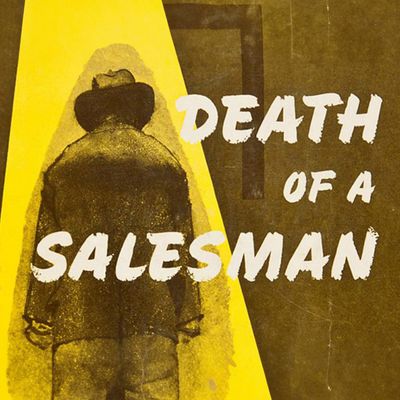
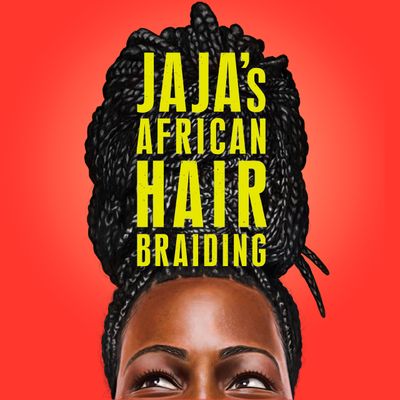
ERICA A HART, CSA, was born and raised in Washington, DC. Her casting experience spans into network, studio, independent films, commercials, and recently Broadway. Her television/streaming directorial casting credits include both seasons of THAT DAMN MICHAEL CHE (HBOMAX), JODIE, BLACK DON'T CRACK (ABC), BUST DOWN (PEACOCK) and THE GIRLS ON THE BUS (HBOMAX). Her commercial work has been with brands such as Maybelline, Gillette, Hasbro, and Delta. Casting on Broadway for CHICKEN & BISCUITS, PASS OVER, DEATH OF A SALESMAN and the upcoming production of JAJA'S AFRICAN HAIR BRAIDING. Erica is on the Board of Directors for Casting Society (CSA), a member of the Television Academy, and an educator at institutions like Harvard University, Yale University and NYU Grad Acting.
In this episode, we talk about:
• First job - NBC casting internship
• Her time at ABC casting where she worked on the Showcase to Marvel’s Agents of Shield to pilot season, The Goldbergs, Secrets & Lies, Blackish, Scandal, Once Upon A Time, How to get away with Murder, For the People, Grey’s Anatomy, etc.
• Her advice for actors going in for pilots
• The great story about getting her job at ABC with John Ort and not selling yourself short
• How she became a Reality TV co-producer by taking a camera, filming a story, and submitting it to places where she eventually got a deal
• Self tape tips and self tape privilege
• A panel she did with Erica Jensen and Barnard Telsey
• How to break past the avail/pin phase when you feel stuck
Jenny Hochberg’s question: If there could be one piece of advice that you would tell your younger self, what would it be?
Linnea Sage: Are you asking for people for second takes or call backs if they missed the mark?
Rebecca Martinez: How do we stay in touch with Casting Directors, especially with the impending writers’ strike?
Guest:
Host:
Instagram: @MentorsontheMic @MichelleSimoneMiller
Twitter: @MentorsontheMic @MichelleSimoneM
Facebook page: https://www.facebook.com/mentorsonthemic
Website: www.michellesimonemiller.com
Youtube: https://www.youtube.com/user/24mmichelle
If you like this episode, check out Becoming... Casting Associate Allison Kirschner at Gayle Keller Casting (Crashing, The King of Staten Island, The Big Sick)
Click here to join our Mailing list.
Ads: Cave Day
Transcript
This transcript was automatically generated and might contain errors.
[0:10] Michelle Simone Miller: Happy mentor Monday, everyone. Welcome to another episode of Mentors on the Mic podcast, your resource for all things the entertainment industry. I bring you showrunners, directors, executive producers, network executives, casting directors, agents, actors, all here to tell you how they started, their first role, and then how they got to where they are today. A roadmap, if you will. And you can choose to accept it, or you can just learn the knowledge of hey, that role actually exists. Um, and together we're creating a community of mentors, mentees, people we can learn from each other at whatever stage we are in our careers. Our episode today is super exciting. I literally walked into this one with so many questions, and I knew I wouldn't get to all of them.
I knew it. Uh, but it was so wonderful getting to talk to her. So Erica Hart is a casting director who's been doing this for quite some time. She does everything from television to film to Broadway to commercials. She is so wonderful. In fact, many of you listeners, many actors who are listening to the podcast right now, actually sent me messages recommending her. They're like, Oh, you have to get Erica Hart. She's so great. And I was like, Yeah, let me let me try. And um, she's wonderful. She used to work, uh, she started at uh NBC casting, spent many years at ABC casting, and then also spent many years at different places, different casting offices. And she's cast That Damn Michael Che on HBO Max, Black Don't Crack on ABC.
Um, she's worked on television shows like Odd Mom Out, Broad City, One Bad Choice, which I was on. And on top of which, at ABC, she actually was a part of not only the showcases that they do, but she helped cast Marvel's Agents of Shield, different episodes on different pilot episodes, The Goldbergs, Secrets and Lies, Blackish, Scandal, Once Upon a Time, How to Get Away with Murder, For the People, Grey’s Anatomy, and pretty much every Shonda Rhimes show for a while because she was, you know, parked at ABC. And she goes into it. I mean, I ask her everything. I asked her advice for actors going in for pilots. I got this incredible story from her about getting her job at ABC with John Ort and why you shouldn't sell yourself short.
I talked to her about her other ventures. She also is a reality TV co-producer. And in addition to all that, we talked about self-tape tips and self-tape privilege, which has been on my mind and it's on a lot of people's mind at this point. And I mean, I really love her advice for actors. I really love the questions that I got from you guys. So if you haven't yet, please follow me on Instagram at Michelle Simone Miller and at Mentors on the Mic. And if you want, even join my mailing list because it which is the link is in the show notes. Because I do ask my community sometimes for questions for particular guests like Erica Hart. And you have the chance to submit your question along with your name and introducing yourself. I chose three wonderful actors, and they're really insightful questions for, and we played it on the interview. So let's just get into it. It's so good. Without further ado, here's Erica Hart.
[0:12] Michelle Simone Miller: Hi, Erica. Welcome to Mentors on the Mic.
[3:36] Erica Hart: Hi, Michelle. Nice to see you.
[3:38] Michelle Simone Miller: Nice to see you as well. So I'm just gonna jump right into it. I have so many questions for you. So we'll start off with what was your first role in the entertainment industry?
[3:47] Erica Hart: That is a good question. It depends on what someone sees as the entertainment industry. So I grew up dancing. I was a dancer all through as a kid. I started off when I was four, all through high school, all through college. But I guess my first real taste of the entertainment industry was when I was an intern at NBC Casting. So I was their intern from 2011 until 2012. And it was great because I got to see what uh studio network casting was, um, but I also got to see what independent casting was. So that was kind of my first dip into the professional casting scene.
[4:24] Michelle Simone Miller: Yeah, I love that. I loved seeing that you had done not only so much dance background, but you also had like jobs that were pertaining to dance studios as well, correct? And I love that because you had you were balancing both. You were kind of, you know, you were staying in this sort of creative field and dancing and also this creative field of casting. So can you tell me a little bit about balancing both roles?
[4:47] Erica Hart: Well, it was interesting because during college, I was a film student. So I went to school at NYU and I wanted to be a filmmaker and I wanted to be a writer director. Not to say that, you know, that will never happen, but um I found casting that way. But I was also dancing. So I was a part of two dance companies there. And um, it was great because what I tell people, especially in film school or just artists or anybody in general, like you have to get out of your space to then become a better human being, a well-rounded human being. So I have a lot of people who, you know, stuck with their film friend group, which is great. Nothing wrong with that. But you know, when things got a little weird junior year, and you know, some people, you know, got into some tits for tat, I was very grateful and fortunate that I had this other side of me.
Um, you know, my dance friends and people who were outside of the arts. Like I was telling you, one of my best friends, a publicist. I have someone who works for the government. I'm from DC, I have someone who's in HR. Um, so I think it's just very important to find yourself outside of something that is your major if you're in school, or even like if you are an actor or a casting director, what fills you up outside of your profession. Um, and so I was very lucky that I had dance for that.
[6:06] Michelle Simone Miller: I see, I personally love that, and I love that we're starting out with that so early, because I also think that that just contributes so much to your work as a creative as an artist, right? So if you're an actor, and and I think I've heard you speak about this too, but this idea that you know, you bring a lot of yourself in terms of your full capacity as a human being, right? And so if we focus, and I've I've made this mistake personally, but spending so much time solely focusing on acting or one creative track, you're doing yourself a disservice and you're not bringing your whole authentic self to a role because you're you're just not living life the same way. I feel like I'm learning so much more by doing so many other things as well, which I think contributes to my creative outlets.
[6:50] Erica Hart: A hundred percent. Being an artist is living life and um grasping things from your life and maybe from your best friend's life or your mom's life, and just being again a well-rounded artist. I was uh doing a workshop yesterday at the Signature Theater, and uh there was a woman who did a monologue from Dance Nation, and she did a certain move, and the person who was on the panel, she was like, Yeah, when you did that, and I was like a port de bras. She was like, Yes, Port de bras, blah, blah, blah. And so just having the language, again, it doesn't do anything if you don't have that language, but again, to just be able to connect with someone on that level is just beneficiary. Um, it adds to your toolbox.
And I think as artists, it's your toolbox is vast, you know, and especially as actors and performers, your your toolbox is so big. How do you enter it? You know, are you someone who is good at ceramics? Are you someone who paints? Are you someone who raps? Are you someone who knits, whatever it is that just adds to your toolbox? Because you'll never know when you get that call when you're like, oh my God, I am a black belt in jujitsu. I, you know, study it every week. There's a role for you, you know. And so that's why I'm just very, very, very pushing the idea of you are more than what you think you are, and you are more than your profession. You are more than the first thing that people describe you as. We are people and we have so many things that that make us beautifully set right off the bat. Let's start strong with us.
[8:18] Michelle Simone Miller: I love it. So back then, so then so we were talking about the casting internship you had at NBC Universal, which was lovely. And that led to um your a really great story about working. Well, first, well, before we go into ABC, let's start with Jodie Kahn's casting. So you also became an assistant there as well as Cody B casting. Can you tell us a little bit about both of those roles as well?
[8:39] Erica Hart: Yeah, so the interesting casting is a really interesting profession in the sense that like you can be a studio uh network in casting, or you could be independent. And then during my beginnings of my career, I kind of did both. So after interning at NBC, um, I got a job at ABC, but it was only temporary. And so after pilot season, I was out of a job. So that first pilot season without a job, I worked for Jolie Cup Jody Collins, who you were speaking of, and we worked on an NBC sketch show together uh for that summer and a little bit of the fall. And then I went back to ABC. Um, and then pilot season was over, and then I worked, like you said, with Cody Beaky and Seth White. So during the first couple of years of my casting profession, uh my casting career, um, I was doing both things.
I was I was in the studio network system, but I was freelancing, and so then I would also freelance as an assistant somewhere else during the times where I wasn't working at ABC. So it wasn't until 2014 that I was full-time at ABC as their coordinator there. Um, so I was doing back and forth, but yeah, I did a lot of comedy um during that time, which has now helped me now because I do a lot of comedy as a casting director. Um, but like with Cody Beaky, I was working on um Broad City, uh, with Jody Collins, like I said, I was working on this NBC sketch show. Um, so it was a great foundation.
[10:01] Michelle Simone Miller: So I have a very specific show to ask you, which um is like dear to my heart, which is One Bad Choice.
[10:01] Erica Hart: One Bad Choice.
[10:08] Michelle Simone Miller: So One Bad Choice, I have to mention this because um I was cast back when it was non-union before it went to you guys. Um and I was the pilot. My my episode, I was the lead role in the pilot episode. It later didn't wasn't the pilot episode, but it was the episode that then got picked up to series, and then all of a sudden we had all these other episodes. And for people who don't know and who don't know me, um, this uh every episode is its own story, it's its own one bad choice based on a true story.
[10:37] Erica Hart: Yep.
[10:37] Michelle Simone Miller: So can you tell me a little bit about your experience working on this show that's like so dear to my heart?
[10:43] Erica Hart: Wow, I I you know what I haven't heard anybody reference One Bad Choice in maybe 10 years, so I just love that you referenced it. No, it was like it, you know, I didn't work on it as much. Um, but I saw Seth and Cody working on it, and I helped them a little bit with lists um of people. And um, I just remember reaching out to Shemika Cotton and Mark St. Seer, who I knew from ABC because they were in our showcase, and like I had to like um message Shemika, uh not uh not Shemika Cotton, Shemika Martinez, excuse me, I had to message her like on Facebook because we had a question about like if she would dye her hair, like it was something something of that uh regard. But um the thing about that show that I learned that now, and it was a little bit before that it's time, actually.
Um what I'm learning now, uh, that show in particular, like you said, each episode was its own bad choice. So casting that show was like casting a pilot each show, or casting a movie each show. And again, I think it was before its time because now you're kind of seeing those anthology episodes, not even series, but episodes, um, where you didn't really see that back then. Um, and so it was very much of like, okay, you have this script. Who are you going to cast in the script, knowing that you can't cast them in any other episode, but they're not gonna recur. It's not the narrative, um, the narrative, you know, uh uh building blocks. It's not like this show, so it's sort of its own contained thing. Um, so it was it was very interesting to see how that kind of evolved and what that meant to cast a show that specific.
[12:26] Michelle Simone Miller: Yeah, it yeah, I this is sort of bringing me back. I remember I had such trouble for a while figuring out how to put that on my resume because it wasn't a guest star really, but like it wasn't it was a lead role, but TV shows don't have lead roles. And so I was like, I it made no sense. And I kind of just I don't remember what I ended up putting on my resume. I should double check it, but it was not a series regular, like it's like how do you, you know, how do you how do you put that on on your resume? That's bizarre. So you were so going back and forth now, like you said, between network and between freelance and like more independent stuff. Was that a crazy time for you? I want you know, a lot of people who are listening, A are actors, so have to kind of do this as well, right?
This back and forth and figuring out what your next job is, and you know, but also like there are a lot of people who might want to get into casting who are listening to this. How would you categorize those like couple years of you know, going from space to space and trying to figure out what your next thing is?
[13:25] Erica Hart: Yeah, well, you know, I think uh the myth about casting is that it's stable, you know. And I think when you're in Studio Network and you have that full-time job, it is stable. You know, you can be there for 30 years, you can be there for 50, you can be there as long as you know you want, or they'll have you, whatever. And you, you know, it's a you know where your job is, you know, when your paycheck is coming, you know when to take vacations, you have pay time off, you have your benefits.
[13:55] Erica Hart: But when you're a freelance casting person, you are like an actor where you are looking and waiting for a job, you know. Um, and so, you know, we're interviewing with our colleagues, similar to you all auditioning with your former actors and your friends and things like that. And, you know, we are taking meetings similar to actors taking meetings. Um so yeah, it is a freelance job. It is something where we are going gig to gig to gig. There are some people, like if you're working on a long procedural that's been on for years or a show that's been on, then, you know, but even that, you know, showrunners can change. I know many of job where, you know, a showrunner changes and they change their casting director.
Um so you never know. But yeah, it's it's not as stable if you're thinking about independent casting directors as one would think. But back in the day, again, I was 22 to 24. I didn't know any better, you know, I I thought this was it, you know, I thought it was like, okay, you do this and you do that and you do this and do that. I'm not really one to worry about the next thing. I kind of see it as like it will happen. And if it doesn't happen, I'll figure it out away. Um in college I had $10 to my name. You know, the last couple of weeks of college I had $10 to my name and I figured it out. So yeah, I think that's just who I am. I try not to worry about that stuff. There are many things that I worry about.
But yeah, I think especially when I was 22 and a friend of mine was living on my couch in a studio apartment, you know, like those were one of the best times of my life you know we were just again 22 and figuring out where we can get free pizza.
[15:41] Michelle Simone Miller: Yep.
[15:42] Erica Hart: And that's what it was. Dollar pizza is real, we get it.
[15:44] Michelle Simone Miller: Yeah.
[15:45] Erica Hart: And you know, going to events during the summer to get free food and you know, just being like, oh, they're playing up on Rockaway Beach. We're unemployed. We'll go to Rockaway Beach from you know uptown. That's fine because there'll be free pizza.
[15:56] Michelle Simone Miller: Free pizza.
[16:00] Erica Hart: And it's New York pizza. So it's gonna already be base levels. It's gonna be good.
[16:04] Michelle Simone Miller: Yeah.
[16:04] Erica Hart: So can you tell us a little bit about some of the projects you worked on at ABC and specifically, I mean, a lot of them, and I think I know this, but my question is more a lot of the stuff you're casting at ABC are pilots, right? It's is it exclusively pilots?
[16:19] Erica Hart: Mm-mm.
[16:20] Michelle Simone Miller: Okay. Can you tell us a little bit about that?
[16:22] Erica Hart: Yeah. So when I was at ABC, um I was first hired to do the showcase to help with the showcase. But then they got agents of shield uh during the time. And so they were like, you're gonna stay later because that was the first Marble TV show. We had to do all these NDAs, we had to do a lot of different uploading and things like that. Um, so I was like, sure, I'll stay. And then they were like, Do you want to stay for pilot season? I was like, sure, what's pilot season? Um, and so I learned what, you know, I knew kind of what pilot season was from NBC, but I didn't know what it looked like to be in that position that I was in. And so that was awesome. You know, I I used a lot of my uh things that I learned at NBC, you know, how to schedule actors, how to put together a session sheet, um, all that stuff that I learned, I applied it here.
Um, and so I can't first pilot season at ABC, I think that was like the Goldbergs. That was my first pilot that I worked on. Uh thing called Secrets and Lies that was on for a couple of seasons that I worked on. John Ort was working on the blackish pilot. Um I uh just came in a year after a show called Scandals Pilot.
[17:38] Michelle Simone Miller: Um that one.
[17:40] Erica Hart: Uh I just came in right after they did a pilot for a show called Once Upon a Time, you know. Um I think did well. I think did well, yeah. And then the following season, I was the I worked on a show, another show from Shonda Land called How to Get Away with Murder. Um so I worked on that, you know. So like that, like basically any Shonda show I'd worked on um for the people. Um I worked on Grays.
[18:09] Michelle Simone Miller: So to answer your question, do we exclusively do pilots? We did a lot of pilots, but if there was an ABC show that had a budget to uh fly someone from the East Coast, or if it was a new series regular for a show that was already existing, we would work on that too. Um so I remember working on Grays when um they added a new character. What else? Just a lot of a lot of ABC shows that you see today, uh if they've been on for a couple years, I probably either worked on the pilot or uh worked on something.
[18:41] Michelle Simone Miller: So yeah, I was always curious about that.
[18:43] Erica Hart: So definitely, especially since a lot of those shows, I think except for maybe Agents of Shield, I think they're cast in New York, right?
[18:51] Michelle Simone Miller: But the rest of them cast mostly in LA.
[18:54] Erica Hart: Can't remember.
[18:55] Michelle Simone Miller: For the most part.
[18:56] Erica Hart: So that's that's kind of the tricky thing, is like when you're at network on the East Coast in New York, um, you do the New York casting for the pilots of that or the East Coast casting. Um so regardless, so like all of Shonda's shows, of course, shot in LA. Um, a lot of them either shot in LA or you know, on the West Coast, but we would cover the the new your casting for those. Um, and that was awesome. Like that, I got to learn the New York talent scene. Um, I got to just learn what it meant to cast a pilot in the network space.
[19:27] Erica Hart: Um, and it was awesome. It was awesome. Any advice for actors going in for pilots or going in for roles that obviously are not just a one-time thing. There's this longevity aspect to it. Any advice on that?
[19:42] Erica Hart: Yeah, I mean, we could talk for five hours about that. But in the truncated version, is you have to realize that uh television in general is a different medium, right? It's an evolving medium. Uh, if you go in for a film, you know where it's gonna start, you know where it's gonna end. If you're going in for a play, you know where it's gonna start, you know where it's going in. With television, especially on that pilot, you have no idea where it's gonna go, right? When Shonda wrote Scandal, she did not know where it was gonna go season seven, right? Uh, all you do is have you you have a thought, you know, but you don't know where it's you actually don't know where it's gonna go. But you have this thought, which is the pilot, and just realizing that this medium is the only medium where writers are writing for you, right?
[20:24] Erica Hart: So, season two, if they cast one type of person is gonna be different if they cast another type of person. They get to know who you are. So it's very important when you go in for these series regulars or these recurs or things like that, that you put you so much of yourself into them. If you're going in for the role of Alex, it's not what would Alex do, because they don't know, it's what would I do as Alex? Putting all of your personality, all of your intricacies, all of the things that people love you for, not necessarily your family because they're supposed to love you unconditionally, but your friends, your significant others, people who started off as strangers, who are now in your life, who are now your boyfriend, your girlfriend, or whatever it may be, or your best friend, what makes them love you?
Is it your sense of humor? Is it your charm, your wit, your cattiness, whatever it may be that they love you for, you have to put into your work. Because if they love you for it, a casting director is gonna love you for it, and a director's gonna love you for it, a studio exec's gonna love you for it, an audience is gonna love you for it.
[21:23] Erica Hart: And it's just finding everything that you are and putting that in your work. If let's just go on the scandals train, Carrie Washington got the role of Olivia Pope. If that would be a totally Olivia Pope, if Sanai got it, if Gabby got it, if uh Cambrillia Lee's got it, it would be a totally different role. Why? Because these are all different women. And if Shonda, you know, cast Kimberly Elise in the role, that would be a totally different Olivia Pope. Because whatever makes Olivia what makes Kimberly laugh, what makes her cry, probably is different than what makes Carrie laugh and what makes Carrie cry.
[22:00] Erica Hart: And so that is how they form the character. Since we're talking about ABC, Modern Family, the role of Cam's paid by Eric Stone Street. That clowning bit that he did came from a break room conversation. They were just talking, and he was like, Yeah, that one time at clown school, and they said, 'Excuse me, what did you just say? ' And they put that a part of that character. It'd totally be different if Neil Patrick Harris got the role, if they switched it and Jesse Tyler Ferguson got the role, that piece of Cam would not be part of Cam. Um, so of course, I'm not saying to like bring in your clown costume if you're if you've taken a clown class. But if you are funny and you go in for a drama and you're like, I'm just gonna be dramatic, okay, that's fine. But if you can find a way to put your charm in there, to put your sense of humor in there, gold.
[22:46] Erica Hart: Gold. Because that's what makes people excited. You want someone to be excited to write for you, especially if you're television. It's a personality game. You want someone to be excited. You don't want to just do what's on the page because they've already written it, they know what they've written, they sold it, the studio execs know what they've written. You want to figure out ways to take what's on the page and bump it up so that it's more personal to you. During pilot season, we're seeing a thousands upon thousands upon thousands of tastes. At the end of the day, we're only gonna pick one person to do that.
[23:13] Michelle Simone Miller: Yeah.
[23:13] Erica Hart: So it's very important that we find your uniqueness. I call it the uh Wizard of Oz rule. You had it within you the whole time. And I think now, especially people are like, what do they want? What do they want? It's simple, we want you, easier said than done.
[23:26] Michelle Simone Miller: Yeah.
[23:27] Erica Hart: So I think it's just again, going inside yourself, figuring out what you would do if you were in this person's shoes and playing it that way. Not playing it just to shock someone. If you're like, yo, it says that, you know, uh this person whispers here, so I'm gonna scream at the top of my lungs because that's what's gonna shock them. Maybe don't do that.
[23:44] Erica Hart: Yeah, we can smell when that's not natural, we can smell when that's not genuine. But what we're saying is TV and films specifically are voyeuristic experiences. When we're watching Olivia Pope on Scandal and Fitz, we want to be in the oval office with them. You know, we're just peering in, we're spies, just looking at this happening. The moment that becomes not natural, the moment that becomes like, oh, what's happening? That takes us out of it.
[24:11] Erica Hart: So I know a lot of actors, especially in New York, sometimes get the note of you're being too big. What that means is I can see an actor. And you don't want to see an actor. You want to see an actor doing its craft, right? And that's the beauty of acting, is the craft of acting. But the moment you're like, oh, that's a performance, it takes you out of it. And you don't want to be taken out of it. And what you can do is just think about oh, what would I do as that role?
[24:38] Michelle Simone Miller: Well said.
[24:40] Erica Hart: So, yeah. So I guess my other question then about ABC would be about having to uh I guess cast so many pilots. I I I was a reader for John Ort at ABC Once and it was for a pilot that I'm almost positive didn't get picked up.
[24:56] Michelle Simone Miller: Sure.
[24:56] Erica Hart: And I felt like I I imagine that probably happens to you guys a lot where you're casting these pilots, right? You're casting these pilots, you give these actors their jobs, and then it doesn't happen, right?
[25:07] Erica Hart: Most of the time it doesn't happen.
[25:09] Michelle Simone Miller: So how do you deal with all that?
[25:11] Erica Hart: It's the business. Yeah. You know, it's sort it's like you do what you gotta do. It's it's the nature of, and I think that maybe that's why uh the pilot season is changing. Yeah, you know, like, you know, at the top of my career over at the Studio Network, I was working at 20 pilots all at once for six to nine weeks. Um, it was the time where I didn't sleep and maybe didn't do laundry and get would get there at 8 a.m. and leave at 1 a.m. the next morning, and it was crazy, you know. And like you said, you'd work on 20 pilots and maybe they'd pick up five. And out of those five, maybe two of them would get a second season.
[25:52] Erica Hart: And uh, and out of those two, probably none of them would get a third season, you know, and but that's that was what it was. That was what the game was. Um it was crazy, but it was what it was.
[26:05] Michelle Simone Miller: Fair, yeah, fair.
[26:07] Erica Hart: And then um, I should have asked this before, but you you told once uh I saw you in an interview talk about how you got the job um with John Ort. Can you just explain that a little bit?
[26:15] Erica Hart: Because I love that story. Yeah, and this is the story I love to tell, especially now, especially then, whatever, just because you gotta be the person to say yes. You have to be the person to put yourself out there. You have to be the person to do things that you might think, oh, am I gonna get in trouble for this? Like, I don't know. Here's the story. So just graduated from college. The friend that was on my couch and my studio apartment is. Same dude. Love him to death. Uh he's very, he's very accomplished now. Now he's a three-time or four-time MA nominee. Uh he's a producer for RuPaul's Drag Race. So, yes, he was sleeping on my couch, and uh, we were looking for jobs because that's what you do when you graduate from college.
You look for jobs, and he found something on our school's website that was a paid internship at ABC Casting. And back in the day, they were no paid internships. It was just you intern for college credit or for a Metro Card. Like there was nothing, you know, paid. But this was a paid internship full-time at ABC Casting. And remember, I just finished my internship at NBC Casting. So he was like, Oh my god, this is perfect. This is paid, this is in your field that you want to be in, you have to apply. And big bold letters, it said, only apply if you're a full-time student. And like I said, I just graduated, and so I'm a I was a little different than I am now. And I said, Well, no, it I can't apply to that.
It says full-time student. He was like, Erica, apply. It's like, no, I'm gonna get in trouble. Like, I don't want to apply to that. He's like, Erica, apply. So we go back and forth and back and forth. Long story short, he wins, I apply. A couple days later goes by, and I get a call from this guy named Vince.
[27:47] Erica Hart: And he says, Hey, Erica, I see that's your resume. Um, says that you just graduated from school, apologizing. Me, I'm so I'm so scared. I'm like, yes, I'm so sorry. Like, did I'm so sorry, so sorry. Just couldn't stop apologizing. He was like, hold on one second. He puts me on the phone with John Ort, uh, who at the time was the manager of ABC Casting, and he said, So you've graduated. And I said, Yes, I'm so sorry. He's like, so you can't be an intern, but do you want to be an assistant? And so that job was not posted anywhere. That job wasn't mentioned anywhere. They might have been hiring internally. But because I had the internship at NBC Casting, but I had even more of a casting career when I was in school, they had this position, which was an assistant, a temporary assistant position for their showcase.
They asked if I would be interested. And I said yes. And I got the job. So that's why I always say, you cannot be the one to hold yourself back. You cannot be the one to say no. You cannot be the one to think, oh, I'm gonna send this email, I'm gonna be blacklisted. That doesn't happen. Um you gotta do, you gotta do what you have to do. You have to shoot your shot. You have you have to be the person to say yes because there are gonna be so many people that say no along this journey. Um, and if you feel like, hey, I could fit this, or hey, sure, there's only one thing that, you know, is whatever, apply, send the email, call the person, whatever it is, the worst that can happen is that you don't get it, you get to say someone says no, or they don't respond to you.
Now, the caveat is don't be a jerk, you know, like don't send a jerk. You're not entitled, don't be entitled about it. Don't be entitled about it. Like, no one deserves anything. We're all just here trying to figure out life as we go through it. Um, but if you put out stuff with kindness, if you put out stuff with generosity, if you put out stuff with curiosity and you treat someone the way you wanted to be treated, you never know what's gonna happen.
[29:41] Erica Hart: Excellent. See, I had to ask that story, obviously, because this is so just I want everyone to hear that. And it's so it's funny every time I tell that story, the change of people's faces. And when I say, you know, you can't be an intern, but do you want to be an assistant? Everybody's like, whoa, you know, because I think, you know, it's it's what we all want to do is what we want to be seen, we want to be heard, we want to be understood. And you never know what's on the other side. You never know what's not being posted. You never know, you know, there might be something that is perfect for you, but you just don't know it because maybe I haven't posted yet. Maybe we haven't gotten there yet.
So you never know. And we got I think in general, people cut themselves off and they like they they cut themselves off like um in terms of like uh selling themselves short. They they feel like I think this happens. I've read a lot about this actually, and I think that this phenomenon actually affects women more than men. Oh, for sure. I often I read I read this study that like showed that men often when they're asking for a promotion will talk about all the stuff that they can do, that they will do for the role, and all the women talk about is all the stuff they have done. So they're much more stickers about like requirements for a job. They're like, oh, I didn't I don't have this and this and this, I shouldn't apply.
While men are more like, whoa, I'd be great at this position. I should and they think forward, they think you know, forward thinking about it. And so I think more and more people hear stories like this where they give themselves permission to just go for it. And like you said, the worst thing that I I just had I think someone you know, Lamar Richardson on the podcast. He the episode I just talked to him yesterday. He said this he said that. Um, but I I had him on, and he's a really great example. I haven't published the episode yet, but he's a really great example of someone who, you know, he was talking about as a producer, you just you go and you send these emails uh asking for investors, and like you said before, you either don't hear back or you get a no. Yeah, but you might get a yes, but you might get a yes, and you know, I produce also, I produce uh reality TV.
And, and you know, I'm not signed in that. And the same guy that was on my couch is my producing partner. Um, and uh we had a show. It was with we had a couple of shows. Um, but this show in particular, uh, it was a show uh involving my cousin, who at the time had the only bridal consignment shop in New York City with her with her business partner. And we I went, we went down, we had a $300 camera, and we shot for two days. We cut it up to have a great sizzle. It looked great. And we were like, you know what, we're just gonna blind email this. And we just emailed it out. And it was at the time where TLC was going through some crisis where they had the Duggar situation and they had a honey boo boo situation.
And so we had two production companies interested in it. One was like, I will give you a deal right now. And things happened down the line, but we just sent it out. We shot, you know, and we were like, okay, yeah, we sent it to 15, two got back, and we almost had a we almost had a TV show.
[32:40] Erica Hart: And speaking of this of creating your own work, um, I heard you talk about a mentor, Katia Blickfield, who also sort of showed you that this is possible, that you could also produce and you could cast. Can you talk a little bit about that? And her, you know, her creation is high maintenance for those of you listening. I think a lot of New York actors know about this story, but I I love this story. Can you talk a little bit about how that sort of showed you a path of where you can do you can cast and produce? Yeah, no, I mean, it was during my internship at NBC. Um, I was working for Jen and Trey on the studio and network side, but they were also casting 30 Rock in-house. So I was also working with Jen, Katia, and Jess on that side.
And so I would work Mondays and Fridays. That would be my days that I would work. And so Monday mornings, uh, some Monday mornings, I would be at the desk, the front desk, I would be the first person that people would see, and Katya would come in and she'd be like, Hey Erica, how's your how's your weekend going? Oh, how'd your weekend go? And I'd be like, Oh, it's great. What's your do for the weekend? And she'd be like, Oh, I shot this thing that you know, her then husband, you know, I'd shoot this web series, and that web series was high maintenance. Um, and you know, she was just doing it, and then it turned into something bigger and bigger and bigger. And so that has showed me, and a lot of casting directors like Bernie Telsey, Alexa Fogle, Cindy Tolan, um, have also worn the producer hat.
Um, and that just has shown me that, like, yes, you can be an amazing casting director, but if you have, and you can be an amazing casting director, period, period. Or if you have aspirations to do something more, which is totally fine too, you can do it too. You know, you can figure out ways again, that toolbox, figuring out ways that, okay, I like casting, I'm good at casting. How can that move into producing? How that can that move to writing? How can that move to directing? You know, I also write. Um, so what does that look like? Um, so I think, yeah, I my dad is has always said there are two types of people. There's someone who knows a little bit about a lot, and someone knows who who knows a lot about a little.
And I see myself as someone who knows a little bit about a lot. Um, and so how do I use that in my uh to my advantage? How do I use that so that I stay curious and I stay creative? Because casting is very, very creative, but um, at the end of the day, it's not your decision. And I think that's a something that a lot of actors don't know. Is that at the end of the day, I send out selects, and then the director, the showrunner, the producer, the studio exec, they're the ones to make the decision. And of course, there's a collaboration, hopefully, sometimes. And you give your opinion and hopefully they take it. But I'm not signing anybody's checks, okay? So you're not making the final decision.
You might love someone and fight for them, and then the network says they look like this person. I can't, yeah, whatever it is. Whatever it is. So, you know, I'm I'm giving opportunity. I'm a funnel, you know, like it's it's a very important job. It's a very important job. It's a very important job. Underappreciated job. Underappreciated, thankless job. However, um, at the end of the day, we don't get the final say. So sometimes I feel like, you know, because I I came from film making, I came from um editing, I came from writing, I came from all these things. Sometimes I get a little bit more of an itch to be like, okay, how can I show another side of my creativity? How can I do that? Um, and so yeah, it's it's you know, like you said, like cots seeing Katya, seeing Cindy, seeing Bernie, seeing Alexa, just producing things.
It's it's a big inspiration. Yeah, and also, I mean, managers do it too. There are a lot of managers that are also producers, and they have huge companies with television shows. We've had them on the podcast, and they're doing both. They're wearing multiple hats. So, why can't we all do that, right?
[36:17] Michelle Simone Miller: Yes, of course. I love it. Okay, I'll talk about this first, and then I'll ask some actor type questions. I want to tell you guys all about Cave Day, which I've been absolutely loving the last few months. I joined Cave Day after reading Atomic Habits by James Clear. You might have even heard me mention Cave Day during the Atomic Habits five-part mini-series. Cave Day are group focused sessions led on Zoom that focus on monotasks. So, have you ever had a task where you constantly feel just distracted by Instagram, your phone, text messages, TikTok? It takes you forever to do something super simple. Cave Day asks you to put your phone somewhere where we can't see it and focus on the one task ahead of you for the period of time you're in the cave.
I take it one step further and use one of their weekly planning workshops to decide on my goals for the week, breaking them down into monotasks and planning out my week of caves so I can get it all done. I've never been so productive. You can do one, you can sign up for one, two, or three hour long sprints, depending on the task in front of you. And it doesn't even have to be work. Let it be that yoga session you keep pushing off, or meditating, or making a fun lunch, but have other people there to be accountable. I work from home and sometimes, especially with this podcast, it often feels like I'm doing everything on my own. So logging into these focus sessions, seeing other people work, using cave day strategies and techniques and routines that help me stay on top of it.
I feel like it's just a no-brainer. Join me today. Try the first month for only a dollar, or your first three months for only $40. I get so much work done in the cave without feeling burned out. The link is in my show notes for the discount.
[38:21] Michelle Simone Miller: And I know you've answered this a million times. You did specifically, and actually, I'll just direct people to it. There's this really wonderful panel that you did with Erica Jensen and Bernard Telsi for SAG After Foundation, and I loved your answer. So I just kind of wanted to prime you for that because specifically, you you said a couple things, and and by the way, I mean, I've I've interviewed multiple casting directors on this podcast, and consistently when I ask, because people always want to know about self-tapes. It's the first question actors want to hear. Sure. Consistently, I get we need to see you and we need to hear you. And pretty much everything else, and not putting words in into your mouth, but like everything else is in a way, self-tape privilege, right?
So people can have incredible lighting, they can have incredible backdrops. And I know people who have a very consistent, gorgeous setup that they're able to do. Sometimes they're able to share with other actors, but all of that is extra. Can you talk a little bit about just the simplicity of that? And then you also gave this really great sort of tip about the the first 10 seconds of a self-tape and how to just focus on that. And I think actors would really take a lot from that. So I wanted to prime you for that.
[39:25] Erica Hart: Yes. No, thank you. You know, like you said, I love that. Self-tape privilege. We just need to hear you and we need to see you. And I know it sounds like a broken record because every single casting director is saying that. But it's truly, but it's truly what it is. Like, I don't need you to buy a DSLR. I don't need you to shoot on an Ari Alexa. I don't need the black, uh, I don't need the blue, I don't need the green, I don't need the ring light, I don't need the live mic, I don't need anything. All I need is to see you and hear you. What that means is literally taking your phone. I don't even need a tripod. Put some books on some suitcases and whatever you need, some pots and pans, whatever you need.
I just need you to put your phone, your tablet, your computer, whatever you have on a thing so that I can see you. And then if you can putting that phone, that tablet, that computer closer to you than your reader, so I can hear you more, right? But we're still need to hear them. But I still need to hear them. Um, but just sitting here, like sitting here and doing your self-tape so that it's not looking into camera, but a little bit off as you're talking to someone and then having that, that's fine. That's fine. I think once you get higher, like as you can see, I have a lot of stuff in my background. It might be a little bit busy, right? Maybe instead of doing it here, doing it in front of a blank wall.
But again, I don't need the blue, I don't need the green, but that's only because it's a human being's nature to be like, what's that writing on your page? Like, what's that land? Oh, I like what you did with that focus. You know, that's just normal human being experience. I think sometimes we as artists and actors and whatever forget about the human of it, you know, and that goes into the 10 second rule. You gotta capture us, you gotta take us in in the first 10 seconds. And then it's like, well, what does that mean? It's like, okay, you're going to a dinner party with no one you know, and you're talking to a stranger, and the first 10 seconds, you know how that conversation's gonna go. If you like the first 10 seconds, you're gonna stay and you're gonna have a conversation.
If you don't like the first 10 seconds, you have either another two seconds to get out of that conversation. Hopefully, someone grabs you and says, Hey, Erica, let's go this way. You have that, or the next two seconds is like, how do you redeem yourself so that I can stay in this conversation? It's the same thing here. And people are saying, you know, well, what does that mean for self-tapes versus in the room? It's the same thing, you know?
[41:42] Erica Hart: It's the same thing. Um, so sometimes it's easier said than done. And I know a lot of people were like, "Well, what happens if I don't have this first line?" I'm more interested in how you react. Acting is reacting. How are you listening? How are you taking in the information that is being given to you? You know, if you do have the first line, how are you saying that first line? You know, what are your choices? Your choices are just your point of view, your opinion. What is your opinion on that work? That goes back to what we were saying about like, how do I do this? Um, I need to know your point of view, I need to know your opinion. And when people are saying make big bold choices, they're saying, make big opinions, make big points of view, let me see what those are.
One word, one line, one phrase, one scene, whatever it may be, I need to know what your opinion is on that work. When these creatives are seeing your auditions for the first time, this is most of the time their first time seeing an unbiased opinion. You know, if they have a table read, it's usually with friends, maybe they know their writing style. It's a bit biased. You coming in, a stranger who they've never met, interpreting their words, it opens up a huge, huge suitcase of things and possibilities that they might have not even known. Um, so it's very, very important that you know, in these self-tapes and these in-person auditions, in callbacks, whatever you may do, you gotta catch us in the first 10 seconds.
And by us, I don't just mean casting directors, because a thing that is getting lost in this conversation is when you were going in for TV back in the day, aka 2019 and before, when you were going into a room, we were taping you, as you know, but again, I'm not the last person to say yes. I have to send you off to someone. So if I'm seeing 15 people per that day and I'm sending six people, you're on tape. So the person who's making that first decision is watching your tape. They're not meeting you in person, they're watching you on tape. And you have to catch them in the first 10 seconds because they're busy, they're busy, they're a showrunner, they have casting tapes to watch, they have a costume consultation to go to, they have a music meeting, they have a location scout.
They have to look at episode two because they're on episode three. They have to figure out what's in that edit, what's in that editing bay? And I sent them about 50 roles of, you know, of whatever 10 characters or whatever it is, and they have 10 minutes to watch 50 people. It's not that they don't want to watch your whole tape. It's just that they can't, you know. So I think there are little things being lost during this time that I think just needs to be, you know, understood a little bit. And it's just life. It's like you said, it's the human, human nature of it all. Like if you're doing a self-tape with this, you're looking at my lamp, you're looking at the boring sign, you're looking at the playbills, because that's what we do.
We get distracted. And so that's the same thing here too. It's just like you gotta catch us in the first 10 seconds. I think it's important, especially with like all the controversial stuff that's going on right now and stuff about casting directors. And I think most people I know are very much on the side of casting directors. I'll just say that. There's no reason not to be. But you know, what I think part of it is that there's just so many, I mean, there are courses about how to do self-tapes properly and what equipment to get, and like how, you know, and I've seen it. I've seen the DSLR cameras, I've seen the labs, I've seen, you know, let's have multiple lights and like three lights set up.
And you're just like, I don't know, I don't have the space for that. I don't have the money to get all that stuff sometimes. You know, it's just it's a long endless thing. And the more we can focus on just exactly what you said, I think a lot of that would just, because a lot of it is neuroses. A lot of it's just actors are so nervous and stressed right now with whether it's lack of auditions, the impending writer's strike, you know, not booking off self-tapes the way, you know, it's just all of it. And I think they just want validation. And so often they go to these places, they go to these casting directors that are able to tell them, "Oh, your self-tape is great. Don't worry, you're doing this, you know, or you could do this, you could do this," even though it's all subjective.
But anyway, so I appreciate you. I appreciate that response. No, I think it's the work. The work is the most important thing. And I've gotten many self-tapes of people, you know, who are out of town who don't have a setup. We're in a hotel room. They're in a hotel and they're just holding their phone like this. It is what it is. You gotta do, we gotta do. And just because you get a self-tape does not mean you have to do it. You know, like that's another thing. I think we as people need to take the power back. You know, if you are in Antarctica and you get a self-tape and you're like, "How am I gonna do the self-tape? I don't have my setup." Maybe just maybe just don't do it. Just don't do it.
Or ask for an extension. Have this conversation, you know. And I think again, this human part is being taken out of it. Have a commun, have a conversation with your reps, have a conversation with the casting director. Do I have another day? Do I have another hour? Whatever it may be. But you know, you gotta take the power back and figure out, like, hey, my boyfriend had a my boyfriend's an actor. He had a self-tape due yesterday. He wasn't feeling well, he was feeling dizzy and nauseated. He decided not to do it because he wasn't gonna put out his good best work. Totally fine. I have a couple questions that I got from some actors that I know that I asked, and I'd love if I could ask you them.
So I'm gonna play them for you. You might know a couple of them, you might not. I'm not sure. Oh, this is an audio moment. It's an audio component. I wanted to be a little different. I've done this only a couple times. I love that. So let's see, let's see how this goes. I just got this new phone, so I'm very excited about it. Okay. Hey Erica, it's Jenny Hochberg. First, I just want to say thank you for always being such an advocate for actors. Secondly, if there could be one piece of advice you would give your younger self when you first started on the industry, what would it be? Thank you, and have a great day, girl.
[47:22] Erica Hart: Oh, hey Jenny. I know Jenny. You know, she is great. Um, she's fantastic. Uh, I think it goes back. Thank you for that question, Jenny. It goes back to the story of me, you know, not wanting to apply to the job. Um, putting myself out there a little bit more. And it's still something that I struggle with now. I was a shy kid. Um, I didn't really talk as a kid. I didn't really interact with people a lot. So it's hilarious. Um, my family thinks it's funny that like I'm doing things like this, you know, and putting myself out more. Um, but yeah, it's I would tell little Erica that it's okay to speak up, it's okay to put yourself first. It's okay if you think something is wrong to say it's wrong.
Um, it's okay to have opinions, it's okay to do things that you think might get you in trouble when in fact it won't. You're just moving out of fear. Um, so yeah, I think I would tell myself that, you know. I think we as I think you said as women, um, you know, we think of others first sometimes instead of thinking of ourselves. Um, and you know, sometimes that's a good thing, but sometimes it's not necessarily the best move at that time. Um, and I think what we have learned in the past three years, whoa, uh, is that it's okay to take a moment to reflect, to put yourself first, um, and to check in with yourself. I do a lot of check-ins. I have a lot of, I have my team as I call them. Uh, I have a team of people.
Uh, I have a wellness coach, and then I have my trainer, and then uh just people to just check in. So I think it's just important to have those check-in moments and put yourself first and speak your mind. I think it's important. I listen, I'm a rule follower, I was a rule follower. And so I still catch myself saying, like telling myself or telling other people why I'm not able to do something. Yeah. Do you ever do that? Like I like my even my mom, well, she'll be like, "Oh, you know, why don't you call up so and so?" and I'll be, "Oh no, no, let me tell you why I can't do that." And then, you know, watch myself really go into it and go, "Okay, I gotta do this." Just to practice the muscle of pushing myself outside of it and giving myself permission to do whatever it is I've trained myself not to. So great advice.
[49:41] Erica Hart: Okay, one more. Well, there's two more, but here we go. Hey Erica, this is Linnea Sage. So glad you're doing Michelle's podcast. Isn't she the best? So I feel like one of the best things about in-person auditions was that real-time feedback that you got from casting, especially if you were just wildly off base in the direction you were taking your character. Casting can adjust to you in the room and you can get that second take exactly the way you need it. And now that we're doing video and audio auditions from home pretty much completely, I do wonder are you asking people for second takes or callbacks if they kind of missed the gist of the character that first time?
[50:17] Erica Hart: Yeah. Thank you so much. Great voice, by the way. Um also not only just a regular on-camera actress, but a huge voiceover actress. So yeah, great, great voice. Yes, I think again, little things come out of this time, little rumors come out of this time. One of them being that if you submit your tape early, you're gonna get booked. That's not true. The thing is though, let's say I just put out some self-tapes a couple hours ago that are due at end of day on Friday. If you have time to submit them on Thursday morning, I'm a casting director that watches tapes on a rolling basis. So I'm constantly hitting refresh and constantly watching so that I don't have hundreds of tapes to watch end of day on Friday.
At least I'm watching them on a rolling basis, so I just can get ready. If you submit it, you know, tomorrow, if you submit it on Thursday, you're not necessarily gonna get booked. But what's gonna happen as I'm watching them on a rolling basis is exactly like that question said. If I see something that's completely off base, but I still see the potential of something being there, I can hit you up and be like, "Yo, just to let you know, let's try it this way," and give you a chance to then submit it. Whereas if you do submit it by the deadline, which is totally fine, that's the assignment, that's the job, to submit at 6 p.m. on Friday, I might not have time to give you that redirect because maybe I do have to send that link at 7 p.m. on Friday, right?
Um, and when I say send a link, I mean send it to the producers and stuff. So that's just something to think about. And maybe, you know, maybe if I don't, if you is 6 p.m. on a Friday and I see that you're completely maybe not in the right choice, because there's no wrong or right choice, it's just a choice. Um, it's all subjective. Um, you're not in the right choice. Maybe I will then even ask you to do it another tape and then tell the team, "Hey, here's our first round of selects. There might be some others trickling in, but I just wanted to send you this because we've had this conversation and I told you that I would send this at Friday at seven." So I think anytime you get a redirect, be it in the room or on email or on the phone, take it.
That means it's a good step in the right direction. However, if you don't get a redirect, that doesn't mean all is lost, right? It's the same thing. Erica Arvald, who is a casting director in the Southeast region, she said, "Yes, we're not in person, but things that were in person are still manifesting in this virtual world, specifically problems." So, like if you were going to an audition, the train would be late. You would forget your sides at home, you would rip your shirt on the way to the casting office. Uh, it would be an hour late, you know, you would be in a waiting room for 45 minutes. Whatever those problems are, are still manifesting in the virtual world. Your computer cocks out. Um, your internet stops working, your computer just blows up, your telephone is now full of memory.
You know, whatever it is, we're still having problems. Same things happening here in the mental. So when you were going to auditions, you would sit in the writing room, right? You would see someone go in and you would see someone come out two minutes later, you'd be like, "Oh damn, they're gonna book it." They got it right then and there. They didn't need any adjustment, they're gonna be killing it. Yeah, okay, maybe. Or maybe I just got off the phone with my producer who now said that the 20-year-old Anjanou, they now want a 50-year-old guy with one eye. You’re not gonna book it. I don't want to waste your time, I don't want to waste my time. On the flip side, you could be in the waiting room, someone goes in, they come out 20 minutes later and they're like, "Whoa," and you know, maybe they were laughing in the room that you hear, it's like, "Whoa, they loved them so much.
They were kikiing, having a party in there." There's no hope for me. Okay, sure. We could be kicking and having a party in there, or it took them 20 minutes to get out one clean take. So now we are manifesting and the whole type of things of like, "Oh, well, maybe if I do get a redirect, that means if I do get an email from Erica that says I have a note, then that means I'm gonna book it." Or if I don't get an email from Erica, that means I'm gonna book it. It means nothing. And also every casting director is different, right? So yes, we can't, it's just there's too much. There's just there's too many people to have to like to know everything about. It's just too much, right? We can't just be like, "Oh, well, if Erica hasn't responded about this yet, that means nothing."
It just means nothing. Yeah. We don't know how Erica works. And also Erica, you know, wants to have a little bit of a life. I hope so. You know, so like I hope that some people realize that we as casting directors are casting directors, but we also have personal lives as well. Human beings. We're also human beings. You also want to kiki with your friends. I also want to kick in with my friends. I also want to watch the new episode of, you know, shrinking. Like I just, you know, so I think that giving people grace and just realizing that we're all humans goes a long way.
[54:55] Erica Hart: I think so too. All right, the last audience question. Hi, my name is Rebecca Martinez, and I have a question for casting director Erica Hart. And my question is, what are your recommendations? Um and suggestions for actors on uh like how we can or should we keep in touch with you or get on your radar during the impending writer's strike. If you have any comments about that or um any suggestions for actors to kind of like what we should do during that time or what to be aware of, etc. Thanks. Bye.
[55:34] Erica Hart: Cool. No, thank you, Rebecca.
[55:35] Erica Hart: I mean, regardless of the writing, and that and this is gonna be another hurdle of uh panic, which again, we're all panicking. Everyone's feeling it. We're all panicking, you know. If an actor's not working, if all actors are not working, that means that casting directors cannot cast these actors, right? So we're all in it together. Um I think regardless of a writing strike or not, I think if you're to keep in touch with the casting director, that's great. I think you should keep in touch with a casting director, regardless if you're repped or not. I think that's sorry, uh outside was honking. New York, we're here. Um, I think though, to think about it, how I answer this question is to answer, uh, to ask a question of you, uh, Rebecca, if or any actor.
Um, if an actor saw you in a show, if an actor saw you in a play, if an actor showed you whatever, and they said, you know what, I want to contact Rebecca. How would you want that person to contact you? Right? Same thing goes here. Again, the human experience. Um, so for me, I think it's really smart to say, hey, I'm so and so. Um, I see that you're casting this. I think I would be great because here are my here's my headshot resume, real, whatever you have. Look forward to hearing from you soon. It's clear, concise, specific to the point. Um, I get a lot of messages from people being like, hey, I'm a New York actor. What you want me to do with that, girly pop? You know, like I don't know. What do you want me to do?
How can I help you? Right? There's gonna be times where I'm not working on something, and that's totally fine. But say, like, hey, Erica, I see that you cast these types of shows, or hey Erica, I see that you're a New York casting director that works on this, this, and this. I would love to be considered if you have anything that comes down the line. Here are my materials, would look forward to hearing from you soon. Great. I know exactly what you need, why you're contacting me, your materials, fantastic. If you see that I'm casting something very specific and you are that unicorn, if you're someone, if I'm casting someone who needs to speak Farsi, be a black belt in jiu-jitsu and could do a killer time step, and that is who you are, please let me know, right?
Because I am looking for a unicorn and you are that unicorn. And let me know that in the body of the email. Um, but again, focus, concise, specific, succinct is the perfect way to go. I don't need to know what happened when you were six years old. I don't know. You don't need to be on anybody's newsletter. I don't need to. I mean, I'm not mad at it. Yeah. The only thing that I would say though is to ask. Here is to ask. Just because you don't know what somebody's email looks like. My email is crazy. I take pride, I'm excited. Uh, if anybody follows me, you know that I post when I have gotten to zero emails. I get really, really excited. Um, but then the next day I got about 300 left. You know, like it's kind of crazy. So how many pitches do you get by email usually? Because I imagine those are just a ton of things.
[58:20] Erica Hart: All the time. Yeah.
[58:22] Erica Hart: All the time, you know. Um, so yeah, I just think like, again, remember that we are human beings. I try to answer every single email that comes through my inbox because I again know what it means. That's really nice to send, I know what it means to send to an e an uh to send an email and not hear something back. I know what it feels like. So sometimes I just say, like, got it, cool, or like, congrats, or like if someone says, like, hey, can um, you know, I think I'd be great for this role. Sometimes I don't reply to that email, just send an appointment. Excellent. So something I said uh recently, like sometimes the reply doesn't come in an email, but it comes in a C mail, you know. So that's something to think about.
Without, you know. And just realize that, like, sometimes that that C mail is not gonna come for another three months, maybe even three years. Right. You know, maybe there's something, but that's why I think it is important to keep in contact with casting directors in a timely specific fashion. I don't need someone every week in my inbox, you know, because what's happening? But if you have something new, if you've booked something, if you got a big call back, if you got new headshots, if you have a new reel, that's new. That just shows me that you are going along this journey of your acting journey, of your artist journey, of your performer journey. And I do want to know about that. But just saying, like, hey Erica, how's it going? Good. How are you doing, boo? What you need from me?
[59:41] Michelle Simone Miller: Speaking of what stuff are you working on right now?
[59:44] Erica Hart: Yeah. So right now I am working with Kelly and Dave over at MTC on Jocelyn Bio's new play, uh Ja Jazz African hair braiding. It's gonna be directed by Whitney White. Um, so we are working on that right now, and it's lovely, lovely, lovely. Um, excited for that, and it's just been a great process. Um, I'm working on a couple of indies right now. Um, and yeah, we'll see.
[1:00:06] Michelle Simone Miller: Excellent. Perfect. I just want to be in mindful of your time. Do you have a couple more minutes?
[1:00:10] Erica Hart: Yeah, yeah, yeah, yeah.
[1:00:12] Michelle Simone Miller: Couple other questions. Um, how do you be break past like the avail pin phase when you just feel stuck? I feel like a lot of actors I talk to, regardless of what stage they're in, a lot of actors are talking about feeling stuck wherever they are, right? Whether they're booking a lot of co-stars and they're stuck into that, or if they're in the avail pin phase and they feel stuck there and they just get repeatedly called in to the same offices, which we know is a win, a huge win. Huge win. But what do you, you know, what would you tell people when they're when they're feeling stuck in whatever stage of everything is because it's not linear.
[1:00:46] Erica Hart: I think you just hit the nail on the head, it's not linear, you know. I think if you're stuck in a situation, you weren't in that situation before. So, right? So, like if you're booking a lot of co-stars, you're booking. There are a lot of people who aren't booking right now. If you're getting pins and callbacks, you're getting pins and callbacks. A lot of people aren't getting pins and callbacks right now. So I think again, it's kind of taking yourself out of it, and it's all relative, right? So, like, there are people who I know whose biggest goal right now is to get a network TV audition. Audition, not even booking, audition. Then you have people who their next goal, you know, they've done that, and it's like, okay, maybe to get a call back.
That's the next goal for this year. And then to book a co-star, to book a guest star, to book a recurrent, to book a series regular, to be a star, to be a director, to have your own production company. It's it's relative, right? Um, and so I think for me personally, what helps me sometimes is to look back on where I came from and to look back at where I am now and to say, like, yes, I have goals and I have dreams, but there were many goals of Erica five years ago that I have checked off. And just realizing that being you can't be stuck forever. That if you look to your left and you look to your right and you see, like, oh my god, my friends are killing it, that's fine. Be happy for your friends because they're your friends.
And if they're killing it, that's good for them. And it's only a matter of time before you kill it, you know. I think a lot of people don't. Um, who talked about it? I think a vet Nicole Brown talks about it. And I know Danielle Pinnock talks about it a lot. About like there, there's a reason why everything happens. And I know I I say that a lot, and some people don't like that phrase, but I do think there is a reason for why everything happens. I can go back in time and look and see, like, oh, well, I did that, and then from that, that happened, and then from that, that happened, the domino effect. Um, I can see that happening. And so sometimes you are not ready for the thing that you want, but that doesn't mean that the thing that you won't want won't happen.
It just means that you're not ready. And it's like, well, Erica, I've been acting for 15 years. What are you talking about? I'm not ready. I am ready. Okay. I'm not saying that you're not ready talent-wise, but there's a lot of mentality that goes into being a series regular. There is a lot of mental stuff that goes into being a recur. There's a lot of mental stuff that goes on being a one-day guest star that you might think you're ready for, but when you're in it, looking back, you're not. When I uh left ABC, I confided in three people because I was like, you know what? I'm leaving ABC. I'm gonna do my own thing. And I confided in three people. And all three of them said, I don't think you're ready.
And I said, you know what? You're right. So I told myself, okay, I'm gonna be an independent associate casting director for two years. I didn't tell anybody my timeline, I just told myself. I said into myself, I'm gonna be an associate casting director for two years. I started at Meredith Tucker, who I love, I started at Meredith Tucker Casting in July of 2018. I got a call to be the casting director from Michael Che of September of 2020. That's two years.
[1:04:03] Erica Hart: So looking back at 2020, which was crazy, 2020, looking back at 2018, I wasn't ready. Nowhere near ready. But I needed those two years in order to get ready and be ready. Another thing that my dad says is don't get ready, be ready. And it's like when you are ready, when you are ready for that call, then it's your right time. And I know that's a very woo-woo and like whatever. And I know people are like, and people are like, you know, well, well, being stuck doesn't pay the bills. I get it, I get it. But then that goes into well, what else is fulfilling you? What else is filling your cup? What else is filling your soul? What else is making you joyful, happy, non-stress, you know? What is that?
Lean into that because once you lean into that, maybe that light will happen over here that you're not even expecting. Sometimes when you want something really, really bad and you're holding on too tight, you get cut. You get cut, you cut yourself, literally, you're holding on too far. Maybe release that. See what else comes to you. See what else, you know. It's like, oh, well, yeah, I can sketch, I can draw, you know, I love fashion. Okay. Maybe be a costume designer over there. And you never know who you're gonna re run into. Maybe there's a director who's like, oh, oh my god, someone just dropped out. Does anyone know an actor for my feature film, my lead of a feature film? And where are you?
Where are you? Right there, right then and there. Who never thought whoever thought it? Yeah. You know? Um, so yeah, patience is a virtue. And I know sometimes that patience is really, really hard. But again, look back at yourself two years ago, look back at yourself five years ago. Look at the journey and see where where you were where you were stuck then and where you have been now.
[1:05:44] Michelle Simone Miller: And it's a really good point. It's also, you know, adding another example to that. You can also that example made me think of like even if you thought of yourself as like 70 years old, right? Or even 90 years old, and you're looking back on your life, you know, you're not gonna think about that time you were stuck, you know, whether it was a year, two years, five years, whatever it is, and think, you know, think that badly about it. It feels bad in the moment, but when you look back on it, you don't you're not gonna care if you're in a different, you know, eventually you're gonna get out of whatever phase that's in. And it's not gonna feel as important. In fact, when you're 70, 80, 90 years old, you're gonna be like, I wish I enjoyed myself more. I wish I enjoyed my life more during that feeling of stuckness that I yeah.
[1:06:27] Erica Hart: And I talked to a lot of students both in the grad and undergrad space, and I'm I talk to a lot of them because a lot of them are going through their showcase right now. It's showcase season. Um, and I talked to a bunch of undergraduates last week, and I said, Listen, this is important work. What you're doing is very important, take it seriously. However, you are 22 and you are a senior in college. You will never ever have this experience ever again. Go to your friends' dorms, go to the party, go to the club, go to this, go to do that because once you graduate from this institution, it won't happen again. It's different. So take the convenience of college, take the convenience of your friends being right next to you.
Take the convenience of all of the stuff that you have in college. Take advantage of it now. And be be your senior in college. Be in your last year of graduate school. You're never gonna have that ever again. Um so it's important to to do that. Someone, oh my god, ex-Mayo, who is one of my favorite actors, she's a friend of mine. Love her story. If you don't know who she is, look her up right now. She's hilarious. Her story is beautiful. She's in Swarm right now. Um, so yeah, she's awesome.
[1:07:41] Erica Hart: But she was on a she at the premiere of Swarm, she said, happiness is where you are at this moment. You know, that's where that's what happiness is. Um because like you're never gonna get this, you're never gonna get this moment ever again.
[1:07:55] Michelle Simone Miller: Great point. I'll have to look her up.
[1:07:58] Erica Hart: She's awesome.
[1:08:00] Michelle Simone Miller: All right. Well, Eric, I've taken so much of your time. Thank you so much for answering all of my many questions. I appreciate you.
[1:08:06] Erica Hart: I appreciate your time.
[1:08:07] Michelle Simone Miller: I appreciate what you do. Um, and how can people find you? Are they is your your social media is open?
[1:08:13] Erica Hart: I think no. Social media is open, social media is open at eLove67. I don't know why 67, but that's where it happened. At eLove67, that's where I am on Instagram.
[1:08:25] Michelle Simone Miller: So excellent. Thank you so much, Eric. I appreciate you.
[1:08:27] Erica Hart: I appreciate you.
[1:08:28] Michelle Simone Miller: Enjoy the day.
[1:08:33] Michelle Simone Miller: Thank you so much for listening to Mentors on the Mike. If you enjoyed the episode, please share it with a friend in entertainment you know would love it. Let me know what you've learned or what stayed with you on our Instagram at mentors on the mic. I love reading your messages. Uh, you can also find me at Michelle Simone Miller on Instagram. On both accounts, I'll be sharing even more information about our mentors. Talk to someone about what you learned today who would really appreciate it and send them the episode. Also, if you love the show, please go ahead and leave us a rating and review on iTunes. It really makes a huge difference in growing this. It makes it easier for people to find our podcast, and I love reading your reviews. So thank you so much, and I'll see you next week.
© Broadway Podcast Network, All Rights Reserved