

It’s been quite a journey. Holly and Chris look back at their Carrie adventure and try and answer some burning questions. We ask an expert, author of ‘Flop Musicals of the Twentieth Century’ Stephen Purdy, if Carrie really can be defined as a flop compared to some prominent recent mega-failures... Read More
From the show: Out for Blood: The Story of Carrie the Musical
Guests

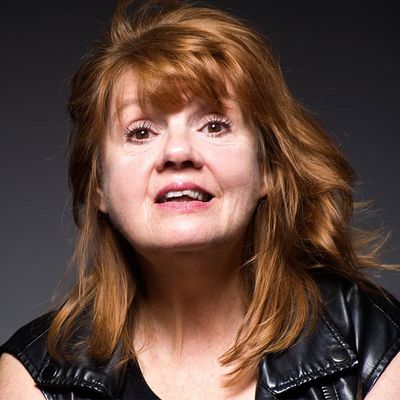





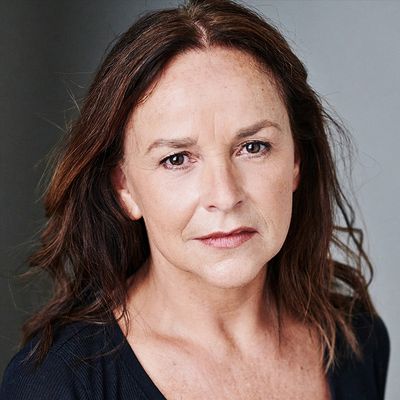

Featured Shows

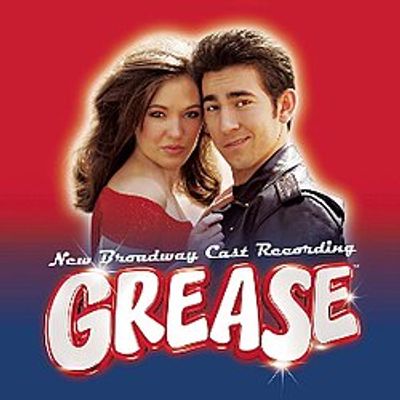
About
It’s been quite a journey. Holly and Chris look back at their Carrie adventure and try and answer some burning questions.
We ask an expert, author of ‘Flop Musicals of the Twentieth Century’ Stephen Purdy, if Carrie really can be defined as a flop compared to some prominent recent mega-failures.
We also find out from writer Peter Michael Marino, creator of the doomed ‘Desperately Seeking Susan’ musical, what it’s like to have your new musical trashed (FYI: we saw it twice and had a great time), plus Broadway star Alice Ripley also shares her experiences of being in well-loved musicals which were hit by premature closure, like ‘American Psycho’ and ‘Side Show’.
And finally - a post mortem. Where did it go wrong? Who was to blame? Could Carrie have been fixed? Can you even do horror on stage? Can we just do this as a job forever?
Plus, we leave the last word to our gang of original cast members to tell us how this extraordinary show changed their lives forever.
Friends of Carrie - join us on our social channels and share your feedback!
Out for Blood is hosted by Holly Morgan and Chris Adams, edited by Tom Moores, with original music by Odinn Orn Hilmarson and artwork by Rebecca Pitt.
Out for Blood is a proud member of the Broadway Podcast Network.
NEW! Chris's book Out for Blood: a Cultural History of Carrie the Musical is out now! You can order now from the publisher or all good book stores. You can now also order OFB t-shirts, hoodies, totes, stickers, pins and more here!
Thanks this week to Stephen Purdy, Peter Michael Marino, Alice Ripley, Linzi Hateley, Brady Schwind, Joey Mckneeley, Dean Pitchford, Charlotte D’Amboise, Sally Ann Triplett, Suzanne Thomas, Shelley Hodgson, Kenny Linden, Michelle duVerney, Eric Gilliom, Paul Schwartz, Stafford Arima, Louis Hobson, Kim Criswell, Julie Cohen, Carmen Cusack, Annie Golden, Jodie Jacobs, Kayla Parker, Emily Lopez, Stephen Dolginoff, Bob Sembiante, Jonny Jones and Rita Desjardin.
THIS WEEK’S LINKS:
- Stephen Purdy’s excellent book ‘Flop Musicals of the Twentieth Century’ is published by Routledge.
- Trailer for Peter Michael Marino’s Desperately Seeking Susan.
- Alice Ripley’s blistering performance in Next to Normal at the Tonys, and in Side Show with Emily Skinner.
- Jonny Jones' 80s reimagining of 'In' with Debbie Allen's original choreography
- Please note that we don’t own any of the content above and we’re not responsible for the content of third-party links – enjoy!
Transcript
This transcript was automatically generated and might contain errors.
[1:24] Holly Morgan: Welcome to the final chapter of Out for Blood.
[1:26] Chris Adams: I can't believe it.
[1:27] Holly Morgan: I know. What an adventure.
[1:28] Holly Morgan: I'm Holly.
[1:29] Chris Adams: And I'm Chris.
[1:30] Chris Adams: And we have dived deep into Carrie the Musical and learnt a lot.
[1:34] Holly Morgan: What have you learnt?
[1:35] Chris Adams: Well, I would say always invest in decent underwear, never sign a long lease, and don't try to shoehorn ancient Greek references into stuff.
[1:41] Holly Morgan: Rules to live by.
[1:46] Chris Adams: Yeah. But there are a few more things we need to wrap up.
[1:49] Holly Morgan: So we're doing a bit of a, what shall we call it?
[1:52] Chris Adams: Post-mortem?
[1:53] Holly Morgan: Dark, but sure.
[1:55] Chris Adams: Now, I think it's fair to say that the original Carrie was a flop.
[1:58] Holly Morgan: Quite a big one.
[1:59] Chris Adams: But what other failed musical that ran for three weeks in the late 80s gets its own ten-part podcast?
[2:02] Holly Morgan: Seriously, if you do have a suggestion, please get in touch for season two.
[2:07] Chris Adams: We're desperate.
[2:08] Holly Morgan: It made us think, what exactly is a flop?
[2:11] Chris Adams: Yeah, can anything this well-discussed really be considered such a disaster?
[2:15] Holly Morgan: We got in touch with a couple of experts who know a thing or two about flop musicals.
[2:20] Stephen Purdy: Hi, I'm Stephen Purdy.
[2:21] Stephen Purdy: I wrote a book called Flop Musicals Since 2000.
[2:25] Stephen Purdy: Stephen has researched and analysed hundreds of musicals considered to be flops, speaking to performers, creatives and audience members to try and nail down exactly what defines a Broadway turkey.
[2:35] Stephen Purdy: And of course, our little show kept coming up again and again.
[2:40] Stephen Purdy: I too found Carrie, find it as a signpost, I think, almost, in musical theatre history because it sort of was the beginning of the what were they thinking musicals?
[2:56] Stephen Purdy: You know, where audiences left the theatre and they went, what were they thinking?
[3:01] Stephen Purdy: And how am I supposed to respond to that?
[3:04] Stephen Purdy: And I think that it ushered in this kind of era of maybe herd mentality of going to see a show just to see how awful it was.
[3:18] Stephen Purdy: And I don't know that, of course, the theatres always had flops and they've always had people who take some sort of pleasure in other people's misfortunes.
[3:31] Stephen Purdy: But I think Carrie was a turning point in that.
[3:35] Stephen Purdy: Don't you agree with that?
[3:36] Stephen Purdy: He referenced that original bible of Broadway flops by Ken Mandelbaum.
[3:40] Stephen Purdy: But I think there's a reason Mandelbaum called it Nonsense Carrie.
[3:43] Stephen Purdy: I think that it's probably not the most audacious musical, although it's one of them, but certainly the most audacious flop.
[3:50] Stephen Purdy: In Nonsense Carrie, Ken tried to pin down why Carrie had become the definitive Broadway disaster.
[3:56] Stephen Purdy: He said,
[4:12] Stephen Purdy: He goes on,
[4:18] Stephen Purdy: But there was something ominous about it all, a feeling that it was playing to the lowest common denominator, to people who had never been to the theatre and would respond only to jolts of pop music.
[4:29] Stephen Purdy: We can roughly divide Broadway flops into two camps, artistic disasters and financial failures.
[4:35] Stephen Purdy: And as we've learned, holding the record for the most money lost on Broadway at the time, combined with its on and off stage nightmares, Carrie firmly straddles the line between both of these categories.
[4:46] Stephen Purdy: It lost an estimated $8 million, a huge amount by 1980s standards.
[4:50] Stephen Purdy: But if $8 million sounds a lot to mount a show then, it pales in comparison to the budgets needed to get a major new musical up on its feet these days.
[4:58] Stephen Purdy: And when a show costs tens of millions of dollars to make, you need to sell a lot of tickets to keep it going.
[5:04] Stephen Purdy: You know, the pattern that's starting to emerge here in all this research that I've been doing is that a show that costs $34, $35 million has to not just put people in seats, but has to put people in seats consistently for many years before.
[5:24] Stephen Purdy: And then, you know, once that starts to dry up, the show starts to lose money and the producers close it.
[5:31] Stephen Purdy: Big musicals rely on strong word of mouth from the off to succeed.
[5:35] Stephen Purdy: And for that, you need to have someone or something memorable about the show.
[5:39] Stephen Purdy: You've got to get a gimmick.
[5:41] Stephen Purdy: Carrie tried various things to be memorable.
[5:43] Stephen Purdy: That very expensive, technically complex, briefly spotted, absolutely massive staircase for starters.
[5:50] Stephen Purdy: But what about that other memorable Broadway flop from more recent times?
[5:54] Stephen Purdy: The same thing happened in Spider-Man.
[5:56] Stephen Purdy: There was a gimmick that was supposed to end the show that was really going to be a coup de theatre.
[6:01] Stephen Purdy: I mean, it had to do with a final fight up in the air and they called it the web ring.
[6:08] Stephen Purdy: And it was a million-dollar effect and they didn't know if it was going to work until they actually tried it.
[6:14] Stephen Purdy: They had to build it, they had to get it up, install it in the theatre, and then try it.
[6:19] Stephen Purdy: And there was a proposal that they build a model of it, which would have cost an exorbitant amount of money, too.
[6:27] Stephen Purdy: And they still weren't sure if they were going to find out whether the thing worked.
[6:32] Stephen Purdy: Well, it went up at a million-dollar expense and within a week or two it was in the trash bin because, you know, it didn't work.
[6:39] Stephen Purdy: These kinds of things just, you know...
[6:41] Stephen Purdy: I mean, think of the things that we could do.
[6:45] Stephen Purdy: Reminds me of that very expensive giant sparkly ball in the prom scene.
[6:49] Stephen Purdy: Stephen poses the question, is it actually unethical to spend a million dollars on a dodgy special effect?
[6:56] Stephen Purdy: I don't want to get preachy, but think of the things that we could do for the theatre in cultivating audiences and introducing theatre to those who can't afford it or who don't know about it.
[7:12] Stephen Purdy: Think of the things that we could do to lower ticket prices to make it more accessible to people so that that dental assistant from Omaha wouldn't have to spend $250 for the cheap seats on a Broadway show.
[7:29] Stephen Purdy: Think about all those things that we could do to make it more accessible to people if we just were a little bit more considerate about where we filtered those resources.
[7:38] Stephen Purdy: It's a conversation to be had on a much higher, deeper level.
[7:42] Stephen Purdy: In light of what's happening with the world right now and lessons learnt from some recent big flops, does Stephen think this big budget model is sustainable in the long run?
[7:51] Stephen Purdy: So if I had to come down to a consensus from all the research, talking to some really, really smart people, I think that on some level we have gotten to a point where we're building a business model, we have built a business model that is really unsustainable without an incredible amount of luck and a built-in audience.
[8:20] Stephen Purdy: So we have the financial Broadway flop.
[8:23] Stephen Purdy: And then there's the flop that I think that was just so bad that you went, oh my God.
[8:27] Stephen Purdy: Those shows that just get completely slated by the critics and hobble off stage as quickly as possible to lick their wounds.
[8:35] Stephen Purdy: We thought we should speak to someone with first-hand experience of another show that covered both territories.
[8:41] Peter Michael Marino: All right, I'm ready for blood.
[8:44] Peter Michael Marino: A flop means it's commercially hated and financially not rewarded.
[8:50] Peter Michael Marino: And my show was both of those things, you know?
[8:54] Peter Michael Marino: In 2007, New York-based writer Peter Michael Marino created a musical based on the cult 80s movie Desperately Seeking Susan.
[9:02] Peter Michael Marino: The film famously starred Madonna, so he created a jukebox musical featuring the songs of Blondie.
[9:09] Peter Michael Marino: In a rather familiar turn of events, Peter found his show being pulled from all angles by a mixed British-American creative team.
[9:18] Peter Michael Marino: And as we've learned, Brits and Americans can have very different approaches to musicals.
[9:23] Peter Michael Marino: Promised the show would be a success in London's West End, Peter found himself in the centre of a battle of conflicting artistic visions.
[9:30] Peter Michael Marino: The producers were the ones in the workshops and in, not even previews, but in tech, who would say things like, oh, this feels a little too American.
[9:38] Peter Michael Marino: They don't know what Port Authority bus terminal is.
[9:44] Peter Michael Marino: And I go, well, it's the largest bus terminal in the United States.
[9:49] Peter Michael Marino: And it doesn't matter.
[9:51] Peter Michael Marino: We know that the character goes there and she's like, all right, New York, are you ready for me?
[9:57] Peter Michael Marino: We know that she's in New York.
[10:00] Peter Michael Marino: But they were asking me to change things like that and going so far as to ask me in previews, I think, to change the Spanish maid to a French maid.
[10:10] Peter Michael Marino: But why?
[10:13] Peter Michael Marino: Her name's Maria, just so we could sing the song.
[10:17] Peter Michael Marino: I mean, I'll admit it.
[10:18] Peter Michael Marino: We saw this twice.
[10:20] Peter Michael Marino: And I cannot explain the glee we experienced when that maid appeared and announced that her name was Maria.
[10:25] Peter Michael Marino: I remember multiple scenes set in phone booths because Blondie have more than one hit about giving someone a ring for a chat.
[10:32] Peter Michael Marino: Oh, it was, it was terrible.
[10:34] Peter Michael Marino: I mean, it was really bad.
[10:36] Peter Michael Marino: You know, I'm not, I'm not joking.
[10:40] Peter Michael Marino: Despite being a genuinely really fun night out.
[10:43] Peter Michael Marino: So much fun.
[10:44] Peter Michael Marino: The show did not click with the British critics.
[10:46] Peter Michael Marino: And of course, they went to town with the show's title, with one saying they were desperately seeking the excitement between songs and another declaring they spend the evening desperately seeking the exit.
[10:58] Peter Michael Marino: You know, I knew the next day, the day after it opened, it was just, you know, it was not, it was not going to last very long.
[11:04] Peter Michael Marino: But I did pray.
[11:05] Peter Michael Marino: And I did look at other examples of shows that had gotten bad reviews.
[11:09] Peter Michael Marino: I scoured the internet and I spent hours and hours pulling every good thing I could find.
[11:18] Peter Michael Marino: Because, you know, this is the other thing.
[11:19] Peter Michael Marino: This show was being reviewed by the world.
[11:23] Peter Michael Marino: It wasn't like just New York.
[11:25] Peter Michael Marino: It was everybody.
[11:26] Peter Michael Marino: So there were actually really good things.
[11:28] Peter Michael Marino: And there I am, like copying and pasting all the good reviews.
[11:32] Peter Michael Marino: And I made it all into a giant document that looked like a splash page in a newspaper.
[11:36] Peter Michael Marino: And I sent it, I sent it to the stage manager and said, can you please put this up backstage so that the company sees that there were people who liked the show.
[11:44] Peter Michael Marino: Because, you know, we only hear the bad stuff.
[11:47] Peter Michael Marino: Peter has told us that listening to our early episodes about Carrie's chaotic development and untimely closure left him shocked about how closely his experiences on Desperately Seeking Susan were mirrored in the Carrie story.
[11:59] Peter Michael Marino: In a major echo of Carrie's fate, his producers also made the quick decision to pull the plug soon after press night while he was thousands of miles away.
[12:08] Peter Michael Marino: Desperately Seeking Susan was hemorrhaging money each time it performed to largely empty houses.
[12:13] Peter Michael Marino: I found out about the show closing 3,500 miles away before the producers called to tell me because of all that chat and all those theatre gossip sites.
[12:22] Peter Michael Marino: I mean, we were all on the lifeboat together.
[12:25] Peter Michael Marino: You know, we were, we were all going down together.
[12:28] Peter Michael Marino: Oh, it's totally a flop.
[12:29] Peter Michael Marino: But the good thing is it's a cult flop.
[12:31] Peter Michael Marino: Desperately Seeking Susan lost about 3.5 million pounds.
[12:35] Peter Michael Marino: That's about $4.5 million in its short run in London.
[12:39] Peter Michael Marino: But it did go on to have a more successful run in Japan.
[12:42] Peter Michael Marino: For Peter, the trauma of his experience has led to a creative opportunity.
[12:45] Peter Michael Marino: In 2012, drawing on those horrible headlines, he premiered his one-man stand-up show Desperately Seeking The Exit, which has since played at venues and festivals all around the world to plenty of people eager to find out what it's like to be at the epicentre of a musical flop.
[13:01] Holly Morgan: In last week's episode, we spoke to Broadway star Alice Ripley about her time in the Seattle production of Carrie.
[13:05] Holly Morgan: She's also been in a couple of shows which, though well-received by audiences and the press, closed earlier than planned.
[13:13] Alice Ripley: What's that like?
[13:14] Alice Ripley: Well, it feels like someone pulls the rug out from underneath you, for sure.
[13:19] Alice Ripley: And also, it's a feeling of where you just really...
[13:26] Alice Ripley: There is no explanation, because when we closed Sideshow, it was one of those things where, you know, the orchestra was full, and then as the days went on, the weeks went by, it got smaller and smaller until it was just a group of a few hundred people in the middle of the orchestra.
[13:43] Alice Ripley: Came back to see the show.
[13:45] Alice Ripley: But when we closed American Psycho, that wasn't the case at all.
[13:49] Alice Ripley: And if I didn't know any better, I would think that it was always a plan to just be a limited run, because every single show...
[13:57] Alice Ripley: I didn't miss a show.
[13:58] Alice Ripley: Every show was at 80% capacity, 85, easily.
[14:02] Alice Ripley: Because I was also looking at the numbers.
[14:04] Alice Ripley: I mean, one of the great things is that you leave them wanting more, and it's good to leave when you're on top, but I was really surprised to see a completely full house when we got our notice when we closed.
[14:16] Holly Morgan: So, we know how a flop can be defined, and we've heard what it's like to be in the eye of the storm.
[14:21] Chris Adams: But nobody sets out to create a flop show.
[14:24] Holly Morgan: What are the factors that cause them to fail?
[14:27] Chris Adams: Back to 1988, a time when Broadway was in the middle of a seismic change.
[14:31] Chris Adams: It was moving between the era of enduring classics and safe revivals like Oklahoma and Showboat.
[14:36] Chris Adams: To the age of enormous new high-tech shows like Cats or Phantom of the Opera, and starting to embrace controversial or challenging topics like in Miss Saigon or even in Into the Woods, for example. The sound of musicals had changed too, and audience members were still working out how to deal with the transition to a rockier, poppier Broadway with eyes on a more youthful market, a transition that would eventually lead to hits like Rent and Hamilton. Amidst all this change, Carrie was caught in the crossfire. Did the show actually fail because it was ahead of its time? It could be argued that Carrie was a sort of sacrifice in the battle to modernise Broadway.
[15:08] Holly Morgan: I'm loving all these metaphors. There's something quite, dare I say, Grecian about that last one. Should we be wearing togas?
[15:20] Chris Adams: Oh, I've got one on under this uniton. Oh yes, now I see. I've got a big night out planned. Brady Schwind, director of the LA production, believes that in the context of its time, Carrie was simply trying to be the little daring show that could. I mean, it's interesting when you look at the 1988 production and how sort of seemingly absurd it is and was. But when you really think about the context of what was happening in musical theatre in 1988, some of it is less absurd. When you look at, you know, that Les Mis and Chess and these sort of experimental, big, almost all sung through shows were the du jour. And so you can understand why they cut all the dialogue of Carrie and kind of made it a sing through. And just the design aesthetics of the 80s were terrible, whatever musical you would have done. And the 80s wasn't exactly renowned for its restrained and tasteful design aesthetic.
[16:15] Stephen Purdy: That's the other thing about the show. There were so many funky things that were going on in the 80s and fashion and in music and, you know, and in visual arts and all these things that I think that the designers weren't necessarily wrong or inept or any of that. It's just that there was this kind of an extension of the times. And, you know, if you look at some of that, that scene in the gym with headbands and all that, you know, that's right out of a that's right out of Olivia Newton-John video or a Jay Fonda workout video. And so you look back on it and you go, I mean, well, was it a relic of the times? It was. But was it was it so far off base that it was funny? I don't think so. I don't think so. I think it was just I think it was just a sign of the sign of the times on some level.
[17:16] Chris Adams: In the early days of Carrie's development, it was assumed that the show would be a huge success. It had everything going for it. A well-known title and a great multi-award winning writing team. Joey McNeely from the 1988 ensemble. They had the money to back it. They had the pedigree behind the show. You know, you had it was you had Hollywood, you had Broadway, you had West End, you had Royal Shakespeare. I mean, all the elements were there, but sometimes it doesn't matter if you don't understand what the show's about. The addition of Terry Hands, a British director with little awareness of the show's setting, and his unlikely partnership with Debbie Allen, a choreographer with a very defined commercial dance style, is often cited as the root of Carrie's problems.
But at some point something broke down. Carrie evolved very organically in the sense that there were workshops, there were readings, there were all these things that are supposed to work all of the problems out and get the story told better told. Who who was sleeping at that wheel?
[18:20] Holly Morgan: They didn't catch these things until it was much too late.
[18:25] Chris Adams: Now, we're not here to place the blame on anyone.
[18:27] Holly Morgan: Oh, of course not.
[18:28] Chris Adams: But plenty of others have tried to. So in their opinion, who took their eyes off the road? Who's really to blame for Carrie's prime spot in the Broadway Flops Hall of Fame? Here's the list of suspects.
[18:38] Holly Morgan: Oh, my God. We've invented a genre.
[18:41] Chris Adams: Musical theatre true crime.
[18:45] Holly Morgan: Stay sexy and don't get your Broadway show cancelled.
[18:47] Chris Adams: So first in the line of fire for many fans is Friedrich Kurtz, the show's rich but arguably naive producer. The most successful producers are the ones who are able to let the creatives do their work, but have enough common sense and see the thing from 30,000 feet and know when to say, you know, it's it's important for creatives to be said for people to tell them yes. It's also important to be told no when it's when it just doesn't seem to make sense. This was a man who had spent millions transferring big smash hit musicals from London and Broadway to his native Germany. But with Carrie, it seems he was in above his head. He had little experience of building a show from scratch, especially in the high pressure world of Broadway, where everything costs substantially more. And as we've been told, when the bad reviews came, he closed the show's bank accounts and left the country, essentially dooming the show to immediate failure.
[19:46] Holly Morgan: But in terms of the show's content and style, could he have stepped in to save the day?
[19:50] Chris Adams: The truth is he seems to have had no creative gauge of when Carrie went off the rails early in the rehearsal process. He was purely the money guy.
[19:58] Holly Morgan: I'm so pleased at this point that you haven't resurrected your money guy character from earlier in the series.
[20:03] Chris Adams: I'm pitching a podcast about investment.
[20:07] Holly Morgan: Thank you. Of course, all this meant that the director and choreographer, making the most of the RSC's generous budget, could go wild with nobody to say stop. Which leads us nicely to the next prime suspect, director Terry Hands.
[20:20] Chris Adams: I resisted a very strong urge there to do that like a true crime podcast.
[20:24] Holly Morgan: My favourite murderous musical.
[20:26] Chris Adams: Lindsay reckons that Terry gets a bad rap in all of this.
[20:29] Holly Morgan: I used to get quite upset by how hard a time Terry got. Because I actually think that, you know, yes, it wasn't right. And I don't think that, you know, as a director, that wasn't his forte. That wasn't where he was comfortable. But I think it wasn't. But I do think that, you know, as a visual, he had a concept in his mind. And I think that I commend what he was trying to do. And I think that it was a brave choice, which wasn't the right timing for it. But I think the reason why it's still talked about is because of its extreme creativity.
[21:08] Chris Adams: There's no doubt that Terry approached the project with an unrivaled sense of creativity and enthusiasm. Without his unique Greek tragedy approach to the material, I don't think we'd still be talking about this show.
[21:19] Holly Morgan: Yeah, it's true. But he wasn't used to this kind of project. He'd only directed one small-scale obscure British musical back at the RSC, miles away from the critical pressures of Broadway. Let's not forget, he was a critically praised director with a slew of awards. But the majority of his experience had been directing plays by Shakespeare and other classical writers, whose work cried out for interesting reinterpretation and avant-garde staging.
[21:43] Chris Adams: You can do that with Shakespeare. Because the text in itself is so well known. And sometimes it screams for a new sort of abstract interpretation, because it doesn't matter, because it's all about the words. With Carrie, we didn't have that.
[22:02] Holly Morgan: So you had this very bizarre, abstract place, and it didn't fit the storytelling. And again, it's a great lesson on how to make a musical. You know, musicals fail, and that's how you learn how to make a musical, by doing those that fail. Because you understand what doesn't work, and when your design is not part of your storytelling, it doesn't work. It doesn't have to be a lot of set. It can be one. It just has to be rooted in some sort of core to the story.
[22:36] Paul Schwartz: The musical director of Carrie on Broadway also thinks Terry's radical choice of design, rather than the show itself, was at the root of the musical's issues. Rather than taking responsibility, you know, as he should have himself. Because the problems with the show were not so much in the writing as in the staging.
[23:02] Chris Adams: He never really figured out any of the staging problems beyond...
[23:10] Paul Schwartz: He created this sort of semi-mythic Grecian, where the girls were all in little togas in the shower scene, and were in the gym scene, etc. But he never figured out how he was going to do the big moments. You know, the destruction of the gym, and the blood, and all of that. And he just didn't take responsibility for it, I think. I mean, he's a brilliant man. But he didn't seem to have taken seriously, to my mind, the responsibility for actually figuring that stuff out.
[23:48] Chris Adams: On the DVD commentary of the Carrie movie, the screenwriter, Larry Cohen, mentions the musical and the mismatch in creative staff. He says, I think directors and their match-up with material is a very critical thing. I think part of the success of Carrie as a movie is that Brian De Palma turned out to be an inspired choice of material and director. Going on to talk about the musical, he said, this occasion was far less felicitous, in terms of him being very English and not particularly musical. I think Carrie was fundamentally an American piece in the hands of a British director, who had no idea what a prom was, or, for that matter, what this material was really about.
[24:24] Holly Morgan: That British-American difference is something we've talked a lot about these last few weeks. But it's one of the key reasons Terry was ultimately a poor choice. As a British man in his late 40s, he had no idea what life for an American teenager was really like.
[24:38] Dean Pitchford: The concept of this was such an American piece that, really, I'm surprised that they didn't just use American people and do it in America to begin with, so that it had its understanding. We were learning. We were trying to go, OK, so that happens here. Like I say, nowadays, we've all got kids. Kids now have proms here. That was just a very different thing.
[25:01] Chris Adams: Dean Pitchford agrees that Terry's lack of awareness of American tropes and traditions meant that he had no choice but to approach the story through his own frame of reference, and that was the classics.
[25:13] Dean Pitchford: American high school, which is the vernacular of our show, American high school did not, in 1988, have an equivalent in England. And so the ways in which we thought of costuming and behaviour and setting for those kids in high school was not something that Terry or his design team were able to access.
[25:43] Chris Adams: From that lack of awareness, Dean reckons, came the vision that was Carrie's legendary downfall.
[25:48] Dean Pitchford: And instead, what he did was he fit it into a framework that he understood, which was classical Greek theatre, starting with the fact that the girls in the first scene in what should be gym class, in gym shorts and T-shirts and running shoes, were wearing togas. And we did a lot of, from the moment the sketches, we saw the sketches, we did a lot of, wait, wait, wait, wait, wait, please, please, please explain this. And we're getting a lot of assurance. It's going to be wonderful. It's going to be marvellous. You'll see. You'll see. It was a doomed partnership.
[26:28] Chris Adams: Dean thinks there's one fundamental difference between the Carrie writing team and Terry's previous creative collaborators.
[26:35] Dean Pitchford: Generally, they hadn't been able to argue back. To be honest, we, you know, we look back on Terry's career in classical theatre at RSC. We realised that he'd had a very long career working with dead collaborators. And we provided a very certain kind of challenge in that the three of us were very much alive. And we all had opinions. And they were, not only were our opinions strong, you know, and they were formed by all sorts of influences, because we were not just working in the theatre. I was making motion pictures. And Michael Gore was getting Academy Awards and nominations for scoring motion pictures, as well as having grown up in New York with theatre right outside the door. So there were many, many, many frames of reference that we were bringing to it that were foreign to Terry Hands' frames of reference. And we'd look at these sketches of the set and the costumes and the hairstyles and go, what, what is, what is your frame of reference?
[27:40] Chris Adams: As well as his lack of awareness of the setting, Terry was criticised for cutting the spoken scenes down so much that the already complex story became incomprehensible. The early scripts of the show feature many lengthy scenes adapted from the novel or the movie. Remember, Larry Cohen wrote the script for both the film and the show, which help us understand the motivations of the characters and give context to some of the unfolding drama. But, perhaps drawing on popular sung-through shows like Les Mis, by all accounts, Terry insisted on streamlining the script so much that audiences were left confused and perplexed by the plot, especially as some of the more outlandish moments took place. Flammable hands, anyone?
[28:28] Holly Morgan: And that script kept being slimmed down even more on Broadway, where audiences had audibly laughed at the mere mention of periods or pigs, both in a bid to protect Lindsay from the mocking and to try and serious up his show. So with songs stacked on top of each other, most of the script gone, and the intense dance sequences and bizarre designs dominating the stage, it's no wonder audiences were quick to dismiss the show as a hot mess.
[28:52] Chris Adams: And of course, a vital opportunity had been missed. Very little work was done between Stratford and Broadway to fix the problems that so many people had pointed out, with most of the time spent on making inconsequential tweaks. Again, a lot of things in the research that I hear is, is they were fixing what wasn't broken and breaking what was.
[29:43] Chris Adams: Which brings us to the next thing on our countdown of possible contributors to Carrie's failure, the dancing. As we've said, there is no doubt that Debbie Allen is a hugely talented choreographer. Her reputation was and still is enormous around the world. It was more Debbie came from LA, you know, so her style was very commercial, you know, at the time. And it was like, you know, we were doing like the cabbage patch and we were doing the, the, the, the hip dances or, you know, whatever was going on. She, you know, all of a sudden we'd be doing the cabbage patch in the middle of the prom. It was like, where does this mean? And then we'd whip out shenanigans and fan kicks and then big, big jeté turns.
The dancing was technically brilliant and inventive. And many of the cast have talked about how much they love doing it. It's clear from videos of the show that they truly gave it their all. But combined with the outlandish costumes and set against the high drama of Terry's book scenes, the routine seemed completely over the top and at odds with the design language of the show. Like going to see a serious Shakespeare play and having a Jane Fonda aerobics routine take place every now and then.
[30:52] Holly Morgan: Which I'd actually be quite into. I've seen you in weirder shows. I won't forget that Christmas kid show with the rapping Jack Frost any time soon. Christmas isn't about me. In an alternative dimension version of Carrie that met the writer's brief of feeling like Fame or Grease, the choreography might have fit perfectly well. In fact, there's a video online of a cabaret show in which a dance troupe performs this song in full 80s gym gear rather than the dazzling white togas. And away from all the trappings of the production, it actually works really well. That was staged by lifelong Carrie fan Johnny Jones. One of my favourite aspects of Carrie, especially the 1988 version and the workshop prior, was the choreography. Debbie Allen did an amazing, amazing job. I don't care what anybody says. I think her choreography is absolutely fantastic. The creators are on record at saying that they wanted an MTV, very 80s choreography and they certainly got that.
[31:48] Chris Adams: I love the choreography so much actually that I used in a dance show that I created about all of 80s, the 80s, right? So it was all different numbers about the 80s and the Broadway number was in and I restaged it, used Debbie's original Broadway choreography. I remember that the girls that were in the cast dreaded that number every night because it's so, so, so difficult. But it was very, very rewarding to actually see that number on stage again. They weren't wearing togas. I costumed them in 80s aerobics attire or school attire and one girl, I made her, the girl that was playing Chris, I made her a crop top and I put the Carrie logo on it and wrote Carrie White Memorial High School as sort of a little inside joke that nobody else got but I knew was there. We'll post Johnny's video on our social channels because it's excellent.
[32:44] Holly Morgan: Yes. So if the choreography works pretty effectively in contemporary styling, why does it feel so out of place in this show? I keep hearing the same phrases over and over in this research and people keep saying, and that's when it started to crumble. Stephen Purdy thinks there's a point early in the rehearsal process of every flop where it becomes obvious that something isn't working or the creative vision isn't gelling and if nobody steps in, there's no turning back.
[33:08] Chris Adams: There's this kind of snowball effect I think that when things really start to, you know, you run out of ways to tell the story or you don't know the story that you're telling or the pieces just aren't fitting together. In Carrie, those two pieces are Terry and Debbie, more specifically Terry's decision to divide up the show without a clear way to weld it together. The show just can't pick a lane and it swerves wildly between styles, making it hard to focus on the story and appreciate the thing as a whole.
[33:37] Shelley Hodgson: But it was the fact that you have got two completely different worlds and I remember thinking, how do they actually marry these two? I mean, really, which director? Maybe there's some things that could have been tweaked. Maybe, you know, for theatre, you're battling against a film that had all those special effects, boom, boom, boom, boom, boom, immediately. And it's a shame because Betty and Lindsay's stuff is so beyond really well written, really brilliant, really ahead of its time.
[34:12] Charlotte D'Amboise: And then we come and we're, you know, right after they have this scene where you're beating somebody, you know, you're beating your daughter, I mean, so deep, you know what I mean? And then the next scene, you're in a fame scene, like within seconds, you start to laugh. The audience member doesn't know how to deal with those feelings. And then you start laughing at it because it's laughable. And that's what happened through the whole piece.
[34:38] Chris Adams: So the choreography is mesmerizing and at times really breathtaking.
[34:42] Shelley Hodgson: Literally for those dancers.
[34:43] Chris Adams: Yeah, but ultimately, it's maybe just not right for this production. But personally, I don't think Debbie can be blamed. She was, after all, just doing her job.
[34:49] Charlotte D'Amboise: She made it like Grease.
[34:53] Chris Adams: Exactly. And by all accounts, she was extremely supportive of the young cast when they needed her most, despite working them all extremely hard. And her style being a little intense to some of the British cast, probably the ones who wanted to go down the pub. Her work just didn't gel with the director's vision.
[35:09] Shelley Hodgson: You know, you hear that a lot. You hear that the different departments both had equally compelling things going on. But when, like you said, when they came together, they just didn't mesh.
[35:17] Charlotte D'Amboise: It was oil and water. You know, it wasn't a good match, wasn't a good fit. I don't know whether that, you know, I think that's just a fundamental flaw sometimes in the theatre when teams don't, aren't really on the same page. And it does happen.
[35:36] Chris Adams: I think it's also fair to talk about some of the songs here. It's such a strange thing because this show contains some of the most compelling and beautiful songs in Broadway history. And yet they're up against others, which are just a bit bizarre. The fact that two orchestrators were employed to arrange the different types of music already suggests that the musical styles aren't perhaps as cohesive as they should be.
[35:57] Holly Morgan: From the soaring heights of When There's No One, or Evening Prayers, or I Remember How Those Boys Could Dance.
[36:03] Chris Adams: To the absolute joyful chaos of Out For Blood.
[36:05] Holly Morgan: It's a simple little gig. You help me kill a pig, and I've got some plans for the blood.
[36:10] Chris Adams: It's just another example of how this show feels like it's coming at you from all angles. There's also the story itself. It's certainly not classic musical theatre material, and we've heard about plenty of people who balked at the idea of adapting Carrie for the stage. Could it be that Carrie as a story is just fundamentally unstageable?
[36:27] Joey: I think that could be the case. What's fascinating too is a lot of people in the, have tried to revive Carrie, and they keep thinking they can fix it. It's been several attempts. I just think, you know, conceptually, it was just a bad idea.
[36:47] Brady: But rightly points out that some of the most popular Broadway shows are based on ideas that many people would never even think were stage worthy. I mean, if you look at the like, say, the 10 most popular musicals or successful musicals in Broadway history, they are all on paper, actually horrible ideas.
[37:02] Joey: Like Hamilton on paper is like the worst idea you've ever heard.
[37:05] Brady: And so is Evita and Annie and Cats and Les Mis. Like, how do you find a more dangerous property or something that has more risk to it?
[37:15] Holly Morgan: We can deal with singing Cats.
[37:17] Chris Adams: Speak for yourself, because that film still haunts my nightmares.
[37:19] Holly Morgan: You need to make it stop.
[37:21] Chris Adams: But maybe the world just wasn't ready for a musical extravaganza about supernatural powers and school prom massacres. History has taught us that things like the supernatural and monsters that, you know, may be compelling on film sometimes don't work on stage because, you know, again, that's that just there's just there can be an odd fit.
[37:44] Holly Morgan: We'll be back after this short break.
[37:49] Chris Adams: There's no doubt Stephen King's horror novels and their movie adaptations are wildly popular, but some things just aren't ready for a full on tits and teeth musical adaptation. Of course, there are some horror infused musicals that have turned out to be huge successes. Back in '79, Sweeney Todd had sort of introduced this idea of, you know, gory onstage goings ons and, you know, this kind of underbelly of sinister, you know, goings ons.
[38:21] Holly Morgan: And I think that with that came also a certain fascination. The difference was Sweeney Todd was fashioned to some large extent as melodrama.
[38:37] Chris Adams: And, you know, it's that the element of it is unmissable. I mean, if you if you just look at the Harold Prince staging of it, which is brilliant, like, for example, there's a song called Kiss Me in that show where if you look at the original video, you'll see very specific melodramatic gestures and and faces and such that that is that moment in time you go, ah, OK, so I understand the staging is.
[39:03] Holly Morgan: But perhaps Carrie's self-identification and promotion as a horror musical is what led to such audience disappointment and confusion. Really, the show is closer to a teenage pop musical like Grease or Fame, crossed with an opera about intense domestic abuse. Not a classic combo.
[39:19] Chris Adams: Perhaps Carrie just couldn't find its footing between serious drama and high camp.
[39:23] Holly Morgan: That's my career in a nutshell.
[39:25] Chris Adams: I think that that Carrie really wanted to take itself seriously and wanted to be taken seriously. But but it didn't fall far enough on the side of melodrama or or it didn't stop short of camp.
[39:41] Holly Morgan: And I think that that's where I that's where the, you know, again, this herd mentality came from.
[39:49] Chris Adams: And people were just, you know, going, oh, so let's talk about camp.
[39:53] Holly Morgan: Oh, must we?
[39:54] Chris Adams: Obviously, I love camp. I mean, that's abundantly clear from whatever this top is that you're wearing today.
[39:59] Holly Morgan: Those sequins are interfering with the equipment.
[40:01] Chris Adams: How dare you? I got this from Liza Minnelli's home shopping collection.
[40:05] Holly Morgan: I thought I recognized it. Hi, Georgia.
[40:08] Chris Adams: Now, a lot of people talk about this show being camp. But what does that actually mean? And why would being camp make the show such a flop? If you compare the original Carrie with the 2012 revival, I think you start to see where camp comes in, because the new version focuses on the psychological horror Carrie situation, like the novel.
[40:24] Holly Morgan: But the 1988 original production brings out, perhaps inadvertently, the deliberately camp vibes of the movie. There's something about Brian De Palma's classic, which is undeniably over the top and affected. Susan Sontag famously wrote an essay about camp, saying it's all about artifice and exaggeration.
[40:41] Chris Adams: She lists 58 descriptions of what camp is. The 58th and final point says that the ultimate camp statement is, it's good because it's awful.
[40:49] Holly Morgan: Which would seem to be a fair description.
[40:51] Chris Adams: Many would apply to the original production of Carrie the musical. Put that on the poster.
[40:55] Holly Morgan: In fact, if you don't mind another literary reference, Carrie is what the writer Christopher Isherwood would call high camp, an underlying seriousness applied to fundamentally ridiculous art forms.
[41:06] Chris Adams: He used ballet as an example of a high camp art form that people take perfectly seriously. And for the characters of Carrie, their situation, however ridiculous and over the top and however bizarrely costumed, had to be taken perfectly seriously.
[41:19] Holly Morgan: And that's a problem for directors who want to make a serious piece of theatre out of this story, like Stafford Arima from the revival production, who had to contend with over 20 years of stories about how camp the original was.
[41:31] Stafford Arima: It was set out originally to be a, you know, a dramatic piece of musical theatre. And through the years of YouTube, and through the years of kind of the changing zeitgeist of the culture and musical theatre performances, and it became this kind of camp piece.
[42:08] Chris Adams: So we really wanted to make sure that there were, it wasn't that there was no resemblance to the previous production in its guts, meaning its script and its lyrics and its music, but we wanted to be very careful that it didn't cross over into, you know, certain dialogue pieces, lines or whatever.
[42:21] Holly Morgan: In Seattle, director Lewis Hobson faced a similar challenge.
[42:24] Lewis Hobson: How do you get people to take Carrie seriously?
[42:26] I don't think anybody's coming to Carrie expecting a real night of theatre, unfortunately. I mean, some people might, but like, I think the majority of the audience who's out there, you know, is expecting to see that there's a schadenfreude, there's an expectation that we're going to see a disaster on stage.
[42:48] Chris Adams: And if it's not going to be a disaster, well, then it better be campy and fun.
[42:54] Lewis Hobson: You know what I mean? Because it can't actually be theatre because it's Carrie.
[42:59] Chris Adams: But I just, I fundamentally disagree with that. I think the writers have written something really interesting here. I think Stephen King's written something that resonates with people today. And not that you have to treat it seriously, but I think that there's something there that you have to explore if you're going to take it on. Otherwise, put it up in a drag bar.
[43:18] Kim Criswell: In the 2016 London production, reflected on the importance of truth in her performance to move the story away from camp and towards realism. You know, it was crazy to have symbolic costumes and, you know, it needed to be played for reality, which is, that's how it works. You have to play it for reality. You can't do it, you can't do it in some kind of stylized, heightened, you know, kitschy way because then it becomes, I don't know, becomes some disco musical. It becomes something else, which is just high camp, but it's not, you know.
[43:50] Alice Ripley: It's it's it the story is a better story than that it deserves it deserves a truthful telling.
[43:55] Julie Cohen: I have another theory about why people can't take Carrie seriously.
[43:59] Holly Morgan: Oh yes?
[44:00] Julie Cohen: Periods. I think I think it's impossible not to talk about Carrie and talk about her getting her period in you know in the shower in the first scene of the movie and drenched in blood later you know representing her getting her period and getting drenched in blood so it's about as female as it gets.
[44:21] Alice Ripley: And I think it's interesting if it's made fun of and dismissed the subject matter of Carrie because you can't do that without making fun of and dismissing women's needs and pain. I think because I think Carrie is Carrie decides to show her pain and that you know you're not supposed to do that in high school because all Carrie is saying is can I just be myself you know can you just call me by my name and just let me be myself and and will you if you even if you don't like me anymore Carrie might come across as a little a little much but it is a little much you know what what women experience with their moons let's put it that way and how and how we have been trained to avoid certain situations or subject matters or words or whatever I think it's really interesting because all we're talking about is the source of all human life it's nothing to be ashamed of.
[45:24] Julie Cohen: It is about women's flow of power yes and and the fact that they're the ones that they're the ones that give birth and and it's time for everybody to recognize the power of that I think Carrie is demanding that.
[45:36] Alice Ripley: Actually it's interesting that so far all the major productions of Carrie have been directed by men. The source novel is written by a man and the musical adaptation is written by three males. It's also a time to re-examine the story through different lenses I mean like this show is written by gay men and is directed by men usually and it's about women and I think that maybe the reason it didn't work is because of that.
[46:11] Julie Cohen: I don't like initially maybe maybe it requires another point of view or at least another point of view in the room and not to say that that those point of views weren't there in the rooms that I was in but and not to denigrate anybody but just to sort of say that like there's when you're telling a story about this subject which is very feminine it helps to have that voice in the room.
[46:36] Holly Morgan: What do you think a female at Carrie would look like?
[46:42] Julie Cohen: I think all the modern versions have treated the gendered aspect of the story very sensitively but a production helmed by women would definitely be really interesting particularly with regards to how we represent female friendships and antagonisms also if women were running it there would be soft backlighting to enable me to play Carrie.
[47:09] Alice Ripley: This is what Julie thinks. I think there's a feminist and feminine angle to the story of Carrie and I think Stephen King really took a very feminine point of view and took female rage. You don't get a whole lot of representation of female rage so here it is.
[47:24] Julie Cohen: There's also female friendship portrayed in a lot of different ways. I think Sue Snell's care of Carrie and like open like love for Carrie is one of the most touching things in the movie and the play you know is her that's female friendship and trust and like support like her turning her back on the mean girls and saying this is a person and we should you know that's a strong feminist message you know.
[47:52] Holly Morgan: So we've talked about some of the reasons Carrie may have been un-stomachable to the 80s audience and some of the personnel choices which may have led to its undoing but there's one fundamental question left to answer. Was Carrie really as bad as people say it was?
[48:02] Linzi Hateley: It had so much potential you know to be phenomenal and you had you know where I struggled was actually that um you know people were quite mocking about it and and people and and stories became so embellished and you thought no that wasn't actually how it was and and you know people loved to yes it was crazy and yes all those things but but fundamentally the reason why it's still talked about now is because there was a lot of really good stuff that went on and there was a lot of incredibly talented people and it just didn't gel you know that there was so much about it with the talent that was on the stage and some of the musical writing that you know the potential of it which is why it won't go away was phenomenal.
[48:52] Paul Schwartz: What is that vital quality that has led to us talking about this show instead of the hundreds of other flops in musical theatre history? What is it about Carrie that has made it the marquee name in the circus of flops?
[49:01] Paul Schwartz: Well I think I think it's several things I think because it's a show about an event that basically dies in a train wreck um that it kind of it's a sort of self-fulfilling prophecy and it's easy to laugh at. I think that I think that Carrie just became this kind of the lead car in the train of people who maybe take you know perverse pleasure in seeing something this bad and it's a you know it's very sad because it's at other people's expense and people work very hard to bring theatre to the world um and then when they when they are poo-pooed the way that that a show like Carrie is it's it's it's a very sad moment.
[49:48] Stephen Dolginoff: He does have a point. However disastrous the show turned out to be it was still the product of a lot of hard work by a lot of people but what are the factors that have led people to get so fascinated and obsessed by Carrie for so long?
[50:02] Stephen Dolginoff: I don't know what you're talking about why are you looking at me?
[50:08] Stephen Dolginoff: It became such an instant cult classic you know because so few people were able to get to see it once word of mouth started spreading I think people were really curious because it was known for those really great parts and what people considered really bad parts and it was you know high-tech looking and you know actors in leather and you know and all that it just sounded too crazy to be true and I think it developed just an instant cult you know we had we were six years away from an internet back then.
[50:42] Stephen Dolginoff: But why this show? Because it was both so good and so bad it starred you know Betty Buckley infamous Broadway diva it starred it had a half British and half American cast which was unusual you know there's all the stories about Barbara Cooke almost getting decapitated. I think it's because we were spectacularly bad because you know the one thing you can never do in theater and the way I think when theater is forgetful is when you're boring but we were not boring we were yeah you I mean there was so much you could talk about whether it was Betty or Lindsay's phenomenal talent or what Betty did with her acting scene or the audacity of the the choreography or there was just so much people could talk about that it was just it becomes infamous.
[51:37] Stephen Dolginoff: I think that anytime again anytime something is so audacious that it leaves the audience way of dropping their jaws people have a natural curiosity about that and then because of that then often they'll discover that the show did have some really appealing elements and that hey this is this was a really good score it's a really compelling story.
[52:06] Stephen Dolginoff: So Carrie is the flop musical worth investing your time in? I mean I can name dozens of musicals I'm sure you can too that were just so bland that if it'd been a cookie you would have said no this isn't worth the calories but but I think Carrie had a some really strong elements notably the score and that combines with the folklore and the audacity and blood on stage.
[52:33] Stephen Dolginoff: In my opinion Carrie is memorable purely because of how divided everything about it is. Sure it had some terrible stuff but it also had incredibly great moments. Notably the electric performances of Lindsay Haightley and Betty Buckley which have gone down in history and ultimately defined the show as a Broadway legend.
[52:48] Charlotte D’Amboise: No question Betty Buckley and Lindsay and all their scenes. Their performances and their part of the story was was heartbreaking breathtaking. To have the privilege of seeing Betty and Lindsay working together the way they did that alone was worth the price of an entry ticket for that.
[53:13] Joey McKneeley: I think you could have cut us the the chorus stuff and just put them on and you'd have got your money's worth. The fact that we were there shushing it up every now and then was a little little extra.
[53:24] Michelle Davernay: In particular I don't think enough praise can be heaped on Lindsay. A 17 year old girl in her Broadway debut thrust into the spotlight against two of Broadway's greatest stars and left to deal with what was a potentially life-changing blow. In fact it was quite emotional to hear some of the cast remind her after all these years exactly how much of a pro she had been.
[54:12] Michelle Davernay: She is just phenomenal. I don't think I even spoke to you because I thought you were so out of this world and I also never knew for a second that you were nervous or you just used to come into the room and felt like you know when someone gets into character and into in the zone that's all I remember you doing just being in your role and that's it that's all and hearing that massive voice like that's all I remember.
[54:38] Holly Morgan: Something that came up a lot when we interviewed the cast and others involved in the original production was this idea that if Carrie had just stayed open a little bit longer and had time to find its feet it could have run and run.
[54:52] Linzi Hateley: So I think in in lots of ways it it wasn't until we got to New York that which is why it's sad in a sense that had it not had longer I think it could have become something quite phenomenal.
[55:06] Linzi Hateley: Many even say it could have leaned into the raucous audience response and repositioned itself as a sort of Rocky Horror-esque camp night out.
[55:20] Linzi Hateley: I would have tried to keep it open and I would have I would have wanted it to stay open and made it like a cult and I think it would have run for a long time and and had it it's run but but you had to have advertised it a little differently and approached it a little a little differently.
[55:40] Holly Morgan: But of course it's unlikely this would have happened. Some kind of camp schlocky Halloween experience isn't the show the writers had ever envisioned and without the sudden closure it's likely the audience numbers would have simply dropped to an unsustainable level within a matter of weeks.
[56:06] Chris Adams: I would like to present to you my ultimate Carrie theory.
[56:10] Holly Morgan: Now he tells me you've been sleeping on a theory.
[56:12] Chris Adams: Yeah I call it the Carrie paradox. The Carrie-dox. If you like.
[56:17] Holly Morgan: Yeah go on.
[56:22] Chris Adams: We know that the original Carrie was not the show its creators dreamed of and so the show had to be a giant flop to gain its cult status stay alive in the minds of fans get revived in 2012 and give the creators the show they'd always wished for.
[56:45] Holly Morgan: So you're saying it had to be bad to eventually be good?
[56:49] Chris Adams: Stick with me. I know it's a bit weird. If it had had a mildly successful run of say a few months in 1988 it would have been basically forgotten about and we probably wouldn't be talking about it now. It certainly wouldn't have been on bloody Riverdale. As things went Carrie had its chance of redemption and as we've said the rest is history.
[57:12] Holly Morgan: This is your PhD isn't it?
[57:15] Chris Adams: I mean is that an option? Well I think it's worth hearing. I actually have a second theory about why it survived those wilderness years and developed such an underground cult following.
[57:26] Holly Morgan: Tell me. Tell me now.
[57:28] Chris Adams: Okay well because its biggest advocates the friends of Carrie those bootleg chasers and enthusiastic fans who kept Carrie alive they are all Carrie.
[57:34] Holly Morgan: Oh my god.
[57:36] Chris Adams: We are all Carrie. We are the underdogs. In Carrie we see ourselves.
[57:44] Holly Morgan: This is getting awfully deep. Tom can we add some rousing music or something?
[57:49] Chris Adams: And that is the emotional integrity that I shall bring to the role of Carrie when the eventual Broadway revival is announced.
[57:56] Holly Morgan: All roads lead here I see.
[57:58] Chris Adams: Yes they do.
[58:01] Peter Michael Marino: Well you're not the only one with that theory.
[58:05] Peter Michael Marino: I feel like all kids got into theatre in elementary school, junior high school, high school, whatever you call it over there because they didn't fit in anywhere else and they just found these freaks. And you could just be an idiot or gay or loud or fat or skinny. You could be whatever you wanted around the theatre people because we had to all band together because we were freaks.
[58:29] Peter Michael Marino: And to me Carrie the character represents all of those people. She's somebody who just knows that she should fit in but doesn't have the gumption to try to fit in.
[58:41] Peter Michael Marino: Which I think applies to a lot of theatre people. What we all recognized and we said it on the first day of rehearsal, we are all Carrie.
[58:54] Peter Michael Marino: I was a white gay Polish Catholic boy growing up in Honolulu going to a school where I was way in the minority. Hawaiians, Samoans, Japanese, Chinese, Filipinos, way outnumbered me. And I was the pale pink wildflower. And my collaborators had very similar stories and very similar backgrounds.
[58:27] Carmen Cusack: And a gay Asian Canadian. How outside of things can you possibly feel? And so Carrie was speaking for us. She was put upon and the thing about Carrie that more than her being able to exact vengeance, I think what is most attractive about her is that she wants to rise up. She says yes to Tommy. I will go to the prom. She envisions a better life and thinks that she is entitled to a better time than she's having. And I think that that so resonates with all of us who have ever been marginalized. And maybe that's another reason why this show's legacy endured. All the theatre kids in the hinterland years listening in the dark, in awe to the recordings, wanting to be as powerful as Margaret or Carrie. It's bound to have made them protective of the show.
[59:34] Annie Golden: It connects to people on such a level, being different. And yet at the same time, none of us are. None of us are alone. We're all so connected. And we just have to embrace that and believe that. And you grow up and you just think you're so alone and no one really understands. And yet we all do. We're all so connected. We're all just trying to maintain.
[1:00:03] Annie Golden: I think it has to do with, and I mean this sounds really twisted to assess it this way, but I think it has to do with the empowerment of the underdog. It has to do with women making a stand and standing up for themselves. You know, I really do think that a happy ending inside of, you know, being downtrodden, overlooked, the plain Jane, whatever the issue is, you know, the little runt, the, you know, the runt of the litter, that the runt steps up and however homicidal, you know, has her say wins.
[1:00:44] Unknown speaker: And of course, we all think this show is ours. When we first found this grainy copy of Carrie, it felt like we were the only people in the world who had made the discovery. It turns out we definitely weren't. But we've spoken to so many fans who discovered Carrie like us before the internet or at least very early on through Ken's book or when someone handed them a videotape or a DVD. There's something very analogue about this show. Whoever introduced you to Carrie, you're probably in the same boat as the rest of us. We could hold this precious treasure in our hands and we were desperate to find others to share our discovery with.
[1:01:18] Unknown speaker: Okay, we've spoken to a lot of people over the last few weeks. It's been emotional. It has. For them, how does it feel to be part of this legend? I never thought I'd say this, but Carrie the musical has changed people's lives. But it's wonderful to be part of something. And now that it's, the tide has turned now that it's, it's iconic, Carrie. Yeah, you know, so to be a part of that, when I got the recording of the workshop, I don't like to listen to myself. It's hard for me. But um, but when I gave a listen, I didn't hate it. I didn't cringe. I kind of was moved to tears by it, that it was look how far I've come. And I thought that I wasn't given this opportunity because I wasn't worthy and listen, you know, it wasn't that, you know, it was validated.
It was the one show that when we actually came back and went for auditions, they just stop you and go, can you tell me about Carrie? So you'd be about to sing or whatever it was. You did Carrie. Oh, can you tell, was it true that the pigs got this and that this happened and that happened? I was so proud. So, so proud. I mean, it could have just disappeared in the annals of time, but it hasn't. And there's a reason for that. And I thought you need to sort of unpack it and have a think and re-explore it again. And everything we're telling you now is, was it, as you said, 12 weeks rehearsal, all of it was, was it, was it an interesting, tough journey, but at the same time, what a learning curve that was at the same time.
It is absolutely the thing that comes up that makes people, you know, just turns their heads and they want to talk about it. Wow, you were, you were in Carrie, you were in the original Carrie. It, it, it carries a lot of, it just carries a lot of weight in, in, in the, in the, especially in the theatre community. And it will forever because it was such a phenomenal experience and such a unique experience. And it was, it was exhilarating. It was traumatizing. It was, it was, I think that we collectively went through such a range of emotions being involved with that production. It was just, it was, it was invaluable. And I, and I, I too feel like it was, it was something that, you know, I would certainly cherish for the rest of my life.
Whenever I bump into Charlotte with, we, we can't help, but just instantly go back there. I feel like we're like 25 year olds again and we're just laughing and she's doing, she used to do impressions of singers in the dressing room and we just, it was just such fun. Lindsay and I have just always remained friends. I mean, I would do, I would be in a million shows and I would come back, I would go out and sign autographs. And there were tons of people with Carrie, Carrie programs or, or we sign, you know, I have, we, my bootleg, I'm a Carrie fan. I'm a Carrie fan. I'm a Carrie fan. And I'm proud of a lot of the show and I'm, and I feel so thrilled that I got to do it. If ever I'm in New York and I meet somebody new on Broadway, even someone really young, you know, and, and if we have a few drinks down, I'll say, Oh, I was in the original cast of Carrie, you know, and then they go, no. And they'll always know. They'll be 22 years old and they'll know what Carrie is. They'll be like, you were in Carrie, you know.
[1:04:48] Linzi Hateley: Took a long time. Yeah. I mean, I was always proud of it, but I was almost afraid to ever say that because, you know, there was a lot of negative press and for people that hadn't seen it, they were, you know, there's quite a lot of cruel people out there that love to sort of mock. And, uh, and so I, you know, certainly for the first, I would say the first 10 years of my life, sorry, first 10 years of my career, um, I tried to not talk about it. It was almost too painful to rather than actually, um, say, actually, I thought there was a lot of really good things about it. And I was proud of the work that I did because it was almost easier just to not. And I, I struggled to, to listen to it really. Cause it had a big effect on me at the time.
[1:05:31] Unknown speaker: One thing was consistent across all the people we spoke to. Friendships. Whether it's the exhausting journeys that people go on to stage this show, or maybe just the shared experience of telling the tale of an underdog rising up. Carrie bonds people together. Just like that. VHS cemented our friendship.
[1:05:47] Unknown speaker: Oh my God. I'm going to cry. Get me a wine. Play the friendship clip montage. Here's Kim Criswell and Jodie Jacobs to kick off from this Southwark playhouse production.
[1:05:57] Kim Criswell: I mean, you don't always bond with the people you're working with, but when you do, you know, it's special. And that show was special. It, it, you know, you, you can't predict the alchemy of how these things work out, but the alchemy of that one was, we were a very tight knit bunch and, um, we all had great chemistry. We all believed in the piece and each other. And we all, we had a blast together and it, I mean, it was hilarious. I love, for me, the best thing that came out of it was our little trio friendship. We sound like drunks. We are, but don't always take away, um, intimate friendships from jobs. You do take away friendships, but I never, as I've got older, I'd never take that for granted ever.
The, the, the threat, the lifelong friendship that we'll still be laughing about the same things in the next 10 years when the next pandemic hits. And that, that's, that feels lovely. And that it came on a show that is historical is lovely that it wasn't just the third, the fourth cast of a long running musical, which would also have been lovely, but that we, we share that.
[1:07:06] Kayla Parker: Cause Emily and I have been living on and off together since we did Carrie together. We're like sisters. I've like died in Kayla's arms so many times, you know, and it was just so real. I, I don't know. She's like an actual sister to me. Like, I'm guessing like anyone who ever did Carrie, it's like, there's nothing like it. Like you'll never do another show like Carrie. Um, I'll never in my life. Like I just always think I'll never, nothing will ever be as hard as Carrie was like, there's no way that anything like any role or anything could ever be as hard or as like just the process to be so insane. And so, um, just like, uh, it's unlike anything I've ever, ever, ever done it. And I'm sure it's like that for everyone.
[1:08:38] Unknown speaker: And we also heard that even our little podcast had triggered plenty of Carrie nostalgia for the original cast. But you must know, you must know that you, uh, sparked a, uh, a Carrie Zoom reunion after your podcast. Shelly said, we all got together and everyone was talking with this podcast and it made everyone miss everybody else. So we got a whole Zoom thing together and it was lovely because we got to see everybody, uh, that we hadn't seen in years and years and years. And we kind of reminisced about, uh, our experience with Carrie.
[1:08:41] Dean Pitchford: I, um, my husband and I came over to see Betty when she was in London doing Dear World. And, um, we had set the whole issue. We set the whole thing up to go and see her and have dinner with her afterwards. And then she took us to the Ivy where they treat her like Dolly Levi returning to the Harmony of Cards. And we arrived at the Ivy and her surprise to us was that she'd invited Lindsay to join us. It was, uh, we closed the place. We were there late, late, late, late, it was fun. It was just fantastic.
[1:09:09] Unknown speaker: Carrie the musical. She's been talked about for over 30 years. She's brought people together. Some people loved her, some people loathed her, and that's exactly why we're here now. And one thing's for sure. There's never been a musical like her. I like to think of it now as the most successful flop on Broadway because actually 33 years later and we're here and, you know, people are still talking about it. And it's actually nice that we can now get to a point where it can be celebrated for, you know, for what it was. And it was groundbreaking. Of course it wasn't all right. There was loads of things that were wrong with it, but I think there were, there was a lot of good that was trying to be produced, um, at a time when musical theater was breaking new grounds.
And so it was about trying different things and being brave. And I think that the choices that were made were brave ones. They weren't all the right ones, but they were brave. And I think that's why, because it was on such an epic scale, um, it, it's lasted the test of time and, and has become such a, a celebrated, um, yeah, a celebrated show.
[1:10:13] Linzi Hateley: I have absolutely no regrets of being part of Carrie. And in fact, now I'm very proud of it, but I, uh, but I do think that it was, um, you know, it's been a journey.
[1:10:28] Holly Morgan: Thanks for listening to Out for Blood. We've loved taking you on our own journey of discovery through the history and mysteries of Carrie the musical. Now we slightly lied to you. We're not going away just yet. Keep an eye on your podcast feeds as we have some short bonus episodes coming up.
[1:10:44] Chris Adams: Yes. It's been a busy time in the Carrie-verse. So we're going to be sitting down, having a glass of something nice and catching up with our favourite cast members, plus some new ones and sharing some exclusive recordings and other exciting stories and memories that we received too late to include in the episodes.
[1:10:59] Holly Morgan: I better get my prom dress ironed.
[1:11:01] Chris Adams: Yeah. We've also got a compilation episode featuring unheard interview clips from six of the major Carries featured in this podcast, and we'll be sharing some lovely messages from you, the fans. So stay tuned.
[1:11:12] Holly Morgan: If you enjoyed Out for Blood, please leave us a lovely review on Apple Podcasts. That will help us reach more and more people in the future.
[1:11:18] Chris Adams: You can also find some great pics and videos on our socials at Out for Blood Podcast on Instagram and Facebook, and Out for Blood Pod on Twitter. Just recently, we shared some amazing photos of items from Lindsay's very own Carrie memorabilia collection.
[1:11:32] Holly Morgan: Out for Blood was hosted and produced by me, Holly Morgan.
[1:11:35] Chris Adams: And me, Chris Adams. It's been a night we'll never forget.
[1:11:38] Holly Morgan: Sound engineering and editing was by Tom Moores. Paddy Jervis was our audio consultant. Original music was by Odin Orne-Hilmarsen, and artwork was by Rebecca Pitt. There are links to both Odin and Rebecca's work in our show notes. Go and show them some love.
[1:11:52] Chris Adams: And finally, a huge thanks to all of our contributors on this series, including all the casts from around the world, audience members and experts. There are too many to name, but it really has been an incredible experience to meet you all and hear your stories and memories.
[1:12:04] Holly Morgan: And a big thank you to both Mr. Paddy Jervis for making us sound so excellent, and Mr. Tom Moores, who has been with us all the way, recording and editing a podcast involving nearly 70 people in the middle of a global pandemic. It's no mean feat. Fetch them both a prom crown and some hand sanitizer.
[1:12:20] Chris Adams: Out for Blood is a proud member of the Broadway Podcast Network. A huge thanks from all of us to the team at BPN for hosting us. Head over there for over 100 podcasts covering all your theatrical needs and desires.
[1:12:31] Holly Morgan: And if you want to hear more of Holly's voice...
[1:12:32] Chris Adams: That's quite creepy.
[1:12:34] Holly Morgan: She and Tom host a weekly analysis of the world's biggest divas and their shenanigans on their very own podcast called Big Diva Energy. You can download it in all the usual places.
[1:12:43] Chris Adams: Oh, thank you.
[1:12:43] Holly Morgan: I kind of figured there might be some audience crossover.
[1:12:45] Chris Adams: Do you think?
[1:12:47] Holly Morgan: I wonder if we can get a refund on these unitards.
[1:12:49] Chris Adams: Did you keep the tag on?
[1:12:51] Holly Morgan: Bye!
[1:12:53] Chris Adams: Oh, and Tom, get in your cellar and edit.
[1:12:59] Unknown speaker: Lovely.
[1:13:01] Unknown speaker: Done. In the can.
[1:13:02] Unknown speaker: Boop.
© Broadway Podcast Network, All Rights Reserved