

In the first of two special episodes, we take a close look at the original 1988 staging of Carrie, examining it song by song and scene by scene to try and work out exactly where things go wrong and why this show became so infamous in Broadway history... Read More
From the show: Out for Blood: The Story of Carrie the Musical
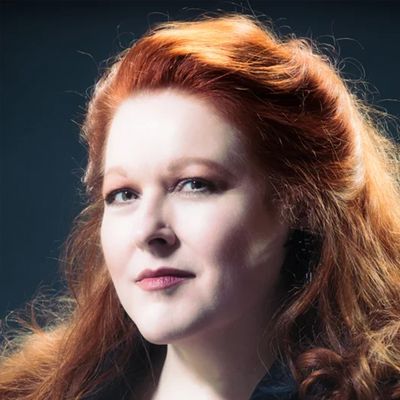
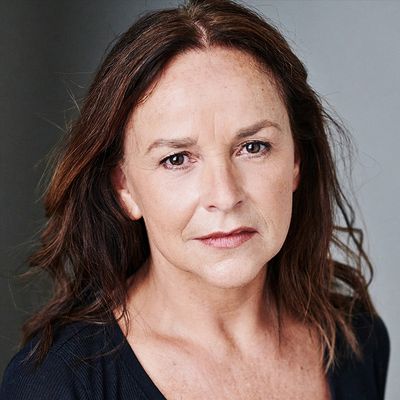
Guests





About
In the first of two special episodes, we take a close look at the original 1988 staging of Carrie, examining it song by song and scene by scene to try and work out exactly where things go wrong and why this show became so infamous in Broadway history. We’re re-assessing Carrie from all angles!
First up, Act One - and the audience is perplexed to be discover Carrie's high school is represented by an enormous shiny white box. The dancers share some intimate details about 80s microphone technology, we hear the reaction to Linzi Hateley’s big opening number, and we debate what an ‘active gland’ might be. We would go bowling if you REALLY cared!
As well as our gang of original cast members and a handful of superfans, we’re joined by writer and composer Stephen Dolginoff (‘Thrill Me: The Leopold and Loeb Story’), online performance pioneer Peter Michael Marino (‘Desperately Seeking Susan’) and general legend/future Margaret White Kim Criswell who all saw the show in 1988 and lived to tell the tale.
Join us on our social channels and share your feedback!
Out for Blood is hosted by Holly Morgan and Chris Adams, edited by Tom Moores, with original music by Odinn Orn Hilmarson and artwork by Rebecca Pitt.
Out for Blood is a proud member of the Broadway Podcast Network.
NEW! Chris's book Out for Blood: a Cultural History of Carrie the Musical is out now - order from the publisher or all good book stores. You can now also order OFB t-shirts, hoodies, totes, stickers, pins and more here!
Thanks this week to Dean Pitchford, Linzi Hateley, Sally Ann Triplett, Charlotte D’Amboise, Georgia Otterson, Michelle DuVernay, Shelley Hodgson, Suzanne Thomas, Joey McKneeley, Kenny Linden, Eric Gilliom, Michelle Nelson Manne, Audrey Lavine, Jeremy Sturt, Peter Michael Marino, Stephen Dolginoff, Kim Criswell, Mark Silver, Scott Briefer, Robbie Rozelle, Peter Mckintosh and Todd Graff.
THIS WEEK’S LINKS:
- The unofficial Carrie Archive Channel on YouTube has plenty of bootleg videos of Carrie so you can check out all the madness yourself
- Check out the sites of Stephen Dolginoff and Peter Michael Marino
- Please note that we don’t own any of the content above and we’re not responsible for the content of third-party links – enjoy!
Transcript
This transcript was automatically generated and might contain errors.
[0:01] Unknown speaker: Hello! Hiya! Hi! We don't have an interview, do we? No, but I am allowed to call you for non-Carrie-related stuff. Sorry, of course! How are you? I'm fine, how are you? I'm very well, thank you. I am recording this, though, because I'm interested. So, what would you call this item of clothing? Right. So, just to clarify, that is an image from the Carrie the Musical programme? Yeah, yeah, sorry, it is, yeah. So, it's still okay. Okay. I would call it a unitard? Unitard! I think that's what one would call it. I thought so. I thought maybe it was a leotard, but I didn't know what the difference was, and I thought you might know. I think I'd have called it, yeah, a leotard, a unitard, or a body, even, might have been called in the 90s. What's a catsuit?
Is that different? I think catsuit has to have legs. Okay, right. I mean, don't quote me on that. Okay. I just, I was just doing a bit of research, and I thought I needed to get this right. I think I'm going to, let's call it unitard. We'll call it unitard. Hashtag unitard. Hashtag unitard. Great, cool, thanks. That's all you wanted, was it? Yeah. Cheers, bye. See you later.
[1:27] Chris Adams: Chapter 5. Act 1. Cardboard Cars and Unitards. Welcome back to Out for Blood. I'm Chris.
[1:48] Holly Morgan: And I'm Holly. And this is our arguably too deeper dive into the weird and wacky world of Carrie the Musical, the prom queen of Broadway musical disasters. And we've both been on quite a ride, watching the Carrie car crash in full motion, not once, but twice, both in its first run at Stratford-upon-Avon, England, then once again on Broadway, when its lead producer saw the bad reviews, panicked, shut down the bank accounts, and fled to Germany, where he lived happily ever after, producing Starlight Express, a musical about singing trains. It's a dramatic tale indeed, but there are plenty of other musical flops out there. Why are we sitting here, spending hours of our lives talking about this one?
It's a good question, and one that our friends, family, and loved ones have been asking repeatedly for quite some time now. There's just something about the original production of Carrie that is compelling, addictive even, something that has kept it alive in the imagination for three decades and counting, and it's our affliction, sorry, mission, to find out what it is. So we've been re-watching those bootleg videos and listening back to those audios. Have you been dreaming about Carrie? Because I have.
[2:51] Chris Adams: Oh my god, it needs to stop. Maybe someone needs to stage an intervention. Anyway, we've gone through the 1988 production with a fine-tooth comb to find out what makes Carrie so legendary, and to discover if all of those myths are true. And we asked our excellent gang of original cast members, not to mention those lucky ticket holders and superfans, to walk us through the OG Carrie from all angles. Let's dive in! Now, a big reason Carrie is remembered is its design, which one reviewer summed up nicely by saying it felt like the sets and costumes bore no relation to the story. I mean, it was certainly a daring one. But I think, you know, it was a time of experimental artistry, and I think that that's why, you know, with Carrie, it was a very stylised piece.
They made a choice, I don't know whose choice it was to sort of style it in the way they did, but it was epic. It wasn't necessarily right, but it was epic. There was a lot of money in those days, you know. I mean, you know, they threw money at it, and at every big major musical that was going on at the time. Not always for the best, and probably a huge amount wasted.
[4:03] Holly Morgan: Lindsay has a theory that this combination of big budget experimentation, plus the generally dodgy aesthetic of the late 80s, led to Carrie's bizarre non-naturalistic design. You know, fashion wasn't great at the time, and there was too much money being spent at the, you know, the style of it to make it kind of wacky and weird, rather than actually, you know, actually bringing it down to the reality, which is really, you know, a musical tragedy. You know, it's a heartbreaking story, and it is, it's, you know, Cinderella gone wrong, and it breaks hearts if done in the right vein. Let's tackle the ultimate Carrie urban legend. Rewind to Terry Hans's meeting with original producer Fran Weisler. Kenny recalls.
[4:43] Kenny Linden: When the original producer met Terry Hans, and it was a woman at the time, she said, I wanted to have a feeling of Greece, and Terry took that as being Greece the place, not Greece the musical. So he went away with this idea, thinking this is brilliant, I shall go for the Greek look, and the Greek chorus, and all that stuff, and once you know that, you suddenly go, oh, it makes sense. I see exactly where he's coming from.
[5:11] Holly Morgan: Another variation of this myth is that it was Terry, with years of classical directing under his belt, who told choreographer Debbie Allen that he wanted the show to feel like Greece, meaning he'd approach it through the lens of ancient Greek theatre, but she went away and planned her choreography with a distinctly Greece the musical feel. Visions of leg warmers bumping and grinding, and high kicks galore. Of course, we also know that the creative team had imagined their show, just like the movie, being set in the same world as other high school musicals like Greece, and of course, fame, which several of them had worked on.
[5:44] Joey McKneeley: It makes perfect sense, because when you look at the show, the way the show's written, it's this crass, adolescent, sort of, you know, very Greece-esque, sort of, take high school students, getting in trouble at the prom, all that stuff, and then you had the way Terry Hans designed it, and conceptualized it, we were all in white. That Greek, the Greek costumes, the girls in, and it was all about white, black, and red, so it had this whole stylization of ancient Greece.
[6:15] Holly Morgan: Either way, someone misunderstood something about Greece.
[6:21] Peter Michael Marino: Yeah, it seems like that. And it's true that Terry and Debbie didn't seem to be very good at communicating with each other, but surely, at some point, somebody would point out the confusion.
[6:29] Peter Michael Marino: And again, you have to go, like, how do the producers not see any of these design sketches? This is what you do on the first rehearsal, is, like, everyone has a show and tell of, like, what the show's going to look and feel like. How did they not, why did it take them so long to realize, like, oh no, we didn't mean Greek, like, clothing, we meant, like, Greek tragedy, like, it's so tragic.
[6:55] Holly Morgan: When it did eventually become obvious that these two creative forces were working on distinctly different interpretations, it was either too late to do anything about it, or neither wanted to back down from their personal vision. Whatever happened, Carrie's iconic look is packed with imagery and tropes from ancient Greek theatre. Costumes reminiscent of togas, a white temple-esque set, and scenes made up like a series of dioramas, like in a tragic play.
[7:21] Unknown speaker: I didn't know that. That makes perfect sense. He was literally trying to create almost like these little tableaus, and I remember saying to him, why am I sitting on the floor? Like, you know, as an actress, I couldn't understand, but we've just done the prom, I mean, what is this? But now that makes perfect sense. He's just creating imagery, yeah.
[7:38] Holly Morgan: And so, with seemingly no attempt to try and weld together Carrie's home and school worlds, this was quite a bipolar production, with audiences flung wildly between alternating adolescent dance routines and avant-garde high drama for Carrie's scenes with her mother. So let's go back to 1988 and see how those two visions translated to the stage. As audiences entered the Royal Shakespeare Theatre in Stratford, or the Virginia Theatre on Broadway, they were in for a surprise.
[8:02] Chris Adams: The entire interior of the auditorium had been painted black. The house lights had a red hue, giving the space a tense and spooky vibe. The overture begins. Cleverly, it sounds quite grand and traditional, perhaps lulling the audience into a false sense of security.
[8:20] Unknown speaker: But, after the first few opening notes... Boom! The entire house is plunged into darkness. Like that. Like a switch. And people screamed. And I screamed, because it was so effective, and all they did was turn off a light switch. But, you know, you're used to, like, the house lights dimming, so I'd never seen anything like it. I mean, it was really simple, but, you know, that's what it was.
[8:44] Unknown speaker: And then the, you know, the pulsing part of the overture starts, and it just sounds great. And you just think, I just remember thinking, oh my god, this is going to be so wonderful.
[9:00] Unknown speaker: And the thing that was one of the best things about it is the show started with a really ominous, loud BOOM! And then in that same second, the lights all went out. There was no dimming of the lights. It was just went from the red environment, black walls of the theater, to black. And I was like, whoa. That is so cool.
[9:22] Unknown speaker: I just, like, my mouth was open. I'm sitting there in the dark, listening to this overture with my mouth open, going, this is Carrie, the musical. I just was like, I can't believe it. I'm sitting right here, you know. I was really excited. Like, it was a thrill. I'll never forget it.
[9:41] Unknown speaker: And I have to tell you, I was hooked. The overture is a minute-long marathon of pulsing snippets from the score to come. As it ends, the curtain rises, and...
[9:52] Unknown speaker: And that was it. It was over. My love affair. I had literally no idea what I was going to see. There had not been any photos that I had seen. You know, and up comes the curtain, or the scrim, on that white, you know, plexiglass box thing that looked so unusual. It suggested gymnasium. And I remember thinking, oh, there's going to be blood on that. There's going to be blood all over it.
[10:19] Unknown speaker: And the girls were all in the back. And I remember they screamed. They just went, ah! And then ran forward and did the opening number.
[10:27] Chris Adams: That number is In. On a completely white, shiny box of a set, the ensemble girls, wearing short, ruffled skirts resembling togas, rush forward and start Debbie Allen's most intensely aerobic routine of the show.
[10:55] Holly Morgan: The tonal difference between the sweeping, orchestral thrill of the overture and the pumped-up 80s madness of In definitely reflects the Jekyll and Hyde nature of the show. If the audience had been captivated by the overture, they were completely thrown by the extended, pulse-raising dance sequence that was In.
[11:05] Peter Michael Marino: It's sort of like they told Debbie Allen, like, we need you to fill this void of a plastic space we've created with as many arms and legs as possible, using a cast of 12 in the ensemble.
[11:28] Holly Morgan: You know, they're just, it's so distracting. But then you have to wonder, like, how were they doing aerobics and singing at the same time? There were indeed no click tracks, which are pre-recorded vocals often used in shows where high-paced choreography makes it impossible to sing. But back in England, the cast had at least had some support.
[11:46] Unknown speaker: In Stratford, we had booth singers and the girls doing the opening number, they had booth singers backing up their vocals. Went to New York, no booth singers. Those are backup singers who help support the on-stage vocalists from the wings at particularly energetic moments. On Broadway, the girls had to dance and sing like their lives depended on it.
[12:08] Shelley Hodgson: So the girls had to do all the vocals from the stage doing that without being able to breathe, because it was a killer number. And they just cut the booth singers.
[12:17] Holly Morgan: It was a full-on exercise class. We literally were doing, remember we sat up when your body and your legs come up together, and we're holding these notes, and we're pounding our hands on the floor. I don't know if you've ever watched it going. This is the worst thing to do for any kind of sound quality.
[12:46] Unknown speaker: Like a cherry on top of a particularly insane cake, Darlene Love enters as the gym teacher, Miss Gardner, wearing what I can only describe as Grecian athleisure wear, completing the look with white high-heeled pumps.
[12:55] Unknown speaker: She barks orders at the girls as they continue their Jane Fonda-inspired routine. All right, ladies, I want to see sweat. I keep on looking, but I ain't seen it yet. The more you suffer, the tougher you get. So come on, ladies. Work, work, work, work.
[13:13] Chris Adams: You know, so Darlene Love comes out, and she's a recognizable name.
[13:20] Holly Morgan: She sort of walks downstage through the girls and the audience sort of applauds for her.
[13:25] Chris Adams: She wasn't a huge star, but it was a light applause. And she sort of seemed to acknowledge the applause. She did. She really did. And I don't think that's what she was doing, but that's just what it looked like she was doing.
[13:39] Holly Morgan: Incredible. I love you so much. Welcome to Carrie the Musical.
[13:44] Chris Adams: Stephen thinks there may have been echoes of real life in the way that character was interpreted. And, you know, and then she starts into the, you know, all right, ladies, I want to see sweat. And that reminded me so much of Debbie Allen in Fame. I thought, oh, you know, I totally see where they did that. And they did that number.
[14:02] Chris Adams: The song itself serves to introduce us to our first setting, Carrie's high school, as the teenagers express their desperate desires to fit in with the crowd. Through the medium of a cheerleader routine, the girls list all the materialistic things they wish would happen to make their lives perfect in the eyes of their peers. Until you fit in, they sing, you ain't where it's at. The ethics of a gym teacher yelling, shame on you, shame on you, oh, the ways of sin.
[14:30] Holly Morgan: And a bunch of teenage girls might be dubious when examined through a modern lens. But it does help us understand the isolation that Carrie feels from this bunch of hyperfit, seemingly perfect girls in a world where you've got to be thin to be in.
[14:44] Chris Adams: In the workshop production of the show a couple of years earlier, you may remember there had been an early prototype of this song called Ain't It A Bitch. Some of the lyrics and the general intention of the song have survived, but In is a much pacier, energetic introduction to Carrie's school battleground. Even before we meet the title character, the audience is left in no doubt that these girls will do anything to prove their worth in the high school's social structure.
[15:07] Holly Morgan: But of course, there's one girl who is different to the rest. And they do the number. And I remember looking to go, I wonder which one of these girls is Carrie. I was trying to sort of spot her, because again, no idea what she was going to look like. And then late in the number, she wasn't on stage.
[15:24] Chris Adams: You see like a door open in the very back of that plexiglass white box. And you see Linzi Hateley sort of slink out and just stand there. And she's wearing like a white button down shirt. She doesn't look like the rest of them. Because they all had sort of like, you know, trim. I think they had red trim and she didn't, or something like that. Or they all look really sexy and she didn't.
[15:48] Holly Morgan: And I remember her just sort of standing there, really stoic. And she looked scary there. But you had to sort of look to see her. Carrie tries in vain to mimic the frantic routine.
[16:00] Chris Adams: By the end of the number, as she watches on, the girls form a human pyramid using trapeze bars. Because why not? You know, they've lifted the girls up on like, you know, like ropes come down and then they go up on it. And I thought it looked really cool.
[16:15] Holly Morgan: And then when Carrie moves and they fall, it sort of happens in slow motion. And they start, you know, screaming at her. And so far, I'm thinking this is good. The audience was really eating it up. And it seemed to work really well.
[16:33] Chris Adams: This seems as good a place as any to talk about costumes. They were designed by Alexander Reed, an RSC stalwart who had earned a Tony nomination in 1985. On Carrie, he certainly had his work cut out for him.
[16:46] Holly Morgan: Terry's vision meant that the girls' gym outfits had a distinctly classical feel. Quite a long way from your average high school gym class fashion. Not very 1980s. 1980 BC, maybe?
[16:58] Scott Briefer: The costumes were ridiculous. They were ridiculous. They were so inappropriate and they set the tone all wrong. And I honestly believe that if they had redone the costumes, it would not have been treated the way it was treated. The costumes alone destroyed that show.
[17:24] Chris Adams: There were other more practical issues with the costumes in the opening number. Sally Ann and Shelley shared some harrowing memories.
[17:32] Sally Ann Triplett: The costumes were made in this material that shrunk. So these costumes that were just a little bit bigger than bikinis to start with, well, every time we got to work the next day, Charlotte would be like, oh my God, my costume is so small. And, you know, they were just getting smaller and smaller and smaller and smaller and smaller.
[17:57] Shelley Hodgson: And then like in the next scene, we were literally in our underwear and had to find places to hide our mics and stuff. And we do trying to do in. We had them in our, we had them down here. So we had to do the choreography on one cheek because we couldn't actually sit on our backs. They were huge things. And we had to literally dance on sort of one cheek because we were in agony because they were in bum cracks, basically hidden. Sorry, bum knickers, you know, pants in our pants.
[18:33] Chris Adams: Some incredible insight from Shelley there. Charlotte d'Amboise recalls an early request from Terry about the girl's hair in the number.
[18:39] Charlotte d'Amboise: She was very futuristic about the whole thing. So he wanted us all in high ponytails. So he wanted me and of course, Sue would have a dark one. So we'd have like a boop and a long, long ponytail. And he wanted everybody that way. Um, I would have a blonde one, Sue would have a black one. And then everyone would have, I guess, colored ones. I don't remember what, but that was the original concept of that whole thing.
[19:06] Chris Adams: However unusual Terry wanted the girls to look, they also had to be able to dance.
[19:11] Charlotte d'Amboise: I think Debbie, I think, stood up and said, let's cut it because she liked the way my hair moved.
[19:15] Chris Adams: If the costumes didn't represent the world of the story very well, the set certainly took things a step further.
[19:21] Sally Ann Triplett: That opening sequence killed Carrie. And the reason, here's what it was. The curtain came up and the stage was all white. Designed by award-winning set designer, Ralph Coltie, the action played out on a vast empty stage surrounded by shiny plexiglass style panels, which could rotate to be white, black, or mirrored. Basically a giant box.
[19:44] Chris Adams: And I ended up working with him really, just like one show a few years before he died. And you know, maybe you don't know, but he was also a translator in the Nuremberg trials. I mean, he's like, his life is extraordinary.
[20:01] Peter McIntosh: Now a successful set designer, was a student in 1988 and got to spend a week observing the Carrie technical rehearsals.
[20:10] Peter McIntosh: So then you give this serious artist Carrie the musical after decades of designing Shakespeare for the RSC. And it just didn't really gel. And it's an unbelievably clever piece of design. Really astonishingly clever. Some of it, I still can't work out how they did it. It really was an incredibly complicated and clever, clever set. And beautiful.
[20:43] Peter McIntosh: I mean, it's just really beautiful to look at. I mean, I'm sure some people listening to this who saw that may disagree with it. But as somebody who admires great set design, I mean, I'm not saying it was perfect for the show, but it was a handsome beast of a thing.
[21:01] Chris Adams: I stayed with me. I mean, it is so vivid in my mind. I can't, you know, I can't remember things I did last week, but I somehow can remember something that happened 20 years ago.
[21:11] Peter McIntosh: Literally the stage walls were these rotating doors that the actors and actresses could enter and exit from. But what we saw was a completely contained white space with a slightly plasticky sheen to it, which I thought was to protect it from the blood that was coming.
[21:33] Chris Adams: I was like, wow, this still is good. Really like, okay. Then out of the floor rose the shower sequence with these plexiglass translucent screens that the girls seemed to get undressed behind as if they were taking a shower or something else.
[21:51] Peter McIntosh: And that was kind of okay too, you know, sort of sexy and whatever. And kind of appropriate. The girls are going to take a shower, whatever. But again, it was just, it just felt like it was hyper sex and it was more a Las Vegas show than it was supposed to be.
[22:07] Chris Adams: A serious story about a young girl who's struggling with her identity and her sense of self.
[22:14] Peter McIntosh: I should just say that Carrie is incredibly close to my heart because this experience, this learning experience of just sitting watching, you know, incredibly talented theatre professionals, Debbie Allen and Terry Hands and Ralph Koltai, who in the end, just a couple of years before he died, I ended up working with, having the enormous privilege of working with. So I hugely respected all of these people's work and it was a thrill to watch.
[22:45] Peter McIntosh: But equally, you know, one can't help being surprised when things go quite as wrong as sometimes they did in the tech of Carrie. The one thing that particularly springs to mind is the famous shower scene, a song called Dream On, which I think has subsequently been cut from the musical.
[23:07] Peter McIntosh: A really amazing song and I can still sing it actually. It's such a lovely tune, 20 years later, but maybe it's the trauma of the event that keeps it in my mind. But what happens in the show is that a very long, about as wide as the stage, wall of plastic doors comes out of the floor from a slot that can't have been more than 10 centimeters deep.
[23:39] Peter McIntosh: So it's a very narrow slot that opened up in the floor and out of it came these plastic, a row of plastic doors that were shower doors that pivoted in the middle. So they revolved as the girls came through them in the song.
[23:53] Peter McIntosh: So this thing came out of the floor, the stage filled with smoke. All the girls came out in their underwear, strangely, and sang the song and then Carrie had her moment and got to the end of the song. And I was sitting there thinking, God, that is so clever.
[24:08] Peter McIntosh: And what's brilliant about Ralph Coulthard's brain is he manages to distill images into the perfect solution. And this was a really economic solution. This whole thing that filled the width of the stage came straight out the floor through a very tiny slot, doors revolved, brilliant.
[24:26] Peter McIntosh: And I was sitting there thinking, well, that is so clever. And the really clever thing is that they're gonna have to get all of those doors back in line before somebody presses the button for them to go back through the floor into the sub-stage.
[24:39] Peter McIntosh: And I just can't wait to see how that happens. And even before the thought had really finished formulating in my mind, somebody had pressed that button, the doors weren't back in line and all you could hear was smashing plastic and fiberglass and the whole thing buckled and that was the end of the tech for that day.
[24:58] Peter McIntosh: And I just thought, goodness, that's, I mean, you know, who am I to say, did nobody think about that? I'm sure they did. I'm sure in that moment, somebody just hit the button a little bit too soon, but it was, as it's seen, as it now seems possibly symptomatic of things to come.
[25:19] Chris Adams: In the movie, the famous shower scene is framed almost voyeuristically, filmed in slow motion through the steam. This makes Carrie's panic-stricken downfall almost more shocking.
[25:48] Peter McIntosh: There are glimpses of nudity as the confident girls primp and preen themselves. In the show, though, things are a bit different. For a start, a believable shower scene on stage is not easy to do, especially on Broadway in the late 80s, when tastes were rather more reserved.
[26:03] Chris Adams: And you see the shower doors and they're sort of foggy and the girls are in towels and they're walking around them, but you can see their bra straps. And I remember thinking how dumb that was, couldn't they just take their bra straps down?
[26:19] Holly Morgan: You can see them in their underwear, like right under the towels. And I remember thinking, there has to have been a better way to do that. Because it didn't look skillfully theatrical.
[26:30] Chris Adams: It just looked like we had our underwear on the whole time in the shower. It was just so stupid. And, you know, anyone could have thought of a better way.
[26:39] Linzi Hateley: The cast were equally baffled.
[27:09] Sally Ann Triplett: Have stripped off and, you know, done the whole thing and beautifully lit and all the rest of it, shut up. You know, but we, you know, to a degree, it was just, we got chucked a load of flesh coloured bra and knickers that they bought at Debenhams that didn't even match the girls of colour. It didn't even match their skin. And so us were like, seriously, it's just like Debenhams bra and knickers. Nude colour. Debenhams. Rest in peace. In the end, Debbie stepped in and went, let's just put them in white bra and knickers. Let's pretend, let's not try and hide it. Let's just put them in all in white bra and knickers.
[27:53] Charlotte d'Amboise: The girls continue sharing their innermost desires. It also humanised the girls so that although they were very bullying as characters, it gave them a moment, an insight into each of the girls that were singing their lyrics and you and oh, these are real people. And the fact that they're all working as a tribe and attacking Carrie, they suddenly had a bit of heart rather than just being soulless, nasty people dressed in lots of white.
[28:13] Linzi Hateley: Despite the shot at character development, the sight of these girls making vague showering gestures in their underwear, occasionally simultaneously gyrating to the beat, only causes the audience to giggle at what they're seeing. It sets the tone for the remainder of the evening.
[28:32] Sally Ann Triplett: As the song begins to wrap up, it's interrupted by a piercing scream.
[28:44] Linzi Hateley: And then when Carrie screams, you know, for the reasons that we all know, we sort of see her in the shadow. That's when the scrim goes up. And now you can finally see everything clearer. And that scene continues to play out. Carrie, pushing her way through the girls, has noticed her first period and thinks she's dying. Naturally, the girls see their opportunity to attack. They whoop with delight and taunt Carrie, tossing her violently around the stage.
[29:12] Sally Ann Triplett: The cast remember it being quite disturbing. There was no acting required. There really wasn't. I can genuinely say that my whole experience of Carrie was just based on instinct and reaction. You know, I just reacted to whatever was given me because it was very unpleasant. It just wasn't very nice.
[29:32] Charlotte d'Amboise: It was a hideous scene to do because we've all been there. I mean, it was hideous. It was hideous. But as a 17-year-old who is still growing and learning, I think actually it was actually quite, you know, quite a, well, just a sort of traumatic, you know, I was playing the part and feeling the part.
[29:54] Linzi Hateley: As in the novel and the movie, Carrie's period and subsequent panic attack triggers the onset of telekinetic powers and a slap from Miss Gardner causes a light bulb in the changing room to shatter. And then the lightning or the light bulb that's supposed to break, I think on first preview it worked and you saw it and you saw it pop and there was like a little sparkle effect, like some fireworks sort of, and it looks really cool. I don't think it worked again until opening night when I saw the two more previews and then opening night.
[30:29] Sally Ann Triplett: And here's where one of the show's greatest flaws is exposed. Without prior knowledge of the source material and with special effects that may or may not work on any given night, there were very few hints as to Carrie's special power. As Miss Gardner comforts Carrie and sends the other girls away, we move to our next scene. In the Stratford production, this was a short song called Her Mother Should Have Told Her, in which Chris and Sue, admonished by the teacher, have their first spat about their treatment of Carrie and the audience understands Sue's desire for redemption.
[31:05] Linzi Hateley: By Broadway, this had been cut and the lyrics inserted into the spoken script, although weirdly the song is briefly reinstated in the third preview.
[31:09] Stephen Dolginoff: I remember thinking how dull it was. It was just sort of like, what are they talking about? But it was telling you plot. But I saw maybe the fourth preview. That was all gone, as was anything that was even close to dialogue.
[31:24] Linzi Hateley: It's a reminder that this show was constantly in flux and Terry Hands was trimming anything which caused the show in his eyes to slow down. Remember, despite the lengthy run in England, rehearsals were still ongoing as the Broadway previews progressed. In fact, by the time it got to opening night on Broadway, it sounded very different to its Stratford descendant.
[31:43] Sally Ann Triplett: The show's orchestrations, that's the way that instruments are arranged in each song, had been redone by Harold Wheeler, who had worked on numerous Broadway hits, including Dreamgirls. Some of the 80s synth sounds from earlier performances were toned down, and the show sounds much rockier by opening night.
[32:01] Linzi Hateley: And it's interesting that for the 2012 revamp of the show, those first 10 minutes changed substantially. In is completely reworked and Dream On is gone. We'll be looking at the revival in more detail, but it's clear that the creative team had learned lessons from the 1988 opening, and they wanted to set a whole different set of expectations in the new version of the story.
[32:19] Sally Ann Triplett: The echoing chants of Scary White from The Bullies are interrupted by a cry from Carrie.
[32:30] Linzi Hateley: And we're into our iconic title song.
[32:41] Sally Ann Triplett: Lindsay's big moment, alone on stage, properly belting it.
[32:47] Charlotte d'Amboise: I loved watching Lindsay. I mean, her first number was, wow. To think that she was 17, you know, it's incredible.
[32:58] Linzi Hateley: I was in love. But I have to tell you, she was breathtaking. Carrie is the classic musical theatre I want song. The late great lyricist Howard Ashman summarized this trope perfectly when he said, in almost every musical ever written, there's a place, usually it's about the third song of the evening, the leading lady sings about what she wants in life and the audience falls in love with her and then roots for her to get it for the rest of the night.
[33:23] Sally Ann Triplett: It also brings the first big disjunction in style. From the pop exuberance of those opening numbers to this simple, powerful cry, it's a perfect example of the dichotomy of the show. It's a rollercoaster of a number that ends with a soaring promise that someday someone will know her name.
[34:03] Linzi Hateley: This number stops the show and the applause for Lindsay goes on for a minute or more at each performance. Her performance as Carrie is unanimously talked about as one of the high points of the show and probably what saved it from being completely consigned to the theatrical dumpster.
[34:18] Sally Ann Triplett: Right, next up there's a pretty stilted scene in which the boys mock Carrie and ask who's taking her to the prom. We meet Tommy Ross, Sue's boyfriend, and he checks she's okay. He's a very nice boy. And this is pretty much the only interaction he has with Carrie for some time, which is important to note.
[34:28] Linzi Hateley: And then the set transforms into a simple representation of Carrie's home. A wooden deck and wall, a trapdoor and a single chair. And this is the infamous moment Barbara Cook was left terrified when it malfunctioned on opening night in Stratford and almost clunked her on the head.
[34:43] Sally Ann Triplett: Despite its simple appearance, the set was extremely complex and prone to misbehaving. In fact, it seems that this particular scene change would regularly go wrong.
[34:49] Charlotte d'Amboise: So we go to Carrie's house and, you know, it's that beautiful piece that sort of slides on but it's going really slow as if something's not quite right. So it's just sort of stuck there. And it's sort of like a door that opens like this that's going to reveal Betty Buckley. So it's going really slow and it looks like something's not quite right. And you're thinking, oh God, are they going to stop the show? But they don't. It finally goes and it goes up and Betty Buckley's there and she gets a big hand.
[35:29] Linzi Hateley: And she sings her prayer song and that's all beautiful. And Carrie comes home and they have their big and diva's week scene. At the first Broadway performance, Betty's entrance gets a minute-long round of applause.
[35:38] Sally Ann Triplett: The song she sings is called Open Your Heart. Carrie joins in and we understand their close bond and religious devotion. This is a million miles away from Carrie's experience at school, so things don't go well when Carrie tells her mother about the shower incident.
[35:49] Charlotte d'Amboise: Tension mounts as she yells some bible verses.
[36:04] Linzi Hateley: And launches into And Eve Was Weak, where we meet the real Margaret White.
[36:23] Sally Ann Triplett: Again, it's one of the most well-regarded moments of the show, particularly when Betty Buckley stepped up into the role on Broadway, where Barbara Cook was relatively static until she carefully bundled Carrie into the cellar to pray, singing the song more like an angry hymn.
[36:45] Linzi Hateley: Betty positively throws her around the stage while belting it.
[36:49] Charlotte d'Amboise: And then when Betty Buckley sings that, when Eve...
[37:02] Sally Ann Triplett: He will burn you. That whole sequence and her is the best performance I've ever seen on a Broadway stage, ever, ever. And Lindsay, both of them. Lindsay was incredible.
[37:39] Linzi Hateley: And just as the audience settle down after their standing ovation, it's time to go back to school and another bafflingly bizarre dance segment.
[37:43] Sally Ann Triplett: Potentially one of the most poorly thought out parts of the show.
[37:47] Charlotte d'Amboise: Hotly contested. Ladies and gentlemen, welcome to Don't Waste the Moon.
[37:57] Linzi Hateley: After this short break.
[38:08] Sally Ann Triplett: OK, so we cut away from Carrie, now locked in a cellar and praying for salvation, to somewhere called The Drive-In.
[38:21] Linzi Hateley: In the darkness, several sets of car headlights beam out into the audience and three rows of shaky looking car cutouts roll on from each side of the stage.
[38:30] Sally Ann Triplett: It feels doubtful that any of the eight million dollar investment was spent on these.
[38:35] Linzi Hateley: In each wobbly car, there's a pair of ensemble members.
[38:38] Charlotte d'Amboise: OK, this is definitely like Grease.
[38:40] Linzi Hateley: Yeah, I mean, if you're the one that I want, it's set in some kind of hellish alternative dimension. It's very like Grease.
[38:46] Sally Ann Triplett: Ken Mandelbaum's Not Since Carrie book sums things up nicely.
[38:50] Linzi Hateley: When the cardboard cars arrive, doubts about director Terry Hans's control of the evening's tone become exacerbated.
[38:54] Sally Ann Triplett: So far, half of it is thuggish camp, half of it is gorgeous musical theatre.
[39:01] Linzi Hateley: I mean, literally, from the sublime to the ridiculous.
[39:05] Sally Ann Triplett: This scene change would also often malfunction, with stagehands having to manually push the cars on stage, as the bemused cast sat waiting to hit their marks, causing yet more waves of laughter to ripple through the audience.
[39:17] Linzi Hateley: Sue and Tommy emerge from their cardboard convertible, bopping up and down to the tune as they politely argue.
[39:24] Sally Ann Triplett: Sue explains she's stressed out about the Carrie situation.
[39:27] Linzi Hateley: I would rather be alone. I've still got homework and it's ten o'clock.
[39:33] Sally Ann Triplett: Oh, great. It's late. Now wake me.
[39:36] Linzi Hateley: Various other couples join in, nagging each other for not doing things that the other one wants.
[39:40] Sally Ann Triplett: Basically, the overtone is sexual favours and flimsy 2D cars, right?
[39:45] Linzi Hateley: Don't Waste the Moon had some fantastic lyrics.
[39:48] Sally Ann Triplett: They used to make me... I'd just go, this is so rude.
[39:50] Linzi Hateley: There are lots of references to lending a hand, and at one point Chris bizarrely accuses Billie of being the victim of an active gland.
[39:59] Chris Adams: Most of the cast are dressed in what looks like white shell suits. Chris and Billy are in red and black, because evil, obviously. Carrie is on Chris's mind too, but Billy is over it. Fun fact, on opening night, Jean-Anthony Ray changed the line to... There is an amazing video online which we'll post that shows Debbie Allen rehearsing the cast for this number. There's a dance break where she lets them come up with some movements. Joey hadn't seen that video until recently. Debbie doing each couple at a time, and everyone commenting about it, and then doing us doing the prom dance, and there was a couple of other videos, but we didn't see all of them. It's remarkable. The evidence exists. Debbie goes five, six, seven, eight, and counts people in, and then... I was not a choreographer.
That wasn't what I thought I was there to do, and I could do it now, but then, don't tell me to improvise. I just do pliés. That's not my thing, and so to be counted in and told to do something, I was like, oh, god, shit. We were young. We were young, and she's like, right, you've got six counts of eight, choreograph something, and then you had to show her with everyone else watching, and she'd literally go... And we had to choreograph it ourselves, yeah.
[41:41] Michelle Duvernay: Michelle Duvernay remembers one of Debbie's more intense methods of drilling the cast with their routines. They'd have people dancing to cover, mirror people, so you've got Jean Anthony Ray and people doing their parts, and then all of a sudden, she'd say, pull David Danzel someone up, stand behind Jean, and do exactly what he's doing, and this is when maybe Jean was messing up, or he was being a bit of a diva, or he was tired. She'd get a dancer to back you and copy you to just let you know, you can be replaced. Despite her intensive rehearsal style, many of the cast found Debbie provided the motivation to keep going when the chaos of the show became a little too much. Absolutely love Debbie Allen.
She's totally of my world, of the way I like to work. I am balls to the wall, give me anything and I'll do it, and she expects that too. So if you don't do what she does, she gets mad, but I am that person that does it. She had a spirit and an energy that is really what kept the cast going. She really kept them motivated and energized, and just, you know, if we didn't know what else to do because Terry hadn't reworked the scene, she would just, you know, run the dance again. She was really a great mother in a way, because she really, you know, fed a great room, it was always fun, we always had a great time, she always made us laugh, and so we felt like a family.
[43:14] Chris Adams: In the revival version of the show, Don't Waste the Moon has sadly been omitted. Oh, the cardboard cars were consigned to the scrapyard. Recycling bin, maybe? Yeah, maybe. It's been replaced with a song called The World According to Chris, an even more overt mean girl anthem for our chief bully. I mean, I love The World According to Chris. It is brilliant, and it has your name in the title. It was going to be an alternative title for this podcast, and it will be the title of my long-awaited autobiography. There are even similarities in the musical motifs, as evidenced by this voice note Chris sent me late one night. So, I can hear, da-da-da-da-da-da, don't waste them, and the world according to Chris, da-da-da, and so on.
Interesting. Well, let's give him a listen. Yeah, I can hear that, yeah. It does serve the same purpose as Don't Waste the Moon, basically reminding the audience that Chris is a conniving bitch you don't want to mess with. But it does sadly mean we also lose that greatest lyrical exchange in theatre history.
[44:26] Chris Adams: We would go bowling if you really cared.
[44:29] Michelle Duvernay: I do. You don't. Before we move on, a nice story from ensemble member Suzanne Thomas, whose life was changed thanks to her time in those cardboard cars. There was a stagehand called David, and when we'd be sat in the car in the wings for ages, I don't know, I can't remember the technical reason why we were sat in the car so long, but we were, and he was going around chatting up all the girls and giving them all gum, and I wasn't having any of it. Anyway, cut to the long and short, it turned, so every, because I was the only girl that wasn't interested, at the warm-up every day, he would come and find me doing my ballet bar on stage and try and chat me up. And finally, he said, oh, he was sailing the Atlantic.
Well, I sail. So I was like super excited about that. So he got my ear and then said, well, we need a cook and crew to cross the Atlantic, me and these five guys. Do you want to come? And I said, well, I can't, because I'm obviously in the show, you idiot, you know. And the next day, the next day we got notice that the show was closing. And so I went and spoke to him. And then the next day after that, on Monday, I went to meet the captain of the boat. And then after Clary closed, I sailed the Atlantic on that boat.
[46:00] Chris Adams: Next up is evening prayers. And once again, we shift from the pop-tastic nightmare escape of the high school kids to Terry Hans's American Gothic infused home scenes, where Carrie and Margaret have made up and are bonding with another quick prayer session. It's not me, my mum do. Keeping the stagehands busy with set changes, we move back to the gym for a quick scene in which the girls are forced to apologise to Carrie and Sue and Chris cement the end of their friendship. Chris refuses to say sorry to Carrie. Carrie, why did you do that? The ultimate punishment. Chris refuses to say sorry to Carrie and Miss Gardner bans her from the prom. Worth mentioning that in the revival, there are a couple of new songs here.
Dreamer in Disguise is a slightly cheesy number from Tommy in which he reads out a poem in class, causing Carrie to swoon over him. We mentioned this earlier, but it appeared in the 1986 workshop of Carrie, so it took 26 years for this song made it to the stage.
[47:29] Todd Graff: Todd Graff played Tommy in the workshop where he sang that song, but was devastated when he messed up. I hate to think that my butchering of that song in the workshop is why they cut it out of the show for decades, but I imagine it didn't help that I blew it and it got very tepid applause at the end and, you know, but whatever. I retired from acting pretty soon after that with good reason. Todd's career took another path, as we'll hear about later in the series. Anything else different in the new production? There's also Once You See, which is basically Sue's epiphany that Carrie is a real human being and probably shouldn't be treated quite as shittily as she has been. Go on, nice Sue! Back to the 80s version, though, and we get a lovely duet.
It's Unsuspecting Hearts. This was actually one of the first songs for the show to be written. In fact, way back in 1983, the writing team asked singer Lilius White to record a demo of the song to help them pitch to potential producers. This is even earlier than the workshop production. Interestingly, they also recorded two demos of this song, a fairly straightforward one sung by the writers themselves alongside five other early tracks from the show, plus Lilius's version, which is labelled as a pop demo. There's a real sense that they were trying to demonstrate the commercial potential of the show. Songs like Memory from Cats had broken out of the Broadway market and made an impact on the pop music charts and perhaps this was the team's attempt to demonstrate that Unsuspecting Hearts could be Carrie's big mainstream hit.
Lilius ended up as the standby for Miss Gardner, eventually played in the show by Darlene Love, a more recognisable name to draw in the crowds. And this was certainly Darlene's big moment to shine. The audience goes wild. Carrie is won over by Miss G's promise of romance and reassured that she too could be invited to the prom someday. Which leads us to...
[49:35] Chris Adams: Do Me A Favour! I love this bit! Putting it into the universe, Do Me A Favour is my favourite song in this musical. Maybe in life? Maybe. It's everything that people think Carrie is supposed to be. It has insane choreography, nonsensical costumes, what more can you ask for? I am so glad that it survived right through to the revival. Yeah, it's a bit less camber colour from there but it's still the perfect song for me. Where do we start? Well, I mean, it does help at least to advance the plot, sort of. Do Me A Favour was one of the few bits in the show I thought worked because the dialogue came out of the number, the number supported the story properly and it was a great number.
[50:44] Chris Adams: Do Me A Favour! Sue and Chris both need a favour from their respective boyfriends. Sue's decided to cheer up Carrie by getting her hunky boyfriend Tommy to invite her to the prom. He agrees in record time, considering he's previously only interacted with her once. He's keen, isn't he?
[51:19] Sally Ann Triplett: Sally-Anne and Shelley remember rehearsing the number. Do Me A Favour and I've got such a wonderful memory of Do Me A Favour in rehearsals in Stratford. Because of the dancing, and I have danced since I was two, but I'm not anywhere near like the Charlotte d'Amboise and the Maddy Loftins and all that, so I really had to pull my finger out. I really had to work and I was getting fitter and fitter. I was like a stick. I was so thin, so fit and I loved it and I went out and bought myself this new leotard and it was like a little skating leotard. It had like this really short little skirt. I remember it was dark navy blue and a big high collar with no arms and I just, I loved it. I didn't think anything of it.
I just wanted, I just felt good in myself and I put this leotard on and in Do Me A Favour, my part, Sue, she kind of comes through the sea of people kind of doing this kind of wiggly dance and as I came through with my leotard, just in rehearsals, Debbie Allen, she like crossed her legs and she went, you go girl, like this. It was so wonderful and I just felt like I was like part of her gang, you know. I was like a proper dancer. She was trying to do Fosse. She was inspired by Fosse. It was the amoeba kind of, you know, smoochy, kind of, you know, moving like a cell.
[53:11] Charlotte d'Amboise: Charlotte gets to go full villain here. I loved, my favourite number of mine would be Do Me A Favour because I didn't have to dance that hard and I could be sexy.
[53:19] Linzi Hateley: And I loved the way it sounded. I loved the music on that and how it all came together and I loved working with Sally and the whole thing. I loved the group effort on that. Linzi would watch the number from the wings. I thought it was brilliant. I thought everything was brilliant. I was like, this is amazing, look at them, they're so amazing. I just looked at everything like, my god, everyone is brilliant. Thanks to that misbehaving set, things didn't always go to plan. This multi-million pound set with these big spinning doors on the sides that were supposed to open as we approached them didn't work from tech onwards and we used to have to give them a good shove to get on and off the stage.
It was like, you've spent a million on this and now we're having to just walk to the edge and go, shove, now we can exit. That was the kind of thing that really let it down because if they had done that at the most perfect moment as you were exiting, it might have looked really slick and amazing but as it was, the chorus would get to the edge, give it a shove and off they go. I think one of the funniest things that has ever happened to me on stage was with Paul Gingell. There's the scene where I say to Tommy, Tommy, will you, can you take Carrie to the prom? And eventually, you know, in the scene, I convince him to take her and he says, all right, I'll do it for you, I'll do it for you. And then I'm left on stage just to sing what at the time was White Star.
Anyway, he turns up stage and he leaves and he goes to the back and he is like feeling around and he can't find the door to get out and he's, because it's a push, you just have to push in this certain place and you would sort of spin out and off stage and he was going, oh no, it was the biggest laugh that Carrie ever got. It was fantastic. Oh my goodness. And then I had to sing my ballad. It's so good.
[55:19] Linzi Hateley: If that wasn't enough to set the audience off, Do Me A Favor also has one of Carrie the Musical's most iconic costume choices. Hashtag unitards. Colour coded unitards. It was just hilarious. All these people in, you know, colour coded unitards, like, who wears that? It's like, and the ingenue girl is wearing a baby pink unitard and the devilish girl is wearing a red one and it's like, oh, come on. What teenage group do you know that wears unitards to go to school? Colour coded, just in case we missed who were the good guys and who were the bad guys, you know, costume wise, we have to talk about the unitards, which, you know, my husband is very grateful for that unitard. I wish I still had it.
[56:12] Chris Adams: I was going to say, where is it?
[56:14] Linzi Hateley: I don't know. I've got a huge picture, like, it's huge. It's like about five foot tall. I think it must have been from the front of house of somewhere, of me in this pink unitard. It's in my house in London.
[56:30] Chris Adams: Does Charlotte still have the iconic red one?
[56:33] Linzi Hateley: I don't, but goddamn, I wish I did. You know, I could shoot myself. Oh, at one point I did get my last costume and I think I gave it away and I didn't even, I should have given it to the Actors Fund or, you know, because it would have sold like crazy. I had my last, at the end, I come out and bow. I think I had the white one. I had a white mini skirt and high boots and a mini top. I had a great jacket costume, really white, really fabulous. I should have kept that. I don't know what, I think I gave it away at some point.
[57:04] Chris Adams: Would you purchase Nasty Chris's nasty unitard?
[57:09] Linzi Hateley: I would almost certainly have it framed upon my wall before you can say Carrie White eats shit.
[57:16] Chris Adams: Anyway, this is all important. Symbolism.
[57:18] Linzi Hateley: Oh yeah, symbolism.
[57:19] Chris Adams: Is the bad girl is in red, the good girl's in pink. Is everyone following? There's a kick line at one point.
[57:24] Linzi Hateley: Of course there is. Back in the theatre, the audience is eating this up.
[57:37] Chris Adams: That's a clip of them fully digesting the unitard-clad couples gyrating before them on stage. Anyway, somewhere amongst all this mayhem, Carrie has reluctantly agreed to go to the prom with Tommy. And once the rest of the cast have gently felt their way off stage, back on earth, Carrie returns home to tell her mother.
[58:10] Linzi Hateley: Things do not go well. Margaret loses it and sings the most intense song of the show, I Remember How Those Boys Could Dance. Recalling how she too had been seduced into a life of sin, she explodes into a terrifying warning of what could happen to her daughter too. In Stephen King's novel, it's alluded that Carrie's special power is inherited from her absent father, so the titular boy of this song is presumably him. This is Margaret's big number, and again, one of the parts of the show which rescues it from oblivion. Betty Buckley's interpretation in particular is immensely powerful, and on the video you can see the physicality that she and Lindsay bring to the scene. It's also about as close as we get to character development of Margaret.
In the bootleg for the third Broadway preview, you can hear the character development of Margaret. It's a bit like the first Broadway preview, but it's a bit more intense. Compare that to Barbara Cooke's interpretation, which is sung at a much slower tempo. She screams some of the lines and still manages to make it sound effortless.
[59:23] Stephen Dolginoff: Compare that to Barbara Cooke's interpretation, which is sung at a much slower tempo.
[59:35] Stephen Dolginoff: Compare that to Barbara Cooke's interpretation, which is sung at a much slower tempo.
[59:45] Stephen Dolginoff: Here's an interesting bit of trivia. At the first preview, Betty Buckley had a red Bible. When she opens the cellar door, it's painted red on the inside. They're both in black, and there's a white set, and they're in a gray wooden house, and then there's the red accent of the Bible, the red accent of the door. She slams Carrie into the door, and what would normally happen would be a whole piece of wood sort of catches fire, like some special effect. That doesn't happen. But Betty Buckley turns to look at it as if to see the thing that's happened, but nothing's happened. And you can't even tell that something was supposed to have happened, so it's kind of weird and anticlimactic. But it was a phenomenal scene. That was a wonderful song. And to sort of cut ahead, by the third time I saw it, she had a black Bible, but the inside of the cellar was still painted red.
[1:01:04] Stephen Dolginoff: No, that was the second time. The third time I saw it, black Bible, the cellar has now been painted black, but very poorly. It looked like they had painted it right before. You could still see the red shining through. And by the opening night, this time at opening night, I'm sitting far away, but you can see black Bible and beautifully painted black cellar. So, like, these were the things that they were worried about. Like, what color should the Bible be? We've got to paint that cellar door. The song swells and you get these epic orchestrations until Carrie has had enough. Using her newfound powers, she stops Margaret in her tracks and...
[1:01:49] Chris Adams: Say it.
[1:01:51] Linzi Hateley: Her hands catch fire!
[1:01:53] Chris Adams: Okay, right. Let us recap.
[1:01:55] Linzi Hateley: Okay, okay, right. Here we go. Carrie is telekinetic. She can move things with her mind, remember? Aren't flammable hands, though? Is that a side effect of telekinesis?
[1:02:05] Chris Adams: No, it's not.
[1:02:06] Linzi Hateley: It's not.
[1:02:07] Chris Adams: It's not.
[1:02:08] Linzi Hateley: It's not.
[1:02:08] Chris Adams: Is that a side effect of telekinesis?
[1:02:10] Linzi Hateley: I don't know, but it looks pretty cool. I mean, I wonder how they do that on stage. That's another story. That's for the book. I can't give everything away, but that's a story in itself. As Carrie turns to face the audience, flames also leap up from the front of the stage, so hot that Lindsay recalls her eyebrows getting singed. The platform on which Margaret is sitting rises, her face lit, suggesting that she's levitating in the air. This was a completely baffling sight. As the Not Since Carrie book says, by now anyone unfamiliar with the Stephen King novel on which the musical is based, or the subsequent film version, wouldn't have the slightest idea what's going on, or who the characters are, or even where the show is taking place.
He continues, Stephen King buffs know, of course, that Carrie has the power of telekinesis, but as these powers have barely been hinted at until now, the rest of the audience is bewildered. Why are Carrie's hands aflame? And what just happened to the stage? The word telekinesis isn't mentioned once in the show. And now all hell was breaking loose. I truly think that if you literally had no idea what was going on, you wouldn't have understood it. If you did know the story, it was all there, but it was, I remember thinking, it's so fascinating because it's like, it was like a series of musical numbers that told the story of Carrie. Margaret is left hovering, frozen in fear. The curtain falls, there's applause, and the bemused audience heads to the bar for a drink. They're going to need it, aren't they?
[1:03:44] Chris Adams: Yeah, you ain't seen nothing yet. Coming next, act two, and that pig number. They changed it to this rap where we're going, kill the pig, pig, pig, kill him now, get the blood, blood, blood, oh blood. And we go, why? And yeah, it was a classic moment, really. But they didn't write it for about six weeks. Honest to God, I was waiting, every day they'd be like, and this is when Sue will sing her song, and yeah, this is when Sue will sing her song, and then finally I've got it. No, I'm not saying we mutinied, but we got Debbie along in our lunch hour and said, Debbie, you've got to help us, this is not making sense. Those leather jackets, when we came off stage with those leather jackets on the last night on Broadway, they took them off us and shredded them. We all stood there in the wings going, hey, that's clapping, nothing's happening. We're awful, this show is awful, we're going down.
[1:04:47] Announcer: Out For Blood is a proud member of the Broadway Podcast Network. For more information about us and the podcast, please visit us online at bpn.fm slash outforblood. If you enjoyed Out For Blood, do us a favour and leave us a review on Spotify, Apple Podcasts, or wherever you downloaded from, and don't forget to subscribe. Head to our socials, where we've been posting loads of photos from the show, so you can see those sexy unitards with your very own eyes. Find us at Out For Blood Podcast on Instagram and Facebook, and Out For Blood Pod on Twitter.
[1:05:17] Holly Morgan: Out For Blood was hosted and produced by me, Holly Morgan.
[1:05:20] Chris Adams: And me, Chris Adams.
[1:05:22] Holly Morgan: Sound engineering and editing by Tom Moores, Paddy Jervis is our audio consultant, original music by Odin Orn-Hilmarsen, and artwork by Rebecca Pitt. Thanks this week to Dean Pitchford, Lindsay Haightley, Sally-Ann Triplett, Charlotte D'Amboise, Georgia Otterson, Michelle Duvernay, Shelley Hodgson, Suzanne Thomas, Joey McNeely, Kenny Linden, Eric Gilliam, Michelle Nelson-Mann, Audrey Levine, and Jeremy Sturt. Thanks also to Peter McIntosh and Todd Graff, and our super fans, Kim Criswell, Peter Michael Marino, Stephen Dolginoff, Mark Silva, Kate Moira Ryan, and Scott Briefer. And a big shout-out, too, to the Carrie Archive channel on YouTube. We'll post a link to that if you want to analyse the minute differences between performances of a musical that closed 33 years ago. Who wouldn't want to do that? See you next week.
© Broadway Podcast Network, All Rights Reserved