

Carrie the Musical is back. It’s been revived in New York, it has an official cast recording with millions of streams, and it’s about to hit the mainstream. How did this famous flop end up being the focus of a big-time teen drama series?.. Read More
From the show: Out for Blood: The Story of Carrie the Musical
Guests
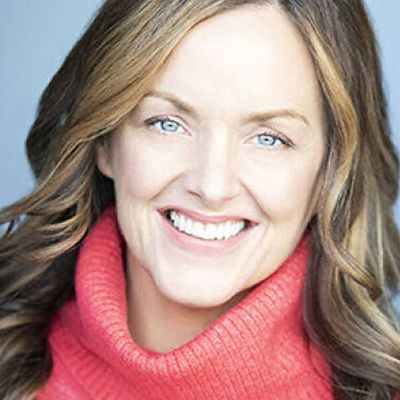
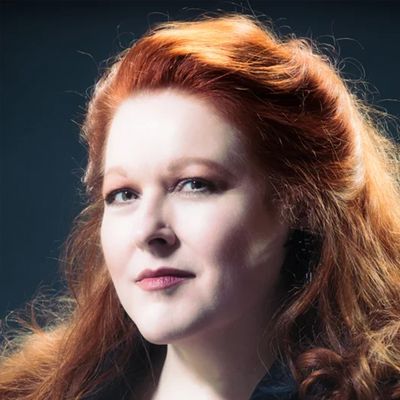
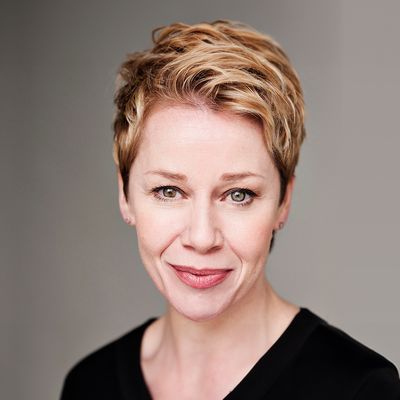
Featured Shows
About
Carrie the Musical is back. It’s been revived in New York, it has an official cast recording with millions of streams, and it’s about to hit the mainstream. How did this famous flop end up being the focus of a big-time teen drama series? Riverdale showrunner and Chief Creative Officer of Archie Comics Roberto Aguirre-Sacasa joins us to explain all.
Plus, we find out how a new generation of creatives are bringing Carrie to life in innovative new productions around the world. We speak to Louis Hobson, Alice Ripley and Keaton Whittaker from the Seattle production, Brady Schwind, Kayla Parker and Emily Lopez from the California immersive ‘killer musical experience’ and Gary Lloyd, Evelyn Hoskins, Jodie Jacobs and Kim Criswell from the Southwark Playhouse, London staging, where some of our original cast members see the show again for the first time...
Join us on our social channels for exclusive backstage photos from this week's guests!
Out for Blood is hosted by Holly Morgan and Chris Adams, edited by Tom Moores, with original music by Odinn Orn Hilmarson and artwork by Rebecca Pitt.
Out for Blood is a proud member of the Broadway Podcast Network.
NEW! Chris's book Out for Blood: a Cultural History of Carrie the Musical is out now! You can order now from the publisher or all good book stores. You can now also order OFB t-shirts, hoodies, totes, stickers, pins and more here!
Thanks this week to Roberto Aguirre-Sacasa, Louis Hobson, Alice Ripley, Keaton Whittaker, Brady Schwind, Kayla Parker, Emily Lopez, Gary Lloyd, Evelyn Hoskins, Jodie Jacobs, Kim Criswell, Linzi Hateley, Suzanne Thomas, Shelley Hodgson and Jeffrey McCann.
THIS WEEK’S LINKS:
- Keaton Whittaker (Carrie, Seattle) sings the title song ‘Carrie’ and Alice Ripley (Margaret, Seattle) sings ‘When There’s No One’.
- Highlights from ‘Carrie: The Killer Musical Experience’ in Los Anegles, and a hella creepy trailer.
- Kayla Parker’s epic final audition video for the LA production.
- The trailer for the Southwark Playhouse, London production.
- The ad for ‘A Night to Remember’, Riverdale’s Carrie episode, and their cast recording on Spotify.
- Please note that we don’t own any of the content above and we’re not responsible for the content of third-party links – enjoy!
Transcript
This transcript was automatically generated and might contain errors.
[0:00] Holly Morgan: A friend of mine calls it, you know, Carrie the Musical, the show that never dies, and I think that's true. Chapter 9. Back from the dead.
[0:09] Chris Adams: Hello, friends of Carrie. If you've come this far, we assume you're enjoying our next-level analysis of Broadway's turkiest of turkeys, Carrie the Musical. That's the song-and-dance spectacular based on Stephen King's blood-soaked novel. I'm Holly.
[0:31] Chris Adams: And I'm Chris. Got any inspiring quotes for us?
[0:35] Holly Morgan: Funny you should ask. Stephen Sondheim once said that musicals are never truly finished, only abandoned. It had taken 24 years for Carrie to be brought back from the dead, but the off-Broadway revival was just the fuse for an explosion of major new productions of the show. In the years since Carrie reappeared in New York, hundreds of high schools and community groups around the world have staged the long-awaited licensed version of the show, so much so that the songs are now well-known staples amongst musical theatre fans. The new cast recording has over two million plays on Spotify, and unlike the old days, it doesn't take long to find all shapes and sizes of different productions all over YouTube. Brave new world. I mean, there's even an episode of a mainstream TV show based on it, and we'll get to that shortly. Not to mention, of course, the Emmy award-winning series that Netflix will be commissioning based on this podcast.
[1:30] Chris Adams: Well, yeah, obviously.
[1:31] Holly Morgan: Will I be allowed to play myself?
[1:33] Chris Adams: You'll need to audition.
[1:34] Holly Morgan: Thank you. In this episode, we're zooming in on the three major productions that were staged in the wake of the off-Broadway revival, and speaking to some of the cast and creatives to find out how they put their own unique stamp on this ever-changing tale.
[1:47] Louis Hobson: Actually, I was in one of the first readings of the revival of Carrie with Stafford Arima, and, you know, it was me and Karen Olivo playing those two adult roles, and then, you know, a wonderful cast with Derek Klena and, you know, a bunch of other wonderful Christy Altomore.
[2:07] Holly Morgan: That's Lewis Hobson, who in 2012 was based in New York as an actor. As we heard, the cast of the revival workshop and off-Broadway run were heavily involved in the rewrite of the show. Lewis became close with the writers, and when he relocated to Seattle to run a theatre company, shifting his focus towards directing, he became interested in resurrecting the show in the Northwest.
[2:29] Louis Hobson: The project for me started with casting, and we had some wonderful options in Seattle, but I'd always seen Alice in that role of the mother.
[2:39] Holly Morgan: He's talking about the incredible Alice Ripley, the Tony Award-winning star of Next to Normal, Sideshow and American Psycho.
[2:46] Louis Hobson: We stan. Am I saying that right? So we work quite a lot together, and I just love her. She's the most exciting performer I've ever worked with on stage, and just such an open and genuine and giving human being. She's always somebody that you want in a room if you want to make something happen. Alice signed up immediately.
[3:06] Alice Ripley: Shows with a specific, very nuanced tone seem to be shows that I'm attracted to unconsciously, and a show like Carrie fits the list of Sideshow and Next to Normal, and even something like Rocky Horror, where you have to get the tone right.
[3:25] Keaton Whittaker: Seattle native Keaton Whittaker played Carrie. Lewis called her one day with a big question.
[3:30] Keaton Whittaker: So we had coffee, and he was like, I want to do Carrie, and I want you to do it. And I was like, what? All right. I was like, that sounds crazy. And he was like, I don't know where he's going to do it. We didn't have a space. He doesn't have a theatre company. I was just like, OK, yeah. I mean, if that happens, that sounds great. But let me know when it does. And then literally a year later, he was like, yeah, we're going to do it. We're going to do it at The Moor, and I'm going to have Alice play Margaret. And I was like, whoa, sick, OK? And then we really ended up really doing it.
[4:01] Louis Hobson: She has a fantastic voice and just a wonderful presence. And that sort of started the process of, do we have a Carrie in Seattle? And we definitely did with Keaton. Keaton was an amazing Carrie.
[4:17] Holly Morgan: Wow, she was terrific. The whole cast was. And do you know what is just strange and I think really neat and funny? At the same time, when people ask me my favorite show I've ever done, my favorite role, it's Margaret.
[4:30] Keaton Whittaker: Margaret and Carrie. Yeah, I think that would be my favorite because it was just so fun. There was no work involved. It was fun and it was really a crazy kick to just pretend like you're that character, because in real life, I'm probably never going to stab somebody in the back with a butcher knife. Probably not ever going to happen. So I get to experience what it's like on stage.
[4:54] Louis Hobson: We have it on tape now.
[4:56] Keaton Whittaker: Yeah, exactly. Evidence, evidence.
[4:58] Louis Hobson: Yeah, we'll destroy it. Whereas Stafford Arima's Off-Broadway production had told Carrie's story through the lens of bullying, Lewis approached the show with a desire to explore the abusive parent and child relationship.
[5:11] Louis Hobson: And we kind of had this moment at the end of the piece where she came down that we kind of did a very sparse production and she came down these stairs with this big knife and like she prepared to sort of like there was something ritualistic about it and it was very frightening. And I was more interested in trying to make the show frightening and dealing with the psychological terror of it than I was necessarily with bullying. And it was interesting. The audience reaction was maybe not what I was expecting.
[5:48] Louis Hobson: I think when it was first announced that we were doing Carrie, I think people thought it was going to be like with drag performers, that it was going to be cheesy, right? And I wasn't interested in doing that because just go do it at a drag bar then. I actually wanted to try to attempt to make theatre out of it. So that's kind of where we started. It was really interesting to see the audience reaction, what their expectation was.
[6:16] Louis Hobson: Originally planned as an intimate chamber piece, much like the version Off-Broadway, a change of circumstances meant that, once again, Carrie was scaled back up. It was such a stressful production because we had originally planned on doing Carrie in our small like 300 seat space and make it very sort of claustrophobic, environmental and very Iris in. That was the original conceit. And that we'd have a lot more control over things like the blood and it was just going to be more of almost an environmental idea. Because, again, I was really interested in, you know, it's really hard to be scary in theatre. It's really hard, hard, hard to scare people in theatre. But we wanted to create an atmosphere where that was potentially possible.
[7:06] Louis Hobson: We actually ended up losing our space on Capitol Hill in Seattle and we had to move the production to the Moore Theatre in Seattle, which was a 1200 seat space. So the concept, you know, we tried to maintain as much as we could, but it was a much different venue to achieve kind of what we set out to achieve. However, it turned out the new location was perfect for the show. We got to do it in this really awesome old theatre called the Moore in Seattle. And it's like huge and really haunted, apparently. And like, very, like, really cool for like the aesthetic of our production. It's just like, and also gigantic, like a huge theatre.
[7:48] Louis Hobson: As with the Off-Broadway production, Lewis and his team were faced with the task of repositioning Carrie in the eyes of the public. And it was interesting. The audience reaction was maybe not what I was expecting. I think when it was first announced that we were doing Carrie, I think people thought it was going to be like with drag performers, that it was going to be cheesy, right? And I wasn't interested in doing that because just go do it at a drag bar then. I actually wanted to try to attempt to make theatre out of it.
[8:21] Louis Hobson: Lewis relished the opportunity to mix fresh young talent with Broadway veterans like Alice Ripley and Kendra Kassebaum, who played Miss Gardner. And it was a wonderful group of young actors who a lot of them have gone on to be, you know, pretty successful in regional and New York theatre. So it was kind of one of those wonderful sort of intersections of, you know, these wonderful veteran Broadway actors with young actors. That's what I was really interested in from just from a sort of philosophical standpoint of I always grew the most when I was working with people that were really good. And I wanted to give these young actors the same opportunity to work alongside, you know, a Tony winner and, you know, veteran actors.
[9:03] Alice Ripley: My favourite part of the show is the title song, Carrie's Big I Want Number at the start of the show. If I were 25 or something like that, I probably would sing that song a lot, but it doesn't really make sense for me to sing it out of context because that's not the role I would play in the show. But wow, what a terrific song. I tried singing it for a while. Doesn't anybody ever get it right? Carrie! When will they remember I am Carrie White? Carrie! She screams about how, like, they can't even get my name right. They can't even call me by my name. And she finally says, I've had enough at the very beginning of the show. I love that number.
[9:41] Alice Ripley: Was it hard to find a motivation for the way Margaret treats her daughter? The moment when there's no one, you know, when Margaret's up in the room, she tries to tell Carrie out of going to the prom. And she tries because she doesn't want Carrie to have to go through what she goes through, including being murdered by her own mother. But she can't tell her any of this. Why? I don't know. You'd have to ask Margaret. I don't know why. But Carrie goes because Carrie's finally at that point toward the end of the show, right before, you know, that's how it's so tragic, right? It's ironic because right before she gets killed and everything awful happens to Carrie, she feels strong and alive and fierce.
[10:23] Alice Ripley: Then I'm left alone in the bathroom, then with the hairbrush, looking at myself and in the mirror, and I'm thinking, you know, I sing the song when there's no one. And that's the moment where Margaret's going, you know, where's my, where's my dance? Why can't I? Where's my boyfriend? Because she, because I think Margaret's life was hell. That's why she turned into a beast. Because kids aren't born beastial. They're, they're, they're taught to be that way. You know, don't you think?
[10:53] Holly Morgan: I know. Can you believe it's a musical?
[10:55] Chris Adams: It's the question we've all been asking.
[10:57] Alice Ripley: It's like having, having such a fan. It's like, da da da da da da. She also recalls her final scene, dying after Carrie stops her heart and drawing inspiration from the iconic film performance of Piper Laurie.
[11:10] Alice Ripley: I do remember dying with my eyes open. And the first thing you asked me was, you know, where do I get my inspiration or did I start from scratch? And Piper Laurie dies with her eyes open. And she dies, like, you know. Like, it's pleasurable. Like, it feels incredible. Like, like she's having the best pleasure of her life when she dies. And so I kind of stole that, that take. And I died with my eyes open. And somehow I was able to do it because I wear contacts. I could, I faced downstage and stared at the back of the orchestra for the whole rest of the show, which is really just like four minutes of the, everybody comes on and sings this beautiful song. That's probably my favorite song on the show, the last song. And I would just stare. And, you know, a tear would always roll out of my eye because that song always makes me cry.
[12:05] Alice Ripley: Interestingly, I placed a lot of focus on the imagery of female blood in the show. That show challenges us to look at the language that we have around, around that and to, to look at how we see blood. Because, you know, when I was in Buenos Aires, I was surprised. I was pleasantly just gutted with joy when I noticed that Mary is red, like she's in red everywhere.
[12:30] Louis Hobson: It was only when she came to this, you know, it was only when she was brought over here by a certain church that she became blue and she looks dead. So why are we, yeah, why are we denied, why are we denied our flow? I mean, without that people can't be born. Do you think, isn't it a little weird? People are uncomfortable with blood. People are uncomfortable with the power of femininity, honestly, and I think that that is why it's sort of come back into being re-examined.
[13:05] Louis Hobson: I think it's because it's about women, because it's about this power that awakens in this girl who's just gotten her period. I think that there's something there that's worth exploring and examining that maybe was kind of kitschy and interesting maybe when it came out, but I think now I think that we can re-examine it with, you know, the last several decades kind of behind us to go, you know, let's not dismiss this, let's not trivialise this and make it something sort of kitschy. There's actually something there.
[13:53] Brady Schwind: Meanwhile, in California, preparation was underway for another very different production. Whereas the New York revival and the Seattle production had been fairly traditional, minimal stagings, I had other ideas. I had seen the 2012 production and I had my own opinions about it and I basically went back to them and said I'd be interested in particular exploring this kind of as like an immersive theatre piece because that at that time in particular was a real buzzword and I thought this would be such a natural piece for a kind of immersive approach because for immersive theatre you always want a subject that everyone can tap into and sort of the brilliance of Carrie is that everyone has had a high school experience and by and large for all of us it's the most terrifying experience of our lives and I thought if you could tap into that, you could create a sort of very visceral experience for an audience that was appealing to me.
[15:31] Brady Schwind: Stafford's production had been small and stark, doing away with the realistic blood and overblown special effects that, despite the creative team's best intentions, had greatly hindered the 1988 original. I thought what Stafford did was he was able to kind of ground it in a realism, but what I was interested in doing was exploring the piece in a more grandly operatic theatrical way, which is what I think it is. You know, to me, I understand the approach to say let's do Carrie without blood and real special effects so that we are focusing on the script and on the score, but I come from the brand of theater that more is more and I thought that that's with this, I thought that that's what this needed.
[16:20] Brady Schwind: The thing that was really interesting about the guys is that they are so bright and they have spent so much time ruminating on Carrie that anything you can possibly think of or question they have an answer to. You know, I mean they've gone over it all a gazillion times, why this is there, why that's there. It began this actually like a kind of long courtship where the guys, you know, had kind of been through Carrie twice. They had done the Broadway production and then they had done the off-Broadway production and then now there was this third person that was kind of coming and saying I want to do a third iteration of the show that's incorporating that, but it's also some new stuff as well.
[17:31] Brady Schwind: The minute to me you put Carrie and Margaret in a super realistic space wearing really super realistic clothing, the material almost felt silly to me. It's kind of like when you take Sweeney Todd and you put it in these realistic tiny little rooms, it feels weird. I thought, you know, there's a theatricality to the piece. It is operatic and I think Carrie needs that. I think it's at its most, it has to ride this very careful divide of being absolutely real and yet having a larger-than-life theatricality.
[18:06] Brady Schwind: When I began describing what I wanted as an immersive sort of experience, Larry and Michael, as they were recounting what drew them to musicalize Carrie anyway was these moments they saw in their head of like a light bulb exploding over an audience or things like they realized that they would always sort of envision as an immersive theater piece in the back of their head. And luckily they agreed that more is more.
[18:42] Brady Schwind: The audience found themselves in a distinctly non-theatrical environment. You're invited to a night you'll never forget. There's a spot downtown we dare you to explore. A place so terrifying it will shake you to your core. And it was, you know, resembling I would say a high school gymnasium. The audience sat on wood bleachers that were on two sides and then sort of the, I don't know, the theatrical coup of our production was that a percentage of the audience sat on bleachers that moved and they moved around throughout the performance and the space was reconfigured based on that.
[19:51] Kayla Parker: So you walk into a room and it's the locker room and there's tampons all over the floor and you see like Carrie White eats shit like written on the walls and then you walk into another room and you're at, you know, you're surrounded by all the pigs. You're at the farm, you know. And dead pigs. Dead pigs. Dead pig.
[20:09] Emily Lopez: In fact, Brady felt that the dynamic between Carrie and Sue was key to the success of the show. What I particularly wanted to explore was the duality between those characters. In fact, in earlier, when we were exploring doing this as an immersive theater piece and how balls to the walls we could go, there was one version that the authors and I explored that would have been a true like sleep no more experience where the show would have been parallel tracks and the audience would have gone on two tracks. And one basically would be seeing the point of view of the story from Sue and one would be seeing the point of view from Carrie. And at one point in the middle of the show, they would switch roles.
[21:27] Brady Schwind: The nature of the production meant it was technically complex and unpredictable, particularly the moving banks of seats known as pods. We were in, I mean, we were in positions where like we'd walk into tech rehearsal, like the week of previews. And we didn't know if the pods were a go or not because the wheel broke or we couldn't choreograph this one to move out of the way for this one to swing in. You know, it was like, I mean, it was just, it was, it was magic. I don't know how we did it, but we did it. It's just insane. I think everyone ended up kind of having to trust me as a director because nobody had any idea if any of this would work. And they, including the pods, all of it. I mean, it really, nobody knew if any of it would actually work.
[22:57] Brady Schwind: The destruction is particularly impressive in this production with pyrotechnics, video walls, and even a terrifying aerial stunt for the performer playing Chris. That was so crazy. So crazy to watch. Yeah, she flew backwards and flipped. I think she did a whole flip to over the audience's heads, like right over. One thing that was really important to me was this idea of dangerous theater. You know, when you go back to Stephen King's book, it was so visceral and it was, you know, I thought everything visceral, whereas the off-Broadway production sort of nothing was, there was no blood, there was no nudity in the shower scene, none of that. I kind of said, particularly because it's an immersive piece and the audience is so close, we're going to have water, there's going to be nudity, there's going to be blood, there's going to be everything that makes this an uncomfortable experience for the audience, as well as entertaining.
[23:19] Brady Schwind: I just, I thought if we were going to go for it in this approach, she just had to fully commit. And luckily I had actors that would do it. I mean, Emily was in particular, just fearless. I mean, there was nothing that I would ask of Emily that she wouldn't do, whether it was being, you know, nude with blood on her two feet away from an audience member or, I mean, the blood falling on her. That's the only way to make Carrie happen. Just dive into the nightmare. Just go, go, go deeper, deeper, deeper into the depths of Carrie.
[23:59] Brady Schwind: Like prior productions, audience members made and leaked bootleg recordings of the show. Interestingly, some of them ended up making their way into the LA show's sound design. You had all of these sound effects going off of like a mix of like sirens and like flashbacks and all of this audio, which kind of came into fruition at the Los Angeles theater, which I thought was really cool. Like, didn't you, didn't you like mix together like some of our bootlegs? Am I allowed to say that? Yeah. So we used our own bootlegs to add to our production, which is awesome. So shout out to the fans for that.
[24:40] Brady Schwind: But it was interesting where I would go through the script line by line and say, you need to trust me as the director. It's okay for her to say the line about the dirty pillows. It's like, you know, the audience expects it, they want it. And the release of that then allows them to go into the next moment with these characters, because, you know, you can only care about a character if they're fully drawn, you know, if they are funny and ridiculous and tragic, and also just very real. And most of it actually, frankly, involves Sue, because Sue always was a character that never quite felt fully realized. And there, like there was a really important moment, I thought that needed to be there that was never in the show before was that you needed to see Sue get invited to the prom by Tommy and to see that that was important to her that she wasn't just giving away.
[25:01] Brady Schwind: To achieve some of the daring staging he dreamed of, Brady knew that casting was key. Finding a cast that can bring authenticity is so important. And, you know, particularly in our production, there was no room for anything that wasn't real. It just, it had to be real and you needed people that could go to that place. And I think that makes you very vulnerable as a performer and you only have your castmates to support you. We did like a preliminary casting call a year before we even did our production, kind of to see what was the talent pool was like in California. And Emily was the very first person that walked through the door at the open call.
[25:55] Brady Schwind: Brady and his team met with several actors but couldn't get Emily's performance out of their heads. But when the final callbacks came around, she was out of town. Emily was, I think, living in Vermont at the time and we ended up having her send in this sort of extraordinary video where she did this impromptu, like, in the gym, in some local gym, in some, you know, rent-and-palm dress, you know, her Norma Desmond take on the destruction. And it was just so obvious that she had to do it. It's an epic audition video. We'll post it on our social channels. A role I thought would not be difficult to cast at all but was really difficult to cast was Sue. We looked and saw so many girls and we actually thought we probably were going to have to bring in an actress from New York for Sue.
And then we saw Kayla. And again, it just clicked. There was so much hype around this production. And like I said, I'd never gone in for it. I'd never auditioned until, it was like, I think it was the last weekend of casting. I was doing a production of Les Mis at the time and I got an email from my agent and they were like, yeah, you heard about that Carrie production. Well, they can't, they're having a hard time finding a Sue Snell. Like, would you be interested in going in? Sue and Carrie, I think, a little bit are two sides of a coin. And everyone that we saw for Sue had the innocence and sort of the girl next door quality, which is part of it. But you need someone that has a propensity to go dark as well.
Chris and Sue could go either way, you know, with that. And what Kayla brought was, and the way the script was now envisioned that she's sort of nuts at the end of it. You don't know if she's in an asylum literally or in her own head, but you needed someone that could have that kind of naivete and innocence, but that had an edge to them.
[27:52] Brady Schwind: To hammer home Sue and Carrie's mysterious connection, Brady added a clever twist to the final moments of the show. As the show began, Sue was already on stage. She was sitting in a chair in the middle of the stage in a pool of light and a few feet in front of her in a separate pool of light on the floor was Carrie's tiara. And so it was sort of instantly setting up that there was a relationship between Sue and what eventually was going to happen. And as Kayla described, the show began kind of almost like a Follies kind of thing with the ghosts of the past kind of coming into the space. And by the end of the show, that prologue was sort of recreated and Sue was back in the chair and the tiara was on the floor.
And Sue, who had been sort of writhing and sort of in her own like physical becoming of something, you didn't know what at the beginning of the show. But in the last moments of the show, she sort of goes back into that and as she's almost coming out of it, she reaches her hand sort of out towards the tiara and the tiara began moving across the floor towards her. And then it flew up into her hand and she caught it in like into her hand. And that was blackout. That was the end of the show. Wow. Cool, right? Is Sue becoming Carrie? Is this a transference of power? Is it in her mind? Or is it simply that that essence of Carrie is so drawn is so firmly a part of her now that she is not necessarily that she's literally becoming psychic, but she will always inhabit her. She's quite literally going to be haunted by her. The audience never quite knew exactly what it meant.
[30:00] Brady Schwind: As with all the productions of Carrie we've heard about, being a part of this show had quite an impact on Emily and Kayla. But I'd never I'd never had that experience of like, like walking into an audition afterwards and hearing or having someone like look at my resume and going oh my god Carrie, like that Carrie you were in that Carrie that had never that had never happened before. And this show like, it struck a chord with people, people remember it and the people who didn't see it, you know, there's so many questions. And it's funny that five years later, down the line here, we are talking not only talking about it, but now you have all these like video bootlegs like popping up people are like sharing all their photos from the theatre. I mean, telling sharing their ghost stories. I mean, it's it's just like, it's a whole thing. It really is an experience.
[30:28] Brady Schwind: Playing for several months, the LA team had a unique insight into what difficulties could be experienced by a long running production of Carrie. You know, we were discovering a lot of things about the challenge of performing the show. Like no one, no one had ever performed Carrie long enough to know how difficult it is to play the role of Carrie. Like Lindsay alluded, you know, to the fact that if it had run on Broadway, they may not have made it through. And it became clear to us that if there's ever a open ended production of Carrie, it has to have an alternate. It's just too difficult a role. And it's not even as Emily said, it wasn't the singing, it was the screaming and the crying and all of that.
So not only had the Carrie writing trio seen their show make a comeback in New York, they've now had the chance to explore something closer to their grandly operatic original vision of it. Stafford gave them the gift of feeling comfortable to revisit the material. I think the gift our production gave was for the material to have the complexity of tone that that I think Carrie needs to work, you know, and to be enjoyable.
[31:54] Brady Schwind: Each restaging was allowing them to tinker with the show and explore how it played in different spaces. But they were about to physically go back to where the show began. London! And that's coming up after this short break.
[32:07] Holly Morgan: Now, many people assume that Stratford is in London, and that Carrie had already had a West End run. We are here to tell you, as British people, it is not, and it hasn't. There is a neighbourhood called Stratford in London, but it is actually the home of a big shopping mall and the Olympic Park, not the Royal Shakespeare Company. It's a mistake you made when trying to attend a performance of The Tempest, but found yourself lost in a very large branch of H&M. What's your point? Anyway, surprisingly, given its roots, Carrie had never been staged here in London. But before the show opened in Stratford, which is a town about two hours north, the cast had spent several weeks rehearsing in the capital. And of course, 50% of the original cast were British, including Lindsay Haightley in the lead role. So in 2016, Carrie would finally make its big return to the UK at London's intimate Southwark Playhouse.
[32:56] Gary Lloyd: Gary Lloyd directed and choreographed the Southwark production. It's actually the thing that I'm most proud of. You know, that month that we had, that glorious month in Southwark, sold out before we even lifted a finger, was just brilliant. You know, it was from beginning to end, the casting process and my process. Everything was just wonderful. I loved it.
[33:12] Gary Lloyd: Like so many others in this epic tale, Gary got his hands on Carrie recordings at an early age and found it hard to let go. But that meant he also knew about the show's notoriety. So I've been obsessed with it for a very, very long time and feel very much part of it. The most famous flop in theatre history. How do we do it? So we sat on it for quite a while, actually. And we talked through, should we tour it? No, that's a really bad idea. Should we do a fully immersive production of it? I don't think we're ready to do that yet. And Southwark Playhouse had got, you know, a really big name for itself. And it just moved, I think, to where it is now. The Southwark Playhouse is a small, flexible venue in South East London.
[33:59] Gary Lloyd: You know, it's a black box, really. So we had quite a few meetings where we would go in and we would look at the space and we would work out which way we would play it. We talked about doing a traverse version of the production. And, you know, there were lots of different ideas. We ended up with an almost in the round version with this sort of staircase at the back and another level where we could hang the bucket and Chris and Billy could live throughout the prom. So a lot of the elements of the show were visible all the way through. But the audience were on three sides. And we designed the set around the audience. So there were windows above people's heads. And I had the closet was actually at the back of the auditorium.
So at the end of Eve was weak. Poor Evie. But Kim, I had Kim dragging Evie up a staircase in the middle of the auditorium and flinging her in basically what was a box that went down into behind the seat, you know. So it was very immersive in that respect, especially when we got to the blood, you know, the first two rows on all sides got completely splattered.
[35:03] Evelyn Hoskins: Carrie was played by Evelyn Hoskins. Oh, my God. I was covered in bruises. One of the reviews mentioned my bruised body. Like I had to die on these steps at the end of the show. Spoiler. And then I used to because I was like so into it, I guess I would like go so limp that my body would like slide down the steps because it was covered in sticky stage blood. And then I'd be like, like kept in this like weird position for the last bit of the show and just trying not to move. It was crazy. It was deceivingly physical.
[35:43] Evelyn Hoskins: Evelyn has one of my favourite Carrie the Musical facts. On the opening night of the Broadway production, which was the 12th of May 1988, UK time, I was born. Now everyone knows how old I am. She played opposite Kim Criswell in the role of Margaret. I mean, I just adored seeing that night after night and especially like those duets with Kim Criswell and Jodie were just a dream. They were phenomenal to get to perform.
[36:30] Evelyn Hoskins: Yeah, evening prayers, those harmonies are just, they're just stunning. And yeah, getting to do them with Kim was like amazing.
[36:41] Gary Lloyd: We heard from Kim a few episodes back as she originally auditioned as a replacement for Barbara Cook back in the late 80s. I think Kim was probably the only one that remembers, you know, Carrie in the 80s. And I think it was a big tick off her bucket list to play Margaret. You know, she really worked hard. Not that she had to work that hard because she's phenomenal, but she really, you know, she put the hours into the auditioning and certainly in the rehearsal room. It was really rewarding to work with both her and Evie on all of those scenes.
[37:14] Kim Criswell: You know, when I did the homework on Carrie was when the book came out, when I was a teenage girl, I read it. You know, I read it when it first came out and I didn't realize it until I went back to read it again, which I did for the production, Carrie. It was his first book. It's not because you think...
[37:31] Jodie Jacobs: It's a silly little teen horror movie musical. It's not. It's got a lot more roots than that. It's got a lot more depth and a lot more classical roots. And the characters are fascinating. Margaret White is fascinating. And so, I mean, Carrie is too, but I mean, I wasn't asked to play her. I was asked to play Margaret White. And of course, playing the person who's the villain of the piece, who's kind of crazy and all this kind of stuff. There's so much there to be mined. There's so much. I mean, the idea that she gets to a point, because she, of course, doesn't think she's the villain. She thinks she has been entrusted with the job of saving the world from evil. And it's Old Testament. It's Abraham and his sons.
It's that. You will sacrifice your child to save the world. There was a key moment in the show that defined the role for Kim. Everything that she does, she thinks she is doing it as a bit of divine instruction. She's being told she must do this, and she's the only one who can do it. So that's why the number in the second half is so just gut-wrenching. The realization number where she says, I have to do this. God is telling me I have to do this. There's no other way around it. I have to kill her. That's horrifying. Can you imagine if you really were in that situation? You were very, very sure that you had to kill your own child because you had birthed the Antichrist or something like that. I mean, it's not silly. It's not silly. It's genuine heart-wrenching drama.
[39:15] Jodie Jacobs: How did she prepare for such an intense performance every night? You've got to be prepared. Your head's got to be in the right place. So I needed to be able to just be left in my own little bubble so I could be in the state I needed to be in emotionally to go out and do these things.
[39:27] Jodie Jacobs: The first British Miss Gardner. Oh, yes. Good spot. She's more of a mother. She's more of a conventional matriarch figure than Carrie's mum is to mum. I've had too many of these. So yeah, in that respect, it was more of a mum character. Other than learning the stuff beforehand and reading the book so that we knew we were coming at it, just so you know you're not doing anything that's a huge departure.
[40:01] Jodie Jacobs: It was just very, very... Everyone says this. Oh my God, it was just like a really good team of people, but it just was. It just was a really nice atmos. We were all pleased to be there. Gary knew what he was doing and we trusted him very quickly. He showed himself to be a brilliant leader, I think. It was, for my money, in my experience, one of the most incredible rehearsal periods. We were in and out. Gary knew exactly what he wanted. Everything was scheduled to the last minute. Never in 20 years of being in musical theatre have I ever finished a rehearsal period early. We had that last day. We had a day of just... We did an entire day of improvisation and it was the best.
[40:45] Jodie Jacobs: Where previous productions had avoided overtly dating the show, Gary deliberately set it very clearly in the present day. Yeah, and Gary Lloyd, the director, brought cell phones into it and stuff like that, which obviously weren't written in but were so easily put in and just immediately made it feel more contemporary. Like Stafford Arima, Gary approached his production through the lens of high school bullying. We did a lot of research on bullying in America and kids committing suicide and it's a very real topic and I think people who can see past the cult side of it and really plug into the music and the reality of what these storylines are about, especially nowadays, I think, where mental health is such a big issue and domestic violence and relationships, it's almost more prevalent now than it was in the 80s. So I think people connect to it on different levels.
[41:37] Jodie Jacobs: We loved this production. The intimacy of the space was used to great effect. So it was a sort of thrust stage. So you had the back wall where the band were and then you had three sides of the audience, so directly in front and then two on the side. And then in the middle bank of seats, up the stairs, there was a trap door that during Eve was weak, Kim would open and put me into and then slam down. And then in Southwark Playhouse Cold Shower Glory, I would have to crawl under the seating with a gorgeous stage manager with a torch and then I'd come out the other. I mean, it was intense. But so worth it. And I remember one night being dragged up this, dragged up the aisle of the seating and Rowan Atkinson was sat there. And I was like.
[42:40] Jodie Jacobs: That the build actually was the build. And like you said, musically and the build happens also because the space is small and everyone knows what's going to happen. It becomes palpable from the audience. And I don't know what theatre alchemy that is and I'll never understand it. And I don't want to know. But especially when you're in small spaces, you can feel that behind you. You feel it, you feel it. If you don't feel it, you're in the wrong job. You feel it. It was just after the blood drop. That's when chaos reigned.
[43:14] Jodie Jacobs: Once again, the writing team took the opportunity to evolve their show. I worked very closely with Larry and Michael particularly. And we got into this groove where we had lots of meetings, phone calls really, before going into rehearsal. So we made some changes before rehearsal. And then as we got into rehearsal, there were certain things that came up. And Kim and Evie particularly had lots to say. And we'd workshop stuff. And I'd go back to them in the evening on American Time. And we'd go through it. And they were really open and very generous with it all. And I'd sort of gone to them at the beginning of the process and said, look, I love what you've done. I love what you've done with the revamp of Broadway. But how about we look at it a little bit more?
[44:04] Jodie Jacobs: We changed Why Not Me. And there was a bit of resistance, I remember. But I really wanted to interrupt the end of that song with a shadow of Margaret. Because I knew the space. And I wanted to scare the crap out of everybody, basically. I really wanted to interrupt Why Not Me with that shadow of Margaret so that this kind of jubilant song where she's getting ready and she feels like a princess. And then suddenly we remember the world that she's living in. That was one of the bigger changes, I think.
[44:38] Jodie Jacobs: You know, I had asked them to put in the Bible verses at the beginning of it. Yeah, that was my idea. And the writers said, well, why? Everybody knows those Bible verses. I said, no, they don't. We're in England. No, they don't. Don't assume that. I think we need to lay it out. Let's quote the Bible verses. Let's quote the Bible verse that says, you must do this. You know, a witch shall be killed, or whatever it is. And so just saying that every night would send me off. And then I would hear, you know, that would make me break. And the audience, I would hear them start to go, oh. And then I could hear them crying, because they were right there with me. So that was a shared experience that was kind of wonderful.
[45:28] Gary Lloyd: As a Carrie superfan himself, Gary was pleased that the new version of the show nods to the original while reducing the disparity in the styles of the different worlds of the show. I do think the new version does marry those two worlds a lot better. It does feel a lot more cohesive than the original. And I think Dean and Michael did a brilliant job of bringing so much of that original high school stuff out of Don't Waste the Moon and some of those songs that disappeared. But a lot of the song actually went into other songs, you know, and they made it work elsewhere. And I thought that was super clever. But without knowing both versions, you wouldn't know that.
[46:10] Gary Lloyd: Certainly, when we started, the people that came the first few performances were the people who had been just dying to see a production of Carrie. And after that, the word spread and it became a very mixed audience of people who had heard good things and didn't really know what to expect, but had very nice expectations about it. And I think so it was a very, very mixed bag of people. You know, it wasn't just the usual theatre queens and, you know, a huge Carrie fan. It was just it wasn't just that. It was you guys.
[46:47] Gary Lloyd: In all the press leading up to the show, like in the Metro and Evening Standard and things, I remember reading like, they were just focusing on the fact that it was such a flop. I don't I don't get really affected by that sort of thing. So it wasn't like a worry. You know, I think people came expecting to have a bit of a laugh and, you know, to walk away being able to write something scathing and scoffing and quite comical. And they were they were all surprised and they all wrote, you know, really lovely things about what we all did, you know. And I think that's because the writing developed so much, you know, and I think a lot of people, they haven't sort of paid attention to the Off-Broadway version as much as the original Broadway version.
So there was a bit of a surprise there. But I think, you know, we all took it very seriously and we wanted to put on a serious piece of theatre. You know, we weren't putting on a camp horror flick. We were putting on a serious story about, you know, a girl that's being bullied at home and at school and happens to have these incredible telekinetic powers.
[48:02] Gary Lloyd: For me, honestly, it is probably the highlight of my career so far. It was a dream. It really was. It's just it's just such a great role.
[48:11] Lindsay Hateley: Got to be absolutely honest, when it was first being talked about that it was being remounted, I really wasn't comfortable with it. And I'm not proud to say it, but it was because I didn't want someone or something to be successful when it had caused me so much pain. Not proud about that, but that's how I felt. Why should someone else get the glory of something that actually had actually really, you know, affected me as a person? It's made me what I am, good and bad, but it has made me what I am as an adult. And so I was really uncomfortable with it. But we went to see it. And actually, it was really cathartic. It was it was the most useful thing that could have happened. And actually, since then, it's sort of almost allowed us to move on and celebrate it in a way.
[49:21] Suzanne Thomas: We weren't all together. And we couldn't hardly stop laughing all the way through. We felt so bad, not because of their show, but because of the memories. Oh, we were just going, oh, I'm remembering all this stuff that happened. It was just like this. Oh, honestly, it was just the funniest thing, things that we could remember that we, you know, we hadn't remembered. Then when the music was playing, it just all flood over you. And we were just honestly, we were just like hiding in the sort of back, you know, feeling like we didn't want them to think we were laughing at them.
[50:02] Gary Lloyd: We just couldn't contain ourselves. It was just sweating. We were sweating trying not to laugh.
[50:08] Holly Morgan: What was it like for Gary and the team?
[50:10] Gary Lloyd: Yeah, I was really nervous that night actually. And they all stayed and they had a chat with everybody at the end and they were just crying and just so, you know, they loved it. Once again, the dreams of a humble Carrie superfan and obsessive bootleg collector had come true. Those bootlegs, those pirate copies, those cassettes, I can still see them. I've probably got them in the loft. You know, they were in a bin liner. And I remember just listening to them on loop and thinking, I really want to direct this. And I was only 17, 18. You know, so to actually come full circle and be able to do that and sort of have the legacy of being part of turning the flop thing around is huge. It's, you know, like I say, it's one of my proudest moments.
[50:58] Gary Lloyd: These are three very different productions in terms of size, style and approach. But there's one thing that connects them all. Buckets full of realistic sticky blood. Perhaps inspired by the general crappiness of that original 80s attempt at an impressive looking blood drop. All three directors were determined to give their Carries a good soaking. And that was my first proviso. I said, if we're going to do this, we're doing the blood. We're not doing lighting, we're not doing confetti, we are doing the blood. And we spent a long time taking that off site. We had a fantastic special effects advisor, Jeremy Churnick, that came in. We did lots of experiments with poor Evie, who had to stand underneath it every time. And apart from one night, I think we got her every time. She got covered. Yeah, it missed her once, I think. It was a swimming pool. You were paddling in it by the end of the show. I don't understand how that happened.
[52:00] Gary Lloyd: Listen, you just need to make sure you have lots of washing machines because, oh my God, the wash up after that show. I mean, when we first opened, we were kind of like, well, what do we do with all this blood all over us at the end of the show? I mean, we'll drip it everywhere. I said, look, just get a great big tin wash basin, just a big tub and put it in the wings and fill it with water so we can go just kind of hose ourselves down before we ever leave backstage. And so that's what they did. We'd just like go and, you know, get as much off as we could. Some nights, like, I'd wake up and my pillow would have sagebrush on it because it had gone in my ear or something. But I'm so glad because I know some productions use lighting and things for that moment.
And I got to a point in the run where I'd look forward to it. And the challenge for me was to keep that, like, not knowing, like, that unexpected moment of when it hit. Because, like you say, everyone knows how the story goes and they're waiting for that iconic moment. So I imagine if I was in the audience, I'd be watching to see if, like, that person was prepping for, like, a bucket of cold sagebrush to be dropped on them.
[53:12] Evelyn Hoskins: It was certainly impactful for the audience just inches away from a blood-soaked Evelyn. Someone fainted once. Whilst I was, like, dying, I was, like, dying on the stairs and I could hear behind me, like, this sort of commotion. And I was thinking, oh, my God, someone's leaving to get their train. And then after, they were like, oh, yeah, somebody fainted. Because there was a lot of blood as well. And it ended up like, because at first, when it drops, it doesn't look that much. But then, as time went on, it sort of just, like, spread. Because someone said to me, because I exited after the blood drop, and then there was, uh, Kim had a song, or the casine, or something. And then I re-enter. And, like, a lot of people were like, oh, did you put more blood on? I'm like, no, just...
[54:06] Gary Lloyd: How did these productions get around the original claim from Terry Hands that it was impossible to soak a microphone with blood and still hear the song?
[54:10] Evelyn Hoskins: By covering it with a hand.
[54:11] Gary Lloyd: Oh, well, that sounds simple now.
[54:13] Evelyn Hoskins: It's not super practical. But what we did was, I had, like, a... I can't remember. I had, like, a look or something. And then I, like, put my head down and, like, had to cover the mic anyway. And sometimes it would still get in there. But it was... It worked. And they had a dress that was already, like, bloodied. There was, like, four different dresses that I had. So, I, like, had one that I changed into on stage. I had one that got blood every night. And then there was one that was already bloodied. So, as soon as I got dumped, I would, like, come off stage. They would unzip it, and they would put on the dress that was, like, dry but bloody. And, like, the colour kind of changed a lot. So, like, they wanted a dress that would, like, have the colour that they wanted it to look like for the end of the show.
And then I would literally, like... One of my really good friends was the assistant director. And she would, like, literally, like, have to peel the bloody dress off of... Like, even the dry one, because it was just so sticky and it would be all over me. So, you would literally have to, like, peel it off. And then there were shower sensors. So, I would just shower after every show.
[55:09] Gary Lloyd: Over in Seattle, the biggest problem was the slippiness. It's hard to control liquid on stage. And once the liquid's there... I did A Leap of Faith on Broadway. And, you know, there's a big rainstorm at the end of the show. I've actually done a lot of shows with water in it. And water is just, like, the worst thing. Liquid is just the worst thing to work with on stage. Because once it's there, you can't... There's no getting rid of it.
[55:31] Gary Lloyd: With these three large-scale productions, Carrie had entered the mainstream. But there was one big, unexpected twist in the tale. Here's Shelley Hodgson from the original cast.
[55:40] Shelley Hodgson: It was my daughter that started singing something from Carrie. And I had a freak out and went, what on... And I burst into her room and went, what are you singing? Kind of gibberish. And she just said, no, it's on Riverdale. What the heck's Riverdale? It's on Riverdale. And they did the whole of Carrie thing going on. And she's singing them songs one after the other. And I went, OK, I'm having a bit of a parallel, you know, Twilight Zone moment here. And then I kind of watched the episodes and thought, just on my own, you know, like, you're on your own. And you kind of go, I need to connect with some of the others, because this is a very surreal moment. And that was three years ago, maybe, not even that. And you're going, hang on a minute. This is 30-odd years ago. This is... What is going on?
[56:31] Holly Morgan: Riverdale is, of course, a film noir-style teen mystery drama based on the classic Archie Comics universe. It's set in a high school full of impossibly beautiful people in their mid-to-late 20s with 0% body fat, all intent on either being hideously mean or just killing each other. In the US, it airs on the CW network, but also found an enormous global following on Netflix. Riverdale's showrunner, Roberto Aguirre-Sacasa, grew up as a theater and comic book lover in Washington, D.C.
[56:57] Roberto Aguirre-Sacasa: And I saw a production of Macbeth, which, you know, was buckets of blood like Carrie. And it really, it was sort of like a horror play with witches and murders and sex and violence and everything. And it kind of, like, opened my eyes to theater. And I became a theater junkie in high school doing plays and seeing plays in Washington, D.C.
[57:28] Roberto Aguirre-Sacasa: His love for telling stories soon became an obsession, which led him to discover a certain musical.
[57:33] Roberto Aguirre-Sacasa: I was always writing. I was always writing stories. So, though it would be a few more years before I landed on the career to try to be a playwright, I was a theater junkie going to New York from Washington, D.C., taking the train up to see shows when I was in high school. I think when I first heard about that they were doing Carrie, I was also a huge Stephen King junkie. And I read some interview with him probably in, like, 1985 or six or something. And he just casually said, oh, and we're doing a musical version of Carrie. And I, you know, my, like, I immediately sat up and, like, I got a chill. And I thought, oh, my God, what a great idea for a show.
[58:29] Roberto Aguirre-Sacasa: Like so many before him, he soon became obsessed with finding out as much as he could about this new show, which had just opened across the pond in England. And I, you know, of course, read all about it and read, you know, that a piece of scenery almost killed the lead and that it got, you know, terrible reviews, but standing ovations. And it became kind of an obsession with me, seeing Carrie. But Roberto discovered that fate can be cruel. Taking the train from D.C. to New York, he made a tragic discovery upon arriving at the Virginia Theater.
[59:06] Roberto Aguirre-Sacasa: And, you know, I went to it and the show had closed, but the marquee was still up. And it was just I'd missed it by like two weeks. No one, you know, it was just it was just brutal. And I was trying to, like, get in and see maybe I'll see the set. And they were like, no, you can't come in. Like like it was sort of like, yeah, just two weeks. I know, devastating. But his love for Stephen King's story and his early obsession with the musical never left him. Some years later, having found success as a writer of stage and screen, it was another of our favorite flops that led Roberto to his first professional engagement with Carrie.
[59:42] Roberto Aguirre-Sacasa: While I was working on Spider-Man Turn Off the Dark as part of the team to revamp it, I had a meeting with the head of MGM movies, this gentleman named John Glickman. And he had been on his radar. And it's interesting because we went to that. I had the meeting and the meeting was actually to talk about doing a remake of Poltergeist. So, you know, we talked for about two hours and and it was all about Poltergeist, how we would redo Poltergeist. And I pitched him Poltergeist. And at literally at the very end of the meeting, he said, oh, this is great. We're so happy. I'm so excited that you're excited about Poltergeist. If you weren't excited, I was going to mention this other thing. And I said, oh, what's the other thing? And he said, oh, well, we want to do a remake of Carrie.
[1:00:43] Roberto Aguirre-Sacasa: His desire to work on the Poltergeist remake was quickly cast aside. Oh, no, no, I'd much rather do the remake of Carrie than the remake of Poltergeist. And and he was like, OK. And then and then, you know, from there, I was hired very, very quickly to do to do Carrie. I think part of it was I had just adopted the Stephen King novel, The Stand for comic books for Marvel Comics. And I just love the movie of Carrie. And, you know, obviously loved the by then I knew the musical by then. And but I just I think in terms of a perfect story, the story of Carrie, the the revenge, the aspiration, the villains, the heroes, it's it's almost like the Great Gatsby sort of of horror novels. It's very short and it's kind of perfect. And and you don't want to fuck around too much with it because it's it's it's it's just perfectly constructed.
[1:01:45] Roberto Aguirre-Sacasa: Roberto wanted to go back to Stephen King's original structure in which Carrie's story is told through the perspectives of different people looking back on her murderous prom night. But the movie's director had other ideas. The director that that MGM hired, you know, didn't want to do that. And and and and really wanted to do basically the diploma version that started a very traumatizing development process that that that watched my screenplay, as happened so many times in movies, totally be disassembled. In a tale that echoes the fate of the original script of the musical, Roberto found his work being ripped apart to the extent that scenes from Brian De Palma's original movie was simply being transplanted.
[1:02:34] Roberto Aguirre-Sacasa: The movie stars Chloe Moretz as Carrie and Julianne Moore as her mother, but despite the starry cast, I feel it was a wasted opportunity. I think it could have been something really different and special, you know, but it did sort of, you know, fulfill my dream of working on Carrie, though it became a little bit of a nightmare. My other love was comic books, and in particular the classic American series based on the adventures of Archie Andrews set in the fictional town of Riverdale. I was determined to do an Archie movie, and I spent years trying to make that happen, and then we started to try to do an Archie television show, and in, you know, unlike the Carrie movie, the development of Riverdale was great because it was sort of like it started as a very kind of traditional coming of age, almost overly earnest teen show, and in the development it sort of became a darker, weirder show that was actually about the tension between sort of the 1950s idealized Archie comics and a much pulpier, noir, crime aesthetic, and that's where the show lived best, when it mixed both of those.
[1:04:04] Roberto Aguirre-Sacasa: Originally, I had a different vision for Riverdale. I had spent three years working on Glee, though, and when I started developing Riverdale, I thought, oh, well, this will be a musical like Glee. It was a part of the fabric of Riverdale. In the second season, in the first season, we had 13 episodes, in the second season, we had 22, so we had the room to do special episodes that were even more off the beaten path from the typical Riverdale episode, and we wanted to do a musical, and we started talking about musicals to do, and, you know, almost immediately, my mind went to Carrie, and the reason it went there is because it was a high school show, it was a show about high school students. But apart from my personal love for Carrie, why did I choose this somewhat obscure show for Riverdale's first ever musical episode?
It was a cult show, and it had a lot of violence and horror, which felt like, oh, you know, in a more traditional high school, earnest 1950s, we might have done Bye Bye Birdie as the musical, or Grease as the musical, and it felt like, given the darker sort of themes and the aesthetic of the show, oh, you know, Carrie would be great.
[1:06:34] Roberto Aguirre-Sacasa: In the episode, the personality traits of Riverdale students echo those of the characters in Carrie, as the school stages the show as their annual musical. We had a lot of the same archetypes as Carrie does. Carrie has the good girl, Sue Snell, the evil, mean girl, Chris Hargensen, the sweet boyfriend, Tommy Ross, the evil boyfriend, Billy Nolan, the kindly teacher, and, you know, Betty, on Riverdale, Betty Cooper, and her mother had a very fraught relationship, nowhere near the level of fraught that Margaret and Carrie had. So when we actually started trying to fit this together, it was like, oh, wow, this slots in perfectly. The genre-busting episode, called A Night to Remember, introduced the musical and its songs to an entirely new audience.
Riverdale would go on to make more musical episodes, based on Heathers and Hedwig and the Angry Inch. For the creators of the musical, it was a unique opportunity to get their little show that could, in front of millions of fans from a new generation. They gave my writing team the freedom to make adjustments to the songs, to make them work in the Riverdale universe.
[1:07:51] Roberto Aguirre-Sacasa: I believe that the songwriters of the musical were really excited about it. And, you know, we've done other subsequent musicals. And I will say that in those musicals, when we tried to do little tweaks, like change a character name, or even change, like, you know, a song, if a song in the musical was a guy singing about a girl, if we were changing to a girl singing about a guy, you know, we said, well, can we change her to him? And they said no, whereas on Carrie, and it was, it was, which was fine. It was totally fine. But on Carrie, I remember that there was a lot more enthusiasm. Like, even when we, you know, we were approached to put out a vinyl record for Carrie, the Riverdale episode of Carrie, everyone was ecstatic when we were approached to do the vinyl of another high school musical.
They said no, for fear that it might cannibalize their sales of some other thing, or who even knows what. For me, it was a thrill to finally work on a version of the show I'd obsessed over as a young man. At an industry party, I was approached by Dean Pitchford. Oh, by the way, I wrote the songs for Carrie, and we just loved the Riverdale episode. And it was like, oh, it was, it felt so great. And it felt cathartic, because I'd had such a miserable time on the remake of Carrie, that in a way, it was like, taking back my love of Carrie.
[1:09:00] Roberto Aguirre-Sacasa: And, you know, let me say this, I haven't seen the remake of Carrie since it was in the movies. But I've seen the Riverdale episode of Carrie, you know, millions of times, it feels like. The episode led to plenty of YouTube searches from young fans desperate for more Carrie in their lives. And that's brought more attention to the stars of the various high-profile productions, such as Keaton Whittaker. I also think that Riverdale, obviously doing it was been, so that's, that's been the reason that it's come up for me so much, because I, I like have so many, like, all of my followers on Instagram are from like, people seeing my video of Carrie on YouTube. I like didn't know, it's, I always joke that it's like the one thing, I've done like bigger things in my career, but like, that is the one thing that has followed me.
Like the whole time that I've like been in theater, it's like, oh my god, this one kid came up to me at like a party that I was at, he was like, this is so weird, but so niche, but like, you look like this girl, Keaton Whittaker, and it is Carrie. And I was like that I am that is me. And he's like, oh my god, so weird.
[1:10:54] Keaton Whittaker: Is she pleased that the social media generation have claimed Carrie as their own? I think it's cool. Honestly, I think like, I think it's any chance that like musical theater, like being like, like access, it's funny to see like, comments on my stuff that's like, oh my god, it's just kind of, it's like kind of sweet to me, I'm kind of like, oh, that's cool that like, these kids who like never would be like exposed to musical theater at all, like are exposed to it on like a larger platform. So I think it's like, whatever, cool, great, you know, and if you're doing like, if you're seeing that, and then googling it, and like, learning more about it, I think it's like awesome.
[1:11:21] Roberto Aguirre-Sacasa: We asked if I felt I was finally done with my Carrie journey. I suppose that there is a universe where there's a movie version of the musical, which of course I would love to work on. That said, I feel, as you said, healed by my Carrie experience through Riverdale. And I'm really happy that people, that the creators of the musical liked it and were supportive of it. So it no longer feels like my Moby Dick that I'm still searching for. But anytime I encounter Carrie the musical, even as a fan, going to see it, I'm, you know, I'm ecstatic. I'm really, I just love that show. Although the writers probably never imagined they'd hear it back when their show closed in 1988, Carrie the musical has turned into a global phenomenon. And on Broadway and the West End, a generation of new musical theatre writers and composers have laced their teenage high school themed shows with the essence of Carrie.
[1:11:59] Linzi Hateley: There are so many things. I went to see Heathers and I was like, it's Carrie. It's all there. There are so many different elements in shows that you go, it was, it was a first of its kind and, and actually it was, it was ahead of its time. Perhaps that was always Carrie's problem. Was the show a trailblazer that was just too early to find its perfect audience? Was the material just too controversial for the Broadway stage? Or was the team fundamentally wrong for the show? Or maybe we're just looking into this a bit too hard. Maybe.
[1:12:56] Linzi Hateley: Next week, in our final episode, a post-mortem. And I think that's why I used to, I used to get quite upset by how hard a time Carrie got because I actually think that, you know, yes, it wasn't, it wasn't right. And I don't think that, you know, as a director, that wasn't his forte. That wasn't where he was comfortable. A flop means it's like commercially hated and financially not rewarded. And my show was both of those things. Of course, the theaters always had flops. And they've, they've always had people who take some sort of pleasure in, you know, other people's misfortunes. But I think Carrie was the, was a turning point in that. Don't you agree with that? Who was sleeping at that wheel? They didn't catch these things until it was much too late. And that fascinates me about Carrie because it was just such a malfunction on that level.
[1:13:35] Holly Morgan: Thank you for all your amazing feedback so far. It's been so great to hear from friends of Carrie from all over the world. Out For Blood is a proud member of the Broadway Podcast Network. For more information about us and the podcast, please visit us online at bpn.fm slash out for blood. If you've enjoyed the show, please leave us a review on Spotify, Apple Podcasts, or wherever you downloaded from. And don't forget to subscribe.
[1:13:49] Linzi Hateley: Say the 10 most popular musicals or successful musicals in Broadway history, they are all on paper, actually horrible ideas. Like Hamilton on paper is like the worst idea you've ever heard. And so is Evita and Annie and Cats and Les Mis. You know, there was so much about it with the talent that was on the stage and some of the musical writing that, you know, the potential of it, which is why it won't go away, was phenomenal. Because you know, the one thing you can never do in theater, and I think when theater is forgetful is when you're boring. But we were not boring.
[1:14:06] Chris Adams: And we continue to fill our social channels with great pictures and videos from the show at Out For Blood podcast on Instagram and Facebook and Out For Blood pod on Twitter. Out For Blood was hosted and produced by me, Holly Morgan.
[1:14:19] Chris Adams: And me, Chris Adams. Sound engineering and editing by Tom Moores, Paddy Jervis is our audio consultant, original music by Odin Ornhill-Martin, and artwork by Rebecca Pitt. Thanks this week to Louis Hobson, Alice Ripley, and Keaton Whittaker from the Seattle Show, Brady Schwind, Kayla Parker, and Emily Lopez from the LA production, and Gary Lloyd, Evelyn Hoskins, Jodie Jacobs, and Kim Criswell from the Southwark Playhouse Show. And of course, Roberto Aguirre-Sacasa, chief creative officer at Archie Comics, and the writer and showrunner of Riverdale. Thanks also to Lindsay Hateley, Suzanne Thomas, Shelley Hodgson, and Geoffrey McCann.
[1:14:43] Holly Morgan: Hey, Tom.
[1:14:44] Tom Moores: Yes.
[1:14:45] Holly Morgan: Come on, Tom. I want to see sweats.
[1:14:47] Tom Moores: I keep on looking, but I ain't seen it yet.
[1:14:49] Holly Morgan: The more you suffer, the tougher you get.
[1:14:52] Tom Moores: So come on, Tom. Work, work, work, work.
[1:14:55] Holly Morgan: Seriously, please do work, because we're sort of behind schedule on episode 10.
[1:14:58] Tom Moores: I do have an actual job, you know.
[1:14:59] Holly Morgan: Love you.
© Broadway Podcast Network, All Rights Reserved