

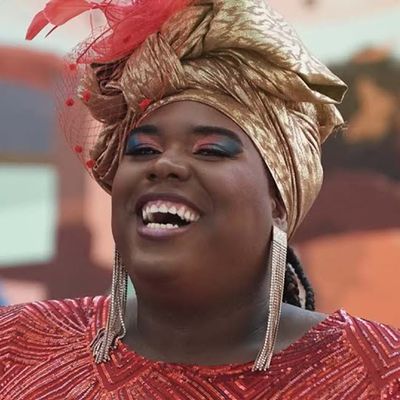
Rachel Bay Jones and host, Eli Tokash, get to connect for the first time in years after playing mother and son in Pippin on Broadway!.. Read More
From the show: Take A Bow
Guests

Featured Shows

About
Rachel Bay Jones and host, Eli Tokash, get to connect for the first time in years after playing mother and son in Pippin on Broadway! With a few more years of experience and wisdom, they revisit wonderful memories, breakdown the best ways to be successful as an actor starting in the industry, talking how the art of acting is a special thing, but can play with one psyche, and so much more. Tune in to learn, laugh, and enjoy in episode full of stories and candid conversations!
Curtain up, Rachel Bay Jones
Connect with Rachel Bay Jones on Instagram: @rachelbayjones
Connect with Take A Bow on Instagram: @takeabowpodcast
Connect with host, Eli Tokash on Instagram: @tokash_eli
Produced by the Broadway Podcast Network
Edited by Jessica Lauren (@jessicalaurenradio)
Transcript
This transcript was automatically generated and might contain errors.
[0:00] Eli Tokash: Hello everyone and welcome to episode 122 of Take A Bow Podcast.
[0:06] Eli Tokash: Oh my goodness.
[0:08] Eli Tokash: Is episode 122 a special one or what?
[0:12] Eli Tokash: And you may not know what I mean yet, but I promise you you're gonna love this episode.
[0:18] Eli Tokash: Literally.
[0:19] Eli Tokash: I am so excited for this episode.
[0:21] Eli Tokash: You probably know who the guest is already.
[0:24] Eli Tokash: If you don't, it's one of my favorite people of all time.
[0:27] Eli Tokash: It's Rachel Bay Jones who played my mother or Catherine, I guess you could you may know her as um in Pippin on Broadway.
[0:36] Eli Tokash: So uh we were obviously in that show together, and then of course she went off to play um Heidi Hansen in Dear Evan Hansen and absolutely killed her performance, earning her a Tony Award, which was the coolest thing ever.
[0:50] Eli Tokash: I'm so thrilled for her and everything that's come her way since.
[0:53] Eli Tokash: Now she's like a TV star, and you may know her on all the things, so she's famous and she's all the things, and uh it was just so great to be able to talk to her again and reconnect and talk because we literally I saw her in Dear Evan Hansen a few times actually, and she brought me backstage and everything, and so like we've talked a little bit, but really it's been about like four years, I'd say.
[1:14] Eli Tokash: So it was just a crazy time, and we were somehow talking one day, and I was like, you need to come on the podcast, and I'm so thrilled to get her on.
[1:23] Eli Tokash: And this chat is everything you could hope for.
[1:27] Eli Tokash: It talks about the industry itself, it talks about the journeys through the industry, it talks about being a child in this industry because Rachel's has a uh experience of that, a similar experience, and uh yeah, it's it's everything you want, and I'm so excited to share it with you folks.
[1:42] Eli Tokash: I literally I I have a couple that I'm sitting on right now, and I was just like, I want them to wait to listen to this episode, but like I don't know if I can just sit on this episode because I love this episode so much.
[1:55] Eli Tokash: So I'm gonna stop talking about it, and I'm gonna turn it over to it in a second.
[2:00] Eli Tokash: But first, we gotta talk about some Broadway news.
[2:03] Eli Tokash: First up, I gotta talk to you all about the Broadway Flea Market.
[2:03] Eli Tokash: The Broadway Flea Market had a record breaking year.
[2:06] Eli Tokash: The Broadway Flea Market happened this past Sunday, and it was everything.
[2:15] Eli Tokash: I mean, I don't remember a Broadway Flea Market that was that big of a hit.
[2:20] Eli Tokash: And you know what?
[2:21] Eli Tokash: It's because there never was because they broke records raising over a million dollars for Broadway Cares Equity Fights AIDS, the wonderful organization that Broadway uh supports so so lovely.
[2:34] Eli Tokash: I lovely, I I that's not a word, but you you understand what I'm saying.
[2:38] Eli Tokash: Um, so deeply, you know, that it was just an incredible day.
[2:42] Eli Tokash: I mean, these booths were ridiculous.
[2:43] Eli Tokash: The shows that you have on Broadway right now are just so good with Music Man and the stars they have in the show, and then of course, you have Funny Girl and you have Hades Town, and and you have a strange loop, and you have Beetlejuice, you know, you have all of these wonderful shows coming together and doing so many incredible things that that involved the people in the show that people just go crazy over.
[3:03] Eli Tokash: You know, Hugh and Sutton were signing signed jackets, and Leah Michelle was signing signed posters and props, and Hades Town, uh Eva Noblezada was selling her previous show shoes, and it was just all these incredible things that they donated just for free for Broadway Cares.
[3:19] Eli Tokash: And uh, if they were sold, you know, all of that money went to Broadway Cares.
[3:24] Eli Tokash: So it was just a wonderful thing that happened, and it's so cool to see the Broadway community really come together, both the stars and the fans interacting.
[3:33] Eli Tokash: Um, Sutton Foster was there, Jessica Vosk, a friend of mine.
[3:36] Eli Tokash: Who else was there?
[3:37] Eli Tokash: We saw so many people.
[3:38] Eli Tokash: We saw Lance Roberts, who we love, and Christian Chenoweth had her own booth.
[3:43] Eli Tokash: She was doing her thing, it was so cute.
[3:45] Eli Tokash: Alex Brightman and the whole Beetlejuice Chaos really like popped out.
[3:49] Eli Tokash: It was awesome.
[3:50] Eli Tokash: So so much was going on, and it was so lovely, and people were just dying.
[3:54] Eli Tokash: And uh, I'm so thrilled.
[3:55] Eli Tokash: I am truly so thrilled, and it was such a great way to start the week with a you know a beautiful day of celebration and community on Sunday that we saw at the Broadway Flea Market.
[4:08] Eli Tokash: So I have a bunch of content coming out with it.
[4:10] Eli Tokash: I didn't do any like interviews or anything there, but we did a bunch of like video stuff.
[4:15] Eli Tokash: So we have lots of B rolls and we have lots of fun things that's coming out to kind of give you all experience if you missed out on the Broadway Flea Market this year because it's definitely not one you wanted to miss.
[4:27] Eli Tokash: But nonetheless, things happen and it was amazing, and I can't wait to bring it all to you very soon.
[4:34] Eli Tokash: Um, and that's probably gonna be on our YouTube channel where you can uh subscribe, check us out at Take A Bow Podcast on YouTube, and uh yeah, it's gonna be great.
[4:42] Eli Tokash: You all you have to do is go to YouTube, YouTube.com, and then in the search bar, type in Take A Bow Podcast, and we will you'll find our logo, we'll pop up.
[4:51] Eli Tokash: I promise you.
[4:52] Eli Tokash: We have some videos up there already.
[4:54] Eli Tokash: It's great.
[4:54] Eli Tokash: We have interviews, we have little short clips, and uh we're gonna be posting some new content very soon.
[5:00] Eli Tokash: So I'm excited for it.
[5:02] Eli Tokash: All right.
[5:03] Eli Tokash: Next up, I gotta talk to uh and give shout outs to the shows that are opening and uh having their first previews.
[5:10] Eli Tokash: We'll start off with having first performances slash previews, and that is to Top Dog slash Underdog.
[5:15] Eli Tokash: Very excited for the show.
[5:16] Eli Tokash: I don't know much about it, but the cast is great, and uh it looks fantastic.
[5:21] Eli Tokash: Uh the little synopsis and everything that you read about, it's got a cool story, and I'm really excited to see that one.
[5:27] Eli Tokash: And then, of course, Leopoldstadt is opening on Monday, and Cost of Living is opening up on Monday.
[5:34] Eli Tokash: And I may be at Cost of Living, depending on my school schedule.
[5:38] Eli Tokash: But I will keep you all posted, and hopefully we have another red carpet because you know it's that time of year again, and uh all these wonderful shows are opening, and hopefully we'll get some more opportunities for that because I think it's a lot of fun, and I think a lot of people enjoy listening to those.
[5:51] Eli Tokash: So um, yeah, happy, happy opening and happy all the things to everyone involved.
[5:57] Eli Tokash: So, next up we're we'll talk about Into the Woods.
[6:01] Eli Tokash: Um, I know it seems like we talk about the same for like three shows.
[6:04] Eli Tokash: We're gonna be talking about Into the Woods, Shocker.
[6:06] Eli Tokash: We're gonna be talking about Funny Girl, and then of course we'll talk about Bridgerton.
[6:10] Eli Tokash: Um, we'll start off with Into the Woods, where Brian Darcy James and Andy Carl are going to be coming back into the woods.
[6:17] Eli Tokash: Um getting back into the woods, very exciting because they uh, especially Andy Carl, he only did like a week of performances when Gavin Creel uh had to go shoot something and was out or whatever.
[6:30] Eli Tokash: So he didn't really have like a full run.
[6:33] Eli Tokash: So I was very sad that I didn't get to see Andy Carl in the show, but uh because he only did it for a week, and that was when he played the Wolf slash Cinderella's Prince when Gavin Creel was out for a week.
[6:43] Eli Tokash: But now Andy Carl is gonna be coming into the show to play Rapunzel's Prince.
[6:48] Eli Tokash: Um, so he's now gonna be playing he's he will have played both princes in the show, which is really cool.
[6:54] Eli Tokash: And it may have been something that was already agreed upon um when he like signed the contract and said that he would do it because you know that week of performance is kind of like strange.
[7:04] Eli Tokash: I mean, not strange, you could do what you gotta do, and it's into the woods, and it's just with an incredible cast, but you know, it's so sad that it's like a little tease, you know.
[7:12] Eli Tokash: So, um, I'm so excited that he's gonna be coming back into the show.
[7:15] Eli Tokash: It may be for a different role, but I'm I'm gonna love seeing him in the show, seriously.
[7:20] Eli Tokash: And then you have Brian Darcy James coming back to the show, um, who obviously opened the show on Broadway as the Baker.
[7:29] Eli Tokash: Sebastian Arcellus will be leaving the show on October 23rd, and Brian Darcy James will be playing the Baker beginning October 25th.
[7:37] Eli Tokash: Andy Carl begins October 11th.
[7:40] Eli Tokash: And I I think we can sh say, I think it's safe to say that we can anticipate these two being in the rest of the run when it closes on January 8th of 2023, the same day as Beetlejuice.
[7:53] Eli Tokash: Very unfortunate.
[7:54] Eli Tokash: Um, but nonetheless, you have some time, so go see it while you can, and uh, there's that.
[7:59] Eli Tokash: So next up, we're gonna be talking about uh the Bridgerton musical.
[8:03] Eli Tokash: I I've kind of kept you all posted on all the things that's happened leading up to today, or I guess last week when it was announced.
[8:11] Eli Tokash: Uh, but Netflix dropped the lawsuit against the unauthorized Bridgerton musical, which there was a whole thing that like it was copyrighted issue, blah blah blah.
[8:20] Eli Tokash: Well, it was announced that they dropped it and they dismissed it with prejudice, so they uh the suit can't be refiled at a future date.
[8:28] Eli Tokash: Um, I guess they've just you know come to agreement or whatever.
[8:32] Eli Tokash: I don't know what's gonna be happening next.
[8:33] Eli Tokash: I don't know if they plan on doing another performance.
[8:35] Eli Tokash: I don't know if they're gonna be teaming up, or I don't know what's going to happen.
[8:38] Eli Tokash: They didn't reveal whether Netflix reached a settlement or anything with the writers.
[8:43] Eli Tokash: So Lord knows what's gonna happen.
[8:46] Eli Tokash: I'm sure maybe they don't even know what happens.
[8:48] Eli Tokash: I'm sure they do, but uh something to keep an eye on.
[8:52] Eli Tokash: Obviously, I've said it a million times every time I talk about it, but it's interesting to know that they dropped the lawsuit, nothing really came out of it, and uh they I mean it says there's no settlement, but who knows?
[9:03] Eli Tokash: There could always be so and then I gotta talk to you about Funny Girl because they invited critics back to Funny Girl, and boy oh boy, did they enjoy the show?
[9:15] Eli Tokash: Um it seems like and and I love Beanie to death, but it seems like the critics when they saw Beanie did a complete 180 of seeing the show when they saw Leah Michelle, and it's very unfortunate um that that that that's the case, and just how like one person can impact a whole like review and like save or make or break a show almost.
[9:39] Eli Tokash: Um, but nonetheless, they enjoyed it, and I have yet to see a bad review for the show as a whole and for Leah Michelle.
[9:47] Eli Tokash: Leah is actually gonna be performing on the Tonight Show next week, so uh all of you uh who are going to be who are willing to tune in, and I'm sure it'll be all over social media the next day, we'll get a taste of how she is in the show and if you agree with the critics or what, but yeah, it's craziness, craziness going on at Funny Girl.
[10:07] Eli Tokash: Who knows?
[10:07] Eli Tokash: Maybe uh they can have a future on Broadway, which is super exciting because I actually really like the show, and I like that story a lot.
[10:14] Eli Tokash: Um, so yeah, something something exciting, and uh go check out the reviews if you don't believe me, because I know people are still kind of like hesitant, but uh the reviews have been super good, and I saw the show and I thought Leah Michelle was great, but I also thought Beanie Feldstein did a great job, so um, you know, take it for take it for what it's what it's worth.
[10:36] Eli Tokash: I don't know.
[10:37] Eli Tokash: Um, anyways, and then that's it for the Broadway news.
[10:41] Eli Tokash: But I do want to share with you all since we do have Rachel Bay Jones on the show today, and uh we're gonna be talking about Dear Evan Hansen, obviously, and you know, you all know how much I love Ben Platt, and so this week I actually saw Reverie, which is Ben Platt's new album.
[10:58] Eli Tokash: I saw him because he's on tour with the the new album currently, and he is so good, is he's just so good.
[11:09] Eli Tokash: Like, he is a performer, period.
[11:12] Eli Tokash: Like, put him on stage.
[11:14] Eli Tokash: You can you can have it.
[11:15] Eli Tokash: I mean, we all know how good his voice is, right?
[11:18] Eli Tokash: But like, there's just something about him, it's just his aura, you know, like he knows how to make you feel something, you know.
[11:24] Eli Tokash: And I went with like my family, I went with my girlfriend, I went with like so many people that I love and care about, and I really think that just like even elevated the experience because it just like you know, his songs are just so deep and so beautiful, where it like makes you appreciate those around you, and um, you know, everything that you know kind of presents itself, and even like the bad things, he like turns them into positives and was like, you know, make them be a learning experience and all the things, so like it's just so it's so beautiful, and I love him so much, and his dancing is everything because you know, you when you think of Ben Platt, you don't think of dancing, and his dancing is not really dancing, but it's like Ben Platt dancing, you know, like it's his own genre, and it works and it's good, and he's he's killing it, and he makes me just so happy every time he's on the stage.
[12:14] Eli Tokash: Like, literally, my cheeks hurt after seeing him that night, and he was just brilliant.
[12:19] Eli Tokash: So, amazing.
[12:21] Eli Tokash: He like was at MSG, he's killing it, doing all the things.
[12:26] Eli Tokash: Of course, I brought his merch and all the things, but I just had to.
[12:28] Eli Tokash: I'm I'm ranting because I love him and think he's so talented and can't wait to see him in Parade.
[12:34] Eli Tokash: I am going to see him.
[12:35] Eli Tokash: I already have my tickets.
[12:36] Eli Tokash: So excited at Cine Center.
[12:38] Eli Tokash: But yeah, that's my little Ben Platt rant.
[12:41] Eli Tokash: That happened, and I'm still reeling from it because it was literally last night.
[12:46] Eli Tokash: And uh yeah, but that's enough for me, and enough of the news and all of that.
[12:52] Eli Tokash: We gotta turn it over to Rachel Bay Jones because this episode is super special, and Rachel Bay Jones is just super special.
[12:58] Eli Tokash: So without further ado, Rachel Bay Jones, curtain up.
[13:07] Eli Tokash: This week we have one of my all-time dream guests on the podcast.
[13:12] Eli Tokash: She has literally done it all in the industry.
[13:14] Eli Tokash: She has been in five Broadway shows.
[13:16] Eli Tokash: She has a Tony Award and a Lucille Lortel Award.
[13:20] Eli Tokash: Uh, she's recently been appearing on all of your favorite TV shows, such as God Friended Me, The Good Doctor, United States of Al, Grey's Anatomy, Modern Family.
[13:29] Eli Tokash: I mean, you name it.
[13:30] Eli Tokash: Uh, it is my pleasure to welcome to the Take A Bow Podcast, Rachel Bay Jones.
[13:35] Rachel Bay Jones: Hi, Rachel.
[13:36] Eli Tokash: Hi, my friend.
[13:38] Rachel Bay Jones: Oh my god.
[13:39] Rachel Bay Jones: I'm so excited.
[13:41] Rachel Bay Jones: I know this has been a long time like wish of mine.
[13:44] Rachel Bay Jones: Like when I first started it, I was like, who are my dream guests?
[13:47] Rachel Bay Jones: And it was like literally that entire original cast of Dear Evan Hansen.
[13:50] Rachel Bay Jones: But like you, of course, were up there after, like, you know, being my mom and Pippin and all the fun things.
[13:56] Eli Tokash: So this is gonna be so much fun. I'm so happy. Yes. So the way I usually we'll get to all of that in a second, but the way that I usually like to start my episodes is just asking, you know, everybody who comes on here, what inspired them to want to perform and tell stories and just make people feel something. Like how did you get started in the industry?
[14:18] Rachel Bay Jones: Um, I had been my parents were actors. And so um, and they had quit when um my mother got pregnant with me. They were actors in New York, and they had health food stores, and so my whole life they talked about acting and they talked about show business. Um, but and they were so passionate about it, and they were very serious actor actors. Um they met at the Shakespeare Festival in Stratford and they're you know, very cool. So and they're amazing, but I'd never seen them actually do anything, and then they went back to doing some regional theater productions when I was about 12 years old, 11 or 12, and I was blown away suddenly seeing these people who I thought I knew in one way in a totally different way.
So it was very wow crazy, and uh, but I was really shy, Eli. I was not like a kid performer in any way, and I didn't want to be, I never had any aspirations for that. But I saw that my mother was auditioning for a play, and she had the play out on the kitchen counter, and I was leafing through it, and I was saw that there was a part for a 13-year-old girl, and I was like, ooh, I can play that part, and she got very excited and kept me for this audition for this little comedy, and um at the local dinner theater, and um I ended up getting a part and she didn't, so I didn't know it was a little rough for a while, but that's so awkward.
[15:46] Eli Tokash: She had it was totally awkward. Drive me to rehearsal. So it was really, you know, you were the star of the family now.
[15:57] Rachel Bay Jones: Not doing it all again. Yeah, so you were kind of like a child performer in a way.
[16:02] Eli Tokash: I really was actually. It just wasn't in like a big market like New York or whatever. But I did professional shows.
[16:08] Rachel Bay Jones: Yeah. So are you like happy that you started at a young age or like no I don't I'll let you go I'll let you know like you and I should have a lot to talk about.
[16:21] Eli Tokash: Yeah. You know, it was one of those things where like, you know, I think as a kid, you're like you're totally swept up in all of the wonderful things about it. And and I guess all of the crappy things too. You know, you get like taken with um the attention, the and and for me, like so many wonderful things. Like I was so shy that I really kept doing it. It felt like a real opportunity for me to connect with people in a way that I didn't understand how to do in my life and socially, you know, I was too shy, I was too awkward, or whatever those feelings that we all have. I don't know how much it outwardly expressed, but for me it was painful, right? Um, and so I could go on stage and then communicate with hundreds of people at once, you know, and um, but I think as a kid, you know, you're you're at least for me, I wasn't really given an opportunity to really know to explore other careers to know what else I might want to do. I always thought I wanted to be a writer, I wanted to be a scientist, actor never crossed my mind.
[17:26] Rachel Bay Jones: Oh my god. Suddenly here I was like making money doing this thing, and it just continues until you're finally like for me. I was in my early 20s, and I was like, what the hell did I do? Yeah, um, is this really what I want to do with my life? And maybe some people never come to that, you know, crossroads, but right for me it was like you know the breaks.
[17:48] Eli Tokash: Yeah you know that is so real. Does that feel like did that I mean you how old were you when you started well I was well I was six if you want to count like my first like professional show but like my first like tour and like Broadway and stuff like that was nine. Um and you know I kind of have that feeling where it's like you know I was doing it just because I was having fun like I thought I was like so cool hanging around adults and everything like that like because I just didn't relate to like other kids. I don't know like I just wanted to be around adults all the time and like that was my play date you know like going to the theater I was just telling Miranda the other day like you know my some of my friends were like 40 years old when I was like you know it's so funny.
I I talk about it all the time with like new people that I meet and I'm like they're like oh we're gonna go out and I'm like oh that's like not my thing like you know like I'm used to just like hanging out with a bunch of 40 year olds in like their apartment or something and we can celebrate or like and we can play charades and have a Coca-Cola you know like it's so like it's crazy. And I and I look back and I'm like you know in a way like I didn't have a childhood like it's so bizarre and like now I still feel like I just like can't talk to people my own age because I just can't relate to them. Because like they're talking about all these like TikTok things and all these like trends and I'm like, I don't pay attention to that stuff. Like, that's so not like me. And like watching all the new movies and everything. And I'm just like, no, like, I don't know. It's just like I feel like I was born in the wrong generation.
[19:27] Rachel Bay Jones: Well, we jumped over something. Like we know, we I mean, I listened all the like I I started out like listening to heavy metal and punk and all of this stuff, and then I sort of graduated right to like Ella Fitzgerald and Right. Like, you know, I was like that.
[19:44] Eli Tokash: It just was a I I went back in time.
[19:46] Rachel Bay Jones: I know, and it's so funny because like everybody likes rap music nowadays, and I'm just like I never listened to rap music. Like growing up with like an older generation and musical theater, it's just like those two.
[20:00] Eli Tokash: Yeah, exactly.
[20:01] Rachel Bay Jones: Like rap's not a thing in their dictionary, so I don't get that stuff. Um, but it's hilarious. And and it's so like you said, like now, like choosing to go to college and figure out a major and everything like that, like it was just like, what do I do with my life? And in a way, it just felt like I had no other option, and I was kind of pigeonholed to this industry now because like this is where my life has been. This is what my whole life's led up to, and this is where I know people, and this is where you know, opportunities lie for me. Um so it was just like you know, in a way it felt like I had no other option.
[20:37] Eli Tokash: I know. Of course, we do, and you do because you're so young, and I still feel like I still do, you know.
[20:42] Rachel Bay Jones: Yeah. Where like a friend of mine just she's uh, you know, she's not an artist, but she she went back to nurse, she went to nursing school. She's in the 30s or something like that. She went to nursing school.
[20:54] Eli Tokash: Oh, that's incredible.
[20:56] Rachel Bay Jones: And I was like, I could be a nurse. I'm like, Rachel, you're not gonna go totally changed your life. That's the sight of blood makes you want to faint.
[21:08] Eli Tokash: That's so mean.
[21:09] Rachel Bay Jones: That's hilarious. I still I still fantasize other people's careers.
[21:14] Eli Tokash: Well, I mean, that's kind of what we do as actors, you know. You know, we just play in other people's true lives.
[21:22] Rachel Bay Jones: Yeah, it's crazy. So, like you said, you know, you came, you moved to New York when you were what, 19, right?
[21:28] Rachel Bay Jones: Uh-huh, 19. Talk to me about like a move because you came by yourself, which is like crazy.
[21:35] Rachel Bay Jones: Yeah. Yeah. There were some friends of mine that were down there at the time that we all kind of moved up together, but not around around the same time. So I had luckily I had like a community, a small community at first. But it was really, you know, I I was introduced to an agent by an agent that I had in Miami, and um, and I went in and met with her, you know, my one appointment, and she was like, Hey, great, that's great. And she shuffled through, it was like, you know, this was 1989. So there was like she had like you know, the big desk, there was no computer, it was just stuff on paper, just like stacks of paper. She looked like a hoarder, just submissions everywhere. Oh my god. And she's like, Oh, wait, one second.
She just like you know, kneeled over her desk and was like, Oh, I have an audition right here for um for a Broadway show for the lead in the Broadway show. Uh you know, I was like, great, that's awesome. And I didn't end up getting it, but I I not the lead, but I did understudy the lead, and I got cast in my first Broadway show, like at 19 years old. My first audition. I mean, they made me audition, I think it was like 12 times. They had to start paying me for the auditions.
[22:51] Eli Tokash: Yes.
[22:52] Rachel Bay Jones: But it was like first I was for the lead, then I was for the sister, then I was for the friend, then I was for the understudy, then it was for the understudy of the sister. It was like constant. There were ice skating auditions. It was totally fine. But it was like I thought, oh, this is easy.
[23:09] Eli Tokash: Right.
[23:09] Rachel Bay Jones: And you obviously aced the ice skating, of course.
[23:13] Rachel Bay Jones: You know, it's weird. We're just so coordinated. Totally cast to like there were there was the ice skating people on the ice rink that happened after intermission. And then there was the there were the people like me and the other people in their 50s, 60s, yes. Of course. That was me. Yeah, you had to just stand there and look pretty.
[23:34] Eli Tokash: That sounds about right.
[23:35] Rachel Bay Jones: Oh my god. Hilarious. And that was Meet Me in St. Louis, right?
[23:39] Rachel Bay Jones: Yeah. So this is real. Like that's how my whole first experience in this the theater went. Like my first audition, I booked it. Like after that, like it just kind of like spiraled, but no one tells you that there's gonna be a gap in your career that, like, you know, you go without work. So, like, I mean you did your first audition and you booked it, and you're on Broadway and you think you're like in it now, and this can't be stopped.
[24:06] Eli Tokash: Yeah, you know, yeah, that's it. It's gonna be like this forever. So, like, how do you, especially as like a young person? Cause I can kind of relate to this, like, how are you able to kind of adapt and just be like, oh, okay, this is not the normal reality of the industry?
[24:20] Rachel Bay Jones: Well, it sort of hit me like a bucket of cold water because I I it was the reality for a while, and um, and then because the show ran what I think like nine months or something like that. So almost a year of my life, I did that, and then right away I got cast in the first national tour of Tommy Toon's Grand Hotel, and that was like a big deal. It was like a big, you know, first class tour, whatever, like the way they used to do them. And it was we went to Japan. I was on that tour for 18 months. But it was like, you know, the then I had like a bad audition experience. Yeah. You know, where someone was not nice to me, you know. And even like critical to the point of like, now we would not tolerate that.
You know what I mean? Like criticizing my, you know, my voice, just really aggressive. It was like a day, it was the days where like people felt like they could do stuff like that, you know. So it was like a bad, but I but also too, I was so tender. And even though I'd I'd worked so much, I was green to the world of struggle. Yep. You know what I mean? And um, so I didn't really know how I didn't have a thick skin in any way, you know. I mean, you think you do, but then you just really don't. And I walked out of that audition and I moved away from New York City.
[25:40] Eli Tokash: Oh my god.
[25:41] Rachel Bay Jones: Oh, I I leave the business now. This sucks. You know, I'm because that was for it was sort of like somebody smacked me in the face and went, wait a minute, I didn't want this. This isn't, I never chose this. I've just been kind of like, okay, the tide is moving this, you know, the going this way, and so I'm gonna follow. And I sort of had that, it wasn't a slow dawning, it was like a wait a second, do I want this? Right. Is this what I want? Do I want and at the time it was like pretty pretty like just one of those things, like I think you know, it's been interesting the last few years because there are a lot of people in my generation and older that are like, that's what show business is, kid, you know, yeah, you you get knocked down and then you jump back up about it, you know.
And so that because that actually was the way you couldn't do shit about it. Like people could abuse you and treat you like shit, and you'd be like, and you're not and you would let them kind of have to let them, otherwise you get fired, yeah. So um anyway, uh so my realization was like, Oh, I don't want this. This doesn't feel good, yeah. And and maybe there's other things out there for me, and so then the very long story, which is like years and years of like moving different places, trying on different hats, you know, like thinking I might want to be a vet, and then realizing that no, I do not, or like you know, like thinking I might want to be a musician and doing that a little bit, and but you know, it always kept me coming back because I did love it, because I knew how to do it, because that was where I felt like um proficiency, that's where I felt like grounded in in my work.
[27:31] Rachel Bay Jones: I don't know. It it really does make you feel like home, like in a way, like because in a way that's what we know, you know, it's just like that thing, especially like I feel like performers are introvert uh introverted extroverts, you know, yeah, type thing where it's just like we feel most alive when we're like putting on a performance, yeah, you know, and and that's the thing that we crave when we're out of it, even though we are like oh we hate it so much when we're in it, you know.
[28:00] Rachel Bay Jones: And it is like it's so messed up because it messes with your head, like not with the business, but like taking on these other personas, you know, like in internalizing all of this really like if you're not careful, it'll really screw with your psyche.
[28:16] Rachel Bay Jones: And yeah, but I don't know. This thing that you were saying about introverted extroverts and this need to get up in front of people and connect, and you know, I feel I really I've done so much thinking about that. And I feel like you know, that really it is our way of asking to be seen, and weirdly asking to be seen for who we are, but through the lens of a different person.
[28:46] Rachel Bay Jones: Yeah, absolutely. It's bringing illumination into like who into humanity and perhaps a shared humanity so that we can be, you know, I don't know, so that people can have insight into who we are.
[28:59] Eli Tokash: It's so true. Because so many people can relate to so many people, you know, like we all deal with it's not gonna be the exact like experience that happened, but in a way, like we've all struggled, we've all had mental health issues, we've all like just dealt with our own things, and we've all felt those emotions of happiness and good times and everything.
[29:21] Eli Tokash: So like it's amazing what happens when you when you go to the theater and you're just like, oh my god, like they're using something completely other than what I'm thinking, but I'm experiencing the same emotion.
[29:33] Rachel Bay Jones: Totally, and even as an actor, like getting behind, I usually play good guys, right? And I adjust and I just did this run on The Good Doctor where I played you know, the villain, like the baddie who comes in and like you know, screws everything up. And it was really weird for me because like I recognize that the thing that you must do as an actor, of course, is to get inside people's motivations for doing their actions for their behavior. You have to.
[30:01] Rachel Bay Jones: And I and that nobody, I don't think I hope I'm not a bad character in life, but I think that evil people think, ooh, I'm evil, I'm going to do evil things, world like that. You know, I don't think, like, maybe, maybe there are like certain people who do that, but I think most people think that they're the hero of their own story, you know, and that what they're doing is necessary and good and right and justifiable.
[30:30] Rachel Bay Jones: And so as actors, we kind of gotta get behind that and think, oh, I'm given this action to play. How would I justify that if I were this person?
[30:41] Eli Tokash: Right. And it's kind of amazing that you can justify anything, you know. You know, there's a way to find out that. But that, but that even in the that you can find because we're looking through that, looking at it that way, I think that we can bring like we can make an even a conflict complicated character like that even a little bit sympathetic.
[31:07] Eli Tokash: Yeah like we can find an audience will even find something to relate to in people who are not good people, you know, because they can see the humanity behind the decision that they're making. And I think that this like helps us grow as human beings and as a society, it brings us closer to especially during a time of such division right now, we're able to kind of like recognize that like maybe even the bad characters like are just kind of messed up about how they're looking at it, you know, coming from a place. I don't know. Maybe, or maybe I forgive too much, and maybe I'm just yeah.
[31:43] Rachel Bay Jones: I yeah. I'm I could not literally everything you're saying. I'm just like, yeah, yeah. This is literally sounds like my thought process. Cause it's true, like in a way, as actors, you know, we have to look at every situation from all sides.
[32:00] Rachel Bay Jones: Yeah. And so we then bring that into like our personal lives, you know?
[32:04] Eli Tokash: Yeah.
[32:04] Rachel Bay Jones: And we start to forgive and forget a lot easier.
[32:09] Eli Tokash: And that's not so great.
[32:10] Rachel Bay Jones: And it's so dangerous. It really can come back to bite you.
[32:15] Eli Tokash: But uh, you know, that's part of the course, I guess.
[32:18] Rachel Bay Jones: It's what you sign up for.
[32:20] Eli Tokash: I don't know. You sign up for a lot.
[32:22] Rachel Bay Jones: Yeah.
[32:24] Eli Tokash: Right, right. And you don't even realize what that is until you just like you learn the hard way in this industry.
[32:31] Rachel Bay Jones: Um, I miss that lesson.
[32:36] Eli Tokash: Right. Um, well, I have to talk to you about Pippin because you know, that's where that's how I we know each other, and uh, you got to play my mom, and I had the honor of playing your son, and it's like the one thing that I Ben Platt and I have in common, so like I will that's like my claim to fame, you know.
[32:54] Rachel Bay Jones: And then being very talented.
[32:56] Eli Tokash: Oh my god. Well, thank you. Um, but I want to talk to you about it because you know this your performance in it was just like everyone was talking about it, you know, it was so special. The whole cast, like that show is special for so many reasons, but it was really that cast, and we were so lucky to have you, Annie Potts, Charlotte, Terrence, like all of them were our leaders.
[33:20] Rachel Bay Jones: And um, I just want to talk to you about like what it was like to because I don't know, it was my first Broadway show, and like I knew nothing. I didn't even know who these people were that I was working with. Like, you know, I had I was so uh I wish I knew more about it, but like for you and your perspective, like what was it like to just be able to like play with them and kind of you know lead the charge in in such a great revival of a show?
[33:43] Rachel Bay Jones: Well, the whole process of putting it together was fascinating and wonderful and really unique. Um Diane um really allowed for a lot of creative input from and want and wanted it, you know, asked for she pulled it out of you the creative input from during the development of what this thing was gonna be.
[34:06] Eli Tokash: Right.
[34:06] Rachel Bay Jones: And so imagine she cast all of these incredibly talented people, and I and I say that with utter humility because I was like you, I was like, what the hell am I doing?
[34:17] Rachel Bay Jones: Yeah, I look back. Exactly. I was like, why meet it?
[34:24] Eli Tokash: Oh yeah.
[34:25] Rachel Bay Jones: Yeah, but I uh it was incredible because think about you know, you bring you being you being like allowed to just have any kind of crazy idea that you wanted, and to feel totally safe bringing that into the room and and knowing that like half the time, most more almost all the time she was gonna try it.
[34:47] Eli Tokash: Yeah.
[34:47] Rachel Bay Jones: Try it, you know. And so the freedom and the permission to be creative, I think is so important. And a lot of directors don't get that. They wanna, you know, they want their vision imposed on the piece. And a lot of times that's incredible, and it works out really well. This collaboration ended up making something completely unique and special, and um, and you know it was it was magnificent.
[35:14] Rachel Bay Jones: The people who we all worked with, like some of them are my best friends today. I you know, I see and talk to Annie Potts and Charlotte and Terry like every week, and I see them all the time. So it's like it changed my life. And I know that you guys there were so the best part was Charlotte and Terry's daughter were Bobby and Joe were what they were your age. Um, they were my daughter Miranda's age, and watching you guys and hearing you guys and like run all around that theater and grow up at the Music Box Theater on Broadway. It was so beautiful, it was so fantastic.
[35:54] Eli Tokash: It truly was like literally. I always say, like, because I did like the Mary Poppins tour and I did like a Christmas story, and like the nights that I was not on, like I would dread. Like I was like, I'm not gonna make anyone feel anything tonight. I'm just gonna be sitting in my room and just like twiddling my thumbs almost. Um, but when I was at Pippin, like being there, like I'm so glad that you were able to bring them into theater, you know, and just like be able to, you know, have someone my own age, because that was probably the only type of interaction of someone my own age I was gonna get, you know, literally.
[36:28] Rachel Bay Jones: So uh I couldn't surprise, but honestly, I was surprised to hear you say that it was tough for you to relate to kids your own age because you were such a like to me, looking at it, you guys were such buddies, and but maybe because they were theater exactly like they're different because they they've been growing up in it, you know, and like with you, and you obviously it's just a different world, you know, it's just a different process of being raised, you know.
[36:54] Eli Tokash: It's just it's great, and I'm so grateful for it because I feel like more mature for it. But I don't know, there's all there's also like some downfalls, I guess. I don't know.
[37:03] Rachel Bay Jones: But I agree. You're I love them all. Shelby. I text Shelby all the time, literally.
[37:09] Eli Tokash: Yeah, I do, I do. I take Shelby all the time. Cause she goes, she was uh in Lincoln Center area, and I I was around school there, and we would always text and try to meet up, but it never happened. Now she's a company member of the City Ballet, New York City Ballet.
[37:23] Rachel Bay Jones: Exactly, incredible. I mean, she's a star, she's so talented, and yeah, exactly. It's just like another reasonable world. She's an actress. Miranda's nice. Yes, she's incredible. Just being going to college, she's a smart one. I love it. I love it. I literally knew that was gonna be.
[37:39] Eli Tokash: Yeah, exactly. We all saw that one coming.
[37:41] Rachel Bay Jones: I her and Ashen would get along really well because Ashton was way too smart for me. I was like, Well, I just want to like play. I don't know. Let's play imagination. Um, but yeah, so coming back to to Pippin and everything, like it's so it's so true. Just like that company was so amazing, and it it literally I wasn't there from the beginning, but like the second I got there, it was just like play, you know, just like you all invited me and you just invited me to play. And that obviously must have been set from Diane from the very beginning.
[38:14] Eli Tokash: But um, I could I like that experience literally changed my life, and then just learning from you folks every day was just an incredible experience, seriously. Um, I'm actually having Diane on in two weeks. I'm so excited.
[38:27] Rachel Bay Jones: Yeah, yeah, yeah.
[38:30] Eli Tokash: So it's just like the things that she would do during the productions, and then like working with her in Neverland, like it was it was she's changed my life, you know, like in so many ways, and just taught me to be a better actor. And I'm forever grateful for that. And then of course you guys that I was able to learn from every day. Um but yeah, I wanna talk because you were in it from the beginning, yes.
[38:52] Rachel Bay Jones: Yeah.
[38:53] Eli Tokash: Like were you in it before like Broadway?
[38:56] Rachel Bay Jones: Oh yeah, there was uh um there was a two or three week workshop that we did at the American Repertory Theater in Boston. And then we did uh full production at the at the ART there. And then we came to Broadway with Pippin.
[39:12] Eli Tokash: So I didn't know anything about Pippin. I didn't know it was a show before. I now know w the original story of Pippin and kinda understand it. So like when you first got the role or like read the script or whatever and you saw that Diane was gonna make this a circus. Did you have any thoughts? Like did you like what were your thoughts of just like being a circus on Broadway or just like you know what the text from Pippin is?
[39:37] Rachel Bay Jones: Well, I didn't know Pippin and so that I but she asked me to audition for it because I'd done Hair with her. Right. So the team was like, Oh, I think they were having trouble casting Catherine or they weren't sure what they wanted to do with it. And you know, she's usually she's the mother of a young boy and um so she's usually young. She's usually late twenties, you know, stuff like that. Um and I was forty one or two at the time.
[40:05] Eli Tokash: You didn't look a day over twenty.
[40:09] Rachel Bay Jones: So um, but she knew my age, you know, so it wasn't like a big surprise, but I was like, but I actually turned down the audition. I was like, no, you're fucking crazy. I'm not gonna go embarrass myself that way 'cause I'm too old, you know. Which I had more issues about that then than I do now.
[40:27] Eli Tokash: Right.
[40:28] Rachel Bay Jones: Like I was like, oh my god, no, I can never do that. I forgot about that. And then uh, and then the ask, you know, she was persistent in the ask, and um that felt really stupid to turn down, you know, Diane Paulus once you auditioned for something. Like I've got I gotta figure this out, you know. And of course, there's this little part of us that's always like, Oh, maybe I could, you know, maybe I could do it, maybe I would be so great in it.
[40:55] Rachel Bay Jones: But it had it was interesting for me because then I like reading it, and it is a play within a play. It's it's a troupe that puts on this performance of Pippin tonight, and so um I kind of came to the part as if this actress who was playing the part of Catherine had been doing this part for a very long time.
[41:19] Rachel Bay Jones: Yeah, yeah, yeah. It started when she was age appropriate, perhaps. Wow, and then kept doing it a little too long, you know, and then all of those issues with like needing the audience to see her subtext in order for her to be seen, and all of those things, and then when it was then when she designed the production to be circus like, um, Catherine is not in the first act, she's not written into the show, and so the clowns.
[41:50] Rachel Bay Jones: Yeah, so I asked, like, you know, it was like it was it was because everything was so creative and collaborative, like, especially during this workshop process, it was like, Well, what can you do? Oh, and I'm the one who like would get dizzy when I did a cartwheel, like fell off the ball when I tried to walk on it. Oh my god. Had no upper body strength to lift myself up onto anything. And because like I think I actually am a clown at heart, I would like, you know, it so I was like, what if I'm a clown? You know, waka waka. Oh my god. So that this performer is a clown in the first act, and then she comes back as Catherine. And that idea really felt fertile, and we just we just ran with that. And yeah.
And you know, written that way as a role, but then suddenly here was this full-fledged person who wanted more than what she was doing anyway. And I could totally relate to that as we've just talked about, like, what if there's more than this life past the stretch? You know, what if what if getting away from this rut that I'm you know, hiding behind the mask, you know, the sad clown, like I want to be seen. I want to be my own person outside of those things, right? If you lent this depth and comedy and all kinds of stuff, which of course Diane was like totally there for.
[43:29] Eli Tokash: Yeah, I mean, this is crazy, like listening to you because like I mean, it was a long time ago, but like I always thought of Catherine as the comic relief, you know, and and like in so many ways, like exactly like it was just like the quirkiness, you know, like it it was just so brilliant the way that you were playing it, but the but the way that you're you're describing it now, it's like you would never guess that like she was the comic relief, you know, like she was the the funny one, or like the the hippie, I guess type even the yeah she was supposed to be just the lovely lovely you know yeah lovely person who you know it's incredible with her normalcy I guess in some way so yeah well so I wonder like in in it took on just like this wonderful performance that everyone would just be there and kind of feel good when Catherine was on the stage you know and when when you were on this stage and like I want to know like I I don't know like comedic acting is so hard and you have one of the best comedic timings literally ever working with you on that show like I would try not to laugh literally every show it was so bad.
[44:44] Rachel Bay Jones: Um and so I would I like wonder like when you get laughs and applauds and all these things and like places that you didn't think like do you ever put like pressure on yourself as like an actress to like do it again totally then you psych yourself out because you're like you're like the one because once it becomes conscious then you're like I'm gonna wait this long to say the line and ah shit that wasn't it you know you just you can't get the like it is constantly that thing you know acting is this over and over and over again it's like letting go of that that side of your brain that is that knows what to do that knows the steps the technical steps in order to do that. It's like you have to that relax like the let fly thing.
Right you know and that that's that's so real for us as human beings in our lives like when we're interacting with people in a party or when we're you know you cannot think like oh my god you know we do I do it I still do it I'm like oh my god I what am I doing with my hands don't I haven't moved my hands in like you know six minutes yeah can't move them now it's gonna be weird you know like you know I mean and the same thing happens on stage so and then it's not until you're like oh my god just fucking shut up and like have a function engage in something outside of yourself you know yeah so it really is like that is like as as in acting is it as as it is in life you know you you have to go outside of your own you know messed up brain and for me like who has struggled like my whole life with anxiety and all of these things like I will just spin right down the toilet if I let myself so I just kind of I always say I use the expression like flip the switch like whoop you know like nope gonna you know do something different here just take a right turn this is not working out so it's and it with comedy it really does feel like like you've got to like hyper engage in what you're doing and why you're doing it and understand that it's not the though it feels very technical that you wait a certain number of beats or it might look like that from the outside it really is just like what's the thought process that's going behind my response happening when it does you know and so when you're engaged in that thought process like what are the beats of my thoughts right then it comes out of the right place.
[47:10] Eli Tokash: Interesting yeah yeah yeah for sure and it's so true because it's like the nights where things happen when they're like not it doesn't normally happen, or like the times where it's like, yeah, but that's because we're just present present, you know, and we're listening and reacting, you know, like that's it.
[47:27] Rachel Bay Jones: It's crazy. Like it was it was hard to learn that though, like it was hard to feel that out because it was so much just like, no, it's just supposed to be like a scheduled thing, right? And it's like it doesn't have to be, you know, and it's hard to teach your brain that.
[47:43] Eli Tokash: Yeah, and what you said, what you said when you said feel it out is like because that's what it is, and you can feel, and I know you know this because you were there and felt, especially in that show, there was so much interaction with the audience, yeah, and direct address to the audience that you feel the waves of energy, you feel the mountain of a laugh, you know, you feel the crest of the wave of their applause or whatever, right?
[48:08] Rachel Bay Jones: And you know when the right time is to go. It's like surfing, you know, not that I'm a surfer, I got season hard to surf, which is totally true. Oh my gosh. You can feel like that's you know, you know when this peak of the wave is happening, and you feel it, and it's like, and time to go. Like the whole moving with you, absolutely, and that is a feel thing, and it does take time and experience to feel that right to be able to wire your brain in such way, you know.
[48:38] Eli Tokash: Um, you talked about flipping the switch, and that kind of thought that gave me a new thought here, and I guess we can kind of transition into the whole how you were able to flip a switch from going to Catherine and then Heidi and Dear Evan Hansen, because I mean they're both a mom, they're um in ways they're similar, and you were doing it in a very familiar environment at the music box, and some people they use that to wit to like get that out of that other headspace that they were just doing, and you did it pretty recently after Pippin. So, like, how were you able to flip that switch and kind of become Heidi Hansen.
[49:20] Rachel Bay Jones: You know it's like uh there are similarities and just be and because we always use our own experiences to go through that um I thought it was really important for Heidi to um you know whereas Catherine was um very she was a dreamer she wanted um she was the princess in her own play and it was like she wanted to you know like longing for all of that um was and in Heidi that that thing is very that that was never an option you know and I think for most people that's that's not an option it's not you know or maybe it was once and then something happens that squashes the dream of that and reality bites you in the ass and um we walk around a lot and we see people like this every day and Heidi there was a lot of similarities with Heidi because I'd had a lot of failure I'd had a lot of disappointment like we all do.
[50:25] Eli Tokash: Right.
[50:26] Rachel Bay Jones: But there was a time during which I was a single mom to Miranda and I know that feeling so that definitely I could relate to and I think that's probably why I was hired in the first place is that I knew like I had that same experience. But there's like but I think you know I started walking around looking at looking at people, you know, and I always I always try to keep my eyes open when I'm building a role and you can recognize people.
[50:55] Eli Tokash: Yeah.
[50:55] Rachel Bay Jones: And and I would I would walk down the street and like and I would and I would see someone and I would say, Oh, that's a Heidi. That's a Heidi. And it wouldn't always be a woman. It would just be like, oh, that's a Heidi. And I would try to try to like get behind like what is that that I'm noticing? You know, what is that? Is it is it a physical attribute? Is it a um is it some kind of kinship, you know, that I'm recognizing inside of them, you know.
[51:24] Eli Tokash: What is it?
[51:24] Rachel Bay Jones: You know, like, but that kind of feeling of like somebody who's just like struggling, you know, there's so much struggle and not a lot of hope for anything other than survival. There's there's practicality inside of that, and there's like we there's survival has to happen, and so many people in this country live like this every day that like there's no like maybe all my dreams will come true. No, it's maybe we we maybe we'll have enough money for the rent this month, and we maybe you'll get a decent grade on that and be able to go to a college that I can afford, you know, and maybe if I if I try to go to night school, then I might be able to um not become the you know the career, not have the career of my dreams, no, um be able to finally like get hired for the next level up so that I'll be able to have health insurance or whatever that is, you know what I mean?
[52:25] Eli Tokash: It's like um those kinds of things are the practical considerations of most people that we run across in our lives, and so those I really dug into that for Heidi, and it was a very different thing. And the feeling of needing your kid to be something because needing them to understand the same thing that you understand about life, which is that you've got to survive at all costs.
[52:53] Rachel Bay Jones: I need you to survive because if not, I'm not gonna survive. You've got to survive, and we have no time for you feeling emotions right now because you've got it, you've got to study. You've gotta, you know, you've got to get a job. You've gotta, you know, you don't have time to mess around with this right now. Right. Do these things. And I know being a parent, like that's real, you know. We want our kids to survive more than anything. It's like we want them to be happy, yes, but more than that, we want them alive, you know. And we want them, you know, so and happiness has a different definition when you're in a a class that doesn't, you know, that that does that's not doesn't have the luxury of that aspiration.
[53:36] Eli Tokash: Right.
[53:37] Rachel Bay Jones: You know what I mean? So her class was definitely her her class in society was definitely a huge part of what the writers wrote and what I really dug into in that. And um, I think it was huge, it touched a lot of people, you know, that reason, you know, we don't often see that, and or we didn't at the time see that often music.
[53:57] Eli Tokash: Yeah, I I think it touched every person that walked into that theater. I mean, it whether it was your character or was the show itself talking about mental health awareness, you know, like it was like one of the first, not one of the first. Well, I guess it was one of the first, but it's like it's such a rare thing where it's like those next to normals, the the Deer Van Hanton, like those are the ones that both directed by Michael Grife.
[54:20] Rachel Bay Jones: Right.
[54:20] Eli Tokash: Yeah, and like those are the ones that kind of have this long life because they're willing to go to those places.
[54:27] Rachel Bay Jones: Um, and it just like it's incredible. Like, not only could it change your life, and it can change 30 million people who end up going to the show over the course of its run. You know, it's just like it's wild what what art can do, and just every night, everyone you walk into that theater and you you walk out changed in so many ways, and you feel close to the strangers that sat next to you because you allowed yourself to open up and cry with them, you know?
[54:58] Rachel Bay Jones: That's it was yeah, it but I mean the show was it was just so special. And I mean, what Pasc and Paul did with the with the score and the writer, like uh everything was just so so brilliant. And then of course, you guys, like what you guys had to put yourselves through eight shows a week. It's just it's it's mind-blowing, like truly, like, especially like as performers, people like they can appreciate it a little bit more because they understand really what is really going on and not just the two hours that you you're on stage, you know.
[55:32] Rachel Bay Jones: We realize that oh, you go home that night and you really have to figure out how to get yourself out of that mindset, yeah.
[55:39] Eli Tokash: Yeah, like it's mind-blowing. But you were incredible in that role, and that role earned you a Tony Award, which is insane, so well deserved, literally so well deserved. I honestly think it was so well deserved for Catherine too, but it found its way to you, you know. And I'm so, so excited for you, and that's such a cool thing. Do you remember anything about the Tony Awards? Like, was the night a blur because there's just so much going on, or what do you think?
[56:10] Rachel Bay Jones: There was so much going on, but I was so hyper aware of everything actually. Yeah, like that was, and it's almost like God forbid you were never in or ever will be in a car accident or some kind of intense thing. Right. Like I remember every single second that car spun around, and I remember this moment and I remember that moment, and it's like burned in. I was absolutely terrified once I got that nomination. I was so scared. No, that I was the most scared of was winning. Why would you have to go up on stage and make a speech?
[56:40] Eli Tokash: Right.
[56:56] Rachel Bay Jones: Panic terror, like I've never been that scared of it. Like I'm scared of sharks.
[57:05] Eli Tokash: Right.
[57:06] Rachel Bay Jones: Sharks, Barracudas, and I calmly paddle my way back to shore. Are you sure you're from Florida?
[57:12] Eli Tokash: Like, ah, yeah, it's crazy. But this was like terror, and everybody tells you write your speech in advance, so you know what you're gonna say, obviously, and you don't freak out and forget to thank the most important people in your life. And so, but every time I would sit down to try to write this speech, like I would hit a wall of terror and like have to stop. And I just couldn't like do you're getting anxious.
[57:39] Eli Tokash: Oh yeah, yeah.
[57:40] Rachel Bay Jones: So it's I don't like that. So um, so we got, you know, I mean, all the way up until the day, I think two days before, you know, my partner Benham was like, he's like, honey, you have to write the speech. I'm like, I've written enough, it's fine, it's fine. I know what I'm gonna say. It's fine. I can't talk about it anymore. Don't even ask me again. Like I snapped at him, I was just like, I can't, like just no, no, no, no. And that was the only way I could make peace, that was just like, I'll deal with it when it comes up.
[58:06] Eli Tokash: Right.
[58:06] Rachel Bay Jones: I'll just, you know, and um, but scared, and there's so many, you know, events and all of that stuff. It was like um, but the day of we had, you know, I think a rehearsal in the morning of the performance that we were supposed to do. Then we went and we did a matinee of Dear Evan Hansen. And we had a team of like hair and makeup people as soon as I walked off the stage, they started like, you know, doing my hair and like doing the makeup and like I washed my face, brushed on my hair, they started all over again. And I had this huge dress that Christian Siriano, you know, it was gorgeous.
[58:54] Eli Tokash: So gorgeous.
[58:55] Rachel Bay Jones: This big like Tiffany blue gown, total princess moment, like you know, I felt like a freaking queen. And but it was too big for my little tiny Broadway dressing room, so they had to hang it down on a pipe from the ceiling of the uh in the basement. Oh my god. But um, I got all ready in my little robe and like went down to the costume, you know, shop down there and uh the wardrobe's office, and it was hanging from a pipe from the ceiling, taking up the entire room.
[59:27] Eli Tokash: Oh my god.
[59:27] Rachel Bay Jones: And um got into the dress, got folded into an SUV by like four people. Oh my god. I had to like get in, and then there's the dress had to be like wrinkled it. Yeah. And I'm leaning back like this, like, you know, I couldn't see over the dress, driving to Radio City Music Hall. It was so absurd. And then it was also 92 degrees.
[59:52] Eli Tokash: Oh god.
[59:53] Rachel Bay Jones: So sweltering hot and humid. And when we got to we pulled up in front of the Radio City Music Hall, and I got rolled out of the car because I was the only way like the dress went first, I followed, and then the dress came after me onto the red carpet, and it was just like hilarious to me. I was so high with how dumb this all is. We were all just standing there sweating, waiting to be talked to and taking photographs of, and everybody's yelling at you, like Rachel, Rachel over here, over here, Rachel, Rachel, Rachel, Rachel, pop pop, pop, pop, pop, pop, pop.
[1:00:29] Eli Tokash: Oh my god.
[1:00:29] Rachel Bay Jones: And um but what was interesting, like the moment that sticks out the most to me. So we got in, sat down, and then um got pulled from our seats to go do the Dear Evan Hansen performance. So I got out of my gown into a wig and into pinching.
[1:00:45] Eli Tokash: Oh god.
[1:00:46] Rachel Bay Jones: Uh to the Heidi Hansen wig and scrubs. Terrifying. Performed um waving through a window, got off stage, had to be all remade up, put back in that giant dress, and then walked out. You had you could only like move during the commercial breaks, you know.
[1:01:06] Eli Tokash: Oh, right.
[1:01:07] Rachel Bay Jones: So walked out, and there was a crowd of us who'd been backstage waiting to return to our seats, and Stephanie Block was there, and she had also been nominated in that category. Yes, and we were off house right looking at the stage, and like, you know, this wonderful thing that was happening that we were both part of, and I like, I put my hand in her hand, and I'll never forget like the feeling of like touching her hand, and like we just smiled at each other and just looked around, and I realized that that was the moment.
[1:01:34] Eli Tokash: That was right there.
[1:01:36] Rachel Bay Jones: Yeah. And this big, like kind of peace came over me because I was like, oh yeah, we're just here and we're just part of this thing that is a thing, and call it what you will, and it's good and it's bad and it's weird and it's you know, commercial and it's whatever it is. But it's not about who's the best, it's about you know, it's just we're here. And um our award came up right after we sat down, and um, and I just remember Patina Miller. Did you know that? Did you know that she's the one that's Sarah Bareilles?
[1:02:12] Eli Tokash: Yeah.
[1:02:12] Rachel Bay Jones: And but Patina was like, and the winner is, and I remember like time slowing as I watched the mouth of Patina Miller that I know so well. I know her mouth so well. And one of the things that I used to do as Catherine was like watch her mouth because the way she uses it just so I knew that mouth, and I watched her mouth just like go, wait till be Jewish, and I was like, holy shit, this is so screwed up. This is like what is this world? And then I thought, like, I just shook my head, I was just like, this is totally nuts.
[1:02:49] Eli Tokash: Oh my god.
[1:02:49] Rachel Bay Jones: And I grabbed my huge dress, and it's really hard to just think about walking so that I didn't trip and fall flat on the water. And Benham handed me like a little tiny piece of paper that had my notes on it, you know, and I grabbed it on my hand, but I never looked at it. It just was like, as soon as I got up there, it was like, oh, these are my friends.
[1:03:10] Eli Tokash: Yeah, right.
[1:03:11] Rachel Bay Jones: The audience is friends. Why am I afraid? You know? And then I can I just genuinely thanked who I needed to thank, you know.
[1:03:20] Eli Tokash: Yeah.
[1:03:21] Rachel Bay Jones: So happy to be there. It was really exciting. I will literally never forget that day. Like I fully was like watching you. And I video, I have like the video from me videoing my TV of like your category.
[1:03:36] Eli Tokash: I know I was just looking through my photos, and I was like, no way, I actually have it.
[1:03:40] Rachel Bay Jones: Um I was like, it was just I just I don't know. It's just something so special where it's just like finally, like someone who I mean, not like fine I don't know how to like say this without like offending anybody, but like not saying this about anybody else, but just like finally someone is noticed the way that they should be and recognized the way that they deserve.
[1:04:06] Eli Tokash: Um.
[1:04:06] Rachel Bay Jones: And it was just like that, like I will that was probably like the first time I ever felt that way when you won the Tony Award, truly, because like I didn't I didn't get it, and then like that happened, and I was like, wow, like she like no one else deserved it. Like I saw all the other performers and nothing against their performances. Who you are and the performance that you gave, like finally, like you know, like you it was just so, so great, and I was jumping up and down and all the things that my mom actually has a video of me videotaping you and then my reaction.
[1:04:41] Eli Tokash: Yeah, it's a whole thing.
[1:04:43] Rachel Bay Jones: I'll actually send it to you. Um it's kind of hilarious, but uh yeah, it just so well deserved. I'm so thrilled for you and just so exciting for everything. And now look at you, you're a TV star and you're doing all the things, it's just incredible, it's truly.
[1:04:59] Eli Tokash: Um, but I one last thing I do want to ask you, just like do you have enhancing closed on Sunday when we're talking, of course.
[1:05:07] Rachel Bay Jones: Um sad.
[1:05:09] Eli Tokash: Uh we're like any final, like I don't know, like words that you would say to like Jim and Hansen, or like looking back, like what your biggest learning moment was from that show and just like your favorite memory. I don't know, like anything you want to like throw out there to just like happy closing of Dear Evan Hansen.
[1:05:28] Rachel Bay Jones: Yeah, I think well, um God, there's so many things, it's hard to distill it off. I'm sure, but it made me realize, you know, I had so many different sons in that as you know, and in my career, you're one of them, you know.
[1:05:44] Eli Tokash: Right.
[1:05:45] Rachel Bay Jones: But it was so beautiful to me how you're a different mother to each son that you have, you know. And I think that's true about how we relate to each other, and it allowed me as an actor to learn to be less rigid, um, less like, oh, I should do this, I need to do that. So as an actor, it was like the fluidity of what I was allowed to do in that performance.
[1:06:14] Eli Tokash: Right.
[1:06:14] Rachel Bay Jones: Um and what it taught me as a mother, you know, were lessons that I'll never forget. And hopefully Miranda has benefited from what's weird because Heidi's not like the greatest mom, you know. But um, but that was I think that was the thing that we wanted to. I guess, okay, so then this.
[1:06:29] Eli Tokash: Right.
[1:06:29] Rachel Bay Jones: The thing that we wanted to impart to the audience that I wanted to impart to the audience was that um that as a mother, you're never gonna be perfect.
[1:06:46] Eli Tokash: Right.
[1:06:47] Rachel Bay Jones: To the kids out there, your mother's never gonna be perfect. They're always they are gonna mess you up in some way without meaning to, you know, they are gonna mess you up. Um the love though and the effort, you know, must be recognized and can be forgiven for the flaws, you know, that the flaws don't make the parent, you know, that the love does.
[1:07:12] Eli Tokash: Right.
[1:07:12] Rachel Bay Jones: And maybe we're too forgiving, you and I, you know, maybe not, but I think there's that truth, that is a truth that the show was able, at least for in terms of Heidi, the show was able to impart that to parents and their kids. And see them coming and to see the kids who were really into the show bringing their parents and being able to have that moment of being seen and understood by the other is such a rare thing.
[1:07:43] Eli Tokash: Right.
[1:07:43] Rachel Bay Jones: Like we never get that sometimes, you know. And for and I think, you know, Eli, it was the first time that I really believed that thing that we all say, which is that like art can change the world.
[1:07:58] Eli Tokash: Right.
[1:07:58] Rachel Bay Jones: And we say that, and then there was always this little piece in me, like you, you know, growing up in the theater, we're like, yeah, but really we do it for the applause.
[1:08:08] Eli Tokash: Exactly.
[1:08:09] Rachel Bay Jones: Doing it for a good time. You know, it's really fun too. But yeah, I'm doing it because it's really important, and you get this, you know, self-importance about it. But aside from all of that bullshit that comes along with your ego and all of that confusing stuff, it's true.
[1:08:24] Eli Tokash: Right.
[1:08:25] Rachel Bay Jones: Like I don't know, I cannot speak to what kind of lasting change I people say that they these years later, they say that it did alter the course of their lives. This experience of seeing the show. And that's all we ever want, really as artists.
[1:08:43] Eli Tokash: Right.
[1:08:43] Rachel Bay Jones: And it's real, like it really can happen. And that that's a thing to strive for.
[1:08:49] Eli Tokash: Yeah, and I mean it's interesting that you say that about Heidi because it's like in a way, her flaws and you know, the things that occurred during the show, like that's a mother's perfection. Like that's the definition of perfection for a mother. Cause like there is no like imperfection or anything like that.
[1:09:13] Rachel Bay Jones: Well, there is no perfection, is what I'm saying.
[1:09:15] Eli Tokash: Right.
[1:09:15] Rachel Bay Jones: Like, but there is like you said, the effort, it was that's all a kid could ask for. It's just like that effort and just wanting your kid to survive to succeed, to do all of the things and just be healthy, you know, like be able to live and it maybe not the most luxurious life, but a good life, you know, and that's like that exemplified for one of the first times that I've seen on like in a fictional story, I guess, but I guess it's not really fictional.
[1:09:49] Eli Tokash: Um, of like, yeah, this is just life. And I feel like that's what made the show so relatable that it was just this is everybody's life, and that's why everyone related to it and everyone fell in love with it. So yeah, it's it I loved the show. I loved Heidi, I loved you, I loved everything about it, and uh just so sad it's closed now. But uh, Rachel, I I've taken up enough of your time, but I truly appreciate everything that you've said.
[1:10:15] Rachel Bay Jones: Oh my god, this has been a treat. Cause like, you know, as we talked about, like growing up, like I just didn't understand things. I mean, I could never have these conversations when it l as like a nine, eleven year old. I just don't get it.
[1:10:27] Eli Tokash: So like now, like that would be weird if you did.
[1:10:30] Rachel Bay Jones: Exactly.
[1:10:31] Eli Tokash: But like now being able to get that opportunity just means the world. So I appreciate you just like giving me that time and kind of just talking to you more about everything, about the industry, about life and everything. It was just I really appreciate it. And I know a lot of people listening will appreciate it too. So thank you.
[1:10:48] Rachel Bay Jones: I'm so happy. I wish I think I have a feeling you and I could go on forever.
[1:10:53] Eli Tokash: Oh my god. We definitely could. There's a lot more to do all of this for sure. But I appreciate you and uh can't wait to see what's next for Rachel Bay Jones. Seriously, it's gonna be amazing.
[1:11:05] Rachel Bay Jones: Thank you.
[1:11:05] Eli Tokash: Take a bow, Rachel Bay Jones!
[1:11:08] Rachel Bay Jones: Oh my god. Literally, there's just so this conversation was just so real, and it was beautiful. And it reminded me of like why I was doing this. Yes, I'm doing this to give you all entertainment, but I'm also trying to like educate you all. You know, like I'm trying to share the real stories because oftentimes it's easy to just be like, oh my god, my job is amazing and Broadway's amazing and blah, blah, blah.
[1:11:38] Eli Tokash: But like, and there was a lot of that this episode, for sure. But there was also a lot of mutual agreement between the traumatic events that acting could bring on a person and what the industry could do and the way that you kind of get lost in the stereotypes and the I d I don't know. It's just like you you fall you start to lose who you as a person are, and you have to remind yourself to you know come back to it, and you have to like take breaks, and you have to like live your life in order to be a successful actor.
[1:12:19] Rachel Bay Jones: So there was just so much about it, you know, from being a kid and growing up in the industry and what it could do and what a childhood could be like and all the things, to you know, trying to figure out how to act and try to figure out how to be real, and so much of what we do is watching everyday people, you know, and like we're we're everyday people, but for some reason we're glorified, you know, in and not I get I mean, yeah, like I guess we like we as actors as a whole, you know, even you listening, um, you're an actor, you know, we all act.
[1:13:00] Eli Tokash: Everybody who's a human acts. Everyone goes to a meeting or a conference or a something and they do some type of presentation and they do some type of performance, and they they have to pretend that everything's okay because they have to forget everything else that's going on because in that moment in time it's like nothing else can matter.
[1:13:19] Rachel Bay Jones: Um, so we're all actors and we're all performers in our own way. Um and we're all everyday people, you know. That that's the biggest thing, and that's something that I've had to learn just talking to people on this podcast because there have been times where I've just been like, holy moly, what is happening? You know, like I get to talk to this my idol today, you know, like something like that.
[1:13:42] Eli Tokash: Where, where you know, the at the end of the day, like they're colleagues, you know, like they're doing what I'm doing. They go home and they go to sleep every night. They do the same things, they have friends, you know, like they're they're normal human beings. Like they they wake up, they brush their teeth, they're not like these robots or these uh I don't know, these crazy things, you know, like it's just like it's just the same.
[1:14:07] Rachel Bay Jones: And in order them for them to be a successful actor, they have to be the same because otherwise they can't draw that human rawness that uh being such a successful actor entails, you know.
[1:14:20] Eli Tokash: Rachel and I talked a lot about that uh on the podcast of just being like, you know, I had to watch people and I had to understand and and relate to uh the everyday struggles of certain human beings. And it may not be in I can't relate the exact same way, but I can have my own circumstance that'll put me in that head space, and that will show that I'm struggling because it's a situation that I struggled in, you know.
[1:14:47] Rachel Bay Jones: Like you have to let yourself go there, and you have to draw from your real human experiences and not what happens on a stage every night. And uh, you know, I I'm very grateful for that's one thing that COVID did because up to COVID, I didn't have more than six months off, you know, of not working at a time.
[1:15:07] Eli Tokash: So it was just like I was always in a rehearsal room, I was surrounded by adults, I was surrounded by all the things. And sure, like then COVID hit and I was by myself, but I got to learn about myself and I got to reflect about myself and I got to reflect about my childhood and all the things.
[1:15:21] Rachel Bay Jones: So um it just it was great and it meant a lot. It was just it's interesting to see how similar Rachel and I's story was. Um our journey through the industry, our um our love for the industry, and just being like, you know, I've had thoughts not continuing the industry and doing something else.
[1:15:40] Eli Tokash: And somehow, some way the universe puts you right into where you're supposed to be. And yeah, you kind of just have to trust the process, and you have to take uh you have to take a no as motivation and a positive and a okay, the next thing is coming if this is supposed to be.
[1:15:57] Rachel Bay Jones: And if it's not meant to be, well then, like, why force it happen to happen, you know?
[1:16:01] Eli Tokash: Like all the auditions that I've gone on have been on things that I really didn't think I was gonna get, or it's been on things where I was extremely sick the day of. Like I I think I've told the story, but when I auditioned for Neverland the first time, like for my first audition, or it may have been my callback, I was coming from West Virginia and I was literally throwing up in my car because I was really sick.
[1:16:24] Rachel Bay Jones: And uh we had to pull off the side of the road, my dad and I, and get like popsicles from my throat, you know, it's so that because that was the only thing I could digest.
[1:16:33] Eli Tokash: And um sure enough, I was like, oh my god, this is a waste of time when we're driving all this way, literally 16 hours in one day up and back, that is, um, to do this audition where I feel like crap, so I'm not gonna be my best self.
[1:16:48] Rachel Bay Jones: But in a way, it was like I was going in and I was playing Peter and I was reading for Jack. I was reading for both of them, and uh, you know, being sick kind of put me in the space of like, oh my god, I'm struggling, where I could play Peter, and then with Jack, it was just like my adrenaline kicked in, you know, because when you get there and you see Diane Paulus and you see like friends, you get excited because I lived out of town, so I was just seeing these people for the first time again.
[1:17:17] Eli Tokash: Like it was just it's just a very cool and interesting dynamic, and uh that it's real, and then the same thing with Pippin. Like I was late to my Pippin audition. I was in an NHL store on Sixth Avenue, and I ran to Pippin and I ran into that audition space sweaty, and I ran in without reviewing lines or songs or anything, and I just went in and I I forgot lines, but I was I stayed in it, you know.
[1:17:43] Rachel Bay Jones: Like you you have to be your human self, you know. That's the only way to be successful in this industry.
[1:17:49] Eli Tokash: And talking to Rachel really reminded me about that, and it was interesting because we then had the conversation of like, how do we know who we are? And like that's just when you know who you are, that's when you're gonna be most successful.
[1:18:03] Rachel Bay Jones: And um, I think I just think that uh there's something valuable there, and there's something really important there.
[1:18:10] Eli Tokash: And to be in order to be an actor, you have to be who you are, and you have to be um you have to put yourself in someone else's shoes, sure, but at the end of the day, you can't do that unless you allow yourself to be who you are, and you have to allow yourself to come through.
[1:18:26] Rachel Bay Jones: It was just like she said, you have to show yourself in the performance because that's how the audiences get to know you, and that's why they feel like they get to know us because we are being ourselves through someone else's body and through someone else's story, but we can let them into our lives at the same time.
[1:18:42] Eli Tokash: So it was just very interesting, and I don't mean to get like motivational or like a deep talk right now, because I feel like I'm doing that and I may be boring you, but like it was like an awakening, and there was just so much to take from this um episode that uh I think could be very bad valuable for for a lot of people because joining this industry at a young age, joining this industry period is not an easy thing to do, and um joining the any industry, like just growing up is not an easy thing to do.
[1:19:11] Rachel Bay Jones: And when you're working from the young age of nine years old or six years old or whatever it may be, like it gets tricky and no one tells you these things, and and you kind of have to learn as you go, and you have to say yes, and it's it's a lot of that.
[1:19:26] Eli Tokash: Life is improv, life is acting, life is a performance, life is a game, life is all these things that we do on the stage. So, anyways, that's my little rant.
[1:19:37] Rachel, I can't thank you enough for coming on the show with me this week and to talk about everything because we've never had a real conversation about the industry and about life, and I am just so grateful about it uh about it all because it really just you know kind of put me back in into where I was, you know, and where I once was.
[1:20:00] Rachel Bay Jones: And lately I've been feeling I've you can feel loss, you know, without that conversation and being out of it for so long, you know.
[1:20:08] Eli Tokash: So I'm very very grateful for all of it. So hopefully you all kind of were able to have that conversation with us, and hopefully, you whether that's like talking to the phone while you're listening to this, or just you know, really sponging and soaking in everything that we were taking, or everything that we were talking about.
[1:20:29] Rachel Bay Jones: So that's this week's episode.
[1:20:32] Eli Tokash: I'm rambling, so I'm gonna cut myself off. I've gone on long enough. This is almost as long as the outro uh the intro, so I'm sorry, but I just want to let you everyone know, you know, like it's just real.
[1:20:43] Rachel Bay Jones: So um, I'm I'm this kind of like an uncut version of Eli, and uh that's what's happening.
[1:20:48] Eli Tokash: So, Rachel, thanks for coming on. Thank you all for listening to this week's episode. I really, really hope that you enjoyed it because this literally it's arguably my favorite episode just because of what was covered.
[1:20:59] Rachel Bay Jones: There was so much talk about the industry, but also so much about uh uh the journeys and fun stories.
[1:21:06] Eli Tokash: So there was all the emotions combined, and so grateful for it all. So, with that being said, thank you all for listening once again, and I hope to see you all next week.
[1:21:15] Rachel Bay Jones: We have another great episode for you all in the month of October.
[1:21:19] Eli Tokash: We have so many exciting things planned. I feel like we're gonna be uh full creative. Um, we're gonna start off the the month with a bang of a performer. We have a really great performer lined up, and then the month of October may all be like directors and producers and all the things because we haven't had a lot of those on.
[1:21:39] Rachel Bay Jones: So I'm really excited for all of that.
[1:21:40] Eli Tokash: So you're gonna want to stay tuned. Follow us on social media at Take A Bow Podcast, follow us on YouTube at Take A Bow Podcast, all the things, and that being said, I'll see you all next week.
[1:21:52] Rachel Bay Jones: Bye everyone. Have a great week.
[1:21:58] Eli Tokash: For this episode's current call, I would like to recognize a few people who also deserve to take a bow. This podcast would not be possible without the help of Dory Barenstein, Alan Seals, Kimberly Garrett, and the team at the Broadway Podcast Network.
[1:22:11] Rachel Bay Jones: Next in line to take a bow are our fabulous editors, Jessica Gorin, who edits the audio of the podcast that you just listened to, and Tessie Tokash, who edits the videos and visuals for this podcast.
[1:22:22] Eli Tokash: And how about a bow for our executive producer, Chris Grimer?
[1:22:25] Rachel Bay Jones: And our final bow our extra special to the patrons, Brian Thompson, Pat McNamara, the listeners of PCC, as well as all of the other patrons for their continued support.
[1:22:35] Eli Tokash: If you're interested in becoming a patron, go to patreon.com slash TAB. If you enjoyed this week's episode, make sure to subscribe on the platform that you are currently listening to this on, or go check out our YouTube where you can watch the episode.
[1:22:48] Rachel Bay Jones: You can also subscribe, like, and comment on there as well. If you're more into the regular social media and want to follow us, you can do that at Take A Bow Podcast across all social media platforms.
[1:22:58] Eli Tokash: The music of this podcast was made by Nikki Torsha and Cormac Collinon, and the logo was created by Giselle Bustos.
[1:23:04] Rachel Bay Jones: And that wraps up this episode's curtain call. Thank you all again for listening to this week's episode, and I can't wait to see you next week.
[1:23:11] Eli Tokash: Bye everyone. Have a great week.
© Broadway Podcast Network, All Rights Reserved