

Curtain up, Laura Bell Bundy. Connect with Laura Bell Bundy on Instagram: @laurabellbundy. Connect with Take A Bow on Instagram: @takeabowpodcast. Connect with host, Eli Tokash on Instagram: @tokash_eli. Produced by the Broadway Podcast Network... Read More
From the show: Take A Bow
Guests
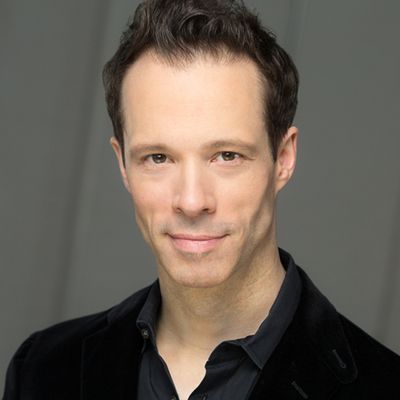
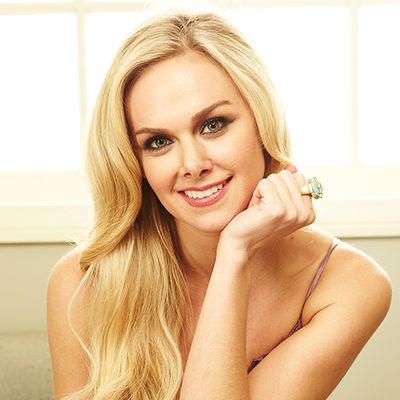
Featured Shows
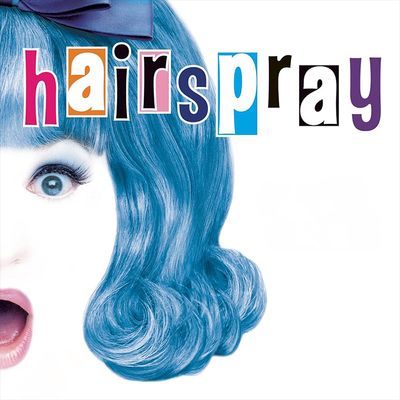
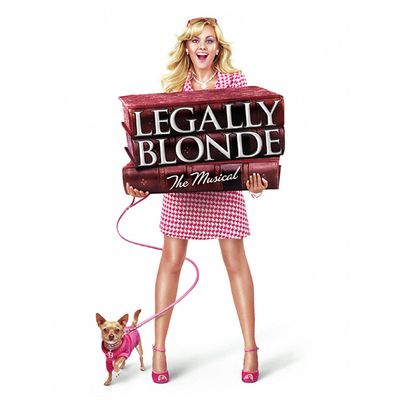

About
Curtain up, Laura Bell Bundy
Connect with Laura Bell Bundy on Instagram: @laurabellbundy
Connect with Take A Bow on Instagram: @takeabowpodcast
Connect with host, Eli Tokash on Instagram: @tokash_eli
Produced by the Broadway Podcast Network
Edited by Jessica Lauren (@jessicalaurenradio)
Transcript
This transcript was automatically generated and might contain errors.
[0:00] Eli Tokash: Hello everyone and welcome to episode 123 of Take A Bow. I'm your host Eli Tokash and this week, as always, we have a very exciting guest for all of you. If you didn't see it by now, we have a very exciting guest who is none other than Laura Bell Bundy, who you know, probably, as Elle Woods and her performance in Legally Blonde or The Search for Elle Woods and all of that fun stuff. But we get to know her today as Laura Bell Bundy and we have such an incredible talk about the industry, about being a child actor in the industry, and a lot about, she's very passionate about women's rights and women's history. So we have a large, long conversation about that today because she started her own little thing called Women of Tomorrow.
She has a podcast out, she has like a little brand of social media and all of the things. So we really got into some of that as well and you all are going to love that conversation and love to hear what she has to say about all of that. And she's just literally a ball of joy and energy. And yeah, it's great. It's going to be so fun. You all are seriously going to be so entertained through this episode. I certainly was. And there's still a lot to learn in it. So great stuff. But before we turn it over to that, as always, let's talk about some Broadway news, shall we? I think I'm going to start out this week by talking about some of the shows that I saw, which were very exciting for me. I was able to see a lot of friends this week.
Take About had a very exciting week, to be completely honest with you. We started our week off Monday at an opening night doing red carpet stuff for The Cost of Living, which is very exciting. It's a wonderful show. Pulitzer Prize winning play. It was just fantastic. We talked to the Hadestown director, Rachel Shavkin. We talked to the writer of the show itself. We didn't get to speak to any of the cast members. They weren't doing anything just for COVID reasons and safety and all that thing. But we had so many wonderful guests that we talked to on the carpet. So that'll be an episode that's going to be coming out here soon, probably as a bonus episode, not as like a weekly Thursday episode.
So be sure to follow on social media and all the things to find out when that drops. And then we started Tuesday off at Leopoldstadt, which was fantastic. Great show. The performances were ridiculous. Brandon Uranowitz is a literal treasure, honest to God. He is so brilliant in this role and in this production. It was so exciting to see Anthony Rosenthal on stage giving it his all. This show is crazy. For those of you who don't know, it's about Jewish history and what it was like during the time of Auschwitz and that whole process of the Nazis coming in and raiding homes and kicking the families out of their homes and sending them to the camp. And it was just, it's wild and it's complicated and it's emotional and all the things.
So it's very emotional. And the performances that they have to give eight shows a week is just absolutely on another level, breathtaking and all of the things. So kudos to all of them. Kudos to everyone involved. It opened last week. So I was able to see it when it was fairly new, which is exciting. It was just, I highly recommend. Another show that I saw, I started my Wednesday with the matinee of 1776. Y'all, I did not expect to like the show as much as I did. I don't know why. I figured I would like it, but I didn't think I would love it because the reviews have not been so strong. What I've seen on social media, obviously the opening night is tonight on Thursday, October 6th. So the official New York Times review and all that aren't out.
However, what I've been hearing from other people that saw the show, either out of town or early on in previews, they didn't love it and they thought it needed work and the pacing was off and all of that. But you know what? I was entertained the whole time. It had my attention the whole time. In the beginning, it was kind of like, okay, where is this going? It doesn't really pull you into the story right away, but it's entertaining and then it pulls you into the story. So the way that it's done, it's brilliant. Diane Paulus has literally mastered the craft of reviving shows and reimagining shows. What she did with Pippin was another level, bringing that into a circus and now 1776, having an all-female production in this show of a completely diverse cast, just brilliant, truly brilliant.
And those women up on that stage are fantastic. Every one of them gave a stellar performance and you are literally captivated the entire time. It's interesting that this day and age, it's like you forget that they're playing historic men because they just become it. And it's not hard to imagine women in those type of positions anymore. So you really kind of get lost in their performances and the story that they're telling. It's wonderful. I'm excited. I'm going to host some red carpet stuff at 1776 tomorrow, October 6. Probably when you're listening to this, I will be with the cast and creative team and the red carpet and stuff like that because it's literally from like 2.30 to 9. I'm going to be doing stuff at 1776.
So I'm very excited for it. And yeah, it's going to be great. So we have a lot of 1776 content coming shortly and I'm so excited to bring it all to you. So stay tuned because now that I saw the show, I'm a huge fan of the show. So you're going to be hearing a lot about it if you listen to me on a weekly basis. Okay, moving on, we can move past this. Well, I guess in saying that, I'm going to say happy opening to Cost of Living and 1776, obviously. And then of course, happy first preview to Almost Famous, who had their first preview this week, which I've heard great things about so far. And yeah, very exciting stuff there. And moving on, we have the parade cast announcement. Holy moly. Did y'all see this?
This cast is absolutely ridiculous. I mean, you have the Michaela Diamond, the Ben Platt, you had all that announcement before. But now you have Jay Armstrong Johnson, who's a Takeabout family member. You have Douglas Leone, who's a Takeabout family member. We have John Dossett, who is in Pippin with me, and just a Broadway legend. We have Eddie Cooper, we have Gaten Matarazzo, we have Howard McGillan, all of these wonderful people, all of these incredibly veteran actors. I mean, this is literally like another Into the Woods. City Center is literally becoming a Hollywood Bowl type thing. So cannot wait to see the show. I already have tickets. When I heard Ben Platt was going to be in it, I was like, I'm going to see it.
And now that Jay Armstrong Johnson, who's a good friend of mine, and then Gaten Matarazzo, Douglas Leone, and all of these wonderful people that are going to be in it now, I'm just even more excited. And this is just going to be amazing. I mean, I saw that cast announcement and absolutely flipped out because I was like, oh my god, this is literally everything. So there's that. Go check out the full cast announcement if you haven't already. I promise you, you will know more than like half of the cast that is in it, and you will have seen them in something. And yeah, it's going to be great. So I can't wait to see that. Moving on to another hot topic this week, Andrew Lloyd Webber's Bad Cinderella announcement.
Oh my god, and not Bad Cinderella as in like a bad Cinderella announcement. No, they've rebranded their show, Andrew Lloyd Webber's Cinderella. They've now are calling it Bad Cinderella. Interesting move here. Obviously, like changing the name of the show that you already did out of town, you know, doing what you got to do there. Obviously, they're still working on it and all the things, but they announced it in a really cool way that the star of the show who will be playing Bad Cinderella, her name is Linady Hano. And she spray painted the new title herself. So she like spray painted the board bad right in front of it. And now that's like their logo. It's really cool. And then like Cinderella's dress is like the A. It's really cute.
I thought it was really cute. And Linady is going to be fantastic in this role. She was in On Your Feet and she was in Dear Evan Hansen and all the things. And she's actually currently revisiting On Your Feet right now over at Paper Mill Playhouse. So very cool. They announced that February 17th of 2023, obviously, will be their first preview. And then opening night will be on March 23rd. And it will be at the Imperial Theater, not at the Majestic like some people speculated. But yeah, it was a great announcement. And it's a hot conversation right now, just with everything that went on over overseas, I guess I could say, with the production of Cinderella. And maybe that is why they like rebranded a bit just to like kind of move past and kind of separate the bad rap they kind of got.
I don't know how to say that in a nice way. But yeah, over overseas just because the financial issues and in the way that they handled the closing and all of that stuff. So it's so exciting to see a Latina performer playing Cinderella. Hopefully we can get her on the show to talk about it and her career. She's going to be so good. And I'm so excited for it. So that's all the news I have for you folks this week. And without further ado, I think we should just turn it over to the episode itself with the wonderful Laura Bell Bundy. Laura Bell Bundy, curtain up. This week's guest can do it all. She is an actress, a recording artist, songwriter, director, producer and so much more. She's been nominated for awards such as Tony Award, Drama Desk Award and Outer Critics Award.
You may know her as Elle Woods, Linda and many other iconic characters on both the stage and the screen. But today we get to learn about the woman behind them all. Everyone, welcome to Take a Bow, Laura Bell Bundy.
[10:31] Laura Bell Bundy: Hi, guys. Oh my goodness. Hi, Laura. This is so exciting. I can't wait to talk to you about everything. Literally, your career is so cool. You played literally some of the most iconic characters on Broadway, literally. It's amazing. So I'm very excited that you were able to come on here today. The way I usually like to start my episodes is asking people, you know, how they got started in the industry and what inspired them to want to be a performer and tell stories.
[11:01] Laura Bell Bundy: Well, I don't know if I really had a choice in the matter. So I'm from Kentucky. And when you're from Kentucky, it's just sort of a rite of passage to do a pageant, especially if you were born in the 80s. And so when I was five, I did a pageant and I won and I won a new car. And then, you know, because a five year old car is just, you know, the most rational next step. But so I ended up winning this thing. And then a month later, you know, my mom gets this call that the Phil Donahue show, which is this panel show that you're too young to understand. It was like what Oprah did before she did her other talk show before she had her network and the whole thing. And Joe Rivers did one. It was just kind of a thing, right?
People did their panel shows. But Phil Donahue was like the one. And it was always serious things. So he was going to do a whole episode on children's pageants. And they offered this all expense paid trip to New York City. So my mom was like, oh, my God, we got to go to New York. We got to get new clothes. And so we went to New York. We stayed at the Sheraton Hotel on Seventh Avenue. I went to Lindy's and had cheesecake. I did all the things we go in the Phil Donahue show. It ends up it's like a full expose of children's pageants. They invite a child psychologist there. The audience turns on all the parents and is like, I can't believe you're doing this to your daughter, blah, blah, blah. And then I, you know, I end up actually grabbing Phil Donahue's mic and trying to defend myself at five.
I'm like, oh, my God, you know what? I had some cojones as like a little kid. But so anyway, we left. My mom was like, I can't believe we came all the way out here. And so my mom was like, going to shine the turd, if you will. As my father says, we like to take chicken shit and turn it into chicken salad. Oh, yeah. So that my mom waltzes me over to Ford Modeling Agency. And at the time, Eileen Ford was really big. And she had seen this like 60 Minutes special on her and and how she had made Chrissy Brinkley and Brooke Shields and all of these these, you know, big 80s models. And so she waltzes me over there. And she's like, I'm here to see the children's division. And they said, Well, ma'am, you know, you need do you have an appointment?
And she's like, Well, no, but this is Miss Paley Hemisphere. And if you're going to meet her, you're going to need to meet her now because we're leaving tomorrow. And they're like, Okay, so guy calls up. He's like, Yeah, we have a crazy lady at the front desk. Yeah. And, and
[13:38] Laura Bell Bundy: Yeah, the kids cute. Yeah, okay. They let us up. They let us up and they signed me to a five-year contract on the spot. And then my mom goes, well, we don't live here. We live in Kentucky. Well, there's this thing called summer kids and you can come up just for the summer and you can, you know, do modeling and stuff like that. So the idea was that I was going to be there in the summer and I was going to do modeling. So then we walk back to where we're staying near the Times Square area. And my mom is like, well, hey, we'll go see a Broadway show. So she walks into the Palace Theater and she says, I need your best and cheapest ticket. So we got a box seat where I can still smell the metal bar that I was leaning against to try to see the show, which was Starlight Express.
And the funny thing is, it's like literally 22 years later, almost exactly the same time of year, I starred in that same theater in Legally Blonde. Yeah. Isn't that crazy? So what happened is I began to come to New York in the summers as a summer kid and do the modeling and all that. And my mom, because I love that scene Starlight Express so much and I was involved in my children's theater at home in Kentucky and I was taking dance and all the things that do a dance competitions as you do that when we came to New York, it was like, let me just put all of my training on super speed. So she would like go to Broadway Dance Center and harass the teachers to teach me privates. She found out who was the singing coach for all the cosets in Les Mis.
And then I had lessons with them. And I did audition for Les Mis about three times. And about after the second time I went, they basically is like, ma'am, you got to stop dressing your daughter like a drag queen. She's not up for Fontaine. She's not dressed like a prostitute. You've got to dress her like a child, like Cosette. So then I believe she put like eyeshadow on my face for my audition to make me look like I, you know, I had dirt on my face. But anyway, needless to say, I never got Les Mis. But I continued to have this training in the summer. And eventually, I got another agent to do like commercials and acting stuff, because I had been doing this training in the summer. And I had some close like, I was very close to getting Will Rogers follies.
And I was really close to getting to see and I was really close to all these things. And finally, when I was nine, I got Radio City Music Hall's Christmas Spectacular. Yes. And that was my first professional gig in New York. And I think, you know, the interesting thing, like you asked, like, what made you want to do this? And I think there's, you know, as a person who starts as a child, they have to ask themselves at different points in their life, do I still want to do this? And if I do, why am I doing this? And the reasons change. When you're younger, you're doing this because your parent is like, hey, do this, right? And then, and you do what your parents say. But I think, you know, as I look back to the type of child I was, I was very precocious.
And I was a mimic. Like I would watch The Sound of Music. And then I would literally sing the songs exactly like Julie Andrews. Oh, my God, watch Wizard of Oz and do every single character. Absolutely. You know, I am a gay man trapped in the body of JonBenet. So I had it in me. And I think my mom saw that even though she had her own stars in her eyes. I mean, she's literally like Dolly Parton meets Mama Rose. That's my mom. Give you like a mental image. I love that. It makes sense. And so she has like that fierceness of Mama Rose with like Southern charm and the big blonde hair and boobs. So, you know, I think, as I have gotten older, and I've sort of reevaluated every step of the way, like, okay, you know, now I'm a teenager, I'm going to go back to high school, and I'm going to have a normal high school life in, in, in Kentucky, I'm going to run track, I'm gonna play soccer, I'm gonna do the school play, I'm just going to try to be normal.
Now that's a hard thing to do when, you know, your first Gay Pride Parade, was it? Right. Okay. It's a really hard thing to try to jam this sort of, I don't know, what do you say? Just like completely different cultures, New York and Kentucky. Exactly. To try to take this sort of open minded young child and put her back into a closed minded Southern environment, which by the way, I actually, I didn't enjoy the closed mindedness of it all. But I absolutely loved having the normalcy of high school. And that was so important, even to my acting career as things got along further, because I realized, you know, as an actor, if an actor only has experiences of being an actor in their life, they can't play all the characters they have to have normal life experiences.
So I'm grateful for all of that. And then I think, you know, I applied to go to college, I did not go apply to go to school for acting. I applied for sociology and psychology, to go to NYU. And I, and then of course, I dropped out because I ended up auditioning for a soap opera. Oh, my God. So, yeah, so then I think there was another choice happened, right? So here I was at 18, I'm going to go to school, I'm going to go to school for something that isn't acting. And then I get this acting opportunity. And that's when I make this choice between school and my acting career. And then I kept doing it again. Like when I did Hairspray, I went to school during the day. So I was always like, is this still going to be?
Is this what I'm going to be when I grow up? And I think that the answer is yes and no, because I love nothing more than performing live on a stage. That's so fun to me. And there's like, that's a spiritual experience. And it's an addictive experience. I think most performers would agree. There's just nothing like it. And that's why you keep coming back because you're this beautiful exchange of love from the audience. And it's this sort of cyclical thing. And by the end of it, everybody's high. And so you crave that, you know, you crave that drug. And I realized that I did I needed that. And I needed to have a place of self-expression. And I needed to have a place where I play. But I think the way that I play has evolved, you know, and, you know, we do plays because we play we play music because we want to play.
For me, I just realized I never really wanted to grow up. And so that's why I think my career has not just been acting. It's been like, Oh, now I'm going to write music or now I'm going to direct things. Let me see what else I can do inside of this playful artistic career. Because you know, a person gets bored, you want to try new things.
[20:33] Eli Tokash: Exactly. That's so fascinating. It's like, I mean, it's not like similar to mine. But it's like the thought process around it all just like, you know, kind of figuring it all out as you go is just like, and then the industry pulling you back in and all of that, like, so fascinating to hear. And I feel like, I mean, I don't know, it's just a relatable story, I feel. So that's really cool that that's like, how it all kind of really got started. Did you ever like out of curiosity, like, were you ever told in the industry, like, you can't have an accent? Like, did you ever have like a Southern accent? Because I don't hear it right now.
[21:05] Laura Bell Bundy: Yeah, when I was little, I did. I had a Southern accent. And I when we were told, like, she's not going to work, there's no way she's going to book a commercial or do get these parts with a Southern accent. But because I, I'm an auditory learner, and because I'm a mimic, I could mimic other accents. So it was easy for me to lose it, honestly. And singing training helped that. If you hear these videos of me at like four or five, where I'm like, my name is Ardell Bendy, you know. So it's easy for me to slip back into Southern more than any other accent. That's the easy one. I play a lot of Southern characters. They're very, like, inside of me. But then, you know, I lived in New York from the time I was nine to 14. So by the end of that, I started to have an accent like this, you know.
[21:59] Eli Tokash: It's crazy.
[22:00] Laura Bell Bundy: Wherever I go, I tend to like, I'm one of those people who like show up in like, England and days later, be speaking with a British accent, not be able to stop. Um, fortunately, it wasn't that hard to, to adjust. But, but I did have to make the adjustment. Yes.
[22:18] Eli Tokash: That's fascinating. Because literally, I was thinking like, while you're doing like your mom and everything, I was like, she literally doesn't sound like she's from Kentucky. Like it just doesn't just sound that way. It's so cool. Anyways, we'll move on. That's fascinating. And your journey here and through the career is pretty phenomenal. Honestly, it's just a crazy experience with like, I don't know, just like doing it for since you were a little kid. And then like, having that opportunity to reflect on yourself and be like, Okay, is this what I want to do? What was that like? Because was that kind of like your first decision of like, whether or not I can decide what I want to do?
[23:01] Laura Bell Bundy: Yeah, I think, well, you know, again, I think every step of the way and as I grew, grew up, and I could say to my mom, like, I'm not really interested in doing that. I want to go to high school now. You know, I want to take a break. And she kind of thought that was a good idea, too. And what did normalcy for me, you know, to put things in perspective when I did Ruthless, 10 and 11. Britney Spears was my understudy. Oh, my God. Yeah. And, and then after her, Natalie Portman. Now, these are two people that in, you know, during high school, they were becoming superstars. So there's great things about that. And there's really damaging things about that, as we can now see. And so I think my mom had the wherewithal at that time to go, I think she needs to have a normal childhood.
I think she needs to not make mistakes in public. I think we need to pull back a little and have family and focus on schoolwork and all of that. Because again, you know, we didn't know my mom and I didn't know that I would grow up to be an actress, I was just an actress now. And so, you know, having those four years of going to high school, and I was kind of like, dip my toe, I would do a pilot here, I would do an episode of this, or I would do a play or whatever. And I would, I would pop out and do things like in the summer. But then that decision to go to college in New York was an interesting one, because I knew that that is where I had been working as an actress. And I knew New York so well.
And I had done a play right around the corner from NYU. And so there was like, it was almost like going to school at my second home. And I had agents already. So they were like, oh, you're here. Fantastic. You're back. So we'll send you out the summer before I started college. And then I ended up getting this job. And I was excited about it. And I wanted it. And I think to know that, like, okay, what do I feel inside of my body, my body is telling me and all my emotions are telling me this is a hell yes. And, and I was, you know, honestly, I was kind of burned out from school a little bit. I think a lot of people are like, we start kids at three years old. And then we're like, hey, you got to be here for like 25 years.
You know, it was like, oh my god, I'm just tired of listening to people yell at me and tell me what I need to know. Why don't I go out and experience and learn from my experience. And then I really became a student, you know, of life and a student of acting. And again, yeah, my educational process through about acting is very different than a lot of people's as well, because I didn't graduate a school for acting. Even though I teach at colleges now. But it was more like learn by trial and error. You know, let's get on stage and see if this joke works tonight. Nope, didn't work tonight. Let's try it a different way tomorrow. Now works. Now I learned something. Let me store that in my brain. Now I know this type of delivery for this type of line and this kind of rhythm.
This is what's going to work in the future. So that was how my process was or let me watch these other amazing actors that I have the privilege of working next to that are Tony nominated or Tony winners while I'm 12 years old. And let me just take every tool they have and put it in my own toolbox. So it was a very different thing. But again, it was a decision. And it was a decision based on feeling. And maybe in my mind, what was the smartest thing to do was, you know, to go to school for psychology and pursue that. But in my body, I was an idiot. And so I needed I needed an outlet for that type of self-expression. And that was acting and music, you know?
[26:47] Eli Tokash: Wow. Yeah, for sure. And then soon after, I mean, you mentioned you you were doing your Broadway debut Hairspray while you were doing school. So what was that experience like, did you go back to school? What was what was developed? I had begun developing Hairspray when I was 19. I did the very first reading of Hairspray when we only had one act. And we were in this like weird rehearsal studio on Second Avenue above a church. And I think there were like holes in the floorboards. It was it was crazy. But when we
[27:17] Laura Bell Bundy: Harvey was there, Marissa was there, Dick LaTessa was there, Jen Gambatese, Katie Leonard, James Carpinello was our link, I mean, and Linda Hart. So many of our original cast members were at that. And so that, and I was doing the soap opera at the time, but just happened to have the week off to be able to do the reading. And then I did three, two other readings. There were three, one I couldn't do because of my soap opera schedule. And then I left the soap and did the last reading of Hairspray. And then from there, you know, it went. So I definitely, I was, I had done rehearsals, we had opened Hairspray, we had been going for, we had opened in the summer. So the second semester of that year, so after about six months after we were opened, I decided, you know what, I'm going to go to school during the day.
Because in my mind, I was just 21. So in my mind, my dad was still there, like a woman who needs an education. My father, you know, had three daughters and raised them all like men. And that we had to be, you know, financially independent. And we had to be, you know, thinking for ourselves, and we had to be educated. And we had, you know, that was, that was a thing.
[28:45] Yes, I get that, that Southern mentality.
[28:52] Laura Bell Bundy: Yes, I don't think that is a Southern mentality. Most know, at that time, you know, my, my, my mother was, she's born in 54. And she graduated college in 72. And she had a younger brother, she was not encouraged to go to college, but her younger brother was. So that, but for my father to be the type of father, and I was the youngest to be like, but have you graduated college yet? You know, that was what I believe that he really wanted was for me to be educated and wise. And I actually think he was going against the grain for a lot of men in the South.
[29:22] Oh, okay. Interesting. That's I mean, hopefully times have changed. Because like, I don't know, I guess I have changed now. Women graduate college than men. Although now with things, you know, with Roe v. Wade being overturned, I'm not sure that's going to be the case. But we have definitely evolved. There were times when women were not even allowed to go to certain universities. It was expected for women to, you know, to take secretarial positions and do sort of associate training versus actually four years of college to become an expert at something. So we you will see the numbers really going up from the time that women were able to take birth control, but that single women weren't able to take birth control legally until about 72 or 73.
And that is also when Roe v. Wade was enacted. So that meant that women had control over how they could, you know, plan their family or not have a kid or whatever. So that meant more women were going to college and finishing college and entering the workforce in the 80s.
[30:34] And there was a, you know, if you look back at pop culture and the type of movies that were coming out in the 80s, a lot were women entering the workforce, you have nine to five, right, you have the baby boomer, you have a Diane Keaton movie about working and having a kid and, you know, all of that becoming this thing. And then and then we have normalized women in the workplace since. But that was like the big change, you know, historically. And that's why this decision with Roe v. Wade is so much more impactful than you may realize. Because as a result of us having sort of this bodily autonomy and freedom, that's why women have been able to be valued for what they have to offer mentally in our society.
You know, what are the businesses that women have started since then? What are the doctors that have been educated since then that are women that are coming up with cures for cancer? You know, when we look at women as just being incubators to have children versus valuing them for what else they can offer society, then we actually lose as a society. So we have a lot, a lot more at risk than people actually realize. As a society, people so concerned about losing money, honey, you're gonna lose money if you take women out of the workforce.
[32:00] Oh, preach. No, it's true. And I do realize.
[32:04] Laura Bell Bundy: No, no. Let's talk about it. Because this is something I know that you're very passionate about. Because you started a whole you started an album and a podcast surrounding it called Women of Tomorrow. So talk to me about Women of Tomorrow and kind of how this really all comes together. And just like how you got so passionate about this to make this art from it.
[32:19] You know, I gotta tell you, I think I just woke up one day and I hit my head on the glass ceiling. I think that, you know, also seeing the fact that, you know, in the 2016 election, sort of seeing how Hillary Clinton was vilified, even though she was qualified, and how this person who wasn't qualified won. And, you know, and you go like, and he and he also like talked about it, you know, his sexual assaulting women and grabbing them by the hoo-ha. And, and so I, I'm kind of I was like, wait, my brain hurts. I can't figure out how this happened. Wait, do we still live in a society that is so sexist? And have we elected someone who thinks that this type of sexual assault is commonplace? And this is very concerning. And so as someone who is not a women's history historian, really, like, thought that we had equality, I was I, I, it was like a record scratch in my life.
[33:22] And I decided I was like a lot of women. I mean, this is when the you know, we had the largest women's march that we've had since give this the 70s and women coming together shortly after we had the Me Too movement and Time's Up. That was the wave. That was the wave that women got on was that election to realize, oh, wow, these freedoms that we enjoy today. These were hard fought. These can be easily lost. We got to come together as sisters. We got to shine a light on this because we thought it was over, but it isn't over. We actually still do not have that equality yet. And we and what equality we do have, we got to protect. So I was one of those women, you know, nothing unusual. And I, of course, went to the women's march.
But then I thought, you know, we can march, but you ain't heard nothing till you hear us sing, we're going to literally raise our voices. So I did this concert called double standards, because the double standard is what became was so glaring to me. And so Broadway stars came together to sing a duet on a jazz standard. You know, I love puns. You can just call me Laura Bell Pundy. That is what I love a bun. So we did the double standards concert at the town hall in the city. And, and we had like Sarah Bareilles and Rosie O'Donnell and Anna Gasteyer and Eden Espinosa and Lena Hall and all these Denae Benton. And it was just an Ingrid Michaelson, it was this amazing, incredible group of women who came together to sing. And we raised over $100,000 for ACLU Planned Parenthood and National Breast Cancer Coalition. But the whole point was we can march, but we're singing. And we're literally raising our voices.
[35:16] Laura Bell Bundy: And in that moment, I, I, I produced and directed the show, not actually something I had done before, I'll be honest. Um, at that time, right. And then so I was writing with Kate Weatherhead. I don't know if you do know Kate Weatherhead. She's, she's an actor. She was in Legally Blonde with me. And now she's writing the book for Devil Wears Prada. Oh, very cool. But she was right. And she, she writes the show. The people are auditioning submissions only.
[35:45] Oh, my God. I love that show. Okay, so yeah, submissions only. So she wrote that. So we were buddies. And I knew we both kind of cared about, you know, female equality. So she wrote the intros with me. And we were starting to insert facts about women. And one of the facts was women were not able to open a credit card or tank out a bank loan without the permission of their husband or father until 1972. Or was it 73? One of them, right. So I was like, what? That's not that far off. Yeah. And then I was like, wait, what birth control in any form wasn't legal until the 70s for single women? What? So then I started really, I started realizing how much I didn't know about my own history as a woman.
And I started realizing how every little freedom that I'm enjoying was like fought for hard by women who kind of lost it all to make those freedoms happen for me. And I was taking them for granted. And I thought, well, I'm a pretty educated person. I'm pretty well read and thoughtful. How is it that I don't know these things? Or I'm not taught these things? Well, first of all, we don't teach women's history like it needs to be taught in school, right? We we teach everybody about Cleopatra and we sexualize her and we talk about, you know, suffragist movement, but we don't actually really teach it how it properly was that it came on the heels of the abolitionist movement with black women really leading the charge because they had been advocating for their own rights.
[37:25] And then they didn't end up getting the vote. Right. Like, you know, it took it took another 45 years. So these are the things that we don't that we sort of have brushed under the rug. And if you look at the totality of women's existence in our country, not in the not in the world, because we've, you know, existence has been billions of years, but right. But in the last couple of thousand years, women were essentially indentured servants, and providing services to humanity and and their bodies were their currency.
[38:12] And so we we have to kind of never forget that. Right. And so I just thought, wow, people don't know a lot. So I I feel like I'm getting a whole history lesson right now.
[38:25] Laura Bell Bundy: So I'm so but again, I'm not a historian. I just started doing the work and I started doing the research and I decided, you know, let me see if there's any women's history documentaries, I couldn't find anything that and like you go to the History Channel, and it's all like ancient aliens. Okay, you're covering women, but you're covering something that may not actually exist, aliens, and that is your priority. Like, what? And when you and when you talk about Cleopatra, which, by the way, is the one that I always talk about it, you sexualize her in a way that makes her salacious and interesting to watch. And the truth is, she was kind of homely. But of course, they leave that out. So, um, so I decided I was going to create a women's history show.
And how do I create a women's history show? Well, it's a musical. It's a sketch comedy variety show. And so I sold this show to Freeform Network. And then, and of course, we wrote it and the whole thing and didn't end up going. But that was the beginning of it. And then I ended up doing the album women of tomorrow where every song addresses a different issue women are facing today, but it is done like an MGM movie musical. So it seems like fun and exciting and beautiful and like, you know, I'm singing in the rain, but we're putting in these subversive, subversive and modern messages about women. And so that's the album women of tomorrow. And from there, I do. I do the podcast on Broadway Podcast Network, where women of tomorrow where we delve deeper into those issues that are on the songs and we invite a guest in to, you know, speak to how we can move forward.
And we delve into the history of of all of the issues. And then I started a foundation called women of tomorrow. And so we're dedicated to changing the social consciousness around women's worth through art, education and community. And we help women activate their activism. And we're working on starting a community where we help women not only do that, but activate what is called innervism, which is the mind, body and spirit of activism. So believing that you are worthy of the quality, the equality that you're seeking, and how do you do this? Well, you strengthen weak areas in your life, right? Because those will add to the worthiness, you know, strengthening weak areas like your outlook, you know, with women, we struggle with an inferiority complex, because society is constantly throwing that in our face that we're inferior.
[40:56] Laura Bell Bundy: And so we struggle with that in regards to our own worthiness and our own value and when women believe that or they stop believing that that is real and that that exists, then that internal work helps the external world work. It's like healing yourself before you heal the world kind of idea. So that's what we're working towards. So if anybody wants to know anything about women's history, about the issues that women are facing today, or is interested in getting involved with Women of Tomorrow, we obviously have our podcast, but we're on Instagram and we're on TikTok, and I'm kind of an insane person on TikTok with the history videos, okay? And we just started it a few weeks ago, the TikTok. Tell them the username.
[41:44] Eli Tokash: Yeah, it's @womenoftomorrow, but we spell it with an X. So it's W O M X N of Tomorrow because it's anybody who identifies as a woman because we are inclusive when it comes to female equality. And I also believe in general, you know, when we talk about gender roles, you know, as a society we can become trapped by the gender roles like this idea that a man must be a certain way and, you know, must be a provider and must be strong and cannot cry and must not express emotionally and all these different things. And a woman must be demure and quiet and sweet and take a subservient role, must do the housework and all these sort of ideas imprison us and they actually keep us from being who we authentically are and who we are meant to be. So when we empower women to be all they can be, we actually end up empowering men to do the same and we end up being a more free society who can communicate with each other properly.
[42:54] Laura Bell Bundy: I mean, I just witnessed like problems in people's relationships because of the masculine-feminine sort of struggle that's going on and men's inability to speak vulnerably that that's going to show some sort of weakness. And when we can kind of like alleviate those ideas, we're gonna have much stronger relationships, much more alive experiences in life. We're gonna be able to live right, you know, instead of just walking into essentially a scripted role.
[43:29] Eli Tokash: Wow, this conversation literally, you're an inspiration. Truly, like I feel like I listen to your podcasts all the time. I love them and then I love the F course. I've listened to the album too. So like literally I feel like not only will you be entertained, but at the same time you'll be learning and you'll be educating yourself. Like you'll be doing something good for yourself and society through you and like the fact that you've given society that like is so, it's so like well appreciated and like I wish that like I had the words to describe it. Just what you're doing is just so good and I thank you on behalf of like everyone who listens to it and appreciates it, like thank you for giving us that space, you know, to really learn and because you said we're not gonna progress if we don't educate ourselves, you know, like it just repeats, history repeats itself, right?
And so like without things like this and outlets and platforms like this, like you are giving us that space to learn and you're not doing it through like an old white man history teacher, which is so lovely.
[44:38] Laura Bell Bundy: So, yeah, we have absolutely, you know, in a wake up when I think about history books and stuff I read, they were all whitewashed and they were like man-walked, like, you know, oh my god. Learned through this research is history is written by those who won history, right?
[45:02] Eli Tokash: Right, so much more because not many people want it, you know? I mean, let's actually talk about that whole side of it that's missing. And let's also talk about why we're here in the first place. Are we really here to dominate and conquer and be powerful?
[45:19] Laura Bell Bundy: Yeah, are we here to evolve, right, and live? So yeah, I can't agree with you more here. And you said that you have the foundation and everything, like why don't you just drop everything, like tell me how you can find everything because people are gonna want to follow up on this and just follow the journey of Women of Tomorrow.
[45:40] Laura Bell Bundy: So, Women of Tomorrow dot org, same way we spell it, W O M X N of Tomorrow dot org is our website. It's our the same on Instagram, the same on TikTok, but if you follow me at Laura Bell Bundy, I have a bio on Instagram or, you know, whatever, and I'm reposting things all the time. We use our Instagram to educate, to give information about issues, about how you can take action or just, you know, general education things about women's issues and women's history. We use the TikTok as sort of what I call infotainment or hysterical history. We try to make light and have fun with women's history, giving you the facts in an entertaining way.
[46:39] Laura Bell Bundy: And you know, that's what I really think and really the true initiation of Women of Tomorrow, besides me just sort of, I honestly think I literally woke up one day and was like, this is all I care about. This is my mission. And so, but what I've realized is that the first half of my life was dedicated to learning how to entertain. It was dedicated to learning how to make people laugh and how to make them listen. And then, you know what? The wrong way to make people listen is to yell at them and shame them.
[47:18] Eli Tokash: Thanks.
[47:18] Laura Bell Bundy: Oh my god, the wrong way. The right way is through empathy. And how do we do that as artists? We use music and we use humor and we use comedy. And so our, you know, through our music and while some of it might be a little preachy, I gotta say, through our music, through comedy sketches, through this kind of thing, by creating this entertainment that you're also still learning, that's what we, you know, though art is a heart opener, right? And until you open the heart, you cannot change the mind.
[47:56] Eli Tokash: And so, that's what I would say to anybody out there who is trying to accomplish change is that you have to figure out the way that you can be listened to, you know? And that is through opening the heart, through empathy and through understanding and through music and through comedy and this universal language that we all speak. So that's sort of really where Women of Tomorrow lies is in the root of your, the message, but also getting to the message in an artistic way.
[48:28] Laura Bell Bundy: And you know, if you look at all art, right, if you look at Broadway overall, right, when you go, there are messages in there for you. This is the author's version of activism. Oh my gosh, let's talk about Hairspray. Hairspray was activism on stage. You walked away and you're singing "You Can't Stop the Beat," but really that's telling you you will not be able to stop progress, period, don't even try.
[48:54] Eli Tokash: Mm-hmm.
[48:57] Laura Bell Bundy: That's what it's saying, you know? It's uniting us no matter what color we are, no matter the shape of our bodies. But that six-year-old didn't know that they were singing and dancing, and those kids from North Carolina and that family who came to see that show, who grew up with our all-around systemic racism that they did not realize, goes and sees this show, show of all time, it is going to sink in over time. But you look at all of these shows that we have and plays that we have, and Broadway is, you know, at the edge and the foot pushing progress forward because artists are connected to storytelling and storytelling involves understanding all perspectives. And having an actor's job is to be empathetic. That's their whole job, yeah, is to internalize the feelings of another.
[50:06] Laura Bell Bundy: And so I think as artists we do have a gift, but we also have a responsibility to make progress, you know? So, you know, Nina Simone said an artist's duty is to reflect the times. I'm basically saying the same.
[50:17] Eli Tokash: Yeah, no for sure, you're a hundred percent right, truly. Um, well for time's sake I need to talk to you about Legally Blonde.
[50:25] Laura Bell Bundy: Okay.
[50:26] Eli Tokash: Before we, before I let you go, this show, your performance in this show was just absolutely incredible, seriously. And I never get to see it live, but I'm so glad that you guys like filmed a movie and like a pro shot of it. Um, how did, like what was that like filming a pro shot of like a musical? Did you have to like change anything for the cameras so that like you could kind of like fit it in, I guess? Like what was just the whole journey of Legally Blonde? Talk to me about it.
[50:46] Laura Bell Bundy: Well, it's interesting, you know, we had obviously been doing the show for, you know, a couple of months before this opportunity to film it for MTV happened and it wasn't like how are we gonna do this? So they brought in a director who is an expert at sort of like live shows like, you know, awards shows and things like that. So the same way like the Tonys get shot and, you know, when the Tonys especially were at the Beacon Theatre and a little bit smaller. So you basically have the cameras and a multi-camera situation going on out in the audience. But we did an additional show with no audience there before the show got there, like the day before or the day of the pro shot, I don't remember which, but nobody was there and the cameras were on stage.
[51:46] Laura Bell Bundy: Wow.
[51:47] Laura Bell Bundy: So we kind of had to be aware of the fact we kind of had to scrunch, you know, those people that were on like 12 had to go to bed, you know, we had to kind of scrunch in and then they had like, we stopped at one moment and I remember the camera coming towards me during "Positive," following me, so they got all these cool additional angles during that time with no audience. And then they also had audio as well because now here's the thing, when they did that pro shot, first of all, everybody that came to that was in the audience for free.
[52:24] Eli Tokash: Oh wow.
[52:24] Laura Bell Bundy: Okay, so they MTV had said, hey, come get free tickets of the pro shot. These people were crazy. They were pink and screaming like this was the Beatles or something. Oh my god, we couldn't hear the orchestra. They were so loud. The end of so much better. Somebody actually posted this, I totally flat on the live because I could not hear myself or the orchestra. It was what, so the other good thing about shooting it during the day is that you had all that audio without any laughter or clapping or screaming or whatever, and you could actually mix and balance because if we had just shot it and aired it, you want to be able to hear us. The people were insane. It was a crazy, it was one of the craziest shows we ever did. People were crazy.
[53:14] Laura Bell Bundy: Yeah, and the other thing that happens is when actors are experiencing an audience that is going that nuts for them, they start pulling tricks out and milking the cow, if you know what I mean, for the jokes, and then they become aware of themselves. And so there was a lot of that crazy choices going on too. And so I think because we have filmed it without an audience there, we could have kind of both takes of like the crazy insane performance where the audience is like literally putting us on lithium and the one that is a little bit more grounded and, you know, we can, we kind of see really what happens there. There's like a little, I did have one of my best friends out in the audience and one, there's an inside joke and I'm not gonna tell you what it is.
[54:04] Eli Tokash: Okay, it's kind of dirty.
[54:12] Laura Bell Bundy: But it made it, made the recording. I did something.
[54:16] Eli Tokash: No way.
[54:17] Laura Bell Bundy: I made like a noise and I did something for my friend in the audience and you just hear him in the silence go...
[54:35] Laura Bell Bundy: Anyway, inside joke. But, um, but yeah, so it was fun, you know, and it's a crazy thing. And it was actually, you know, besides, I don't know if you ever saw like a PBS version of Peter Pan with Sandy Duncan. I always watched Pinocchio or any of these things, Wedge of the Woods on PBS. I always watched these growing up. Um, but the first modern day version of that was Legally Blonde. And this modern day version of like a live taping of a musical was, was our show way before it's time. And, um, and I have to say, you know, most actors of Broadway shows are not, you know, they don't go on to be recognized forever for their work. Um, because it's, it's actually not taped and immortalized forever. But I have eight year olds that come up to me and they're like, Oh my God, I'm obsessed with you. And I'm like, you were not alive. I'm not sure your parents were, but you know, so it's, it's a, it's a crazy, crazy thing, by the way. I'm not that old. I'm making a joke.
[54:47] Eli Tokash: You're 20.
[54:48] Laura Bell Bundy: Yeah. I'm 27 forever.
[54:50] Eli Tokash: Yes. Oh my God. That's so good. But no, seriously, I, I wish more shows did that because like, if I wouldn't, I would have never gotten the chance to see Legally Blonde, you know, like if, if it wasn't for that MTV, like taping of it. Um, I wish that, you know, there's so, there's so much Broadway history that I wish I was able to experience that I never was able to, because I wasn't around or wasn't in New York at the time. Like, you know, it's crazy. Um, but one more question, like you, I mean, the show is just a massive hit and you, your performance in the show was ridiculous and it earned you all of these nominations for like awards and you were doing all kinds of press and you like life was crazy.
I like, I can't imagine what life was like for you during that run. Like how were you able to just like, you know, stay like fresh enough to do the show eight times a week and be able to balance your little regular life. And then like just doing all of the award shows and all the things like, how did you balance it?
[56:53] Laura Bell Bundy: You know, it's interesting, you know, as actors, we don't work a nine to five. Yeah. Our balance is different than the average person's balance. And what I've noticed for me is that there are times of intensity and there's times of rest. And in the years I developed Legally Blonde, I would have a really intense week or a couple of weeks developing the show and then I'd have rest. And then, uh, and in doing the show, trying to get to balance was, was never a goal. I'm trying to get to perfection was, and if you want perfection in life, you got to work your effing ass off for it and you got to expect that the rest is not going to be a part of the equation. So I just gave up balance. Yeah. My relationships went to shit and, but I did this show every day and I, you know, and I worked my butt off.
What I, what I look back and realize is I could have taken rest more inside of those days. I could have said no a little bit more, but I was young and I had a lot of pressure on me and I didn't know what was going to burn me out. I'm one type of performer too that goes really hard. Like I, you know, I'll give like 150% and go through the wall and then look back and realize I got bloody. And I didn't know that while I was going through the wall. And, and, um, so I definitely have learned a lot in retrospect from that experience. Um, what I had to do was in the beginning it was easy because you're fresh, right? You're fresh off rest, right? So your body, but when your body is doing the same things over and over again and your voice is hitting these notes in the same way every night, it's essentially like overworking a muscle, right?
You have to give it rest. And so I had, I realized, Oh, okay. Yeah. Now I can't go out with my friends after the show and I can't go to dinner before the show and I'm going to have to be completely quiet during a five show weekend and I'm only going to be able to, so you really start to address the way. So for me, I was, I felt like my job, my responsibility was to show up to do this show to the best of my ability every night and everything else suffered as a result. My social life, my relationships, the other parts of my career, my music or whatever. Um, to, because to do that show every night. So that meant, you know, I had to have a lot of things, maintenance that I was doing every day, a couple of acupuncture appointments a week, um, massage, vocal lessons, not speaking, um, until 5 PM, you know, on certain days and, and that was my focus.
But I never didn't love doing show. I loved it and I loved the character and I loved my cast and we had so much fun together and to be able to play such a character who goes on such an emotional rollercoaster is so juicy. You can do it for a long time. And I'm not the type of actor who, you know, what you see on opening night is what you see on closing night. I will try new line readings every night. I will try to find new jokes and the whole idea is how can I be the most connected to this character? How can I live as this character and feel connected to this character for the entire show and how can I hit every note perfectly and how can I hit every dance move perfectly and how can I get a laugh on all of these jokes?
Like that challenge of the perfect show kind of brought me there every day, that challenge and also having this cast that I love and we were having so much fun together that I didn't want to miss that. Right. You know, I mean we, Oh my God, we were crazy, but I loved you guys. This TikTok you made at the reunion. That is us and Natalie Joy Johnson jumping into that water and literally peed a little. I'm not joking you. It's easy to do after you had a kid too, like you laugh and pee, but that has been her from the beginning and that is all, you know, and Paul Kanan who wasn't doing the craziness, he was kind of, you know, that's him too. We had a lot of like spazzes in the show doing crazy things.
So when I say like I wasn't delivering lines same way every night, neither were these guys. So when that happens, it makes you listen on stage. It makes you awake. The show is alive. The audience is listening too. And um, Oh my God. And Andy Carl is an idiot. I mean we're all such idiots and we were just, we got to be idiots together on stage. And this was the one thing I will say about the actors of Lately Blonde. They're character actors. Okay. And character actors are always looking for the joke and that means they're fearless. And then you just, the element of surprise was always there at like, Oh my, Oh, Oh my God. So good.
[1:02:01] Eli Tokash: Here's my energy. Um, we just had our reunion too. And I, I honestly felt like I had to come down for it from it. I was so high because I, I just love these people and the experience and their wackiness and people, you know, I love show people.
[1:02:17] Laura Bell Bundy: I know it's so like show people, like no people I know.
[1:02:21] Eli Tokash: Exactly. Like they become your friends and family. Truly.
[1:02:25] Laura Bell Bundy: Like it's like no one else exists except like the people that you're working on a show.
[1:02:30] Eli Tokash: I'll tell you everyone else is boring. I've been around show people.
[1:02:33] Laura Bell Bundy: So true. I know. It's so funny because literally you put like, this is why like I wanted to like do like a podcast or something because like the conversations that are had between show people are literally second to none. Like they are some of the best conversations ever.
[1:02:47] Eli Tokash: They are some of the funniest conversations you'll ever hear in your life.
[1:02:50] Laura Bell Bundy: So I was like, this, this needs to happen. And I, it's just, it's so good. And I saw like, cause I was in Neverland with Matthew. And so that's where I was like, Oh my God, the whole Hairspray reunion. It was so like, it looked so fun. And I love that you've just been having all kinds of reunions because it's so true. The community is just so special and so tight. Yeah. And yeah, it's, it's, I love the people in this industry. Some of them, some of them, the performers of the industry are great. Okay, well I'm going to let you go because this we've gone on long enough, but this has been such a treat. Your story is so fascinating and I loved hearing everything about your journey through the industry and Women of Tomorrow is so cool. So everyone go check that out. And yeah, I just can't thank you enough for giving me your time and willingness to chat with me.
[1:03:44] Laura Bell Bundy: Well, thank you, Eli. Thanks for having me on here. You know, I'm a performer. I really love to talk about myself.
[1:03:51] Eli Tokash: I mean, who doesn't, right? As you should. You have so much to talk about and so, and so many people want to hear from you. So thank you for giving me your platform for like an hour.
[1:04:02] Laura Bell Bundy: Yeah. Now I'm going to go back to, um, you know, my dog vomited on the kitchen floor right before this. I think my husband picked it up, but you know, you know, we, we are living in the land of like, you know, mommy, I have to poop and vomiting on it. So I'm going to go back to that real life, but thank you for allowing me the escape for the moment.
[1:04:22] Eli Tokash: Oh my God. I'm honored. And it's, uh, it's been fun. Thank you so much. Take a bow Laura Bell Bundy. It was so great to talk to her. It was interesting to, you know, kind of get a little bit of a background on her. I totally did not realize that she was from the South, but it was very cool. And just the way that she started in this industry, it's not the typical, Oh, I went to see my first Broadway show and fell in love. Like she started as like a pageant girl. Um, because that's just what you did. And, um, it was cool. It was, uh, it was a good conversation. It was fun to talk to her and just to, to see everything that she's been doing now, uh, with women's rights and women's history and women of tomorrow is just so fascinating and so lovely to see across my social media and to listen to her podcasts and all the things, uh, she talks, she has some incredible conversations really.
Um, and it's conversations that you don't hear too often. So I highly recommend either searching those up, giving them a listen, whatever it may be there. That's also part of the Broadway podcast network family. So we're lucky to be in the same circle. And then of course, the conversation surrounding Legally Blonde was just fascinating. You know, how she had to, you know, take care of herself on a weekly basis and the way that it all worked with the MTV stuff that was going on. It was like a new thing for Broadway and how the filming of that all happened. It was just, it was really cool. And I really enjoyed the conversation and thought it was really interesting. And hopefully you all did too.
Hopefully I'll learn something and hopefully you will all will come back next week because that's all I have for this week's episode. So thank you for listening to this week's episode and stay tuned and follow us on social media at Take About Podcast, subscribe to us on YouTube at Take About Podcast, search and take about podcasts on the YouTube. And we have exciting content coming out. That's not like your typical podcast type thing. It's more content with new shows that are coming out and opening night stuff. We are having a lot coming out soon and obviously I will keep you all posted for those of you who just listened to the podcast and I'll let you know when all of that comes out. But the best way to really follow us and to be the first to find out about it is through our social media because the second it drops is usually when we post.
So thank you again for listening to this week and I hope to see you all next week because we have a very exciting guest with one of Broadway's top producers. So with that being said, I hope to see you all next week. Bye everyone. Have a great week.
[1:06:55] Eli Tokash: For this episode's curtain call, I would like to recognize a few people who also deserve to take about this podcast would not be possible without the help of Dory Berenstein, Alan Seals, Kimberly Garris, and the team at the Broadway Podcast Network. Next in line to take about are our fabulous editors, Jessica Warren, who edits the audio of the podcast that you just listened to and Tessie Tokash, who edits the videos and visuals for this podcast. And how about a bow for our executive producer, Chris Griner. And our final bow, our extra special to the patrons, Brian Thompson, Pat McNamara, the listeners of PCC, as well as all of the other patrons for their continued support. If you're interested in becoming a patron, go to patreon.com slash TAB.
If you enjoyed this week's episode, make sure to subscribe on the platform that you are currently listening to this on or go check out our YouTube where you can watch the episode. You can also subscribe, like and comment on there as well. If you're more into the regular social media, I want to follow us. You can do that at Take About podcast across all social media platforms. The music of this podcast was made by Nikki Torsha and Cormac Collin on, and the logo was created by Giselle Bustos. And that wraps up this episode's curtain call. Thank you all again for listening to this week's episode. And I can't wait to see you next week. Bye, everyone. Have a great week.
© Broadway Podcast Network, All Rights Reserved