

Take A Bow Thursday is here!!! In this week's episode hosts, Sydney Lucas and Eli Tokash are joined by Beanie Feldstein... Read More
From the show: Take A Bow
Guests
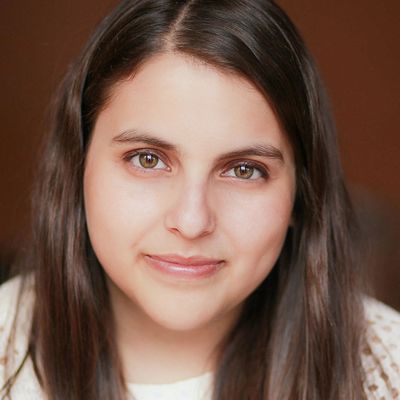
Featured Shows
About
Take A Bow Thursday is here!!! In this week's episode hosts, Sydney Lucas and Eli Tokash are joined by Beanie Feldstein. Beanie talks about her time in Broadway's "Hello, Dolly" , "Lady Bird", "Booksmart", and "How To Build A Girl." She shares her unique stories about her story and how she got into acting, working with her peers, her love for broadway, and working on both broadway and in film.
Social media:
@beaniefeldstein, @sydneylucasnyc, and @tokash_eli
Transcript
This transcript was automatically generated and might contain errors.
[0:00] Eli Tokash: Hey everyone and welcome back to Take A Bow Podcast. This is episode 18. I'm Eli.
[0:05] Sydney Lucas: And I'm Sid. And today we have another very exciting guest. Uh Beanie Feldstein joins the podcast today. We are so excited about this. I remember being so so so giddy before we recorded. And she is just like truly the sweetest person in the Milky Way Galaxy and beyond.
[0:28] Eli Tokash: It's a Milky Way.
[0:29] Sydney Lucas: So my god, your analogies are hilarious.
[0:32] Eli Tokash: Oh, thank you, thank you. No, but she she really is. And she had so much incredible insight. And she told us about her experiences in Lady Bird, the movie, How to Build a Girl, Booksmart, and also Hello Dolly.
[0:48] Sydney Lucas: Yeah, this episode was a ton of fun. She's literally the sweetest person ever. Um we talked for a long time. Uh longer than we were supposed to should have. Um but she's the best, and we lost track of time, and we talked about all things, and like even after we were done recording, we were continued to talk about all things and talked about cats and dogs and all of that fun stuff.
[1:11] Eli Tokash: Um So Beanie, she was uh the perfect guest. I mean, honestly, she she had so many um wonderful conversations and topics and um asked us questions, which was a lot of fun to like answer for her. Um, and so we we had a great time, and it was neat to hear her perspective for on uh not only Broadway, but we also got a lot of TV and film, uh more of that industry in this episode, so we're very excited to share that all with you.
[1:45] Sydney Lucas: And and she also worked with one of our past guests, Taylor Trench.
[1:48] Eli Tokash: Yes.
[1:49] Sydney Lucas: So, yes, of course we talked about him.
[1:51] Eli Tokash: Yeah, we talked a little bit about that, and we also played a new game with her. So stay tuned to the end of the podcast to hear that, because it was so much fun. So silly.
[2:00] Eli Tokash: I know. Okay, well, without further ado, beanie feldstein, curtain up.
[2:32] Sydney Lucas: Our guest today has starred in groundbreaking and award-winning films such as Lady Bird, Booksmart, and most recently, How to Build a Girl. And she made her Broadway debut in 2017 in Hello Dolly. She is the most uplifting, positive, down to earth, and kind hearted role model I can think of. She oozes kindness and love wherever she goes. If you haven't guessed it already, the outstanding beanie feldstein joins us today on our podcast. Welcome, Beanie.
[3:01] beanie feldstein: Oh my god, that was too sweet. I was so excited. I need to leave now. I'm embarrassed. That's so sweet.
[3:11] beanie feldstein: Oh my goodness. No, seriously, you're so Yeah, we're so excited to have you. I actually saw you in 2000 uh in Hello Dolly when you were in it. Um with Taylor, who was a guest of ours.
[3:24] beanie feldstein: My beloved Claire Trench. Yes, I love him. And so ever since then, like I've always been like checking what following up on you and seeing what you're doing. So it's a pleasure for us to talk to you today. Just to touch like I guess we can like start since we're on the topic at Hello Dolly.
[3:42] beanie feldstein: Sure. And so obviously you were doing a lot of TV and film like with Lady Bird, and then you decided to take your talent to the stage. So what what kinda wanted you to go on Broadway?
[3:59] beanie feldstein: Like what It's so funny that you say it because in my head it's the complete opposite which is that I grew up obsessed with musical theater. I'm currently in my childhood bedroom and I could turn it you know my camera around and show you guys the number of like musical theater elements in my childhood bedroom. But I grew up obsessed like obsessed with musicals. Um and I'm sure you both can relate to that. Just this this real sense of belonging that came from and I wasn't like you two I wasn't doing professional theater really. I was mostly doing just like community theater and school theater but I and I went to stage our meter I went to theater for a long time. So I but I just loved musicals and that being on Broadway was like my ultimate dream for my life.
I never thought I would ever be in a movie or on camera or doing anything in that realm. It was so kind of foreign to me and I I love TV and I love movies as a fan, but it just it never I never envisioned myself doing that with my life. It was really like a singular focus on musical theater and then when I started I went to college, I went to Wesleyan University in Connecticut and I didn't major in theater. I majored in sociology which is sort of like the weird lovely right turn that I took with my life. But the whole time I knew I wanted to be an actor. That's what I had always wanted to do. But when I started auditioning, the auditions for theater were just so few and far between compared to the opportunities on camera.
And so I thought, why don't I try? Like I I might not be good at it and I might not enjoy it, but I might as well try because I don't you know there's so many beautiful opportunities and when I was, you know, right about that age is when Netflix was taking off, Hulu was like all of these streaming platforms were starting to take over and there were just so many more auditions than I think there ever had been, but also definitely way more than theater unfortunately. So I just was like why don't I try and see how it goes and then my first opportunity that I got was was on camera and then it sort of went from thing to thing to thing and I the whole time was like one day also hopefully be on Broadway.
Like that was still my my dream and it's really funny because Hello Dolly actually came because of Lady Bird. I'd I had gotten cast in Lady Bird and I I mean I remember knowing it was gonna be special but I don't know if I ever could have imagined just how special it it ended up being when I filmed it and then watching it and Greta's just her vision is is she's just the most special. But in the movie my character a lot of us sing in the movie but my character sings a little bit. She's in her high school musical and she sings and the producers of Lady Bird are the producers of Hello Dolly and they had cast the entire show and they had announced the entire show and I'm a musical theater obsessive and I'm also a Bette Midler obsessive so I remember being like Bette is doing Hello Dolly on Broadway like this is a dream.
Of course and they had announced the whole cast, the whole crew, everyone. And then at the bottom it was like Mini Fay will be announced at a later date. And they just hadn't found anyone. And so when I was singing the week we were doing the all of the musical aspects of Lady Bird, I guess the producers were like, Well, maybe we should have Beanie audition for Hello Dolly and like who knows how it'll go. But I was in LA when we were filming, so I had such a unique audition process. I didn't go in the normal way that you guys both are experts at that you normally do. And so it was really sort of came about in a in a unexpected way. I could never have imagined that that's how I would have come to my Broadway debut, let alone with Bette Midler. But but yeah, it's my heart has all that was such a long answer. But my heart has always belonged to to musical theater.
[7:48] Sydney Lucas: That's awesome. I love how all the stars just aligned for you and how like they literally announced podcast and then like they're just haven't figured out one person.
[7:58] beanie feldstein: Yeah. Meant to be. Wow. That's amazing.
[8:00] beanie feldstein: Thanks. I mean, I I'm very, very, very lucky, but it was the best year of my life. Like truly I knew you guys you guys are I was saying earlier when we were I was talking to them before that like I'm intimidated by them. You're both like such stars. But when you love theater, there's nothing like it. And I have discovered how much I love being on camera and that's been and creating, you know, stories through the camera. But that has been such a new discovery, whereas when I was doing Hello Dolly, it felt like coming home to something. Like it was it was just this feeling of deep knowing. Like you just did deep I'm sure you guys know it's like this connection that just you have when you have it, most people I think most theater people know young if they have it.
And then when you have it you're just like if you've been lucky enough to be, you know, shown or exposed to theater when you're young. But and then it's just always with you. So when I was doing Hello Dolly, it was like this yeah, this feeling of belonging, um and it was just it was so fun it was so fun.
[8:54] Sydney Lucas: I can imagine that's amazing that's so nice that's so cute so Vini we as we established we recently had Taylor Trench on our podcast who obviously was in Hello Dolly with you do you have a favorite memory pertaining to the two of you or any like cute story?
[9:19] beanie feldstein: Oh god he's like a literal sweetheart he's he's just the most extraordinary human on planet Earth. Like I actually am convinced he's number one. Like in my book he is actually number one. My parents also love him like more than me I think they're always like T my dad who like doesn't speak a word is always like send my love to TT. I'm like okay he I mean we are I think like I don't even know like family now we're we're it best truly he's one of my my greatest friends in the whole world and I think doing Hello Dolly was I mean it was life changing for so many reasons but I think the people that I had the privilege of getting to know and grow close to and Taylor being like the epitome of that and take through the rest of my life is just the most beautiful thing about it ultimately because it it's long lasting but my favorite yeah I have one.
[10:18] beanie feldstein: So I am quite klutzy. And I know because I listened to his episode he also mentioned that I'm not a dancer first and that my dad tried to remind me of that as I walked into my first rehearsal with Bette Midler that I'm not a dancer first. You know, that being said, Taylor and I barnaby and Mini Fay, to my knowledge, I I've never actually seen Hello Dolly other than than that production, but and I the film, of course, but I had never seen it live, which is so crazy before I was in it. But I don't I don't think that I think it depends on the production whether Minnie Faye and Barnaby and Mrs. Malloy and Cornelius are in the polka or not. Like sometimes they're more included in the polka scene in in the in the musical, or in sometimes they're less included.
And Warren Carlyle, our incredible choreographer, was like, you four are gonna do this dance. And so we worked so hard to learn to dance, and we were actually pretty good at it, if I say so myself. I my joke is that I think of myself more now as a dancer than a singer, because I'm such a nervous singer that I and I loved the dancing part of Hello Dolly, that was like the greatest joy. But Taylor and I were partners because our characters, you know, are like infatuated with one another or whatever. Sort of like puppy love. And my dress that I wore in the show was like 10, 15 pounds, something like that. It was really heavy. And the style of the time was for all the women wore bustles, so it's very back heavy.
So it's like the front is sort of just a normal dress, and then all the weight is like in the back. And so it made it really difficult to dance sometimes. And we had two great faults of the polka, both of which were my fault. But my there was this pipe part where the women had to like put I'm trying to figure out how to describe this without visual. Like you kick your foot out and then you cross your foot and then you kick it again. And when I crossed my heel of my of my shoe got caught in my dress, and I took on both down. I mean down for so long. And my my heel was so stuck in my dress. And Taylor, I mean, also he's so much smaller than me, and I'm wearing this big dress. Like, God bless him.
He was just, he just kept trying to lift me up, and I just would fall right back down. And then he tried to be up. And he was like, we were I would I say crying, I mean full tears down my neck. We were laughing so hard. We were like, we because I just I was like, my shoe is stuck. Like no, no matter how much you miss me, I am just gonna go right back down.
[13:10] beanie feldstein: It was so funny. We were laughing so hard. But I mean, that's just one of them. There's so many, but I will never forget him. Just like, I mean, truly, I think he's half my body weight, and like him trying to lift me up, and then me just like right back down, unable to stand to be like, I can't get him. And then we end that polka ended with like our faces like cheek to cheek with your arms out, and we were just like we were laughing so hard that like our cheeks were like jiggling next to one other and that is I mean, it was so you have to the number of times I fell, truly also, like you know how with best friends you just get into laughing fits, like periods. Like fastly. Always it is a recipe for disaster to cast best friends in a show together.
Because stuff like that is gonna happen, and you just a hundred percent. I know, and like of course we had never met when we got cast, and so it was just like over time we developed this like inseparable bond, but a hundred percent it was that like when you can't come out of it because you just and then if you catch each other's eye, you'll lose it again. Like it was just that for basically the rest of the show.
[14:28] beanie feldstein: That reminds me of there was one time I literally fully faceplanted in Fun Home and my BFF in the entire world, Oscar Williams, who played my brother in the show. Literally until Ring of Key, I'm not sure if you've seen the show, but from the Don't disrespect me like that. It's only a new show. I thought I saw you when you were this big off Broadway. You literally were so little, I could have just lifted you and put you in my pocket, and I was like, that is the best performance I've ever seen of anyone of any age. And then I saw it, I think, three times on Broadway. So I please, I know exactly what you're talking about.
[15:08] beanie feldstein: Oh my gosh. So like you know the scene where they come to New York and we're like the kids are all You're in the sleeping bag. Yeah, literally. So and you know how the kids like run on and they're like preventing their other brother from coming in, like Land Shark, you have to say Land Shark. Yes, yes, yes, okay. I opened the door and I don't know what happened, but I fully, fully like fixed on stage. And Oscar and I, until Ring of Keys, we could not stop laughing. We were crying laughing. We just couldn't do it. And I had to go backstage and just like take a very contemplative drink of water to try and calm myself down because I didn't try to bury yourself. We were crying. So I know what you mean.
It's it but also it's like the funniest thing in the world. And also like you know, you have like it in your head that you're not supposed to be laughing, and that just makes it like ten times more. Oh it's yeah, it's unbearable. Then you're like repressing it and then it's the combination platter, and then it's just literally.
[16:15] Eli Tokash: Have you ever had a laughing fit on stage?
[16:17] beanie feldstein: Oh my god, too many times because so in Funny Neverland, I would play I would alternate three roles all the time, but I had to know all four. And oh maybe there was actually a bunch of us had to do that, and so we would always kind of forget like who was who in certain scenes and like who's playing what role and honestly we don't even know some of the words that were coming out of our mouths, and we didn't even know if they were the right lines, if they were the right person saying it. But we always like knew what was going on.
[16:50] beanie feldstein: So I love it. It's like in when you're in elementary school and you like read out loud and then you popcorn someone else. It's almost like that. You're like, you take this one off. We'll figure it out. But it's great because like you said, like you have you form these incredible relationships where you just like know exactly what like to do. And you know exactly how to pick it up and you know it just makes it all funnier. It just everything about it. It's awesome. I love it.
[17:17] Sydney Lucas: Okay, I have a follow-up question just because like I'm fangirling of the fact that you did a show with Bette Midler. What was I know you said that that was like one of your like icons, someone you like looked up to. What was it like meeting her?
[17:33] beanie feldstein: Oh my god. I mean it it's such a good question. Yeah, as like a little Jewish girl who loved to sing and make people laugh like it's her, you know, it's her and like that was they were and I'm much younger than my siblings and so my parents would they'd always just they'd show me everything, like they never bothered with like kids programming or you know like they showed me kids stuff, but I was allowed to watch anything basically like they weren't too fussy about that. So I could just watch like all of all of her stuff and just devour it. And what's so crazy, my mom and I were just talking about this recently. My mom for my I guess it must have been my twenty-third birthday. That must sound so old to you guys, but it seemed so long ago for me. Got me tickets to see Bette in concert. I think it was at the Barclays, or maybe it was MSG, I can't remember. And her and I went, and I, which I'm sure you also can relate to, was on voice rest.
[18:25] beanie feldstein: Oh no, it's my twenty-second birthday, because it was right when I graduated college. I was on voice rest at the time, and I couldn't like I remember just like clapping so hard because I couldn't scream or anything, but like my hands hurt, I was just like, all I can give you that is like a clap, like the loudest clap I could possibly give you. But it I remember it was I was it was one of the best nights I've ever had and and it was such a beautiful gift that my mom gave me, and then you know, a year or two years, whatever it was later, I was cast with her. It was unbelievable. I think I mean extraordinary in every way. I remember the first time we met, we so we started formal rehearsals in January twenty seventeen, but we did this like two week workshop in like October or November of twenty sixteen to kind of just like get a little prep before the actual rehearsals, which is such a gift of time.
[19:18] beanie feldstein: And so we were rehearsing up at Harlem School of the Arts and we had been learning the beginning portion of dancing, um, the song dancing without that hadn't arrived yet so we were like learning our parts first because she had already learned her parts and then she walked in and she was in a cashmere sweatsuit and she always wears a cashmere sweatsuit and it's so pretty and amazing and I'm obsessed and she was wearing Skechers and I remember this because our costume designer for Lady Bird when we first sat down to talk about Julie my character's costumes her and Greta wanted it to be super collaborative and for us to really like create you know what we wanted our character to wear and sort of build their closet and be a part of that process which is so amazing because it's not always that way it's sort of sometimes you're just like this is what you'll wear.
[20:09] beanie feldstein: Right. And so April our costume designer um and Greta were like we want you to be a part of it and the only thing I knew was that I wanted Julie to wear Skechers. That was like all I I knew in my heart I was like April she has to be wearing a thick sketcher and she was like I don't think I've ever put Sketchers in a film like Skechers in a film and I was like well there's a first time for everything because Julie has to wear Sketchers. Like I just like just like they're practical she would think they're really durable like they're comfortable I just I knew that that was her shoe. Hey if they're good enough for Bette Midler and so I walked so hard I thought so hard for my Sketchers and they did let me wear them in the movie. And then I remember texting her on the way home and I was like Bette Midler wear Skechers so validated.
[21:01] Sydney Lucas: This is that's incredible. I'm I love that so much. Was that basically why you wanted to wear the Sketchers?
[21:07] beanie feldstein: No, so that that Lady Bird was before. I had like I texted the costume designer, we had just wrapped. We wrapped in like October, so the workshop must have been November. And I was like, I'm about to validate myself so much for just the set for the first time, and she's wearing Sketchers. She was like, Oh my. You have the same taste as Bette Midler. I mean, I don't even I don't want to pry, but she has the same taste as Bette Midler. You know, we're both shorty girls, so we you know, I take a lot of I took a lot of style advice. We all did both me and Melanie Moore, who played Erming Guard, who's another one of my Of course! Oh my god! She's the best, isn't she just the best? So we shared a dressing room along with Jen Samard, the brilliant Jen Samard, who um so the three of us shared a dressing room and and Melanie and I are both very, very short, as is Bette.
[21:56] beanie feldstein: So we she'd always give us like style advice. She'd be like, When I get my pants, we're like, okay, Bette. But sh the biggest thing I took from working with her was she never sits down. And really we're I mean, you guys are way younger than me, but we're all young younger people than Bette, obviously. She's in her 70s. And in rehearsal, when they would call a break, I would maybe sit down to get water, or even if I'm standing up, take a little sip of water, or have a snack, or talk to someone. She was always working.
[22:27] beanie feldstein: Wow. Always. She never sat down. I never saw her take a break. She was always like figuring out how she wanted to put her bag down, or figuring out how she wanted to enter the door and working with the door to make sure that it it like flowed exactly as she wanted to. She was always working, or reading, rereading the script and going back and and it was so inspirational because I thought she's Bette Midler. Like she'd and then you and then you realize that's how she became Bette Midler. Was that level of commitment and work ethic and camaraderie and and it was so inspirational for me as like a young person just in their Broadway debut because I was like never get complacent never, you know, um get lazy, never just assume you know what you're doing and always be looking for a better solution and always be working as hard as you can because if Bette Midler's doing it, like get off your tushy and do it too.
[23:25] Eli Tokash: Like, you know, it was it was so inspirational.
[23:29] beanie feldstein: It truly doesn't surprise me. I mean when I saw Hello Dolly, like I couldn't believe how she was able to move like that and just how just fit she was like seriously. Like she was in such great shape. I was like this is insane. She's dancing, she's singing like she's however old she is, I mean it was like incredible. She's I mean she is the divine. She is in fact the divine. And even this the specificity of like the door shuts then I put my bag down like on the beat of the transition music. Like that that level of specificity I think is what made the show like you know Jerry Zaks our director I think that's what his gift is like his gift of timing and and everything had to be like so specific.
[24:14] beanie feldstein: He said you always have to pass the ball, which is like which I loved I don't know if you guys have ever ever heard it but I had never heard it but of like if it's if it's especially in those big hat shop scenes where there's so much running around and you have to show the audience where to look. You have to pass the ball. So if it's your turn, then you have to like, you know, I have a moment, then I hand it off to Taylor, and then he hands it off to Kate, who hands it back to Bette, who hands it back to Kate. Like you have to really and all of that takes such a level of precision that I had never really been lucky enough to learn necessarily. And it watching both Jerry and Bette accomplish it was so special.
[24:54] Sydney Lucas: That is so intriguing. I'm never gonna sit down rehearsals anymore. I refuse to I know I'm like I'm too young to sit.
[25:02] beanie feldstein: Speaking of which you are an incredible comedic actor. Is that something that comes like naturally to you? How did you how did you know that that was something that you could pull off?
[25:15] beanie feldstein: Well Sydney I wish I could get my mom up here. She's somewhere around here. She is I mean her new like quarantine bit is like Beanie's not funny at all. Like when people write things for her to say she can pull it off but she's not a funny person. I've heard this I'm not exaggerating literally 60 times during quarantine so I'm laughing at your very sweet question because I'm like no you really are though like in everything you just you make me laugh so much.
[25:47] beanie feldstein: Thank you. I really do think that I've always, like, I don't—I mean, I don't want to sound too, like, you know, unfrustrating or annoying or, like, too actory, but for me, it's always about, like, just telling the story. So whatever the story you're telling, you just have to tell that story. And I've been so lucky in my very short—much shorter than you two brilliant angels—in my very short working life to have worked with, like, the most exceptional people.
[26:20] beanie feldstein: I really have. Like I sort of feel like I jumped into the deep end. Like I was with Greta Gerwig and Saoirse Ronan and Matt Miller and Jerry Zaks and all of these legends, whether you know matter what their age are, they are true artists. And I've learned so much, and I always feel like I want to learn as much as I can on every job I'm lucky enough to get because I never want to stop learning. I don't feel like I'm an expert at anything. And so I always want to keep learning. So I really do feel like for me, it's never a one-person operation. It's like that's why we love what we do is because it's a collaboration. In theater, it's a specific type of collaboration, and then on camera, it's a different type of collaboration, but a collaboration nonetheless.
So like for me with Hello, Dolly!, it was like I was nothing without like specifically for my character Kate Baldwin's character, Mrs. Molloy, and Taylor's character Barnaby because those were the two people that I was with, and I was nothing without them. If you pass the ball to someone and they don't catch it or they pass it to you and they throw it over your head, like it's not gonna work. So that's why he always was like pass the ball, and it's all about you have to pass it correctly and you have to catch it correctly. And so I think for me it's always about who I'm working with, and I can never really take any singular understanding or credit of what I do because it's always in relation to someone else, whether it's the writer, the director, another actor, all of those things.
And I just feel like I've gotten to work with such exceptional people. So like for Booksmart, I would be literally nowhere without Kaitlyn Dever. She is the most, like truly like my soul sister. She's so incredible. And not only her, but also Olivia Wilde, our director, and Katie Silverman, who did the final adaptation of the screenplay, the writer of the movie, the four of us were like a team. Like we were truly a team, and one person didn't exist without the other three. And that's my favorite way to work is in that place. So if I am any of those sweet things, which I don't, I can't take compliments, so I don't think I am, it's because of the people I've been lucky enough to work with, and I am so aware of the level of talent I was lucky to work with so early. I think it's so sort of, I just got to learn so early from so many remarkable people.
[28:52] Sydney Lucas: I watched Booksmart right before I got on like a flight. I don't remember where I was going, but I was just like I had heard so many amazing things about it, and I was like, I have to watch it now. And so I watched it, I am obsessed, was so unbelievably obsessed with not only your work but like everyone and also the chemistry between it. It was just like it was palpable. So truly incredible job. I mean, I'm obsessed with that movie. But it really is true. It's like if you can cast two very talented people, but if they don't click, it doesn't matter. Like they literally, yeah. In that type of film, you know what I mean? Like it just doesn't matter. And we were so lucky in that we never auditioned together.
We never read Molly and Amy together. And Olivia is just like a genius in several thousand ways. But she just kind of had this sense that we would work, and then we met and we were just like immediately stuck together. We lived together before we started making it, and then while we were making it, which I think had a huge effect on the movie because we were doing everything together, like brushing our teeth together, waking each other up, like doing all of it together. So it was such an incredible kind of jump into the deep end as far as like getting to know one another quickly. And I mean to this day, truly she feels like family. Like she has sisters. I have a sister-in-law, but she's sort of like this other half, like this sister twin kind of energy.
And we wouldn't, I mean, she's the most talented. I don't know if you've seen Unbelievable, her Netflix series, which is very, very, very difficult to watch and very triggering for some people, so I say that as a warning, but very dark drama. And she did that and Booksmart in the same year, and you're just like, wow, like how do you, what? You're next level, Kaitlyn. But there's no Molly without Amy, and there's no Amy without Molly as characters. But then also, as we all know, like as actors, there's no, they don't exist individually. It's like the space between them that's the most interesting. I think the central character of the movie is like the space between them.
[31:10] beanie feldstein: You've mentioned like all of, okay first of all, let me just say I am ashamed that I watched Lady Bird for the first time yesterday.
[31:22] Sydney Lucas: That's nothing to be ashamed of!
[31:23] beanie feldstein: It's very interesting people watching. I'm so mad at myself because I was like, this is amazing. Why didn't I see this before? Like, and of course, like I've heard of it, like with all of the awards that it got nominated for and everything like that. But like I was like, this is incredible. So bravo in that, and you and Saoirse, your chemistry was incredible, so like it just made me think of that. But you mentioned like Lady Bird and Booksmart and How to Build a Girl, like so you've played all these incredible roles like Molly, Julie, even Minnie like in Hello, Dolly! Which one have you felt that you've connected to the most?
[31:43] beanie feldstein: Oh, that is such a good and very difficult question. I think I'm sure you both understand. It's like, well, this part is that part of me, and then that part of that is that part of me. And it's really funny because people tell me like Julie in Lady Bird and Molly in Booksmart, I always joke like Molly would actually eat Julie alive. Like she would physically like gobble her up and like spit her out. Like if they went to school together, she would hate her or like just be like so dismissive of her. I feel like she'd be like, "Castell doesn't talk." She's like really, you know, she's just like all of these things. And then that just always makes me laugh because to me they're all very different.
I think, oh, it's so hard. I think that I do think they all have like a bit of my personality in them, like aspects of myself that I just kind of play to their, like if each thing in me is like 20%, I'll like draw one out. And like, so I am quite type A and kind of can be stubborn and, you know, tough sometimes. And so that 20% of me that is that was like 85% of Molly in Booksmart was that like tough, unrelenting, unapologetic exterior. But then I also have the cozy, gushy, like, you know, sweetie pie in me, which is much more of Julie, which I like push way more than I have in me. You know, she's way sweeter than I am. But I do have that side. But part of you thinks maybe it's just Minnie because I'm always like talking too much and like anxious and excited.
And just like, yeah, maybe it's Minnie. Maybe she sort of encapsulates all of it. Another thing, my dad, this is making my dad sound so mean. He's the nicest guy, but he's just very practical. And he said to me when I was running lines for my audition with my mom, which was very funny to hear her play Mrs. Lyme because from Long Island and nothing, like came all the way. But my dad like walked by when I was running lines with my mom to audition, and he was like, "You're talking too fast." And I was like, "That's the whole point of the character that she's like fast." I was like, "It literally says babbling throughout." Like that is the, you know, it says like Minnie babbling throughout, and then the monologue in the script.
So I was like, "Dad, I'm not a dancer, I'm talking too fast." You're really getting in my head. But no, I don't know. Maybe Minnie. I really don't know. And also in How to Build a Girl, my character Johanna, I mean, like, our circumstances couldn't be more different. She's from like a very small kind of forgotten town in the UK, and she was a teenager in the 90s and all these things that are different than my own life, but she's a very optimistic character and very glass half full and really loves the world, and so I really connected to that side.
[35:03] Sydney Lucas: I gotta say, I am obsessed with your parents.
[35:07] beanie feldstein: Yeah, seriously. I mean, we should have just had them on too. I want to meet them because I feel like they would be like so upfront with me and just like tell me how it is. Your parents sound a lot like my parents, really like kind of like opposites attract. Yeah, like your dad sounds like my mom and your mom sounds like my dad.
[35:11] beanie feldstein: Oh awesome, yeah, it's hilarious. I mean like of course they're the best literally, but what good are parents for then trying to like help?
[35:11] Sydney Lucas: But like not totally, that's my favorite thing about like my parents specifically is they'll just like, they don't want to sugarcoat it, they'll tell me how it is. Speaking of which, we have to talk about your incredible new movie that came out this May, I believe, How to Build a Girl, which you star in. For all of those who don't know, can you just explain what the story is about and who your character is?
[35:11] beanie feldstein: Sure, so yeah, How to Build a Girl is an adaptation of a novel written by Caitlin Moran. And Caitlin, if you don't know who she is, she is a beloved journalist and writer and memoirist and now novelist, sort of a feminist, if not sort of, she is a feminist icon in the UK and sort of a leading voice in that realm. And she's so exceptional. How to Build a Girl is loosely based on her own life. So it's the story of a young girl named Johanna Morgan who's in her teens. She's living in Wolverhampton, England, in the middle of the early 90s, like 1993. And she lives on a council estate, which is like government-funded housing, with a ton of brothers. She has four brothers, two butcher twin babies, and she wants, she's this brilliant, super clever, dynamic, kind of overflowing with optimism and knowledge, and she wants something more with her life, but she also really loves her family and where she's from, but she wants more.
And a mishap happens on national television where she plunges her family even deeper into poverty, and so she really needs a job, and she finds an ad in a newspaper to be a music critic at this really hot, cool music magazine in London. She's never been to London. She takes a train for the first time to London and walks in and realizes that they thought her application was a joke, and she's horrified. She cries in the bathroom, but then she picks herself up, walks back in there and says, "Give me a chance." And it's the story of her becoming a rock critic in London in the 90s in this boy's world and navigating it as like a 16-year-old girl, a 16-year-old girl, and also is a working-class girl in a very posh upper-class, you know, kind of career and world and the adventures she has along the way.
She meets this incredible musician that she interviews named John Kite, who's played by Alfie Allen, who is an incredible actor. You might probably know him from Game of Thrones, and it's a cast of British greats, and then me. So it's a really sort of, I was deeply intimidated, but it was such an exceptional time. And it's available I think like anywhere you rent or buy movies now, like iTunes, Amazon, Google Play, YouTube, all of these newfangled things that I've been learning about. Apple TV, if you have an Apple TV, it'll be there if you type it in. So anytime you need a little hour and a half joyful ride, go for it.
[38:45] Sydney Lucas: You touched on it, but your character's from Wolverhampton. So and of course you had to do an accent for that. How hard was that for you to learn it? And like what was that experience like? Did you just like watch a bunch of videos or did you have like a dialect coach? What was it?
[39:01] beanie feldstein: I don't know if you would, are you guys great at accents? Like have you had to do a lot of accents and things?
[39:08] beanie feldstein: I have, I most of my shows have been all British.
[39:08] Sydney Lucas: All British.
[39:12] beanie feldstein: Yeah.
[39:13] Sydney Lucas: Oh my gosh, really?
[39:14] beanie feldstein: Yeah.
[39:15] Sydney Lucas: Was it mostly like a London accent or like a more Cockney accent?
[39:19] beanie feldstein: Or do you remember like what kind of British accent it was?
[39:23] beanie feldstein: Yeah, so London was Finding Neverland, and then I was also in Mary Poppins, which is kind of like London-ish, Cockney, you know. So those were like the accents you have done are kind of were my sort of main understanding of British accents. And I would say like most American people's like uh understanding of like what Brits sound like would be like a London accent, maybe a little bit more posh, maybe you know, Cockney, which we all know. But that was sort of it. Wolverhampton is in the Midlands, which is a what I mean, they might as well not be from the same country. Like it is such a different accent. It's like a different language. It's truly and and the way that the Brits and and I maybe it's broadened it out to like anyone from the UK equates their accent to that fair identity was such a huge kind of lesson that I learned through doing this and and preparing the accent.
It wasn't only like what does she sound like, but it was also like how does this affect who she is? How does her voice and the way that she speaks play into when she enters a room? So for instance, like when she walks into that music magazine in London, just by talking, they instantly know she's an outsider because she's not from London and doesn't have their accent. So it's such an interesting thing because the UK specifically, like England is so small. I think it's like the size of Georgia, like it's so small. And within that, there are thousands of different accents. And so it was really important to me to not only try to get the Wolverhampton sounds so specific, but also that I understood how important that is to the character.
So I worked in a store in Wolverhampton for three weeks. And the director was like, you have to speak in the accent the entire time that you work in the store to people from Wolverhampton working alongside people from Wolverhampton. And I don't know about you guys, but I am not at all like I think what they call like a method actor. Like I'm not at all like I'm gonna stay in my mood, I'm gonna stay in my accent. And I have so much respect for those that do that. Like if that's what your thing is, that's exceptional. And I I'm not at all like passing judgment on that. And in fact, I'm kind of infatuated with it. Like I think it's really amazing, but certainly not me. I'm like, let's have a cookie and a chat.
Like, I don't wanna stay in this mood. I wanna get out of it and then swing back into it. So I am not someone who would ever say stay in an accent between takes, but she she was like, You have there's no way for you to learn if you don't just like go for it. And the accent doesn't really exist anywhere else. Like if you listen to Catelyn herself speak she doesn't have a Wolverhampton accent anymore because she's lived in London since she was about like 17, 18 so people's accents morph and changed so I knew I had to go like directly to the to the source. Wow. But it was hard and people in the store were they like and they knew they they knew about what was happening right? No. Stop they had no idea.
Are you like no they had they had no idea they had I mean I think most people especially the first week were like what is this girl saying like is where you know what's where you like knew that customers were like she's definitely not from here. Oh yeah like thousands of times and then that's amazing. The girls I was I was working for um that own the store they at first the few days they were trying to be very kind and sweet to me and they were and then I eventually was like you have to be mean like you have to tell me when I sound bad and they're like oh okay so like you didn't get this right and you didn't get that right and you need to do this over and then I was like thank you because like I'm not gonna learn if I don't you know like if they're not honest with me.
So it was really funny. But yeah there was a moment where I this woman walked in and I was like hi how are you like all in the accent and then she was I was like so are you from Wolverhampton and she was like no I'm from Dudley and I was like oh okay I'm sorry and then when the my coworker Charlotte started laughing like under her breath, and the woman left, and I she she was like, Oh my god. And I was like, Where's Dudley? And she's like eight minutes from here. Oh my god. And she was horrified that I would think she had a Wolverhampton accent versus a Dudley accent. So that's the level of specificity we're talking about. And you know, who's to say if I got every word perfect, but I could tell you I've never worked harder at anything in my life.
[44:13] Eli Tokash: I'm sure. That's awesome. It's incredible.
[44:16] beanie feldstein: That's that's no, I'm from Dudley. I was like, okay, I don't know if I'm sorry, I'm American. I'm American. So you have worked with people like Greta Gerwig uh in Lady Bird and Catelyn Moran in How to Build a Girl and Olivia Wilde in Booksmart. What was it like working working with those incredible talented and smart women? And was there anything you learned from them? Oh my gosh. I mean, it it was I mean, I think specifically with Greta, uh, it was life-changing. That with all of them it was, but the reason I say Greta specifically is because she was the first that I had the luck like I had been lucky enough to work with. And I think just Lady Bird is changed my life. Like for n like you c sort of can't say it any other way.
Like, I told you all about the connection to Hello Dolly, and then it also connects to how to build a girl because the producer of how to build one of the producers of How to Build a Girl saw Lady Bird in the States before it came out in the UK and was like, I think that girl could if she can do an accent, could maybe be great for how to build a girl. So that kind of started with Ladybird too, and then separate from everything that happened after it, like it just it just changed my own perception of the stories that I thought I could be a part of. I didn't know that I'd ever be lucky enough, let alone at twenty-three. I I think I was twenty-three when I did it, that I could have I didn't think I would have ever been lucky enough to be part of something that felt so close to who I am as an as a person, so meaningful to me as a person, both the character I was playing, but also like the movie itself, like as a whole, it just it got inside my heart, really.
Like I remember from the first time I read it, before I even got to Julie, it's that first scene with them in the car, and I was like, was Greta Gerg like in my car growing up? Like I was just like, how does she how did she I I mean it was it was goosebump worthy from reading it for the first time. It was just it was unbelievable. And then I got to audition with her and she read Lady Bird's lines and I read Julie and that was just a you know, an exceptional experience, and then getting to film it and learning from Sertia, who is just like, I mean, there's no one greater. She's so delicious and giving. And I was so she's younger than me, but I learned so much from her. She's so gifted. I mean truly, truly gifted and so giving of her time and her energy, and I just I really love her and so it just changed my life, and I think it set I think it set for me like the bar for what I wanted to be a part of.
And the bar was so high because I could never have anticipated like ever getting to be in something like Lady Bird, let alone so early on. So I was just like, this is this is it. And then I in, you know, in sort of film and television and then I did Hello Dolly, and I was like, how do you where do you go from here? Like, this is I I this is an embarrassment of bridges, honestly. And so I waited and I really wanted to feel that like jolt of connectivity that I felt from Lady Bird, both reading it and then meeting Greta and auditioning for her and then meeting Sartia, like all of those combination of all those factors. And then booksmart appeared and I was like, Yes, this is it. This is the next thing.
This is what feels you know, completely different, has a completely different tone and energy and and um just like just it's just completely different, but it it felt right in i as a next thing. It felt it felt in line with Lady Bird as far as like its ethos and its morality and it's it's you know, a female-centered story, it's about friendship, it just felt like me again, just a different side of me. And so I just I I'm so lucky that I've I got to have those experiences so early. And as far as what I learned from them, I mean, I could write not I could write they wouldn't be novels, I could write memoirs, like one would be Greta, one would be lip, one would be Catelyn. But I just I'm so lucky.
I think I've learned so much from all of them. I think with Greta, it felt almost like doing a play because she wrote she comes from the theater as well, and she wrote her own screenplay that she directed and we did not change a word of it. Like from when I read it the first time for my audition to when we were shooting, I think only minor sort of logistical changes were made as far as like shooting locations or things like that. But we stayed word perfect to her script, so it felt comfortable for me. It felt like when we do theater, it's like you're not gonna just change Arthur Miller for like you're gonna like stick to the word. So I think what I learned I learned so much from her, but she just sees the world differently than anyone else.
Like she would give you a note, and I remember in the in the scene where Ladybird and Julie are fighting, and the the scene that everyone always asks me about, which is like it's a it's the titular role, that scene. We're fighting outside, and I remember I felt frustrated. I didn't feel like I got it, which is so ironic for me because it's the scene people always talk about when they talk to me about Lady Bird. But I was getting kind of in my head, and and she just came up to me and she reframed everything in this only way a Greta can do that just like took all the expectations away, took all my fear away. She just shifted, she just kind of like turns the world on its axis and like can look at things from a different way in a way that I'm always seeking.
I don't have her innate ability to do it, but I'm always looking for it. And she is a very kind of quiet, calm. I mean, she's not always quiet, but she has like a a stillness to her, and then Olivia is like a bundle of energy. She is like had music blasting all the time. I mean, and Greta had a lot of music too, but maybe more like intimate music, whereas like Greta, I mean Olivia had like Lizzo blasting at like five in the morning. And you know, it's a different movie, of course, so it had different you know needs. But Olivia is constantly moving and working and and collaborating, and she's just a completely different energy, which was really fun to kind of see both in action. And then again on Booksmart, it was very different because it's it's much looser.
So we did improv a little bit, or we would collaborate with Katie Silverman to rewrite things a little bit. From Greta, I learned like that you can always look at things a different way and and open it up for yourself. And I think from Olivia, I learned the power of like just injecting energy into a situation. Like just if we were because we did mostly night shoots. So if Caitlin and I started to dip, Olivia would zing like right on in and like just get us back where we needed to be with like this like just like thrust of energy. And Catlin, I there's no one more energetic than Catlin. I mean is when I went to Wolverhampton, I remember it was so quiet. Like the street that she grew up on was you could hear a pin drop.
Like there, it's just it's a little bit lifeless there. And I was so baffled because it felt like 80 times slower than you know our existence in New York City, like you know, it's just it was so much quieter and more still and and Catelyn, her brain works 80 times faster than mine. So I was like, this person came from that environment. That is such an interesting combination. But I think from Catelyn, I don't want to say I like learned how to be a woman, but I think she is she's such a I learned how to not be afraid of taboos. She like in all of her writing, she just if anything's taboo, specifically when it comes to young women, but for everyone, like, you know, they say young women aren't allowed to be sexual, let me talk about why they're sexual.
You say young women shouldn't talk about their bodies, let me start talking about their bodies. You say young women, you know, whatever it is, all of those things, like she just wants to come shine a spotlight on them and not be afraid of them. And I think that I can be a little more like prude and shy sometimes. And so her sort of like inability to accept societal norms is something that I've always done in like an academic sense, but she really applies it to her life in a way that um is very exemplary.
[52:39] beanie feldstein: I love that. And being that you have worked with mainly woman directors and producers in your career. And the characters that you played have been complex and multidimensional and funny and smart and everything a woman normally is instead of the one-dimensional characters that Hollywood has, you know, given to woman actors for forever. How important is it to you when considering a future role that your character is this complicated and multifaceted and genuine person? Well, I would love to hear your opinion on it, Sydney honestly, because I can't imagine being that young and playing a character that rich. Like, I heard you talk maybe it was in Taylor's episode or maybe it was another time about how like kid and I would love to hear you too Eli like in some ways female roles and kid roles could sort of be interesting.
You can look at them kind of next to each other in an interesting way of like kids speak a certain way. They only have these thoughts, they only do these things and when you're a kid like that isn't necessarily your own truth. Like, you know, and when you have a female character like they're only in scenes with this person or they're only there to facilitate this or they're only there to facilitate that. And of course that's not true. So I heard you both talking in other episodes about how like sometimes I think as theater people typically we're sort of old souls and when you're a child that's an old soul and you're asked to be like saying lines that might not feel like the way your brain works I wonder how that feels which is a similar feeling to when you read a character that's like a stereotype as far as like the nagging I'm I'm not old enough to play mom, but like the nagging mom or like the annoying girlfriend or like the hot girl or like the sad fat girl and I'm a white woman so I only have way less that is like I have so much privilege still in what characters I'm offered.
But I think that it's you just know when something breaks that. And I'm sure I can only assume I don't want to put words in your mouth, but I'm sure being a part of Fun Home you must look back on it and think that shaped who I it can't not, right? Like it was one I'd love to hear you talk about it. It was one of the first things I'm like, I'm gonna put this question right back I mean it was one of the first roles that I had ever like read and been like, yes, thank you. Like it I'm not just saying I don't know. Like they had children talking like normal children.
[55:06] Sydney Lucas: Yeah.
[55:06] beanie feldstein: And or how I personally envisioned. Like they didn't have children talking about I mean Ring of Keys is such a complex and intimate and contemplative song and like I'm just so thrilled and like when I think about like the Bechtel test, that is named after Alice and Bechtel. And by the way I still use the Bechtel test to judge all of my future roles. But um yeah it was like Fun Home was one of the first roles that I read that I was just so happy with the way that Lisa and Janine and Sam created all of the kids, especially young Alison. Like they made her smart and complicated and multifaceted and just genuine. Like she just felt like a genuine kid, and I didn't really have to dumb myself down to another level in order to fit into the role.
I was just able to like find myself in the role and felt, you know, I didn't have to play dumber or like just totally like cuter or whatever. So I think that was that's something that with comedy when you're reading comedies, I think is oh I always look out for because and what Caitlin and I and the whole cast honestly like the supporting cast as you said is I mean beyond exceptional. Like I could watch a whole movie about each and every one of them and I would pay to. But I think what's so great about what's so was so special about the writing of Booksmart, which is so Olivia and Katie Silberman's like to their credit, is that it was it was so for lack of a better word, smart or clever. Like it was always the smart version.
It was never like dumb like as you said, like you don't want to play yourself down. And I think I'm sure like when you're reading parts as a young person or you guys are now teenagers, like you don't want to be belittled to like the angsty teen or like you know like I don't know I read a lot of these characters. I'm sure I wonder if you two have of like this angsty teen who just like stomps down the scared just is like angry at everyone who's just like oh like I was I don't want to be like boxed into just that or you know like and what I loved about Booksmart is that it turned all of those stereotypes that we have from high school movies and it just used them to its advantage to flip everything on its head, including our characters like they're the you know Tracy Flick from election sort of like obsessive type A characters, and then all of a sudden you see a completely different side of them.
And you know, we're like the theater kids or the hot, you know, mean girl, or the this or the that. Like they all have so much more to them than what you expect. Um, and I love the way they sort of use those expectations as like a tool to like flip it on its head. But yeah, I think you both have had such exceptional careers as kids that I think it's a great thing because you have you understand what you want more out of future roles, I think because I'm sure my boss anyway.
[58:29] Eli Tokash: And I think the older I get the more I realize that an angsty teen is not really a thing. I I'm of the opinion that there is no such thing as an angsty teen. And I say this purely because when I was younger, I promised myself that I wouldn't become an angsty teen. But then like I catch myself sometimes becoming like angsty, and I've realized it's like teens aren't like, you know, angsty for no reason. They have reasons. They have, you know, the transition between being dependent to independent, or, you know, they're going through like a lot of changes and they have to deal with high school and like all of this stuff. Um, which is a an by the way, another thing about Booksmart. I loved how they handled that.
That means so much to me because, like, you know, I'm a little bit older than you guys, and your generation is in my opinion, inspirational. Like you are all so much more socially engaged, politically engaged, you're so much more aware of the outside world than I ever was. It took me to like early college years to get there, but I wasn't there at like 14, 15, 16, sixteen the way I see so many teenagers are. That is so incredible. Like, before you can vote, before you can do all these things, you're you are involved, you're focused, you're you have opinions that are fully formed, fully researched, fully developed, creating new ways of thought and ideologies for us to think about and just truly a deeply inspirational generation.
So when we were doing Booksmart, we really wanted to honor that and we wanted to I think so often as we are talking about like movies that portray teenagers they're so from the adult lens that they only see the moment of the kid walking down the stairs angry or walking up the stairs angry. But what happens when you go inside the room with that kid, what are they thinking and feeling? So when you have a film and I've been so lucky to be a part of many now that like that puts the camera in the room with that teen there's so much more complexity that comes from that lens, that vantage point than there is from an adult's vantage point and that was really Liv's goal. She was like, I don't want to like I wanna elevate the stakes.
Like the stakes are so real when you're that young I so many adults are or the you know the vantage point of adults will be like they'll get over it. Like it's fine. They're gonna they're they're in a phase, they'll get over it. But when you're there it's like ride or die. Like life or death and so she wanted to really like honor that, not dismiss it.
[1:01:03] beanie feldstein: It's interesting that you say that 'cause like another thing about like angsty teens, like a lot of those odd they have a lot of those auditions now, but they also have like a lot of auditions of like just teens on their phones and stuff like that and like they don't want to be bothered. Yeah. But like you said, a lot of us being on our phone is being more active and engaged and trying to like educate ourselves. So it's not like I feel like oftentimes there's like this stereotype of how teens are always on their phone. But a lot of times teens are on their phones trying to do something good.
[1:01:37] Sydney Lucas: So true.
[1:01:38] beanie feldstein: And I feel like sometimes that just gets like misunderstood. I don't know.
[1:01:43] Eli Tokash: Absolutely and I think it's like right, so you have to like focus on what they're doing. Like what are they looking at? How is it connecting to other people? It's not like we're just like playing video games. We're trying to like educate ourselves so we can have these conversations and stuff like that, you know?
[1:01:59] beanie feldstein: So I'm saying inspirational.
[1:02:00] Sydney Lucas: Yeah.
[1:02:01] beanie feldstein: Literally like adults will will be like get off Instagram like I'm on Instagram I'm trying to figure out how to make the world a better place. But another thing that I I f by the way uh Olivia Wilde she she she killed it like seriously like I she she got it spot on and so did you and so do all of the actors. I was really proud I I was I was like this is like it's not just taking like teen experiences and and making them you know putting them into such a one dimensional lens like you a and especially like how they portrayed the the queer character Amy. Like I just the way that they did that and they didn't make like a huge deal out of it. It was just she's queer and but she's also just a nor like it wasn't like her she didn't just have one attribute and that was being queer. It was just she is a is a teenager and she's queer and this is like her life. It was real.
[1:03:00] Sydney Lucas: Yeah.
[1:03:01] beanie feldstein: I I loved it too. I think like, you know, coming out stories are remarkably like deeply, deeply, deeply incredibly important. So I do not want to dismiss them at all. But what we what we lack in representation is like what happens after. Like what happens when you are just you're out, you're you're queer. And it's just, you know, the sixth or seventh thing down on your list of attributes about yourself. Like I think, as you said for so long it wa if there is a queer character, um, or another minority character like in a piece, that is all that they have to give. That is their only character description. Whereas like if I were to describe Amy, I would have fifty things to say about her in addition to her being queer.
And that's as we've been talking about, like the depth of the writing, the complexity of the writing, the attention to detail and all of these things. And like for me personally, that is how I see myself and in my own sexuality, like I actually didn't really come to uh any understanding of who I was till after I finished filming Booksmart, and then I looked back on it and I was like, oh my god, like that is that's how I see myself. Like I I am queer. My partner's a woman, we've been together for two years. But that that is a brilliant, like delicious part of me. Like, you know, I love her more than anything in this world, but it's not the only characteristic about me. You know what I mean? Like it's a part of my story, a very important part of my story, but it's not the only part of what I have to give.
Or and I think that is true of any person that's queer, it's just part of who they are. And I think that how we need to continue with more coming out stories, but we also need more of just watching queer people exist in their life. And what I love so much about Booksmart is the only sexual story, uh sorry, sorry, the only sexual scene in the film is a queer scene. And so when you do that, you're asking those that are not queer to relate to that. And that breeds empathy and that breeds compassion because we've all no matter what our sexual experiences are, we've all been nervous around someone that we like. You know, no matter how, you know, exactly as I said, no matter what your experiences are, you've all like you've been like some people, if you've been there, might be unable to tie a converse in a way that's like slick or mech f or you know, and I'm not to say anyone needs to be have having done things if they have not done them.
[1:05:41] beanie feldstein: I'm just saying if you have done those things, we all know how awkward it can be. And if you haven't done those things, you still relate to the feeling of I see them across the room and I don't know what to say. And you know, when Caitlin's character Amy is talking to Ryan and she like puts her little P sign up and she's so awkward, and it's just like we've all been there, you know, no matter where we are as far as our own experiences. And I think when you have an audience of all sorts relating to a queer love story, that breeds a lot of compassion and it breeds a lot of empathy, I think.
[1:06:15] Sydney Lucas: Yeah.
[1:06:15] beanie feldstein: I like what you said about how it's important to have both. It's important to have the coming out stories and like fun. It was a like a coming out story, and we had people in the autograph lines literally come up to us and come out before they came out to anyone else. Which to have someone like to look someone in the eyes and have them put their trust in me like that is 100% changing like yeah. Like no, literally, I would have children, I would have literal like children come up to me and be like, Wow, I'm like literally 13 year olds, 11 year olds my age come up to me and come out to me before their parents.
[1:06:52] Eli Tokash: Wow.
[1:06:52] beanie feldstein: And so I there's 100% a need for coming out stories like that. Um and then also I mean, then there's the other side that it just needs to be normalized, like you know, you know what I mean? Uh just have a queer person there and and not have it like have a main character be queer and not like have it be a queer story, just a story. You know what I mean?
[1:07:17] beanie feldstein: There's also like no better feeling. I when I played Trevor in Chicago, I was every performance, people were like, I saw a lot of myself in you. So like thank you for allowing me to remember that and remember that it is okay. Like, even if it's not coming out, just hearing stories and just hearing that you know, like I see mys I saw myself in you tonight on a stage being highlighted, and I think just there's no better feeling, and it's so important that yeah that becomes more than a norm, I guess.
[1:07:53] beanie feldstein: We premiered Booksmart at South by Southwest in Austin, and the first the premier screening was like I think 1500 Cater, which is very rare to watch a movie in that capacity. It was like I've I I'm still shaking. It's like two years later, I'm still shaking. Um it was so intimidating. But Olivia and Katie, the all of us we did a QA after again in front of 1500 people and who had just watched the movie, and we had questions from the audience, and a woman came up a young girl came up to the mic and she started I will never forget this as long as I live she started tearing up and she said I was the valedictorian at my high school and I remember getting up there and she was like really crying and she was like I remember getting up there and thinking I don't know one per I haven't taken the time to get to know anyone in this audience and she was like, you know of course this has nothing to do with her sexuality but that feeling of like she was just like thank you for putting me on a screen and and letting me be funny and you know again talking about like comedic characters like so often women are not expected to be funny young women are not expected to be funny young sprainy you know girls are not expected to be funny so putting that character at the center of a comedy was so meaningful to her and she was like I've never felt it was just a really powerful moment in front of so it was so brave of her in front of so many people and Caitlin and I were like clutching hands like literally like digging our fingernails into each other it's like what is happening because it was the first time we'd ever seen the movie with an audience so it was just like insane but of course I can't imagine like it's so rare in films that people get to come up to you and say that but for you two at such a young age to be part of stories that are touching people and then have the ability to hear that from them ten minutes after the curtain comes down is is really beautiful.
[1:10:01] Sydney Lucas: Yeah.
[1:10:02] beanie feldstein: Representation matters.
[1:10:04] Sydney Lucas: It matters.
[1:10:06] beanie feldstein: Today we're playing a brand new game on the podcast uh today you're our first guest playing game with doctor we're excited.
[1:10:14] Eli Tokash: We're excited to see how this goes.
[1:10:16] Sydney Lucas: Um, Sid, would you like to explain it?
[1:10:18] Sydney Lucas: Yeah. So it is called one word story. And how this game works is basically each of us will take turns saying one word. The objective of this game is to create a whole story, pretty much only saying one word the entire time. For example, Beanie will say one word, I will say one word, Eli will say one word, and Beanie will say one word, etc. And we'll continue going around in the circle, and by the end of the game, we'll have created an entire story. Um this is kind of a game that we play in our class a lot.
[1:10:47] beanie feldstein: I was about to say I'm so nervous because I was in the improv troop in high school after many auditions, but I was never uh let's say exceptional. I let's say I was fond of the pack.
[1:11:01] Sydney Lucas: Yeah, we're we're all in the same boat. So we're gonna practice. We're gonna go. We're just gonna go, we're gonna be confident. We're just gonna play. We're starting our own improv troop.
[1:11:10] beanie feldstein: So literally who's starting.
[1:11:15] Sydney Lucas: Okay. You can start Beanie.
[1:11:17] beanie feldstein: I'm gonna start. Okay. Um like what do I okay? I'll just start with one.
[1:11:23] beanie feldstein: In the small castle.
[1:11:32] Sydney Lucas: On the cloud Jimmy sat.
[1:11:45] beanie feldstein: Against the fire.
[1:11:51] Sydney Lucas: That's exactly what I was gonna say. We're one mind at this point, didn't be. I love it.
[1:11:59] beanie feldstein: Okay, is that like an end of the sentence thing?
[1:12:02] Sydney Lucas: No, let's keep going.
[1:12:03] beanie feldstein: Okay, uh against the fire.
[1:12:07] Sydney Lucas: Against the fi.
[1:12:08] beanie feldstein: Why do we both think like sitting against the fire?
[1:12:08] Sydney Lucas: Against the fire.
[1:12:16] beanie feldstein: With his dog.
[1:12:22] Sydney Lucas: Named.
[1:12:27] beanie feldstein: Buffy.
[1:12:29] Sydney Lucas: Oh. Do I do a period and then can I do you say period and then you start another one?
[1:12:36] beanie feldstein: Sure, sure, sure. We'll just we have we'll do period and then you get to say the next word.
[1:12:40] Sydney Lucas: Okay, period.
[1:12:42] beanie feldstein: She wanted to play.
[1:12:49] Sydney Lucas: Fetch.
[1:12:51] beanie feldstein: With Jimmy.
[1:12:54] Sydney Lucas: Yay! Period!
[1:13:00] beanie feldstein: After dinner.
[1:13:05] Sydney Lucas: Jimmy decided to leave.
[1:13:12] beanie feldstein: Jimmy!
[1:13:13] Sydney Lucas: Shame on Jimmy!
[1:13:16] beanie feldstein: This guy just took a turn.
[1:13:20] Sydney Lucas: Such a good party guy.
[1:13:24] beanie feldstein: And after that, Buffy never saw Jimmy again.
[1:13:26] Sydney Lucas: No, no, no. Um.
[1:13:28] beanie feldstein: Um, do we keep going?
[1:13:29] Sydney Lucas: Um okay, is this a new sentence?
[1:13:32] beanie feldstein: This is a new sentence.
[1:13:33] Sydney Lucas: After dinner, Jimmy decided to leave.
[1:13:38] beanie feldstein: When Buffy saw Jimmy outside.
[1:13:47] Sydney Lucas: She began to whimper.
[1:13:53] beanie feldstein: Oh.
[1:13:57] Sydney Lucas: We were already emotionally connected to Buffy.
[1:14:00] beanie feldstein: Oh my god. Whimper.
[1:14:04] Sydney Lucas: I was gonna say bark.
[1:14:05] beanie feldstein: It was much sadder. Um, he decided to whimper. Um Jimmy turned his attention towards the front door.
[1:14:25] Sydney Lucas: Oh, from um front door and Buffy.
[1:14:35] beanie feldstein: Oh, I mean Jimmy and Jimmy uh ran backy Okay, then Buffy Oh, is this period period Buffy?
[1:14:55] Sydney Lucas: Yeah smiled and jumped on to the couch when she noticed.
[1:15:26] beanie feldstein: A shadow.
[1:15:34] Sydney Lucas: Coming.
[1:15:36] beanie feldstein: Towards her.
[1:15:40] Sydney Lucas: Period.
[1:15:41] beanie feldstein: End of the story.
[1:15:42] Sydney Lucas: Oh wait, no, no. We need a happy ending, right? Should we have a happy ending?
[1:15:46] beanie feldstein: She okay, so she's seeing the shadow at the door.
[1:15:49] Sydney Lucas: Coming back.
[1:15:52] beanie feldstein: Jimmy hugged.
[1:15:59] Sydney Lucas: Hugged? Is that what you said?
[1:16:01] beanie feldstein: Hugged.
[1:16:03] Sydney Lucas: Hugged his dog.
[1:16:09] beanie feldstein: And decided to stay.
[1:16:18] Sydney Lucas: Yay.
[1:16:22] beanie feldstein: I mean, yes, I really see the hassle and he laughed. Buffy deserves better. Uh we're on the edge of her.
[1:16:31] Sydney Lucas: That was that was a blast. We were all like trying to get each other on the same page and then like kinda did and sometimes went off.
[1:16:40] beanie feldstein: I loved it. It was so fun. I was the person at Improv who loved her right against the fire.
[1:16:46] Sydney Lucas: I was always the person at improv who was like if someone started the scene in a restaurant, I would go like like sit and like the atmosphere. You know what I mean? That's who I was. Like I just wanna like fill in.
[1:16:54] beanie feldstein: I love it.
[1:16:58] Sydney Lucas: Either just like maybe be the waiter, or maybe be like, you know, like the salesperson or like the fuck out for. Like I don't want to be th the the main person.
[1:17:06] beanie feldstein: I thought you did a fantastic job.
[1:17:08] Sydney Lucas: Oh my god, that was amazing.
[1:17:10] beanie feldstein: I thought you did fantastic. I mean I I really I connect we're connected to Buffy now.
[1:17:15] Sydney Lucas: Uh yeah.
[1:17:15] beanie feldstein: I mean seriously. We should make a whole musical about Buffy.
[1:17:20] Sydney Lucas: Love it.
[1:17:20] beanie feldstein: I mean James Jim wait, Jimmy? It's Jimmy.
[1:17:24] Sydney Lucas: Jimmy's the villain.
[1:17:25] beanie feldstein: Jimmy Buffett.
[1:17:27] Sydney Lucas: Oh no, Buffy.
[1:17:31] beanie feldstein: Yeah, it was Buffy.
[1:17:32] Sydney Lucas: Okay, okay. Hey, by the way, are we on the same page about what sp uh what sp uh I don't know the species the dog is?
[1:17:40] beanie feldstein: Um that's like not that's not what they're not speechy.
[1:17:46] Sydney Lucas: This is why I'm terrible at improv. I can't think about words.
[1:17:50] beanie feldstein: I don't know, I'm pretty open. I feel like I was looking at Eli's dogs in my head, she was like littler.
[1:17:57] Sydney Lucas: I was thinking that too.
[1:17:59] beanie feldstein: I was thinking of like a little scruffy dog though.
[1:18:03] Sydney Lucas: Like it was like you on the Yeah, I don't know.
[1:18:05] beanie feldstein: I was thinking I was thinking about a pit bull.
[1:18:09] Sydney Lucas: So when we started going along the lines like how Buffy jumped on I thought we were gonna go like Buffy jumped on Jimmy, and I was like, that's a lot for Jimmy.
[1:18:18] beanie feldstein: Um that's so interesting that you thought you thought of the dog as little sc I thought of it as like this like adorable, like smiling pit bull. For those that are listening, we're on a zoom and I can see right, she just left the frame, but I could see Eli the d one of his adorable dogs. But for me, I think it was I was just looking at her and being like Francis.
[1:18:37] Sydney Lucas: Yeah.
[1:18:38] beanie feldstein: She's the cutest. Um wait, I have a question for you guys before we leave. What are your dream roles?
[1:18:44] Eli Tokash: Oh my god. That's so funny. That's usually one of our last questions that we ask our yeah. We love that question. I just wanted to know yours. Um Eli, you we Yeah, I personally my dream role is to be someone that has not yet been written. And I want him to be kind of like he's like lost kind of and then he's he finds his path through um music and sports. So not like um giving us a great bulletin. No, not very both. Like a jock like um Well listen, the j I don't wanna be like a jock, you know. Like I I honestly would like this guy to be a nerd who like starts playing like instruments and then 'cause like you said, like theater is a team and like sports are is a team. Like I feel I've always I started as like someone who played sports and I've always related the two. So I've always wanted to like play two of the same time. I don't know. That's just big.
[1:20:02] Sydney Lucas: That's so interesting. Yeah. I'm in the same boat as Eli. I wanna play someone who hasn't been written yet. Uh most likely someone that I will write one day because I've just recently like discovered like a passion for writing. So we'll see how that turns out. Um what about you, Beanie?
[1:20:19] beanie feldstein: Oh see, I I'm like uh just no I don't need to do anything original. I mean never say never. You don't want to cut yourself short. But the idea of of getting new pages like the you know, the day of and going on, I would find a little I'd find a little scaley. I'd be a little bit scared of that. I would have to say Winifred and once upon a mattress or the baker's wife in Into the Woods. Or I don't 'cause I'm not quite I'm not quite old enough to be in company, so I'm not quite sure like who I'll grow into, but one of the women in company. Sure. Or in this new version that I I saw at West in on West End, which was brilliant, play Bobby. I've I've always said um like if I'm picking someone that has like a revival dream role um I've always said that I want to play JM Barry from Finding Neverland and I've always wanted to ever since the greatest showman came out, I always wanted to play Zach Efron's role Phillip. And I also think we should make that a stage musical.
[1:21:31] Eli Tokash: Seriously I'm I'm in that boat with you because I think rewrite the stars would be beautiful on stage. I think you'd make a great Pippin. I think that if I have a dream role for you, I think that would be my dream role for you.
[1:21:43] Sydney Lucas: Stop that's so nice. That's that was my Broadway debut.
[1:21:46] beanie feldstein: No I know and then I was thinking of like roles you could grow into and then I was like sure. Yeah I mean it's very similar to like my dream role like who is kinda lost and then finds a passion somewhere you know along the way. I love that.
[1:22:01] Eli Tokash: And and like B one last question. Would you be interested in more comedic roles or more dramatic roles?
[1:22:09] beanie feldstein: Ooh such a good question. I feel like I well I do feel like most of what I've done has been a little bit of both. I think honestly, like, well, I don't I like it. I I think all of it. I think drama is must is much more intimidating for me than comedy, but comedy is harder. I don't know how to explain that. But like comedy is more difficult because I think there's less of a spectrum of like if you're getting it or not getting it. Like you're either like getting it and making people laugh or like you're just not getting it. You know what I mean? Whereas with drama, I'm more intimidated by it 'cause I've done it less. But there is m a greater spectrum. Maybe Taylor said this. Am I stealing his answer?
Um there's more of a spectrum of like objective you know, pe you know, performing is subjective. So either something can touch you or it doesn't, depending on your own life experience, etc. Or someone's performance. But I think for comedy it's like either you know, either you get that laugh or you don't get that laugh. So it's more intimidating. Sure. But I I really love the space in the middle. Like that is my my dream space, like Lady Bird and Book Smart and How to Build a Girl. They both like really give you both and as an actor that's the most I think fun because you have moments like, you know, when I was like, you know, Caitlin and I are bantering in those moments that are so funny and witty and all these things, but then you have that fight scene, which is like gutting and so a different sort of energy. Um so I like I liked I think both.
[1:23:52] Eli Tokash: We love you guys.
[1:23:56] Sydney Lucas: Yeah. What about you guys?
[1:23:57] Eli Tokash: Comedy scares me. I don't like it it's always and that's why I have so much respect for people like you who I d I considered like so like you're just so naturally funny and you're just such an amazing um comedic actor. Seriously though, but like it I I've always wanted to and I'm working on it and I'm I'm I'm like doing master class I've I'm currently listening to Steve Martin's master class on like and and also like uh Judd Apatow's master class on on uh comedy and how to write it and how to act it. I love both of them but we gotta get you some girls.
[1:24:31] beanie feldstein: I true true true true true. There needs to be more like um girl comedic uh master comedic. I mean I'm they're both heroes but one hundred percent. But comedy scares me and I I've never felt com I've always like drama has m always come like easily to me. I I don't know it it's just like I I just I don't know. It's just easier for me and comedy like you said it's so difficult. It's either you got it or you don't and um so I however I I want to do both. Um but drama's definitely easier than comedy for me and comedy very much intimidates me.
[1:25:10] Eli Tokash: Um but I'm learning from people like you so I would never forget you were this big. I was sitting at the pub like you were this you were so little and you started singing Rio Cheese and I actually like my body like was like somehow like glued to the seat. Like I was like I'll never leave this seat again. Like this is the whole matter.
[1:25:34] beanie feldstein: Um Vini, I think you know what that means to me.
[1:25:43] Eli Tokash: But I wanna and I wanna speak you as Alison when you're older too.
[1:25:47] beanie feldstein: Old Allison.
[1:25:49] Eli Tokash: But I don't think you realize how much that means to me. That literally means the world.
[1:25:53] beanie feldstein: Oh, please. I was like, I wanna take this girl's class.
[1:25:59] Sydney Lucas: I'm actually in a similar boat to Sydney where I've found drama to be easier. But I want to do comedy because I want to like get more experience and get more comfortable with comedy because like in real life I don't know, I'd consider myself kinda funny.
[1:26:18] Eli Tokash: He's so funny.
[1:26:19] beanie feldstein: He's so funny.
[1:26:20] Eli Tokash: Yeah.
[1:26:20] beanie feldstein: But I've always somehow been able to like tap into sadder parts and like there's been several events in my life that I can relate to and put myself in that spot which has been easier for me to connect to like the dramatic stuff.
[1:26:38] beanie feldstein: That's so interesting.
[1:26:40] Eli Tokash: I feel yeah.
[1:26:41] beanie feldstein: No, it's it's that's I I'm so that's so cool to me that that's so like you both are so open in that way. I think I'm a little bit more closed off. Um but when you have a great writer and a great director and people like giving like that's let me be your guide, Eli. Like as my mom said, not funny, but if you're given the right material, anybody can be funny. And that's the lesson we learned here today.
[1:27:06] Sydney Lucas: That's right.
[1:27:07] beanie feldstein: Yes. This was so fun. You guys are so wonderful. Thank you for doing this. I was literally the dreamiest afternoon. You're both inspirational to me. And I hope we all get to be in person together someday soon and that everyone is healthy and safe and doing their part to grow this bread and all the good things. And I'll have to lint roll myself because I have cats and you're allergic to cats. So I can't meet until I get new clothes and I'll I'll buy you like a shirt. And then like you co-change your shirt and then we'll have to do that.
[1:27:43] Eli Tokash: It it's gonna happen. We're we're gonna 100% like meet in person. But thank you so much. This this was truly a good thing.
[1:27:47] Sydney Lucas: Thank you.
[1:27:54] Eli Tokash: Take a bow, beanie feldstein.
[1:27:57] beanie feldstein: Woo!
[1:27:58] Sydney Lucas: Oh my god. Okay. That was I love her so much. I adore her.
[1:28:03] beanie feldstein: Well, she adores you too.
[1:28:05] Eli Tokash: Um it was awesome. It was great. That game that just played, I mean, it was it was too much. I it was funny because we you could tell we all had like our own little imagination of the game, and like it's fun with three people because it's three completely different perspectives, and we're all trying to steer each other onto this one story and then eventually get on the same page. Um so it was great. It it was a lot of fun. And Beanie was the best, and she talked it hello dolly. That's so cool, like how big of a fan of Broadway she is, and it was so cool to hear her Bette Midler story. Um it was awesome. It was great.
[1:28:44] Sydney Lucas: Yeah, and to hear about her experiences with all of the movies she's been a part of, which by the way, like go see all of her movie, How to Build a Girl, Book Smart, Lady Bird. They're all incredible, and she's just uh freaking fantastic. And she is so talented, and she's just as nice and humble and and sweet as she is talented and smart and well spoken. And I'm just I'm so happy. Thank you so much, Beanie, for coming on. I'm so grateful.
[1:30:06] Eli Tokash: Yeah. The least we can do for her is go out and go vote.
[1:30:11] Sydney Lucas: Yeah. Rest in power, Ruth Bader Ginsburg.
[1:30:15] Eli Tokash: Yes, thank you. And before we end today's podcast, we want to take a moment to acknowledge the warrior of equality, justice, and love. That was Ruth Bader Ginsberg. In her time here on Earth, she changed the world for the better. And we want to remind everyone that the deadline for voter registration is quickly approaching. So please go register to vote.
[1:30:15] Eli Tokash: Yes. Thank you for your service. And with that, we just wanted to say thank you guys for listening to another episode. We we had a ton of fun, and we had a it was a great episode with Beanie, and we will see you hopefully next week for another episode of Take a Bow.
[1:30:33] Sydney Lucas: Yay! See you next week. We love you. Bye, everyone.
[1:30:41] Eli Tokash: Sick beat him, alright? For our curtain call, we wanted to give a few special thank yous to Nikki Torsha and Cor McCollin for our amazing music, Giselle Bustos for designing our logo, and Tessie Tokash and Sydney Lucas for editing our episodes. Feel free to subscribe and leave a review on whatever platform you are currently listening to us from.
[1:31:01] Sydney Lucas: This podcast wouldn't be possible without the help of Dory Berenstein, Alan Seals, Brittany Bigelow, and Katie Rosen at the Broadway Podcast Network. As well as our top patrons, Henry Friedman, Brian Thompson, and PCC. Speaking of, if you enjoyed this week's episode of Take A Bow, go check us out on Patreon at patreon.com slash TAB and become a patron today. Through our Patreon, you will form a relationship with us and get an inside book on what goes into this podcast.
[1:31:31] Eli Tokash: To learn more about this podcast, visit bpn.fm forward slash take a bow and follow us on Instagram at takeabow podcast, where you can contact us with any feedback, suggestions, or questions, and keep up with all things take a bow. See you next week. Bye everyone.
© Broadway Podcast Network, All Rights Reserved