

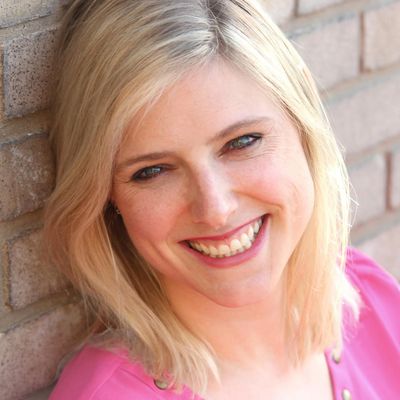
Broadway Expert, Laura Heywood, aka Broadwaygirlnyc, brings her story of how she was able to be herself and capitalize on it in her favorite industry. Making a career on being a pivotal role during the Tony Awards, in media, and as a host she inspires listeners to keep their heads up and plow threw... Read More
From the show: Take A Bow
Guests
Featured Shows
About
Broadway Expert, Laura Heywood, aka Broadwaygirlnyc, brings her story of how she was able to be herself and capitalize on it in her favorite industry. Making a career on being a pivotal role during the Tony Awards, in media, and as a host she inspires listeners to keep their heads up and plow threw. Her hard work and determination is why she's successful today.
This episode appearance for Laura was the first time she was able to speak out about her queer identity. She also explains what it is like to be a queer business owner. Her new "Applause Shop" is thriving and having live auctions on EXCLUSIVE In The Heights collectibles. You don't want to miss it.
Laura Heywood, Curtain Up!
Connect with Laura on Instagram: @broadwaygirlnyc
Connect with Take A Bow on Instagram: @takeabowpodcast
Connect with host, Eli Tokash on Instagram: @tokash_eli
Produced by the Broadway Podcast Network
Edited by Tessie Tokash (@tessietokash)
Transcript
This transcript was automatically generated and might contain errors.
[0:00] Eli Tokash: Hello everyone and welcome to episode 56 of Take A Bow. I'm your host, Eli Tokash, and we are going to be continuing our Pride Month celebration this week with another great episode. Laura Heywood joins us, who is a Broadway expert, and she's quite famous in the world of Broadway media and social media and everything like that. So we have another, going back to Bill Berloni's episode, we have another kind of person who's created their new field in the industry in order to make a career and a life out of it. Laura's story is very cool. She's combined her loves of being social on social media and everything like that, as well as Broadway and her experience in radio shows and everything like that.
She just has that great personality and she's been able to brilliantly combine the two sources of entertainment into one and make a career out of it. So I'm very excited for you all to hear her story, hear what she's done, and maybe have some inspiration as well. She also talks about being a queer business owner and what that means to her, and she talks about so many great things, so this is a great episode, so stay tuned. But before we turn it over to the episode, let's talk about what's going on in Broadway because there's a lot to talk about, okay?
[1:24] Eli Tokash: Let's talk about what shows are gonna be coming back first. To Kill a Mockingbird announced that they will be opening October 5th, and Jeff Daniels and Celia Keenan-Bolger are confirmed to be coming back, and it's gonna be returning to the Schubert Theater on, like I said, October 5th. So very exciting news coming there because that is a show that I adore. I've seen it twice and I've loved every single moment of it. And I'm not one who loves plays, but To Kill a Mockingbird is definitely one of my favorites. And I have, I don't know, I'm going off the rails here for a second, but it's interesting. I've been doing an assignment in school, and To Kill a Mockingbird is actually a banned book for schools because of their use of language, their adult storyline, and because of their adult themes that parents are worried are not as child-friendly as it may be sought out to be or was originally sought out to be.
But I think it's a very important story to tell, and I think it's a very important story to teach in classes as far as preparing younger ones for their life and their future. Maybe not at such an early age, but when it comes to like seventh grade through high school, I definitely think it's a book that should be taught in English classes. But parents were worried, and they kind of challenged the book, and now it's a banned book for school, so it's very interesting. But I am glad that it is coming back to Broadway throughout that whole process, and they're making sure that this story continues to be told. So I'm very excited for this show to come back. I will definitely be seeing this again. Love it. Celia Keenan-Bolger will be revising her Tony Award-winning performance.
[3:24] Eli Tokash: Another show that will be coming back off-Broadway is going to be the Blue Man Group, and they're going to be returning on September 3rd. And so shows continue to be announcing their reopening to live performances, and this is breaking news. I literally just got this alert as I was filming this. Freestyle Love Supreme is going to be returning to Broadway on October 7th. And that was a show that didn't even close while Broadway shut down. It's going to be returning October 7th, and it's going to be at the Booth Theater again, and it's going to be for a limited run until January 2nd. So wow, I mean, shows just continue to announce their opening, like I said. Lots of exciting storylines. And oh my god, Book of Mormon will also be resuming Broadway performances, and that's going to be starting on November 5th. Wow, what a time to be recording right now. So a lot of very exciting stuff there.
[4:33] Eli Tokash: Now let's talk about some other things going on. Christy Altimore is leading this developmental reading of a new musical called Alice in Neverland, not Wonderland. And it's actually a sequel to one of the most beloved stories of all time, which is Alice in Wonderland. And she's going to be joined by Broadway veterans Heath Saunders and Tony Nominee Will Swenson and many other Broadway stars, including people from Wicked, Mean Girls, Miss Saigon, and all of those things. They're starting readings and everything again. Very exciting times. Christy Altimore, love her, Anastasia, we all know that. So that's exciting. Another new piece of work that's going to be coming out soon is actually gonna be a Beauty and the Beast live-action TV series on Disney Plus, and in that is going to be Luke Evans and of course Josh Gad, who are both going to be reprising their roles as they did in the Beauty and the Beast live-action movie.
But this is going to be a musical prequel series. The score, of course, is going to be written by Alan Menken, and Breonna Middleton will also be starring in the eight-episode Disney Plus limited series. So that's very exciting stuff. And also, shout out to Liezel Tommy, who will be directing the pilot episode. She was the director of Eclipsed. She's doing a ton of things. I don't know if she still is, but she was directing The Outsiders out of town and all of those fun things that are coming about. So she is becoming more and more, we're seeing more and more of her name out there in both the TV, movie, and theater world. I'm very excited for her.
[6:20] Eli Tokash: Lots of fun things happening. And there's apparently a Theater Hall of Fame. I had never known this, but I get all of this information from Broadway World and Broadway.com and all these things. I get all these alerts to make sure I'm allowed to announce it when it's announced. The Theater Hall of Fame will be inducting their next six artists at the November 15th ceremony. This year's inductees include Bob Crowley, Gerald Friedman, Alan Menken, Lynn Nottage, whoo woo, she's so good, she's a playwright. Oh my god, love her. Anna Deavere Smith, and Leslie Uggams. So a lot of people to be celebrating here. These six people, you have to be eligible to be inducted into the Theater Hall of Fame with like 25 years of musical theater contributions and changing theater the way that we all see it and the way that it's been for the past 25 years and whatnot. So these six people are very important to what Broadway is today, as they've all continued to shape their stories and the writing styles and everything like that.
[7:34] Eli Tokash: Let's talk about the moment that we've all been waiting for, okay? Let's talk about In the Heights because I have to talk about it with someone. I don't know if everyone's seen it yet, so I'm not gonna give too much away, although everyone probably knows the story of it just because it was a musical and everything. Anyways, I won't try to speak too much on it. If you haven't seen it yet, go watch it. It's incredible. Benny, who was played by Corey Hawkins, incredible. Incredible. I lost my mind. I didn't really know much about him. Like, I knew that he was big in the film and TV world, but I didn't know he had the voice that he had. He was incredible. I was blown away by his performance. He was definitely underrated coming into all of this as far as like, oh, it's In the Heights, but how is he going to be in a musical?
I don't know, there was just stuff about it. I loved his performance. Everyone was amazing, Anthony Ramos, Lin-Manuel Miranda, of course, Melissa Barrera, who played Vanessa, was amazing. Leslie Grace, who played Nina, was amazing. Everyone's performances were incredible. Gregory Diaz, shout out to him again, who I got the chance to interview. Daphne Rubin-Vega and everyone who kind of revisited this project in this new film. Everyone was just amazing, and I loved seeing Lin as kind of like the neighborhood icy/ice cream guy, and this rivalry that he had with Christopher Jackson. It was just really, really brilliant. I loved so much of In the Heights, and they're getting a bit of backlash as far as the inclusivity with the Afro-Latinx community.
The director made comments about it. He was like, "This is why we need more art for our community because now it's all falling on one movie and everything like that." Lin-Manuel was like, "Oh my," he released a statement saying, "Oh my gosh, like I'm so sorry. I wrote In the Heights because there was nothing that I felt that I could relate to, and now I'm hearing feedback that there are still people that weren't heard during this production." He was addressing that and saying that he looks to continue to use this as a learning experience and will continue to be more mindful as far as that continues moving forward. So that is happening right now, and it's unfortunate with a show such as In the Heights, who is trying to include so many different cultures that aren't really talked about. It's just a beautiful story and everything like that, and it's unfortunate that it's getting the feedback that it's getting, but it's completely understandable.
[10:28] Eli Tokash: So that's what's going on with In the Heights. And before I turn it over to the interview, I want to talk about equity signing off on health and safety measures as far as the touring productions go. I'm interested in seeing how this is gonna be, how Broadway is or how it's going to improve when Broadway reopens because there's still a lot going on. As some of us may know, New York is fully open, so they're easing up on the COVID-19 protocols and doing all the things, but on tour, the equity team has come together and said that they want to have masks on at all times, maintain social distancing until you're on stage and performing. They won't have masks on stage, but as soon as they come off, they're required to have their masks.
They're required to do social distancing. They're required to get vaccinated as well as they're going to be COVID testing weekly at the theaters and everything like that. As far as the backstage people, they're gonna be required to wear masks, face shields, and gloves at all times when interacting with cast members, changing gloves, and all of this. They're being very cautious, which is great, but I wonder if this is because they are going to be traveling so much and because they don't want to take the risk. I wonder if Broadway, who's gonna be stationed in New York the entire time, with the fact that New York is fully open, I wonder how it's going to reflect on the decisions that Broadway makes and its decision to reopen with all of this going on.
[12:20] Eli Tokash: It's gonna be very interesting. I can't imagine it's going to be too different from a tour because it is equity, it's all the same union, they're gonna all want the same thing. Very interesting stuff going on in the industry as far as reopening and how it's gonna go. It does seem like audiences will be able to be at full capacity. I don't know as far as, I feel like it's gonna depend on theaters and their private organizations as if they're going to be wanting to require face masks and gloves or whatever it may be. As far as tours, the interactions with audience members will be prohibited. No stage door experiences, none of that. They will block it all off, they'll have private entrances, they'll have all these things.
They're being very strict about it. I wonder, I assume when Broadway reopens that it is gonna be like that, and I would assume that it won't be like that when the new year hits. I feel like we're just gonna have to deal with it until the new year, and then I think come January, or maybe they'll just wait for next summer because I hear it's supposed to be better for the virus and everything like that, as far as less contagious and everything like that.
[13:43] Eli Tokash: So maybe they'll wait, but I would assume next January at the start of the new year, they would allow stage door experiences on Broadway, uh, for sure. So we'll see about all of this. This is good crazy times, but let's turn it over to our wonderful, wonderful interview today with Laura Heywood.
[14:02] Eli Tokash: Laura Heywood, curtain up. I am so excited to introduce this week's guest. She has a story unlike any of our previous guests on the show and is more well known for her involvement in the Broadway media. So she's a host, an interview, and a Broadway expert. So get ready to hear two people geek out about Broadway, literally. Dialing in all the way from California. Welcome to Take A Bow, Laura Heywood.
[14:50] Eli Tokash: Oh my goodness. You have literally done so many things. Like you've, you've, I mean, you've literally done commercials, you've done hosting, you've done like you've done everything. You're a jack of all trades, right? Or queen of all trades, really. Um so you started out, right? You started out appearing in national commercials with like Nintendo and Apple and Dove and like all these amazing things. So when did you kind of decide that you were gonna get out of that kind of business and pivot your career more towards like media?
[15:25] Laura Heywood: Um, I thought I was gonna be an actor from the time I was in like elementary school um all the way through college. Um, I went to college on an acting scholarship. Um, most of my commercial work was uh when I was in high school, and um then the big Dove campaign was right after college. But um I started doing radio when I was a student in college. There was a semester I didn't get cast in the play, and I knew I could like sign up for a radio show, so I started doing that. Um I actually got a lot of feedback when I was auditioning. Um, you know, when I was about 14, I was this cute girl next door. But then as I became an older teenager and into my 20s, um the brands that were hiring actors of my age were looking for sort of more exotic looks, um tall, thin, sort of fashion modely types, where I am shorter and curvy and uh more girl next door.
So I just wasn't getting a lot of work. But the feedback I got from casting directors was great voice, great personality, not the look we're looking for right now. And instead of thinking, oh no, I have to go on a diet or change my look, I said, great voice, great personality, maybe radio would be fun. And of course, it's that's an oversimplification, but I realized that I could lean into the positive feedback instead of getting caught up in the negative feedback. And um, and media came pretty naturally to me for those reasons, I think.
[17:04] Eli Tokash: Wow, that's insane. And literally it totally worked out for you. Like, it's interesting how the world takes us in the directions that we're supposed to be in because you've done a ton of experience in radio work. I mean, you were doing sports talk shows and you're a producer and a co-host for Sirius XM. I mean, talk about like your experience doing radio shows and like what kind of goes into that and what that whole world is, because it's very different.
[17:27] Laura Heywood: Yeah, it's uh I've done a lot of different things in radio. My first job was answering phones for a morning show. Uh, and the three weeks after uh the show debuted, the woman that they had hired to do news and sports was just not proving to not be a good fit. And so even though I was just out of school, the producer and the host said, We're gonna find somebody, we're gonna do a nationwide search for a good fit. But while we do the search, can you just take over? Can you just try it? And so I tried it, and they did find someone with a lot more experience than me. But in the meantime, I had established myself as a, you know, sort of a smart and sassy uh sidekick. So they kept me as a member of the on-air team even after they brought in the new uh sports and news person and then, or traffic and news, I guess it was.
Um, and that job was four hours a day. I was supposed to be there from his morning show, so I was there from six to ten answering phones. I think I was getting paid eight dollars an hour, but I never went home at 10 o'clock. I treated it like graduate school. I said, I have this key card, I have access to this radio station in the fourth biggest market in the country, which was San Francisco, and I just kept I went around the building and I said, Can I just sit and watch you work for the day? And I learned every single facet of the industry I could learn because I knew that I would never have that chance again. So I took this four-hour a day job and turned it into a full-time educational experience.
[19:09] Laura Heywood: Um, and then about an hour, uh an hour, about a year after I did that, I um I found a job listing online for an overnight DJ on a hip hop radio station, about a three-hour drive from San Francisco in a much smaller market. And I applied for it and I got it. So I was driving back and forth doing hip hop overnight, doing sports talk in the morning, and um, and then I got a job. I got a job at another San Francisco radio station, a sister station pre-taping weekend broadcasts for a classic rock station for a while. I was doing all of those. Um, and each one was different. I had a different like delivery vocal delivery on each one. Um, and then a couple years after that, uh the station that had hired me on weekends, which was classic rock that rocks, they hired me full-time to so these are all part-time jobs, but the classic rock station hired me to produce their morning show and host their midday show.
So I had a seven-hour on-air shift plus all the stuff that came later. It was, and that was all before I turned 25. Um, so I sometimes say I got 10 years of experience in three and a half years of working because I was doing so many simultaneous jobs, and uh, and it paid off because I've had so many opportunities as a result.
[20:42] Eli Tokash: That's insane. Wait, and you started doing like radio in high school, or like that is that what you were saying? Like you or was that in college?
[20:53] Laura Heywood: In college. My my I went to a very small liberal arts school uh outside of Seattle, and the college radio station was uh not anything anybody got academic credit for. It was something that anybody who wanted to could sign up for a one-hour show sometime during the week. And they gave my very first radio show was all college a cappella groups. I called it a cappella now with Laura Heywood. Yes. They liked this was in the early 2000s. Um grunge music was still kind of in fashion. Um Seattle was a big rock scene, and so almost everybody played rock music on the college station, but I wanted to play a cappella, and so they kind of punished me for that by giving me the 7 a.m. slot on Sunday mornings.
[21:40] Laura Heywood: Um, but I think they hoped that I'd say, never mind, I don't want to do it, but I was getting up at you know 6:30 to go to the college station, do my a cappella show. But here's the thing, and Eli, I feel like this is really going to distinguish the age difference between you and me, because not only was this a time when we had to put the, you know, cue up the record. Well, I mean, it was there were CDs, but we had to press play on every single song. There was no like automated playlist. But also when no one was there, because there were no show, there were no shows between 4 a.m. and 7 a.m. And the station would just go off the air. It would be static from 4 a.m. to 7 a.m. until someone came in and like flipped the switch to turn it from static to broadcast. So I was one of the few people with a key to the radio station who could flip the switch from off air to on air.
[22:36] Laura Heywood: And instead of just going in at seven, I started going in at four because there was nobody else on the air. And I would go basically, basically anytime somebody did a lot of people didn't show up for their shifts because there was no pay, there was no credit. It was all just if you feel like it. So there was no, there was no if somebody had like had a hangover or had to study for a test or whatever, they would just be like, I don't feel like doing my show this week. So rather than do rather than studying in the library or in my dorm room, I would study at the radio station. And if anybody didn't show up for their show, I would go in and I'd play music from whatever format their show was. So I was playing a lot of rock music on the weekends there were a lot of hip-hop shows.
Um I just sort of I thought of it kind of like a playground. I didn't think, all right, I'm teaching myself to be a radio host. I'm gonna be a professional, I'm gonna get my 10,000 hours of practice in. I didn't think about it like that. I just was like, it was kind of like you know, showing up at Disneyland and and nobody else is there that day, so you can do whatever you want.
[23:44] Laura Heywood: And I just played and I taught myself how to do radio in this little podunk college station that probably zero people were listening to. It was the perfect, it's kind of like play, you know, if you want to be a musician and you go and play in coffee shops where nobody is there, but you practice and you practice and you practice. So when you're ready, when you show up at a club or you know, coffee house where lots of people are there, you're ready and you don't freeze. So I got a lot of experience just by taking my one my one hour of assigned radio station time. And by the time I that was the beginning of my sophomore year, by the time I graduated as a senior, I was doing like 20 hours a week on the college radio station because so many people had dropped out and I was always ready to pick up the stuff.
[24:32] Eli Tokash: Oh my god, that's incredible. So I got a degree in theater, but I but I'd already moved on to radio.
[24:40] Eli Tokash: Yeah. Did you like did you ever think like while you were doing it? Like, like I know you thought of it like a playground and everything, but it was it was it like you could potentially do this like in your as your future?
[24:51] Laura Heywood: Um, I sort of my I had been my first two summers of college, summer after freshman year and sophomore year, I was a camp counselor at a family camp that is sort of like have you seen the movie Dirty Dancing?
[25:06] Eli Tokash: No, I haven't bad.
[25:09] Laura Heywood: Well, it's I haven't it's so bad.
[25:13] Laura Heywood: I know I'm ashamed. Well, I'm assigning that to you. That's your homework.
[25:17] Laura Heywood: Um, but essentially it's like a summer camp that the one where I worked was like a summer camp where families would go together and stay in cabins, and then the like the I don't know, this isn't even relevant. You can edit it out if you want. But I love I was a camp counselor for two summers, and then after my uh after two years, my parents were like, you're you need to get internships. It's time for you to have a real job, no more camp counselor stuff. Um like get an internship that'll help you get a job once you know finish college. And I was like, what in the world am I qualified to do that would still be fun? And I was like, Oh, well, maybe I can get around this boring internship thing by applying for an internship at a radio station.
I've been doing all this radio stuff, maybe I can you know manage to still enjoy my summer while still having an internship if I do it at a radio station. I didn't think I want to work in radio. I thought I don't really want to work. Radio seems like a fun excuse to like call it work, but that I would not really be work. So I thought I was gaming the system, but really, I was preparing myself for a career in media, you know. So I got two two simultaneous internships um at radio stations in in San Francisco. One was as part of a live morning show, and one was on a promotions team where we'd go out to like county fairs and give out t-shirts and sign people up for the mailing list and stuff like that.
Um so I spent all summer in professional radio stations. And the contacts that I made that summer were among the ones that hired me when I graduated from school. So it did exactly what an internship is supposed to do. Meanwhile, I wasn't thinking, okay, I gotta get work experience. I was like, how can I manage to enjoy myself while still convincing my parents I'm working?
[27:06] Laura Heywood: Incredible.
[27:07] Laura Heywood: That's insane though. But wait, so how does this work that you're in California and everything, right? But then you're in California and then you have like this obsession, or not like obsession, but like you get into Broadway. Like, how did where did that come about?
[27:25] Laura Heywood: Okay, so like how did you get into Broadway? So there's several elements to this story. I will say, um, without going into too much detail, uh, my I was raised in a theater-loving family. Um, my grandmother was a professional singer, um, not like a pop singer, but she would perform at weddings and funerals and other events, and she sang at Yosemite National Park every summer. Um and then my dad is a not a professional singer, but a really incredible singer. Um, and uh, so I grew up like hearing them sing. My grandma did a lot of community theater. Like I saw her um in the lead of a community theater production of South Pacific. Um, and you know, she played all the kind of Kelly O'Hara roles.
She uh I think she was she also did um The King and I and uh Yay. And then I they we also had I l I grew up in Oakland, California, which is where I am now. I live in New York now, but I'm visiting my family. I grew up in Oakland, California, and there is this outdoor musical theater that puts on three shows every summer. And I for but my parents have had season tickets to that theater, which is called Woodminster, since I was like eight months old. Well, I was born in April, so whenever I guess I was like May, June, July. I I guess I guess it was like since I was three months old. And because it's out and a big outdoor theater, they would just stand in the back with little infant Laura in their arms.
So I literally grew, I was literally going to musicals before I was going to before I was before I could speak, before I could walk. And so I I I got an education in theater that way. I did school plays. Um I got I went to college on an acting scholarship. But I didn't think I would once I found radio, I thought I'd do radio for the rest of my life. I I still, you know, I was uh I was in college. The rent came out the year I graduated from high school. So of course that was a phenomenon in in a way nothing else had been. But beyond that, I wasn't really that aware of what was going on on Broadway. This was early internet, you know, like everything's so different right now. Um, but what what so that that's sort of my the foundation?
The moment everything changed was uh I got recruited to work at Sirius. Well, it it became Sirius XM, but it was called Serious Satellite Radio when it first launched, and there was a brand new channel that was launching when it was a new platform that was based on a magazine called Maxim. Max A magazine still exists. It is known for having girls and bikinis on the cover. Um back in 2004, 2005, it was a considered like a major cultural journalistic force. It did still have girls and bikinis on the cover, but it also had really incredible journalism and it was focused towards men mostly. It had articles about things like shark attacks and fast cars and like comedy clubs, and had interviews with girls and bikinis.
Um it was it's uh it feels like a very different era. Uh, but it but it was a it was a major cultural force, and so there was an entire radio station that was designed to be like with that brand in mind. And um, I was hired to be one of a producer slash co-host on the midday show. So uh a guy hosted the show and I was his co-host, and I also booked all the guests for it, and I arranged like the schedule, and they they wanted me to do it because I could sort of simultaneously be the cute girl next door, throw back to my commercial days as a teenager, and also um kind of one of the guys.
[31:25] Laura Heywood: Yeah. I've been working on this sports talk radio station. I could break down the batting lineup, I could talk about football, I could chug a beer, and I was ready to sort of hang with the guys in the quote unquote locker room. Exp, you know, like I wasn't gonna this is it's again so outdated and problematic, but they would have conversations. Locker room talk. Well, yeah, locker room talk is now a very loaded phrase, like after the man who shall not be named used it as an excuse for uh actual I mean like look, let's not get on politics, but um, but yeah, locker room talk used to have a non-political connotation that was, you know, it would be kind of like oh my you know, my girlfriend wants me to cut cuddle.
Like, how do you how do you get a you know, how do you avoid cuddling, you know, without pissing off your girlfriend? And I would I wouldn't be like rude, you guys. I'd be like, what if you did this? You know, I kind of was able to be. Anyway, that's not not the proudest content I've ever created. But again, I sound like such an old person when I say this. It was a different era. Um excuses. Uh I understand a lot more now. I've grown and learned, etc. etc. Anyway, I moved to New York, I was recruited to move to New York to work on that. I would when I got there, I was working, it was it was a startup. Sirius was a startup. It was a big, well funded startup, but it was brand new. We were all they basically had pulled the version of me from every city in the country.
They were like, where are the young, super driven, experienced people who will still work for very low wages and um but create something great, the way that a lot of tech startups were doing. And so I was working 70 to 80 hours a week. All I did was make radio and immerse myself in this, what I now call dude culture. Every all of my because it was the only thing I had time to do, uh, all of my friends were from this same culture. And I also am this musical theater loving former actor who is in the city where theater is made, but I didn't really have time to go to a lot of shows, nor did I have time to like make friends with other people who were into it.
[33:52] Laura Heywood: Um, there isn't a lot of there's some, but there's not a lot of crossover between musical theater and jocks. We all know some, you know, we all know some. Sure. But uh they're, you know, those are pretty pretty disparate communities. Um, and the moment so I started going uh okay, so I was invited by someone I barely knew who had a free extra ticket to what he told me was the revival of a German play from the 1800s on Broadway, and I was like, that sounds terrible. But the theater's a block away from my house and it's free, and I might as well, it's a Broadway show, I might as well go. Well, this quote unquote revival of a German play from the 1800s was actually Spring Awakening, which is as you probably know, not a revival but a reworking and a like modern rock musical that breaks all the rules and did everything new, and but it's based on a German play from the 1800s, but it was the opposite of what I thought it would be.
It rocked my world to the core. I ended up seeing that production at least 18 times. I think I lost count. I sat on stage. I joined the fan club. I like stage doored. Yes. I I was Spring Awakening, OG super fan. And that performance that I went to was during previews. And like I said, I lived a block away from the theater. So on my way home from work every day, I'd stop in the box office and I'd be like, got any tickets for tonight? And because I had this full-time job with great benefits, I could actually afford to go to the theater. And they were also selling tickets for $25 to sit on the stage with the cast. So it wasn't it, it was a perfect confluence of my interests, where I lived, how much money I had.
Um, and that's when I really started to understand fandom for the first time. When Rent came out, I wasn't in New York. I didn't take part in the like the lotteries, the camping out, the front row seats. I'd listened to the album a lot, but I wasn't, I wasn't a Rent head in the way that people who grew up in New York were able to be.
[36:18] Laura Heywood: Um Spring Awakening was the show that even though I was, I think I was 30 by then, I just I started to make friends with other people who were camping out. Like we would go and wait in line at four in the morning because a new understudy was going on. I remember I remember waking up in the middle of the night and lining up to see Matt Doyle play Mitt Melchior because he was the first, the first person other than Jonathan Groff to play the role. And of course, now I'm friends with Matt Doyle. I mean, I'm friends with a whole bunch of the people from the cast. I'm friends with Lily Cooper, I'm friends with Rummy Bacon. And what's really funny is that they were all kids during that show, and I was a grown-up. And I'm like, now they're all grown ups, and I'm still the same age. Anyway, um, that's how you and I are gonna be. I'm I'm like, I'm like, oh little little baby Eli from Finding Neverland, and now you're like a man.
[37:07] Eli Tokash: Oh my god, stop. I don't want to talk about it. It's weird.
[37:12] Laura Heywood: So that was in two thousand six. Um I start I started learning about things like lotteries, rush tickets. Um people would say I remember people saying, Okay, well, uh, the the Tony is either gonna go to Spring Awakening or Grey Gardens, and I went, Oh, well, I better go see Grey Gardens then. And so I did that, and then I was like, Oh my gosh, there's all these shows. And I so I started going I started thinking, what else do I need to see? And then the next show I fell in love with was um the two thousand seven revival of Company with Raul Esparza. And they too had Rush tickets and it too was within a couple of blocks of my house kitchen apartment. So I started going to see that one all the time and you know, and I would I remember one time seeing Raul last at John's.
[37:58] Eli Tokash: No way.
[37:59] Laura Heywood: Um, you know, and I was like, There's this guy who uh like and he's just a normal person. I started the more shows I saw, the more I realized that I was surrounded by these normal people who are also these stars I was seeing on stage. And I have a really good memory for faces, so I'd recognize the chorus people too, and I'd be like, you know, there's three people I saw in Wicked and they're all sitting together at Starbucks and nobody notices. I'd be looking around going, like, does anybody else see this? Nobody else cared. And then I'd go to work and I'd be like, I saw three, you know, Aussies at Starbucks, and they'd be like, I don't know what that is. Like I guess I've heard of Wicked, but whatever.
You know, like no n none of my colleagues cared. And none of the people around, I didn't know anybody else who kicked like who was into it. Then I read this book, and the book was called Waiter Rant. It was a an it was based on an anonymous blog by a um a guy in the restaurant industry who waited tables somewhere in New York City, but he never said where. And he started the blog, from what I understand, as a way to um like tell restaurant customers what the staff really thinks about things like when you don't tip well or how to send a meal back. But it ended up being a storytelling mechanism that read like a soap opera. This kind of like uh, you know, which bartender was having an affair with which hostess, and um, and I didn't discover it till it was a book when it was it was no longer anonymous, but I I remember reading the book and going, this is exactly the kind of thing that should exist for Broadway.
Somebody should be like, there's three Wicked cast members having coffee at Starbucks, or you know, which shows are like where the best seats are to see which show, or or information about Rush and that kind of stuff. And I had just heard of this new platform that had just started to be on anybody's radar called Twitter. One day after work, I had to bought a ticket to see Angela Lansbury in uh Blithe Spirit, and I on a whim created a Twitter account. I called it Broadway Girl, I wrote Broadway Girl NYC. I wrote a tweet that said, I'm going to see Blithe Spirit tonight.
[40:35] Laura Heywood: I went to the theater, I came home, and I had 10 followers. And I don't know how they found me. But I was I was like, I then wrote a tweet, and this was there's no no cell phone app. You can't put pictures in a tweet. Hashtags aren't a thing yet. There's no retweet button. This was like Stone Age Twitter. And I wrote like Angela Lansbury was amazing, Christine Ebersole is incredible. Like I sat in this and that row, whatever. It wasn't even really a review. It was just kind of like, here's what I did tonight. And by the time I woke up in the morning, I had 30 more followers. And I think that was happening is people were signing up for this new platform and it would say, What are your interests?
And people would type in Broadway, and Broadway Girl would come up because it had the word in the name. And there were very, very few fan accounts on social media at that point. Social media marketing wasn't a thing. I don't even know that the term social media was used. Again, it was the dark ages, it was another era, but I and I didn't know a single thing about branding. I was not like, what can I create that will allow me to have a following that I can eventually make into a job? I just the same way that I went into the college radio station and just played I created a Twitter account so I could almost like keep a journal of my own theater garden adventures. And it turned into a big deal.
[42:12] Eli Tokash: That's incredible. That's literally the coolest story that I've ever heard. And having you to hear you say like it was the Stone Age or whatever like you said it was 15 years ago. Like that's crazy just to like think back of like how much things have changed in the last like 15 years. It wasn't even long ago like that's insane. But I love the fact that like you're literally like you could basically say that you started fan accounts like and now they're like the whole like rave of social media like people are like all over fan accounts and so like you said you're now uh I guess you're would you say you're like more well known as Broadway Girl NYC than you are Laura Heywood?
[42:55] Laura Heywood: I would say that for a while I was I mean for five years from 2009 to the beginning of 2015 nobody knew who Broadway Girl was and that was part of the appeal was who is this person who gets to see everything and knows all this stuff and who manages to be positive all the time and you know never I was not doing reviews I was doing enthusiasm. I was and actually what's crazy about this is I didn't realize it until after the fact but one thing I learned from Maxim and working on Maxim Radio was how to have an aspirational personality. Maxim like I said is about fast cars and you know like uh and you know dating models and the kind of life that no actual human being lives. But the people who wrote for the magazine would write as if that was a possible life to live.
When I started writing Broadway Girl, I was thinking about a kid in Middle America who maybe would one time get to go see a touring performance, but who would think, I don't care if I'm in the last row of the balcony to just be there. I don't care if there's an understudy on, I just want to be there. What would I be doing? If I lived in New York, I'd never complain about anything. And so without planning it, without strategizing, I was writing, I was Broadway Girl was an aspirational version of Laura Heywood, but nobody knew it was Laura Heywood. And that was one of the reasons that people became interested in it for the same reason that that book by the waiter had people like, who is this? What restaurant is it?
Have I been to that restaurant? That sounds like someone I know. And people started saying that about Broadway Girl. They'd be like, She sounds like we'd be really good friends. Maybe I am friends with her. Maybe I sat next to her at the show, and people started like paying attention, trying to find clues as to what my real identity was. And I actually ended up getting invited to do a TED talk revealing my identity as being like and and by then Laura Heywood had I, Laura Heywood had a lot of connections and friends in the Broadway industry who didn't know. They followed Broadway Girl and they knew Laura Heywood, but they didn't know we were the same person. Oh when I revealed to the community, hey guys, it's been me this whole time.
There was it, it was, I mean, it's not like the New York Times covered it, but it was pressworthy. And at that point, I said, it's time for me to take my two separate identities and make them into one person. And I had been doing radio as an interviewer and a producer and a co-host. I had this on-camera experience from my days doing commercials and commercial print. And I had this big social media following. And what I I at that point understood was a brand as Broadway Girl. And so becoming kind of a pundit, uh, interviewer for hire, uh an expert, um, you know, somebody who can go on TV morning shows and be like, what should I see when I come to New York? That kind of thing. I I had all of the skills and three sort of separate paths that I had taken that all led to this perfect little, you know, combined persona.
[46:21] Eli Tokash: So for a while, people called me Broadway Girl, they'd be like, This is Broadway Girl. Um, in the five years since or six years since the TED Talk, I've established myself more as Laura Heywood. Um, and I say Broadway Girl is my online alter ego. But when I go on TV to talk about what Broadway shows you should see, Laura Heywood is my name. Broadway Girl is Broadway Girl NYC is my social media handle, but I prefer to be known as by my real name now. But it's still my social media handle on every platform.
[46:55] Eli Tokash: Oh my gosh, that's it. What a like literally, like what a story. Like it seems like you're always like just trying new things and playing around and seeing what sticks, but also like putting everything into that, you know, like it seems like you are having fun and you're doing all these things, but you're also giving it your everything, like in everything that you do, your radio, your social media, all of it. So that's like a huge lesson of today. But I do want to ask, like, how did you know that like the time was right to like finally like reveal who you were?
[47:27] Laura Heywood: So much of it is gut. I mean, I a few things happened. One, um, I had been at Sirius, which was then Sirius XM by then, um, for 10 years, and I was ready for a change. I had started, I did have a bunch of people who knew me well enough who did know my secret identity, and a lot of them were theater people, and they and I had a couple of friends who were producers doing Broadway shows or I'm doing off-Broadway shows who said, like, we want to hire you to help us do our social media because you clearly know how to do it. And at the time it was really just Twitter. Um, and I so I said, like, this is what I want to do with my life, and people want to pay me to do it. And it's not actually Twitter is not actually that different from radio, especially I like to say that as a co-host, my job was to come up with funny one-liners that were articulate, um, concise, and funny.
And that's exactly what Twitter is. It's finding one sentence that is articulate, concise, and funny, and knowing when to literally or proverbially turn on the mic and then turn it right back off. So I I I sometimes say that by the time Twitter was invented, uh, it was like I had been practicing for a decade for a sport that hadn't been created yet. I was ahead of the game because I already knew how to craft that one-liner that was so great for Twitter. Um, and when people started, people who knew that I was Broadway Girl and that I was responsible for this account that had zoomed to, you know, tens of thousands of followers, um, I wanted to be able to accept the jobs and I wanted to be able to uh to put myself out there for jobs like that.
But if Laura Heywood without the Broadway girl credit on my resume, if I was like, hey, I want to be your social media director, people would be like, what do you know about that? And I'd have to be like, uh right. At this, what from what people know in this moment, Laura Heywood's never done social media. So I had to be able to be like my first client was Broadway Girl. Um, and and also I had kind of a uh I had made an agreement with my my boss. When my Broadway Girl uh persona started to take off, um Broadway World had me uh asked me to write a column for them on a weekly basis. And my my um agreement when I started at Sirius was that I couldn't do other media work without getting permission.
Um, you know, it was like a non a non-compete kind of thing. So when Broadway World offered me a weekly column in the very early days, like less than a year after I started uh the Twitter account, I went to human resources and I said, I have an opportunity to write about Broadway, my name won't be on it, I won't be talking about anything related to Sirius. It has no crossover with the content I create for Sirius, so I'm just like coming to you to get permission to do that. And they were like, Yeah, that's fine. Um so my like the people at Sirius knew. Um, but but my agreement with my boss was that it didn't make sense to confuse what I was doing for Sirius versus what I was doing for the Broadway stuff.
So I just I don't know whether I was required to stay anonymous while I was there, but Sirius has a you know a very successful Broadway music channel that I wasn't involved with. And I didn't want to confuse the relationship that the Sirius as an as I mean I I was a talent booker, like I booked guests to be on that channel, but that was not a Broadway girl gig. That was a Laura Heywood gig. And I didn't want to muddy those waters. So I wasn't going to reveal my identity until after I had left Sirius. And so that was a big part of the timing as well.
[51:32] Eli Tokash: Wow. And now to to boot um the fact that you just literally don't stop. You're always doing stuff. Um you you've created like your own little business, right? And it's called Applause Shop. So talk to us about that for a second and what you're doing because like you're not only are you like, do you have like this shop and everything, but it's all about like giving back and recycling and all these things. I'll let you talk about it, but I I just love that because especially for the list the people who listen to this, it's like perfect for them.
[52:04] Laura Heywood: I'm so thrilled that you asked me about it. This is the thing that I um, like you said, I get you didn't say it exactly this way, but I will. I get obsessed about stuff. Yes, I don't do anything small. I when I am having fun with something, I go all in. There's no single toe into the water for me. I dive into the deep end. Um during during the pandemic, uh, I didn't know how I was gonna make ends meet. For the last two years, I was hired to work full time for six weeks on the Tony Awards. This is one of my, you know, the feathers in my cap as a Broadway expert is that I was the person who I was a person who made sure that the names and the faces on the television broadcast matched. When they they would a quarter of a second before broadcast they would show you know Debbie Diggs then they'd go and the you know person would type in David Diggs and they'd be like is that actually David Diggs and I'd be like that's him go and then the director would be like okay go live um this Dave Diggs was not actually one of the people that I had a had to he's just that's just an example but so my expertise was crucial.
You can't get that wrong you know what I mean um but I made a I made a big portion of my annual income working for the Tonies but when the pandemic came no Tony awards which means no job for Laura which means and also you know I was I was make everything I did was freelance so I I was hosting talkbacks on Broadway stages. I was like one of the I was the only non-cast member who uh ever hosted cast album karaoke on stage at Waitress. Um I was getting hired by outlets like CBS and Build Series NYC to host live in-person interviews. All this stuff was gone. So I didn't know how I was gonna make a living um but I had an apartment full probably two full of Broadway merchandise. A lot of it was stuff I had bought I'm also an active thrift store shopper and I cannot walk past anything with a Broadway logo without buying it when I go to a thrift store.
[54:08] Laura Heywood: I had had lots of friends who said I'm gonna throw in all this playbills I've collected over the years. Do you want them? And I had I always said yes. And often I would do prize packs through Twitter. You know, I'd be like, you tell me your favorite Broadway memory, and I'll randomly choose someone to get this prize pack or whatever. So I thought I I always just gathered stuff. I you might say I hoarded it. Um luckily I discovered during the pandemic that the only thing I like better than collecting Broadway merchandise is getting rid of Broadway merchandise and making sure it goes to homes of people who really love it. So I started just as a utilitarian way to make ends meet. I started um putting stuff on eBay.
I started putting playbills and t-shirts and opening night gifts and um, you know, like weird props that I had collected over the years, um, and selling them on eBay and um, people were really excited to have them. What I did that was different than most people who sell their crop, quote part in my language on eBay is that from the very beginning I made sure that a big portion of every sale went to charity. Um I have always done, I mean, I've had an eBay account since before you were born, literally, um like since 1998. Um and uh and ever since uh ever since eBay created an object, like there's a there's a charity sort of uh I don't know, it's not called an app, but it's like a plug in for eBay where you can just say, here's the here's my favorite charity, give them this percentage of the money.
So I don't even have to touch the money, eBay just gives it to them before I get my payout. And so um I start, I I assigned every single auction that I that I listed to give money to Broadway Cares, to the Actors Fund, to the NAACP, to Planned Parenthood, um, the any number of charities. Uh and I was really excited because without without an income, I didn't know how I could support these organizations that needed help. But I knew that if I had money coming in, I wanted to make sure that some of it was going to these causes that are tied to the livelihood that I have and the passions that I have. What I didn't expect was that as I promoted this on social media that I was doing this, which one, I just wanted people to know they could get this stuff, and two, I wanted to encourage other people to do the same.
What I didn't expect was that people started contacting me saying, I have boxes and boxes of playbills too, and I don't have the bandwidth to actually list them on eBay, but I love that you're giving a portion to uh to all these great causes. And I want to help you, Laura, survive. Can I send them to you? And then you can sell them and give a portion to these charities. So I started getting boxes and boxes and boxes of other people's treasures that in a lot of cases had been sitting in boxes on the you know top shelf of their closet. And they wanted to help me, and they wanted to help um these these charitable organizations. And so I will, you know, long story short, I realized the number of hours I was putting into it had essentially made it a full-time job for me.
And I had um I have a really good friend who happens to be a big-time Broadway producer. Her name is Susan Vargo. She was the one who ushered SpongeBob from a cartoon to an idea to a Broadway juggernaut. Oh my god. Um, she was the executive producer of SpongeBob on Broadway, and uh has a long history in in the industry. And we actually met through my fandom. Um a friend, a friend who worked on SpongeBob, which I was obsessed with, invited me to the Tony party, the SpongeBob Tony party, and I went up to Susan and I was like, You don't know me, but I think you're amazing. Um and I know that it can be really annoying when strangers say, uh, can I like take you to breakfast and pick your brain? So I'm not gonna say that I'm just gonna say that I think you're amazing.
And like six months later, she this is a total sidebar, but six months later she reached out and was like, I'm in New York this week. Are you free on Wednesday morning at seven for breakfast? And I was like, Yes. And I met her at a you know Times Square diner, and we made small talk, and I was like, Can I ask you what are like what this is about? And she was like, Oh yeah, you said you weren't gonna ask me to breakfast to pick my brain, so I thought I'd ask you to breakfast so you can pick my brain. Oh wow. Um was say yes to people. You know what I mean? Um, and so we stayed friends for a long time, and she and so she saw what I was doing, and she's a really, really big environmentalist. She was she is so passionate about keeping stuff out of landfills.
And one of the first things that I started selling on eBay was all of the extra plastic cups I'd picked up off the floor at Broadway shows, the sippy cups with show logos that um that you know you get free if you buy a soda or a cocktail at the theater. And they're so cool, they're like they're the perfect souvenir. But a lot of people, let's face it, someone who spends $200 on a theater ticket and $40 on a glass of wine doesn't need a plastic cup. And they're not as like they're they're just as likely to keep the plastic cup as they would be to like save a soda can. It's garbage, it's the thing, their drink comes in, but they don't need it in their life. So with all their other trash, they leave it under the seats.
And then someone like me comes along, crawls on my hands and knees, puts them in a plastic bag, takes them home, puts them through the dishwasher. And now I have like 40 cups from the revival of La Caja Fall. What do I need with 40 La Caja Fole cups? I don't know, but I didn't want them to go in a landfill. And so another thing that I did just for the fun of it was years ago, probably three three or four years ago, I created a Facebook group called Broadway Sippy Cup Collectors. Because I thought, if I have 40 La Caja Fole cups, somebody else has 40, you know, Chicago cups. And if we can find 40 people who each have 40 cups from one show, then we can all trade, and then we'll each have a collection of a bunch of shows.
And uh now that group has 3,000 members. And um, and when shows start up again, I expect that we're all gonna be on our hands and knees picking up cups and sending them to each other, and you know, and Susan noticed that, and she said, You're doing a really major thing for the environment. Those cups, even if they are recyclable, the amount of energy it takes to recycle them is is huge, and it's the most literal example I've ever heard of, uh, or the you know, that of one person's trash being another person's literal treasure, and to be the conduit, to be the person who says, I'm gonna pick up this trash, and without without changing it at all, I didn't have to. There was no like upcycling, it was just a rescue and re-home mission.
And so Susan was like, You've got a business there. I know you like trading them, and I know you like giving them away to spread joy, but you could theoretically like make some money on this and save the world and make people joyful. And I kind of was like, Oh, I don't know, like I don't want to sell them. I don't want to, I just want to make people happy. And she said, just keep it in the back of your mind, there may come a day. Um, like register some domain names, like we registered Broadway FanMarketplace.com and a couple of other things. Um sat on them, you know. You buy a domain name for five years, you sit on it, you do nothing with it most of the time, and that's that. So that was that was a seed I planted that I never expected to grow into anything.
But when I started selling stuff on eBay during the pandemic, I thought, well, I might as well take my eBay page. Well, I changed the name of my eBay page instead of just being something I thought of when I was 20, I changed it to Applause Shop, and I couldn't believe it was available. And that was because I because I I searched, I thought I always liked the name, and I and it turns out Applause Shop.com was available and it wasn't expensive. I think I paid like a hundred bucks for five years, and and so I changed my eBay name to Applause Shop. I registered social media accounts for Applause Shop, and I forwarded Broadway Fan Marketplace to Applause Shop.com, and um, and I I started talking to Susan on a regular basis and being like, I think this is the time.
And being a producer, not what when I was a producer in radio, what that meant was like making the schedule for the show every day, making sure the guests were booked, unlike a Broadway producer who's like a fundraiser, and so Susan was like, I would like to partner with you in this company. And it was like my stuff and my time, and I mean to be frank, her money. And we got me an office. We we registered for an LLC. We hired a bookkeeper. Um, we figured out what my, you know, my for lack of a better word, like my salary would be for actually doing the stuff. We hired me an assistant, and we also the big change, like the big moment was um through a friend of a friend, I was connected with the widow of an incredibly accomplished lighting designer who passed away in 2020.
His name's Howell Binkley. Oh, and he did In the Heights and Avenue Q and Jersey Boys and Hamilton and Kiss of the Spider Woman with Chita Rivera, and um, you know, it just uh and and he did a lot of really uh well-known off Broadway and out of town things too. He did Come From Away in every incarnation. He did um Hunchback of Notre Dame, which didn't go to Broadway, but you know, has had a a real great international life, and um his he was a collector. Um, if he'd had a smaller apartment, he might have also been considered a hoarder, although the last thing I want to do is like to smurge his name, besmirch his name because he's amazing. But he saved every single thing from every single production he ever did.
He did 52 Broadway shows in his career, 52 just on Broadway, and he had every keychain, he had every cast jacket, he had every um like he had an entire box full of correspondence with Hal Prince because he and Hal Prince worked on a million things together. He had like every opening night playbill, he had every ticket stub. He had an entire basement full of collectibles from the shows he'd worked on. And his widow just didn't, it wasn't her industry. She had a lot of things of his to remember him by, but she didn't need, you know, like uh opening night beach towel from Escape to Margaritaville to feel her, you know, her husband's presence with her. So we I was connected to her through a friend, and um, and I ended up purchasing his entire collection from the from his estate, essentially, from his widow, and that gave uh Susan and me as Applause Shop something to press release.
We were like, for the first time, the Howell Binkley collection is going to be available for auction. And that put us on the map a little bit. It gave us a moment to be like, okay, now we're going from Laura's hobby to a brand new business. And that was right around the beginning of well, the official start date of our business was January 1st, 2021. Wow. So we're only six months in, but we've already donated thousands of dollars to charity. Yes. I'm managing to keep my bills paid. I'm renting office space um from Daryl Roth um at the Daryl Roth Theater in um Union Square. So I'm working out of a a working theater. Um, so I'm surrounded by theater people. I'm still having the most incredible experiences with generous people who don't need all the clutter anymore, all of the stuff that they've either moved on from or have outgrown, or they've kept it in storage and they realize that they really want somebody to just enjoy it instead of keeping it in the closet, you know.
And and so people are giving me things and saying, please just find it a good home. And um, and we're also able to create these incredible time, timely uh we call them events, like in honor of the In the Heights movie release. Yes, because Howell Binkley was the lighting designer on In the Heights, and I have a long relationship with In the Heights. I saw it off Broadway. I uh I've interviewed Lynn Manuel Miranda several times. I was the moderator for the 10-year anniversary uh reunion event for the original Broadway cast. And um, just as somebody who saw the show multiple times on Broadway, I had a lot of souvenirs in merch.
[1:07:37] Laura Heywood: And so Susan and I decided to have a sale of rare In the Heights memorabilia to coincide with the launch of the movie, because obviously you want eyeballs, and when something's in the national conversation, that's a good time to get eyeballs and new fans who are like, oh my gosh, I need to have a playbill from the original production. And so we put together a sale that we call Heights Stravaganza, great hashtag. And we put together 10 to 12 different lots of In the Heights related rare items, including opening night gifts, rare playbills, signed items from Lynn. And the most incredible piece is the actual Best Musical sign that hung on the marquee outside the theater. It says Best Musical that went up the day after the Tonys, and it's signed by Lynn and the cast.
This is something that I bought at the Broadway Flea Market, and it didn't have any signatures on it, but it said Best Musical, and I knew it was from In the Heights. It doesn't say In the Heights, it just says Best Musical, but it's the font, and I actually, the person I got it from that donated Flea Market was a member of the In the Heights production team. So I knew it was legit, and it sat leaning against a wall in my apartment, and then I got hired to moderate the In the Heights reunion event, and so I lugged that giant sign to the venue where we did the reunion event, and I asked everybody to sign it for me, and they were delighted to. And you know where it's been since then? Oh, it's been under my bed.
My apartment's tiny. Oh my god. And I thought, what I mean, this is a treasure. And yes, I spent my own money buying the sign, and everybody signed it for me. It doesn't say Telora, but they signed it for me, and it's been in the dark in the dust under my bed all this time. And I thought it's time to use this for something good to find someone who will adore it, who will display it, who will, you know, put some money in the pockets of an organization. And we partnered for Heights Stravaganza. We partnered with a Washington Heights nonprofit that serves first generation and immigrant families in Washington Heights. Like wow, could not be more relevant. They're called Fresh Youth Initiatives. And I'm so incredibly proud of this Heights Stravaganza.
And it feels like this event as a microcosm and Applause Shop as a whole feels like the perfect next evolution of what Broadway Girl has always been about, which is being the intersection between the industry and the fandom and the conduit that allows them to meet and create joy in the process.
[1:10:47] Eli Tokash: Oh I love that so much. You're incredible. Literally, I was actually on your shop today just checking it out, and I caught myself on there for a good hour, just scrolling through. I just got lost in all of the memorabilia that was on it. It was insane. How long is the Heights Extravaganza lasting?
[1:11:10] Laura Heywood: We started it on June 11th, and the auctions will complete bidding on June 21st. Oh, perfect. June 21st at noon, the first auction ends, and then they'll end every five minutes from noon to one on June 21st. That's when the auction's gonna happen, and that's when bids need to be in by.
[1:11:34] Eli Tokash: When you clean out your closet, if you're finding memorabilia that you don't need or like t-shirts that don't fit you anymore from the shows you've been in, don't worry, I already have a whole list to talk to you about when we finish this thing offline.
[1:11:50] Laura Heywood: Oh my god. I have a ton of cups for sure. As far as shirts and everything, I'm sure they're somewhere. And I have a ton of playbills as well that I want to donate. So I definitely have those for you. But I do want to talk about this wonderful social media post that you had a couple days ago as well. And you talked about how proud you were to be a queer business owner. And I would love to hear you elaborate on the importance of this and any advice to people listening who want to create a small business or a business in general.
[1:12:27] Laura Heywood: You know what, Eli, you're the first person that I've ever been interviewed by who's asked me about that. And one of the reasons is that I have not been very vocal about being queer for a long time.
[1:12:37] Eli Tokash: Really?
[1:12:37] Laura Heywood: I present very like, yeah, I mean, because I am not lesbian, I'm not gay, I'm not trans, I am queer. I date a lot of men, or I have not a lot of men, but like I have dated most three men in my life. I have also dated women, and I feel like my version of queer is my version of loving has just never felt like what other people's way of seeing the world in a sexual and romantic way is, and I can't always explain that. I don't even really identify as bisexual because even that feels too limiting. I'm just kind of like I don't know what to expect from my own attractions and my own romantic interests, and I know it doesn't fit with the way the rest of the world seems to work. For a long time, I didn't feel like that was enough to put myself out there as a member of this community that has been, you know, of people who have really been disenfranchised and discriminated against.
And because I will, you know, when I'm dating somebody, I'm usually walking down the street holding hands with a dude. And so I've never been discriminated against for my orientation. And that made me feel like I hadn't earned the ability to call myself queer from a political standpoint. So I just kind of haven't. And in the last year or so, especially during the pandemic, but even before, I had been thinking about, you know, queer isn't about who you date, it's about who you are. And I don't think people need to have receipts to say, oh well, I dated a girl in college, so I get to call myself that. I realize that I don't need any receipts, I just need to know who I am in my heart. And that because that is who I am in my core, that I should be talking about it.
And that's a different kind of visibility to be like, you know, there are people who are who we see, I think we see a lot more representation now of people on the spectrum than we used to, and often they are very clearly identifiable as like men who date men, women who date women, you know, people whose gender identity doesn't match their sex assigned at birth. I don't think we talk a lot about asexuality, I don't think we talk a lot about questioning, I don't think we talk even much about bisexuality, and if we do, it's often really misunderstood. And right, I'm really excited about in like I'm in my I'm in my 40s now. My early, early 40s, but I'm in my 40s, and I'm like, I wanna I'm feeling really proud of who I am as a complicated not easy to put in a box human being, like really truly feeling proud of it for maybe the first time in my life.
I mean, I came out as something other than just liking boys when I was 16. But then I dated some girls, and then I dated a whole bunch of boys, and I was like, I guess I don't I guess I don't know, straight just feels easiest. And now I'm like, I'm proud of it, and I want to put the hashtag on everything, and I want to push with the I want to be like it to me, it's kind of an anti-label. It is a label, but it's like I don't fit any of your stuff. So yeah, so don't expect me to fit any of your stuff. And if you look at me and you see someone who looks like they fit a traditional lifestyle or whatever, just don't assume you know that about me because that's not me.
[1:16:42] Laura Heywood: That did not answer your question about advice for business owners, but I am really excited to actually be asked about a queer identity because I have not really ever talked about it. You might say, I might say, I'm proud that you asked me that, and I'm proud to be able to talk about it.
[1:17:00] Eli Tokash: Yes, oh my God. Of course. Literally, that's what this month is about. First of all, Pride Month. June is so special. And of course, like just I don't know. You're like you said, it's not something that's talked about enough. And if it is talked about, it's talked about in a way that it's not meant to be talked about. So especially in with a community such as Broadway and how just in how much of an impact Broadway has on the community itself. I try to talk about it on here as much as possible because those are the people who are actually going to educate you in the right ways. You know what I mean? So of course, any time, literally, you can talk about it for a whole nother hour. I don't care. Up to you. But thank you for sharing your story and sharing who you are.
[1:17:52] Laura Heywood: Well, I will say this. I appreciate you giving me the chance to. I do want to take the opportunity also to more specifically answer your question, which is about being a business owner. I don't think it's specific to being a queer business owner. I'll say that the key to the, you know, my whole I have always felt very dedicated to the idea of just being my authentic true self, even if it's complicated and even if it feels contradictory, and I think that the reason that I have been successful as a radio host, as a social media personality, even as an actor, is the ability to just go into a room and be like, this is who I am, like it or not, if I'm not right for your project, or if you don't feel like following me on social, if you don't want to listen to my show, that's fine.
I'm not for everybody, but I'm not for everybody, but if you do choose me, then that's great. And if you're if I'm not for you, that's also great. And so I think that that does really apply to queer people, and it should apply to everybody, but queerness is something that I think people grapple with more than a lot of other ways to sort of just be themselves in the room. And whether it's, you know, somebody who feels like they need to straighten their hair before they go into an audition room, or somebody who feels like they need to put on a body shaper, or whether it's somebody who feels like they need to put heels on, or whether it's somebody who needs to like not like it disguise an accent or whatever it is.
We all have things about ourselves that we wonder if they're going to interfere with our ability to connect with an audience, with a casting director, with a customer, and I think that the way to build a dedicated authentic following customer-based community is really the ultimate word, is to say it's totally okay if I'm not for you. If you are for me, we're gonna be together forever, you know. And I think diving in and doing something that you love just because it's fun for you, like it doesn't have to be a business in a traditional sense to make money doing something you love, and I see a lot of people who have an idea and they're like, I'm gonna incorporate, I'm gonna be an LLC, I'm gonna like I need to get verified, I need to figure out all of the they kind of put the cart before the horse to use a you know an old term.
If you love doing something, like do it because you love doing it, not because you think you're gonna get paid for it. You know, I don't know anybody who I know a lot of people who love to read, and I don't know a single person who's like, okay, I love to read, now I gotta figure out how to get paid for it. They spend their time reading because that's fun for them. It doesn't feel like lost time, it doesn't feel like they're wasting their time because the entertainment value is enough.
[1:21:13] Laura Heywood: And everything that I have achieved in my career has been, I've like surprised myself by looking back retroactively and going, oh, I was actually getting work experience. I thought I was just playing. And so I would say it's better, it's better to have a job that pays the bills and a really, really exciting hobby. And don't worry about getting paid for the stuff that you love. Just, yes, you have to figure out a way to make money, but also make time for the thing that you would do even if you didn't make money. And that way, maybe someday you'll start making money for the thing that you do for fun. But if you don't, it still won't be a loss because you got the entertainment value out of it. You had fun doing it at the same time.
So those are sort of two pieces of business related advice. I started the I I I identified my I could tell I was entrepreneurial from a very young age, but I didn't actually become an entrepreneur until January 1st of 2021, when I was almost 42 years old. Yeah. Because that's when I that's when I actually got like went through the process to have an LLC. You don't have to be a business person to get paid for doing what you love. Wait for the right moment. I mean, I mean that I mean you can't get better than that. I mean, that is pretty that is a pretty great message to end on for today. I've taken up enough of your time. Um this was incredible. Literally, you are an inspiration. You you just like the way that you are able to carry yourself, the way that you're able to just like you've said, like, I don't know, you always like make everything work, and like it's cool to see someone who practices what they preach to, and I feel like you are a perfect example of that.
Um and uh just everything, like I don't know. I'm just blown away by today and just talking to you. Oh, I could have done it all day. But thank you for doing this, and thank you for giving such great advice and talking and uh using your platform for good.
[1:23:31] Laura Heywood: Thank you, Eli. Like, I've been a fan of yours since I first I first saw you perform. I think we met because we were both collectors of lights of Broadway show cards. Yes. Um, and I got to give you my card, my lights of Broadway showcards. Yes. And again, like you were a little boy. And now, and now you're all grown up, and I feel like a proud mama. And I am so impressed by you. I love that you're doing this podcast. Because again, like you have been doing since you were a child, you've been doing something that people dream of doing their whole lives. And I think sometimes when when dreams, when like lifelong dreams come true before you hit puberty, it can be real tough to figure out where you go next.
And doing this podcast is such an incredible, beautiful example of evolution of being like, I'm not, I'm not gonna peak when I'm 12. I'm gonna figure out other things to do and develop other skills and you know continue to dream dreams and not be like, well, I cross Broadway off my list. Yes, I'm done. You are you're setting really incredible examples too of how to walk the walk and how to, you know, to do to be the ultimate example of what you profess to be. So I'm really proud of you, and I'm really inspired by you as well.
[1:24:57] Eli Tokash: Oh my god, you're gonna make me cry. Thank you. That means so much. And I do say, like, we definitely met from the lights of Broadway card, but also another fun, like literally maybe my favorite memory was when you also somehow got on the Finding Neverland baseball team that like the softball league or whatever that the theaters do and everything.
[1:25:19] Laura Heywood: Oh yeah, and I loved it. You were like, I'll play catcher, and like you, it was just like the way that I don't know, that whole league is is just so much fun, so silly, and it's just a great way to bring everyone together. And that was definitely like the time where we like actually got curious.
[1:25:37] Eli Tokash: Yeah. Okay, so I'm that the reason I got on that team was because the manager of the team who was the stage manager at Finding Neverland, there were not enough women who wanted to play. Even though Finding Neverland and Fiddler on the Roof combined to create a team to not find two women to be on the team, and every every Broadway Show League team needs two women. And so they made some exception for me to be on the team. And because when I worked in Sports Talk, I one of my many jobs at that radio station was producing pre- and post-game broadcasts at the San Francisco Giants baseball games. And the Giants went to the World Series, went to game seven of the World Series that season. So I'm a huge baseball fan.
And obviously a huge Broadway fan. And I used to go and watch Broadway Show League games from the Bleachers just as a fangirl. It was a honor of my life to play on that team. So um yeah, I still have my jerseys. I will never get rid of it. It's like finding fiddlers.
[1:26:39] Laura Heywood: Finding Fiddler.
[1:26:41] Eli Tokash: That's hilarious. When I get back to New York, now that now that the world's opening up again, let's just go, let's just go grab a couple of minutes and throw a ball around in Central Park when I absolutely listen. If you're still gonna be that fan who like goes and watches those games in Central Park, count me in. Let me know. I'll come.
[1:27:00] Eli Tokash: Oh Laura, thank you so much. You're a dream. Thank you for doing this. Thank you for giving us your time. And thank you for giving us all your wisdom and inspiration for so many to to just hear and be inspired by.
[1:27:13] Laura Heywood: Thanks, Eli. Take a bow, Laura Hayward. So uh first of all, there was so many incredible things that she was able to talk about. Just the fact that you know, she had no intentions, like so. She got into theater, right? And then she got out of it, and the universe just brought her back into it immediately. Not immediately, but so like really quickly. And everything that she had to say about her time when she did step out of Broadway, she was working her butt off and doing everything that she could to be seen, everything that she could to continue to get better. And I think that's just such an important lesson for literally everyone uh to learn by, no matter what field or industry that you're in, because you can only you can only get better, you can always get better.
Nobody's ever gonna be perfect, and that's okay. But we can continue to work hard, and we can continue to work to get better. Um, and all of those things are completely okay. So, everything that she had to say, and just her journey throughout all of this and what she's kind of overcome, and she talking about being a queer business owner, uh, was just incredible. She was so excited to finally talk out about it. It was her first time doing it publicly that wasn't on social media, so basically, like live publicly, um, and all in all of that. So, it was incredible to hear from her and get some inspiration from her. I hope that you all learned and are inspired once again by her, and uh, she had some amazing things to say, so I was very happy that we could have her on during this wonderful Pride Month that we're celebrating.
As she just recently, like publicly came out on social media that she was queer. Um, so very exciting for her. Congratulations, Laura, on all your success on coming out and everything like that. Uh, go check out the applause shop, that's super important. Their auctions are gonna be coming out, uh, are gonna be ending on Sunday. So, check it out if you want to buy anything, but also check out those auctions because they're gonna be amazing. And I can't wait because I will be watching all of those auctions as well, and hopefully getting some really cool items. I was bummed, so we talked for so long, and I was bummed because I wanted to pick her brain about like Broadway shows and everything like that.
I wanted to ask like what her favorite were, like I want to ask what her favorite cast albums and everything, and of course I wanted to talk about In the Heights. We're gonna talk about In the Heights soon with someone, I promise, for those of you who do want to hear that chatter. And of course, that also gives everyone a longer amount of time to see In the Heights if you haven't seen it yet, so that you'll understand everything that uh we're kind of talking about because it may be a little different from our the musical, of course, not the story, but like what we talk about. Um so check it out if you haven't in the heights, so good. Um, and uh yeah, so many great things happening. Laura, you are an amazing guest, so thank you for your time and coming out here just to talk about your store, your identity, everything.
Just it was incredible. It was a great show and uh wonderful interview, and I'm very lucky to have you on. It was great timing. Um, and yeah, just like radio to Broadway, like I love it. It's just such a unique story. And now she's friends with all of these people that she was fans of. So I just think her story and what she's created is just so cool. She's literally like Bill Berlone. I am I'll say it again, like be yourself and capitalize on it. And she was that, you know, she went to a Broadway show and she tweeted what she was thinking, and she said, Oh, here I am, I'm here, and I'm sitting here, and it's a great seat. Like, it's as simple as that. And she's been able to make this hugely successful and wonderful career on it, and um has been able to meet so many amazing people along the way and be and say that you're part of an industry that you've always love and you've always dreamed of being in.
So there's just so many things that you can do in this world that uh that it's so true that you're gonna be able to be yourself and you're gonna be able to be successful when you really hone in on yourself and your craft. Um I didn't do this a drama dictionary this week in the intro and outro, so I'm gonna do it now, and I'm gonna skip the triple E segment this week as it is more for um it is more about our guests this month. So let's talk about uh the drama dictionary word of the week this week. So this week's drama dictionary word of the week is actually gonna be kind of a story. Um, and it's gonna be about the Scottish play. And um, for those of you who don't know, I can say it right now because I'm only in my house.
But in a theater, you are not allowed to say Macbeth. Because there's there's a very long history of things that went wrong during that show and when that was in theaters, and it's and it's sought out to uh think that it's going to bring you bad luck and it's gonna something's gonna go wrong or something's gonna happen. The superstition that you have to do when you say Macbeth at a theater, you immediately spin around a circle three times on the spot wherever you are, and then you spit over your shoulder and say obscenity. Then you have to leave the theater with a friend or whoever you said it to, and then you have to walk around the theater three times and spit over your left shoulder before entering.
It's so bizarre, but now you know if you ever if it ever slips in a theater, if you say Macbeth, that's what you gotta do. Uh please refer to please uh try not to say it. Try to avoid saying Macbeth because I made the mistake of doing it one time in Pippin in literally like my first show, and um was just absolutely like everyone was like and like I was scared to death. So don't be like Eli and say Macbeth in a theater.
[1:33:21] Eli Tokash: Uh instead, do just just now you know. Now you know not to, and now you know if it you do, you have to do this, and uh then your break a leg moment will be restored. So that's it for this week's episode of Take A Bow. I hope you all enjoyed it. Uh, and I look forward to seeing you all next week. Bye everyone. For this episode's curtain call, I would like to recognize a few people who also deserve to take a vow. This podcast would not be possible without the help from Dory Berenstein, Brittany Bigelow, Katie Rosen, Alan Seals, and the team at the Broadway Podcast Network. Next in line to Take the Bow is Tessie Tokash, who edits the audio and all the visuals for this podcast. A special thanks to patrons Brian Thompson, Pat McNamara, the listeners at PCC, as well as all the other patrons for their continued support.
If you're interested in becoming a patron, go to patreon.com slash T A B. And if you enjoyed this week's episode, don't forget to subscribe on the platform that you're currently listening to this on. Also, feel free to give us a follow on Instagram at TakeA Bow Podcast. Take a Bow's logo is designed by Giselle Bustos, and the music is by Nikki Torsha and Cormic Collinov. Bye everyone. Hope to see you next week.
© Broadway Podcast Network, All Rights Reserved