

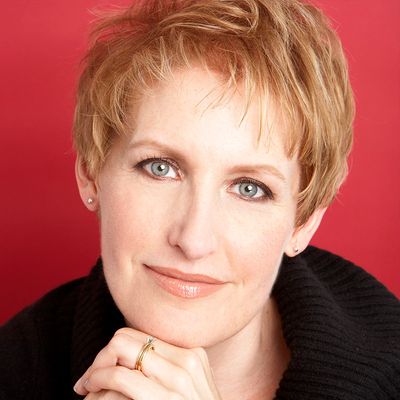
In this episode, we celebrate To Steve With Love: Liz Callaway Celebrates Sondheim, a heartfelt tribute to one of musical theatre’s greatest legends, Stephen Sondheim... Read More
From the show: The Drama Book Show!
Guests
Featured Shows

About
In this episode, we celebrate To Steve With Love: Liz Callaway Celebrates Sondheim, a heartfelt tribute to one of musical theatre’s greatest legends, Stephen Sondheim. Emmy winner and Tony and Grammy nominee Liz Callaway is joined by special guest Jim Walton for an evening of stories, music, and reflection on a career deeply intertwined with Sondheim’s work.
Recorded live at 54 Below, the Grammy-nominated album offers a personal and nostalgic look at Sondheim’s legacy and the profound impact his work has had on performers and audiences alike. Liz shares behind-the-scenes memories, celebrates the music that shaped her career, and honors the enduring brilliance of a composer who forever changed the landscape of musical theatre.
Transcript
This transcript was automatically generated and might contain errors.
[0:00] Mark-Eugene Garcia: Hello and welcome to the Drama Book Show! My name is Mark-Eugene Garcia. My name is
[0:22] David Rigano: Dave Rigano. And my name is Dylan Glick. All together! Wow! Together again! There were times when I'd look up and- Together at last! Together forever! Mark? I don't have one for that. Here I thought we were going to go into some Liz Callaway standards, but no! We went to- Excellent segue! Some togethers! Yeah. God forbid I want to jump into a little Janet Jackson. No, that's cool. That's cool. People often confuse Liz Callaway and Janet Jackson. Quite the segue. But both amazing performers with music that I love. Correct.
[1:01] Mark-Eugene Garcia: This was another one of those moments where I'm like, what is my life because of this podcast? Yes. I was working at Armory for a seasonal gig that I do, and I got a text message. And it's so busy. And there's a million very rich people.
[1:17] Dylan Glick: Was this the spooky gig that you do seasonally? Or is this the different?
[1:23] David Rigano: Oh, no, the Armory. I'm so sorry. I was thinking of your- the ghouls at the church. No, he had just put away the swords and the shields when he got this text. Yes. It's so busy. And I get this text. And I just looked down at my phone. And it says, Hi, David. It's Liz Callaway. Melissa Errico gave me your phone number. Excellent. What? Stop the presses!
[1:47] Mark-Eugene Garcia: And then we had a phone call. And I think before we even- I texted you and I was like, Liz Callaway wants to do an event and whatever she wants, we're saying yes.
[1:52] Dylan Glick: Yeah. So she had put out an album called To Steve with Love. And we could not do it last March because we had a million-
[2:06] David Rigano: Yeah, we had so many- sometime birthday events. Yeah, things that were happening. So we did it in October instead to coincide with the first preview of the original production of Merrily We Roll Along, which was Liz Callaway's Broadway debut.
[2:19] Mark-Eugene Garcia: Oh, there we go. But now it's March again. So happy birthday, Stephen Sondheim. And we can put this episode out.
[2:25] Dylan Glick: Exactly. It's- this might be a little- this might be like April or May when this comes out. But we'll still be celebrating. There's never a reason not to celebrate. How many times is Stephen Sondheim's birthday? No, hang on. That doesn't work. I was going to make a reference to company. A company reference.
[2:42] Mark-Eugene Garcia: Oh, nice. Yeah.
[2:52] Dylan Glick: 11.
[2:53] Mark-Eugene Garcia: 11. It's all right. That was a good try. You're in good company. Thank you. Primarily, we slayed this podcast. Yes, exactly. Those are some specific overtures.
[2:59] David Rigano: Oh, and a musical of musicals for musical reference. Some deep cuts. We have a lot of passion for Stephen Sondheim. Let's get this show on the road show.
[3:15] Mark-Eugene Garcia: All right, you frogs. Let's hear Liz Callaway sing a little light music.
[3:24] David Rigano: Yes, let's dolly. I'm going through the history in my head. I'm going, which ones have we missed? Okay. I don't know. We're really into the weeds here.
[3:31] Dylan Glick: Oh, really? Really? On a Sunday?
[3:38] Mark-Eugene Garcia: You guys are killing it. We'll be here until Saturday night.
[3:44] David Rigano: What a wonderful day. Here we are.
[3:50] Mark-Eugene Garcia: Oh, yeah. We're on the way to the last one. Wow, from first to last on that too. What's the one with the mannequins?
[3:57] Dylan Glick: Oh my gosh, yes.
[4:03] Mark-Eugene Garcia: Yeah. How to Get Away with Murder? Yes, the play.
[4:06] David Rigano: Yeah, not the TV show.
[4:11] Mark-Eugene Garcia: Oh, there we go. Not the TV show. That's his play with George Firth.
[4:14] Dylan Glick: Oh my God. Looking at all of these jokes, it's like looking through a glass onion.
[4:20] Mark-Eugene Garcia: Oh, that's a funny thing.
[4:24] David Rigano: Oh, that's a funny thing. All right.
[4:26] Mark-Eugene Garcia: Anyways, anyone can whistle, but Liz Callaway can't sing. Stop us.
[4:30] David Rigano: Stop us?
[4:30] Liz Callaway: Yeah.
[4:32] Mark-Eugene Garcia: Because I actually can't whistle. That's what they say.
[4:36] Liz Callaway: You know, I actually, when I was younger, I learned how to whistle with this kind man that was living in the forest. I just had to go into the woods and someone taught me how to whistle.
[4:40] David Rigano: I couldn't think of how to get into the woods.
[4:42] Liz Callaway: You got into the-
[4:44] Mark-Eugene Garcia: Yeah. You said into the weeds.
[4:49] Liz Callaway: Oh, I'm-
[4:49] David Rigano: No, it's cool.
[4:53] Liz Callaway: Damn.
[4:53] Mark-Eugene Garcia: That's fine. You've got some good other words.
[4:59] Liz Callaway: Thanks. Not everyone's going to be a good one.
[5:01] David Rigano: They were good. Tonight, quintet.
[5:06] Liz Callaway: No reason. God damn.
[5:06] Mark-Eugene Garcia: We've been having fun, but let's listen to Liz Callaway have some fun with some music and some great conversation.
[5:17] Liz Callaway: Phone rings, door chimes, in comes company.
[5:23] Liz Callaway: No strings, good times, just chums company.
[5:29] Liz Callaway: Late nights, quick bites, party games, deep talks, long walks, telephone calls.
[5:36] Liz Callaway: Thought-shared souls, bared private names, all those photos up on the walls.
[5:44] Liz Callaway: With love, with love, filling the days. With love, 70 ways to Stephen.
[5:56] Liz Callaway: With love from all these good and crazy people, your friends.
[6:04] Liz Callaway: These good and crazy people, your grateful friends.
[6:08] Liz Callaway: And that's what it's all about, isn't it? We love you.
[6:24] Liz Callaway: Good evening. I am so happy to be making- This is my Drama Bookshop debut. And I'm thrilled to be celebrating the musical genius Stephen Sondheim. He was a friend, a teacher, and a man who changed my life.
[6:47] Liz Callaway: Forty years ago, who'd have guessed? Who'd have guessed? I'd be standing here singing songs by the very best.
[6:57] Liz Callaway: Back then I was naive. Never did I believe that I would get to know Steve.
[7:06] Liz Callaway: And he showed me things, many beautiful things, that I hadn't thought to explore.
[7:13] Liz Callaway: They were off my path, so I never had dared. I had been so careful, I never had cared.
[7:20] Liz Callaway: And he made me feel excited, well, excited and scared.
[7:28] Liz Callaway: I was younger then. I was good at climbing trees.
[7:37] Liz Callaway: I was younger then. I saw everything. I was hidden all the time.
[7:48] Liz Callaway: It was easier to climb. I was younger then. I saw everything.
[7:58] Liz Callaway: Where they came and where they went. I was part of the event.
[8:05] Liz Callaway: I was someone in a tree. I was there then. And there's someone in a tree.
[8:14] Liz Callaway: Or the day is incomplete. Without someone in a tree.
[8:20] Liz Callaway: Nothing happened there. It's the fragment, not the day.
[8:26] Liz Callaway: It's the pebble, not the stream. It's the ripple, not the sea.
[8:33] Liz Callaway: That is happening. Not the building, but the beam.
[8:39] Liz Callaway: Not the garden, but the stone. Only cups of tea.
[8:45] Liz Callaway: And history. And someone in a tree.
[9:00] Liz Callaway: Thank you.
[9:10] David Rigano: All right. Hey, thanks everyone for coming.
[9:15] Mark-Eugene Garcia: All right. Is this good here?
[9:16] Liz Callaway: Yeah, we're good.
[9:17] David Rigano: Okay.
[9:17] Liz Callaway: All right. So thank you for coming and thank you for bringing your Stephen Sondheim album.
[9:26] Liz Callaway: Thank you. It's like one of those better late than never CD.
[9:31] Liz Callaway: And part of the reason that we're doing it today in particular is that tomorrow is the anniversary of the first preview of Merrily We Roll Along on Broadway.
[9:39] Mark-Eugene Garcia: Okay, wait. We need to know what year was that?
[9:50] Liz Callaway: That was...
[9:51] Mark-Eugene Garcia: 1981.
[9:52] Liz Callaway: 1981.
[9:54] Mark-Eugene Garcia: So 44.
[9:55] Liz Callaway: 44.
[9:56] Mark-Eugene Garcia: Oh my God.
[9:57] Liz Callaway: 44th anniversary of first preview.
[9:59] Mark-Eugene Garcia: Wow. I was five.
[10:01] Liz Callaway: Yes, yes.
[10:03] Liz Callaway: Wow. That's crazy to me.
[10:06] Mark-Eugene Garcia: And that was your Broadway debut.
[10:09] Liz Callaway: Yes, it was.
[10:10] Mark-Eugene Garcia: And you are, in case people don't know, the first voice that can be heard singing on the album of Merrily We Roll Along.
[10:20] Liz Callaway: Yes. Should we do it? Alex Freybeck, who just played for me. Alex Freybeck, who, by the way, was an intern with the music department of Merrily.
[10:30] Liz Callaway: So yeah, we go back. So like, yeah, I sometimes like to recreate my performance that I did in Merrily. Shall we?
[10:46] Liz Callaway: Oh no, it's not that.
[10:47] Liz Callaway: Yesterday is done.
[10:51] Liz Callaway: See the pretty countryside. We can edit this, right?
[10:54] David Rigano: Yes, yes, yes.
[10:54] Liz Callaway: Okay, let's do this. This is going really well.
[10:57] David Rigano: We have power of the edit.
[10:58] Liz Callaway: Okay, here we go. I'm going to recreate my performance for you now in this bookstore.
[11:03] Liz Callaway: Okay. Yesterday is done. See the pretty countryside.
[11:15] Liz Callaway: Thank you so much. But wait, there's more, David.
[11:19] David Rigano: Yeah.
[11:20] Liz Callaway: How did you get there from here, Mr. Shepherd? Thank you. Thank you all.
[11:28] Liz Callaway: And the Mr. Shepherd part's not in the show anymore.
[11:31] David Rigano: It's not. And that was deeply-
[11:33] Liz Callaway: That's just yours.
[11:34] Liz Callaway: That was disturbing to me. But it's there on the original cast album.
[11:38] David Rigano: So the first thing I want to talk about is what was your relation to Sondheim primarily?
[11:46] Liz Callaway: Primarily, I just worshipped him. The first Broadway show I ever saw was Company, and I was, I think, nine or ten.
[11:55] David Rigano: The right age for Company.
[12:01] Liz Callaway: Totally, the perfect, the target age for that show. And my parents saw it first, and they brought home the cast album. And I just, I memorized every song on the album.
[12:12] Liz Callaway: I would do the TikTok dance in our living room. And then I remember going to see the show and hearing the opening number and going, wait a minute, that's not right. Why are they talking during the song? It had to be exactly as I knew it.
[12:23] Liz Callaway: And Company was directed by Hal Prince, booked by George Firth at the Alvin Theater. And then 10 years later, Merrily We Roll Along. Sondheim, Hal Prince, George Firth, Alvin Theater. It was crazy.
[12:38] Liz Callaway: And the day I called my parents to tell them I was going to be in the new Sondheim show, they were just over the moon.
[12:52] Liz Callaway: And we've seen, Lonnie Price, of course, made the documentary, The Best Worst Thing That Ever Could Have Happened. If you haven't seen it yet, grab a box of Kleenex.
[13:02] Mark-Eugene Garcia: Oh, it's so good.
[13:03] Liz Callaway: It's so good. And yeah, and everyone thought, well, this is the next big Sondheim hit.
[13:10] Jim Walton: Yeah, it was- Sondheim Prince hit.
[13:12] Liz Callaway: Yeah, you know, and I think we actually were postponed. We postponed our rehearsals for like nine months so that Hal could direct an opera. And that was actually the best thing that could possibly happen to me in my career because I was going to be in the new Sondheim Prince musical. So in those, I got seen for everything.
[13:33] Jim Walton: Oh, sure. Yeah.
[13:33] Liz Callaway: I did two off-Broadway shows. I did an in-performance at the White House, a TV movie, and then the show opened. And even though it was devastating, in some ways, I feel like I felt personally that was like almost the ideal first Broadway show experience because I went, I'm working with the greatest people in the business on something that was not a success. And so it prepared me for the rest of my career. That's the reality of it. And one of the things that occurred to me, and I talk about this in my Sondheim show, is that I was originally hired as the swing. And then I was put in the chorus and I understudied Annie Morrison. And she got sick during rehearsals. And so, because we previewed for almost two months and she, every day we do changes and they had me sit in the front row of the Alvin Theater and she would do her lines and I would sing her songs for her.
And I thought, and it occurred to me many years later that Sondheim was there and that's how he heard me because I sang 32 measures of Be a Lion to get into Merrily. That was my go-to audition song. And my solo lines, that was all he knew. So when he asked me to do a Stephen Sondheim evening and Bollies in Concert, things like that, I was like, wow, he knows me.
[15:09] Jim Walton: Yeah. So what was the order after? That was one of my questions was, did you sing a Sondheim song for your audition?
[15:16] Liz Callaway: No, I sang Be a Lion whether it was appropriate or not. That was my go-to audition song. Hey, if it books.
[15:23] Jim Walton: That's right.
[15:29] Liz Callaway: They want an up-tempo, I'd sing it a little faster. If they want a country-western song, I'd sing it with a twang. So what was, what came first after Merrily? In terms of Sondheim.
[15:46] Liz Callaway: Sondheim, it was a Stephen Sondheim evening. And that was the recording in Concert. And that was the concert that I did, What More Do I Need In? And that was debuting.
[15:55] Jim Walton: Debuting the song.
[16:00] Liz Callaway: Yeah. Which was amazing. How does that feel?
[16:06] Liz Callaway: It was incredible. I mean, doing that concert was the first time I actually got to work with him hands-on. And he was, you know, he worked with everyone on all their songs. I also did like the Miller son in that. And the Echo song was really, it was a great concert. It's a great recording. But when we were working on What More Do I Need? He said, do whatever you want with the song, which was very strange because he was very particular about how you did his songs. And I almost felt like he was embarrassed because he wrote it, you know, he wrote it when he was really young and he was like, oh, you know, and then I remember he had a party at his townhouse and there were all these people surrounding him telling him afterwards, oh my God, we love that song.
It was so great. And he was like, yes, I wrote that. You know, it was, but that was a really, you know, that's a song that they play a lot on Sirius XM. And so a lot of people know that song. And when he passed away, they had a New York Times did a, I think it was like 10 Sondheim songs you should listen to now. And that was the first one they mentioned.
[17:14] Jim Walton: It's, I mean, I understand that it was from his first show. He was younger then, but it's amazing to me that he ever should have been embarrassed by that song.
[17:20] Liz Callaway: Because I've actually sat down and color-coded the rhyme scheme of that song because it is so intricate and it's perfect. It is these weird internal rhymes. And if he does it once, he does it exactly the same way. And your ear doesn't necessarily catch that it's a rhyme or just how clever it is, but it just sounds correct.
[17:50] Liz Callaway: It's, you know, I was so young when I did that concert and, but I knew, I mean, there's nothing, there's nothing better than getting to be the first person to sing a song. And I've been very lucky, like when doing Baby or, you know, getting to originate a role is, you know, but that song, and it lives on. That's the, that's the beauty of, you know, the recording and the Spotify and YouTube and all that. And since you, you had come into the city and seen a company, had you also seen Follies?
[18:20] Jim Walton: No, I did not. But my parents saw Follies and they left it intermission.
[18:32] Liz Callaway: That's probably why Hal cut it. Right. I was like, oh, wow. And then it wasn't until years later. Well, I will say that my parents got divorced a few years later when I was in high school and then years go by and I go to see Follies. Or maybe it was, I did, maybe it was Follies in concert and I like read it to, and I, and I went, oh, this is the story of Follies. Now I know why they walked out. You know, it was probably too, too close, you know, too close to them.
[19:08] Liz Callaway: And one of the songs on the album that I did that was probably my most daring song was The Road You Didn't Take, which I think is one of the great Sondheim songs. And I always kind of wanted to do it, but it's like, how could I, it's socio-specific. How could I possibly, how could I possibly ever sing that song? And then I thought about my dad and I thought about how my dad might've felt when he saw Follies and heard that. And, and so I, I think that, you know, that was, that's one of my favorite songs to do in the show just because it's so, it's just such an incredible, such an incredible song.
[19:54] Jim Walton: And of course in that Follies concert, you were a young Sally with, with, with a young Phyllis who had been in Merrily and also had a, had a connection with her parent for the original Follies.
[20:05] Liz Callaway: The wonderful Daisy Prince. So that was, that was an amazing, that was an amazing, terrifying experience. And it was to get to do that with Daisy and then, and Howard McGillin and Jim Walton from Merrily. And that, that was one of the most thrilling and terrifying experiences I've ever had in my career.
[20:36] Jim Walton: I believe it.
[20:36] Liz Callaway: Yeah. Because it was, we rehearsed it in, you know, what, eight days or something a week. And it was like, and you know, that was, that was a lot. And with the New York Philharmonic.
[20:55] Jim Walton: Right.
[20:55] Liz Callaway: And the New York Philharmonic, it was this amazing cast. And it's like, okay, we're going to do the, here we go. And I really thought we were going to crash and burn. And there's a fabulous documentary of that. And I was making a joke. I was in the wings going, I am young Sally. I am young Sally. And the first time I met Billy Porter during rehearsals of Miss Saigon, he came up to me and he went, I am young Sally. I am young Sally. And then I've met people who are like, you're, you're so method. You were so into it. But then we went out and this tsunami of sound and this, this whole, it was incredible. It was, it was absolutely incredible. And we did two nights of that. And I remember being on just such a high and then Frank Rich gave it an incredible review on Monday, but there was, you didn't go back. So it's like, oh, that's what it's like to be in a hit. That's what it's like to have that moment, but then it was over. So all of a sudden I'm experiencing the highs and the lows.
[22:00] Jim Walton: That's the album that I learned Follies from.
[22:12] Liz Callaway: That's the one. Cause I think that was the first like complete.
[22:16] Jim Walton: Yes.
[22:16] Liz Callaway: That was the, they wanted to make a definitive album with the whole score. And there, you know, there was some, and I do think there's something magical about live albums. And this, my Sondheim album is an album from my show and it's not something I wouldn't do a studio album of these songs. I mean, there's a, there's something very dangerous about doing a live album, but I also think there's magic there. And even if it's not perfect and it's, but it's real and it's, I wanted, I just wanted to pay tribute to Steve after he passed away. And I put together this show and never, it didn't occur to me to make an album until afterwards. It's like, you should make a live album of this. So we did.
[23:08] Jim Walton: So at what point when you've got Merrily, you've got Stephen Sondheim Evening, you've got Follies, at what point does it feel like, I guess I'm on the Sondheim train?
[23:18] Liz Callaway: Well, I did get to do some, you know, other concerts. Like, you know, I didn't do a lot of, I didn't do other shows with him. I did a lot of concerts with him and events. But I did do A Little Night Music. I played Petra. I played Dot in Sunday in the Park with George. So I had some of, it's my dream to play Sally someday.
[23:44] Jim Walton: And you're skipping ahead to my questions.
[23:46] Liz Callaway: Oh, I'm sorry.
[23:51] Jim Walton: Now you're going, I have to change everything.
[23:55] Liz Callaway: So when you go to put together the show, and you're looking back on his career, on your career with him, on your journey with him, how much of it was like with Road You Never Take? How much of it was, well, where else am I going to get to sing this song? How much of it was songs I always wished that I could sing? And how much of it was songs that were really a formative part of that journey?
[24:29] Liz Callaway: You know, a lot of the songs were from my experiences of working with him, but there are also a lot of stories that was like really important to me. And when I was putting it together, I remember just like sitting in my living room and going, okay, I know I'd like to sing this. And then I also had like, I know I want to tell this story. And I know I want to, you know, there was like certain songs that I felt I really wanted to do. The hardest thing was coming up with an opening number, because the songs are so show specific. And I didn't want to go out and sing, everybody says don't, everybody says don't, you know, which has like the more that energy. And I remember just writing down like fragments, okay, what am I thinking of?
And I just thought of one day I was writing down like, I was younger then, and excited and scared. And 40 years ago, and I just wrote down little fragments. And, and then I thought, and I love company. I mean, the song company is that's one of my, that's my one of my desert island is. And, and so I just feel I love singing that. And then I got together with Alex. And I was like, you know, I have this idea. What if we go from here, and then I sing this, and then I do a little of this. And then the key was someone in a tree. Yeah. Because when I looked at the lyrics, I was like, Oh, yeah, I was younger than I was. But I was there. And I, I was hidden, but I was and I observed all that because I can merrily I really.
[26:07] Liz Callaway: And that I was the someone in the tree. And that to me kind of was the puzzle piece that came together. And the rest wasn't- the rest actually was pretty easy. When it came time for "Move On," which is- that's really my favorite Sondheim song. And I was thinking, okay, I have to sing that. And then trying to figure out what to do with that. And then I decided to sing it with my son. And it really works as a mother-son piece. It's very, you know, that- it's very unexpected. So Nicholas was my surprise guest, which was- it was very fun. So when I've done the concert in Madrid, we did in Chicago recently. And if it's like an interesting locale, he will come. We're going to be doing the show in Knoxville, Tennessee.
And he's not expressed as much interest in that. If anyone is listening to this podcast from Knoxville, my apologies. So I want to quickly, before we bring our special guest up as well, I want to quickly talk because you have a history with Steve Sondheim, but you have a history with Steve's.
[27:30] Jim Walton: I do. I'm very fond of Steve. I was telling someone just the other day, oh, I'm doing this event with Liz Callaway. It's to Steve with Love. And she's going to sing a couple songs. My friend said, is she going to sing "Meadowlark"? And I said, wrong, Steve. I actually just did a show of 54 Below of all Stephen Schwartz. And we recorded, and I'm listening to now. We may make an album of that. And if so, tell her I will come back and sing "Meadowlark" in the Drama Book Shop.
[27:59] Liz Callaway: Well, because then the next thing she said is, oh, is she going to sing "Journey to the Past"? And I said, wrong, Steve. It's only Steve Sondheim. Can we please get her my album?
[28:09] Jim Walton: Will do. Yes. Will do. But yeah, you've got a very good relationship with Stephen Schwartz. You've done a lot of his. I've got the recordings of you singing "Meadowlark." I've seen you sing "Meadowlark." I've seen you do "Lion Tamer." So what's up with all the Steves?
[28:30] Liz Callaway: I don't know. Several years ago, I did a show at Town Hall called "Even Stephen." Liz Callaway and friends sing Flaherty, Schwartz, and Sondheim. And it was me, Jason Danieley, Norm Lewis, Joshua Henry, before he did anything. And then my sister was a surprise guest and sang with me. And it was really fun. I'd love to do that show again.
[29:03] Jim Walton: And then, of course, during the run of "Anastasia" on Broadway, you came out with your surprise duet with Christy Altomare.
[29:12] Liz Callaway: Yeah. We did the Broadway Princess Party or something. And someone said, oh, you should sing a duet of "Journey to the Past" with Christy. So we did. And afterwards, I said, we should make a single of it. And I said, I'll produce it. I've discovered my entrepreneurial side in the last, I don't know, six or seven years. And I've produced my last four albums. And so, we made a single of it. And Steve Flaherty played for us. And it's fun.
[29:46] Jim Walton: That I just did not know.
[29:49] Liz Callaway: It's a gorgeous recording. Yeah.
[29:52] Jim Walton: Yeah.
[29:53] Liz Callaway: So you brought a friend with you who is not a Steve.
[29:56] Jim Walton: He's not a Steve.
[29:57] Liz Callaway: But he was in the original "Merrily We Roll Along."
[30:01] Jim Walton: Yes. And in fact, I realized that my friend who is here tonight, probably three of the most important, incredible Sondheim moments in my career we experienced together. And I thought, God, it would be so fun for him to come. And he was like, oh, yeah, I'll just come and watch. I said, no, come up. And so, do you want to read his?
[30:29] Jim Walton: He gave David a really short bio. So, if anyone needs to go to the bathroom now or needs to take a break, David will do a dramatic reading of all his unbelievable credits. So Jim Walton appeared in the original Broadway cast of "Merrily We Roll Along" with Liz Callaway, as well as "Come From Away" on Broadway and the Broadway revivals of "Sweeney Todd," "She Loves Me," and "Sunset Boulevard," among many others. On PBS, Jim was in "Follies in Concert" with Liz Callaway and "Crazy for You," "Sondheim the Birthday Concert," and "Company in Concert" with his brother, Bob Walton. He wrote book music and lyrics for "Double Trouble," "Midlife," "The Crisis Musical," and "Midlife 2: Hashtag, what did I come in here for?" He was featured in Lonnie Price's film, "The Best Worst Thing That Ever Could Have Happened," about the original production of "Merrily." Ladies and gentlemen, please help me in welcoming Jim Walton.
[31:28] Liz Callaway: Hi, Jim.
[31:34] Jim Walton: Hello, my friend.
[31:36] Liz Callaway: So great.
[31:38] Jim Walton: Thank you so much for doing this.
[31:40] Liz Callaway: Oh, I can speak up. It's not a big hall.
[31:45] Jim Walton: So, Jim, I want to start you off with the same question that we started Liz off with, which is what was your relation to Sondheim primarily?
[31:57] Jim Walton: Much like Liz, I was a huge fan. I realized recently that I did a lot of Sondheim shows before I met him. Yeah, I played Tulsa in "Gypsy." Thank you. Yeah, I remember you. Henrik in "A Little Night Music." And then 29 years later in the same theater, I went back and played Frederick.
[32:25] Liz Callaway: Oh my God. What theater is this?
[32:30] Jim Walton: Wagon Wheel Playhouse, Warsaw, Indiana. You must know of Wagon Wheel.
[32:35] Liz Callaway: I do. Oh, wow. But I played Tony in "West Side Story." Oh, when I was 17 in high school, I played Sudolus.
[32:41] Jim Walton: Hysterium.
[32:46] Liz Callaway: Oh, really? Yes. You'd be a great Hysterium. In high school. Yeah.
[32:46] Jim Walton: So I might have done other roles of his. And then when "Merrily" happened, it was, are you... I went to the audition. I wanted to get a call back just so I could possibly meet Stephen Sondheim and Harold Prince. That was the main goal. I just wanted to meet them and have bragging rights, which I still do just from that. I really remember I was 25. I thought there's no way they're going to cast me, but I get to meet these guys, shake their hand. Oh my God. And do you remember what you sang for your audition?
[33:24] Jim Walton: I do. "Be a Lion."
[33:24] Liz Callaway: No. We should do a single of a duet of "Be a Lion" together.
[33:36] Jim Walton: I sang "Broadway Baby" from "Dames at Sea." I found me a Broadway baby. And it's on a G and an open vowel. And it worked a lot for me. And I sang the full song of "I've Confessed to the Breeze I Love You" from "No, No, Nanette." I love the score for Nanette. And you could sing the verse back then. You could sing the verse and the chorus. No eight bar cuts?
[34:02] Jim Walton: Not back then. No, we didn't have. He sang two songs and I sang a quarter of a song. They didn't need to hear more from her. They were probably going, is he any good? Wow. Did the man say anything when you sang a song called "Broadway Baby" that wasn't the one that he wrote?
[34:15] Jim Walton: No, but I do have a memory. This is me boasting, but I've got to boast because when you're 25 and you get a reaction, at the end of "I've Confessed to the Breeze," I put in a money note at the end, like it went up to a G. Just decided to tell you to. I just put in an alternate note because I had it that day. And I remember, I could see him. You're looking over their heads. But when I sang the tell, I saw him go. And my joke is that he either really liked the way I sang or he had the Reuben for lunch. But I remember, oh, he really responded to my tenor. So that's what I remember from the auditions more than anything, except they went on.
[35:09] Liz Callaway: Were you at that call back that day?
[35:11] Jim Walton: I had five auditions. I had my equity card, but I went to the open call and I stapled my birth certificate to my resume and I got typed out. So I thought, well, that's it. That's too bad. And then during one of the, I forget some, do you know Brian Lasser, the wonderful composer? Yeah, he was Karen Mason's MD and wonderful composer. And he saw me do a show at the Duplex and he told this agent he knew, you should submit her for the new Sondheim musical. I just heard this young girl from Chicago. And so they got me the audition. Otherwise, I just never would have been, wouldn't have had a chance. Imagine the roads we didn't take because you meet and you get in this guy's camp or whatever, which we were lucky to do.
It defines your career and sustains you in a way. And if that hadn't happened, I might have, I don't know, had other success somewhere, but you can't rewrite your history. But I'm so grateful that. I'm glad to know that you had that same experience because I feel like if I didn't do this, if I hadn't gone there, if I hadn't gone, if I hadn't done "Merrily" and then I auditioned for a show at the Public and I got the audition because I was in "Merrily" and I didn't do it, but it was, the director was Richard Mulvey. And that's how I, he heard me to do "Baby" and blah, blah, blah. And you know, it, it's so, sometimes it's scary.
[36:50] Jim Walton: It is.
[36:51] Liz Callaway: If you go, God, if I didn't do this and.
[36:53] Jim Walton: Yeah. I always said to me, destiny is sacred to me because each step you take defines in a way the next. And if I hadn't been intact, what if, what if I'd been out on the road during "Merrily" audition? You never know. That happens all the time. I did stuff on the road. I said, nah, I'm not going to audition for that, whatever it is. And destiny, it's crazy.
[37:18] Liz Callaway: Do the two of you have any particular memories from the "Merrily" time, either from rehearsals or from previews?
[37:27] Jim Walton: I just remember you were hilarious. And this, yes. And, but especially before you took over as Frank.
[37:39] Liz Callaway: Oh yeah.
[37:40] Jim Walton: And we had more time.
[37:41] Liz Callaway: I had 12 lines.
[37:42] Jim Walton: Yeah. So we had more time to, you know, kind of hang out and stuff. But no, I just, I remember, and then you took over and you were amazing. You know, I just thought of another experience that we had together that also was so profound in many ways is we, it was like 20 years later, we did a reunion concert of "Merrily" and Lonnie put it together and it's like, and I remember I was at the U.S. Open and he called me and he said, we're going to do a concert version and would you play Beth? And I said, sure, but can I still do my solo lines? Because I wanted to because that's what I did.
[38:25] Jim Walton: That's hilarious.
[38:26] Liz Callaway: I really wanted to. And they're like, he's like, yeah. So I did my "Yesterday is Done" and all that. But that, you know, it's like all of us had our kids, we had kids that are our age when we did the show. And instead of people getting up and walking out, people were, you know, standing ovations.
[38:45] Jim Walton: It was a rock concert.
[38:47] Liz Callaway: Hal and Steve embracing and that we got weak. I remember driving into the city and practicing in my car our time and just bawling and just going, oh my God, I'm going to go and see, you know, see my family again.
[39:05] Jim Walton: And speaking of bawling, I remember when she, she sang "Not A Day Goes By" to me because it's
[39:11] Liz Callaway: It's Beth's song to Frank, although I sang it when we did it. Long story there. It was so emotional to me, and I just thought, and I was like trying not to cry, but I was like crying. And so when you would sometimes look over at me, I would kind of look away, because I didn't want you to see my emotion and have it affect you, because you have to sing, and you sang it beautifully. And to be, the way Frank was originally written at that time was that it's sung to him, and it's wounding for him to hear it. And she killed me. Because you find out later in the show that she's throwing his vows back at him.
[39:53] Jim Walton: Oh, yes. Yeah.
[39:55] Liz Callaway: Spoiler alert for Merrily We Roll Along. That is my favorite song in the world.
[40:01] Jim Walton: Not A Day Goes By.
[40:03] Liz Callaway: Yeah.
[40:04] Jim Walton: Beautiful.
[40:05] Liz Callaway: It's just— And that's one that, you know, when you have a favorite song, you don't always listen to it all of the time. And when I went to see the revival of Merrily, it started, and I just started crying.
[40:15] Jim Walton: You lost it.
[40:16] Liz Callaway: It was like, and I wasn't even like emotionally prepared, but it was like, oh right, this song—
[40:21] Jim Walton: Yeah, she was a terrific actress. I forget her name, forgive me.
[40:24] Liz Callaway: Yeah, she was terrific.
[40:25] Jim Walton: It was Katie Rose Clark.
[40:26] Liz Callaway: Yeah, she was terrific.
[40:27] Jim Walton: Yeah, and very funny. She did some really funny stuff. She was a great Beth.
[40:31] Liz Callaway: Yeah. You know what song does, that Sondheim song does that for me? When I hear the beginning chords of Sunday.
[40:36] Jim Walton: Oh, yes.
[40:37] Liz Callaway: That's it. I just hear it, and I'm gone.
[40:41] Jim Walton: Mm-hmm. Yep.
[40:43] Liz Callaway: It's so interesting how that—
[40:46] Jim Walton: He knew—
[40:48] Liz Callaway: He knew a thing or two about the—
[40:50] Jim Walton: Yeah, he really understood how to put his emotion into it.
[40:53] Liz Callaway: What was it like for the two of you seeing Merrily on Broadway and seeing it be a hit?
[41:01] Jim Walton: Well, we all, we, I think I went, did you, you were with us.
[41:05] Liz Callaway: Downtown.
[41:06] Jim Walton: We went off-Broadway, downtown first. It was a bunch of us from the cast, and we, it's just incredible that we've all remained very close, and so we had dinner, and then we walked over and we saw it, and then I saw it again on Broadway, and I was, you know, I was very proud of, you know, I was very happy for everyone, and also really proud of what we did, and I realized that, you know, we did the cast album the day after we closed, and everyone was, you know, hearing these songs, and I realized, though, but they, if we hadn't made that album, you know, and so people, people didn't appreciate the score back then, but now, so many of you, it's considered one of his finest scores, and so I felt very kind of proud that that was something that we did first, you know?
[42:03] Jim Walton: Yeah. I was proud, like a proud parent, almost.
[42:05] Liz Callaway: Yeah.
[42:06] Jim Walton: Like, those are my kids up there. They're so good, and, you know, so it was not at all, what's the word, envy or proprietary, like, well, that's not how we did, no.
[42:17] Liz Callaway: No, no, no, no.
[42:18] Jim Walton: It was, it was so nice to see it so embraced, and also, I think the cast also was so, they were, we had such a, it was a wonderful production, and also, we all got to go backstage, and it was just, it was, it was really nice.
[42:34] Liz Callaway: I'm sure that was incredible for them.
[42:36] Jim Walton: Yeah, it was really nice.
[42:37] Liz Callaway: Because I'm sure that they all grew up listening to you guys the way that, the way that I did.
[42:42] Jim Walton: Well, it's like the, I, like Pam Myers, who sang Another Hundred People, I grew up listening to her. She taught me how to, I have people come up to me and say, I listened to your albums, and I learned how to sing from listening to you. I said, I learned how to sing by hearing Pam Myers.
[42:59] Liz Callaway: Another Hundred People.
[43:00] Jim Walton: Yeah, and so when I got to work with her, we did a benefit at Lincoln Center, and I was like, oh my God, oh my God, oh my God, it's Pam Myers, and we've, you know, we've become friends after that, and so, but no, that was, it was really special to get to experience that and, and see Merrily embrace like that.
[43:24] Liz Callaway: Yeah, I, I walked out in the lyric, I realized, if I were a critic, my, my headline for it would have been Someday Just Began.
[43:35] Jim Walton: Uh-huh.
[43:36] Liz Callaway: Because it's a—
[43:37] Jim Walton: Oh, don't make me cry.
[43:39] Liz Callaway: Someday Just Began, and it's like, finally, because I felt that way back then.
[43:45] Jim Walton: Right.
[43:46] Liz Callaway: Not because I'm so good, no, the score, it was, the idea is so rich. And then you've also gotten to, in concert, sing a Frank song that wasn't in the original.
[43:57] Jim Walton: Oh, yes.
[43:58] Liz Callaway: Yes.
[43:59] Jim Walton: Oh, that's a great song.
[44:00] Liz Callaway: Yeah.
[44:01] Jim Walton: Oh.
[44:02] Liz Callaway: Growing up.
[44:03] Jim Walton: Growing up is a great song.
[44:04] Liz Callaway: Yeah. And you had your own kind of Sondheim journey post, post Merrily, so what has, what has that been, and at what point did you kind of think, oh, I guess I'm on the Sondheim train?
[44:15] Jim Walton: Well, I guess it was a slow burn, because when the Follies offer came to me, it was from Thomas Shepard, the producer of the Follies in concert. And I got a letter, and I thought, wow, Steve feels really bad about Merrily. That was my first thought.
[44:34] Liz Callaway: That's fabulous.
[44:38] Jim Walton: I think I'm good, but I, ooh, he must feel terrible.
[44:42] Liz Callaway: So, at first, it was like, well, he feels bad, and throwing us a bone.
[44:47] Jim Walton: Yeah, we've got to throw them a few, yeah.
[44:49] Liz Callaway: Yeah, like, sorry about that, kid, here you go, enjoy Follies in concert. But then I did this, Sweeney Todd, the first Sweeney Todd Broadway revival in '89 and '90, so I thought, and he was around for that, and so I thought, oh, that was good. And by the time it got to Inside the Actors Studio, which we did.
[45:09] Jim Walton: Yes, we have to talk about that.
[45:11] Liz Callaway: Yeah, that was November of '94. I used to know the exact date, I shouldn't, I think it was the 7th, I know it was November of '94.
[45:19] Jim Walton: Yeah, you know, over the years, like, recently you sent me an email, and Howard and Daisy, that it, was it like—
[45:27] Liz Callaway: It was our 40 year anniversary.
[45:29] Jim Walton: 40 year anniversary.
[45:30] Liz Callaway: Yeah, of Follies in concert, and I think there was another time I wrote to you, and I said it's whatever anniversary of doing Inside the Actors Studio, I don't know, have you seen Inside the Actors Studio?
[45:42] Jim Walton: Yeah, James Lipton, yeah.
[45:44] Liz Callaway: And that was—
[45:45] Jim Walton: I've seen that episode.
[45:46] Liz Callaway: Didn't we have like one or two, maybe one rehearsal, and it was James Lipton interviewing Steve, and Steve was like right there, and then we would do examples, and it actually was like a really long program.
[46:05] Jim Walton: Oh yeah.
[46:06] Liz Callaway: They'd only showed an hour of it, and they, James Lipton, may he rest in peace.
[46:11] Jim Walton: Rest in peace.
[46:12] Liz Callaway: He said to me, because this was the Actors Studio, and he said Liz, I want you to open the program with liaisons. And I was like, you sure?
[46:24] Jim Walton: I was like, okay, yes.
[46:26] Liz Callaway: And so, and when you get to where is style, where is nothing, where is craft, I want you to pause, because Actors Studio, it's all about the craft. So I want you to pause, and there will be a gasp. So I'm like, okay, so we're getting ready to do this, and Steve was not in the greatest mood that day. He was like, okay, I'll do this, I'll be interviewed, and I remember saying to him, just so you know, I'm opening with liaisons, not my idea.
[46:56] Jim Walton: So I go out there, and where is style, where is craft, crickets, nothing. And then we continued. And that is possibly why it didn't make the cut.
[47:11] Liz Callaway: But I wish I could find, because we did more stuff. I hope someone has footage of that.
[47:16] Jim Walton: It must be in a vault somewhere.
[47:18] Liz Callaway: I must be somewhere. I sang another five songs.
[47:20] Jim Walton: Yeah, it was amazing.
[47:21] Liz Callaway: I sang like Finishing the Hat, Being Alive. I sang these big Sondheim tunes that was an hour long. And I also remember, you would look down, and we had our music, and we were like sight reading, but you would look up, and you would act to these, whatever.
[47:41] Jim Walton: I did the entire thing.
[47:43] Liz Callaway: I acted to my script. I just looked at it. I couldn't look up until the very end, and we sang Move On. And that was the one moment to, at the end, anything you do, let it come from you. We directed that to Steve. And I have a little, I edited a little snippet of it, so I have that moment. That, to me, that we had that moment was—
[48:17] Jim Walton: Yeah.
[48:18] Liz Callaway: Yeah, we were so lucky. We were hand-picked to do it, and I was like, what? Scary, but afterwards, it was like, wow. And to know that it was taped, and to be with Liz and Paul Ford, may he rest in peace.
[48:38] Jim Walton: Paul Ford, yeah, who just passed away.
[48:40] Liz Callaway: And especially, of course, Steve, who was very generous and kind, and he's a great interviewee.
[48:46] Jim Walton: Yeah.
[48:47] Liz Callaway: If you haven't seen it, you probably all have, because I can tell you all love Stephen Sondheim. But it was a great night. And it's funny, I can tell you very briefly, because this is not about me, but I did a Just With Friends sing-along of Assassins, and I was cast as Hinkley, and I rehearsed the wrong harmonies for Unworthy of Your Love, and it was completely unrehearsed. I just did it on my own. And I got into the room, and we were singing, and I'm looking at the sheet music, and all of a sudden, I see that my line does something different than what I rehearsed. And I did exactly what you're saying. I acted right into my book, and I followed, and I sight-sang Sondheim harmonies. And people came up to me afterwards, and they said, you were so intense.
[49:29] Jim Walton: You have to be intense.
[49:31] Liz Callaway: I was sight-reading Sondheim. Yes, I was. It takes such concentration. I do a parody, I joke about how hard it is to sing Sondheim. I don't think Sondheim is hard. It's hard to learn. But once you learn it, he did so much of the work for you, I think.
[49:50] Jim Walton: Oh, yeah.
[49:51] Liz Callaway: And the lyrics just make sense. Sometimes when I'm learning a song, and if the lyric isn't quite right, my brain is like, nope, not going to learn it. And I have to drill it much more.
[50:06] Jim Walton: Yeah, it shuts you down.
[50:07] Liz Callaway: But there was something with Sondheim's lyrics that just made sense, and I love the fact that I could be smarter than I am. You know what I mean, singing?
[50:17] Jim Walton: Yeah, well, he makes you look good.
[50:20] Liz Callaway: It's like having the best tailor make your tux just for you. It's just like, you look fantastic.
[50:24] Jim Walton: Well, thank you.
[50:26] Liz Callaway: It's what he did.
[50:27] Jim Walton: Yeah, that's a great way of putting it.
[50:30] Liz Callaway: It's true. So you mentioned Sally being a dream role.
[50:34] Jim Walton: Yeah.
[50:35] Liz Callaway: Do either of you have any other Sondheim dream roles that you haven't gotten to do yet?
[50:42] Jim Walton: Gosh, I'm really bad at this question, because I don't sit around going, oh, I've got to play Henry Higgins. You know, I just don't. I'm always busy with a creative project, and that's what I'm doing, the now, right now.
[50:58] Liz Callaway: No.
[51:00] Jim Walton: It'd be fun to play Erroneous.
[51:03] Liz Callaway: Yup.
[51:05] Jim Walton: You know, it'd be an easy gig. Already know practically all your lines.
[51:09] Liz Callaway: I have got an idea for a bit.
[51:11] Jim Walton: Yes, please do the bit.
[51:14] Liz Callaway: But no, I don't sit around hoping, really. But there are just so many, and some I've outgrown. That's why I love doing my show, because I get to do these characters that I won't get to. And I feel like Steve's biggest gift to me was giving me stuff to sing as I'm older, because I did so much of my work with him when I was really young. And sometimes it's interesting to sing those songs. Like Miller's Son is an example of a song. I remember Duke playing Petra and singing that in a Stephen Sondheim evening, and I kind of understood the first part of the song. It's a very short road. And then, years later, I was like, this is a friggin' amazing song. And I get to experience all these parts. It's like you're creating your own work and stuff, and I'm not a writer, so I can't write a show for myself, but I can create.
[52:15] Liz Callaway: That I can do, and so many songs I never touched. You know, I thought, I'm too young for that. Don't you ever do a master class and you see like a 16-year-old singing "Losing My Mind"? And it's like, and you can, you know, there's ways to make that work. But there's, I think it's, he wrote for, you know, mature people and that's like such a gift. I also think that like sometimes when you're 16, like, like, whatever, whatever is written for Sally in that moment, maybe not what, but if you think that you're going through the same thing. Yeah, I did a, I did a, another one of those interview thingies with Ned Rorem was, I think it was in 92nd Street Y and it was Steve and it was George Dvorsky.
You must not have been available. But we were doing examples and we did poems, which was really interesting. But I did "In Buddy's Eyes" and I saw it and I was like, whoa, I did not, I did, you know, I didn't understand it in the same way that I do now, you know, years later. I'll even tell you, and I'm telling on myself a little bit and my parents are here and they can possibly even corroborate this, but my first high school breakup, I went home and I put in the "Follies in Concert" DVD and I watched Barbara Cook sing "Losing My Mind" on repeat. So sometimes, I think that there's something that is, I mean, and we can also laugh about that because we were all teenagers once and feeling all of those big emotions, but I think that there's also something that like, yeah, you don't know that, but there's something about it that you think. It's like, oh, he gets me. Sondheim understands I'm losing my mind and to hear it, it's healing to hear it over and over. It can be a healing experience to listen to his work.
[54:29] David Rigano: Do you want to, before we wrap up, do any of our attendees have any questions for this Sondheimian duo?
[54:41] Audience Member: In the actor studio show, there's a point where he's talking about open vowel sounds or how hard it is to sing certain songs when he's writing the lyrics and he turns to both of you and goes, don't you understand? You talk about how hard it is, but he really cared about what you did as voices. He didn't ask you to do anything that you couldn't do.
[55:02] Jim Walton: No, and I remember him talking about how he put himself in the, it's like, if I can't sing this, they have to be able to sing this. Like "Getting Married Today," that a lot of people are like, oh, that's such a hard song. He wrote it so beautifully that it just kind of, if you can relax, if you could just relax your mouth while you're doing it, the words just come, they just come out. Quick little thing about that. The first time I sang that was at a concert at Millennium Park. It was a big symphony concert and Gary Griffin was the director and he said, Liz, I want you to sing "Getting Married Today." I'm like, wow. I was like, wow. You sure you don't want me to sing "Liaisons"? Yeah, I know, right?
But it was like the first chance that I got to do something comedic. And he said, oh, and great news. Steve is going to be in the audience. Oh, great. Thank you. I will tell you that I have never been more terrified in my life to sing that song, but then to have him there. But then he loved it and he said to me, I love how fast you took it. Sometimes people slow it down because they think it's going to be easier. It's actually harder to sing it slow because you want to sing it just all in one breath. And for the comedy of it. But no, he really cared about making it conversational. A quarter note rest was a quarter note rest for a reason.
[56:44] Liz Callaway: Were there any moments where you would say, what if I do this? And then he would say yes or no?
[56:50] Jim Walton: I was too scared. I was too scared. Plus, then I didn't have the confidence in myself really to. But he also, I observed this in "Merrily," I thought he was an outstanding director. I loved watching him work with singers. And I remember doing like a big concert thing at BAM. I filled in for someone. I had to sing more from "Dick Tracy." And I remember he gave me a note afterwards. He said, Liz, you have this big, you have this hundred-watt smile and you cannot show it to us until the end of the song. And I was like, okay. And he was absolutely right. It was just, he knew. And it was just like a little note, a little, you know. So, but no, I don't know. I'm happy to know that you didn't necessarily feel. Now, wouldn't this be better?
[57:54] Liz Callaway: Oh, no, no. I was just too in awe. And I was 26 when we did "Merrily." I was in the city two years. And then I wouldn't, still wouldn't. I still wouldn't. I probably wouldn't today.
[58:12] Audience Member: Hi. This is kind of a follow-up subject. There was a documentary about "Merrily" a few years ago. And one of the things they showed was you all had a party. And someone thought, well, you know, he's not going to show up. We should invite Steve in. And he showed up. Was that Lonnie's birthday?
[58:31] Jim Walton: That was Lonnie's birthday. Yeah, I remember that. And he played, I remember he played "Good Thing Going." Yeah, and Lonnie, I may or may not have pressed record. And he recorded Steve singing "Good Thing Going" in March of '81, because Lonnie's birthday is in March.
[58:47] Liz Callaway: Wow, I remember that. March what?
[58:50] Jim Walton: Ninth.
[58:51] Liz Callaway: I'm the eighth.
[58:53] Jim Walton: Oh, wow.
[58:54] Liz Callaway: But that felt like a Hollywood movie. It was just like what I grew up watching, like black and white musicals. And it was like, hey, and Lonnie's piano was in his bedroom.
[59:01] Jim Walton: Yeah.
[59:06] Liz Callaway: So we were all in his bedroom. And they had Sondheim posters on the wall. It was like he was, oh, God. That was sort of my question, which is, at some point, was the awe, did that sort of fall? It was like, oh, yeah, we're just here with Steve.
[59:21] Jim Walton: I wasn't at that party.
[59:23] Liz Callaway: Oh.
[59:24] Jim Walton: But were you at that party?
[59:25] Liz Callaway: I was. Yeah.
[59:26] Jim Walton: Yeah, I was at that party. I think we all over the years became much more comfortable with him. I remember we all, a large, I think you were with us, a large group of us got together to see when Encores did "Merrily" with Lin-Manuel.
[59:44] Liz Callaway: With Lin-Manuel, the owner of the drama book, one of the owners of the drama book shop. But I remember afterwards we went to Trattoria dell'Arte, and we just, you know, and he was sitting with people. And I wasn't at the table that he was at. But I think there was more of a comfort. But I always, I still, I always felt shy around him. I just, I did. I just, I did.
[1:00:11] Jim Walton: Same with me. I would just, I'm going to say something really stupid. You know, it's that.
[1:00:17] Liz Callaway: But he had that power. I've worked with a lot of other great people that didn't make me feel that way. But whatever he did, it just made me feel that I had to be careful what I said because it was going to be wrong or foolish or something. But I say wrong, foolish things a lot. So, I don't know.
[1:00:39] Jim Walton: I understand. You know what I mean?
[1:00:41] Liz Callaway: I do, I do. And also performing his songs, it's, oh, God, he's going to be there. I was nervous that night downtown for this actor studio thing. Oh, my God, yes. Always nervous. He's right there. It's like, oh, God. Always nervous. I hope I don't disappoint him.
[1:00:57] David Rigano: Does anybody else have any last questions? Then I'm going to ask a last question that you sort of touched on before we hear one more song, which is, are there any pearls of wisdom that you have carried with you, either from the songs themselves or from the man himself, that you kind of keep with you that you would like to share with us?
[1:01:29] Liz Callaway: Well, I would say the lyric that is somewhat of a mantra, I think, is anything you do, let it come from you, then it will be new. Give us more to see. I think that is, you know, especially getting older and just, you know.
[1:01:45] Jim Walton: Sure.
[1:01:47] Liz Callaway: But I don't know if I have something that he said to me.
[1:01:51] Jim Walton: What about you?
[1:01:53] Liz Callaway: I would like to say, oh, it's this lyric or that, but it's not. It's just more the example he set as an artist, that he came to work, to work. And you could tell from his writing that he worked his tail off and thought and felt deeply about it. And, yes, content dictates form. Less is more. God is in the details, which I, as a writer, I keep. Those really are mantras for me. So it's more almost his teaching by what he did. It's just, it's with me every day. As an actor, too, not just as a writer.
[1:02:34] David Rigano: Well, thank you both so much for coming to share your stories, your love of Sondheim.
[1:02:46] Jim Walton: Thank you, Jim, for hopping into this.
[1:02:48] Jim Walton: You're welcome.
[1:02:49] Liz Callaway: I will now close with "Liaisons."
[1:02:53] David Rigano: Where is craft?
[1:02:56] Liz Callaway: There we go. So, yes, we're going to hear one more to close us out, and then we'll get your albums signed.
[1:03:07] David Rigano: Okay, thank you, David.
[1:03:09] Liz Callaway: All right. It seemed like a good idea to do two songs. You know, I had texted Alex about finishing with something nice and easy, and I thought about, with so little to be sure of, which is something I posted that lyric after Steve passed away because I didn't know, I didn't have words of my own about that. But then I thought about having Jim here, and kind of like what we were talking about, like our life, I always feel like all my if-then moments, but it always comes back to "Merrily." So.
[1:03:55] ♪ Musical number: "Moving On" — performed by Liz Callaway and Jim Walton ♪
[1:05:48] ♪ Musical number: "Me and You" — performed by Liz Callaway ♪
[1:07:16] Dylan Glick: And we're back. Wasn't she swell? Wasn't she great?
[1:07:26] Mark-Eugene Garcia: Some people. Oh, that was great.
[1:07:31] David Rigano: Did I hear a waltz?
[1:07:34] Mark-Eugene Garcia: No, you didn't.
[1:07:37] David Rigano: Wow.
[1:07:38] Mark-Eugene Garcia: Which I saw Melissa Errico do at Encores! just to bring it back to that.
[1:07:42] David Rigano: Oh, yeah. Full circle. We are all just—
[1:07:45] Mark-Eugene Garcia: Her tone is so pure, like a bird, like a green finch, or perhaps a lizard bird.
[1:07:50] David Rigano: But then also to have had Jim Walton, original Merrily cast member here as well.
[1:07:56] Mark-Eugene Garcia: Ah, God, that's good.
[1:07:57] David Rigano: Chat. That's all the podcast portion of this interview is just on that.
[1:08:03] Mark-Eugene Garcia: It's just Sondheim references. And I promise you people, unlike that one episode, there's no Coquito going back and forth between us.
[1:08:10] Dylan Glick: That's true.
[1:08:11] Mark-Eugene Garcia: Did we talk about that when we were—
[1:08:15] David Rigano: When we were doing it?
[1:08:16] Mark-Eugene Garcia: When we were drinking at work?
[1:08:18] David Rigano: Was I here for that?
[1:08:19] Mark-Eugene Garcia: You were not here for that.
[1:08:20] David Rigano: Also, don't drink.
[1:08:21] Mark-Eugene Garcia: There was one episode where we were having Coquito during it.
[1:08:25] David Rigano: It was like three episodes and we were just getting—
[1:08:28] Mark-Eugene Garcia: No, there was one episode where we were just having a little fun.
[1:08:32] David Rigano: Sondheim had given us some Coquito and we were enjoying it while we were recording.
[1:08:37] Mark-Eugene Garcia: It was— You're going to have to figure it out.
[1:08:40] David Rigano: You're going to have to go back and listen to the episodes and figure out which ones—
[1:08:45] Mark-Eugene Garcia: Rum things coming.
[1:08:46] David Rigano: What was that?
[1:08:47] Mark-Eugene Garcia: Rum things coming.
[1:08:48] David Rigano: Rum things coming.
[1:08:49] Mark-Eugene Garcia: Could be.
[1:08:50] David Rigano: God.
[1:08:51] Mark-Eugene Garcia: That's good.
[1:08:52] David Rigano: You know, there's a place for us.
[1:08:54] Mark-Eugene Garcia: Yes.
[1:08:55] David Rigano: It's hell.
[1:08:56] Mark-Eugene Garcia: So there's some trivia for you.
[1:08:57] David Rigano: Go back and find the episodes that we were having some Coquito.
[1:09:01] Mark-Eugene Garcia: I feel like there was a wine one too.
[1:09:03] David Rigano: I feel like after one of the episodes that someone left wine here.
[1:09:07] Mark-Eugene Garcia: Yeah.
[1:09:08] David Rigano: And we didn't have a bottle or anything.
[1:09:11] Mark-Eugene Garcia: But I think we had a little wine with an episode.
[1:09:14] David Rigano: Sometimes it just—
[1:09:15] Mark-Eugene Garcia: Lubricates.
[1:09:16] David Rigano: Yeah.
[1:09:17] Mark-Eugene Garcia: Yeah.
[1:09:18] David Rigano: It doesn't—
[1:09:19] Mark-Eugene Garcia: We don't need alcohol to do a podcast, but it definitely makes it better.
[1:09:25] David Rigano: Yeah.
[1:09:26] Mark-Eugene Garcia: Sometimes.
[1:09:29] David Rigano: But there is none tonight.
[1:09:31] Mark-Eugene Garcia: This is just—
[1:09:32] David Rigano: This is just us.
[1:09:33] Mark-Eugene Garcia: But we had a wonderful night with Liz Callaway performing.
[1:09:36] David Rigano: It's just your voice.
[1:09:39] Mark-Eugene Garcia: Yes.
[1:09:40] David Rigano: For so many of us, it is the voice of our childhood in one way or other.
[1:09:47] Mark-Eugene Garcia: Yes.
[1:09:48] David Rigano: No, totally.
[1:09:49] Mark-Eugene Garcia: And Kirsten, who's one of our shift leads and baristas.
[1:09:53] David Rigano: And a dear friend.
[1:09:54] Mark-Eugene Garcia: And a dear friend.
[1:09:55] David Rigano: And collaborator.
[1:09:56] Mark-Eugene Garcia: With Bated Rep.
[1:09:57] David Rigano: And all around silly human being.
[1:09:59] Mark-Eugene Garcia: Very silly human being.
[1:10:00] David Rigano: Yes.
[1:10:01] Mark-Eugene Garcia: Whimsy.
[1:10:02] David Rigano: She came to the store and just came up to me and was like,
[1:10:05] "I have to say hi. Can you please help me? I have to—"
[1:10:09] Mark-Eugene Garcia: I was like, yeah. Just walk up to her and say hi.
[1:10:11] David Rigano: And she—
[1:10:12] Mark-Eugene Garcia: And I was like, hey, Liz. This is Kirsten. She works here. She's one of our baristas.
[1:10:16] David Rigano: And Kirsten was like, "I'm so sorry that I'm telling all of your stories, Kirsten."
[1:10:19] Mark-Eugene Garcia: But she was like, "Anastasia was my favorite movie growing up."
[1:10:23] David Rigano: So—
[1:10:24] Mark-Eugene Garcia: Yes.
[1:10:25] David Rigano: Yeah.
[1:10:26] Mark-Eugene Garcia: When she is the voice that sang "Once Upon a December" and "Journey to the Past" to us when we were kids.
[1:10:34] David Rigano: And the nanny theme.
[1:10:35] Mark-Eugene Garcia: And the nanny theme.
[1:10:36] David Rigano: And the nanny theme.
[1:10:37] Mark-Eugene Garcia: Yes.
[1:10:38] David Rigano: Yeah.
[1:10:39] Mark-Eugene Garcia: I often confuse those songs.
[1:10:40] David Rigano: "Journey to the Past" and the nanny theme.
[1:10:41] Mark-Eugene Garcia: Yes.
[1:10:42] David Rigano: I wonder why they cut that from Anastasia.
[1:10:43] Mark-Eugene Garcia: As in the other scene?
[1:10:46] David Rigano: Yes.
[1:10:47] Mark-Eugene Garcia: Yeah.
[1:10:48] David Rigano: No, it's true.
[1:10:49] Mark-Eugene Garcia: It's just her.
[1:10:50] David Rigano: That was her for me.
[1:10:51] Mark-Eugene Garcia: Or even on Spitfire Grill.
[1:10:52] David Rigano: Spitfire Grill.
[1:10:53] Mark-Eugene Garcia: Which is a show I love.
[1:10:54] David Rigano: And say what you want.
[1:10:55] Mark-Eugene Garcia: You can't say what you will.
[1:10:56] David Rigano: Yes.
[1:10:57] Mark-Eugene Garcia: She was also the singing voice of Jasmine in the Aladdin sequels.
[1:11:00] David Rigano: Wow.
[1:11:01] Mark-Eugene Garcia: Wow.
[1:11:02] David Rigano: Yeah.
[1:11:03] Mark-Eugene Garcia: If you want.
[1:11:04] David Rigano: Back in the Lamb.
[1:11:05] Mark-Eugene Garcia: Yes.
[1:11:06] David Rigano: Return of Jafar.
[1:11:07] Mark-Eugene Garcia: Return of Jafar.
[1:11:08] David Rigano: Return of Jafar.
[1:11:09] Mark-Eugene Garcia: Return of Jafar.
[1:11:10] David Rigano: The King of Thieves.
[1:11:11] Mark-Eugene Garcia: The King of Thieves.
[1:11:12] David Rigano: I loved King of Thieves.
[1:11:13] Mark-Eugene Garcia: Return of Jafar was okay.
[1:11:14] David Rigano: But I loved Thieves.
[1:11:15] Mark-Eugene Garcia: I actually have not seen the sequels.
[1:11:16] David Rigano: It's really good.
[1:11:17] Mark-Eugene Garcia: I only just recently watched Return of Jafar, I think, for the first time.
[1:11:23] David Rigano: I think that I may not have ever.
[1:11:24] Mark-Eugene Garcia: Yeah.
[1:11:25] David Rigano: Maybe I saw it once.
[1:11:26] Mark-Eugene Garcia: But King of Thieves was a VHS that we had that was on regular in my house.
[1:11:32] David Rigano: Oh, yeah.
[1:11:33] Mark-Eugene Garcia: I almost went...
[1:11:34] David Rigano: Are you in or out?
[1:11:35] Mark-Eugene Garcia: Yeah.
[1:11:36] David Rigano: I know the answer to that one.
[1:11:37] Mark-Eugene Garcia: But when we got—
[1:11:38] David Rigano: Rod and I got married, I almost posted the "Finally Getting Married" song on there.
[1:11:42] Mark-Eugene Garcia: Just because it's such a good song.
[1:11:44] David Rigano: Oh, man. Hearing you guys talk about this makes me want to go re-watch Twisted, which I have not seen since I was, like, probably, like, in place.
[1:11:51] Mark-Eugene Garcia: My favorite Starkid show is Twisted.
[1:11:53] David Rigano: It's so good.
[1:11:54] Mark-Eugene Garcia: It's Twisted.
[1:11:55] David Rigano: It's so well-written.
[1:11:56] Mark-Eugene Garcia: It's Firebringer.
[1:11:57] David Rigano: Here's the thing.
[1:11:58] Mark-Eugene Garcia: I—
[1:11:59] David Rigano: Okay.
[1:12:00] Mark-Eugene Garcia: My favorite is probably—
[1:12:01] David Rigano: My favorite is probably I Love Trail to Oregon.
[1:12:03] Mark-Eugene Garcia: Okay.
[1:12:04] David Rigano: I love Trail to Oregon.
[1:12:05] Mark-Eugene Garcia: My favorite of, like, where my heart is, is the Harry Potter sequel.
[1:12:08] David Rigano: Nice.
[1:12:09] Mark-Eugene Garcia: I love Harry Potter, the musical.
[1:12:10] David Rigano: Yeah.
[1:12:11] Mark-Eugene Garcia: But, yeah.
[1:12:14] David Rigano: No, there's—
[1:12:15] Mark-Eugene Garcia: It's the structure of Twisted that works for me.
[1:12:21] David Rigano: Uh-huh.
[1:12:22] Mark-Eugene Garcia: The rhyme scheme of Twisted that works for me.
[1:12:25] David Rigano: I do have to say, nothing against the songs, but I think that it is the book of Firebringer that I love more.
[1:12:30] Mark-Eugene Garcia: Yeah.
[1:12:33] David Rigano: But I think it's so smart.
[1:12:36] Mark-Eugene Garcia: It's so funny.
[1:12:37] David Rigano: Oh, yeah.
[1:12:38] Mark-Eugene Garcia: All their shows are.
[1:12:39] David Rigano: Yeah.
[1:12:40] Mark-Eugene Garcia: Like, they really are.
[1:12:41] David Rigano: I love the whole, like, Hatchetfield.
[1:12:42] Mark-Eugene Garcia: Oh, yeah.
[1:12:43] David Rigano: I love the guy—
[1:12:44] Mark-Eugene Garcia: I haven't seen the Hatchetfield musicals.
[1:12:45] David Rigano: Oh, really?
[1:12:46] Mark-Eugene Garcia: Oh, no.
[1:12:47] David Rigano: Black Friday and The Man Who—
[1:12:48] Mark-Eugene Garcia: The Man Who Didn't Like Musicals.
[1:12:49] David Rigano: Yeah.
[1:12:50] Mark-Eugene Garcia: I was just gonna say, I got it wrong.
[1:12:51] David Rigano: The Man Who Didn't Like Musicals.
[1:12:52] Mark-Eugene Garcia: Yes.
[1:12:53] David Rigano: Or The Guy.
[1:12:54] Mark-Eugene Garcia: That one is really good.
[1:12:55] David Rigano: I like that one a lot.
[1:12:56] Mark-Eugene Garcia: That was what I just—
[1:12:57] David Rigano: Yeah, I was just getting it wrong.
[1:12:58] Mark-Eugene Garcia: It said Guy Who Hated, but I can't remember if it was Guy Who Hated or Man Who Didn't Like or Man Who Hated or Guy Who Didn't Like.
[1:13:00] David Rigano: I think it's The Guy Who Hated Musical.
[1:13:01] Mark-Eugene Garcia: I'm looking it up.
[1:13:02] David Rigano: Something like that.
[1:13:03] Mark-Eugene Garcia: But I enjoyed it.
[1:13:04] David Rigano: Yeah.
[1:13:05] Mark-Eugene Garcia: I really did.
[1:13:06] David Rigano: Yeah.
[1:13:07] Mark-Eugene Garcia: That's a title that I wouldn't think that I would like.
[1:13:09] David Rigano: Guy Who Didn't Like.
[1:13:10] Mark-Eugene Garcia: Like, that whole series...
[1:13:12] David Rigano: I don't tend to like self—
[1:13:13] Mark-Eugene Garcia: What I call self-loathing musicals.
[1:13:14] David Rigano: Musicals that make fun of, not specific things, like your intents and your title of shows, but musicals that just make fun of the art form of musical theater and say, "Aren't musicals stupid?"
[1:13:16] Mark-Eugene Garcia: But that's not what this show does.
[1:13:18] David Rigano: No.
[1:13:19] Mark-Eugene Garcia: No.
[1:13:20] David Rigano: Its want song was hysterical.
[1:13:21] Mark-Eugene Garcia: Yeah.
[1:13:22] David Rigano: Like, its structure was fantastic.
[1:13:23] Mark-Eugene Garcia: And I really—
[1:13:24] David Rigano: Like, all of those shows, I do think that, again, like, as you said, I think the book is what gets me.
[1:13:25] Mark-Eugene Garcia: Yeah.
[1:13:26] David Rigano: Yeah.
[1:13:27] Mark-Eugene Garcia: Yeah.
[1:13:28] David Rigano: Yeah.
[1:13:29] Mark-Eugene Garcia: Yeah.
[1:13:30] David Rigano: Yeah.
[1:13:31] Mark-Eugene Garcia: Yeah.
[1:13:32] David Rigano: Yeah.
[1:13:33] Mark-Eugene Garcia: Yeah.
[1:13:34] David Rigano: Yeah.
[1:13:35] Mark-Eugene Garcia: So, I think the book is what gets me for those because, to me, that's the funniest parts except for Twisted, where, again, the lyrics are so good, and it's just—
[1:13:54] Mark-Eugene Garcia: It's perfection.
[1:13:56] David Rigano: It's on a, to me, a whole different level.
[1:13:59] Mark-Eugene Garcia: And Starkid writers, just know that we seamlessly got from Steven Sondheim to you, and take that as a compliment that it is.
[1:14:05] David Rigano: Truly.
[1:14:07] Mark-Eugene Garcia: Truly.
[1:14:09] Dylan Glick: Oh, man. We could have a Starkid podcast.
[1:14:11] Mark-Eugene Garcia: That would be great.
[1:14:12] David Rigano: Yeah.
[1:14:13] Mark-Eugene Garcia: Like a rewatch.
[1:14:14] David Rigano: Exactly.
[1:14:15] Mark-Eugene Garcia: We'll see if Darren Criss will come back to the Star.
[1:14:16] David Rigano: Sure.
[1:14:17] Mark-Eugene Garcia: Yeah.
[1:14:18] David Rigano: Darren, if you're listening.
[1:14:19] Mark-Eugene Garcia: If you're listening, come on back.
[1:14:20] David Rigano: I'll also, like, I'll absolutely do, like, a Starkid reaction channel with y'all.
[1:14:26] Mark-Eugene Garcia: Yes.
[1:14:27] David Rigano: There was once a side hustle.
[1:14:28] Mark-Eugene Garcia: The Starkid shows are really something that got me through the pandemic as well.
[1:14:32] David Rigano: That was a thing that I just kept on the regular because it just, it was the closest thing to live theater.
[1:14:36] Mark-Eugene Garcia: Musical theater.
[1:14:39] David Rigano: Yeah.
[1:14:40] Mark-Eugene Garcia: And the videos are so well made, and the pro shots are so just well produced, and the shows are so good.
[1:14:45] David Rigano: So it just, it felt, oh, cool. I'm at a show right now.
[1:14:48] Mark-Eugene Garcia: Yeah.
[1:14:49] David Rigano: And the way that they built, like, their own little community, the more of them that you watch, you're like, you're like, they're your friends.
[1:14:57] Mark-Eugene Garcia: Yeah, you're suddenly in on the in jokes, and you want to follow them on Instagram and know where they live.
[1:15:01] David Rigano: No, you just want to.
[1:15:02] Mark-Eugene Garcia: No, but you want.
[1:15:02] Mark-Eugene Garcia: I don't think I was here for that one.
[1:15:03] David Rigano: Yeah, it did get to be a bit of a parasocial relationship over the pandemic.
[1:15:08] Mark-Eugene Garcia: But no, you just, you're excited about the stories, and you see the little Easter eggs, and it just, it's a beautiful thing.
[1:15:16] David Rigano: It was my 2020 theater.
[1:15:18] Mark-Eugene Garcia: Oh, where do we go from here?
[1:15:23] David Rigano: Yeah.
[1:15:24] Mark-Eugene Garcia: Actually, where do we go from here?
[1:15:28] David Rigano: What did I just do?
[1:15:29] Mark-Eugene Garcia: Where do I go from here?
[1:15:31] David Rigano: That's an obvious Steven Sondheim song, but I wanted to live Calloway things on one of her albums.
[1:15:35] Mark-Eugene Garcia: So I made a reference.
[1:15:37] David Rigano: I went, what did I just get?
[1:15:38] Mark-Eugene Garcia: You did what you had to do.
[1:15:42] David Rigano: So for our next episode, we're going to go from the beautiful tones of Liz Callaway, to the abstract world of Starkid, to something even more abstract, it was probably to me one of the most abstract events we had here.
[1:15:54] Mark-Eugene Garcia: And that is the Samuel Beckett meets hip hop.
[1:15:58] David Rigano: Yeah.
[1:16:04] David Rigano: Oh, it was so much fun.
[1:16:05] Mark-Eugene Garcia: It was so good.
[1:16:07] David Rigano: The performance was amazing.
[1:16:09] Mark-Eugene Garcia: And just the setup.
[1:16:10] David Rigano: Oh, my new bestie.
[1:16:11] Mark-Eugene Garcia: Yes, absolutely.
[1:16:12] David Rigano: Absolutely loved it.
[1:16:13] Mark-Eugene Garcia: And we love some Beckett.
[1:16:14] David Rigano: Yes.
[1:16:15] Mark-Eugene Garcia: Yes.
[1:16:16] David Rigano: The weirder, the better.
[1:16:17] Mark-Eugene Garcia: I actually, I have not read any Beckett.
[1:16:18] David Rigano: Really?
[1:16:19] Mark-Eugene Garcia: Yes.
[1:16:20] David Rigano: Still waiting.
[1:16:21] Mark-Eugene Garcia: Still waiting.
[1:16:22] David Rigano: You need to read Waiting for Cadeau.
[1:16:23] Mark-Eugene Garcia: And then you need to turn around and read Duncan Plaster's Underpants Cadeau.
[1:16:24] David Rigano: Oh, yes.
[1:16:25] Mark-Eugene Garcia: Sorry, one month.
[1:16:26] David Rigano: Yeah.
[1:16:27] Mark-Eugene Garcia: I do think, because there are enough of them out there. I think you should watch Waiting for Cadeau.
[1:16:32] David Rigano: Yeah.
[1:16:33] Mark-Eugene Garcia: And the one that I first saw, and obviously I'll be partial to this and be like, this is the one that you should use to get into.
[1:16:36] David Rigano: But is, there's an early 2000s. I think it was an Irish stage version that they took into a movie studio and made like a movie.
[1:16:44] Mark-Eugene Garcia: Yes.
[1:16:46] David Rigano: So that's the one that I recommend.
[1:16:47] Mark-Eugene Garcia: So we will talk some Beckett next week and we will hear a wonderful performance by Jenny Jones and it's going to be exciting.
[1:17:04] David Rigano: And interestingly enough, just hearing it won't be that different from the way that we experienced it because it is a show that is meant to be done in the dark.
[1:17:10] Mark-Eugene Garcia: Yes and it wasn't in the dark.
[1:17:11] David Rigano: Oh, I absolutely was not hearing that.
[1:17:12] Mark-Eugene Garcia: We turned off all of the lights in here and it was dark as hell.
[1:17:17] David Rigano: It was an incredible, I had light cues.
[1:17:21] Mark-Eugene Garcia: I had light cues for this event.
[1:17:23] David Rigano: It was so much fun and so you'll get to experience it almost as we did.
[1:17:27] Mark-Eugene Garcia: So remember to follow us on Instagram at Dramabookshowpodcast.
[1:17:30] David Rigano: Please subscribe to the Dramabookshop on Eventbrite so that you can be made aware the next time that we're doing something really freaky and weird here if you want to be here in person.
[1:17:36] Mark-Eugene Garcia: And we can't wait to go to your screens and leave some stars and leave some happy faces and leave some comments.
[1:17:50] David Rigano: And produce our plays, please.
[1:17:53] Mark-Eugene Garcia: All of the things.
[1:17:54] David Rigano: And remember that all the books we talk about can be found here at the Dramabookshop.
[1:17:58] Mark-Eugene Garcia: And so can we.
[1:17:59] David Rigano: And we will see you at the bookshop.
© Broadway Podcast Network, All Rights Reserved