

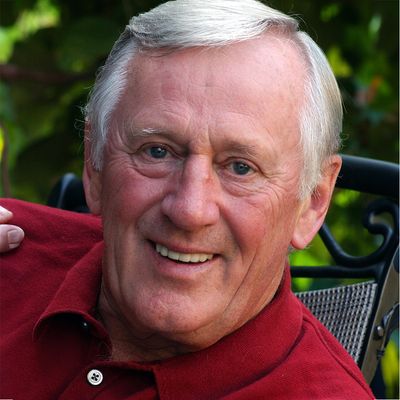
On this week’s show, Jamie and Rob are back at Orso Restaurant with legendary actor Len Cariou. With a career spanning over five decades, Len created roles in “Applause” and “A Little Night Music” before his Tony and Drama Desk Award winning turn as the title character in “Sweeney Todd”... Read More
From the show: The Fabulous Invalid
Guests
Featured Shows
About
On this week’s show, Jamie and Rob are back at Orso Restaurant with legendary actor Len Cariou. With a career spanning over five decades, Len created roles in “Applause” and “A Little Night Music” before his Tony and Drama Desk Award winning turn as the title character in “Sweeney Todd”. Len is currently starring Off-Broadway in “Harry Townsend’s Last Stand”, and can also be seen on CBS’s hit drama, “Bluebloods”. Following the interview, Rob gives us a bit more information on the legend of “Sweeney Todd”, and before we sit with Len, Jamie and Rob talk about winter, sweaters, and Rob’s swan-like neck.
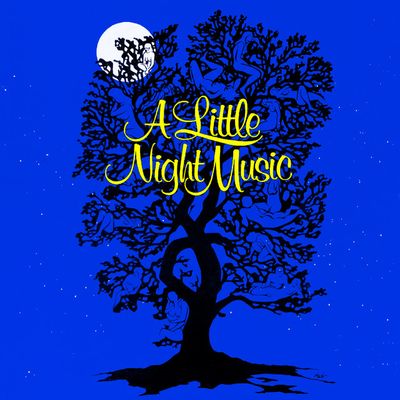
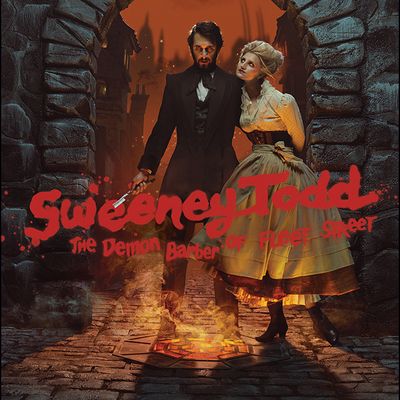
This week’s music: “But Alive”, and “Think How It’s Gonna Be”, from “Applause”, “Now, Later, Soon” and “A Weekend In The Country” from “A Little Night Music”, and “Act 1 Prologue”, “Prelude”, “The Barber And His Wife”, “Pretty Women”, “Johanna”, and “Epilogue: The Ballad Of Sweeney Todd”, from “Sweeney Todd: The Demon Barber Of Fleet Street”.
Find us on Twitter & Instagram: @fabulousinvalid
Facebook: www.facebook.com/fabulousinvalid
Rob’s reviews: www.stageleft.nyc
Email us at: info@fabulousinvalid.com
Jamie Du Mont
Twitter: @jamiedumont
Instagram: @troutinnyc
Rob Russo
Twitter/Instagram: @StageLeft_NYC
Jennifer Simard
Twitter: @SimardJennifer
Instagram: @thejennifersimard
Transcript
This transcript was automatically generated and might contain errors.
[0:00] Len Cariou: I'm Len Cariou, and this is the Fabulous Invalid.
[0:17] Jamie DuMont: Welcome to the Fabulous Invalid, a Broadway-centric podcast where we take an in-depth look at the theater through interviews with actors, directors, writers, designers, and everyone in between.
[0:32] Rob Russo: I'm Rob Russo, writer and theater critic with StageLeft.nyc.
[0:36] Jamie DuMont: Hi, Rob.
[0:37] Rob Russo: Hi, Jamie.
[0:38] Jamie DuMont: How are you?
[0:39] Rob Russo: Good, good.
[0:39] Jamie DuMont: We're back at Orso.
[0:41] Rob Russo: That we are.
[0:41] Jamie DuMont: Can you hear the buzz in the room?
[0:43] Rob Russo: I can.
[0:43] Jamie DuMont: I'm here.
[0:44] Rob Russo: Yeah.
[0:45] Jamie DuMont: Hopefully our listeners can, though.
[0:47] Rob Russo: That's the real mark.
[0:49] Jamie DuMont: That's what I meant.
[0:50] Rob Russo: That's right.
[0:51] Jamie DuMont: Well, we haven't been at Orso since the summer when we recorded with William Ivy Long.
[0:56] Rob Russo: I know, and now it's like fully fall.
[0:58] Jamie DuMont: I'm wearing a sweater.
[0:59] Rob Russo: You are wearing a turtleneck.
[1:01] Jamie DuMont: It's a mock.
[1:02] Rob Russo: It's a mock.
[1:02] Jamie DuMont: It's a mock, you know.
[1:03] Rob Russo: You like a turtleneck.
[1:04] Jamie DuMont: I love a turtleneck.
[1:05] Rob Russo: It is the season that it is.
[1:07] Jamie DuMont: Well, not everyone can wear a turtleneck.
[1:09] Rob Russo: You can wear a turtleneck.
[1:10] Jamie DuMont: It's not for everyone.
[1:11] Rob Russo: You have to have a certain neck or face or I don't know what it is.
[1:14] Jamie DuMont: Certainly shouldn't say quoi.
[1:16] Rob Russo: Yeah, I put a turtleneck on and it doesn't work.
[1:18] Jamie DuMont: Really?
[1:18] Rob Russo: Interesting.
[1:19] Jamie DuMont: You will never see me in a turtleneck.
[1:20] Rob Russo: It must be my swan-like neck.
[1:22] Jamie DuMont: I'm sure it's your swan-like neck.
[1:24] Rob Russo: People are always stopping me on the street to point out my swan-like.
[1:27] Jamie DuMont: Swan-like neck.
[1:28] Rob Russo: Okay.
[1:29] Jamie DuMont: That's not going away anytime soon, by the way.
[1:32] Rob Russo: Well, well, tonight.
[1:34] Jamie DuMont: Yes.
[1:35] Rob Russo: You, your swan-like neck, myself.
[1:37] Jamie DuMont: We are joined by Len Cariou.
[1:39] Rob Russo: Yes.
[1:39] Jamie DuMont: Star of stage and screen.
[1:41] Rob Russo: And screen.
[1:41] Jamie DuMont: All the screens.
[1:42] Rob Russo: Big and small.
[1:43] Jamie DuMont: I was so delighted to read. I knew he was on this CBS show called Blue Bloods.
[1:49] Rob Russo: Yeah.
[1:50] Jamie DuMont: But I've never seen it.
[1:51] Rob Russo: I don't watch a lot of network television.
[1:53] Jamie DuMont: And I was so happy to learn he's been on it for a decade or nearly a decade.
[1:57] Rob Russo: Wow.
[1:57] Jamie DuMont: That's a great gig.
[1:59] Rob Russo: Oh yeah.
[1:59] Jamie DuMont: Yeah.
[2:00] Rob Russo: Everybody wants a TV gig.
[2:03] Jamie DuMont: Yeah. I feel like Jerry Orbach is sort of the brass ring of theater actors who are crossover.
[2:10] Rob Russo: And Angela Lansbury didn't do bad.
[2:12] Jamie DuMont: Oh, yeah.
[2:15] Rob Russo: Oh, and Len for that matter.
[2:16] Jamie DuMont: Yeah, there you go.
[2:17] Rob Russo: But most people know him as his starring roles in A Little Night Music, Applause, and Sweeney Todd.
[2:24] Jamie DuMont: Which is, I think, is that your favorite musical?
[2:27] Len Cariou: I don't know if it's my favorite musical, because that's like picking, you know, your favorite child.
[2:31] Rob Russo: Which you always say every parent, of course, has a favorite child.
[2:34] Len Cariou: Oh, that I know that for a fact.
[2:37] Len Cariou: But um, yeah, I mean, it was certainly if I had to pick a top three, it would be in it.
[2:43] Rob Russo: Yeah, well, you know, I'll stretch the rules by making it a top three or a top five or a top 50.
[2:48] Len Cariou: Well, I don't, you know, I we have this conversation a lot because I always put you on the spot to tell me your favorite anything.
[2:53] Rob Russo: You love a list.
[2:53] Len Cariou: I love a list.
[2:54] Rob Russo: But I do think that lists should be three, fives, tens.
[2:57] Len Cariou: Like it's not, you can't just because you can't just pick one thing.
[3:00] Rob Russo: Of course not, yeah.
[3:01] Len Cariou: Not when the field is musicals. I mean, however, I do think everyone agrees Sweeney Todd is a masterpiece.
[3:08] Rob Russo: Yes.
[3:08] Len Cariou: Well, that's yeah.
[3:09] Len Cariou: I mean, I would fight anyone who says otherwise.
[3:13] Rob Russo: Wow.
[3:13] Len Cariou: Yeah, I'd take out my switchblade and my swan-like neck and do you have a switchblade on you now?
[3:19] Rob Russo: Are you ready to rumble?
[3:20] Len Cariou: Can't confirm or deny.
[3:22] Rob Russo: That's a weapon, right? It's like you have to like license your switchblade.
[3:26] Len Cariou: You shouldn't be carrying a switchblade, Rob.
[3:28] Rob Russo: I'm just getting ready for West Side Story.
[3:30] Len Cariou: Oh, there you go.
[3:31] Rob Russo: I'm coming soon.
[3:32] Len Cariou: Coming soon, coming soon.
[3:33] Rob Russo: Something's coming.
[3:34] Len Cariou: Something's.
[3:34] Rob Russo: Something's coming.
[3:35] Len Cariou: Well, speaking of something coming, I think we should sit down with Len.
[3:39] Rob Russo: Perfect, let's do it.
[3:46] Len Cariou: With an illustrious career that spans six decades, starting with a production of Mr. Roberts in Canada, then going on to create Tony Award-nominated roles in Applause and A Little Night Music, and winning both the Drama Desk and the Tony Award for his portrayal of the title character in Sweeney Todd, Steven Sondheim's groundbreaking musical of the same name. He's no stranger to film and television. He can currently be seen on CBS's hit show Blue Bloods. We are delighted to welcome Len Cariou to the Fabulous Invalid.
[4:13] Jamie DuMont: Yeah, before we dig into all the shows of the past, um, we're interested to hear about the show you're currently working on, which is titled Harry Townsend's Last Stand. We'll be playing at New York City Center Stage 2. And you just said you had your first rehearsal today, is that right?
[4:28] Len Cariou: This afternoon. Yeah, so uh what's the play about?
[4:31] Len Cariou: It's a father-son play about an 85-year-old guy who probably shouldn't be living alone anymore. And his son is trying to talk him into going into a retirement home. And uh that's basically what it's about.
[4:50] Len Cariou: And he doesn't want to go because he built the house that he's living in. He and his wife, and the memories of his life are all there. And he doesn't want to go. But well, that's all I'll tell you.
[5:04] Jamie DuMont: Okay, and the son is played by Craig Bierko.
[5:06] Len Cariou: Right.
[5:07] Jamie DuMont: Correct. And is it a two-character play?
[5:09] Len Cariou: Okay. Two characters. Just father-son meal. It's a very funny play. Very poignant play.
[5:18] Jamie DuMont: I can imagine. I mean, it dramatizes a scenario that is so common and yet something that you don't really see often reflected on film and television or on stage.
[5:29] Len Cariou: No, exactly. And I think that's I think the man has written George Eastman is the writer. He wrote a wonderful play, I think. And it was, of course, you know, something that he went through with a loved one of his. And he wrote about it and brilliantly, I think, and very, very carefully, uh, very sensitively about it. And uh, I don't think it's gonna be a revelation, but it's gonna hit home to a lot of people because everybody's gonna go through this. If they haven't already, they will in the very near future, probably.
[6:08] Jamie DuMont: Right. Um it's an insightful look at that.
[6:14] Len Cariou: Right. As you explained the plot, I'm thinking of my own grandparents.
[6:18] Jamie DuMont: There you go. They live together down in Florida and they have eight children, and one by one, everybody's been going down there to keep an eye on them. And and uh, you know, to slowly try to convince them that they need help.
[6:31] Len Cariou: Yeah, because that's a hard thing for someone to hear, right? And to process, you know.
[6:34] Jamie DuMont: Because independence is everything, right?
[6:39] Len Cariou: You know, and and as much as as you want your independence, you know you're screwing up all the time, and you keep doing things wrong, and you and you know, you could, and your kids are going for God's sake. Give us a break.
[6:55] Len Cariou: And my guy, Harry Townsend, is fierce. He was in this business that we're doing we're in now. He was a radio announcer in the Hudson Valley, and uh had a you know, had a really good life, didn't get he got married late in life. He was in his late 30s, early 40s when he had twin kids, a girl and a boy. And his son hasn't been to see him in a year and a half almost. And so he's a little pissed off at him about that. And his twin sister has been caring for him, and she now she has to do it every day because you can't, you know, I'm just not capable of so uh he say he's saying, well, we gotta get him into a home of some kind. And I'm fighting tooth and nail not to go. It's her last stand.
[7:54] Jamie DuMont: Yeah.
[7:57] Len Cariou: Could be that too. Harry Townsend's last dance.
[8:01] Jamie DuMont: When does the play open?
[8:02] Len Cariou: It opens in about in December 4, I think, is our opening. And uh we go into rehearsal, we're in rehearsal just started today. We preview in three weeks, um, and we're uh, you know, we have a couple of weeks of previews, I think, and then we open.
[8:20] Jamie DuMont: And then you open.
[8:21] Len Cariou: It's a short rehearsal period.
[8:22] Jamie DuMont: Yeah, it is.
[8:23] Len Cariou: Yeah, it's quick.
[8:24] Jamie DuMont: Is it a telling about two actors?
[8:28] Len Cariou: And the director is uh Karen Carpenter, right?
[8:31] Jamie DuMont: That's terrific.
[8:32] Len Cariou: She's a great director.
[8:33] Jamie DuMont: Yeah.
[8:33] Len Cariou: So well, that's fun. And she has a great insight into this piece, I think. She spoke, she spoke today before we started the reading, and uh and she's going through this a bit with her mother, yeah, at the time. So it's very close to home to her, too.
[8:53] Len Cariou: And she's done an awful lot of comedy, directed an awful lot of comedy, and knows the genre really well. Um, and we're in great hands there. I've I've been uh I've done about four different readings of it over the last couple of years, um trying to raise money to get it to get it on the stage, and we finally managed to do that. Um so uh onward and upward as it's exciting.
[9:25] Jamie DuMont: Yeah. At this point in your career, you've probably performed in every venue imaginable. Uh and this theater is uh is a black box theater. It's a really it's a really small, you know, intimate space, which seems fitting for such an intimate story. Um do you like performing in in such a small theater?
[9:43] Len Cariou: I have done many times.
[9:45] Len Cariou: Yeah. I did Papa, which when I played Hemingway, we were in the Douglas Fairbanks Theater, which is a little theater. When we did Broadway in the Bard, we were in the Lion Theater on Theatre Row, which is a 90 seat house.
[9:59] Jamie DuMont: Yeah.
[10:00] Len Cariou: Um I've done the tour of Broadway and the Bard in small houses like that. And we just did one this summer in a little bigger houses, and like houses the size of the theater we're gonna be in now. So yeah, I'm familiar with that with that setup, intimacy.
[10:19] Jamie DuMont: Yeah, intimacy, exactly.
[10:20] Len Cariou: Yeah. When I was I was saying to Jamie the other night that one of the gifts of New York, uh, you know, the vast array of theatrical productions that are being performed is that you can see actors like you and Craig Bierko performing in a black box theater under City Center in a great new play, you know, any night of the week. And it's just something that we take for granted, you know, living here, that right there's such talent, uh, and you can have that intimate experience, uh, which is you know pretty special.
[10:50] Rob Russo: And there's so much theater beyond Broadway.
[10:52] Len Cariou: Right.
[10:52] Rob Russo: Right.
[10:53] Len Cariou: There's great theater all over New York City.
[10:56] Jamie DuMont: And all you have to do is just look for it.
[10:58] Rob Russo: But should we hop in the time machine?
[11:00] Jamie DuMont: Yeah, we should.
[11:01] Rob Russo: I think speaking of speaking of Broadway, um, one of the first musicals that you did was originally titled Welcome to the Theater, which was then changed to Applause.
[11:11] Len Cariou: Right.
[11:11] Rob Russo: Um, and it was, I believe, 1969, 1970, and it was uh a musical that starred you and Lauren Bacall. It was a fairly modern sounding score. The title song was set in a discotheque.
[11:25] Len Cariou: And yeah.
[11:26] Rob Russo: Well, I believe there was actually it was a next door.
[11:29] Len Cariou: Oh, it was Joe Allen.
[11:31] Rob Russo: Joe Allen.
[11:31] Len Cariou: Oh, it was well.
[11:32] Rob Russo: There is a scene in a discotheque, I believe, at some point.
[11:35] Len Cariou: No, am I making am I making that up?
[11:38] Rob Russo: I might be.
[11:38] Len Cariou: Yeah, you are.
[11:39] Rob Russo: Yeah, okay.
[11:40] Len Cariou: Um, but my point is, and there was a there was a gay character, which was you know unusual for the time in a big Broadway musical. And I'm just wondering, do you have any what are your remembrances of that piece of that that modern popular musical?
[11:54] Len Cariou: That was one at your first musical.
[11:56] Len Cariou: My first, yeah, the first Broadway musical. I had just found Henry V at Stratford, Connecticut, in the s in the fall of 69. And the spring of 70, I did Applause. Um it's based on All About Eve, the film All About Eve. Um yeah, it challenged uh a couple of things. You're you're right. It was uh Leroy Reams played uh Miss Bacall's Dresser, uh flamboyant as it could be, um still is too, thank God. Um so that's a a great relationship that I've had for ever since then. He and Penny Fuller um were in that piece with us, and it was, you know, you you it's the kind of thing where you uh having just done Shakespeare, uh I came into the thing and I and I knew the movie, obviously, and the score I thought was really good.
Um and I thought, well, this this probably will be a hit. Um because it's a really good story, you know, it's got a good book. Uh and and I think the music's really good, and I I I don't think we can miss really. Uh and but Betty Bacall, of course, was what are you nuts? And she was terribly nervous because the thing was clearly right on her back. And uh she was terribly anxious about it. Uh and uh but I said you you needn't be. I said, I think it's gonna be fine. And of course, she doesn't have much of a voice at all. She said, I'm in a musical, I'm not dancing. She said, I haven't danced for about 30 years, and I'm in a fucking musical. What am I out of my mind? Um and I said, Well, yeah, uh you probably are out of your mind.
Uh I said, but we all are anyway in this business. So um just take that with a grain of salt and you know, do your job. And sure enough, she did. She was bang, won the Tony. It was a huge sensation that show. And and she was a real toast of the town. Like it was a real boon to her career.
[14:29] Len Cariou: Oh, yeah. And a real surprise. As you said, she wasn't known as the singer and dancer. And yet you know, there she was, eight shows a week, right?
[14:35] Len Cariou: Knocking them dead.
[14:36] Rob Russo: Absolutely.
[14:38] Len Cariou: And I feel rotten and covered with roses.
[14:42] Len Cariou: Younger than springtime and older than Moses.
[14:45] Len Cariou: Frisky as a laugh.
[14:48] Len Cariou: Lazy as a clown.
[14:51] Len Cariou: Crazy.
[14:52] Len Cariou: But I am a laiding to step into a role opposite such a luminary as Lauren Bacall at the time.
[15:08] Len Cariou: No.
[15:09] Len Cariou: Um no, I was my own luminary.
[15:13] Rob Russo: Yeah.
[15:13] Len Cariou: Yeah.
[15:14] Len Cariou: That's the kind of, you know, I came to this thing with a ton of experience, even in musicals.
[15:25] Len Cariou: I hadn't done one in a long time, but I'd been raised on musicals and Shakespeare.
[15:30] Len Cariou: And so I was everybody kind of went, wow, where's this guy been?
[15:35] Len Cariou: And I was, you know, having a career in and learning a craft in the boondocks.
[15:41] Len Cariou: I was at the Guthrie Theater in Minneapolis, the Stratford, Connecticut, uh, Stratford, Connecticut, and Stratford, Ontario, Shakespeare Festivals.
[15:49] Len Cariou: So I had I had a lot of ammunition.
[15:54] Len Cariou: Yeah.
[15:55] Len Cariou: Oh yeah.
[15:56] Len Cariou: Um so I was supremely confident that if you know if if I if they gave me a good song to sing, I might do all right.
[16:05] Len Cariou: I don't wanna go.
[16:08] Len Cariou: But planes come back, you know.
[16:12] Len Cariou: Think how it's gonna be nothing but you and me.
[16:19] Len Cariou: Think how it's gonna be when we're together again.
[16:40] Rob Russo: Well she turned to you for confidence.
[16:41] Len Cariou: Oh yeah, I think so.
[16:43] Len Cariou: I think she did.
[16:44] Len Cariou: I think I I think I was kind of the rock that she went, oh, okay.
[16:49] Rob Russo: Well, we lost um legendary director and producer Hal Prince just recently.
[16:55] Rob Russo: And um you obviously worked with him on multiple occasions.
[16:59] Rob Russo: Um what reflections do you have on his legacy and on working with him?
[17:06] Len Cariou: Well, he he's the history of the American musical theater.
[17:12] Len Cariou: Um as a producer and and director and stage manager.
[17:17] Len Cariou: I mean, he started, you know, at the very bottom of the ladder, if you will, and worked his way up and became one of the great entrepreneurs of of all time of theater history, certainly Broadway history.
[17:33] Len Cariou: Um he will he will never have an equal.
[17:40] Len Cariou: Um there's a nice, there's a fun story.
[17:45] Len Cariou: When we did applause, we did the run through the gypsy run-through of applause.
[17:53] Len Cariou: At the Schubert Theater.
[17:55] Len Cariou: And Gypsy Run Throughs, for anybody who doesn't know, is all the gypsies that are working on Broadway.
[18:02] Len Cariou: You have a gypsy run-through just for them.
[18:06] Len Cariou: And it's on a bare stage with uh with a piano.
[18:10] Len Cariou: And you're off book, you know, you're ready to go out of town.
[18:14] Len Cariou: It's the last thing you do before you go out of town.
[18:17] Len Cariou: And I had never done that before, and so this was a newbie.
[18:20] Len Cariou: I was a newbie there.
[18:22] Len Cariou: And we did the run through, and the tradition is after it's over, then they come up on the stage.
[18:35] Len Cariou: And um, I was uh so I I didn't realize this, and and I said, What's going on here?
[18:43] Len Cariou: And uh Leroy said to me, it's relaxed, just stand there, just take just take it all in.
[18:50] Len Cariou: And I went, okay. So I now they got me boxed into a corner saying, wow, that was really terrific.
[18:56] Len Cariou: And this guy leans in and he shakes my hand and he says, You're the best leading man I've seen in a long time. I hope we work together one day.
[19:05] Len Cariou: And he turns around and walks away. And I went, oh thanks.
[19:10] Len Cariou: And our director, Ron Peel, come running over to me, he says, What did Hal say?
[19:15] Len Cariou: And I said, Hal who?
[19:17] Len Cariou: And he went, come on, Hal Prince, you asshole.
[19:22] Len Cariou: And I said, I don't know who the man is, I've never met him. He said, the guy with the glasses on the top of you.
[19:28] Len Cariou: I said, Oh, you really want to know what he said? And I told him, and he went, Wow, that's something. That's something.
[19:37] Len Cariou: And he was as good as his word. So that was nice.
[19:41] Len Cariou: Because very shortly thereafter you went to work with Hal on a little night music.
[19:45] Len Cariou: Yeah. Which is uh actually it was five, it was four years.
[19:52] Len Cariou: Four years. 74. Um, and I was at the Guthrie, and and he uh and he wanted he sent me um the script that he had, which was Hugh Wheeler's book, and uh but there were no lyrics in it or anything at that point.
[20:13] Len Cariou: And uh he said, Oh, we want you to come in and uh audition for the role of Carl Magnus.
[20:20] Len Cariou: Um I read the boy, it's a really lovely book. It read like an en we player had a really wonderful book and I said, Well, Carl Magnus, I've played Carl Magnus about 40 different times at this point in my life, and I don't need to pay Carl Magnus anymore, but I'm not gonna miss a chance to sing for Sondheim.
[20:46] Len Cariou: So I had three or four days off from because we were in rep at the Guthrie, and I had three or four days off, and I and I came here and uh and we uh and we met with Hal and Steve and I sang for him, and he said, um we have a new script now with some lyrics in it.
[21:11] Len Cariou: We want you to take it home and read it, and we'll talk tomorrow.
[21:16] Len Cariou: And I went, oh, okay. So I took it home and read and I read it and the lyrics.
[21:22] Len Cariou: Frederick's opening song. Now as the sweet imbecilities tumble so lavishly onto her lap, now there are two possibilities.
[21:32] Len Cariou: A, I could ravish her, B, I could nap.
[21:37] Len Cariou: And you go, are you kidding me? Say it's the ravishment, then we know the problem that follows, of course.
[21:48] Len Cariou: A the deployment of charm, or B, the adoption of physical force. I mean, it just goes on like that.
[21:55] Len Cariou: Uh and you go, uh, that's it's the guy's brilliant. He's just he's brilliant.
[22:04] Len Cariou: Now, as the sweet imbecilities tumble so lavishly onto her lap.
[22:08] Len Cariou: Oh, Frederick, what a day it's been. An ending drama.
[22:13] Len Cariou: Now, there are two possibilities. A, I could ravish her, B, I could nap.
[22:17] Len Cariou: And grumpy old Miss Nordstrom from next door. Her sister's coming for a visit.
[22:21] Len Cariou: Say it's the ravishment, then we see the option that follows, of course.
[22:26] Len Cariou: I do hope I'm imperious enough for the servants.
[22:28] Len Cariou: I tried to be, but half the time I think. And the mania d'abrigond. But if I assume my trip on my trouser they crossing the room. I can't tell you how boring it was. Her hair getting tangled, her stage getting snapped. My nerves would be jangled. My energy sap. You should have seen Mrs. Erling in the fish mine. Her clothing would take me all day, and her sox often clothing would turn me away. What's your lemonades be? And which leaves us with a. So Hal calls me and says, Did you read it? I said, Yeah, I did. I said, and I said, the lyrics are just priceless. Um and he said, Yeah, well, uh and I said I said Frederick's opening song is just a riot. And he said, Yeah, well, that's what we want you to play.
What? We want you to play Frederick. Not Carl Magnus. Now, in so far as approaching it, what would be festive, but have its effect. Shall I learn Italian? I think it'd be amusing if the verbs aren't too irregular. Now, there are two ways of approaching it a the suggestive and b the direct. But then French is a much chicken language. Everyone says so. Say that I settle on B to wit a charmingly lecturer's mood. I know you like my hair this way, but on top of my head, like a siren. Hey, I could put on my nightshirt or sit disarmingly be in the nude. Oh, Frederick, you should have seen the greater rival. My body's alright, but not in perspective and not in the lights. Poor Henry. How come a corner?
I said, Hal the guy's ten years my senior, according to you. And he said, Don't worry about it. They'll never know. It's a period piece. Don't even don't even worry about it. Well, I still want time for love. Now as long.
[24:51] Len Cariou: And you must have known reading the lyrics to that song and having read the play that you said was quite good, that you were about to embark on something very special. Oh yeah. Yeah. Oh yeah. And I I went, so I went back to the Guthrie, floating on air. And I was doing Oedipus at the Guthrie. And we were in rehearsal. I went home to the Guthrie and I walked into the Michael Langham, who was our artistic director, and I said, Michael. I got some news. I said, I've been offered this role in a little night music Sondheim musical, How Prince is directing. And he said, Okay, wonderful. He said, when? And I said, well, it happens in we go into rehearsal in November. And this was late September, early October.
We were about to open, or maybe early September. We were about to open Oedipus. And he said, Well, you can't do it. And I said, why? And he said. And after it opened, you would put the company back into rehearsal for your replacement. And he said, You can't do that. You're an associate artistic director of this theater. And I said, Yeah, you're right, I can't. So I called Hal and I said, I can't do this. And Hal said, Boy, I hope they know what they've got in you over there. Because I don't think anybody's ever said that to me before. And I said, I'm really sorry. And I said, hopefully it'll happen. So about a month and a half went by, maybe a month went by. And my agent called me and said, Are you sitting down?
Because they're rescheduled and it's not gonna start rehearsing until December. Oh wow. And they want you to wondering if you'd be available then. So I went wow. So I go back into the office and I said, Michael, this is a and he said, Well, if you can work it out with uh scheduling, so I go to the company manager, and he said, We have to do this play at least four times a week, because everything was dropping, other plays were dropping out of the rep, and then we're only gonna be three plays in the rep instead of five. And I said, Is there any way we can glom them together like on a weekend maybe? And I because of this offer that I've got. And he made up this schedule that I thought this is ridiculous.
And I said, But here it is. And I called my Jeanine, and hey, he said, let's just send it to Hal. See what he says. And he said, Yeah, I can live with that. So I commuted from Minneapolis to New York. And I left. First thing Monday morning. Got off the plane, went into rehearsal. Downtown. Monday, Tuesday, Wednesday, Thursday, Thursday afternoon, I left. I gained an hour going back. Got off the plane in Minneapolis. Went directly to the theater, got into makeup, and played Thursday, Friday, Saturday, Sunday, and went back. And I did that for a month. Darling, perhaps a change of pace. A weekend in the country would be charming and the air would be fresh. A weekend with that woman. In the country. In the flesh. I have some business with her mother.
[29:25] Len Cariou: Oh, never missed a rehearsal, never missed a performance.
[29:29] Jamie DuMont: Wow.
[29:30] Rob Russo: That's amazing.
[29:31] Len Cariou: It is.
[29:33] Jamie DuMont: I love telling that story.
[29:34] Rob Russo: Oh my gosh. I feel like at that point, airplane travel was a little more reliable. Like, I don't know if you could pull that off today.
[29:43] Len Cariou: And in the dead of winter between Minneapolis and New York. Never snowed out, nothing.
[29:48] Jamie DuMont: You had an angel on your wings during that.
[29:51] Len Cariou: And boy, was it all worth it.
[29:53] Rob Russo: Aren't we glad that all worked out? Do you know, did they hold the rehearsal schedule for "Night Music" until December for you, or was it just a thing that we can remember it that way?
[30:06] Len Cariou: Yeah, yeah. Exactly.
[33:33] ♪ Musical number: "The Ballad Of Sweeney Todd" ♪
[33:33] Rob Russo: Hal Prince has said multiple times that whenever he would begin work on a new show, Sondheim would send him the songs or he'd play them for him, and he'd be like, "I have no idea what that is, but I trust that it's gonna be great." And then, you know, lo and behold, by the time you got to rehearsal, and you know, there was an orchestra and everything, it all came together. Do you remember your first impressions of hearing the music versus the lyrics?
[33:33] Len Cariou: Well, I had a very it was very special. They were gonna go into rehearsal in December. And I had a film to do in Canada. And they wouldn't give me a stop date for the film. So I was gonna miss the first week where the principals are with the composer and the conductor. And then the company joins. And I said, "They won't give me a stop date. So I'm gonna miss that week. So do you think Steve could give me the music so that I'm not behind the eight ball when I arrive?" And he said, "I'll ask him." Steve said yes. And I went into, uh, went to his house to hear the songs for the first time that he had, uh, already written. And, uh, sat down at the piano and I'm gonna tell I've told this story before, I'm gonna tell it again.
And he was nervous, he was distracted, and I thought, "He's nervous. I'm the one that's supposed to be nervous." And he excused himself, and he left the room, came back with a joint, lights it up, what do I gotta say? No. So we have a couple of tokes, and he says, "Okay, that's better. Now, do you know the Catholic Mass for the dead?" And I said, "Steve, French Irish Catholic boy, 'Dies Irae, Dies Irae,' yada," and he said, "Right." He said, "Listen to this," and he went, don't a piano. Bottom bottom bada. I said, "I don't I don't get it." He said, "That's 'Dies Irae' backwards. Attend the tale of Sweeney Todd." I said, "Oh, you're sick, aren't you?" And he said, "Yeah, yeah." And then he then he said he played that.
He'd written that, the ballad of Sweeney Todd. And, uh, I think, um, I think "These Are My Friends." I think he'd written he'd penned it already, and he had written "A Little Priest." And he handed me this thing that looked like a telephone book. And I said, "What is this?" He said, "It's the finale to act one." And I started to laugh when I saw the lyrics. And he looked at me and he said, "It gets better."
[34:15] Rob Russo: Oh, and he's right. I mean, that song builds, right? I mean, it's so masterful. The humor in those lyrics. Few people could pull it off, and probably only he could.
[34:27] Len Cariou: Yeah. Well, I mean, it's a genius work, Sweeney Todd. It really is. Um, and you know, we were it's a huge, huge gamble on both their parts, Sondheim's part, and on and on, uh, Prince's part, to be putting that kind of a musical on the stage in New York. I mean, you know, who'd ever done anything like that before? I when they sent it to me and I read it, I said, "They've lost their minds."
[34:56] Rob Russo: And yet you had no hesitation about working with them again and playing that part, correct?
[35:02] Len Cariou: No, none at all. No, the only thing was, you know, are they gonna get it?
[35:05] Rob Russo: Right.
[35:05] Len Cariou: Are they gonna get it? What was that? After the first preview? I saw him backstage and he said, "They understood it. They actually understood it."
[35:19] Rob Russo: Was that Hal?
[35:23] Len Cariou: No. Oh, Steve.
[35:24] Rob Russo: Steve, yeah.
[35:26] Jamie DuMont: Wow.
[35:27] Rob Russo: Well, it's amazing because you know, I think people forget that that show, probably because of the set design, the immensity of it, did not have a pre-Broadway tryout. Right? I think it was the first Sondheim musical that didn't actually play out of town. Because of the set, right?
[35:43] Len Cariou: Yes.
[35:43] Rob Russo: So it opened cold in New York. So you really, in what, February 1979? You had no idea how an audience would react until that first paying audience showed up. Do you remember that first night other than seeing Steve backstage? I mean, what was that like?
[36:02] Len Cariou: It was mind-boggling. And we were having a lot of trouble with the set. The pie shop, it made it out of steel instead of aluminum, and nobody would always get stuck. And because the company was wheeling it on and off, stagehands weren't doing it.
[36:27] Rob Russo: Must have been heavy.
[36:28] Len Cariou: Oh, you are it was ridiculously heavy. When we were doing the technical part, we had never gotten to the end of the tech. Because the thing kept breaking down.
[36:42] Rob Russo: You mean you'd never gotten to the end of the show to the second act.
[36:46] Len Cariou: Wow. And I remember saying to Hal as we were it was first preview, and we still hadn't got to the end. And he said, "I've got to break you guys for dinner." I said, "How does this thing end?" And he said, "Get out of here."
[37:06] Rob Russo: So you did the first preview without ever having performed the end of the show.
[37:11] Len Cariou: Right.
[37:12] Rob Russo: What was that like when you finally got to the end with an audience? That must have been.
[37:16] Len Cariou: And it happened. And it happened. Brought it out the and it locked in place. So we just played it the way it was. It always had been. Until finally, you know, after that, they rebuilt the thing. Right. That'd be the proper specs. So that was kind of an adventure.
[37:38] Rob Russo: Were you a part of the I I think anybody listening is aware of the fact that there's a little bit of gore in the show. Were you part of that process in terms of developing the murders that Sweeney commits and the blood and the knife and all of that? Was that were you part of that process with Hal, or was it given to you and you were told to play it as written?
[37:55] Len Cariou: As written. As written.
[38:05] ♪ Musical number: "Johanna" ♪
[38:57] Len Cariou: We had an accident on stage. Um after we realize that Toby knows what we're up to. And I say, "Well, then I'm gonna have to off Toby." Uh we go looking for Toby, right? And we came up out of the trapdoor onto the bare stage. Meaning that we've gone down into the basement. And the music was "Toby, where are you? Nothing's gonna harm you, not while I'm around, Toby." We're on stage, it's just Angela and I, in spotlights. Nothing on the stage, bare stage, the entire autor rake. And I hear a strange sound. And I look up, and the bridge is starting to descend onto the stage. And I go and I walk over and I grab Angela and I take her downstairs, and she's looking at me. That's not in the blocking, huh?
And we keep singing, and and Gemini, Paul Gemini, who was the conductor, he was doing this, and now he sees it, and he starts conducting to the rhythm of the thing coming. And it lands on the stage, crash. Right. And we have to stop. Stop the show. Yeah. So they have to come out and hoist it off. Take it off. Yeah. The stagehands do. Oh my gosh. And it's steel, you know, it's a steel catwalk. Yes. I went to the stage manager. He said, "Well, I think we have to go back and do it again. From you know the same spot. So we have some continuity." And I said, "Okay." So I walk out on the stage, I'm back on the wrong side of the stage, and I'm gonna go back down to the basement. But I'm taking the shortcut, I'm gonna go through, take the trapdoor and go down.
So I walk onto the stage and I go, "Take two," and we open the hatch and I go down, I go down the ladder. And we did it again. Wow. And everybody that I ever mostly everybody that were at that performance, it's probably about a hundred thousand people that were at that. Right. Yes. Everybody has a memory of that night in the theater. Yeah. It's like everyone saw "Anyone Can Whistle," right? It had seven performances, but everyone saw it, you know.
[41:24] Rob Russo: Stepping into the title role of a musical, of a new Sondheim musical, did you feel an added weight on your shoulders? Or because you had worked with everyone before, and you you know had reached this point in your career, it was, you know, logical, it was the next step. You felt easy stepping into this role.
[41:43] Len Cariou: Yeah, you do you do, you you just do. But I had just played King Lear.
[41:48] Rob Russo: Oh, well.
[41:49] Len Cariou: And that changed everything. Um so I was very much ready.
[41:59] Rob Russo: Right. After Lear, you could you could conquer anything, right?
[42:02] Len Cariou: Right. Yeah.
[42:03] Rob Russo: What was it about playing Lear that changed everything for you? What was it about that character?
[42:07] Len Cariou: Well, I was 35 years old, playing an 85-year-old man. And when you undertake that kind of thing, it becomes monumental in a sense. It's just it changes everything in terms of experience, in terms of maturity, in terms of, uh, well, that's enough said, I think. Um you become a different actor somehow. And if you have a good director, and Michael Langham was probably maybe the best director of Shakespeare, certainly that I ever worked with, and maybe in the world. So I was in absolutely solid, wonderful hands. And he said, you know, he's I was the reason I played it was I was supposed to thought I was gonna do Macbeth after I did "Night Music." And that was the plan. I was gonna come and do Macbeth, and he changed it from Macbeth to Lear and then said, "You're gonna play Lear. Time you started doing those character parts."
[43:20] Rob Russo: Well, you did have a sort of track record of playing characters that were a little older than you actually were in real life.
[43:28] Len Cariou: Well, like what?
[43:29] Rob Russo: Well, Frederick Egerman, you you said.
[43:32] Len Cariou: Oh, he was a good decade, had a good decade on you. But what I'm hearing you say is that that what you learned from your experience playing Lear helped inform your performance of Sweeney. And I had I had said to Steve, "I'll I'm gonna give you two octaves in my voice."
[43:49] Len Cariou: I'll train the voice to do two octaves. So you can give me, you know, I'll and he said, okay, and he didn't give me the two octaves, but he almost did. Um, but he did give you, you know, a lot of people think in that score that the love song is Joanna, but we would argue that it's these are my friends. That Sweeney's song to his knives are really the love song in that score. It is, but the thing that's I think the most beautiful music in the score is there was a barber and his wife. There was a barber and his wife, and she was beautiful, a foolish barber and his wife. She was his reason and his life, and she was beautiful, and she was virtuous, and he was naive. He played that for me at that day that I described earlier, and I wept just at the music, not the lyric, just the music. But abadiva da badibada. But abadibada. There was a barber and his wife, and she was beautiful. You go, Jesus Christ. How good is that?
[45:46] Len Cariou: Did you have a favorite song in the show to sing or a favorite moment that every night that was it? That was it. And it was very early on, if you remember. Yeah, of course. But it was just extraordinary. The epiphany was something that was a great, great challenge to do. And then, you know, Little Priest. The end of Act One was just a great thing. Quite a way to send the audience out into the intermission.
[46:28] Rob Russo: Could you see the joy on their faces when you were performing?
[46:31] Len Cariou: Oh, yeah, and you know what we used to do? There was a you could look out on at the beginning of the show when they did the entrept, um, and the whistle went off. Watch the kids in the first two, two or three rows. They were always in the first two or three rows. I and you go, ah, and they go. And they stayed like that. Yeah. My dresser said, I used to he said I watched them through this people. He said they stay like that for about a 40 minutes.
[47:06] Rob Russo: Well, it was so brilliant, right? Because it puts you on edge immediately. And then that music kicks in and you're hooked.
[47:13] Len Cariou: Do you think, um, you know, you've you touched on singing There Was a Barber and His Wife, that song, which is so essential for setting up the backstory of Sweeney. You know, without that, he's just a guy who's slitting throats, right? Right. You really get the depth of his despair and his loss through that, through that song. Similarly, do you think that there is any real love between Mrs. Lovett and Sweeney? Or is that just a symbiosis of convenience? They're using each other to get an end.
[47:51] Len Cariou: The ladder. The ladder. Yeah, absolutely. Yeah, there is there's no reason. I think he had a different it's not reciprocal. Yeah. Yeah. Um, he had he owed her a lot. She she saved the razors. Right, right. There's a moment during Joanna in Act Two, though, where there's a series of murders, where Sweeney says, I think I miss her less and less as every day goes by. Which always strikes me because his whole mission, obviously, is to seek his revenge. And as he's going about it, suddenly he's admitting in this song that the object of his revenge, in a way, is dulled the further he goes at, you know, at trying to make that revenge. Was that I don't really have a question here, but I knew it's just you know, is that a difficult sort of emotion to play that almost ambivalence towards something that is driving the piece in a way?
[49:09] Len Cariou: No, I think not. I think it was just once once he was gone, once he was in there, after the epiphany. Right. He's changed. He'd be common. Didn't matter to him at all. Right. Um man or a hundred.
[49:27] Rob Russo: Or a hundred, yeah.
[49:28] Len Cariou: Yeah. There you go. It's very chilling.
[49:33] Rob Russo: It is chilling.
[49:34] Rob Russo: Well, we want to be respectful of your time. I know that you have uh dinner with your wife after this.
[49:39] Len Cariou: Yes.
[49:39] Rob Russo: Um we lucky man. Do you have one final question unless there's something we didn't touch on that you wanted to ask?
[49:45] Len Cariou: No, no, I could talk Sweeney Todd all day.
[49:48] Rob Russo: We could, but we don't want to hold you hostage. Um the final question we have for you, and we ask all of our guests this was there uh an experience or or something that you saw when you were younger that made you want to become an actor? Was there a thing that made you want to go into this business?
[50:08] Len Cariou: No, it was really weird, actually. I was an actor for over a year before I'd ever seen a play. Professionally. I'd never seen a play. I'd just been in them.
[50:27] Jamie DuMont: What play was that?
[50:29] Len Cariou: Well, the first play I ever did was Mr. Roberts in Winnipeg, the Manitoba Theatre Center. Um, it was just I was introduced there and I did that, and then I did another play, and uh and then a musical, and then I was invited to the Stratford Festival in Ontario. And I went there and saw what the classics were. And came back and said to John Hirsch, who was my mentor, and Rand was the artistic director of uh the Manitoba Theatre Center. Um, I said that that's what I want to do. I want to do the classics. And he said to me, well, you're taking the high road. But he said, you must promise me one thing. Don't give up the musical. He said, because there's not many actors that I know of that can do what you can do.
And I looked at it, I thought, what do you mean? He said, well, I mean, I thought everybody did that. And he said, no, it's a rarity in my experience to see somebody who's able to do a musical comedy and be as good an actor as you are. And he said, that's a rarity, so covet that. So I did.
[52:00] Len Cariou: And Hal Prince would see that same thing in you know about a decade later, right?
[52:05] Jamie DuMont: Yeah, I think so. On that note, thank you for coming down.
[52:08] Len Cariou: Yes, thank you so much, and we look forward to seeing your show.
[52:11] Len Cariou: Thanks very much.
[52:27] Rob Russo: Rob here, with you may be wondering. We just finished our conversation with Len Cariou. And to be honest, I'm still pinching myself. Jamie can attest. Len has had an amazing career, full of highlights. Uh, but to me, he will always be Sweeney Todd. Across a body of work that revolutionized musical theater and is chock full of brilliance. I personally consider the 1979 musical Sweeney Todd to be composer and lyricist Stephen Sondheim's masterpiece. You may be wondering about the origin of this rather unique blood-curdling musical. Well, the character of Sweeney Todd, a barber who kills his customers and partners with a baker who turns their bodies into meat pies, dates back to a story titled The String of Pearls, a romance, which was first published as an 18-part Penny Dreadful from 1846 to 1847, with disputed authorship, and then turned into an 1850 novel entitled The Barber of Fleet Street, a domestic romance.
[53:20] Rob Russo: The story itself is the stuff of urban legend predating its commitment to paper. And while claims that Sweeney Todd was based on a real person stem back to the story's first publication, no researcher has ever found such evidence. And that was more likely a marketing gimmick. The story, though, has endured. Almost immediately after its first publication in 1847, it was made into a stage play. With many different versions written over the ensuing 130 plus years or so, Sweeney Todd rarely played London, but became a mainstay of provincial theatre across England, transfixing audiences with its melodrama and grisly mood. In 1973, British playwright Christopher Bond wrote a new play inspired by the popular lore, entitled Sweeney Todd, the Demon Barber of Fleet Street, in which the titular character was given a new, more sympathetic backstory.
A barber named Benjamin Barker, he is wrongly convicted of a crime and sent to a penal colony in Australia, during which time the corrupt Judge Turpin rapes his young wife and adopts his daughter Joanna. Upon Barker's return to London, he assumes the identity of Sweeney Todd and launches his revenge on Turpin, aided by the devilish Mrs. Lovett, only to be consumed by his own monomaniacal rage in the end.
[54:29] Rob Russo: Bond's adaptation, written partly in verse, gave the story more structure and its characters more motivation, elevating a mere melodrama to tragic heights and transforming the material from its roots in pulp fiction into a bona fide legend. Performed at the Stratford East Theatre in London, the production had a festive affair, with a piano player in the lobby and beer and meat pies sold as cheeky concessions. In 1974, while Stephen Sondheim was in London rehearsing a revival of Gypsy with Angela Lansbury, on a whim, he happened to catch a performance of the play on a free evening and was immediately struck by its musical potential. As luck would have it, talks were already in progress for adding songs into the play and presenting it in New York.
So, Sondheim teamed up with the producers who had optioned the material and began work on turning Bond's play into a full-fledged musical. Other projects came first, though, and Sondheim wouldn't begin work on Sweeney in earnest until 1977, by then teaming up with British playwright Hugh Wheeler to write the book, most of which would be used as grist for Sondheim to then musicalize.
[55:28] Rob Russo: In the end, the show is almost entirely scored, with only a few spoken scenes, the closest Sondheim has ever come to writing an opera. He considers it a horror movie masquerading as a dark operetta, since his first inspiration was the haunting and hair-raising scores of Bernard Herrmann, a film composer, perhaps best known for his collaborations with Alfred Hitchcock. Few horror stories have ever been successfully translated to the stage as musicals. In fact, I'd go so far as to say that only Sweeney Todd has achieved this feat: a credit to the writers, and also the vision of director Hal Prince. While his grand production of the piece would become one of his most iconic, Prince was initially bewildered and uninterested in the piece, turned off by its melodrama and unsure how to stage it.
He was gradually persuaded by the story's emphasis on revenge, and his aha moment for his vision came when he realized that so much of the story was driven by the rigid class divisions of Victorian England and the brutal machinations of the industrial age on the individual spirit.
[56:22] Rob Russo: What was once thought of as an intimate story, played close to the audience as it was in London, and conceived as an immersive experience like Princess Candide, became an epic, almost operatic musical, with set designer Eugene Lee acquiring an actual Rhode Island Iron Foundry and reconstructing it on stage as a literal factory. Despite some critical acclaim and eight Tony Awards, that original production was actually a commercial flop, as was the London production and the National Tour. But much like the folklore of Sweeney Todd has endured, so has Sondheim and Wheeler's masterpiece. Ironically, the longest running production ever was the immersive Tuding Arts Club iteration that more closely resembled the atmosphere of Bond's 1973 production and Sondheim's original concept.
It began in London in 2014, then played off Broadway from February 2017 to August 2018 in the 130-seat Greenwich House downtown, itself remade as a model of a pie shop, complete with hot pies available for order. The power of Sweeney Todd's endurance lies in the universal hook of its revenge cycle. As Sondheim wrote in the chilling final sequence, the more he bleeds, the more he lives. He never forgets, and he never forgives.
[57:29] Rob Russo: Perhaps today you gave a nod to Sweeney Todd, the demon barber of Fleet Street. Attend the tale of Sweeney Todd. Attend the tale of Sweeney Todd!
[57:41] Rob Russo: That's our show. Thanks for listening. You can hear us anytime on iTunes. The Fabulous Invalid is a production of OM etcetera and the Fabulous Invalid LLC, and a proud member of the Broadway Podcast Network. Our theme music is by Lucky Chops. Today's episode was edited and engineered by Aaron Kaufman. You can find us online at thefabulousinvalid.com and on social media at FabulousInvalid. If you like what you hear, please rate and review us on iTunes. And a very special thank you to Orso. And be sure to tune in next Wednesday.
© Broadway Podcast Network, All Rights Reserved