

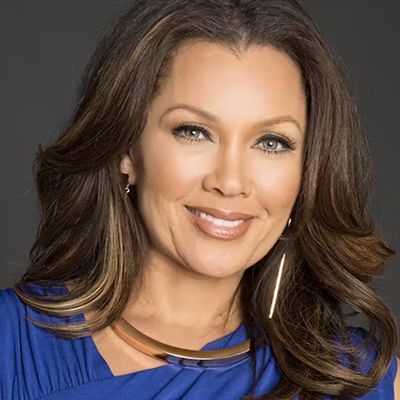
Jamie and Rob kick off season three with 11-time Grammy Award nominated recording artist and Tony Award nominated star of stage and screen Vanessa Williams, one of the most respected and multi-faceted performers in the entertainment industry... Read More
From the show: The Fabulous Invalid
Guests
Featured Shows
About
Jamie and Rob kick off season three with 11-time Grammy Award nominated recording artist and Tony Award nominated star of stage and screen Vanessa Williams, one of the most respected and multi-faceted performers in the entertainment industry. Together, they discuss Vanessa’s work as a founder of Black Theatre United, her 1994 Broadway debut in “Kiss of the Spiderwoman”, her West End debut in “City of Angels”, the current shut down, her reflections on the work of Stephen Sondheim, and what she hopes to see when live performance returns.
This week’s music: “Save the Best for Last”, “And the Moon Grows Dimmer”, “I Do Miracles”, “Where You Are”, “Gimmie Love”, “Kiss of the Spiderwoman” all from the 1994 cast recording of “Kiss of the Spiderwoman”. “Losing My Mind/Not A Day Goes By”, and “Good Thing Going”, from “Sondheim on Sondheim”. "Stay with Me", and “Children Will Listen” from “Into the Woods”. “Any Place I Hang My Hat Is Home”, from “St. Louis Woman” and “Happy Days Are Here Again.”
Transcript
This transcript was automatically generated and might contain errors.
[0:19] Rob Russo: Welcome to the Fabulous Invalid, Broadway's podcast, where we present essential conversations with a curated roster of the best, most important and innovative theater makers working today.
[0:29] Jamie DuMont: From actors to writers, directors, designers, and everyone in between.
[0:33] Rob Russo: We took our name from the title of a 1938 play by Kaufman and Hart that has since become a loving nickname for Broadway itself.
[0:41] Jamie DuMont: Always deemed on the verge of decline, yet always bouncing back, the fabulous invalid.
[0:46] Rob Russo: I'm Rob Russo, writer and theater critic with Staged Left.
[0:48] Jamie DuMont: And I'm Jamie DuMont.
[0:54] Rob Russo: Rob, hello.
[0:56] Jamie DuMont: Hi, hi, hi.
[0:57] Rob Russo: As you were doing that intro, I just kept thinking, wow, our title has never been more relevant, you know.
[1:04] Jamie DuMont: No, I feel like we have this conversation a lot, but we've taken some grief for our title, and as the year, this horrible year goes on and on and on and doesn't seem to end, our title seems to be more relevant than ever.
[1:18] Rob Russo: Right. I mean, not only is Broadway currently on the verge of decline, but will bounce back.
[1:22] Jamie DuMont: Um I feel like we've bounced back. You know, we took a bit of a hiatus from this podcast for a variety of reasons.
[1:29] Rob Russo: Um one of which included the election of Joe Biden, which I may or may not have spent some time in Delaware working on. But we are back.
[1:36] Jamie DuMont: We have bounced back. Uh and here we are.
[1:40] Rob Russo: Well, on behalf of anyone with a moral compass in this country, Rob, thank you for your hard work on the Biden campaign.
[1:48] Jamie DuMont: Oh, please, please. It was the least I could do, and it was good to get back into the, you know, the campaign mode and to feel like I was doing something other than sitting in my apartment and stewing or shaking my fist at the news, you know.
[2:00] Rob Russo: Which is what I've been doing.
[2:01] Jamie DuMont: Well, you know, I think it's what everybody's been doing. Uh but the good news is we are back, and with this episode, we're launching our third season.
[2:10] Rob Russo: We are going to kind of pivot a tiny bit, and the theme of this season is really going to be our favorite things.
[2:18] Jamie DuMont: I love that. Um, of course, you know, we're going to talk to theater makers that we love. Uh, but we'll also do some special episodes on shows and legendary figures that we admire.
[2:28] Rob Russo: Speaking of a theater maker that we love, speaking of somebody that we admire, today we are delighted to be joined by the one and only Vanessa Williams.
[2:38] Jamie DuMont: Yes, oh my gosh. Uh, but before we get to Vanessa, or Miss Williams, I should say, um, we do want to take a moment to congratulate our beloved Jennifer Simard on launching a new podcast with Jessica Vosk entitled Killing It on Broadway.
[2:52] Rob Russo: It's a true crime comedy podcast in which they interview a different Broadway personality and talk about one infamous true crime case from their guests' home state.
[3:02] Jamie DuMont: And who doesn't love murder and Broadway? We're excited for Jennifer and Jessica, but this also means that Jennifer will no longer be participating in our show.
[3:13] Rob Russo: So we love her. We miss her already. Um, and if you love her and miss her, which I know you do, you can find her on Killing It on Broadway on iTunes or wherever you find your podcasts.
[3:24] Jamie DuMont: And I just have to put a little commercial out there, Jennifer. If you're listening, as you know, I am connected to a very famous serial killer.
[3:33] Rob Russo: So I've been future guest, Jamie DuMont. When you get to Richard Ramirez, I um I've got some stories.
[3:42] Jamie DuMont: You're ready for your close-up.
[3:43] Rob Russo: Well, back to Miss Williams. Uh, I'm so excited for this interview.
[3:47] Jamie DuMont: Yes, yes, yes, yes. Um, as we all know, Vanessa Williams is a multi-hyphenate star of stage and screen with a career as a recording artist, actor, singer, and fashion designer.
[3:59] Rob Russo: She made history as the first woman of African American descent to receive the Miss America title when she was crowned Miss America 1984 in 1983 before launching her career as an 11-time Grammy nominated recording artist with her signature song Save the Best for Last.
[4:17] Jamie DuMont: Sometimes the snow comes down in June. Sometimes the sun goes round on the moon. Just when I thought a chance had gone save the best play.
[5:02] Rob Russo: On the TV movie adaptation of Bye Bye Birdie, and playing memorable roles on TV's Ugly Betty and Desperate Housewives, both personal favorites of them.
[5:12] Jamie DuMont: And of course, uh, what we're gonna talk to her about today is her career on stage. Vanessa made her Broadway debut in 1994, replacing Chita Rivera in Kiss of the Spider Woman.
[5:17] Rob Russo: She returned to star as The Witch in the first revival of Into the Woods and appeared in Sondheim on Sondheim, The Trip to Bountiful, and After Midnight, not to mention various concerts and other engagements along the way.
[5:33] Jamie DuMont: Back in March, Vanessa was making her West End debut in the Donmar Warehouse revival of City of Angels when the theater shut down across the pond.
[5:41] Rob Russo: And I have to say that was the last show I saw in person on March 14th.
[5:46] Jamie DuMont: I'm so jealous.
[5:48] Rob Russo: And you know, we had tickets to see it in July.
[5:51] Jamie DuMont: That's right. Yes, we were gonna go again.
[5:54] Rob Russo: I love that show. I, you know, we we you and I talk about the show a lot. It is one of those shows that has an equally clever score and book.
[6:05] Jamie DuMont: I mean, the libretto of that show is as strong as the score, and that says a lot because that's a great score.
[6:12] Rob Russo: There are some phenomenal songs in that show.
[6:14] Jamie DuMont: Oh my gosh, yeah. No, it's one of the best scores ever. Certainly one of the best that Cy Coleman wrote in a career of great scores.
[6:23] Rob Russo: I agree. And she's so perfectly suited for the role of Alura.
[6:27] Jamie DuMont: So my God. We will get to see it. It'll come back.
[6:28] Rob Russo: I feel like Yes, not only will it come back to London, but I hope it makes the leap to Broadway at some point in the future, because we need a City of Angels revival in New York.
[6:38] Jamie DuMont: We do. We really do. And I think long past due.
[6:40] Rob Russo: Yeah, we're not the only people that feel that way. And I also have to say, I was fortunate enough to see her in Kiss of the Spider Woman.
[6:48] Jamie DuMont: I saw her do it before I saw Chita on tour about a year after seeing it on Broadway.
[6:55] Rob Russo: Wow.
[6:55] Jamie DuMont: And I've been a fan of hers from the very beginning, from seeing her win the Miss America title. Her talent, she sang, of course, and her talent, which is sort of really apropos right now in the world we live in, she sang Happy Days Are Here Again.
[7:11] Rob Russo: Uh oh my gosh.
[7:13] Jamie DuMont: Well, killed it and killed it. So, you know, I think even then, as a little teenage gay, I knew that this woman was like meant to be on Broadway.
[7:23] Rob Russo: And I have a feeling when we talk to her, she's gonna say the same thing. She knew it her whole life long too. Because she's so good on stage.
[7:30] Jamie DuMont: Mm-hmm.
[7:31] Rob Russo: Oh yeah.
[7:31] Jamie DuMont: Alrighty. Well, should we get to it?
[7:32] Rob Russo: Yeah, let's do it.
[7:40] Jamie DuMont: Vanessa, thank you so much for joining us today. We're talking to you at a very perilous time for the American theater.
[7:46] Rob Russo: Fortunately, we've elected Joe Biden and Kamala Harris to lead us out of this pandemic. But Broadway still remains shut down.
[7:53] Jamie DuMont: And in the meantime, both the country and the theater industry is having a moral reckoning with the racial inequality that persists.
[8:01] Rob Russo: As a result, many different efforts have been created to address this inequity. You're a founding member of Black Theater United. Can you tell us a little bit about what that is and how you became involved?
[8:12] Vanessa Williams: Well, Black Theater United started when I got a phone call from Audra McDonald right after George Floyd's death. And the US was stunned. Uh I think the black community itself was paralyzed. And Audra said, I don't know what it is, but we need to do something. So basically, we called all of our black talent on Broadway as a collective, including not only in front of the stage, but Karen Ford, who's a black sound engineer, Kenny Leon, who is a black theater director, Lisa Don Cave, who's a black stage manager. We selected the elders, because that's what we are now. We're all kind of 50 plus, but people that have had experience for over 30 years in the business that have relationships, but also, you know, have had issues.
And we wanted to be a group similar to the NAACP where we could highlight inequities, um, highlight how we can make change and be here for the long run for equality not only on stage and more black programming, but also behind the stage in management, in staffing, and also, like I said, in design, sound design, costume design, productions need to look like our country.
[9:38] Vanessa Williams: And so that's one aspect and what we've been able to do through addressing these issues. Um we participated in summits, uh, which we have been a part of. One was with the Lord Theaters and discussed diversity within each of their theaters across the country. We have hosted town halls, uh, which one highlighted Cheryl Eiffel, who uh is head of the legal defense fund for the NAACP. We talked about how do you make change and legally these are what has happened. Showing up and being a part of the system works, and also Stacy Abrams, who's a rock star and Janine Abens-McLay, we had a town hall with them, uh, and we just needed to show people how important the census was, but also how important the vote is and voter fraud, and making people aware of uh the system and how to maintain your presence in the system.
[10:43] Vanessa Williams: You know, a lot of people didn't realize that. What's why why sign up for the census? Why be counted? Because if you're not counted, you won't get a grocery store in your neighborhood. You won't get more facilities in your local public school because your numbers aren't there. So it's been educational, and I think we've moved the needle, and that's what our kind of our mission has been.
[11:08] Rob Russo: Well, since the tragic events of last spring, which, you know, as you said, you know, stunned the nation and our community. Um, so many people of color who work in the theater industry have come forward to share reflections on their own personal experiences having worked in the industry, you know, experiences of mistreatment and and racism and microaggressions that they've you know experienced in the workplace. As one of the most prominent actors of color who has worked on Broadway, do you have any reflections of your own that that you want to share of experiences that you've had that have you know led you to want to be involved in this?
[11:47] Vanessa Williams: Well, my career has been one of always, I didn't know she could do that. So I've always been kind of, I don't want to say counted out, but um having to prove my worth. And I think that's across the board, not only theater, but in film and television. There's been low expectations because of being labeled a beauty queen, labeled a scandal beauty queen. Uh you're put in a box. So uh I'm a fighter. And every every time I go into any situation, it's like, okay, now I gotta prove myself again.
[12:18] Vanessa Williams: The biggest theater lesson for me was, uh, it was in '84 or '85, and, um, Tommy Tune was in "My One and Only" with Twiggy, and they looked for a replacement. My agent, Paul Martino, called and said, "Listen, they want to replace you." Mike Nichols happened to be the director. I met with him, sang, danced, learned all the tap from Tommy; it was fantastic. I remember walking into the theater and doing the audition and killing it. Mike Nichols was in the front row, or like in mid-house, and he was like, "Great job," as I left. I got a call later on from my agent saying, "Well, uh, it's not gonna happen." Years later, I ran into Mike Nichols at the opening of "West Side Story." This was probably 2010, and he said, "Oh God, remember that story?"
I said, "Yeah, yeah." I said, "Well, you know, it didn't really happen." He said, "Lee Gershwin was the widow of Ira Gershwin, obviously, and she was head of the estate." I walked in, did my audition, left, and Mike Nichols turned around to her and said, "Wasn't she terrific?" He left and went downstage and backstage down the spiral staircase, and the phone was ringing when he got to the foot of the steps. He answered the phone, and it was Lee. She said, "Over my dead body will that whore be in my show." So I never knew exactly what had gone down, but years later I said, "Ah, okay, that was it." She didn't want to bring scandal; she wanted to sully her show with someone who was talented and who was worthy of the position, but because of what she felt, I was a scandal beauty queen; she didn't want to sully her show with me.
So that was, um, I knew that it didn't happen back in the day, but that was confirmation. I said, "Okay, not only does it have to do with talent being a part of the equation, but it's image. Does this person gonna sell tickets?" It took me a good ten years from '84 to '94 to have success in every other way, have a number one single for six weeks in a row, get 11 Grammy nominations, and finally, okay, now you're worthy to be on Broadway. So that's my backdoor Broadway show story.
[15:17] Vanessa Williams: How did "Spider Woman" come about? Um, I was called by Garth because they were working on, um, they were in Toronto doing "Show Boat," and they told my agent, "Well, Julie might not be coming in in terms of the role, so you could get a chance to star on Broadway, not be out of town, but star in Julie as Julie in "Show Boat." So I sang "Fish Gotta Swim" and "A Bird's Gotta Fly," and, uh, sang it. Garth was there, and he said, "Okay, thank you, but we really want you for 'Kiss of the Spider Woman.' Have you ever seen the show?" And it had won all the Tonys that year, and I was living in L.A. and I hadn't seen it. I went in and watched the show, and my eyes lit up, and I said, "Jeez, I can do this."
I can do this, and I really, and of course, Cheetah's a legend, and every role that I've ever wanted, Cheetah has done. So, um, to get a chance to follow in her footsteps, and originally it was only supposed to be three months. It ended up being close to a year because it was such a success. We also started a new company because they sent the original company on the road, but, uh, Brian Mitchell at the time, he wasn't Stokes, but it was me and Brian Mitchell and Howard McGillan all started at the same time, so it was kind of like a new fresh show, and it brought in a, uh, uh, I think Howard had just come out; he'd gotten divorced from his wife, so that was one thing people wanted to see me, and then Brian had just come off the medical show that he was on.
Um, uh, wasn't, uh, oh, it was Brian. Uh, uh, Traver John, thank you. So we all had something to prove, and, uh, it was one of the special times in our careers, but it was just at the Broadhurst; it was one of those hot, sexy shows that just came to life with a whole different kind of vibe.
[17:50] Vanessa Williams: I was fortunate enough to see you in that. And, uh, and I have to say it was spectacular, but I can only imagine that there was some, you felt, uh, some vindication with the huge success of your performance. It was another opportunity to, uh, can here come now I was labeled a pop star, huh? Here comes a pop star trying to make it on Broadway. So all the people that I've done shows with prior to in summer theater and Syracuse and locally here in Chappaqua in high school, um, they all couldn't wait to come see me, but also see me succeed in something that I've always wanted to do in my entire life.
[19:33] Vanessa Williams: Either you have stage presence or you don't. You can either sing or you don't. You can either move or you don't. And that's what I love. There's no tricks. And you gotta really prove it to the audience because the audience can easily see through all that. Well, one of the things that's so special about your Broadway debut, of course, is that it was immortalized in a cast album, which is unique for a show that, you know, has already opened to do a second album. What was that experience like getting to record the show? It was wonderful, uh, especially because I had a record deal at the time, and I was at Polygram, so, um, it ticked off part of my requirements, which was great, but also got a chance for a whole new, um, cast to be able to capture it.
And also, you know, those are the things, in fact, then it was a CD, but you know, those are the treasures you have your playbill, you have your CD, your cast album, and I remember listening to "Porgy and Bess" growing up, and, you know, I didn't go see the show, but my parents would come home, we'd buy the cast album, listen to it over and over again, like, "Oh, that's Melbourne, oh, that's the song that I like." Uh, you know, so it just reminds me of growing up and wanting that tangible souvenir, uh, that everyone got a chance who saw that production.
[21:01] Vanessa Williams: And your breath comes faster, and you're aching to move a job caught in the web on the sky. You can run. You can scream. You can hug. But you cannot scale.
[21:40] Vanessa Williams: We lost Terrence McNally right at the beginning of the pandemic. And obviously, he wrote "Kiss of the Spider Woman." And I'm wondering, did you get to work with him? Do you have any remembrances of him as an artist or a human being or your time on the show? Well, I was put in about three weeks, which is usually if you're gonna replace somebody's role, that's what you only get three weeks of rehearsal. But, um, he was very complimentary. Um, the last time I, uh, had any kind of dealing with him was, uh, New York Times did a kind of retrospective, and we did these portraits, and I got a chance to play, um, the teacher role in "Master Class." Michael Urie did another thing, and we were all there shooting on the day, uh, just kind of remembering who he was and, uh, and happy to be celebrating. Lovely, sensitive man, so talented, uh, and happy that I got a chance to work with him.
[22:40] Vanessa Williams: Well, speaking of the pandemic, and of course, you know, the shutdown of theatre, um, London Theatre officially shut down on March 16th, um, a couple of days after Broadway did. Um, and I have to tell you, Vanessa, the last show that I saw across the board was "City of Angels." You came in London on March 14th at the Garrick Theatre; it was the last thing I saw, and I'm so happy I did because it was my first time seeing the show after listening to the cast album for, you know, my entire life. Um, so it was such a thrill to see it, and it was such a thrill to see you on stage, uh, which I hadn't, you know, that hadn't happened in a long time for me. Um, how did you learn about the shutdown in London?
Well, I mean, it happened like wildfire. We, everyone said, so we thought there were only a handful of cases in London at the time. I mean, the pubs were still open; we were still going out after, uh, after our show, we go to the pub and, you know, have stuff. So we knew that, uh, it was worse. Um, we knew it was bad in, like, Italy was horrible, and we knew it was the wave was coming over, but I honestly thought it was only gonna be two weeks. Um, because basically they're like quarantine for 14 days and then we'll all be back. So I was gonna hang out and stay, uh, in London, uh, because they shut down that week before, and then all my friends were luckily, you came to see me, but a lot of my friends had canceled their plans because they were so nervous about coming over and hearing that it was unsafe.
So, um, I was bummed, and we were a week away from opening. It's such a perfect combination of a really great jazzy score, uh, and just such a clever book, right? I mean, few musicals have a book as clever and taut and, you know, brilliant as that. Yeah. Um, what was it like getting to work, you know, with that material?
[24:35] Vanessa Williams: I know unfortunately you didn't get to open, but you did get to. I mean, clearly, as you know, as we know, the show was in such great shape. Um, what was it like, you know, sort of developing it and rehearsing and previewing in London? Well, Josie Rourke was the director who had done it at the Donmar um uh warehouse uh about three years ago, and it sold out immediately, was the hottest ticket in town. And Nika Burns, who owns Dymax Theater, she said, I want to do the proper um, you know, theatrical version of it in the big theater. So we moved into the Garrick years later, and um Josie called me that previous summer, I guess it was last summer, last August, and said, I'm doing this. Uh I would love for you to be my Laura Kingsley, and I think you'd be perfect.
And um I had never seen a production either because I was living in LA at the time. So, but my friend Doug Doug Tompos from Syracuse, who went to Syracuse University with me, he was in the show. Um, and uh so you know uh and the score is so so good. It's I mean, I only have really one juicy song in it, um, but I get a chance to play, and the and again the it's for people that don't know the show, it's two different worlds. It's a story of a making of the movie in a film noir setting. So you've got the actual black and white movie that you're doing, and then you've got the color world of making of the movie. And Josie, which I think you'll agree, did a spectacular job at making you believe it through lighting, through costume, uh, through effects.
So you really felt like you're watching the movie, and then you get to the bright color, and you knew that you were in this time period in Hollywood. Um, so I love the fact that she's so brilliant, so obsessed with getting it right but making it uh updated in terms of what we have available for technology nowadays with projections and sound which is also great and also the casting thinking outside the box I know you I know you saw Theo James who my daughter burst into tears on her way to London because you know I said yeah here's the cast uh okay uh Rosalie Craig um Theo James like mom Theo James and she's like I said yeah she's she she's like mom and she burst she's but you have to prepare him for this I didn't know he is my crush and she was like sobbing while we're taking you know our British Airways flight to uh to to London but he's known he's a heartthrob he's known as like a teen idol from Divergent series so uh seeing him sing and he was the perfect stone I think you would agree oh yes oh yes I I may or may not have texted Jamie from intermission uh echoing your daughter's uh point of view who is this guy I was like Downton Abbey um I didn't I actually didn't know his full um his full credits but he is the real deal um well we look forward to it returning and you going back to to the West E was it a hard show to tech sounds like it was the a lot involved really hard show to tech just because we had we had so many different uh it it's it's a dual level um uh uh set with uh lots of things that move in and out and a lot of the same set is in black and white and some is in color, so uh you're like, where am I now?
Okay, uh let me let me figure it out. Um so it was a hard show to tech, but we were almost there, which is the sad part. There are inklings that we will open again next spring, which will be fantastic, and possibly in a bigger theater, so we can actually socially distance, but but get the amount of people that we normally would have gotten in the Garrick. So that's what we're hoping on because I think you know, and the talent was you know, uh Rosalie is amazing. I mean, and also um uh Rebecca and Rosalie and Havley had all done the the Dunmar uh version. So they were all pros added, but then having all of us there what really excited them too. So again, it was that new kind of visceral feeling of like this is gonna be really, really good. And those don't happen a lot, but um I can't wait to get back and and have my West End debut.
[29:19] Jamie DuMont: Well, I have to ask, um, was this the first time you've done um a musical professionally with a female director?
[29:28] Vanessa Williams: It is, it is.
[29:30] Jamie DuMont: Yeah.
[29:30] Vanessa Williams: Uh because I I always love pointing that out because increasingly, you know, finally women are getting the opportunity to direct, you know, big big musicals. Uh and I'm wondering, you know, in the room, did you find that that that that made a difference having a woman as as the leader?
[29:44] Vanessa Williams: Now that I think of it, uh Nika Burns, who is our uh she owns Dymax Theaters, but she so having a female producer and a female director really uh gave us a lot of power. We we heard a lot of yeses, we heard a lot of passions. We'll do this, we're here for you. Tell me what your your problems are, what your issues are. Everybody was had open ears. So um, and she made us listen to Barbara Stanwyck's um story. Uh because Barbara is very similar in terms of her double indemnity role to uh Alora Kingsley, and it's that kind of sexy, strong, um, you know, no nonsense, but very alluring, and uh, and she's like, this is the genre, it's very specific. So, and a lot of young kids don't even know Film Noir or you know, Barbara Stanley, they don't know that.
Um, so she was very clear about this is what I want to achieve. And then she had us do scene work from other movies just to hear what it would sound like to allow us to get into that vibe. Um and then she had so many references, um, which were fantastic, so you can kind of click it in while you're doing your character work. Um, but it was it was wonderful, and I again I can't wait to to work with her again. And and she also did Mary Queen of Scots, which is one of my favorite movies. Beautifully cinematic, but also uh a very strong feminist movie as well. And Shisha Ron, it's phenomenal. Marco Robbie, you know, what she would do physically with Margot's appearance, uh and and the the layers.
I don't know if you've seen it, but the layers of of you know, pain and and uh and and competition, I I you know that was all Josie. So now that I've worked with her, I I get it, and I would love to work with her on something else after this.
[31:40] Vanessa Williams: Um I I can't I can't hear Barbara Stanwyck's name without saying that her greatest film in my opinion is The Strange Loves of Martha Ivers. Have you ever seen this film? Oh, it is it is a it is a B noir film that very few people have seen. But it is it is the thing about Burstar Barbara Stanwyck, people don't know is what a marvelous actor she really was. I think people think she was this caricature, but um that's a really interesting note that that was that that her films were were something that you guys looked at because that's that's perfect for that time period. And that time period suits you so well.
[32:17] Jamie DuMont: It really feels like you live in that world to a certain degree, like it it comes naturally to you.
[32:23] Vanessa Williams: Well, I love language, I love language, I love I love diction. My mother, um my parents were both music teachers. So my mother was a vocal teacher, my dad was an instrumental teacher. So, you know, my mother grew up in Buffalo. She skipped from sixth to eighth grade, went to college at 16. She had a really dynamic voice teacher who got rid of her Buffalo accents with a flat A's and made her her diction uh really impeccable. Uh, but so I grew up and I was always like, you know, banana, banana, what's a banana? You're talking banana. So every I was, you know, having parents as educators, everything was a teachable moment, and I was kind of um that being educated but also articulate was very important in our house.
So hold so I love I love uh I love words, I love uh accents. Um but it and I have tended to play a lot of villains or or women who are, and I don't want to say bitches, because I try to make them as as multi-dimensional as possible. Uh, but you know, like it's always like the Alan Rickmans, the uh uh Diane Carrolls, the the um people that really use language and uh and if they're sinister, it's not because they're scary, it's because of the strength in which uh the um the danger lives in what they're saying in their eyes, you know, and I think that's what I I love about language and and um linguistics.
[34:04] Jamie DuMont: Well, speaking of language, um before we let you go, um we can't not ask you about Stephen Sondheim. You have twice been an interpreter of his work, uh first with Into the Woods and most recently with Sondheim on Sondheim. As a performer, um, what is it about his work that's so rewarding and what makes it so challenging?
[34:25] Vanessa Williams: I first started singing Sondheim in in college uh uh for um uh just you know song study and uh the first song I learned was uh There Won't Be Trumpets from uh um anyone who saw and um when I I saw Into the Woods out in LA at the Almundsen when I was uh on the road because I was living out there at the time. Uh but when I was asked to, when they were doing the revival, um, and I was asked to come in for the witch and sing, uh it was like a full circle moment, like, oh my god, I studied him in in uh in college, and here I am, you know, uh singing for him.
[35:07] ♪ Musical number: "Stay with Me" — performed by Vanessa Williams ♪
[35:34] Vanessa Williams: And then I sang for his 75th uh birthday out of the Hollywood Bowl. Um and then so and then his 80th birthday. I mean, it just seems like all these uh he's 90 now, haven't haven't sung. I didn't sing from this year when he when he turned 90, but um 10 years ago he was eight, and we dedicated uh the Stephen Sondheim Theater for him that night uh while we're doing Sondheim and Sondheim, and I've been to his house, his townhouse, and um, you know, he's really shy. Um uh uh but so um his work uh obviously his work stands for itself, but I it's such an honor to do well and and get an uh a compliment from him. Um which uh you know everyone lives like what did he say? You know, um and so Into the Woods was fantastic because he loved how I approached it, and uh I don't want to say he said I was the best witch, but he did. And uh and then doing his doing his sh doing Sondheim and Sondheim. Uh you know, you're in the middle of doing amazing songs, and I'm singing with Barbara Cook, who is phenomenal.
[36:54] Vanessa Williams: Oh, were you just bull? Day after day after day after day after day till the day. It's those moments in theater when, you know, and people that did not know the show, it was a story of his life through interviews that James Lapine had done with Stephen, and the set was multi, um, uh, uh, TV screens that had different or not TV, but multimedia screens that had these interviews of his life of reflections, and we would come out to sing whatever was pertinent to that time in his life. And every time he talked about his mother, and the segment was when, uh, his mother was going in for open heart surgery. He sent, I had she sent a letter delivered to him that said, uh, dear Stephen, I just want to tell you I'm about to go under open heart surgery, and the only regret I have in my life is giving birth to you.
And the whole audience gasps every night. Children will listen, and they can hear people just sobbing and weeping and trying to, you know, hold it together because it's so true. He wrote brilliant music out of his pain, his questioning, and after the end of that, he said, it wasn't me. I just took away her life, and it had nothing to do it for that moment that he's talking about that puzzle piece. He realized that it had nothing to do with who he was. I ruined her life because she had other aspirations. So he took all the personal angst, and why doesn't my mother love me? And what did I do? And it all kind of made sense to him in that moment. But for everyone else, you're thinking, how could your mother ever say that?
And oh my god, now I get all of your, uh, the layers that you describe in your music and why it's so deep because of who you are and what you've come from. Careful the things you say, children will listen. Careful the things you do, children will see and love. Children may not obey, but children will listen. Children will look to you for which way to tell to learn what to bring. Careful before you say, listen to me. Children will listen. So those are those moments on the stage where you know it's gonna happen every night, but you can't, uh, you can't disconnect yourself from the feeling because, yeah, as you know, theater is communal, and it changes every night, and the audience changes every night.
Sometimes they're dead, and that's when we have a good time, and or we get angry and like, you know, we're gonna make you laugh, or we're gonna make you cry. Or it's like everything you say, they're on the tip of it, you know, they're right there with you, and that's when you come off. I'd work with Barbara Cook, I've worked with Cicely Tyson, both women who at the end of the show, when they've had a good show, I'm arm in arm walking with them, and they go, that was good. And they turn into like an 18-year-old, and you can see the fire in their eyes, like, let's do it again. And I was like, that's what I want to be. When I'm in my 80s, you know, Barbara Cook was 85, Cicely Tyson was around the same age. That's the spirit that I want to feel. Like, let's do that again. That was good. We're good. We had this good thing going.
[41:29] Vanessa Williams: At the time, you never wanted enough over tough idea. Well, when we do get back to the theater, uh, which will happen, I can't wait for it. Um, you know, I think it's safe to say we'll be in, uh, in a new and changed terrain. Um, you know, given all that we're talking about right now, the, you know, the work of Black Theatre United and other organizations. I'm curious for your reflection, your point of view on how we should consider works like St. Louis Woman, which you did, um, at City Center in 1998, uh, or Showboat, which you did at Lincoln Center in 2015, you know, shows featuring black characters that have a lot to do with black experiences and black life, but were written by white people. You know, I'm wondering what you think the approach should be to works like that in the future.
[42:27] Vanessa Williams: Well, I, the approach, I mean, people came before U.B. Blake probably would be the, uh, example of who is a success as a black man in terms of musical theater opening doors, and I remember seeing the Heinz brothers in U.B. back in the day, and he was really the one who brought ragtime to popularity. So in one case, there's great works that can be discovered or rediscovered and brought to a bigger audience that was not aware of, of, uh, of black, uh, creators making things that were neglected. And the other is to for a producer to have the, um, because the bottom line is money. They want to make money, they want to pay back their investors, but you have to take a chance. You know, I was lucky enough to be in, um, sorry, I've got my, my, uh, my great dame.
I've been lucky enough to be in shows that were extraordinary, and even St. Louis Woman, we talk about, you know, Jack O'Brien was our director, we had an all-star cast, and the producers were like, well, it's a big black cast, it's gonna be a black show, we don't know whether we'll be able to sell it. And this is we're talking 1998. Uh, but then you look at Hamilton, which, you know, you can't say it's a black show and write it off. So my, my dream is that we will be able to have the courage to invest in shows that don't look like let's just do another version of, uh, you know, uh, Hello Dolly again and again and again. But let's take, uh, take some of these considered black shows and really sink some money into them so they would have a life and, and people can and expand the audience. That's what my hope is.
[44:16] Vanessa Williams: Cross the ribbon around the bed, how to stranger, so long friend. There's a voice in the lonesome wind that keeps a whispering. Oh, she's going well, welcome no matter where it is. I hang my head.
[45:15] Vanessa Williams: Uh, I would have to say The Wiz. I saw the original Wiz with Stephanie Mills, and I was sitting front row mezzanine. So just, uh, looking over the balcony, and she was probably, I think I was 12, she's probably 14 or 15, but you know, similar age. And she opened her mouth, and I love the music, but just watching her, it's like, wow, this is something that I really want to do. And I was dancing, um, you know, I danced my whole life, but I said, you know, being able to do that and sing and be with a great, uh, a great cast, that and it's also, and I also live in New York, so it was a train ride away, so I knew that, okay, I could do this for a living. This is a tangible goal for me. So I'd have to say The Wiz with Stephanie Mills was my real, like, oh, I want to do this.
[46:05] ♪ Musical number: "Where You Are" — performed by Vanessa Williams ♪
[46:34] Vanessa Williams: You're so grateful that you did do it because we've been the beneficiaries of so many wonderful performances over the years.
[46:51] Vanessa Williams: Well, we look forward to seeing you on the West End or in the West End. Uh, hopefully, uh, less than a year from now. And, um, thank you again. Thank you so much. You guys have been great.
[47:07] Vanessa Williams: Happy days again. The sky is above. So let's sing a song of cheer again. Happy days.
[47:26] Rob Russo: I, Rob here, that's our show. Thanks for listening. As we all bask in the glow of the Biden Harris victory, we're still big fans of Social Goods, an online store that offers a curated slate of statement-making merchandise that gives back to nonprofits that are tackling some of today's most pressing issues from Everytown for Gun Safety to Planned Parenthood of New York, Special Olympics, and more. Listeners of The Fabulous Invalid can go to social-goods.com and use the code FAB15 at checkout to receive 15% off your first purchase. That's Social Goods for every transaction comes with real action. The Fabulous Invalid is a production of O and M, etcetera and The Fabulous Invalid LLC, and a proud member of the Broadway Podcast Network.
Our theme music is by Lucky Chops. Today's episode was edited and engineered by Aaron Kaufman. You can find us online at thefabulousinvalid.com and on social media at Fabulous Invalid, and on iTunes, Spotify, and wherever you find your podcasts.
© Broadway Podcast Network, All Rights Reserved