

We’re thrilled to welcome William Church, Director of Theatre at Interlochen Center for the Arts, to The Roundtable. A powerhouse in arts education and performance, Church is also the founder and artistic director of the Interlochen Shakespeare Festival, a program he launched in 2008 that continues to elevate classical theatre for modern audiences... Read More
From the show: The Roundtable with Robert Bannon
Featured Shows
About
We’re thrilled to welcome William Church, Director of Theatre at Interlochen Center for the Arts, to The Roundtable. A powerhouse in arts education and performance, Church is also the founder and artistic director of the Interlochen Shakespeare Festival, a program he launched in 2008 that continues to elevate classical theatre for modern audiences. His career spans work with major theatre companies across the country, alongside a deep commitment to training young performers and helping them find their artistic voice.
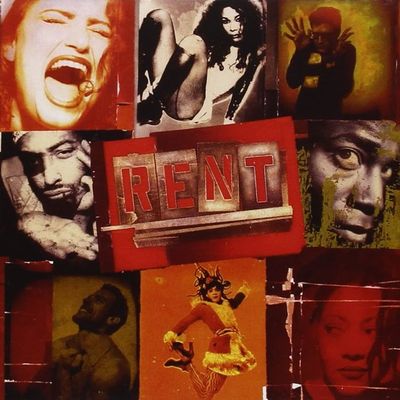
From directing Shakespeare staples like Othello, King Lear, and Much Ado About Nothing to staging musicals like RENT and West Side Story, Church’s range is as expansive as it is impactful. A graduate of the American Repertory Theatre Institute for Advanced Theatre Training and the Moscow Art Theatre School, he blends classical rigor with contemporary storytelling. A member of Actors' Equity Association and Screen Actors Guild, and a recipient of multiple awards for his Shakespeare work, Church continues to shape both the stage and the artists who step onto it.
Don’t miss this conversation with one of the country’s leading theatre educators and directors—streaming now on The Roundtable with Robert Bannon via Broadway Podcast Network, Spotify, Apple Podcasts, iHeartRadio, and more!
#TheRoundtable #RobertBannon #BillChurch #Interlochen #TheatreEducation #ShakespeareFestival #ArtsEducation #BroadwayPodcastNetwork #TheatreLife #Directing #ArtsLeadership
Transcript
This transcript was automatically generated and might contain errors.
[0:09] Robert Bannon: Well, welcome to The Roundtable, everybody. My name is Robert Bannon. You're listening to us on Broadway World over here on the Broadway Podcast Network, iHeart, Spotify, wherever you listen to artists talk about art. And I moved to Michigan two years ago from New York City. And everyone told me that I was gonna never see art again. I was gonna move to the Midwest and I've been shock and awed here in Detroit and the surrounding Detroit area and Michigan in of itself about what goes on here, not only at U of M, not only at Michigan State, not only at all these colleges and universities, but Interlochen. I've heard so much about this festival and what you all are doing, and we have the one of the bosses, the Hanch. Why isn't he hot? I have an acting degree. Where's my check, William Church? I'm ready to teach.
[0:53] William Church: I'm here to tell us all about what goes up here in the, in I don't know where's Interlochen in? Somewhere on the palm. Right at the base of the top knuckle of the pinky, way at way, way up there, right there, yeah.
[1:06] Robert Bannon: That sounds far from Detroit. How far are you from Detroit?
[1:09] William Church: About three and a half to four hours, depending on your driving.
[1:12] Robert Bannon: Yeah. I'm from New York. Two hours and 15 minutes. I'll be there. So are you a Michigander always? Are you from here?
[1:20] William Church: I am. I am a native Michigander, yeah.
[1:24] Robert Bannon: You are? So how did art come to you? What, what before you were running Shakespeare Theater and working with Interlochen and all the things that you all do up there, how did you become an actor?
[1:33] William Church: I grew up with artistic parents. They were both visual artists. My dad a metalsmith, my mother a painter drawer, and I had absolutely no ability in those areas at all. But I loved to make really pretty images. And I love to put things together and be expressive. And when cousins and family friends would come over to the house, I would always direct them in plays and make them do things, and that really just naturally led to theater and directing.
[2:01] Robert Bannon: It's incredible. And now you get to do this as a living for real. So tell me a little if people don't know, the Interlochen Center for the Arts and this arts camp that's in Michigan has created some like superstar Broadway performers, movie TV stars, like a lot of people have come through. Your Northern Michigan is known for, it's not the most densely populated part of the world.
[2:25] William Church: Oh no.
[2:26] Robert Bannon: What how, what, and why is it successful?
[2:30] William Church: Yeah, we are in the middle of the woods in northern Michigan, Interlochen. We are literally between two small, beautiful lakes. And I, you know, I think part of the reason we're so successful is that when these young people come here to study the arts, it's all they can do. It is such a focused environment that when they are here, it is very special to be around those like-minded peers who put the arts at the center of everything and get the beautiful natural environment of northern Michigan to do it. You know, as a lot of people say when kids say I want to be an artist, and people say, look, if there's anything else you love to do as much, then go do that because the life in the arts they say is hard.
But I don't, I feel like a life in the arts is a calling. It is needed in civilization in the world, especially the world today. We need young artists who are going to carry this torch. So how does it, what are the ages and how do the youngsters inspire you to keep creating art?
[3:24] William Church: Oh, yeah, great questions. So age-wise, we start around excuse me, ages eight or nine at our summer arts camp here at the junior level. And then we also have an intermediate level for ages 12 to 14, and then the high school level for students, roughly ages 14 to 18. And then right now I'm at an Interlochen Arts Academy, which is our boarding arts high school, which is grades nine through 12, and then we have a couple postgraduate students as well.
[3:52] Robert Bannon: I wish I had that. I wish I had this when I was a kid. I wish this was available. And while we're talking, everybody, you can find out all the information at interlochen.org. There is a camp, there is a boarding school, there is all sorts of things that when you go on and look, I mean, there's instrumental festivals are happening. There's a lot, there's a lot going on up there. So what is your official title?
[4:15] William Church: Sure. I'm the director of theater here at Interlochen.
[4:19] Robert Bannon: No, but wait, but William, this is my thing. You're not only the director of theater, like when I think of theater, because I'm a musical theater baby. I think like we're gonna put on, you know, Frozen Junior at the summer camp down the block. No, that's not what you all are bringing. You all are bringing Shakespeare, you all are bringing, I don't know, Tchaikovsky. No, I don't know. You all are bringing the real deal there. How do you describe what the program is and what are the kind of young artists you're looking for?
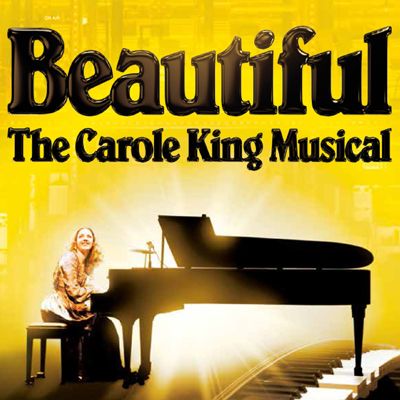
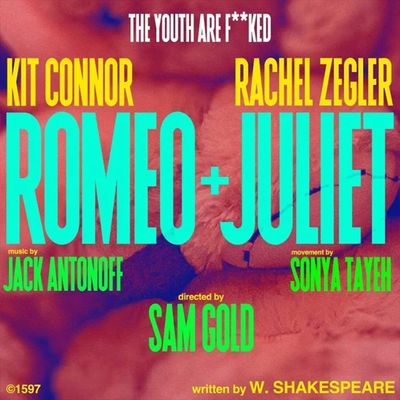
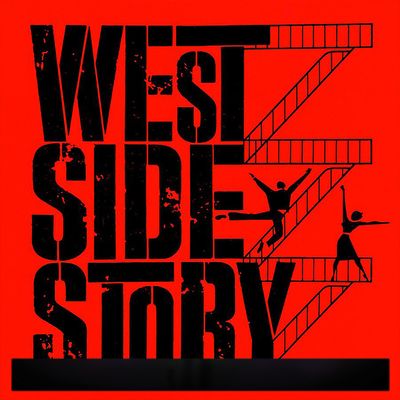
[4:45] William Church: Oh, yeah, that's great. So we do a little bit of everything here. We do a lot of musical theater. At the summer camp, last summer we did a beautiful production of Beautiful the Musical, staged by Joyce Chidick, which was really just outstanding. And then this summer it'll be West Side Story, directed by Christopher Campbell. And we're doing that in partnership with our high school actors, who are going to be doing Romeo and Juliet at the exact same time. So we get this really rich educational experience of combining Romeo and Juliet in the West Side Story with those students, which is really fantastic. We also have our professional Interlochen Shakespeare Festival, where I have the great privilege to direct, and we use camp faculty and academy faculty alongside alumni to perform.
That'll be a Midsummer Night's Dream. And then at the boarding school, we do about 10 productions a year and a one act festival. So overall, we're programming somewhere between 16 to 20 titles just within theater throughout the year.
[5:51] Robert Bannon: Ooh, look, I'd be William. I would be, I went to acting school, I have a degree. And whenever it came to classical work, I just was like, oh no. Oh no. We I did, we did, I did my scene study was Pinter for one of them. And my teacher said, I'm gonna hold the script and we're gonna, you better be word perfect if you're gonna do this. And I said, look, I'm gonna quit. I'm gonna, I'm gonna actually, you know, you are if you're a real actor out here and you're ready to be working on Shakespeare with professionals who know what they're doing in classical work. This is the place for you. And what I love when I read your website is not only do you guys try to keep it as affordable as possible, there's lots of tuition and there's a lot of help and scholarships available to people. You don't want the best and the brightest and the people who need to be there to be locked out of being able to attend any of your programs.
[6:39] William Church: Correct. Yes. Yes, we have extensive financial aid, and it's really all based on bringing in the people who are ready for this step in their training. Absolutely.
[6:49] Robert Bannon: So what's it all right? So Sarah Pigeon.
[6:51] William Church: Sarah.
[6:52] Robert Bannon: Oh, yeah. Sarah, we interviewed her opening night of Stereophonic. She was a superstar in the show. She's a superstar across the board. She's now a big old TV star, and I'm sure her rocket has set sail and it's never coming back to earth again. What's it like for you as someone who worked with her? You see her in Love Story, um, everybody, if you know. What's it like to see someone like that take what you've foundation you've given and then go apply it in a professional setting?
[7:16] William Church: Well, it's absolutely thrilling. I don't know if there's a greater pleasure or joy as a teacher and director than watching a former student go on to that kind of success. And you know, in Sarah's case, it's all deserved. And that's really her work ethic, along with the, you know, the natural talent, the skill that you see, but it's the, her drive to discover things, her passion. She started with us maybe when she was eight or nine years old. And it's just been remarkable to watch her whole career progress.
[7:49] Robert Bannon: I love that you get to teach these students. What at what point did you decide to teach? Because, you know, you could be, you know, William has a background. I know your family, you talked about it, I know your dad worked. Like there's a lot of history you all have in this place. But you could have left, you could have gone to New York, you could have gone to LA, but you're, you're calling to teach this craft.
[8:10] William Church: Yeah, it's a great question. I do have a master's in acting and was a professional actor for several years, and to supplement the acting work, I found myself teaching some classes at a camp. When I would walk home after that, I was just thrilled and so happy to see the discoveries and to see the joy that would happen with the young people. I remember sitting on a SAG commercial set all day filming, and at the end of the day, I was really sad. I was really depressed. I got paid well, but I just kind of sat there and didn't really feel very engaged. I think the very next day I was back teaching. This was a youth class doing theater exercises and activities. When you see those light bulbs go off, and you see the students get excited, become comfortable, confident, able to express themselves, able to look you in the eye, able to have a conversation, that meant much more to me.
So then the career arc really became about how can I find those places where I can do that kind of teaching and also teach through directing, which is a real thrill to make that rehearsal space a classroom.
[9:18] William Church: You get to be the person that creates the environment that makes the actors do their best work, and that is what the amazing part of a director's job is. And then as actors, we're supposed to take this vision and do it the best we can and work together as a big old team and then create art. I thought, you know, no, this interview is not about me, but I was doing an equity production of a bad show, and I remember my brother was in the front row, and I was stage left way, way downstage, and I saw my brother, and I mouthed to him as a bad actor, "Save me," because sometimes I realized that it was time for me to not do musicals anymore. I took a job teaching musical theater at the New Jersey Performing Arts Center where I was from in New Jersey. I originally thought I felt defeated, like I was giving up this career of being an actor. But the joy you get from creating made me fall in love again with acting.
[10:15] William Church: And that's what I find so amazing about these summer programs and what your children and you can experience if you go and experience these yourself. For you, at the end of the camp or at the end of the year, what do you do as a teacher to make sure that these kids have some kind of the basics, the foundations? Is there something about the business? What do you provide for these students as they move on to be big old stars?
[10:40] William Church: Yeah, throughout the course of their time with us, they will interact with some guest artists. They will interact with some alumni from the profession who come and talk about their careers and really what those steps are. I think a lot of our main focus here really is that training is providing a safe space for these students to explore, to discover who they are as young artists. Even when they're 10, they still have something to say about the world, and we need it. So to really encourage them to do that. So it's very, very heavy on that foundational technique that then opens up individual creativity.
[11:18] William Church: And is there a certain method that you guys have to acting on teaching at the school?
[11:22] William Church: Sure. I would say in general, we are Stanislavski-based with an emphasis on inner realism. And yet we also have techniques like Rossa boxes and a class in world theater, and we're bringing in playwrights from all over to do work and bringing all sorts of pieces to the stage. So generally, I would say inner realism is the focus and really working on oneself. But there are certainly some exceptions to that to really help expand the mind beyond just typical Western thought.
[11:51] Robert Bannon: Well, so okay, so now I'm not an actor, I'm not a kid. I'm in Michigan, I'm traveling to Michigan, I'm staying at the Great Lakes, I'm going up to Mackinac Island, I'm going to live my life this summer. What can we do to support what's going on there? Can we buy tickets? Can we give donations? What goes on to you guys that we can support the incredible work you do besides being a student or going to be in your company?
[12:16] William Church: Yeah, come visit campus and come see what we're all about. That would be a great start. I think buying tickets to go see a performance would be lovely. If it's during the summer camp, there is literally a performance every night. Tons of music, tons of creative writing readings, film screenings, the visual arts gallery is open. It's just an incredible place to be in the summer. I have not experienced anything like it. Now I've worked here for over 20 years, so maybe a little biased, but truly it is a really special place. And then if that compels you to give a donation, that'd be great. But you know, come see what we're all about.
[12:55] William Church: Come see the campus, come see the students perform. Look, they're in between the lakes. They have a music festival with headline acts that come through the city. They're gonna have the kids performing, the professional company of people are going to be performing. If you're gonna be in the area, you need to definitely check it out. If you live in the area or want to send your kid, if you want to send your kid to boarding school, I will take care of them personally. I'll brush their teeth, you get it. They'll put them, they'll take good care of them and take care of them all and the company.
[13:23] William Church: And then, you know, a lot has been made about actors and empathy in the world and that the world is scary. It's a little on fire. It's a scary place right now. Some people are worried and a lot of things, money gets cut, public broadcasting gets cut, theater gets cut, etc. Why is teaching art? Why is teaching acting so important to the future of society, really?
[13:45] William Church: Yeah. Well, you were asking an excellent question. And I would say that I started to question this for the first time during the pandemic, during COVID, when I was watching years of alumni not be able to work and not be able to do their craft. What I feel like I have rediscovered is the importance of story in society. Our ability as actors, we are the witnesses of the time. Using playwrights' words from both the stunning contemporary playwrights, but also the classics to really tell the story of what it means to be human. And boy, do we need reminders of that right now.
[14:19] William Church: And to then to see the teenagers do that, to see the young, the next generation do that, that's gonna stay with them for the rest of their life, and it's gonna mean that we have thinkers out there, that we have thinkers and feelers in the world who can help us move forward.
[14:32] Robert Bannon: I love that. I think of actors as like the most noble profession because, in the terms of history, what the work that's going to be created and put on stage and people will see will change viewpoints, make us all see different points of view and life in a different way. And that's what's so holy, really is a holy spiritual experience of going to see live theater on stage. And that's what you're doing. That's what you're gonna do every single day. And it's live and it's happening. You can't turn it off. It's not a screen. It's real people doing real things in front of you in real time. And that it's incredibly special.
[15:05] William Church: Okay, fine. I won't be scared to go see a Shakespeare play now. I promise. I won't. Should I be scared? Am I gonna get it?
[15:10] William Church: No. Yes, you will understand what's going on. And Robert, if you can ever make it to campus, I would love to give you a Shakespeare lesson in a Shakespeare class because musical theater people are excellent at the classics. Shakespeare wrote in this beautiful rhythm and musicality. I we could get you there.
[15:26] Robert Bannon: All right, I want to come up. I really want to come up and see this. If you're in this area, I'm when I'm telling you, people, all you haters on the East Coast and the West Coast making fun of my little Michigan here in the Midwest. Some of the greatest Broadway performers that you ever have seen in your life have come out of this state, and they're coming out of programs like this, and you need to, we need to support it all across this incredible country and create the next generation of great artists. That's what you're doing, William. And I'm so excited and grateful to have talked to you today. Thank you for being here.
[15:51] William Church: My pleasure, Robert. It's great to talk to you. The website and all the information to see their schedule events and all of their different programming is below. Click the link and make sure you check it out.
[15:59] Robert Bannon: All right. Have a good one. Thanks for being here.
[16:02] William Church: Thank you.
© Broadway Podcast Network, All Rights Reserved