

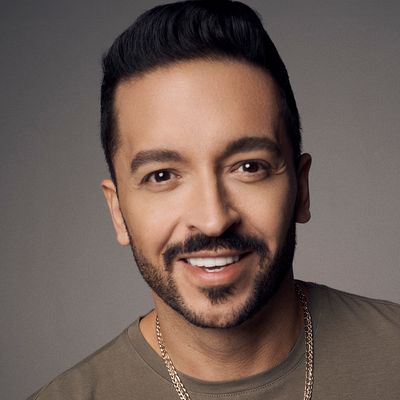
Among all the things Jai Rodriguez knows how to do well, not punching down is at the top of the list . Sharing his journey from going to Broadway to landing a role in the groundbreaking TV series, “Queer Eye For The Straight Guy”, his grit and talent took the stage by storm, playing in shows like “Rent” and “The Producers”... Read More
From the show: The Theatre Podcast with Alan Seales
Guests
Featured Shows
About
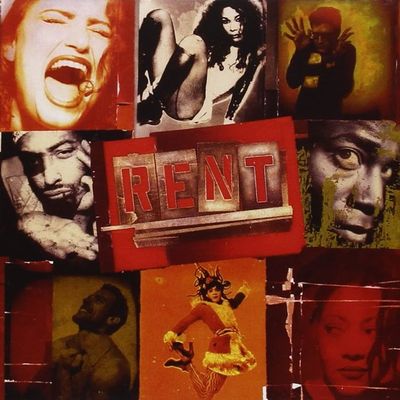
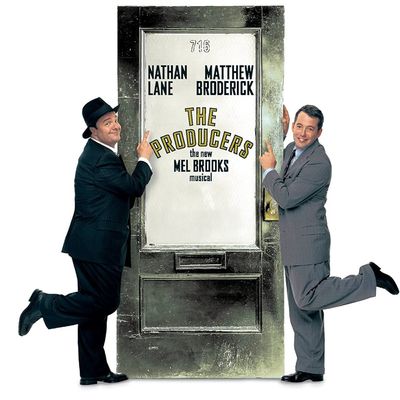
Among all the things Jai Rodriguez knows how to do well, not punching down is at the top of the list . Sharing his journey from going to Broadway to landing a role in the groundbreaking TV series, “Queer Eye For The Straight Guy”, his grit and talent took the stage by storm, playing in shows like “Rent” and “The Producers”. He shares how he got started by going to his first audition at the age of 12 – a funny but inspiring anecdote on why you shouldn’t take ‘no’ for an answer easily. Jai also recounts his “Queer Eye” audition, the success of the show, and the overwhelming response they received early on. Despite the external glamor, Jai reveals his financial struggles during the press tours. He also gets real as he talks about a pivotal moment in his career during a meeting with agents, and how he was told that he may not be castable due to his identity – an untrue trope that stayed with him throughout a lot of his career. While it may have affected him deeply, Jai did not let it stop him from taking up space in the industry by rephrasing “you can’t do it” as “it’s just never been done before”.
Jai Rodriguez is an actor and musician best known for his role in the original Fab Five 'Culture Vulture' in the award-winning show “Queer Eye For The Straight Guy”. He had his Broadway debut at the age of 18 when he was cast as Angel in the critically-acclaimed musical, “Rent”. His other credits include the long-running musical, “The Producers”, “Zanna, Don’t!”, and an off-Broadway hit, “Sex Tips for Straight Women from a Gay Man”. He has a web series, “The Horizon”, which is the most-watched LGBTQ web series in the world.
Connect with Jai:
- Website: linktr.ee/jairodriguez
- Instagram: @jairodriguez
- TikTok: @jairodriguezworld
Connect with Heather Vickery and the Was it Chance podcast:
- Slip into our Instagram DMs at @wasitchance
- More about Heather via @heather_vickeryandco on Instagram, @Braveheather on TikTok, and listen to The Brave Files
- More about Was It Chance using bpn.fm/wasitchance
Connect with The Theatre Podcast:
- Support the podcast on Patreon: Patreon.com/TheTheatrePodcast
- YouTube: YouTube.com/TheTheatrePodcast
- Threads, Twitter & Instagram: @theatre_podcast
- TikTok: @thetheatrepodcast
- Facebook.com/OfficialTheatrePodcast
- TheTheatrePodcast.com
- My personal Instagram: @alanseales
Transcript
This transcript was automatically generated and might contain errors.
[0:01] Alan Seales: Hey, everyone. Welcome back to The Theatre Podcast with Alan Seales. That's me. I'm Alan Seales, and this is Intimate Personal Conversations with the industry's biggest names. Our guest on this episode, Jai Rodriguez, is such an incredible guy, one of the original Fab Five from Queer Eye for the Straight Guy, who also made his Broadway debut in Rent, little known fact. The episode was actually recorded back in October on National Coming Out Day. It was for my other podcast, called Was It Chance?, which I co-host with Heather Vickery. And the conversation was just so insightful and so incredible that I've had this in the queue to release in this feed as well for so long. And now I'm finally excited to have the chance to share this with you.
His life after season one of Queer Eye was actually really surprising. He was saying that they shot up the ratings. They were doing all the talk shows. They were on covers of big magazines. And he was still living in a friend's spare bedroom because at the time he had no money. You don't get money for doing press for your own show, at least most of the time you don't. The format of Was It Chance? is that Heather and I always do a wrap up, a retrospective at the end of the episode. So after we're done talking with Jai, the two of us talk for another few minutes. So make sure to stick around with that. And just a warning that there's some strong language used as well, a little more than I normally use here on The Theatre Podcast.
So if you're around little ones when you're listening to this, you may want to use a little bit of discretion. Anyway, you know the drill. Find me online, Instagram, Threads, Facebook, TikTok, whatever you feel like. And look up Heather Vickery. Look up Was It Chance? I'll have all of this information to connect with all of us and the other podcasts in the show notes. And everybody now, please enjoy this special crossover episode of Was It Chance? in The Theatre Podcast with guest Jai Rodriguez.
[2:03] Heather Vickery: Hi, everybody. Welcome to Was It Chance? the podcast about embracing opportunity and taking intentional risk for your creative life. I'm Heather Vickery.
[2:07] Alan Seales: I'm Alan Seales. Heather and I started off as two perfect strangers who met by chance and embraced opportunity. So you're here and you get to listen in as we chat with other successful people about the risks that they've taken to put themselves on a path to creative success.
[2:24] Heather Vickery: I was just saying before we started recording that I need lunch. So those types of flubs are going to get that much worse. Also, it's National Coming Out Day, the day we're recording this. It won't be when we air it. And so you guys, our guest is Jai Rodriguez. And I'm so excited to have you. National Coming Out Day.
[2:41] Jai Rodriguez: Yeah. Oh my God, that's right. I think I was supposed to be at the White House for an event today. And it was a last minute ask. And we couldn't work it out. So they promised that I'll be going to a future one. But I thought, what a wonderful way to celebrate National Coming Out Day. And it's such an evolution. Everyone's coming out journey is different. And now we have so many generations that are sharing their story of what it felt like for them to come out at any station in life. That's the fun part now is to hearing the diversity and storytelling of how they came out. I feel like kids may, some will have an easier time than generations before them. But we still have kids and folks, people at every age that are still in trickier situations. I always say come out when you feel like you're ready and when you feel like it's safe to.
[3:35] Heather Vickery: Absolutely. I was 38 when I came out, been married a long time, had four kids. And that was actually my message to the social media world today is that coming out is really, really personal. And if you're not ready, it doesn't mean you're not part of our community. And it doesn't mean we don't love you and you're not seen and you're not valued. So do it on your own. But OK, you guys, we have Jai Rodriguez with us today. I'm going to read the bio. I know. I'm just so impressed with it.
[4:04] Jai Rodriguez: I know. Alan texted me. He's like, this guy is like a big deal. I was like, I know. But I'm an original Queer Eye fan. So I was like excited, really, really excited to have you with us. And that just goes to show you Jai is best known for his original role or role in the original Fab Five 'Culture Vulture' in Queer Eye for the Straight Guy. And Jai has been shaping American culture for nearly two decades. But you may not know that his Broadway debut has Jai has this illustrious career that began at 18. That's crazy. When he was cast as Angel in the critically acclaimed Rent. Holy shit. And also appeared on Broadway in the long running musical, The Producers. I didn't know this until we booked you for the show. So it's all really, really fun. Additionally, created and performed the role of is it I don't know, Zana?
[5:01] Jai Rodriguez: Zanna. Like Xanadu. This is a parody. Zanna, Don’t!
[5:05] Heather Vickery: Yeah. It has nothing to do with Xanadu, but pronounced the same way spelled differently. And the premise is the world is entirely LGBT. And it takes place in a high school. And they do a very provocative play in the theater department on whether or not heterosexuals should be allowed in the military. Again, the year was 2003. And I'm this magical matchmaking kid in this school. And a guy and girl fall in love, which is no, no, no. And I use my powers to make it okay for them to go to prom. The spell might leave me without any power. So I show up to prom. The world goes from Technicolor, sparkly and bright to black and white and everyone straight, except for me. And I sing my little 11 o'clock number and then they after rejecting me at prom turn around and it's actually been done all over the world. And I just saw an LA production, which was weird to revisit the piece 20 years ago and find oddly relevant in 2023. Like oddly, like wildly relevant. It needs a resurgence, Jai. I want to go see it.
[6:08] Jai Rodriguez: Yeah, it was really good. It was fun. It's actually how I auditioned for Queer Eye because the role required me to have unique hair and the creative team decided that would be platinum white for me. So I auditioned for Queer Eye with platinum hair looking like Jay Manuel from Top Model.
[6:25] Heather Vickery: Wow. Oh my gosh, that's so funny. Well, let me finish this very impressive bio and then we can get to the good part, which is the talking. Last year you had an off-Broadway hit, Sex Tips for Straight Women from a Gay Man. I love that. And Jai started a new web series, The Horizon, most watched LGBTQ web series in the world. There are a bajillion credits. I am so excited to be having this conversation with you. Welcome.
[6:55] Jai Rodriguez: Thank you. Thanks for having me. Yeah. I realized in my time in New York, I'm from the suburbs, but living in the city doing Broadway and theater, I always did like most, mostly pop, like postmodern cabaret, meaning I didn't do the traditional Broadway standards. Like I, there was this club in New York called XL on the corner of 16th and 9th near the Maritime. And they had a Monday night where they had a live band and they would hire singing drag queens or people who had radio hits or Broadway female divas. But you were not allowed to perform if you were a boy, because they said, gay men will not support a gay man performing. There needs to be some more fabulosity. I begged and pleaded. This is why I'm doing eight shows a week in Rent.
But after a while you get so bored, you want new material. And I was like, please, it's going to be one night. So they begrudgingly did. And the night was so successful and so packed that I ended up doing that Monday night for years. Every week was a different set of 12 songs, which is quite daunting in a week. But it was two sets of six songs with an intermission for live, you know, with a live band, three background singers. So it was a really fully produced night. And I was doing that prior to Zanna, and I was dressing myself as sort of a gay Justin Timberlake, you know, cut off shirts and crystallized everything. And the producers of Zanna saw me and were like, he literally is Zanna because I was dressed organically similar to the character as they were mounting the show.
So I did that. And I think that was also a big piece of me getting Queer Eye because at the time, some of the language about what the role would be, would be a nightlife expert. That was delivered to me. Somewhere clearly did not end up being that for Queer Eye. But yeah, that so I thought about I was talking to a friend, I don't think I've ever done a traditional cabaret show in New York City. I did that nightclub act. And when I was on Queer Eye, I did a one night only benefit for the Actors Fund. That was the story of my life. Up until 25. Like Rosie Perez played my mom, Shoshana Bean played my high school best friend, and it was Moulin Rouge. So it was literally music you know, with a story you don't that's unfamiliar.
It was called Exposed, but that was the last time I've never done what I do all the time out here on the West Coast, which is, you know, a one hour cabaret show. And this one's through the lens of love, sex and intimacy.
[9:28] Heather Vickery: That's insane. Wait, okay, okay, okay. And we always have very wildly different questions. And it's always fun to see. So in the notes I was making this morning, I thought we'd do our tradorable. I told you it was gonna get worse. I would love it. Traditional and normal. Our traditional intro. I think I want to coin that phrase, tradorable. So our tradorable intro. And the first thing I was going to say was, all right, let's lead off with the most important hard hitting question, which is what is your number one sex tip for a straight woman from a gay man?
[9:54] Jai Rodriguez: So that's actually a book from the 80s. And a playwright thought this would make a great play. And so it became this interactive play in the vein of a Tony and Tina's wedding kind of vibe. There is a set and it was the longest running off Broadway play. And I opened it in Vegas with of all people, Kendra Wilkinson from Girls Next Door. And the premise is, the author goes to like a talkback, like a moderated talkback. And you're greeted by sort of this nerdy kind of woman who comes out and says, she fell into this position today. Her boss unexpectedly died, and she's going to fumble her way through. She's excited to be there. And I am larger than life with this Lady Gaga music playing entrance.
And my whole job is basically to take aspects of the book and read it to the audience and have interactive moments, not only with her, who gets like a hot tamale makeover during the course of the show while learning these tips, but also bring the audience up. And if you've ever done a show in Vegas and it has anything to do with sex, you're going to see boobs. I didn't intend to see boobs. It was not part of the show, but there is a moment in the show where we have a competition. How do I say this gently so Alan doesn't cut me off here?
[11:13] Jai Rodriguez: Oh, he won't. It was a competition between three strangers that I'd pull up from the audience. They were blindfolded. Masks fall from the ceiling. They put the blindfolds on. And through instruction from this actual book, they must, following only audible cues, manually stimulate an imaginary penis. And there's music playing. I can't remember what kind of music it was. So they're doing this, and I'm telling them what to do. And they have to, you just had eye coordination with your eyes closed trying to figure out if you are doing it. And then there's a winner. And then I present the winner to the audience. And twice in that seven month run, the winner decided that their top was uncomfortable and it needed to come off. They flashed the audience. Now I'd like to point out, both women that did this were over 60 years old.
[12:10] Alan Seales: All right.
[12:11] Jai Rodriguez: So good on them. And welcome to Vegas.
[12:15] Alan Seales: Yeah. I mean, okay.
[12:20] Jai Rodriguez: That theater school didn't prepare me for that moment. I don't know how Uta Hagen would have handled it, but we'll figure it out.
[12:25] Alan Seales: All right. So speaking of preparing to do this. Wow. You are a mess, man. Eat breakfast.
[12:31] Jai Rodriguez: Prepare an iteration. No, I'm just trying to make up random words now. Speaking of preparedness, you made your Broadway debut at 18 in Rent, and up until that point, obviously, we'll transition into the Queer Eye moment and how that opportunity came to be, but what were you doing as a teenager to get into… Did you always know you wanted to perform? What other things were you lining up to get where you were at 18? I think I was one of those precocious kids who found ways to perform little backyard performances, nothing too structured. And my aunt, who I think had done theatre in college, saw a breakdown in the local paper for a community theatre production of Runaways, which is written by Elizabeth Swados, and I think it was like the 80s version of Rent, so it was a pop-ish sounding music of that era about a group of folks who were runaways.
And it was happening in a predominantly white neighborhood, and my aunt thought that would give me a leg up in casting, so we drove, you know, like the half hour away from where we lived to audition for this production. And it was interesting because she brought me and my cousin, and we did not have a resume, we did not have a headshot, we did not prepare a monologue, we did not come with the songs. They asked us to sing Happy Birthday and then do a scene together, which turned into an argument about who our grandmother preferred most, and my cousin left in tears. So it was awful, and I'm like, this business is really scary. And I think at this point I'm like 12, by the way. So I wait for a call, we don't get one, and then my aunt says, yeah, you both didn't get anything.
And I was like, where Happy Birthday was like Stevie Wonder style, how did I not know? So let me put it, I don't know how, what part, what moxie must have been driving me in this moment. I called, 12-year-old calling, I think it was called Creative Arts Ministries, I feel like there was a religious angle to it. And I was like, hey, just want to check and see if Jay Rodriguez was cast. And then like, oh yeah, he was actually cast in a leading role of Lewis. And I was like, oh, thank you. Oh, why did grandma lie?
[14:52] Jai Rodriguez: My aunt didn't-
[14:52] Alan Seales: Oh, your aunt, sorry.
[14:53] Jai Rodriguez: That we both weren't cast. So-
[14:57] Alan Seales: And you just knew.
[14:58] Jai Rodriguez: You lied, yeah. But I ended up doing it, and I think it really gave me the bug to want to be a part of musical theater. So then I would do like little things here and there, obviously the school plays and the school musicals, and I kept noticing I was getting leads. Now, you know, in high school, there's not a lot of boys who do theater. So that's always a little struggle, but there were good guys, and I was like, then I found out that on Long Island, there's a performing arts high school. You have to audition and your homeschool must sponsor you. So AKA, they have to pay for you to go there either half day or full day. My school agreed to pay half day, and I went there for junior and senior year.
So the training I would have gotten in college, if I studied musical theater, would have been that. I mean, my teachers were all actively working professionals on Broadway and TV and film. So you really got this great foundation. And then to be honest, like when I was supposed to be applying for colleges, my mom just very clearly said, I will not support anything in the arts, so you're on your own. So May comes, I got no college plans. Everybody knows where they're going. I do the end of the year showcase at performing arts. Some girl who graduated before me stops me after and she says, you're great. I have a feeling my agents would love to meet with you. Now agents, that's like, she's been saying that aliens of another planet wanted to meet me.
That's such a far removed thing I thought I had access to. She set up a meeting and I snuck at a, I think it was like in, I don't know when it was, but it might've been after I was graduated. And I snuck into the city, went to this meeting and had to like cold read a scene with this woman. And she asked if I sang. And I say, yes, I sang one song, glory. She called Bernard Telsey's office right then and there, who was casting it and said, I know you're going today. Can you see this kid today? And I went in like in an oversized suit, because I didn't know, you know, I didn't know what the agent, I thought fancy, took the blazer off, wrapped it around my waist as a skirt, got a lip gloss from the Dwayne Reed, went in and gave my best angel Dumont Chouinard.
And she gave me a call back, told the agency that from a pay phone, because it was a long time ago. And they were like, we want to sign you. So come in tomorrow morning. So I had to go back to the city, sneak out again, sign the contract, go to Bernard Telsey's office, audition for him. And at the end of my audition, he looked at me and he was like, where have you been? And I was like, I didn't have an agent or a hedgehog. He's like, I would have cast you without any of that stuff. And then sort of there became my journey in 1997.
[17:28] Alan Seales: Whoa.
[17:29] Jai Rodriguez: Talk about embracing risk for success. Like you just went.
[17:34] Jai Rodriguez: I just knew I needed a way out of the Long Island existence. It wasn't for me. I didn't feel like I'd have a future that I wanted. I didn't see a clear path forward. So I think that was a driving force. I mean, obviously, I think most theater kids knew rent like the back of their hand at that point. So but even when I saw it, I never saw myself playing angel. Now I'm like, duh, like what else? But at the time, it was so scary to imagine what being in drag and playing a gay character in front of people. I hadn't even done anything with a guy yet. So I was, you know, my first kiss was really like the rehearsal, you know what I mean? Like, it was very scary. I had no understanding. The internet was new and for fancy rich people. And to be honest, it took 47 minutes to get to like the picture of a nipple at that point. TRL is on, you got priorities, you know?
[18:30] Alan Seales: So did you always just believe in yourself that fully? At 12, you're making these bold ass phone calls, you take this risk to go to the performing arts school, your mom says, I don't support this. You're like, well, I'll find another way. Like, was that just always a natural part of you or did it surprise you?
[18:49] Jai Rodriguez: So my church was a mega church and they had, I was a frequent soloist and it was like 2,500 seats per service. And if I had to sing at both, you know, you're in front of like 5,000 people on any given day. So that kind of prepared me a little bit. But when I went from regular high school plays into performing arts high school and did my first number for the class and, you know, you have your jazz hands out and you're breathing heavy. You're like, they're going to really praise me. And the teacher looks at you and is like, okay, a couple thoughts. And you're like, wait, I wasn't like the best. Like I didn't just like knock that out of the park. And they're like, yeah, no. Just wanted to pick you apart and you realize you aren't the best.
And now you have to really do the work and knowing that you may never be the best at something, but it's your uniqueness that'll set you apart from everyone else and your interpretation, what you specifically bring that someone else can't. So don't ever do a watered down version of what you saw the person before do. Bring what is authentically you into the role and that will make you the best you can be. Hang on, everybody. We're just going to take a quick break. All right, now we're back. I really knew I didn't want the Long Island dream. I didn't want to like go into the cabinetry business that my uncles had, although I reserved the right to change my mind if the strike keeps going.
[20:05] Alan Seales: Oh, right.
[20:07] Jai Rodriguez: But I think I saw it as a way out, but I never thought my path to Broadway would be so fast. And even when I was doing the show, you always panic about me. And I was, thank God, in a 10 pole musical that even after 9-11, we were one of the few shows that remained open. And it was really scary because you're living in this. Rent became my waiter gig in New York. If I wanted to do another project, I would take a six month leave of absence, go do a movie. I would bounce around. But Rent was like home. I always thought I'd come home there. That's why I think this 54 Below mini residency is so moving because Rent had people that were so diehard. They wanted to talk to you after the show. They created, what do they call them?
I can't, message boards and all that back in the day before we had social media. They would make you all these gifts. It was a really special moment that I haven't experienced on any other production I've ever done. There's something about being in a play that has some meaning to folks in a deep personal way. It was a gateway show of sorts, right? Because it was one of the change makers of the industry that really showed a group of people, much like Hamilton is doing for the current generation, bringing rap and R&B into Broadway. At that time, it was bringing rock into Broadway, which had really not been done at scale like that before. I've interviewed Bernie Telsey on my own. I remember him telling the story, too, of Rent made Telsey and co. Telsey is one of the biggest casting agencies in the country now, maybe even the world.
I don't know. Which is wild to me because I'm like, I love that for them. But also, I felt like when they were small, I had some ownership. They discovered me. If I ever won anything as a solo entertainer, I would include them in my thank you speech. Because even for Rent movie, they gave you sides to audition for, and there was a scene in a hospital where angels in the hospital, and there was an actual written scene. Might have been just for the purposes of casting this role. I don't know. But I remember doing it, and it was during Queer Eye. Bernie called me in for it, and I hadn't seen him since Rent. I did the scene, and he looked up, and he had tears in his eyes. And that was so validating, because when you leave acting to go do another project, or you take a pause, you feel like the theatre community or people forget that you were an actor first. And I don't even know if he remembers that, but I do carry that with me all the time.
[22:43] Alan Seales: Such a good guy.
[22:44] Jai Rodriguez: We consistently see that. Relationships are such a key component in taking intentional risk. There's a safety to maybe reach out to somebody or to make a new friend. So I love hearing that story. Just reminds us of the humanity of it all.
[23:02] Alan Seales: Mm-hmm.
[23:02] Jai Rodriguez: Yeah.
[23:04] Jai Rodriguez: Yeah. I guess you said that Queer Eye was an audition, right? And I'm sure you've talked about Queer Eye ad nauseum. But I want to know-
[23:12] Alan Seales: Just a little. We'll talk about it just a little.
[23:18] Jai Rodriguez: I want to know-
[23:18] Alan Seales: It's the 20th anniversary, so it feels right to be talking about it.
[23:21] Jai Rodriguez: Oh, I love that.
[23:23] Alan Seales: Yeah.
[23:23] Jai Rodriguez: And I love the reboot. Those guys are great. But I'm an original Fab Five stan.
[23:32] Alan Seales: I bring that up because I want to know about... I guess you left Rent to do that, yes?
[23:39] Jai Rodriguez: It's funny. So I took a six-month leave of absence from Rent to open Zanna. It was like spring 2003. And I had always a TV film out in my Rent contract after a certain amount of time because I was working in that space as an actor. And they would let me leave and come back. So at this instance, I took a six-month leave. I'm in the middle of doing Zanna. Your lifestyle changes. You go from making Broadway leading money to making off-Broadway money. And I think it was like 400-ish a week. And I don't know how people live for six months in New York like that. You need a side hustle. So I got this ask from an agent at my agency that I'd never worked with who did hosting. So I thought this show meant holding a microphone and standing outside of the world-famous limelight established in blah, blah, blah.
I thought that's what the gig was. So the audition is going to shock you. I walk into a small office, and a woman's behind a desk, and I'm sitting in front of her. But it could be literally like any office, like a bank teller office. It's indescript. It doesn't look like a casting office or anything. And she says, nice to meet you. Take me on a date as a divorced dad living on Long Island. What will we do here in the city? And at 23, I'd had a lot of lived experience in Manhattan being in real
[25:33] Jai Rodriguez: I'm going in for some callback tomorrow for the network. And he's like, Oh, that's amazing. Let me know how it goes. So I go in the next day, again, with platinum white hair, probably some residual glitter that would not come out from the night before his performance. And there's a long boardroom, NBC on one side, Broadway on the other side, the creator and directors of the show, like executives are all there, Andy Cohen's in the room, and three chairs were before the board. An empty seat was in between them. And so I sat in that one. And there was a brightly dressed blonde guy to my right and a gay Buddy Holly to my left. Nobody said who they were. They gave their first names, but I didn't recognize them.
And I don't know why they're there at my audition. So the board would ask me very simple questions like, where would you know, where would you take a guy do this? Or like, where are you from? Simple. And these two guys just kept like fucking with me, like reading me for all my answers. And I thought I'm not getting this. They're clearly up for the same job. They want to be mean-spirited. So I am going to be funny and memorable because I want to be on a sitcom one day and NBC is in the room. So that's what I did. I was quippy in a fun way that made the room cackle. And I held my own with these two other guys who were auditioning. I leave, I get to the Xanadu theater. I'm in my dressing area, putting on the makeup for the show, mad, heated, upset.
I'm like, I humiliated myself. I call my agent, I'm like, look, dude, don't ever send me out for anything like that ever again. They annihilated me. He's like, okay. An hour later, it's literally like 10, 15 minutes before curtain. He's like, guess you didn't do that bad. You start Monday. Wow. And I was like, how, what, what is it? What am I doing? What kind of show is it? He's like, well, you all have to be openly gay. It's kind of like the view meets Charlie's angel. I'll tell you about it. The view meets what? And then the four other guys came to see Xanadu that weekend. So they don't know me, but they're like, we're going to go find out why he's got this platinum hair. And it's a small theater.
It's like a four, I don't know, 490 something theater. So there's this one moment in Xanadu, Be a Man, where I'm in complete military regalia, a big trench coat to the floor. And then you rip it off and you're in crop top bedazzled in the military with no sleeves and short shorts. When I tell you, I saw the four of them just fall out of their seats with laughter. I was like, I don't know if I've won them over or they hate me forever, but they're stuck with me. And that was kind of how I got Queer Eye.
[28:08] Alan Seales: I love that. What a fun story. Do you think that maybe you got that part because you didn't? I mean, not completely, but you didn't have an expectation. You didn't work too hard. You were just like, fuck it. I am going to go out here and have fun.
[28:26] Jai Rodriguez: I think there's when you feel pushed to kind of defend why you're there in any space, you make choices as to how you're going to articulate why you are. And in that instance, I leaned into my strengths as sort of like a quick-witted comedic person and I never punched down. So I can be really funny and read you in a way that also makes you feel like I may have slapped you, but I gave you the warmest hug after. And there's some comedy within that. So I think that was the right tone and tenor for the kind of show that they wanted to create. And I think in that moment, they thought I'd be an asset to the team. I was also 10 years younger, which they found out when they took my ID to file paperwork and they were like, oh, how about when we're doing an episode and we have assigned seats in the car, the Denali that we had, which was like the sixth cast member.
And whatever reason that day, you get to the house, the first hour is called de-straightening. That's when you go through all their stuff and try to find things to make funny bits out of. Second hour is how you let him know what assets he has in your area of expertise. Then it's lunch. Third hour is getting a game plan. And usually two of you take him away. And for whatever reason, I think it was like only I could take him away that day, or maybe there was another guy in the car, but they were like, Jay, do you want to drive? And I was like, I sure do. I knew being in the front, you were literally like on the camera. In my normal seat, I'm like this. So I was like, I want that front row seat.
So I get the keys to the car and we're driving. I'm 10 and two. My face is practically on the windshield. Why? Jay has a learner's permit and had not driven in probably six years. So there I am, Mr. Magooing it, practically sitting on a phone book so I can see over the steering wheel. It was a nightmare. And then they're like, oh shoot, we need to get your license just for the insurance. And when I handed them my learner's permit, they never drove again. They were not allowed to drive on the show.
[30:37] Alan Seales: But did it make the final cut? Is it in the episode?
[30:39] Jai Rodriguez: Oh, they loved it. But when you watch it, they were like, we've wondered why you look so terrified. He's like, blah, blah, blah. I'm like, uh-huh. They look at the guy every now and again. Uh-huh, great. Uh-huh, great.
[30:56] Alan Seales: That's amazing. I love that you said, I never punched down. And that is something I don't think we talk about enough because so many people do take that approach. And I would love to have you expand on that. And I'm curious, was that the case for all five of you? It seemed like a really great rapport. I don't know if that—
[31:14] Jai Rodriguez: I think that was the magic in it. The show, first of all, was directed and created to be a comedy. We had no intention of pulling heartstrings. We didn't even know that that would be a byproduct of connecting with someone for a week and uncovering the most personal details of their life that they inevitably would feel emotionally moved, possibly to tears. I'll tell you, the first time that happened, basically, the final day when he sees his house, whatever, we each tell him, separate, like, okay, now that you're with me, here's what we have to do tonight or tomorrow, whatever. And he's like, okay. And then we have a little round table at the end, make a drink or whatever. And we're like, okay, don't forget, blah, blah, blah, blah.
And then the producer steps in and says, okay, this is the last time you're going to see the Fab Five. If you want to say anything, this is your moment because after they leave, you won't see them again. And I remember the first time it happened really took us by surprise, but the straight guy was like, yeah, I just, and completely broke down. And we all laughed because we thought he was making fun of us. We thought he was joking, but he had never had someone come into his life, not wanting anything from him, yet knowing all these personal details about him with the pure intent to just make his life a little better. And after sharing things that he probably never even told his besties, he just was left with this emotional connection.
And mind you, most of these guys, especially in 2003, were like, first day like, hey, bro, don't hug me, man. Given all that. And then by the end, their hearts are open. And it's no longer about who's gay and who's straight. It's really about, we formed a bond and a friendship. And that was a surprise. That was not the agenda. So, going into the show, I think none of us could have predicted its success. We certainly didn't think we were making anything that was going to be emotionally driven. We were just trying to do the Lord's work by, you know, taking pleated pants out of their wardrobe.
[33:29] Alan Seales: Oh my gosh, I love that. I'm laugh crying right now. Well, I have chills, like it's sad. The first ad was, you'll laugh, you'll cry, you'll clip your nose hairs.
[33:35] Jai Rodriguez: I was going to ask why you thought, or why, if you could speculate on as to why it became such a cultural phenomenon, in both straight and gay cultures. But I think you just, you literally just answered it. We're scared of each other. I think, Alan, I mean, you could probably speak to this from your perspective, but gay men and straight men at that time, you know, it was not cool to be friends. I think for mutual fear and misunderstanding. And for the first time, we were depicting sort of good-natured locker room ribbing and that sort of hazing process, but in reverse. You know, it wasn't the straight guy making fun of the gays. It was the gays taking that same energy from the locker room and spinning it on the straight guy, but also saying, we're here to uplift you.
And there was a window into what those friendships could look like. And suddenly everybody wanted to get, you know, like, so get your own gay. But yeah, it definitely, I think that was part of the successes. We hadn't seen that before in entertainment where the gays were not necessarily the butt of the jokes. Did we tap into many stereotypes that was literally just us being ourselves, but fell under the archetypes of stereotypes? Sure. And there is a lot of comedy to be had to some elements of stereotypes being true and not making them funny. But I think part of the key to it was, you know, the show was sort of the driving force was Carson in the show, who was very unapologetic of who he was, regardless of who he was in front of.
Whereas I would butch it up and code switch and just try to make you comfortable with me, because me being authentic, I thought might make you uncomfortable. And the last thing I should do, God forbid, is make someone else uncomfortable by being myself. Now I hear how wild that sounds. But I saw it mirrored first in Carson. He didn't make apologies for himself, which gave people an opportunity to grow and expand what they previously thought they were capable of doing in regards to having any kind of friendship with a queer person.
[36:00] Alan Seales: Hang on, everybody, we're just gonna take a quick break.
[36:04] Jai Rodriguez: All right, now we're back. If you look back on it, and your whole career, it's somehow you've managed to do all of these really profound things that they're big statements, they're fun, and they're funny, and they're comedic, and you have that and you can sing like, you know, nobody's business and all of this. But when you look back on that, and having been part of something so transformational, I think, really, just across the board, what does it make you feel?
[36:29] Jai Rodriguez: When you're doing it, you don't know, you're unaware of its impact. Because, you know, behind the scenes, we had one motor home that was the trailer from probably the late 70s, early 80s, I would imagine it's from, so not great backstage conditions. And that was for all five of us, hair and makeup, wardrobe, and the driver. So you're in close quarters, not fancy, we weren't treated necessarily on set like celebrities. You know, in our personal lives, maybe that would pop up here and there, depending on what we're asked to do. But I think there was an element of humility that I think we all felt that we were given the golden key to things. When we felt like we're not curing cancer. But then you zoom out, years later, I think most of us, because it's constantly brought to us by people who were moved by the show in some way, how important the show was, you know, at the time, you're like, Oh, it's a good show. I'm on a hit show. But I don't think you can.
[37:34] Jai Rodriguez: I really tell the lasting impact until you step away from it for some time. I mean, it's 20 years ago this year. It's the 20th anniversary. And by the way, we shot 100 episodes in like two and a half years. So, you know, it was fast, or three years, I guess it was. But like, it's fast. Like we shot all the time. I don't remember ever having substantial downtime. I think the new cast shoots the show for two or three months out of the year. So they can go off and have like a normal life and pursue their other passions. We didn't really have that. Like, I wasn't really able to do much TV and film outside of Queer Eye while shooting Queer Eye, which was tricky because I really felt like I spent the whole time, you know, my job was to be somewhat of the Puerto Rican Emily Poe's downtown cool concierge of cool life is your hotel, and I'm your concierge.
But in my real life, I wasn't going to leave Queer Eye and pursue that as a career path. So I was the only one who did Queer Eye and then pivoted in a completely different direction to the viewer. But for me, it was returning to what I always was.
[38:44] Alan Seales: Well, yeah, that's what I was gonna ask about next, actually, because after Queer Eye, you went and starred opposite Reba McEntire and Lily Tomlin in Malibu Country on ABC, right?
[38:55] Jai Rodriguez: So yes, that made me the first guy from reality to become series regular in scripted, and it took about 10 years. I think it took almost 10 years, and I'd done pilots that hadn't gone with big people in them. But this was the first time I was on something that was series regular. People told me when I moved here, that's never going to happen for you. You're a reality star. And I was like, but that's not my career. That's not what I've trained for.
[39:21] Alan Seales: Well, you refused to take no, and I think this harkens back to what you did at 12.
[39:27] Jai Rodriguez: Yeah, literally a 12-year-old Jai. You're like, I don't actually think I was in cast, Auntie Rodriguez. WTF, man? I love that. I actually, yeah, I might steal that. But yeah, I think you're right. Yeah, I mean, what a defining moment. If I had not second-guessed that casting decision and not called, I never would have done musical theater, because what if that had left me with, oh, that's not the right choice for me. I don't know what my life would have looked like. That was a real defining moment. And I think there's been some times where I've had to push back on things. I mean, when you are the youngest person in a cast, like a theater show like Rent, people speak to you, and you probably play the part of someone that age.
And even on Queer Eye, I'm 10 years younger than my guys. I had to really fight to take up space and gain their respect. And the way you do that is being a hard worker and making sure the work is undeniably good. We all had a different experience from the original Queer Eye, whether that was the opportunities that came from it, or just what the work felt like for us, or what the workload was, depending on what your category was. Everybody has a different takeaway on what it was like to make Queer Eye. So that's phenomenal. And I absolutely love that you've always just been, I guess, inwardly dealing with the same struggles and questions that all of us deal with. Like, why am I here? What's going on?
Are people going to like me? But on the outside, you've literally been like, fuck these two people sitting on either side of me. I'm going to stay on my own. I don't want to leave Auntie Rodriguez that I'm not cast. I'm actually going to call and verify on my own. You're not going to tell me I can't go into a series regular. I'm going to do that on my own. The whole thing. Obviously, I see a trend here as to why you've continued to find your success because—
[41:26] Jai Rodriguez: Alan, I wonder if I can give you something. And I'm wondering, hold that point because something I didn't share with you that was said to me, when Queer Eye was, you know, on the air for about a month, or maybe two weeks, the producers called us into the office and had champagne ready. That wasn't unheard of, but it felt different. They had to sit down, they raised the toast and they said, so you've tripled the ratings in Bravo history ever. Ellen wants you, Oprah wants you, you're doing The Tonight Show with Jay Leno. And on Friday, you'll be shooting the cover of Entertainment Weekly. And I'm 24. And I'm like, whoa, what's happening? Like, it just seemed like a lot. And so our life got really big.
And when we were in LA, doing the press, like Ellen and The Tonight Show and everything, you're not making a check. Like the check stopped a month ago. So, and we weren't paid that well. So I remember having to take an advance from them. Like, when I was doing Xanadu, I moved into a friend's guest room that was so small, that I'd open the door and hit the bed. That was coincidentally when Entertainment Weekly came out. It was on the coffee table. That was the same week that Will and Grace had our episode of Queer Eye right after theirs. And we not only held their ratings, but raised the ratings for that hour time slot. But my life was living in this small little bedroom with all the, that was my reality.
So I was holding space for both. And then we're in LA, and the Queer Eye producers, agents wanted to package, not just the producers, but us as well under the same umbrella. Now having had agents, I already knew that's probably not a good idea. But I'm going to go to this meeting because we're being asked to and it seems like it's a forced thing we have to do. They do this big song and dance. There's a beautiful spread. The agency has all the LA views and you're just getting really wowed, right? And I'm 24. And I'm thinking, I mean, this is not what my agency looks like. I was at a mid-tier, nice agency, but I was a little seduced. And then after the big pitch, they individually set you up with different agents to speak to you about this would be your point person.
And mine said, what do you want to do? Where do you see your career going? And I said, listen, I've not only done queer things. I played a father on All My Children. I played an inner-city student at a college campus talking about racism in Lincoln Center at a play. So I have credits that showcase me doing things, whatever. And he looked at me blankly and he took a breath and he was like, buddy, I don't know what to tell you. You're not going to be the next Antonio Banderas. And at that time in 2023, I didn't have that same energy of, oh, no, that's not the case. I took it. I took it in that moment because maybe he was right. Maybe this is why talent. Could you play the part? Yeah. But maybe there's a stigma on what people know and you're just uncastable.
So I put that aside and thought, well, the other guys are starting to get like million-dollar endorsement deals and we don't get very much for making this show. Maybe there's commerce to be had outside the show, leveraging the celebrity that that show gave me at that time. So I asked, is there like endorsements or something like that? And he was like, I mean, we can try like Taco Bell and stuff, but those companies, to be honest, Jay, you're just not safe. You're not family-friendly. You're Latin, you're gay, you're a little femme, you know. So I think we're going to have our work cut out for us. That stayed with me throughout my entire career and honestly didn't come up to a head, even though I played a bunch of straight roles until I was auditioning for Bros, which is the Judd Apatow movie where I play this really butch straight gamer.
And I sent the tape in mad and I thought, it sucks. That's a fucking great audition and they'll never cast me because someone will Google me and be like, oh, that's the guy from Queer Eye. I don't want him playing straight or whatever. This is my own stuff. I'm not saying this is how they thought. And when two months later, I get the call that I'm cast in this, I had to pull over and I cried. And I'm not really like an emotional person, but I cried in my car because that memory, his voice came up. And I didn't realize that I had been holding on to that for like 17, 18 years. But it was beautiful to be able to let that go and know that he does not get to be the author of my story, that I have been rewriting my story all along the way. And only I am the author of that story. And it was just, you know, very validating in that moment. Sorry to take you off course, but that moment—
[46:11] Alan Seales: No, I'm so glad you shared that because words do matter a lot. And that's why being intentional is important. That's why not punching down is important.
[46:24] Jai Rodriguez: But I wish he would have been intentional in saying this hasn't been done before.
[46:28] Alan Seales: Well, he was a dick, so—
[46:30] Jai Rodriguez: You are in so many households around the world in their intimate private spaces, their bedrooms, their living rooms, their TVs, wherever they have their TVs. We are going to fight for a new generation of inclusion so that, you know, scripted roles reflect more of the full lived experience and people can see themselves in you and these different characters. He didn't say that. And I wish that he had, but I—
[46:54] Alan Seales: Grace.
[46:55] Jai Rodriguez: Grace, for him thinking out loud, I'm saving this kid a lot of trouble by just maybe suggesting he hosts some fashion show, even though he's not the fashion guy, you know? So it's interesting, but if I don't share this, it is queer history. That was how many of us were seen in that era. We didn't have Billy Porter or Wilson Cruz doing big ads for smart water back then. Like, you know, I'm just pulling that out of my ass, but like, it's not like, you know, trailblazers like Guillermo Diaz and Wilson Cruz and Billy Porter, you know, in the early 2000s, yeah, they were on TV shows, but they weren't doing million-dollar endorsement deals for Coach or anything else. The way those brands are now featuring, although because of this year, they really, a lot of brands pulled out of sponsoring prides and anything to do with LGBTQ plus folks. A lot of the ones that were just showing up and putting a rainbow thing are now like, I'm going to second guess that because it might hurt my bottom dollar.
[47:54] Alan Seales: Yeah.
[47:55] Jai Rodriguez: Very weird.
[47:56] Alan Seales: It's a scary, messy time.
[47:58] Jai Rodriguez: Yeah. I'm just, I'm sitting with what you said, because it's impactful. And as a father of two young boys, like legitimately who, who are, they love because of me, they love theater and they love singing. And they, of course, kids love to dance until, until society shows them straight boys are not supposed to dance. Right. I, it, the words that they hear, even like my, my younger one is like, someone called me chubby the other day. And he, he is, he brings that up all the time and it might, it aches. It hurts. And like, it's nowhere near the, the amount of severity of calling some, like telling someone they're kind of like, they have no place in an industry. So I don't pretend to, to relate to that at all, but like, just understanding the impact of words like Heather was saying, it's so important and people think it doesn't matter, but it does. It absolutely does.
[48:50] Jai Rodriguez: Yeah. I think there was, you know, a lot of fear between men at that time in terms of like, how they were allowed to present. Let's be honest at that time, drugstores didn't have a whole row of men's grooming products. And so after Queer Eye, they had a little, little, little like shelf. And now, you know, men are encouraged to take care of themselves for their own health and wellbeing. And there aren't like, there isn't an SPF that's going to make you gay. Like it's just literally to prevent you from getting sun damage. Like, let's be real. But a lot of those things carried shame. If you have a zit and you want to use a little concealer to cover it up, men, the straight men we met over, they had like, it was literally, they all had the same one.
It was a lipstick concealer, usually in the wrong shade, hidden somewhere. They thought we wouldn't find it. I'm like, are you kidding me? Like if I ever have kids, they ain't hiding shit. Like I have turned over many a mattress in my day on Queer Eye. So it's like, but you know, the fact that a guy wanted a concealer because he was embarrassed about a zit or two, but had to hide it, physically hide the container so that we wouldn't find it. Because if we did homosexual, you know, it's just, it didn't make any sense.
[50:06] Alan Seales: Alright, now we're back. I want to comment on something and feel free to tell me I'm a stupid straight cis white man. When you were bringing up originally what Queer Eye allowed society to do and allow straight men and homosexual men to be friends, right? Without that invisible barrier, right? What I think also helped with some of this is it's before that, right? Um, I don't want to be friends with gay men. They're going to want to have sex with me. And everybody wants you, dude, right? To the gay, the straight man who's saying this. And I'm like, you, you, sir. I mean, we're not the same friend. Yeah, you need some concealer. No, what I was gonna say was that, you know, the tables have turned straight man, because now you're being made to feel like you make women feel every fucking day.
That's not right. Right? To shine the mirror. I agree. There's there's so many great posts about that, like, you know, the way straight men, some straight men feel comfortable talking to women, when that behavior is reversed, and coming from a gay man, this feelings that come up for them when it's unwarranted, and they've told them to stop. And that person still does it. I mean, also shame on that person stopped doing that. But like, those feelings are hopefully a window in and give them a little empathy for what how women must feel. Absolutely. There's so much intersectionality. That's the best thing straight men can do listening now go to a gay, a men's gay club, and, and realize how you make women feel when you get when you get unwanted attention. It's a fascinating study, ladies. If you're listening, and your man has a problem where he can't look away, or he's saying things about ladies, he shouldn't. Time to take him to the Rainbow Club.
[52:06] Jai Rodriguez: I love that as a call to action. If you were to pick any role on Broadway right now and be like, I want that one. What would you do? Would you like to do Alex Newell's role in Schucht? Or would you prefer something presenting as a female or presenting as a male? Or like, where would you go?
[52:29] Jai Rodriguez: Definitely would not want Alex's role as much as I love Alex. I think Alex is fantastic. I see myself because you know, I did In the Heights playing Usnavi. And the reviews for that was so good. I think that would be the bold, courageous choice would be to jump into something in Hamilton. Because it fits well, the music fits well. And having played Usnavi and found like that role fitting like a glove, and having that be unexpected to the reviewers who I'm sure came and were like, was this gonna be this queer guy? And every review was like, he can really, which I'm used to, I'm used to having to prove myself to people that are like, what's he gonna do? But you know, I think for me, it would be playing something that maybe the masses haven't seen me play before.
I think, you know, I feel pretty comfortable and confident in the gender nonconforming work that I've done in the past. But I don't think it's something that would make me want to leave LA and go back to New York for. I also don't think that anyone should try to attempt to sing anything Alex Newell has originated. Whoever follows whoever replaces Alex is God bless them. Because I don't, I mean, I would love to like the covers, I'd be very curious to talk to Alex's understudies and be like, how do you sing what they do? Like, how do you what's happening there? How does that you know, because that would give me such anxiety after seeing the number, such an incredible number. I think they performed it on The View.
And it was the first time I saw it. And I was like, you know, so good. But that their number is the best number in the show. I saw a show two weeks ago, two, three weeks ago, and still showstopping standing ovation. Well, it is in the Nederlander. Yeah, yeah, yeah. That's where Rent was. I've not stepped foot in that theater since I did Rent. So I mean, I would be very curious to go just even see the show and see if it feels like I'm in the same space because that theater in such history, you know, they transform it. There's like corn and, you know, hay bales all over. It's not like Rent anymore. I'll tell you that theater used to have a big mouse problem. And when we would sing Seasons of Love, in the puddles of light, we would see the mice running down between the aisles, down between your feet.
So now Schucht has fed these mice, given them some nice hay to make some better. They don't talk about the vermin problem. I'm very curious. I'd be very curious if Schucht has not seen Mickey and Minnie trying to get into the show.
[55:00] Alan Seales: Jai, how can people connect with you and follow you and show you all that you're such a light in the world and the message that you're giving and the work is incredible? How can people keep?
[55:11] Jai Rodriguez: Yeah, I mean, pick a platform on social that's best for you most active on Instagram, which is just at J.I. Rodriguez. And in my bio is a link tree that you can get tickets for the 54 Below Night. Also, the OG Queer Eye guys are doing a one night only together an evening with in Bethlehem, Pennsylvania, which is an hour outside of Philly and New York City at this casino. And all the information for that December 16th event is in my bio. There's also a Patreon because, you know, we've all got a little side business. And that's a great way to stay connected in the know and be able to dictate what kind of videos I make, what I talk about, the behind the scenes of work projects. And that is actually my saving grace during the pandemic. But yeah, I'm very responsive. Like I'm someone who is OCD about unread messages. So everybody gets a response.
[56:09] Alan Seales: I can't be in New York that weekend, but count me in for one of the virtual tickets. Friday, the 27th virtually with Miss OFA. Does it count if we send you a screenshot of our ticket for the virtual? Do we get that personal message back? Virtual, in person? Yes. Okay. You're like, listen, I don't need to thank you, but it's my cousin Kiki's birthday. Can you sing her? Yes. Jai, thank you. This has been so much fun. You are absolutely incredible. And I'm just delighted.
[56:38] Jai Rodriguez: Thanks for having me on. Appreciate it.
[56:44] Alan Seales: Alright. We'll see y'all soon. Bye.
[56:44] Heather Vickery: Holy shit, Heather. Holy shit. I never ever wanted that interview to end.
[56:50] Alan Seales: I know. I know. I just wanted to live in it.
[56:56] Heather Vickery: So good. My God, I want to go back and binge every episode of the original Queer Eye now.
[57:01] Alan Seales: Yes, you do. I feel like I have to. Confession, right? You never watched it.
[57:07] Heather Vickery: I want. No, I would watch it. I would watch it with girlfriends. Right. Like because I was there and they wanted to watch it. But it's interesting because like, you know me, I never I always had gay friends all through high school and they weren't out in high school, but I knew they were gay and it just wasn't a thing. And they came out to me in college or later and I was like, OK, cool. So nothing's changed for me. And I watched it religiously and wasn't out. I don't I wasn't even myself then. I know we've talked about this, but I don't remember. Did you know then 20 years ago? No, I didn't. I mean, I should have. I tell this story all the time, like if I look back at the signs, the signs were there, but I wasn't paying attention and I didn't know.
[58:10] Alan Seales: Yeah. Yeah. Well, my gosh, like this, his stories of not taking no, but he didn't do it. I mean, he did it consciously, but he wasn't consciously saying I don't accept this. No, he was just he was questioning everything. Yeah. Because because not being himself just didn't make sense. You know what I mean?
[58:25] Heather Vickery: Yeah. I mean, I just think he's amazing. And I really appreciate the message for everyone to hear, whether you are a part of the queer community, whether you're older or younger or wherever you are, that you are valid, your lived experience is valid, that you can be a trailblazer just because nobody's done it doesn't mean it can't be done, but also that it can be on your own terms and on your own timeline and there are no requirements or expectations. And just having Jai's voice out there and also for non-queer people to hear your words can have a tremendous impact, negative or positive. Think about what you're doing. Think about what you're saying and be careful.
[59:05] Alan Seales: Yeah. Yeah. Oh, man. I, I am, I feel euphoric right now. I legitimately do. I feel so good after talking with him, just hearing, hearing, hearing what he's done and why he's done it. And I mean, like I want, I want to call attention to the fact that while he's on a hit TV show and tripling the ratings for a whole network, he's still living in someone's spare bedroom making next to no money. Like the, the entertainment business, it's even social media now, right? It's not what you see. It's all, I mean, just, you gotta be yourself. You gotta be yourself. And that was 20 years ago and it's still true for performers across the board. Like it is, it is really hard work and it's job to job and it's, you know, really difficult to make a living unless you are super, super, super, super famous. And I think we forget that.
[59:56] Heather Vickery: Yeah. I mean, your marketability, I love that, that when he brought up whoever that person was, he was like, yeah, you can't do that because you're not, you know, you're Latino, you're gay, you're whatever, you know, he, he mentioned, right? Like instead of saying you can't do it, it's just phrasing it differently as it's never been done before. That makes, that would, that could have changed his whole trajectory.
[1:00:24] Alan Seales: Yeah. Except it's interesting because Jai in particular, he held on to that forever and it probably informed him, but it did not stop him because he put himself out there and never accepted less than trying his best to achieve the next thing. Again, 12 year old Jai, right? If they had said, no, you didn't get cast. Okay. Like that would have been fine, but he's like, I need to know for sure. So I'm going to do this thing and I'm going to find out. He had a little tingle in the back of his head. It was like, back of his neck. It was like, wait a second, this doesn't feel right. Auntie Rodriguez just fucked me over. I love that.
[1:01:03] Heather Vickery: And the last thing that I'll mention, because I just think it's so important y'all is that he said he never punched down. He punched up, he was making jokes, but it was always an upwards direction. And I cannot stress enough how important that is, no matter who you are, no matter what your job is, don't be the person who punches down.
[1:01:25] Alan Seales: If people want to reach out and tell us how much they think Jai is on the high end of the awesome scale.
[1:01:32] Heather Vickery: Yeah. Y'all we would love it. You know how Jai said he interacts with everyone. He doesn't like those unread messages. We are the same. We are super responsive. You can find us at was it chance on Instagram and on threads. We would love to hear how you're enjoying the show, but really we're trying to build up those YouTube subscribers. So do us a favor right now, go over to YouTube, find our channel and subscribe. We just need 20 more and then we can get that custom URL. And who doesn't know that? Click a link that we'll post on socials because we'll post the socials for you.
[1:02:09] Alan Seales: You've been listening to Was It Chance? The podcast about embracing opportunity and taking intentional risk for your creative life.
[1:02:21] Heather Vickery: I'm Heather Vickery.
[1:02:25] Alan Seales: No, you're not.
[1:02:25] Heather Vickery: Oh, wait, you always say that.
[1:02:25] Alan Seales: I'm Alan Seales.
[1:02:25] Heather Vickery: And I'm Heather Vickery. Thanks for listening. We'll talk to you soon.
© Broadway Podcast Network, All Rights Reserved