

With Anoushka Lucas’ talent and success as a songwriter, it may come as a surprise for some that she initially had no interest at all in working in theatre. Just like in most of her endeavors, she fell into it... Read More
From the show: The Theatre Podcast with Alan Seales
Guests
Featured Shows
About
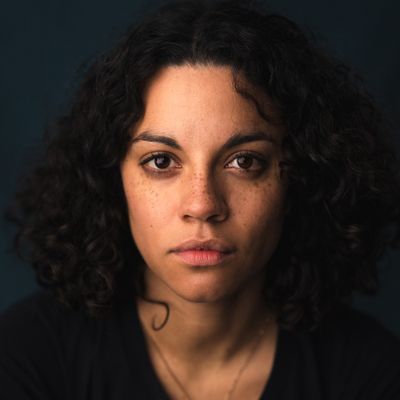
With Anoushka Lucas’ talent and success as a songwriter, it may come as a surprise for some that she initially had no interest at all in working in theatre. Just like in most of her endeavors, she fell into it. She expands on this as shares her journey, revealing her initial passive disposition, which contrasts with her willingness to embrace diverse experiences–the duality of man, as they say. From playing the piano and writing songs at an early age, Anoushka talks about her upbringing, writing songs from the point of view of the characters on TV, and how the piano became her sanctuary. She reflects on failure and her aversion to it, and the heartbreak and acceptance that her initial plan of becoming a pop star and securing a record deal isn’t going to happen. Despite the initial struggle, she recognizes the value of the experience, emphasizing the usefulness of failure in shaping her life positively, proving that tenacity goes a long way.
Anoushka Lucas is a singer, songwriter, musical theatre composer, and actor who has starred in West End productions, including “Oklahoma!” and “Jesus Christ Superstar”. She began composing music at the age of 14 and has a degree in Russian and Italian from Oxford University. She has been nominated for an Olivier award, an Evening Standard Theatre Award, and a Black British Theatre Award. She was the recipient of the Best Writer award in the 2023 stage debut awards. Among other films. You can also see her in “Murder on the Orient Express” and starting on the 21st of February, she can be heard in a brand new original musical podcast called “U.Me: The Complete Musical”.
Connect with Anoushka:
- Website:www.anoushkalucas.com
- Instagram: @anoushkalucasmusic
- Listen to U.Me: The Complete Musical
Connect with Heather Vickery and the Was it Chance podcast:
- Slip into our Instagram DMs at @wasitchance
- More about Heather via @heather_vickeryandco on Instagram, @Braveheather on TikTok, and listen to The Brave Files
- More about Was It Chance using bpn.fm/wasitchance
Connect with The Theatre Podcast:
- Support the podcast on Patreon: Patreon.com/TheTheatrePodcast
- YouTube: YouTube.com/TheTheatrePodcast
- Threads, Twitter & Instagram: @theatre_podcast
- TikTok: @thetheatrepodcast
- Facebook.com/OfficialTheatrePodcast
- TheTheatrePodcast.com
- My personal Instagram: @alanseales
Transcript
This transcript was automatically generated and might contain errors.
[0:00] Alan Seales: Hey, everyone. Welcome back to The Theatre Podcast, intimate personal conversations with the industry's biggest names. This episode's guest is Anoushka Lucas, an Olivier Award-nominated actress who is now starring in a brand new original podcast musical called You.Me, which just happens to be co-produced by this little company called the BBC. You'll also hear another possibly familiar voice in this episode, Heather Vickery, who co-hosts one of my other podcasts with me called Was It Chance? So make sure to check out the show notes for the links to find out more information about both You.Me and Was It Chance? And so, as per the uj, find and follow me on all the social medias, leave a rating and a review wherever you are listening now, and everyone now please enjoy this crossover episode with Anoushka Lucas.
[0:50] Alan Seales: Hey, everyone. Welcome to a very, very special crossover episode of The Theatre Podcast and Was It Chance? How you doing, Heather?
[1:08] Heather Vickery: I am good, Alan Seales. How are you doing?
[1:11] Alan Seales: I'm crushing it, man. I like these crossover episodes that we've been doing here.
[1:15] Heather Vickery: I know we have a good time.
[1:16] Alan Seales: We always have a good time.
[1:19] Heather Vickery: We do. A lot of fun. We always have maybe too much fun. Can you have too much fun?
[1:24] Alan Seales: Well, as long as you get your job done. No?
[1:27] Heather Vickery: Then no.
[1:28] Alan Seales: Yes? No? Maybe? Anyway, speaking of getting the job done, I'm excited. Can you tell us?
[1:31] Heather Vickery: I'm excited for today's guest.
[1:33] Alan Seales: Yeah, can you tell us who's here?
[1:34] Heather Vickery: All right. Today's guest is a singer, songwriter, musical theatre composer, and actor, having starred in West End productions including Oklahoma and Jesus Christ Superstar. Also a super smarty, she began composing music at the age of 14, has a degree in Russian and Italian from Oxford University, and to date has been nominated for an Olivier Award, an Evening Standard Award, and a Black British Theatre Award.
[1:57] Heather Vickery: But wait, there's more! She was the recipient of the Best Writer Award in the 2023 Stage Debut Awards. Among other films, you can also see her in Murder on the Orient Express. And now, starting on, uh, wait, they say it this way in Britain, in 21st February, can be heard in a brand new original musical podcast called You.me, The Complete Musical. Anoushka Lucas, holy cow, welcome to the podcast!
[2:23] Anoushka Lucas: Thank you so much.
[2:24] Alan Seales: Welcome.
[2:25] Anoushka Lucas: Hello, I'm delighted to be on this podcast, and two podcasts, and three podcasts. It's very joyful. Thank you so much.
[2:30] Anoushka Lucas: It's a very odd thing about being on a podcast or being interviewed. You often hear your CV read back to you, and you're like,
[2:38] Anoushka Lucas: Yeah.
[2:39] Anoushka Lucas: That person's cool. I want to know her. Wait, that's me.
[2:42] Alan Seales: We need ignorant translation, or maybe I'm just the ignorant person.
[2:45] Anoushka Lucas: Whatever we use words like lift, that means elevator, and CV, that means resume.
[2:51] Heather Vickery: Oh, yes.
[2:52] Anoushka Lucas: A lot of people say CVs.
[2:53] Heather Vickery: No, I know, I know, I know. I'm used to that.
[2:54] Anoushka Lucas: I worked with Americans for a year and a half on Oklahoma, so I have had to do some translating.
[3:03] Alan Seales: Thank you for translating on my behalf, CV.
[3:08] Heather Vickery: We do not think you need Alan to translate for you.
[3:10] Anoushka Lucas: What cracked me up is his attempt at having a British accent as he was reading your bio.
[3:16] Heather Vickery: I hope it comes back.
[3:17] Anoushka Lucas: I enjoyed your description, your pronunciation of Oxford University.
[3:22] Anoushka Lucas: Oxford, he did.
[3:23] Heather Vickery: Oxford.
[3:24] Anoushka Lucas: My dad used to call it Hogwarts.
[3:25] Heather Vickery: That's what my teenage daughters would do.
[3:27] Anoushka Lucas: When I was there, my dad would send me letters addressed to Hogwarts, so I think it's difficult to say in a casual manner as it holds so much.
[3:41] Anoushka Lucas: I'm going to politely say history.
[3:43] Heather Vickery: People always put a funny voice on it, even when it's naturally an English accent.
[3:47] Anoushka Lucas: Oxford or Hogwarts?
[3:49] Heather Vickery: Both, both.
[3:51] Anoushka Lucas: They're both incredibly important to my culture.
[3:56] Alan Seales: Well, I think it's impressive. I actually want to get into the early, early, early growing up stuff because you were raised in London, but you spoke French before you spoke English?
[4:10] Anoushka Lucas: Yes.
[4:11] Anoushka Lucas: My mother is, I was raised in London, in West London, in a part of London called Hammersmith or Fulham, depending where you draw the borough line, and my mum is half French, half Cameroonian, but she grew up in France.
[4:26] Alan Seales: Which half?
[4:27] Anoushka Lucas: Came to, well, what a question. The top half or the bottom half? It's very hard to, I mean, you've really thrown me for a loop. I've got to tell your listeners, I'm so sorry, that we're recording this at, for me it's quarter past 8pm after a 9, 10 hour rehearsal day of The Crucible. Thank you for being here to do this with us.
[4:48] Anoushka Lucas: No, I'm so happy to be here. My brain is not as fast as it would have been if it was 3pm for me, so I apologise in advance.
[4:55] Anoushka Lucas: I briefly was like, what half French is my mum? And then I was like, it's a joke.
[5:01] Anoushka Lucas: Okay, so literally every other thing out of my mouth is a dad joke. Just look at it through that lens and you'll be okay.
[5:06] Alan Seales: That's really helpful, thank you so much.
[5:08] Anoushka Lucas: Yes. So my mum's, her mum was French, her dad's Cameroonian, but she was born and raised in France, and then she came to England in the early 80s, met my dad. My dad, his dad was English, but his mum was half Indian.
[5:23] Anoushka Lucas: So both my parents are mixed race. And then they met, they fell in love. And then when they had kids, I was the first one and my mum was like, well, these children are going to speak French. And then there was, there are lots of French schools in London. Well, not lots, but a few, as there are in America. There were 400 French schools around the planet Earth.
[5:44] Alan Seales: I love that you know that.
[5:46] Anoushka Lucas: Yeah, I mean, you get sent like a lot of propaganda when you're at a French lycee across the world, because they're like, this is the best school in the world. And you're like, is it? Have you seen Hogwarts?
[5:56] Alan Seales: Well, yeah. I just need to keep going from King's Cross.
[6:00] Anoushka Lucas: I'm always amazed at the amount of people trying to get onto Platform 9 3 quarters.
[6:04] Heather Vickery: But they do a thing there, don't they?
[6:07] Anoushka Lucas: Yeah, they do, they do. They have like a trolley going into the wall and a sign on the wall and like a million tourists taking pictures of Platform 9 3 quarters. I've yet to access it, but I think that might be because I'm not a wizard.
[6:19] Alan Seales: That you know of.
[6:21] Anoushka Lucas: It hasn't been activated.
[6:23] Alan Seales: Are you sure?
[6:25] Anoushka Lucas: I am a late bloomer in many ways, so maybe my wizardry will come through in my early 40s. Who knows?
[6:31] Alan Seales: So wait, wait, wait, wait, wait. A late bloomer in many ways, but you were writing songs at 14?
[6:35] Anoushka Lucas: Yeah, well, yeah, because I was weird. I was weird. I was not doing the things that 14-year-olds do. I was blooming late as an adolescent. My parents were musicians. They met, they were in a band together. My dad was a drummer for years, and then my mom's siblings, all of them play instruments and write music, and then everyone was like broke and wanted to be a rock star, and so I grew up going to my dad's gigs, so it just seemed very normal.
[7:01] Anoushka Lucas: Making music was sort of a side profession for about 50% of the adults in my childhood, so it seemed very normal, and then I started piano lessons when I was seven, and then I just, my dad, you know, and my dad's, there's that joke about the eldest daughter is her dad's favourite sign, and then she's like, the eldest daughter is her dad's favourite son, and I think my dad just sort of took it upon himself to educate me about songwriting, so we were listening to, like, Randy Newman and Little Feet and, like, Jimi Hendrix and, you know, my mom was more into, like, Prince and Lauryn Hill and Cameo, but there was just constantly music all the time, and then we got a piano, and I really took to the piano, and it was also, I also grew up in a very small apartment, and there were five of us in two bedrooms, and so the piano very early on became a place where I knew that if I sat there and I played music, people would leave me alone, and it was incredibly hard to have any sort of private space in my family home, so the piano became, like, my sanctuary, and I sort of, it continues to be, in any room that I'm in, even the rooms I'm rehearsing The Crucible in at the moment, there's a piano in the corner, and I sort of, it's going to sound very pretentious, but it's a real sort of calming, nervous system thing that I, like, wait till the end of the day until everyone leaves, and then I know I can play the piano, and I feel most myself when I play the piano. So it was very, sort of, it was very organic that I started writing songs when I was 14.
[8:31] Alan Seales: So what kind of songs were you writing, though? Were you writing, like, rock songs? I mean, like, the artists you named off are not musical theatre artists.
[8:39] Anoushka Lucas: No, no, I mean, we watched musicals. My dad's, it's a very sad story, but my dad's mum died when he was eight in 1958, and his only real memory of her is of her taking him to the pictures, and she loved MGM musicals, and my dad is otherwise quite a cool arty, like, always has, like, a cigarette in his hand and wants to listen to Jimi Hendrix, and is also quite, like, emotionally, you know, he's not someone to, like, lead with his emotions, and I guess the only time that I would see him as a child be vulnerable was when we would watch musicals, and he would cry, and I was really struck by the fact that my dad cried if we watched Dumbo, or if we watched Guys and Dolls, or if we watched Singing in the Rain, and then he'd talk about his mum, and so they were always very, they're very revered in my household, which is quite, you know, the UK has an incredibly different relationship with musical theatre than America does.
It's far less reverent for it, and it's also not an art form that we really cultivate or understand, and I think a lot of the best British musicals are sort of outliers, and doing something quite strange, because we don't really know how to make a traditional American musical.
[9:59] Anoushka Lucas: But, yeah, no, I mean, by the time I was 14, I was listening to, like, Carole King, Joni Mitchell, Amy Winehouse, Sienna Apple, and I was like, that's what I want to do, and my songs were, like, oddly sort of musical theatre inflected narrative jazzy piano ballads, really. But I'd never, like, had a boyfriend or a girlfriend, and I'd never, like, taken drugs, and I'd never smoked, so what I did instead was I obsessively watched, like, Dawson's Creek and Buffy and ER, and, like, I watched so much TV, and I would write songs from the point of views of the characters on TV, which I can now see as a complete, obvious through-line to becoming a writer for fiction, a musical theatre songwriter. But at the time, I was like, I don't know, I just find it really easy to pretend to be, you know, Willow and Buffy for two hours, and write a song from her point of view about how she feels about Xander going out with Cordelia.
[10:51] Anoushka Lucas: My name is Pacey, I like Katie Holmes, and James Van Der Beek is my enemy. Yeah, they were sort of like that, but they were a bit jazzier. And the other thing that happened was, I mean, this is a very deep conversation, but I grew up in like a sort of, there's probably a bigger chat than I have the emotional capacity for right now, but I guess I was in a very middle-class, I was a scholarship kid in a very middle-class environment, surrounded by a very white British middle-class culture, and I was really attracted to jazz, and there was some sort of I think there was some other thing going on, because I discovered that I had quite a soulful intonation to my voice, and as soon as I started gigging, people were like, oh, you're a jazz singer, and I was like, oh, I didn't know I was a jazz singer, I'm just singing like how it comes out, but so yeah, there's lots of really interesting things that I'll probably be unpicking for the next 40 years, and will not use your podcast to unpick, thank you very much.
[11:53] Alan Seales: So do you still write your own music?
[11:55] Anoushka Lucas: Yeah, yeah, I write. I spent a very long time, that was my aim, I had no interest at all in working in theatre, and I didn't, I fell into that, I wanted to be a singer-songwriter, I wanted to be Carole King, I actually wanted to be Amy Winehouse, or Fiona Apple, without paying attention to how deeply unhappy they both seemed, and I spent most of my 20s pursuing a record deal, and getting sort of quite close a few times, and I had residencies at very prestigious venues in London, and I recorded some little EPs that only exist on CD form, because I'm giving my age away, that it was like very difficult to get them online, and then I released an album in 2019, but then at the end, it took so long to release the album, and was so expensive, and so complex, and by that point I was quite deep into making theatre on the side, and I had quite a big shift in my mentality, where I was like I don't think I want to keep, what's that Greek myth where you're like rolling a rock up the hill? That's sort of what releasing my own music felt like, and I felt like the guy rolling the big rock up the hill, and I was like it's very, very, as you've
[13:23] Anoushka Lucas: Thank you.
[13:25] Anoushka Lucas: Everyone's screaming at their car radios right now. Sisyphus, damn you!
[13:29] Anoushka Lucas: Google fingers.
[13:30] Anoushka Lucas: I was going to say, I think it's really hard to be a solo artist or to have any sort of entrepreneurial venture.
[13:39] Anoushka Lucas: I'm not particularly entrepreneurially minded. I wanted to write songs and release them.
[13:44] Anoushka Lucas: And the era that I was trying to do that, I wasn't so good at the business side of it.
[13:50] Anoushka Lucas: And then I fell into theatre and I was like, cool, these people in this one, I could just be creative and someone else does the business side.
[13:57] Anoushka Lucas: Big win.
[13:58] Alan Seales: So how old were you then when you met Shea Walker? And did that sort of kick off your falling into the more, like having somebody take care of the business side of it?
[14:11] Anoushka Lucas: I wouldn't say Shea took care of the business side of it.
[14:14] Anoushka Lucas: Yeah, so I went to Oxford. I was there for four years. I came back to London when I was 21.
[14:19] Anoushka Lucas: I had like 100 part-time jobs and I was gigging regularly with a band.
[14:24] Anoushka Lucas: And then I met Shea when I was 23. So like two years into that.
[14:29] Anoushka Lucas: And he at that point was like, he'd just come off. There'd been like a big sort of role of success for him.
[14:35] Anoushka Lucas: He'd had a show at the Young Vic. He'd had huge success at the Globe.
[14:41] Anoushka Lucas: He was like 20 years older than me and he was sort of a big deal.
[14:43] Anoushka Lucas: But I had absolutely no idea who he was because I didn't go to the theatre.
[14:48] Anoushka Lucas: I wasn't, you know, I didn't do drama at university. I didn't do drama at school.
[14:51] Anoushka Lucas: I just wasn't interested in it. I was like, I'm a musician.
[14:55] Anoushka Lucas: I met Shea and through like a whole series of events.
[15:00] Anoushka Lucas: And then he was like, what do you do? And I was like, oh, I write songs.
[15:03] Anoushka Lucas: And then he said, well, play me a song that you've written.
[15:05] Anoushka Lucas: And I remember I played him a song from the point of view of Bella in Twilight about being in love with Edward.
[15:13] Anoushka Lucas: And he was like, oh, yeah, cool. That's quite weird.
[15:17] Anoushka Lucas: And then I went away and then two weeks later, I got a message from him out of the blue saying, hey, it's Shea Walker.
[15:22] Anoushka Lucas: We met a few weeks ago. A composer that I have on a project has just dropped out.
[15:26] Anoushka Lucas: And I need somebody to write me a song by Sunday. Will you write me a song by Sunday?
[15:30] Anoushka Lucas: I'll pay you a hundred pounds. And I was 23 and I was like, a hundred pounds.
[15:34] Anoushka Lucas: Oh, my God. No one's ever paid me for a song.
[15:38] Anoushka Lucas: So I said yes. And then I like I didn't know how to record at home.
[15:43] Anoushka Lucas: I didn't know. Like he sent me a scene and he and then there was just, frankly, some not very good lyrics.
[15:49] Anoushka Lucas: And I was like, well, I'm going to rewrite all these lyrics, which, again, now I would like be far more gracious about.
[15:55] Anoushka Lucas: But arrogant, 23-year-old with no understanding of theatre.
[15:58] Anoushka Lucas: I was like these lyrics, this award-winning playwright has written are not good.
[16:02] Anoushka Lucas: So I will write better lyrics. And then we sort of went from there.
[16:05] Anoushka Lucas: He liked the song and then I ended up writing eight songs and then we got commissioned.
[16:09] Anoushka Lucas: And then I became a theatre composer. Just became. It just happened.
[16:14] Anoushka Lucas: It did really just happen. I often was now 36.
[16:20] Anoushka Lucas: And I've been trying, you know, I've tried lots of different routes or experience lots of different routes of being a creative person for 15 years.
[16:28] Anoushka Lucas: And my advice to young people is always to like be open to the people that you meet and the opportunities that arise.
[16:37] Anoushka Lucas: Because everything that I did was unplanned.
[16:42] Anoushka Lucas: And I was just very lucky along the route to meet people who offered me interesting opportunities.
[16:48] Anoushka Lucas: Was it chance? I don't know. I don't think it was chance, but I think it was opportunity.
[16:52] Anoushka Lucas: I love that you said that. I don't know if it was chance. Maybe it's just opportunity, except maybe it's the same thing.
[16:58] Anoushka Lucas: I think I've been incredibly lucky in many ways with where I have ended up professionally.
[17:06] Anoushka Lucas: And I say that also as someone who's not like, you know, it could dry up at any point, which I think is something that, you know, in the arts fields is that you're like, well, I'm having a good couple of years.
[17:17] Anoushka Lucas: But I know that before then I was not having a good couple of years.
[17:21] Alan Seales: We're going to take a short break. Stay tuned for more of the episode.
[17:32] Anoushka Lucas: And I've been really lucky and I really recognize that.
[17:35] Anoushka Lucas: I also think as a young person and particularly as a young woman, I'm quite reticent to describe things that happen to me as chance and luck, because that undermines my own work.
[17:48] Anoushka Lucas: And also the fact that I was prepared or able to meet the opportunities that came my way.
[17:55] Anoushka Lucas: And I think if I think about myself, then I was very unformed and I needed guidance and I needed people to latch on to, to follow.
[18:06] Anoushka Lucas: And I needed to be in rooms and spaces that inspired me.
[18:09] Anoushka Lucas: And I was incredibly lucky to meet those people.
[18:11] Anoushka Lucas: But I also think I don't know, I think it's like a halfway meeting.
[18:14] Anoushka Lucas: Like I was coming up a mountain and some people came down the mountain and then they took me higher.
[18:18] Anoushka Lucas: Does that make sense?
[18:19] Alan Seales: Yeah, it does.
[18:21] Alan Seales: And I'm here for it. I really love all of that.
[18:24] Alan Seales: Because so what it's a crossover episode.
[18:27] Alan Seales: Was it chance is actually the show taking intentional risk for creative success.
[18:31] Alan Seales: So, of course, you're so prepared and you've done all this work, but something and you had to go, why, yes, I will do this.
[18:37] Alan Seales: I don't know if that'll work. Was there any thought like, oh, I began writing musicals.
[18:41] Alan Seales: Like, was there something internal you're like, well, I don't know what's going to happen here, but let's do it.
[18:46] Anoushka Lucas: Well, it's hard to remember exactly, but I was so focused.
[18:53] Anoushka Lucas: I desperately wanted to be recognized as a singer-songwriter.
[18:57] Anoushka Lucas: And that was the only clear plan that I had when I graduated from university.
[19:04] Anoushka Lucas: And I truthfully it now it's very easy.
[19:09] Anoushka Lucas: Like it now feels logical that I've ended up very happy in theater and I can see how I fit that world very well.
[19:17] Anoushka Lucas: But it really does feel like chance, not chance.
[19:21] Anoushka Lucas: It feels like there was I know this might be the worst thing to say to your listeners, but there was no intention at all.
[19:27] Anoushka Lucas: I became a composer by accident.
[19:29] Anoushka Lucas: Then I became a musical director by accident.
[19:31] Anoushka Lucas: Then I became an actor by accident.
[19:32] Anoushka Lucas: And then I became a playwright by accident.
[19:34] Anoushka Lucas: And in all of those cases, I met someone in a position of power who recognized something in me and said, do you want to try and do this thing?
[19:46] Anoushka Lucas: And also the other thing to say is that it was very economically driven.
[19:50] Anoushka Lucas: You know, I don't come from money.
[19:53] Anoushka Lucas: And I was trying to pursue a creative path that had a very low sort of earning situation attached to it.
[20:01] Anoushka Lucas: And people approached me from tangential creative spaces and offered me money to do creative work.
[20:08] Anoushka Lucas: And to be really honest, I followed that path first and foremost because I was like, I need to pay my rent.
[20:14] Anoushka Lucas: And this person is going to pay me to write songs.
[20:17] Anoushka Lucas: And nobody at Sony is going to pay me to write songs.
[20:20] Alan Seales: Absolutely.
[20:21] Anoushka Lucas: And I feel like, yeah.
[20:24] Anoushka Lucas: Embracing opportunity, period.
[20:27] Anoushka Lucas: And then also I think the other thing that happened is that as I've gone along, it's funny having gone to a private school and having gone to Oxford.
[20:35] Anoushka Lucas: And then for a long time, I was like, oh, I've ended up in such a different place from that.
[20:39] Anoushka Lucas: I think that perhaps what those institutions did put in me was a real privileged sense of fearlessness where I was like, yeah, I should try stuff.
[20:51] Anoushka Lucas: I can try stuff.
[20:52] Anoushka Lucas: And I think about it now.
[20:54] Anoushka Lucas: And I'm like, God, if someone turned around and was like, do you want to try and be an astronaut?
[20:58] Anoushka Lucas: I'd be like, what?
[20:59] Anoushka Lucas: No, I don't have a science degree.
[21:00] Anoushka Lucas: But when I was 20, obviously it's not the same thing.
[21:02] Anoushka Lucas: But when I was 20.
[21:03] Anoushka Lucas: No, it is.
[21:04] Anoushka Lucas: 23.
[21:05] Anoushka Lucas: And someone was like, do you want to be a theater composer?
[21:07] Anoushka Lucas: I was like, well, I don't really go to the theater.
[21:08] Anoushka Lucas: I'm not interested in the theater.
[21:10] Anoushka Lucas: I don't know who any of these people are.
[21:11] Anoushka Lucas: I don't know what the etiquette is.
[21:13] Anoushka Lucas: I don't know what downstage is or upstage is.
[21:15] Anoushka Lucas: But like, sure, that sounds fun.
[21:16] Anoushka Lucas: I'll give it a go.
[21:18] Anoushka Lucas: And there's a certain arrogance in that that came from my youth.
[21:22] Anoushka Lucas: But then what's funny is that I've had that sort of experience occur to me multiple times.
[21:28] Anoushka Lucas: And what I've learned from it is if somebody offers you an opportunity to do something that they, from their position of knowledge and authority, believe that you can do, even if you are not sure that you can do it, if you trust them professionally and think that they are good at their jobs, say yes.
[21:46] Alan Seales: Yes.
[21:51] Alan Seales: OK.
[21:52] Alan Seales: So earlier you said that you fell into things by accident and it wasn't really intentional.
[21:56] Alan Seales: But there has to have been some aspect of all of this where you were intentionally wanting to take chances, wanting to move forward, and intentionally not wanting to say no.
[22:07] Anoushka Lucas: Yeah.
[22:08] Anoushka Lucas: I just wanted to work.
[22:10] Anoushka Lucas: I wanted to work.
[22:11] Anoushka Lucas: I wanted to be in creative spaces.
[22:13] Anoushka Lucas: And I wanted...
[22:15] Anoushka Lucas: The real motivator for me has always been and will always be relationships.
[22:21] Anoushka Lucas: I have always been platonically, professionally, romantically attracted to interesting, creative people and places.
[22:30] Anoushka Lucas: And every time I met someone who was creatively stimulating to me, I followed them.
[22:37] Anoushka Lucas: And all of the best work that I have done, whether it's with Che or with my director of my play, Jess Edwards, or with Lynette Linton at the Bush, or in Oklahoma on stage, the core of my interest in things is always the people that I am going to be making something with.
[22:58] Anoushka Lucas: And so in terms of intentionality, which I have quite a complicated relationship with, I think it's quite cultural as well.
[23:04] Anoushka Lucas: I hesitate to say that I'm very British and intentionality feels very American to me.
[23:17] Anoushka Lucas: And the truth is that I had ambitions, but I really wouldn't describe myself as intentional until I hit about 30.
[23:28] Anoushka Lucas: Nothing in the...
[23:30] Anoushka Lucas: Oh, intentional as in I'm going to have an idea and follow it?
[23:34] Anoushka Lucas: Or intentional as in, well, yeah, I guess that's it.
[23:37] Anoushka Lucas: So like intentional as in, here's what I want to do with my career, here's what I want to do with my life, and here are the goals I've set out rather than just taking things as they come.
[23:47] Anoushka Lucas: Yeah, I think I didn't have the power, the economic privilege, or the understanding to be intentional until I was 30.
[23:55] Anoushka Lucas: And I think that the only thing that I had was an openness to trying things that I didn't know much about, but I was very motivated by being able to make money.
[24:02] Anoushka Lucas: And I also genuinely never meant to be a musical theatre composer, never meant to be an actor, never meant to be a playwright, and discovered a talent for these things through other people suggesting to me that that might be something I'm good at.
[24:23] Anoushka Lucas: And I think that goes all the way back to being a little brown girl in an all-white space, and like waiting to be told what you are supposed to do.
[24:39] Anoushka Lucas: Like, intentionality is such a privileged concept, you know?
[24:44] Anoushka Lucas: You need to believe that you are allowed to be the agent of yourself, which is not present in women, and not present in people of colour, and not present in queer people until different points in life.
[24:56] Anoushka Lucas: So I think it's really problematic, especially when you turn around to young people and say you need to be really intentional, and you don't engage with the systems that they are existing within.
[25:06] Anoushka Lucas: Not everybody at 21 has the mental capacity to be intentional.
[25:15] Anoushka Lucas: And you're very lucky if you decide and discover that you can become intentional.
[25:22] Alan Seales: Anoushka, I am so appreciative of you saying that and sharing that, as I am super white, as we can all see, but I am queer and I am female.
[25:33] Alan Seales: And I think maybe the difference was the white privilege?
[25:37] Alan Seales: I'm not sure.
[25:38] Alan Seales: Like, I, well, I don't know.
[25:40] Alan Seales: Maybe I wasn't intentional until I was older.
[25:42] Alan Seales: It's just good to be reminded that we all show up from different life experiences, and I'm going to be listening to this over and over and over again and just keep thinking about it.
[25:52] Alan Seales: And I just really appreciate the way you shared that.
[25:56] Anoushka Lucas: Thank you.
[25:57] Anoushka Lucas: I'm sorry if it came out quite, I have quite a violent reaction to, have a very violent reaction to the idea of, like, intentionality and manifesting, for example, which, like, I think there's such beauty in them once you are in the position that you can work from there.
[26:15] Anoushka Lucas: And I absolutely believe that, like, clarity in your ambition is fantastic.
[26:19] Anoushka Lucas: But, like, first you need to be, like, paying your rent, accepted in your social group, like, sure that you're, the people above you approve of you.
[26:29] Anoushka Lucas: I don't know.
[26:30] Anoushka Lucas: I think I spend a lot of time thinking about how my creative career, I believe, is hugely, you know, one thing that is not an accident is I was raised by creative parents and I also was raised in a middle-class environment in the 90s.
[26:46] Anoushka Lucas: I was told that I could go out and do anything I wanted. Now, if I'd been raised in a first-generation, working-class immigrant household, it would have been a very different thing for me to turn around and say, I want to be a singer-songwriter, and I'm not going to make more than £20,000 a year until I'm 30. It just wouldn't have been an option. I think I've worked really hard to get to a point where I can now be like, cool, what do I want to do? What am I good at? Where do I think I could grow? And those questions have all come in my 30s.
[27:14] Dave Boyd: That's really interesting. And I came from upper middle-class, cis-white, male privilege, and I've embraced the opportunities that have come to me. Yeah, it's just interesting. And I'd love to understand what's going on and be more educated along all this stuff. And I'm not being eloquent at all at this moment. No, I'm sorry. I feel like I've come down really heavy on intentionality, which I didn't mean to. I just think it's such an interesting intersectional concept. And but it also is important. I've got a sister who's 22, and I look at her and I'm like, oh God, she's going to hate me when she hears this. But I'm like, oh, I can't wait until you figure out with clarity where you are good and where you should go.
But there are outliers at 22 who have answers to that. But there's also a youth thing where you come out of a 17-year educational system where someone tells you what to do, and then you sit an exam. It's pretty hard to be like, no, I'm going to do this, and it's going to work.
[28:23] Anoushka Lucas: Absolutely. Why do you choose your projects now? And then specifically, leading to you.me, does this sort of thing come to you? I mean, are you swatting away all the messenger owls from Hogwarts that come to you with these job offers? Or are you going out for specific things? You're like, I'm going to do a musical podcast now.
[28:46] Anoushka Lucas: I'm in a sort of like, early stages, middle spot, I would say. I mean, I'm auditioning. And so you.me is really specific because you.me happened in the pandemic. And I was supposed to be doing a play at the National Theatre that was supposed to start auditions on January 2021. And then we went into our second lockdown, and it was unclear if and when we were ever going to get out of lockdown and if the theatres were ever going to open. And an audition for a radio musical came in, and they were like, this is going to happen regardless of whether or not we're in lockdown. And so obviously, I was very keen just to work. Because I mean, one thing that is true of me is I do not like to be idle. And I think a lot of the things that have come out of me are like a reflection of my ADHD and my desire to like, always be doing five projects.
So I was like, excited about that. And then I formed new relationships, you know, like I sort of was like, oh, Theo is a great musician. And this is a fun project. So yes, I'd like to go back to it. The reality of everything else is I'm definitely still auditioning for things. But now I guess the caliber of things I get invited to audition for is very satisfying and tasty. Whereas if a few years ago, I wasn't in certain rooms, now I'm comfortably in those rooms. And the other thing is because I write plays and music, I have like, quite a reasonable sense of security is a dangerous word to use. But like, I know that there's interest in the work that I generate. And so I'm like, you know, worst case scenario, I could always put on a gig or write a monologue and do that.
And yeah, and I guess overall, I'm just really interested in balancing everything. Like I like, I hate doing one thing for longer than three months. So I'll act in something and then I want to write something and then I want to be with my band. And then I also want to balance musical theater with straight theater because I don't know what it's like in America, but in the UK, you can get stuck doing only musicals and then nobody will audition you for a play. And I really like doing plays. And I really like doing musicals. And that feels like quite a fine line to tread.
[31:03] Anoushka Lucas: I was going to ask that how the being intentional again, going back to this about what you do to decide between your projects, because you can at any point, like in 2018, you composed original songs for this show called Sparks, which was adapted from ABC Radio 4. And then you have a debut play called Elephant, which I guess that was written across the whole pandemic, right?
[31:28] Anoushka Lucas: It was written across the pandemic. Yeah. So like you're writing, you're writing your own plays, you're composing songs, you're, you just said at the top of this recording that you're in rehearsal for The Crucible. You were recording these radio podcasts, like, again, it sounds like you just constantly have to keep moving. And I 130 million percent relate to that, because yes. And so at any point, if you have multiple options, what are you intentionally embracing to get to the next step? What are you doing to decide where the balance needs to come from?
[32:02] Anoushka Lucas: That's so good. I'm just doing my best. And I'm thinking it wrong. Yeah, I guess in terms of going back to our favorite word, intentionality, my main intention actually now, and for the last year or two, has been like, how do I keep all of the plates spinning? And I've had an experience in the last, through Oklahoma specifically, which was at the Young Vic and moved to the West End, which was the same production as you guys had on Broadway in 2019. I guess there was a certain amount of recognition of that, that coincided with my first play that I was in. And I had a real moment where I was like, oh, am I allowed to swear on this? I won't swear. Oh, please, please fucking swear. I was just like, oh, shit, like, I think I might accidentally be like, if I'm not careful, I'm just going to be an actor.
And I don't want to just be an actor. Like, it's great that I'm in the West End and how fucking incredible that I've been nominated for an Olivier Award, but I really want everyone to know that I can also write songs and I also want to write this other play. And like, that feels like such a great privileged problem. But it is a problem because things come in, there's very little control, specifically as an actor. You know, I'm currently on the commission to write something. And there's a timeline on that. And I know what the timeline is. And I can push the deadlines depending on what's going on. We're going to take a short break. Stay tuned for more of the episode.
[33:33] Anoushka Lucas: As an actor, a tape can come in one Thursday, that's a job that's like, oh my God, I would love to do this job. And I'm going to have to reschedule the next six weeks of my life if I get it. And that makes it hard to plan. Like, for example, I'm doing The Crucible right now. And I'm playing Elizabeth Proctor, which is like a dream part.
[33:51] Alan Seales: Wow.
[33:52] Anoushka Lucas: But then I was supposed to be recording the beginnings of my second album last week, which I'd been planning for like two months. And then The Crucible came in and I was like, well, I'm not going to not play Elizabeth Proctor. So I have to cancel my band recording and move it to April. And then I have to email my agent and be like, I know that we said that it would be nice if I could try and get some screen work. But please, can we not put me up for any auditions for parts that will be in April, because then I'll have to reschedule the band, you know, and that's like the reality of my life.
[34:28] Anoushka Lucas: That's the entrepreneurial part, though, right? You have to manage that part.
[34:32] Anoushka Lucas: Yeah, but I think that's also come from being like, I think I would go crazy if I was just an actor, because it's not good for me. Going all the way back to like the little brown girl waiting for approval and permission, a lot of the work I've done on myself as a person has been like, don't just sit and wait for people to choose you. And actually, it's great because people will choose you for stuff. But it's also really important that sometimes you choose your own place and where you want to go. And being an actor is literally currently probably my favorite of all of them. I mean, I play music every day, but that just feels like writing a diary or having breakfast.
[35:13] Anoushka Lucas: It's like self-care. I mean, a close friend of mine who's also a songwriter, you know, I haven't recorded any music for five years. And he was like, oh, how many songs do you think you've written in that time? And I was like, I don't know, like 200. And he was like, what are you doing with them? And I was like, I just write them. I feel grumpy. And then I write a song about feeling grumpy. And then I feel lustful. And then I write a song about feeling lustful. And then I feel, you know, it's very, it's for me, really, that doesn't feel like, there's about 10 songs out of those 200, which I think are like, oh, I could put that out and that'd be nice. My girlfriend only gets joke songs from me and is very like, grumpy about me not writing serious ones. Yeah, it's a whole, there's lots of little songs, but I sort of, yeah, I've been writing songs 22 years, they come out very naturally and quickly.
[36:04] Alan Seales: Anoushka, we have a little thing we do on this show, and we have singers come in. You've now spent the last 41 minutes with Alan, who I love like a brother.
[36:15] Anoushka Lucas: Yes.
[36:17] Alan Seales: But the thing is that sometimes we just want to say, shut the fuck up, Alan, just shut the fuck up, Alan. And so when we have musicians come on the show, sometimes they'll just ad lib, you know, their own version of shut the fuck up, Alan, we're gonna do a little remix. So feel free, if you feel the urge to just sing that for us.
[36:36] Anoushka Lucas: Oh my god, like shut the fuck up, Alan, like that.
[36:43] Alan Seales: It's a British, it's a British, a British Alan.
[36:46] Anoushka Lucas: That's amazing.
[36:48] Anoushka Lucas: Yeah, I think that was also the tune of starry, starry night, but there we are.
[36:53] Anoushka Lucas: We can make it sound so beautiful. It's one of my favourite things.
[36:58] Alan Seales: In the UK, in the UK, when, how many production companies are there? And I've travelled a lot of places and not admittedly into the UK very much, but it seems to me like it is kind of BBC or nothing. And A, is that correct? But B, okay, there's other stuff, right?
[37:20] Anoushka Lucas: Because you hear about BBC One, BBC Two, BBC Three, BBC Four.
[37:23] Anoushka Lucas: That's because it's the one that it's, the BBC is state funded, we all pay for it. And it's exported all around the world, because it's like the face of the UK. But we have a lot of private companies here that just operate here.
[37:35] Alan Seales: Okay, okay. So that kind of leads into my next question, though, because you don't mean the complete musical, tons of BBC overlap, right? So, again, for us, ignorant Americans, sort of the involvement of the BBC, is that like, okay, yeah, we expect that, or holy crap, the BBC is involved. But then the music itself is performed by the BBC Philharmonic Orchestra. And what I've heard of it, the little clips I've heard so far, like, it's such a beautiful, it's everything is about it is beautiful and it's performed so well.
[38:07] Anoushka Lucas: You know, they recorded the first one, everybody in isolation. So the BBC Philharmonic Orchestra was each individual player recording in their house.
[38:16] Alan Seales: No way.
[38:17] Anoushka Lucas: Yeah, and then mixed by, mixed and produced by Steve Levine, and I think with some help from somebody else and Thea Jameson. But like, yeah, it was wild, because it was peak lockdown, you could not get an orchestra into a room.
[38:33] Alan Seales: Pre or post Andrew Lloyd Webber saying, screw you, I'm opening my show.
[38:37] Anoushka Lucas: Pre, pre. Yeah, I mean, the BBC Philharmonic Orchestra were like a huge selling point to me, I wanted the part and I wanted to work. But I was like, what an extraordinary thing to sing on top of the BBC Philharmonic Orchestra. They're a national institution. And as for the BBC, there's a lot of people who, there's like a big drama in the UK about whether or not the BBC is left wing propaganda. And a lot of public discourse around it between the...
[39:08] Alan Seales: Same with NPR.
[39:10] Anoushka Lucas: Exactly. Yeah. Yeah. But, but, you know, if it is left wing propaganda, I'm here for it. And it is, it's just you grow up watching the BBC, listening to the BBC. I was recently educated, my girlfriend's not from the UK. And I was recently like talking through the BBC radio channels. And I was like, so basically listen to like BBC Radio One, when you're like 15 to 21, or 15 to 18. And then you listen to BBC Six music. And then like, if you're into classical music, you'll listen to BBC Three. And then I'm like, and then something weird happens, like at a certain point, you hit 35. And you just sort of weirdly start listening to BBC Radio Two, which is just Michael Buble. It's like very soothing. And then like, and then when you're like wanting to be intellectually stimulated and or over 45, you only listen to BBC Radio Four. And that's like, those are the stages of adult life through the BBC.
[40:05] Alan Seales: That's awesome.
[40:08] Anoushka Lucas: What's actually unusual about this too, like, okay, so you got me, I was trying to figure out, you know, prepping for this episode of like, where it's going to be, if it's just going to be like, find it everywhere you find your podcasts, which is true, right? So it's all podcast providers, but it's also, it's coming out on BBC World Service, BBC Sounds, YouTube, and yeah, so bbcworldservice.com slash musical, but it's also being adapted or has been adapted into a feature length animated movie.
[40:39] Anoushka Lucas: Well, yeah, I feel like a Disney princess. It's wild. It's really cool. It's been, it's, I have to really say that Simon Pitts, who commissioned it and came up with part of the book, he's been extraordinarily, he's pushed this project that was like his baby, from this tiny inception to this big, huge thing. And it's so thrilling to see the reach that it can have, given that when it was pitched to me, it was like, do you want to audition for this radio musical? And I was like, what the hell is a radio musical? And also like, who's going to listen to that? And then even the first one, BBC Worldwide Service is amazing. It's the BBC station that exists all around the world. And I got messages from people in like Malta and Australia.
And like, someone messaged me, I think from Chile and was like, I love your show. And I was like, Oh, people have heard this internationally. And then the added layer of the illustration, or the animation. Yeah, I haven't seen the second one. And I also haven't heard the second one. But I'm very excited to see it's basically a little movie. It's like a two hour musical excursion if you watch both of them back to back. I was wondering, I was actually wondering, if you've ever had a conversation with your dad, or if you have some sort of kind of knowing, you didn't always grow up loving musicals, but he had that connection to his mom who had passed away when he was so young. If there's some string there.
[42:09] Anoushka Lucas: Yeah, there's, he's been, my parents, so my, you know, my parents were rock and roll musicians, and well, punk really in the 80s. And no one has been more surprised by my transition to theater than my family, who have obviously heard me writing songs since I was 14. And everybody in the family, including both my younger sisters, it was just an unquestioned fact that I was going to be a musician. And my slow transition into being an actor has been met with like, great encouragement, but like fundamental bemusement from my family who are like, you have no, you have never displayed any interest in this thing, but you've now made your career. And I think they're quite surprised by it. And my dad, and my dad is like, you know, he's my dad, my mom and my dad, I really, I find them very annoying.
I spend all my therapy talking about like how they were as a wife, but ultimately, their opinion matters to me quite a lot. And then my dad came to see me in a bunch of shows and just said nothing. And was like, yep. And then, because he was like, I think you should be a singer songwriter. And then, and then I remember, first, I wrote the music for a show that he liked. And then he said, that was really good. And I was like, oh, thanks, dad. And then like a few years later, I was in, I was acting in a show. And he said, I'm proud of you. And I was like, Oh my God, dad. Yeah, he's not an I'm proud. He's very loving, but it's not an I'm proud of you household. It's more like, why have you done that you moron?
Yeah, to break through the humor of like, constantly, sarcastically nagging each other and like, and they've been really, I think my dad, they loved Oklahoma, because my dad's also like quite a big country music fan. And like the pedal steel guitar and the bluegrass sound of it. They were really, and Oklahoma is like one of my dad's childhood musicals. So that was really joyful. That was the first time I was like, dad, I'm playing Laurie in Oklahoma. And he was like, Yes, I know what that is. And I approve. I have heard of said musical. And I, yes, I agree.
[44:18] Alan Seales: Dad, that's such a complicated thing. Have you thought about you speak? Do I have four languages?
[44:21] Anoushka Lucas: Well, three at this point, because it's hard to keep brushing up if you're not using it. First of all, a two part question. One is, what made you want to become fluent in all of those languages, especially Russian? And then the question that I originally wanted to ask was, do you ever think about doing bilingual work or work in any of these other languages? And I just think it'd be really fun to. I was in a production of Henry V, two years ago, where the director, which is obviously about England invading France, and I was playing Catherine of France, and the director decided to translate all of the text of the French core into French, and he hired French speakers as all the French characters.
And I got to stand on stage at the Donmar Warehouse, which is like a lovely prestigious theatre in the centre of London, opposite Kit Harington, and speak in French on stage. And it was so, my mom was so happy. But also, you know, there's research that people have different personalities and different languages. And for example, if you set like an ethical dilemma to people in different languages, they respond differently, because they reason differently in different languages. And it was so freeing to be French on stage and to access that part of it, because that's normally really, I speak French at home, and I speak French with my school friends, but it's not like in my day to day life. And I've written a couple songs in French, but it doesn't flow as naturally as the English.
And then I really love myself in Italian, like as an act of self-care, sometimes I speak Italian, because I think I'm much better in Italian than I am in English or French. You guys should have interviewed me in Italian. I'm so much fun. And I really like to, yeah, I'd love to work in Italian, but I'm quite nervous about it, because it's a bit rusty. And then my Russian is, my Russian is sort of long gone. And I studied it because I was just like a huge geek. I just really, I can't overstate, I loved school. I was good at languages and literature and humanities and terrible at maths and science. And I went to a French school in London, and there was an option of taking two extra languages. So I did Italian and Spanish.
So when I was 17, I was basically fluent in English, French and Italian and Spanish. And I thought, arrogantly, again, I was like, well, I should try something else. I'll try Russian. But also, the true story is that I had an amazing English teacher called Madame Compagnon, who gave me a short story called The Lady with the Little Lapdog by Chekhov. And I read it when I was 16. And I thought it was the best piece of fiction I had ever read in my entire life. And I was like, if this is what people are writing in Russian, I want to read Russian. And that's where I did Russian. And then it turns out it's really hard. So I regretted it.
[47:25] Anoushka Lucas: Right? As is Chekhov in general. I'm just sitting here thinking of a 16-year-old who's reading Chekhov and going, this is the best piece of literature I have ever read. Yeah, it was weird. I was like sat around thinking I was lucky reading Chekhov. I didn't know. In English, we have this expression, I didn't know my ass from my elbow, like when you don't know anything. And I just was like, I love books. I love school. I'm never going to do anything else except, which I think is also like circling back to the intentionality. I was a weird, passive young person, basically. I was like, you know, where do you take me?
[48:01] Alan Seales: You say passive, but you were so willing to embrace so many things. Oh, I like this. Let me learn this language. I like that. Let me write this song. I like that. Let me go out for this audition. I mean, it's gutsy.
[48:14] Anoushka Lucas: I was very, my dad went to art school in the 70s. And then they were both musicians. And my parents also, this is very funny, but like, my parents are quite bad with money. And we were definitely living beyond our means the whole time. And it was pretty tight and quite hairy a lot of the time. And my dad really instilled in us, he was like, it doesn't really matter. Just make sure you're having a good time.
[48:40] Alan Seales: I love your dad.
[48:41] Anoushka Lucas: Yeah, I love my dad. I mean, I really got older. And I was like, Oh, I wish he taught me how to like save money or make money. But he did teach us how to like, he was like, if something feels good, and you like it, do that. And then if something else feels good, and you like it, do that. And you don't need to know where you're going. And it doesn't need to be with the name of making money. And like, it just like it, which is sort of goes back to what I was saying about relationships, which is like, the only thing I think I have always been intentional about is being in spaces that I like. And I was always like, Oh, I'm having so much fun with this person. If they're like, do you want to come and do a workshop from Monday to Friday? What I hear is, do you want to spend five days of next week in a room with me? And I'm like, yeah, that sounds fun. That's, that's it. That's what I think.
[49:33] Alan Seales: I'm going to interview you now in Italian.
[49:37] Anoushka Lucas: He's going to try with his Google Translate.
[49:39] Alan Seales: I'm really ready. Go on.
[49:40] Anoushka Lucas: Yep. And I got to do the hand because that's what they do in Italy. Everybody talks like this. Yeah.
[49:49] Alan Seales: What is my relationship with failure?
[49:52] Anoushka Lucas: Oh, well done, both of you. Fantastic.
[49:55] Alan Seales: Fantastic.
[49:57] Anoushka Lucas: Fantastic. Alan, you've grown so much.
[50:04] Anoushka Lucas: Well, I failed at my, the only thing I ever meant to do, which was get a record deal and be a pop star.
[50:11] Alan Seales: You just changed your mind.
[50:13] Anoushka Lucas: Well, yeah, but I do think that was like, it took me a while to change my mind because that was the only plan. And that was really confronting. And when I realised that it wasn't going to work, I was heartbroken, like probably more heartbroken than when I've broken up with people I was deeply in love with. Or, you know, the grief of people passing equal to that was being like, I'm not going to be Carole King. It's not going to happen. This plan has failed. So yeah, but so that's been quite useful, though, because like life has been so great with the failure of that plan. So I'm like, well, that's fine. It doesn't really matter. How am I with failure in general? I mean, honestly, if I'm really honest, like not very good.
I am a classic, like straight A student, baby Oxford graduate who's like, I must be the best and find failure very confronting and difficult. I largely don't accept it. I normally like, I'm also a Capricorn. So I will like keep going way beyond, like people will be like, you should give up on this. And I'll be like, I think it's just like not. Whether it's like, whether it's a professional endeavor or a personal endeavor, I'll really like slog a horse. What's the expression like, flog a dead horse and be like, this could still be a success. And often it can be like, I'm like, you guys are sticking this out long enough. It took seven years, but it worked.
[51:37] Anoushka Lucas: That's a lot of people of how people succeed is that they just don't stop. Like when everybody else is ready to give up, you just keep going.
[51:44] Anoushka Lucas: I think I read this extraordinary interview a few years ago between Kay Tempest and Phoebe Waller-Bridge and Phoebe Waller-Bridge. I've got it like pinned on a board at home, which Phoebe Waller-Bridge was like, what do you think is the difference between a writer and someone who thinks they can be a writer? And Kay Tempest said something like, I'm paraphrasing badly. And presumably maybe they would have updated their viewpoint in the last seven years. But at that point they said, lots of people could write a book and lots of people have stories inside of them that they should tell. As far as I can tell the difference between a writer and someone who thinks they could be a writer is that they'll sit down and start writing.
And at a certain point it will become really apparent to all of those people that what they're writing is shit. And it's really shit and they hate themselves and they can't do the thing that they wanted to do. And they're like, oh my God, I had this amazing idea and now I've ruined it with my own shit brain and my own shit hands and this shit laptop. And she was like, and then 90% of people will quit and writers inexplicably will keep writing even when it's shit and finish it. And that is what makes a writer. And I was like, yeah, that's it. You just keep going when it's shit. Like, it's not like a big secret, but it's also, you know, full circle back to intentionality. It's also like, it's a privilege as well to be like, you know, I know people who are not professionally creative, who are some of the most talented people I know who couldn't make a living from it, whether they're writers or actors or musicians who at a certain point, you know, as you grow up, they were like, well, I'm broke and I'm miserable. And I want to go on holiday and I want to have a.
[53:31] Anoushka Lucas: And I want to, like, buy a house and I want to pay for a wedding. And so they found something else to make money from. And you're like, so it's not always like, just keep going and it'll be fine. But it is also true that. We're going to take a short break. Stay tuned for more of the episode. I remember this is the last thing I'll say. I had a music manager when I was 24. And she said this thing to me that, like, always stuck in my brain where she was like, just keep going, Anoushka, because it's basically the secret to the creative success is perseverance. And I was like, yeah, I know. Everyone says you keep going. She's like, no, no, no. It's like maths. And she's like, because the longer you go, two things will become true.
The longer you go, the more other people will drop out and the better you will become at what you are doing. So eventually you'll be in competition with fewer people and you will be really good at what you're doing. I like that. Yeah, it's really good. And there's proof to be true. So that's cool. That's very cool.
[54:37] Alan Seales: Okay. So there are three questions that on my solo podcast, I asked to wrap up every episode. The first one, just very simply, is what motivates you?
[54:47] Anoushka Lucas: Um, honestly, I'm going to say joy. Like, I find creative processes, processes deeply intellectually, they're like the only thing that are simultaneously intellectually and emotionally satisfying. And to be with a group of people trying to work out how to make something good or something beautiful or something meaningful is very joyful. And it's a source of huge joy and meaning for me. And I think I'm mostly motivated by like, having a good time at work.
[55:21] Alan Seales: I mean, if you're having a good time, it's not work.
[55:24] Anoushka Lucas: Yeah, I'm here for that. I'm here for joy. I'm really, I'm really motivated by joy. What's the next question?
[55:31] Alan Seales: The next question is, what advice would you give to your younger self and younger people listening now starting out down a similar path?
[55:37] Anoushka Lucas: A bunch of things. Number one, if you are really at the beginning of making art your life in any form, find a side hustle that pays you well and leaves you enough energy to do the thing you want to do. And do not put all of the financial pressure of your life on the art that you are trying to make. Because a lot of the people I know who had to potentially recalibrate what they were doing as they got older, refused to fund themselves properly through other avenues. So if you need to be a nanny or a tutor or a waitress or a dog walker, or I'm listing all the jobs I've had, or a shopkeeper, or a barmaid, or like, whatever it is, find the thing that means that you don't need to get that job to pay your rent, because then you also will enter the audition with a better energy than if you'd need the job to pay your rent.
[56:34] Anoushka Lucas: Absolutely. Number two would be, look for the people. Look for the people that you resonate with and that you like, that you admire their work, or that you have the same sense of humor, or you like their music, or you love their plays. And if they are Lin-Manuel Miranda, you probably cannot become friends with them. But if they are like some random person, make friends with them. Or if they're just someone who's 10 years ahead of you and you really like their work, go and see every single thing that they make and ingest all of it. And I really believe that theatre and music and film are all about relationships. So find the people that you want to make art with or copy. It's a compliment, right?
[57:19] Alan Seales: Yeah, I mean, don't steal it word for word.
[57:22] Anoushka Lucas: Of course. There's not a play that isn't bad. I think the best, all my favorite cultural experiences, and the ones that the best compliment that anyone ever gave me after my show that I had on last year was, oh, your show made me want to go home and write. And I was like, that is amazing. Because my favorite gigs, and my favorite plays, and my favorite films, I've like sat there and felt this buzz where I'm like, I want to go and make something and this has made me want to make something. And that's like, the best thing a piece of art can do.
[57:55] Alan Seales: All right, final question. Now, this is the hardest one. If you could only see one show for the rest of your life, but you can see it as many times as you want, what would you see?
[58:03] Anoushka Lucas: A musical.
[58:04] Alan Seales: Any show. That's why this is the hardest one.
[58:08] Anoushka Lucas: Oh, wow. What a great question. Would I be seeing the same production every time?
[58:13] Alan Seales: Yep, the exact same show. You're stuck on a desert island with strangely a solar powered plug and a DVD player and a TV.
[58:22] Anoushka Lucas: I don't know if I can answer that question. I'm just thinking of how hellish it would be to have to watch the same thing over and over again, when basically the main thing that stimulates me is variety. I am tempted to say, because I never tire of the school, West Side Story.
[58:43] Alan Seales: Like the movie version?
[58:46] Anoushka Lucas: Or a recording of like an original?
[58:50] Alan Seales: The original movie version.
[58:53] Anoushka Lucas: If I'm really honest, I think it would actually be a Shakespeare or an Arthur Miller. Because there's so much to discover in them over and over again. And their depth is, I'm having so much fun rehearsing The Crucible. And it's so well written. It's like all the information is in the script, but there's always new information. And also, it's so joyful when you're like, oh, I've got this part now. And some amazing people have done this part before, but this part can be done in 9 million ways. And I don't feel constrained. I currently have a huge crush on Arthur Miller, which is something I'm working through in my own private time. Yeah, I have a really serious conversation with my girlfriend about it and be like, I have really fixated on Arthur Miller as a hot guy.
Because he's so ethical, and also politically, he's so good at writing in a way that is dramaturgically phenomenal, whilst also being politically progressive. And he writes great women, and he had those glasses, and he went out with Marilyn. And I was like, I just feel like if I met him, I would have probably had a showmance with him.
[1:00:05] Alan Seales: It reminds me of the scene from Love Actually, where Emma Thompson talks about her relationship with Joni Mitchell.
[1:00:12] Anoushka Lucas: Yes, thank you. I was like, all of a sudden. I am having a similar relationship with Arthur Miller. And that's been the backdrop to this whole conversation. I'm gonna hang up and just think about him and be like, I wonder what Arthur Miller would have for dinner.
[1:00:27] Alan Seales: Well, speaking of dinner, and you probably want to go off and have yours and your intimate evening with Arthur Miller. This has been really, really great. Can you tell folks how they can discover you, follow along on your journey? If they're nearby, come see The Crucible. How can we be up to date?
[1:00:47] Anoushka Lucas: Well, my name is Anoushka Lucas, and I have Instagram, and I'm Anoushka Lucas Music. And that's the only one I have because I'm a very addictive person, and that takes enough time. And I also have a website, which is anoushkalucas.com. But I am responsible for updating that. And I only do it when my mother texts me to remind me that I haven't updated it. So Instagram is better. And I'm in The Crucible at a theater called The Crucible in Sheffield. And we open on the 2nd of March. Well, press night is the 7th of March. And you.me is on everywhere on the internet forever on the 21st of February. It is really, really good.
[1:01:29] Alan Seales: Well, thank you. Thank you. Thank you so much. This has been a pleasure to talk to you and to discover your secret love affair with Arthur Miller.
[1:01:38] Anoushka Lucas: Thanks. It was a weird note to end on, but I stand by it.
[1:01:40] Alan Seales: It was pretty great.
[1:01:41] Anoushka Lucas: It was pretty great.
[1:01:43] Alan Seales: Have a lovely afternoon, guys.
[1:01:48] Anoushka Lucas: I love her. She's very cool. I want to find our local queer bar and just talk to her about whatever for Arthur Miller. I can feel she's a very deep thinker, deep feeler.
[1:02:00] Alan Seales: Keep all of those dirty dad thoughts to yourself. It's inappropriate.
[1:02:04] Anoushka Lucas: I was not thinking anything. You're the dirty one.
[1:02:06] Alan Seales: Yes, you were.
[1:02:06] Anoushka Lucas: You were the dirty one.
[1:02:07] Alan Seales: Y'all know that, right? You listen enough that you know he was. Anyway, I just think it's really cool. I love, she's got to be a manifesting generator. I didn't want to ask her about human design, but all of the different interests and things and exploring and trying and saying yes. I appreciate her perspective on everything.
[1:02:29] Anoushka Lucas: I don't feel old until I talk to people who aren't old.
[1:02:34] Alan Seales: She thinks she's old, but she's not.
[1:02:37] Anoushka Lucas: No, she's not. She's not. I really, really love that she comes from this generation of people who talk about their feelings and who want to express themselves fully. She was like, I didn't have a boyfriend and I'm a girlfriend. It's just like, I didn't have a partner. It is what it is. I love that along with, accompanying with, and all joking aside, coming from a different culture, we are isolated a lot in who we talk about on the podcast here because it's mostly Americans and their background, their history in the American creative environment, and that's different in other countries. It has to be.
[1:03:18] Alan Seales: Absolutely different. I don't know. I think, like I said, I want to sit and have a nice long conversation because it's so fascinating to, and she said it several times, to grow up as a middle class brown girl, but with that deep, deep arts background, that deep arts appreciation, which I don't know is standard across the board for middle class people in general anywhere because there's not so much access. If you don't have parents who are interested in it, you don't know about it. You don't learn about it unless you have a teacher or a mentor or somebody who introduces you to the work. So, you know, it's cool. She's got such a good perspective. She did such a lovely rendition of Shut the Fuck Up, Alan. It was a little short. I think you cut her off. I wish we could have gone a little longer.
[1:04:02] Anoushka Lucas: Listen, she was going with her gut, you know. She got straight to the point. I can appreciate that. She did. It was very good. It was very good.
[1:04:15] Alan Seales: Hey, folks, we, maybe Alan can maybe make this sound better when he edits it, but the whole thing. No, we really are super glad that you are listening to the podcast. We work really hard. We're really proud of it. And if you liked it, and we hope that you did, we want you to tell your friends about it, share it, go to your favorite podcast listening app and follow, subscribe, whatever that button's called for you, and write us a review because we really love to see those reviews. They make us feel really proud of all the work we're putting into it. And Alan, will you tell folks how they can reach out to us and follow us and if they want to connect?
[1:05:07] Alan Seales: I can't wait. I will do that right now. Yes, reach out in your favorite mail browser. Was it chance at Gmail? No, it's the podcast. Was it chance podcast? Reach out using your favorite email browser. Was it chance podcast at gmail.com on your favorite social media called Instagram at was it chance on your other favorite social media called threads. Also, it was a chance and on YouTube. Find us on YouTube. We want to get that custom domain. We need more subscribers.
[1:05:27] Anoushka Lucas: Hey, thanks for being here. You have been listening to Was it Chance. I'm Heather Vickery.
[1:05:31] Alan Seales: And I'm Alan Seals. No, you have to say the podcast about embracing opportunity.
[1:05:36] Anoushka Lucas: Anyway, it doesn't matter. It doesn't matter. You have been listening to Was it Chance, a podcast about embracing opportunity and taking intentional risk for your creative life.
[1:05:47] Alan Seales: I need to go back to bed. I'm Heather Vickery.
[1:05:52] Anoushka Lucas: And I'm Alan Seals.
[1:05:55] Alan Seales: Bye.
[1:06:22] Anoushka Lucas: Bye.
[1:06:23] Alan Seales: Bye.
[1:06:24] Anoushka Lucas: Bye.
[1:06:53] Alan Seales: Bye.
[1:06:54] Anoushka Lucas: Bye.
© Broadway Podcast Network, All Rights Reserved