

Alexi Melvin is making significant strides in the Broadway community as a producer in shows like "Here Lies Love," "The Outsiders," and "The Notebook". She highlights the struggle of balancing commercial success with artistic bravery, advocating for more support for innovative and risk-taking productions... Read More
From the show: The Theatre Podcast with Alan Seales
Guests
Featured Shows
About
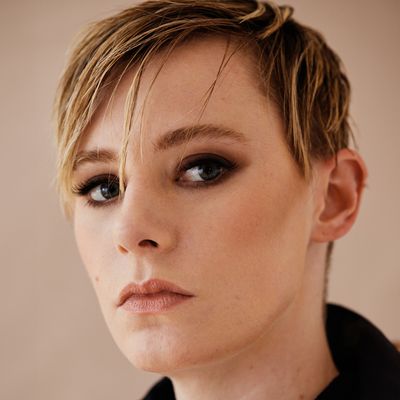
Alexi Melvin is making significant strides in the Broadway community as a producer in shows like "Here Lies Love," "The Outsiders," and "The Notebook". She highlights the struggle of balancing commercial success with artistic bravery, advocating for more support for innovative and risk-taking productions. Growing up with a professional baseball playing dad, she looks back on her journey to finding her calling, how she developed a love for the arts thanks to her mom, and the unwavering support she got from both parents along the way. With almost 100k followers on TikTok, she reflects on her experience with social media, transitioning from queer relatable content to theater-focused posts, and how her audience has positively received this shift. She also delves into the role of social media in modern theater marketing, and how shows like "The Outsiders" leverage platforms like TikTok to reach more audiences. As more and more shows feature queer stories and diverse casting like "The Notebook" and "Illinois", she stresses the need for more queer representation on stage and the challenges of achieving this in an industry dominated by big-budget musicals. Alexi opens up about her journey with pronouns and gender identity, sharing her transition from they/them to she/they and the importance of creating a safe environment for self-exploration. Whether it’s producing or posting on social media, she encourages aspirants to channel their “fan girl energy” and not shy away from doing what you're a fan of.
Alexi Melvin is a multi-Tony Award-nominated Broadway producer for her work on “Illinois” and “The Outsiders”. She has also done work on the producing teams of “Here Lies Love” and “The Notebook”. A writer and actor who takes the term multi-hyphenate to an all-new level, she is a proud member of and advocate for the LGBTQ-plus community and is deeply involved with type one diabetes organizations such as JDRF and Beyond Type 1. She has notable voice work in “Rogue One: A Star Wars Story” and “Star Wars: The Last Jedi”, onscreen appearances in “Time Out of Mind”, and “Quarter”, and a significant presence as an LGBTQ-plus creator on TikTok with almost 100,000 followers.
Connect with Alexi:
- TikTok: @theonlylex
- Instagram: @thealexijames
Connect with The Theatre Podcast:
- Support the podcast on Patreon: Patreon.com/TheTheatrePodcast
- YouTube: YouTube.com/TheTheatrePodcast
- Threads, Twitter & Instagram: @theatre_podcast
- TikTok: @thetheatrepodcast
- Facebook.com/OfficialTheatrePodcast
- TheTheatrePodcast.com
- My personal Instagram: @alanseales
Transcript
This transcript was automatically generated and might contain errors.
[0:00] Alexi Melvin: Hi, I'm Alexi Melvin, and you are listening to The Theatre Podcast with Alan Seales.
[0:12] Alan Seales: Welcome to The Theatre Podcast, everyone. I'm your host, Alan Seales, and this is an all-new episode featuring queer TikTok expert and Broadway producer Alexi Melvin. Coming from a professional sports family, she still found her calling on the stage and just recently embraced a love for producing, Broadway producing, with all of her projects somehow coming to fruition this past 2023-2024 Tony Awards season. So that is, of course, a fun story. Also going by she, they pronouns, we dive into a very good conversation about her own self-exploration, sexual preference versus sexual identity, and a few other nuggets of wisdom that come along with this subject matter. So now I'll cut to the chase. Find me online on the socials and give a little follow or like, leave a rating or review wherever you're listening to the podcast now.
Check out my Patreon page for video versions of the episodes. And now, everyone, please enjoy this episode with Alexi Melvin. Today's guest is a multi-Tony Award-nominated Broadway producer for her work on Illinois and, of course, contributing to The Outsiders. She has also done work on the producing teams of Here Lies Love and The Notebook, a writer and actor who takes the term multi-hyphenate to an all-new level. She is a proud member of and advocate for the LGBTQ plus community and is deeply involved with Type 1 diabetes organizations such as JDRF and Beyond Type 1. She has notable voice work in Star Wars Rogue One and Star Wars The Last Jedi, and on-screen appearances in Time Out of Mind and Quarter, and a significant presence as an LGBTQ plus creator, say that five times fast, on TikTok with just about across that 100,000K followers. Oh, geez, I need more coffee. Let's just get to it. Alexi Melvin, welcome to The Theatre Podcast.
[1:12] Alexi Melvin: Thank you so much for having me.
[1:15] Alan Seales: Oh, my goodness. Oh, man. Thank you for doing this early. Definitely need more coffee. But all of the producing credits, and I think this gets back to the timing because of COVID, everything just sort of landed right now. So is that, I guess, was that intentional or were you just one day you're like, I'm tired of being super popular on social media. I'm going to start doing something else.
[1:35] Alexi Melvin: Oh, my gosh. I mean, this really did all happen in one year, which is crazy to think about. I was, you know, I came to New York right out of high school. I had been here for, you know, 10 plus years, and then, you know, decided to take a break and go to LA, the Bay Area, whatever, and then kind of COVID hit. And I was, you know, with my mom in Arizona, and, you know, things were crazy. And everybody was questioning who they were and what they wanted to do. And, you know, and I just, I always knew I wanted to be a storyteller. And I was just at that place where I was like, like you said, kind of just creating stuff on TikTok, which is fun, but it's like, what's next? And, you know, I was talking to a family friend who was actually the son of Carol Shorenstein Hayes, who's another like epic, you know, producer.
And we'd known each other. He and I had known each other since we were, you know, kids. And he was like, well, what do you want to do? And I was like, I just want to be a part of whatever's next, you know, in entertainment, whether it be film, ideally theater. You know, I had never really had the chance to make my mark in musical theater as I had wanted to as a kid. And he was like, okay, well, you know, let me think. He said, Clint Ramos is about to, you know, dive into Here Lies Love. They're renovating this theater. It's going to be insane. Why don't you just talk to him? And I was like, okay, sure, you know, icon, whatever. So, yeah, I kind of, I flew out to New York. I hadn't been back here since, you know, since the pandemic.
And, you know, we had a meeting. He kind of showed me what was going on with Here Lies Love. And, you know, I thought he was just going to give me advice. But he was like, you know, I think you would be really amazing for the show, you know, based on, you know, your goals as a storyteller. And I was like, I don't really know how to produce. Like, I, you know, I would love to learn. He was like, let's just let's see what happens. So, yeah, I made it happen. And it was my first co-producing credit. And it really just went from there. I mean, I was so fortunate to have made the connections that I did and the friends that I did. And it all just happened really organically. And, you know, I feel like that doesn't happen very often, you know, where it just feels like, oh, this is where I'm supposed to be. And it just it felt not easy. Like, you know, producing is not easy, but it felt natural. Yeah. And that's just kind of how it all kicked off.
[5:28] Alan Seales: Well, there's I think to be involved with producing in general in Broadway, you have to be in love with the arts. You have to be in love, like you said, with storytelling, because it was like Moulin Rouge has been out for how long and they just recouped? I mean, so that to get as an investor, like everything takes money to happen. And so there are multiple levels and saying you're a producer on something is depending on where you come in and how you're involved, you can either like be giving the money or raising the money or both or part of the creative team that is actually making the decisions. And sometimes people who give the money get that privilege because of the money they give. I mean, it's just so nebulous.
[6:13] Alexi Melvin: Yes.
[6:14] Alan Seales: And hard to understand. So it's very interesting that, you know, Clint was just like, yeah, let's do this. Let's take a chance. And I think he probably saw in you, what I suspect is his passion for storytelling and his passion for bringing these stories to the stage and just wanted to help nurture that because we need so much of that right now.
[6:36] Alexi Melvin: Yeah, exactly. And he is definitely one of those people. And I think we sense that in each other right away. And, you know, like you said, there's just so many ways to come into producing and so many, you know, every producer really has their strengths. And I think, you know, to make a show work, there has to be a good balance of producers. You know, for me, it's like, I'm always battling with this storyteller artist side of my brain. And then the sort of practical, you know, side where I'm like, okay, is this smart? Is this going to make money? You know, for all the reasons we hate as artists, you know what I mean? So it really is a balance. And yeah, I'm grateful that he was kind of the person that I first linked up with.
[7:28] Alan Seales: It's funny you used the term balance. I was going to like, say, yeah, there are decisions you make that will fill your creative bucket, but not your bank account bucket, but your literal balance.
[7:33] Alexi Melvin: Literal balance, exactly.
[7:34] Alan Seales: Your literal bank account balance. But then like getting on The Outsiders too, you were working under the mentorship of LaChanze. LaChanze is, of course, legendary, and she's been great, like pivoting into the producing side of life too.
[7:48] Alexi Melvin: Yeah, that's, I mean, that's the thing. I've been so lucky to sort of just run right into these people who happen to believe in me. And, you know, she's been on a similar journey. You know, she, last season, just no big deal, got two Tonys right off the bat in producing. And she's been an inspiration of mine just as a performer for, you know, however long, since I was a kid. We connected on that level. And I think we have a lot of similar tastes as far as projects. And her enthusiasm is infectious. And I think it's a really exciting time for artists in general this season that are like, you know, yeah, okay, I might have started out as an actor. I might have started out as this or that. But it's like, that's not all that's there, you know?
Again, it goes back to this passion of just storytelling. And, you know, we connected on that. And she had The Outsiders coming up. And she was like, you know, I'd love to just sort of have you on board with this in whatever capacity makes sense. And yeah, and I've been really privileged to be able to watch her grow as well as a producer. And she's taken off. She just started her own production company. So, you know, it's wild.
[9:05] Alan Seales: Yeah, I love all of that. And it seems to be, I don't know, was this a trend that Tom Cruise started like a decade ago of producing? I mean, you see everybody on TV and film now producing, executive producing their own stuff. And obviously, Broadway being slow to adopt change and new technology, is it just trickled down now where actors are like, oh, yeah, Broadway actors like, oh, yeah, I could do that, too, and start executive producing their own work, you know, they believe that they're more passionate about it. Have you seen that sort of in your travels? Or is this all still a little bit new?
[9:34] Alexi Melvin: It's still a little bit new. But I mean, just, you know, Kristen Chenoweth is producing Queen of Versailles now.
[9:42] Alan Seales: Yes.
[9:43] Alexi Melvin: And she's, you know, and she's so smart. I've had the opportunity to, you know, speak with her about it as well. And she's, it's amazing. It's really amazing how intelligent, you know, these performers are that, you know, they've been doing this one thing their whole lives, but it's like, they gain this understanding, this deep understanding of the business that you don't quite expect. And you're like, oh, my gosh, you know, and you like, you want to be a part of what they're doing. But yeah, it is exciting. I think it's fairly, you know, it's fairly new, but it's really cool to watch.
[10:16] Alan Seales: Well, so it's fairly new. I mean, okay, you mentioned as a kid, and I want to cover this, because I think it's important to define where you are now in your life. But tell me about your childhood, because you have a very strong sports influence, Major League Baseball influence as in your childhood, which would not in my mind lead you to want to produce Broadway. So I want to hear that story.
[10:44] Alexi Melvin: Well, my dad has been in Major League Baseball since, you know, since before I was born, he started out playing. He played for all kinds of teams, the Giants, the Yankees, the Red Sox, the Royals, the I don't even know, I lost track. He started coaching and then managing. He's the current manager of the San Francisco Giants. Before that, it was the Padres and Oakland A's and several other teams, but—
[11:07] Alan Seales: Bob Melvin, yes.
[11:08] Alexi Melvin: Bob Melvin.
[11:08] Alan Seales: For those keeping track at home.
[11:10] Alexi Melvin: Yes. And he, you know, I never was into sports, ever. I mean, I obviously grew up supporting him, and I would go to games when, you know, but it just never clicked. It was just never my thing. The one thing I did like about it was like the big playoff games and stuff, because there was like theatrics and there was, you know, it was like a production.
[11:35] Alexi Melvin: I always kind of like a pillar of success, like he's, you really can't get more successful than he is with his job. That was a big thing for me growing up because clearly I couldn't follow in his footsteps unless I wanted to, you know, play softball or whatever. I didn't. I never played any sport but yeah, it was like it was a lot of pressure in a way because the arts, the arts are not something that you can kind of play a. There's no, you know, with baseball you start it like you start with little league and you just go from there, you know, like that's one track essentially and there's not many like different like forks in the road there. It's like, yeah, you're just off to the races and meanwhile with the arts, it's like, how many different ways can that go?
So I think for me it was it was a little bit of pressure as well as him kind of watching me going like, what's that gonna look like? But he was, you know, he was supportive, but he also wanted me to have like real jobs here and there, which I obviously did and still do. But yeah, just, you know, ways to pay for things and learn discipline and blah, blah, blah. But yeah, it was, you know, he was always a role model, even if it was like wildly different fields.
[12:54] Alexi Melvin: Pun intended. But yeah, now he's really excited about where I am in my producing career. He, I don't think he really expected it because I started out, you know, acting and all that, but he's really excited. He really is. He comes to all the shows that I'm involved with, and he talks about them in press conferences and stuff. And yeah, he's like, he's like my biggest cheerleader.
[13:20] Alan Seales: That's so cool. That's cool that he allowed you to kind of find your own path. And I think that's the mark of any good parent is you just support what makes your children passionate.
[13:30] Alexi Melvin: Yeah.
[13:31] Alexi Melvin: Right. Because if you try to pigeonhole you into something else, then you're not going to want to do it. Your heart's not into it.
[13:37] Alexi Melvin: Right. Exactly. Exactly. And my mom was a huge part of that as well. She started taking me to theater and ballet and, you know, museums. And, you know, she really wanted to instill art in me. And it worked. She took me to Phantom of the Opera when I was three, because I would not stop listening to the, I think it was the cassette tape at that point. That'll age me. But yeah, I had it memorized. When I was three, I would run around singing Phantom, and she's like, oh, okay, there's something here. So she, she had a big role in that. Yeah. And then my dad was kind of the practical side of it. Like I said, you know, like making sure I learned, you know, not to quit on things, you know, because like in the arts, you want to just like, oh, you know, maybe I'll try that. That didn't work. Maybe I'll try that. He's like, you know, stick, stick to what you're, stick with something, you know, and, and I did, you know, but yeah, my parents were great.
[14:37] Alexi Melvin: Don't go anywhere. We'll be right back after this break.
[14:42] Alan Seales: Welcome back to the episode. Thinking back, was there any, was there ever any moment when, like when you were trying to decide, you know, what you want to do when you grow up? I'll put grow up in air quotes, because I still don't know what I want to do when I grow up. And when you were just considering anything other than performing, acting, did you want to be a singer, a dancer? Or was it, or anything in tech? Was there any point where you're like, yeah, I'm not, I'm going to try something else?
[15:08] Alexi Melvin: You know, I was, you know, I was diagnosed with type one diabetes when I was 14. And I was always really, really passionate about advocating for the disease. And, and I've been involved with several organizations. And I thought, you know, I actually did work for a couple of nonprofits. And I thought, because it is, it's a very different kind of passion. But I thought like, hey, maybe I can just do this, you know, I can be like a voice for this community. And, you know, quickly realized that my love for the arts was too strong to just, just have that be the thing. It's just too strong. I couldn't fight it. But luckily, I found a balance. And now I can kind of do both. But I would say that's the only thing that like, apart from the arts, that kind of piqued my interest.
But when I was little, I thought I would be a musical theater performer. But I realized I didn't really have that in me. I'm, you know, I've done film acting and voice work, and I can do that. But, Lord, I could, I could never, I could never.
[16:14] Alexi Melvin: The eight show a week schedule still, it's so intense.
[16:17] Alan Seales: No, I just can't. Some of my, most of my favorite people are theater performers, and I love them to death. And they are my heroes, but absolutely not.
[16:26] Alexi Melvin: Yeah, yeah, no, I say it all the time. Broadway is the Olympics of theater. It's the best of the best, the top of the, the top of the echelon, whatever you want to say. And yeah, to maintain that it's mental, it's physical, and it's everything in between. Because you can't, you can't go out, especially, I mean, maybe in your 20s. In your 20s, you can do whatever you want, and your body's normally fine.
[16:49] Alan Seales: What about the, the queer side of life? Because that, like, you're very vocal about your own identity, and you use she, they pronouns, and like this whole self-discovery that you went through, like, kind of walk me through that and how it led you to, I mean, which eventually I guess now is your, is what you decide to really talk about on social media. But like, you know, was this recent? Was this when you were a kid? Like, also, parents have an influence over this sort of journey as well.
[17:20] Alexi Melvin: Right. Yeah, I mean, I've always known, I, you know, childhood memories, I can remember being infatuated with women. That was just always a thing. And I remember watching, like, Olivia Newton-John and Grease and being like, you know, but of course, when you're that young, you don't know, know. I think I, what I tell people is that my aha moments, like my queer awakening was Nicole Kidman and Moulin Rouge. I was 13, I think I was 13. I was like, oh, yeah, okay, it all makes sense now.
[17:53] Alexi Melvin: So, yeah, from there, it's, it's what I never really had a coming out. I just kind of realized it and just lived my life. I remember telling my mom, like how I was feeling, and she was very accepting of it. And same with my dad, you know, they were just like, okay, that's, that's what that is. I didn't date a lot in high school, you know, because I was still figuring it out. But there was like these, these very like early video blog things on a website called afterellen.com back then when I was like 18, like, yeah, like 18, 19. And that was like new territory, like that, you know, TikTok wasn't around. I don't even think Instagram wasn't even around. So it was kind of, I got in with this kind of very early community of queer women.
[18:50] Alexi Melvin: And I still know a lot of them to this day, which is hilarious. But that was kind of my first entry into like, you know, like, having a voice about it. And I was very kind of shy and awkward back then. And they still kind of let me do my thing anyway, which was, you know, very sweet, because it was awful. You know, fast forward through college and all that. TikTok, you know, that was that was definitely a thing, especially over the pandemic. And I think like a lot of people, I thought it was just for kids. And it was like the dance videos and it was whatever. And I remember one of my friends being like, you know, there's like lesbian TikTok. And I was like, Hmm. And she was like, yeah, you might want to you might want to check that out. And it was just these like amazing, you know, stunning, powerful, you know, sometimes comedic, whatever, just like lesbians just kind of doing their thing.
[19:44] Alexi Melvin: And I was like, yeah, let me try this. So it was definitely a way during the pandemic to create on my own terms. And, you know, being an actor and, you know, it was it was fun for me to kind of lean into my comedic chops and create content that was relatable. I just it just took off. It was fun. It was a lot of fun. And it was like this little, again, kind of like the AfterEllen.com thing. It was this little hub of like, queer women that, you know, and you kind of like started interacting with the people that were like at the same level as you follower wise. And then like, I don't know, it was just fun. And I still do it to this day. And I've used TikTok to, you know, talk about the shows that I'm involved with and kind of that intersection of Broadway and queer people, which is my favorite thing.
[20:49] Alexi Melvin: But yeah, and it's, you know, now it's a it's helpful in the sense that I, I want there to be more space for queer stories on Broadway. And I want them to work, you know, and I think with with any marginalized community, it's like, especially in a space like Broadway. What's the code? How do you crack the code of making that story universal and welcoming everybody into it? You know, and I think that is, that's the code we haven't quite cracked yet, unfortunately.
[21:15] Alexi Melvin: But stories like Illinois, I think, does it so beautifully, because it really does. It is. It's just a it's just a story. It's just a love story. And it doesn't try to be anything else. It just is. And, you know, I have a really good memory, actually, of my dad seeing it recently. And I don't think this is a spoiler, but, you know, there's a there's a queer, you know, kind of love triangle and relationship. And I won't say which characters, but he, you know, there are two male characters. And he said, I'm really glad he ended up with him. And I was like, you know, like my dad, my dad is just this like, you know, sports guy, you know, he wasn't. He didn't grow up very, you know, liberal. And yet he's like watching this very human story going, Oh, I'm really glad those two guys ended up together. It was just so, so sweet and impactful for me.
[22:10] Alan Seales: That's, I absolutely agree. And I go back to the stories that I was told. Similar to lead to recently, I did that the Outsiders takeover, you know, with a bunch of cast and crews from Outsiders. Years and years ago, I did the same thing. I do takeovers a lot. And I did, I did it with the prom, you know, and I think it was Caitlin and Izzy were telling me that that they would get especially good. Where was that out of town? It was in Atlanta, I want to say if memory serves. And it was somewhere down south. And they had somebody very specifically, they said came up and was like, I would if I knew what the show was about, I would never have seen it. But now that I've seen it, I am so glad I did. And it has made me see things in such a different way. Because you're able to humanize. I mean, you're in your own echo chamber. That's just how we are as people.
[23:10] Alexi Melvin: On the platform longer to serve us more ads. So they keep us in our own little happy place as long as they can, giving us the same crap that we want to see without being open-minded, whatever. This is my own little soapbox I get on.
[23:24] Alan Seales: No, please.
[23:25] Alexi Melvin: But, but, but it's, it's so interesting to me that theatre still can, can bring people together and allow you to experience other people's stories in a way that no other medium can.
[23:39] Alan Seales: Right.
[23:40] Alexi Melvin: It's, it's a pleasure hearing the person next to you crying because it touches them in a way that you didn't initially think about. I watched a documentary on Liza Minnelli last night. It premiered at Tribeca Film Festival. And the woman next to me was just sobbing during the part where she was talking about being, living under her mother, Judy Garland, living under her mother's thumb until her mother died. So it's this bittersweet moment of Liza didn't become Liza until her mother died, and she was allowed to find out who she really was. Where was I going with this story? Oh, yeah. So that, that got me thinking in the moment, like why, why does, why did this particular aspect of Liza's story affect the woman sitting next to me so much?
And it got me thinking and I started, you know, evaluating my own relationships with my parents, you know, like all this stuff happening in real time in the moment. I just, I absolutely love how it brings people together in a way that you just can't get in any other, any other scenario.
[24:39] Alan Seales: Totally agree. And I, and I hope that there's more, you know, the progress has not remotely been fast enough in terms of like the longevity of these shows that do that. But, you know, hopefully, hopefully we're getting there. And, you know, shows like Here Lies Love, it did not have the life that it deserved, but the impact it had, you know, on both the Filipino community, but also just anybody, anybody who walked into that space and was like, wow, this is an actual, like, revolution, you know, it's doing something that has never been done. It's, you know, just, yeah, watching people be affected in that way is really special. And it gives me, it gives me hope. And it gives, it motivates me to, to stick with all of this, which sometimes, you know.
[25:29] Alexi Melvin: How do you choose what you do get involved with? Because Illinois, The Outsiders, The Notebook, Here Lies Love are all very different stories.
[25:41] Alexi Melvin: They are. I like to say that I want to champion shows that are pushing Broadway forward in some way. Because like I said, I think there needs to be more space, and there needs to be more variety, you know. And while still honoring the foundations of Broadway, I am drawn to shows that are pushing it forward, whether it be thematically, or within the story, or within, you know, gosh, like, you know, the design of Here Lies Love, David Coren's shout out, you know. It's just ridiculous. But yeah, that's...
[26:18] Alan Seales: Talking about David Coren's, like, the Who's Tommy as well. God, I love that. Okay. Anyway, go ahead. Go ahead.
[26:22] Alexi Melvin: Yeah, no, seriously. I'm happy to fangirl over all these people. Yeah, so that's my motivation. And again, going back to the, you know, having a voice for marginalized communities is really important to me. And just being a part of those stories being told in ways that they deserve.
[26:47] Alan Seales: I love that. That's a really good answer. And as long as it pushes the boundaries, and I think that's what good theater should do. You need a story that's going to hook people, but overall, it's got to push the boundaries. And think about all of the shows that have changed the landscape, right? And Hamilton being one of the most recent that just said, oh, shit, rap and R&B can work on Broadway.
[27:13] Alexi Melvin: Correct.
[27:14] Alan Seales: And then go back before that, and it was Rent. And oh, oh, shit. Rock and Roll can work on Broadway.
[27:22] Alexi Melvin: Yeah.
[27:23] Alan Seales: And pop singers. And then you go back before that, and you've got Oklahoma. I mean, there are these milestones that seemingly now have become, now at this point in our life, we're like, oh, yeah, it's just always been there. But that's not true. That's not the case.
[27:38] Alexi Melvin: No. No.
[27:39] Alan Seales: They were huge risks at the time. Huge.
[27:42] Alexi Melvin: Yeah. Yeah. So I like to go back and look at these shows and be like, what worked? How did they do that? And how is that going to translate to the next thing? And yeah, I wish there was an exact formula, but there's just not.
[27:56] Alan Seales: No.
[27:57] Alexi Melvin: And it's fascinating and also infuriating. But yeah, you're absolutely right. You know what? Okay. So now with social media, we keep going back to social media because it's ruling our life and destroying our ability to make eye contact and have normal conversations. But that's another soapbox. Okay. Get off my lawn. I feel like an old man right now.
[28:15] Alan Seales: No. I think that's part of what I love so much about The Outsiders specifically is the way that the marketing team, and this is the business of show business right here, is the marketing team is marketing all the guys as a boy band, essentially. Look at all the pictures. They're all together and they're cute and they're loving on each other. And they do truly love each other as people. And the marketing team is capturing that. And they're all blowing up on TikTok and they're showing their slow motion videos of coming off after the rumble all wet. And they're like, oh, look at my abs. It stinks. I'm so sexy right now. Like they're doing such a great job with this. So they're marketing the behind the scenes and the people as much as the story, because the story itself stands alone. But then to get word of mouth on social media with the younger generation that is going to become tomorrow's change makers, they're doing such a good job.
[29:19] Alexi Melvin: Yeah. Listen, we're all just fangirls at our core.
[29:22] Alan Seales: Count me in.
[29:23] Alexi Melvin: Honestly, that's my job title overall. Producing whatever, TikTok. I'm just a fangirl and I love it. And that kind of marketing, I think, really is in that way, very smart, because we're like, oh, we just want to be...
[29:43] Alan Seales: Just get a notice.
[29:45] Alexi Melvin: Yeah. And we want to know these people and we want to feel like we have sort of an inside eye into what... I think that's what really works in marketing. And I try to impart that in my producing a world as well as if the social media team will have me. I'm always kind of like, I think this would work. Because everybody wants to know the cast. Everybody wants to just see what they do behind the scenes. Because they're just... They're charming and charismatic and we love them. So yeah, shows like The Outsiders really have a lock on that.
[30:28] Alan Seales: Mm-hmm. And then The Notebook plays into nostalgia. And I love the color conscious casting of just representing that love is love is love to quote Lin-Manuel, right? It doesn't matter what you look like. Everybody deserves and needs love. And Illinois is featuring a queer story. I think that is so wonderful. And to your point, there's not enough queer representation. It's a shame. It's just, I don't know if this is a byproduct of an overcrowded season. Lempicka closed too early. Oh, don't get me started. Right? Don't go anywhere. We'll be right back after this break.
[31:07] Alexi Melvin: Welcome back to the episode. I think I don't... Backing up at a higher level though, and this is my business hat on. I think there should be more regulation and partnership with the city of New York, which by the way, Broadway brings in $2 billion with a B dollars of tourism, at least before COVID it did. I don't know if it's back to that now.
[31:28] Alan Seales: Right. But when COVID shut down, the city was like, ah, okay, whatever. And then now everyone's coming back and it's so crowded. And then these great, amazing shows like Lempicka just get overshadowed by the bigger budget musicals that do have the bigger budget to market. And Lempicka again was a risk. And when you have a traditional demographic of people who are your traditional... People who are able to afford the tickets of Broadway, which is another problem, which is another issue that the city I think needs to get involved with and have subsidies. And I don't know. Don't get me started on that. Man, so many soap boxes with you.
[32:11] Alexi Melvin: I mean, I'm sorry. I'm sorry I triggered this on you, but I'm not sorry because I agree.
[32:16] Alan Seales: No. Yeah. Tickets are too expensive to get the people who truly, truly need to see theater to know they belong, not feel like they belong, but know they belong.
[32:28] Alexi Melvin: Yeah.
[32:28] Alan Seales: Right? There needs to be more lotteries or whatever the case is. And I know producers want to do that, but they can't because if they start giving away and lowering tickets like that, they can't exist.
[32:40] Alexi Melvin: Right.
[32:41] Alan Seales: So because the cost of production is so damn high.
[32:45] Alexi Melvin: Right. Right. And it just goes back to that balance. And I am guilty of forgetting about the tourists a lot. I'm like, oh, yeah. There's just the tourists that want to see the big flashy things. And that's important, I guess. But again, it goes back to the marketing of how do we do that, but with the shows that really deserve to be seen as well. These really artistic, brave shows like Kyrlie's Love and Lempicka.
[33:13] Alexi Melvin: Why can't the Broadway League do a buy one, get half off sort of thing? If you're coming in and it's like, I'm a tourist. I don't speak English. I want to see Back to the Future because I've heard of that as a movie. I'm going to go see Back to the Future and then I can get half off of Kyrlie's Love or half off of The Outsiders or something. Sure. Why not?
[33:34] Alan Seales: Right. Exactly.
[33:35] Alexi Melvin: Just start doing some subsidies. I don't know. Broadway League, you listening? You reach out. I got ideas.
[33:41] Alan Seales: I think you should apply.
[33:44] Alexi Melvin: I'm going to apply. Take it applications.
[33:46] Alan Seales: Yeah, exactly.
[33:47] Alexi Melvin: I could be Eric Adams' personal Broadway liaison. I'll butt heads with Mayor Adams right now.
[33:54] Alan Seales: Right. Right. How about it?
[33:56] Alexi Melvin: Yeah, I will. I would love to sit down with that man.
[33:59] Alan Seales: Okay. So, yeah, absolutely. I think there is an ability to change. I so respect that you're trying to be that change because the producers are literally putting your money where your mouth is. The producers are... They need to invest in what they want to see.
[34:17] Alexi Melvin: Right.
[34:18] Alan Seales: And you are doing that.
[34:20] Alexi Melvin: Yes.
[34:20] Alan Seales: And I absolutely love how important that is to you and using your platform, your voice to bring people in. Have you had... I guess, what kind of feedback are you getting from your social media posts, from the conversations you're having now being involved with everything this season? It seems everything has come to... This season is open. But yeah, how are you...
[36:17] Alan Seales: That's funny. And something I respect about your channel as well is that you're very content focused. You're very, I mean, literally, the thumbnails are all somewhat similar. And people watch it because they know you have a lot of really good stuff to say. And it's not thirst traps. It's not, you know, trying. Yeah. That's what I thought it was in the beginning. I was like, oh, that's what lesbian TikTok is. It's just the thirst traps. And I'm like, no, that is not remotely who I am. I am awkward. I am self-deprecating. That is just, that's who I am. And if, you know, if it's gonna work, it's gonna work. If not, I'm never doing a thirst trap in my life. But, you know, yeah.
[36:55] Alexi Melvin: Well, good for you. And I mean, you speak, you speak to what you love. And there are other people who want it, who want to hear from you and you lean into it. I think it's great. And it's a level of putting yourself out there that ironically, I still haven't been able to do. So I greatly respect that. Like, I don't know how to sit in front of a camera and just talk to myself on camera.
[37:15] Alan Seales: Okay, so you need other people to bounce off of.
[37:21] Alexi Melvin: Yeah. Okay. Like literally what we're doing right now. I want to look you in your digital eye. We're on a remote recording session. Right. And like my serotonin release is happening because I've been staring at your face the whole time. And like, that makes me feel good. I don't get that looking at myself. I don't know. Not for me.
[37:34] Alan Seales: Got it. You know, it might be like the film kind of nerd in me too. Because you can like, you can edit and you can, you know, yes, it is sometimes just talking into the camera, but you definitely have, um, it's on your terms, you know? And yeah, I understand that, though.
[37:49] Alexi Melvin: You should play with it.
[37:51] Alan Seales: I should. I should. I should. And I, okay, maybe I'll just start thinking. It's just one of those things where I'm a people pleaser. And I don't want to say something that people don't like. And I'm like, Oh, that's a thing.
[38:05] Alexi Melvin: Yeah. Yeah. And, and gosh, I mean, the internet is full of trolls and hate. And it's like, do I want to open myself up to that? Or do I just do it and not read any comments?
[38:09] Alan Seales: Right. Right. I mean, the algorithm can be a blessing and a curse. I think it does. The support that you'll find within, you know, the community that finds you, um, I think definitely far outweighs any of the trolls.
[38:26] Alexi Melvin: Yeah, I get that. All right. So, um, I want to touch on real quick. And if it's, if we may go here for a second, the, um, the use of pronouns, because gender identity is, is, is completely different from sexual preference. And, um, at, at what point in your life were you like, she, they, I mean, I talked to somebody the other day that was like, literally call me any pronoun you want, as long as you're respectful.
[38:46] Alexi Melvin: Yeah. Right. Yeah. I, I can. Go ahead.
[38:57] Alan Seales: I resonate with that, actually. It's, it's all about respect. And it's, it's, it can be so ever evolving. For me, it was, you know, I, at one point I was they, them, and then I realized I was a little more tapped into my divine feminine than, than felt right to be, you know, to request of people to call me that. So, it's, it's definitely just an evolving thing. And, you know, at some point I landed on she, they, because it just felt right. Like I, I've always felt very androgynous in my spirit. And for me, that's kind of what drives me in terms of my pronouns. Um, but it's just so you, it's so unique to everybody. And it's, it's so important to create a safe environment for people to learn and explore, uh, both themselves and each other. You know, it's, um, it's a beautiful time, but it's also, it's still challenging.
[39:53] Alan Seales: So, do body parts at all influence that decision? Because I've heard, I've heard both people go to both sides of that argument, um, where they don't care what their genitalia is. They just want to present as a man or present as a woman, um, by traditional, by traditional sense or whatever. Or some people, uh, there's a good lesbian friend of mine who's like, I love the chest of a man, but you get below the waist and I'm out. And then somebody else made the argument that that's homophobic or transphobic. And so, we had an actual really good conversation about that sort of thing. So, it's, it's always interesting to me. Like, does it, does it matter? Does it not? And, and again, and you use terms like energy and spirit, feminine energy, feminine spirit. And, and to me, and again, so to me, uh, that implies that physical, uh, what you have hanging or dangling doesn't, doesn't ultimately matter.
[40:51] Alexi Melvin: Yeah. Um, again, it's just such a unique thing to everybody. It's such a unique feeling, decision, energy. Um, I've battled with it some, you know, like I, feeling like an androgynous human, but also having this body is confusing sometimes. And it's like, you know, I've, I've sometimes thought like, do I do something about it? Or do I just embrace what I was given while also projecting who I am, you know? And again, it's, it's just so different. It's so different. I have many, many, uh, trans friends who thought, no, this is, you know, I have to do the whole shebang. Um, and some people who are somewhere in the middle and some people who, um, don't care. So it's just, yeah, again, it's just, you know, for your friends and loved ones and yourself just being really, really gentle, you know, gentle with yourself and, and easy on yourself so that you have this safe space to, to find what that looks like for you.
[41:54] Alan Seales: Hmm. Yeah. And to, and the safe space includes, I think, surrounding yourself with people who also accept you and ultimately it doesn't matter. Like, yeah, there, there's, there's love, there's physical love and there's emotional love. And I think they are very different.
[42:10] Alexi Melvin: Yeah, absolutely. But yeah, and that's also why I love my Broadway community because there's so much support, you know, both, uh, career-wise and personally. And, you know, again, it just goes back to, we need more of these stories on stage and on film to provide more of that safe environment. So again, just full circle. That's, that's why I'm here, you know?
[42:38] Alan Seales: Oh, I love it. All right. So, um, wrapping up, I, I guess if you listen to past episodes, you know, we do a little plot in 60 seconds. Are you ready for this?
[42:44] Alexi Melvin: No.
[42:50] Alan Seales: Okay. Yes. All right. So give me a number between one and I have 13 popular musicals. Um, so the number you give me will correspond to a musical on my list. I'm going to put 60 seconds on the clock here. All right. Up on the screen. Okay. So give me your number. So anxious. Uh, seven.
[43:12] Alexi Melvin: Ironically that corresponds to Phantom. Go. Okay. Yes. Yes. Um, incredible young woman who is much more of a badass than she gives herself credit for, um, kind of, you know, reclusive, arguably creepy dude, but really just a simp, um, decides that he's going to make her a star. They have like a really kind of dysfunctional relationship. Um, but ultimately, um, you know, I'm going to, I'm going to pin it on Madam Jerry. I think she was actually the villain of all this. And, um, it doesn't end up well, we don't know what happens to him, but it ends up fine for her. She gets sort of like the pretty bot, the pretty bye guy, in my opinion. And, uh, they're all fine. There is the chandelier is not fine, but they're there. They'll be okay.
[44:01] Alan Seales: Yeah. Chandelier RIP. RIP. RIP chandelier. All right. Uh, I might invest in that. All right. I mean, I would. Yeah. I'll, I'll take that one. Okay. So then, uh, our normal wrap up here now, three standard closing questions. The first one very simply is just what motivates you?
[44:22] Alexi Melvin: What motivates me is stories that deserve to be told.
[44:28] Alan Seales: What advice would you give to your younger self and younger people listening now, starting out down a similar path?
[44:31] Alexi Melvin: I would say to not shy away from doing what you're a fan of.
[44:37] Alan Seales: All right. All right. I like it. It's very simple and very straight point. Okay. Um, if you can only see one show for the rest of your life, you can see it as many times as you want. What would you see?
[44:47] Alexi Melvin: Here Lies Love. I gotta go with Here Lies Love.
[44:54] Alan Seales: Oh, I do. I, I love that show. It was so unique. It was so unique. And no matter, depending on where you sit or stand, you get a different experience every time. I love it.
[45:05] Alexi Melvin: It really is. I love it. Oh, plus it's live theater. You always get a different experience every time. All right. So, so where can we find you online? We've talked about social media so much.
[45:13] Alexi Melvin: Oh, you can find me on TikTok and Instagram. Um, gosh, what are my handles? Uh, TikTok is, I think, yes, the only Lex and then Instagram is, uh, the Alexi James, which is my acting name. I need to change that. But currently that is, that is where you can find me. Alexi James.
[45:33] Alan Seales: Yes. I like that. I always thought I would like do three names when I joined, because that was the joint equity. That was the fad at the time. Yeah. That's like the three name thing, but no, I never did. All right. Um, I am on threads, Instagram, TikTok, Facebook. I don't know what I'm doing. I'm nowhere cool as far as cool as Alexi is. Um, but I'm there and Oh, you stopped and leave a rating reviews, share the, share the podcast, spread the word, help, um, help get representation onto Broadway. Thanks to jukebox, the ghost for the intro and outro music and Alexi. Thank you so much. I've really enjoyed getting to know you.
[46:13] Alexi Melvin: Thank you so much.
© Broadway Podcast Network, All Rights Reserved