

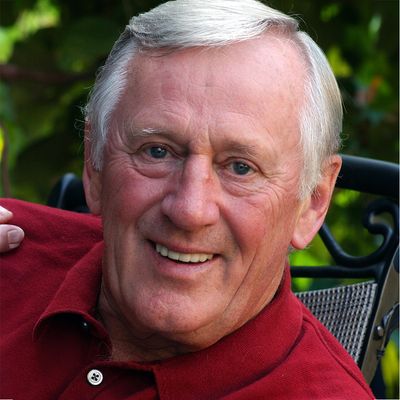
Len Cariou is a three-time Tony Award nominee and Tony Award winner for title role in Sweeney Todd. Working steadily his entire career in theatre, film, and tv, he was on the popular television mystery series, Murder, She Wrote opposite his good friend and former Sweeney Todd co-star Angela Lansbury... Read More
From the show: The Theatre Podcast with Alan Seales
Guests
Featured Shows
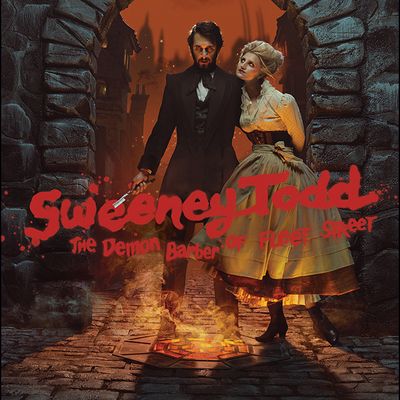
About
Len Cariou is a three-time Tony Award nominee and Tony Award winner for title role in Sweeney Todd. Working steadily his entire career in theatre, film, and tv, he was on the popular television mystery series, Murder, She Wrote opposite his good friend and former Sweeney Todd co-star Angela Lansbury. With 85 additional TV/film credits including Star Trek: Deep Space Nine and 80 stage credits, he is currently starring on Blue Bloods on CBS opposite Tom Selleck, Donny Wahlberg, and Bridget Moynahan. He was most recently seen on the off-Broadway stage opposite David Lansbury in the new play Harry Townsend’s Last Stand at City Center Stage II.
Len is a member of the Order of Canada (similar to being knighted in the UK) and in 2004 was inducted into the Theater Hall of Fame.
In this episode we talk about:
- Breaking the news of him being cast in the upcoming film adaptation of Tick, Tick... Boom!
- Being well-known as a child in his neighborhood for walking home and singing every night
- The honor it is to become a member of the Order of Canada and how it feels to be inducted into the Theater Hall of Fame
- Working on the film Secret Window opposite Johnny Depp, and then watching Johnny go on to portray Sweeney Todd on film
- His career working with such icons as Angela Lansbury, Elizabeth Taylor, James Earl Jones, and more
Connect with The Theatre Podcast:
- Support us on Patreon: Patreon.com/TheTheatrePodcast
- Twitter & Instagram: @theatre_podcast
- Facebook.com/OfficialTheatrePodcast
- TheTheatrePodcast.com
- Alan's personal Instagram: @alanseales
- Email me at feedback@thetheatrepodcast.com. I want to know what you think.
Thank you to our friends Jukebox The Ghost for our intro and outro music. You can find them on Instagram, Twitter, and Facebook @jukeboxtheghost or via the web via jukeboxtheghost.com.
A very special thanks to our patrons who help make this podcast possible!
Cheryl Hodges-Selden, Paul Seales, David Seales
If you would like to see your name in this show notes or get a shout out on the pod itself, visit ttp.fm/patreon to become a member and show your support!
Transcript
This transcript was automatically generated and might contain errors.
[0:00] Alan Seales: Welcome to The Theatre Podcast, intimate personal conversations with theatre's biggest names.
[0:10] Alan Seales: I'm your host, Alan Seales, and this episode is with theatre icon, Len Cariou. For those who don't know who he is, get out from under the rock you're living under. This guy originated the role of Sweeney Todd in, of course, the show of the same name that came out in 1979, and it just got on to such success and revivals and blah, blah, blah. And we get into all of how proud he is to see this show and this character that he has created just come to life in so many different versions. I mean, it was interesting because when I was preparing for this interview, I was, I was, it was weird because I was actually kind of unsure of where to start. I didn't know what to talk about because he has just done so much.
Like I said, been performing for over 60 years, has done an incredible amount of work, still on TV after currently in the 10th season of Blue Bloods, he plays the patriarch on that show. It was so much fun to interview him. And at the end, of course, I do my three standard questions. The majority answer that people give me on the show is Sweeney Todd. So I was super curious to see what he was going to say, especially when I told him that fact. So you have to listen all the way to the end to get to that bit. Anyway, before we get started, as always, please visit me online at thetheaterpodcast.com. Please show your support. Patrons at a certain level get to get their questions added into the episodes so I can ask the guests.
You can get some cool swag, get some cool gifts. You can find me online at theater underscore podcast on Instagram and Twitter. Please visit me at bpn.fm slash TTP. And now everybody, please enjoy this episode with Len Cariou. Here you go. One, two, three.
[1:50] Alan Seales: With over 60 years in show business, my guest today is a three-time Tony Award nominee and Tony Award winner for the title role in Sweeney Todd and has been in an incredible amount of original casts, including A Little Night Music. He has been working steadily his entire career in theater, film and TV. He was on the popular television show, mystery series Murder, She Wrote, which is one of my personal favorites, actually, opposite his good friend and former Sweeney Todd co-star Angela Lansbury. With an additional 85 TV and film credits, including another one of my favorites, Deep Space Nine, and 80 stage credits, he's currently starring on Blue Bloods opposite Tom Selleck, Donnie Wahlberg and Bridget Moynihan and can now be seen on the New York stage opposite David Lansbury in the new play Harry Townsend's Last Stand at City Center. Len Cariou, I am honored to welcome you to The Theatre Podcast.
[2:43] Len Cariou: Thank you, Alan. Pleasure to be here.
[2:45] Len Cariou: I appreciate this. I was just saying before we started recording that there's so much that we could talk about that I'm not even sure where to begin with this. But let me, I guess let's start at the beginning, which is, you know, we'll talk about, you know, young Len, you know, you've been in the business for six decades. It's been incredible and changed so much. So where were you born? Where did you grow up?
[3:08] Len Cariou: Born in Winnipeg, Manitoba, Canada. Was a founding member of the Manitoba Theater Center, which is now the Royal Manitoba Theater Center. 1959. And first play that I did was Mr. Roberts, played Ensign Pulver. And when I, I didn't know the film or the play, and I thought, what kind of a role that it'd be? It's an ensign for Christ's sake. And somebody said to me, schmuck, Jack Lemmon won an Academy Award playing Ensign Pulver. So I kind of perked up and I went, oh, I guess I better read it, shouldn't I? The man who was my mentor, his name was John Hirsch. He founded the Manitoba Theater Center along with Tom Hendry. He was really instrumental in my career. He started me off there and engineered my going to Stratford, Ontario to the Shakespeare Festival the next year.
And I went back and forth between Stratford and Winnipeg at the Manitoba Theater Center for about eight or nine years. He and I did 17 plays together. So he was really my mentor. And after my first year at Stratford, I came back home and he said, what was the experience like? And I said, well, I want to do the classics. I said, that's really where the challenge is for the actor. And he said, well, you're taking the high road, but do me a favor and don't give up the musical because he said not many people can do what you do. And so I didn't.
[4:53] Alan Seales: Well, when, at what point do you remember when you really decided that performing was for you, that you wanted to be on stage? Like, you know, where did you realize that that was your home?
[5:07] Len Cariou: Right then, right then with Mr. Roberts. I said, oh yeah, oh yeah.
[5:11] Alan Seales: What was it about it? Do you remember that first feeling?
[5:14] Len Cariou: Yeah, I just felt I belonged there. I thought, yeah, this is what I'm supposed to do. I've been wondering what I'm supposed to do. And this is it. It's got to be it.
[5:22] Alan Seales: How old were you at that point?
[5:24] Len Cariou: 20.
[5:25] Alan Seales: So 20, didn't know what you were going to do. Did you have any idea what you would have done otherwise?
[5:31] Len Cariou: I might have been a sportscaster.
[5:32] Alan Seales: Really?
[5:33] Len Cariou: Oh, yeah.
[5:34] Alan Seales: A singing sportscaster?
[5:35] Len Cariou: No. Who knows? I might have worked it in somehow.
[5:40] Alan Seales: Well, when did you start singing though?
[5:43] Len Cariou: I've sung all my life.
[5:44] Alan Seales: Like in chorus or what?
[5:46] Len Cariou: I studied as a boy soprano with a teacher. And then when my voice changed, she said, you know, you may lose your voice. You may lose it altogether. And I thought, oh, God, I can't do that. So I said, I'll just keep singing. So I just sang and sang and sang and sang and sang and sang. It drove everybody crazy because I was afraid that if I didn't continually sing, I wouldn't have a voice after.
[6:19] Len Cariou: And so I used to go home. I was well known in the neighborhood because I would sing to myself as I walked home at night and found out years later that there were a lot of people who used to sit out, in the summertime at least, on their porch and wait for me to come by and never say anything. Just say, Len's going to be singing here. Until finally one time I went by and I wasn't singing and a neighbor said, Len, how come you're not singing? I said, oh, I didn't. I don't know. He said, you're always singing when you come home. We sit out here and wait for you to come home.
[6:55] Len Cariou: So I put on concerts.
[6:57] Len Cariou: So I sang. And I worked in a quintet and a quartet and then finally as a soloist. And I had a group, piano, bass and drums, and went into nightclub work there in Winnipeg, which wasn't easy to do because there were only about three or four places you could go. So you didn't get a lot of work since the city was less than a million people. But then the theater center happened. And when I did that first season, I then the following winter went to Stratford, Ontario, and that started then. And I just kept going back and forth between Winnipeg and Stratford and then moved to the Guthrie Theater in Minneapolis.
[7:47] Alan Seales: Okay, so you're in Minneapolis. And then how did you make your way here to New York then?
[7:52] Len Cariou: I came with the Guthrie Theater and we were on tour with the House of Atrus and Arturo Uy, which we did at the Billy Rose Theater in 1968. And then I was invited to Stratford, Connecticut for that following summer. And then at the fall of 1969, I auditioned for Applause three or four different times and got the job finally after a long, arduous auditioning schedule. I auditioned four times, I think, and finally I got it.
[8:31] Alan Seales: That was your first Tony nomination.
[8:33] Len Cariou: Yeah, right.
[8:35] Alan Seales: For Applause. And then again in 1973, that was 1970 for Applause, and then 1973 for A Little Night Music.
[8:43] Len Cariou: Night Music, yeah.
[8:44] Alan Seales: Yeah. And well, take me back to 70 for Applause, 73 for A Little Night Music, two Tony nominations. It was Karen Olivo recently who told me, I asked her, I said, Tony nomination, did your life get easier or harder after that? And she's like, oh, much harder, much more complicated. And that was the opposite answer than what I would have thought.
[9:02] Len Cariou: Wow.
[9:04] Alan Seales: Why did I think differently?
[9:06] Len Cariou: No, why did she say that?
[9:07] Alan Seales: Because all of a sudden she was trying to be monetized and commercialized, and so she had to be here and be there and do this and do that.
[9:12] Len Cariou: I see.
[9:16] Alan Seales: And it didn't fulfill her. So getting back to you, back in that time, this is, of course, long before musical theater kind of hit mainstream, if you even want to say it's on mainstream now. At least the Tonys are on our national TV at this point. But there was no social media back then. There was no internet back then. So when you got nominated for a Tony, how did things change for you at that point?
[9:42] Len Cariou: Not a hell of a lot. Because I went back after the nomination, the first nomination, I went back to the Guthrie and then came back. When I did Night Music, I was 73. I was playing Oedipus the King at the Guthrie Theater in Minneapolis. And we were in rehearsal for A Little Night Music. And I commuted between Minneapolis and New York for a month. And I never missed a performance in Minneapolis, and I never missed a rehearsal in New York.
[10:15] Alan Seales: Oh, wow. That is intense.
[10:18] Len Cariou: It was. It was a tiny miracle.
[10:21] Len Cariou: In the dead of winter, I might add.
[10:25] Alan Seales: Oh, God.
[10:27] Len Cariou: And then you reprised your role in A Little Night Music in 77 for the film version.
[10:33] Alan Seales: Yeah.
[10:34] Len Cariou: So was that your first big film role at that point?
[10:39] Len Cariou: It's opposite Elizabeth Taylor, by the way.
[10:42] Alan Seales: Yeah, I guess it was.
[10:45] Len Cariou: Yeah, a big role in film. Yeah, it probably was.
[10:48] Alan Seales: So I imagine then film, that's mainstream. So then all of a sudden things just kind of explode from that?
[10:55] Len Cariou: Well, yeah. I mean, I don't think explode is really the word for me. It just was it was just something that introduced me to another area of the business that I think. I think the business went, oh, oh, he's oh, I see. Oh, he can do that, too. OK, good. That's nice. It's nice to know.
[11:21] Len Cariou: And, you know, I think everybody wanted Hal Prince to make Ingmar Bergman's film and. And of course, he he couldn't. So, right. I don't think they were very kind to Elizabeth. They were kind of gunning for Elizabeth, waiting for her to fall on her face. And she did reasonably well, I thought.
[11:47] Alan Seales: Yeah. Yeah, it's still one of the one of the great, you know, musical movies of ever.
[11:52] Len Cariou: Yeah. And then that was 77, 79 comes Sweeney Todd.
[11:56] Alan Seales: Yeah. So were you part of the creation? I mean, obviously you originated the role, but when did you get involved? Were you involved from like 77, 78 as they were workshopping it and reading it and all that?
[12:05] Len Cariou: Yeah. Hal Prince called me when I was in. I went back to Winnipeg after After Night Music and to be artistic director there. And the only the out I had in my contract was a Broadway show. And I was there and I had called Harold Prince to ask him to send me his stage manager's copy of Company because we were going to do it as the musical of the year. And he said he wouldn't. And said, oh, by the way, Stephen's writing a musical for you. And I said, by the way, yeah. He said, I'll send you the I'll send you the book because Hugh Wheeler has written the book and you will have written Night Music book. And he said, it's it's really good. He said, really good book. He says there's no music yet, he said, but it's, you know, just what is.
So give you an idea. And I read it and I thought, oh, Harold, you've lost it. This is ridiculous. And I was in rehearsal and I read it first over a lunch. I mean, you know, I scanned it and I thought, what is this? This is really bizarre. And and so I thought, well, I'll I'll put it aside and I'll take it home with me this weekend and read it properly. And I tried to clear my head and I and say, OK, don't have prejudice against this thing. And I read it through and I thought, well, you know, if he writes a romantic score, you never know. And, you know, maybe it'll work. They said we were.
[13:53] Len Cariou: Going to rehearsal at the end of that year. And so I thought, okay, I can get out of my contract in Winnipeg because that's the deal we made. So I was only there for one year as CAD. And then they postponed it. And we had to wait another year.
[14:14] Alan Seales: I can imagine reading the script without the music, yeah, it would be just kind of an odd book.
[14:22] Len Cariou: Very odd. Very odd indeed. So okay, you get the music, you come back, you start rehearsing. And I guess, yeah, '79, did you, once it opened, I mean, I wasn't born until '80, '79 would open. Did you know what kind of critical success, I mean, what kind of success and longevity it was going to have at that time?
[14:49] Len Cariou: Well, I mean, I thought it was a work, it's a work of genius. It's a really wonderful piece of theater. And I thought, well, will they get it? You know, will they, will they stand for it? Because it's pretty gory. I remember after the first preview, the first preview we had, I came back to the dressing room after the first preview and Stephen Sondheim.
[15:17] Alan Seales: Old Stevie.
[15:18] Len Cariou: Yeah, he's about to be 90. And old Stevie said, they understood it. They fucking understood it. And I said, yeah, they did. And he was delighted that they understood it. But, you know, we had a lot of problems with the set in the preview period. It kept, it was made wrong. It was made out of steel instead of aluminum. And it was really a bear to move because the cast was the people that were moving it, not the stagehands. But anyway, they had been badly designed to begin with. And then they corrected that. And we finally...
[16:06] Alan Seales: Did they have to rebuild the set?
[16:08] Len Cariou: Yeah.
[16:09] Alan Seales: Wow. During previews.
[16:10] Len Cariou: Yeah.
[16:11] Alan Seales: That's not an easy thing to do.
[16:13] Len Cariou: No. The pie shop, you know, because it moved around.
[16:17] Alan Seales: Yeah. There's no hydraulics then.
[16:20] Len Cariou: No.
[16:20] Alan Seales: Yeah.
[16:21] Len Cariou: Well, there were, because I came up, my first entrance was in an elevator.
[16:26] Alan Seales: Was it hydraulic?
[16:27] Len Cariou: Yeah.
[16:27] Alan Seales: Oh, all right.
[16:31] Len Cariou: Coming out of the grave.
[16:32] Alan Seales: Yes, that's right. Okay. So now that I've asked you all your Sweeney Todd questions, do you get tired of being asked Sweeney Todd questions?
[16:39] Len Cariou: No, not really.
[16:39] Alan Seales: No. Is it still like one of those things that you look back on fondly?
[16:43] Len Cariou: Oh, yeah.
[16:44] Alan Seales: Yeah. God, I can imagine. You know, I think like Lin Manuel has always asked questions about Hamilton and, you know, and he's like, oh, damn, that old thing again. Like I'm doing new stuff now.
[16:56] Len Cariou: Yeah. I'm going to tick, tick, boom.
[17:01] Alan Seales: You're in it?
[17:02] Len Cariou: Yeah.
[17:03] Alan Seales: Whoa. I did not know that.
[17:04] Len Cariou: Well, maybe we shouldn't be telling that.
[17:06] Alan Seales: Oh, can we say that?
[17:07] Len Cariou: No, man.
[17:08] Alan Seales: Yeah, I looked at his publicist. Yeah, we're okay. We're okay. Okay. Yay. You heard it here first. That'll be in tick, tick, boom. So then with Angela Lansbury, obviously you co-starred with her in Sweeney Todd, and then she went on to do Murder, She Wrote, and then you had a great role in Murder, She Wrote.
[17:26] Len Cariou: Murder, She Wrote, yeah.
[17:26] Alan Seales: Yes, '85 to '92. So seven years, you were working with her again on TV. Like I remember, I watched my reruns of that for a long time when I was a kid.
[17:35] Len Cariou: Yeah. Yeah, that was great. And I spoke to her last night because I called her after her nephew, David Lansbury, had his first preview last night of Harry Townsend's Last Stand. And I called her to tell her how well he had done. He was really, really fine. And I think was very well received by that audience. My wife, who has seen the play for the seventh time last night, said it's a very different play with him in it. And she was really moved, deeply moved by what happened on the stage.
[18:19] Alan Seales: Well, yeah. So let's talk about, we'll talk about that for a little bit. Harry Townsend's Last Stand, right now playing at City Center.
[18:28] Len Cariou: And Stage Two, City Center, yeah. And so David just, he just went in, like you said, last night?
[18:37] Alan Seales: Yeah, last night was the first performance. We're recording this on Tuesday the 10th?
[18:42] Len Cariou: Yeah.
[18:42] Alan Seales: Today's the 10th. Yeah, so went in last night. Obviously, if you're really acting, you're listening, you're reacting. But how much, you know, you've got this set, and so a new actor, new co-star, and it's just the two of you on stage. So how much of your performance did this change?
[19:01] Len Cariou: I don't know. Not a lot, because I'm the driver of the piece, for sure. So my, I pretty much lead the way all the way until, you know, the denouement in the piece. And so I think, I can't calculate the answer to that yet. We had about 10 hours of rehearsal, he and I. So he really did a standout job for that little bit. So he had been rehearsing with other people before that, but he only, he and I only had about 10 hours together.
[19:46] Alan Seales: Well, for those who don't know, and I want to get back, I want to get back to that, because obviously it's, you know, and I didn't know he was related to Angela Lansbury. I thought it was just saying less names. That's awesome. But so for those who don't know what the play is or what it's about, what's the elevator pitch?
[20:01] Len Cariou: It's a father-son play. The son has come to his father's home, which was their summer home in Vermont. And he and his wife, who is now gone, lived there during the summer, every spring from the spring till the fall. And they built it 35 years ago. And he, of course, they want him to move into a home because his wife is gone and his son, Alan, has a twin sister named Sarah, who has been only taking care of me and has now gotten to the point where it's every day and she's married and, you know, she can't take it anymore and asks her brother to come and, you know, we've got to get him in a home. And so he knows that that's in the works. They've talked about it many times. But all of a sudden, he says, I'm coming home.
I'm coming up for the weekend and I'll see you. And Sarah's going to New York with her husband for a weekend. I'm going to come up and visit. And so thereafter, and Dad is, and Dad knows what buttons to push with Alan. Yeah. And, you know, he was in this business. He was a radio announcer back in the day, kind of a good guy, radio guy, you know, that kind of guy. And had a moniker as the Voice of the Valley, meaning the Hudson Valley. And so it takes place in, you know, in Vermont. But he is, Harry is from New York, from Flushing, as we find out. And it's a comedy with a real message underneath, I guess, you know, one of the taglines of the show is sometimes it's harder to like someone than it is to love them. Yeah. Which, you know, speaking about my family, I can vouch for that.
[22:29] Alan Seales: But you hadn't been on stage in like an eight time a week sort of thing in about eight or nine years, right?
[22:35] Len Cariou: Yeah. Yes. Brigadoon, I think, in 2000 to 2011 or 2010, I think. And so why? I mean, that's a lot of years between now and then. Like, did you miss it? Why? Why come back?
[22:49] Len Cariou: I didn't miss it.
[22:49] Alan Seales: Were you retired? Would you call yourself?
[22:54] Len Cariou: No, I never have retired. Why would I retire? Yeah, well, that was my question. It's too much fun. I mean, you've done a little bit, but why? Why? How did you get connected to this? Why did you come back to this particular play?
[23:03] Len Cariou: The producer Dennis Grimaldi brought it to me. I've known him for over 50 years. I did a production of Othello with James Earl Jones 50 years ago at the Goodman Theater School in Chicago. And Dennis Grimaldi was in that play as an actor and was going to the school. And we happen to have the same birthday.
[23:38] Alan Seales: You and Dennis or you and James?
[23:38] Len Cariou: Me and Dennis. OK, we happen to have the same birthday. And he just, you know, I thought he was a dancer and then I think injured himself badly and had to get out of the dancing world and became a producer. And he's, I guess he's always been looking for me. I mean, he saw this play in Los Angeles about five years ago or in one in his first iteration. And somebody said, you should go and see this play. I think you'd be interested in it. It's really quite a good play. And he did and met the playwright George Eastman, and they became pretty good friends. And then Dennis said, I would like to, you know, produce this. And I think that was maybe four or five years ago. And we did some readings of it for backers auditions, I did, I think, for four different ones with another actor by the name of Warren Bubb, who is who is David's understudy.
And I think he raised the money, but then there were no theaters available. So that way that that was another year gone away. But I was by this point I was doing Blue Bloods for the last 10 years. So, you know, I was it wasn't a matter of I need a job. And I just thought when when the time comes, because Blue Bloods only films Monday through Friday, I can probably because of the nature of my role in Blue Bloods, I can probably do some theater. And it first started back in season two or three that I hadn't sung in a long time either. So I decided that I wanted to do a cabaret. So I did went to 54 Below and did a cabaret then and started singing more. And then I in 19, in 16, 2016, I put together a thing that I've been wanting to do forever since since applause, really.
An evening of Shakespearean song, which I call Broadway in the Bar. And we did it in January of 2016 at the theater row for about six weeks. And it was great fun to create and to do. And I just did a tour of it this summer in Canada and the and the U.S. And I'm hopefully I would like to do it again here in New York.
[26:41] Alan Seales: The eight show a week schedule still with a Monday through Friday filming schedule for Blue Bloods seems like a lot for anybody to maintain.
[26:52] Len Cariou: Well, the only thing is I went to them and I said, look, we're going to do a Thursday matinee. So you can work me any of those other days than Thursday, just. And they said, we'll try our best. And they have. I did work one Thursday. No, two Thursdays I've worked. But usually it's the dinner scene that we make. And it's usually the first thing that they make on the schedule. So you're there early in the day. And I'm usually finished by lunch by midday, 12, one o'clock.
[27:34] Alan Seales: But then you have two shows to go do.
[27:36] Len Cariou: Well, not on Thursday. Not on any other day other than Thursday.
[27:40] Alan Seales: Right. Right. It's I don't know. It's still it's an energy thing that I don't think I have.
[27:46] Alan Seales: So more power to you. Thank you.
[27:51] Len Cariou: In 2004, you were inducted into the Theatre Hall of Fame, right? That is an honor. That's incredible. When you found out that was happening, what was going on? What was happening in your head? First of all, I didn't know there was such a thing. And I thought I really didn't know about it. I had never even heard of it. But they sent me all the stuff and I went, oh, that's true. The criteria is, I think at that time, you had to have been in five things on Broadway to be eligible. And I'd had three nominations. So I was kind of, I was up there. And that's, I think, why they offered me the job. In 2004, you also starred in the film Secret Window opposite Johnny Depp, who would then go on to play Sweeney Todd in the film adaptation of Sweeney Todd.
Oh, what's my question? My question is whether or not seeing all of these other people now put their own spin on your character. This is always going to be your character. Do you like it? Do you see some people's adaptations and you're like, I never want to see that again? Or you see Johnny Depp's, you're like, oh, yeah, I should have done it that way. No. I just think, you know, Burton's, Tim Burton directed it without humor. And I thought it was kind of silly in that way. But when we were doing Secret Window, Johnny said, I'm listening to you all the time.
[29:34] Alan Seales: In his Johnny way?
[29:40] Len Cariou: Yeah. Yeah. He's an odd one, too. He's kind of a good one to play Sweeney in general. But all right. And then this year, you were also just inducted into the Order of Canada, which is similar to being knighted in the UK.
[29:55] Len Cariou: Yeah, it is. Yeah. So is that the biggest, like, of all the honors, of all the awards you've gotten in your life? Like, how much does that mean? It means a hell of a lot. I'm about to go in at the end of April to get to the investiture in which you get your, I have the pin. I was given it last December to wear. And I'm also a member of the Order of Manitoba, where I grew up. So I can put those initials behind my name now. Caryou. O-C-O-M. It's very flattering. Let me put it that way. It's a lovely honor to get from your country. Especially, you know, the irony is, of course, that I've always been, stayed connected to Canada, going there and working in Winnipeg and in Toronto and in Vancouver and Edmonton. And I just, I didn't really think of it ever happening. But my wife and my daughter engineered it finally. And it took them about four years or five years to decide to include me, but it finally happened.
[31:22] Alan Seales: Well, congratulations. It's a big deal.
[31:25] Len Cariou: It is a big deal.
[31:26] Alan Seales: Yeah, you're definitely leaving many forms of legacy everywhere you go. Going back to the, you know, Blue Bloods, your TV and film and whatnot. Like I said at the beginning, what is it, 84, 85 TV and film credits. Deep Space Nine, I just love that show. How many projects are you typically involved with at any given time at this point?
[31:52] Len Cariou: I'm working on a film of a play that I've adapted, I've had adapted to a film that was written by Steve Belber here in New York. And it was done about five or six, maybe longer ago than that, off-Broadway down in the village. It's called Don't Go Gentle. And I'm hoping to make that in the next year. My assistant, who's a woman by the name of Kyle Beach, she has also done the adaptation of the screen, of the play into the screenplay. And we're, it's looking like it's going to become a reality in the next year. So that's in the works. And then I'm hoping that, I'm hoping too that Blue Bloods continues. This is coming up in season 10, right? No, on season, this is season 10. Oh yeah, in the middle of season 10.
[32:57] Alan Seales: Yeah. And it's still going strong.
[32:59] Len Cariou: Yeah, it is. It's still doing big numbers. And so I have a feeling that, mind you, there's a writer's strike coming up on the 1st of May, and then SAG-AFTRA is going to go out in June. And there's coronavirus everywhere.
[33:16] Alan Seales: Yeah, right. And that's really sad because, you know, I mean, they may have to shut down the theaters because of this coronavirus. So I don't know. It's too bad. The timing couldn't have been worse as far as we're concerned. But we're still there. We're still there. And it's very much worth seeing. It's really a provocative piece. And people love it.
[33:49] Len Cariou: Yeah. And they laugh their asses off. And they cry their guts out. And as I said, last night was the 7th time my wife Heather saw it. She came backstage, and she was destroyed. She said, it's quite a different play than when you and Craig did it. She said, I don't quite know how to put my finger on it, but it moved me more than it ever has. So I think we're on to something there. And it would be a shame if we had to close the place down just as David is kind of getting the thing under its wheels.
[34:34] Alan Seales: Yeah. You were credited from, like, 72 to 85 with a couple of director credits. And it looks like you were dabbling in directing and didn't like it.
[34:45] Len Cariou: Oh, no, I do like it.
[34:46] Alan Seales: Yeah?
[34:46] Len Cariou: Yeah. Oh, no, it's great.
[34:48] Alan Seales: So you haven't done anything. Like, there's no credit on Wikipedia, at least, since, like, 1985. Is that something you want to get back into now?
[34:55] Len Cariou: I would, except I'm having too much fun doing the other stuff. And, you know, a director's job is a tough job. You've got to know everybody's part. You've got to realize everybody's part, not just your own. So, you know, if you get the phone call, I've had examples where we get the phone call, can you come and direct King Lear? Uh, we've lost our director and we need you here on Monday. And they're calling on Friday and go, are you out of your mind? But if they say, do you want to come and play King Lear? I say, yeah, I'll be there. Sure, I'll be there.
[35:36] Alan Seales: Right.
[35:37] Len Cariou: Because that's all I have to do. I mean, the fact is that I've played it a couple of times, but I mean, that's just an example. As an actor, you can go in and take it on and you only have to worry about your own role, not everybody else's. Directors are responsible for all.
[35:55] Alan Seales: They have to be. Yeah, they're project managers of the whole thing. So now you're an 80-year-old man. Now, what do you do to maintain your energy, to maintain your strength?
[36:07] Len Cariou: I work out with a trainer, a kinesiologist by the name of Jeff Young. And we've been working together for the last eight or nine years. I see him at least once a week, sometimes two times a week. And I can also get on a bike and get on a treadmill and keep that stuff going that way. We have a gym in our building where I live.
[36:39] Alan Seales: You stay active.
[36:40] Len Cariou: Yeah, you've got to. And as age creeps up on you, you start to slow down. So you've got to be active.
[36:53] Alan Seales: Right. All right. So looking back on all the time you spent on stage, all the people you've worked with, I mean, just casually throwing out James Earl Jones, just fun to hear name after name. Do you have a standout moment? Is there one time in your life that you look back on and you're like, that was super great? I mean, I know you live in the moment, you're always lurking now. But do you look back and you have moments that always stand out as being really special?
[37:23] Len Cariou: Yeah. When I did Lear, when we did the House of H, when I did Oedipus King at the Guthrie, all those three were at the Guthrie, first time anyway. And Sweeney, of course. Night Music was a genius piece of work, too. And Applause was, too. I had a great time doing that because it was the first one that I had created on my own, you know, for the first time and got a nomination along with it. So it was special. Those things are kind of indelible in your memory, you know?
[38:16] Alan Seales: Yeah, absolutely. There are three standard questions that I ask everybody to wrap up every podcast. And the first one is just very simply, what motivates you?
[38:27] Len Cariou: Drugs.
[38:28] Alan Seales: Drugs.
[38:32] Len Cariou: Over the counter or recreational? We'll just leave it there. Second one, what advice would you give to your younger self and younger people listening now starting out down a similar path?
[38:42] Len Cariou: Well, I think you got to be awfully sure it's what you want to do. It's got to be burning in your belly. And I pretty much think that's what I've said to young people starting out. Because when I did it, when I did Mr. Roberts, I went, oh, this is it. This is what I'm supposed to do. So I've got to go about finding out how to do it because I had never seen a play. I'd been in, I played rave rock show in high school. And that's about all I'd ever done. And then I went, I had a, we had a summer, outdoor summer theater in Winnipeg called the Rainbow Stage, which was in a park, in Kildonan Park. And that's where I first met John Hirsch. And thank God for him. He went, oh, this kid's got something. And he just said, come with me. And those, that's something that I will never forget.
[39:58] Alan Seales: Yeah, sure. All right. So the last question, this is the one that before you answer, I want to give you some context. But the question is, if you could only see one show for the rest of your life, but you can see it as many times as you want, what show would you see? Now, before you answer, the majority, the vast majority of people, and I've released 78 episodes now at the time I'm recording this, the vast majority have told me they would see Sweeney Todd over and over and over again for the rest of their lives.
[40:30] Len Cariou: Yeah. Yeah. So with that context, what's your answer?
[40:39] Len Cariou: Well, I think that's a really tough question, quite frankly.
[40:40] Alan Seales: That's why I ask it.
[40:46] Len Cariou: Yeah, I guess. I can't think of one. Sorry.
[40:53] Alan Seales: It's totally fine. Some people threw out like four or five. Some people can't do any.
[40:54] Len Cariou: Yeah.
[40:58] Alan Seales: That's fine. That's fine. All right. Are you on social media anywhere? Do you do any of that?
[40:59] Len Cariou: No.
[41:00] Alan Seales: Any of that game? All right. So, everyone, please go see Harry Townsend's Last Stand at City Center Stage 2. You can find me online at thetheaterpodcast.com. Support the podcast via thetheaterpodcast.com slash Patreon, P-A-T-R-E-O-N. You can get me on Instagram and Twitter at Theater Underscore Podcast. Please leave a rating, leave a review wherever you are listening. This is edited by Matthew Hendershot. Thanks to Jukebox the Ghost for the intro and outro music, and Len Cariou, thank you so much for being here. This has been an honor.
[41:28] Len Cariou: Thank you, Al, very much.
© Broadway Podcast Network, All Rights Reserved