

Heather Vickery and Alan Seales sit down with Troy Horne, a multi-hyphenate creative whose career spans music, Broadway, television, entrepreneurship, and authorship. The conversation explores what it really means to take intentional risks—especially in midlife—and how clarity, courage, and self-trust compound over time... Read More
From the show: Was It Chance?
Featured Shows
About
Heather Vickery and Alan Seales sit down with Troy Horne, a multi-hyphenate creative whose career spans music, Broadway, television, entrepreneurship, and authorship. The conversation explores what it really means to take intentional risks—especially in midlife—and how clarity, courage, and self-trust compound over time.
Troy shares how his creative journey began with a childhood performance in church that revealed both his talent and his appetite for risk. From there, he followed a path shaped by persistence rather than certainty, navigating choir, talent shows, and eventually national television on Star Search. That experience became an early lesson in how the entertainment industry actually works—where talent matters, but timing, narrative, and business needs often matter just as much.
The discussion traces Troy’s decision to move to Los Angeles with limited resources, highlighting the importance of “networking sideways” rather than chasing gatekeepers. Troy recounts his time working alongside peers who would later become industry leaders, including Octavia Spencer, and how those early peer relationships proved more valuable than traditional ladder-climbing.
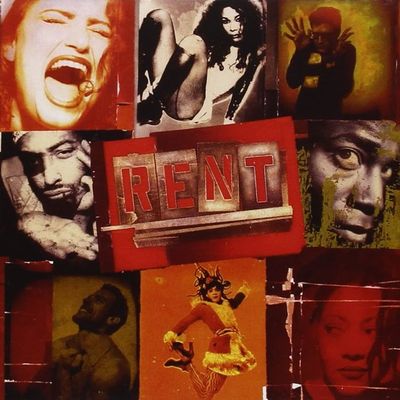
A pivotal moment in the episode is Troy’s Broadway story. While auditioning for Rent, he turned down a touring role because it conflicted with his personal values and family priorities. That clarity led to an unexpected outcome: a Broadway role as Tom Collins. This moment anchors a central theme of the episode—knowing what you want, and being willing to say no, often creates space for the right yes.
The episode culminates in a discussion of Troy’s latest book, Middle Management: How to Find Meaning, Clarity, and Success in the Second Half of Life. Troy outlines the mindset shifts required for midlife reinvention, including the necessity of quieting external noise, reconnecting with one’s internal voice, and recognizing that experience—not youth—is the true advantage of the second half of life.
Throughout the episode, Troy reinforces the idea that reinvention is not about starting over, but about reapplying everything you already know with greater intention. Midlife, he argues, is not a closing chapter—it is often the moment when the best tools, clearest values, and boldest opportunities finally converge.
Connect With Us:
- 📩 Email us at wasitchancepodcast@gmail.com
- 🎧 Follow Was It Chance? on your favorite podcast platform
- 📱 Connect with us on TikTok and LinkedIn
- ✨ More about Heather at her website, subscribe to her Substack and on LinkedIn, YouTube, and more
- Visit Heather's Bookshop
- Visit The Reading Well
EPISODE TAKEAWAYS
- Midlife is not a limitation but an advantage, because experience, resources, and clarity make it the best time to pursue meaningful dreams
- Intentional risk means saying no to opportunities that don’t align with your values, even when they look impressive from the outside
- Knowing what you want your life to feel like is more important than chasing titles, validation, or conventional success paths
- The entertainment industry, and life more broadly, rewards timing, fit, and narrative as much as raw talent
- Networking sideways with peers on a similar journey often leads to deeper, longer-lasting opportunities than chasing gatekeepers
- Building community before selling anything creates trust, momentum, and sustainable success
- Reinvention is not about starting over but about reusing what you already know with greater intention and confidence
- Clarity comes from turning down external noise long enough to hear your own internal voice.
- Fear never fully disappears, even for highly successful people, but it does not have to dictate your choices
- The greatest regret is not failure, but never giving yourself permission to live the life you truly wanted
Transcript
This transcript was automatically generated and might contain errors.
[0:00] Troy Horne: Midlife is the absolute best time to go after your dreams. And the reason why I say that is because again, you know all the things that are going to work. You have the resources in most cases, and if not, you know how to get them for what you want to do. Yeah, yeah, yeah. Why would you like go through the training of life to collect all these tools, all this information? And then once you finally have the 90% of the answers, because we're always learning, and we always there are always more answers. Once you finally have all that, you're like, uh, I'm done. I'm I'm gonna stop and go do it.
[0:43] Heather Vickery: Hi, everybody. Welcome to Was It Chance. This is the podcast about embracing opportunity and taking intentional risk for your creative life. I'm Heather Vickery.
[0:52] Alan Seales: And I'm Alan Seales. And Heather and I started off as two perfect strangers who met by chance and embraced opportunity. Now you get to listen in as we chat with other successful people about the risks that they've taken to put themselves on a path to creative success.
[1:07] Heather Vickery: Your different announcer voices.
[1:10] Alan Seales: Oh, how many did I have in that sentence?
[1:12] Heather Vickery: Several.
[1:13] Alan Seales: Five.
[1:14] Heather Vickery: With it is we chat with other successful people about the risks they've taken.
[1:19] Alan Seales: Do you just sit around and do this? You just like come up with little bits, or is it so off the cuff?
[1:24] Heather Vickery: Of course it is.
[1:25] Alan Seales: No, I don't, I don't know. I'm not like, okay.
[1:27] Heather Vickery: How can I redo the intro for Heather?
[1:29] Alan Seales: Not that okay, whatever.
[1:31] Heather Vickery: I mean your silly voices.
[1:33] Alan Seales: Silly voices is coming into conversations with like just people.
[1:37] Heather Vickery: Yeah.
[1:38] Alan Seales: Mostly my younger son now. Jackson is turning into the voice guy.
[1:43] Heather Vickery: Oh, I can see that. I could totally see that.
[1:45] Alan Seales: And yeah.
[1:47] Heather Vickery: He he has a go-to that kind of drives me nuts. It's the southern accent, but I don't know where he got it from because he didn't learn it from me.
[1:55] Alan Seales: Yeah, but you grew up in North Carolina. Maybe he just like inherited it.
[1:59] Heather Vickery: I don't I don't know. Anthropologically I don't know through the genes.
[2:04] Alan Seales: What do they say? The trauma's passed down through DNA.
[2:06] Heather Vickery: Yeah, I don't know. I mean my North Carolina trauma got got inbred into him.
[2:13] Alan Seales: Well, I didn't mean to say that, but yeah.
[2:15] Heather Vickery: That's true. I just read another book citing the scientific evidence that trauma is passed down through egg and sperm. And it gets crazy too because it's for the egg, there is a time where a when a woman is five months pregnant with a fetus with a with a female child, the fetus develops her eggs.
[2:38] Alan Seales: Wait, wait, wait, wait, wait. Some version of all three humans are in the same body at the same time, and the trauma is literally embedded.
[2:46] Heather Vickery: Wait, okay. So five months, our guests face five month fetus, five-month-old fetus. That's when the development happens when eggs are formed.
[2:56] Alan Seales: I assume.
[2:59] Heather Vickery: So like when the male-female thing starts to diverge, and okay. And that's when eggs start happening. And so the eggs are carbon copies that fritus's eggs are carbon copies of the mother's eggs.
[3:09] Alan Seales: Well, they're not carbon copies, they're all unique and individual, but trauma that's stored in the DNA then develops there. And it's a different story for sperm, but same concept, right?
[3:21] Heather Vickery: They except that sperm is consistently new, whereas a woman is born with the number of eggs she's gonna have.
[3:28] Alan Seales: Right.
[3:28] Heather Vickery: But the way that the trauma is stored in the DNA does pass through in the sperm. It's really cool shit, you guys.
[3:36] Alan Seales: What I this is total out of your wheelhouse. What were we reading?
[3:39] Heather Vickery: No, it's not at all out of my wheelhouse.
[3:41] Alan Seales: No, I mean, like normally you read like, you know, differ different like genres.
[3:45] Heather Vickery: I do read different genres. I I read everything. Uh, but I always love to read nonfiction, especially anything that has to do with neuroscience or um just I don't know, just cool cutting edge technology.
[3:57] Alan Seales: And I use it all, right? So I am an NLP practitioner, subconscious reprogramming practitioner. So I work with people to release somatic trauma that's embedded in them, and often it's not theirs. They're like, I don't know why I have this problem. I had this loving, happy life. Where's it coming from? And it's past generation, past down so we can release it. So I want to know about it so I know what I'm talking about.
[4:22] Heather Vickery: How do you release something that's hard coded in your DNA?
[4:24] Alan Seales: I do it through time techniques.
[4:26] Heather Vickery: Tell d give me, give me the TLDR. What's that mean?
[4:30] Alan Seales: I don't know that I really can. And it's hard. If anybody's really curious, join me on Tuesdays for my open office hours and we can talk more about it. But everybody has an internal timeline. So um if I were to back to the future, got it.
[4:41] Heather Vickery: Okay, single line, yep. Internal timeline. So if I were to ask you, Alan, to point to your past, where would you point?
[4:47] Alan Seales: To the left.
[4:48] Heather Vickery: Okay, to the left. And if I were to ask you to point to your future, where would you point?
[4:52] Alan Seales: To the right.
[4:53] Heather Vickery: To the right. So you see that that makes a line.
[4:54] Alan Seales: Yep.
[4:55] Heather Vickery: Yep. So then I've I would have you, if you were a client, I would take you on a timeline journey. We would journey way back into generations, way forward into the future. We would get you comfortable with it. And then I have a whole script and method to help you release negative thoughts, patterns, choices, behaviors, beliefs, all of that.
[5:12] Alan Seales: Okay. Last question, and I swear we're gonna get to the guest. So, do you think that me as an 80s baby, born in 80, that I chose left to right because of the 2D video game scrolling that was introduced to my generation?
[5:25] Heather Vickery: That's such a great question. Um, do do current people who are younger who had 3D open worlds have a much more abstract linear uh timeline? I don't know. I don't have a big enough case study on that, but I am fascinated by it. Mo often, most often I see front to back. People will say the back is behind them and the front is in front of them. Lately I've had a lot of people doing an L. The past will be behind them, and then the future will be up.
[5:51] Alan Seales: Oh, dude.
[5:55] Heather Vickery: Oh, okay. We gotta talk about you and I need to do something about this because listen, uh I what it never occurred to me to be in the moment enough in my own head to have past behind me, future in front of me, because that's experiencing the moment. Whereas what I was just describing left to right is me watching. I'm just I'm looking at a I'm looking at a reproduction in my mind of left to right.
[6:22] Alan Seales: That's okay. It was subconscious. Your answer was immediate.
[6:25] Heather Vickery: So that's how you are.
[6:26] Alan Seales: I know, but that's like that's like revolutionary to revelatory, revelatory to me right now.
[6:31] Heather Vickery: Okay, I want to ask our guest where where's and then I'm gonna introduce you, but we'll just give him a little teaser to your very sexy deep voice here. Um, where would you point to if you were pointing to your past?
[6:43] Troy Horne: You know, funny, I would point to the right and then go to the left.
[6:46] Heather Vickery: Oh, oh, look at that.
[6:48] Troy Horne: All right, yeah.
[6:50] Heather Vickery: But I'm a 70s baby, so I was in course.
[6:53] Alan Seales: So you just got pong.
[6:56] Heather Vickery: Is it backwards? Like, he grew up playing Pong and just you know, back and forth.
[7:01] Alan Seales: It doesn't matter what size.
[7:03] Heather Vickery: Yeah, yep.
[7:04] Alan Seales: That's hilarious. No, it's interesting. Okay, so if you're listening to this and you played this exercise, you'll have to send us an email and let me know what direction your timeline is. Fascinating. And if you ever want to do time techniques and release negative thoughts, choices, actions, behaviors, beliefs, hit me up. Fun stuff.
[7:22] Heather Vickery: All right. Well, who is that deep voice we just heard?
[7:24] Alan Seales: I know. Thank you for your patience, Troy Horne.
[7:27] Troy Horne: I love this, by the way. This is great.
[7:30] Heather Vickery: Glad. I'm glad. Y'all, we are so excited to have Troy with us today. He is a multi-hyphenate creative with a story that sounds like a highlight reel of reinvention. He's a three-time best-selling author, a former Star Search contestant, which is by the way, our second Star Search contestant here on Was It Chance.
[7:50] Alan Seales: Mm-hmm.
[7:51] Heather Vickery: NBC's the Sing-Off competitor, Broadway performer in Rent as Tom Collins. What a great role. And has shared the stage with legends like Steve Miller, Government Mule. I you're by I had to shorten it, Troy, because there's a lot and you're just so fabulous. And I'm so excited to talk to you. But after a wildly varied and successful first act, Troy turned his focus to helping others design an even better second one through his newest book, Middle Management, How to Find Meaning, Clarity, and Success in the Second Half of Life. He's on a mission to show people over 40 that the greater yet to be isn't behind them. It's waiting just ahead. And that is right after my own heart. Troy, welcome to Was It Chance.
[8:32] Troy Horne: Actually, maybe it's to the left.
[8:33] Heather Vickery: I was gonna say the future is to the left for you, to the right for me.
[8:39] Troy Horne: Oh, the upside down.
[8:40] Heather Vickery: It could be anyway. Here's the what I love about that. Actually, this ties in so well, and I hadn't even thought about it. Is um it can be wherever the fuck you want it to be.
[8:51] Troy Horne: Yeah.
[8:52] Heather Vickery: Like the future, I mean, oh, dude. Yeah. I just think what anyway. Anyway, that, that is fascinating. So yeah, like Troy, the fact that you did it in reverse, like defies all all normal Western sort of defaults.
[9:09] Alan Seales: But Alan, you are such an analytical thinker. You are such a follow this formula in this format, and you will get the results that you want thinker.
[9:17] Heather Vickery: I don't ever, ever, ever think that way.
[9:20] Alan Seales: We play game compute. We play game like with friends um called Code Word.
[9:26] Heather Vickery: Okay, yeah.
[9:27] Alan Seales: Have you played this, Alan?
[9:29] Alan Seales: I've heard of it.
[9:29] Heather Vickery: Yeah, yeah.
[9:30] Alan Seales: Okay, so Troy, what you do is you put all these cards out, five rows of five, and you have teams, and then you have to give a one-word clue to get people to guess the words that are on your map, right? So there's there's a red team and a blue team, and you have a little map.
[9:46] Heather Vickery: We're one of the words that we were trying to get to guess was server.
[9:57] Alan Seales: Okay, and we couldn't between the four of us, none of us could ever guess it because one person thought of pickleball.
[10:04] Heather Vickery: Okay, one person thought of computers, and one person thought of restaurants.
[10:08] Alan Seales: Okay.
[10:09] Heather Vickery: And it never occurred to them to think of a server outside of that. But the funnier one, and when this happened, I thought, oh, I have to bring this up the next time Alan and I are doing an interview. We were playing with with two dear friends who happened to be two men married to one another. And I partnered with with one husband, and my partner partners with the other because she and I don't give each other good clues because our brains don't think the same way.
[10:32] Alan Seales: And then that ends up in a fight.
[10:33] Heather Vickery: That's not good.
[10:35] Alan Seales: So one of our friends was giving her clues to pick to guess two of the things on the board.
[10:43] Heather Vickery: Okay, folks, plug the children's ears, turn your volume down for just a second. His clue was cock.
[10:50] Alan Seales: Her brain went right where your brain just went.
[10:53] Heather Vickery: But the words were pit and tail, cockpit and cocktail. She couldn't guess him to save her life.
[11:00] Alan Seales: I would have never gone there.
[11:03] Heather Vickery: Yeah, I yeah, no, definitely. She's like, play, pull, like there were all of these head, behind, like all of these things. She never got to cocktail and cockpit. Never would have gone there. I mean, it's such a it's such a strong clue, and it it it it like elicits such strong visions that, you know, yeah, unless you were on the same page, that's kind of I I was thinking, I was thinking like like sports, you know, South Carolina game cocks.
[11:32] Alan Seales: Sure.
[11:32] Heather Vickery: You know, like I was like, what weird obscure thing could it be? But no, no. That is what makes this game fun. Is it's really challenging to think like the person who you're trying to get to guess? And anyway, I guess when we're talking about reinventing our lives. You gotta learn to think what you think and not what everybody else thinks you should think.
[11:53] Alan Seales: Yeah.
[11:54] Heather Vickery: All right. Well, okay, Troy. So you've been so patient with those friends.
[11:59] Troy Horne: Yeah, thank you. No, this is fun. This is really really cool.
[12:02] Heather Vickery: But what you okay, so you've done several different like paths, reinvented yourself, like like Heather was talking about. But what was the first thing when you were younger that you that you created for yourself? What was the first thing that you sought out to do?
[12:18] Troy Horne: Yeah, it was to be a musician. I mean, I remember like as young as maybe 10 or 11, that was like the thing I wanted to do. I was I was singing around the house, and um, you know, we lived in Houston, Texas, so I I and actually I was born in Charlotte, so North Carolina roots, yeah.
[12:38] Troy Horne: And so my mom was like, you know, you're gonna sing in church this Sunday, and I was like, no, I'm not. Long story short, she said, yes, you are. She put me in front of the congregation and I sang with my sisters, and I got a standing ovation at 10 or 11, and I was like, this is what I'm doing for now. With that voice, I hear it. I'm there. I would love to have a sing. Is a 10-year-old with a voice this deep. Do you add lib? Do you add lib songs? Because we've got a theme song.
[13:03] Alan Seales: I wouldn't call it a theme song. It's been a while. It's a theme song. It's um, it's called Shut the Fuck Up, Alan. So if you ever feel like you want to burst into song, you could we could add you to our or shut the fuck Alan.
[13:17] Troy Horne: Wait, are the parents' ears still plugging? Are they still plugging their children's ears?
[13:21] Alan Seales: Oh, I didn't tell them to unplug it.
[13:22] Troy Horne: Yeah, yeah. So like shut the fuck up, Alan. I mean, what's worse? That or that or Jeff Carlinho.
[13:27] Alan Seales: No, the story behind that is as our very first guest we ever had on the show is James Harkness. Do you know James?
[13:33] Troy Horne: I don't.
[13:34] Alan Seales: From Ain't You Proud and other Broadway credits, yeah. He's a great guy. And um he and Alan go way back. He wasn't just a random guest that started singing this, but Alan's being Alan. And then just very quietly under his breath, James starts singing Shut the Fuck Up, Alan. And now when we have people who sing on the show, I ask them to add little rendition, and we have a whole bunch of them. It's so much fun.
[13:57] Troy Horne: The mood strikes you.
[14:02] Alan Seales: Yeah, yeah. The end you can surprise us with it.
[14:05] Troy Horne: Excellent. No, okay, so singing. So musician.
[14:07] Alan Seales: Okay, yes.
[14:08] Troy Horne: Musician.
[14:08] Alan Seales: Yes.
[14:09] Troy Horne: So the okay, the church, 10 years old, I assume, like, you know, pre-puberty. And what did you do at 10 years old that you were like getting a standing ovation in church? And then was it that validation from that that you were like, ooh, maybe I'll do this.
[14:24] Troy Horne: Yeah, it was like I guess it was the thrill of both because I was scared to death. I was like I had, you know, that nervousness where you can feel your heart beating and you can hear it in your ears and it's like, you know, that kind of nervousness. So when the validation of you know them clapping, I was like, oh, this is like a thing. I can do this. Yeah, I can do this. Okay. Let's do this.
[14:45] Alan Seales: Would you say, Troy, that that was maybe the first intentional risk you took in your life? Was like, let me get up here. Because everyone was saying it's impossible and everyone was saying, you know, you're being unrealistic and you need to have all these things. So being young and you know, an honory, I was like, I'm doing this is exactly what I'm gonna do.
[15:05] Troy Horne: So that's very that's very North Carolina thing.
[15:10] Alan Seales: Yes, yeah, so honored bless his heart.
[15:14] Troy Horne: Bless his heart. All right. So then 10 did at that point did you then say all right, I wanna I want to keep performing. I want to I want to go back to church and continue to stand up and get or sing other places. Sing other places. Like what where did you go with that?
[15:28] Troy Horne: Yeah so there was like you know talent shows I you know oddly enough I was also kind of I was in private school at the time because I don't know why. Um and then we go to public school and my wood shop teacher because I was wanting to play football because I you know we're in Texas. You know, you're in the show. That's what the boys did. And so he hears me singing in in in the woods shop, and he's like, um, was that you? And I'm like, yes. And he goes, come with me. And he takes me to the choir director in middle school. And um, that was, you know, I sang for her, and she was like, So you want to be in choir? And I was like, sure. And so that was kind of like the second move towards that. But after that church thing, it was like, man, I just wanted to sing everywhere. So talent shows or whatever.
[16:16] Alan Seales: Okay, but I love that about your teacher who wasn't at all in the arts per se. I mean, I guess some folks could say shop was art. Um, but that he heard that and he saw that in you, and he took you like that's what a good teacher does and says, This is what you know, you need to fine-tune this gift that you have. Let's go get let's go beat in choir. And then we have a clip of that song you sang in Woodshop that we will play right. No, I'm kidding.
[16:39] Troy Horne: No, we just do it. It goes like this. It goes like this. It goes, shut the fuck up, Alan.
[16:51] Alan Seales: Yeah, he had me go over there.
[16:57] Troy Horne: Like, wait a second. I think I love you.
[17:03] Alan Seales: Oh, that's fun. It's been a minute since we had a show.
[17:06] Troy Horne: It has been.
[17:07] Alan Seales: It has been. Uh okay. Because I've just been so good and proper and everything.
[17:12] Troy Horne: No.
[17:13] Alan Seales: Did he? That's not it. It's because we haven't had singers on the show. We've had a lot of authors on the show. Troy is also an author. We'll get there. We're gonna take a quick break. Stay tuned for more of the episode.
[17:24] Alan Seales: And now we're back. So then you go to chorus. Did they did did was that an extra thing? Did you have to switch out of wood shop to to do chorus? How did that whole thing work? And then you were like, All right, I'm gonna keep going.
[17:38] Troy Horne: Yeah, no. Um, she we they moved my schedule around. I stayed in Woodshop because he was actually my football coach, which is, you know, kind of fun as well. But um, what they moved around, but yeah, um, they moved things around and I was in choir.
[17:52] Alan Seales: So you stayed in the arts, right? You stayed in it, you loved it. I'm guessing you still sing because we don't just stop doing the things that we're naturally gifted at. Um I don't know where Star Search falls into this. I don't know if it was when you were still younger or when you were older. So take us through kind of this journey of you you got into choir and it keeps going, and and let's just sort of hit some of those highlights.
[18:16] Troy Horne: Yeah, so you know, man, choir was something. It was it but I loved choir in the 80s because you know, that back then, you know, back then when we teach it would be like, you know, that was good or that was bad. And it was like, you know, I think it really helped us a lot because she had no problem telling us when we were off or when we were off tempo, or you know, so yeah, you know, I agree with that. And then it was really in high school that I did um Star Search. I was sitting at home watching TV on one of those big old wood frame TVs, you know, that many of us had back then. And uh um I saw an ad for it. Um they were auditioning down at some center in Houston, and um I was 16, so I'd just been able to drive, but I asked my mom to go with me because I didn't want to go down there by myself. Went down there with one of those old, I don't know if you guys remember these, these like brass, like old fashioned looking phones.
[19:12] Alan Seales: Oh yeah.
[19:13] Troy Horne: Um with the rotary. Yeah, yeah. So um, I didn't know any better. So I was singing, I went down there and saying, I just called to say I love you, and I used a prop. Don't ever do that in audition. But I dropped the phone and I was singing the phone and it was a whole deal.
[19:29] Alan Seales: But you got on the show.
[19:31] Troy Horne: I did. I did, you know. And it was funny because everyone was like, um, on the way down, they were like, it's a scam, don't go down there. And I was like, well, why? You know, it's Star Search, might as well try it. And uh wasn't Brittany Spears on Star Search and some other like really popular people.
[19:46] Alan Seales: Yeah.
[19:47] Troy Horne: Well, so our previous guest, Yoran Lor Lauren Yelenkovich, I didn't do that very well. Um was on, and she sent us all sorts of pictures of her with with Ed McMahon. And she also, so she's an opera singer. She did an operatic aria of shut the fuck up, Alan, which is now my ringtone and my text alert for Alan. And it makes me so happy. I've text her a lot. I usually have it on on DD, but when I take it off of D and I get to hear it and it surprises me, it's just pure joy.
[20:22] Alan Seales: Yeah.
[20:23] Troy Horne: So will you give us a highlight of like what it was like to be on Star Search? And did anything you know any chance opportunity come from the doing that?
[20:32] Troy Horne: Yes. The thing that I got the most out of that was learning that um the industry is part talent, part right opportunity, and part what they need to have happen for the production of the show. Microp. Yeah, that was the first time because I went on stage. I'll never forget this. I was on stage. I sang because you know, Harry Conick was been big back then. I'm just dating myself like the whole time. So here's the same thing. Listen, I'm gonna be 51 next month. So I'm gonna go. Hey, so then you know, yes, yes, yes, yes. So I sang um come fly with me, because I was into Harry Conick and all that kind of stuff. And um, when I got off the stage, one of the producers pulled me over, and I won't don't even remember like exactly who it was, but they said, I want you to keep going, um, no matter what happens with these results, because sometimes it's not always based on um the performance.
[21:19] Troy Horne: Because I was singing, everyone was clapping, they were standing, they were like very into it and everything. So I thought, okay, I won this, whatever. And um at the time I didn't get it, but then after, like later on in life, I was like, oh, she was saying that, like, okay, look, we're gonna keep this other person because they are from England and we need that audience to stay with our show. So they're going to continue, and you're not. And I didn't understand that at the moment. I was like pretty down when I lost. I was like, what happened? It was like, I thought it was amazing, you know, everyone was into it, and blah, blah, blah. But that's the industry, you know.
[21:55] Alan Seales: Well, that's a great lesson to learn at that point. Like, at what point did it make sense to you? Because you you were bummed, then you didn't get it. When did it click? Like, that's what that was.
[22:04] Troy Horne: It was probably like later on in my 20s because I remember my mom was there after the show. I came outside and the audience actually stayed afterwards to greet me, which was like we were all like kind of like, what just happened? Because you know, your first stage door experience.
[22:20] Alan Seales: Was that your first stage door experience pretty much?
[22:23] Troy Horne: Yeah, yes. Yes. And it I I didn't expect anyone to be there except for my mom. Cause I'm like, you know, it's a show, like, no one's gonna stay or whatever. So I came out and they're like half the audience is like standing there with my mom, and I was like, wow, okay, so yeah, my first stage door experience, definitely.
[22:39] Alan Seales: That's so cool. Wow.
[22:42] Troy Horne: Yeah. In the 20s was when it really kind of started to click because you know, I was doing like music stuff in LA, and I started saying, Oh, okay, this is how this works. You know, it's like, yeah, sure, you can sing a high C or you can do whatever run, but do you actually it actually helped me a lot later when I auditioned for rent as well?
[23:01] Alan Seales: So well, how did you get to LA? You kind of just skip that part. So you're in Texas. You're Star Search. Didn't win Star Search. And then, you know, like what happens with through the rest of school? How did you how and why did you get to LA?
[23:15] Troy Horne: Yeah, so I'm at I'm at Sam Houston State University there in Huntsville, Texas. Um, and uh there was this guy named Trent. I don't remember Trent's last name. He was like a musical prodigy dude. And I'm sitting there, like he's like my like idol, whatever, freshman year. Sophomore year, he goes off and does whatever life junior year he comes back and we're like, what happened? And he's like, well, you know, I couldn't really find much, you know, in the way of work, so I'm gonna get a uh master's degree. I was like, well, dude, if he can't find then I might as well give it a shot. I'm going to LA next year. And so I took 1500 bucks, which is what I had from doing uh phone survey, working in a in at the Gallup polls.
[24:02] Alan Seales: Oh gosh.
[24:03] Troy Horne: I love that. Drove. I mean, talk about embracing opportunity and taking intentional risk. Yeah, I was like, what do I gotta lose? I mean, hey, I'm not as good as he is, so might as well give it a shot over here.
[24:15] Alan Seales: What advice do you give to a young kid who just decides because I I have I have one of these? She's just coming up on this next year, who's just like, uh, you know, what is there to lose? I'm moving to I'm moving to LA. What advice would you give them?
[24:28] Troy Horne: So here's what I would say to them. For I mean, hmm. I know. I'm a mama, I'm a little nervous about it, but I can't stop this kid. So you it's okay. She's gonna have to do what she does. Yeah, it's going to be very scary, but you can do it. I would say a few things. When you get there, um go straight for whatever the audition things are so that you learn what they are. Um I would also say network sideways.
[24:55] Troy Horne: And the reason why I say network sideways as opposed to trying to reach the people that are whatever is because when I first got there, um I was working at this place called Adept Consumer Testing, um, with um someone who your audience may or may not know, um, named Octavia Spencer.
[25:14] Troy Horne: But she we were both like new to LA.
[25:18] Alan Seales: Wow.
[25:19] Troy Horne: No, and we were working together in this place. We didn't know, you know, she was gonna become Octavia, and I and I was gonna be, you know, whatever. But um, so I tell you I say that because we used to watch South Park every day and waste time. Don't do that. And she saw she was like, I'm tired of like not getting what I want from the industry. So she started networking with other like um PAs and and um assistants and stuff like that. And of course, me not being the young kid, not really knowing what I'm doing. I was like, I'm not gonna hang out with them. They're like, you know, they're the PAs, and they're not, you know, they're trying to get in just like me. Don't network with them because those were the people that you know, she even thanked one of them in her Oscar speech.
Um, uh, I think his name was Tay or Trey or something like that, but she thanks him in his Oscar speech. And I remember her saying you should come and meet him and work with him with your music. So that's what I would say. Network side's cool. Because when you're occurring. They bring you along with them.
[26:18] Alan Seales: Yeah.
[26:18] Troy Horne: I mean, yes, and when they when they hear of a need, they think of you.
[26:23] Alan Seales: Exactly.
[26:24] Troy Horne: That's great advice.
[26:26] Alan Seales: It's great advice.
[26:28] Troy Horne: Yeah, that's cool. Do you still keep up with Octavia?
[26:30] Alan Seales: Does she?
[26:32] Troy Horne: I don't.
[26:32] Alan Seales: No.
[26:32] Troy Horne: Yeah.
[26:32] Alan Seales: No, we stopped. I mean, we we I mean, when she when I left LA to go to New York and stuff like that, it's like we just lost contact, you know.
[26:39] Alan Seales: Yeah.
[26:39] Troy Horne: Texting.
[26:40] Alan Seales: Texting wasn't a thing yet.
[26:41] Troy Horne: No.
[26:42] Alan Seales: No, it was not a thing.
[26:44] Troy Horne: I can remember being like Texting's dumb. Why would people do that? And now I do not want to be on the phone. Like text me, bitch. I don't want to talk to you. I'm not gonna answer when you call.
[26:51] Alan Seales: 100%.
[26:52] Troy Horne: I remember 2005. I had a I had a new girlfriend who was like, You gotta just how come I can't text you? You gotta get a texting plan. I was like, you want me to pay to add texting to my singular wireless mobile plan?
[27:05] Alan Seales: Yes.
[27:06] Troy Horne: Just talk to me.
[27:07] Alan Seales: Yeah.
[27:08] Troy Horne: Fine, fine. And it was like it was like 200 messages a month or something. There were so few that you got included. Anyway, I digress.
[27:15] Alan Seales: All right. So then I'm I'm gonna go back. It was funny because you said like this this dude that you thought was way more talented than you didn't make it. And so because he didn't make it, you were like, Well, I'm gonna go try to make it, even though you thought you weren't as talented as him.
[27:33] Troy Horne: Usually it's the other way around. Like I'm more talented. If he can't do it, I can't do it.
[27:36] Alan Seales: Yeah, yeah.
[27:37] Troy Horne: Like that, that would have been like, well, if he can't do it, I guess I'm gonna go back to like phone banking or something.
[27:42] Alan Seales: Yeah, yeah, yeah.
[27:43] Troy Horne: Yeah, like why didn't you? What was different in you though that made you go, What I guess nothing risk, nothing gained.
[27:49] Troy Horne: Well, because everyone was told me because I was hardheaded. I was stubborn, and everyone said you can't do it. So I was like, Well, what am I waiting for? Might as well go ahead and jump and do it. You know, I was just you know, that young kid that was like, I'm gonna do it anyway.
[28:02] Alan Seales: So you keep that, right? Are you still like that though? You're like I'm gonna just try.
[28:09] Troy Horne: Um, am I still like that now? I think now, oddly enough, um, I'm more cautious, which is why I wrote the book about not being as cautious and going for it because now we actually have the information we thought we had when we were 20 something.
[28:25] Alan Seales: Yes.
[28:26] Troy Horne: We need the information partnered with the courage of being young, like that.
[28:31] Alan Seales: Yes, yes.
[28:32] Troy Horne: You know, willingness to risk it all.
[28:36] Alan Seales: So then how did you get ability to do it? How'd you get from LA to to rent?
[28:40] Troy Horne: Yeah, right. So I'm in LA and I'm working at um uh Disney doing uh I was dressing up as a pirate doing a pirate show down there. And so I'm going from uh Glendale to Anaheim, and anyone knows that drive is like an hour both ways, like hour down there and hour back.
[28:58] Alan Seales: Oof.
[28:59] Troy Horne: And I'm just not seeing my wife and kids at all. And so I'm like, I'm putting it out into the inner universe into the ether god or you know, whatever it is that you you know um ascribe to. And I'm like, I want to be home more with my family. I want uh something that's gonna allow me to do music and allow me to be home more. Um I see this audition in backstage west, it was back then. I think that's just backstage now.
[29:23] Alan Seales: It's all online now, yeah.
[29:24] Troy Horne: Yeah, and so I I see this audition for rent. Um I was not really familiar with the musical, but I was like, it says it's um sits down in New York. Um maybe this will be the thing. And so I go down there, y'all. I tell you, like I go down there and there are like five people in the audition room total.
[29:46] Alan Seales: I was like, what?
[29:47] Troy Horne: Yeah? What wait, what year was this?
[29:50] Alan Seales: 97, 98, something like that.
[29:54] Troy Horne: Because the show opened in ninety-eight.
[29:57] Alan Seales: Yeah.
[29:59] Troy Horne: Was it 90?
[30:00] Alan Seales: Yeah.
[30:00] Troy Horne: I think it no, no, no, no.
[30:01] Alan Seales: Sorry.
[30:03] Troy Horne: 2006, 2007.
[30:06] Alan Seales: 2006, 2007.
[30:07] Troy Horne: Okay.
[30:07] Alan Seales: Okay.
[30:07] Troy Horne: Not 97.
[30:08] Alan Seales: Oh, sorry, great.
[30:09] Troy Horne: Rent was April April 29, 1996.
[30:12] Alan Seales: Okay.
[30:12] Troy Horne: Okay.
[30:12] Alan Seales: Okay.
[30:13] Troy Horne: Don't come at me, listen to it. Um, there are like five people in the audition room, and I walk in with my 16 bars and my, you know, my uh um headshot that I made from Kinkos, you know, because that's what we were doing because we didn't have anybody. And um, I hand it to them and they're like, can you go on it? Can you audition in five minutes? I'm like, uh, let me go to the car and warm up, you know.
[30:38] Troy Horne: And so, anyways, I go in there and I I warm up in the car, I come back and they go, We're ready for you, which is like auditions don't go like that.
[30:46] Alan Seales: No.
[30:47] Troy Horne: No.
[30:47] Alan Seales: And so I go in there and audition, and um, I'll never get Beth from Telsey. She is absolutely amazing. I don't know if she's listening, but she changed my life. It was absolutely amazing. So I go in there and um a month, uh maybe like two or three weeks later, she calls and she goes, Um, hey, um, we'd like to offer you a spot on the tour that's going on uh for um starting in uh whatever the next month was. I think it was like August, something like that.
[31:10] Troy Horne: And I go, I I can't do the tour because I came down there because I want to do something that's going to sit down. So if you have something that sits down somewhere, I would love to do that, but otherwise I'm gonna have to pass.
[31:22] Alan Seales: Wow.
[31:23] Troy Horne: And she goes, the only thing we have that sits down is the show in New York on Broadway. And I go, well, great. Well, I mean, if that opens up or something opens up, I'd love to do that. But other than that, I'm gonna have to kind of stay, you know, where I am.
[31:35] Alan Seales: Most actors do not do that.
[31:36] Troy Horne: That's gusty.
[31:39] Alan Seales: And she was like, okay.
[31:41] Troy Horne: And I go, but thank you so much. And you know, we hung up. And of course, all my friends are like, You ruined it. That was your chance to get in. You have to do the tour, and then you gotta transition your way into the thing. And I was like, well, I don't want to do less time with my wife and kids. So I mean, I would love the opportunity, but I'm just gonna stay where I am. Y'all, like two weeks later, she calls and goes, Producers would like to see you in New York. Um, can you make it? A month from then, I'm standing on stage, um, opening uh doing Tom Collins as a role.
[32:12] Alan Seales: So legal uh Wow, it's wild.
[32:16] Troy Horne: I mean, uh what I love so much about first of all, congratulations, because that's amazing. And obviously your talent speaks for itself, but that high vibe, like this. I work with clients on this. Like, I'm gonna build my life the way I want to build my life, energy that you projected out like this is great, because most people would have tripped all over themselves.
[32:38] Alan Seales: Any opportunity is a good opportunity.
[32:39] Troy Horne: Yes, let me get on this tour. I'll make it all work. People do it all day, every day. Actors that we've had on the show, famous actors we've had on the show, do this all the time. And you were like, but that doesn't fit with my life goals.
[32:52] Alan Seales: Right, right.
[32:52] Troy Horne: And then this amazing opportunity presents. And I just want listeners to be like, look, know where you want to go and say yes to the things that get you where you want to go. That's crazy cool.
[33:03] Alan Seales: Yeah.
[33:04] Troy Horne: That's a funny cuz uh Oprah has that quote, and I and she's so right when she says, People get to where they want to go because they know where they want to go.
[33:12] Alan Seales: Right?
[33:13] Troy Horne: And intention.
[33:14] Alan Seales: Yeah.
[33:15] Troy Horne: Yeah.
[33:15] Alan Seales: Yeah.
[33:17] Troy Horne: Well, how so then how long were you uh uh in in New York on Broadway? And did you like plan on staying after that?
[33:24] Troy Horne: I was see, this is a problem I have, you know? I was there for like a year and um I was about to renew, but I was like, um, here I go. I want more time, you know, with with this family.
[33:40] Alan Seales: So um, I mean, it's eight shows a week, and so you know, you don't you don't have Saturdays.
[33:46] Troy Horne: Um, you're not really home with your family very often. Except for during the day, we had a lot of days. You know, days are great, you know.
[33:53] Alan Seales: Days are great.
[33:55] Troy Horne: So when your kids are at school.
[33:57] Alan Seales: Yeah.
[33:58] Troy Horne: And your wife is at work.
[34:00] Alan Seales: Yes, yes, yes.
[34:01] Troy Horne: Yeah.
[34:02] Alan Seales: Um, so um, I was like, I think I'm ready to do something differently. And so we're like, what can we do? And we're like, let's teach people how to get here. So we moved to Denver and uh start um an acting school because I was like, I want more time. And uh that was crazy.
[34:21] Troy Horne: I love that.
[34:22] Alan Seales: So would you say that's when you sort of entered the second phase of your life, or is that still considered part of the first phase?
[34:29] Troy Horne: The teaching it's still part of the f first phase because um then the kids started growing up and that's when I was like, okay, what do you want to do? And um how do I help you get there? Because I, you know, want to apply some of the stuff that I learned to help you get to where you want to go.
[34:45] Alan Seales: Right.
[34:45] Troy Horne: And I became like full-fledged dad into like, you know, how to help them do their stuff. So that was the second stage of the whole thing of helping them.
[34:55] Alan Seales: Second stage of okay, so y first stage you, second stage them, and and then are you still so you're still in Colorado now?
[35:04] Troy Horne: Yeah.
[35:05] Alan Seales: Right.
[35:05] Troy Horne: And so then obviously you stayed there, but then um you started teaching, had the acting school. Uh I I guess like why, why have you decided to fulfill because uh I was gonna say fulfill that creative bucket because you you're very intentional. You obviously know what you where you want to be, so you go there, right?
[35:25] Troy Horne: And um, what are you getting in Denver that is making you that's giving you what you didn't previously know you you would get by staying there?
[35:34] Troy Horne: Um it's given me some like calmness, um like return to um just less of a grind all the time.
[35:44] Alan Seales: Yeah, and more of a like, you know, kind of wake up and do life a little more calm.
[35:51] Troy Horne: However, in the third stage, we're looking to go back to the hustle and bustle.
[35:54] Alan Seales: So there you go.
[35:55] Troy Horne: Well, because the kids are grown, right?
[35:57] Alan Seales: Exactly.
[35:57] Troy Horne: Yeah.
[35:57] Alan Seales: Do you have grandkids yet?
[35:59] Troy Horne: No.
[36:00] Alan Seales: Heck, no, no.
[36:01] Troy Horne: I don't know what I'm trying to do the math on all of it, but you had kids really young.
[36:05] Alan Seales: If you still had them when you were eight year old, yeah.
[36:07] Troy Horne: Yeah.
[36:08] Alan Seales: So you know, 28, they could be coming.
[36:12] Troy Horne: They can be, they can be.
[36:13] Alan Seales: They can be.
[36:14] Troy Horne: It's like you no, you're right.
[36:15] Alan Seales: They can be.
[36:16] Troy Horne: And it will be amazing uh when that happens, yes.
[36:19] Alan Seales: But yeah.
[36:20] Troy Horne: So back into the that makes sense to me, right? Do the hustle, live your life, like go go big, and then, you know, that comfort, that calm, that safety while you're shaping the lives of other humans, which is a really big deal.
[36:23] Alan Seales: Yeah, yeah.
[36:23] Troy Horne: And then, you know, they don't need you in that way anymore. They need you in a different way, and so you get to go back to, you know, putting a little spice in things for yourself.
[36:35] Alan Seales: Yeah, yeah.
[36:35] Troy Horne: And then, you know, you have the thing of like, well, what exactly does that look like? What do I want it to be?
[36:49] Alan Seales: Yeah, who would I want to be?
[36:51] Troy Horne: And what does that look like? Um, and so that rediscovery is um, you know, it's interesting because you like you can be intentional when you're when it's just you and you know, your wife, and there's no like big deal.
[37:03] Alan Seales: Right.
[37:04] Troy Horne: But like now, it's like, okay, how do you find that same um courage and intentionality when you've got you know, two to three looking at you, you know, going, yeah.
[37:17] Alan Seales: So we're gonna take a quick break.
[37:19] Troy Horne: Stay tuned for more of the episode.
[37:21] Alan Seales: And now we're back.
[37:23] Troy Horne: So what led you into books?
[37:25] Alan Seales: I mean, you've sold nearly 300,000 self-published books.
[37:29] Troy Horne: I'm a self-published author. That blows my mind.
[37:32] Alan Seales: I so yeah, what led you to books?
[37:35] Troy Horne: And then how in the hell did you sell them? You know, what led me to books was I didn't I didn't even know I liked reading, honestly, until I was like in my 20s. Um, and I started finding like uh self-help stuff, and it really kind of helped me kind of through life.
[37:54] Troy Horne: And so when my young, my eldest was starting to do basketball, which is again something not on my radar at all. I was like, how do I help him do that? And I started kind of doing what I guess they call a research expert, where I was like, we were able to, because we were in Denver, we were able to interview like NBA guys like Earl Boykins and Jason Richardson, which and then Chauncey Billups was in, which then led to us interviewing Kobe Bryant and like all these people on this podcast. And so I collected their information. So I was like, we've got to share this with other people like me who are like, how do I help my kid, you know, work through the mindset part of this? And um, we had a podcast very similar.
Um, and um, we shared that information, then put it in a book, and the community just really loved it. It was supposed to be for him, you know, it was supposed to be for my son, and that's why we wrote it and I had him read it because I wanted him to get it in his mind and um yeah, people really I guess it really filled the need in um the sports community. So yeah, just enough connections though. And if those were the people you're talking to, you knew enough people to try and go the traditional publishing route. Why self-publish?
[39:10] Troy Horne: Um for me, um I I spent a long time like in life, like trying to do things the traditional way. And despite I mean, actually going back going back to you know, Star Search, you know, feeling like I had the ability to do something, and then the industry saying, hey, you can't because A, B, C or D or whatever it is, and me then being like, you know, I don't want to go back to the industry for this because there's an there's an avenue where I can do it by myself. So let me figure it out and do it by myself, as opposed to trying to get, you know, an agent or someone else to um champion me. It's like, let me see if I can do it by myself.
[39:50] Alan Seales: Okay, so quick tips on how somebody could sell that many self-published books. Like, what did you do different than the rest of us try to do?
[39:59] Troy Horne: The biggest thing I think that people want uh as is um building that community of people. We had, you know, I think five or so a hundred, which then bloomed to a thousand, which then bloomed to like 10,000 people who we really just collected emails through um free downloads that we were giving away that were there for help to help them. Um we kept communicating with them via our newsletter, and we still do to this day. It's really trying to help them navigate that um journey, whatever it is that the book offers, and then um, you know, reminding them that that resources available. But I would say build a community first. A lot of people like to put it out there and hope that you know people will come. I would say build a community of people first, what I would say.
[40:46] Alan Seales: All right. That's solid. And how do you maintain that though? What do you do that constantly keeps it going?
[40:53] Troy Horne: No, well, no, I'm I'm I'm in it. You know, it's like I I my kid still plays. So um, I see this stuff all the time and trying to help him. So I'm like, hey, look, you're at the middle school part of this journey. Let me tell you what they're gonna tell you, and let me tell you what's not actually gonna happen, and let me tell you how to navigate to get to the high school part, because they're gonna tell you all this stuff that's not true, and it's gonna get you stressed out and freaked out. Like, here's the like your kids listening? Because I I have four of them. The last one is in middle school now. They've all been in middle school and they would never have listened to me. They'd been like, uh, okay, old lady, you do not know what the fuck you're talking about.
[41:36] Troy Horne: Yeah, yeah, yeah. So that's why that's how we um were able to connect because it was he and I talking and we were kind of like this third person kind of um, not the parents kind of saying the exact same things the parents were saying, 'cause you know there's Oh, yeah, they'll listen to, yeah.
[41:50] Alan Seales: As long as it's not you.
[41:51] Troy Horne: Yeah, yeah. Yes, yeah.
[41:52] Alan Seales: Okay.
[41:53] Troy Horne: Okay.
[41:53] Troy Horne: The parents can go, see, I told you.
[41:57] Alan Seales: I just go, hmm.
[41:59] Troy Horne: Okay.
[42:00] Alan Seales: Yeah.
[42:01] Troy Horne: Yeah.
[42:02] Troy Horne: Yeah. No, totally. They're very convinced, especially especially the the 15 year old and 12 year old, that I am the dumbest person they have ever met.
[42:10] Troy Horne: Yes.
[42:11] Troy Horne: Yes.
[42:12] Troy Horne: Yes.
[42:13] Troy Horne: Oh, yes.
[42:14] Troy Horne: No, it very well.
[42:16] Troy Horne: I remember the track record of you showing them that you know what you're talking about. I remember thinking that about my parents.
[42:22] Alan Seales: Yeah.
[42:22] Troy Horne: But yeah, they uh I gosh, for my kids. Yours are still young enough.
[42:28] Alan Seales: But they will soon.
[42:29] Troy Horne: Yes.
[42:29] Troy Horne: Very soon.
[42:30] Troy Horne: And Joey from the seventh grade is the genius of all geniuses.
[42:34] Alan Seales: Of course.
[42:35] Troy Horne: Oh yeah.
[42:35] Troy Horne: Yeah.
[42:35] Troy Horne: Oh yeah, yeah.
[42:36] Troy Horne: I mean because I'm just seventh grader.
[42:38] Alan Seales: Because six seven is the coolest thing in the whole world.
[42:43] Troy Horne: I don't even know what that means, but yes, it's everywhere.
[42:45] Alan Seales: I don't either, but the the 12-year-old gets so excited and then the 21-year-old is like it's the dumbest thing ever.
[42:51] Troy Horne: Yep.
[42:52] Troy Horne: Yep.
[42:53] Troy Horne: Yeah.
[42:53] Troy Horne: My my fourth and fifth graders, everything is just like, what's the score, Dad?
[42:58] Troy Horne: What is it?
[42:58] Troy Horne: Six six to six?
[43:00] Troy Horne: Or is this six seven?
[43:05] Troy Horne: I don't care.
[43:06] Troy Horne: I don't care.
[43:08] Alan Seales: I love it.
[43:09] Alan Seales: So Troy, how many books have you published?
[43:12] Troy Horne: Um, so far, uh, I believe five or six.
[43:17] Alan Seales: Okay.
[43:18] Troy Horne: And the most recent is middle management.
[43:20] Alan Seales: Yeah.
[43:20] Troy Horne: Yes.
[43:20] Troy Horne: Yes.
[43:21] Alan Seales: Okay.
[43:21] Troy Horne: Yeah.
[43:22] Troy Horne: What makes that one different than the others?
[43:25] Troy Horne: Um, that one is kind of like everyone was like, well, can you write a mindset or mental book for adults? And that's what that one is, because I actually went through those steps for my own midlife transition. Like, you know, the doubts, the working through the doubts, the getting clear what you want to do, and and so I figured if I get to the other side and this actually works for me, I'm going to document it and share it. And that's the difference with this book. It's like, this is the one for the mindset part of the transition into um the second half of life for adults.
[43:58] Alan Seales: So as someone literally going through all of this midlife crises is uh like for me, it's it's did I do enough when I was younger? Will I have time to still do what I want to do?
[44:12] Troy Horne: Um giving me the touchdown.
[44:18] Alan Seales: Touchdown.
[44:20] Troy Horne: Um like okay, yeah. Dive into that. Give me give me the advice. Give me the advice that I should hear.
[44:27] Troy Horne: Okay. So step one that can I go over is cut a hole in the box. The toughest part of this whole deal, and that is turn everything off.
[44:39] Troy Horne: Yes. Turn off the radio, turn off the phone dings. When you're driving, turn everything off and learn to hear your own voice. And I'm not talking about for a day or two. I'm talking about for a couple of weeks, maybe months until you can really get comfortable hearing your own voice. They hate being in still quiet. You know what? It's hard.
[45:03] Troy Horne: It's hard because you're not sure you're gonna like who you find when you do it.
[45:08] Alan Seales: I know why people like it.
[45:09] Troy Horne: Yeah.
[45:10] Troy Horne: You know what? It's so funny you say that. I I am in Brooklyn, so I take the subway most places. I've drive very infrequently. And in the last month, I have been consciously leaving my AirPods at home so that I can just sit on the trench.
[45:28] Alan Seales: I'm just hoping to run into Zorham Mom Domini on the train.
[45:32] Troy Horne: Yes.
[45:32] Troy Horne: Yeah, mean Zoran.
[45:34] Troy Horne: Yeah. No.
[45:35] Troy Horne: That would have made me really happy if you had sent me a selfie with mom Donnie.
[45:38] Troy Horne: I've ridden the train with with many a celebrity. They're they just like us, they take the train.
[45:43] Troy Horne: Um, the but it's funny because I I just kind of get tired of putting things in my head just to distract myself to get to the next step of wherever I'm going.
[45:56] Alan Seales: Yes.
[45:57] Troy Horne: Yes.
[45:57] Troy Horne: That's interesting.
[45:59] Alan Seales: I struggle with that too, because I consume a lot of books. I read and listen to a lot. And so I often have an audiobook going in my ear. And I don't know, Troy, you'll have to tell me if this counts or if it doesn't. But this morning, I actually got up early and I did a meditation and I was like, it just felt really good. And I'm, oh, I don't want to put content in.
[46:23] Troy Horne: Um, but my house is doing its thing around me. The people in my house are doing their thing. So I just put in, you know, some high vibration megahertz music.
[46:33] Troy Horne: That so does that count, or does it need to be silence?
[46:37] Troy Horne: Um, I was it wasn't silence in my house.
[46:39] Troy Horne: Oh, silence would be great, but that counts as well. Just as long as there's no one else telling you how to think what to think, what's good and what's bad, except for yourself.
[46:49] Alan Seales: Yeah, yeah, yeah.
[46:50] Troy Horne: Because you know what's right for you. Is the problem is that we don't trust it because we've heard so many other voices outside of us telling us what it's supposed to be, you know.
[47:01] Alan Seales: Yeah.
[47:02] Troy Horne: I mean, that's my whole business, right? So I I help successful people get more successful with ease and take this pathway. It, although it's not easy, but it can feel like ease. It doesn't have to feel so stressful. And I think you're such a good example of that, right? Like, no, I'm not gonna go on tour. No, I'm not gonna do that because that's not the light that doesn't feel like what I want my life to feel like.
[47:26] Alan Seales: Yeah.
[47:27] Troy Horne: Um, but it starts with getting to know yourself so that you can recognize what's actually yours and what bullshit everybody else has put on you.
[47:36] Alan Seales: Right.
[47:37] Troy Horne: Yeah.
[47:37] Troy Horne: Yeah.
[47:37] Troy Horne: And then after you do that, then the step two is definitely find your tribe.
[47:41] Troy Horne: And step three is once you have that tribe, seek expert help in that because now you know what you need expert help with.
[47:48] Alan Seales: Yeah.
[47:49] Troy Horne: Yeah.
[47:50] Troy Horne: And it's usually the PAs that you used to know.
[47:53] Troy Horne: Or now the expertise.
[47:55] Troy Horne: But even in in this life, in my life, uh, I I'm not a performer, I'm not a musician or an actress, but I network sideways all the time.
[48:04] Alan Seales: Yeah.
[48:05] Troy Horne: I have a ton of other coach friends, women entrepreneur friends, and we get business from each other all the time.
[48:12] Alan Seales: Yeah.
[48:13] Troy Horne: Yeah.
[48:14] Troy Horne: You gotta come up together with the people that are with you.
[48:17] Troy Horne: It's like it because it's funny. Um, I forget who it was. It was someone like Kevin Hart or something like that. And he goes, people call me and ask me, you know, if I can pitch you this idea or that idea. He goes, let me just tell you something. We have our friends, and our friends are the same people that we were struggling with together, the same people that were in the clubs with us when we had no money. This is ours. You need to network with the people that are, you know, yours in the same level of your journey.
[48:44] Alan Seales: And yeah, so I love that.
[48:46] Troy Horne: That's great advice, actually.
[48:47] Alan Seales: Yeah, yeah, I get it.
[48:49] Alan Seales: All right. So then overall, you've done so much uh and reinvented yourself. Like, do you have a relationship with failure?
[49:02] Troy Horne: You know, failure is still my arch nemesis. I'm gonna be 100% open and honest with you guys. It's like I know that the only way to success through is to success is through failure, but it's still hard.
[49:18] Troy Horne: I don't like it. It's still hard to walk into a thing where you you have a chance of losing. It's it's hard.
[49:26] Alan Seales: Yeah.
[49:26] Troy Horne: But you have to.
[49:27] Troy Horne: But that's just like any sports game.
[49:29] Troy Horne: I mean, look at it trivialize it that way, right?
[49:33] Troy Horne: Like you can't win the game if you don't play it.
[49:35] Alan Seales: Yeah.
[49:36] Troy Horne: And there's always gotta be a loser.
[49:40] Alan Seales: Yeah.
[49:40] Troy Horne: Wayne Gretzky, yep, absolutely.
[49:42] Alan Seales: I'm the least sports ball person you've ever met.
[49:44] Troy Horne: So I love that I just busted out with a Wayne Gretzky quote.
[49:46] Troy Horne: But I mean, but I know that quote.
[49:50] Troy Horne: Um, like if if if the sports made it into a video game sponsorship endorsement, then then you know who they are.
[49:56] Alan Seales: Tony Hawk, Wayne Gretzky, Larry Burr.
[49:58] Troy Horne: I do know Tony Hawk.
[49:59] Troy Horne: I've actually seen Tony Hawk skate in person.
[50:02] Alan Seales: Really?
[50:03] Troy Horne: Conference I was at.
[50:04] Troy Horne: How amazing was that?
[50:05] Troy Horne: The conference I was at in 2019.
[50:08] Troy Horne: And um it was great.
[50:10] Troy Horne: That was the same conference that Barack Obama and Oprah Winfrey were keynote speakers for.
[50:14] Troy Horne: That was a really cool fucking room to be in.
[50:16] Troy Horne: There were only about 10,000 of us at the conference.
[50:18] Troy Horne: So Tony Hawk performs, Imagine Dragons performed on the last night.
[50:22] Troy Horne: It was a cool place to be.
[50:23] Alan Seales: That is cool.
[50:25] Troy Horne: So did he come out on a skateboard and be like, I'm your keynote skateboard?
[50:27] Troy Horne: Yeah, they had a whole house pipe set up for him.
[50:30] Troy Horne: And he just skated in the middle of the convention center.
[50:33] Alan Seales: What a weird gig to have.
[50:35] Troy Horne: How much did they pay him to show up and do what he loved and not talk to anybody?
[50:40] Alan Seales: Yeah, a lot, I think.
[50:41] Troy Horne: Probably probably a lot.
[50:42] Alan Seales: Maybe not as much as they paid Oprah.
[50:44] Troy Horne: I'll bet they paid Oprah more than they paid Barack.
[50:46] Alan Seales: Probably.
[50:48] Troy Horne: Oh man.
[50:49] Alan Seales: I mean, seriously.
[50:51] Troy Horne: Yeah.
[50:51] Alan Seales: Yeah, I get it.
[50:52] Troy Horne: Okay, wait. So, so Troy, I'm curious. If if someone's listening and they feel like maybe it's a little bit too late for them to take a chance on something new, as somebody who has reinvented yourself over and over, what's the thing that you would like them to know?
[51:07] Troy Horne: Um, there are there's a lot, which is why I wrote this book. There's a lot of material out there that says it's too late. There's a lot of material that says, um, you know, 30 under 30 and all this other stuff that's out there. Let me just tell you, this is the absolute best time. And I I don't know if it's like a plan or something like that to keep people from like blowing like their life like up into this amazing situation or not. But midlife is the absolute best time to go after your dreams. And the reason why I say that is because again, you know all the things that are going to work. You have the resources in most cases, and if not, you know how to get them for what you want to do.
[51:48] Alan Seales: Yeah, yeah, yeah.
[51:48] Troy Horne: Um, you have the connections, you have the ability. Um it's just like you have all the tools. Why would you like go through the training of life to collect all these tools, all this information, and then once you finally have the 90% of the answers, because we're always learning, and we always say there are always more answers. Once you finally have all that, you're like, uh, I'm done. I'm I'm gonna stop. Why would you?
[52:17] Alan Seales: Yeah.
[52:17] Troy Horne: Yeah.
[52:18] Alan Seales: Yep.
[52:19] Troy Horne: I'm with you. Don't do that. Go for it. Like now's the perfect time. But I think so many people, especially women that I know have spent so much of their life for everyone else and focused on everyone else, that they don't even know that it's possible. One of my favorite quotes from Trevor Noah's book, Born of Crime, is it's impossible to dream of things you've never imagined.
[52:46] Alan Seales: Yeah.
[52:46] Troy Horne: And so I'm with you, but you're a dreamer. I'm a dreamer. I think you, Alan, you're a dream. Like we we envision things much bigger and more beyond what we're currently experiencing. But a lot of people don't give themselves that gift.
[53:02] Heather Vickery: So uh I'm with you, Troy. I'm with Troy. Like, why would you now? But you might not know what you want to chase. So do some find some dreaming space. And maybe that quiet space you were talking about is where those things start to present themselves.
[53:17] Troy Horne: Yeah, I mean, you know, we all do it scared. And I know that sounds so like, you know, cliche, but it's like I remember they were asking Pele in one of his documentaries that I was watching. And um, they say, so now that you're, you know, however many accolades you've got or whatever, like do you go out there and it's just kind of like a fun time? And he said to the camera, he goes, every time I step on the pitch, I am terrified. Every time, today.
[53:45] Alan Seales: Really?
[53:46] Troy Horne: I remember Johnny Carson saying that.
[53:48] Alan Seales: Yes.
[53:48] Troy Horne: He almost threw up before every single taping.
[53:52] Alan Seales: Yes.
[53:52] Troy Horne: Bill Hader told me he had a panic attack before every SNL, before every live show. Every time.
[53:59] Alan Seales: Every time, y'all.
[54:00] Troy Horne: So it's okay. Like it's okay to be scared.
[54:02] Alan Seales: Yeah.
[54:02] Troy Horne: That's my whole thing. I wrote a book called Fuck Fearless. It's over my shoulder for those who are watching us. And that is like fear either owns you or empowers you. You get to decide. But you're gonna have the fear. Like, so go be like, okay, well, I'm gonna pick you up and I'm gonna put you in my pocket and we'll go do this thing. Or you can let it be big and scary.
[54:20] Alan Seales: Yeah.
[54:20] Troy Horne: You know what the biggest thing for me that that kind of helped motivate me, especially later on in life, and I don't want to be weird or morbid over here.
[54:27] Alan Seales: Oh, please be weird.
[54:30] Troy Horne: We're not weird at all.
[54:30] Alan Seales: We're totally normal.
[54:31] Troy Horne: You've cornered the weird market. But like Bonnie Ware has this book, or Brawny Ware has this book called The Top Five Regrets of the Dying or Whatever. And you know, it's something that's very real, you know, I think in my life at this time. Anyways, the number one regret is I wish I would have lived the life that I wanted to live for myself. That's number one. Nobody should die like that. Ever. So it's like, what is we really don't have anything to lose.
[55:03] Alan Seales: No.
[55:03] Troy Horne: We really don't.
[55:04] Alan Seales: We don't.
[55:05] Troy Horne: No. Leave it on the field, leave it on the stage, leave it wherever. Like, yes. I when I turned 50 almost a year ago, I literally like I woke up on my birthday and I looked at my watch and I went, man, there are still so many cool things I'm going to do. And then I'm like, you better get on it. Like, you're on the back half, right? So but it was never like, oh, it's too late, I missed it. It was like, you better get going.
[55:34] Alan Seales: No.
[55:35] Troy Horne: No.
[55:35] Alan Seales: No.
[55:35] Troy Horne: And it that's why in in the book I cover, like people who you haven't heard of, I mean, I've obviously I tell some of the people that you know you have heard of, but people you haven't heard of that are regular people who transition their life after 40, some after 50, um, some after 60. It's like you now is the perfect time. I don't know how else to say that, but it's like it's the perfect time. Right now. It always is. I mean, because you can't go back.
[55:59] Alan Seales: Right.
[56:00] Troy Horne: This has to be. You can't go back. You know, you gotta, you're always gonna go forward. So now's the time. This is it.
[56:04] Alan Seales: I love that. Troy, if you had a subtitle for your life, what would it be called?
[56:12] Troy Horne: Um, wow. Okay, I think a subtitle for my life. The first one that popped in my head was do it anyway. Um was the thing that popped in. I was trying to be creative after that, but my head was do it anyway.
[56:25] Alan Seales: All right, cool.
[56:26] Troy Horne: Yeah. They're gonna tell you that you can't. They're gonna say, they're gonna quote, it's funny because when it comes to your dreams, people become statisticians and and research analysts, and it's like they're gonna tell you all this stuff, but they're wrong. Do it anyway.
[56:40] Alan Seales: Do it anyway.
[56:41] Troy Horne: The only person's input you really need is your own. I mean, we can be respectful with spouses and people we care about, but really you're the one with the information. You are the one. I went to LA with 1500 bucks and no connections and a nineteen eighty-five Nissan Central that was standard, and I couldn't play any instruments, had never written a song, ended up touring. It's like do it anyway.
[57:03] Alan Seales: I love that.
[57:05] Troy Horne: Yeah. You don't need you don't need to be what you think others want you to be. You just be the best you.
[57:11] Alan Seales: Did you up?
[57:14] Troy Horne: Yes.
[57:14] Alan Seales: There you go.
[57:15] Troy Horne: Yes. I like it. Where can people find you online? Where can they connect with you and get the book?
[57:20] Troy Horne: You can find me at Troyhorn.com. That's T R O Y H O R N E dot com. Pretty straightforward there. Um the book's there, the resources are there. Um, I uh yeah, create a free download for anyone who wants it at middlemanagement.bio kind of gives you the first four to five steps of um the process that I went through that hopefully will help you, and there you go.
[57:44] Alan Seales: This was so much fun.
[57:46] Troy Horne: This is great.
[57:47] Alan Seales: You are amazing, and you made my month with your rendition of Shut the Fuck Up, Alan.
[57:53] Troy Horne: That was just the timing on that was perfect. You're like, oh, that song in in middle school went kind of like this. I was so happy. Uh, but you are amazing, and I think you're doing incredible work out in the world. And I'm so glad that that you're out there doing it. Thank you so much for being here.
[58:08] Troy Horne: Thank you.
[58:08] Alan Seales: Thank you.
[58:13] Heather Vickery: What a cool dude.
[58:15] Alan Seales: What a fun, fun conversation. I feel like I could we could probably have uh some cocktails and chat with with Troy for a long time. Cause he was into our um random weird.
[58:27] Heather Vickery: You need to have him over for code word.
[58:30] Alan Seales: We should.
[58:32] Heather Vickery: Yeah.
[58:33] Alan Seales: But yes.
[58:34] Heather Vickery: That's probably now that I'm saying that. Is that not the name of the game?
[58:36] Alan Seales: I think it is code word.
[58:37] Heather Vickery: I don't know.
[58:38] Alan Seales: We should.
[58:38] Heather Vickery: Right.
[58:40] Alan Seales: Maybe I should bring it the next time.
[58:41] Heather Vickery: You think that we could do like a code word segment on the on the podcast or something.
[58:46] Alan Seales: I don't know how we would do that. I need your technical brain because you've got to have the cards out in front of you.
[58:52] Heather Vickery: You would have to like make a digital one that we could. I don't know. You'd have to come up with something.
[58:57] Alan Seales: I could.
[58:57] Heather Vickery: Oh, that'd be easy.
[58:59] Alan Seales: What it now?
[59:00] Heather Vickery: So, so yeah.
[59:01] Alan Seales: Yeah.
[59:01] Heather Vickery: So you just we get on the recording session, recording here, and then the partners FaceTime each other so you can do whatever you need with the sound off. Anyway, it's yeah, we could make it work.
[59:12] Alan Seales: We can make it work.
[59:13] Heather Vickery: Okay. Well, I'll leave you with that mission then, my friend.
[59:17] Alan Seales: Yeah.
[59:17] Heather Vickery: Uh no, Troy. That's cool.
[59:19] Alan Seales: He I man, for somebody who code names.
[59:22] Heather Vickery: That's the name of the game.
[59:23] Alan Seales: Code names.
[59:24] Heather Vickery: Code names.
[59:25] Alan Seales: Um like when he turned down the rent tour. My jaw dropped.
[59:31] Heather Vickery: I was like, what?
[59:34] Alan Seales: Yeah.
[59:35] Heather Vickery: Who does that?
[59:36] Alan Seales: Yeah, nobody does that.
[59:38] Heather Vickery: I mean, I think of like Lily Thomas, who is a wildly talented and I adore her, but she travels all the time.
[59:44] Alan Seales: Yeah.
[59:45] Heather Vickery: Yeah.
[59:45] Alan Seales: And she's got and she's got uh offspring.
[59:48] Heather Vickery: She does.
[59:49] Alan Seales: You know, they're a little older now, but still, like, yeah, travel all the time.
[59:53] Heather Vickery: But that's that's kind of the shitty part of being a successful actor is that you leave New York. You're based out of New York and you leave New York.
[1:00:00] Alan Seales: Yeah.
[1:00:01] Heather Vickery: A lot. And I think what I really appreciated about Troy, like I agree with you, part of being a successful actor. And if that's your goal and your dream and your job and your career and you're dedicated to it, then you gotta ride those waves. He was like, I don't need necessarily need to be an actor. That's okay. Like it doesn't fit my life goal. It doesn't fit the style of my of the life that I want to lead.
[1:00:23] Alan Seales: Yeah.
[1:00:23] Heather Vickery: And I so honor and respect anybody who takes the time to to really think about what do I want to feel like in my life? What do I want my life to be? Not just who do I want to be or what do I want my job to be? Right.
[1:00:38] Alan Seales: Yeah.
[1:00:39] Heather Vickery: And then make it work around that.
[1:00:40] Alan Seales: Yeah, that that whole thing, I mean, like there's a lot of people who are like, well, I just, you know, I I am now because of what happened to me, but he he purposely like uh would would make choices to eliminate the variables that wouldn't take him down the places he didn't want to go. I think it's great.
[1:00:57] Heather Vickery: And you know, we all have that ability. It's just that most people don't ever tap into it.
[1:01:01] Alan Seales: Yeah.
[1:01:06] Heather Vickery: Yeah, it's scary.
[1:01:07] Alan Seales: It's scary.
[1:01:08] Heather Vickery: I mean, because when you turn down something that is almost close to your dream, or that you think could get you closer to your dream.
[1:01:15] Alan Seales: Right.
[1:01:15] Heather Vickery: Right?
[1:01:15] Alan Seales: Right?
[1:01:15] Heather Vickery: You do a tour. Yeah. And then hopefully you get a Broadway gig, but he got a Broadway gig and didn't stay.
[1:01:21] Alan Seales: Well, a year, yeah, a year's a long time, but then yeah, not staying in New York is is tough. I get it.
[1:01:25] Heather Vickery: I get it.
[1:01:26] Alan Seales: Really cool though. He was great. That was really, really fun.
[1:01:30] Heather Vickery: How do you how did you say did you say how you see how you see past in my timeline?
[1:01:37] Alan Seales: Yeah.
[1:01:37] Heather Vickery: Yeah.
[1:01:37] Alan Seales: My my past is behind me and my future is in front of me.
[1:01:40] Heather Vickery: Oh, you okay.
[1:01:41] Alan Seales: So you're like okay, got it, got it, got it.
[1:01:44] Heather Vickery: Yes.
[1:01:44] Alan Seales: Like directly through my heart center.
[1:01:46] Heather Vickery: Yeah.
[1:01:46] Alan Seales: Heart center.
[1:01:47] Heather Vickery: Got it.
[1:01:47] Alan Seales: All right.
[1:01:48] Heather Vickery: All right.
[1:01:48] Alan Seales: So are we gonna ask?
[1:01:49] Heather Vickery: How can people tell us where their heart center is?
[1:01:51] Alan Seales: Yeah.
[1:01:51] Heather Vickery: How can yeah, how can they tell me what their internal timeline looks like or what they think of the show or all that good stuff.
[1:01:58] Alan Seales: Show us what your internals look like.
[1:02:00] Heather Vickery: Um that's not what I said.
[1:02:02] Alan Seales: No, no, no, no, no, that's not what you said.
[1:02:05] Heather Vickery: Um, yeah, reach out to us at was it chance podcast at gmail. Uh we are on Blue Sky and TikTok, and you're on Substacks. Drop us a note. All our contact info is in the show notes. So just click a link. Follow us, leave a rating, leave a review, subscribe, please. Two friends. Think of two friends right now. If you've made it this far and you listen to the banter at the end of the episode, think of two people who you think might enjoy the show and please share it with them.
[1:02:38] Alan Seales: Please.
[1:02:38] Heather Vickery: Please.
[1:02:39] Alan Seales: Please.
[1:02:40] Heather Vickery: Folks, you've been listening to Was It Chance, the podcast about embracing opportunity and taking intentional risk for your creative life. We're so glad you joined us today. I'm Heather Vickery.
[1:02:47] Alan Seales: And I'm Alan Seales.
[1:02:50] Heather Vickery: We'll talk to you soon.
© Broadway Podcast Network, All Rights Reserved