

Author Carmella Lowkis joins Was It Chance to talk about the intentional path she built toward becoming a published novelist. From working in her childhood library to strategically entering the publishing industry, Carmella shares how every career decision was made with one goal in mind: writing the kinds of historical gothic novels she wanted to see on bookstore shelves... Read More
From the show: Was It Chance?
Featured Shows
About
Author Carmella Lowkis joins Was It Chance to talk about the intentional path she built toward becoming a published novelist. From working in her childhood library to strategically entering the publishing industry, Carmella shares how every career decision was made with one goal in mind: writing the kinds of historical gothic novels she wanted to see on bookstore shelves. She also opens up about the eight-year journey of writing her debut, what she learned from being mentored by bestselling authors, and why understanding the publishing business can be just as important as mastering the craft of writing.
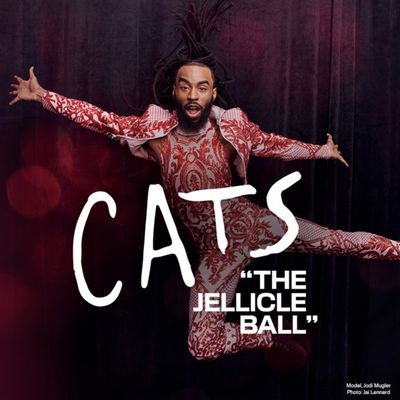
With Alan away covering the Cats: The Jellicle Ball red carpet, Heather is joined by special guest co-host Alesia Galati, founder of Gulati Media and host of Podcasting Unlocked and We Read Smut, for a lively conversation that wanders through queer representation in literature, historical fiction, gothic storytelling, publishing realities, BookTok, creative risk, and the importance of writing stories that entertain while leaving readers thinking long after the final page. Carmella also gives us a sneak peek at her next novel featuring rival alchemists in Renaissance Prague, proving she's continuing to stretch creatively while staying true to the stories she loves to tell.
Connect With Us:
- 📩 Email us at wasitchancepodcast@gmail.com
- 🎧 Follow Was It Chance? on your favorite podcast platform
- 📱 Connect with us on TikTok and LinkedIn
- ✨ More about Heather at her website, subscribe to her Substack and on LinkedIn, YouTube, and more
- Visit Heather's Bookshop
- Visit The Reading Well
EPISODE TAKEAWAYS
- Sometimes the biggest creative risk is committing to a long-term plan and trusting it will eventually pay off.
- Learning the business side of your creative industry can be just as valuable as developing your artistic skills.
- Historical fiction gives forgotten and marginalized voices the opportunity to reclaim their place in history.
- Success in publishing, like many creative industries, is part craft, part strategy, and part timing.
- Understanding your audience doesn't diminish your creativity. It helps your work find the people who need it.
- Creative careers are built over time, not through a single breakthrough moment.
- Failure is easier to navigate when you stop treating every setback as a personal reflection of your worth.
- The best stories entertain first, then inspire readers to keep asking questions long after they've finished.
- Planning your creative work doesn't eliminate inspiration. It gives inspiration a stronger foundation.
- Following your curiosity often leads to the most meaningful creative work.
Transcript
This transcript was automatically generated and might contain errors.
[0:09] Heather Vickery: Hey everybody, welcome back to Was It Chance, the show about taking intentional risk for your creative success and your creative life.
[0:17] Heather Vickery: I'm Heather Vickery.
[0:19] Alesia Galati: And I am not Alan Seales.
[0:24] Heather Vickery: Nope.
[0:25] Alesia Galati: You're not.
[0:26] Heather Vickery: You're not.
[0:26] Alesia Galati: Who okay?
[0:27] Heather Vickery: So, first of all, we have a special guest with us today, a guest co-host because Alan has been invited to be on the red carpet for the new production Cats, the Jellicle Ball.
[0:37] Heather Vickery: It's a very cool opportunity for him.
[0:39] Heather Vickery: We couldn't let him pass it up, but we also did not want to miss this conversation with our guest today.
[0:44] Heather Vickery: So will my super awesome special guest co-host introduce yourself.
[0:49] Alesia Galati: Yes. Hello, I'm Alesia Galati, and I'm the founder of Gulati Media, which is a full-service podcast production agency.
[0:56] Alesia Galati: But I've been podcasting since 2017. Guesting since 16.
[1:03] Alesia Galati: So yeah, I've been in the podcasting space for quite a bit.
[1:06] Alesia Galati: And I also have a podcast on podcasting called Podcasting Unlocked.
[1:11] Alesia Galati: And then also a podcast about smutty romance called We Read Smut.
[1:11] Heather Vickery: I love that. I knew when I was thinking about who I wanted to reach out to to be the guest co-host with me today, and we're interviewing an incredible author today. I was like, oh, I know exactly who. I was like, I had to tell you, I had to warn you. Like this is not a smutty book, but it's a book.
[1:36] Alesia Galati: I'm here for it. Let's go. I think it's gonna be so much fun.
[1:40] Heather Vickery: Um, you're just amazing. You turned this pivot around to show up and support me and this show like so rapidly. Thank you for saying yes to that.
[1:49] Alesia Galati: Yes, of course. I'm happy to help. I have a chronic thing of just being like, oh yes, I'm here to help. Let's go.
[1:58] Heather Vickery: Well, I don't want to take advantage of it, but I'm glad I'm so glad to have you here. Tell us what's been going on. Tell our you're new to our audience. So tell us a little bit about what's going on in your world.
[2:10] Alesia Galati: Yeah. So uh my background's in manufacturing and supply chain, which is you wouldn't think podcasting.
[2:16] Heather Vickery: No at all.
[2:17] Alesia Galati: No.
[2:17] Alesia Galati: But you wouldn't think that. Ever since I became a mom back in 2014, which feels like forever ago, it was.
[2:24] Alesia Galati: Um, I always wanted to do side hustle stuff. Like just the idea of being boxed in with a career was not really something that I wanted to do.
[2:34] Alesia Galati: Um, and then fast forward, I started talking a lot about postpartum depression before Chrissy Teigen talked about it.
[2:41] Alesia Galati: So like nobody was talking about it.
[2:44] Heather Vickery: And you were before Chrissy.
[2:46] Alesia Galati: Right. Oh my gosh. And just really struggled and was like, everybody needs to be talking about this. This is serious, guys.
[2:55] Alesia Galati: And then went into manufacturing, all that stuff. Uh so a very man's world, and just found a really great connection with other moms who were also entrepreneurs, met some incredible women that way.
[3:10] Alesia Galati: And then when COVID happened and I got let go from my job, I'm the sole financial provider of my family. My husband is was there was, I should say now, the stay-at-home primary parent for both of our boys.
[3:23] Alesia Galati: And I was like, I gotta figure something out. So I reached out to my network. I said, Hey, I've been thinking about launching podcasts. I've done a podcast before, I could do it for other people. Let's see if this'll work.
[3:32] Alesia Galati: And it did.
[3:34] Heather Vickery: It did. I love that. Taking intentional risk for creative success.
[3:38] Alesia Galati: Yeah.
[3:39] Heather Vickery: Yeah. I love that. And you so you became a mom in 2014. I had my last of four children in 2013.
[3:47] Heather Vickery: And as of the time of recording this, today is the last day ever in my whole life. I will have a 12-year-old.
[3:51] Alesia Galati: Yeah.
[3:53] Heather Vickery: Because my baby turns 13 tomorrow. And it's a bizarre feeling. People are kind of looking at me crazy, like, why do you care?
[4:00] Heather Vickery: But I after four kids, like there just will be more. I will have another 12-year-old. I will.
[4:05] Alesia Galati: I will.
[4:05] Heather Vickery: So now we're doing the last of the firsts and the last of the lasts.
[4:09] Alesia Galati: Yeah.
[4:09] Heather Vickery: And it's kind of a strange feeling. I'm just like, I'm gonna be 45 with no kids in my house, and I'm ready for that.
[4:18] Alesia Galati: So that is worth it.
[4:19] Heather Vickery: That's wild. Gosh, I'm gonna say this. I didn't realize you were that young.
[4:22] Alesia Galati: I'm 51.
[4:23] Heather Vickery: It will be a long time.
[4:25] Alesia Galati: I'll be 35 this year.
[4:27] Alesia Galati: But I'm the oldest of five kids. My mom was an addict for the majority of her life.
[4:34] Alesia Galati: So I was always the mom. So like everybody always thinks I'm older than I am.
[4:38] Heather Vickery: I'm not.
[4:39] Alesia Galati: You do give off that mature vibe.
[4:41] Heather Vickery: That's that oldest daughter vibe.
[4:43] Alesia Galati: Yeah, for sure.
[4:44] Heather Vickery: Excellent. Well, we're so glad to have you here today.
[4:47] Heather Vickery: And for this really fun conversation.
[4:50] Alesia Galati: It's gonna be a blast.
[4:51] Heather Vickery: I'm so excited. It's gonna be great.
[4:53] Heather Vickery: So we are joined today, and she's so patient. She's so patiently sitting there, like, dude, dude, this has nothing to do with me.
[4:59] Alesia Galati: It's all good.
[4:59] Heather Vickery: We're gonna have fun, we're gonna be silly. Although Alesia's not nearly as silly as Alan.
[5:04] Alesia Galati: So I don't know, ramp up your silly if you want to.
[5:07] Alesia Galati: Maybe I'll have to try and jump in my silly.
[5:09] Heather Vickery: We have Carmella Lowkis here, who um I tried really hard to screw up her name, but I think I got it right. Did I get it right?
[5:14] Carmella Lowkis: That was perfect, perfectly done.
[5:17] Heather Vickery: Oh, thank you so much. Carmella grew up in the English countryside, spent years working in libraries.
[5:23] Heather Vickery: I love libraries, and then wrote her way into one of the most compelling sapphic voices in gothic fiction.
[5:30] Heather Vickery: Her second novel, which I have right here, A Slow and Secret Poison, released earlier this year.
[5:35] Heather Vickery: And I can't wait to talk about it and your whole journey. Carmella, welcome to Was It Chance?
[5:39] Carmella Lowkis: Thanks so much for having me.
[5:41] Carmella Lowkis: Yeah. And thank you for thank you for uh filling in for Alan.
[5:44] Carmella Lowkis: Um, I have to say I would also be at the Cats Judicable Red Carpet Premiere if I had been invited, because I'm a big musical theater fan, and I've been praying that that will have a West End transfer, even though it makes no sense for it to be performed in London.
[5:58] Alesia Galati: I've got my fingers crossed.
[6:00] Carmella Lowkis: It could happen.
[6:02] Alesia Galati: It could.
[6:03] Carmella Lowkis: And we will make it happen somehow.
[6:05] Heather Vickery: Manifest it.
[6:06] Carmella Lowkis: Yes, I love that. Well, Alan will be relieved to know that you fully approve of his decision to be there instead.
[6:14] Heather Vickery: So we're just gonna have a fun conversation. We're gonna go bounce back and forth and um learn all about you. It's gonna be really great.
[6:20] Heather Vickery: So I am fascinated by well, I'm so American. I'm like, oh, the English countryside, that sounds so lovely.
[6:29] Heather Vickery: I think like the Brontë sisters, which is moors, which is not even English countryside, right?
[6:35] Carmella Lowkis: No, but from all the way over here, yeah.
[6:37] Carmella Lowkis: I'm um from the South English countryside, which is a whole world of difference to English people and to no one else.
[6:39] Heather Vickery: To English people and to no one else.
[6:49] Heather Vickery: I now want to know the terrain, which has nothing to do with your journey and your book, but like how are the terrains different?
[6:55] Carmella Lowkis: Um, well, it has got something to do with my book because A Slow and Secret Poison is set on Salisbury Plain, which is a great big chalk plateau.
[7:06] Carmella Lowkis: So it's got its own sort of ecology, and it means that the houses and the buildings look very different, they've got different kinds of stones, so there's something there.
[7:14] Heather Vickery: That's a connection.
[7:15] Carmella Lowkis: Okay. So I wasn't just crazy thinking about that.
[7:18] Heather Vickery: Yeah. I feel like a lot of people will try to write things that they've imagined. What drew you to writing about this countryside that you know so well?
[7:29] Carmella Lowkis: Well, I think there were two things. Firstly, I was trying to be sneaky and think I've got this second book, I'm under contract to write it. I've got this deadline.
[7:35] Carmella Lowkis: If I write about somewhere that I know really well, then I won't have to do any research and it will be fine.
[7:43] Carmella Lowkis: Um, but then because it's historical fiction, as it turns out, quite a bit has changed since the 1920s.
[7:48] Carmella Lowkis: It's been a hundred years, you know. So there was maybe more research than I originally planned for.
[7:53] Carmella Lowkis: Um, but the other half of it is just a sort of you know, love letter to where I grew up.
[7:59] Carmella Lowkis: And especially for me, one of the reasons that I write historical fiction is that I want to write queer voices into history and think about how people like me would have lived in the past.
[8:08] Carmella Lowkis: And so doing that in my home county was that sort of a lovely connection to imagine who might have been here before me.
[8:15] Heather Vickery: I'm so curious the sapphic angle, right? Because being in the bookish space, um especially Trad published, there's a lot of pushback for sapphic romance.
[8:28] Heather Vickery: Um, and especially in the US, we see a lot of um highlighting, you know, with the heated rivalry and and the uh fetishization of gay romance, and then the oh well, I can't self-insert into sapphic romance, which is as a bisexual woman, just makes me very an entire article on that.
[8:50] Alesia Galati: So I have a book-related Substack article uh publication called The Reading Well, and I for the same thing just pissed me off so bad.
[8:57] Alesia Galati: So all these readers that I know who will jump right into gay books, romance or otherwise, but not lesbian sapphic.
[9:06] Heather Vickery: Yeah, when you try to make people care about women.
[9:10] Alesia Galati: Women, who are they?
[9:13] Heather Vickery: So true. So what was like did I have a moment of silence? No one can't.
[9:18] Alesia Galati: I know.
[9:19] Heather Vickery: Poor one out. Um, so what was that like? Did you get any pushback from the publisher or as you were like, hey, this is or even your agent? Like these are the stories I want to tell.
[9:30] Carmella Lowkis: Um, was there any like, well, what about for you?
[9:34] Carmella Lowkis: I didn't actually. And I think that is because I'm writing sort of historical gothic, and there is an established tradition of sapphic characters in those spaces.
[9:43] Carmella Lowkis: So Sarah Waters, for example, uh, you know, a very big heavy hitter in the space, sort of the original lesbian historical fiction author, if we can give her that title.
[9:54] Carmella Lowkis: Um, which obviously publishing is an industry that's based on past success.
[9:58] Carmella Lowkis: So if you can go, oh, it's like this thing that sold well, then um, publishers are more likely to be interested and to take it on.
[10:07] Carmella Lowkis: So I feel like in this space at least, that's that thank you to the authors of the past.
[10:13] Carmella Lowkis: There's that track record there. And as long as something's marketable and sellable, then people will go, oh well, you maybe there's some money here, maybe. Let's bring it in.
[10:22] Alesia Galati: Yeah. And I think you're onto something. It's a it's a difference in genres because the pushback seems to be in this smutty area, right?
[10:29] Alesia Galati: They don't somehow we don't want to, we want men want to fetishize sapphic romance, but women don't know if they're allowed or if they're supposed to.
[10:39] Heather Vickery: Literally, why I didn't know I was gay till I was 38, because of the way women talk about one another.
[10:44] Alesia Galati: Yeah.
[10:44] Heather Vickery: That sounds weird. It's a big conversation for a random Tuesday morning, but like, oh, she's so hot, oh she's so pretty.
[10:50] Heather Vickery: Like I just didn't know that the way I felt inside was different than the way straight women felt about other women.
[10:58] Alesia Galati: Um and I think it's that denial that makes it uncomfortable for people to read in romance.
[11:03] Heather Vickery: So that's a very good point, Carmella, because there is and also why can we just this this is off topic? Can we just talk about why queerness was so much more kind of accepted historically than it is now?
[11:17] Carmella Lowkis: Yeah, I think as well in the in this genre, especially, there's also, as you say, there's a track record before Sarah Waters, for example, of you know, your Hayes Code era movies, things like Rebecca, where there's the spooky, evil, sinister woman who's maybe a lesbian than Mrs. Danvers.
[11:37] Carmella Lowkis: Um always bad.
[11:41] Heather Vickery: And so there's that sort of a plot that people are familiar with seeing and understanding, um, which I think is helpful as well.
[11:47] Carmella Lowkis: And then I obviously I tried to put a bit of a spin on that, but um the women that I write about aren't necessarily well behaved or pleasant all of the time.
[11:56] Carmella Lowkis: Um but I mean also are not aspiring to be well behaved or pleasant.
[12:01] Heather Vickery: Exactly, exactly. But I think, you know, also obviously I I also work in the publishing industry.
[12:07] Carmella Lowkis: So I've obviously I've got to give a shout out to there.
[12:16] Carmella Lowkis: And acquire these books, and perhaps they're the ones who are fighting that fight rather than the authors themselves, which is really great to see.
[12:21] Carmella Lowkis: So, you know, thank you to to all of those people and to my first acquiring editor, for example.
[12:42] Alesia Galati: Okay. So like very drop that. Hello and welcome to my TED talk. Um, I grew up in a cult. It was a women's program that was meant to help women get clean. Um, it was an 18-month program. We were there for 10 years. Oh shit. So, uh, a lot of my adulthood has been deconstructing organized religion and what it means for me as an individual and as a queer individual. And so I think that a lot of the maybe additional pushback could like when we see it like, oh, historical romance. Yes, everyone's always been queer forever and ever. Look at the romance, right? Like, like we all know this, but because of the rise of more traditional organized religion and the quote unquote sanctity of a man and a woman and marriage and literally my kids said, Oh, it's slave labor.
Yes, yes, it is the other day. Um, talking about the unpaid labor that women tend to do. Um, I think that it also adds to the conversation of like why we might not have seen as many stories, you know, um, 20 years ago that were queer, even gothic romances or stories. Except for Rebecca. Right. Yeah. Okay, so Carmella, I'm dying to know. You've had cool jobs. Like I'm such a nerd. You've had cool jobs because you got to work in a library. I love libraries. I think that's a cool job. I really love libraries so much. Um, the only time I ever really have a book in my hand that I get to keep is when a publicist sends it to me or a publisher sends it to me, because otherwise I use my library. Um, but did you did you know like you always wanted to be a writer? Tell us about little Carmella and sort of what what she knew and what risks she took that got you here.
[14:34] Carmella Lowkis: Yeah, I'd say I well I always knew that I love books and storytelling, and I was like, oh, I want to read books for a living when I grow up. And my mum's like, that's that's not that's not a thing. I was like, okay. I'll write the books. Yeah. So, um, so I was I had aspirations to to write and to be a novelist, but also had in mind that I know it's perhaps a difficult industry to get into. So, uh, plan B back up was to work in a connection to books in some other way, whatever I could do. So I did a creative writing degree at university, and then after that was apply for jobs, and my local library had an opening, which is libraries never have job openings and they have new funding. So I was like, I've got to jump on that and apply for that.
So it was a part-time role as a library assistant, and it was really nice because it was my childhood library where I'd be going to borrow, you know, the latest Warrior Cats book or whatever. So I knew the librarians quite well. Um, yeah, being able to work there was great. So I was there for maybe eight months and then moved into an academic library so that I could make the move to London. And this was all with the trajectory of okay, if I work in libraries, maybe I can work in publishing, and then maybe I can learn about what makes people publish a book, and then I can write a book and get it published, which did work out, which is I love that. And also it makes me want to pull your human design chart because you have such specific patterns that I know you're laughing at. Alan laughs at me about it too, because I like hear you talking and I'm like, oh, I want to know what our human design is because I could guess. There was intention there, there was a path.
[16:19] Alesia Galati: A lot, a lot of intention, a lot of path. Do you can you remember? Could you pinpoint like the first moment which you probably might not have known at the time, but you look back, was the intentional risk you took that like really catapulted you onto actually having best selling books.
[16:38] Carmella Lowkis: Uh, I wouldn't go as far as best selling, but hey, selling books, yes. We don't self-deprecate on was it chance? You're a bad ass, own it. Oh, thank you. Um, I mean, I think doing a creative writing degree is obviously perhaps not the most employable outside of certain fields. So we have one too. So I think that was perhaps um an a choice that I made and you know, was lucky enough to be able to make. And I actually originally, I also I really love art and design. So I I saw soft launched with I want to do illustration at university. And then by the time that I'd pulled it back to English literature and creative writing, my parents were like, yeah, that's that sounds like a solid career path compared to illustration.
Go for it. Um, but you know, I I was lucky to have support in doing that and to have a course that I could go to um uh Warwick University and to get into that program, obviously. Um but yeah, have graduating from that and looking for my first jobs at a university. It was a bit like, oh no one wants a creative writing degree.
[17:49] Alesia Galati: Yeah. I have a degree in creative writing and theater.
[17:53] Carmella Lowkis: Beautiful. So I usually just say I have a degree in bullshit, which means I can talk about anything, I can I can weave a web, a story, I could perform it for you. I'm the practical one with the business management and marketing dual major. This was my backup. I was like, Oh, I could always go back and do a master's in business or something if I need to. Oh, but that sounds boring.
[18:21] Alesia Galati: Well, exactly. Yeah. But you haven't had to.
[18:24] Carmella Lowkis: No, so that's good. You yeah. We're gonna take a quick break. Stay tuned for more of the episode.
[18:30] Alesia Galati: And now we're back. You were mentored by best-selling author Sarah Moss. And how did that experience kind of help you maybe get a leg up or understand here are the things that I need to be more intentional about, or here are the things that I need to maybe rely on other people for? What was that experience like?
[18:49] Carmella Lowkis: Yeah, so this was a university on the Warwick Writing Program, and they have some brilliant authors who who come onto the program to tutor. And I was there when Sarah Moss was there, and she was my personal tutor for my final year project, which eventually became my first book, Spit and Gold. So having that access was really incredible to someone who was a real author and who had really done it, you know. Um, at the time she had, I think maybe five books out, and two of them were historical fiction, which is what I wanted to write. And that was just a really helpful, close access to have. Um, things like how to write historical fiction. Um, one of my favorite pieces of advice that she gave me, just on the bare bones of writing it, was always think about where the light's coming from, because you're so used to walking around with the light on, and that's not happening back in the day. Um, and I still keep that in mind any time I'm writing a scene at night. I'm like, you're right, they can't see anything.
[19:46] Alesia Galati: That's a good tip.
[19:47] Carmella Lowkis: Yeah, yeah. So it's these these pieces of wisdom, uh, having access to someone who actually has done the research already was very helpful for. And yeah, just hearing about you know things like her experience with water stones and what you know, cover conversations and things like that gave me a sense of what I might expect if I wanted to become an author. Um, and also, you know, just on the nitty-gritty of polishing up these first 10,000 words, as it was, of spitting gold, um, and making them readable.
[20:21] Alesia Galati: The process.
[20:22] Carmella Lowkis: Right. It's a process. You you mentioned cover art. This is a beautiful cover, by the way.
[20:28] Alesia Galati: It's gorgeous.
[20:29] Carmella Lowkis: Yes. Yeah, I have some very incredible cover designers in the I was gonna say, what what does anybody know? Maybe you know, because you're in publishing. And I actually want to ask too, how you got into publishing and if that helped you get published. But why are the covers different in the UK than they are here?
[20:44] Carmella Lowkis: I think it's just different markets. The things that US booksellers and readers are used to seeing are different from what UK booksellers and readers are used to seeing, and they've become so bedded in at this point. Although I wonder whether there is a lot with book talk and the sort of internationalization, if I can say that, of English literature. Everyone wants to read the same books, um, whether you're in the UK or the US or in Europe, you want to read them in English. Um, and you do see that a lot more with those big booktop books that they actually have very similar covers or the same covers. And I wonder whether that's gonna go more that way in the future. I don't know, but I always like the UK ones.
I mean, this is gorgeous. I love this, but I'm always like, oh, I really liked it. The correspondent was one. They were so different. The two covers were so different. I was like, I like I like the British one. I don't super I don't know, man. My brain goes in weird ways. It gives you, you know, nice options. You can choose which one you want on display.
[21:39] Alesia Galati: Mine are always naked people.
[21:41] Carmella Lowkis: So I don't have anything to do with it.
[21:44] Alesia Galati: So we don't not actually naked, shirtless, usually.
[21:49] Carmella Lowkis: Yes. The old Harleck one. I grew I I cut my teeth at the ripe age of 12, which is when I started reading my aunt put a Harlequin romance into my hands. And I'm like going around middle school with the heaving bosoms and the open chest and the Stockholm syndrome, and it was really and then and then I and this is funny because I haven't read those types of books in a long time, but now they just call them dark romance.
[22:14] Alesia Galati: Yes, they all look very different, don't they?
[22:17] Carmella Lowkis: They do. How did you settle on Gothic fiction, Carmella?
[22:23] Alesia Galati: I think it's just what I was reading a lot of at the time, uh, the time being when I was at university, coming up with this idea for my final year project that I had to write. Um, and like I said, I'd I recently met a lot of Sarah Waters. I'd gotten really interested in her writing, and as well as that, um, I was really interested in the 19th century and France because I'm, as I mentioned earlier, big musical theatre fan. I love LaMiz. So was reading a lot around that. And I thought this is a great setting, this sort of post-revolutionary France for a gothic novel, because you've got this history of bloodshed, these stones that have been, you know, torn up for barricades, and then people are just going about their daily lives.
But how's that impacting them and you know haunting them metaphorically as well as maybe literally in in my first book? So it was that was the book that I thought I wanted to write for the first one. And then as an author, you sort of have to come up with an author brand. So I thought book two, something similar. Um, but I mean it's still something that I really enjoy reading. So I think if you if you really love the genre, then it helps you feel passionate about writing it, I suppose.
[23:34] Alesia Galati: It took you eight years about from first draft to publication. What kept you coming back to that story? And was it like part of it having to be part of your I guess thesis is what we would call it, right? Like your your last year project.
[23:49] Carmella Lowkis: Yeah. Um, and is there was there ever a moment where you were like, I'm done, I don't want to do this anymore.
[23:57] Definitely. I I the reason it took eight years is because I kept parking it and going, no, I'm gonna write something else now, and then I'll start writing something else, and I go, I just don't think this is as good an idea as what I had originally. But I think taking breaks from it helped. And I guess what made me know that it was the right idea and to keep going with it is seeing that there were books in a similar sort of space doing well in the market. So Jesse Burton's a really good example. This was just after the miniaturist craze, and she really skyrocketed historical fiction, at least in the UK, and there were lots of lookalikes, similar comparative titles coming out. Um, so I was like, oh, maybe maybe my one could sell as well for the people who have enjoyed this and are looking for their next thing to read. So yeah, like I said, seeing it work helped me to know that it was the right thing to keep pushing and to hurry up and finish.
[24:53] Alesia Galati: Yes. Hurry up and finish eight years later.
[24:56] Carmella Lowkis: Yeah, I get too. What so what how did you end up in publishing? And then did that help you get published?
[25:04] Carmella Lowkis: So I like I said, I moved into an academic library after working in the public library, and I was more back office then. I was doing a lot of admin, you know, your interlibrary loans, your stock orders, your budget sheets, things like that. And still thinking, I know, boring.
[25:21] Carmella Lowkis: All that boring shit that Lisa likes to know. But still thinking I wanted to work in publishing, and I found had an entry-level publishing job for a comms admin assistant. So in the marketing and publicity team, the comms team, doing basically what I was doing at the library, but in publishing. And I was like, well, that doesn't sound thrilling, but that's a way in. And it was at a publisher that I really liked as well, which was helpful. Um, and managed to get that job, I think, on the power of me being really good at budget spreadsheets. They were very excited about that at the time. This is always my advice to anyone who's going, how can I get into publishing and be an assistant? It's learn to use Excel. No one in publishing knows how to use it. And if you can use it, they'll think you're some kind of wizard. Those are a bunch of creatives that don't know how to do a spreadsheet.
[26:11] Alesia Galati: Exactly.
[26:12] Carmella Lowkis: Yeah. If you can do like a V lookup, they'll venerate you.
[26:17] Alesia Galati: Pivot table.
[26:18] Carmella Lowkis: I literally don't even know what that means.
[26:21] Alesia Galati: I'm sure you do.
[26:22] Carmella Lowkis: Alan would too.
[26:23] Alesia Galati: Yeah, Alan like regularly looks at me like, how the fuck do you not know how to do all of these basic things?
[26:28] Carmella Lowkis: As like there's I'm a visionary.
[26:33] Alesia Galati: That's awesome.
[26:34] Carmella Lowkis: Not a do-or of a visionary.
[26:37] Alesia Galati: Okay, so you got skills that I don't have.
[26:39] Carmella Lowkis: Clearly. Okay. Okay. But yeah, that was sort of my foot in the door. So I got in as a comms admin assistant and then managed to latch on to the marketing team and become a brand assistant, a marketing executive. I'm currently a marketing manager and a different publisher now. I've moved around a little bit. So yeah, that was that was sort of the path in. And I think working in publishing, it did help me with getting published, not necessarily through like connections, but through knowing the jargon and knowing the market. So when I was coming back to redraft spitting gold, ready to send out to agents finally. Um and for context, this was during lockdown that I was like, okay, come on. Of course, I've got all this time now. Gotta do it.
[27:24] Alesia Galati: Yeah.
[27:25] Carmella Lowkis: I keep saying I will. So I was able to sort of shape it into something that I thought looked like what editors might be looking for. And then I knew how to speak about it when I was submitting it to agents. You know, it's for fans of this, it's for fans of that. Here's where it sits on the bookshelf, all of that sort of thing. So yeah, yeah, that insider knowledge was definitely helpful. I mean, I probably could have found it out from Googling, which would have been a smoother, smoother path, maybe less populated. But um, I mean, it was handy. It is handy. What advice would you give to somebody who's just starting and wanting to query? Like, yeah, what would you say? Because it's very intimidating. The Google is great, but it's overwhelming and it's a lot. And so, like, what what one tip would you give somebody?
[28:12] Carmella Lowkis: I think obviously it's as the author, it's your creative baby, and you know, it's you want to be the amazing literary writer that you are. Um, but for the publishers, what they're looking for is something that they can make money off of. So I think it's knowing how to put that hat on and thinking, okay, but what books is it like? Have they sold? You know, do I see them in the bookstore? Do I see them in the Amazon top hundred or whatever? And how can I make it appear like that, at least when I'm sending it out initially, so that I get that first grab, get it off the slush pile. Um, so I think having that market awareness and thinking of it in that way, what can I offer that will make them think that this book is one that they're gonna make money off of, basically, which is I know a really boring and corporate answer.
[28:58] Alesia Galati: But no, no, but it's publishing good old-fashioned market analysis, right?
[29:02] Carmella Lowkis: Yeah, like yeah, yeah. I'm so curious because in book talk, I'm not on book talk because I I'm not dancing for anybody, but Instagram. I haven't even shown my face on book talk for like six months. I just show, I just do my dog and the book I'm reading. Oh, so like with everyone who has a bookish account now wanting to write their own books, and we see this a lot. Um, and a lot of publishers are pushing for, oh, well, you have a hundred thousand followers because you do funny things on book talk. Your book must be good. Let's go ahead and try to sell it. Where is the value? And I know there's value, so I'm not asking this disrespectfully. Where is the value in having that more traditional education? Maybe things that you learned that have really helped you be able to let like allow your book to stand out in the sea of maybe book talk books.
[30:02] Carmella Lowkis: I think in terms of writing a book that's well crafted and that is your own as well. I think having that craft, I I don't know the ins and outs, but I imagine that some of these sort of book talk authors who get picked up perhaps don't have that much creative control. I expect that publishers are saying, Right, approaching and saying, I think you should write a book about this. Maybe not, maybe that's not the truth. And you know, some of them I'm sure probably have set up their accounts because they're aspiring authors in the first place and have those ideas. But I think, yeah, having that your own control and your own creativity there is probably part of it. And as well, if if a book is not just really good, but also you know hits the mark in terms of what people are looking for at the moment and having a really good pitch and your publishers have made it got uh have made it have a beautiful cover and a really good package like that, then it won't matter if you don't have a hundred thousand followers on TikTok because it will still connect and people will still, with you know, the luck of the drawer of the industry will still pick it up and find something in it.
Having a hundred thousand followers may help you get through the door to an agent or a publisher, but it's not the be all and end all of the decision. And I've you know, in my time seen books from people with very big social media accounts either get turned down because it's like okay, they've got this big audience. Is this big audience gonna buy this book? Right, maybe not, yeah, or get picked up and then the big audience hasn't bought this book. Well, what can you do?
[31:35] Alesia Galati: Yeah.
[31:35] Carmella Lowkis: Books are so interesting and readers are so interesting, and there is really something for everyone. But in my world, writing quality. And I say I'm gonna sound like an asshole, but there's some really really big selling books on book talk or whatever. There's one particular I'm just gonna say it. You might have read well, no, I think you only read you might have read it, Alicia. Um Lights Out. Has anybody read that? I had to read the stupid fucking book.
[32:06] Alesia Galati: I've not read it.
[32:07] Carmella Lowkis: Is it dark romance?
[32:09] Alesia Galati: Dark romance, right?
[32:10] Carmella Lowkis: It's dark romance, very, very dark. I don't actually have a problem with that. And this is I'm not trying to meet it's hard to write a book, it's hard to publish a book. I'm not trying to be hard on the author of not saying that. Your book is really beautifully written, Carmella, and that helps me a lot. Like I I can read, not that I'm not interested in gothic historical fiction because I am, but I can read things that I wouldn't be interested in necessarily if the words are really well put together.
[32:39] Alesia Galati: Right.
[32:40] Carmella Lowkis: I have never read a worse written book than that book. Sorry.
[32:43] Alesia Galati: I left is dark ro I mean they're doing inappropriate things with knives, y'all. Like that, there's a whole stock with it's really wild. I don't I I don't actually have an issue with the content, but if I'm laughing my way through it because it's so poorly written, but then like people loved it. I'm like, I don't know, like there's something for everyone. I'm not judging. Whatever makes you happy, you enjoy that.
[33:05] Alesia Galati: It sounds like you were entertained.
[33:08] Carmella Lowkis: I was horrified. It was a book club book, and I wouldn't have finished it. Although apparently the audio book is what most people liked because they had a great it was they had a male and a female narrator, and the male narrator did it for all of these ladies, right? Um, I'm a lesbian, wasn't gonna do it for me. That's fine. Um I've got some dark sapphic romance that I can definitely recommend to you later.
[33:31] Alesia Galati: I could I could check that out, maybe.
[33:33] Carmella Lowkis: But I'm like, and then at one point, this is so we're so off topic. I'm sorry, it's my fault. Then at one point, she makes a Gilmore, they're in their like 20s. Dark, dark, dark, dark, dark, dark romance. She makes a Gilmore girl comment, and he gets it. I was like, nope, I am out. There is no way. There is no way that this guy knows who Emily Gilmore is. I can suspend my disbelief up to a certain point, but this is too far for me. That was it. So let's look, let's loop this back into you, Carmelo. When you're writing these stories, and you actually based a slow and secret poison on a historical figure.
[34:11] Carmella Lowkis: Yes.
[34:12] Alesia Galati: Um, right, Steven Tenant. Did I get that? I pronounce that one right. Um, great. I'm just trying really hard with all the names today. Um, like, how do we tell these stories and make them grand and make them exciting? And by we, I really mean you in this case. Um, and and like it's a delicate balance suspension of disbelief, right? You what does that look like for you, especially when you're using real historical figures?
[34:39] Carmella Lowkis: I think you've got to understand why your characters are doing things or thinking things. So even I mean, gothic novels, they're full of metadrama. There's always some coincidence, some wild plot twist. So I think the grounding aspect is okay. Well, what would make someone behave in this ridiculous way? And what would that emotional journey look like? What would they be thinking? And getting into it through there, so that it's a believable outcome. So it's like, yeah, okay, this is a wild way to deal with this problem, but I can kind of see what got you there. Um, or at least that's why I'm trying to trying to think of when rejecting. Um, and I it's the same with historical fiction, I think.
You know, with historical figures, when you are writing about someone real, I mean that's not a secret poison. It's so loosely based on Stephen Tenant at this point. But for authors who do an inspiration, inspiration for authors who do, I imagine that it's thinking, well, you know what this historical figure did, but no one can know what they were actually thinking and feeling. So it's that same kind of insertion and imagination that you've got to put into it. I think uh Hilary Mantell um said something along the lines of every time I said he thought that that's me making it up. So fair that sort of thing. Historical fiction is it's fiction, it's not fact, and I mean it's the same as any any fiction, I suppose.
[36:05] Alesia Galati: Yeah, I think it's important to remember because I do we get so invested in these books that we think that thing really happened if it says historical fiction, especially so one of my favorite authors, and we had her on the show uh uh about a year and a half ago is Victoria Christopher Murray. She's committed to telling the stories of black women who have been erased from history. So there is she's obviously doing her research, but there's only so much research to even be discovered. Um, and so I get really invested in these characters and these women who were real women, and then I'm like, I don't want to know if that happened. I don't need to I don't need to know if that happened. It's okay if that didn't happen. Like clearly, I don't know what you know, this woman's conversation with Illanor Roosevelt was. Like I nobody knows that, but yeah, it's important to remember. I think you can have fun with it.
[36:54] Carmella Lowkis: What's your favorite character?
[36:55] Alesia Galati: Oh, go ahead.
[36:56] Carmella Lowkis: You gotta have fun with it. Like, yeah, sorry.
[36:58] Alesia Galati: No, I'm just saying you I think you can have fun with it too, right? Like as a reader, and and even as a writer. Um, my kids love to listen to Nat Geo Kids Freaking Out podcast, and they're original adaptations of like mythology, Greek mythology stories, and then they travel around like different cultures, and so they had some Indian mythology in there, and they had some Mayan mythology in there, and it's like they're telling it like the and the door, the dude's voicing all the characters, and like you think, oh my god, that's totally what happened. Like, first of all, it's mythology. I really do. It's an adaptation. That's history. Shh, yes, yes. But like, I feel like when we're enjoying the story, and it's well crafted, and it's you're able to kind of immerse yourself in not just to self-insert into the story, but to really like read it so fully and in enjoy the story fully that you're able to enjoy it in that way, where it it feels a little more like you know the characters, even though maybe that's not exactly how that happened, but you can be like, oh, maybe it did.
[38:03] Carmella Lowkis: Who knows? I think that's the mark of a great book when you feel like this is your friend when you finish the book. As a writer, do you have favorites? I think I have favorites to write. V and A Slow and Secret Poison has been the most fun one so far because she makes some decisions. She's great. Quite wild. Yeah. I mean, yeah, she was really good fun to write, sort of in her voice in her head as well. But you've got to like them all to some extent. Even the characters that you love to hate, as the author, you have to understand where they're coming from so that they're not just like these melodramatic pantomime villains. They have their own stories and what is that and why are they so awful?
Well, there's motivation. Everybody has their motivation and whatever led us to be who we are and how we are. I don't want to blow anything. Y'all are gonna, if you like really good writing and if you like gothic fiction, you're definitely gonna want to read A Slow and Secret Poison, but I don't want to ruin anything. And I don't know why I want to ask you this question, but I really do and I have since I read the book. What was it like crafting? So I don't think it's a huge secret that one of your characters is a bit of a recluse who doesn't leave her house, right? I keep picturing all the shit in her castle manor, like whatever, like there's just she can't let go of anything. How did you come up with that and what was it like writing that?
[39:02] Carmella Lowkis: I don't know why it is, but I can see that so clearly in my head as I'm reading it. So this is one of the things that I did steal from history, which is one of the things that I've kept from Steven Tennant, who became a recluse later in his life. So for context, he was a bright young thing of sparkling social light in the 1920s and then sort of had a long illness and family disasters and eventually became this shut-in in his Wiltshire country manor. And there's brilliant writing from people who visited him because he still had a social life and people, all of these friends coming to visit, of these things like, I don't know, he's got these really expensive antiques just scattered everywhere.
There's a really good bit where he has a bathroom and the bathtub is just full of seashells, so you can't use it. And the person visiting is like, where, when does he wash? This is disgusting. So I sort of had that in mind. And there are some pictures of his house when it was put up for auction, his estate after he passed away. And so you can see these images online. So that was a really helpful window in. And then also, now, this is not going to be a compliment to my family, but I have some of my family members perhaps live on the cluttered side of things. So there's a little bit of inspiration from like some rooms in my granny's house where she's kept a lot of knick-knacks and ornaments in some perilous locations from over the years.
So bringing that into extremes, you know, it's nowhere near as bad as Arabella's house in A Slow and Secret Poison. But there are some things like, oh yeah, that umbrella stand, let's put that here in the hall. Let's bring this in and that in.
[41:22] Alesia Galati: We're gonna take a quick break. Stay tuned for more of the episode.
[41:26] Alesia Galati: And now we're back. What are you excited to be writing next? And I'm curious, are you a planner or a pantser? Maybe you plan out your books, or do you just kind of fly by the seat of your pants?
[41:40] Carmella Lowkis: I'm a planner, or I've become more of a planner over the books. So I've just sort of finished writing, well, not finished, finished the draft of my third book, which I've now sold. Yay!
[41:52] Alesia Galati: That's awesome. Congratulations.
[41:55] Carmella Lowkis: So I'm in the re-drafting process now of that one, and that is set in Renaissance Prague. It's about rival alchemists. Still sapphic, still historical, a bit less gothic, a bit more rivalry. Oh, I'm super excited for that one.
[42:15] Alesia Galati: I'm excited too. But I've become much more of a strict planner over the three books. Like for this one, I had my, okay, well, here are the beats, here's the structure. And obviously, as I've gone through, some things have changed, but like for the first book, Spitting Gold, probably because I wrote it over eight years, and because when I started it, I just had to write the first 10,000 words and not worry about what came next. It's like, oh, I'll just keep writing, the story will happen. But I learned my lesson because that one was too meandering. Yeah, it was something like 130,000 words when I finished it, and I cut it down to 90,000 to send out to agents. So I was like, let's not do that ever again.
[42:55] Alesia Galati: Ever again.
[42:56] Carmella Lowkis: Yeah. Well, now with this second book, A Slow and Secret Poison, that was, I don't want to say commissioned, but you were already contracted to write a second book. So with your third, was that not the case? You had to query it again and sell it?
[43:06] Carmella Lowkis: Yes, exactly. So I stayed with my same agent, and we, yeah, went back out on submission again to sell it, which was a scary process. I was like, oh no, I'm gonna do this again now.
[43:19] Alesia Galati: Right.
[43:19] Carmella Lowkis: But it was all fine in the end. And actually, it's interesting because you said it's a little different. Say a lot of things are the same. You're still writing sapphic. There's still like the things that we will recognize in you. And you had mentioned earlier, like authors need kind of a niche. And it made me think of very famous historical fiction novelist Quinn, who has a new book out, The Estral Library, which I'm actually reading right now. And that's a total genre jump for her because it's fantasy, magical realism, and no historical fiction at all. And people are freaking the fuck out.
[43:59] Alesia Galati: Yeah.
[44:00] Carmella Lowkis: I mean, that is a scary jump to make. They're saying that it's just not a very good book. And I don't think that's true. I think it's a very good book. And she is a really good writer. Like, you know, paragraph in, you're like, man, this woman can write. Like you just know it's well written. But I think it's because people pick up a Kate Quinn book and they have an expectation.
[44:19] Alesia Galati: Yeah.
[44:19] Carmella Lowkis: And you cannot get out of these niches that you've put yourself in.
[44:23] Alesia Galati: Yes.
[44:24] Carmella Lowkis: Yeah. I mean, it must take a lot of bravery to make that jump. But also, I suppose you have to follow what you want to write about and what people want to find out.
[44:34] Alesia Galati: Well, exactly. Yeah, I can imagine that you must get bored after writing so much. Like I said, so I love that you're trying something a little bit different. Like the things that can earmark at, you know, oh, this is a Carmella Lowkis work. Like we know that we recognize her markers here, but you can be a little more flexible. That's exciting for you.
[44:55] Carmella Lowkis: Yes.
[44:56] Alesia Galati: Yeah. And it's got a little bit of like magical realism as well, which I haven't done before. So I need to get a copy of that.
[45:03] Carmella Lowkis: Make sure I get a copy of that.
[45:05] Alesia Galati: So we always close with a question on failure. And Alan always asks it in some unique different way. So I'm gonna lob it back to you, Alesia, to ask this question.
[45:19] Alesia Galati: Okay. What is something in this kind of shift? Since we're on the shift from the more traditional historical fiction to adding in some elements and some changes that you maybe perceived as failure in that process of kind of having to start quote unquote again, that was actually opening up the door for something incredible.
[45:44] Carmella Lowkis: Oh yeah. Yeah, I mean, I think that's how you have to look at it, isn't it? That I try not to think, oh, there's failure, oh, this hasn't, you know, sold as many copies as I would have wished in my wildest dreams. It's okay, well, how do we get there? What's the next thing? A career is a build, right? You don't just, unless you're very fortunate, you don't just end up there on your first book and you've got to have something to work towards. Otherwise, well, you know, if you peak too early, what are you gonna do next?
[46:14] Alesia Galati: Right.
[46:14] Carmella Lowkis: That's what I'm telling myself at least.
[46:18] Alesia Galati: I love that. I love you're so, you're still young. Like there's so many books ahead of you.
[46:24] Carmella Lowkis: I hope so. I hope I keep coming up with ideas.
[46:27] Alesia Galati: No, I will. Of course.
[46:29] Carmella Lowkis: But yeah, I think as well for me, it's been about not taking it personally. Because you know, I know I've written a book that's good, and many people have enjoyed it and have told me it's good. And if it wasn't landing in the market quite that well, well, okay, what's the next thing that people will want to see? Because it's not just about writing the best book ever. There's so many other factors that make things really take off to soaring heights of success. That even people in the industry, you know, as I said, as someone who also works at the publishing house, none of us actually know what causes books to go massive, you know. Sometimes you're there scratching your head, like, why are people buying this one? Great. Why aren't people buying this one?
[47:14] Alesia Galati: Lights up.
[47:16] Carmella Lowkis: I'm sorry. I get so much hate for it. I just have never disliked a book more than ever. But this is something you can't predict it and you can't always rationalize it. It can be just completely random. You can obviously, you know, try your best to set yourself up for success by writing something that's good that you believe in, by having a great publisher, great marketing and publicity team, all of this stuff. But at the end of the day, it really is like a roll of the dice of whether it then runs the extra mile and takes off. So I think having that in mind, not taking it personally, going, okay, well, not this time, but let's keep going, keep rolling the dice in that metaphor.
[47:55] Alesia Galati: Can't be precious about your babies, right?
[47:57] Carmella Lowkis: Exactly, exactly. Because once it leaves your, I mean, it's not really your hands anymore. Once it leaves your laptop, it's not your baby, it's, you know, something that other people are receiving. It's a product.
[48:10] Alesia Galati: Oh yeah. That final product go back to the logistics.
[48:13] Alesia Galati: Carla, I am curious. How do you want people to feel when they've finished A Slow and Secret Poison?
[48:24] Carmella Lowkis: I think I want them to come away from it going, well, I had fun. That was a good time. That was twisty. I think, yeah, when I'm writing, it's definitely a sort of conversation. It's like social. I want to connect with people. I want people to read the book and then to hear back from them. And I, you know, I want to read other books. I'm not writing in my mind in a vacuum. I think we tell stories because we want other people to hear them and we want to exchange our ideas with them. So I think it's that, that I want people to be entertained and have a good time and to maybe start thinking about like, oh, that's an interesting period of history, or I hadn't thought about, you know, women working as gardeners in the 1920s or something like that, and to spark some kind of idea that's gonna lead them on to read another book or write a book or something like that.
[49:13] Alesia Galati: I love that. That's my favorite thing about reading is the random inspiration moments that I get.
[49:17] Carmella Lowkis: Yeah, yeah. And you and I hadn't going down a sort of tunnel, don't you? Of like, okay, and on to the next thing and the next thing. And I had never thought of women gardeners in the 1920s. I didn't really even think that that was a possibility.
[49:29] Alesia Galati: So I appreciate you now you are about that.
[49:32] Carmella Lowkis: Now I am. Now I'm definitely thinking about it. Also, it's really hard work because I gardened for like two hours the other day, and then I hurt for three days. So I was like, that's a no for me.
[49:43] Alesia Galati: Very relatable.
[49:47] Carmella Lowkis: Yep. I can't even really keep these houseplants alive. So it's a little fantasy element there. Imagine if I could keep a whole garden alive.
[50:02] Alesia Galati: Imagine if I had a garden.
[50:04] Carmella Lowkis: Right. It would be so lovely if somebody else were attending it.
[50:08] Alesia Galati: Yeah. I want to be Arabella and I want to look at it.
[50:11] Carmella Lowkis: Well, I want to go out in it, not just looking out the window.
[50:13] Alesia Galati: Yeah, if I could just have like a hot gardener to do it for me and I watch out the window. That's the dream.
[50:18] Carmella Lowkis: That's what this book's actually about is this fantasy.
[50:23] Alesia Galati: Yes, that is, oh, there you go. It's a whole new spin on A Slow and Secret Poison.
[50:29] Carmella Lowkis: Oh, that's so good. You can find the spice if you look for it.
[50:50] Alesia Galati: So there is that. And I think that's when that's done well, I find that to be incredible far more titillating than no offense, actual graphic smut. Like I would rather that anticipation, that yearning. Like that's more exciting to me. Because the female brain, the people in female bodies are, you know, they the brain is it um, we're more reactive to pleasure than um like whatever the other word opposite of that word is. Y'all know what I'm talking about. Blood flow issues, right? Like that's a different God, I'm glad I don't have a penis. Um, like we have to be mentally like not have to. Some people are hyper sexual and that's different. But like most of the time, especially after kids, you have to be mentally stimulated, or there's that like bit of yearning, or that watching your partner do something that is normal, but is like, oh, that's so hot. Like watching my husband be a great dad, super hot. I never would have thought that would have been like a turn on at all.
[52:04] Alesia Galati: So true. Yeah, makes sense. Well, Carmella, you wrote a beautiful book, and I'm so glad that I got to read it, and then we got to have you on the show. And I'm I'm a hundred percent in on the whole concept of the third book. So I cannot wait to read it. Rival Solovers' Little Magical Realism, give me pro all of it, everything. It's like check, check, check, sold. Um for everybody else doing it? Please do. No pressure. Right. No pressure. It's gonna be great. But for everybody else who wants to check out your books, wants to follow along, wants to support you on the on your journey. How can they do that?
[52:44] Carmella Lowkis: Yeah, I'm on social media, as is everyone else these days. Um at Comela Locus on Instagram. I also have threads, which I use sporadically. But yeah, Instagram is the main handle, so catch me there. Um is there a website or uh newsletter or anything folks can?
[53:02] Carmella Lowkis: No, I haven't. I should. It's on the to-do list. I haven't got around to it. I honestly, after spending your whole day marketing other people's books, you're like, I don't want to do this for my own. Never mind.
[53:16] Alesia Galati: You should hire a VA to support you.
[53:19] Alesia Galati: Yes, get an infinite loop of marketers marketing each other's books. I like this. This is a good thing.
[53:25] Alesia Galati: Exactly. Do a trade, maybe. Yeah. Excellent. Okay, so Instagram. That's the spot. Um, this has been great. You're you're a delight, and thanks for rolling with the punches here. And um, it was wonderful to have you with us.
[53:40] Carmella Lowkis: Thanks, everybody. It's been great fun.
[53:45] Alesia Galati: Oh, what fun. I'm so glad. I'm so glad that you said yes to joining me. Did you enjoy yourself?
[53:50] Carmella Lowkis: Oh, it was so much fun. I am trying to broaden my horizons away from romance, not fully, because God forbid. But I'm wanting to kind of explore fiction a little more. Um, and so I was I was in the bookstore, it was a used bookstore, tiny bookstore, uh, the other day, and I was like, hey, I'm looking for your romance. Do you have like a different section than the fiction? She was like, very snooty tootie. Oh. No, because romance is fiction, and I was like, okay, I'm obviously not buying anything from here, but whenever I'm like at the library, you know, all the romances with all the fiction.
[54:33] Alesia Galati: Yeah. But I want to kind of open it up to read more stories. I love sapphic stories. And I'm excited about her third book because Rivals is my like if anyone listens to my podcast, We Read Smut, you hear me talk about this. The rivalry, like the one upping one another. Even the one-sided rivalry where one person is up one upping the other person, and the other person has no idea that they're they're just like, I've been in love with you since forever. What do you mean you're trying to one-up me? Like I gobble it up. So like I'm excited for the next book.
[55:08] Carmella Lowkis: Me too. Me too. It's gonna be good, it's gonna be really good. And she's like, but I haven't written it yet. I know, Carmella, it's gonna be really good. Well, it follow along on the reading. Well, I don't know what kinds of things you want to branch out into, but I have a pretty vast, like I read all kinds of stuff. The only thing I really don't like, I don't like horror, and I don't like full fantasy. Because listen, the actually the reason people who love it love it is because they get to go off into a whole nother world. That's too much work for me.
[55:42] Alesia Galati: Yeah, I can't. I love magical realism. I love it when the magic happens in the world we live in, because I can imagine I can imagine that. But if I have to picture, if I need a glossary to understand the world, I can't, it's too much for me. I'm I'm not in, but yeah.
[55:58] Alesia Galati: Mine is the multi book ones, so like I can do a single book fantasy where you know I can like get into the world and then be done. And then maybe go back for the second interconnected book if I need to or want to, but I don't want to, I also I don't care enough about couples to read three books about the same person.
[56:08] Carmella Lowkis: I feel that way too I do love interconnected worlds that is something I really enjoy but I like my books like with a nice thorough epilogue wrapped up in a bow I want to know what happened 50 years after the last of the end of the book.
[56:08] Alesia Galati: Yeah I feel you I feel you on that um what did you think what do you think of of Carmella and her journey I think it's so unique to especially what we're seeing in the publishing industry right now especially in the US um I feel like left and right and center were and especially because I do read a lot more indie books yeah that then get picked up by Trad because they've already proven themselves in the indie space and so we see a lot of that in the US market but to see someone who like was like this is what I'm going to school for and I'm going to follow this specific career path to get to this end result I think was so unique and interesting.
[57:17] Alesia Galati: Yeah I love it I think that's true. I mean there are plenty of people who get a creative writing degree and then go out and write a book but it seems actually less common right than one would think it's you know I have a book in me kind of thing.
[57:31] Alesia Galati: Right. I wrote on Wattpad right which that's me I did that my now 16 year old was reading books on Wattpad when she was way too young. I found that much later and I was like well I'm glad you're reading right be safe.
[57:46] Carmella Lowkis: All right. Okay, bye. Don't try that in real life. Just read it.
[57:51] Alesia Galati: Yeah. Exactly. But then they had me watching you. This is probably not in your wheelhouse, but um, there's a there's a whole series of books called AF uh After. I think that's it's Harry Styles fanfic, is what it is.
[58:07] Carmella Lowkis: Oh.
[58:08] Alesia Galati: And it got turned into movies. And they're not really great movies, but she's like, you gotta watch these movies with me. And I can see it. Like the main character. Okay, a little Harry Styles-esque, except he's not an artist, but it's just more it's just hilarious.
[58:21] Alesia Galati: So the fan fit cracks me up. Like my husband's a pretty big Harry Potter fan. Um, just from like growing up, he like really loved the books and stuff. And I explained to him that, like right now, especially in the US market, there's a big push for Dramini, Draco and her mind.
[58:38] Carmella Lowkis: Yeah, our mutual friend who's into that. We'll have to tell her to listen to this episode, right?
[58:43] Alesia Galati: Shout out.
[58:44] Alesia Galati: Taina, you're getting a shout-out.
[58:46] Alesia Galati: And yeah, like I showed him the cover, and I was like, any dude with a white hair, and she's like a brunette, that's Dramini fanfic repackaged and resold.
[58:59] Carmella Lowkis: And he was like, that's just rude.
[59:02] Alesia Galati: Like he just is not like it. You know what? I don't come at me, anybody who's actually listening this far into the episode. Thank you. We appreciate that. Um, I'm kind of with your husband on it. It no shame.
[59:15] Alesia Galati: See, okay, now Taina, don't come after me. We I appreciate I think everybody should do whatever the fuck they want to do if it brings you joy and doesn't cause anybody harm. So I I'm not saying that, but for me, it feels a little bit like it's desecrating the creation that the original artists except JK Rowling's a bitch, so I don't care. Rewrite her work. Right. Fine. Fuck JK Rowling.
[59:39] Alesia Galati: But no, I get it. I understand what he's saying. I I'm a huge red, white, and royal blue fan and a huge heated rivalry fan. This won't surprise anybody who's been hanging around. And I don't read the fanfic for either of them because it feels like it dilutes to me.
[59:55] Alesia Galati: Yeah. And so I read a book recently. It was a sapphic Taylor Swift romance. Fascinating. Um, and it was interesting, but it felt I don't know.
[1:00:11] Alesia Galati: As a queer woman, I feel like you would have a lot of opinions about it. And a lot of the queer women in the space that I'm in had a lot of opinions about it because it was very like keeping your uh sexuality a secret in the industry and having to hide your relationship and then um having a platform but then not using it because of whatever preconceived ideas or whatever your manager is telling you.
[1:00:35] Alesia Galati: And so there was a lot of like interesting things, but it also just wasn't very enjoyable.
[1:00:40] Carmella Lowkis: Yeah.
[1:00:41] Alesia Galati: So I'm like, it's Taylor Swift who I really don't care for in the least bit, never listened to her music, never really followed her. It's not real like my 14-year-old nephew is a fan of hers. I'm not gonna be a fan of her.
[1:00:57] Carmella Lowkis: I have a daughter who's a big fan. We went to Germany to see Taylor Swift. I can enjoy it. I can appreciate it. There's some of it I love, there's some of it I don't love.
[1:01:05] Alesia Galati: But yeah, I get it. Uh okay, so we love that you're here. Alicia and I are part of the Feminist Podcasters collective. That's how we know each other. So many great shows on there.
[1:01:15] Alesia Galati: So tell folks again about both of your shows, especially if they're here for the books. Was a chance is not just for authors, but we definitely went down that book rabbit hole today. Um, if you want more, Alicia's got the answers.
[1:01:28] Alesia Galati: Yes. So if you're into podcasting or you are a podcaster, want to get into the industry, podcasting unlocked. We are gonna be coming up on 300 episodes this summer, and then I am sunsetting the show. So you'll have 300 episodes to listen to. It will be there forever and ever. Um, but I have that episode that podcast that's twice a week.
[1:01:48] Alesia Galati: And then I have We Read Smut, which is I interview typically diverse smuddy romance authors or bookish content creators who read diversely. So we have a lot of incredible conversations. I actually just got a pitch for Tia Williams and Regina Plack. So, like they're gonna be in serious, so they're gonna be in the show in the coming months.
[1:02:12] Alesia Galati: And yeah, it's incredible. So if you're into those kinds of romances um or into romance in general, and we do talk closed door romance as well as open door. We've got lots of recommendations across the spice levels.
[1:02:27] Alesia Galati: So go check that out.
[1:02:29] Carmella Lowkis: Excellent. Y'all are gonna love it. It's so good. Uh, thank you much so much for being here. If you all listeners enjoyed the show, we would love a rating. Tell us you like it, share it with a couple friends. You know, we're on all the socials everywhere, and it makes us feel better to hear that you're listening and enjoying.
[1:02:47] Alesia Galati: So, Alicia, thank you again for being my guest co-host today.
[1:02:53] Heather Vickery: And folks, you've been listening to Was It Chance, the podcast about uh taking intentional risk and embracing opportunity for your creative life. I'm Heather Vickery, and for this episode only, I'm Alicia Galati.
[1:03:07] Heather Vickery: We'll talk to you soon. Thanks.
[1:03:09] Alesia Galati: Bye.
© Broadway Podcast Network, All Rights Reserved