

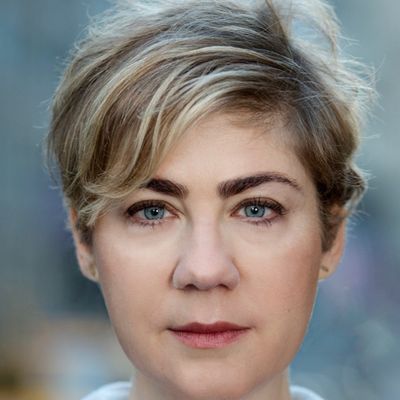
Unexpected tragedy may have led Jenny to her amazing successful theatrical producing career. After losing her brother in her late 20s, she founded Ars Nova to honor him and continue his legacy in the arts... Read More
From the show: Was It Chance?
Guests
Featured Shows

About
Unexpected tragedy may have led Jenny to her amazing successful theatrical producing career. After losing her brother in her late 20s, she founded Ars Nova to honor him and continue his legacy in the arts.
Jenny is a Tony Award winner who started in “the biz” as an entry level intern and is now a producing powerhouse. She’s worked alongside some of the greatest in our industry including Tina Fey, Joel Gray, Sir Patrick Stewart, Josh Groban, and Lin-Manuel Miranda, just to name drop a few. She co-founded Ars Nova, co-founded a Japanese animation studio called Ultra Super Pictures. She is also one of the masterminds behind bringing Freestyle Love Supreme to Broadway.
Make sure to follow Jenny on Instagram.
- Make sure to follow this podcast everywhere you find podcasts, leave a rating and a review, and slip into our Instagram DMs at @wasitchance.
- More about Heather via @heather_vickeryandco on Instagram and Threads, @Braveheather on TikTok, and listen to The Brave Files
- More about Alan via @theatre_podcast on Instagram and listen to The Theatre Podcast with Alan Seales
EPISODE TAKEAWAYS
- In life, we grow from our failures, not our successes.
- Art is essential. You’ll likely find beauty on the other side of tragedy.
- Work for personal satisfaction, not awards.
- Theater, art in general, is a cathartic experience for both the artist and the audience.
- We all have different strengths and weaknesses. Embrace them go all in!
- The unknown is scary, it’s also where the gold is.
- Don’t assign judgment (good or bad) to words, thoughts or feelings. Be open-minded.
- There is endless possibility when we take risks.
- You can have it all, but you can’t have it all at the same time.
- We feel the most joy and happiness when we’re pursuing the things we’re most passionate about.
- Each of us has inherent gifts that we were born with, that come naturally and easy to us. Because they come so easy to us we often don’t recognize them as superpowers.
- It takes reflection to be aware of our superpowers, prioritize it.
Transcript
This transcript was automatically generated and might contain errors.
[0:00] Heather Vickery: But in life, we grow from our failures. You don't really grow tremendously from your successes. They feel really good and they're really fun. And there's some data points you take away, but that's not how you grow as a human being. You grow as a human being when things go awry, when there's a challenge.
[0:29] Heather Vickery: Hi everyone, welcome to Was It Chance, the podcast about embracing opportunity and taking intentional risk for your creative life. I'm Heather Vickery.
[0:37] Alan Seales: And I'm Alan Seales, and we're two perfect strangers who met by chance and embraced the opportunity. Listen in as we chat with other successful people about the risks they've taken to put themselves on a path to creative success. We are so excited to be here. Alan, can you introduce our guest today?
[0:54] Alan Seales: Oh my goodness. Jenny Steingart is somebody I've known for a little bit now. She's a Tony Award winner who worked her way up as an entry-level intern to now being a producing powerhouse. She's worked alongside some of the greatest names in the industry, including, you know, Tina Fey, Joel Gray, Patrick Stewart, Josh Groban, and Lin-Manuel Miranda, just to name-drop a few. And of course, she co-founded Ars Nova and a Japanese animation studio called Ultra Super Pictures, and is also one of the masterminds behind bringing Freestyle Love Supreme to Broadway. Jenny Steingart, how are you doing this morning?
[1:38] Jenny Steingart: I am doing well. Thank you so much. I liked your little preamble. You can't say Freestyle Love Supreme without saying "bring bream" because of course that's what they do in the show.
[1:51] Alan Seales: No, you kind of can't. And I want to congratulate you because between the last time you and I had an official chat and now you won your special Tony Award for Freestyle Love Supreme.
[2:01] Jenny Steingart: Thank you very much. It was thrilling, thrilling. And it was so many years in the making. It's like, you know, an overnight success that took 18 years. So that's the way it is.
[2:14] Alan Seales: Yeah, that's always the way these things look from the outside. It's only from the inside that you realize just how long and, you know, arduous a road it can be. But it made it all the sweeter. So it was wonderful.
[2:28] Heather Vickery: The weekend that we launched this show was the weekend after Thanksgiving. And Alan and I went to see Freestyle Love Supreme that weekend.
[2:37] Jenny Steingart: Oh yeah.
[2:38] Heather Vickery: God, I love the show. I've seen it so many times. And I love that it's out on tour now, just like any Broadway show, and we're gonna get into this in a second. But what's really cool is that in addition to Freestyle Love Supreme, the show, there's FLS Academy, which we're gonna get into later. But FLS, a lot of the core cast from Broadway is also touring now all over the country, which is just phenomenal.
[2:59] Jenny Steingart: But for me, I mean, there's so many things we're gonna touch on, but like this is an improv show that's on Broadway. And it's an improv show that won a Tony Award. And you know, the fact that like everybody loves to name-drop Lynn, and it's like before there was In the Heights and before there was Hamilton. I just want to name-drop Jenny.
[3:17] Alan Seales: Uh yeah, Jenny, what you said a second ago is that there are so many people that, you know, think it's an overnight success, but as you said, it was 18 years in the making, and overnight successes don't even happen in a vacuum anyway. And Lynn has his name put out there because he's obviously very popular for many reasons, but he stands on the shoulders of you and so many other people who took a chance on giving him an opportunity, embracing the overall unknown of the fact that like this isn't a traditional show. So why after 18 years? Why did you keep going with this?
[3:55] Jenny Steingart: Well, and it's speaking of Freestyle specifically, I mean, if you've seen the show, it's not hard to understand why we, you know, you become addicted. Um, and it's so funny because, you know, obviously everyone grows as an artist as they go along. So the whole group, you know, has only upped their game over the years. But that said, it's still pretty much the same show that it was all those years ago. And in the beginning, you know, we were doing everything we could to just get audiences. And it, you know, very early on, it was like, you know, I can't believe people haven't caught on to this yet. Um, and so, but we just believed in it so much. I mean, it was pretty hard to deny the astounding talent on the stage.
[4:49] Jenny Steingart: And you know, what's so wonderful about the show also is we really are a show that, um, and this has happened before. If you know, if suddenly power goes out, mics go off, lights are out, and you know, they have to stand around on the street, they can do a show. Like it doesn't require anything other than, you know, these incredible human beings showing up and using their imaginations and their talents. So it was just infectious, and the talent was undeniable. And at the time, everyone involved, um, Lynn and Tommy Kail and Anthony Veneziale and Chris Sullivan, who's Shockwave or Beatboxer, you know, all of these guys, and there are many more that I'm not even mentioning, but all of the guys from early on, you know, they were really just out of college.
And at the time Lynn was a substitute teacher. And he had his students were groupies and they would come and after the show they would wait and they'd be like Mr. Miranda, Mr. Miranda. It was really, it was adorable and sweet. And really also it felt like a family like we were really creating something together all of us. And we were certainly had some experience but it was early days for Ars Nova and we were establishing a way of working and Freestyle was really one of the first shows at the theater that for both sides of it, you know, it was an opportunity for all of us to kind of figure it out together.
[6:26] Jenny Steingart: And it's certainly, you know, one of the things that was has been exciting about Ars Nova but where I'm always really careful in walking the line is, you know, I think we have had a great eye for finding talent or recognizing talent but you know, these are people that are forces of nature unto themselves and you know would have gone on without us to do wonderful things as well. It's just that I like to say, um, I think of myself as a midwife.
[7:00] Heather Vickery: I love that.
[7:01] Jenny Steingart: You know, it's like, how do we help birth this baby? And, you know, it was really trying to set everybody up for success. I mean, they had certainly performed shows before, but I believe Ars Nova was the first time that there was like a consistent, we're showing up. I don't remember how many shows a week we did in the early days, four shows a week, five shows a week, but consistently showing up and then having notes after the show. And you know, it was not just one-offs, which had been, you know, certainly a way they had worked before us. It's just become a labor of love. And then, you know, Ars Nova, the not-for-profit Ars Nova, because they're now all of these years later, almost two decades later, we work differently.
I work as a commercial producer as well. And that's Ars Nova Entertainment, which is a, you know, for-profit commercial company, which is not affiliated officially with Ars Nova Theater, which is the not-for-profit. Um, but you know, all of these years later, it's just exciting to see all of the things that have come from that space and people like the freestyle gang going out into the world and you know, really being able to what I think is bringing at this particular moment in time much needed joy and catharsis, really, because the show is different every single night, you can really speak to the moment in the moment from the moment in ways that really does feel very cathartic.
[8:43] Jenny Steingart: There isn't, you know, any other way to say it. Everyone tells me, you know, they will, and I mean, I have this experience no matter how many hundreds of times I've seen it before. You know, I laugh, of course, every single time, and usually I cry, you know, if when they do true, true, yeah.
[9:00] Alan Seales: True.
[9:01] Jenny Steingart: Yeah. I really challenge somebody not to lose it a little bit during true because that group is just, they are so honest and vulnerable, and um, and it really is the most beautiful example of art and theater, you know, when they talk about is theater a window or a mirror. And yes.
[9:25] Alan Seales: Yes, it's both.
[9:28] Jenny Steingart: It's both. And Freestyle is, I just think a beautiful example of that, writ large.
[9:34] Alan Seales: Jenny, you mentioned Ars Nova, the nonprofit. From what I know, that exists because of chance. Can you share with our audience how Ars Nova came to be?
[9:49] Jenny Steingart: The origin story is one that is bittersweet, and it's chance, but it actually has informed really the way I move in the world and my philosophy of the world and actually how I kind of lean into everything that I do. So my brother Gabe, um, who is my younger brother, in 1997, he died very unexpectedly of a brain aneurysm. And he had just, he was a sound engineer, um, a music producer, he had a record label, a classical record label that specialized in early music, and he was a musicologist. He was really, really exceptional human being, and he had just purchased the property that Ars Nova, the 54th Street space, sits on, and the plan had been to make it a mastering studio, and he was just beginning construction.
He had found it was like this tiny little building in that spot that the I think it was like an accounting office, and they had it, it was they filed for bankruptcy, so he had gotten this building for a song. And as you all probably know, and particularly in the late 90s, um, that area where in Hell's Kitchen, that particular area was the hub of recording. Um, Hip Factory was across the street, Sony was across the street, so he was like right in the heart of it. And when he passed away, it was such, besides the grief of it, it was, you know, I was still in my 20s myself, and the existential shock of losing a young person like that so suddenly horrible. It was horrible, and also, you know, so I was not just dealing with grief, but I was having a total existential crisis.
Um, this is, you know, as I look back, like of course I was. I didn't know how I was going to preserve his legacy. It felt very important to me. I felt like he had not gotten to do what he was meant to do, and how was I gonna keep it going? And I was just launching a career as a producer, as a young producer, and you know, knew nothing about early music, nor was it my passion. And the story I tell, um, so forgive me if I'm repeating myself, but the story I have told multiple times about the space was what changed everything for me because I kept thinking, wow, I really need to do something, and it has to be in the music space. But the week that he passed away, we sat Shiva, and at the end of the week, there had been so many people that had come through my parents' house that we had catered the Shiva.
And so at the end of the week, the head waiter came to me in the living room. It was the last day of Shiva, and he said, do you mind one of the servers has asked if she could speak to you in the kitchen? So I didn't know what that was going to be. And I went into the kitchen and there was a girl there, and she said, I just wanted to introduce myself. My name is So and so, and I'm so sorry for your loss. I've been here all week, and I've listened to people talk about Gabe. And I just wanted to tell you, I'm the same age as your brother was. I'm 26, and this is my get-by job, but my real passion, my work is I'm a fine artist, I'm a painter. And I have been really inspired here listening to people talk about Gabe. And every night I've gone home after I've worked here and I've stayed up all night and I've painted.
[13:30] Heather Vickery: Wow.
[13:32] Jenny Steingart: Oh, I have chills. I have painted a whole new series of work. And I wonder if I could share it with you. And so she walked over and she had this huge portfolio that she had brought with her to Shiva. And she opened it up on the table in the kitchen, and she showed me all these beautiful paintings that she had created. And the penny just dropped for me in that moment. I thought, you know, she didn't know my brother, and his life and now his death had inspired art. It had inspired art in a completely different medium. And that's when I realized I didn't need to continue Gabe's specific vision. I didn't need to produce early music. I could find a way to give a voice to the things that I was passionate about, and then to other people who, you know, Gabe didn't we, we were very fortunate that we had the opportunities in as siblings and in my family, we had the opportunities to go on and pursue our dreams. Gabe's was cut short.
[14:38] Jenny Steingart: Um, but I thought this is a real chance to give other artists an opportunity to fulfill their dreams. And for me, it was also a way to kind of have what has continued to feel like a living relationship with my brother, as odd as that sounds. But you know, his name, it's on every it's on everything we do, every program, every piece of you know, mailer that goes out, it says Ars Nova was built in the memory of Gabe Wiener, and um, and it's so it's very special for me, but it really has informed um my life view, you know. I do believe that art art is essential, yes, and I do believe that grief and crisis and trauma and hard times and all of those things that every human being goes through, and God knows we've all gone through it in the last two years, if nothing else, that art and artists help us metabolize that grief, and there's always beauty on the other side of it, and so I that's that's what I'm really interested in.
I'm really interested in how do we transmute pain and challenge into beauty, and so even in the most challenging, difficult times of my life, I really hold on to the Ars Nova origin story. And I know, you know, 20 years later, I look back and I look, I would give anything in the world to have my brother back. Yeah. But in the absence of that opportunity, I can say that what a gift that has come out of such a loss, what beauty has come out of such a loss, and what opportunity has come out of such a loss. So, you know, I really work hard in my everyday life to when when things are very challenging, to say, where are the gifts that can come from this? How do I grow? How do I make meaning from it?
So that's the story of Ars Nova, and I think it's one of the reasons that we have managed, you know, almost two decades in to really kind of stay mission-aligned and keep our purpose there because it's such a strong origin story.
[17:03] Alan Seales: Yeah, it's beautiful. I have chills up and down, and I'm I'm curious, Jenny, um, because that is such a it's such a beautiful story, but there's a lot of chance that played into that. Of course, the tragic loss of your brother, and then meeting this woman and and finding your own inspiration, your way to honor, but do it on your own terms. How, if at all, has embracing chance in that way informed you as people unknowns like Lin-Manuel Miranda, or you know, across the board, there are a lot, he's not the only one. There are lots of unknown people that you have backed and supported that have become hugely successful. How has embracing chance like that helped you discover and support these talents?
[17:50] Jenny Steingart: It's it's interesting because I I think where things have um for me, and I I believe it probably is this way for everyone. You know, the times in our life where you feel doors opening for you, and sometimes it doesn't even just feel like doors are opening. Sometimes if you're lucky, it feels like doors are being thrown off hinges, you know. That for me, that happens if I am, I call it like being in flow. Um, if I'm in flow, and that usually means that I am really deeply connected and aligned with a sense of like an authentic passion or sense of purpose in some way. And so I just really work hard on trusting my gut instinct. And if I feel a connection to an artist or material, or I say, you know, I see someone and I just think, oh my God, what a voice that person has, what a point of view that person has.
It's really about trusting our instincts and feeling comfortable, you know, passing on things that don't feel aligned with our our own authenticity. Because there have been, you know, I mean, certainly at this moment in my life and in my career, I have some wonderful opportunities that come my way. And sometimes there are opportunities that come my way that I know are gonna be successful. Like I know they'll, you know, if it's theater, I'll think like, oh, that may win a Tony this year. That's really good, or that might win a festival if it's a film or all of those things. But if I don't feel deeply connected to the material, or I am not involved in this development in some way, I'm not really looking to just rack up awards or like it that just doesn't interest me.
And don't get me wrong, it's not that I don't love a lot of work. I love that though. Yeah. It's you know, I'm a human being, but that's not what drives me. Like I am much more interested in feeling passionate about a project. And the rest is a byproduct, you know, that's just icing on the cake. But um, there have been plenty of things that I've been involved with, you know, certain things over the like even if I think about over the years at Ars Nova um in the not-for-profit space, you know, the I now I was gonna say the hundreds of things, but the thousands of things we've produced, and some have been um extremely well received, some not as well received, but I can tell you that, you know, and I'll never say what they are, but there have been shows that have been poorly received, but that I am so deeply proud of that although it was disappointing not to be better received, I could live with it because it was something that I really felt was special.
And on the flip side, there have been shows that have been, you know, really review reviews and wonderful reviews and and um that I thought like you know, okay, it's good, but maybe it just didn't touch me in quite the same way. At the end of the day, for me, I'm more interested in really being connected to that work. So, you know, I I really do think that being um tied into what is your passion is the way that it helps us recognize those things that mean something to us.
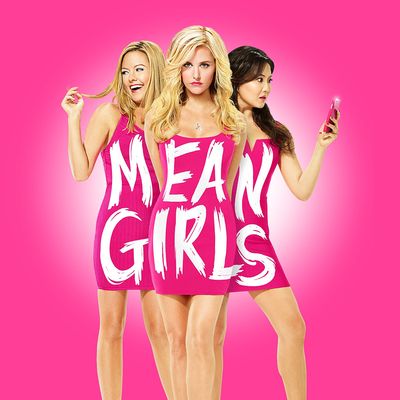
[21:24] Alan Seales: So, where then does shows like Mean Girls and Great Comet that are also Tony nominated, where did that come in? Because those are obviously the big commercial successes. And but it sounds like your passion is for things that just make you feel good.
[21:42] Jenny Steingart: Yes, well, so a combination of things. Um, so well, Great Comet, you know, originated at Ars Nova. Um we developed it. I was passionate about the project when it was at the theater, and um, was very, very happy and thrilled to step into the commercial space with it, um, not as the lead producer, but uh as a co-producer on it. And um it felt a little bit like I mean it was really it was a big deal for us as a theater, and um it felt a little bit like I wanted to kind of be around for that. I wanted to uh as we moved forward into that space as an organization, and so deeply believed in the creative team of that. So that felt like kind of a no-brainer that we were gonna do that. You know, we are more driven, uh like emerging artists and new artists, but amazingly, um the first show we ever produced at Ars Nova was a show called Melancholy Baby, which was written by Michael Thomas and Jeff Richmond, who is married to Tina Fey and who's brilliant in his own right.
And we have been friends with those guys for almost 20 years, and um Melancholy Baby remains one of my all-time favorite things that I have ever produced. It is, it is hilarious and brilliant, and such good memories of launching the theater with that show. And so when Jeff and Tina were doing Mean Girls, they reached out to John, my husband and co-founder of Ars Nova as well, reached out to us and asked if we wanted to be a part of Mean Girls. And again, that was sort of a no brainer. It was where, as I was saying, it is about being aligned. You know, I felt Tina as a voice, um, and having known her that long as well and seen her rise to see who she has become and where her talent has taken her, um, has been thrilling to watch.
Uh, they're wonderful people, um, both, I mean, obviously professionally, but personally, they're just wonderful people. And it also felt like a no-brainer, and it felt kind of like a return home coming full circle that the first show that we had all done together in New York, and then suddenly it was the first Broadway show. And to have gone from this tiny little theater where everyone was up, you know, three in the morning. They drove a U-Haul from Chicago with sets, and you know, the open the Jack McBrayer came out with a giant tire and a set right when we were opening the theater. To go from that to being on Broadway with, you know, a lot of the same folks was really thrilling. So that was that was the natural extension of that. It was the the personal relationship that had started so long ago from a professional relationship.
[24:37] Alan Seales: I love your commitment to being passionate about the work. Have there ever been projects that you have passed on because you they don't need you to be successful? Like, is there something like I want to really help these emerging artists that I I think I can help in a unique way? But sometimes someone will come across your desk and you're like, they're gonna do fine. They don't need me.
[25:01] Jenny Steingart: Uh yeah, that happens every day, all the time. And again, you know, I'll I mean, truthfully, yes, like they don't need me, but I also feel like if I can't show up to the space in a way where I feel like I am truly moving the ball down the field and there's a lane for me, then it's just not a good match because you know, this is about mutually, like how do we all do it together? And and um I'm just not interested in writing a check or raising money and not having some kind of involvement in the creative vision, in the, you know, all this stuff like that for me the the development for me is the fun part. Like that, you know, every producer is different, everybody has different strengths. Um, there are areas that I know there are areas I know not my strongest strongest lane, um, and other areas where I'm like, yeah, this is my space.
This is my this is my wheelhouse. So I want a a place where I can do that also, where I really feel like I'm contributing in some way. And so if it's really just about writing a check or the the pieces done, I mean, I'll look, and I'll never say never. There are always specific situations where there might be a reason that you do something that is kind of out of your norm, but that being said, absolutely, I would say most of the time I pass on things that are not self-generated. Like I'm usually more interested in projects that are very early stage, oftentimes things that someone either close to me or a group of us get together at ID8 and think, wouldn't it be cool to do so and so or such and such, or let's talk to this person, or what are they up to?
Or sometimes there's just someone I really want to work with. And um, so you know, I've I've more and more have been going to folks that I just am big fans of and saying, uh, whatever you want to do, the answer is yes, you know, figuring out figuring out what that looks like.
[27:14] Alan Seales: When you are uh growing these things from scratch, you said there's a lot of things that you know, the big commercial things, you don't you don't want to just write a check and you don't want to just get an award and and you want to have a personal investment in it, which I feel is is very very admirable and super super cool. I assume along with all of that way of thinking and that mindset in business, you have to deal with a lot of I won't call them failures, but things that are not successful. So how do you prioritize what's what do you think is gonna work, what's not gonna work, and then when things don't become successful, how do you embrace that and turn it into something positive?
[27:53] Jenny Steingart: Well, first of all, you know, in life, not just in theater, but in life, we grow from our failures. Absolutely. You know, you don't really grow tremendously from your successes. They feel really good and they're really fun, and there's some data points you take away, but that's not how you grow as a human being. You grow as a human being when things go awry, when there's a challenge. And I don't give a lot of thought to the failure piece of it. I mean, you know, again, and I'm not a big sports person, but I do know, you know, that a 300 batting average means that you're failing seven times out of ten. So, you know, the idea that everything, you're gonna hit it out of the park every time, it's just a it's it's just a silly expectation, you know.
I mean, I think that that's part of the problem. We we live in this world where we think like our kids are supposed to get straight A's and be great in every subject, and everything we do has to be a success. That just isn't how life works. And and truthfully, you know, as we also, if you think back on your life and all of the things that have gotten you to where you are in this moment, the only reason we are all sitting here in this moment is because the confluence events of events and things that have happened to us leading up to this moment, which means huge successes and huge failures, that is what has gotten us here.
[29:27] Jenny Steingart: So I really do trust, even if it feels so shitty in the moment, I really trust that that is just the path that I am on at that moment. That is the way things worked out. So that is the chance. That is I just I don't really know how else to show up in the world. I just, you know, my dad used to say when I would say, I'm so, you know, what if I make a mistake? What if I make a mistake? And my dad said, Honey, that's why they put erasers on pencils. I love that. And it's so simple, but yes, that is right. And we're so afraid of making a move because we might fuck it up. Like, you know, so what? You're supposed to mess it up. That's the process. How many have to? How many amazing inventions came out of mess ups too?
Like the chocolate chip cookie. The chocolate chip cookie. The sticky note, right? They wanted to make really strong glue and they got like sort of strong glue, and they're like, oh, let's call it a sticky note and look at sticky notes. How about you, Jenny? What about have there been any of the thousands of things that you've produced that were better because of a massive failure or mistake?
[30:40] Jenny Steingart: You know, I I can't give you a I mean there are probably a million of those. I unfortunately, nothing really catchy jumps out at me. But I I do think, you know, like I know that artists do best when there are limitations and constraints. You know, if you say, you've got a million dollars to do this, um, it is not going to be as creative a piece of work as if you say to a set designer, you've got a stick of chewing gum and a Q-tip. Go! Be my guy. Um, and you know, there's a there's an amazing quote. I'm a I'm a big lover of um the stoics. Uh sounds so ridiculous, but I was a philosophy major, and that is how I that's how I nerd out. But there's this amazing Marcus Aurelius quote that I love, and I actually keep it in front of me all the time.
And it says, A blazing fire makes flames and brightness out of everything that is thrown into it. It's really means that our failures as well, every obstacle, everything, you throw it into the fire, and the fire burns brighter. So to me, all of that, the successes and the failures of it, you know, those are those are the powerful things. Those are the things that's the fuel. So and again, don't get me wrong. I'm not trying to sound like some automaton who doesn't experience disappointment and depression. And I mean, I get just as depressed as the next person if something doesn't go well. But I allow myself time to wallow in that, and then I say, Nope, you know, throw that into the fire. That's information I now have. And how do I move forward and make something from that?
[32:29] Jenny Steingart: You know, I love that. Coming back full circle, that's a very freestyle love, supreme pream preemie sort of way of thinking about life. Because uh one of the things that I'd love about the crew in general is that before you go out on stage, everybody you know, they huddle up, they're like, I got your back, I got your back, I got your back. Like there is no mistake on stage because everything you do do that is not what you plan on doing is either gonna turn into something just as good or will be picked up and covered and improved upon by the people standing next to you.
[33:02] Jenny Steingart: That's absolutely right. And you know, the the thing is first of all, you you know, one of the tenets of improv, one of the tenets of improv is yes and you know, you you don't yes, it's not yes, but which is the way most of life unfortunately seems to go, where people are constantly yes butting you. It's yes and so you have a great idea, and then you throw to someone else and they come up with what on the surface seems like a really shitty idea, but sometimes that's where the gold happens. That is where you have to embrace the gold and you embrace the unknown of it and what may seem you know, because the thing is events, events that happen to us. Um we have a tendency as human beings, I think, to assign value to an event as a good event or a bad event, right?
Like it's a good event. But the truth, the truth is it's really just a data point, and how you interpret it is whether it's good or bad. So, you know, an idea, if someone on stage throws something out, it's not a good word or a bad word, that's just the word. And what you do with that word is whether it worked or it didn't work. So, you know, I think everything is really like that opportunity to how do you frame this? And so, yeah, I mean, that it's interesting, Alan. I hadn't really thought about it until you said that the comparison to freestyle, but it probably speaks to something on a deep level that I wasn't even thinking about or aware of as to one of the reasons that I am so attracted to that show. Kind of the endless possibility that comes from what looks like, oh my god, they're gonna die on stage. What are they gonna do? What are they gonna do?
[34:51] Jenny Steingart: I mean, I am not kidding. There was a uh one of the games which we were just mentioning earlier called True, where the audience throws out words, they pick a word, and then they sing and rap about it, uh, and it has to be based on something true that really happened to them. And there was one night where they the word was tampon. I remember it's all dudes up there most of the time, right? So it was in those days. Now not so much, but in those days it was. And I remember thinking when I first heard that word, I put a value judgment on and I was like, oh shit, why did they pick that word? Because I wanted something that was going to resonate and be moving. And you know I really wanted to go to that place with that particular segment of the show.
And if I tell you that I was in tears because the way whoever was on stage that night um oh I actually remember one of the person who always has me in tears Chris Jackson. Yes, I love Chris Jackson. You cannot see that boy do a true without having a box of tissues with you. It is just he is so from the heart it's just so beautiful. But even a word like that, it the story that was surrounding it was so beautiful as odd as that sounds it was so beautiful and vulnerable that it ended up being something incredible. And so anyway I I think that you know that's really about kind of just keeping an open mind and the the possibilities instead of shutting it down.
[36:33] Jenny Steingart: I love that what is your relationship I don't like to use the word quit or quitting because it has such a negative connotation and I I quite frankly think there's a big difference in just going, fuck it, I can't do it, throw it in the towel and assessing the information that's presented to you and saying, This is this doesn't serve me. This doesn't work, we're gonna let this go, we're gonna open up space for something else. How do you feel about quote unquote quitting or changing your mind?
[36:33] Jenny Steingart: There's a big difference between quitting because you don't want to push through a difficult moment, yeah, and really being able to honestly assess or reassess if something is in the right place, if something should be happening, whether you are still deeply connected to the work itself. I think pivoting, I like to think of it as pivoting.
[37:28] Jenny Steingart: Yes. That's that's the word, the pandemic word, isn't it? We all pivoted. The pandemic pivot. And I think it's essential. I mean, I think it's essential, but but you have to really make sure that you have a really honest relationship with yourself. I mean, if you're just spinning yourself that and you're coming up with all the reasons why it's not good for you to move forward with it, if you're quitting out of fear, that's a different, that's different to me that looks different. But I am completely comfortable with saying this is no longer serving me, or I can't serve this piece the way it deserves to be served anymore. We are growing and evolving as human beings all the time, and our projects grow and evolve, and sometimes you grow apart from one, um, or it's growing into something that you no longer are the best person to oversee it.
You know, there are so many factors that go into it, but I I I don't inherently think like you have to muscle through something just because you started it. I mean, you have to make sure it's in good hands and you're not abandoning people and all of those things. But I always want to look really honestly at things and make sure that I am excited by them. And if I find myself, uh, there was a project a few years back that I had been working on for several years. And I every single time we had to have uh meetings about it, there was this little piece of me that was dreading the conversations. And I had to really look at what that was about. And it was about several different things for me in particular.
And I ended up withdrawing from the project. Um it's a project that will be successful. It just for various reasons was not the right fit for me anymore. You know, everybody is still friends, and it was it was just an honest conversation. This isn't a good fit. And I so I'm I'm very comfortable with that as long as you know you've done the work going in to really evaluate why you're walking away.
[39:36] Jenny Steingart: Evaluate why you're walking away. That's really the key. Why? And being really honest with yourself about it. Uh and it and so often it's just better for everyone. And also there's this element of if if you're miserable, if it's not bringing you any joy, how can you produce something quality if it's making you really miserable? Well, you can't. And on top of that, you know, as I said earlier, no one no one likes things not to be well received. But if I'm passionate about something, if it doesn't get great reviews or the audiences don't respond, I'm disappointed, but I can sleep at night because I felt really proud of it. The worst feeling in the entire world is a project that deep down you didn't believe in, but you stuck with and it's not well received.
You want to kill yourself. That is the worst feeling because you think, why didn't I trust my gut instinct? Why did I do this? And this this is a very challenging industry in terms of how long it takes to get movement on something. I mean, we're talking years and years of working on something. It doesn't mean every day needs to be, you know, rainbows and unicorns. It's not going to be every day, but you have to be in pursuit of something you love and are passionate about. Other than that final payoff. Like this, I mean, it's a cliche for a reason, but life is the journey. There is no there. You know, there just isn't. I mean, we all think, you know, if I lose five pounds, I'll be happy. If I if this happens, I'll be happy. You know, tomorrow isn't promised. We better be fulfilled and happy as much as possible today. So I want to enjoy that process.
[41:25] Jenny Steingart: Yeah, it sounds like you've done a lot of introspective work, which uh I think people maybe go their whole lives without actually doing and there's a favor there's a saying of mine that I that I love is wherever you go, there you are. So if that's saying too if you're running away from something, or you think if I just get over there, it's it's the same, you know, it's a take on the grass is always greener on the other side. So once you get there, don't forget to look back and where you came from and realize why you made the travel, what you were trying to get to or get from, or whatever the case is. Because yeah, you're absolutely right that if wherever you get where you are, if you haven't dealt with what you were quote unquote running away from, you're still gonna be running away from that thing.
[42:06] Jenny Steingart: Uh a hundred percent. I mean, that's why when people talk about money not buying happiness, the the reason that that's true is because you know, if you're just chasing something all the time, that is not going to serve you. That just isn't. You know, we really only have the present moment. And I want to go to sleep at night knowing that I have done something for myself in that day, whether it's personal or professional, or a moment with my kids, or whatever that looks like, but that there's a moment in the day where I felt present and that I felt that I contributed to the world in some way. And it doesn't mean I'm not even again, I'm not saying I'm successful at that every day. I struggle with that just like everyone else does, but that's at least my intention in a in a day.
[42:58] Jenny Steingart: Yeah, when you say that, it it makes me think of a very elusive word. That's a very popular word, uh, called balance, which you know, I guess that I'm actually a fan of that word, but I have reframed it for me, which is it's it's not like it's not about equality, it's not like the scales of justice. To me, feeling balance like a movie scales of justice. The scales of justice for me, balance is more about when you check in with yourself, like you just mentioned. How do you feel at the end of the day, the week, the month, the year? Do you feel good about how you're spending your time, who you're spending your time with, what's coming out of that? And that, you know, what's what is how do you feel about balance? Does that resonate with you?
[43:42] Jenny Steingart: I mean, it is a tightrope for sure. And I am um I have a boundary issue, so it's I I tend to say I tend to say yes more often than I should.
[43:56] Jenny Steingart: And then I get into it, I'm like, oh my God, what was I thinking? But it's because there are so many things I want to do. I'm and uh so the balance piece is a challenge for me. Um like like I know for so many folks, but I think where I've gotten better at it is recognizing that you know, when people say you can you can do everything, you can have everything. Here's what I think about that. I think you can have it all, but you can't have it all at the same time. That's right. Right? That's right. So you have to make choices. And I can't be the most successful producer in the world and also be present for my kids when they come home from school, or be at the piano recital or be at the school play or the science fair.
I I can't do that, and that's okay. I just need to get comfortable with that. And I feel like the minute we embrace the imperfection of that, it gets easier. I mean, I think about this a lot, and I don't maybe it's a non sequitur, but you know, I think like if you were to ask any parent, what is it that you want for your child, your greatest wish, we all say the same thing. We all say, I just want my kids to be happy. But the reality is that's such a strange goal because life doesn't really work that way. Happiness is a byproduct of something, but I don't really think happy just like money, just like money. Correct. That is not if we make happiness the goal, if we make money the goal, then we're always setting ourselves up to be disappointed.
And you know, uh those those are byproducts of being fulfilled and aligned with our sense of purpose in the world, why we want to get out of bed, why we want to do something. When we are doing that, that's when we experience happiness. At least that's my experience of it, is I experience happiness when I am aligned with a sense of purpose, whether that's a purpose as a producer or as a creator, or as a mother, or as a wife, or as a friend, when we help someone else, you know, those are the reasons that's when we feel joy and happiness is when we're aligned with our purpose.
[46:17] Jenny Steingart: You know, that makes me think of I am it's this won't surprise. And if you I'm a total theater nerd, it's something that I have always loved. And it was because my mom always took me to the theater, but my mom doesn't like the theater. And just recently, I asked her why and concerts and like I love anything live, live entertainment. I said, Mom, why did you take me to do all of these things when I was a kid when you don't like it? And she said, Because I've never had a passion, and I wanted you to have a passion. Oh, that's a good mama. It is she is a good mama. And I I just um, yeah, a passion is so much. I mean, that we just keep coming back to that. I I love it. Yeah, and I love this notion that as a parent, as a colleague, as a friend, as a community member, helping people find their passion and lean into that.
And also recognizing, like I remember when my kids were really little, and my oldest son, who's now 18, who's a performer and always been and and has had a very, very strong passion and point of view from the time he was little little guy. And I remember when the he was in preschool talking to another mom, and she said, you know, oh my God, you know, Leo's so clearly passionate about, you know, performance and this and that. And you know, I don't, little Jimmy just isn't. He doesn't have he he just doesn't have something like that. And you know, and that's first of all, at the time we're talking about like four and five year olds. I'm like, passionate about second, please. Maybe wait a minute, please.
But besides that, I said, Well, what is he into? And she's like, Oh, you know, just Legos. And I was like, well, that's a passion. What are you talking about? Just Legos. Like there's a lot you learn from playing with Legos. So also, you know, diagnostically, it tells you a tremendous amount about your kid, how your kid learns, you know, he's a builder, he's a creator. And I was thinking, like, it's really not that people don't have passions. It's sometimes they don't recognize that it's a passion. They don't recognize that there's value to the and you know, like everything else, the things that we are all good at, each of us has certain inherent gifts that we're born with that come really naturally and easily to us.
And because they come so easy to us, we don't recognize them as superpowers. We just think everybody can do that. What's the big deal about that? And the fact is a lot of times what you think is really obvious, no one else sees. So sometimes it's about learning to identify what are those things that are your superpowers that set you apart that make you see things and lean into things in a way that no one else does and can. So, you know, it is all about igniting that passion in other people, in ourselves, but to do that, it does take reflection because you have to recognize what that is in yourself. What are the things that spark you and make you want to jump out of bed and get get to work?
[49:32] Alan Seales: I just want to keep listening to you just preach, preach forever. When are you going on the motivation or motivational speaker train? Right. It's very kind.
[49:44] Jenny Steingart: Yeah. Any time I'm right here.
[49:46] Alan Seales: Anytime. Thank you. Thank you so much, Jenny. This has been this has been a lot of fun. I really wish we could talk longer. You've got so much to say about pretty much everything. Uh and I absolutely love everything you're involved with. And now knowing how you approach your projects, everything that that you get behind, everything Ars Nova is behind. I'm going to just see with that slightly different lens of like this is a passion of a passion. I mean, take a step back. Everything that's come to be is a is somebody's passion. But you know, knowing you personally now, I think it's gonna help me uh just add a little bit of color to to what you're doing now, and I appreciate that.
[50:23] Jenny Steingart: Oh, well, thank you. It's a pleasure to talk to you guys. This was a lot of fun.
[50:26] Heather Vickery: It was so much fun to meet you, Jenny. I love everything you're up to. And I'm I'm I'll be the in the front row when you go on your motivation motivational speaking tour.
[50:36] Jenny Steingart: So uh thank you. Thank you for all of that you do. I'm gonna look for you in the front row then. I'm gonna be there. Take care. Thank you so much, Jenny.
[50:46] Jenny Steingart: Thanks, guys. Have a great day.
[50:51] Alan Seales: What an incredible human being. I mean, I just feel like everything is so heart centered. I was nervous really going into this because she's a big fucking deal.
[51:03] Heather Vickery: Well, all of our guests are big fucking deals. You say that about everybody.
[51:06] Alan Seales: That's true. That's that's true. We actually do say that, don't we? For every conversation, one or the other of us is like, this person's a big fucking deal.
[51:15] Heather Vickery: I love us. I love that we get to do this.
[51:18] Alan Seales: Yeah, she she's just incredible. And and actually, uh, I know her personally, but like went through the official publisher channels just to make sure it was kosher to talk about Freestyle Love Supreme and all that stuff. And and the publisher wrote back and was like, Jenny would love to talk about you. She loves it, it's all great. You know, so like it's just it's so cool for for uh I guess us to experience just a little bit of of this of this life of these people, and like you know, Jenny and her producing partner Jill Furman and all of the other creative team, especially behind Freestyle Love Supreme. Uh, like literally, she was just rattling off names. She didn't go into the depth of the people she's working with.
And I mentioned a couple at the beginning, you know, Josh Gronin. Uh and but like, you know, Lynn and Anthony Vincenali Venanciali from Freestyle, one of the founders, is absolutely incredible. Like James and Royal Eigel Hart and Utkarst joined FLS at the same time. Like Utkar has become this major major actor in his own right, of course. James and Roy Eigel Hart won a Tony for resigning genie on Broadway, just this major guy. Like everybody that is part of this crew are not only family, they're I well, I was gonna say they're not only like friends and colleagues, but they're they've become a family because literally, as Jenny was saying, FLS started just a fill time between rehearsal moments with Lynn and some friends.
[52:40] Heather Vickery: Like in a basement.
[52:41] Alan Seales: Back in college, right? Like, like Tommy, Tommy Kale, the director, was was part of this. Like they've been friends for 20 years almost. It's been insane. When she was talking about embracing passion and finding passion, and then that at the very end of the conversation, uh, some of the things that we're so good at and we are passionate about, we don't think have value. It made me think of my my third daughter. So she's got this viral TikTok account, and all she does is Marvel edits, and it's wildly popular. And I said, Oh, you could really do something. There's a career in you know, editing and doing that. And she's like, No, that's dumb. I just do it for fun. And I'm like, okay, I'm gonna sit back and let her figure out. She does it all from her phone. Yeah, it's incredible.
[53:26] Heather Vickery: I have to say, so much of this conversation fit right into my coaching platform, which is the Brave Method, so much about setting boundaries and reassessment and reframing and resilience. And if you want to have it all, you have to have boundaries and you have to manage your expectations, and you have to be willing to try things and work with other people and delegate and all these amazing things that that Jenny does.
[53:50] Alan Seales: Yeah, absolutely. I mean, I think that's what makes a successful uh business person, a successful producer, a successful friend, family member, any of that, because you have to prioritize for your own mental health and set expectations and priorities for the people around you. Because especially if you are leading a group of people, they just expect you to do everything. Because inherently, sorry, everybody in the world that I'm generalizing, but everybody in the world is pretty is sort of lazy. And I think that they're the people that are able to to prioritize again and and say, all right, you do this, you do this, you do this. And here are the constraints. Because as Jenny said, okay, artistic person, you have a stick of gum and a shoestring to make this multi-million dollar show happen and not a multi-million dollar budget.
And then they're gonna make it happen. But if you give them a million dollars, they're just they don't know what to do with themselves. I mean, that's pretty much the same thing as working on a project without a deadline, isn't it? Like you're gonna take all the time you have available if you don't have something you're working towards.
[54:51] Heather Vickery: So I'm a big fan of when I started my podcast, The Brave Files, I gave myself six weeks, which is hilarious because I didn't know what I was doing. I was like, I'm gonna this podcast launches in in six weeks. Actually, we're about to celebrate our fourth birthday on April 12th, which is happy podcast.
[55:08] Alan Seales: Thank you.
[55:09] Heather Vickery: But I I did it, I announced it like publicly. I put it out there, I started telling people what I was doing, inviting people to be interviewed, and then I'm like, oh shit, I don't know anything about podcasting. I don't know how to do this. So that would that was the motivation. I would never have sought out a podcasting coach, gotten the right equipment and gotten started if I didn't have this deadline in front of me.
[55:34] Alan Seales: You're good about that. You are really good about that. And you actually helped me with that as well. Because when we had talked about launching was a chance, this podcast, and you're like, all right, when are we gonna do it? And I said, Well, I've got a couple things I'm doing, and you're like, Well, fuck it, here's a deadline for you. I'm I'm putting it in my book that already has a deadline. And I'm like, Oh shit. Okay. Um it's I mean, I kind of asked you, I was like, uh, last week in November, are you good? And you're like, okay, like I could literally, when you asked me that, I was like, I can't think of any reason not to do it. So okay, cool, let's do it. And then here we are, and I love it. And I thank you for for making it happen because it probably would have been pushed off another month or two if I'm being honest, but I'm glad that we did it because now it's part of the routine and it's wonderful. So anyway.
[56:16] Heather Vickery: It is. And it's my favorite. Um, I love Jenny, and I I go check out all of her stuff. And if Freestyle is touring and in your area, I feel like we focused maybe more on freestyle than we should have, because there's her her book of work is so vast. But honestly, if freestyle is touring and in your area, go see it every night that it's there because it's an amazing thing. It's a different show every night. Um, I also brought up FLS Academy, which we actually didn't touch on, but they they teach classes in um and they do it online too. So you can log in through Zoom and literally learn improv and and the fun, you build a community, build a family of performers and colleagues through the FLS Academy. And it's just incredible. And you get taught by by these people, these amazing, amazing people that are that were part of the original crew sometimes, if they're available. Like it's I want to do it. It's amazing. It's absolutely amazing.
[57:11] Heather Vickery: Well, folks, we want to know how you are out embracing chance and manifesting your own creative success. The easiest way to let us know is to follow us on Instagram. We are was it chance on Instagram, and then send us a DM. Let us know what you're up to because once we have enough listener comments, we're gonna do a special little episode sharing how you are out embracing chance and making your dreams come true. You can also email us. What's the email address, Alan?
[57:44] Alan Seales: Was it chance podcast at gmail.com.
[57:48] Heather Vickery: We promise to get back to you. It's just us. Like there's no there's no fancy shit behind this. It's just it's just me and Alan doing something that brings us a lot of joy. You've been listening to Was It Chance, the podcast about embracing opportunity and taking intentional risk for your creative life. I'm Heather Vickery.
[58:06] Alan Seales: And I'm Alan Seales.
[58:07] Heather Vickery: And we'll talk to you soon. Bye y'all.
[58:09] Alan Seales: Bring up that theme music.
© Broadway Podcast Network, All Rights Reserved