

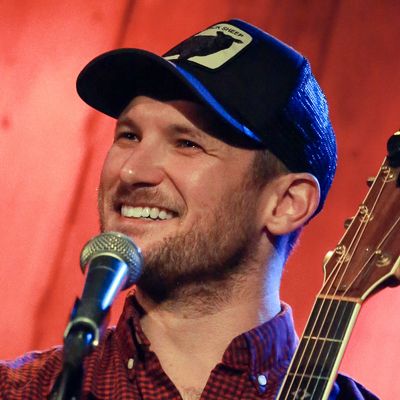
Meet Drew “Fuckin’” Gasparini. Get ready to be greatly entertained in this hilarious episode with composer and lyricist Drew Gasparini. Honestly, these show notes are hard to write because we had so much fun and talked about such a vast array of topics... Read More
From the show: Was It Chance?
Guests
About
Meet Drew “Fuckin’” Gasparini.
Get ready to be greatly entertained in this hilarious episode with composer and lyricist Drew Gasparini. Honestly, these show notes are hard to write because we had so much fun and talked about such a vast array of topics. You’re gonna have to listen to the entire thing folks, it’s just that good.
From meeting his childhood hero, Marc Summers, and becoming BFFs, to proudly declaring that his newest Broadway project, “The Karate Kid - The Musical” is going to blow our minds - Drew’s lively personality draws you in over and over again.
Special thanks to Drew for his unscripted, and personal rendition of “Shut The Fuck Up, Alan.” This little segment is quickly becoming a fan favorite (and Heather’s favorite!).
Don’t miss anything Drew is up to. Follow him on Instagram, and Twitter (seriously, follow him there and be nice!). Oh, and he shared his email address with us. Be sure to listen to the show if you want to connect directly with Drew, ask him questions, or collaborate with him.
- Make sure to follow this podcast everywhere you find podcasts, leave a rating and a review, and slip into our DMs at @wasitchance.
- More about Heather via @heather_vickeryandco on Instagram and Threads, @Braveheather on TikTok, and listen to The Brave Files
- More about Alan via @theatre_podcast and listen to The Theatre Podcast with Alan Seales
EPISODE TAKEAWAYS
- Putting yourself out there is scary AF but you only need it to “work” a handful of times.
- Don’t claim to be an expert because you’re always changing and evolving.
- Offer to help others achieve and grow, it’s the best thing you can do for your life and your career.
- Get creative with your own art - Think outside the box.
- Ditch your pride and ask for support when the opportunity is presented to you!
- There’s room for everyone, be kind, be supportive, and don’t quit.
- Put your heart and soul into what you do, people can tell the difference.
- No matter what the show is or how big of a project you’re working on, you must be willing to dive all the way in and put yourself on the line in an authentic way.
Transcript
This transcript was automatically generated and might contain errors.
[0:00] Drew Gasparini: With success comes immense beatdowns. And every time you're underwater, you feel a little foot on your head holding you down just a little further. The more successful you get, the more underwater you feel a little bit, and it deteriorates that foolish confidence.
[0:28] Alan Seales: Oh boy. Should we just dive in?
[0:29] Heather Vickery: Yeah, I'm already neck deep.
[0:32] Alan Seales: Let's dive in. Let's go.
[0:34] Heather Vickery: Okay, okay, okay.
[0:36] Alan Seales: Hey everyone.
[0:40] Heather Vickery: Sorry.
[0:40] Alan Seales: It's all intro.
[0:42] Heather Vickery: No, it's good. The intro somehow for this show always ends up me laughing.
[0:48] Alan Seales: It doesn't move.
[0:51] Heather Vickery: We got the same memo to wear green today, too.
[0:53] Alan Seales: Oh, you guys did.
[0:55] Heather Vickery: I did.
[0:56] Alan Seales: We matched out on the green.
[0:58] Heather Vickery: But we also didn't come from the gym.
[1:00] Drew Gasparini: I usually wear green to the gym.
[1:03] Alan Seales: So this is very strange that I'm not green right now.
[1:07] Drew Gasparini: My alphabet, I call it.
[1:12] Heather Vickery: Oh, would it be great if all your intros had all this laughter, but then you get to what that podcast is about. You're like, anyway, this is about the Holocaust. Let's dive right in.
[1:24] Heather Vickery: Hey everyone, welcome to Was It Chance, the podcast about embracing opportunity and taking intentional risk for your creative life. I'm Heather Vickery.
[1:33] Alan Seales: And I'm Alan Seales, and we are two perfect strangers who met by chance and embraced opportunity. Listen in as we chat with other successful people about the risks.
[1:44] Heather Vickery: Other sea that's assuming we're successful.
[1:47] Alan Seales: I was thinking the same thing, Alan. It's called manifestation for God's sake. Listen in as we chat with other successful people about the risks they've taken to put themselves on a path to creative success.
[2:01] Heather Vickery: I don't ever know what to do with Alan's announcer voice.
[2:05] Drew Gasparini: It always throws me off.
[2:07] Alan Seales: You guys have great podcasting voices.
[2:09] Drew Gasparini: Oh, thank you. Both of you.
[2:11] Heather Vickery: Hey, that voice you're hearing is our guest today. Welcome Drew Gasparini to the show.
[2:18] Alan Seales: Alan's gonna tell you all about him.
[2:20] Drew Gasparini: Okay, so Drew is my announcer voice. Drew is currently hot in the middle of workshops for the Karate Kid musical coming to Broadway. He's writing an adaptation of Night Shift for Warner Brothers Theater Ventures. He's got another adaptation for Universal Theater Group. He's got a dog that is part pterodactyl. He wrote the 2019 PR stunt, The Skittles commercial, the Broadway musical, starring Michael C. Hall. He has a very funny celebrity interview podcast on the Broadway Podcast Network, and he's just all around a great guy. He goes to the gym too.
[3:00] Drew Gasparini: And usually he usually wears green.
[3:03] Alan Seales: Usually, typically.
[3:05] Drew Gasparini: Hi guys. I'm so happy I made it. I'm still sweating right now because as I was explaining to you, I really sincerely ran directly from the gym because I forgot about this podcast. I'm sorry, but I'm here. Look at me committing. I committed, baby. And here's followed through. Was it chance? I wonder.
[3:24] Heather Vickery: It was chance that I forgot, and then it was and then it turned into an amazing. Oh my gosh. Oh my gosh. I'm excited to meet you.
[3:31] Drew Gasparini: I'm so excited to meet you. Heather, can I just say I love your last name? And the two names combined. Heather Vickery. That sounds like like a Marvel character before they like find out what their power is.
[3:46] Heather Vickery: Oh my god, my kids are like an origin story.
[3:49] Drew Gasparini: Yeah, tell your kids that you have an origin story in the works. They are going to love that.
[3:54] Heather Vickery: Thank you. I'm rather fond of my name. That's why I never changed it when I got married. And then when I got divorced, it was easier. So less paperwork is what I say.
[4:04] Drew Gasparini: That's right. No, thank you for that. Well, I have been, you know, internet stalking you ever since Alan said, I want to have my friend Drew on the show.
[4:13] Drew Gasparini: Oh, great. Um, and you're funny. That's fun.
[4:15] Heather Vickery: You're you're fun to social stock. No question.
[4:19] Drew Gasparini: Should I take offense to the fact that you hadn't already just memorized everything I've done and put out there?
[4:20] Heather Vickery: Because you could totally take offense to that if you want to, but for the chance that I'm offended, right? I don't know. Maybe. But for anybody who, including me, who's listened to that very funny celebrity interview on the Broadway Podcast Network that Alan referenced earlier.
[4:43] Drew Gasparini: And I think that we dropped that because we're also on the Broadway Podcast Network. So I think that's why he slid that in.
[4:51] Heather Vickery: I love it. Just we were gonna leave out the fact that it was Alan's own show.
[4:55] Drew Gasparini: That's okay. I I just wait, wait, wait. No, no, I I totally uh didn't even drop the name. The pod he has his own podcast. Now we're talking with Drew Gasparini.
[5:05] Heather Vickery: That's right.
[5:07] Drew Gasparini: Oh, well, you're uh you're also on the network. It's a three way on the network now.
[5:12] Heather Vickery: Yes, I have been on Alan's show as well, and Alan's other show that he produces with with Josh Layman. I was on that show as well.
[5:21] Drew Gasparini: Listen, this is not only Heather's origin story, this is her podcast orgy story, right?
[5:27] Heather Vickery: Oh, wow. What the orgy it is. We're gonna edit that out.
[5:31] Drew Gasparini: Okay, wait. What is your show, Drew?
[5:33] Drew Gasparini: That's how it's called uh uh my show on the Broadway Podcast Network is called Now We're Talking with Drew Gasparini, and it's just a really silly little chat with friends of mine from show business and people who I'm not friends with, which is like the best part of Adam. It's like inviting people I don't know on, um, and then you know, shooting the shit with them.
[5:55] Heather Vickery: Oh, can I swear? I said shoot.
[5:55] Drew Gasparini: Oh yeah, we can fucking swear on this show.
[5:58] Heather Vickery: Oh, you don't know.
[5:59] Drew Gasparini: Yeah, good, good. Okay, good. Otherwise, I'm really the worst guest.
[6:03] Heather Vickery: I would be the worst guest too.
[6:07] Drew Gasparini: The biggest guest I've had so far. Well, we just had Kate Baldwin on, so that'll be fun. She's kind of uh and right before that we had Matt Doyle, Adam Pascal was a pretty big guest. It depends on, I think it depends on what you who you think is cool. Because even though he's a good who do you think has been like the cool the most like, oh my god, this person's now talking to me.
[6:30] Heather Vickery: Because that's how you feel right now with Drew Gasparini.
[6:33] Drew Gasparini: I can't, I'm sure I'm sure that's only sort of true. Uh but uh my favorite episode on the podcast so far, and in real life, he's a real friend of mine for like 12 years, is Marc Summers, who was the host of Double Dare and Unwrapped on the Food Network and What Would You Do? And he's the 80s, I feel like absolutely. If you're a kid from the 80s and 90s, you definitely know who Marc Summers is. And I met him so many years ago, and I was so intimidated to talk to him. And now we're such good friends, but every time I talk to him, I still leave the conversation going, Did I just fucking talk to Marc Summers? Like it still blows my mind because he was like my childhood idol. And his his episode on Now We're Talking was super fun because he talks about all these parts of his career no one knows about, like when he was a stand-up comic and he shared the bill, like his first night ever at the comedy store in LA.
It it was him and like Letterman and Robin Williams and Richard Pryor and like all these he has a picture of the set list. It is so crazy. Or the the um the who who played that night. And it's insane to see the names he was with.
[7:37] Heather Vickery: So that was pretty cool.
[7:38] Drew Gasparini: He was probably well, that's a really I think that's a really good place to start because I I like to ask the question to open this show with what unexpected chance led you to where you are. But I I would rather say, what led you to meeting Marc Summers that very first time? Was that chance?
[7:54] Drew Gasparini: It all kind of, he was just a part of a little chapter in my life that um kind of was a launching pad for whatever the rest of my career turned out to be. So he is kind of an integral part of the whole thing. But how I met Mark, um there was four seconds, I think it was four and a half maybe seconds when I was like, I think I'm gonna be an actor. This is really before I cemented the idea that being a composer lyricist is where I was meant to be. And I auditioned for a production of Rent. And um, I got cast as Mark in Rent. I had hair back then, so it worked better. And uh I was Mark and I had to wear the glasses, and it was basically like, you know, it's summer stock. So you do a show, and then immediately following there's another show, and immediately following another show.
And during rent rehearsals, uh, the producer's like, hey, you look good in those glasses. You want to just stick around for Greece and play Yuji? It was just like the most convenient next gig ever. And uh, and uh Marc Summers was coming in as like the celebrity guest playing Vince Fontaine, and the two of us have nothing but downtime in that show. Eugene's on stage for like 40 seconds, and he's only on that one scene. And so we just dicked around in the dressing room the whole time, and like all we did was crack each other up and like sneak out early and get dinner and whatever else. It was so so fun. And we've been, I'd consider him one of my best friends at this point. It's really, really cool.
[9:25] Heather Vickery: Wow. How old is he? Is he our age? Like early 40s, or is he a little?
[9:29] Drew Gasparini: No, he's older.
[9:30] Heather Vickery: He's Marc Summers.
[9:32] Drew Gasparini: Yeah, he's he's in his 50s, right?
[9:34] Drew Gasparini: Marc Summers just turned 70.
[9:36] Heather Vickery: Shut up.
[9:37] Drew Gasparini: I'm dead serious. He was 36 when he was doing Doubledare, and that was back, I think that started in 86. It was in the 80s for sure.
[9:44] Heather Vickery: I remember it.
[9:47] Drew Gasparini: Yeah, I don't have any any any sort of thing.
[9:49] Heather Vickery: Well, when you I mean, like, and he was such a young looking guy, too. You probably looked at him being like, oh, one of me, one of me is on TV.
[9:55] Drew Gasparini: Uh, yeah, no, he just turned 70 years old. That's right.
[9:57] Heather Vickery: Wow, that's insane. Did you go to his party?
[10:01] Drew Gasparini: I didn't because he's lives in Santa Barbara now. I think his neighbors are Ellen DeGeneres and Oprah Winfrey.
[10:08] Heather Vickery: There you go.
[10:09] Drew Gasparini: Yeah, crazy. And I don't think anybody's going to 70 year olds' birthday parties right now. And uh global pandemic.
[10:17] Heather Vickery: Yeah. Omicron.
[10:19] Drew Gasparini: The latest transformer.
[10:21] Heather Vickery: Yeah.
[10:22] Drew Gasparini: Is the omicron.
[10:22] Heather Vickery: Well, this isn't the Marc Summers podcasting agreement.
[10:25] Drew Gasparini: I was just gonna say I keep saying Drew fucking Gasparini because that's how you named yourself here in this podcast. We're gonna show you a picture on Instagram. Well, was it chance on Instagram? Because I had to take a picture.
[10:37] Drew Gasparini: Excellent. Here I am screenshot.
[10:40] Heather Vickery: We gonna screenshot before we go. Drew Gasparini. Tell me, tell me about the like what was the big chance you took that got you started with karate kid the musical that I am seeing press and articles and things all over the place about this.
[10:55] Drew Gasparini: And it's such it's it's all over. It's a hyped show right now, and it hasn't even made it out of workshops yet. We just did our workshop. Uh we just did a four-week workshop, and uh we're about to go do our out of town. So right now I'm scrambling, doing rewrites and um, you know, trimming things here and there. Nip and tuck, baby, nip and tuck. That's mostly what the writer's job is after you start workshopping. And it looks, guys, I I can't even say you know, it feels bad. Listen, it feels bad saying this because I'm saying it about my own thing, but I will say this. This show is going to blow your mind.
[11:31] Heather Vickery: It's cool that feel bad.
[11:33] Drew Gasparini: To blow your mind. You know why? It's because I'm on the receiving end of a bunch of people who just want this to fail.
[11:41] Heather Vickery: Oh man.
[11:42] Drew Gasparini: Twitter is is such an evil cesspool of awfulness. And you know, it when those announcements start coming out, and there's all this press and Rolling Stone and Entertainment Weekly, and it's all over the place. It's inescapable. Half uh maybe half, a little less than half, are like, oh my god, I can't wait. Karate kid, I love karate kids. And then the other half are like, why the fuck would you turn this into a music? Just what we fucking want. Another haven't we learned our lesson? And these people have no idea that every adaptation or every every musical on Broadway, like 99% of every musical on Broadway since the beginning of Broadway has been an adaptive property of a play, a book, a novel, uh Greek tragedy, whatever it is.
There, and the people, the best part is the people that are saying, Oh man, really, do we need an adaptation? Like the their profile picture is Tracy Turnblatt from Hairspray, as if that's not a fucking adaptation of a movie from the 80s either. Jesus Christ, people. Um, but no, it really is gonna be good. And it's not, I mean, I I'm working my butt off on the score. I'm really excited about the work we're putting into it. But Keoni and Mari Madrid, who are now working on the Britney Spears musical, um, they're choreographing, and it's it it blew the roof off of the place during the workshop. What they do is so special and amazing. I would say, and just to get back to like the the theme here of how did this happen, the chance of all of this?
I would say that the entire career uh I have is chance because there's even if you I dropped out of college, but even if you went to college for composing for Broadway, like if it was that specific, they still wouldn't teach you how to get started. There is no, there's no way to know.
[13:23] Drew Gasparini: There's no rules. You just have to have this weird 20-something year old confidence, you know. You know that thing that a bunch of stupid straight guys have when they're in their 20s? It's unemployed. Wait, did they lose that? Oh, yeah. The minute I turned 33, I was like, Who am I? And then all my hair fell out at once. It was amazing. Uh very humbling. But it like in my 20s, I was just like, Yeah, what do I have to lose? Yeah, I really had this, I was so unafraid. And I really would wait outside of stage doors uh at like Little Mermaid for Titus Burgess to come out and say, Hey, here's a CD, will you sing this for me? Or like stalk people on Facebook and just cold message them and will you please sing at my show at the duplex?
These are Broadway actors, and they're so not gonna Yeah, but how often did they say yes? Twice. Twice ever did they say yes, and uh Titus was one of those yeses and it changed my whole career. That's what I mean. Like you can put yourself out there like that thousands of times and it feels gutsy and overly confident and risky. But if twice people say yes and it changes your fucking life, then it's worth the effort.
[14:32] Drew Gasparini: I agree with that a hundred percent. And I always say that to people. Um, when I do masterclasses and things like that, you know what I do? You know what I do, Heather and Alan? Here's what I do. When I do a masterclass, before I even, and I learned this from my friend Marc Summers. Before I even say anything about the business, A, I say, hi, I'm Drew. I'm not an expert. Anyone who's in show business who says they're an expert is lying to you because that doesn't exist because we're always changing and evolving in this business. And how can you be an expert? And the second thing I say is, and I'll say it right here on the podcast Drew Gasparini at gmail.com. And if you didn't write that down, that sucks because I'm here for you.
Really? If you don't take advantage of that, then you're you're gonna be lost, not just because it's me, because somebody is offering this to you. When you don't take that offer, it's up to you to seek them out. I am cutting so many corners for you by saying, I am at your disposal if you have questions, if you want to meet other composers, if you want to sing in a concert of mine, here's how we can communicate. I offer that up because I found through people like Titus and Jeremy Jordan was the other one. Um, I I found through people like that who are willing to take a chance and sit down with you and talk about the business or sing a song of yours or or or sing in your concert or or whatever it is, uh, it it just goes a long way and it helps everybody else out.
Like Titus singing my song, I I think he knows what that did for me at this point. You know, I think Titus knows what that meant to me at this point. But that also works on his behalf too. He's singing a brand new writer's material. He's he's debuting unheard material, and no matter where you are in your career, that is an important thing to hang on to and continuously be excited about.
[16:19] Drew Gasparini: So uh, and and and having that kind of confidence throughout my 20s to ask people made it very easy to share myself with the world and put it on YouTube and have the confidence. Well, if Titus wants to sing this song, then surely other people want to. Maybe I can sell sheet music to this. And then I'm paying my rent all of a sudden with my own art. And that's how it all started. That it makes me emotional thinking back to it, because I don't even know if I would have the confidence now to do that. Honestly, it so much shifts when you start finding success in this career, and how fast with success comes immense beatdowns. And every time you're underwater, you feel a little foot on your head holding you down just a little further.
The more successful you get, the more underwater you feel a little bit, and it deteriorates that foolish confidence. And all of a sudden you have to work just not for yourself as an artist, but there's a whole machine you have to feed here. Karate kid, for Christ's sake. I mean, it sounds so silly, but the Skittles commercial, these are giant accolades in my career. But even working on something as big and silly as that, it chips away at you. So thank goodness for those uh stupid confident years.
[17:32] Drew Gasparini: I love it. I want to ask about the Skittles PR. Talking about the Skittles commercial. Ask me anything. Yeah, I mean, I I want to know everything about it. I want to know how it happened and then what happened from it. Well, we all went to the desert and did a mountain of peyote. And then when we came out of the desert, this musical about Skittles was written. Uh head of marketing for Skittles, Michael C. Hall. And you fucking guessed. Yeah, that's the three of us wander into a desert, the rest is history. Uh no, it was it's so weird, and I've told the story a few times, but like again, this is chance. This is such a perfect uh thing for your podcast because of what the theme is here. But I was being sought after.
I'm gonna tie karate kid and Skittles together. Uh I was going in for uh, I was being called by Gorgeous Entertainment, these producers who are producing the Karate Kid. And they were asking me, Will you please submit some songs? We're hearing from a bunch of composers. We'd love to throw you in the mix. We we are big fans of your album. I could use a drink. And I did, guess what? I did. No, because who needs another adaptation? That's sincerely what I did. That is sincerely what I did. And then they taught then what they finally convinced me to submit. Uh, when I spoke to Robert Mark Kamen, who wrote all the movies, and he's writing the book for our stage adaptation, and he explained this visual idea and the way that they were gonna elevate this beloved story for the stage.
And immediately it was like, oh shit, this is gonna be amazing. I have to get, I have to get this job. And I I killed myself to write these songs, and I wrote them very fast. Like everything, all the voicings and all the vocabulary of the characters and all that came to me so fast, and I submitted it. Uh, and I got the job, and about two weeks later, I got uh a call from my friend John Johnson, who's a Broadway producer, and he's won I think four trillion Tonies at this point. I don't know how that happened. We like all of them, but yeah, yeah, no, he's won every all the Tonies that ever existed, he owns them. Um he's a collector, really. He hasn't really won any of them, he's just buying them off of these actors.
Um, he's a he's a great friend of mine, and he's a producer, and he called and he goes, Yo, hey, my wife works for this ad agency, and um, or she used to work for this ad agency, and they're looking for a songwriter to basically make fun of, and I love Benjamin Justin, but to basically make fun of um Dear Evan Hansen, just the style of it, the overdramatic melodrama pop kind of thing that was really hit hot with that show. And I said, I could do that with my eyes closed, sure. I sort of go and I said, What is this for exactly? And they said, and this is a little trivia for you guys, uh, and they I honestly don't know if I'm allowed to say this, so I might get a slap on the wrist, but this is all done now, so who cares? Uh, they said, We're writing the Skittles commercial starring John Malkovich. This is who it was before it was Michael C. Hall, and it was John Fucking Malkovich. Yes. Yes.
[20:42] Drew Gasparini: So then we all learned that John Malkovich actually cannot sing. John Malkovich, what didn't end up doing it. Then it was Andrew Randall's for a minute, and then he dropped out, and then Michael C. Hall said yes to it. And I'm in my head, I'm like, of course they all said no to this. What the hell are we doing? We're writing a musical for the Super Bowl that's not gonna air. You have to buy tickets for it, and it's a full-length musical. An insane premise. The whole thing that is is just insane. The chance part of this is one of the cast members in the Skittles commercial that I booked one week after I booked Karate Kid is Julia Machio, Ralph Machio's daughter. Ralph Machio, who played who played Daniel in the Karate Kid movies, and now in Cobra Kai, his daughter was in the Skittles commercial.
So I went up to her. Like, is your dad Ralph Macio? And of course it was, she looks just like him. And is your dad Ralph Macchio? Yes. I go, I'm writing the karate kid. I just found this out like right before I started this. She goes, That's you, I heard about it. So there's a bit of chance for you. That's a story that continuously blows my mind. It's a small world right there.
[21:46] Drew Gasparini: That's insanely cool. Well, theater, yeah. Theater is, I think, a lot of chance. Uh, just because there's so many moving parts, it's like this spider web of opportunities and auditions and timing and literally it's it's how you go in and present yourself, right? Like if you go in and giving zero flying flips about what you're doing, you're probably gonna get the job. But if you're going, yeah, yeah. If you're going in there with desperation, they can like sense that sweating off of your brow. Yeah, and they go, we don't want to hang out with this guy. He's too sweaty, and then you don't get the job. And it all has to do with it, all has to do with flop sweat. It really does. Botox kids, they should be teaching you that from year one at the Boston Conservatory. Botox and where to get it. That's right.
[22:30] Drew Gasparini: Um, I want to go back to to something you'd said, actually. Uh, you gave out your your Gmail address, which I think is bold. And because now you've given it out, you've given it out to everyone who listens to the show. Well, listen, the truth is I I get so much weird shit sent to me at Gmail and at my Gmail account anyway, that it really doesn't bother me. And like if you're really trying to sleuth, you could probably figure out Drew Gasparini at gmail.com. You know, it's kind of like some big wacky secret. And if I might not get back to you, but there's a very good chance I will. So anyway, I'm sorry to interrupt Alan.
[23:01] Alan Seales: Well, no, I would I actually want to take it a minute and bring this down. Uh no, I won't bring it down. Um, is actually take it to a serious moment because Sondheim just passed uh a couple weeks ago as we're recording this, and and when he died, it was just I saw this outpouring of of these notes and memos and pictures of letters that for decades, decades and decades, even at the height of his success, he was still answering, personally answering fan mail, doing exactly what you said that happened to you, and that what you want to do to other people is giving advice, talking to uh just yeah, literally answering fan mail in a very legitimate, helpful way, not just like, hey, here's some here's a signed picture, there's the door.
[23:45] Drew Gasparini: Yeah. So it's it's incredibly, it's incredibly, I think, um noble's not the right word. Humble's maybe humble is the right word. I don't know. But you I think speaking to the chance of it all, you don't know any of the people who are gonna write you write to you, maybe, of course, wanting to uh you may give them the advice, and they take a chance writing you, you take a chance responding, and then they become the next Lynn or the next Sondheim or the next Weber or who's gonna be. Certainly room for everybody to kind of be a part of this world and be a part of this life and show business or theater or whatever it is you're trying to do out here. And I think there's you could either go the route of, and I would never say, you know, I'm doing this the way Sondheim did.
Sondheim was was he he broke rules, created rules. Like the guy is one of the gods of musical theater. He's on Mount Rushmore of musical theater. I am in no way saying I am one of those Mount Rushmore faces, therefore I have all you need for the wisdom and guidance of your own future. But encouragement certainly goes a long way, you know. And if it's just about finding what your voice is, because Lord knows I don't want a bunch of people sounding like me or or anything like that, but like I'm so down to like listen to what it is they're working on and just encourage them to keep going if it sounds like them. But if I hear someone send a song and I'm like, that is a Jason Robert Brown song, I'm gonna let them know because I think the biggest tool for them is to be able to find the uniqueness within themselves.
[25:34] Drew Gasparini: Um, I think that's what's gonna help kind of make the ripple effect continue within the theater. And there a lot of people, because of the competitive nature of this industry, a lot of people hang on to their own advice. And I think that's so stupid. I think that is such a that's like developing a tumor. Like, I don't understand why you would hold on to the wisdom that you've gained or the guidance someone else gave gave you, and you go, oh, good, I'm gonna keep that for myself so I can beat everybody else. Fuck that, dude. No way. There's so many projects and so many stories and so many different ways to tell them all. You can't do them yourself. Share that wealth. And my God, when you see someone that does it in a way that's not better, because that's subjective, but so different.
You need that you're like, ooh, I I could never do it that way. Be excited about that. I think that's amazing. And and I've said this too. With any success I've gotten, which does take me away from any time I have to coach one on one or do masterclasses, I make sure I make time for those master classes or for those uh one-on-one workshops because it is so important and I understand the value firsthand, not just as the teacher seeing it work, but as someone who was clueless and come in like a baby in diapers walking around New York City.
[26:51] Drew Gasparini: Actually, I was just a grown man in diapers, drunk. Very drunk walking around New York. Like last week. This was a couple weeks ago. Yeah. Just a diaper walking around. No, but like I remember Stephen Flaherty was a mentor of mine. And Adam Guan and Miller and Tyson, I would just the time they gave me meant so much more. Even if I didn't take anything I needed from them, the encouragement of talking to them and saying, you're gonna be fine. You're gonna be fine. You're here, it's gonna happen as long as you have patience and blah, blah, blah. You know, all the things they said, it so mattered, and all those things kept me here. Because everybody could find a reason to leave New York, everybody could.
[27:32] Alan Seales: Oh, sure.
[27:33] Drew Gasparini: You said something though, that I really find fascinating. And to me, it fits in so well with the theme of this show, which is embracing chance, looking for your creative opportunities, being thoughtful and intentional. When you said do it the way you do it, to me, like that feels like the number one advice we can give to a creative is stop fucking trying to imitate somebody else's art and do it the way you would do it. I wrote a book called Fuck Fearless, and that's my number one rule is that there are no rules.
[28:01] Heather Vickery: Yes.
[28:07] Drew Gasparini: And that feels like that to me.
[28:09] Heather Vickery: Yes, I love that.
[28:10] Drew Gasparini: I love that title too. Fuck Fearless.
[28:10] Heather Vickery: Yes.
[28:13] Drew Gasparini: Thank you very much. Which is the title of my sex tape is Fuck Fearlessly. So very first shared the title of the book, that's my mom called me and asked me that question. She goes, Does the title mean fuck yeah, I'm fearless, or does it mean fuck fearlessly? And I was like, neither thing, mom. Neither. Just fuck fearless.
[28:32] Alan Seales: Yeah.
[28:33] Drew Gasparini: It's deeper than that, mom. You and my mom, Al, uh Alan. That's something Alan would say.
[28:39] Alan Seales: You and my mom, Drew, you and my mom.
[28:42] Drew Gasparini: Your mom and I have always had it going, but um, no, but it's important, and that's not to say like everybody's influenced by somebody. Actors are, you know, we grab inspiration from all sorts of people who've come before us, but and that bleeds into whatever our sound is, but like there is a clear defining gap between imitation and influence. And I think even I looked listened to some early stuff of mine. I was like, was I trying really hard to be Joe Iconis here? I think I was. I think I was for like five years. You know.
[29:18] Alan Seales: Do you have any uh I guess looking back with the karate kids specifically, do you have any moment where it sort of clicked for you that that something that had that was a guess that was completely unknown that you didn't think would work just by chance, you're like, well, I got really freaking lucky this is working for me here now.
[29:40] Drew Gasparini: I mean, every day I'm a part of this, something new is revealed as to why I feel so lucky to be a part of this team. I think, you know, it trickles down from the top, is something we hear all the time. And I'm witnessing that firsthand with this. Our producer Kamiko Yoshi at Gorgeous Entertainment. She is, and I it's so funny when I mention her name to some people in Broadway, they're like, So who's producing? I'm like, Oh, Kamiko Yoshi, and they're like, Oh my god, she gets shit done. Like, she has this reputation, and she's she just does not stop. Like during the pandemic, she was calling. And in my head, I was like, Well, that's never gonna happen. I have to go back and get a degree because I don't have one of those, and figure out a plan B right now.
And she was calling to say, Don't you worry, it's gonna we're gonna come back. I'm in conversations with the league every day, I'm in conversations with our investors every day, I'm in conversations with the book writer and our director in Japan every day. Like she she wasn't, she was obsessing about this project. So I felt safe with her at the helm.
[30:45] Drew Gasparini: And just in terms of like watching it work, this isn't just an adaptation. We are enhancing a beautiful story, and what really matters in the story of the karate kid is something I connect to deeply, which is again, you're we to we talk about mentors, you know, a lot of this is chance, but without the encouragement, chance won't even happen because you won't stick around to see if chance will happen. So the Miyagi and Daniel story is so gorgeous to me. It's so beautiful, and I think the way we're telling that story is stunning. And the movie's there, you're gonna see the parts of the movie you like, but man, are we changing things for the stage that are it really feels like this is its separate thing? It's not oh, this movie is on stage. This really is the musical, not the musical version. This is like a musical, the karate kid. It really feels that of its own.
[31:37] Alan Seales: How much of um I guess my question is when a when a show hits the Broadway stage, you want to have as little left to chance as possible.
[31:47] Drew Gasparini: Yeah. Man, have you been inside of my stress dreams at night? Oh my god. Every time I opportunity. I wake up and I take a giant stress-induced diarrhea, and I look at it and it's like tea leaves, and it says, beware. Every morning, you're writing the music and lyrics, and there's book writers and there's directors and the choreographers and the producers, and at a certain level, investors get a say sort of in the creative process, right? So there's all of these cooks in the kitchen that are trying to have things go towards a single direction, point the train down the same track. How much of what you are doing do you ultimately leave to chance, or do you think you will leave to chance versus how much?
I mean, obviously, when a show needs to be scripted and choreographed, and you know, you want to make sure that your actors don't get hit in the head with the fly with set pieces when they're coming in and safety. I mean, we're not chasing the safety of individual. This isn't Spider-Man for Christ's sake. There's there is we're taking there there's a couple moments where I would say we are taking some big swings that are like the chances, you know, if we leave it up to chance, it's like this could either fall so hard on its face, or this could be the most rewarding part of the show. So um, we just there's no way to know what the chance is. I mean, we are or how what the response is till there is a response.
So you just take the chance until there's an audience, and you know, thank God for the workshop, and then thank God for the out of town, where you kind of get a test audience to beta this thing. Um, and then hopefully it all continues to work for the New York tourism crowds. Um, I don't know, but geez, it's it's stressful every day. It's stressful.
[33:39] Heather Vickery: Well, so there's so much in that makes me think of embracing fear, right? This idea that yeah, you're gonna do all of this very thoughtfully with a lot of intention and a lot of hard work and a lot of planning, and then the rest of it is up to chance because you don't have a choice. You have to see what happens, and that is terrifying. So, what kind of role does fear have in your life?
[34:03] Drew Gasparini: Um, I wish I could say it was not the thing leading me right now. Well, fuck fearless, fuck fearless, embrace it's right. You know, it's the fear again. This is like the older I get, the more I feel like there is to lose. This is just personally for me. I this is in no way me saying this is how it is, kids. This is what it is. I think the pandemic had a certain effect on me, and we watched it go away. So there's always the fear of that rug getting pulled out from under you once again. Weirdly enough, this is so strange. There was something in the universe, and I'm never this this hooey about this kind of stuff, but there was just something in the wind the last couple weeks with not your diarrhea.
[34:48] Alan Seales: It was my diarrhea.
[34:50] Drew Gasparini: It turns into vapor. I stick my ass out the window. It was in the wind. No, but honestly, just just the beauty of the theater community is so grand to me. And it's the constant reminder, even when I get sick of it and I and I rip out the last hair from my head, and I'm just absolutely stressed to insanity. I can always look to the theater community as a whole and be like, oh, this is this is why it is. And lately, with Tic Tick Boom coming out and West Side Story coming out and Sondheim passing away, I felt a lot more fearless than I had in the last six months or so. And that fear in the last six months was I guess it was a realization. We're back, Broadway's back, Karate Kid is happening. We're in the middle of workshops.
We just announced our out of town. We're about to announce our Broadway theater. There's a lot, like it's it's happening. And I've been close to Broadway five fucking times. And what that means for those listening is that's each each one of those fingers I'm holding up, each five of those things is about six years that I was working on one of those projects that you get right to the announcing the theater, and then no, we change our mind. So the fear is it just won't happen. So with that fear, I lose incentive. Why would I write my best stuff for this if it's just not gonna happen like the rest of them? A lot of that was going on with me.
[36:13] Alan Seales: Yeah, to the point that if I have time for a little story here, yeah, right before Sondheim died, and he he's as much an inspiration to me as he is any other writer. He really, really is that he's like the Beatles. He's he's so significant to the writing of musical theater, just like the Beatles were for any pop writing from when they existed. That's how significant he is to me and any other writer. So at the very top of this month, I did a concert at 54 Below. It was the first time I did a concert without Broadway singers coming to sing my shit. It was just me on stage. I just wanted to kind of have my resurgence into the performing world without the fortress of a piano in front of me, and actually just standing in front of an audience and singing my songs.
And it was deeply personal. And I'm writing this piece about my family. And it's like a saga of sorts. And my parents were in the audience, and I'm writing about them visceral stuff that kind of airs everybody's dirty, dirty laundry, and it's so vulnerable. And in a weird way, I feel safest doing it in front of a huge group of people because I feel connected because I think it's that dirty laundry that makes people go, Oh, my family too. Oh yeah, that's just like my mom. Oh yeah, that's there's a lot of that going on. So my Karate Kid producers were there at the show, and they called me after this concert and they said, You see how deep you cut into your veins for that concert and that the material that you're writing for that show?
You need to do that for this show. And it scared the shit out of me because in my head, I was like, oh fuck, they hate everything I've written for Karate Kid. And that's not what they're saying. What they're saying is we just workshopped. There are moments that need fixing, and it's not just about going and finding a new lyric here and there. It's about doing what Sondheim would do. And again, his passing made me reflect on all of his work and my role as a composer within the world, even if it's something like an adaptation of Karate Kid, I have to treat this like it is the last thing I'm gonna write. And you have no matter what the show is, no matter what the commission is, no matter where the stage is that this is going to be put on, you have to be able to dive so deep into yourself to do it.
And that the all those fears I had these six months, I like didn't allow myself to dive into Karate Kid as deep as I should have been. And now I very, very, very much am. And it took me sharing those pages of my diary, essentially on stage and showcasing that to my producers for them to be like, hey, we love your stuff. Now let's dive in a little deep. This is your Broadway debut, dude. Let's do it. Let's go.
[38:49] Heather Vickery: I love that story. And so much of it has to be about, yes, that fighting that battle of why am I going to put all this time and effort and energy into it when it's just gonna fucking fall apart at the end like the rest of them have, versus it's never gonna make it. I'm never gonna cross that line if I don't give it everything I've got. And you have to like acknowledge you feel those other things and then go, fuck that. Yeah, I'm gonna put my all into this anyway, because eventually we're gonna get there.
[39:20] Drew Gasparini: Yes, absolutely. Absolutely. And I'm I'm glad that I kind of had that wake-up call. Um, and I'm glad that I have a relationship with my producers where they can call me out and say, yo, that was like the best material we've ever heard from you. Can you apply a bit of that process that you put into those songs into some of the material that's a little lacking right now in our show? It was a it was a completely honest conversation. And I the conversations I typically have with producers are like this song needs more violins, and then I go, okay, that's not my job, but sure, whatever, blah, blah, blah. Uh, and and I'll send them the same exact demo without changing a thing with no violins again. And they'll be like, oh, thank you. That's perfect. Um they typically don't really have any idea about the process or how or what it goes into writing a song, but these producers caught me and they they do know.
[40:13] Drew Gasparini: It sounds like your producers were asking for more of your heart. Yeah, you know, and especially because, frankly, if I'm to even go a little deeper, without giving anything away about Karate Kid, the Miyagi material, the Daniel material, the crease material, that's all very strong musically. Songwriting wise, I feel so good about that. So do the producers. But where we're trying to enhance the show and elevate the Karate Kid is give Lucille, the mother, a much more of a story and much more of a backstory. And she has virtually zero in the movie. Same with Ali. Ali is just, you know, typical 80s movie. She's the girl. And that's how you would qualify that part in the 80s. She's the girl. And in this one, we're giving her so much more spirit. And because we're inventing these things for an adaptive property, I had yet to dive all the way in. But now, boy, boy, boy, wait till you guys see. Oh, I'm so excited.
[41:09] Alan Seales: Well, how do you approach songwriting then? What is your element of getting into the zone to start music first?
[41:20] Drew Gasparini: Lyrics first. I'm monologue. I just like start a recording and I go, okay, what's this song about? And I just start having a conversation with myself and see if I record something that I'm saying that could be turned into a phrase or find the hook or whatever. Because if it's just coming from my own thoughts in my own head and my own heart, that's gonna feel honest to me. But what doesn't help, and what we've had in the last workshop, before we knew what to do with these characters, we were still figuring it out. I would be given new pages of the script and then just a blank page that said Drew writes a song here. That does not help. You know what I mean? So oh wow. So for some part, and that's not just this show.
I gotta make that clear. That's for a lot of musicals. When you're workshopping and the writer's not sure and the composer's not sure, you just leave these blank holes, and then they're like, oh shit, we got a presentation for investors in three days. Let's just fill it with a song that gives a rough idea of what it could be. And so I was writing really fast songs about like, I don't know, heartbreak or what it's like to watch your son get beat up or whatever, you know, like and you throw those in very, very fast. And it's a big waste of talent, like Kate Baldwin. And then it's a big waste of everyone's time because those songs aren't going to end up in the show. They're space fillers. So process changes all the time, but mine always starts from my internal point of view, because you got to be empathetic to the situation you're writing for and the person you're writing for.
Uh, but you are kind of out on a tightrope when you get a page that says, Andrew writes a song here, and you're like, About I okay, sure, here we go. And you just try. You just try. So yeah, that's where we were, and uh we're not anymore.
[43:03] Alan Seales: When you think about all of those, those five times, you held up your whole hand and you're like counting the five times, and we can do the math on all those years. Um it's not necessarily rejection. You were hired for these projects, you worked hard, something changed. Uh, but how does one bounce back? Like, what's your process after that happens? When you get that close, you can taste it, touch it, smell it, and then it's pulled. What happened? What do you do next? It's gotta be hard.
[43:32] Drew Gasparini: Oh, yeah, it's really hard. But I think with every one, you kind of your skin gets a bit thicker, and you have a better understanding of just the, you know, the occupational hazard of it all. But um there was a time when there was like I had four projects in the burner at once. I was writing them simultaneously, and uh I was so excited about all of them. And I was still a pretty young guy, I was like 27, 28, and really really kicking my butt for these shows. And then they all kind of fizzled like every six months, another one would fall. But the first one fell and was like, okay, well, I still have three. And the second one fell, I was like, okay, well, I still have two. And then I was like, oh shit, there's one left, you know.
And then it was none. And you're like, oh, I gotta start over again. I have to go submit for jobs and spec songs for studios and this, that, the other, just to try to get work. Meanwhile, of course, you're always working on like your heart project, your dream project. Um, and those are a little harder to get off the ground, particularly if you don't have uh, you know, something attached to your resume that says, yo, this guy did it on Broadway. Let's take a look at his dream project now, you know. So uh I'm really thankful for Karate Kid at this point in my career because I could see this as something, you know, as a again, chance. There's a chance that this could offer me permission to do the thing I really want to do, which is like a mountain of projects I've been working on since I was like 17 years old that I'm still so excited about and would love the opportunity to show somebody, and maybe this will help me get the resources to do that. Um, so that's another reason why I'm putting everything I have into this score.
[45:20] Alan Seales: That's interesting. The connection that I I don't know if you sort of made it on purpose, but I drew a connection. Um, yeah, the four things one by one, they sort of fell through. And if you're doing them all at once, I guess they're not the passion projects. They're not the love. You're doing them because you need money, you need a paycheck, you need work. Uh, and then you actually said no to Karate Kid, thinking again it was gonna be another one of these things, but now it's become this thing that when you talk about it, you know, you light up. You're clearly in love with it.
[45:50] Drew Gasparini: Yeah, the producer's college, when you're like, we need more of your heart in these in these scenes that we're gonna rewrite. This has been a completely special situation, and the reason why I'm sorry I cut you off, Alan. I just but to say it, those other projects, of course, they're everything can be a passion project because you can fall in love with something you're working on. And I did do that with these shows, but it was Warner Brothers, and I got this thing I'm doing with Universal. I just lost faith in the studio system. And even though Karate Kid is a big studio movie, we are not being produced by a big studio. We are being produced by an independent house, and that is what makes it feel like we're taken care of, honestly.
You know, we get stuff like hey, hurry up at like other studios. I'm not gonna name names, but we'll get things like, hey, hurry up and and write this deadline because we want to do a reading in November. And then I'm rushing to write. By the way, you don't get paid for all these rewrites. You don't. You're putting hours in. And you rush to hit the the deadline, and then after you turn it in, they go, Hey, that thing we wanted to do uh for a workshop next month. We're gonna actually push it a year from now. So you just worked to meet a deadline to wait another year. It is an insane process, and I haven't seen that with anything other than the major studios. And that's just the nature of the beast.
I don't like that. It is problematic. But the funny thing is, is I don't think it's talked about like ever in a forum where people are like, really? Because no one knows. I have to call my manager all the time to say, Do I get paid for this one now? Am I do I get paid at this point of the process? I have no idea. I really it's insane how much when you get your contract, there is so much money on the contract, like you're seeing all like these giant amounts of dollars, and then you realize, oh, that's when it opens, right? Gotcha. Right, because you still have to capitalize. You need to get your producers to get the yes, you have to get the money there to opening night, and then you get percentage of the all of this is for chance, all of this is is risk, all of this is so those other five times you didn't get paid for any of your work.
So you get paid upon signing, you get paid for a first draft, but then you don't get paid necessarily for the second draft. You don't necessarily get paid for the first reading, you don't necessarily get paid for any reading. So you could be working on a show for six years and not get one paycheck for five of those years.
[48:24] Drew Gasparini: Oh my gosh. Wow.
[48:26] Alan Seales: But then the chance, sorry, I have I have chocolate cookies in my mouth right now.
[48:31] Drew Gasparini: Yeah, you chose a really good time to eat some chocolate cookies.
[48:33] Alan Seales: I'm really hungry.
[48:34] Drew Gasparini: I'm really hungry. I'm sorry.
[48:37] Alan Seales: So I totally forgot my train of thought.
[48:39] Drew Gasparini: Damn, you don't get another bill. I I would like to know, and then Alan will remember his question. Uh you would like to know, Drew Gasparini, when you are your most creative, and how do you know? Like you're like on that precipice of, oh shit, here I go.
[48:57] Drew Gasparini: I just ended a flow like yesterday. And for me, it like I try to write every day. That there's no question. I sit down, I have a blank page, or I have something I'm in the middle of, or I sit at the piano for a few hours and I just play until something comes out. I have four trillion, again, four trillion, uh recordings on my phone of just ideas, things I'm coming up with as I go. But some days it's it's like Tick Tick Boom was so real when he's writing the word your with apostrophe re and then he deletes it and then starts it again with your as in Y-O-U-R, and as if that's gonna make a huge difference. And and that's like days of his life. That's like four days of his week is looking at a blank page and putting one word, deleting it, writing a new word, deleting it, and starting again.
That is that could be several weeks in a row for me. But when I have a flow and it's just coming, like I get up super early, I'm super excited to start. I kind of I I'm ready to work into the night if I have to. And most of the time when that happens, uh, I think it's at the very end of whatever the most stressful thing I'm going through at the time is. So uh my producer has said that thing about like you you gotta dig a little deeper. And then I had an existential crisis of, oh my god, they think I'm a fraud. I can't they hired the wrong guy and this that the other. And then one of my producers wrote to me and he goes, I we don't want to get in your head about that with our comment. In fact, I think you're on the brink of a breakthrough for Karate Kid.
The minute I read that, I go, No, I'm not, I close my computer and was like, I have an idea. And I didn't and I didn't stop for like five days. It felt so good. And there is for like the 40 days that you're writing dog shit and nothing's coming out of your mind, nothing worthwhile is coming out of your mind, and you get five days of flow, those five days make up for those 40 days. Easily. By in spades. Um, and then by and large, like whenever I'm at my parents' house, they have this piano that no matter it almost seems like no matter what, the minute my hands are on the keys, I start writing a new song. I don't know what it is about that piano, but it always is.
[51:03] Alan Seales: Is it the comfort, the safety of childhood, your childhood home?
[51:07] Drew Gasparini: I think there's a lot of that to it. And I think, you know, in the therapy I've been doing the last few years, I hang on so tightly to my little guy, to my little that sounds like I'm talking about. I hang on to my inner child, is what I'm trying to say. I hang on to my hang on to my inner child like like very and I and I protect him and I and I take him everywhere I go because uh he's where I find the greatest source of inspiration and fearlessness because he's so young, he doesn't know the ickiness of the world. And I follow his lead. And if I'm in my parents' house at that piano that represents all those years of my life when I started out writing songs, it is so easy to just be one with that inner child and let whatever I have to say come out. And it usually comes out in a really fluid and honest, and some of my best songs are all written on that piano.
[52:01] Alan Seales: Can you compose on the spot?
[52:03] Drew Gasparini: Yes.
[52:03] Alan Seales: If I gave you a uh sentence, could you compose a song on the spot right now?
[52:09] Drew Gasparini: I could try. Let me turn the piano on.
[52:12] Alan Seales: Alan knows what's coming.
[52:14] Drew Gasparini: All right, what's the sentence?
[52:15] Alan Seales: Let's see. This might be dog shit. Shut the fuck up, Alan.
[52:21] Drew Gasparini: This has now become a running gag. Shut the fuck up, Alan.
[52:24] ♪ Musical number: "Shut the Fuck Up, Alan" — performed by Drew Gasparini ♪
[52:52] Alan Seales: Thank you. That was fantastic.
[52:54] Drew Gasparini: Thank you.
[52:57] Alan Seales: Um I like, I like the old that that's my ballad. I think.
[53:04] Drew Gasparini: Yeah, I I don't know why. I could have given you some real up tempo, but I really felt it's the lights behind you. You got those sparking lights. I want to be a little bit.
[53:15] Alan Seales: That's gonna be my ringtone now every time. Shut the fuck up, Alan!
[53:21] Drew Gasparini: Well, Drew, thank you so damn much. It is always a pleasure to see your your face and hear your voice and to interact with your flow and your energy and you are likewise.
[53:34] Drew Gasparini: And your little man.
[53:35] Heather Vickery: No, you and your little man.
[53:37] Drew Gasparini: And your little man too.
[53:38] Heather Vickery: Uh well, thank you.
[53:40] Drew Gasparini: Thank you, Alan.
[53:41] Heather Vickery: Uh, other than you know, just emailing you, which we now all know we can do. Uh if people want to follow you and follow your work, what's the best way for them to do that?
[53:49] Drew Gasparini: Yeah, you can uh I'm on Instagram at Drew Gasparini, uh, Twitter at Drew Gasparini. You can find me at the Broadway Podcast Network at BPN.fm slash now we're talking.
[54:01] Drew Gasparini: Wow. Uh on Spotify and wherever else you find podcasts. And um, I I am I am on TikTok. I forget that sometimes because I never post, but people like to tag me and them singing my stuff. So find me on TikTok and tag me. I'd love to see you sing my stuff.
[54:16] Heather Vickery: A TikTok tag.
[54:17] Drew Gasparini: A TikTok tag.
[54:18] Heather Vickery: A TikTok tag. I love that. Well, I'm gonna get myself to Broadway, and Alan's gonna take me to see the karate kid when I come to it.
[54:26] Alan Seales: Absolutely.
[54:26] Drew Gasparini: Oh, yeah.
[54:27] Alan Seales: Tickets on me.
[54:28] Drew Gasparini: Tickets on me.
[54:29] Alan Seales: Damn straight. Can't wait. Good luck with everything. You are you are a creative inspiration. We're we're grateful for you.
[54:36] Drew Gasparini: Thanks for watching. Where's the where's the out of town gonna be?
[54:36] Drew Gasparini: The out of town is in uh at the Kirkwood Playhouse Pro or Kirkwood Performing Arts Center in uh right outside of St. Louis in Missouri.
[54:47] Heather Vickery: Nice. So those in that area, go see the out of town when it's there.
[54:51] Drew Gasparini: Yes, and then write Drew and tell him how awesome he is.
[54:54] Heather Vickery: That's right. And give him constructive feedback, constructive.
[54:57] Drew Gasparini: And and and praise and celebration and love because we work really hard and we appreciate it.
[55:04] Heather Vickery: Yes, thank you. Just don't tell him all the things you would change.
[55:07] Drew Gasparini: Yeah.
[55:08] Heather Vickery: Okay. Thank you.
[55:09] Drew Gasparini: Thanks, Drew.
[55:10] Drew Gasparini: All right, you guys.
[55:11] Drew Gasparini: Absolutely. Take care. Thanks for having me.
[55:15] Heather Vickery: Part of me didn't want to ask Drew to do his own rendition of Shut the Fuck Up, Alan, because I wanted to preserve the amazing off the cuff performance that James Harkness did in our first real episode.
[55:29] Heather Vickery: But then I thought I could not pass up this opportunity, and he did not let me down.
[55:29] Alan Seales: He did not.
[55:36] Heather Vickery: Um I was particularly particularly happy with this. He and James should get together and write the full version of Shut the Fuck Up, Alan.
[55:47] Alan Seales: That's the next big Broadway hit.
[55:49] Heather Vickery: Shut the fuck up. So it's funny, not funny. It's interesting to me to I'm gonna I'm getting real a second for just a millisecond. Um we couldn't have an episode that doesn't drop a Hamilton lyric.
[56:06] Alan Seales: Right.
[56:07] Heather Vickery: Um Drew, I know through through, of course, BPN and through the Broadway scene, and he's always just been this funny, upbeat, very uh just energetic guy.
[56:16] Heather Vickery: And then behind it all, we saw a lot of it in this episode. Behind it all is so much caring and so much heart and so much uh desire to be great, but not in a selfish way, if that makes sense.
[56:34] Alan Seales: Yeah.
[56:35] Heather Vickery: It doesn't feel selfish at at all. I didn't get a single selfish vibe from Drew. In fact, he seems to have an approach that I try to have as well, which is give and give and give and give and give and give, because that's how we receive.
[56:50] Alan Seales: Like the more you give to others and support others, the more people show up for you in that way.
[56:57] Heather Vickery: Yeah, I've I've met a lot of people recently that at the height of their success. I mean, we even brought up Sondheim in the in the episode that at the at beginning, middle, after their height of the success, whatever you want to call it in the in the career path that they've got, they always stop and take the time to be helpful and to give advice and to share knowledge.
[57:17] Alan Seales: And it's it's been like that in the corporate world too, in the business world, the people that I have interacted with that are like this is mine, and I'm not gonna share it, and I'm gonna be the best, and I'm insecure and no one else can have it.
[57:28] Heather Vickery: Yeah, they suck.
[57:29] Alan Seales: They don't do well, that's right. They they fail for the most part, or if they're successful, it doesn't last very long because I don't feel like you can maintain success without growing a team, without having friends, without having support from a community, and especially here in the Broadway world, New York, it's so tiny.
[57:49] Heather Vickery: Then the theater Broadway world is so small.
[57:52] Alan Seales: Yeah. So you've gotta have support from the industry. But it to me, it's a lot. I mean, when we're talking about creation and manifestation, it is so much about the energy you put out as the energy you get back.
[58:04] Heather Vickery: And if you want people to, you know, there were two particular, I think it was before and after we started recording, so it's not gonna be recorded, but um, where you said, oh, Drew, you should meet this person, and I want I'd love to see you collaborate with this person.
[58:21] Alan Seales: Like, we don't offer that to people who don't offer that to other people.
[58:27] Heather Vickery: Hmm. I didn't even think about that. You're right.
[58:30] Alan Seales: Right? Like it's exciting. It's fun to say, oh, I want to introduce you. I want to, I want you to meet my friend, or I want to see what you could collaborate and create together.
[58:40] Heather Vickery: That's fun to do, but it's not fun to do for people who take and take and never give and give.
[58:45] Alan Seales: Right.
[58:45] Heather Vickery: Well, it's I said that because I'm thinking like Steven Seder is who you're talking about. I Steven has been in my life a lot recently for various reasons.
[58:55] Heather Vickery: And and it it's it's trusting my instinct. It's something you said, I think, um, in our in episode one of this podcast, when we it was just the two of us, when you're like, or maybe it was with Erica, I can't remember.
[59:07] Heather Vickery: Everything with you blends together now. It's so much it's so awesome. Um that you when something is positive, what you want to move towards, it's coming from your chest from your solar plexus.
[59:16] Alan Seales: And then if and if you're like you don't like it, it's in your neck, it's in your back, kind of pulling you away.
[59:21] Heather Vickery: Yeah, and Drew's one of those guys that pulls me towards him. Uh Steven is, James is. It's these guys that you know, we talk about the relationships that that we have, and especially I think maybe for men, or maybe this could be common for other guys, and I'm just now discovering it because I'm just open to it.
[59:41] Alan Seales: I don't know.
[59:42] Heather Vickery: But I'm developing these relationships, these platonic relationships with men in a way that are are satisfying me in in a in a type of friendship that I've never had before.
[59:52] Alan Seales: And so I've it's interesting to me.
[59:55] Heather Vickery: I've wanted to now say, Oh, this person is really cool, and that person is really cool. So we should all be cool together.
[1:00:03] Alan Seales: Together.
[1:00:04] Heather Vickery: Because then we'll be that much cooler together.
[1:00:06] Alan Seales: A rising tide lifts all ships.
[1:00:08] Heather Vickery: That's right. There must be something though in that. And and Drew talked about this, uh, a level of confidence.
[1:00:17] Alan Seales: I think it's difficult to do what you just said if you don't have self-confidence.
[1:00:22] Heather Vickery: So once we feel good about the space we take up in our lives and in our circles, right? I'm I really we have to feel good about it and um not anticipate somebody's gonna go, no, shut the fuck up, Alan.
[1:00:39] Alan Seales: I don't want to I don't want to meet the people you know.
[1:00:42] Heather Vickery: You don't know anybody, right? Like we like, oh, I think you know, people are gonna trust me, they respect my opinion on this.
[1:00:48] Alan Seales: I mean, I'm pretty sure Drew said that.
[1:00:50] Heather Vickery: Like, if you want me to meet somebody, I'll meet whoever you want me to meet because I trust you, but you put that out there because you have the self-confidence to do it, and we have to learn that we have to learn that through trying and failing and being rejected and getting constructive criticism and still doing our best, and that's how we gain that self-confidence.
[1:01:10] Alan Seales: That's what uh a quick plug to my other podcast, the theater podcast with Ellen Seals. One of my closing questions is what advice would you give to your younger self and younger people listening now, starting out down a similar path.
[1:01:21] Heather Vickery: This relates to something I just had uh therapy a few days ago, and um, we're talking about you know, I'm 41 now, and at this age, this point in my life, I you know, I was telling my therapist, I said, I don't particularly care.
[1:01:35] Heather Vickery: I don't like it all of a sudden this switch just flipped, and I'm like, you know what? I'm gonna do what I feel is really important, and that's exactly what she said.
[1:01:42] Heather Vickery: She's like, it's your 40s, and then that's so that's the advice that I wish I could give to my younger self and combine it with what Drew said, which was like having the the ignorant confidence just to walk up to people at a stage door and say, Here you go, here's my music, sing it for me.
[1:02:00] Heather Vickery: Like having that confidence combined with the 40s knowledge of not giving a fuck anymore. I think that is a very special and rare combination.
[1:02:11] Alan Seales: It is, and and I don't think that many younger people can have it because there really is that you used to call it midlife crisis. I call it a midlife catharsis.
[1:02:20] Heather Vickery: There is something that changes when we turn 40, where we're like, I have zero fucks to give. Like this is it doesn't matter.
[1:02:27] Alan Seales: It doesn't matter what people think, it doesn't matter. I'm gonna do my thing, and the right people are gonna like it, and the rest of them can fuck off.
[1:02:35] Heather Vickery: Right. So simple. I have a question for you that I ask on my podcast.
[1:02:42] Alan Seales: Um, the Bray Files.
[1:02:43] Heather Vickery: So if we're gonna plug, we're gonna plug them both. How do you celebrate? Because what the things that we're talking about are worthy of celebration, like having that level of self-confidence and um being willing to not care and still try new things and put yourself out there.
[1:02:59] Alan Seales: I don't think you celebrate enough.
[1:03:01] Heather Vickery: You're right. I don't because I don't make the time.
[1:03:04] Alan Seales: Yeah, but it can be in the moment too. Like right, like right in the moment. Like last night I celebrated a bunch of I I ticked off 40 of about 80 to-dos that I had to do, literally.
[1:03:16] Alan Seales: And no joke, about 40 to-dos off my list. And I was writing high on the dopamine rush from checking off all those to-dos. And I said, I feel good. I'm at a good place. I don't need to start anything.
[1:03:26] Alan Seales: I'm gonna reward myself by going to bed on time. And I went to bed celebration. I went to bed at twelve. I I stopped at 12, got in bed, looked at some happy news.
[1:03:35] Alan Seales: I made sure it wasn't anything depressing. I just wanted to read some happy news. And then I rolled over and passed out, and it was so great.
[1:03:42] Heather Vickery: But how do I celebrate? Obviously.
[1:03:43] Alan Seales: That is a celebration, I think.
[1:03:46] Heather Vickery: I'll just say that. I do, I do, I agree with you. And and part of what I do is is taking the time. My me time is sitting in sitting in a in a theater, a large theater with a crowd of strangers and going on an emotional journey with people I've never met, and we'll talk to afterwards.
[1:04:00] Heather Vickery: I love that feeling. And that's why I'm attracted to the arts. That's why I love Broadway. I love the stage. Because people at the top of their game being able to feel satisfaction in and of themselves and take us all on a journey and have us experience empathy and emotion in a way that we probably may never get to in another circumstance.
[1:04:23] Alan Seales: I love that. I think that's cool. So I wish I could see more shows.
[1:04:28] Heather Vickery: How do you celebrate? says Alan, who goes to more shows than any other human I've ever known in my entire life.
[1:04:35] Alan Seales: Uh I celebrate in a in a lot of little ways. Today I'm celebrating by when we're done, I'm gonna go for a walk because it's 57 degrees on December 2nd, and it's really sunny.
[1:04:48] Alan Seales: And I'm just gonna celebrate that it's beautiful outside and my body works, and I can go out for a walk. Like I I celebrate all all the things.
[1:04:58] Heather Vickery: Uh I think lately my favorite way to celebrate is to replay the shut the fuck up Alan songs that we have on this show because it brings me joy and on that note let's replay Drew's version and we're all watching Jimmy Foul's in the other room.
[1:05:35] Drew Gasparini: She says shut the fuck up, Alan.
[1:05:41] Heather Vickery: That was funny.
[1:05:43] Alan Seales: This is fun. I I love this show. I love you. I'm grateful for you.
[1:05:47] Heather Vickery: I love you too. I'm grateful for you. This is great. I'm grateful for our guest, Drew Gasparini.
[1:05:52] Alan Seales: I'm grateful for all of our guests so far and all the guests that we have yet to have on. A lot of cool people coming on.
[1:05:59] Heather Vickery: Like there's some great stuff coming up. So keep listening, keep sharing. Do that subscribe rate review thing because then you don't miss an episode, and also it really does make a difference in the algorithms.
[1:06:13] Alan Seales: Uh so we appreciate you. And we want to know what's happening. What kind of chance are you taking? What surprise opportunities presented themselves that that you took advantage of?
[1:06:24] Heather Vickery: You can DM us directly on Instagram. We are was it chance. I'm Heather Vickery.
[1:06:30] Alan Seales: And I'm Alan Seales. And this is Was It Chance, the podcast about embracing opportunity and taking intentional risk for your creative life.
© Broadway Podcast Network, All Rights Reserved