

From New York Times bestselling author comes a tale of personal redemption. Uncover the incredible journey of Lara Love Hardin in this intimate episode, Lara reveals her struggles, the power of self-forgiveness, and the profound impact of storytelling... Read More
From the show: Was It Chance?
Guests
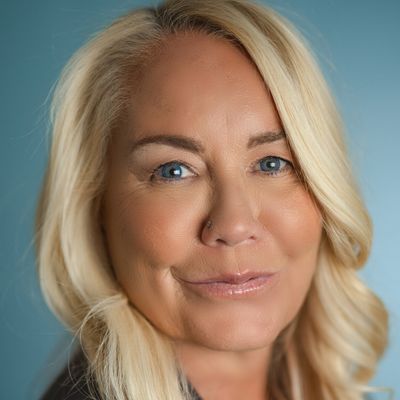
About
From New York Times bestselling author comes a tale of personal redemption. Uncover the incredible journey of Lara Love Hardin in this intimate episode, Lara reveals her struggles, the power of self-forgiveness, and the profound impact of storytelling. Dive into a story of hope and the unyielding strength of the human spirit that promises to leave you inspired. Listen now - the story of Lara Love Hardin is one you won't want to miss.
Connect with Lara on Instagram get a copy of ‘The Many Lives of Mama Love’
- Make sure to follow this podcast everywhere you find podcasts, leave a rating and a review, and slip into our Instagram DMs at @wasitchance.
- More about Heather via @heather_vickeryandco on Instagram, @Braveheather on TikTok, and listen to The Brave Files
- More about Alan via @theatre_podcast on Instagram and listen to The Theatre Podcast with Alan Seales
EPISODE TAKEAWAYS
- Lara didn’t expect her memoir, “The Many Lives of Mama Love” to touch so many lives and provide peace to so many
- The books Lara works on, as a literary agent always have impact - that’s what she’s seeking to put out into the world
- Prior to releasing her memoir, she was living in a constant state of fear and shame - the book was a way to release all that fear and shame. Owning your story is so incredibly powerful
- Lara spent so much time trying to prove she was worthy and good enough but always afraid her past would take everything away
- Forgiveness is easy for Lara - with everyone except herself. When she wrote the chapter on “self-forgiveness” for Archbishop Desmond Tutu’s book she had to face this head-on and it changed the game
- “Reading was my first addiction” - reading was an escape and a way to protect herself
- If you want to be a writer you have to read and read and read
- With a natural aptitude for writing Lara got a lot of attention and approval at school and she craved more of that
- Writing is a way for Lara to feel good
- There’s a very special gift to be able to write in the voice of others
- Collaborative writing and ghostwriting are, basically, the same thing
- Two years out of jail and on probation, Lara was struggling to get a job. When she saw a Craigslist post for a part-time literary agent assistant
- When someone believes in you, you rise above and beyond their expectations - we all need to be believed in
- Lara worked her way up to CEO from Idea Arcitechs and then left to start her own agency, True Literary.
- True Literary’s mission is to help create books and content that entertains, transforms, provokes, and inspires (not necessarily in that order).
- Starting her own agency was about the freedom to choose who she worked with and what books/authors she took on and also being able to decide how she wants to spend her time and be fully free
- “There is no room for creativity when you’re in survival mode”
- The Gemma Project is about gender and trauma-responsive care for incarcerated women
- Stay tuned because Lara’s memoir is being optioned for a made-for-TV film
- It takes a lot to shake Lara, she doesn’t fear failure because she doesn’t personalize it. It’s all just feedback
- Hope can be squishy but Lara’s philosophy is “I look forward to looking back on this someday” and she loves it when people underestimate her.
Transcript
This transcript was automatically generated and might contain errors.
[0:00] Lara Love Hardin: I just did it because I loved it. It was escape. It felt good. And when I'm writing, for me, it's how I accessed emotion as a kid. It's how I made meaning of the world. It's how I felt things.
[0:19] Alan Seales: All right. We're recording. We got uploads. We're G to G, bruh.
[0:24] Heather Vickery: Bruh.
[0:26] Alan Seales: Let's go. Send it.
[0:29] Heather Vickery: Oh, bro. Teenagers, I can do this all day. No caps.
[0:34] Alan Seales: Bet.
[0:35] Heather Vickery: Bet. That's what my 14-year-olds say. Bet, bet, bet.
[0:38] Alan Seales: Bro. Like, what? What the heck? What the fuck is that?
[0:42] Heather Vickery: What is bet?
[0:42] Alan Seales: Not for mine. I think bet means yes.
[0:46] Heather Vickery: Cap is lie. No cap is no lie. Like no lie positive.
[0:50] Alan Seales: Yeah, no sus.
[0:51] Heather Vickery: Yeah, like my seven-year-old tells me I'm sus.
[0:54] Alan Seales: You are.
[0:55] Heather Vickery: Yeah. He's right.
[0:56] Alan Seales: That's made it down to his level.
[0:57] Heather Vickery: No, but my 14-year-old, it's not brah. It's bro. She's hard on the bro.
[1:01] Alan Seales: Which is old. Fascinating.
[1:04] Heather Vickery: That's more aggressive. That's that buttons her up in a nutshell right there.
[1:10] Alan Seales: That's a teenage girl.
[1:14] Heather Vickery: In all her glory, no doubt.
[1:16] Alan Seales: Yeah. When it's a 19-year-old boy who wants food, it's bruh.
[1:20] Heather Vickery: Yeah. It's getting girls to eat. That's the challenge.
[1:24] Alan Seales: So not to stop them. So we're done. That was good.
[1:26] Heather Vickery: Good talk.
[1:27] Alan Seales: Oh, yes. Wait, wait.
[1:30] Heather Vickery: All right, we're good.
[1:31] Alan Seales: Okay, bruh.
[1:32] Heather Vickery: Okay, bruh. Let's go.
[1:34] Alan Seales: All right. No cap. Are you Alan Seales, you ready?
[1:36] Heather Vickery: No cap.
[1:37] Alan Seales: No cap.
[1:38] Heather Vickery: No cap.
[1:39] Alan Seales: No cap. Did I use it right? Did I do that right?
[1:40] Heather Vickery: Yeah.
[1:43] Alan Seales: He did. He wants to be cool so bad.
[1:49] Heather Vickery: No, I gave up on being cool when I was about 18.
[1:53] Alan Seales: I peaked at 14. It's been a while.
[1:57] Heather Vickery: I would say if I was just, you know, like, well, I am just meeting you for the first time. I would say that you look cool.
[2:04] Alan Seales: I mean, I know our we've known each other for five minutes, and so hey everyone, welcome to Was It Chance, the podcast about embracing opportunity and taking intentional risk for your creative life.
[2:15] Heather Vickery: I'm Heather Vickery.
[2:17] Alan Seales: I'm Alan Seales. Not to be pigeonholed. Listen in as we chat with other successful people about the risks they've taken to put themselves on a path to creative success.
[2:26] Heather Vickery: Alan, don't you can't pigeonhole me. Don't even try.
[2:31] Alan Seales: Why would I try? Who wants to contain you, Alan?
[2:34] Heather Vickery: No one can contain I told you we were talking before we started recording that I peaked at 14.
[2:39] Alan Seales: But obviously, um our guest today.
[2:42] Heather Vickery: That's why your wife told me.
[2:43] Alan Seales: No, wait. Hey, yo, that's gross in some way, I think.
[2:49] Heather Vickery: But our guest did not peak at the when you were 14.
[2:51] Alan Seales: She didn't know me at 14.
[2:52] Heather Vickery: Our guest didn't. I don't think she did.
[2:54] Alan Seales: I didn't.
[2:54] Heather Vickery: No.
[2:54] Alan Seales: Who did you?
[2:56] Heather Vickery: I kind of peaked at 14, did you?
[2:58] Alan Seales: We all peak at 14.
[2:59] Heather Vickery: Yeah. I mean, you can have lots of sort of peak. Maybe.
[3:02] Alan Seales: Yeah. I have I have, you know, I've I've failed many times too. And then so when you fail a lot, you get to peak a lot.
[3:08] Heather Vickery: So that's true. That's great about failure.
[3:10] Alan Seales: Ooh, I like that. I don't know. I just made that up. I don't even know if I believe it. I just said it out loud, but I think I believe it now.
[3:12] Heather Vickery: I believe it.
[3:18] Alan Seales: If you fail a lot, you get to peak a lot. End of recording.
[3:20] Heather Vickery: That's great. That's all the time we're doing. I think it's a good thing.
[3:23] Alan Seales: It's great. Thanks for coming to our TED Talk.
[3:24] Heather Vickery: Who is that? Who is talking, Heather? Who is that?
[3:26] Alan Seales: Who is that? Who is that, y'all? I am so excited to welcome Lara Love Hardin to the show.
[3:34] Heather Vickery: And I'm a bit of a voracious reader, for those of you who know. Um, and I enjoy all sorts of books, but I have a special spot in my heart for memoirs. And the end of last year, I stumbled upon the book, The Many Lives of Mama Love. And that is where I was first introduced to Lara Love Hardin.
[3:53] Heather Vickery: And I have to just say that I have a whole bio for you, Lara. And I'm excited to share it because you have an impressive, beautiful career. But I was so I'm actually feeling very emotional right now, very moved by your book. Um, my cousin, uh, we lost him to a heroin overdose. And your book helped me understand him and be patient and be forgiving. And I've shared it with my family, and we're gonna talk about it in the show. Um, but I had really big feelings, and it felt like such a gift that that you gave.
[4:29] Heather Vickery: So, you guys, Lara is amazing. Um, she's got an MFA in creative writing and a really beautiful gift for storytelling that has seen her become a four-time New York Times bestselling collaborative writer. Her work spans the gamut of the human emotion, from inspirational number one New York Times bestseller Designing Your Life to the profound and moving 2018 Oprah Book Club pick, The Sun Does Shine, which she co-authored with Anthony Ray Hinton.
[4:58] Heather Vickery: Lara's talent has been recognized with prestigious accolades, including the Christopher Award in 2019, for her work affirming the highest value of the human spirit and further nominations for the NAACP Image Award. She was even shortlisted for the Dayton Literary Peace Prize. But Lara's journey hasn't been without struggle. And in her recent memoir of The Many Lives of Mama Love, she reveals a harrowing descent into addiction, deceit, and theft, but ultimately led to some just really beautiful, magical learning opportunities. And um, I don't know, your comeback is incredible. So there's a lot. I'm gonna stop talking now and just welcome you to the show.
[5:36] Lara Love Hardin: Well, thank you for having me on. It's so weird. I hear that bio and I was like, Wow, who is that? She sounds cool. And I was like, Oh, wait, that's me.
[5:43] Heather Vickery: Yeah, you are cool.
[5:45] Lara Love Hardin: It's kind of silly sometimes to hear it all listed out. But thank you. Thank you for having me. And it's really um I can tell this is gonna be fun.
[5:53] Heather Vickery: I think that's a good one. A lot of us are fun.
[5:55] Lara Love Hardin: Yeah, we're not fun at all anyway. But only if you try to pigeonhole us. That's when we get super fun.
[5:59] Heather Vickery: Yeah. Well, I'm picking up. We're gonna have to lean you as fun.
[6:02] Lara Love Hardin: Oh, damn it.
[6:04] Heather Vickery: To entertain me.
[6:05] Lara Love Hardin: I peaked 14 minutes ago.
[6:08] Alan Seales: Okay. No, we're gonna have a good time. Um, but really, I thank you. Just thank you for putting your story out there. Um, we're gonna go through, we're gonna talk about so many different things, and this is just one part of your journey. But as somebody who's been touched by addiction, being able to see things from a different perspective is really such a gift that you've given the world.
[6:31] Lara Love Hardin: Yeah, that thank you. That's um one of the surprising things, and I didn't really think about this, is I've gotten so many messages from young women mostly who send me messages like my mom had a similar story to you, and she she died, or she didn't make it, or she's still struggling. It's helped me get more peace with my it's helped me have empathy. Um, and I didn't really think about that. You know, it's um it's been a really a surprising aspect of of the book coming out. You know, I was just like, I'm just putting it all out there, and then we'll see what happens. Cause you know, you've read it. I'm very super naked in the book, not literally, there's no pictures or anything like that. But I guess like, you know, I like I wouldn't do that at all.
[7:20] Lara Love Hardin: The vulnerable. Yes, raw, naked, posed. No, it's um, but I was like, if I'm gonna do this at all because I spent so long keeping my past a secret as I was getting all of those awards and working with all those people. Um I was like, if I'm gonna do this, I'm gonna be really honest. And then I was like, okay, if I'm gonna do this, I'm gonna be really, really honest. So I had to um I had to just like put it all out there. And right before the book came out, I was like, oh my god, what have I done? Like I had this moment like three weeks before launch, and I was like, oh, this is a horrible mistake. You know, I had this sort of panic attack about it. Um but ultimately it's doing good being that honest, I think.
[7:56] Heather Vickery: So many questions in in in my onion ball of question brain that's going on. Um so starting back with uh in the in the bio, what was it the hero?
[8:08] Lara Love Hardin: I'm still trying to figure out what an onion ball is, but an onion ball of a brain peeling back the layer.
[8:15] Heather Vickery: Yeah, a shape. I got it, I got you. I got you.
[8:17] Lara Love Hardin: Yeah, let's have the first layer.
[8:19] Heather Vickery: Pick it up what I'm putting down.
[8:21] Lara Love Hardin: So I was like, no cap.
[8:22] Heather Vickery: No, no cap for for for JL Sus.
[8:25] Lara Love Hardin: Yeah, okay. Um stop distracting me.
[8:30] Heather Vickery: Okay. The the initial Okay, so there's the harrowing addiction into heroin. Right. So that that's a that's a thing of like how did that come about? But then originally I was read the book. I will. And originally I was gonna ask the audience. If you want to know about that, read the book. I was gonna ask where the need to to publicly uh like to get metaphorically naked and put that out there for the world. Where did that need come from? Or and and was it ever a tough decision to do it until those three weeks before launch when you second guessed everything?
[9:07] Lara Love Hardin: You know, in in my in my day job, I'm a literary agent, right? So I help people, and I'm a writer and I'm a collaborative writer, and I've done that for the last uh 13 years or so. And so I've helped people craft stories. I've had people pitch me stories, and I'm always trying to determine like what's a story that is going to have impact, right? So though like the books I work on, they always have a secret intention behind them as an agent. I'm saying that and they're done not only to like entertain, but to have some kind of impact. And so objectively, my story is a crazy story. So objectively, I could look at it and be like, that actually would be a really good book because it's sorry. So there's that piece of it, and it will have impact.
[9:52] Lara Love Hardin: Um, but the decision to do it, it was, you know, my whole past I was keeping a secret in my job from all these amazing authors and world leaders I'm working with, and I was in such fear and shame for over a decade, so terrified that I someone would Google me, you know. And I'm and I'm working with the Dalai Lama and Desmond Tutu and Brian Stevenson and all these people, and I'm like, oh my god, what if they Google me? Like constant shame and fear. And so telling the story took all of that away. And that's really kind of why I did it, because like I didn't want to live like that anymore. It is like so. I did a I did a little local TEDx talk in 2019, and I kind of ratted myself out on that stage locally.
I was like, here's here's the worst thing I've been I've done, and the worst thing, the thing I've been afraid, everyone's gonna find out about me. There's this newspaper headline that called me the neighbor from hell when I was sentenced, right? So I had internalized that. I was, you know, had no community, I was isolated. And so I just said, here's this thing, that's true, but here's also these other things about me. And the feeling I had after doing that is better than any drug I've ever taken. The feeling of freedom and lightness and euphoria and the love I got back.
[11:05] Lara Love Hardin: Gabor Mate, who's this amazing um author and doctor and addiction specialist and trauma specialist? He um I met him through my work and we were having breakfast. We were having breakfast in Costa Rica one time. No, I'm just named. No, but yeah, no biggie. Um, but he he said to me, Um, Laura, when you took because I was addicted to opiates, like prescription opiates um for the person in the room who hasn't read the book. Um, and those were prescribed. They were given to, you know, before the crisis was a crisis. It was just a thing. And and when I take opiates, it lights up my brain in a way that made me feel happier and joy for no reason and got me out of depression and all of these things. And so Gabor said to me, What were you looking for when you took that pill?
And I was like, I was looking for connection, made me braver to connect with people. I was looking for joy for no good reason, which is what I call it. You know, like when you have that joy for no good reason, like everything you're doing. Which we all deserve the right to all the time.
[12:05] Lara Love Hardin: Yeah, and it's hard to get love and approval and all of those things. And so he's like, Okay, well, then you find that without the drugs. Like that, you know, he he really believes that the drugs are a symptom. Addiction's a symptom of something else, and I believe that, or substance use disorder, whatever. It's a symptom. So I don't know, I'm going all over the place. But the reason I did the book is because it's better than any drug, that feeling of telling your story, having no secrets, having just people, you know, judge me or not judge me, but I don't have to walk around hiding anything anymore.
[12:39] Heather Vickery: It weighs on you. Like having it is having secrets. And in your professional life, like what you're saying was you're dealing with these amazing people of names that must hurt your muscles so much and why you have to drop them all the time. You're hanging out with all these people.
[12:59] Lara Love Hardin: And you did a lot of lifting, no muscle tone for dropping. So you're hanging out with these very notable people and worried like that your whole world's gonna come crashing down. And so that once they once they found out about it, were they like, hmm, or was it did you talk about it? Or was it just kind of one no big deal?
[13:19] Lara Love Hardin: I was not only like carrying that weight and that heaviness of the secret, but I was also at the same time, I knew eventually it would come out, you know. So it's like two trains racing for collision. So on one is this secret carrying again. I'm just making this up as I go, so I don't even know if I believe it till I'm the best thing ever. It's gonna be in your next book. I knew that. So and then the other the other train is me frantically achieving, working really hard, proving I'm good, proving I'm smart, proving I'm like, look how brilliant I am. So that when those trains collided, I would have this good to counteract the bad. You know, I was like trying to prove I was good, which is you know a whole thing in itself.
But that's what I was doing, you know, and I was super good adjacent with those people. So I was like, look how good I am. Oh, here's a picture of me with a Dalai Lama, you know. You know, so I but but I knew eventually Google gets us all, right?
[14:10] Heather Vickery: There's a quote for you.
[14:11] Lara Love Hardin: Google gets us all in the end. So I was like frantically filling up the my Google pages, so you'd have to like search for the other one. I mean, not intentionally, but like that's what's happening. I was proving I was worthy, I was good, I was still smart, I was still a good mom, I was still creative, I was still a great writer, you know, all of those things.
[14:31] Lara Love Hardin: So those were the trains that were colliding. So I love that because in my work, I'm a transformational success coach. And in my work, I tell people I work with people all the time on there can be lots of things true at once. You are the person who had these struggles and had this life experience, and you are worthy and good and talented and an incredible writer. Like all of these things are true. And when we own our story, which is what you did, we take the power back. Then once you have the pressure of your own worst enemy off your shoulder, I always say, you know, there's the devil, the good devil on your shoulder and the bad devil on your shoulder. Um for me, it's two devils. And so bad devil's always telling me that's about right.
Yeah, that's a bad one. I'm not surprised. No, a long time I've known him, not surprised. Yeah, all this time, Alan. Um uh yes. So I I was just saying that I think um when you have the pressure of having to try to to I I guess what what am I going for? Like when you're trying to um control the narrative and not be yourself, you're restricting your creativity, and you're not allowed to fully fall into your full potential.
[15:47] Alan Seales: We're gonna take a quick break. Stay tuned for more of the episode.
[15:51] Lara Love Hardin: And now we're back. What is your relationship with forgiveness? And you happen to have been a collaborator on the book of forgiveness with with Desmond Tutu, which I love here. For those of you watching, here I have it right here. And yes, I went right to the back. I was like, oh look, it's Laura's name. Um I mean, I don't know. That's an interesting journey. No, you talk about it a lot. I didn't I didn't think you were lying, but it was titled The Memoir of Lying, Stealing, Writing, and Healing, right? So that's true.
[16:18] Alan Seales: That's true. Um, but you know, as you've gone through this whole journey, and we are gonna have to go back to the beginning of your creative journey here to get the whole story. But where does forgiveness show up for you? Uh, maybe prior to writing your book, and where is it now?
[16:35] Lara Love Hardin: I don't think I ever really thought a lot about forgiveness before I worked on the book with Archbishop Desmond Tutu, honestly. Like, you know, I don't know, it wasn't a big thing I spent my Saturdays thinking about, but I know I I am generally a very forgiving person of everyone and a non-judgy person of everyone, but not with myself, right? So, you know, and I talked about in the book when I was working on that book with him, and you know, this is the icon of forgiveness, you know, and he has a path to it, and he has all the ways, and he led in uh a country through a reconciliation process. And you know, the only thing I shared in my book was when I had to work on the chapter of self-forgiveness, because I was like, what the fuck am I gonna do here? Sorry, am I allowed to say that?
[17:24] Alan Seales: Oh, yeah, we say fucking. I have a book called Fuck Fearless. I wrote it.
[17:27] Lara Love Hardin: Okay, yeah. Don't fucking cuss on this podcast.
[17:30] Alan Seales: Yeah, but I was like, uh, and I brought when I was working on the exercise in that book, I brought them into the local women's jail where I had been with the women that were doing this program there, and everybody had the same problem with self-forgiveness. You know, and like I've like I've had a lot of people to forgive in my life, right? Um before before my uh before my heroine descent. Um but and a lot of betrayals, and I've I think I forgive pretty easily, and sometimes it's just because I get distracted and I forget what I'm mad at. But I think, you know, I was the most it was really hard to forgive myself.
[18:11] Lara Love Hardin: And I think that's part of because part of my story is having children and going through what I went with through and the collateral damage, you know, and and so I was extra hard on myself. And just to go back and answer your earlier question, I don't like nobody I worked with when they found out uh my story was as unforgiving or as judgmental or as uh hard on me as I was on myself. And you know, I didn't realize it, I was just like, oh, you know, I'm just working hard, but I was really punishing myself for a long time. And I was also I mean, we're jumping around, but you know, the reentry system, the post incarceration system punishes you too and shames you. And so, yeah, it was just a lot.
[18:51] Alan Seales: It was a lot. I'm exhausted.
[18:54] Lara Love Hardin: It is a lot, and there is so much prison reform is something that I have felt passionate about for a really long time. Um, and you do such a fantastic job of just showing how secular that system is, how subversive and systemic and gross. I mean illogical, it's just illogical.
[19:14] Alan Seales: Illogical I love efficiency, and it's so inefficient.
[19:18] Lara Love Hardin: Not designed for rehabilitation because then it fucks up the system that's been created. They're not here. And so take somebody with a whole lot of strength and willpower like you to actually get off the hamster wheel.
[19:31] Alan Seales: So I don't know. There's a lot of intentional risk there.
[19:33] Lara Love Hardin: Can I just tell you as a decide it's so funny you just said hamster wheel because um in that chapter I was in in Desmond Tutu's book at one point I wrote a line called and it was the phrase was the hamster wheel of retribution? It got edited out, but oh there you go. It's like my long-standing joke of bad writing thing for me.
[19:53] Alan Seales: And I think as a mom too, it's just we're hard we're naturally shame prone and and hard on ourselves and judging or trying to figure out what to do. And you know, I became all my kids' college essay topics.
[20:05] Lara Love Hardin: So no one dreams of that.
[20:08] Alan Seales: No, but also there's no failure only feedback, right?
[20:11] Lara Love Hardin: And so that was used for their greater good in in the end anyway. So let's go back.
[20:18] Alan Seales: And I don't want to just talk about the book.
[20:20] Lara Love Hardin: I could just talk about the book probably for weeks with you and and just love every minute of it.
[20:25] Alan Seales: But you said that one of your your first addiction was reading.
[20:29] Lara Love Hardin: And so I love that a because it it shows that pattern. But I want to talk about how you ended up in your career. What even when you were younger with that reading addiction, all of that, how did you end up getting your MFA in creative writing and what does writing feel like for you?
[20:49] Lara Love Hardin: That's a great question. So yeah, I started reading really early and often, and it was my escape. You know, my home life was not great, and uh the world was confusing, and my escape was into books. And that was a great escape for me to have, right? Because I think um by reading so much early on, I think it's naturally like that's your gateway drug to writing you know like if if people are always like what I want to be a writer I'm like well you gotta read you gotta read read read everything um which I'm sure you know and so um so that just kind of segued into storytelling really young I started writing uh it's I was at a book event in in uh in Boston and my childhood best friend you know the one who's like your your secret password on those questions you know that Patty O'Connor no now everyone knows no but I had it she she she sent me she had all these like things I'd written her when we were 12 years old like and I'd forgotten I'd written all these poems you know like in all this that's a good friend it's a good friend she had them all in a like in a in a in a photo album but it was like with where I was and when I was here and um I was reading those and I was like actually wasn't bad at 12.
[22:05] Lara Love Hardin: Maybe I did peak at 12. Um but um but I started right I started writing and I so two things happened. One I think I was naturally good with it from either I was born with a little bit of talent or all the reading probably is what what happened I think.
[22:22] Lara Love Hardin: Um maybe both maybe both and I got a lot of attention for it because I was good at it so I did more of it right so I was you know I didn't get a lot of attention at home and so at school writing was both escape and then approval and validation and I wrote stories and I started winning awards and I was good at it. And so that's kind of like how that turned into my thing I'm gonna do. I'm gonna go to college and do English and my and and major in creative writing, and then I'm gonna get my master's degree in creative writing and and then I was like, oh wait, how do you make money at that?
[22:56] Alan Seales: I didn't really I wasn't thinking about that.
[22:57] Lara Love Hardin: Really solid question.
[22:59] Alan Seales: Yeah, you know, I was like, oh whoops.
[23:01] Lara Love Hardin: Um I just did it because I loved it. It was escape. It felt good. And when I'm writing, for me it's how I accessed emotion as a kid. It's how I made meaning of the world, it's how I felt things. I'm a much better writer than I am a talker, so sorry for your podcast. But like I like I've always been that way. Like I can I can tap into things in a deep and honest way in my writing that comes easier to me than doing it out loud.
[23:27] Lara Love Hardin: And so that's how I kind of cope with the world. And that was it just gave me it, it it gave me a feeling of well-being, right? And and I love to make people laugh in my writing, I love to make them cry. I just wanted to make people feel things with my writing. That was my goal when I was younger, and and win awards and make a lot of money and be rich and famous.
[23:46] Lara Love Hardin: And that didn't happen. I was like, oh shit, what am I gonna do now? Um so I stopped, you know, after college, I stopped writing for uh until I was in jail and started writing again.
[23:57] Alan Seales: Wow. Is that a a form of healing to write when you were in jail?
[24:01] Lara Love Hardin: Here's the thing I can never there's a lot I was just at Ernest Hemingway's house in Florida.
[24:07] Alan Seales: Who?
[24:08] Lara Love Hardin: And I don't want to never heard of him.
[24:09] Alan Seales: Yeah, so he in Key West, Florida, uh at the beginning of the year.
[24:13] Lara Love Hardin: I might oh I probably can't say this publicly, so maybe cut it out. I don't think it's a crime. I might have actually left my book in Ernest Hemingway's house.
[24:17] Alan Seales: I don't think it's a crime.
[24:23] Lara Love Hardin: I might have hidden it somewhere in there. I left it. But anyway, I yeah.
[24:26] Alan Seales: So uh I haven't told anyone that I love that you shared it with.
[24:31] Lara Love Hardin: I haven't told anyone that publicly, but there you go. Now it could be like a a treasure hunt to find exactly probably clean.
[24:37] Alan Seales: My sister has a house in Kiyo, so I'm gonna go visit and find your book.
[24:40] Lara Love Hardin: I'll tell you offline where I hid it and you can go peek.
[24:43] Alan Seales: Yeah.
[24:44] Lara Love Hardin: Okay.
[24:44] Alan Seales: Okay.
[24:44] Lara Love Hardin: So um the reason I mentioned Hermione Wade is there's a lot of literary drug addicts and alcoholics, and there's a lot of glam around alcohol and Charles Bukowski and you know um what's his name? You know the name on the road. What's Kerouac and all these people you know doing drugs and doing yeah, yeah, and doing and drinking and writing.
[25:04] Lara Love Hardin: I couldn't do that. If I'm taking a drug, I will not write. That's the other thing. So the reason I started writing gel too is I was I was not on opiates.
[25:15] Lara Love Hardin: And uh and it was really hard, and I went back to what I knew as a kid, which is great, which is how do I make sense of this world? I'm in fear. I'm at the lowest rock bottom point of my entire life. So I started writing again there.
[25:28] Alan Seales: Beautiful.
[25:29] Lara Love Hardin: And then I started ghostwriting there. That's where I learned. That's where I learned I'm really good at that.
[25:31] Alan Seales: Wait, is it a different skill to ghostwrite?
[25:36] Lara Love Hardin: I guess when you're a ghost when you're a ghostwriter, you have to write in the tone of the person that you are ghostwriting for, right? You you you have to become them and write as them.
[25:46] Lara Love Hardin: So you have to deeply listen to them, know them, think like them, get you know, it's just like it's like empathy on steroids to do it well. I think.
[25:54] Alan Seales: And you have to have a gift for voice, right?
[25:57] Lara Love Hardin: So you have to sound like different people, and I think that is, um, you know, all the books I did were nonfiction, but my background and my degrees are in fiction writing. That's what I did when I was younger.
[26:07] Lara Love Hardin: Um, and all the books I collaborated on were nonfiction, but because I had that fiction background where you you have to know voice if you're a fiction writer, you have to be different characters and have different, you know.
[26:18] Lara Love Hardin: So I think that helped. And I'm I think I'm just good at voice and writing.
[26:22] Lara Love Hardin: So I like I could write something as Alan right now.
[26:24] Alan Seales: All right, well, let's go.
[26:25] Lara Love Hardin: I bet you could.
[26:26] Alan Seales: And I would very much like you to do that.
[26:28] Lara Love Hardin: That would be I'll write you a recap of the show as Alan when we hang up.
[26:34] Alan Seales: I won an award in third grade for the life and hard times of a cockroach, my short story.
[26:39] Lara Love Hardin: You did.
[26:40] Alan Seales: Yeah.
[26:40] Lara Love Hardin: Yeah.
[26:41] Alan Seales: Wow.
[26:41] Lara Love Hardin: Yeah.
[26:42] Alan Seales: So I'm gonna give it to you.
[26:45] Lara Love Hardin: The life and hard times.
[26:46] Alan Seales: Oh yeah.
[26:47] Lara Love Hardin: See, that's empathy. You had you you so therefore you were thinking about cockroaches in third grade.
[26:52] Lara Love Hardin: So that's a story to unpack.
[26:53] Alan Seales: Yeah.
[26:55] Lara Love Hardin: Um where you where you live, what was going on in your life there.
[26:58] Alan Seales: And then you empathized or you empathize so much with the cockroach who most people think you gotta smash it and and poison it and get rid of it.
[26:58] Lara Love Hardin: And then you put yourself in the consciousness that that cockroach is like my life really fucking sucks as a cockroach because people are always trying to kill me, and I'm just trying to live.
[27:17] Alan Seales: And then you wrote that story.
[27:18] Lara Love Hardin: So that tells me so much about you.
[27:20] Alan Seales: Every chap thank you.
[27:22] Lara Love Hardin: And now you know why she's really fucking good at her job.
[27:25] Alan Seales: And right, so like I could I could write a whole short story as as about Alan now.
[27:31] Lara Love Hardin: Every chapter cockroach lost a leg, ended up still running away in the house in a in a wheelchair by the end of the story.
[27:39] Alan Seales: Of course it did.
[27:40] Lara Love Hardin: So wait, what's the one?
[27:40] Alan Seales: So what did that cockroach want?
[27:42] Lara Love Hardin: He just wanted to.
[27:44] Lara Love Hardin: He just wanted to live his life, right? Be left alone.
[27:46] Alan Seales: Yeah, yeah, no capital.
[27:49] Lara Love Hardin: Yeah, no cap.
[27:50] Alan Seales: So any of us want no cap.
[27:53] Lara Love Hardin: Well, is there a difference in being a collaborative writer and being a ghostwriter?
[27:58] Alan Seales: No, they're the same thing.
[27:59] Lara Love Hardin: It's just like uh it's you know, the term ghostwriting was kind of I don't know.
[28:04] Lara Love Hardin: I'm I don't know the history, so whatever I'm saying, I'm just kind of making up. This is what I think.
[28:08] Lara Love Hardin: Like I actually am not the expert on how the origins of ghostwriting, but I think originally it was something where people listened to a s a celebrity or CEO and for a couple days and then just wrote whatever so they had for propaganda or something, you know, like to like here's my brochure, here's my here's my tell all.
[28:28] Alan Seales: Um collaborative writing is is really what everyone's doing too.
[28:31] Lara Love Hardin: It's just where you're um so it's a little bit more comfortable term. You know, ghostwriting used to be like, oh, don't tell people you have a ghost story.
[28:37] Alan Seales: Like eighty percent of nonfiction books have a writer.
[28:40] Lara Love Hardin: Yeah. You know, I can look at the back of any book and tell you who the the collaborative writing helper is or who the writer is.
[28:47] Lara Love Hardin: And and some authors are more comfortable sharing that and some aren't.
[28:51] Lara Love Hardin: And as a as a collaborative writer or ghostwriter, it's really interchangeable, but um you're either just in the acknowledgments of the book, right?
[29:01] Lara Love Hardin: Um, or you're on the title page when you open it up, it'll be like I did a book with the John and Julie Gottman, who's relationship experts, and it says, you know, on the title page their names and then with Lara Love Hardin underneath on the title page, or you're really like, and or a with on the cover.
[29:20] Okay.
[29:21] Lara Love Hardin: So it's like a whole it's a whole language that people in the industry understand.
[29:27] But there's no shame in having writing help because the odds that you're gonna be like the world's leading expert in cockroach reproduction and you devoted your life to studying this and now you have this fascinating theory, big idea book that's gonna go out in the world and you're also a trained narrative storyteller and know how to do that, you know.
[29:45] Um, the a or a world leader who can also like, no, like drop into a scene this way, you know, so it is really there's no shame in having writing help because it's a whole different skill that people train their whole lives for also.
[29:59] So wow.
[30:00] Alan Seales: I'm both an expert in cockroaches and a world leader.
[30:02] Lara Love Hardin: So you nailed it.
[30:03] Alan Seales: You totally nailed it.
[30:05] Lara Love Hardin: Yeah.
[30:06] Alan Seales: Well no, it's like road reproduction.
[30:08] Lara Love Hardin: I just I embellish your story for you.
[30:09] Alan Seales: Yeah, right.
[30:10] Lara Love Hardin: All of a sudden now you've got a whole new credit.
[30:12] It's pretty impressive.
[30:13] Alan Seales: Cockroach I'm getting to know him.
[30:15] Lara Love Hardin: I'm gonna read I am the world leader of cockroach reproduction.
[30:19] Alan Seales: Yeah, you are no cap.
[30:22] Lara Love Hardin: No capital.
[30:23] Alan Seales: But a little like but no cap.
[30:25] Lara Love Hardin: Sorry.
[30:26] Alan Seales: I could go by we like to have a lot of fun.
[30:29] Lara Love Hardin: Total ghosts.
[30:30] Um, I have an English degree also creative writing.
[30:34] Um, but I am kind of I don't know I think I'm a fine writer.
[30:39] I don't think I'm an incredible writer.
[30:40] I am however a great storyteller.
[30:42] I do much better lives.
[30:43] So opposite of you and I have long dreamed of having a collaborative writer to make I mean I did have in my book Fuck Fearless I had a developmental editor so it was similar but not quite the same.
[30:54] Like how you know just let's just tell it better.
[30:57] Let's tell a better story.
[30:59] So I love that there's definitely no shame in that.
[31:02] But it is fascinating though because as somebody who consumes memoirs on a really large scale it's gotta be so much work to get in their voice and I think about you know the new Britney Spears book or Will Smith or all of these books and I feel them in it.
[31:17] And then because I know most people work with a collaborative writer I'm like much of that is wow they're really a brilliant writer and how much of it isn't I mean the way the process works too is you know it can be they might be first of the page, and then the collaborative writer slash developmental editor, rewriter goes in and tightens it up, or they talk and they tell a story, and then you kind of put it on the page and send it to them, and they're like, No, I would never say that.
[31:43] You know, like I'd never say something like you know, it is collaborative, it's collaborative, like that.
[31:47] You go back and forth because ultimately it's the person's book and words whose name's on the cover, and so it ha every word has to be true and sound like them.
[31:56] And so if it's done well, um you you it is them, you can trust it is them, and at that level, those books are them, right?
[32:06] At that level, you know, the hard thing is there's a lot of people out there who are like, Oh, I'll write your book in five days.
[32:13] I just had a friend who was like, I um I'm like, you're writing a book, and she was like, Yeah, I joined this whatever something I'm gonna do in a few days.
[32:20] And uh, and I was like, Oh, you know, or people or a writer who's like, Yeah, I'm gonna write your book and I'm gonna charge you by the word.
[32:27] This drives me crazy.
[32:28] Alan Seales: What?
[32:29] Lara Love Hardin: Because I was like, Okay, the best writing says in the fewest words possible.
[32:34] So if you have uh either a writer or somebody who is charging by the word, they're incentivized to make your book worse.
[32:40] Yeah, and so that's the thing that's out there in the world that makes me angry.
[32:45] As a literary agent, that makes me jail level angry.
[32:48] Yeah, because you'll get taken advantage because everyone wants to tell, you know, like everyone wants I get pitch books like all day long everywhere.
[32:56] Like the UPS guy is like, hey, I have a book idea, you know.
[33:00] Um, but there's so there's people who take advantage of that, and people and and really I think it's taking advantage of what people are wanting from that.
[33:10] Like everyone has a story, is it should everyone have a book?
[33:13] Not necessarily and there's lots of ways to like tell your story and lots of mediums and lot, you know, you could it's a podcast, right?
[33:20] Like it's because people want to be seen and known.
[33:22] I think that's what it is.
[33:23] And so then it's just like, what's what's the best way to do that?
[33:27] We're gonna take a quick break.
[33:28] Stay tuned for more of the episode.
[33:31] Alan Seales: And now we're back.
[33:33] Lara Love Hardin: As a literary agent, though, do you ever get a manuscript or uh an ARC?
[33:39] I learned this yesterday.
[33:40] Alan Seales: Um no, the arc comes after the manuscript has been picked up.
[33:43] You did learn it yesterday, but you know.
[33:44] Lara Love Hardin: What does Ark stand for?
[33:45] Alan Seales: Like, what does Arc stand for, Alan?
[33:47] Alan Seales: Amphibious reptiles crawling.
[33:49] Lara Love Hardin: Duh.
[33:49] Alan Seales: Yes, it does.
[33:50] Lara Love Hardin: Yeah.
[33:50] Alan Seales: So advanced reader copy.
[33:52] Lara Love Hardin: I don't know.
[33:53] Alan Seales: He learned that last night.
[33:54] Lara Love Hardin: He really did.
[33:55] Alan Seales: I promise.
[33:57] Lara Love Hardin: Um yeah, so when you're you see something and you're like, Whoa, this I'm used to person A's work, but with pe teamed up with Ghostwriter B, I like it.
[34:08] I like Ghostwriter B's work so much better.
[34:10] Alan Seales: I'd rather have Ghostwriter B write their own novel.
[34:13] Lara Love Hardin: Like how often does the ghostwriter get kind of sniped out to be the uh the the main one?
[34:20] Lara Love Hardin: Well, it doesn't happen because no one no one reading a book are you gonna think it's not the author's book, right?
[34:29] I mean, like you would know is ghostwriter B's.
[34:31] Alan Seales: But you can in inside the industry, so you're like, oh, this person, like we're gonna still put out author A's book, right?
[34:37] Lara Love Hardin: So Ernest Hemingway, we're still gonna get Ernest's book.
[34:40] Alan Seales: But then if you're ghostwriting, or okay, let's say I'm ghostwriting.
[34:44] Lara Love Hardin: This is purely hypothetical here.
[34:46] Alan Seales: Uh clearly I'm I'm I've got this great talent for writing words on a page, and then you're like, Well, he's got great talent for writing words on a page.
[34:56] I wonder what he could do on his own.
[34:58] Lara Love Hardin: Like, is that does that happen?
[35:00] Alan Seales: Yeah, yeah.
[35:01] Lara Love Hardin: I actually have a woman that I've signed with my agency, Elaine Fluker, who is a fabulous writer, and she's a fabulous uh collaborative writer.
[35:09] And so I she's worked on a couple books for me as a collaborative writer, and then I signed her for her for her next book, which is uh nonfiction book.
[35:17] So it's not like uh there's no competition there.
[35:20] Alan Seales: Like there's no there's no uh container or limits on their creativity, I think.
[35:26] Lara Love Hardin: Oh, good, good.
[35:27] Alan Seales: That's I'm trying to bring it back to creativity for you.
[35:29] Lara Love Hardin: No, no, it's good.
[35:30] Alan Seales: No, it's true.
[35:30] Lara Love Hardin: But you know, like there's no it's not either or, you know, and a lot of like collaborative writing is a great way for writers who have their MFAs or who get out of college like I did, like I don't know how to make money.
[35:43] It is a great way to both hone your craft and make money, right?
[35:50] Lara Love Hardin: I'm a much better writer than I was 10 years ago writing I've written 14 books.
[35:53] Alan Seales: Only one of them has been my own.
[35:55] Lara Love Hardin: Absolutely.
[35:55] Alan Seales: Right.
[35:56] Lara Love Hardin: Yeah, you've got to do the thing to get better at it.
[35:58] Alan Seales: Yeah.
[35:59] Lara Love Hardin: All right.
[36:00] Alan Seales: Well, so what would you say was the first intentional risk you took that has led to this career as a literary agent as a writer?
[36:12] Lara Love Hardin: Can you pinpoint that?
[36:13] I mean, I could go, I mean, I think I took a risk.
[36:17] I mean, I can't go all the way back.
[36:19] There's been various intentional risks and unintentional risks.
[36:24] So I think, you know, the risk I took um when I was post-jail, you know, and I talk about this in the book.
[36:33] I was uh maybe two years out of jail on probation, um, so hard to get a job.
[36:40] So I was I was doing like freelance um SEO writing, you know, for like uh content people.
[36:48] Uh and I saw Craig's List ad for a literate part-time literary agent assistant, right?
[36:54] And it had a and I was like, oh well, I guess, you know, I'll do that.
[36:59] I'd been a real estate agent.
[37:00] I've had many, I owned a pet cemetery, like I was I was pet cemetery, not pet store, pet cemetery.
[37:05] No, pet oh yeah, pet cemetery.
[37:06] Um, so but I was starting over, right?
[37:09] Like this Craigslist ad was insane because it was an agency that said they work for, you know, worked with Desmond Tutu.
[37:15] And I'm like, and they're on Craigslist.
[37:17] Like I'm gonna get killed probably, you know, going to this interview at a person's house.
[37:22] Um, but I but it was like this long for a part-time assistant, like five to ten hours a week, you know, like 20 bucks an hour.
[37:29] It was like not it was, but it was gonna save my life at that point because I was starting over, right?
[37:33] And nothing, nothing.
[37:36] But it had this long quite like answer all these questions, probably a list of like I have the letter I wrote in response, a list of like 30 deep philosophical questions for a part-time $20 an hour job, you know.
[37:47] So I answered them all really quick.
[37:48] And it was like a huge writing assignment in and of itself.
[37:51] The job had nothing to do with writing, right?
[37:53] It was just an agent assistant.
[37:55] So I, you know, answered that Craigslist ad.
[37:57] Um I called them, I was like, is it still open?
[37:59] Because it was an old Craigslist ad, which is even creepier.
[38:02] And then I did it, and then I was at, I was with my son Caden.
[38:06] I'd just gotten him back, you know.
[38:07] He had, I think we'd been separated for a year, just gotten him back going through the whole foster care and the court system.
[38:13] I still had to go to courts, I still had to be drug tested, all of these things.
[38:16] And I was in line trying to appeal to get um welfare, because if you have a drug conviction, they don't want to give you welfare.
[38:26] And I'm a mom, sole custody, all you know, can't get a job because I have a job, you know, a criminal conviction.
[38:33] My, you know, my landlord, I had to go underground rental market.
[38:36] He didn't want me to have a child there.
[38:37] It was like a dis crazy I had a car that didn't go uphill, right?
[38:37] Didn't go uphill.
[38:42] So um, so I was in there, you know, depressing place, waiting hours to try and beg for money, like lowest of my low points, right?
[38:51] And I was like, I, you know, and I have that master's degree, I've had all the past.
[38:55] Like I was I was a little coach, it was a school board, you know.
[38:58] So I'm there and I get a phone call, and it's like, can you come to a job interview at this literary agency in an hour?
[39:04] And I was like, food, potential job, but they might just ask if I have a criminal record, and it's no, but but wow, that would be my dream job, and I'm starting over, might as well get back into the things I love, which are books and writing.
[39:15] It was like this moment, I don't have child care.
[39:17] What if he lives uphill and I can't get there?
[39:19] You know, I was doing this whole thing, and I was just like, fuck it.
[39:22] And I I said, I'll be there in an hour, just like scrambled and got that job.
[39:26] Like, and literally started writing.
[39:29] It wasn't a writing job, but uh Doug who hired me realized really quickly that I was a good writer, and that felt good again, you know.
[39:37] It's like that's that full circle moment from childhood.
[39:39] I was like, Oh, I someone's believing in me, someone thinks I'm brilliant.
[39:43] He didn't know my past because he hadn't Googled me.
[39:46] And he never asked I had a don't ask, don't tell policy.
[39:48] So at that time he did not know.
[39:50] And this literary agency's operating out of his house where he has children and the family.
[39:54] And he immediately the first day hands me this like bank pouch full of all of his credit card and bank account numbers and passwords.
[40:02] And you'd been in jail.
[40:03] I was connected for 32 felonies of identity theft, basically, is what it comes down to around my addiction.
[40:09] And I was like, because he believed in me and trusted me.
[40:13] And first of all, like, if I'm not on drugs, I'm never gonna commit a crime, and I would give you all my money.
[40:17] Like that's who I am at my core.
[40:18] It's not like, and now I use all my evil powers for good.
[40:21] But he also didn't commit all those crimes.
[40:24] Y'all need to read the goddamn book.
[40:26] But it was that thing where someone believes in you, and I was like, I'm gonna rise to that level and surpass that they're believing in me.
[40:33] Like they're giving me a chance.
[40:34] I work so hard, I work night and day.
[40:36] Built like one of the most successful biggest literary agencies, nonfiction in the world working with you know all those crazy people, ended up CEO ten years later, you know, from that part-time assistant.
[40:48] Wow.
[40:48] Lara Love Hardin: Um, but it was such a risk.
[40:50] And then the biggest risk is when he found out a few weeks later about my actual change my whole thing.
[40:56] This is the even bigger risk.
[40:57] He found he googled me a few weeks later and found out that he saw that neighbor from hell headline, he was shocked.
[41:03] He's like, you know, like, oh my god, this person's in my house.
[41:06] Am I, you know, am I Jack the Ripper?
[41:08] Like he didn't know.
[41:09] And he's like, go home, come back tomorrow and we'll talk about it.
[41:12] And I went home and I was like, I'm never going back there.
[41:14] I will never ever go back there.
[41:16] Like this is like my worst nightmare come true.
[41:19] I was like mortified.
[41:20] It was I felt horrible.
[41:22] It was like he just called me brilliant, and now I'm this again.
[41:27] I'm this person again because of that headline.
[41:31] And um, which tells you why I kept it a secret for so long.
[41:34] But I went back and it was the hardest thing I ever had to do was to go back in there and be like, look, I am sorry that this that you know, I it's really important to me that you know I didn't lie to you, and I'm sorry to put you in this position, and I'm still as fucking brilliant today as I was yesterday.
[41:49] And he said, Okay, let's do it.
[41:51] He said, I can't work with Desmond Tutu and not practice, you know, walk the talk that he does.
[41:57] And so then we were off and running.
[41:59] Alan Seales: That's amazing.
[42:00] Lara Love Hardin: And I hear you.
[42:02] Alan Seales: The brave thing, the risk thing was you trusting him and yourself enough to show back up.
[42:09] Lara Love Hardin: Yeah, that's amazing.
[42:11] Alan Seales: Because you when you said earlier that both things are true about something, I didn't even know it was before we recorded, but it was true that I was on probation and have a criminal record and I committed not all of those crimes, but some of them.
[42:23] I was guilty.
[42:23] Lara Love Hardin: I deserved to go to jail.
[42:25] Alan Seales: Struggle with addiction.
[42:27] Lara Love Hardin: And it was also true that I was a really freaking hard worker and really had great ideas and was a gifted writer.
[42:36] Like those things are all true.
[42:38] Alan Seales: And so the problem is we don't always let people see those things, right?
[42:43] Lara Love Hardin: And at the same time.
[42:47] Alan Seales: I know, right?
[42:48] Lara Love Hardin: Alan is now you know why I needed to have Lara on the show.
[42:53] Alan Seales: Yeah, what are all the spaces he's making?
[42:54] What's going on there, Alan?
[42:56] Alan Seales: He's processing.
[42:58] Lara Love Hardin: No, that's processing.
[42:59] Alan Seales: He's kind of blown away.
[43:00] Lara Love Hardin: That's that's what's happening right now.
[43:02] Alan Seales: That's one of those things where um I'm I mean, I I work a lot in other areas, um, mitigating and eliminating unconscious bias and recency bias and all sorts of you know, just all sorts of things that you uh assume to be true about somebody because of one particular fact that you may think you know about them, right?
[43:25] So it it's really nice to hear that somebody who somebody can come in and just give you the benefit of the doubt, really, and because any anyone could write anything on the internet and then it just goes forever in theory.
[43:42] Lara Love Hardin: So to be able to work around that and to be allowed to prove yourself again and be given a fresh start essentially by this guy was, I mean, it sounds literally and figuratively life changing.
[43:54] Alan Seales: Yeah, it was.
[43:55] Lara Love Hardin: It was.
[43:55] Alan Seales: Have you read the book *Biased* by Jennifer Eberhardt?
[43:58] Lara Love Hardin: Put that on the list.
[43:59] Alan Seales: I will.
[44:00] Lara Love Hardin: I will.
[44:01] Alan Seales: Yeah.
[44:01] Lara Love Hardin: Our agency represents her.
[44:03] Alan Seales: It's a good book.
[44:03] Lara Love Hardin: She's a Stanford professor.
[44:05] Alan Seales: Cool, cool.
[44:06] Lara Love Hardin: Excellent. I assume I can go to your agency's web page and see all the books that you've got.
[44:11] Lara Love Hardin: You can. Well, so I, you know, my other risk for creativity I took for my creative life, I took a little over a year ago and I left my job as CEO and started my own agency.
[44:24] Alan Seales: So that's gutsy.
[44:25] Lara Love Hardin: So all of those books I'm talking about from Idea Arcitechs, some are out, you can see the ones I'm working at True Literary, but if you go to Idea Arcitechs' site, you can see all those Jennifer Eberhardt's and all the books I worked on over there.
[44:37] Alan Seales: What was, okay, what was kind of the turning point for you? Like you're coming out of rock bottom, you've got this whole thing going on and then so you're like working with all of a sudden, you know, the bio that was read in the beginning, you've got this list of credits a mile long, which didn't exist previously. And then so was it just this job opportunity with being this guy's assistant for a little while that kind of flipped it all around, or was there any moments or any chances that you had to take to like kind of push yourself into this upper echelon of now being able to say, "Oh, I just left my socks at Ernest Hemingway's house," you know?
[45:13] Lara Love Hardin: Just her book.
[45:14] Alan Seales: I know.
[45:15] Lara Love Hardin: Just her book.
[45:15] Alan Seales: Well, I don't know. You might have left your socks, but I know.
[45:18] Lara Love Hardin: It's Key West, you don't wear socks.
[45:19] Alan Seales: That's right. Just the sand, maybe a little sand and a book.
[45:23] Lara Love Hardin: Yeah. I mean, I feel like I took so many risks every time I agreed to collaborate on a book with someone when I had no idea. Like I wrote a book with like a neurosurgeon and psychologist. You know, like I worked on a book called *The Eight Conversations You're Supposed to Have Before You Get Married*. I've never had any of those conversations and been married three times. So I'm obviously an expert at it and not successful at the same time. So like every time I had to agree to work on a book, I felt like it was like this risk, like against my own self-doubt, right? Because when you're operating from this place of shame and you don't advocate for yourself and like all of these things, I still was like, even yesterday I was having this meeting with this like one of the most brilliant women I've ever met.
And we were like doing brainstorming ideas, and I was like catching myself, and I was doing a lot yesterday where I would say, like offer an idea, and then be like, "Does that make sense to you?" I was like, "Where is that coming from?" You know, that doubt that like, you know, so I think I took a lot of risk with every book, you know, a lot of like fake it till you make it kind of thing with people.
[46:38] Alan Seales: All right, one more quick break. Hang on a second. All right, here's the rest of the episode. But the biggest risk I think, you know, if I had to like just do three other big buckets was besides like leaving the agency and starting over, that was insane. You know, it's not like I'm 30 and deciding to do my own TED stage.
[46:57] Lara Love Hardin: Yeah.
[46:58] Alan Seales: And doing my own book. You know, like those are a big, you know, I had to let my kids read this book, right? Like, you know, we don't have, I never had access to my mom's interior world, so graphically, you know.
[47:12] Lara Love Hardin: What did your kids say about your book?
[47:16] Lara Love Hardin: So my oldest son Dylan read it, and he's, you know, he's like a data scientist, so he's a very analytical person. And he said, "Mom, I've always felt closer to you and now I feel even closer to you." So that was really sweet. And you know, the person I was most worried about was Caden. He's my youngest, and he's, you know, a main focus of the book because he's the one who was, when I was arrested, was taken away by foster care and went through all of that. He's the one I was working so hard. You know, what drove me also in those creative risks was that I was fighting to get my children back. You know, I was fighting, I was fighting every day, working so hard, you know, against this ticking clock and against judgments from other people and against all of the inane barriers that people set up, the counties and cities and states and laws so that you actually can't start over, right?
And you can't even like, there is no room for creativity when you're in survival mode. Like there's just no, like if you're trying to figure out how to not get evicted, how to feed your child, how like how creative, how much time are you gonna be like, "Let me express my creativity right now?" No, you're like, "How do I buy bread?" You know, like it's like that's the reality. And so I think like the systems that are set up, you know, and obviously my lane is formally incarcerated, but we can go through all of the oppressive systems, you know, in the country, and how much untapped creativity that we are missing. Like the women I was in jail with, they were brilliant and creative and funny and smart, and none of that is gonna get expressed in the world.
[48:34] Alan Seales: Yeah, right.
[48:34] Lara Love Hardin: And there's millions of people that we are missing out on their voices and their creativity because of our biases, right? And because of our judgments and because of our like no context to people's stories, right? Or our labels or whatever it is.
[49:13] Alan Seales: Assumption.
[49:14] Lara Love Hardin: Thank you for coming to my second TED Talk.
[49:16] Alan Seales: No, it was really beautiful. I have tears, um, for what it's worth. I'm like, I have chills and I have tears, and yeah.
[49:22] Lara Love Hardin: Is that something?
[49:23] Alan Seales: Oh, well, I'm curious why you left Idea Arcitechs and started your own agency. And I'm wondering if part of it was to be able to focus on different types of storytellers, but I just, I don't know.
[49:34] Lara Love Hardin: Yeah, I think, I mean, it was a really hard decision because sometimes when someone gives you a chance, you feel like you can owe them forever, right?
[49:42] Alan Seales: Yeah, you know?
[49:43] Lara Love Hardin: Yeah. And you know, the company from that time, it was Doug and I in his house on a hill, you know, grew to this big company and it grew really big, and I wanted to get back to doing the books that I wanted to do and working with the people. And it's also like in my job, I have, you know, I kind of feel like I can make a book out of anything for anyone. And so I was like, who do I want to do that for? Who do I want to work with? Who would I want to help? Whose voice, you know, like I wanted that free choice. I didn't want to collaborate on choice decision making. I love it in that area, and I just want to do what was true to me, and also like who I was before this book started is someone who likes to build things.
And I always, always have to be like, "What's the next thing I can try and do? What could I do?" Like I like those challenges. I always have to have some kind of big crazy thing. And so that was a big crazy thing, and it just felt like the right time. And I also wanted to, um, the way in which I achieved was a little toxic for me. You know, I didn't prioritize, like I gave up sleep and I'll work, you know, that when I no longer needed to prove to everyone that I was good and worthy, I could take a moment and be like, "How do I want to spend my days?" So now like I started my agency, I'm like, "I will never set an alarm." I mean, I still wake up at like 5 a.m. anyway, but I don't set an alarm.
But like I just wanted to stop that sort of proving myself and just settle into like, "What do I want to do? Like, what do I want to do creatively? What do I want to like work on? What do I want to write? What do I, you know?" So I just had the freedom of that. And I like being my own boss. Like I always, even when I was part-time assistant, I acted like I was CEO and then I became CEO. You know, like, but that's how I work, but I also like to build things. Like I am feeling like I'm just getting started. Like I have so many crazy things in the works and big like areas where I'm about to go in at my age and like, "I'm gonna learn this." I have the opportunity to learn this type of writing. "I'm gonna do that, see what happens there."
Like, so I just, that's who I am. So I can't, and I don't like people controlling my time at all either. And when you have a lot of responsibilities and people you're managing, your time is controlled, even if it's not controlled by someone above you. You know, it's just like you have to manage it yourself.
[51:56] Alan Seales: Yeah, it is controlled.
[51:57] Lara Love Hardin: And also that whole form of freedom, having lost it for a little while. Even once you were out of jail for a long while, having to follow that system and follow those rules, I can see like I just need to shed all of this.
[52:12] Alan Seales: I love the, I'm not gonna set an alarm. And everybody's gonna be fine. We're gonna get the work done. It's all gonna, it's all gonna, it's not life and death, it's books.
[52:20] Lara Love Hardin: Yeah.
[52:21] Alan Seales: Yeah.
[52:22] Lara Love Hardin: Oh my gosh. I love that. And so I'm curious how you're writing. You, I'd like to talk about, uh, it's the Gemma Project, right? Do I have the...
[52:30] Lara Love Hardin: Yeah?
[52:31] Alan Seales: Um, what that is and what led to that, and is that in any way related to what you're doing with your new agency? Are you partnering those things at all?
[52:39] Lara Love Hardin: The Gemma Project, when I, when the book, so the way nonfiction books, which you know, but you know, for the Alans in the room, like when a non, I don't know why I just want to harass Alan like we've known each other.
[52:54] Alan Seales: Well, you can do sing because we have a reoccurring theme on the show called "Shut the Fuck Up, Alan." So I think it's that same thing that makes you want to harass him.
[53:01] Lara Love Hardin: I get it.
[53:01] Alan Seales: I don't know what you're talking about.
[53:03] Lara Love Hardin: Oh, and I was doing that voice.
[53:06] Alan Seales: Okay.
[53:07] Lara Love Hardin: So, you know, the nonfiction book sells from a book proposal, right? And then you have a year to write the manuscript and then a year before it comes out. So when my book sold, I was like, "Okay, this is happening." So for a little bit when my book comes out in two years, I'm gonna have a microphone for a little bit of time. You know, there's a million books that come out every year, every Tuesday. There's new books, you know. That's the thing, and that's my job doing this for authors, so I know this. So I'm gonna do some good with it. So I started working on the nonprofit, and I launched it in July, and the book came out in August. And so it's gender and trauma responsive care for incarcerated and formally incarcerated women because a hundred percent of women in who are incarcerated have trauma, right?
And they're in it, they're in systems and structures and institutions that were built for men that are run by men and that are, you have a cell block full of traumatized women getting re-traumatized every day by men controlling their access to family, to food, to community, to when they sleep, controlling every aspect. And there's no, you know, programming for women is the last thing on the budgets, you know, even in California, like Newsom, they're doing this big whole, you know, changes to the incarceration system. There's the biggest women's prison in the country, two hours, and they're not even mentioned. Which I'm going to do a book club in there though. They're letting hardbacks into the women's prison.
And so they're getting in hundreds of books. And we just gonna pray no one uses it as a weapon. That's why hardbacks aren't allowed in jails and prisons, but they're getting the hardbacks in there and I'm gonna go do a book club with, and I've heard they're letting, you know, they're having all the correction officers read it and then I'm gonna do this massive book club. I'm not sure when, it may be in the spring, in women's prison. So, you know, women, 80% of women in jail are mothers also. And often the sole caregivers are minor children. So then like, you know, and that feeds into the foster care system. And you know, you have a system where the courts like you're in jail, you're sentenced to 18 months and then the foster care court's like, "Okay, you have a year to get your child back."
You know, and those two things aren't coordinating. So it's not set up to 4000 foster children. Everyone's got to do their work in their lane, but everything's intertwined and messy. And um, so yeah, so I started the Gemma Project and also like you saw in the book, like the Gemma program was a program I did, the original one that was created by women who are like, "Let us tell you what we need for programming." And then when I got out before the literary agency job, I was gonna get hired there to run their programming. Even though I was still on probation, I got hired, they made business cards, and then high up they're like, "We can't have her do this," and now I own the Gemma Project.
[55:57] Alan Seales: So that's so badass though.
[56:01] Lara Love Hardin: It's so badass. Um, yeah, no, we're doing like a model site up in Northern California in the jail, and then we're gonna, we're creating the structure, not to run them across the country because every county and state has different rules and laws, but um, so it can be replicated everywhere.
[56:16] Alan Seales: Yeah.
[56:17] Lara Love Hardin: No, I wanna, I want to hear what the rest of your thought was. But I was just about to say if that's something you bring to Illinois, I would love to be in on that.
[56:26] Alan Seales: Awesome.
[56:26] Lara Love Hardin: I'd really love to be part of that.
[56:28] Alan Seales: Yeah.
[56:29] Lara Love Hardin: You're in.
[56:29] Alan Seales: Yeah.
[56:30] Lara Love Hardin: Thanks.
[56:31] Alan Seales: Yeah.
[56:32] Lara Love Hardin: Yeah. And then, you know, and my book's being made into a TV series. And so one of the agreements that I got from the production TV that, I mean, it's in development, so we'll see what happens, but um, when they optioned it, um, is that they have to hire formally incarcerated women in all the aspects of the set.
[56:50] Alan Seales: Very cool.
[56:51] Lara Love Hardin: Right? Because like I said, there's so much creative potential and it's just, you know, people are just thrown away. They're just like you become the worst thing you've done, you become your record, and that's how people keep going back to jail. It's not committing crimes, it's just that they're not given, they're given all these barriers and then say, "Go see if you can get over 'em."
[57:12] Alan Seales: Yeah. In Illinois when they legalized marijuana, I think our governor is just really spectacular. And one of the things that he did is require any business that's in any way marijuana related, whether they're distributor or factory, whatever, they have to employ people who have been imprisoned for marijuana usage.
[57:37] Lara Love Hardin: So, huh.
[57:39] Alan Seales: Yeah.
[57:39] Lara Love Hardin: So same concept, right?
[57:41] Alan Seales: Yeah, very cool.
[57:42] Lara Love Hardin: Good. Gets some back on the street.
[57:44] Alan Seales: Is it Pritzker?
[57:44] Lara Love Hardin: Pritzker, JB Pritzker.
[57:46] Alan Seales: Yeah.
[57:46] Lara Love Hardin: Yeah.
[57:46] Alan Seales: I'm a fan.
[57:47] Lara Love Hardin: I'm a Pritzker fan, to say the least.
[57:49] Alan Seales: Yeah, that's very cool. So then, I mean, you've been through a lot and overcome things. And do you have a specific sort of philosophy?
[58:00] Lara Love Hardin: Excuse me, I just burped up my lunch.
[58:02] Alan Seales: You feel didn't take you for that.
[58:04] Lara Love Hardin: We can edit that part out.
[58:05] Alan Seales: No, I'm keeping it.
[58:06] Lara Love Hardin: I'm just gonna go.
[58:07] Alan Seales: No, no, leave it in.
[58:08] Lara Love Hardin: All right, now that you commented on it, it's gonna be a good thing.
[58:09] Alan Seales: You're so gross.
[58:10] Lara Love Hardin: No, take it out, god damn it.
[58:13] Alan Seales: Last time she asked me to take something out, I turned it into a uh a remix.
[58:17] Lara Love Hardin: A remix of me snorting.
[58:21] Alan Seales: He's like a that's a good friend, though.
[58:23] Lara Love Hardin: It was really good.
[58:25] Alan Seales: I have I have a friend.
[58:26] Lara Love Hardin: Really good.
[58:27] Alan Seales: Okay, my question. Um you've overcome a lot, you've um been through a lot. Do you have a specific relationship um with uh with setbacks with failure? When when something doesn't go your way, uh what's your philosophy on that now?
[58:41] Lara Love Hardin: I mean, it takes a lot to shake me, honestly. Like I when I was in jail one day, I was like, I will never be afraid of anything again when I get out of here. It wasn't true, but that was my hope. But you know, there's something so yeah, failure. Um I'm not afraid of it because I don't personalize it so much anymore. I'm just like, oh, let's try something else, you know. Um, but there is a book I read um when I was in jail called The Book of Awakening by Mark Nebo. And I don't have any tattoos, but if I ever get a tattoo, this would probably be it. Um, but there's a line in there that he wrote, and I've now put it in my book, but I gave him credit for it. Um, but it is kind of my thing that helps. And it was um, he wrote pain pushes until vision pulls.
[59:26] Lara Love Hardin: Pain and so it's pain pushes until vision pulls. And so I was like, part of it was like I have let pain push me my whole entire life. I let pain push me while I was achieving all these things. I let pain push me when I was keeping my secrets. And that is the you know, starting my own agency. It was like, I'm gonna let vision pull me. I don't know what's gonna happen. And like I'm giving up, I'm giving up financial security for life that I had I got a 30-year mortgage, and I was like, but I'm gonna let the vision pull me, not the pain push me. And so even when I'm having um, you know, and I I have those like I've had a really hard 2024. I'll just tell you, like my dad passed away on New Year's Day.
[1:00:00] Lara Love Hardin: Sorry. Um, and so I was like, like 2024's just been coming in hot at me. There's a lot of things, you know, and and and I was saying to my friends, I was like, I know it's happening for me, not to me. Like, I know all the things to say, like I know all the but you still feel it because you're human, yeah. You feel it, but I know like when things are really bad. I know sometimes all you have, and I think this is what I had in jail too. I knew this, and sometimes this is all you have in the moment, is that all you can do, because hope can be squishy and and just like you don't need any toxic like platitudes when you're in that place of like devastation and failure and all the things. I'm just like, I I'm gonna all I can do right now is look forward to looking back on this.
[1:00:41] Lara Love Hardin: That's all I can do. That is the thing that gets me through too. I'm just gonna look forward in this moment to looking back on this someday because you know you're gonna get through it if you're going, you know. So that's what I do. I don't know, it's not very wise or deep, but no, it's pretty wise.
[1:00:57] Alan Seales: All right, it's it's hard, it's really hard, especially when you have the devil on your shoulder saying, No, you know, you're not good enough. Just you know, don't turn around, don't go back.
[1:01:05] Lara Love Hardin: Yeah, don't take that car because it's uphill. And also, like with failure too. I have like I kind of love it when people underestimate me. It's like kind of my favorite thing, you know.
[1:01:16] Alan Seales: I just do. I love it. People are like, You're crazy, you can't start your own agency and launch your book and do this. And I'm like, let's see.
[1:01:22] Lara Love Hardin: I would say you should not be underestimated.
[1:01:25] Alan Seales: Right? I would say you have proven many, many times that all of those people who want to underestimate you were sorely sorely mistaken.
[1:01:35] Lara Love Hardin: Yeah. And I think sometimes you think you've done all this, you know. My my memoir, the subtitle Lying, Stealing, Writing and Healing. And so I was like, okay, I'm healed, you know. And so um, but I think, you know, like I've done a lot of work and I've worked with all these people who've taught me so much. You know, you can't like be these people and not absorb their wisdom and the way they view the world.
[1:01:54] Lara Love Hardin: And so I think that's really helped me in a lot of ways. So here's the thing like I've gone through lots of hard times, lots of like very low valleys and peaks in my life before, and I always did it alone. Always did alone, always internal alone. And in the 2024 stuff, that's all been really hard and and uh death and betrayal and all of these things happening, like and it's only two weeks in. I have not done it alone, you know.
[1:02:19] Lara Love Hardin: Like I have this community, and I'm also not like trying to keep up my look good for people. I'm like, I am a mess, you know. And it was like, oh, look how much I've changed. Like, look what's changed. I have this like people that I can be like, uh, this is what's happening, it's really bad. I don't know what I'm doing. And like everybody is like supporting me. I was like, oh, I don't have to do this alone. I've never in my life I've gone through every hard thing alone till now.
[1:02:45] Lara Love Hardin: In jail, nobody visited me, none of my friends visited me, they're all gone. You know, like I was alone, I was hated by the community, and now I have this community again, and it's like that's how you heal, that's how you get through hard times. Genius is a collaborative effort, right? Like creativity is a collaboration, it's like community, whether it's just support or ideas.
[1:03:02] Lara Love Hardin: So I don't know, that's different, and that's how I get through it. I just tell everyone all my business now.
[1:03:08] Alan Seales: I love that. I mean, that's a beautiful transformation from not only feeling alone, but literally being alone and having to solve all of your own problems and fix everything and holding all of that in to saying, I don't know. Here it is.
[1:03:25] Lara Love Hardin: Take it and we'll just see what happens.
[1:03:26] Alan Seales: Yeah. Let people help you.
[1:03:27] Lara Love Hardin: I love to help people, and I had a really hard time letting people help me. And um, and people like that.
[1:03:32] Alan Seales: I love helping people, so I can't deny that for my friends.
[1:03:35] Lara Love Hardin: So I'm I'm honestly so impressed with with the amount of uh I guess drive and passion it takes to to move I from one point to another, and it you know, for I guess from rock bottom to um to not so rock bottom. Uh but then turning this around and and taking use of the advantages and the um I guess well not advantages, opportunities, like these little opportunities that have that present themselves, and you just let you just m suck onto them and turn them and blossom into these wonderful things.
[1:04:11] Alan Seales: So I mean I'm I'm very very impressed. It sounds very cool. But so where can we connect with you? Get the book, of course. I mean, uh the book is probably available everywhere you get books, but how can we connect with you and and everyone can say hi?
[1:04:26] Lara Love Hardin: Um follow along. Yeah, the books everywhere, much to my children's dismay. I'm really involved in my Instagram account now. I love it.
[1:04:34] Lara Love Hardin: That's really where I connect with people. Like I've answered every single message. Like people send me messages. I don't know if I should say this. They're like, you probably don't read these, or you have people, and I was like, No, I want to know what people are saying.
[1:04:45] Alan Seales: Like, I'm well, that's how we connect it.
[1:04:47] Lara Love Hardin: Yeah, so I really, you know, and I'm so grateful that people are reading the book and responding and sharing it. So I try to do that. So um, my literary agency is true literary.com. The um nonprofit is the Gemma Project.org. And then uh, and all this is on my Instagram, whatever thingies at the top.
[1:05:07] Lara Love Hardin: And Lara Liv Harden is my Instagram. Link in bio. Hashtag link in bio.
[1:05:11] Alan Seales: Yeah, link in bio. We'll and we'll link it all in the show notes too.
[1:05:14] Lara Love Hardin: Yeah.
[1:05:15] Alan Seales: For sure. Um, I do have one question that I I didn't even have in my list, but it occurred to me. I d I have to ask this, and you probably hate people asking you this, but what was it like to meet Oprah?
[1:05:27] Lara Love Hardin: It was like uh surreal. It was because I've imagined it a lot. You know what I mean?
[1:05:32] Alan Seales: And you had a meal with her, right? Like it's not just like a meal.
[1:05:34] Lara Love Hardin: It was great. It was um, she's amazing and and so surprisingly relatable.
[1:05:43] Lara Love Hardin: I mean, she has a gift of relating to people, no matter who they are. I mean, she has she has that ghost writer gift. She'd probably be she doesn't need to, she doesn't need a side hustle job, but um, she has a very deep empathy, I think, and understanding and and a quick read of people that was impressive, and she's funny.
[1:06:03] Lara Love Hardin: She was with her her best friend Gail, and they're just funny, and it was like this mix of super normal and super super not normal, because you know, there's crowds out and people just do things, and she's you know, she's she's like um a very powerful summer day.
[1:06:21] Lara Love Hardin: I don't know. I don't know if I believe that thing, but she's like cut that. No, I was like trying to think because summer days are really good, and but she's too powerful to be good, sounds too sweet. So I don't know.
[1:06:34] Alan Seales: She's not a good thing.
[1:06:34] Lara Love Hardin: My favorite. You're like, I don't know if I believe that.
[1:06:37] Alan Seales: I don't know if I believe what I just said.
[1:06:39] Lara Love Hardin: This is a problem with talking. You can't edit your writing.
[1:06:41] Alan Seales: I can I could just backspace. Delete, delay, delete, delay, delete.
[1:06:44] Lara Love Hardin: Yeah. Strike through.
[1:06:45] Alan Seales: Yeah.
[1:06:46] Lara Love Hardin: So I have a bad no. She was she was um she's really gracious and giving and generous and funny.
[1:06:53] Alan Seales: She was funny too.
[1:06:55] Lara Love Hardin: I'm surprised at that.
[1:06:56] Alan Seales: Yeah.
[1:06:56] Lara Love Hardin: Well, I think you are all those things, and I'm really super grateful you said yes, and I'm really grateful that you wrote your book.
[1:07:04] Alan Seales: Um it's important, folks.
[1:07:06] Lara Love Hardin: It's really just important.
[1:07:08] Alan Seales: It's an important story to hear. Go get a copy of the many lives of mama love. I can't wait to see what else you do and to collaborate with you on the Gemma project in my town.
[1:07:18] Lara Love Hardin: And thank you so much.
[1:07:19] Alan Seales: Awesome. That was so fun.
[1:07:24] Lara Love Hardin: Fucking amazing.
[1:07:25] Alan Seales: I wish I'm so impressed.
[1:07:27] Lara Love Hardin: I'm so impressed.
[1:07:28] Alan Seales: I wish you guys could see the faces.
[1:07:29] Lara Love Hardin: We're both kind of stunned.
[1:07:31] Alan Seales: We're not gonna, I'm not gonna do a reel of this, and so you don't see it all.
[1:07:35] Lara Love Hardin: But I'm just gonna make this face and hold it until people start.
[1:07:40] Alan Seales: Like, I I am so impressed.
[1:07:42] Lara Love Hardin: Like everybody's got secrets, everybody's got shit that they are afraid what of what people will think when they find out, and the amount of confidence and guts and chutzpah it takes to put that all down like you're the lowest point in your life, as she puts it, rock bottom, to put that in a book, and then grow from it.
[1:08:05] Alan Seales: I it just phenomenal.
[1:08:06] Lara Love Hardin: I I have mad respect for Laura. Mad, mad respect.
[1:08:10] Alan Seales: And she's just so just so real and approachable, and I don't know. I just think she's amazing.
[1:08:15] Lara Love Hardin: Also, you busted my chops because I didn't ask you what it was like to meet Oprah because of course, of course Alan Seales has also met Oprah.
[1:08:25] Alan Seales: Not about me.
[1:08:26] Lara Love Hardin: Not about me.
[1:08:26] Alan Seales: Oprah's nice.
[1:08:27] Lara Love Hardin: No, I want to know.
[1:08:28] Alan Seales: Oprah's nice.
[1:08:29] Lara Love Hardin: She's great.
[1:08:30] Alan Seales: Laura said everything.
[1:08:31] Lara Love Hardin: It's all about Laura.
[1:08:32] Alan Seales: This is Laura's episode.
[1:08:34] Lara Love Hardin: I know, but we all want to know, Alan.
[1:08:34] Alan Seales: She smells like clean laundry.
[1:08:38] Lara Love Hardin: You heard it here first, folks. Oprah smells like clean laundry.
[1:08:42] Alan Seales: You know, it's hard to even recap, I think, that conversation because I talk to people all day long about getting up and doing it again, reassess, reframe, do it again differently.
[1:08:54] Lara Love Hardin: And sometimes we get so low and we get so down that we can't imagine or anticipate just t the next step, least of all the kinds of changes that she has made in her life.
[1:09:06] Alan Seales: Um there's a friend of mine that that deals with depression and always tells everybody all the time is like, did you did you get out of bed today? Did you make your lunch? Did you put your shoes on? Like you're crushing it. You you nailed it.
[1:09:20] Lara Love Hardin: You did everything today that you needed to do.
[1:09:24] Alan Seales: You nailed it. And yeah, to I've been there to be so overwhelmed by all of the things that have to happen that you literally feel just stuck not being able to do anything.
[1:09:37] Lara Love Hardin: And and I I mean I I've lived privileged enough to not have been to jail myself and to and the way she just described it, it sounds like this this miserable uh kind of experience.
[1:09:48] Alan Seales: And what's she saying that women 100% of women who are incarcerated have trauma?
[1:09:53] Lara Love Hardin: Like of course, yeah, of course.
[1:09:55] Alan Seales: That makes total sense. I mean, if they didn't have if they didn't have trauma before they got there, which I would say most women do, they get trauma while they're there.
[1:10:04] Lara Love Hardin: Yeah.
[1:10:05] Alan Seales: But I love this through line of creativity and writing and honesty as sort of the thing that pulled her back and pulled her through over and over and over again.
[1:10:16] Lara Love Hardin: And she was afraid to tell her story.
[1:10:19] Alan Seales: And she lived in this fear and shame of people finding out.
[1:10:23] Lara Love Hardin: And then the freedom that she gained by just going, look, this is true.
[1:10:28] Alan Seales: It's true.
[1:10:29] Lara Love Hardin: And many things can be true at once.
[1:10:31] Alan Seales: And it's just, I think it's such a beautiful message.
[1:10:33] Lara Love Hardin: Yeah.
[1:10:33] Alan Seales: Yeah.
[1:10:35] Lara Love Hardin: That's a good point.
[1:10:35] Alan Seales: That the creativity, the freedom she found after shedding the weight of the secrets that she was carrying around.
[1:10:43] Lara Love Hardin: She just blossomed, like exploded into this brand new person that is just leaving a trail of success everywhere she goes.
[1:10:51] Alan Seales: It's cool.
[1:10:52] Lara Love Hardin: There you go, Laura.
[1:10:53] Alan Seales: Trail of success everywhere you go, even on the days you don't feel like it, even when you're two weeks into the year and you're like, this year's kind of kicking my ass right now.
[1:11:02] Lara Love Hardin: It's still there.
[1:11:04] Alan Seales: And many things can be true at once.
[1:11:06] Lara Love Hardin: I'm just super, super grateful that Laura took the time to join us and spend such a long time with us.
[1:11:12] Alan Seales: It was really an incredible conversation. Alan, will you tell folks how they can find us, follow us, all that good, good stuff?
[1:11:20] Lara Love Hardin: Beep you on Instagram at was it chance on threads at was itchance.
[1:11:27] Alan Seales: And you can email us even it's us answering the emails.
[1:11:31] Lara Love Hardin: Was it chance podcast at gmail.com.
[1:11:35] Alan Seales: Did I did I miss anything?
[1:11:37] Lara Love Hardin: That's it, right?
[1:11:38] Alan Seales: I don't think so.
[1:11:38] Lara Love Hardin: Yeah, we good.
[1:11:39] Alan Seales: We good.
[1:11:39] Lara Love Hardin: We good.
[1:11:40] Alan Seales: Um it is.
[1:11:41] Lara Love Hardin: It's really us that answers.
[1:11:42] Alan Seales: We really love it.
[1:11:43] Lara Love Hardin: We'd love to hear your recommendations for people to have on the show.
[1:11:47] Alan Seales: Um, if you like it, do us a solid and tell other people about it.
[1:11:51] Lara Love Hardin: And leave a reading.
[1:11:52] Alan Seales: Share it on your own socials.
[1:11:54] Lara Love Hardin: Yes, help us spread the word.
[1:11:56] Alan Seales: Um, because it's a hustle over here, but we love what we're doing, and we're grateful that you come along with us.
[1:12:02] Lara Love Hardin: So you've been listening to us a chance, the podcast about embracing opportunity and taking intentional risk for your creative life.
[1:12:11] Alan Seales: I'm Heather Vickery.
[1:12:12] Lara Love Hardin: And I'm Ellen Seals.
[1:12:14] Alan Seales: And I have them in pigeonholes.
[1:12:15] Lara Love Hardin: Y'all later.
[1:12:16] Alan Seales: Bye.
[1:12:17] Lara Love Hardin: Bye.
© Broadway Podcast Network, All Rights Reserved