

Welcome to the beautiful world of queer romance with author Alison Cochrun. Hear about the stories behind her heartwarming novels that celebrate love's many hues and the courageous journey of self-discovery that echoes through her pages... Read More
From the show: Was It Chance?
Guests
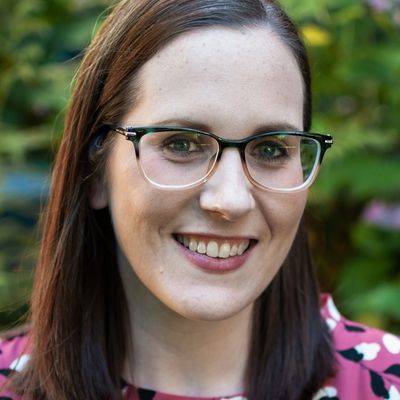
About
Welcome to the beautiful world of queer romance with author Alison Cochrun. Hear about the stories behind her heartwarming novels that celebrate love's many hues and the courageous journey of self-discovery that echoes through her pages. From the award-winning "Kiss Her Once for Me" to the charm of "The Charm Offensive," and the excitement building around "Here We Go Again," Alison shares her thoughts on crafting the quirkiest, most endearing characters that resonate with readers everywhere. Discover how a feverish six-day writing stint morphed into an international bestseller, and why taking risks can lead to the most beautiful of love stories — in books and in life. Grab your favorite cozy blanket and a cup of tea; this is one conversation about life, love, and literature that you won't want to miss.
Connect with Alison on her website and Instagram.
Get copies of her books The Charm Offensive, Kiss Her Once for Me and Here We Go Again.
- Make sure to follow this podcast everywhere you find podcasts, leave a rating and a review, and slip into our Instagram DMs at @wasitchance.
- More about Heather via @heather_vickeryandco on Instagram, @Braveheather on TikTok, and listen to The Brave Files
- More about Alan via @theatre_podcast on Instagram and listen to The Theatre Podcast with Alan Seales
**Content warning: We do talk about mental health and suicide towards the end of this episode.
EPISODE TAKEAWAYS
- Alison Cochrun chose “quirky, Queer romance” because she’s always loved a “Happily ever after” but after reading “The Wedding Date” by Jasmine Gulliory she wanted to start writing her own.
- Alison didn’t always intend to write Queer books because she didn’t know she was gay until she was 33.
- Most of her writing when she was younger was Young Adult Fantasy
- Writing “The Charm Offensive” helped Alison come out and embrace her Queerness
- From a young age Alison knew she wanted to be a writer or a teacher. Low self confidence got in the way of writing at first.
- In her mid twenties Alison was super risk adverse and had a massive fear of failure that turned her off of writing and taking the teaching path.
- Alison wrote the first draft of “The Charm Offensive” in six days - it felt like a fever dream.
- Sharing that messy first draft was the intentional risk Alison took that lead to what is now an international best seller.
- Alison writes very personal stories and, thus, gives a lot of herself to the audience when she writes a book.
- Writing characters that are based on different parts of herself allowed Alison to develop a beautiful feedback loop between herself and readers. It allowed her to continue to be more vulnerable in her writing.
- Alison shares that there is a lot of writing that happens that isn’t writing. It’s about getting to know your characters and really understand them.
- Alison is a big fan of former Was It Chance guest, Venessa Kelley who has done art for Alison’s work.
- Advice to up and coming writers: write the story you want to write - there are readers out there! Trust yourself.
- Winning the Lambda Literary award for best LGBTQ Romance in 2023 was an amazing moment in Alison’s life.
- She is currently finding opportunities to teach writing and stretch her writing skills in new genres.
- Leaving her teaching career to be a full time writer was the greatest risk of Alison’s life.
Transcript
This transcript was automatically generated and might contain errors.
[0:00] Alison Cochrun: There's a bond between like queer kids and their English teachers. And sometimes it's like a science teacher or a math teacher. Like that's cool, I guess. But teachers can be adult figures who are validating, who can make you feel seen and understood. And if you aren't getting that at home, or if you don't even know what you want to be seen, right? I think for so many kids who don't know their about their sexuality are still figuring it out. They feel like they're different in some way. Um, to have an adult figure who makes it really clear that like they accept them unconditionally can be really powerful.
[0:45] Heather Vickery: Hey everyone, welcome to Was It Chance, the podcast about taking intentional risk for creative success. No, that's not it. That's the close. I don't know. No. This is the podcast about taking intentional. Wait, what? I don't I can't. I'm tired. Any more. Are you reading? Not well, which is funny. Given that. Maybe you should read like I do. Hi, everyone. Welcome to Was It Chance, the podcast about embracing opportunity and taking intentional risk for your creative life. I'm Heather Vickery.
[1:18] Alan Seales: And I'm still Alan Seales, and I can read. Heather and I started off as two perfect strangers who met by chance and embraced opportunity. So listen in as we chat with other successful people about the risks they've taken to put themselves on a path to creative success. There, I got it, because I read it from the script. That's how that works. Heather, who's our guest?
[1:39] Heather Vickery: Oh my gosh, you guys, I'm so excited. Today we are joined by Alison Cochrun, the mastermind behind some of the most quirky, endearing, wonderful, queer characters that you will ever meet in your life. Her romance novels are a cozy blend of escapism and raw, authentic threads of mental health, neurodiversity, just real life, and also they're just beautiful, alive characters. And we're gonna talk about that, but we're also gonna talk about Alison's incredible journey across the board, all the things that she's done to embrace success. If you don't already have her books, Kiss Her Once for Me, The Charm Offensive, which is my personal favorite. I know, I love them all, and her brand new book, Here We Go Again. You're gonna want to read them for sure after this. Alison, welcome to Was It Chance.
[2:26] Alison Cochrun: Awesome. Thank you so much for having me. I'm so excited. Really, really excited. I have my copy of Here We Go Again, right here. And I am I love, I love this book.
[2:40] Heather Vickery: Aw, thank you. I love your rainbow bookmark that you have, like sticking out.
[2:45] Alison Cochrun: That's amazing. My favorite gift that my partner has ever given me, actually, you guys. There it is. It's like it sticks in here. It's yep. Thank you. I love that you noticed that.
[2:55] Alan Seales: Well, tell me about the genre that Heather just read off. Like um, when we'll get into the why the author thing, why the writing, why the need to express and create it, be creative in that sense. But I'm curious as to why authors and writers and novelists um and other synonyms often decide on the genre of which they write. Like, why is Stephen King all about horror? Why are you all about escapism in mental health and neurodiversity?
[3:30] Alison Cochrun: Easy for you to say. Yeah. Neuro. Queer romance. Quirky, queer romance. Yeah, I like that. That's a great, a great subtitle of what I do. Quirky, queer romance. Um, I mean, I think, like a lot of romance authors, like I've always gravitated towards love stories. Like, I don't know if it was just like the Disney magic of the early 90s, like Beauty and the Beast and Aladdin, like infecting our brains and making us just love a happily ever after. Um, but yeah, no, I enjoy romance. Uh, and then I kind of started getting into romance novels and romance as a genre, which is a huge genre within publishing, um, around 2018, when um an author named Jasmine Gillary published a book called The Wedding Date.
[4:22] Alison Cochrun: Jasmine, like that book. I know. I love her too. She's amazing. Um I read that and kind of was like, okay, this is different than like what I pictured with romance. It felt very modern. It had kind of more progressive um ideals and like women who felt like I could connect and relate to them. And so then I, you know, kind of just started reading um a lot of modern romantic comedies, like by Helen Wong. Um her book, The Kiss Quotient is one of my favorites, and Sally Thorne's The Hating Game. And I just started reading all of these books and one day had had the idea for my debut novel, The Charm Offensive, and kind of thought, well, like I've been reading these. Like, I kind of get it. I know how they're put together.
Maybe I can write one. And I wrote one. It it was a horrible the first time through, but I got uh very, very lucky. Everyone has that messy first draft, right? I got very lucky to um be able to kind of take it through several different stages of revision, and yeah, so that's kind of how I ended up writing romance specifically. And it's a genre that I love um for so many reasons.
[5:37] Alison Cochrun: But uh, I think one of the things I love most about it is that we get to see ourselves when we see ourselves reflected in romance. There is something beautiful that happens in reminding all of us that like we are deserving and worthy of love, um, and to get to see ourselves in in a happily ever after.
[5:57] Alan Seales: We are deserving of love. I could see ourselves happily ever after. I love that. I love that because uh something about um where you're focused too. I think it it there's not enough of this is representing um, you know, not your traditional uh I guess sort of heterosexual, cisgendered sort of things that you hear. Was that something that you had always just uh purposely you're like, I'm gonna write queer love stories, or I just want to write love stories, period, or I just want to write, like I just want to write.
[6:30] Alison Cochrun: Well, so no, I did not always intend to write queer books because I did not know that I was gay um until my 30s. So I I did not come out um until I was 33. Um, and I'm 37 now. And so no, I was writing all throughout my youth. I was writing very heterosexual stories. Um, I did always love writing. I fell in love with that pretty young. I think in like first grade, we had to do like a story project, and mine was like Barney the purple dinosaur fanfic. It was like Barney and like baby bob, like go get ice cream, and like um, I like loved writing that story, and I just think that like I've been chasing that high like for the last 30 years. Um, because it was can't beat Barney. Yeah, it was so fun um getting to put them in my own story.
I always like did writing on the side, and most of my adolescence was spent writing YA fantasy, um, right? So, like ridiculous amounts of world building that didn't make sense, and then really just characters falling in love, right? But like with this backdrop of some kind of ridiculous like fantasy world. I wasn't good at it. Um, and so I I spent a lot of time writing young adult fantasy before I realized I actually kind of just like the part where they fall in love. Like that's that's more interesting to me than than all the other parts.
[7:57] Heather Vickery: Speaking of parts, you and Alan have that in common. The coming out late in life.
[8:01] Alison Cochrun: Okay, parts. I was like, we we might, but we don't talk about those parts on the coming out late in life.
[8:09] Heather Vickery: I was gonna say, I know. I actually I was gonna say, so I didn't come out until I was 38. So I love that for you. Um congratulations. I feel it. I had been married for a decade and had four kids, so it was um a massive life explosion, but it was all you know, even my hard days now are better than my some of my best days then. So I I honor it, I appreciate that.
[8:30] Alison Cochrun: And all right, so just yesterday, actually, um, somebody that I follow on threads has a debut queer romance novel coming out, male male, and he said, Everybody keeps telling me that there's no space for gay books, nobody wants to read gay romance, and I was like, that's just a lie. It's not true. And I was like, in fact, tomorrow I am interviewing a best-selling author who writes queer romance. Like this is not a true story, and I was shocked by how much queer romance literature there was out there once I started looking for it.
[9:05] Heather Vickery: Um, so you didn't come out till you were 33. And when did you write? I mean, when did you start working on The Charm Offensive?
[9:13] Alison Cochrun: Um, so I started working on The Charm Offensive in June of 2019. So before I came out. Um I started writing the story at a time when I was like questioning my sexuality. Uh, and honestly, writing that book is what ultimately enabled me to to come out as as gay and um have that amazing, like life-changing experience.
[9:37] Heather Vickery: And so that book is very near and dear to me.
[9:40] Alison Cochrun: It sh it should be. I have to tell you, and I don't, I read a lot, a lot, a lot, and I'm not just brown nosing, it sounds like I'm brown-nosing Alison, but I'm really not. There was something about that book. I rushed to finish it, and then I cried that it was over, and I just laid around, then I was like, I'm really sad I finished this book. I don't want it to be over. And then I found your little novella, and I was like, oh, it doesn't have to be over. I'm so excited to find the Christmas story. Um, and it just I don't know what it was about about those characters or about that story that just I just didn't want to let it go.
[10:13] Heather Vickery: I also, though, am massively obsessed with Red, White, and Royal Blue, and I think it's the same feeling. Like, I just want to live in this world where this happiness and this hope is possible. Maybe because they were a public couple, I don't know. Like, there's just something about it that felt like I just don't want to walk away. I just want it to be true.
[10:30] Alison Cochrun: Totally. And I think too, like, for me, Red, White, and Royal Blue was such an early like example of queer romance. And so I feel like I imprinted on it a little bit as like a oh my gosh, this is possible. We can have stories, you know, queer love stories that are affirming and positive and joyful. Um and again, they they get to the epic happily ever after. And so I think in that sense, yeah, there is a it's like the one of the early examples that kind of gave me hope.
[11:03] Alan Seales: When you were uh, I guess younger, what did you know that you always wanted to write? And were you were you always going down the path of being someone who was involved with the literary works with with being a writer? Or did did you like take a turn at any point that was really unexpected?
[11:18] Alison Cochrun: Um I think like in kindergarten, I had two jobs I wanted. I either wanted to be like a teacher or an author, and I sort of stayed on that path throughout most of my life. Like I uh writing was always my number one passion. Like I always wanted to be a writer, but I had fairly low self-confidence um growing up and like you know, through my 20s as well, about whether or not that would ever happen for me. And so writing mostly was something I did for myself. And then uh I became a teacher. I was an English major. Um, I was a high school English teacher for 11 years.
[11:56] Alison Cochrun: Um, and I loved that time of my life. All the writing I did was mostly like over summer vacation and spring break, because teaching is pretty demanding. And then So you're Rosemary in this.
[12:06] Alan Seales: Yes, exactly.
[12:07] Alison Cochrun: The character from my book.
[12:09] Alan Seales: Yeah, I'm a narcissist, like I'm in there.
[12:12] Alison Cochrun: Yeah, that's me. Um I uh yeah, so I would write in my spare time and then had this idea for for my first book. Uh thankfully, like right at the beginning of summer. It was like the last week of school. My seniors were all graduated, but I still had to like be at work.
[12:33] Alison Cochrun: So I was just like cleaning out file cabinets when I started thinking about it. So I was able to write it and revise it that summer, which was kind of the life-changing event that allowed me to pursue that other love. So I I did teaching, you know, I feel like, yeah, that was a a great beautiful part of my life, but I'm excited that I've been able to transition to being a full-time author.
[12:58] Alan Seales: Was there a time when you were younger that you can recall? And you might you might not have ever asked yourself this question before, where you took some sort of intentional risk that you now know clearly led you down this path. But the time you were like, oh my God, I can't believe I'm doing this.
[13:13] Alison Cochrun: I mean, I think yes, but then also when I was young, so uh I wrote like a young adult fantasy book um throughout my late teens and then in college. And I think my my senior year of college, um I had like a finished revised draft. I'd been revising it for for years and years. Uh, and I decided that I was going to query it and try to get an agent to represent my book. I like very much saw it as all or nothing. I was like, either I will get an agent right away and I will like take that risk and pursue that like risky career path, or I will become a high school teacher.
[13:53] Alison Cochrun: You know, I had to start my postgrad program to get my teaching certificate. And so I really saw it as like either or and saw it in really like black and white, like kind of failure-based terms. And so I ended up getting, you know, several rejections and then like one request for a manuscript, which at the time was like, you know, huge. Then the agent asked me to revise and resubmit. And I was like, I don't, I can't. Like, I have to now commit to teaching instead. And I just really, yeah, I think saw things in black and white terms and was like, okay, I will close that chapter and I will focus on teaching instead. Because I was risk averse because and I, you know, looking back, know that that happens to most writers, right?
That's a super common experience. People query multiple books with agents. People get agents and go on submission with books that never sell. And it's actually their third or their fourth book that finally lands them a publishing deal. But at the time, I just didn't have that, I think confidence in myself. I kind of walked away from that dream for a long time. And I think in my head, and I this is so silly to me now, but I think in my head I was like, oh, I'm too old even. Like eventually I was like, this dream, it's oh that's not gonna happen for me. Like, you know, I've I'm now in my late 20s, like I'm probably not going to be a great 20 years ago. I was like, oh no, like I it's done. I'm never going to be a published author.
Like that was a fun dream that I had for a while. Yeah, yeah. And so I think I don't know, that was I something I convinced myself of. And so I think truly I needed to be older in order to be in a place in my life where I like had more confidence in myself, where I was able to take those risks and put myself out there and work through like the hard and scary parts.
[16:03] Alan Seales: That's interesting. It's interesting that, you know, originally, and I I was the same way, and to an extent sort of still am. But, you know, in your early 20s or mid-20s, right? Deciding like I'm gonna try one thing. And if that one thing doesn't work, then it means it's not for me. And that's that's such a I guess a defeatist attitude that that so many people have. And something that, you know, I've learned through my own experience. I'm 43 now, and then doing however many episodes of this podcast and others, that it's the people who just don't see failure as failure and use it as a pivot point and a learning opportunity to just adapt and take the take what's given to you or what came to you that wasn't expected and turn it into something positive.
So it's interesting now, you know, at this time you knew you wanted to be an author, you knew you wanted to write, and you're like, I'm gonna try it. It didn't work the first time, and then so you went to teaching. And then so circling back, like when you were teaching though, after this point when I guess after this point when when you're like, it's it, it's never gonna happen for me. Was that nagging still there? Was the need like why continue if you've decided definitively, right? It's not for me, why still do it?
[17:21] Alison Cochrun: Um, I think kind of two parts. Like, one, I told myself I was just like doing it for funsies. Like I love writing, you know, and it was something that like I wasn't gonna walk away from, you know, just because I couldn't make it, you know, my job or a side hustle or whatever. Like I still love doing it. Um, and so there was still reward in that. But I also think there was always kind of that like back of my mind thought that like, well, maybe someday, like maybe someday I I will be able to, I'll I'll miraculously have more time. I won't be working like 70 hours a week, you know, teaching and like having no life at all. Like someday I will be able to maybe write something else. And so I think a little bit of that let hope in the back of my mind.
[18:11] Alan Seales: Hang on a second, we're gonna take a quick commercial break.
[18:15] Alison Cochrun: Okay, we're back. You're writing The Charm Offensive, right? While you're still teaching. And then what was this? Yeah. Like, yeah, what was the chance you had to take to say, like, wait, this might actually be something. I have to stop teaching.
[18:27] Alison Cochrun: It was literally just the thought, oh, this could actually be something. Like, I um I wrote this might be good. Yeah, like The Charm Offensive is a really weird, um, like my writing process is very atypical for that book. Um, and not something I recommend anyone like strive for or try to emulate.
[18:46] Alan Seales: Okay, but I really want to know what it is.
[18:47] Alison Cochrun: Yeah, so like I said, it was like the last week of school and I had like nothing to do because I taught mostly seniors that year. I had this idea, I think on a Wednesday. And it's because so like The Charm Offensive takes place on a reality dating show that is like not even thinly veiled as The Bachelor. Like it's The Bachelor, not not at all. Yeah. There's there's no veiling. It's just The Bachelor. Um, and so and I am like a lifelong like Bachelor, like love hater. Like, we have a very complicated relationship. But I but I had this idea of like, what would happen? Like if someone like me went on a show like The Bachelor, and I was like, ha ha ha, like that would never happen for all of these reasons.
Um I am not the kind of you know my mental health which I was like not taking care of at the time um you know my my neurodivergence and then also this whole thing where I was kind of like in the back of my mind trying to figure out my sexuality but for some reason the question of like what what if someone like me went on The Bachelor really like stuck in there and I was like okay but like under what circumstances might a shy awkward weirdo go on that show. And the character the main character of the book Charlie was kind of born from that question of creating those circumstances. So that was on a Wednesday I think I sat down and took like a couple notes on the idea and then on Thursday I started writing it and I wrote the first draft in six days.
[20:19] Alison Cochrun: Wow. It was like a you know this is an international best selling book.
[20:23] Alan Seales: No, I mean it's yeah it was like a really waiting to come out of you.
[20:23] Alison Cochrun: Yeah it was like and again it was the book where I was kind of like exploring my own sexuality but like I was disguising it because it wasn't me. It was this like hot tech genius with good abs, right? So like nobody would know waha and I could safely explore my my own kind of questions about my sexuality and coming out later in life through that character. And so it just poured out of me. Like and again I don't recommend it because I don't I didn't like eat well during that time. I don't think I showered very much. It was just like a fever dream of writing um you know over 10,000 words a day. And then I think the first draft was something like, you know, 73,000 words. And it just like came out of me so quickly.
And I've always been really self-conscious about sharing my writing with other people. But I finished that first draft. I think wrote it in six days, spent the seventh day like revising it a little bit, and then printed it and gave it to my friend and let her read like that horrible last draft. Like it was terrible. It was so bad. But I think that was really kind of the risk that like helped solidify like, okay, well, I've already shared it with someone. Like, and I shared like the worst possible version of it. It's only gonna get better from here. And so I can like I can make it better. Like she's gonna give me feedback and I'm gonna make it better. And then I'm gonna make my sister read it eight times and she's gonna help me make it better. And so it really just became like, I don't know. Uh, I I had so much hope for the story because the writing process felt almost like faded, like it felt like something I had to do.
[22:20] Alan Seales: I love all of that. And I I mean, you did take that intentional risk to share it with your friend and to share it with your sister. Can you tell us about the query process? Like at what point were you're like, okay, we're gonna do this, and and what kind of reception? I mean, obviously, somebody picked up the book, it's a bestseller, but what was that process like?
[22:39] Alison Cochrun: Asking for a friend is a query process. Um, so again, I I didn't this book existed on like a very um expedited timeline. So I spent the sum I wrote it in June, at the end of June, and then I spent the summer revising it. And I officially started my querying process in September, but I had uh in I think late July, I just decided like, I'm gonna just try. I'm gonna query one agent. I'm gonna like write go through the process of writing the query letter. I'm gonna like polish up my first couple chapters and I'm gonna see what kind of reception it gets. And so I did that and the reception was bad. Like the the feedback was like I do not like your writing is distant. We I don't connect to these characters at all.
And I was like it was a brutal attack right the kind of thing that definitely like 22 year old me would have seen that and been like I'm out. Oh I guess that means I'm not good enough. But thankfully the agent took the time to like you know give me critical feedback and then say like here's something I would work on. Here's something I would you know try to improve and so I was able to you know take that free work that that agent did for me and use that to kind of help me with the revision process so that when I went on and submitted it again um to new agents in in September it was in better shape.
[24:05] Alan Seales: That's nice because I a lot of agents do not take that don't care.
[24:08] Alison Cochrun: Well and it sucks. I it was a different time too because this was 2019 and I think once the pandemic hit like agents are so swamped these days. Like I think I heard back in a matter of weeks and that's like unheard of now. You'll get your rejection like six months after the book is published right like it doesn't it's like why you don't want your book at sucks it's like this the whole process is is slow moving. But luckily I got that feedback right away and I was able to to take it and use it um as a learning tool, where I would not have been able to do that at other stages of my life. And so that was really helpful and awesome. But yeah, and then I I was still had very low self-esteem overall.
I only queried three agents because I was convinced they were all gonna say no again and that I would need to save my list because you can only when you're trying to get an agent, you can only query like one agent in the whole agency. So if it's like a big agency and there's 10 people, you can only query one person. Um so you have to be somewhat judicious with like how you make your decisions about who to reach out to. And so yeah, I I queried three people and then just was super lucky that time I got requests for manuscripts from all of them.
[25:30] Alan Seales: So had you really taken that other agent's advice and revised based on that, and that's what you submitted, or no?
[25:39] Alison Cochrun: Yeah, like I took that, and then I also just kept revising, you know. So I took that agent's advice, and then I also was like, all right, new people that I can force to do free labor and like read my, you know, so I sent it to more friends and I got more feedback, and I I just kept kept at it and kept doing that process until I thought it was in slightly better shape. And again, the version of that book that got me an agent was still a dumpster fire. It was so like it was really, really bad. Um, I like think back on it and I'm like, oh my goodness. I'm so glad that those people took a chance on like the concept and I think they are too the voice. Um, because it was still terrible. Like I had to do massive revisions with my agent. I think we spent another four months revising the book together before it was ready to go out to to publishers. I appreciate everyone hearing how much work this is. This is a lot of work.
[26:40] Alan Seales: Yeah, when you send it out to your friend, were you I mean, did you get back feedback that was was discouraging? You're like, why am I doing this? I can't believe I I did this. This is a waste of time. I'm never gonna get it right. Or were you just like, I don't care what they say, I'm doing it just for fun and I'm still gonna push it through.
[26:56] Alison Cochrun: Um, well, thankfully, like everyone I sent it to knows that I'm fragile. So like it was people that love me very much. So none of them are gonna like come back with like harsh feedback. They were really loving and supportive. And it was still the most terrifying thing. Like sending it to, you know, someone who I'd been friends with for for 16 years, who I like loved and knew would always be gentle with me. And still they would like send me the email with their feedback and I wouldn't open it for like three days because like just the sight of that email would like make me so anxious and so nervous. And so it was really a constant process of having to be like, okay, but like this is how it works.
[27:38] Alison Cochrun: You like your friend is gonna give you feedback and it's gonna make the book better. You have to open this, you have to read it, and kind of just like coaching myself through that. Unfortunately, I was not in therapy at that time, but I got into therapy shortly after. So that really also helped help me kind of overcome some of my perfectionism and some of the things that I think held me back in the past.
[28:02] Heather Vickery: But that was my next question. Are you still like that? I mean, now your third book is done and it's about to be released. Is it still that intense?
[28:11] Alison Cochrun: I'm sure to some degree it's still there. But yeah, no, it's not that intense at all. I mean, there's always that little prickling nervousness, right? When someone's gonna give you feedback. I think being vulnerable in that way is really scary, especially. I think I write pretty personal stories, and so I'm giving a lot of myself to other people when I share my work. And so I think there's always kind of that fear of like that it's easy to conflate rejecting a part of your book with rejecting you. And so you have to learn to separate those two things. But also it's not the same because I think once you kind of learn that you can handle it, and once you kind of learn, like, wow, what would I have done without that feedback in the past?
Like I had to have it. Like you have to get other people's feedback in order to sometimes just like stay sane in writing because you're just like looking at this huge document for so long. And sometimes like you can't tell what's wrong with it because you're too in it, right? You can't see the forest through the trees, and you just need somebody else to look at it and tell you what's working and what isn't. So yeah, no, it's nowhere near as intense. And again, like I've had a lot of therapy since then. So that also helps.
[29:27] Heather Vickery: You're writing personal stories, but not as yourself. So you still have the anonymity of being able to exaggerate, say, oh, that's my character, that's not me, right? Do people know that it is you when you're writing?
[29:39] Alison Cochrun: I mean, again, I go back to like the Stephen King horror thing. Like Stephen King's not, as far as I know, going out and murdering people and causing mysteries to come up with these figures. I sure hope not. He's not terrorizing Maine.
[29:50] Heather Vickery: Yes.
[29:51] Alison Cochrun: He's not hiding in a pretty nice guy. He doesn't even think it's elements of you, right? It's not you, yeah. It's not nothing is like autobiographical. It's taking parts of myself and getting to explore those aspects in really ridiculous scenarios. Like my second book involves like a fake engagement. You know, and like there's never a realistic fake engagement scenario, right? Like there's no such thing. So it's absurd, right?
[30:20] Heather Vickery: I do too.
[30:21] Alison Cochrun: Yeah. So she has to get like fake engaged to this man for like romance reasons. And it turns out his sister is like her former one night stand, right? Love your life. You know, and so like, no, that hasn't happened to me. That's ridiculous. That hasn't happened to anyone. But it'll like I can give that character in that book. She has my fear of failure, and she has some of my the stuff that I've struggled with in putting my art into the world and taking risks, and I can kind of work through that, but also kind of get to see how far I've come too, and like having this character who is at a different stage in her acceptance, and then get to let her work through that over the course of the story. And so no one knows that the characters are me except people who know me very, very well. But otherwise, it's yeah, just parts of my story.
[31:14] Heather Vickery: In our listeners.
[31:15] Alison Cochrun: In our tell, yeah, obviously. But it's fascinating. So because it's easier to tell just in the description of Here We Go Again. English used to be an English teacher. Like I can tell that there's something personal, very personal. And this one feels more personal as a reader.
[31:38] Heather Vickery: Or maybe it's just because I took five English classes my senior year and I didn't know I was gay and I still talked to my English teacher. I don't know.
[31:44] Alison Cochrun: Like it could, yeah, exactly.
[31:46] Heather Vickery: Exactly.
[31:47] Alison Cochrun: That is why I wrote this book.
[31:49] Heather Vickery: I did not know that was a thing until I saw your dedication.
[31:52] Alison Cochrun: You use your English teacher as therapist?
[31:54] Heather Vickery: No. I think you just there's a bond between like queer kids and their English teachers. And sometimes it's like a science teacher or a math teacher. Like that's cool, I guess. But it's often, you know, I think teachers can be adult figures who are validating who can make you feel seen and understood. And if you aren't getting that at home, or if you don't even know what you want to be seen, right? I think for so many kids who don't know about their sexuality or are still figuring it out, they feel like they're different in some way. To have an adult figure who makes it really clear that like they accept them unconditionally can be really powerful.
[32:37] Heather Vickery: Hang on a second. We're gonna take a quick commercial break.
[32:42] Alison Cochrun: Okay, we're back. I that leads you into the next question that I had ruminating in my vast empty space of brain matter. Um, I think that see, I I can rob not a writer. It's not a writer. I don't know.
[32:54] Heather Vickery: I like that.
[32:57] Alison Cochrun: I would, yeah, I thought that was great.
[33:00] Heather Vickery: You're you can you can steal that. I give you permission.
[33:02] Alison Cochrun: Thank you. Um, uh yeah, so my question is like since you're putting parts of yourself into your each of your characters or each of the stories, is there is there anything that people have provided feedback on or provided support for or really given a lot of attention to in relating to your characters that is a quality of yours that you're like, wait a second. People like that? That that's I love that question. That's something that other people can relate to.
[33:32] Alison Cochrun: Yeah. And I think that's actually the really weird part of publishing my debut, right? Because I put a lot of myself into the main character in after I was terrified because I was like, oh my gosh, like he has a lot of parts of myself that I don't think are lovable, right? Or that society has taught me or like too much or or not worthy of love. And so putting that character out into the world, I was kind of like, oh gosh, I hope like people don't hate him. That would really be awkward for me. Like that'll be a lot of therapy sessions. Uh and instead, what happened was I got so many messages from readers telling me that they felt really seen and really validated by various aspects of the story, which I think, you know, as a teacher, making young people feel seen was always a really important part of I guess kind of like my philosophy and like my why and what I loved about teaching is connecting with teenagers and letting them know that there is an adult in their life who sees them and who cares about them.
And so to be able to do that with a book that is being read by people I will never meet, you know, and people in different countries was really special, but it also had the inverse kind of impact of making me feel really seen and validated at a time, you know, as I was coming out, you know, I was getting ready to like date women for the first time in my whole life, you know, and all of these things where I was like, oh, but I'm too old for that, you know, all of the things that my brain tried to tell me were somehow wrong or, you know, too late. And then to have so much validation from people saying, like, wow, I really connected with this. It became kind of a beautiful sort of feedback loop.
And I think also encouraged me to continue to be vulnerable in my writing. I think I maybe wouldn't write about things that are really near and dear to my heart, like mental health. And if it wasn't for the fact that people responded really positively, um, and I got to see that that made a positive impact in people's lives.
[35:45] Heather Vickery: I love I love that. That feedback and that loop is what I mean. That's it, right? Feedback is never failure, it's always feedback, then propelled you into being more vulnerable. And the more vulnerable you are, the more you put out there, the more people resonate with it. I'm actually curious how what your writing not style writing words are hard for me apparently. I'm not a writer, actually, I am kind of, but writing process. What is your writing process now? Since you're you probably didn't write the next two books in six days.
[36:18] Alison Cochrun: Well, heck no techno. No, it took me like 10 months to write a first draft of my second book, which felt like a thousand years after writing a first draft in six days. And then my third book, I think it took me like 14 months. And granted, it was not working on it for the whole 14 months, right? Like my job is very, you know, I'm drafting one book while I'm also doing edits on another one with my editor or like going through the publishing process. And so it was a lot of kind of off and on working, but I think it was like 14 months before I sat down and you could actually read it from beginning to end continuously. And it was a full book. And so my writing process is just chaos now, it turns out.
I'm just like an agent of chaos, and I don't have a process that seems to work. And I keep thinking like I'm gonna find it. I keep being like, no, this will be the book. I now have learned all of these valuable lessons from the others, and now I know the best process for writing a book. And every book is just different. Like every book demands different things. I'm different for every single book. Like different things are going on in my life right now. I'm drafting, and I'm doing that during third trimester of pregnancy, which turns out is very different than, you know, drafting not pregnant. And there's just lots of, yeah, like life goes through different seasons. And so I find each book is a really different process, and the trick is being okay with that, which is hard for my brain.
Because again, I always think there has to be one roadmap, right? There has to be one right way to do it. And if I can just like find the right way, it will somehow miraculously be easy and I'll never have problems again. And that is just fake. It's just false news.
[38:07] Heather Vickery: Okay, well, so that's actually interesting from the perspective of the author. Uh, I we just finished watching Lessons in Chemistry, and I'm I'm the asshole that read the book right beforehand, and I was like, that's not how they that's not in the book. That's not what they do in the book. That's not like that. That's not my partner's like, can you just stop? I'm like, mm-hmm. I can try. But there is a scene in the show that's not in the book that I loved. And I don't know if you've seen it or not.
[38:34] Alison Cochrun: I haven't seen the show yet, no.
[38:35] Heather Vickery: It's it's really well done. I recommend it. She's talking about things that she loves to do that brings her joy, and he loves to read. And he his favorite book is Great Expectations, and he rereads it. She was like, Well, how is there joy in rereading? He said, That's the magic of a book is the book stays the same, but I'm different every time I read it.
[38:58] Alison Cochrun: Yeah.
[38:58] Heather Vickery: And I loved that line because we are different every second of every day. We are totally different. Our lives change us. And as an author, I really appreciate that perspective that this book journey is different. It's almost like having kids. Like each child is different. They need different things. You're a different person. You need different things from that process. Would you are you able to say, like, with the latest book, what do you think you needed from that process that maybe was different than what you needed from it before?
[39:30] Alison Cochrun: The one I'm writing now, like my fourth one that hasn't been announced, or for my third one?
[39:34] Heather Vickery: You pick.
[39:35] Alison Cochrun: You pick. And I'm, oh my god, I'm like, yeah, like you know, we can go off the record, maybe give us a hint. I say it hasn't been announced yet, but like also I am a massive revisor. So um, it can't be announced because I'm still writing it, and chances are pretty good what I'm writing right now is gonna look so different than the book that will be on shelves. Fair enough. In you know, a year and change. And so um, I think for me, one of the things I'm learning is that like I increasingly need time to sit with characters. That there is like a lot of writing that happens that's not actual writing. So for this book, I pretty much like got the idea approved by my editor, and I needed to like start drafting it right away.
Because in my head, I was like, I have to have a first draft by the time baby comes. That was silly. So, like, I, you know, I've accepted that's not happening at this point, um, since he'll be here pretty soon, and the book is nowhere near like a completed first draft. But I, you know, I tried to just jump right into it and and get going. I, you know, had three months and was like, I can do this. And the truth is I need time to like journal about the characters, um, to wonder about their motivations, to like find their voice, right? To do all of this writing that will never appear in the book. Um, it will never be on the page, but it's how I get to know the characters and how I kind of figure out like what is the story that I want to tell.
And I do that a lot with the drafting process too. Like, I think for this book, I wrote, you know, like 20,000 words, which you know, for me is about a fifth of the book. My books tend to be around 100K and realized like a huge piece of it wasn't right.
[41:26] Alison Cochrun: And I couldn't know that unless I wrote it. Like I had to write it and feel that it wasn't working, that I wasn't that connected to that element of the story. And I needed to go back to the beginning and change that and find a different way to approach the story. And so, yeah, I just I need time. I thought that I was a fast writer because of my early experiences with writing, but I actually think the more I learn about myself, the more I think my books take time for me to kind of figure out what they are. For them to sort of tell me that sounds really like woo-woo. Oh, but like some books reveal themselves.
[42:09] Heather Vickery: Yeah.
[42:09] Alison Cochrun: So and for the character, like sometimes you write a line and you're like, that's it. That's who the character is. I didn't know that, but now I have found their voice, and like now they make sense to me.
[42:20] Heather Vickery: That's interesting. So you're purposely trying to write, write and rewrite and rewrite and find the failures so that you know what it's not, which whittles it down to what it is.
[42:32] Alison Cochrun: Yeah, I think that's a good way of thinking about it. And just like figuring out what doesn't work. Because sometimes you, I don't know. I've had tons of ideas where I'm like, that's the best idea ever. That's incredible. And then I go to write it and I'm like, oh, this has no legs. Like, there's nowhere for the story to go. Or like that's a cool idea for one chapter, but that's not gonna go anywhere. Like it doesn't have a story to it. And so sometimes you just have to trial and error.
[42:58] Heather Vickery: Yep.
[42:59] Alison Cochrun: Yeah, I get it. Like all the time.
[43:01] Heather Vickery: Yeah.
[43:01] Alison Cochrun: I love it. I love trial and error. And it goes back to the engineering mentality that I used a lot, which is fail early, fail fast. And it's just like keep trying, keep iterating, and adapt, adapt and we, you know, dodge and weave, man.
[43:16] Heather Vickery: Dodge and weave.
[43:17] Alison Cochrun: So you don't want to get like maybe you get punched in the face, you get knocked down, but when you get back up, you know, and you heal, you're that much stronger, and you know not to stick your face in the same spot again. Metaphorically.
[43:27] Heather Vickery: I think there's something to aging. I mean, you mentioned that, right? Like the version of you that could handle that feedback and criticism in your 30s was very different than in the 20s. We have to have enough lived experience to go, this is not going to kill me. I'm not gonna die by getting this feedback or making this mistake because I don't think we know. We just don't know, and it's can be very terrifying.
[43:53] Alison Cochrun: All right, so I have a I love I love this question. I was really excited when I was writing this question for you. I'm such a dork, but you'd mentioned reading Jasmine Gulliory, The Wedding Date, and that kind of changed things for you. I imagine you have author crushes, you have people that you aspire to and mentor, and I'm wondering if you've met any of those people of your own writing mentors, and what that's meant to you, and then thus how you hope to inspire future writers.
[44:22] Alison Cochrun: That's a great question because it starts with an embarrassing story of me trying to talk to Jasmine Gulliory like over a buffet. So I had the opportunity to go to the LA Times Festival of Books last April, and Jasmine Gulliory was there. And I had seen Jasmine Gulliory speak back when I was just a reader, right? Like I got to see her in conversation with Casey McQuiston, actually.
[44:48] Heather Vickery: Oh wow.
[44:48] Alison Cochrun: And it was like the most amazing, yeah, and like Jasmine Gulliory to me is like such a celebrity, and I realize like plenty of people have absolutely no idea who Jasmine Gulliory is. But like to me, I'm like, oh my gosh, she's here. And I was like, okay, like my sister was with me on the trip, and she was like, you can do it. You can go tell her that like reading her book is what put you on this path. You know, it's not weird. And I kept like almost talking to her and then like chickening out, and then foolishly, like poor woman is just trying to like get some pasta salad from like a lunch buffet, you know, and like and like stop and like lean over, and I'm like, I'm so sorry. I just have to tell you like you're the reason I write romance.
And I think she just thought I was, she was like, oh, that's so kind, thank you. And I was like, I sound like completely bananas. Like she doesn't know who I am. Like, but whatever. And I was like, that's it. I did it. I like, I told her.
[45:46] Heather Vickery: So just are bananas.
[45:50] Alison Cochrun: But it's yeah, totally. But I think usually in those circumstances, what you find is that like the romance author community is like a really beautiful, supportive community. So I feel so lucky because again, I'm pretty delicate, but it's a community of people who are so uplifting. And so oftentimes you meet somebody who feels like your idol, and they're like, oh no, I love your work. And you kind of get to have this moment of connecting with people that for me always feel like above me.
[46:25] Heather Vickery: Right.
[46:25] Alison Cochrun: And then you get to meet them and you're like, oh yeah, authors are all just like normal people. Like, yeah, they're not celebrities. They're just like, they're just average people with like day jobs. And so it can be really cool to have those connections. And there's still a couple authors I think that I would like be too afraid to approach.
[46:45] Heather Vickery: Okay, who you gotta tell us.
[46:48] Alison Cochrun: Like, I don't know if I could ever approach Casey McQuiston at this point.
[46:51] Heather Vickery: Really?
[46:52] Alison Cochrun: Yeah. Because they're like really famous. Um, I that's the author, Red, White, and Royal Blue. What are what does what is being famous have to do with approachability though?
[47:04] Heather Vickery: Nothing.
[47:05] Alison Cochrun: It's not a reflection of them as an individual. It's totally a reflection of my like social anxiety. Is that like I'm like, oh my gosh, I couldn't go up to them. Like, what would I say? I definitely did not approach Roxane Gay at the LA Times Festival of Books.
[47:21] Heather Vickery: Oh, yeah.
[47:21] Alison Cochrun: No, I was like, uh-uh, like let Roxane Gay do her thing. Like do not try to talk to her. Like she is busy and important. I love her. I'm trying to think of others, but yeah.
[47:35] Heather Vickery: It makes me think of fan art folks, like people who create fan art. So we have Vanessa Kelly on the show, and it's a very similar story of like I just loved this project. I loved this work. I had I was so inspired to create art from this, and that sort of timid, I'm gonna put my art out there, and then they loved it, and then Casey's like, I Vanessa's the only one. Vanessa's the only one. I want to do my custom artwork for the French edition, the only one I want to do. And so, you know, I love this idea that we can be inspired by people and put our own stuff out there, and all of a sudden then we realize, yeah, okay, yep, they're all nobody wants to get negative criticism, nobody wants to be told you have to revise, revise, revise.
Everybody has a messy first draft, like all of these things, and yet we still still get like super fangirl excited or fan person excited. I was definitely that way for you. I was like nervous this morning. I'm like petting my copy of the book. It's like really ridiculous.
[48:42] Alison Cochrun: But yeah, just to like plug Vanessa Kelly as like a human being. Like she is amazing. I'm just I love that you got to talk to her. I got to meet her in Washington, DC, like a couple years ago, and she's done some art for my books, and I just think that like yeah, she's an incredible person, and she has her own original work coming out.
[49:03] Heather Vickery: I know.
[49:04] Alison Cochrun: Which I'm so excited about.
[49:06] Heather Vickery: So we're excited, yes.
[49:08] Alison Cochrun: Yes, we're super, super excited. We are sharing all sorts of stuff. And excited to be a beta reader for her on that.
[49:16] Heather Vickery: All right. Just one more break. Stay tuned for more.
[49:21] Alison Cochrun: Welcome back. Here we go. It is such a beautiful small community. Like, and one of the things that you do that I notice a lot on social media is plug other people's work. And I appreciate that. I always worry about folks who think that there's only room for one at the top. Like we have to be able to be really successful. I think you have to say that we have to all come up. Let's help one another come up.
[49:48] Heather Vickery: Yeah, the rising tide raises all boats.
[49:51] Alison Cochrun: Yes, that one. Yeah. I think my agent said that to me at one point when I was worried that another book was coming out with like the exact same premise as mine. And she was like, nah, that's not an issue. Like, people will get excited about reality TV. This is great. And being able to be like, oh, okay. Like, there, yeah, there's room for everyone. And in fact, it's one of the cool things about readers is that readers aren't like, I will only ever read one reality dating show romance. Like, no, they read one and then they're like, give me all of them.
[50:22] Heather Vickery: All of them.
[50:22] Alison Cochrun: I have to ask, was that Anita Kelly's book that you're talking about?
[50:25] Heather Vickery: No, no.
[50:27] Alison Cochrun: Okay, but Anita Kelly is also just a human to plug. Like they are wonderful. We are good friends because we live near each other.
[50:33] Heather Vickery: Oh, I love that.
[50:34] Alison Cochrun: Yeah. We would love to have Anita on the show.
[50:36] Heather Vickery: That I there's the one that I can think of that was also reality TV show.
[50:40] Alison Cochrun: No, I think it was right after I sold my first book, The Charm Offensive.
[50:47] Heather Vickery: Oh, why am I forgetting the name of it?
[50:50] Alison Cochrun: Because you're pregnant.
[50:51] Heather Vickery: Oh, yeah. I can't remember anything. Honestly, I'm like proud of myself. I'm like, I've been having a conversation for 50 minutes. Good job, Regelson.
[51:01] Alison Cochrun: No, the one to watch is what it's called. Um, right. And it was like a spoof on The Bachelor. And I was like, that's it. No one will read mine. And that's such a silly way of thinking about it, but can feel so real, especially I think when you're a debut author, it feels like there's a finite number of readers and a finite number of resources. And that's just not the case. And especially I think in queer romance, like there is room for like every kind of story, and we all have something important to say. And so like I think it's really beautiful.
[51:37] Heather Vickery: Yeah.
[51:38] Alison Cochrun: And we can't get enough. Like those of us who want it, we cannot get enough of it. Please, everybody, if you could give one piece of advice to up and coming authors in this genre, especially who want to write queer characters, like what would you say to them?
[51:57] Alison Cochrun: I would say, like, write the story that you want to read. Like write the story of your heart. Don't try to like predict what's gonna sell. Don't try to like write something that you think people want to read or like have a flashy concept because you think that's what's important. Like write the story that means something to you because I think people feel that. You can feel that as a reader when you're really connecting with a story that, um, yeah, that the author loved writing.
[52:30] Heather Vickery: You recently just won the Lambda Literary Award for best LGBTQ romance in 2023.
[52:34] Alison Cochrun: I'm great at speaking, right?
[52:36] Heather Vickery: The Lambda Literary Award for best LGBTQ romance in 2023. That was like just last year. Holy shit. Congratulations.
[52:44] Alison Cochrun: Oh, thank you.
[52:45] Heather Vickery: Congratulations.
[52:46] Alison Cochrun: Yeah, it's amazing. And was this something that like was ever on your radar? I mean, because it seems like to me that all of this success that you found has been relatively recent, like in the last several years. And right. So all of a sudden you're still you're still in the getting shot out of the canon phase, I would want to say. Um is this is this like oh I got another award? It's cool. It's another drop of the bucket, or are you just like, holy cow, who am I?
[53:12] Alison Cochrun: No, it's awesome. Like I am a nobody. Like I live in a suburb, like with my dogs and my wife. Like, no, it's so cool. I mean, I think too, when you write, I like to call them like in a beautiful celebratory way, like fluffy romances. Um, you don't associate that with like winning awards. You think of more literary fiction. And so just being nominated for the Lambda was awesome. And I was so so happy that my wife and I were able to fly to New York and like go to the ceremony. And so all of that was so cool. I like I was like, oh no, I'm not gonna win because like there are these other amazing authors like nominated in this category. Like it's fine. And so I yeah, I did not expect to be honored in that way.
And then winning was like super cool and fun. Honestly, it's fun because I like get to tell my family. Like it sounds like just being able to like text my dad and be like, oh my god, dad, guess what? I won and then yeah, you know, to like be able to celebrate with them and you know, tell my friends, like who are just like amazing cheerleaders, like that kind of stuff is really fun.
[54:26] Heather Vickery: Yeah, and like I'm not fancy. So like getting to just go to New York for an award thing, I was like, this is so cool.
[54:33] Alison Cochrun: That's where I am.
[54:34] Heather Vickery: It's nice here.
[54:36] Alison Cochrun: Yeah, yeah, it is. It is. I love New York, but like never thought that I would get to do something like that.
[54:41] Heather Vickery: Oh, that's well, that's nice. That's congratulations. That's congratulations.
[54:44] Alison Cochrun: That is congratulations.
[54:46] Heather Vickery: No, it is. It's really exciting. I think it's really exciting, and I think it's deserved for sure.
[54:53] Alison Cochrun: Oh, thank you.
[54:54] Heather Vickery: So, other than parenthood, which is a hell of a intentional risk. What? Sometimes I don't intentional risk professionally, creatively. Do you feel like maybe you're ready to make next?
[55:11] Alison Cochrun: Ooh, I did not expect that. That's not where I thought that was.
[55:17] Alison Cochrun: You'd write a queer podcast love story.
[55:21] Alan Seales: Oh see, I don't know that much about podcasting.
[55:25] Alison Cochrun: Um I got a guy who can teach you the shit out.
[55:29] Alan Seales: I look for you.
[55:30] Heather Vickery: He is not kidding, Alison.
[55:32] Alan Seales: If you want to do it, Alan's your guy.
[55:34] Alison Cochrun: Good to know.
[55:34] Heather Vickery: Good to know.
[55:35] Alison Cochrun: You know, that's such a great question. Um, and I really love it. I think in terms of upcoming risks that I would like to take. I love writing romance. Um, you know, I write contemporary rom-coms specifically. And I would love to at some point write outside of that genre and challenge myself to write something maybe that's still with like under the huge umbrella of romance, but like romance with fantasy elements, romance with mystery, and adventure romance, you know, something that time travel.
[56:11] Alan Seales: Yeah.
[56:12] Alison Cochrun: I want some time travel.
[56:13] Heather Vickery: I love a good time travel.
[56:15] Alison Cochrun: Oh, I'm a sucker for it. So, you know, something that kind of flexes some new writing muscles and gets me trying something a little different, I think would be really fun. I also had the opportunity to teach a writing class online last year, and that was I a really rewarding and like very fulfilling process. And so, like, I don't want to go back to the classroom. I can't handle that quite yet. But I think finding opportunities to teach, even though it's scary, because I'm like, I'm not an expert. It was all just a fluke and luck that I am here. And I think that's something that I would love to be able to do in the future is find opportunities to work with other writers. Because there's something so creatively satisfying about that.
[57:02] Heather Vickery: That's well, Helena's a writer. Just putting it out there.
[57:06] Alison Cochrun: I love that.
[57:07] Heather Vickery: I I am, but I'm not a novel writer, although I have. I posted on threads, I don't know when it was, but a couple months ago. If you could have any superpower, what would it be and why? And somebody said time travel. And I was like, Oh, where would you go? And he said, Well, I don't want to go in the past, butterfly effect. So I think maybe like a hundred years in the future. And I was like a hard no. No, like I don't know what it I could literally be in the desolate middle of non existence human. I don't want to go a hundred years. I don't want to know. So he said, Where would you go? Now I have four kids. My oldest is a freshman in college, my youngest is in fifth grade. And I said, I think that I would want to go back to the last great day I had with each of my kids.
Not the last as in there won't be more. But the one that most recently passed, because we don't know it. We don't know we are having this beautiful experience because we're busy in it. We're busy parenting and being human. And I want to observe it from outside and then be able to re-experience it from the perspective of, yeah, you miss this moment. And that was what I said. And then I was it just won't go away. Like I dream about it as a novel.
[58:25] Alison Cochrun: That's perfect. I feel like that's those are the best kind of ideas. The ones that you're like, you can't walk away from.
[58:31] Heather Vickery: Yeah. But I'm gonna need your writing class and I'm gonna need Laura Love Harden to help me ghostwriting. I don't know. Like I'm gonna need everybody to help me.
[58:39] Alison Cochrun: I bet you could do it.
[58:40] Heather Vickery: I think yeah. The hardest part about writing is that it takes so long, right? That it is like a marathon. And I think a lot of people don't realize that it is a huge amount of dedication, but I freaking love that idea.
[58:58] Alison Cochrun: Well, thank you. I'm hoping that after all of these wonderful interviews with all of you incredible authors and agents and publishers, that at least I have a tiny tiny edge to be like, can somebody look at my book? Instead of blindly querying, I but I don't know. Can you introduce me to somebody you know?
[59:15] Heather Vickery: Not yet. We're not there. It's still just a dream that it's still a dream.
[59:18] Alison Cochrun: Yeah, it will happen.
[59:19] Heather Vickery: I love that. Wait, what's your word for 2024, Heather?
[59:23] Heather Vickery: Freedom.
[59:24] Alison Cochrun: Freedom, not freedom from freedom for freedom, freedom for adventure, freedom for creativity, freedom for it wealth, freedom for abundance.
[59:35] Heather Vickery: Yeah. Well, this fits right in there.
[59:37] Alison Cochrun: It does. Do you have a word of the year, Alison? Is that a thing you do?
[59:40] Alison Cochrun: I don't. No. I tend to be very reflective at the beginning of year. Like I do a lot of journaling and and kind of intention setting. But I never have done a word of the year.
[59:52] Heather Vickery: I like it. I like that too. It's just something to sort of embody and like move move into.
[59:58] Alison Cochrun: That night I have them here. I um I like to pull, I co-created a deck of manifestation cards. In fact, I'd love to send you a set if you want to.
[1:00:06] Heather Vickery: Oh my gosh, yeah, I love that.
[1:00:08] Alison Cochrun: Um they're very pretty, they're very artsy, and they just sort of help you. They help me, like, I don't know. Just like let me think about this in another way. It kind of calls you on your bullshit a little. You're like, oh, the word that the universe told me I need to manifest is unravel. What the fuck does that mean? Take that take that apart.
[1:00:24] Heather Vickery: It does. I love I love a good shower. I shower more than probably I should. I don't know.
[1:00:28] Alison Cochrun: What if my cards keep telling me bathe?
[1:00:31] Heather Vickery: Because you have a different deck of cards that's not in this deck of cards.
[1:00:34] Alison Cochrun: Okay, whatever.
[1:00:37] Heather Vickery: You're paying my ass.
[1:00:40] Alison Cochrun: Um but yeah, that kind of stuff. It yes, intention setting. I don't do um like resolutions because I just think that's all a load of shit personally. But intentions are great. Yeah, I just I like it as a time that's set aside for like reflecting on how things are going and what is working and what maybe you want to leave behind. But I also feel like I do the same thing in September because like that time of the year is like hardwired into me as like a new beginning.
[1:01:10] Heather Vickery: Yeah.
[1:01:11] Alison Cochrun: And so the beginning of a school year, even though I have been out of the classroom for for three years now, like feels very like hardwired into me. Interestingly enough, I well, and I've done this for a long time, but I fought it, and then I read Wintering by Catherine May. Do you are you familiar?
[1:01:29] Heather Vickery: No, I'm not.
[1:01:30] Alison Cochrun: It's very good. Highly recommend it. Um, and she talks about how everything in the universe winters, except us humans don't think we're supposed to. We think we're supposed to power it out. So I tend to do all of that new year stuff during the spring equinox.
[1:01:44] Heather Vickery: Oh, yeah.
[1:01:45] Alison Cochrun: And allow myself to rest in the winter.
[1:01:47] Heather Vickery: So I like that.
[1:01:49] Alison Cochrun: Whatever works.
[1:01:49] Heather Vickery: Yeah. For each of us. Especially like I'm in the Pacific Northwest and it's like groaty patodi outside. Like it's just horrible.
[1:01:55] Alison Cochrun: Grody potato.
[1:01:58] Heather Vickery: I'm sorry. That's that's the teacher in me.
[1:02:00] Alison Cochrun: Very cute.
[1:02:01] Heather Vickery: My daughter's in Seattle for school.
[1:02:04] Alison Cochrun: Oh, is she?
[1:02:06] Heather Vickery: That's awesome.
[1:02:07] Alison Cochrun: Yeah.
[1:02:08] Heather Vickery: And so it's uh winter's convention.
[1:02:10] Alison Cochrun: I don't know.
[1:02:10] Heather Vickery: I'm in Chicago. Talk about grody. Like, yeah, different.
[1:02:13] Alison Cochrun: So a little too young to take that word. That was a very popular word when I was a teenager.
[1:02:18] Heather Vickery: Grody.
[1:02:19] Alison Cochrun: Totally, like totally groati, dude.
[1:02:21] Heather Vickery: So where can we find you online? Connect with you. Where's all the places where everyone can say hi?
[1:02:27] Alison Cochrun: Um, you can check out my website, which I sometimes update, um, which is just Alison Cochrun.com. One L.
[1:02:34] Heather Vickery: One L and then Cochrane has is C O C H H R U N, but everybody spells it wrong, so if you Google it with the wrong spelling, it still comes up.
[1:02:44] Alison Cochrun: I love that.
[1:02:44] Heather Vickery: Uh and then I'm mostly on Instagram these days. So, like, in terms of connecting with me on social media, that's the only place you'll find me is yeah, over on Instagram talking about how much I love other people's books.
[1:02:58] Alison Cochrun: You do I love that.
[1:02:59] Heather Vickery: Yeah, for sure. Uh, this has been so great. Thank you so much for spending time with us. I love the book. Y'all go and get here. We go again. What's the official pub date?
[1:03:09] Alison Cochrun: April 2nd.
[1:03:10] Heather Vickery: April 2nd. Get your copy. Get your pre-orders in. I think you're doing you have some special pre-order stuff right now.
[1:03:17] Alison Cochrun: So yes, that I have not announced because again, a pregnancy brain, but I will be announcing soon.
[1:03:24] Heather Vickery: So do that. And if you haven't already read Kiss Her Once for Me, The Trauma Offensive, you're gonna want to, and then you can just come back and thank me later for introducing you to that, Alison.
[1:03:32] Alison Cochrun: Thank you so much for being here.
[1:03:33] Heather Vickery: Oh my gosh, thank you so much for having me. I really appreciate it. Hopefully, it was fun and different from all your other.
[1:03:39] Alison Cochrun: Oh my gosh, it was. It was totally different.
[1:03:41] Heather Vickery: Thank you.
[1:03:41] Alison Cochrun: Yeah.
[1:03:42] Heather Vickery: Because of all our cranial brain space.
[1:03:44] Alison Cochrun: Exactly.
[1:03:45] Heather Vickery: Exactly. It really challenged me in that way. I loved it.
[1:03:49] Alison Cochrun: Excellent. I love that. It's something that happens as a reader when a book really likes speaks to your soul and you feel attached to it. There's some sort of connection with the author, the person that can create that that just feels really special. I mean, I think it's what Alison was referencing when she talks about Jasmine's books, right? Or Casey's books. And like, oh wow, like this person can create something that feels so important to me. Even if we're talking, we're talking about quirky queer romance, right? Um, but when we are talking about representation, when we're talking about queer representation or neurodiverse representation, and you can see yourself like she referenced, it literally changes the game to be able to see yourself in best selling books. It's I it's hard to explain.
[1:04:42] Alison Cochrun: Well, it's like everything not everything, but we're seeing so much more necessary, needed missing representation.
[1:04:50] Heather Vickery: Yes.
[1:04:51] Alison Cochrun: Like I don't know, there was something really inane. I follow the face palm subreddit. Uh you know, on Reddit and somebody posted a uh a picture, an insensitive uh screen capture of like what I was, you know, as a Republican. When I was a kid, we didn't have autism and ADHD and all this other stuff. Yeah, and then the response was like, Yeah, you did. It was just called troublemakers and they were labeled bad kids and they were all this stuff. So it's like all the stuff's always been there, is my point. It's just now we're more intelligent enough to be able to recognize it and realize what we need and what we don't. You know, and what we need is that is to understand that everybody needs to be equal, full stop.
[1:05:32] Heather Vickery: Correct. Anyway, yeah. I enjoyed talking with Alison. I enjoy talking with authors. Like you bring it you uh and your love for books bring in a l an a level of education that I don't have a level of sophistication.
[1:05:48] Alan Seales: Well, thank you.
[1:05:49] Heather Vickery: Thank you, Alan. Yeah, so it's it's fun. Sometimes I just sit back and I watch you nerd out in uh in in author land in which I suspect sometimes I try to do it, I nerd out in theater land sometimes, but I don't realize you're doing it or tech land, right? So uh it's it's really cool to um to be able to talk to these really successful writers and realize they're just as insecure as the rest of us. They're they struggle just like everyone else, and all they've done you know, they have talent, of course. I'm not gonna discount that they don't and say they don't have talent. Of course they do, but they've just stuck with it and they've taken a rejection or a failure and turned it around for them and made it something that that works. It just not, they just don't give up. They just don't give up.
[1:06:35] Alison Cochrun: And I you know one other things I really appreciated was this um perspective shift with age, right? Twenty something Alison was like, oh, and I'm done. Okay, then we're not gonna do that. We're gonna go back to this safe route, and that's fine. And then 30 something, Alison was like, all right, I don't know. Let's see. It's fine. It worked out fine. And I think, you know, this book, her latest book, Here We Go Again, wouldn't exist if she hadn't been a teacher for 10 years, right? So it's not to regret the choices that we've made and the decisions that we've made because they inform us and they help us be who we are today, but also take some of those risks, like put yourself out there.
[1:07:19] Heather Vickery: I agree.
[1:07:19] Alan Seales: I 100% agree.
[1:07:21] Heather Vickery: Yep.
[1:07:22] Alan Seales: So well, Alan, can you tell folks how they can find us and hear all of our awesome episodes and meet our guests and you know, tell us how they're taking intentional risk?
[1:07:33] Heather Vickery: Our guests meet our guests.
[1:07:36] Alan Seales: Meet our guests with Instagram upon your chests.
[1:07:40] Heather Vickery: Nope.
[1:07:41] Alan Seales: Uh no.
[1:07:41] Heather Vickery: Nope.
[1:07:42] Alan Seales: Nope.
[1:07:42] Heather Vickery: Time to be done.
[1:07:43] Alan Seales: Um Instagram was it chance on threads.
[1:07:47] Heather Vickery: Was it chance on email?
[1:07:48] Alan Seales: Was it chance podcast at gmail dot com?
[1:07:52] Heather Vickery: I mean, reach out. Send tag us in your stories, send us your show, your send us your show notes.
[1:07:57] Alan Seales: Send us to do ours.
[1:08:00] Heather Vickery: Do our show notes for us, please.
[1:08:05] Alan Seales: Yeah, really, listen, share, tag, do that. Do all the things. What's the other thing we really want them to do?
[1:08:13] Heather Vickery: Leave a rating and a review.
[1:08:16] Alan Seales: Says Lumière.
[1:08:17] Heather Vickery: Says Lumière.
[1:08:19] Alan Seales: That's right.
[1:08:24] Heather Vickery: Okay. Yes, please rate and review on your favorite podcast listening app because it makes a difference and it helps people find us.
[1:08:32] Alan Seales: You have been listening to Was It Chance. It's the favorite thing I do in my life right now is Was It Chance with my buddy Alan Seales.
[1:08:40] Heather Vickery: Yo.
[1:08:40] Alan Seales: We're the podcast about embracing opportunity and taking intentional risk for your creative life. Thanks for being here. I'm Heather Vickery.
[1:08:45] Alan Seales: And I'm Alan.
[1:08:49] Heather Vickery: Bye.
[1:08:51] Alan Seales: Bye.
© Broadway Podcast Network, All Rights Reserved