

Join Heather and Alan as they welcome the inspiring Bret Shuford and Stephen Hanna, known as the Broadway Husbands, to the "Was it Chance?" podcast. This charismatic couple's love story began in the bright lights of New York's Broadway scene, where they met in 2007 while pursuing their passions for the performing arts... Read More
From the show: Was It Chance?
Guests

About
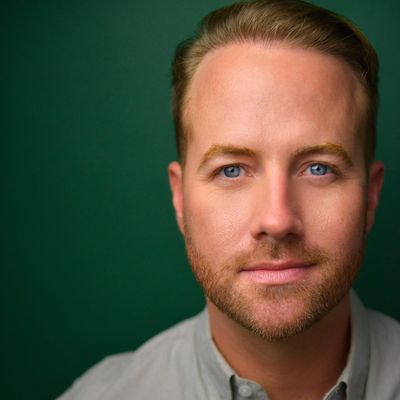
Join Heather and Alan as they welcome the inspiring Bret Shuford and Stephen Hanna, known as the Broadway Husbands, to the "Was it Chance?" podcast. This charismatic couple's love story began in the bright lights of New York's Broadway scene, where they met in 2007 while pursuing their passions for the performing arts.
After falling in love and tying the knot in 2011, Bret and Stephen took a leap of faith in 2020, leaving the Big Apple behind and relocating to Houston to build a family of their own.
Tune in as the Broadway Husbands open up about their journey to fatherhood, embracing their roles as gay parents, and helping others become better people, partners, and parents along the way. With their infectious energy and heartfelt honesty, Bret and Stephen are sure to inspire you to chase your dreams, no matter how big or challenging they may seem.
- Connect with Bret and Stephen on Instagram, TikTok, and their Website
- Join them for a LIVE Joy Chat on Instagram every Sunday at 8pm CST
- Watch the viral Fosse "taking out the trash" video!
Episode Takeaways
- Bret and Stephen's story began in the unlikeliest of places: an AA meeting, followed by their first conversation on a Times Square subway platform.
- For Bret, the bright lights of Broadway had called him away from his small town, but the struggle to succeed was overwhelming. He realized his drinking had become a problem.
- Stephen, on the other hand, was living his dream and performing, but his drug and alcohol addiction threatened to derail everything he'd worked for.
- Both men had always dreamed of being fathers and had assumed they would adopt. But as life took them on different paths, they found themselves considering surrogacy. They bravely share their journey to parenthood in this episode.
- Through hard work and multiple income streams, Bret and Stephen have created a stable and loving home for their family. As influencers, they adore spreading joy and positivity – there's no room for negativity in their lives!
- "Moving to Texas was about reparenting myself and setting boundaries," Bret says. For him, this new chapter was a chance to rediscover himself. • Catch Bret and Stephen LIVE every Sunday at 8pm CST for their "Joy Chat" on Instagram. It's the perfect way to round out your weekend!
- Stephen has a unique perspective on failure: "It's always fueled me." He believes in letting setbacks propel you forward.
- Bret takes it a step further: "Be willing to fail, and fail publicly. Imperfection is how I've learned who I am and what I'm passionate about. That willingness to take risks, despite the fear, has defined my journey."
Transcript
This transcript was automatically generated and might contain errors.
[0:00] Alan Seales: Hey there everyone, this is Alan cutting in from the editing room. I have to preface this episode by saying that I messed up big time during this recording and didn't realize that I had the wrong audio input selected when we recorded. So my audio quality is not up to par. It was probably recorded using my laptop microphone, I think, which was closed. The laptop was closed because I was using an external monitor. Anyway, I'm really sorry that my audio sucks for this episode, but please don't hold it against our guests. Speaking of which, here are Bret and Steven, the Broadway husbands.
[0:42] Heather Vickery: Hi everyone. Welcome to the newly award nominated Was It Chance?, the podcast about embracing opportunity and taking intentional risks for your creative life.
[0:54] Alan Seales: I'm Alan Seales.
[0:55] Heather Vickery: And did she mention we're now award nominated?
[0:59] Alan Seales: We started off as two perfect strangers who met by chance and embraced opportunity. Depending on when you are listening to this, the awards might have already happened, but we could be award winning.
[1:03] Heather Vickery: We could be award winning. You never know. We'll update you and keep the socials going with all of that.
[1:16] Alan Seales: Anyway, to finish my intro, listen in as we chat with other successful people about the risks they've taken to put themselves on a path to creative success. Heather, can you guys tell we're excited about being Podcast People's Choice Podcast Award nominees?
[1:30] Heather Vickery: We are um nominated among some pretty spectacular shows, and we are so honored.
[1:36] Alan Seales: Very good. We want to thank you all for being so supportive. Alan, who do we have with us today?
[1:42] Heather Vickery: Two people that also make me feel honored to be in their good graces and their presence. Uh so it's Bret Shuford and Stephen Hanna, who are also known as the Broadway husbands. They met in 2007 after both individually making the decision to get sober and change their lives. Both Broadway actors and dancers, the couple's creative passions took center stage, pun intended, for many years as they focused on their careers.
[2:14] Alan Seales: But with at least eight Broadway shows between them, Bret's creative coaching business and Steven teaching ballet, their active lifestyle had a little bit of a pivot as they decided they wanted to start a family. They turned into podcasters with the Broadway Husbands Podcast, which documented their adoption journey, which ended up ultimately not working as uh to adopt, but only uh to make it through a difficult four-year surrogacy journey. And so now they are parents of a beautiful toddler boy asleep in the other room. They live in Texas full-time, not New York City anymore, have exploded on social media.
[2:51] Heather Vickery: Still fine.
[2:53] Alan Seales: Yeah, it is. Still find time to perform and are now here to share their story with us today. Bret and Steven.
[3:01] Bret Shuford: See you later.
[3:01] Stephen Hanna: Bye.
[3:01] Bret Shuford: Thanks.
[3:03] Stephen Hanna: Hi.
[3:05] Bret Shuford: Alan, I feel like you know us so well. So thank you for that introduction. Listen, I have been like parallel to you guys alongside for I mean, since the beginning, I think of the adoption side of everything, right?
[3:21] Stephen Hanna: It's been 206, 2017, 2018.
[3:25] Bret Shuford: Yeah, 2017, I think is when we started, yeah, toward 2018.
[3:28] Stephen Hanna: So we're gonna get in, we'll get into the baby stuff. Everyone loves babies, but um, you're very vocal about this. You've talked about this many times, but you're both you met in in AA, correct?
[3:41] Bret Shuford: We did.
[3:42] Stephen Hanna: That is correct.
[3:43] Bret Shuford: We did so Bret doesn't always remember this part, but we had seen each other around um while I was newly getting sober and um and he had been sober.
[3:57] Stephen Hanna: Uh but one of the first times we ever really spoke was on the Times Square subway platform.
[4:04] Bret Shuford: And he came up to me, and um, and he was just being a nice sober person and saying, Hey, you know, my name is Bret. Um, you know, I've seen you around, like, call me if you need, you know, support, basically.
[4:18] Stephen Hanna: And I was like immediately stalking his.
[4:24] Bret Shuford: He had like a it was a long time ago. So he had a a business card and a website.
[4:28] Stephen Hanna: And so I went, I would show up.
[4:31] Bret Shuford: The internet was different.
[4:32] Stephen Hanna: It was different.
[4:33] Bret Shuford: It was different.
[4:34] Stephen Hanna: Maybe it was 2000.
[4:35] Bret Shuford: Yeah, yeah, yeah.
[4:35] Stephen Hanna: So thousand seven, there was like the face, there's things called Facebook.
[4:38] Bret Shuford: Facebook, yeah, yeah.
[4:39] Stephen Hanna: So, anyways, and we were friends for you know about a year until things became more than just friends.
[4:48] Bret Shuford: We're gonna hear so much about your journey together, and I'm really excited. But this is actually my first opportunity to meet both of you, and I'm so thrilled to get to meet you in person.
[4:57] Stephen Hanna: Can we go back just a little bit further? Um, maybe to what that this is, I'm sure it's own show. What led you to AA? Like what what chance in your life were you like, you know what, Ward, this is not who I'm gonna be.
[5:10] Bret Shuford: I had um so this is Bret, for those who don't know our voices. Um, and for me, I had, you know, I grew up in a small shithole town in I can cuss something here, right?
[5:24] Stephen Hanna: In Texas, I assume I can.
[5:26] Bret Shuford: Um, please, we fucking love it.
[5:28] Stephen Hanna: Okay, great.
[5:29] Bret Shuford: And um, and I couldn't wait to get out. I wanted to be on Broadway since you know, since I was a kid. So I moved to New York. I got my theater degree and I'd graduated and I was 24.
[5:44] Stephen Hanna: And I was like, why am I not on Broadway yet?
[5:47] Bret Shuford: I mean, yeah, just like I needed to be on Broadway. Like, what I'm 24, like my life is flashing before my eyes.
[5:52] Stephen Hanna: And um I'm so old now.
[5:55] Bret Shuford: But at the time I just couldn't figure it out. I couldn't figure out why, like, I I did not want to move back to Texas. Ironic.
[6:02] Stephen Hanna: And um, I was like, how do I make this happen?
[6:06] Bret Shuford: And I just I I was like just struggling. I couldn't make couldn't get get, you know, I was working regionally, but I really wanted to be on Broadway.
[6:14] Stephen Hanna: And I was like, I just would go and I would get called back and I wouldn't book or something would happen.
[6:18] Bret Shuford: And I and I wasn't handling it well, like emotionally, and I just knew something was up.
[6:24] Stephen Hanna: And I went to therapy um through the Actors Fund, now the Entertainment Community Fund.
[6:30] Bret Shuford: Uh I found a therapist who is still my therapist to this day.
[6:35] Stephen Hanna: Wow.
[6:35] Bret Shuford: And um I got my therapist and I went to therapy and I was like, you know, I black out like once a week, but I just assume everybody does.
[6:46] Stephen Hanna: Like, like that just seems normal to me, like to just like totally not remember what happened the night before.
[6:53] Bret Shuford: And he was like, Do you think you have a drinking problem?
[6:56] Stephen Hanna: And I was like, no, it's my mom.
[6:59] Bret Shuford: It's my like I was like blaming every issue.
[7:03] Stephen Hanna: And he said, Well, if you don't have a drinking problem, then why don't you not drink for like you know, a week and see how it goes.
[7:11] Bret Shuford: And I couldn't do it. I was like, Oh wow, wow. I think I could build like three days, and I was like, just really wanted some wine.
[7:19] Stephen Hanna: And um, and that was when I started realized, okay, maybe this is something getting in the way.
[7:24] Bret Shuford: So why don't I just try like giving myself 90 days?
[7:29] Stephen Hanna: And um, I think I went like I think the longest I got was like maybe two weeks.
[7:36] Bret Shuford: And I called a friend of mine who I knew in the program, and I said, I'm having I'm struggling.
[7:43] Stephen Hanna: And he said, just remember you don't have to do it alone.
[7:46] Bret Shuford: And so I started going to meetings, and that's how I accumulated some time one day at a time.
[7:52] Stephen Hanna: And in my therapy, the term I used to my therapist was like, I just don't feel like I'm meeting my potential.
[7:57] Bret Shuford: I just want to meet my potential, and I just don't know how to do it.
[8:00] Stephen Hanna: Yeah.
[8:02] Bret Shuford: Within three months of getting sober, I booked my first Broadway show.
[8:07] Stephen Hanna: Wow.
[8:08] Bret Shuford: It's wild how we don't see how we're sabotaging ourselves until we step out of the box that we've put ourselves in.
[8:17] Stephen Hanna: But what's your story?
[8:18] Bret Shuford: Yeah.
[8:19] Stephen Hanna: Um, I mean, Bret sounds so planned out, and like he really knew what was going on.
[8:25] Bret Shuford: Um I on the other hand was a total disaster.
[8:28] Stephen Hanna: And uh at the time I was a principal dancer at the New York City Ballet, and I was, you know, living my dream, and also at the height of um the really bad drinking and drug addiction.
[8:40] Bret Shuford: And um, and I was just unable to show up.
[8:46] Stephen Hanna: I mean, I couldn't show up, you know, because I would go out to have like a drink that would turn into like a two-day vendor.
[8:54] Bret Shuford: So I was wow, I was just I was a mess.
[8:58] Stephen Hanna: Um so mine wasn't as like, hmm, there was no thought.
[9:03] Bret Shuford: I was I was hanging on for dear life, I was about to lose everything, and I was trying I knew that I needed help.
[9:13] Stephen Hanna: Like I knew that either I was about to lose everything or I was gonna die, or something really, really bad was gonna happen if I didn't change what I was doing.
[9:25] Bret Shuford: I it was basically like an intervention from my family, and uh and so I finally made it to rehab after um basically I had disappeared for a couple of days and they couldn't find me.
[9:39] Stephen Hanna: Um so I went to rehab, and uh, you know, I always tell this story because my brother drove me there.
[9:46] Bret Shuford: He just said to me, because I obviously didn't want to go, and it was it was a horrible moment.
[9:52] Stephen Hanna: Um but uh he was just like nothing bad is gonna happen from this only good.
[9:57] Bret Shuford: And he was right, yeah.
[9:59] Stephen Hanna: So I mean, there's a lot a lot of other crazy things that happen, but was basically I just couldn't show up.
[10:05] Bret Shuford: I mean, I could not function um without a drink and a drug.
[10:09] Stephen Hanna: So it then you meet each other on the subway platform, sparks are flying and not from the subway, everything is working out.
[10:17] Bret Shuford: You're like, all right, we're gonna we're gonna hang out together, we're we're doing this thing.
[10:21] Stephen Hanna: So you become, I mean, I guess metaphorically, not my brand.
[10:26] Bret Shuford: When did you become the Broadway husbands?
[10:29] Stephen Hanna: Right.
[10:30] Bret Shuford: Because you you were together before you get married, and then um you started the whole Broadway Husbands as a brand as well.
[10:38] Stephen Hanna: And and so you've become this kind of social media phenom that we wanna I want to get to.
[10:43] Bret Shuford: And back to my original question then, which is very long-winded.
[10:47] Stephen Hanna: Uh yeah, yeah.
[10:48] Bret Shuford: Do we remember what it was?
[10:49] Stephen Hanna: Yeah.
[10:49] Bret Shuford: When when did when did you decide like we're gonna do business together?
[10:53] Stephen Hanna: We're gonna be like life partners is a business, but there's life business and there's business business.
[10:58] Bret Shuford: So when did you become Lord Business together?
[11:01] Stephen Hanna: I'll answer this.
[11:02] Bret Shuford: Um so well, I could just hear him go, and I was like, I'm answering this.
[11:09] Stephen Hanna: Yes, you jump in, or yeah, that's the way it goes.
[11:14] Bret Shuford: Um so Steven had left New York City Ballet to do Broadway, he was doing Billy Elliott, and when that you were still doing the show when we got married, right?
[11:25] Stephen Hanna: Is that right?
[11:26] Bret Shuford: 2011.
[11:27] Stephen Hanna: Yeah, yeah.
[11:28] Bret Shuford: Um, and so I was like, you know, no, you were supposed to stay at the ballet because that was like job security for me.
[11:36] Stephen Hanna: Um, but then he decided to do theater and I was like, okay, never mind.
[11:40] Bret Shuford: Um but at that point security.
[11:42] Stephen Hanna: At that point we were still in love, and uh it was too late.
[11:45] Bret Shuford: So we but what happened was uh what happened was I was in Paramour, this Cirque du Soleil show on Broadway, and I the show is uh that's a whole podcast to itself.
[12:00] Stephen Hanna: Um was creatively kind of like a life suck.
[12:04] Bret Shuford: And I was like, I just I need to do something outside of it.
[12:07] Stephen Hanna: So I started YouTube.
[12:08] Bret Shuford: I started my own like YouTube channel, I was creating content there, and I decided to do like a month like weekly series, and one of the series was called Broadway Husbands.
[12:17] Stephen Hanna: It was me and Steven just kind of shooting the shit, talking about whatever.
[12:21] Bret Shuford: And that always performed better than anything I did that was solo.
[12:25] Stephen Hanna: And I was like, that's interesting, Broadway Husbands, and then I was like, Instagram was sort of coming out at the you know, like growing, and I was like noticing a lot of gay couple accounts, but none of which were like relatable to us and what we did, like the lifestyle we lived as performers, and a lot of those people I followed, you know, I had no idea what they did for a living anyway.
[12:49] Bret Shuford: It was like they just had these luxurious lifestyles that just sort of magically happen for them. And I was like, I also at the time Instagram was just like curated photos, right? So yeah, so I was like I remember those days. And I just looked and said, saw no one had Broadway husbands as like a handle on any account. I was like, well, I'm gonna snag it before anybody else does. And um, and so that's kind of how it was born in like 2018. We wanted to start our journey to parenthood. We thought it would be worthwhile documenting because there's so much mystery around how two dads grow a family, and so we were like, let's document this and also be good for our son to see the documentation around it, like for in the future if he ever wants to know what we did.
Um, and so that was when it really started kind of blowing up and growing, was when we started that journey, and um it was it was sort of purely accidental and out of a desire to just be creative. We've never ever been paid to work together in a show.
[13:48] Stephen Hanna: Really?
[13:49] Bret Shuford: Nope. Not even coaching or anything. Well, I guess we've taught some workshops. But I mean, but not like a Broadway show. Never been in a Broadway show together. We've never been, yeah, because I mean our skill sets are so different, right? He's a he's such a classically trained ballet dancer, and I have like more musical theater, like actor Disney, you know, um so anyway, it was like a fun way for us to get to use those skill sets together and be able to collaborate together, and um, and so that's kind of how it started, and we've been searching for our voice really ever since. Like, what is Broadway Husbands and how does it work? And like what do people want from us? And you know, social media is like this constant flow figuring that out.
But I think Alan's question too is like when did we decide to really go into business with one another? Um, I think that that is still sorry, I'm like had my hand in front of my mouth. Um, I think that that is still something that we kind of have to recommit to all the time because for so long, it's always been such a fun hobby that has given us a lot. Um, but we together have to always constantly remind ourselves that it is a business.
[15:09] Bret Shuford: Um and I don't think until 2023, where we had like a really um great year um from Broadway Husbands that we really recognized, oh wait, this is actually a legitimate business. I think it's taken us probably until last year to kind of really recognize that and then to really treat it like a business um and to show up a little bit more as professionals and not as um friends or husbands or feuding husbands or husbands who don't take anything seriously, or yeah, um, I think it's it's always like which hat are you wearing at this moment?
[15:46] Stephen Hanna: Yeah, yeah, you know.
[15:49] Bret Shuford: Yeah, and I mean, that's like the true mark of a multi-hyphen as overused as that term is, because you walk into every room with multiple perceptions, perceptions of what you're there to do or or who you're there to talk with. But it's it's interesting, you say like 2023 is when social media for you said you did really well, but if you back that up data, so back at social media. If you back that up, then um 2022, 2020, 22, right? Like that was Broadway was all a mess and COVID shut down, and like that's when you decided to leave New York and go back to Texas after you said you'd never go back to Texas. So, like, where where did all that happen? Because all of that, or I guess why did all that happen? And where where's the opportunity that came from in there? Because that led you up to this great year of 23.
[16:39] Bret Shuford: Well, I I mean, I can speak from my point of view, you know, leading up to 2020, up to the pandemic. I the the three or four Broadway shows I had done previous to that moment, I was not happy. I was like, this sucks. I did not like the schedule most of the time. I did not like the who was in charge. I thought, you know, the leadership was terrible, like, you know, for the amount of ex energy you're putting out versus what you return the return, it just started I started to feel this like God, this kind of sucks. And it and like, you know, and I it's the only thing I ever wanted, right? Um, and each job had its own thing, it wasn't all the same, right? It was like it was either creatively sucked or it was like just bad leadership, or it just depend it just depend, right?
So but I wasn't listening to that gut because my identity was so like tied into being an actor on Broadway. I was like, if if I'm not that, then who am I? And then the pandemic hit, and we needed to figure out how to make money. Like we needed to figure out what we're gonna do because we didn't have Broadway to make that money, and we were having we were pregnant, or we were about to be pregnant, right? Um, we were trying to get get through through the surrogacy process, and so we were like, Oh my god, so we sold our apartment in New York on a whim. We owned our place, and Steven got a job teaching in Houston, and we were like, we'll go for three months. It was only supposed to be until December of 2020.
[18:04] Stephen Hanna: Wow.
[18:05] Bret Shuford: And then our uh surrogate got pregnant in 21 in July of 21. We're gonna take a quick break. Stay tuned for more of the episode.
[18:18] Stephen Hanna: And now we're back.
[18:19] Bret Shuford: And so we were like, okay, well, it's cheaper to buy a house and pay for like a rental. So let's just do that. And then because we had the money from the sale, and then Wicked called and was like, We wanted to come back. And I was like, no, I've that's a big deal. It's like we're we're pregnant and we bought a house in Texas. I'm I'm happy here, I'm not gonna come back.
[18:42] Stephen Hanna: Wow.
[18:43] Bret Shuford: So have you so go ahead, healer.
[18:45] Heather Vickery: Uh well, I just am curious, sort of unpacking, talking about taking intentional risk, like you wanted this your whole life. Well, we didn't get into usually when we have a solo guest, we're like, tell us about the time you were too and you thought I want to be a star. Um, but like let's assume you've been wanting this for a long time. I think that's probably true. And was that just like the easiest thing ever for you to go, yeah? No, I don't want to go back to Broadway. I mean, wicked's a big fucking deal, or were you did like what was that like for you?
[19:14] Bret Shuford: Well, I mean, wicked for me, I had only been there for I don't know, six months before the pandemic hit. Not even four months. Maybe four months total, yeah. And um, it was the most toxic place I'd ever worked.
[19:25] Stephen Hanna: Really?
[19:26] Bret Shuford: Well, so that particular show then maybe okay. Uh and I'd heard that before, and I thought that was a just disgruntled. That was disgruntled people, but it was it really was just like I mean, and hopefully it's changed post pandemic. But I was like, it wasn't it was easy for me.
[19:41] Stephen Hanna: You missed a terrible alphabet in fairness.
[19:44] Bret Shuford: Wait me, yeah.
[19:45] Stephen Hanna: Yeah, yeah.
[19:46] Bret Shuford: Yeah, they they all the green would get stuck in my mustache. Never looked that good. Um so that was easy for me not to go back to that specific show, but it was not easy to not return back to New York, which had felt so part of like my life. But it it was so easy living where we were, like it's so cheap, so affordable here compared and like bit of space. So there it was it was a lot of like soul searching and digging and um evolution, but also because we were making money with Broadway husbands. All of a sudden I was like, you know what? What if I lean more into this? Like if we're we're making some money here, what if we do more? And what if I could replace that Broadway income, especially when cost of living is so much lower here?
We could probably make this work. And so that was really when the moment kind of hit. I remember we got our first significant brand deal with it was Buick car like we bought a car with Buick and then we tagged them and they hit us up. And Steven goes, Oh my god. I told him how much money they're gonna pay us. And he was like, We're like influencers.
[20:56] Bret Shuford: Yeah, and I was like, Yeah, this is what I've been trying to build for like years now.
[21:07] Stephen Hanna: I love that.
[21:07] Bret Shuford: Wow.
[21:07] Stephen Hanna: Wow.
[21:07] Bret Shuford: Uh all right, so the 2013 you le you lean into that, but like I remember one of the things that I was I don't know why I attached to this so well recently you posted the video of just like doing choreography, taking the trash out. And then you did a you did a follow-up video to that. I think oh no, it was the news segment you did uh uh in the local news and Fox News and locally where you I think you said that it only took it was like maybe 15 minutes and it's and it like exploded, right? So is is that one of the things that is hard or easier to lean into, or are you just like oh I'm I'm gonna do everyday things and I'm gonna make I'm gonna make a dance about it.
[21:46] Bret Shuford: Well does the stuff that takes less than 15 minutes do better than the stuff that you plan out forever?
[21:52] Stephen Hanna: I mean it depends.
[21:53] Bret Shuford: I mean it depends, right? I mean, there obviously we have a lot of like conversation, not necessarily I'm not gonna call it planning, because if we were really planned, we would be like really planned and have amazing content. No one plans with a two-year-old. No one's but we have a lot of conversations, and we know when that next window of time is that we can actually do something, and when that time comes up, we rush to get it done. And then for the for the Fossi, the first Fossi garbage one, it was relatively quick because it's been, you know, it's like a hundred degrees here a lot, and you know, at 6 p.m. or between 7 and 8 30, it's still really, really hot outside. So and we like to wear pants in our reels because we just would rather wear pants because it looks nicer.
So we're in like real clothes and we're outside doing it. Luckily, that first one, the choreography is quite simple, and we just had the shot idea, like this shot, that shot, this shot, and it was probably done in 15 minutes.
[22:55] Stephen Hanna: Um I'd love to go back a little. First of all, I just I really'm also in in the community, and it can be for my gay male friends, especially. Um drinking is such an active part of culture. So I really honor the two of you for honoring yourselves. Um, but so like let's go back a little bit because I don't know the story. Alan does, and our listeners, I think probably don't know your story, and we're so excited to introduce them all to you. Um, you you met, and there was the electrifying, you know, subway moment, and then you started dating, then you got married. Let's hear a little bit about this journey towards parenthood.
[23:40] Bret Shuford: We had a guest on um a couple months ago, Mark Daly, who wrote a book called Safe about he and his husband's journey through adoption. Now they stuck with fostering to adopt, they stuck with that, and y'all went a different route. So, can we maybe get a truncated version? I'm sure that's also several podcast interviews of your stories there and maybe what sort of um unexpected chances you're like, you know what, let's go this direction. That's not what we thought we were gonna do. Can we hear a little about that?
[24:12] Stephen Hanna: Yeah, I I mean, I think that initially we always had the idea of having kids. Um, we were never very clear about what that plan was, but I think between the two of us, I know I can speak for myself, and I'm pretty sure I can speak for you that we always assumed that we would adopt. Um, I can even remember um being around friends that were going through the surrogacy process and leaving and saying to Brett, hmm, that's not for us, you know, kind of judging it. So I always just assumed we would adopt. Um, and then I saw this movie. I tell this story all the time, and I can never remember the name of the movie. What's the name of the movie?
[24:47] Bret Shuford: Other people.
[24:48] Stephen Hanna: Other people. It is a drama by Molly Shannon. And um we were starting to get really think about um our you know journey as parents, like how that was gonna happen. I saw this movie, she's dying of cancer, she's on her deathbed, she has a gay son, and she says, Um, just promise me you'll come to see your sister when I'm when I'm gone.
[25:10] Stephen Hanna: And he was like, 'Of course I'm gonna come.' And she's like, because you'll always see my face in hers. And there was something about that that just like chills. It just um spoke to me and uh and I said to Bret, we have to let's try and have uh child who surrogacy. And that was when our journey started. It was like December, November of 2017. We got our sperm tested. Um, we first uh made embryos in March of 2018, and Maverick wasn't born until March of 2022. We just kept saying to ourselves, we're gonna just start this process. And if it becomes clear that we're not gonna be able to afford it, um, we can just try something else. But let's just try this. Um, it really felt like a calling, at least in inside me.
Um, and uh, so that's kind of how it happened. Um, and we went through um, we first met our um uh fertility doctor, like that's how we started. Um, we did it in in pieces, we didn't do it with an agency. Um, so we made our our embryos first, so that was like a separate thing, and then we um tried to find a surrogate but what hold on, what does that mean making embryos? Because you neither of you had to get an egg donut well, but there's different than your surrogate.
[26:28] Stephen Hanna: So most people assume the surrogate is also the egg that's like where people just like they don't understand that like the egg is a separate thing they're making the embryo outside of the surrogate yeah oh and then they freeze the embryo or some if you're really if you can really afford it you do like a fresh transfer fresh transfer yeah wow um but big for us we froze our the embryos that we made which was from an anonymous egg donor and then okay we had and again like that's something you can you agree on too like do you know the egg donor or do you not are they anonymous or not um there's a lot of options it's a lot of things and like no journey is the same and that's why we tell people if you want to do this just start just start because it's it just because you never know figure out what's for you yeah and then you have to figure it out like you're like you know what let's just see let's just see how far we can go because honestly the longer you wait it took us four years the longer you wait you you know for us it was like okay if we don't do this now like we're gonna be like past retirement age when he graduates high school so like well why did it take so long though why does it take so long uh is is the is there a list of people who are like I'll I'll I'll cook a baby for somebody because you're dealing with biology right it's not just like you push a button and a baby comes you're dealing with you know we couldn't find a finding a surrogate who's a who is a good match who you psychologically trust who's you know like there's that part of it there's the money which is, you know, you're talking for us.
[28:01] Stephen Hanna: We finally just did a YouTube video on our YouTube channel where we did the numbers and it was like a hundred and fifty K in the end. So coming up with that as freelance performers, like that was challenging. We lost our initial surrogate. She bailed on us because she decided she didn't want to do it. And then they had to find a new one. And then the pandemic happened. And then the pandemic hit. And then we had an excursion. And then it just there's so many things you just can't plan for. Um and I think people underestimate that. It feels like, oh, we have a baby, and like boom, you just push a button and like boom. Um so you know, I think that I think for us we learned a lot in four years was 100% worth it. But it's uh it's not it's not an easy journey, no matter what.
[28:49] Bret Shuford: It's like this path me too. It's like a crazy roller coaster ride, right? I mean, like the highs are so high of excitement and the lows were so low. And my goal with probably husbands, not kidding, was like, I just want free diapers for a year.
[29:04] Stephen Hanna: Did it work?
[29:05] Bret Shuford: Yes, yes.
[29:07] Stephen Hanna: Yep. You guys should see the smile on his face.
[29:10] Bret Shuford: I was like, no. Oh, free diapers and free formula for your hands.
[29:14] Stephen Hanna: Yes, baby. I did it. Big score. That shit's expensive.
[29:20] Bret Shuford: Oh, like if our account never does anything else after that, I'm okay. Like Oh my gosh, I love it. And so this is really not any of my business whatsoever. But are you one and done or are you gonna try it again?
[29:35] Stephen Hanna: It's a point of contention.
[29:37] Bret Shuford: Oh, are you offering your your cooking services, Heather?
[29:43] Heather Vickery: No, no, you do not want this almost 50 year old uterus that's already had four babies, I promise you. I mean, we do have embryos. We do have embryos still. And I would love to be pregnant in a year again. And um Brett's not totally sold. Um, but you know. If we get a hundred and fifty thousand dollar brand deal, I'm done.
[30:07] Stephen Hanna: Yeah, it's like okay. Then we have put this out. There we go. There's that. But don't you want two of them so they can see each other?
[30:15] Bret Shuford: That would be. Oh, wait, so so the sperm, was it just like a mishmash of of swimmers? That's such a nosy question.
[30:22] Stephen Hanna: No, I'm because that's what Steven said. You can you can see yourself in it. Like you don't know who the dad is. Every person's that different.
[30:30] Bret Shuford: Yeah, I'm gonna send you some books and some podcasts to listen to, Alan.
[30:34] Alan Seales: But um educate me.
[30:36] Bret Shuford: Educate me. Sensitivity and questions you don't ask.
[30:39] Stephen Hanna: That's what I'm saying. We're not gonna give you any like because we don't actually know.
[30:42] Bret Shuford: Like we never we told them not to tell us. You can ask.
[30:45] Stephen Hanna: I love that.
[30:45] Bret Shuford: I like it too. You can know like who's everything, yeah.
[30:49] Stephen Hanna: They can give you all the details.
[30:49] Bret Shuford: And we were like, just we want to have mystery. Um especially because there's so much like people don't understand like people's view, the Western world general public view of child of children is that somehow there's some ownership that you're that they're somehow.
[31:06] Stephen Hanna: So we didn't want to put that on any on our child in any way. But anyway, only one sperm can impregnate an egg.
[31:13] Bret Shuford: So, you know, we had one of you did. So we had 11 eggs that were bio viable, and we ended up with five embryos. We we split those eggs in half. So it was like six was one, five was the other, and then we told them to choose the healthiest embryo, the most likely one to stick.
[31:35] Stephen Hanna: I love that, and that's what we got.
[31:36] Bret Shuford: Yeah. It makes me think of Neil Patrick Harris and his husband. They kind of did the same thing, right? But now their kids are what, 11, 12, and you can totally tell who I think they got, I think they got one each.
[31:50] Stephen Hanna: I don't know.
[31:50] Bret Shuford: But um, yeah, I love that. Because it doesn't matter. It's interesting. My partner is divorced from a woman and they have a son, and her ex carried their child. And when we were first dating, my dad, he's come a long way. You gotta be patient with these folks. He goes, Well, but so which one of you is the real mom? And we're at the dinner table. I was like, oh God, this is not gonna go well. And we just kind of had to have that sensitive it in working around. I he didn't mean it the way it sounded. The question was, who carried the baby? Right.
[32:26] Stephen Hanna: Um, but we had to work our way around to educating him on how to ask that question the right way.
[32:31] Bret Shuford: Well, Brett's gonna send him some books and some podcasts to listen to.
[32:35] Stephen Hanna: No, he's he's done he's done well. It's actually my stepdad. My real dad goes, huh? I didn't I said, you know, they had a sperm donor and they they went to the doctor and he goes, I didn't know you could do that. I'm like, well, now you know.
[32:50] Stephen Hanna: We actually we you know it's funny that this exact conversation. We have a book called uh Daddy Papa and Riley is the name of the book. We go by dada and papa, but then the book is daddy, papa, and Riley, and it's it's very it's like that dealing with this, you know, young child going to school for the first day and kids asking them that.
[33:11] Bret Shuford: Um, and I mean I had we were in Lake Tahoe at the end of July, and this woman just came up to me and started asking questions like that.
[33:23] Stephen Hanna: And she was a perfect stranger, and it was I I said it was it's none of your business. Thank you so much. You know, like so it's it's it's interesting.
[33:33] Bret Shuford: The um just the way people, yeah, and it's okay. I mean, it is okay, but it's also none of their business, right?
[33:41] Stephen Hanna: It is it is none of their business. Thank you for sharing that with us.
[33:45] Bret Shuford: I I love hearing that so exciting. And we'll be on pens and needles hearing, waiting to hear what you'll decide to do in the next year.
[33:52] Stephen Hanna: I'm rooting for the for the 150,000 dollar sponsorship.
[33:56] Bret Shuford: So let's go buy a Lincoln and tag them.
[34:00] Stephen Hanna: They'll do better than BOA.
[34:02] Bret Shuford: Move over, move over, McConaughey.
[34:04] Alan Seales: We're gonna take a quick break. Stay tuned for more of the episode.
[34:11] Alan Seales: And now we're back. Okay, so you've got this beautiful life. You are you seriously making your whole family work with Broadway husbands? Because that's amazing to me.
[34:22] Bret Shuford: It's not it's it's you know, multiple streams of income, right? So I have my coaching business and I help other content creators, you know, build their personal brands, and yeah, you know, and I love doing that. It helps kind of unlock people's creativity and start to do what we did, like monetize and like and um, so that's one source of income.
[34:46] Stephen Hanna: So it's like multiple streams.
[34:48] Bret Shuford: Steven's still teaching some ballet, we're still acting, like he did a show on Broadway last year, so we were back in New York for part.
[34:53] Stephen Hanna: New York last year.
[34:55] Bret Shuford: It's kind of fun.
[34:56] Stephen Hanna: So we get to David in there. Did I tell you that, Stevie?
[34:59] Bret Shuford: I love that show.
[35:00] Stephen Hanna: Thank you. I'm glad you caught it. It was only there for a minute.
[35:05] Bret Shuford: So yeah, it was it was good.
[35:09] Stephen Hanna: I liked it.
[35:10] Bret Shuford: Oh, you guys teach same-sex dance classes, right?
[35:13] Stephen Hanna: Well, we've been no, it's not quite that, but we've been teaching virtual classes to like people who want to take class with us.
[35:21] Bret Shuford: So we get stuff online, people saying, Oh my god, I would love to like dance with you. And I'm like, Well, come we'll do virtual dance class together. So we started doing that, which has been fun.
[35:31] Stephen Hanna: It's a lot of moms.
[35:32] Bret Shuford: Like all of a sudden, we've like, the way it's our demographic is more women, 70% women.
[35:40] Stephen Hanna: Like, this is the thing. When we started the account, you were kind of um alluding to this, was like we started the account thinking, oh, it'll be uh aspirational for gay couples or young gay men.
[35:51] Bret Shuford: And what it is now is like I the way I think about it is like all the girls that we took dance class with when we were in middle school and high school, they're now like following us and hanging out with us because they missed like being in class with us, so we just get to kiki together on Instagram.
[36:05] Stephen Hanna: Yeah. What's kind of like do you get weird requests online in the world of social media influencers and especially just kind of how anonymous people think they are online?
[36:18] Bret Shuford: Like, do you do you get weird requests? You're like, why would somebody write this down? Why would somebody send us this?
[36:25] Stephen Hanna: I mean, the one thing that pops into my head as of something that happened recently, we were on a TikTok live, and um the these people kept wanting us to um we did part of it.
[36:41] Bret Shuford: Oh, I got on Brett. They wanted me to get on Brett's shoulders.
[36:45] Stephen Hanna: I sit on my shoulders, and so I did it. And I was performing that week, and I didn't. Then they wanted Brett to sit on my shoulders, and I just kept saying no because my back had been kind of hurting me, and it was like, I just can't risk it. Like I'm not gonna be able to do what I'm supposed to do today if something happens.
[37:04] Bret Shuford: And they kept persisting and persisting. They're like, we gave you the cowboy hats that you asked for. And it was line as well. It was so really figuring it out. We were like, what's happening? I was like, I think these are trolls, and we just didn't realize it.
[37:19] Stephen Hanna: Said no, no means no.
[37:21] Bret Shuford: Yeah. To me, it that's an interesting thing about being an influencer. I I think I am not one. I am a bit of an online public figure, but I'm not an influencer.
[37:32] Stephen Hanna: Um, I don't mean I don't think so anyway. But people feel like they have some sort of rights to you.
[37:40] Stephen Hanna: How do you navigate that? Because that's fucked up, by the way. How do you guys navigate it? Honestly, especially with our son, it scares me the most. Um, because you know, he deserves autonomy and complete consent. And that's something that as he's getting older, we've become much more sensitive to. Now that he can tell us how he feels, if he wants, you know, like we will say, "Is it okay if I take a photo or a video?" And he'll say no, and I'm like, cool. Um, but I mean, for me, like, you know, um, the thing that came up from your question, Alan, was like the thing we probably get the most, depending on the platform, is a lot of hate, like a lot of like, you know, your child needs a mom, or yeah, you responded to those publicly too, some of those.
Sometimes, sometimes, yeah. But what I learned with our account over the last, especially over the last summer, this last seven months, like three to six months, is like people really respond well when all we do is create joy. Um, that's what we've been trying to do. So if it doesn't spark joy, we just don't post it. And if the comment is not a joyful response, we delete it. Like if it has to just align with, to me, the overarching thing we've learned is that this is a place where we help people feel joy. And that became so evident because the comments were, "Oh my god, thank you for making my day today. Thank you for bringing some joy to my day." Or when people say to us, "I wish you were my neighbors, people would come help you take out the garbage," you know.
Like it's right, and so like it, and then also we learned, you know, talking about our son is like we also learned the past couple months that I think we were at one point so baby-centric, and um, I think I don't know that we were fearful of it, but I don't know that we wanted to always have him in our content, and we learned in the past, you know, four to six months that that's not the case, and we were really glad when we realized that things performed well without him, because I was like, we can't because we see some of his family judgment, yeah, but I just, um, like the child is like never like the child is like performing and they're only two, and you're like, yeah, it's not fair enough to be.
[40:07] Bret Shuford: Well, and if they aren't old enough to truly give their consent, it could really be problematic in the future. I saw accounts as a riff between a lot of parents. It really bothered me seeing some accounts where like the parents were literally feeding the child, but the child was facing in their high chair, the camera, and the child, and they're like, "I'm feeding them this." Like, and they're like, "You're not connecting with your child, you're doing everything for the camera." And I just, that was when I was like, okay, maybe this isn't gonna work. Yeah, because I don't want to do that. And all of a sudden, like the Fosse thing was like such a cool, like that's the greatest show, man. Oh, they got where we lights. Yeah, okay. We can like he doesn't have to be in our content. It was like a cool moment. I love that.
[40:52] Stephen Hanna: So I am tickled to hear you say we only do things that spark joy. I do a live show every week, and it's on Thursday, and I just finished it right before we got on to this interview. Um, and literally the title was "Joy is a Revolution." Um, because I think we're also conditioned to think that joy has to be earned, that pleasure and hope and possibility all have to be earned. And if we switch that to a foundation for like a starting point of joy, everything changes. Like everything moving forward is from a completely different lens, and you create such different content, such a different experience. So it just makes me excited. It's very um invalidating to hear you say that in a completely different context, right?
And we're seeing it. I'm not afraid, it's our podcast. We're seeing it on the political stage. What are people most excited about with Harrison Walls? The joy that they're bringing to this experience. We all feel hopeful and joyful again. And so this notion that like we can actually change everything. We can only do things that spark joy, and that's gonna sustain us. Yeah, it's fucking amazing.
[42:13] Bret Shuford: We also do that through you. We also do. It's funny you mentioned that we do a joy chat, uh live joy chat on Instagram every Sunday night. I want to come to your joy chat. 8 p.m. Central. Sorry, I'll let I cut you off. Go. Talking about the political side, that reminds me of something you said you get a lot of hate. And being in Texas, which is a red state politically, it is necessarily supportive of pretty much. Houston's a great town. Anything. Yeah. Yeah. Houston's great. Um, I guess what challenges have you had to work through to remain in Texas of all places? And because I've heard, I mean, Brad, I think you and I when we first met, we talked about how much like you just didn't enjoy Texas because of it not letting you be who you want it to be.
[43:02] Bret Shuford: I mean, honestly, becoming a parent, as you know, like changes everything. Uh, and for me, you know, moving to Texas, as my therapist calls it, was returning to the scene of the crime. And so it was a, it's been an evolution and a process of like reparenting myself and all of that. So, you know, to me, what's been interesting, the healing that has come from all of this, is that um I had to set some boundaries, some difficult boundaries with family. They're all MAGA people, so I just couldn't I did not want to continue to bring my child around people who um could potentially be teaching their kids things that are false information or saying things about us. Um, you know, and there was such a lack of respect to us continually over time that I've at some point I had to go, okay.
I'm an idiot for continuing to put myself in these situations. Yes, to put it harshly. But like I had to go, okay, how do I protect myself and my family because they come first? And um, I had to say, you know, if you're gonna do these things, you're gonna say these things, you're gonna treat us this way, then we're just not gonna be in each other's lives. And I've had to go full no contact with um my siblings and their families, and that's been really hard.
[44:26] Stephen Hanna: Wow. I'm so sorry.
[44:27] Bret Shuford: Not your parents though. We've been very adamant about setting boundaries with them, but you know, they're a generation where boundaries didn't exist, and yeah, for sure. I think that's been a hard pill for them to swallow, but they've been very for the most part very respectful. But because I want my son to know them, and I want, you know, but yeah, until there's some ownership and some responsibility taken, and so you know, it's I basically just had to say, you know, I can't keep feeling this way. Like I feel I've accomplished so much in my life and I feel good about the things I've done in my life. Why do I feel this way when I'm with these people?
[45:03] Stephen Hanna: Yeah.
[45:04] Bret Shuford: Um, no joy sparks, no joy sparks and it and it and I always see it. The reason I even am talking about it is because I see it as such a micro um version of what's happening in the macro of our country, and learning how to set boundaries as challenging as they can be, um, when people don't aren't used to having boundaries or stopping to play, stopping playing the game is what I say. You know, I don't play the game anymore, and they don't know, like, wait, wait, they want me to keep coming. You're supposed to play the game. And I'm like, no, I don't want to play the game. Um, it is hard, but it is like the most freeing thing, it just takes time, it takes grief. I had to grieve. But and I think that's really what you're saying is like I see this happening now in our country where people are starting to like come out of the grief of the pandemic and start to really look for like more joy.
[45:57] Stephen Hanna: Absolutely.
[46:03] Stephen Hanna: So I'm originally from Pittsburgh, Pennsylvania.
[46:06] Stephen Hanna: And uh I moved away from home uh when I was 12 to New York City.
[46:21] Stephen Hanna: So I consider myself really more of a New Yorker than um a Pittsburgh.
[46:21] Bret Shuford: When you were 12 to perform, yeah, not to perform, but to train at the School of American Ballet.
[46:21] Stephen Hanna: To train.
[46:21] Stephen Hanna: So I consider myself more of a New Yorker for sure.
[46:24] Stephen Hanna: But um honestly, I have always loved Texas.
[46:24] Bret Shuford: Okay.
[46:31] Stephen Hanna: Not for you know, the political reasons, obviously.
[46:37] Stephen Hanna: But uh anytime we've ever come here, I've just always been like, it's so nice here.
[46:37] Stephen Hanna: It's so nice here.
[46:43] Stephen Hanna: There's so much.
[46:44] Stephen Hanna: I think growing up in New York City and living in New York City for almost 30 years.
[46:48] Stephen Hanna: Anytime I would come here, I'd be like, oh, sky, grass, land.
[46:53] Stephen Hanna: Oh my god, this house isn't even that big, but it's huge.
[46:56] Stephen Hanna: Everyone's house is big.
[46:57] Stephen Hanna: There's just so much space.
[46:58] Stephen Hanna: And I think I always yearned for that.
[47:01] Stephen Hanna: The weather, the weather, the weather.
[47:02] Stephen Hanna: I mean, you know, I think I just yearned for those things that I hate about New York.
[47:07] Stephen Hanna: Um, and it, you know, and it had all of those things.
[47:09] Stephen Hanna: And um, I did a show here in 2019, and I remember like being here then and being like, I could totally live here.
[47:17] Stephen Hanna: And um, or at least at some point, or you know, I just liked it.
[47:22] Stephen Hanna: And um, so when the job opportunity came up during the pandemic, I was like, well, why don't we just go?
[47:27] Stephen Hanna: You know, I will say it can be challenging, you know, the things that we were just talking about, and and just um, I think the first time I went back to New York after the pandemic and after we had been here, I didn't realize how much I sometimes hold back on my beliefs or not beliefs, but like you know, just like when you're in the Northeast, everybody's like Hillary Clinton's the best, and you know, like everyone just like freely says things like that, right?
[47:59] Stephen Hanna: That's just not the case here, and um, and you forget, and then I remember I went back to New York um for a couple of days in 2021.
[48:09] Stephen Hanna: Yeah, 2021.
[48:10] Stephen Hanna: And um I went to see POTUS, the play, and um just like the subject matter alone, I was like, oh yeah, like this is awesome.
[48:20] Stephen Hanna: And back in Atlanta Free and Hillary Clinton was in the audience, and and I have like a pretty decent relationship, a good relationship with Susan Strowman.
[48:32] Stephen Hanna: So I was able to like email her and be like, I saw your show, it was so good, and Hillary Clinton was in the audience.
[48:37] Stephen Hanna: This is so awesome.
[48:38] Stephen Hanna: So it's not until you're in those moments, but it could have also been the pandemic.
[48:43] Stephen Hanna: But we do have a like a lot of great friends here.
[48:46] Stephen Hanna: We have a great network of people that we do love and trust.
[48:49] Stephen Hanna: And I will say this like in New York, you have to deal with people on a daily basis.
[48:55] Stephen Hanna: And here you could not see people here, you could go days without seeing other humans, you know.
[49:01] Bret Shuford: So, so like if they don't know are you secretly introverts, is that what you're talking about?
[49:06] Stephen Hanna: Well, I think here, yes.
[49:09] Stephen Hanna: Because you never know.
[49:11] Bret Shuford: Self-preservation, actually, I think is what that's called.
[49:15] Stephen Hanna: And also, wait, one more thing.
[49:16] Stephen Hanna: I always, you know, I'm doing a show right now in in Houston, and so everyone is from it's called Esther.
[49:24] Bret Shuford: Let's hear it.
[49:25] Stephen Hanna: It's called Esther.
[49:26] Stephen Hanna: It's a new dance musical.
[49:27] Stephen Hanna: And um, we start performances August 29th, and it goes through September 22nd.
[49:32] Stephen Hanna: It's a brand new dance musical, and it's starring Sharna Burgess, who is um a pro from Dancing with the Stars, and she's absolutely amazing and stunning.
[49:41] Stephen Hanna: And um I haven't had to have these kind of conversations, like people are like, why are you living in Texas?
[49:46] Stephen Hanna: You know, like that kind of thing.
[49:48] Stephen Hanna: And I'm like, well, it just kind of happened, and you know, we're able to leave.
[49:51] Stephen Hanna: And I and I and I and I just say, I'm like, listen, like life isn't the news, right?
[49:56] Stephen Hanna: Like, life is not the news.
[49:58] Stephen Hanna: And if I watch the news all the time about every place, I wouldn't want to live there.
[50:04] Stephen Hanna: And um, and I and I and I and I know that's no excuse for certain things, and it's also like a really we have a really nice life here.
[50:13] Bret Shuford: And how are we gonna change things if some of us don't, yeah, come here and that's true?
[50:19] Stephen Hanna: I also think with a lot of hard work, Texas could go blue in this election.
[50:23] Bret Shuford: I do too.
[50:24] Stephen Hanna: Let's make it happen.
[50:25] Bret Shuford: So hopefully you guys are on the ground over there, doing your part.
[50:29] Stephen Hanna: Yay, go.
[50:30] Bret Shuford: I mean, I just need to tag Kamala Harris in your next post, and then she'll come and be a guest.
[50:37] Stephen Hanna: You could do gay dads for Harris.
[50:41] Bret Shuford: Yeah, I'm not kidding, actually.
[50:43] Stephen Hanna: It would be really smart.
[50:45] Bret Shuford: We actually have one of our things that we haven't shot yet, is something for Kamala.
[50:50] Stephen Hanna: Kamala, yeah.
[50:50] Bret Shuford: Also, it's funny too. We've when we've gone to vote, you know, everyone outside is um trying to hand out a brochure for some Republican candidate of whatever we're voting for.
[51:02] Stephen Hanna: Isn't that illegal?
[51:04] Bret Shuford: No, not you have to be a certain amount of yeah, they're they're far from the building, but like in the parking lot. Um and they're always trying to hand us up. We're like, no thanks. And we're like, We're good.
[51:14] Stephen Hanna: Yeah, get your gay on.
[51:15] Bret Shuford: You're like, let me get really gay.
[51:19] Stephen Hanna: And we always bring Maverick with us. We're like, this is our sign.
[51:23] Bret Shuford: Our sign. Our together.
[51:25] Stephen Hanna: Yeah.
[51:25] Bret Shuford: Oh my god, I love that. Hey, can you quickly remind me what time on Sundays is your live joy channel?
[51:30] Stephen Hanna: Eight PM Central.
[51:31] Bret Shuford: Eight PM Central.
[51:33] Stephen Hanna: We're gonna plug that and I'm gonna try and catch it.
[51:35] Bret Shuford: Heck yeah. That's so fun.
[51:37] Stephen Hanna: So then just our fun little final question that we ask everyone, yeah, is ultimately what is your relationship with failure?
[51:45] Bret Shuford: So Steven, let's start with you.
[51:48] Stephen Hanna: Um I feel I don't fail. I know. I mean I wish that I felt like I didn't fail, but I feel like I think that failure has ultimately fueled me. And I think that the failure that I've had has always been the perception of myself um feeling like a failure. Um so I think that the feeling feeling like I've failed or feeling that I've come up short has always just kind of pushed me to move forward and try to do better. And it sometimes can be painful and sometimes can be frustrating. Um because I don't think that I always see clearly, but I think that um, but it ultimately it motivates me to want to keep going. And even if I'm a little stubborn and don't really want to hear what you have to say, I do listen and I will take it um and do my best to try to be better.
[52:48] Bret Shuford: What about you, Brett?
[52:49] Bret Shuford: Um, you know, I remember this book, I forget what it was called. I think it's a guy named Steven Pressfield, and he talked about um he had a whole chapter in his book called Seek Failure. And like for me, that's always I think what I've learned is getting sober, it's like being willing to fail. And now with social media, like being willing to fail publicly, it's just that willingness to just be imperfect and and even as a parent, like you know, a lot of parents are so scared they're gonna f up their kids. It's like you're probably you're like just accepting that you are we're gonna like there's no perfect parent. And like the willingness to fail is how you it's not the like being more prepared or knowing more, it's like being willing to take the action that I've learned over time is how I figure out who I am and and navigate this path. I mean, that's really how Broadway Husbands has become what it is, is because we were willing to try stuff that didn't work and until we found the thing that did.
[53:53] Stephen Hanna: Well, the next thing you want to try that you haven't done yet.
[53:56] Bret Shuford: No, it's gorgeous. Talk about taking intentional risk, right? Like being willing to just put it out there. And I love how you said you learn who you are. I think both of those are beautiful. Do you guys have any insider scoop you can share with us? Like what maybe intentional risks are you taking coming up? What's new?
[54:13] Bret Shuford: Oh, I know. I I'm I've been wanting to say this. I, speaking of intentional risking things, have been and working our business as like a legitimate business is like I have been saying no to things that I would always say yes to. And in return, those things would give me maybe a steady for sure dollar amount, but would not bring me joy and would take time away from us working our business that brings in more joy and way more business than that thing. So that's been like a really hard mind shift thing for me that's taken years for me to even get to that point of feeling like, oh right, this is actually something we should do.
[54:58] Stephen Hanna: Yeah, and um not even kidding you. In the last two weeks, thanks to Bob Fosse and taking on our garbage. I got my first book deal with a major publisher.
[55:12] Bret Shuford: What?
[55:12] Bret Shuford: What?
[55:12] Stephen Hanna: And got a literary agent.
[55:16] Stephen Hanna: And we're gonna have a children's book come out.
[55:19] Bret Shuford: That's amazing.
[55:20] Stephen Hanna: And that would all happen in the last like two weeks.
[55:20] Bret Shuford: Two weeks.
[55:24] Stephen Hanna: Congratulations!
[55:25] Bret Shuford: Yeah, congrats.
[55:26] Stephen Hanna: And it's sort of out of the blue. And I'm just like you never thought that would happen. You know, like I've had these ideas in my head, and now I get to actually put them out into the world. It's wild.
[55:36] Bret Shuford: So thank you.
[55:36] Stephen Hanna: Yes.
[55:37] Bret Shuford: Yeah.
[55:38] Stephen Hanna: How exciting.
[55:39] Bret Shuford: I love that. Wait, hold on. Oh, Wicked's calling.
[55:43] Stephen Hanna: What we can want to Wicked wants to know if you want to come back for Alphaba.
[55:48] Bret Shuford: Um for one night only.
[55:50] Stephen Hanna: Okay.
[55:51] Bret Shuford: Okay.
[55:51] Stephen Hanna: Okay.
[55:51] Bret Shuford: One and only Brett as Alpha Ba, one night only.
[55:53] Stephen Hanna: I love it.
[55:54] Bret Shuford: You guys, this has been so great. I am excited. I'm gonna join a joy chat because yes to all the joy. Uh can't wait to read the book. I love that you're saying no, Steven, because no is a gorgeous, powerful word. And um I'm just really excited to follow along on your journey.
[56:11] Bret Shuford: Thank you so much.
[56:12] Stephen Hanna: Thank you, guys. You want to tell folks how they can like follow along, see all your stuff.
[56:17] Bret Shuford: Yeah, where can we help you get good brand deals? Where are we social with you?
[56:20] Stephen Hanna: You can follow um Broadway Husbands at Broadway Husbands. We're on every platform, including Snapchat at this point. And then uh we also have a website and an email list. If you want to get on our email list, go to our website BroadwayHusbands.com. If you're interested in learning more about creating content or growing a business as a content creator, come check me out at Bret Shuford. And that's also Bret Shuford.com.
[56:41] Stephen Hanna: And then Steven teaches ballet, does private workouts. Anything else you want to tell them?
[56:45] Bret Shuford: So it's just to say no and be joyful. And so that's at Steven R Hanna, the letter R, right?
[56:54] Stephen Hanna: Right.
[56:55] Bret Shuford: Stephen R Hanna.
[56:56] Stephen Hanna: Yeah.
[56:57] Bret Shuford: That's great. Thank you both. It's been so nice to reconnect.
[57:00] Stephen Hanna: Oh no, it's so good to see you. Thank you for having us.
[57:03] Bret Shuford: Of course. We didn't wake up the baby.
[57:09] Heather Vickery: I love those dudes. And aren't they just the sweetest guys?
[57:14] Alan Seales: They are so sweet and they're really cute together, and they're just like the way they balance and go back and forth.
[57:20] Heather Vickery: And oh no, you take this, and that's you. And uh they're they're really fun. Such great energy. I'm so excited. When they said if it doesn't spark joy, it's gone. And I was like, you are so the Marie Kondo of social media.
[57:35] Alan Seales: I mean, that's my whole business approach. It's that's it. Like, let's lead from embodied joy. You need that spark joy.
[57:44] Heather Vickery: Yes. Yeah, I I I mean, I I talked with Brett. I talked with Brett 'cause he's more the the business leader. Um, sorry, Stephen, if you're listening to this. Brett, we love you, Stephen. Stephen and I got each other. I saw that. I talked with Brett more on the about the business stuff, and we were talking like on and off throughout the pandemic. And I know he w they were moving it. Texas and I know that then they decided to stay and whatnot. And it it was just it was nice to see nice to talk to them now and see the outcome of everything that I saw them from afar go through during the pandemic along with everybody else.
[58:16] Alan Seales: 'Cause there's other people that they're just like I I'm leaving New York because it doesn't make sense to state here. There's no work, there's no business, it's expensive. I can't afford it 'cause there's no work. Then they left and they're like, Whoa, I can still do what I'm doing, work maybe more because I'm a bigger fish in a smaller pond, whatever the case is. And then they have a uh, you know, what I'll put in Eric What's a real standard of a life that isn't audition to audition struggling in New York, which is expensive as hell.
[58:49] Heather Vickery: But no. Absolutely. I the conversation was more uh adoption focused than social media focused than I expected. I wanted to I originally was planning on getting more to the social media side and I'm glad we got into the adoption side. Um and I'm gonna read every book and podcast that that Brett sent me.
[59:09] Alan Seales: I love that. It was good to hear like it's really interesting to hear about people's journey and talk about a was it chance moment seeing that movie and having that feeling and knowing that that having a child that is of one of them biologically felt important to them. It isn't always important to everybody, but knowing that I was a real I had chills, and I don't know if you saw that but Brett started crying.
[59:35] Heather Vickery: Yeah, he was wiping tears.
[59:35] Alan Seales: I saw that. It was really sweet.
[59:37] Heather Vickery: It was really, really sweet. So yeah, I just I love it. I'm excited to for them with the children's book and um I think they're just gonna keep getting more and more creative.
[59:49] Alan Seales: So yeah. Did you watch their their Fosse Trash Radio?
[59:54] Heather Vickery: Taking out the trash radio.
[59:55] Alan Seales: I hadn't seen it yet. I have been sick since we scheduled this interview. I have been so sick of high COVID.
[1:00:00] Heather Vickery: Well, we'll put the we'll put the Fosse taking out the trash radio in the show notes because it's it's worth it to watch.
[1:00:07] Alan Seales: It has kind of exploded a bit. It's insanely simple and funny.
[1:00:12] Heather Vickery: Okay. So yeah, please do something simple things and stuff. So yeah, check shows for that. Check the show notes for other ways to contact us and follow us. Like uh Was It Chance on Instagram.
[1:00:23] Alan Seales: You can email us at wasitchancepodcast@gmail.com.
[1:00:28] Heather Vickery: And we're on threads too at was it chance?
[1:00:31] Alan Seales: Hell I love you love threads.
[1:00:33] Heather Vickery: You still love threads?
[1:00:34] Alan Seales: The same?
[1:00:34] Heather Vickery: I love threads.
[1:00:35] Alan Seales: I tag you in threads. I have multiple personality disorder on threads because I'll post and I'll tag was it chance and then I'll go into the was it chance ad and then I'll respond like it wasn't me who did it. And it's great.
[1:00:45] Heather Vickery: Um promote uh all your stuff and my stuff. And yeah, no, I love threads. I really I really do.
[1:00:52] Alan Seales: I yeah, I don't get on it much. I'm like somehow I'm just stuck in Instagram land, like TikTok has it won't go above 99 notifications on the little desktop or the the the app on your microphone, so it's like stuck at 99 all the time.
[1:01:08] Heather Vickery: Threads is getting there. I promise I've gotta get better. I need some of the I thought this morning, I wonder if we need to start a was it chance TikTok account.
[1:01:18] Alan Seales: What are we gonna post?
[1:01:20] Heather Vickery: Just reels.
[1:01:21] Alan Seales: We would just put our reels up.
[1:01:22] Heather Vickery: All right. If it's what we're already making, sure, why not?
[1:01:25] Alan Seales: And YouTube stories, right? Are you still posting those?
[1:01:28] Heather Vickery: You well, yes, so now we do have a little social media help. We're doing shorts and even some longer short videos.
[1:01:36] Alan Seales: Good three, four, or five minutes. We're getting those up, you guys.
[1:01:39] Heather Vickery: So go to the please. If we could get a thousand followers or subscribers on YouTube, we can make money off of YouTube.
[1:01:45] Alan Seales: And I gotta tell you, that would be very exciting. So you guys go make sure you're subscribed on YouTube. We release more episodes.
[1:01:49] Heather Vickery: And we're gonna release more content that's starting. It's actually starting this week.
[1:01:56] Alan Seales: It's it's on. What is this week?
[1:01:59] Heather Vickery: So in podcast lane, you never know.
[1:02:02] Alan Seales: You never know. The week you're listening to this, there will in fact be videos on our YouTube channel.
[1:02:09] Heather Vickery: Yes. Folks, thank you so much for being here. You've been listening to Was It Chance, the podcast about embracing opportunity and taking intentional risk for your creative life.
[1:02:21] Alan Seales: I think you're amazing. I love you. I'm Heather Vickery.
[1:02:24] Bret Shuford: I think you're amazing. I love you. I'm Alan Seales.
[1:02:27] Heather Vickery: Talk to you guys soon.
© Broadway Podcast Network, All Rights Reserved