

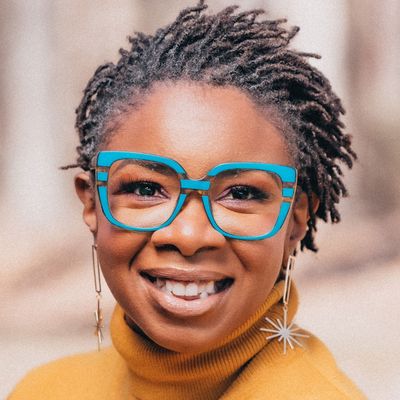
What happens when a passion for social justice meets a gift for storytelling? You get Nikki Payne. By day, Nikki works as a civic anthropologist, making government services more accessible... Read More
From the show: Was It Chance?
Guests
About
What happens when a passion for social justice meets a gift for storytelling? You get Nikki Payne. By day, Nikki works as a civic anthropologist, making government services more accessible. But by night, she's a celebrated novelist, using her words to challenge the status quo and write Black women into the spotlight. Nikki's debut novel, Pride and Protest, has earned widespread acclaim, and she's joining us on Was It Chance to discuss how her diverse pursuits fuel her creativity. From her childhood love of documentaries to her current work in philosophy and fiction, Nikki is proof that embracing multiple passions can lead to something truly remarkable. Get ready for an inspiring conversation about the power of creativity, the importance of representation, and the journey of a woman who refuses to be limited by convention.
Grab both of Nikki’s books: Pride and Protest, Sex, Lies and Sensibilities
Checkout Nikki’s podcast Unbound.
Connect with Nikki on Instagram or her website.
- Make sure to follow this podcast everywhere you find podcasts, leave a rating and a review, and slip into our Instagram DMs at @wasitchance.
- More about Heather via @heather_vickeryandco on Instagram, @Braveheather on TikTok, and listen to The Brave Files
- More about Alan via @theatre_podcast on Instagram and listen to The Theatre Podcast with Alan Seales
EPISODE TAKEAWAYS
- The Power of Persistence: Nikki's story is a testament to the power of perseverance in the face of rejection. Her novel went from being deemed a failure to finding national success, showing that potential can be found in work others may initially overlook.
- Diversity Drives Innovation: By placing Black women at the center of her stories, Nikki is challenging the lack of representation in classic literature and offering fresh perspectives. Her background in anthropology ensures diverse viewpoints enrich her characters and plots.
- Writing as Social Change: Nikki sees her work as a way to spark a movement and incite change. She's proof that fiction has the power to challenge the status quo and push for a more equitable world.
- The Financial Reality of Creative Pursuits: While Nikki's story is one of success, she's candid about the financial challenges of making a living as a writer. Her journey highlights the need for more sustainable models to support emerging authors, particularly those from underrepresented backgrounds.
- Embracing Multi-Passionate Creativity: Nikki's work as both a civic anthropologist and novelist shows the value of embracing multiple passions. Her diverse pursuits fuel her creativity and offer unique lenses through which to view the world.
Transcript
This transcript was automatically generated and might contain errors.
[0:00] Heather Vickery: We are socially really like taught. You know, and some of that has good benefits like high communication skills and high like ability to order, but it also affects the way that we feel like we can show up in the world, particularly taking up space and being a bitch, you know, like being like demanding something because you said so is something oftentimes the women feel like they don't want to be labeled difficult. They don't want to be labeled a bitch. They don't want to be labeled the person that is like inherently unlovable, right? As a result of going for and asking for what they want.
[0:43] Alan Seales: Um, all right, let's get this party started. It's getting hot in here. Okay. I'm so hot. I'ma take my podcast off. Okay, let's do this. Let's do it. Oh, okay. White boy, white dad, white dad. You just more than white dad, you just owned yourself as an elder millennial by raising the roof.
[1:08] Heather Vickery: Okay. If I start doing Arsenio Hall, you know I'm a certain generation. I can't wait to listen to the edited version of this episode.
[1:21] Alan Seales: Because Alan leaves all this shit in.
[1:24] Heather Vickery: I as soon as I saw you raise the roof, I said, This is my people. Like this. This is it. Oh, what a great way to start the day. Okay. That's right. That's right. All right, let's do this. Let's do this.
[1:41] Heather Vickery: Hi everyone. Welcome to Was It Chance, the podcast about embracing opportunity and taking intentional risk for your creative life.
[1:48] Alan Seales: Heather, you have to stop raising the roof while I'm trying to talk because I cannot focus. I am of a certain generation.
[1:56] Heather Vickery: I'm Heather Vickery.
[1:57] Alan Seales: And I'm certain generation Alan Seales. I also know who are raise your hand. Raise the roof if you know who Arsenio Hall is. And listen in as we chat with other successful people about the risks they've taken to put themselves on a path to creative success. Including our incredible guest today. Heather, who is it?
[2:12] Heather Vickery: Okay, seriously, y'all listen to me. You want to know what happens when you combine a commitment to social change with storytelling? You get the incredible Nikki Payne. And by day, Nikki is a civic anthropologist.
[2:29] Alan Seales: Wait, what? I can't even say that. What? Anthropo Hoopa. Anthropologie, how do I tell you that word?
[2:34] Heather Vickery: Anthropologist.
[2:35] Alan Seales: Anthropologist. What is it?
[2:36] Heather Vickery: It's early. Y'all, I'm about to catch a flight. I had a shot. It's been a morning already. She is creating more accessible government services. And she is also a rising star in the literary world, using her words to challenge and transform. Her debut novel, Pride and Protest, has been hailed as incandescent, and I can back that up. Oh my god, it's an amazing book. Earning Nikki a spot in the National Book Festival. And she's featured in major outlets nationwide. Nikki is on a mission to write black women into the spotlight. And her stories are sparking a movement. I am such a big fan, and I'm geeking out right now. Nikki, welcome to the podcast.
[3:18] Nikki Payne: Thank you. Welcome so much.
[3:19] Heather Vickery: Thank you so much. I'm over here blushing. Thank you.
[3:22] Nikki Payne: Oh my gosh, I love it. And you're so like this is good. You're so like human on social media. Like you're just a person who's out here putting your best work out and your heart out, and you're so connectable on social media. We chatted there and I was like, will you come on my show?
[3:39] Heather Vickery: I have to tell you, I first discovered your book through book talk. I never say that well we've had guests make fun of me it sounds like I said TikTok but it's Tic Tac but it's book talk um tic tac and I was resistant because I don't typically like retellings yeah of classic stories uh but you changed all that.
[3:43] Nikki Payne: Well I love that and I'll just say that like there's so many instances of people like coming to my coming to my book in the way that people are like reluctantly transformed like everyone's like Paul on the way to road to Damascus they're just like I don't want any part of this you know I don't want to do it and then they read it and they're like wait a minute wait a minute this is actually this is actually something.
[3:43] Heather Vickery: I love that story because like we can have like retelling PTSD because people sometimes people don't you know take enough chances in a in a retail. Um tell me about your your day job tell me about your work.
[4:44] Nikki Payne: I work for the federal government and what we do is um help build very human digital services. So if you can think about the the ways that people have to I don't know particularly for vulnerable populations if you are applying for social services like Snap or if you're a veteran and you're applying for your well deserved veteran benefits. Like most of the services that the government used to do it used to be kind of face to face or through enormous amounts of paper. But we're in a digital space right now, and we have to think about how to rebuild government services in a way that like um the way real people actually um interact with services. So we're I don't know. There isn't a small project of transforming the government into a small like digital services, you know, organization because that's in a lot of that doing.
[5:37] Alan Seales: That's really important work. I love it. Like, yeah, I can I can if I had that skill set, I don't have that skill set, but like we need that so badly across the board. I mean uh friend of mine has a bit's not the same thing, but it's a sim similar approach. Her business is in helping people make sure that social media, their website, their emails are disability friendly, like for people who are using readers or things like that. And man, we don't we don't talk about that stuff enough. We don't realize how important it is.
[6:11] Nikki Payne: I got really hot on threads the other day because some know it all whatever coach, copywriter. I'm a coach too, but said you can tell somebody's using AI when their hashtags have capital letters. I was like, no. No, no, that's what you have to do for this.
[6:31] Alan Seales: Yeah, yes, you're correct.
[6:33] Nikki Payne: So we build those things, those did the accessibility. We ensure that people are able to um to access all aspects of the government no matter what level of um like you know, digital knowledge that you have.
[6:48] Alan Seales: That's so cool. I'm so glad you're out there doing that work.
[6:51] Nikki Payne: My new cousin.
[6:52] Alan Seales: My new cousin, right?
[6:55] Nikki Payne: Yeah. Okay, so the government work and the literary work seem like two opposing things that need to constantly conflict and cause stress in your brain and in your life. Is this true? And speaking with someone as someone who also has conflict between two competing worlds, um, how do you manage all this?
[7:15] Nikki Payne: I typically need my writing escape to manage the craziness that can be government work. So oftentimes people think of it as like competing ideas, but in in the knowledge economy, you spend so much time thinking about how a process could be better. And by the end of the day, you just want to make two people get it on. You know what I mean? Like you just want to make sure that these two people kiss, and that's your only problem. And it becomes a space for me to actually decompress.
[7:54] Heather Vickery: When did you know you wanted to write novels?
[7:58] Nikki Payne: Oh, that's a good question. It's a good question because I've always wanted to tell stories, and it started very young, just in these salacious, never-ending Barbie episodes. Like I would I would play Barbie's, and if you think like Beverly Hills 90210 or Days of Our Lives was in any way soapy or juicy, you haven't seen anything since people were having babies by their brother. Like things were getting wild in my Barbie world. Okay. And I love it. I just I loved building these stories, and I loved playing Barbies with people and showing my stories to those people that I was playing Barbies with. Like this incredibly creative work to make these two people to be the god of these people's world and to tell those stories. So the idea of storytelling came well before writing. I just loved it. Just a ham. I'm like, you'll never believe the twists and turns of this Barbie world.
[9:00] Heather Vickery: Okay. That's amazing. And also weirdly uh synergetic as a child. I'm an only child. And as a child, I spent a lot of time playing Barbies, and I could not play with them until I had set up full backstories each time. And every time was different. Well, exactly what was happening, and then we could get going.
[9:21] Nikki Payne: You're a storyteller, right?
[9:22] Heather Vickery: Thank you. I'm writing my very first novel.
[9:25] Nikki Payne: Okay. I love that.
[9:27] Heather Vickery: I love that. I'm writing my very first novel this month. I've written and published several books, but they've all been nonfiction. And I'm terrified to write a novel. So like, how do you go from Barbies and backstories to retelling these classic stories, but in this so beautiful and poignant and important way?
[9:47] Nikki Payne: Um I would say that this whatever success that I've had for Pride and Protest came out of abject failure. Like I love that this podcast is about, you know, taking a chance because I would not have um been, I would not be where I am right now without taking a crazy and insane chance. So I was submitting a lot of science fiction, a lot of Jane Austen in space, you know, like you know a lot of um sci-fi and afrofuturism, and it was just a wall of no. It was just no, no, no, no, no, you're terrible. We don't no one's gonna read this weird stuff. And so I just started writing something that would just bring me joy. Um, I just wanted to feel the joy of storytelling, and I wanted to feel it for myself.
And I wanted to make myself laugh, and I wanted to make myself a little hot under the collar, and I wanted to to do something for me that brought me joy. And I said, you know what, this isn't for anybody. I'm just gonna put put it on Amazon. And I put it on Amazon with like a uh a cover from you know, one of those shutter sh stutter shock sites or whatever. And it was it was I've never seen, I've never seen so many one stars. Like it was it was an army of it was an army of zero out of ten would not recommend. Except there's this one like two and a half star, and it was this person who said, you know what? I see the kernel of this story. It just needs an editor, and this is all good. Already I'm making my first mistake because you should never be overreads as an author. And you shouldn't read your own reviews, right?
[11:38] Heather Vickery: Yeah, absolutely.
[11:39] Nikki Payne: Yeah, and the the big chance that I took was DMing that review that said she just needs an editor. And I was like, Do you know one? And she said, I am one. And um I I worked with her, I talked with her and built up a story with more heart, more emotional depth, and a store that I was really proud of. And then I submitted it to Pish Wars, won pitch wars, and was in like a 37 agent tie to try to get my book published. But yeah, was it chance? Absolutely. A little bit of bravery, a little bit of bravery too. But yeah.
[12:23] Heather Vickery: Whoa, wow. First of all, I love, I know Alan, I'm gonna let you ask questions, I promise, but I'm geeking out really hard right now. So I'm I'm good. I'm good, I'm listening. This is fascinating. Love that story because it shows the power of editing. I'm currently for the very first time going through the artist's way. And some I like and some I don't like, but this reminder that you don't do it to be great, you do it to do it, and then you go back and and rework it. And I love that, you know, and and a good editor can change everything, and it's still your story, and it's still your heart and your characters and all of that.
[13:01] Heather Vickery: And I have to tell you, I read a lot. I read about 125 books a year. They usually take about a week. Your books took me one day. Both of them. I could not put it down. And I think I put this on, I don't know if I put it on TikTok or threads or wherever. I mean, paragraph one, I was like, oh my god, I cannot do anything but read this book today. I wouldn't die. I love that because I do most of my work, most of my obsession on those first chapters. I'm like, literally, I got one chance with them, you know.
[13:39] Nikki Payne: Yeah, I love that approach because even my daughter who's 11, my youngest daughter who's 11 is reading a book, and she said, I can tell this book is good because I'm already excited 30 pages in. She goes, usually it takes at least 50 pages, and I think a lot of authors follow that approach. Like, oh, people will give you 30 or 50 pages, you can ease in. You've got it figured out, Nikki, because I mean page one, and I'm like, okay, yeah, we're sold. We're it. Like, when is Nikki writing her third book, which we're gonna get to. I want to know. I love that. Thank you so much for that.
[14:09] Nikki Payne: It's a lot of work, and like you mentioned, like working with an editor, it's absolutely like people think that you can like be edited out of existence. But what an editor actually does is say, what do you mean to say here, right? Like, what are you trying to elicit? And oftentimes, any person who writes fiction, you're just trying to manipulate someone's emotions for long enough for them to finish the book. Do you know what I mean? If these characters are falling in love, you want them to fall in love with the character. You want them to be completely angry when one character upsets them. You want them to be terrified when they're in the dark and there's something creeping. You want them to feel the same.
And if someone is reading your novel and getting to a point where you're trying to make them feel incredibly excited and they don't feel that, that's feedback that you need. And then you write the thing that makes them feel that. But that editor is saying, I know what you're trying to do here, but it's not giving, you know, it's not giving fear, it's not giving sexy, it's not giving this. And you take that and you build a better story because at the heart of it, what you're trying to do is like this incredibly complex thing, is make another person feel the emotion that this character is feeling. And it's a bit of alchemy.
[15:23] Heather Vickery: That's really cool that, I guess you put it out there, and were you bothered by the first book you put out, everyone said it was terrible? Editor comes in, starts helping you edit. Did you take down that first version and republish it again?
[15:41] Nikki Payne: I took down that first version because I was going to do this Jane Austen thing and publish the book in serials, so it was only the first third of the book. Now I don’t gonna like serialize it. I'm just like, I'm gonna do my whole Austin, you know what I mean? Like I'm a little, I'm a genius, and what I did once I submitted it was take that book down. Not because I wasn't excited about the project. At the heart of the project, it was still the same idea, but I wanted people to see the new work that I'd put into it. I wanted people to see like the depth that I had, the depths that I'd gone to to make this a story that people would be excited about.
[16:21] Heather Vickery: That's cool. And then so then this editor, did the editor help you find like an agent or anything? Or how did that process go of like wouldn't be fine?
[16:29] Nikki Payne: Yeah, yeah. She didn't help me find an agent, but she did help me feel incredibly confident that the story that I built was great, was great enough for any medium. And so I submitted to Pitch Wars after I had this book that I felt so much better about. And I submitted to Pitch Wars, and like it's honestly kind of like history from there. It gave me a shot of confidence. I didn't feel like I was submitting something that was a half measure or that it wasn't my best. What that editor did was help me write, build out a story that I felt really good about, good enough to continue pushing on getting it published.
[17:14] Heather Vickery: And what was the pitch fest experience like? And for those who don't know what Pitchfest is, can you explain that?
[17:20] Nikki Payne: Okay, so Pitch Wars is a, is a pitch wars, not pitchfest. I don't know. Pitch Wars is, this was like a very long running program. I think it recently stopped in like 2022 or something. But what it did was give a lot of potential or future aspiring authors the opportunity to firm up their work and get it ready for publication. So you apply and there are all of these mentors, like, and the mentors are already published authors and they say we'll take a book and we'll shape it up and then the only thing they promise you is that agents will look at your premise and your first, you know, couple of pages. And so I worked with my amazing, amazing Pitch Wars mentors Sam Cheetah and Carly Blum and they were so fantastic.
They loved the story but they also had these ideas like this you got to fix this. You got to change this. You got to make this do something else. And I did that and at the end there's a showcase and in the showcase agents look at the work and they click out what they want to follow up on and that's the boost is that it lets you kind of leapfrog over that really intense querying issue of like who's gonna like this, who's gonna do this because the agents come to you.
[18:47] Heather Vickery: We're gonna take a quick break stay tuned for more of the episode and now we're back. So in general if you only have like if you're saying oh I can't get excited about a book until 30 pages in or 50 pages in but you're trying to get somebody to want to represent and publish your book after three to five pages how do you figure that out?
[18:53] Nikki Payne: Well, I mean I think that you have to do a lot of work in building a really credible, like an interesting blurb. So like letting people know precisely what the premise is, the promise of the premise. So you can get people really excited on fish out of water. Like two black girls from the DMV are forced to redo an inn in Maine, right? Or like the idea that, you know, the ideas can get people really excited. And you can build your story up by focusing on the premise by building out the synopsis. And they also read for voice. So when you're in your first, when you're in the first three or four pages, there is a way that you write that is like completely yours. So I'm a black woman from Texas with a particular way of seeing the world and that can turn into a voice that people find interesting or engaging. And so there's a lot of that that they can read and even in early pages.
[20:12] Heather Vickery: And that leads into something that I just, I love about your books. I love about anybody who's doing this in general is in the retelling you have been so thoughtful about bringing in different voices and different lived experiences and diversity for lack of a better word. I mean that is what it is. How much of that was super intentional or just happened because it was you telling the story and I mean it, you just, it's just so gorgeous.
[20:43] Nikki Payne: Oh my gosh, thank you for that. I feel like I, as an anthropologist, that's a very hard, it's a very hard thing for me to turn off wanting to build a world, even in romance, where these people think differently, who live differently, who have very different views of the world come together and find a reason and find a way to love each other, to see each other as the same. And that is, that's the compelling work of humanity, if you think of it. Sometimes barely do that to our own family members, but to do that across for someone who's lived completely differently from you, I feel like it's a real feat. And part of my interest as a cultural anthropologist is having my characters see the world differently, having my characters understand the world differently because they've been transformed by love.
[21:39] Heather Vickery: God chills. Is it about, I guess, the interest you have in anthropology, does that come from lived experiences? Like what at what point did you say I want to do this as like more of a career thing or more of a life thing? And then obviously it integrates into your stories too, because you're just explaining that. But where did the love for anthropology in general kind of fall into place? And when did you realize there was a moment? Or was there a moment when you're like that this is defined as anthropology, and this is why I like it?
[22:11] Nikki Payne: Okay, I love that question because if you can believe it or not, this is very strange, but I've always wanted to be an anthropologist, like for as long as I can remember, like even as a child. And let me tell you what got me. I used to watch those nature shows when they used to like, you know, talk about a tribe and their like coming of age rituals and rights, like there was like this young boy who was like, if he jumped over a certain number of cows, right? Would he like become a man afterwards? And those individuals who like shove their hands in an ant pile and how and if they don't scream like they're a man afterwards. Like all of these like rights are, I used to watch these when I was a kid, and they're also on those like National Geographic shows, like people were naked, you know.
And if you're like a kid where particularly you grew up in a really like kind of religious structure, and like you're watching naked people and you're kind of looking back at your mom like we're doing this, like we were okay. Like it like those shows became one, this interesting way to be transgressive in a very kind of structured society, but I started to associate those with like whoever that person is doing the narrating. Like that's the, like that was the job that I wanted. Like that person who knew like what they were doing. And you know, those shows are all like really problematic in retrospect, but like thinking about them when I was a young person, I wanted to be the one who decoded like information or experiences that people saw as strange or people did not understand.
Some young boy is jumping over cows and it's indecipherable to a black girl in Houston, you know, in the like kind of inner city. And so like that person who did the decoding was what I wanted to be. And I didn't know it as an anthropologist, but I always wanted to be that person that belongs. And as I grew up, I realized, oh, okay, these are, they study cultures, oh okay, this is what this is, but I've never actually kind of wavered from being that person.
[24:25] Heather Vickery: Well, what's so fascinating to me is that you have found two incredible ways to do that through your day job and through your books.
[24:35] Nikki Payne: Yeah, yeah. That's interesting because I do a lot of that cultural translation as well in like at work helping people build digital services.
[24:44] Heather Vickery: Yeah. Wow. In the stories that you write, are you, how much exaggeration are you putting in there or extrapolation? I mean, what's the word? Like are you making it bigger than life because it's fiction or you're like, oh, little boys jumping over cows means XYZ. Are you making things up or is it all pulled from truth in one way or another?
[25:05] Nikki Payne: I would say that part of the fun thing about being an author who's also an anthropologist is that I kind of love research. You know what I mean? I like really got into it and for Sex, Lies, and Sensibility working with and building out an indigenous character I wanted to take really seriously. It wasn't an identity that I wanted to like kind of phone in. So I traveled to Maine and connected with indigenous leaders there and indigenous like anthropologists to talk about, hey what would be problematic here? What are the issues like really pissing people off like sitting in council meetings, four-hour council meetings about fishing, right? I just wanted to be there.
[25:50] Nikki Payne: I wanted to talk to people I wanted to do the research I wanted to feel it with my hands. I didn't want to phone that in um and I wanted to feel Maine also there are these aspects of Maine that you kind of have to get by being there. And though and those are the things that I was that I was really proud of that aspect of like um everybody just inexplicably eating a fucked out of blueberries for no reason I was just like blueberry coffee you want some blueberry cream you want blueberry compote with that and I'm just like chill on the blueberries every. I I'm so glad that you shared that because I was wondering about Bear who is such a beautiful male character um I'm a lesbian right so I'm like I love this man and I saw him like I felt it you did such a great job but I didn't know if it was just I'm passionate and I want to learn about indigenous cultures or if you had family that was indigenous so I'm so glad to sort of know what that process was like and and I'm curious what your writing process like in general so we know you love to research like when you have an idea how do you go from idea you know mind mapping and and and writing like what is your process uh something that I like to do is just like you mentioned with your Barbies I love to have an incredible backstory for these individuals before I start to write anything down like I would like to know there's something that um that Kate Claiborne asked in a session that I literally have never forgotten and she thinks about her characters and she says would this character sit on a beanbag chair right and it seems like uh an a question out of nowhere but there's so much characterization in whether someone would go into a room right and sit on a beanbag chair because there's no real dignity right in sitting in a beanbag chair or getting up from it right and if there are other chairs in the room if this character is really interested in its image, or if they are less than interested in their image about what that feels like, if they want to feel comfortable, like there's so many aspects of characterization.
[28:11] Heather Vickery: For a nap or they just want to goof off for their friends.
[28:14] Nikki Payne: Yeah, yeah.
[28:15] Heather Vickery: Exactly.
[28:15] Nikki Payne: Yeah, what's their motivation for all of their choices?
[28:18] Heather Vickery: Yeah.
[28:18] Nikki Payne: The beanbag, the beanbag chair test. I'm gonna take that to everywhere I go now.
[28:22] Heather Vickery: Like, what type of person are they? What type of like when they're in a room and there are all these chairs available, are they gonna sit in this beanbag chair? And who are they and why are they why will someone choose to stand if there was you know, if there was a beanbag chair, and why will someone sit and flap their legs up, you know? And like there's just so much data there.
[28:43] Nikki Payne: What do they have in the refrigerator right now? If you opened it up and it's midnight, uh like what do they have currently in their refrigerator?
[28:55] Heather Vickery: Beans in the fridge.
[28:56] Nikki Payne: That says a lot, I think.
[28:58] Heather Vickery: That's such a great perspective. Like, what is in your refrigerator says a lot about the life you choose to lead or that you are forced to lead either way.
[29:06] Nikki Payne: What is it in your fridge right now, Heather?
[29:09] Heather Vickery: Oh my gosh, what's in my fridge right now? Um lately I have been craving celery with peanut butter, so there's a whole bunch of chopped celery. We have some leftovers. Uh we give our dog fresh food. Uh uh uh don't come at me. Um so we have to chop his food up. It comes in like rolls, it's gross but easy. So there's a big container of that. We always have to. We always have um it does describe that does describe me, and it describes me as a parent too. My kids I was an almond mom. Um gross ingredients household. Gross is backfired because somehow it turned into my children thinking that I had too much control. It's fine, whatever. We'll talk about that later. But it I'm doing the same thing with the dog that I did with the kids.
Like, I want you to have the foundation of the healthiest things possible. And you're gonna get all the other shit on your own, but it doesn't have to come from me. And you know, sometimes our choices don't turn out the way we wanted them to. Um, yeah, no, like we always have whipped cream because everybody likes whipped cream and salad and fresh vegetables, but it does tell you a lot. What's in your fridge, Nikki?
[30:18] Nikki Payne: Um, I think if you looked in my fridge, you would find me to be an incredibly hopeful person. Like there are maybe some spoiled salads, salads in a bag. Do you know what I mean? That's right. No, this book of uh of an earlier me who had hope. You know, you had the desire, right? And like the spoiled, the slightly saggy bags of salad. It's just like this reminds you like of every way that you just didn't quite get to the mark of healthy, healthy eating that you wanted to. So I think I think you would find me uh incredibly hopeful person in that refrigerator, you know, a lot of like pre-made meals that are just like maybe a day past due, you know. And um, you know, like a lot of drinks. I don't know what it is about like acers, but like we sit at a desk and they're just like these old containers, beverages everywhere.
They're just beverages everywhere. I cannot express to you how many beverage containers I have. So all that to say that just my top row of there's just so many beverages, it's just juices, like coffees, weird coffee mushroom coffee. Yeah, and so you can drink, but it's hard to eat.
[31:39] Heather Vickery: Yeah.
[31:40] Nikki Payne: It makes sense to me. Also, I want to give you mad props. Here's this is why Nikki is a best selling novelist, and I'm just starting my first novel because I literally told you everything in my fridge. And then you can extrapolate like what that means, but you told us what it means. And it was really beautiful to hear it. Storytelling was magical. Talking about what's in your fridge, which is Yeah, I said I said, Heather, what's in your I said, what's in your fridge? You go, peanut butter and celery. Nikki goes, a hopeful person.
[32:12] Heather Vickery: Yeah.
[32:12] Nikki Payne: Okay, but you can be an asshole, but peanut butter and celery means I'm not even helping.
[32:17] Heather Vickery: Like you could be I'm not being an asset.
[32:21] Nikki Payne: But we always knew that was gonna be the case.
[32:23] Heather Vickery: I'm not being an asshole at all. I'm I'm pointing out what you were saying.
[32:26] Nikki Payne: That yeah, it's it's the description. I am uh uh my my person in the fridge right now is is overwhelmed and underprepared. I'm drinking black coffee because I didn't think ahead to get cream.
[32:40] Heather Vickery: Yeah.
[32:41] Nikki Payne: Absolutely. I love that. I know. I told you guys all the stuff, but it it does tell you like now. I feel like I need to go back and re-listen to this and write out all the things I said and say, what does this mean about me if I'm a character in a book?
[32:55] Heather Vickery: There's you're gonna do it as a next book talk post.
[32:58] Nikki Payne: All right, book talk tick tock book book.
[33:02] Heather Vickery: Book talk on TikTok.
[33:03] Nikki Payne: Book talk on TikTok. No, I think particularly the way that you have the fresh food for your dog is like one of the most compelling um examples and the most i like compelling little small bits of information that you can do to create an incredibly rich character. Like this individual cares deeply about the health, right? Of a like of a creature. And that's not just like a small thing because people who love their dogs also kind of feed them kibble, right? Like they get they love their pets and they love their animals, but this is a particular character who is fastidious about the care of like a vulnerable creature. Right. And like already if that person is fastidious in that aspect, how do you draw that out and say like what happens when they're on a case and there is a you know a vulnerable um character, a small boy who has to, you know, like this is the type of person who would at the same time bring a bag of McDonald's to a boy who's been in the witness chair. Do you know what I mean? Like that's the same. You know?
[34:12] Heather Vickery: Oh God.
[34:17] Nikki Payne: I can see why you're so good at this. That's beautiful. And it's do you have you ever thought about teaching writing webinars or courses?
[34:26] Nikki Payne: I I don't know. I I may I mean I I I don't know because I have such a I have such a you're not busy.
[34:34] Heather Vickery: I don't know I'm not busy but I I just have such a sometimes a weird or interesting way of seeing the world that may not work for a ton of people.
[34:43] Nikki Payne: Fair.
[34:43] Heather Vickery: But that's why I think it's cool because not it's not gonna be for everybody, right? It's gonna be for people who feel passion about the things that you feel passionate about, telling these stories in these unique ways and and uncovering the truths behind these people and their lived experiences and why they make the choices they make.
[34:59] Nikki Payne: I don't know. If you ever do I'm coming. So just make sure I'm on your list.
[35:02] Heather Vickery: Okay.
[35:05] Nikki Payne: Okay. We'll do. Love me.
[35:08] Heather Vickery: No I I to that point too. And go back to the fridge analogy for a second. I think it's it's important to call out that when you ask someone a question or when you're trying to convey something in written form, right? You want to get them to feel. And you don't have microexpressions to look at. You don't have someone's face to look at. You have to have them imagine it. So what are the connotations? This is training. This is just your your lived experience now of getting someone to write down uh they're trying to describe their character. And so what do they write down this person has in the fridge? And so every one of the items that you're gonna describe may seem sort of meaningless in black and white, but there's a connotation that that reader is gonna associate with every single one of those, and that's exactly what you just described with with the with the food, the dog food.
[35:56] Nikki Payne: Yeah, yeah, it's so cool. I love getting that peek into your mind and your process and everything. The universe brings you just what you need, right? When you need it, because I needed that before I start um doing this. So when you're actually writing, what's that process like? Like, do you do you write a certain amount of time every day, or do you block out time? What's that like for you?
[36:17] Nikki Payne: I mean, much to I mean, my kids and husband will like sometimes want to shake my shoulders, but like at nine o'clock, I shut down. I'm like, I'm not your mother. Who is that woman? I don't know. That's your father. Um I just at 9 p.m., I I crack open my laptop and I say, I have to get this out. I gotta like you can almost like train your brain to like take out its creative energy at a certain time. You you don't have you know all day to to get a thought out or to get an idea out. Sometimes when I'm there from like nine to eleven, I'm just gotten one character like to the store and it's not a big deal but there's like something that you want to convey or some small thing that you want to do and you just sit and get that done so but I have a I do have a schedule nine to eleven.
I mean honestly it's like a video game my kids will absolutely try to thwart me you know come down mom I'm bleeding mom my brother's getting on my nerves you know it's just like I don't I don't I don't know you I'm sorry you know um but I I do try to keep a really strict schedule and try to really be um really adhere to it because yeah but it even if you even if you stop and do the thing that you definitely said you should do before the end of the day and all those things you're still gonna come back some two hours later to more story. It's never going to you know you're never going to um you don't take up the time by doing another thing. The story's always gonna be there and it's always got to be waiting on you to finish it.
So there's no putting off it only makes it bigger you know do you write seven days a week I try to yeah yeah I'm a morning writer I I usually really like I my mental capacity slows down right around three or four and there's not much functional functionality left for me. So if I want to actually write and I'm not really a morning person, but I have to get up extra early. So when I have done nano remote in the past, I have to get up at 5 30 or 6 and write for those two hours.
[38:39] Nikki Payne: Which I do not I would not pick. I know Alan's shaking his head. Like I would never pick that. But I also know that I won't do the thing if I wait until afternoon or evening to do the thing. Oh, I mean, my thing is like I have like three children in school, and the morning is just so their project, they can't find their socks. It's not a peaceful soldier's morning, you know, when those people are just like the best, oh, I don't wait. You know, they're just like, no, I know. A little bit insane in the morning. And I'm just like, my capacity is not creative right now. Even if I were better in the morning, I would never know. I'm too busy. You wouldn't know it. I feel you. Yeah, no, two or in college.
I have one in a freshman in high school and one who's in sixth grade. Um I just have to get up before they get up before the time that I would have to start getting up to do stuff for them. And that's it doesn't even make sense with me in my life, but it's just what it's the only way I can write. And I don't love it, but it's just I've figured it out. So it's like you shutting down at nine. You're like, I don't, your mother doesn't exist for the next two hours. We'll see you tomorrow morning. Tomorrow morning. I heard a rumor about you there, wouldn't no, don't know her. But now we're gonna take a quick break. Stay tuned for more of the episode.
[40:04] Alan Seales: And now we're back. Do you want to do you want to keep doing both the day job and the writing in parallel? Or is the goal eventually to do one or the other full time, more full time than the other?
[40:15] Nikki Payne: Yeah, I think the goal is eventually to write full time. But if you know anything about like book advances, etc., then they are really nickel and dime in you. You know what I mean? Even if you got a huge book advance, like you're gonna get that over the space of 75 years. You know what I mean? It's gonna give you a quarter of a year until it's like an annuity baby. But um, so it's very hard to live off of it unless you get like multiple contracts, or you start getting like a lot of royalty. So, um, and that's just you know, the health insurance aspect of it all. You know what I mean? That that's enough to keep me penalted away at this job for quite a while. The insurance of it all, you know.
[40:58] Heather Vickery: Listen, I have been an entrepreneur for 25 years, and then this last month I've been like, you know what? An easy in, easy out, paycheck job with some health insurance where I have enough free time to travel and do things on my own, might not suck. And I've never said that in my whole I hate working for people. All of a sudden I'm like, perhaps that's worth pursuing.
[41:23] Nikki Payne: I mean, you know, can sell a little sell a little leg in show a little shoulder, you know.
[41:35] Heather Vickery: Oh, Nikki, I wanna come to Texas and hang out with you. I'm in DC now, but I'm from Texas.
[41:41] Nikki Payne: Well, you're in D.C now. Well, that's so close.
[41:43] Heather Vickery: Yeah, oh yeah, where are you?
[41:45] Nikki Payne: Chicago.
[41:46] Heather Vickery: Okay, well, you know.
[41:47] Nikki Payne: Not so bad.
[41:48] Alan Seales: Alan's in New York.
[41:49] Nikki Payne: I go see Alan in New York. We can come see you in Chicago.
[41:53] Heather Vickery: All the time. When one of these days we're gonna have a was it chance party with past guests. We've been talking about it literally for three years, but one of these days we're actually gonna do it and you'll have to come.
[42:04] Nikki Payne: I wanna hear about your podcast venture.
[42:07] Heather Vickery: Me and Adriana Herrera are we also have a podcast called Unbound, where we are like digging deep into romances and we take a broad theme. And like last last season, our theme was the West and like what it what it means for creatives and and romance authors of color to tackle like the myth of the West, you know, like this kind of the law abiding, like white sheriff who goes in and just like fixes the town, you know, and just like the natives are scattering and the women are quivering, you know. And like what does that look like when people of color write the wisp or when queer folk write write the wit write the west, you know?
[42:47] Nikki Payne: Oh wow that's that's a Broadway play waiting to happen right there.
[42:51] Heather Vickery: And that's that's Alan's thing. So you can um work with him on production there.
[42:59] Nikki Payne: Yeah, that's such a great I love that perspective. And I I didn't even realize you had a podcast, which I feel bad about, but I cannot wait to listen to it now.
[43:06] Heather Vickery: It's new, yeah. I'm saying this to say that I would just love to sit at your feet also to kind of learn about how you um are successful in this space and what it takes, what it means.
[43:17] Nikki Payne: It's a great question. I mean, Alan and I have both been well, I've been podcasting for seven years. Um, but it's for me, it's just always been sort of a pleasure thing. Alan started an entire podcast network, so um he's kind of a he's like go back and go home. Um but I don't know what you would say, Alan.
[43:39] Alan Seales: I would say ha having a specific approach, like be knowing what your niche is and just being consistent.
[43:49] Nikki Payne: Yeah.
[43:49] Alan Seales: So we do we release this show every other week because we didn't feel like we had the capacity to do every week. And if you do less than that, then you it's hard to keep listenership up. And we just do it. We just we show up, we have these conversations, we put them out every other every other week, and then you know, people listen, hopefully.
[44:08] Nikki Payne: I don't know. What am I missing, Alan?
[44:10] Alan Seales: Oh, so much there is a lot. There is a lot to it. Your sound is important and you're whatever, but you just have to do the thing.
[44:22] Nikki Payne: Yeah.
[44:22] Alan Seales: Well, the the first thing I tell everybody is you will never get rich over quick overnight. You probably won't get rich at all. So set those expectations right off the bat. And also too, part of it is that you gotta talk about or make a podcast about if you're not talking on it, about something you love because it is work. It's gonna quickly turn into work if you think it's fun. So you gotta continue to do something that makes you light up, makes your eyes get bright when you talk about it, and then other people can see and and glom on to.
[44:55] Nikki Payne: Well, and then you know, depending on on what your end goals are, there's the whole business side of it too. So that's a whole that's a whole separate podcast in and of itself.
[45:03] Alan Seales: But the business side, yeah.
[45:06] Nikki Payne: I'm gonna chat with you about it offline if you want to.
[45:09] Alan Seales: Oh, yeah, I would love that. But I'm currently very disappointed to learn that you do not get rich from podcasting. That was my whole act.
[45:14] Nikki Payne: That was my whole yeah, that was our whole plan. I'm like, if it's a good thing. My other thing doesn't take, I'll obviously become a rich podcast.
[45:25] Alan Seales: Unless you're the smartless guys, right? Unless you already have this huge platform, it's really, really challenging. Now, some folks I know who have made money through from podcasting have taken it, um, and then they coach or teach off of it, or they're speaking, things like that. But yeah, it isn't easy.
[45:45] Nikki Payne: Yeah.
[45:46] Alan Seales: It's just fun. We just enjoy it. I get to hang out with my best friend and meet incredibly cool people like you. Um and it's taught me to ask and not worry so much about rejection, which is interesting because uh we're gonna Alan's gonna ask you a question about that in just a minute, right? Like I think that previous versions of me would have been terrified to message you and say, Hey, do you wanna be on my show? But now I've got, you know, we're award nominated. Unfortunately, we didn't win, but that's okay. We were award nominated. And um and it's fun and it's engaging and we have a good time and people like being a guest on our show from what we hear because it's different, right?
[46:23] Nikki Payne: Yeah.
[46:24] Heather Vickery: Um but it's really gutsy. Like we had um Laura Love Harding. I don't know if you I want I'm curious to know whose books you love to read, but um Alison Cochrane and uh, you know, and just some do you love Alison? She's amazing, right? I was like shaking reaching out to her to ask her to be on the show. She's like, Yeah, sure, I'd love to. Like, you know, so learning to trust myself. When I first met her, she had on these absolutely drop dig gorgeous mushroom overalls. And I'm like, you need to stop right there and tell me Tell me where you got those or like the book gifted. I had no no leverage. I was like, I need to threaten you somehow, but I don't know how. Just give me the information. And I love it. She dresses so well. She's she's fab. We loved having her on. So it's given me a lot of evidence that I can go out and and ask for what I want and and trust that it's all gonna be fine, like whatever happens.
[47:22] Nikki Payne: Yeah. I mean, why why not? Right? Like that's the whole thing. You can connect with anybody that you otherwise might put on a pedestal, yeah.
[47:32] Heather Vickery: Pedestal, pedestal, uh is in in previous generations, but now we can just DM somebody, we can connect with our angry reviewers, we can reach out on threads, we can do all this thing with the power of the internet that you didn't know yet. And it it levels the playing field in a way that is both good and bad, bad and that now everybody could have a podcast, that's why it's so hard to make money, but good and that you can reach the people that you may otherwise not uh uh previously been able to.
[48:02] Nikki Payne: Yes, and I'll go ahead and say, since we're talking about anthropological studies of the way people behave and the things that they choose, that's a very white male perspective.
[48:14] Heather Vickery: And you're not wrong, but so many of us. Um I'm you know, I'm super white, but women in general are told um no, you know, just stay back and be quiet, don't take up space, don't ask for what you want, don't go so logically, it makes perfect sense. They can ignore you, they can say no, it doesn't really matter, but in our brains from our lived experience and patterned programming, yeah, we aren't supposed to do that. We're supposed to shut up and and take care of our kids and make dinner and stay out of the way. Um be kind of incredibly cooperative. So if someone needs something before you to like absolutely say, Go ahead, it's no big deal. Like, we are like socially really like taught that, you know, and some of that has good benefits, like high communication skills and high like ability to order, but it also affects the way that we feel like we can show up in the world, particularly taking up space and being a bitch, you know, like demanding something because you said so is something oftentimes the women feel like they don't want to be labeled difficult, they don't want to be labeled a bitch, you don't want to be labeled a person that is like inherently unlovable, right? As a result of going for and asking for what they want.
[49:39] Nikki Payne: Absolutely. And I can only imagine that it's many layers deeper when you have the lived experience of being a black woman.
[49:47] Nikki Payne: Yeah, yeah. No, absolutely. I I think there's an aspect of the types of stories that you should be telling, right? Um, the types of um ideas that you should be speaking on. I get like content warnings on my books because my black female characters um experience the life in a black female body. So if someone, you know, has this tiny microaggression against them, then like I'll get a content warning on my book to say like this book contains racism. I'm like, actually, it's just Tuesday, you know? Like everyone's telling that. You know what I mean? It's just Wednesday for this character. She's she's gonna find love. It's a book that's incredibly joyful, but it's also a book that just tells the truth about what it means to be in this body, you know.
[50:39] Heather Vickery: If there's a a a woman who's telling a story where she works in a corporation and she doesn't meet any fucking chance. Like, is this even is this even a you know, is this even a story, right?
[50:52] Nikki Payne: I love I love that. Did you have you experienced any pushback on taking something that is so Lily White? Like sense and sensibility and pride and prejudice and and turning those into this gorgeous, powerful black women experiences.
[51:13] Nikki Payne: Oh, absolutely. I the DMs I get, okay. Like people were like, um, I prefer my Jane Austen traditional. And traditional is very it's it's a it's a whistle of a word, right?
[51:45] Nikki Payne: And so when you complicate their nostalgia with, you know, with certain complexities of race, of power, of gender dynamics, then suddenly you are like messing up a classic.
[51:58] Nikki Payne: This is a classic for a reason. People like to hide in like in the past or regency um era stuff as a way to imagine a world that's like this was without the complexities of modernity.
[52:13] Nikki Payne: You know, sorry to have such a murdy word there, but you know, like this was a simpler time, and there were just lords and ladies and dukes, and they just kissed your hand and you had to get married after this.
[52:22] Nikki Payne: And they feel like it was a simpler time, but those times they don't want them complicated by any kind of, you know, any recollection or or understanding of race and power dynamics or any of that.
[52:36] Nikki Payne: Absolutely. It makes me think of I I I don't know if you're a Swifty or not, but I have a daughter who's a Swifty, and I love Tortured Poets Department because the writing is extraordinary.
[52:47] Nikki Payne: And there is a line that says somebody asked me if I could go back into a time, I'm paraphrasing, where would I go? And she says the 1800s, but without the hatred and racism.
[52:56] Nikki Payne: Yeah. And people got really worked up. They're like, oh, she wants to go back to the 1800s. I'm like, okay, well, that's not actually what she said.
[53:03] Nikki Payne: But it's exactly what you just said is the image, the picture in your mind of what existed. And this is why we have to tell stories from different perspectives.
[53:13] Nikki Payne: My sixth grader, and I think this is brilliant, her history class, their whole focus for this whole first semester is invisible history and how history is written from the perspective of the victor, but there's so much more out there and it gets erased.
[53:32] Nikki Payne: Yeah. But we can find it. And I'm so grateful they're teaching that. And that's what you're teaching, I think, in your books.
[53:39] Nikki Payne: That's no, that's exactly it. Like I was telling you a little bit about our discussion, me and Adriana Herrera's discussion of the West and how um how incredibly diverse and how uh incredibly queer the West was.
[53:54] Nikki Payne: Like the reason why we're even called cowboys was because there was low wage labor that they often chose um African Americans or newly um freed or enslaved populations to do.
[54:08] Nikki Payne: They weren't called called cow hands, they were cowboys because it was a diminutive title, and it was low wage work, right? And so, like when you think about your typical like cowboy, these were these were very um low-wage labor migrant jobs that were mostly taken up by the poorest in society at the time, those were black men.
[54:31] Alan Seales: Fascinating.
[54:32] Nikki Payne: Yeah, I cannot wait to listen to your podcast.
[54:36] Alan Seales: So uh let's let's wrap up here with one the question we always love to end with of just what your relationship is with failure.
[54:44] Nikki Payne: Oh yeah. Um failure, I would say started my career.
[54:52] Nikki Payne: Um I had a big idea, and I had a big idea that really came from wanting to experience joy for once. Writing can can be full of so many no's, it can be full of so many ways that people tell you that your idea sucks, your way of thinking sucks.
[55:09] Nikki Payne: And I just put this idea out to try to feel good about myself, and you'd think it's gonna be some heartwarming story of like I just tried and then everyone loved it, and now I'm a best-selling, and I was like, No, I threw it out there um quickly to just try to feel something and in the way that you throw out like a fic, you know, if you like write any fanfic.
[55:31] Nikki Payne: Um, and it came back to me in this wave of no, in this wave of no, but even sifting through this wave of no, I tried to find something I can make meaning from.
[55:45] Nikki Payne: And it was that one Goodreads review saying, This isn't bad. I see what this person was doing, they just need an editor.
[55:55] Nikki Payne: And so even when you have this wave of everyone telling you no, this wave of friction that you're just pushing against. There are oftentimes these kernels or these pieces that you can like pull off the tree as you kind of move through the friction, and they're always, it's always useful.
[56:14] Nikki Payne: So like no is actually a sign of movement. And if you're if you're just if you're not doing anything, of course you're not gonna get any no's.
[56:23] Nikki Payne: You're gonna be in a failure-free space. But it's oftentimes proof that you are moving and creating friction in the world.
[56:30] Nikki Payne: And um, I wouldn't, I wouldn't change that because I I had enough, um, I had enough of a non-ego to I'm a former academic, so I'm just honestly quite used to my papers being trashed.
[56:43] Nikki Payne: But um, but like having enough of a non-ego to sit through those no's and and find that individual who believed in what you are trying to do is incredibly powerful for me.
[56:56] Alan Seales: I love that. Nikki, are you working on a a third book?
[57:01] Nikki Payne: Oh gosh, I am working on the most fun third book.
[57:06] Nikki Payne: It is a murder mystery in set in PG County. It is what happens when a hard-boiled detective has to team up with a written detective, uh sheltered church girl who knows exactly who got married on Love is Blind, you know, but doesn't quite know how to do detective work in real life.
[57:30] Nikki Payne: And when she is at the center of a murder investigation, which she is a suspect, she has to learn how to be a detective IRL very fast.
[57:39] Alan Seales: Oh my gosh, I can't wait. When is it supposed to come out and how can I get on the arc list?
[57:46] Nikki Payne: Absolutely. So um next year, August and on the ARC list, we will get we're will just send me your information.
[57:55] Alan Seales: Okay.
[57:57] Nikki Payne: I mean, listen, sometimes there are perks of the job, and I want to be the first to read your book so I can be on your launch team and be your cheerleader.
[58:04] Nikki Payne: And that's one of my favorite things I get to do because of this podcast.
[58:07] Alan Seales: I love it.
[58:08] Nikki Payne: I love it. Say less.
[58:10] Alan Seales: Well, so we plug your websites, plug your social media accounts. How can we connect with you?
[58:14] Nikki Payne: Okay. Uh I am most active on Instagram.
[58:20] Nikki Payne: I am Nikki Payne Books on Instagram. And I'm also on TikTok, but it's gonna, if you DM me, it's gotta be a week, and then I'll check.
[58:29] Nikki Payne: Um I am on X, but only for um the black Twitter memes, not to like, you know, like engage.
[58:39] Nikki Payne: I'm on Threads, but also not as much, but you can still you can still find me on Threads.
[58:45] Nikki Payne: And what else? My website is NikkiPaying Books.com, and that is full of like my events and other interesting things.
[58:55] Nikki Payne: Uh I also have a newsletter, which is spotty but kind of funny. So get into that.
[59:01] Alan Seales: Can we find that from your website?
[59:05] Nikki Payne: We can sign up for your newsletter.
[59:06] Alan Seales: Okay, great. We're gonna put all those links plus links to both of Nikki's best-selling books in our show notes.
[59:14] Alan Seales: Uh listen to this episode, buy the books, follow her on Instagram. She's a real person, she's wonderful.
[59:20] Alan Seales: And also um, y'all go listen to Unbound because like you just heard why.
[59:25] Nikki Payne: Like it's amazing, Nikki.
[59:27] Alan Seales: I am so grateful that you said yes.
[59:30] Nikki Payne: I'm so grateful that you do the work you do.
[59:32] Nikki Payne: Um, I've decided that, like, is it okay? Can we be can we be best friends?
[59:35] Alan Seales: Can we be cousins?
[59:37] Nikki Payne: Cousins.
[59:40] Alan Seales: Yes.
[59:41] Nikki Payne: My cousin Nikki.
[59:42] Alan Seales: I'm in.
[59:42] Nikki Payne: Yeah.
[59:43] Alan Seales: Uh, this has been absolutely incredible. Thank you so much for being here.
[59:47] Nikki Payne: Thank you.
[59:47] Alan Seales: Thank you.
[59:48] Nikki Payne: This is awesome.
[59:49] Alan Seales: Thank you, both.
[59:52] Nikki Payne: Oh, your fangirl was going off on this one.
[59:56] Alan Seales: My fangirl was going off.
[59:57] Nikki Payne: I am, but I'm like so ridiculously filled with joy right now about that entire conversation.
[1:00:04] Alan Seales: First of all, I just have to say, before we even started recording, Nikki's just got the most wonderful, fun personality.
[1:00:13] Alan Seales: She's silly and fun and fits in with us really well.
[1:00:17] Alan Seales: Um, and then just I swear the more she spoke, the more I was moved and engaged, and I just I really just think she's brilliant.
[1:00:27] Heather Vickery: I do too.
[1:00:28] Alan Seales: I I truly enjoy the way she looks at uh just everyday sit scenarios and everyday objects.
[1:00:36] Heather Vickery: I still go back to just how I was blown away by her answer to the to what's in your fridge question.
[1:00:41] Alan Seales: Like, just think about things in a way that I would never have because I'm such a literal thinker.
[1:00:48] Heather Vickery: I'm just I'm like me, obviously.
[1:00:51] Heather Vickery: Like, so what do you have in your fridge?
[1:00:53] Heather Vickery: Uh got some leftover this and some stale that and so, but but why?
[1:00:59] Heather Vickery: Why do you have all that in there?
[1:01:00] Heather Vickery: What does it mean to have all that in there?
[1:01:02] Heather Vickery: And what's in there is less important than why you have it in there.
[1:01:06] Alan Seales: That's the that's the message.
[1:01:07] Heather Vickery: Yeah, so being able to convey that.
[1:01:10] Heather Vickery: Um convey that without beating the reader over the head that that's what you're conveying.
[1:01:16] Heather Vickery: That's what's super impressive about what she was doing.
[1:01:18] Alan Seales: Well, how about just how she communicates?
[1:01:20] Alan Seales: I think she's incredible.
[1:01:22] Heather Vickery: She is incredible.
[1:01:23] Alan Seales: Incredible.
[1:01:24] Heather Vickery: I I just I don't know.
[1:01:26] Heather Vickery: I feel like I needed this conversation this week.
[1:01:30] Heather Vickery: Um I've said something like I know I don't know who's listening that loves to read.
[1:01:37] Heather Vickery: Um her books are so good.
[1:01:40] Heather Vickery: Yes, they're romance, and yes, they're retold, you know, famous story plot lines.
[1:01:48] Heather Vickery: Um, but the way she writes is different than I've ever read from anybody else.
[1:01:53] Alan Seales: Interesting.
[1:01:54] Heather Vickery: And you you guys should just really read the books.
[1:01:59] Alan Seales: Well, we'll have links in the show notes.
[1:02:01] Heather Vickery: Check them out.
[1:02:03] Alan Seales: Check them out.
[1:02:05] Heather Vickery: Um, I don't know.
[1:02:06] Heather Vickery: There's so much I could go on and on and on uh with all of it, but I just hope you guys listen.
[1:02:13] Heather Vickery: I don't know, maybe listen several times because there were so many quotable moments.
[1:02:17] Alan Seales: One of the things that that you and I do, Alan, when we're interviewing is when one of us hears uh something that lights us up, we're like, oh, this could be cold open.
[1:02:25] Alan Seales: It's usually me.
[1:02:26] Alan Seales: I'm usually the one that was like, How about this?
[1:02:28] Alan Seales: How about this?
[1:02:28] Heather Vickery: And and often it's one or two times throughout the conversation.
[1:02:32] Alan Seales: I think I sent four or five, maybe cold open, maybe cold open.
[1:02:35] Alan Seales: Oh no, this one's cold open, like such a such a great conversation.
[1:02:39] Heather Vickery: Well, uh yeah, they the conversation she brought.
[1:02:44] Heather Vickery: Well, just the way that she brought the conversation.
[1:02:46] Heather Vickery: That's what I get back into.
[1:02:47] Heather Vickery: Again, it's just like talk about we're talking about normal things with normal people, but then when it's the way they describe it and the way that they think about it that's always makes it so interesting and different.
[1:02:57] Alan Seales: And then, you know, you bring an anthropologist into uh the literary world and your your environments, your scenarios, your your worlds that you're reading about just become so much more fulfilled and brighter.
[1:03:09] Heather Vickery: And enriched, yeah.
[1:03:10] Alan Seales: Fulfilled brighter and enriched, so gorgeous.
[1:03:12] Heather Vickery: Yep.
[1:03:13] Alan Seales: Yes, yes, yes, yes, yes.
[1:03:14] Heather Vickery: I love that we get to do this.
[1:03:16] Alan Seales: Folks, you've been listening to Was It Chance, the podcast about embracing opportunity and taking intentional risk for your creative life.
[1:03:23] Heather Vickery: Thank you so much for being here.
[1:03:26] Alan Seales: Uh Alan, can you tell folks how they can connect with us?
[1:03:30] Alan Seales: Yeah.
[1:03:31] Alan Seales: Slip into our DMs on Instagram and now TikTok.
[1:03:37] Alan Seales: And you can write us at Was It Chance Podcast.
[1:03:37] Heather Vickery: Was it Chance Podcast?
[1:03:42] Alan Seales: I always forget this.
[1:03:43] Alan Seales: Was it Chance Podcast at gmail.com?
[1:03:46] Heather Vickery: Right?
[1:03:46] Alan Seales: Right.
[1:03:47] Alan Seales: Yes.
[1:03:47] Alan Seales: And was it chance on Instagram and on threads?
[1:03:50] Alan Seales: And now we're on TikTok now, though.
[1:03:52] Heather Vickery: Y'all go follow us on TikTok, please.
[1:03:54] Alan Seales: My daughter was like, you found me on TikTok.
[1:03:56] Alan Seales: You're not allowed to follow me through Was It Chance on TikTok.
[1:03:59] Alan Seales: And I'm like, I don't care about following you, but you need to follow us.
[1:04:04] Alan Seales: Please.
[1:04:05] Alan Seales: We need the followers.
[1:04:07] Alan Seales: Seriously.
[1:04:08] Alan Seales: Okay.
[1:04:08] Alan Seales: Um, y'all take care.
[1:04:10] Alan Seales: We'll talk to you soon.
[1:04:10] Alan Seales: Thanks for being here.
[1:04:11] Alan Seales: All right.
[1:04:11] Alan Seales: Bye, bye, bye, bye, bye.
© Broadway Podcast Network, All Rights Reserved