

Ever feel like you’re living a life that doesn’t quite fit? Don Mammone knows that feeling all too well. After years of thriving in the hospitality industry, Don took a leap of faith, leaving behind the “shoulds” and societal expectations to pursue photography, coaching, and a life lived authentically... Read More
From the show: Was It Chance?
Guests
About
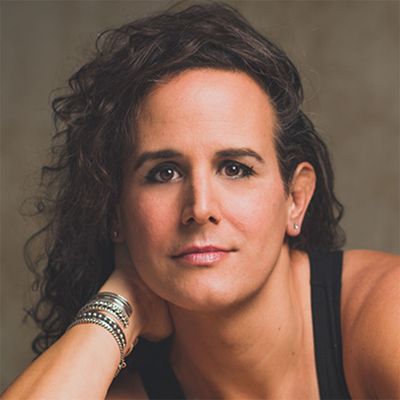
Ever feel like you’re living a life that doesn’t quite fit? Don Mammone knows that feeling all too well. After years of thriving in the hospitality industry, Don took a leap of faith, leaving behind the “shoulds” and societal expectations to pursue photography, coaching, and a life lived authentically. Heather and Alan go deep in this heart-felt conversation with Don about their journey of self-discovery, navigating identity, and challenging the binary mindset. As a proud non-binary advocate, speaker, and brand new author of Different Doesn’t Mean Broken: Living Courageously Outside the Binary, Don shares what it means to embrace your truth, even when it scares the hell out of you.
Don’s story is a reminder that being different isn’t a flaw—it’s a strength. Grab your copy of Different Doesn’t Mean Broken: Living Courageously Outside the Binary and learn more about Don’s work at www.donmammone.com.
- Make sure to follow this podcast everywhere you find podcasts, leave a rating and a review, and slip into our inbox by emailing wasitchancepodcast@gmail.com. Connect with us on TikTok and LinkedIn and help us grow those platforms!
- More about Heather via her website, subscribe to her Substack and connect with her on LinkedIn, YouTube, and BlueSky. Listen to The Brave Files
- More about Alan via @theatre_podcast on Instagram and listen to The Theatre Podcast with Alan Seales
EPISODE TAKEAWAYS
- Authenticity Is a Superpower: Living as your true self isn’t just freeing—it’s transformational. Don’s journey shows that embracing who you are changes everything.
- Risk Isn’t Reckless: Real courage means owning your truth, even if it challenges the status quo.
- Ask the Awkward Questions: Don welcomes genuine questions about being non-binary—curiosity fosters understanding.
- Fail, Learn, Repeat: Don doesn’t like failure, but they love what it teaches. Each setback is a setup for growth.
- You’re Always in Control: Even when life feels out of control, you have the power to choose your path.
Transcript
This transcript was automatically generated and might contain errors.
[0:00] Don Mamone: I think one of the things that I'll reflect on is the fact that I preach the notion of unconditional love for oneself. And I've had people test that. And they've said, well, how could you possibly love everything about yourself? And I said, it's easy. I'm a human. I breathe in and out. I put one foot in front of the other, and I'm doing my measured best every day, which means I get to love everything about myself. It doesn't mean I get to like everything about myself.
[0:36] Alan Seales: I love that we're already recording this. Alan's like, she doesn't listen to me. And I'm like, well, Alan. Okay, I love it, sleepy stew. I am on I'm on the border of let's see, what time is it? It's 1:05 here, Eastern. So it is 2 a.m. Saturday morning for Japan. Yeah, I'm feeling it. I'm feeling it. I just want to point out that this is like the humble flex, like the humble brag. What do you want to call it? Like, I'm really sorry that I'm so tired today, but I've spent two weeks in Japan and I'm still jet lagged. Like I just got off of my yacht.
[1:11] Don Mamone: I love how you just got called out for that.
[1:13] Alan Seales: I got off of my yacht. You brought up Japan, Heather. I wasn't gonna bring it up. But tomorrow I gotta go to my yacht and my money at the delivery.
[1:23] Don Mamone: I have to go, are you going to the hamps tomorrow?
[1:25] Alan Seales: No, no, I gotta I'm awaiting delivery of my 500 pounds of rocks so I can start redoing my backyard here in Brooklyn.
[1:33] Don Mamone: Ooh. Okay. You know, yeah, you can compensate somebody to do that kind of work for you.
[1:39] Alan Seales: He loves that shit.
[1:40] Don Mamone: No, I love it.
[1:41] Alan Seales: He loves to do that.
[1:42] Don Mamone: I love that shit.
[1:43] Alan Seales: Oh, yeah. I'm aged out of that type of work.
[1:44] Don Mamone: Yeah, look at those. There's that flex again.
[1:47] Alan Seales: But literally, I'm not sure. I love that about I love that about you, Alan, because you are so cerebral. Like he's so smart. He has such a good thinker. And I think the physical activity sorts of well, you get to use your brain in figuring out how to work it, but it'll it's almost meditative for you. Like I'm just gonna be physical and I'm gonna get shit done, and it allows you to take a mental break.
[2:09] Don Mamone: It'll it's totally a focus. Like I can, you're right. I can I I focus on what I'm doing because if I don't, I cut my fingers off. And it's not a joke.
[2:17] Alan Seales: It's not a joke. Right. So it's gonna be a fun hour. Put your seat belts on.
[2:33] Don Mamone: Five point harness. Hey folks. You have been listening to Was It Chance.
[2:39] Alan Seales: You are listening to Was It Chance. Welcome to Was It Chance. The podcast.
[2:44] Don Mamone: We're keeping all that.
[2:44] Alan Seales: All right, we'll keep it in. The podcast about embracing opportunity and taking intentional risk for your creative life. I'm still glad you're really with.
[2:53] Don Mamone: I'm really glad you're still here.
[2:55] Alan Seales: I'm Heather Vickery.
[2:58] Don Mamone: Really? We're still glad you're here.
[3:01] Alan Seales: And I'm Alan Seales. And then you know the intro. You've listened to other episodes. We started off as strangers. We're not strangers anymore. We met by chance. We embraced opportunity, and now we're here talking.
[3:10] Don Mamone: And boy are we talking.
[3:12] Alan Seales: We are talking to some amazing people, including our guest today. Who is our guest today, Heather?
[3:17] Don Mamone: Oh, you guys. We're in for a treat. So I'm really excited to welcome my pal, actually, Don Mamone. Don is, I'm gonna call you. Hi, Don. I'm gonna call you a true dynamic force in creativity, entrepreneurship, and advocacy. After a decade-long career in hospitality, Don pivoted to pursue their passion, co-founding the Mamone LLC photography studio with their wife Emily. For over 15 years, they've captured unforgettable moments for clients worldwide. But now, now Don is also a wonderful in-demand keynote speaker and identity coach, a brand new author. And Don helps others unlock their potential by embracing their authentic self, which you guys know I am really into. Don is a proud, non-binary advocate and works with organizations to foster inclusivity and safe spaces. Don is here to share that journey, and I am so glad to have you here, friend.
[4:17] Don Mamone: Thank you so much. I'm glad to be here. Hello. And we're we've been ragging on each other for a solid four and a half minutes. So I think we are total friends now, too. I mean being on a podcast like this is an opportunity for me to be on a launch pad at the same time, be kept humble by folks just like you. So it's great. It's really great.
[4:36] Alan Seales: Well, Alan will rouse you, but you will rouse Alan back, so it all works out fine.
[4:41] Don Mamone: Uh I mean it's 100% give and take. So give us like a background, give me a background of how you're a question.
[4:50] Alan Seales: Well, I'm trying to get to it.
[4:52] Don Mamone: Background of how you get to it faster. We only have an hour.
[4:55] Alan Seales: Okay, hold on. Let me let me chug some more Celsius. This episode brought to you not brought to you, so season one sponsors. I wish Celsius could sponsor us.
[5:05] Don Mamone: So, how do you two know each other?
[5:07] Alan Seales: That was my question.
[5:08] Don Mamone: Oh. Oh. Don, how do we know each other? I've known you too. I've known you for so long that I don't I don't even know if I remember the actual origin of our relationship.
[5:17] Alan Seales: The events industry. All the cool people.
[5:19] Don Mamone: I mean, I know that. Was there like a what was the apex? Do we remember?
[5:23] Alan Seales: I think we're gonna give all the credit to Beth Bernstein.
[5:26] Don Mamone: There you have it. Beth I think we're gonna give it to Beth. Beth is an event planner, amazing event planner out of Chicago who's become a close friend and I when we talk about like fierce advocates and allies, she's literally at the top of the list. She's the pinnacle of it. So that's how Beth and I met. Not that this show is about Beth, but Beth is one of my besties. Uh she's like one of the people where if I were trapped somewhere anywhere off in the world and I could make one phone call and like okay well Beth will figure out how to get me out. She's like that person.
[5:55] Alan Seales: She'd help you bury the bodies.
[5:57] Don Mamone: I was gonna say she said that it's so uplifting. I usually describe that as like if I need to bury a body she's the person who says how deep.
[5:59] Alan Seales: Yeah, yeah, yeah, yeah.
[6:06] Don Mamone: Uh but we first met because there was a an event happening here in Chicago when Illinois passed same sex marriage and or civil unions I guess it was technically civil unions and we did an event together we co-planned it was called under a new moon and we had um several different couples that got married right at midnight when the event happened and cool both had reached out to the person who was in charge and we were like well you're gonna we're gonna help right like that's and then it was instant BFF with Beth and then Beth introduced me to Don and I thanked Beth because I think Heather's an amazing human and um we've basically just been kind of in each other's circles right um so now you I actually you gotta call each other now your your Beth D.
[6:06] Alan Seales: Beth D's oh my gosh look at you being all clever she's gonna love that you're gonna you're gonna have to put money into the pun jar.
[7:02] Don Mamone: We have a pun jar.
[7:02] Alan Seales: When I make jokes like that in the house, I have to put money in the jar.
[7:07] Don Mamone: Wait, how much how much do you put in? Because I broke if he had a pun jar. Yeah, I'd be broke.
[7:10] Alan Seales: I I think the amount is entirely up to you, so you just have to put a penny at a time and then you know.
[7:15] Don Mamone: I'd still be broke. Although I Instagram, Instagram did target me. I saw something this morning that was like, uh, parents who make dad jokes have better relationships with their children or something. And I'm like, my my kids, we are bonded to for life. Forever. I mean, two weeks in Japan will tell you that too.
[7:33] Alan Seales: I forgot this, but you are sort of a master at that, Don. You two have that in common. You've been quiet on blue sky lately, but usually you come back at me with some sort of pun on blue sky.
[7:46] Don Mamone: It has been a it has been an ambitious couple of weeks. And so yeah, I've been a little quieter, which is very much not like me. But I have definitely been uh I'll I'll tell you this quick anecdote. Uh this young lady at my daughter's open house last night was telling you this whole story about how she'd hurt her arm and that um she was roller skating with her kids, and we know better than that at our age, but she fell on it, but doesn't think she needs to go to the urgent care. This whole story, and then she's like, My husband, on the other hand, he like sprained he he hit his toe real hard one night, and uh the first thing we needed to do was take him to the urgent care, blah blah blah blah. She goes through this whole story, and with a dent pan face, I said, Well, that was your first mistake. I mean, you really didn't need to go to urgent care, you just needed to call a tow truck.
[8:29] Alan Seales: Oh my god.
[8:30] Don Mamone: Like it was she set it up. It was it was a softball right across the plate, and I I swung and it was a home run and everything.
[8:37] Alan Seales: How long did it take for her to get it?
[8:39] Don Mamone: I I mean she was pretty quick because my daughter started to laugh because of course we so uh it was I mean that's it was in that thinking. For sure. I mean, yeah. It I mean, razor sharp on this side of the camera, Heather, razor sharp.
[8:55] Alan Seales: All right, well let's make with the questions. What's your next question?
[8:57] Don Mamone: Make with the questions, eh? Well, I think that it would be great to give folks a little bit of a foundation. You have done a lot of different things in the creative world, and you merge them. It does make me wonder. You know, Alan, you know what my question is right now. We've never done your human design chart, Don, but are you a manifesting generator?
[9:16] Don Mamone: I don't know. Sounds like it. I like those two things. Those words go together, they're multi-passionate. We need to do your chart. Let me know when you're ready.
[9:24] Alan Seales: Yeah, for sure. Because I'm really curious because you you've done a lot of different things. So give us a little Don primer. Give us a little background.
[9:32] Don Mamone: Well, way back in the summer of 1970. No, I'm kidding. I in the summer rule of six, didn't I? Yeah, I was gonna say 76 because I'm a gen Xer. I uh listen, I got out of college. Uh, when I was in college, I had a role as a campus conference coordinator, which basically meant that I was in hospitality. We did the summer programs. It was an amazing job. It led to me going into hospitality. So I spent 10 years working in hotels throughout Southern California. I loved everything about it, right up until I didn't. And then the minute I realized that um my last stop, which is at the Beverly Hilton in LA, it was a great career move. I I took the job, I wanted to pay off my student loans. It was a great opportunity.
And I didn't listen to that little voice inside of me that says you're not gonna like living in LA. This isn't gonna align with your core values and morals. This isn't where you get to be. And 18 months later, I was so burnt out. I was like, get me out of this hotel. And it changed my life in a sense because I would basically took a job at the corporate office, and that's how I ended up moving to Dallas. It's where I met my wife. It's where we started our business because shortly after taking on the project, Hilton got sold and all these mergers and acquisitions and arbitrage stuff happened, and they said basically we're canceling your project. You have to go back to the hotels. And I said, No, I don't because I don't want to work 60 to 80 hours a week for too little money and too much stress.
And that's when I started my business. That was in 2009. Emily and I decided to go full-time photography. So for nearly a decade, we've been doing photography as a passion. And uh I really genuinely always liked photography, just didn't see it as a business because it's an artistic pursuit, it's creative, it's it's a hobby, it's not a business until I made it a business with Emily. And then um fast forward a few years and we got pregnant. And my wife comes around the corner and says, I think we're pregnant. And I thought, wow, it's it's been a while. We left it up to the universe. I guess it was just taking its time. And um, nine months after Frankie was born, I had developed, we're gonna take it down a notch.
I had developed um panic attacks, and I was struggling with anxiety uh at a at a visceral level. Like I worked in hospitality, that's one of the most stressful spaces in the world. But this was different. I could feel the anxiety and the stress overwhelming me. And I thought, well, maybe it's just because I'm a parent. Everybody that's listening to this podcast that's a parent knows like you're keeping another tiny human alive. It's a lot of pressure, but it it didn't feel like that. And turns out, uh I was addicted to inauthenticity my entire life. I was being the man that I saw in the mirror and the person I was supposed to be rather than the person that I really was. And because I was now responsible for this tiny little human, I realized that this is not the manufactured version of her I want to meet, because then that's gonna teach her to manufacture a version of her self for the world rather than to be who she was.
So in 2017, I let Emily in and I said, This is my truth. I don't know what the hell it means or what we're gonna do, but I won't hide this anymore. She said, That's so cool. You're my person and I love you and I'll love you forever. So let's figure out this journey together. It took me four long years, so from 2017 to 21 to decide who I was and how to be that thing. And for the last four years, from 21 to 25, I have basically been living my best life, educating and inspiring audiences, creating warm, welcoming, safer spaces for everyone as a keynote speaker, author, and coach. And there you have it in under five minutes, which is probably impressive.
[13:09] Alan Seales: That's pretty good. It was very, very impressive. You know, I love that terminology. Addicted to inauthenticity.
[13:18] Don Mamone: Yeah, I wrote about that in my book.
[13:21] Alan Seales: I I think that we are you did. Yes, you did because you were one of my readers, my pre-readers that gave me all the wonderful feedback.
[13:29] Don Mamone: Uh listen, I think that we are all addicted to authenticity, inauthenticity from a perspective of we are also served too considerable a helping of humility. So those two things in tandem, like I'm not allowed to be too boastful, too prideful, to this, to that. Yeah. And this is what I'm supposed to be. This is what's expected of me. So I'm just gonna have to live inside of this ill-fitting container that I never really belonged in. I think many people do succumb to that pressure and that conformity. And uh I'm here to tell you that life is so much better when you don't.
[14:02] Alan Seales: Right.
[14:03] Don Mamone: Well, yeah. Well, I mean that's okay. So I want to kind of work I do with people all the time. So I love that. Yeah. There's a lot in your five-minute summary that uh I wanted to touch on. Um definitely go back to the birth of your child and uh and and the identity that you are now. And but when you were going into hospitality or sorry, coming out of hospitality. And then um when you decided to do photography as a full-time gig, because any kind of career, any kind of job change is stressful normally anyway, but then like a whole sort of career change, like a genre change is even bigger. And so what was it about that moment when you decided to plunge headfirst into making photography a full-time gig? And like were you you originally you said you got into it as a passion. You got into it or sorry, it was a hobby, and and obviously it became a passion that you then uh was it were able to support yourself from. So how do you walk us through that whole decision?
[15:04] Don Mamone: That's a that's a great question, Alan. So basically what it boiled down to is when I went from hotels to corporate America, you know, you're the in first out last doing whatever it takes to get it done at the properly level. Like you just you you are what you do in a lot of ways. And so I remember I came to corporate America and I was working in a little office slash cubicle, and I came around the corner to ask someone a question at like 5:02 p.m. and everybody was gone. And I was like, Oh, I guess we go home at five now. And it was really interesting because I moved to Dallas in 2006, and so 2007, eight, and in going into 2009, I literally had so much time on my hands I didn't know what to do with it.
I would leave work at five, have a bite to eat, go to the gym, and at eight o'clock, I was like, now what? And so what I started doing is I started photographing for local um magazines, uh event spaces, different things. I was basically working freelance as a hobby, as a as a I'm always happy with my camera in my hand, so let's go do some of this. And when the project got canceled, I remember saying to Emily, who's basically been an entrepreneur her whole life, never really did the corporate America thing. I said, I really don't want to go back to hotels, but we're doing this part-time photography thing, which she was doing as well in sort of a different capacity. I don't, I don't know. Like it was I'm I'm sort of risk averse, but I knew I would be happy.
And I knew I had learned a lot. I call hospitality boot camp the best boot camp. It taught me about it is for sure. It's the best boot camp. I learned a lot about revenue and dollars and profit centers and unconstrained demand and how to you know sell and how to service and how to exceed expectations. And so like I was primed to be an entrepreneur. It just took her saying, like, let's just tighten our belts, let's go all in and give it a shot. And worst case is it we decide it didn't work out or we have to do something different. But that was in 2009, and by 2011, 12, we were off to the races. It was um, it was going very well, and we were largely in the social market. And then after 2012, between 2012 and 2000, I guess 15 or 16, around the time we started uh to build our family, we moved from social to corporate.
And so for the last almost 10 years, we've been only corporate and nonprofit events. And to say that I'm happier as an entrepreneur is an understatement of epic proportions. Like I'm just I'm certifiedly unemployable now. I'll do whatever it takes to make it work, but like I I will tell you intimately familiar with that feeling. It just feels like I I would do everything I could do before I would say, Well, I guess I have to go quote get a job now. Not that there's anything wrong with it, but it's just and it's funny too, because I didn't see it until I saw it. My grandfather on my mother's side. So my maternal grandfather was really the person who raised me from a paternal side. And he was an entrepreneur his whole life.
I love telling the story of when he got out of the war. He worked for someone for a few years, and the minute he had money to scratch together, he bought this little shanty in Pittsburgh, Pennsylvania, and it was an ice house. And he would sell ice to people for their ice boxes because there were no refrigerators yet. And the minute refrigerators came along, they put him out of business. So he turned it into a soda shop and beer distributor. So he would sell beer and kegs and sodas and ice for picnic and some parties. And then supermarkets put him out of business. And then he started a tire shop. And then he basically aged out of all that manual labor. So he turned it into a pizza shop. He was always hustling. He was just and I I realized that's probably just genetically in me now.
[18:40] Alan Seales: Yeah.
[18:41] Don Mamone: For sure.
[18:42] Alan Seales: We're gonna take a quick break. Stay tuned for more of the episode.
[18:47] Don Mamone: And now we're back. You said something that I'm fascinated by. You say a lot of things that fascinate me. You said I'm inherently risk averse. And from the outsider's perspective, you're kind of like, come on, risk, let's go.
[19:06] Don Mamone: Yeah.
[19:08] Alan Seales: Are you still risk averse? And and like this show's all about taking intentional risk for creative success and for life success. And obviously we think you do that, or we wouldn't have you on the show. So what is your relationship with risk now?
[19:23] Don Mamone: It's it's it's funny that that you've so keenly sniffed that out, right? Um here's the way I would say it. It's actually another quote from my grandfather, which I loved. He used to like look at me and say, you know, I don't want to ever hear you start in a fight, but I don't know where to find out you walked away from one either. And it was this feeling inside of me that like I don't go out seeking out risk. I'm not uh I don't like to base jump, I don't skydive, I don't bungee jump, like I'm not an adrenaline junkie. And in large part, I feel like I'm a very cerebral processor and an emotional reactor. So like in order for me to do things, I typically think through it a lot. But typically when I react to something, I I become overwhelmed with emotion, gratitude, um, sometimes fear, sometimes happiness, whatever.
But my risk aversion is typically like I have reduced this risk down to its uh minimum most minimal, right? This is a calculated risk, and I think that in all likelihood is it could go to shit, but in all likelihood it'll be success. With that being said, to answer your question, I am way less risk averse now than I ever was. And I think that a lot of that is because once you're in the crucible and you realize that you can say things like, what's the worst that could happen? That like that the tolerance for that. Like, what's the worst could happen? Oh my god, somebody might see me as a failure. Like that was the old me. Or what's the worst that could happen? Oh my gosh, what happens if I blah blah blah?
And it's this tiny little thing. And now it's like, what's the worst gonna happen? You lose all your money, you file for bankruptcy, and you start all over again. Yeah, no big deal, right? Because I also understand that I don't know that with great risk comes great reward. And so yeah, Emily and I um I think I wrote this the other day. Like, every time I think about it, risk feels like you're standing on a tree branch. And everybody's tolerance is different. And risk is basically letting go of the tree trunk and walking out on that branch. And for most people, the minute they hear the crackle or the sway or the wind blows, they run back to the tree trunk and they hold on again. And for Emily and I, we just find that we're not happy holding on to the trunk.
We kind of walk further out and further out and further out. And some things happen. Like before you know it, as you walk, that tree limb is getting stronger because it's growing right along with you. And so it's a more formidable branch to walk on anyway. And there have been a number of times that the branch has either broken or bent. There's a little group of people below us that are just waiting for something to happen and they'll either catch us or they'll hold it up until we can catch ourselves, like whatever. But yeah, there's there's very few things now that that I'm so risk averse that I wouldn't be like, let's just go see what happens.
[22:12] Alan Seales: I can see why you're gonna be able to do that. Can you identify with that, Alan?
[22:15] Alan Seales: Yes.
[22:16] Alan Seales: Thanks for compliment.
[22:18] Don Mamone: Thanks for the kind words.
[22:19] Alan Seales: Yeah, words are my jam.
[22:20] Don Mamone: Words are my jam for sure.
[22:21] Alan Seales: Uh and thank you for the kind words. Uh, I think everybody at some point falls on a spectrum of risk aversion. And if we go back to some of the the the talking points, I think the thing that frustrates me the most is when someone's risk aversion has absolutely nothing to do with their tolerance and more to do with the tolerance of the people around them. Like the number of people I have the pleasure of working with that I help them understand that their risk aversion has nothing to do with their tolerance and more about what they think people might think or what they think people might say, or what they think people might misconstrue about what they did versus what they were supposed to do or expected to do.
So um that's the other part of it. I think once you've gone through the excruciatingly four years uh timeline between letting Emily in and coming out and understanding and accepting and acknowledging everything about who I am, very little else matters, especially people's opinions of me.
[23:14] Don Mamone: How do you think that has changed or will change for our children? Because like I I was born in 80s. Sounds like it sounds like you were born a little before the 80.
[23:25] Alan Seales: I'm the oldest one in the room.
[23:27] Don Mamone: I'm always the oldest one in the room these days.
[23:28] Alan Seales: A little bit it can't be by much.
[23:30] Don Mamone: Cool.
[23:30] Alan Seales: It can't be by much.
[23:31] Don Mamone: I'm sorry. I'm a 74 baby.
[23:33] Alan Seales: So you're my sister's age, 18.
[23:36] Don Mamone: Yeah. I'm I'm pushing 50 as well.
[23:38] Alan Seales: But yeah.
[23:39] Don Mamone: Okay. So our kids is that the is that the if at all.
[23:44] Don Mamone: Yeah, so when now, like how uh and I'm genuinely curious how you're gonna approach this from your perspective, because I I I'm so I just want to listen to you speak for hours. Um and and the way you're teaching this and the way you're communicating it, and uh like uh Alan's gonna be producing a podcast for you before you know it, Don.
[24:02] Alan Seales: I am here for that.
[24:04] Don Mamone: I hundred percent here for that. Let's do it. Uh and and well, yeah, so I I worry about like right now, I think we're just now starting to see uh the actual studied negative effects of social media on on young kids, right? And a lot of it is that you can go out and just get everyone's instant approval, and if you but the worst side is if you don't get their instant approval, all of a sudden you feel like you're a failure because that's the new conditioning that they are under.
[24:37] Alan Seales: So much.
[24:37] Don Mamone: Yeah. So how are you? How are you looking at that?
[24:39] Don Mamone: It's really interesting. My daughter's only eight and a half, and so we haven't yet um dealt with sort of the social media thing. Although I have two nephews in my life, they're 14 and 16. And they have kind of been through this. Um let me take it back to sort of the the core, one of the core tenants I teach. And and for Heather, this is going to be a recap because she's have the she's had the pleasure of reading different doesn't mean broken, available now anywhere you buy your books. I promise it's on the list of quests. I'm kidding. Check the show notes. I'm kidding. Check the show notes.
[25:09] Don Mamone: Yeah, put that right in there. Um so identity is essentially what we're talking about. Like, how do you develop a quote healthy sense of who you are and how you operate in this world? And so I joke around and say that like when I was going through this process, I actually looked up the definition of identity to sort of familiarize myself with sort of what the gold standard is. And it was so funny because I got everywhere I looked, I got the definition that was the definition of itself without actually telling you anything. Like identity, the definition of identifying with something. And you're like, okay, well, thanks for that. Um, but what I ended up doing was writing my own definition. And for me, identity is basically everything that contributes to how we develop a natural sense of social participation and personal development.
And that includes everything that's foundational or every filter we apply to the way we see the world. And the reason I tell you all that, and it's all science-y and stuff, but ultimately the answer to your question is it depends on so much. For my example, my daughter, I think she's going to have one of the healthiest. This isn't a a humble brag, but like I feel like she's gonna have a very strong sense of self because since the very minute she was born, I acknowledged that I wanted her to be proud of exactly who she was and to be that person, no matter where she goes or who she's with or what she's doing, period. You get to be who you are. And I ask her questions like, Well, like if you're wearing something, honey, that that somebody else doesn't like, or oh yeah, daddy, that happened the other day.
Somebody said they thought my dress looked stupid. And I told them, Well, I don't really care what you think, I like it. And it was in that moment I was like, okay, good, check mark. Like, that's a problem, it's a pretty healthy that's a parent we're gonna understand.
[26:55] Don Mamone: And I do struggle because I look at the outside world and I understand that the foundations that some of the children, even in this new generation are being raised, are being taught that boys look like this, girls look like that. Boys don't have short hair, or boys only have short hair, and girls shouldn't have short hair. And, you know, all these types of um the fear, the guilt, the shame, the doubt, the judgment that puts them in those ill-fitting boxes will remain. I only hope that collectively, as a society, that we're hopefully kind of growing past and above that. Uh, and I think that we have a better shot at it than ever. When I came out to my nephews, it was the most amazing thing. Like, you have all this negative feeling built up, and you're like, okay, so I'm gonna tell these two young kids, because it was about four years ago, that Uncle Don is non-binary and would they know what that means, and how will I explain it to him?
I'm all ready for it. The one nephew who's older said, Oh, that's so cool. Thank you for trusting me enough to tell me that one of my teachers and two of my fellow students are non-binary and we love them. And the other one was like, Okay, cool. Can I go back and play my games now? Like it was, yeah. So I think we're more well positioned than ever to have a healthy uh sort of opinion of ourselves, but I think that it's gonna take the fight because I think that we like the vanity and the metrics and all those kind of things that has been introduced to us and the feeding that need through social media I'm I'm concerned about it.
[28:21] Alan Seales: Um yeah I I'm gonna start about it a lot too and we this just came through our so our parenting social circles a few weeks ago someone kicked off the the wait till eight or you pledge or whatever so it's like it's the end of eighth grade we're supposed to we're supposed to pledge that we won't give our kids cell phones until the end of eighth grade. And it's it's really wait till nine but it doesn't rhyme as well. So wait till eight um but yeah we I think there's so much that gets lost exactly what you said and this is totally off topic it but I love talk thinking about it talking about it. I have a a 10 year old son and an eight and a half year old son so exact same age as your daughter and uh and the both of them are they're they're watching things on online and on YouTube and stuff but like the way that we explain like we explain gender identity and sexual identity and even in the curriculums now at school at a young age I think there was like for there's first graders I think that are non-binary now already in my kids school.
And so I I enjoy that we are in a privileged enough position to ex to expose them to that. And so to them it really isn't a big deal because it just yeah whatever and and then something that I learned too after having many conversations on this particular podcast was I went to my kids and I said, you know, not only I I will still love you if you're gay, like that's been out there for a while. But now I also said if you want to no matter how you identify, I will always still love you. Mm-hmm. And so again, my kids are just like, okay, cool. I'm gonna go back and play my video I mean listen, if you're listening to this podcast and you have a child and you don't yet understand that your number one responsibility in life is to love that child unconditionally then please give me a call and I'll have a chat with you about it. But like that is our number one core responsibility no matter what is to love our child unconditionally.
[30:20] Don Mamone: Well and but I think that there's crux in that yeah yes for sure. No no and on that but there's crux in that because a lot of people don't realize and you hit on this a little bit Alan but the language and I and I'm gonna pull that and I might my guess is you actually did not say this to your boys the way you just said it to us. But the language of I'm gonna love you even if you're gay. I'm gonna love you even if you don't identify as the boy I think you are yes fair there's a language there that we hear and so the the opportunity is to say it doesn't matter to me who you love, who you marry, how you dress, what your pronouns are, what your gender mark I don't care. I love you all the time in all the ways because the if we people internalize the if yeah yeah and to to credit the fact that I think that a lot of people are afraid to have these conversations because they're afraid of mincing language or or not using the the perfect language.
It's better to have them and not get it right. It's better to have them and it's better to mess up and it's better to always have good and kind and positive and inclusive intention in your heart whether it's your children, your spouse, other people in general society, like the number of people are like, Well, I wanted to ask you about that, but I didn't want to offend you. And I've always said if you come to me with pure intention, and I know that your intentions are positive and heartfelt, even if you say something that's quote offensive, I would rather have the opportunity to lovingly correct you or help advise you. Uh, because there's a number of ways to say things like even saying something like, Well, you know, there's people in first grade that are already non-binary.
Well, they've always been non-binary, and it, you know, it's not like it's a shock when somebody says I'm cisgender when they're in first grade. You're like, okay, yes, yes. Like absolutely. And I'm not making absolutely I understood what Alan's intention was is that it is natural and comfortable for people, even in first grade, when you accept and acknowledge this is just a part of this person, right? And so I think that the more we lean into the fact that the only way to dispel ignorance is through lived experience, which not everybody's gonna have, or education, which comes from conversation, which means learning the language, it means understanding the words, it means saying, like, like vulnerably saying, Hey, listen, I have no idea what that word means. I I'm happy to go look it up, or if you wouldn't mind telling me, what does that mean? And then all of a sudden the clouds part and light shines down. Like it's remarkable.
[32:54] Don Mamone: So I have a I have a non-binary what this okay, you could help me here. I think I'm gonna suppose to say nibbling, but niece, nibbling, I don't know. Do you know? It's amazing. Um, your sister's child or your brother's child. Like you can take, I mean, it's it's complicated because like sister by another mister, we're not technically sisters, but we're we're each other's kids aunts. Yes. So yes, family by children. I love it. Okay. Yes, yes, yes. Chosen family. But yep. So so that person is non-binary, that child is non-binary, and you have a question. Well, no, I well, I but the question was I would have always prior to that said niece, and I think we're supposed to say nibbling, but that one always throws me off because they're not my sibling.
But is that the right term for a niece or nephew? A non-binary term is it nibbling? I'll be perfectly transparent with you. I've not heard nibbling before. Uh, but I will say this. Um, my favorite example of this, number one, I hate the word supposed to. You you are not you're not held to this. I'm not gonna should all over you. You know, you really should blah blah blah. Um here's what it boils down to should all over. I mean shouldn't all over. Taking gender out of certain words is easy, right? Like instead of husband or wife, you can say spouse. Yeah. Right. Yeah. And um everybody's experience is different. I'm non-binary, I have they them pronouns. The reason that I'm non-binary, it is my middle finger to the idea that gender is binary.
I could go by gender fluid, I could go by gender queer. All of those are fitting labels for me. I chose non-binary because it means non-binary. There is no binary. I had despite being in denial for 41 years, and describe uh despite the excruciatingly long personal journey I went on, ultimately I had a very positive coming out. I tell you all this because gendered nouns and gendered pronouns don't trigger me. And everybody's experience is different. My nephews still call me Uncle Don. My wife typically refers to me as her spouse, but every once in a while say hubby. My um my daughter calls me dad, daddy, because it is an incredibly special bond that she and I share. Some people are triggered more by it, and I love this example. What do you call your grandmother, or what did you call your grandmother, Heather?
[35:16] Heather Vickery: Granny.
[35:17] Don Mamone: And how about you? Uh, what did you call your grandparents?
[35:20] Alan Seales: Grandma grandma.
[35:21] Don Mamone: Grandma and grandpa. Yeah. I have Nona. I had none people here in the South typically saying Mima. Who decides what they're called typically? They do. Yeah. And so all this like ho who played about like pronouns and about things. When someone says to you, this is what I would like for you to refer to me as, it is not a Herculean effort to respect them as a human and to respect their decision. They've earned that just by walking and breathing. So uh to answer your question, I don't think you're supposed to call your friend's child anything other than what they want to be called, so be like, hey, I don't want to refer to you as my niece because it's gendered. Would nibbling work for you? Maybe she's like, I hate that.
I feel like a piece of corn. Pick something else. They they would that's funny. They yeah. Well, I usually just say Anya. That's it. That wasn't the point in bringing it all up. It was interesting. Yeah, I often just will use the name. But I brought that up because when this human, who I adore, I was in the room when they were born. I uh I w whenever they leave my presence, I say, you know, other than your parents, I was the first person to hold you that loves you. And uh I loved you then and I love you now, and I'll love you forever. I say that every time they leave, and now they kind of laugh at me because they're two kiddos there. All that to say, when they were 14, now they're 21, they came out as bisexual.
We were having dinner with my parents, and this was so this was a minute ago, and my mom said, Well, how does Anya even know at this time that we were not by how does my mom how's Anya even know she's bisexual at the age of 14? And I said, I don't know, mom, how did you know you were straight? And to my mom's credit, she went, Well, I guess that's a good point. I guess that's a good point.
[37:14] Don Mamone: Yeah, that was kind of my it take my mom has been on this really long journey, and I hear that a lot. Like, oh, well, you know, I guess I wasn't thinking about that then. I didn't know that then we're talking about politics and how we feel about Ronald Reagan, who she loved. I said, Well, I could tell you all the things that you know I don't love about Ronald Reagan, and she goes, Don't tell me, I don't want to know. She goes, for us at that time, he did a good job, but I wasn't thinking about the things then that I think about now. Which is once again, uh people use the word ignorant and they they it's as though it's a negative term. In my opinion, the word ignorant is neutral. It does not mean you're stupid, it doesn't mean you're dumb, it doesn't mean any, it doesn't make you an idiot.
You're unaware, it means you lack experience or education. And so people that loved Reagan loved Reagan oftentimes through the the lens through which they saw the world, typically straight, typically cis, typically white, typically affluent, and they're like, he was amazing. And you're like, unless you were black or gay or had AIDS or or. And so the amazing thing about that is your parent gets to look at that and be like, I've grown. I have lowered my ignorance and I've increased my education over the last 40 years, and that's whether they're doing it perfectly, and there's no such thing as perfect, whether they're doing it well or not, it's progress. Like that's all there is to it.
[38:39] Alan Seales: We're gonna take a quick break. Stay tuned for more of the episode.
[38:43] Don Mamone: And now we're back. And I think that's amazing. All of this is a great transition to talk about different doesn't mean broken. Your book, which is available now everywhere. Books are found. Plug, plug, plug. Plug, plug, plug. I love everything about that. Yes. Let's talk about it. So, where did you come up with the or where did the decision come from to channel all this into written word?
[39:06] Don Mamone: So it's funny because I I likened myself to be a writer. I was like, Oh, I'm a writer, I like to write. And um, I was in this personal development leadership course, which ironically was sort of this crucible in which I existed for 90 days. I write about it in the book, so if you want to know, go buy it. Um But part of it was part of it was this big goal you had to set, right? At the end of this 90 days, you have to set a goal. And I said that I would write 60 pages, which amounted to about 20,000 words of my journey, my story, because I'm a writer. I like being uh the idea of a writer. Uh and I did it. I wrote 60 pages, and uh it lived out on the Google Drive for a very long time. And it wasn't until 2024 that I said to my wife, I was like, Hey, remember those like 20,000 words I wrote?
I feel like this gets to be the year of the book. And ultimately, I didn't know exactly why I was so motivated to write a book, except for this vision I had. And it was this moment where there was a line of people waiting to get into a bookstore to meet the author of this book. One of those people was quote, like me, felt like they were alone, felt like they were the only one, felt like there was no way to exist in this world unless they were basically a manufactured, fractured version of who they are, and they were holding that book and it had changed their mind.
[40:31] Don Mamone: They knew they weren't alone. They knew they weren't the only one. They were just like me, and everything was going to be okay. And so I wrote the book for myself, but I also wrote the book for that person and whatever that person looked like, whatever that person, whatever their lived experience was. And so the first words in the book in the intro is this book isn't about being non-binary. This book is about being different and feeling like because you're different, you're alone, you're the only one, and you're broken and you need to be fixed. And that's not the case. And so read on and find out what that means. And um ironically, I said to my wife in December of 2023, 2024 is the year of the book.
And I interviewed 10 different coach, editor, like author support system people. And one of the last people I met, her name is Dimi. She's an amazing human. She's the one I hired. Ironically, her um, the name of her publishing company is Year of the Book Press, which I thought was the universe's way of showing up. How about that? And then the one that I thought was really critical was I asked her when I really had narrowed it down, it was like her and one other person. I said, of all the books you could edit and support and coach someone through publishment, why mine? She said, because there's a really important person in my life that's transgender, and I think they would be really proud of this work, and I want to do it.
And I thought that was amazing because she didn't lead with that. She never used it to try to like connect with me. She never, she didn't do a performative thing. It wasn't until I asked that she shared that very personally. And could I have written this book without her? Sure. Would it have taken infinitely longer and been infinitely more difficult? I think so. And so, yeah, I think it's a book for anyone who's ever felt like different meant broken and what we do with broken things or hide them away or throw them away. So that's not okay.
[42:23] Don Mamone: I love that. I love that. And I love the message that it's just about being different. Like you're using your story of experiencing life as somebody who's non-binary, but how it can pertain. And that's you know, that's what I wrote in the blurb, which when you get your copy of the book, audience members, you will be able to see my blurb. Yeah, you will. Um was that I can really resonate with this. You know, I didn't come out of the closet till I was 38 years old. And it's hard. And that's actually the question that I have for you now. It's you know, I think the kids are all right. I mean, we got some culty brainwashed kids out there, but in general, the kids are all right. Like we talked about that earlier.
It's the adults who are real pain in the ass. And um, especially right now, where the government is waging war on DEI, which you do DEI work and people who are different and people who are queer and trans and you know, anything other than white straight Christian, what has it all been like for you putting this book out into the world, birthing this book out into the world where all of this is happening? Um and actually in general, sort of you're coming out as non-binary, easy peasy with the kids, with the nephews and the nieces and your own kiddo. Um, but what about the adults?
[43:48] Don Mamone: That's an interesting question. So I'm gonna separate that out into two things. Number one, I want to introduce the idea that um there's a lot of hope and encouragement, even though it doesn't always feel like that. Um I'm I'm honored and pleased to say that just this week I was hired by the Milwaukee Bucks of NBA fame to come speak to their workforce about how to create more welcoming and safer spaces for everyone, but specifically transgender, non-binary, and gender nonconforming people. And to think that someone with that much reach and that much engagement and 17,000 fans come to that arena routinely to watch their team play, they were interested in making sure that their workforce was ready to meet the one or two or even 10 people that might just be like me.
How do we welcome them and how do we make them feel safer? That's hope, right? Because they did it of their own accord. So that's number one. Number two, you know, I think people really struggle because as I talk about in the book, systems are designed to protect themselves. The system is designed to protect itself to the degree where you come to know what you know and you come to believe what you believe. And when someone like me comes along and challenges that system, you only have two choices. You reject me and you reject who I am, and you try to stuff me into a box. And a lot of people, unfortunately, will still allow themselves to be stuffed into that box. Or you look at it and you say, huh, this is interesting.
You don't compute, you don't fit in my system. So I'd like for you to educate me. I'd like to learn, I'd like to go out and do research from credible sources and make room for you in my system. And unfortunately, most adults aren't. I, you know what? I'm gonna I'm gonna go ahead and rewind. Not most adults. There are a number of adults that aren't good at that. I don't meet a lot of them, probably because even if they think it, they don't say it. I have some people in my life that weren't ready for it. Those that knew me for the longest period of time, I think struggled with it a bit. Uh, and yet at the same time, I have people that knew me for a very long time that were like, we're so glad to meet the real you.
And um, I wept really hard. I'm a I'm a crier, I'm a weeper, like Jude Law from the holiday. I'm a major weeper. Um, a friend of mine, uh male friend, sent me a text message um shortly after I came out and said, I saw the photo that you posted today about your speech recently. You look more radiant, more joyful than I've ever seen, and I could not be happier for you, mate. I cried so hard because when somebody sees you like that and somebody celebrated you like that, you're like, okay, it's gonna be okay. And so, yeah, the adults have a lot of learning to do, and if they lean into it, um, it's available, they could do it, and I believe in them.
[46:38] Heather Vickery: Well, it's a learned language. It goes back to to what we're talking about with our kids, because our kids now at their age are learning how to talk about it, and uh and adults now at our age, myself as case in point, I try to talk about it and I still use the wrong words, and then you and then my parents forget about it. Like they think they know, but they've never had it modeled for them and have to learn in reverse almost.
[47:03] Don Mamone: Yeah. Well, you know, you gotta want it. That's the thing. And and I'm gonna be the first to acknowledge it. Life's hard. Like there's always something. It feels like right when you get over one mountain or right when you get to the one finish line, there's another starting gate, and you're off to the races again. But like you gotta want it. And and I want to tell you another anecdote, just because it just happened, and it just so happened to be during this time with the Bucks organization. Someone was in the audience and we were making conversation before the talk, and I asked them how long they'd been with the organization, and he said, six years. And I said, Well, thanks for coming today.
He's like, Are you kidding me? Like, I've been with the the team for six years, and they always do these town halls right before Pride Night. And I've learned so much. And I come from sort of a smaller town, and I've shared what I've learned with my dad, and it's been really interesting to watch. I'll see somebody post something that my dad would have said back in the day, and then he'll then reply with something I've taught him. And in that moment, I was like, see, this is the ripple of the stone in the water, right? He took the knowledge and the inspiration that he got. I then got it, we're not done yet. Like, I got a message from that person the next day. And during my talk, I oftentimes reference the fact that the universe puts us in the places and in proximity to the people that we need the most when we need it the most.
He writes me this email that says, I just want to let you know you talked yesterday about being in the right places around the right people because the universe has your back. After listening to you talk yesterday, I grabbed coffee this morning with someone who's very important to me that has been in my life for a really long time, and they came out to me. And because of the experience I had yesterday, I felt more well prepared and had more language to accept them and embrace them and validate them and love them. I was floored. Like there is hope and there is change, no matter how much we feel like there isn't. So there you have it. Like old people learn too.
[49:01] Heather Vickery: Yeah. They do. They do.
[49:01] Don Mamone: It's harder.
[49:02] Heather Vickery: It is sometimes sometimes you gotta shove it, shove it in front of their face.
[49:06] Don Mamone: Go ahead, Ed.
[49:07] Heather Vickery: Yeah. No, sometimes sometimes you do. Well, I have an interesting uh antidote on that too, which I'm gonna share in a second. But what I was gonna say is I find that even within queer communities, it's a little bit because we are so conditioned language wise to the binary. People are a little bit quicker to get on board with somebody who's trans where they were born female and now they identify as a man, or vice versa. Versus somebody like you're like, oh, I'm just gonna take all your binary rules, I'm gonna blow them up, and I'm gonna look so fucking gorgeous in you know, this dress and these heels and this makeup, and also sometimes I'm not gonna do that, and you know, you're gonna have to just deal with it.
And I I love it, I admire it. I think it's quite brave. Uh I also understand because I understand because I've been there, like it's brave, except also I didn't there was no choice here. Like I was either gonna perish or I was gonna do this thing. Because I couldn't live like that anymore. And I heard you say that earlier, but topic change, you know, the the the older people learning, and I like this. I you know, we never know what direction this show is is gonna go, but I think it falls in nicely with taking intentional risk. For my 50th birthday, my family was all here, and we all had a nice big dinner, uh, and we came back to the house to have cake. And as we were waiting for folks to get the cake ready and bring it out, we're all sitting around the table, and the youth are all on their phones, which is fine.
Who gives the fuck? But my dad, my my stepdad, who's eighty, like something triggered and he lost his mind. He was like, What the fuck is wrong with all of you? You're so disrespectful. Put your goddamn phones away. And everybody was kind of shocked. And my daughter, who had just turned 15, said, I'm not being disrespectful. I know when it's the right time to put my phone away. There's nothing wrong with me having my phone out right now, and I don't appreciate the way you talk to me. Oh, snap. My dad was like, my dad, my he just he got clammed up and he went into the back of the room and he sat in the corner, and we had cake, and then you know, I I went over and I said, Hey, you okay? And he's like, I just don't like the way they're treating you.
I want to protect you. And I said, I know you want to protect me, but I didn't need you to protect me in that moment. I said, and and you need to know I'm really proud of my kid. Yeah. Because she knows herself and she's right. And you know what he did? He apologized to her. Which is crazy, right? Because we think grandparents can't change their mind. Forget it, they're not gonna do that. But people don't change their mind because nobody challenges them to change their mind. And my own parenting plug, because I I think we can all agree that well, I don't know, maybe we can't most of the time. I feel like I'm failing epically at this parenthood thing.
[52:05] Don Mamone: Yeah.
[52:05] Heather Vickery: But the next day I said to her, you know, I got you know, your generation is just built different. I love that you did that. I'm so proud of you. And she said, Mama, I don't think it's the generation, I think it's you. You always told us that we have a voice that mattered, and we were supposed to use it, and we do. And I was like, Yeah. Oh, I did I did that well.
[52:25] Don Mamone: The the takeaway there that I think is so beautiful. They're they're on both generations, right? Having someone that is able to use their voice to tell the world this is who I am, and I deserve respect. What in whatever realm it is, whether it's the way someone speaks to you or the way someone refers to you or about you, but also like the psychological flexibility and emotional maturity of the of the higher generation to acknowledge like I can apologize. And third, there's a the secret third option here too is that we discount that generation or just like, well, you know, that's just who they are, right? Instead of educating and inspiring them to change, like profound. Well done.
[53:07] Heather Vickery: Yeah. Well, thanks. I mean, this show is all about you and not about me, but I do feel like it all really relates because it's also intertwined, which is of course your book. Like different is different. It's not broken, it's different. And there are lots of ways that we're different.
[53:22] Don Mamone: Well, the one thing we all share, right, amongst all of our beautiful differences, it's the common desire to be the authors of our own story, right? And unfortunately, that's just not always the case. Um, you know, we want to have the courage and the confidence to sort of defy expectation and to disregard permission. Like I think the profound benefits of knowing that you never have to ask for permission from someone else to be who you are is I use the word euphoric now because when I try to explain to people the first 41 years of sort of denial, we would describe maybe as numb, the excruciatingly long and difficult four-year journey of figuring out not only who I was, but how to be that thing was that every day, every minute of every day since then has had a certain like taint or color or whatever of euphoria.
[54:16] Don Mamone: Like it is remarkable to me that, well, and I'll use my wife's words. We were on our way downtown, and it was one of those rare date nights when you're a parent, and I'm the orator, she's the interjector, and I wrote about this, so you've heard it, Heather. But like she just stopped and she's like, I have to tell you something. I'm like, oh God, all ears, what's up? She's like, ever since you came out and acknowledged who you were and started living that like authentic life, you've been a better everything. You're a better spouse, a better parent, you're a better sibling, a better business owner, a better client. Like everybody you interact with gets the best version of you now. And that is just the most beautiful way for me to explain when we make choices and we acknowledge that there are just certain things about us that just exist.
This is just who we are. Everything gets better. Absolutely everything. So everything gets better. A couple of years ago, they were able to, scientists were able to put people in hyperbolic chambers and measure energies of different things. And authenticity is the one that has the biggest physical energy reaction and boring effect. So we say that because we think it, because we know it's true, but now science actually shows that the energy of authenticity has more force and returns with more force.
[55:43] Don Mamone: The energy fucking cool. I mean, I will tell you, and this is first of all, you said that this show's all about me. This show's all about us. That's my favorite pronoun, us and we. We touched on earlier the fact that the book, in a sense, takes my journey and story of being non-binary and globalizes it to the fact that it's about being different. Ironically, I didn't come up with that. I experienced it firsthand. So when I very first started talking about sort of what it is to be non-binary and what gender conformity, nonconformity means and how to create safer spaces, the minute I gave that first talk, it was in August of 2021. Every time I gave that talk since, literally, one person, at least one person in the audience, comes up and says, I saw myself in your story in a manner of speaking and will tell me their story.
Very rarely does it ever have anything to do with gender. The first one, and one of the hardest ones I've heard to this day, a little bit of a content warning. It's about self-harm. Person ran up to me and said, I see myself in your story. And I said, Oh, tell me more. Well, I had a very overbearing father, and he said, When I was in high school, you have two choices. You can be a doctor or a lawyer, and I'll pay for your education. Otherwise, you're on your own. So I just went pre-med, and it was in med school where I tried to take my life for the first time because I couldn't see a future as a doctor. There was no world in which I would have a happy existence in the future as a doctor. So if there's no future, there's no use.
And he felt so contrived. I was like, oh my God. Not only am I not alone and I'm not that the only one from a perspective of being non-binary, humans all over the world are struggling because they believe that they don't have a choice. And it's my mission and message to help those people understand that it's not always an easy choice and it's not always the simple choice, but the most important thing is you and you always have a choice.
[57:44] Don Mamone: So you know, that's beautiful. Well, as we wind down the end of the episode, I really get to button it up. Yeah, it's like profound. Yeah. What the our favorite question ultimately is just what is your relationship with failure? Uh, I mean it's a love-hate relationship. I will tell you that it's easy to parrot what you hear, right? Like uh Thomas Jefferson said he never failed. He just learned how to not invent a light bulb a thousand times, or whatever the kind of cute little quick kitschy quotes are. Um I don't like it. I really don't. Um there are times when I've felt like something that I've endeavored upon has failed miserably, and that I've learned a lesson. I think one of the things that I'll reflect on is the fact that I preach the notion of unconditional love for oneself.
And I've had people test that. And they've said, well, how could you possibly love everything about yourself? And I said, It's easy. I'm a human, I breathe in and out, I put one foot in front of the other, and I'm doing my measured best every day, which means I get to love everything about myself. It doesn't mean I get to like everything about myself. Maybe I put on a little holiday weight, maybe there's something I want to change, start, stop, do differently. That's fine. That has absolutely no bearing on whether I love myself with everything in me. And I guess I have that sort of relationship with failure. I don't like it, but I love it because it teaches me and I always learn and I always end up better than where I started. So there's that.
[59:17] Don Mamone: I love it. I agree. I don't like it, but I love it. And I think you're not growing unless you're uncomfortable. There's yes, putting yourself in uncomfortable situations and taking those steps out on that branch. And maybe that's how I want your audience to remember this episode is you're not alone and you're not the only one. And that includes when you're taking a risk, when you're approaching failure, when you feel like you're at your wit's end or at your worst or at your least, whatever it is, there is a group of people underneath that tree branch that's ready to catch you, ready to hold it up, ready to shout up to you that you've got this. So just do it. Just let go of the tree trunk and ever so slowly work your way out because that's where the sweetest fruit is.
[1:00:01] Don Mamone: All right. Well, give us all your socials, plug all the places, all the things. How can we connect? So uh I'm pretty much everywhere. I'm at DonMamone.com. I am on Blue Sky Instagram. Um, I'm on YouTube, I am on LinkedIn. You know, I tell people, go check out my website. Um, if what we've talked about today resonated with you, and I'm pretty sure it did, check out the book. Uh on my website, you'll find there's an author page. And for those of you that just like to order easily at Amazon, it's there. If you want to shop more sort of consciously, you can go to bookshop.org. You can download the Audible, educate yourself, inspire yourself. Remember that um you matter, you're a beautiful human, and that I see you and I love you for everything you're doing and all the change you're creating in this world.
[1:00:47] Heather Vickery: I love that. We're gonna put all the links in the show notes. You can get the book, you can find Don's website and do all the other stuff. And Don is so punny online, so you're gonna definitely want to follow them. Um get your daily laugh in. I enjoy that very much. Don, thank you so much. Just I well, I love you, and you know that. And um, you know, I think my heart needed this conversation today, just this reminder of hope and joy. And it's funny because that's my whole business. But sometimes even I need a little, you know, infusion from outside. Like sometimes I think I'm the only one who's pretty much enjoy. And this was glad I'm not. I could talk to both of you all day, and I was I was happy to hold up a mirror to reflect the light that you shine. And um, so thank you for sharing my mission, my message, and my story with your audience. I appreciate it.
[1:01:39] Don Mamone: I want to be best friends with Don.
[1:01:42] Heather Vickery: I think that Don would say what it's already done. We're already best friends.
[1:01:45] Don Mamone: Don't get people.
[1:01:47] Heather Vickery: Oh, good, good. Don, yeah, I enjoy the unapologetic. This is who I am now. Take it or leave it, that they exude. Uh while also acknowledging that it's uncomfortable. Sometimes you gotta you gotta work through that uncomfortability. There's some shit going down in Brooklyn today, right now, huh?
[1:02:10] Don Mamone: Oh, it's just downtown Brooklyn. I was like I'm gonna edit around. We don't usually hear all the sirens in the background.
[1:02:19] Heather Vickery: There they are today.
[1:02:21] Don Mamone: Ah, depends.
[1:02:22] Heather Vickery: Yeah, usually fire truck's pretty good about avoiding residential streets.
[1:02:26] Don Mamone: Well, I hope everything's okay.
[1:02:28] Heather Vickery: Back to Don. Sorry.
[1:02:29] Don Mamone: Back to Don.
[1:02:31] Heather Vickery: Yes.
[1:02:32] Don Mamone: Yeah.
[1:02:33] Heather Vickery: Don got a gift, that's for sure. I want to hear them talk. I wanna I want to go to one of the classes or like the keynotes or something, and I'm gonna make sure I gotta engage in the puniness online. But no, I you do you love the puniness online. The conversations we got into about like uh learning the language, uh intergenerational differences and learning the language and how to deal with people of different identities and everything.
[1:03:01] Don Mamone: Oh yeah, it was just, it was just a wonderful conversation.
[1:03:05] Heather Vickery: A conversation I haven't had in a while, and it was very refreshing.
[1:03:08] Don Mamone: I'm glad you enjoyed it.
[1:03:09] Heather Vickery: Hey, if you want to listen to Don's voice, you should get the audio book for different doesn't mean broken, because Don reads the book.
[1:03:18] Don Mamone: I'm gonna do that.
[1:03:19] Heather Vickery: I'm gonna do that.
[1:03:21] Don Mamone: Yeah.
[1:03:22] Heather Vickery: I don't read, I don't lease paper. I don't like that paper shit.
[1:03:26] Don Mamone: Don't judge us readers.
[1:03:27] Heather Vickery: You watch your mouth. Although I'm a big library stan. I get a lot of my books from the library. Big fan.
[1:03:33] Don Mamone: Yeah.
[1:03:33] Heather Vickery: Um if I were gonna re hold books, I would use libraries. But I like digital or audio. Um I'm so glad you love Don. I knew that you would.
[1:03:42] Don Mamone: I do.
[1:03:43] Heather Vickery: I'm so glad we were able to share Don's message with everyone. Because I love you just said, I haven't been able to have a conversation like this in a long time. And I think we all just need to have them more regularly.
[1:03:58] Don Mamone: So I know all of you folks out there listening, um, there was something for everybody in this, and it's so feel good. Right? Because there are so many people who are experiencing gender dysphoria whose struggles are so profound, we sometimes forget that there is also a lot of joy in authenticity and in discovering yourself and putting yourself out into the world. And you do have to kind of build up a thicker skin, I think. But we heard Don say that. Like it, you know, it used to bother me, and it really doesn't bother me anymore. But the more you practice something, the better you get at it. So I love to do that. But I'll also also just if you come, if you come at them, or and and I can relate to this too, if you come at them with authenticity, then ultimately what you said is less important than what you're trying to ask or what you're trying to say. So I totally feel that as well.
[1:04:49] Don Mamone: Absolutely.
[1:04:49] Heather Vickery: And I think that most people are like that. People are worried about oh, I don't want to make pronoun assumptions and I don't want to do an assumption. Most of the time, if you just ask, I want to be respectful. Most people will be pretty open to that.
[1:05:03] Alan Seales: All right, folks. Alan, can you tell people how to find us and connect with us and all that good stuff?
[1:05:15] Alan Seales: Nah.
[1:05:15] Heather Vickery: Such a pain in my ass.
[1:05:19] Alan Seales: Oh gosh, we are on the uh Instagrams and the emails in the blue skies and the TikToks and the YouTubers. Uh yeah, find us the ratings reviews on the on the on the Spotifies and the Apples.
[1:05:35] Alan Seales: Uh you can actually leave comments now and comment on Spotify per episode. Please leave a comment on Spotify. How exciting would that be to get an alert? You got a new comment on your Spotify episode.
[1:05:46] Heather Vickery: You've got mail.
[1:05:51] Alan Seales: Remember that guy. That's like, I wonder if he gets royalties every time that got played.
[1:05:55] Heather Vickery: You've got mail.
[1:05:56] Alan Seales: Probably not.
[1:05:57] Heather Vickery: I hope so.
[1:05:58] Alan Seales: I hope he does. I mean, they had made a whole movie about it.
[1:06:00] Heather Vickery: Yeah.
[1:06:01] Alan Seales: No, we would love it. Make the comments. You can watch the video now on Spotify also.
[1:06:08] Heather Vickery: That is the only place you're gonna get the entire full episode as a video.
[1:06:15] Alan Seales: You would do little clips on YouTube, but we don't put the whole video up there. So check it out on Spotify if you want to watch the whole thing and um just see Alan and I sort of staring lovingly at Don as Don spews all of this wisdom.
[1:06:31] Heather Vickery: Speed Netwisdom.
[1:06:37] Alan Seales: Um, send us an email.
[1:06:39] Heather Vickery: Was it chance podcast at gmail.com.
[1:06:42] Alan Seales: We check it ourselves. We would love to hear from you.
[1:06:45] Heather Vickery: Thanks for hanging out with us, folks. We will be back soon with a brand new episode.
[1:06:49] Alan Seales: Uh, you've been listening to Was It Chance, the podcast about embracing opportunity and taking intentional risk for your creative life. I'm Heather Vickery.
[1:06:56] Alan Seales: And I'm Alan Seales.
[1:06:59] Heather Vickery: We'll talk to you all soon.
[1:07:01] Alan Seales: Bye now.
[1:07:02] Heather Vickery: Bye.
© Broadway Podcast Network, All Rights Reserved