

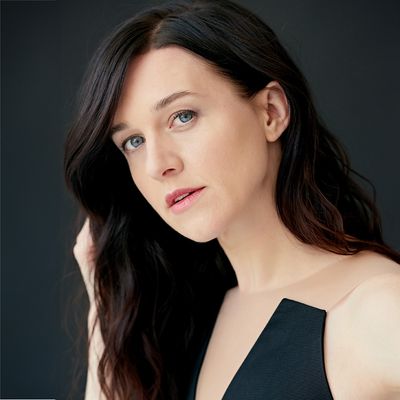
Tony Award-winning performer Lena Hall joins Heather and Alan for a wide-ranging and often hilarious conversation about discovering her true creative voice—literally and metaphorically... Read More
From the show: Was It Chance?
Guests
Featured Shows
About
Tony Award-winning performer Lena Hall joins Heather and Alan for a wide-ranging and often hilarious conversation about discovering her true creative voice—literally and metaphorically. From her roots as a ballerina bred by artistic parents, to reinventing herself after vocal surgery, Lena shares how a mix of chance, grit, and gutsy choices helped her chart a bold path in musical theater, TV, and rock music. Whether she’s fronting a band, redefining her Broadway persona, or belting out Radiohead in her latest TV role, Lena proves that creative success comes from embracing the unexpected—and never losing your sense of play.
You’ll hear about her journey through roles in Cats, Kinky Boots, and Hedwig and the Angry Inch, her stint on All My Children as a hooker-turned-potential-series-regular, and the life-changing audition that landed her a role opposite Jon Hamm in Your Friends and Neighbors. Lena opens up about perimenopause, social media pressures, creative burnout, and how she’s learned to stop taking rejection personally—well, mostly.
Key Takeaways:
-
Lena’s vocal transformation after tonsil surgery that unlocked a whole new range and sound
-
Why she left ballet and the Broadway grind to find a truer, edgier artistic path
-
Her surprising and circuitous road back to Broadway—and then into TV and film
-
How taking bold, creative risks (like bringing her own amp to an audition) led to breakout roles
-
The importance of having financial and creative buffers to survive the industry’s constant rejection
-
How Lena navigates social media with a “learned skin,” not just a thick one
Follow Lena:
- 📱 Instagram: @lenarockerhall
- 🎵 TikTok (or as Lena calls it, "ShitTok"): @lenarockerhall
- 📺 Watch Your Friends and Neighbors on AppleTV+
Connect with the Hosts & Show:
- 📩 Email us at wasitchancepodcast@gmail.com
- 🎧 Follow Was It Chance on your favorite podcast platform
- 📱 Connect with us on TikTok and LinkedIn
- ✨ More about Heather at her website, subscribe to her Substack and on LinkedIn, YouTube, and BlueSky
- 🎭 More about Alan via @theatre_podcast and check out The Theatre Podcast with Alan Seales
Transcript
This transcript was automatically generated and might contain errors.
[0:00] Lena Hall: I didn't look at anything. I just saw the sides. I read the sides. I connected with the sides. I read this what the what what the show was about. I read the character description. I think maybe I glazed and saw Jon Hamm was on it, but it didn't matter because I was not gonna book it, right?
[0:15] Alan Seales: Right.
[0:16] Lena Hall: And uh they were like, you they want you to they want you to do a chemistry check with John. They're gonna do it over Zoom because he's in LA. I was like, I don't know how it works, but fine. It's fine.
[0:36] Alan Seales: Some people don't exist on social media, and I go, how I am so jealous.
[0:41] Lena Hall: Jealous.
[0:42] Alan Seales: Me too.
[0:42] Lena Hall: Right.
[0:43] Alan Seales: No, it's a it's a necessary evil, but it's also really it makes you evil.
[0:49] Lena Hall: I think it has to a little bit because you have to look I don't know. It's an evil.
[0:53] Alan Seales: You know what doesn't though? This is weird. We have to start this show. But I started a substack like a week ago, and that has a totally different vibe. Like people it's new, and so maybe that's why.
[1:08] Lena Hall: New-ish, the notes app.
[1:09] Alan Seales: So not just where you put out a like a newsletter, but you have they have almost like a threads alternative with notes, but there's no character limit, or if there is, I haven't seen it yet. People are just nice.
[1:19] Lena Hall: Like it's just a place to go and like be creative and put your stuff out there and everybody cheers each other on.
[1:26] Alan Seales: Like, oh, that's a happy place.
[1:27] Lena Hall: That's nice.
[1:28] Alan Seales: It's gonna get ruined.
[1:30] Lena Hall: Just wait for Corporate America to come in and ruin it.
[1:33] Alan Seales: Yeah, probably. All right, should we start this show?
[1:36] Lena Hall: Sorry.
[1:37] Alan Seales: I'm not, you know, you're good. We I I'm you're you're in good company. Like this is gonna be a fun conversation.
[1:47] Lena Hall: Hey everyone, welcome to Was It Chance, where the podcast about embracing opportunity and taking intentional risk for your creative life.
[1:54] Heather Vickery: I'm Heather Vickery.
[1:55] Alan Seales: And I'm Alan Seales, and Heather and I started off as two perfect strangers, who then met by chance and embraced opportunities.
[2:02] Heather Vickery: I feel so perfect.
[2:03] Alan Seales: Well, we are.
[2:04] Heather Vickery: I think we're perfect.
[2:05] Alan Seales: We are as close to perfect as they come. So now you get to listen in as we chat with other successful people about the risks they've taken to put themselves on a path to creative success.
[2:14] Heather Vickery: And uh you've already been hearing a little bit from our guest already, because we've just started this thing where we just start shoot the shit with whoever it is, and now we eventually get to an intro.
[2:24] Alan Seales: Eventually.
[2:25] Heather Vickery: Eventually. Who's with who do we have here?
[2:28] Alan Seales: Who is that secret voice people are hearing?
[2:30] Heather Vickery: Who is well, they know it because they've read the title of the episode. But it's Lena Hall. She's a Tony Award-winning actress, singer, and songwriter, known for her fearless performances in and genre-defying artistry.
[2:41] Alan Seales: And she captivates Broadway audiences.
[2:43] Heather Vickery: She captivates Ted past tense. Broadway audiences as Yitzak and Hedwig and the Angry Inch, earning a Tony Award for Best Featured Actress.
[2:51] Alan Seales: And her range extends from the stage to the screen with standout roles in television and film. She starred in TNT's Snowpiercer as Miss Audrey, a sultry nice nightclub singer with a dark past and appeared in Amazon's Good Girls Revolt, HBO's Girls, and the feature film Bex, where she played a struggling musician reconnecting with her roots.
[3:12] Heather Vickery: And we don't mean her hair.
[3:13] Alan Seales: Most recently, she stars as Allie Cooper in the new drama Your Friends and Neighbors, continuing her legacy of bold, emotionally charged performances. Lena Hall, how are your roots doing today?
[3:25] Lena Hall: They look thank you. They were done recently, so you can't see the blonde.
[3:32] Alan Seales: Wait, wait, wait. Are you actually blonde?
[3:34] Lena Hall: Yeah, I'm a natural blonde.
[3:36] Alan Seales: Shut.
[3:36] Lena Hall: Ah.
[3:37] Alan Seales: My 18 year old daughter's a natural blonde who dyes her hair dark.
[3:40] Lena Hall: Yeah.
[3:40] Alan Seales: That's fascinating to me.
[3:42] Lena Hall: Um, yeah. You can't.
[3:46] Alan Seales: Let us in between the curtain. Anyone who's blonde out there who's thinking about dyeing their hair dark, you can't go back.
[3:53] Lena Hall: You when you dye your hair dark, you're done. You cannot reverse it. And so I've been dark ever since. And um actually I really like it. I think it it suits my face really well. Um I have like dishwater blonde hair.
[4:09] Alan Seales: So does my kid.
[4:10] Lena Hall: Dishwater. It's not cute. It's just not cute.
[4:13] Alan Seales: Um, but in the summertime, you know, if the if my roots are out and if I haven't like gotten my roots dyed and uh and the sun is out and it hits my roots, they were like white.
[4:24] Lena Hall: Of course.
[4:26] Alan Seales: Crazy.
[4:27] Lena Hall: Yeah.
[4:27] Alan Seales: Of course. That is that's super crazy.
[4:29] Lena Hall: And I I love uh actually I've uh we were talking about this a second ago that um let's see. What was the what was the original solo episode? Anyway, I talked to you on my solo podcast back in 2021, and you've done so much since then.
[4:47] Alan Seales: And then now we're gonna of course like get into a whole different topic and talk about you know, working alongside Jon Hamm and another some other crazy people. But manifestation and taking risks and very different from the theater podcast with Alan Seales.
[5:03] Lena Hall: So let's go back.
[5:05] Alan Seales: Yeah, let's do it.
[5:07] Lena Hall: Time machine, time machine.
[5:08] Alan Seales: Time machine.
[5:09] Lena Hall: Uh we're gonna go back to like when you were a a little Lena and which uh a blonde little lena.
[5:09] Alan Seales: Blonde little Lena.
[5:17] Lena Hall: Named Selena.
[5:19] Alan Seales: Selena, right.
[5:19] Lena Hall: Yeah, Lena's not your real name.
[5:21] Alan Seales: Oh, really?
[5:22] Lena Hall: Yeah.
[5:22] Alan Seales: Um, what where what risks were you weighing? What was in front of you? When was this? When you were like, I'm gonna start going down this creative path.
[5:32] Lena Hall: Yeah. Like when did you start thinking? Oh, maybe I want to be an actress. Like what presented itself to you?
[5:38] Lena Hall: So this show is all about taking intentional risk for creative success. And we do that before we're aware that we're doing it. You know, when we're little, like what did you say yes to? You were like, uh oh, here we go.
[5:49] Lena Hall: Well, I had no choice. When I grew up, I I didn't literally had no choice in the matter. I was born into ballet. So my dad had a core my dad had a company, my mom was his prima ballerina, and I grew up that. Wow. Grew up in the rehearsal studios, grew up backstage. Um I like my parents, they danced for uh the San Francisco opera, and so I was like when I was just like a newborn, my mom had me backstage, and then all of the great opera singers, they would come in the baby, you know, they'd want to they want to kiss the baby, and so and so I was held by some of the greatest, you know, opera singers of the time.
[6:38] Lena Hall: And uh, which wasn't intentional on my part, and um, and so I went into ballet because that's what I was you were supposed to do. Supposed to do, and that's what my parents had me be doing, and I was deeply in ballet for a really, really long time. Then singing happened accidentally. My sister was singing, and I always wanted to do what my sister was doing, so I started singing with her. One day when my sister uh was rehearsing with the girls' chorus to sing for the Pope.
[7:09] Lena Hall: Wow. For the Pope's visit in 1987. The Pope came to San Francisco. John Paul, we were just talking about all the popes of my lifetime. Of which I've only been three and I'm 50. So Pope John Paul II and he came to visit San Francisco, and um my sister was singing with the girls' chorus for for the presentation for the Pope.
[7:32] Lena Hall: And then my dad also choreographed this big opening thing for the Pope with all these ballet dancers, and my mom was one of the dancers, and then the there was supposed to be this trio of little kids, and um one of the kids had to bow out at the last minute, and someone had heard me during the rehearsal singing along, so they were like, Oh, she knows it. And so then that then I was in it on accident.
[7:58] Alan Seales: And so want to?
[7:59] Lena Hall: I you well, yeah, I mean, I I didn't know any better. I had no idea what I was doing, you know, performing for Pope John Paul the Second in front of 40, 40, 50,000 people at Candlestick Stadium. I didn't know that, and I've been chasing the dragon ever since.
[8:19] Alan Seales: Well, chasing the dragon ever since.
[8:24] Lena Hall: So then, like I liked singing, right? And so, and then ballet was kind of like, I don't know if I really am like into ballet. Um, so I made the decision to, you know, do something else that my sister was doing, which was musical theater with this like teen musical theater company that was like an after school thing.
[8:42] Alan Seales: So I did that, and then um gr when I gra I didn't take the SATs I graduated high school and I didn't know what I was gonna do with my life. And a friend of mine called me out of the blue and was like, Oh, there's an open call for cats, you should come. And I went and I auditioned, and I was 17. And then right after my 18th birthday, they called me, and that that was that was the beginning of my career.
[9:07] Lena Hall: So it really was not intentional. I was Demeter. Actually, well, I went on tour as a swing.
[9:16] Alan Seales: I thought you were gonna say Ace. I was like, there's no cat named Ace.
[9:20] Lena Hall: That's a different yeah, ace wing. Okay. Yeah. Yeah. That's like if that's like Top Gun meets cats.
[9:27] Alan Seales: Maverick.
[9:28] Lena Hall: Maverick Iceman and Ace Wing.
[9:30] Alan Seales: Yep.
[9:31] Lena Hall: Okay, go ahead.
[9:34] Lena Hall: And Mongo Jerry up there in the Jets.
[9:36] Alan Seales: Oh, yeah.
[9:38] Lena Hall: But stop. Mongo Jerry and Rumpelteaser would definitely be on a team.
[9:41] Alan Seales: Oh, right.
[9:41] Lena Hall: And Mongo Jerry would absolutely be driving the plane.
[9:45] Alan Seales: When he gets shot at, he's just not there.
[9:47] Lena Hall: Yeah, he's not there.
[9:50] Alan Seales: It could have been a three-hour conversation, Lena.
[9:53] Lena Hall: You could be right.
[9:55] Alan Seales: I'm telling you.
[9:56] Lena Hall: Once I'm not, I'm I'm telling you. I can talk.
[10:00] Alan Seales: Um okay, but I'm curious. You didn't have a choice. Ballet was given to you, but then you decided like, I don't think I want to do that. How did your parents handle that?
[10:11] Lena Hall: They didn't let me quit. So they were like, they were like, Well, you don't have to do it like you were, which was like two classes a day every day, no nonstop. It was just nonstop.
[10:23] Lena Hall: It was training, it was full training. I was in Cannes, France, on full scholarship at a at a at a ballet place with my dad. So it was a it was it was my destiny, right? I was born to be like a ballerina. I was bred like like a show pony, right?
[10:41] Alan Seales: And yet you're not a ballerina or a show pony.
[10:44] Lena Hall: I am a show pony.
[10:45] Alan Seales: You're out the roles you take, the way you can sing is like the complete 180 from all of that.
[10:53] Lena Hall: I don't know. Because you got a rock voice. You play some out there characters, which I love. I love going there.
[11:00] Alan Seales: And well, no, I'm gonna I'm gonna get there because it's a choice. Like when you show up to an audition and you just play something that is completely unexpected, that is a creative choice. But we'll we'll get there. But like when you were singing, you're doing standard musical theater. Cats is I'm gonna call it standard.
[11:18] Lena Hall: So then when are you realizing with Top Gun the Musical? When are you realizing that you're like oh shit?
[11:25] Alan Seales: You guys gonna co-produce those?
[11:26] Lena Hall: Yeah, yeah. Yeah, I think we should. With Kenny Loggins.
[11:30] Alan Seales: You should most definite or when when did you realize you were like, okay, I can sing different. I've got this special talent, and I'm gonna lean into that.
[11:40] Lena Hall: Ah, so that's complicated. Um I had you know, a good singing voice when I was younger doing musical theater. I had a good enough voice to book Cats National Tour and to be a cover for Jenny and E Dots, Bomb Ballerina, Demeter, and Cassandra.
[12:05] Lena Hall: Um, and I was good enough to be moved into the role of Demeter on on the tour, and then I was good enough to be transferred to the Broadway show. All of this, by the way, I didn't, I never asked. It happened. It wasn't something I was like, hey, I heard that the person is leaving Broadway. Could you maybe consider me? Like, literally didn't. It was such a shock.
[12:31] Alan Seales: It was a shock.
[12:32] Lena Hall: So it was just embrace chance after embrace chance after like the opportunities were yours. You don't know how you don't know why. You just said yes.
[12:37] Alan Seales: It just I just said yes.
[12:40] Lena Hall: Yeah. And also what's interesting is because at the time I was not focused on I had I had no intention of making this some kind of a career. It was almost like I I couldn't even imagine how this could be something sustainable as a job.
[13:01] Lena Hall: Do you know what I mean? Like I was like, maybe I'll be a therapist or something like that since I'm interested in the site. Just not a dancer.
[13:06] Alan Seales: Or maybe just not not a performer, no, because it was like to me, it was just like not a vibe. Even though my parents were doing it and were quote unquote successful. We we had a lot of art in the house, but not a lot of money.
[13:21] Lena Hall: And I remember being like, Well, I want a job like my friend over there whose house is like totally different than mine. You know, they've got all the the everything's put together. They're like an accountant or something. Like, maybe I want to be that something a little more stable, like not like the chaos of my house and my family.
[13:38] Lena Hall: And the art the art, you know, I I was embarrassed by my family in my house when I was a kid. I am now I look at it and I'm like, damn, that's cool.
[13:50] Alan Seales: It is pretty cool.
[13:52] Lena Hall: Not a chance are cool, you know. Whereas like the house I wanted to live in was beige.
[13:59] Alan Seales: Why do you have to be the center of attention all the time, mom?
[14:03] Lena Hall: Right. I imagine I imagine like the these, I mean these stereotypical like b dancer ballerie brina uh ballerina um like Moira Rose, sort of walking in, Nina, I pick up your toys.
[14:17] Alan Seales: Sort sort of, but it but you want to sprinkle a ton of hippie into that, lots of acid, lots of lots of that into there, into the mix.
[14:28] Lena Hall: There they were acid-taking ballerinas.
[14:30] Lena Hall: When did you first know they were hippie druggies?
[14:34] Alan Seales: That's a good question.
[14:35] Lena Hall: Right?
[14:35] Alan Seales: Yeah.
[14:36] Lena Hall: Uh pretty early on, I would say. But like to the to the singing point that we were trying, whatever the question that was, which I can't even remember. Anyway, right. So um, so it was just kind of like um it it happened. So I had a voice, like I had a fine voice. It was a good voice. It was enough to get me on Broadway. But from the age of eight on, I always had these huge this is gonna take a turn in a space you do not know. Okay. Giant tonsils in the back of my throat. And they were so big they touched, and it looked like I had two testicles just hanging out of the back of my throat.
[15:13] Alan Seales: What?
[15:13] Lena Hall: Yeah. My daughter, my daughter was like that.
[15:16] Alan Seales: Yes, okay, so you understand. And then as an adult, they got so infected all the time. I was constantly sick. But I never had strep. It was always just I'm sick, I have a fever. Like every month I was sick. And I would go to ENT after ENT, and they would look at me and go, Well, if you haven't had strep in like a bunch of times in a row, there's nothing we can do.
[15:37] Alan Seales: But why would they not take your testicles?
[15:38] Lena Hall: Yeah, why would they just not yank yank those testimonies?
[15:41] Alan Seales: Because it's not what they would do.
[15:42] Lena Hall: They they were not taking t testicles out and test tonsicles out. They were not taking those out um if you didn't have chronic strep.
[15:57] Alan Seales: Wow and so um so you couldn't breathe you probably snored like I'm thinking about all the issues my kid had yeah like all of those um I was able to this is so disgusting but we're friends here we're friends I was able to take like the end of a bobby pin and dig out like these stones tonsil stones yeah it was so the smell was horrible I mean it was awful it was awful and so I'm too also glad you know that I'm never ever gonna be able to watch your friends and neighbors the same again I'm gonna think about you taking fun fact so um so like this is into my fourth Broadway show now so I do cats I do 42nd Street I do some tours I do some off rawway I do the the most incredible musical Dracula the musical on Broadway Tarzan the musical on Broadway um so it was in rehearsals for Tarzan that like they were really bad super infected all the time and where we were rehearsing we were rehearsing in a warehouse where they were building our sets as well as we were rehearsing there.
[17:14] Alan Seales: So dust so all of the construction stuff it was like they were red my tonsils were red and porous and awful and like I was having vocal issues I couldn't sing like all this stuff. It was a real problem. We're gonna take a quick break. Stay tuned for more of the episode.
[17:33] Lena Hall: And now we're back. And then uh one day I looked in the mirror and there was this gets gross. Um, there was a like a balloon of blood hanging off of one of the tonsils. And so I was like, remove them.
[17:50] Alan Seales: Yeah, it went up to Schuler Hensley. And I went, Shuler, does this look weird to you? And I opened my mouth and I shit, you know, it was like a little girl screaming like came out of his mouth. He was like, Ah He was like, Come with me. And we went directly to Tom Schumacher, the producer, and Schuler was like, Look at this. And Schuler made me like open my mouth in front of not a sexual, you know, this is not not a cancel thing. Uh in front of Tom Schumacher. It was not in a for a food. Who is the head of Disney Theatrical Group, by the way.
[18:30] Alan Seales: Yes.
[18:30] Lena Hall: Yeah. And he looked in my throat and he was like, Oh. And so they were like, We are getting a doctor now. So they called a vocal specialist. I had never been to a vocal specialist before. I had only gone to regular ENTs. The vocal specialist that day. She looked at my throat. She went, You're a singer? How? How do you sing?
[18:49] Alan Seales: Yeah, how are you a singer with that in your throat?
[18:54] Lena Hall: Um, and so I got them removed. Um, but they were like, All right, we're gonna give you the six weeks off that you need to have your tonsils removed, but you have to wait until after the Tony Awards.
[19:06] Alan Seales: Oh, so you didn't get to open for Tony's Wow Tarzan was not on the Tony.
[19:10] Lena Hall: Oh, right. I was Tarzan. Yeah. So, you know, it was in the hope that we would get any kind of Tony something and do a Tony performance, but because the show wasn't even nominated. There you go. Not so much. So I waited and then I got my tonsils removed in uh June and into July was when I was um uh recovering. Because my tonsils were so big and I had been singing against so much pressure for so long, it completely opened up and changed my voice.
[19:42] Alan Seales: I'll bet it's a thousand percent to which to where I really had to figure out how to sing again. It wasn't that I couldn't sing, and what was interesting is anything that I sang again that was from before the surgery, it was stuck in my chest because that's where I was used to singing it. Whereas anything new I sang was like free. It was just kind of around my head in this space. It wasn't a head voice, it wasn't a head voice because I had a head voice and I had nothing in between the two, right? It was like either heady or chesty.
[20:20] Lena Hall: It was not in between. So then I uh immediately joined a random band.
[20:28] Alan Seales: Of course you didn't because one of the things.
[20:30] Lena Hall: That's of course what you were supposed to do. But with a bunch of non-professional musicians who liked to rehearse like they were giving a show, like uh volume at eleven, and also they weren't ones to change a key, and they always wanted to play an open key, so everything was uber high, uber loud, and I had to figure out how to sing over all of this and and do that. And so I think it was the combination of getting my tonsils out and having a new canvas, a new palette basically to play with, and then joining something that was that difficult to like navigate vocally, um it gave me this like this second chance, I guess, at creating a new voice.
[21:16] Lena Hall: And so I spent years trying to appease these guys in my band because they would make fun of me and be like, you sound too musical theater. We want you to sound like Axel Rose, or like Lemm Me from Motorhead. I'm like, how am I gonna sound like Lemmy from Motorhead? If anyone listen, you probably don't listen to Motorhead, but it just find motorhead, turn on a song, and you'll you'll laugh. But Axl Rose, you know, was kind of like we want you to sound like Axl Rose, or like Bon Scott from ACDC, the original singer of A C D C.
[21:47] Alan Seales: Yeah.
[21:47] Lena Hall: And um, I was like, I was like, okay, you know, fine, you know, and in an effort just to shut them up. I learned how to, I figured out how to bring grit into my voice and make it sound cool as well as singing incredibly high and incredibly loud just to sing over their guitars and in the key that they wanted. So it was this, you know, it was like, I don't know, it was like I was like, I just want to shut them up. And I did. It worked.
[22:22] Alan Seales: Yeah.
[22:22] Lena Hall: And so, and then, but by doing that, it created this. I was like, oh, I think I have this thing that I found that no one is like kind of like has the it's like we get stuck as singers, you get stuck in a certain way of singing, like that's how it's just always supposed to be. But there's so many different colors to a voice, and there's so many different ways you can produce sound out of your body.
[22:47] Alan Seales: Sure.
[22:48] Lena Hall: Find different orifices. Yeah. I'm just waiting. I'm just waiting. And um, and it it was like it reset the whole thing for me. The that surgery. It was like a big reset. And it was like, okay, now you now you get to play, and now you get to like try different versions of your voice and try different ways of singing, and try, you know, different feeling different places of your voice and just playing with where the sound is coming from. And I I think that a lot of people are too afraid to do that because you get you're like, oh, this sounds good, so I'm gonna sing like this all the time. And it's like, well, no, you you don't have to. There's many, many different ways to produce sound. There, and and also I feel like a lot of people are too scared to find their own voice. It because the sound of musical theater has become so like it has to sound like this, and it becomes so homogenized that they're scared to be outside of the box.
[23:46] Alan Seales: So there's very few singers that you're hearing come out of the way that this kind of sound has been created over the the past couple decades of this like typical Broadway voice. And so a lot of people are trained to be this typical Broadway sound, the ping, you know, it's like it's like the Christian Chenowith or the Idenum Menzel of it all. And so everyone now is starting to try and emulate these sounds, right? Especially like the and the men too. It's like these vowels and these certain consonants, they're all the same. I'm like, guys, there's 8,000 ways. Yeah, a cat, right? Like, let's let's try something. Can we try something else?
[24:32] Lena Hall: So, what happened was like I got out of musical theater and and I joined this rock band, and I had just had the surgery, and it was like the sky's the limit here. Here are all these singers that you know you can emulate. Not only that, I was a huge fan of all of the like hippie rock that my parents were had were listening to when I was growing up. So I had a lot of Janice Joplin influence, and I really wanted to like emulate that. And that's very based in our um in rhythm and blues, the soul, and and you know, that I always connected with no matter what, from even from a very young age. Um, because I that's what I was exposed to by my parents. Was that hit like the 60s rock, 60s, 70s rock and the weird stuff too.
But this chance that I got was like it was like a new shot at something that I had thought that I would had could do, and it was like, no, you don't know the half of it. You don't know how far you can take it even. You got you get a whole brand new voice out of this.
[25:32] Alan Seales: That's what I'm saying. I found I found my true voice from did you think about leaving theater after this? Or was it like I have to reinvent theater?
[25:42] Lena Hall: No, no, it was I actually was frustrated. It Dracula the Musical was a difficult experience, and then Tarzan the musical was also a difficult experience. So I had two difficult experiences in a row, and it made me kind of go, what do I why am I in this and what do I actually want at this point? Because was because I was looking at it like I'm complaining about being in a Broadway show, and most people would die to be in my shoes right now. Where's the disconnect? Why am I unhappy? And that was kind of when I was like, I think I'm gonna try and like shift my perspective and figure out who I want to be in theater or who I wanna be and what I want to do as far as like creative job is concerned. And that was a big shift because if like let's say Tarzan was like the greatest experience ever, right? And I was like so happy. And like I don't think I would have had the the realization that I was missing um the intention of what I wanted to represent in the industry.
[26:50] Alan Seales: Hmm kind of my journey in the industry, instead of just yeah. I was on a I was on the path, but I didn't choose the path, and then it Tarzan was it shifted me to choose a path instead.
[27:03] Lena Hall: So you you shifted your path. I was looking at the dates here. So Tarzan was 2007, it closed. And then the next show you did was kinky boots in 2013.
[27:18] Alan Seales: Right.
[27:18] Lena Hall: So you got six years there where you're rocking out.
[27:23] Alan Seales: Yeah. And then so where what made you go back to to kinky boots?
[27:28] Lena Hall: Because kinky boots then, of course, then headwig, which is where you got your Tony.
[27:33] Alan Seales: Right.
[27:33] Lena Hall: You're like, that's it, I'm done. TV real for me.
[27:36] Alan Seales: Well, that's also complicated.
[27:37] Lena Hall: But um we got a few minutes.
[27:40] Lena Hall: Yeah. But so what I did in 2000, so so when Tarzan closed, it was like it was like, who am I what am I like? What do I want to represent? Do you know, do I really want to be doing what I'm doing, or and why am I unhappy doing it? So I gotta figure this out. Uh, where does my happiness in this world lie? And so I was doing the band, and then I was like, you know what? I always really wanted to do TV film, even though it was because I wanted to marry Jonathan Brandis.
[28:12] Alan Seales: Who didn't?
[28:13] Lena Hall: I was straight and I wanted to marry him.
[28:15] Alan Seales: I know, right?
[28:16] Lena Hall: Yeah. Um, but I was like, it used to be like what I what I had wanted to do the most was do TV film back in the day. Like back when I was like 11 years old. Like that was like what I wanted to do. Because it wasn't an intentional set. It was I'm going with the flow of this. Do you know what I'm saying?
[28:36] Lena Hall: Yeah, I love that. Like you just ride the wave of chance.
[28:39] Alan Seales: That's beautiful.
[28:40] Lena Hall: So um, so you know, but I was like, TV film, I really want to get into that because I want to marry Jonathan Brandis, even though he had passed. Um and I was really sad when I've learned that. It felt like my childhood had died. And Sequest was like a great show. I loved Sequest.
[28:56] Alan Seales: Okay.
[28:58] Lena Hall: Oh my God.
[28:58] Lena Hall: So yeah, so I was in this band and I was doing the band and I was, you know, banging my head against the wall, trying to like get these guys to think I was cool. And then I was doing every like any kind of like student film I could find. I was like auditioning for student films and just trying to get comfortable in front of a camera. Like that was my main thing was at this time I was like, all right, I want to get comfortable in front of a camera. I need to suck and I need to suck quietly somewhere. So I'm gonna suck quietly doing, you know, student films, student films. And they're out there somewhere, and that's terrible, but you know, it was a good learning, like to get in front of the camera. And then I did some auditions and I booked a guest star on All My Children.
[29:52] Alan Seales: Nice to that'll pull your chops out for sure.
[29:58] Lena Hall: To play a hooker. But actually it was originally the role. The role was to play Trina. Her name was Trina, and she was an actress hired by this guy to pretend to be a hooker. She would pretend to be a hooker, and then she would get to frame someone to ruin their marriage. So that and then, you know, she gets paid for that. And so I came in and I was like, and for my audition, literally, it was no no fucks given. For my audition, I was like, I was like, well, she's an actress, right? And it said in the breakdown, a comedic actress. I was like, great, okay. So she's an actress, so she would probably like play a part, you know, for when she's pretending to be a prostitute, and also this footage exists out there.
So for my audition, I went in and I was like, all right, to decipher the two, you know, I'm gonna have a horrible southern accent when I'm the actress, and then I'm just gonna play kind of like myself when I'm not when I'm pretending to be a prostitute. I'm gonna have a terrible southern accent. When I'm just the actress, like the person, I'm just gonna play kind of myself. And of course, casting was like, she's fabulous, she's booked. It was one episode, and it turned and okay, so the writers, they were like, We love her, and so they had me return for nine episodes.
[31:20] Wow.
[31:30] Lena Hall: And they kept writing me back, but they kept writing me back, and she no longer was an actor, she was just a prostitute. Oh, and like she and then it was like in the span of like nine episodes, she went from being an actress just making a buck, you know, not knowing, to like being a prostitute to like, you know, trying to set someone else up to make money on something, like blackmailing someone, to having kids to like to becoming then to being like sort of cleaned up because they were like, we really want to keep you, you know. When you have hair and makeup and cut and wardrobe being like, so we hear they like your character a lot, you might be made into like a regular. I was like, uh oh. I was like, well, I can't say no, because this is that would be kind of awesome, right? And then literally, literally the next week they fired all the writers.
[32:26] What?
[32:27] Lena Hall: So I could have had a longstanding job on All My Children, but do you feel like maybe that's an opportunity that passed you up for all the right reasons?
[32:38] Yeah, because you can't say no to that, and it would have locked me in for a long time.
[32:44] Lena Hall: Oh, yeah, yeah. And they were five days a week. I mean, that is some intense, it's hard work, that's hard, yeah. And I don't know how they do it. I mean, I was like perplexed. I was like, how do you memorize all this stuff like so fast? It just becomes a thing. And what was really fun to watch though was after the first episode. Oh no, it so so I got so the first episode aired, it was fine, and then they were like, We're bringing you back. I was like, Oh, and then I did two more episodes, and it was like you were just introducing you as just a hooker. It's fine. I was like, okay, fine. And then I did it, and I was like, and I watched it and I was like, I did okay, actually. That was okay. And so then I went back and they were like, She's back again.
I was like, Great. And so then I had a little bit of confidence, which was not a good thing. Because the acting is like when I have confidence in the character, my acting chops took a hit. And I watched and I was like, God, that's bad. And then I went back, I was like, all right, I'm humbled. Okay, we'll do the rest of this. But it was a great learning experience because you kind of see me get some like oomph.
[33:53] Alan Seales: Now, has that been consistent for you when you get really comfortable in with a role, especially a TV film role that you don't think you're performing as well? Does that still happen?
[34:05] Lena Hall: Um well it was more like it was more like um it was more like oh I'm I'm good than going in and being like, I'm a good actor, you know what I mean? I don't know how to even explain it. So instead of it's almost like I need to have no confidence and then it's good. It's because it's almost like it's almost like if I'm just humble and I'm like, I'm just gonna tell the story, right? I'm just gonna do these lines, I'm gonna do this the best I can. I'm just gonna relax. Maybe that's it.
[34:40] Alan Seales: Yeah, yeah.
[34:41] Lena Hall: Yeah. If I'm not relaxed and I'm like, I'm acting, it's so bad.
[34:46] Alan Seales: You are you must have no confidence in your role and your friends and neighbors because you're pretty phenomenal. You're really great.
[34:53] Lena Hall: That's true. Like, what how did this fall into your lap? And what made you decide to go down this path particularly, aside from Jon Hamm?
[35:06] Alan Seales: I know. Or maybe it was Jon Hamm.
[35:07] Lena Hall: Well, it's a great part. Yeah. I didn't even answer the previous question. We got stuck on Trina the hooker, but um, I don't even remember what the first question was. We'll go back to it. In between In Between Tarzan and Headwink.
[35:22] Alan Seales: Kinky Boots.
[35:23] Lena Hall: Oh, yeah. Kinky Boots. Oh, yeah, that's right. Well, I decided that I was gonna only focus on things that I felt like would support what I really wanted in the industry. So I ended up doing something called Prometheus Bound, which was written by Serge Tankian, who is the lead singer of System of a Down and Rock and Roll. And then I and then there was another one that was all the music of Jeff Buckley to Romeo and Juliet, Shakespeare's Romeo. I did that because I was like, I was like that also rock and roll. Like it was supporting what I was interested in and what I loved and what how how I wanted to be represented, which I was I felt like I was more on the lines of doing something more edgy, maybe more thoughtful, not as commercial theater.
We're not even gonna mention Legal Evil on the search for the next El Woods, because that's completely against this, but um idea, but it was thrown in there. TV film. I was TV film, I was trying to do TV film. Anyway, so so that's how I ended up in Kinky Boots was because it felt it felt a little edgy at the time, and also Cindy Lauper rock and roll. I wanted that to kind of be a match that people would go to in their minds when they thought of when they thought of me, they would think edgier and not not traditional Broadway Broadway theater, which is like 42nd Street, which is what you know what I mean. So anyway, uh, so that that was the journey to Kinky Boots. It was like it was like not saying yes to anything because I did get some offers for some shows, like some Jerry Mitchell shows to play ensemble covering leads, and I was like, no, no, no. I just I waited and I I waited it out, and I was like just saying yes to things that supported like Toxic Avenger off Broadway, like which is rock and roll, right?
And or like an edgy, and like there was another show called Rooms, a rock romance that I understudied for, and that that was like Scottish and it was edgy, it was punk rock or whatever. It was like theater punk rock, but still it it supported this idea of what I wanted for myself more than just doing any Broadway show.
[37:34] Alan Seales: We're gonna take a quick break. Stay tuned for more of the episode.
[37:36] Lena Hall: And now we're back.
[37:40] Alan Seales: But I think that's so cool, Lena, because so many people will take any job that's put in front of them because they think they have to to be a working actor. Is that like a thing? Is that like a thing you're just born with? Like, nope, I'm only gonna do the things that I really want to do, or did you have to like was that easy for you? Was it hard to say no?
[38:01] Lena Hall: It's very hard to say no if you don't have some kind of a financial cushion.
[38:06] Alan Seales: Right, right.
[38:07] Lena Hall: Yeah, and I was lucky enough, like when I moved to New York to do Cats in 1999. I bought a two bedroom apartment up in Washington Heights before anyone was living up there, and there was like nothing but dry cleaners. So you and Lynn Manwell.
[38:25] Alan Seales: And yeah, exactly.
[38:26] Lena Hall: And um, and then I sold it right before the market crashed in 2008. So I had a financial cushion where I could actually say no to things, and it didn't matter. I didn't need the jobs. There are people who are not as lucky as I am.
[38:42] Alan Seales: Yeah, yeah.
[38:44] Lena Hall: And I totally acknowledge that. And what I my best advice to people always is like, theater, it's gonna be there, and you can you can absolutely do it. You know, find something that can sustain you financially while you're dealing with the struggles. So you don't need the job to survive. You want the job to emote to express to create. And that way then the right things will start to come about. Because if you're just saying yes to anything because you need the money, then you can't get specific to what you really want to do in the industry.
[39:23] Alan Seales: Right, right, right. What but what about the band? I mean, we we all know now that they moved on and became Coldplay, but like why?
[39:31] Lena Hall: I'm kidding. I was like, wait, really?
[39:37] Alan Seales: No.
[39:37] Lena Hall: Okay, hold on. Chris Martin replaced her.
[39:39] Alan Seales: Yeah, yeah.
[39:41] Lena Hall: Can you imagine? He's still not as good. But no, like why leave the band or did the band dissolve and like but when you were going back to Kinky Boots? I know you said that you were like doing this the things you said yes to things that it give you the creative fulfillment, but the band wasn't doing it for you.
[39:55] Lena Hall: No, the band was actually. That's what kept me going in the industry was because I had this other creative outlet that had nothing to do with TV film, nothing to do with Broadway at all. I got to call the shots over there-ish, you know, um, with my band, and we got to play shows and I got to be creative and I got to do big creative things with no not waiting for someone to give me a yes or an approval um or do someone else's creative idea. I didn't have like I was the painter. I did, I wasn't, I didn't have to be the paint, I was the painter, right? I love that. So for me, the band was crucial in that time period because it gave me a big creative outlet. So I could be frustrated in the industry and it didn't hurt that bad.
I had the band and I had a little financial pillow, so I could say no to things. I could get frustrated with not getting cast in things, and it wouldn't bring me down. I could keep going. The no's were not going to break my spirit because I had other things to be creative with. That's another like one of my big tips, too, if anyone ever asks me for for those who are just getting into theater or or struggling creatively or struggling with the industry. It's like you need some kind of financial something that sustains you so you can get no's all the time and you're not reliant on a job. So you can really focus on where you want your business to go or where you want your brand to be in the in the industry.
And then two is have a creative outlet outside of the industry so that you have control and can be creative in ways that will be fulfilling because the industry, even when you're doing well in the industry, can be non-fulfilling creatively as well. So you know, it's always important to have that other outlet.
[41:49] Alan Seales: Well, what do you look for outlets now? I mean, obviously now, let's go back to the other question that we didn't get to.
[41:55] Lena Hall: Like sorry, I didn't get to that one, yeah.
[41:57] Alan Seales: Yeah, yeah.
[41:57] Lena Hall: Your friends and neighbors, like, is this this is are you doing TV and film and doing this great stuff because you are just filling time for a bigger thing, or is this giving you that creative success, that creative fulfillment now?
[42:11] Lena Hall: So with TV film, God, again, like a this is a really complicated question. Of course, everything is many, many different layers, and everybody's experience is wholly different. For me, TV film is not a largely fulfilling creative outlet because only because I I get to do it so little. So, you know, I'm filming this TV show for five months, right? Everyone's like, oh, it's so hard. I'm like, nah, no. I have the life. It's so easy. Like, oh my God. I go and I film scenes once or twice a week in that five months. Wow. So, you know, and while filming, when I'm on set filming, it is very fulfilling, very fun. And also kind of, it's a great brain um exercise because you're kind of putting a puzzle piece together. It's different than theater. Theater is linear, whereas filming TV is more, you go out of order. So you have to go, okay. So if I'm coming in and we're filming that a week from today, I need to figure out what I'm feeling from that scene into this scene.
[43:28] Lena Hall: And then I need to remember that for when I film the entrance next week. Right? So it's like so out. So you so it blends so it matches. Yeah. I'm still working on that. That's hard. That is hard. Like I'm still working on that piece of it to get more comfortable with that. But when I'm on set, obviously, like when you're on set and you're there and you're doing it, and there's that collaboration between you and the other actors, and the person behind the camera, who's working that camera, that person becomes part of the scene because there's this interesting symbiosis when your camera operator is right there in it. I can't even explain it, but it becomes like a dance with all of you, and I love that.
But I only get to do that maybe once or twice a week, and you know, they film all my scenes in a day, and you're like, Well, I guess I'm done with that episode, you know. What are you doing with the rest of your week? Right, exactly. So then I have to fill my time with things that bring me creative joy, other projects. So, um, writing albums, um, doing music, performing shows. I did a show with the Houston Symphony Orchestra, because I was like, I have a dream of singing all the Bond themed songs with a giant orchestra, and they were like, Yes. So I did that, and that was like amazing and like a fulfilling thing. And you know, I'm producing some concert of an old show that I want to revive, and I had been writing for a while, but then the writing kind of stopped because I got totally my life, you know, but a lot of personal things happen that just like my the writing creativity, perimenopause being one of them.
[45:23] Heather Vickery: Oh I am unfortunately incredibly intimately familiar with that nightmare.
[45:29] Lena Hall: Yeah, so you know, for me, like, you know, the filming TV film, like filming Snowpiercer and filming Your Friends and Neighbors, it's um, it's a joy when I'm there, it's so painful when I'm not because I wanna be part of you know, you wanna be a part of the create like it's your it's fun, but of course you can't like like I have to fill my life with other things, which is a change too for me because I'm used to eight shows a week, you know. Sometimes you have to go in in the day and rehearse and then do another show, like you know, like so I was used to that eight show week grind being my life for so long. And then when that grind kind of stopped and it was this adjustment, I was like, I don't know what to do with my life. Like, I feel like I'm not working and I'm not accomplishing anything, but I am it's just different. It's just a totally different thing.
[46:28] Heather Vickery: Yeah. Um, what is the chance that led to Your Friends and Neighbors?
[46:33] Lena Hall: Audition. Good old fashioned self-tape. I had been putting myself on tape for tons of stuff, nothing was sticking, I wasn't getting callbacks, nothing. And I was in a really dark place and I was really ready to throw it in, throw it in the towel. So at this point I was doing self-tape after self-tape, and I was just like, whatever, whatever. I'm just gonna do it, who cares? Like I weren't cocky, not cocky. I was not sitting there mulling over these self tapes, going, Oh, I could do it better, oh I could do better. It was like second take, third take, done, send it out there. I don't care. Not gonna edit it. I'm not gonna do any, I'm just gonna send it in. I'm not gonna put a header down at the bottom.
I'm not gonna like, you know what I mean? It is what it is. You know, fuck it. You could say fuck it. Fuck it. And then they called me and they were like, Hey, we they want to do a chemistry check with you and John. I was like, for what? Because I didn't really, I was like, I just put myself on tape for all of these things in a row. There were so many going on. I was just like, which one? Which one was it? I didn't even look where it was filmed. I didn't look at anything. I just saw the sides, I read the sides, I connected with the sides, I read this what the what what the show was about. I read the character description. I think maybe I glazed and saw Jon Hamm was on it, but it didn't matter because I was not gonna book it, right?
[47:24] Heather Vickery: Right.
[47:24] Lena Hall: So I was like, what? And they were like, you would they want you to they want you to do a chemistry check with John? They're gonna do it over Zoom because he's in LA. I was like, I was like, I don't know how it works, but fine. And we did the scene together, and you know, the director was gave me some notes, and then we did another scene, and you know, and then the director gave me more notes, you know, and I took the notes and I did the scene again and I did the scene again, and I was only in the Zoom room for maybe half an hour, and then that was it. They were like, great, thanks. I was like, well, fuck that up. Like, not gonna get that. You know, it's like, how do you gauge that? You're not in person, there's no real feedback.
Like, how do you know? Like on a computer, you can't you can't feel a person's energy. You literally can't. So, you know, I couldn't vibe with whether John was feeling me or not. Like, like you know, I don't know. Maybe he was just like, She's annoying, fuck that. And next, you know what I mean? Like, I don't know. Lucky for me, Jonathan Trapper is very compassionate towards his actors, and he called me half, let's see, an hour after I got off the Zoom, and he was like, Congratulations, you got it. Don't tell anyone. Act surprised when your agents tell you. I was like, okay. He's like, because I don't want you to sit there and think that you were bad and mull it over, and then like two days go by and you think you didn't get it. He's like, I just want you to know you got it. I was like, okay, thank you so much. Like that was amazing.
[49:40] Heather Vickery: What are okay, okay, okay. But so many questions.
[49:44] Lena Hall: Yeah, so many questions. Um, the one of the first ones I asked was like, what gives you the chutzpah to go and kind of go off the wall with some of your acting choices? Because I think I'm always worried about like myself going too far and acting like a fool, but sometimes you gotta do.
[50:08] Lena Hall: I'll tell you right now that you can pull an actor back, but you can't make an actor bigger.
[50:15] Heather Vickery: Oh, that makes a lot of sense.
[50:17] Lena Hall: So basically, um, what you want to do is every audition, you just want to make a strong choice. Whatever that strong choice is, you want to make it a strong choice. It does now, strong doesn't mean you're making strong acting gestures, you know. It's just a strong choice for the character. It's kind of like the strong like the strong choice of what I did for Yitzhak, which was when I went on an audition for Yitzhak, which I knew I knew Yitzhak was a stage hand in the show. Right. And so I was like, uh, well, I'm just gonna, I brought my own guitar player to my audition. I brought an amp with me, a guitar amp, a loud guitar amp. So I had an electric guitar player with me with an amp. And they called my name, and I had him go in first with the guitar, and I came in behind him with the amp.
I put the amp down, I plugged it in, I plugged him in, I turned on the dials, I had him play some chords, I made sure it sounded good, and I went, You good? And he said, I'm good. And then I auditioned.
[51:30] Heather Vickery: So it was to you had made a whole statement before you started.
[51:33] Lena Hall: Yeah, it was the bold choice or the bold choice in my final callback for Yitzhak, where they were like, just tell a short joke. And instead, I wrote an entire monologue of the backstory of Yitzhak and how he came to New York and wanted to do Rent and started a Kickstarter campaign to bring Rent back to Broadway so he could star as Angel in Rent. Have you not seen this video?
[51:54] Heather Vickery: No, I did a Kickstarter campaign video for it.
[51:57] Lena Hall: Yes.
[52:02] Heather Vickery: In character.
[52:01] Lena Hall: I didn't put it on Kickstarter, but it was a video for Kickstarter.
[52:06] Heather Vickery: Please send it to you. Can we find it on YouTube?
[52:08] Lena Hall: It is on YouTube. No, it's on YouTube.
[52:09] Heather Vickery: Okay, I'll find it.
[52:10] Lena Hall: And um, but yeah, so it's like go bold or go home. Make a bold choice for whatever the character is and do that. Like for girls, for example. It's like I had to do an orgasm scene and and cry after the orgasm, right? And this is a scene I had to do in the audition on like a wall in person in the room.
[52:34] Heather Vickery: Which is a casting agent though.
[52:36] Lena Hall: They're like, oh god.
[52:37] Heather Vickery: I know, right?
[52:38] Lena Hall: But another one of these.
[52:40] Heather Vickery: Right.
[52:40] Lena Hall: But you're like, I gotta, you gotta figure out a way to make it work, memorable. And and do some strong choice. Sure. Yeah. And so basically what I did was, you know how um how yoga instructors, when they're like counting down a pose, and five, four, three, two, release. You know, like, because she's a yoga instructor. So I was like, I'm gonna count down my orgasm. And so I counted down the orgasm, then I had it, and then I cried.
[53:13] Heather Vickery: That's amazing.
[53:14] Lena Hall: So how much thought do you put into this? I mean, I first of all, I love it. I think it's brilliant. Like it doesn't really matter what statement you make, you have to make a statement. So what's your process for deciding what statement you're gonna make when you go in for an audition?
[53:28] Lena Hall: I think it's the how how ballsy I'm feeling and um how testicle. Wait, test what what's our word? Test on testosticles. How testacals you're feeling. And um, well, the so it's it's written on the page. So if the page is inspiring me, that's what is gonna come out, you know. So I the minute I'm like, I'm like, well, what do they want? Or who's played it before? I'm done. I'll never get it. If I just go with my instinct on the on the way the scene is, then I will have a much better time with the scene, even if it's totally wrong and I don't get it. Make making the choice that you're first comes to you is the best thing you can do. And just go for it. And it's if it's wrong, you're strong and wrong.
It's better that than being like, well, they say they want a Scarlett Johansson type, but I'm not really that. So maybe I should like pad my boobs and be a blonde. And you know, we get really literal in our heads, but you know, just make a strong choice. You're not gonna book 99% of the things that you audition for. But what you can do is you can make it fun for yourself. And really, if you make a bold choice, you know, they were gonna notice that and they're gonna remember.
[54:47] Lena Hall: And so for for Allie, I think the boldest choice I made was A, when I read her, she felt childlike almost to me. I can't see that. Extremely vulnerable, but very childlike and very no nonsense, kind of someone just talking to you blatantly, you know, whatever's on my mind. Yeah, that's it. You know, just kind of out there, unapologetic, yeah, very vulnerable, but very childlike. And so I was and and so I wore a Cappy Bear sweater. Yes. Because in it, it's like kind of a 90s Cappy Bear sweater where it's like got all these different Cappy Bear on it, and like, you know, like um, like the constellations, you know what I mean? Like it's like it's like an action Cappy Bear sweater. I was like, this feels right to her, like to me for her, that she would wear something this chaotic and this not right for a 40-year-old woman to wear.
Uh-huh. And because it's unapologetic. She knows who she is, and she's just like, nah, that's it. It's like, why are you I'm not a good decision? Right. It's like, why are you wearing a Cappy Bear sweater? That's so ridiculous? It's like, what? I like Cappy Bear's. That's how matter of fact she is. And then also, but how childlike she is in her thinking. What I just like Happy Bears. Like, what's the problem?
[56:18] Lena Hall: Um, she doesn't understand that the social cue of it is maybe a little off. And she doesn't really care. She doesn't care either to learn the social cue because she's dealing with a lot. And then we're gonna take a quick break. Stay tuned for more of the episode. And now we're back. And that that's what I gained from her. Was not like because in the thing, it was like she's bipolar. And I was like, yeah, but like if you're bipolar, I'm pretty sure you're not like playing out that I'm bipolar. Like, you know, it's like it's not, it's a hidden thing. We mask that. Like they mask, we mask our internal struggles all the time to just feel normal in the world that doesn't make us feel normal because the world is built for someone else, right?
[57:04] Heather Vickery: Right.
[57:05] Lena Hall: Yeah. So, you know, it was that it was like saying, seeing, oh, oh, bipolar, mm. It doesn't matter that she's bipolar at this at this point because she's just in her in her way, and she's struggling, and we're all struggling. So I get it. Yeah, I like get the struggle. I don't have to play the struggle, it's happening. That's what do you know what I mean? Do you know what I mean? Like, I don't have to, yeah. There's a subtext there that she is also going through perimenopause. I can feel that. Right. I feel that when I'm watching the episode. Yeah. Me too. Exactly. And it and it's just one of those, it's like one of those things like don't play it. Just allow it. Don't play it. Allow it. Relax. Just relax. And and so that um, it was this, you know, the sweater, the childlikeness of it, the very, you know, very blatant honesty, and kind of just like this is who I am, like, whatever.
[58:04] Lena Hall: And uh, and then the song, the fake plastic trees, her playing that on the lawn of her former ex-fiancé, you know, with their family watching and just being there singing and playing that sad melancholy song that I know and love personally, and I already knew that song and I knew how to play it. So what did I, you know? I was like, well, I mean, I might as well just play it. And so I had my guitar and I played the song and played the end of the song, and then you know, I did the scene, and the song was an amazing intro into the real workings of the character. It relaxed me into the character, into the choice of just this easy, blatantly honest, just no-nonsense kind of girl who's got her own internal struggles. What a smart scene to use as besides for the audition. That's the introduction to the character.
[59:00] Alan Seales: Yeah, yeah. I totally get that.
[59:01] Lena Hall: And the audience immediately knows who Allie is by watching this, and like yeah, she's just there. It feels good for her. Uh like you said, comfortable in her own skin, but still like not getting the social cues that it's not quite appropriate.
[59:18] Alan Seales: Right.
[59:18] Lena Hall: Yeah, it's a struggle. She doesn't, you know, she knows herself, and I love that. She knows herself, she's in her own struggle, so she just doesn't have the energy to give a fuck.
[59:29] Alan Seales: Yeah, yeah, yeah. You know what I mean? It sounds like me.
[59:31] Lena Hall: Yeah, yeah, exactly. Right. Who can't uh relate to that character? So that was a really cool um, and also Jonathan Trapper did such a good job writing in just the little tiny, tiny cues in there. It's just so it was so easy. That was a scene that was so easy I forgot about it.
[59:49] Alan Seales: Right.
[59:50] Lena Hall: Cause I sent it and I was like, I'll never get this because I was that's like me written on a page, pretty much. You know what I mean? The actor thing of being like, this part is so me, I'll never book it.
[1:00:02] Alan Seales: Right. Do you ever get it?
[1:00:03] Lena Hall: Well, speaking of giving zero fucks, how do you deal with failure? I mean, you said like 99% of the stuff that you audition for, you don't get. Do you take it personally anymore? Did you ever? Or is it just like, yeah, like that's one of our favorite questions to wind down episodes with.
[1:00:22] Lena Hall: Oh, good. Yeah. Failure. Terrible at it.
[1:00:28] Alan Seales: You fail a lot at failure.
[1:00:30] Lena Hall: Failing at failure. Yeah.
[1:00:32] Alan Seales: Yeah.
[1:00:33] Lena Hall: It's like grow a thick skin and nothing. Uh it's it don't let anyone tell you it's not hard to be rejected constantly.
[1:00:45] Alan Seales: Yeah.
[1:00:46] Lena Hall: And told you you're too pretty, you're not pretty enough. You're too, your hair isn't blonde. You're, you know, you don't have enough followers on social media. You this, you that. There's always gonna be something. So um it after a while, you're like, well, what's wrong with you know, what's wrong with me? You can get into a mindset of um of the rejection and feeling like you're it's never gonna happen because you're not good enough. And I get into that. Of course. It's impossible to avoid.
[1:01:16] Alan Seales: Impossible.
[1:01:21] Lena Hall: And if you are avoiding it, that means that you've got a personality disorder.
[1:01:28] Alan Seales: Yeah.
[1:01:29] Lena Hall: If you're like them, whatever. I don't care. You know, if you're like truly deep down, you literally are never phased by being rejected and it doesn't hurt you. Then um you're deaf, there's something going on, and like that's great for you because you'll go you'll you'll keep going and that's great. But like for most of us, rejection is extremely difficult. Failure is extremely hard, and it duh always feels personal, but it does get easier over time. And I have I have ways of let's see, uh not tricking, um that's not the word that I want to use, but I have ways of um manipulating, not manip no, not manipulate it's um it's like busying myself, you know what I mean?
[1:02:21] Alan Seales: Like distracting.
[1:02:23] Lena Hall: Distracting, thank you very much. Yeah, okay. I have thank you. It's it's the paramenopause, the fuzzy brain. It's um two syllables. Uh yeah, I have a way of distracting, which is three syllables of distracting myself from getting too like into the am I gonna get it, I need it, like uh to get out of my head about that. There are certain things that I don't get that are massive blows, and it will always happen. And I think everyone needs to just go ahead and make it normal that it's okay if you don't have a thick skin. Things are going to hurt. You just keep going and you learn from those failures. You can use those failures in your favor, you can use the feeling of rejection in your favor. There are ways to use your experiences that will make you a better creator, a better performer, a better actor.
But you have to keep doing it. And you can't get afraid of it. Like don't fear the failure and don't fear the rejection, because in no way, shape, or form can you be in this industry and not get rejected. It's gonna happen.
[1:03:34] Alan Seales: Wow.
[1:03:34] Lena Hall: But do it, but be rejected and feel the feels, and you can call on that and you can use that to your advantage. So, you know, I am not good at that. I'm also terrible at people on social media saying I suck or you know, it just don't look at it.
[1:03:53] Alan Seales: Well, that's what they say, but the problem with not looking at it is eventually you'll see it on accident.
[1:03:59] Lena Hall: So it's better to look at it. See, I just post on everything and say you don't suck today.
[1:04:05] Alan Seales: Right.
[1:04:05] Lena Hall: Well, just like know it. Know it. Know that it's out there because if you're too afraid, if you don't look at it, then you're avoiding power.
[1:04:12] Alan Seales: Yeah.
[1:04:13] Lena Hall: And by avoiding, it becomes more of a fear instead of just facing it and being like, all right, what are these assholes say about me today? And then being like, well, they're not right. Like, that's not right. They don't know what they're talking about. They're not a singer, they're just like some 13-year-old girl who doesn't know what they're talking about. And you know, it's okay. It's okay to feel that rage. It's like literally okay to face it because then it's over and it's not a fear anymore. Because you're just gonna, yeah, then this fucking asshole who thinks he knows everything about vocal production and is like, she's got nodes. It's like, no, how did I do eight shows a week? Then ass? Like what, you know, like I can't that it gets me. It gets it gets to me, you know. But it's okay. I that's that's the thing I want people to know. Is like it is okay. And you can't do not have to have a thick skin. You have to have a learned skin.
[1:05:03] Alan Seales: I love that.
[1:05:03] Lena Hall: Have a learned skin. That's that's brilliant. Yeah, don't fear, don't fear failure. Don't fear the reaper. Um, where can we? I mean, we have so much we can still talk about. We're abruptly wrapping this and we apologize, but we gotta get going for three hours. I am not kidding. I gotta get my I would love to continue. I gotta get my side to a doctor's appointment.
[1:05:26] Alan Seales: Um, you're welcome to continue without me.
[1:05:28] Lena Hall: No, it's okay. It's fine. Maybe we'll have you back, Lena.
[1:05:31] Alan Seales: Okay. Everybody, please go watch your friends and neighbors on the Apple TV and uh yeah. But how can people follow you and connect with you and say nice things to you on social media?
[1:05:43] Lena Hall: You can say nice or bad things, it doesn't matter. Um she's got a learned skin. I gotta have to, I need to get my learned skin going. Um, please, for the love of all that is holy, follow me on social media because that's another thing that we have to do now as actors is we have to have a big following, or else we won't get a job because other people have bigger followings, you know. Anyway, make it fun for me. Um uh uh follow me on social media. I'm on Lena Hall.
[1:06:16] Alan Seales: Lena Hall.
[1:06:17] Lena Hall: Lena Hall, and I swear to God, you know, I don't know what to say about that. You where are you? What platforms are you on?
[1:06:26] Lena Hall: I'm on Instagram, I'm on Instagram and shit talk. Um I love TikTok.
[1:06:36] Alan Seales: So I love that you called it that.
[1:06:40] Lena Hall: I'm on Instagram and shit talk, and that's about it. I mean, you know, I have pages on YouTube and stuff like that, but honestly, Instagram is probably the best way to get in touch with me. But if you really want to like stupid. Literally, I've been stuck at 59,000 followers for years.
[1:07:00] Alan Seales: Oh, come on.
[1:07:01] Lena Hall: Come on, was it chance listeners? We can help her crack.
[1:07:04] Alan Seales: I'm not kidding.
[1:07:05] Lena Hall: I years. I just need to get over the 60k hump, and then I will feel like I've accomplished something in my life. It's not the Tony Award. It's not the TV show. It's the 60,000 followers on social media that'll make me feel accomplished.
[1:07:19] Alan Seales: Wow.
[1:07:20] Lena Hall: There you go.
[1:07:20] Alan Seales: I love that.
[1:07:21] Lena Hall: There you go. Lena, you're awesome. This was so much fun. Please come back. We would really love to have you come back and we'll ask the whole other set of questions that we ditched because we never know where these shows are gonna go. It was a lot of fun. Thank you so much for joining us.
[1:07:35] Lena Hall: Thank you. Thanks for having me. Congrats on your friends and neighbors. Great things. Great card.
[1:07:49] Alan Seales: I had so much fun talking to Lena. First of all, you two are perhaps the same person. I I'm not sure. It was weird because I was like, how can they be two separate people? But I think they're the same person. I love talking to her. She talks to so many people in her careers, and I've talked to her a couple times. But like I said, like she doesn't remember me. Did not take offense to that. But I love her because she is just unapologetically her.
[1:08:14] Heather Vickery: Yes.
[1:08:15] Alan Seales: But she knew instantly that you two were bonded because she was like, did we talk for a long time? Because I I think we could have. And certainly we all could have talked for longer. We're gonna have Lena back on the show.
[1:08:28] Heather Vickery: Um yeah, she said she said she wanted to come back, so I think that's exciting.
[1:08:33] Alan Seales: And um my partner said, did you ask her about Jon Hamm? And I was like, no, we did not ask her.
[1:08:39] Heather Vickery: We didn't need to.
[1:08:40] Alan Seales: We didn't need to. She was so interesting.
[1:08:42] Heather Vickery: Yeah, she went in and did a chemistry read with him and got the job.
[1:08:45] Alan Seales: She landed.
[1:08:45] Heather Vickery: She didn't go in, she did it over Zoom.
[1:08:47] Alan Seales: That's true.
[1:08:47] Heather Vickery: Zizzo.
[1:08:48] Alan Seales: That's insane, by the way.
[1:08:50] Heather Vickery: I love chemistry read can't be chemistry over Zoom.
[1:08:52] Alan Seales: No, but I'm with her. I agree with her. Like, you gotta have a big shtick. You gotta have a thing. Go in and go big with it.
[1:09:02] Heather Vickery: Oh, yeah. And I I love that. And I think everybody should do that about everything. I don't think you have to be an actor to be doing it at an audition. Like go in with your thing, yeah, and play it up and do your thing, and then walk away.
[1:09:18] Alan Seales: I like, I mean, you hear that all the time. It's just hard to put into practice.
[1:09:22] Heather Vickery: You can bring an actor back, it's hard to push them forward. In that you're if they're too big, you can make them smaller, but if they're too small for the for your preference as a director, then it's sometimes hard to get them to go where you want them to go.
[1:09:34] Alan Seales: So yeah, I agree. And and this is something else too that I learned at uh uh at a uh a course the other day was not learned, but it got reinforced, was that you don't want to do your big swing second or last. Lead right out of the gate with your big swing.
[1:09:49] Heather Vickery: Yes, and then they'll give you adjustments.
[1:09:54] Alan Seales: Yes, so you know, because if your first impression is what you think they want versus some crazy uh uh sort of chance or swing you're gonna take with the character, then you might not get that second chance.
[1:10:05] Heather Vickery: Yeah, they might be like, thank you, that's it. Peace out.
[1:10:08] Alan Seales: Yeah, it's cool. And I think it's really cool that she recorded an album based on the music that she's playing from this show.
[1:10:20] Heather Vickery: Yeah, it's an EP.
[1:10:22] Alan Seales: And then music from from your friends and neighbors.
[1:10:25] Heather Vickery: Yeah, I uh given that there is no musical tie over other than her like her presence on the cast. I think it's great that she did it. Great that they let her do it.
[1:10:36] Alan Seales: I mean, yeah, yeah, it's really smart. It's a smart thing to do. And it's it's good. She's really talented.
[1:10:42] Heather Vickery: Of course she is.
[1:10:43] Alan Seales: So you guys can go listen right now, because it's out right now. We'll put the link in the show notes.
[1:10:46] Heather Vickery: Link in the show notes.
[1:10:50] Alan Seales: Um Alan.
[1:10:52] Heather Vickery: Yeah.
[1:10:53] Alan Seales: If people want to reach out to us, how can they find us?
[1:10:56] Heather Vickery: Oh, they can find us on social media. We have a new blue sky account.
[1:10:58] Alan Seales: We do.
[1:11:00] Heather Vickery: Um, and we're on YouTube.
[1:11:02] Alan Seales: Yeah.
[1:11:02] Heather Vickery: Um, so connect with us, email us.
[1:11:04] Alan Seales: Was it chance gmail at podcast.com.
[1:11:07] Heather Vickery: What's against podcast at gmail.com.
[1:11:10] Alan Seales: What's it can't gmail at podcast.
[1:11:14] Heather Vickery: It's it's been a long week.
[1:11:17] Alan Seales: It's been a long week.
[1:11:18] Heather Vickery: Was it chance podcast at gmail.com.
[1:11:20] Alan Seales: That is the correct email. Like write us, let us know that that you love us, or let us know that you don't, but if you don't, be that be kind about it.
[1:11:27] Heather Vickery: Be nice.
[1:11:27] Alan Seales: We're sensitive.
[1:11:28] Heather Vickery: It's not what you say, it's how you say it.
[1:11:30] Alan Seales: We're open to constructive feedback.
[1:11:31] Heather Vickery: It's true, it's true. And listen, if you are up for it, we would really appreciate it if you would rate and review us, especially on Spotify and Apple Podcasts, but anywhere you're listening to podcasts, it really truly makes a difference for us and and helping other people find the show.
[1:11:46] Alan Seales: And yeah, cool.
[1:11:48] Heather Vickery: Thanks.
[1:11:50] Alan Seales: Thanks.
[1:11:50] Heather Vickery: Thanks, listener.
[1:11:52] Alan Seales: Thanks, listener.
[1:11:53] Heather Vickery: We appreciate you.
[1:11:54] Alan Seales: Y'all have been listening to Was It Chance. This is the podcast about embracing opportunity and taking intentional risk for your creative life.
[1:12:01] Heather Vickery: Hey, thanks so much for listening. I'm Heather Vickery.
[1:12:07] Alan Seales: I'm Alan Seales.
[1:12:12] Heather Vickery: Y'all.
© Broadway Podcast Network, All Rights Reserved