

Regional theater is really the lifeblood of the performing arts in America. It’s the place where we get that first spark and inspiration to become lifelong theatergoers or decide to become actors ourselves... Read More
From the show: Why I‘ll Never Make It
Featured Shows

About
Regional theater is really the lifeblood of the performing arts in America. It’s the place where we get that first spark and inspiration to become lifelong theatergoers or decide to become actors ourselves. But in recent years regional theaters have been struggling to find audiences and to just stay open. The pandemic caused some to close their doors for good, and the ones that remain suffered through uncertain futures.
Theatre Under the Stars in Houston, Texas was one such theater that canceled their season and lost millions of dollars in revenue and donations. But it slowly came back in 2021 and is about to start a new season under the leadership of its Tony-nominated artistic director, Dan Knechtges.
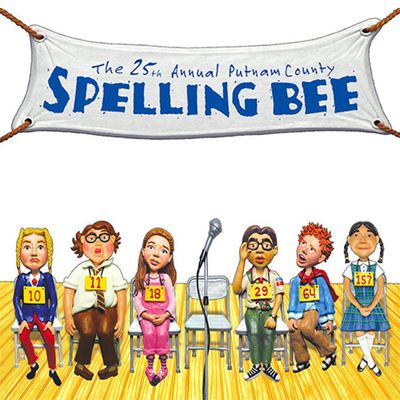
He previously directed and choreographed Broadway shows like Xanadu and 110 in the Shade as well as his Broadway debut with The 25th Annual Putnam County Spelling Bee. I’ve worked with him twice: at The Muny doing Seussical and then at TUTS with How to Succeed in Business Without Really Trying. We not only discuss Xanadu and his tenure at TUTS but we also delve into a creative crisis he faced, where he almost quit the business. It’s a candid conversation with one of the most approachable and down to earth directors I’ve ever worked with.
- INTRO - What he looks for in actors he works with
- STORY #1 - Landing Spelling Bee after a creative breakdown and giving up
- STORY #2 - Getting to choreograph Xanadu and then the struggling in previews
- STORY #3 - Transition from director/choreographer to artistic director/producer
Subscribe to WINMI
Producing this podcast is a rewarding experience, but it's also costly and time-consuming as I’m essentially a one-man operation. By subscribing you’ll be supporting these podcasting efforts, and have access to extended conversations and other bonus content. Whether you subscribe or donate, your financial support of this podcast is greatly appreciated!
- Subscribe to get access to bonus episodes and extra content
- Make a one-time Donation to support transcripts and podcast production
- If you'd like to support WINMI but have limited funds to do so, then contact me directly for reduced-price or even free access to the bonus content.
Follow WINMI: Website | Instagram | Twitter | YouTube
----------
Why I’ll Never Make It is an award-winning, Top Theater Podcast with actor and singer Patrick Oliver Jones and is a production of WINMI Media. Background music is by John Bartmann and Blue Dot Sessions is used under a Creative Commons Attribution-NonCommercial 4.0 International License.
Transcript
This transcript was automatically generated and might contain errors.
[0:01] Patrick Oliver Jones: Regional theater is really the lifeblood of the performing arts in America. It's the place where we get that first spark and inspiration to become lifelong theatergoers or decide to become actors ourselves. But in recent years, regional theaters have been struggling to find audiences and to just stay open. The pandemic caused some to close their doors for good, and the ones that remain suffered through uncertain futures. Theatre Under the Stars in Houston, Texas was one such theater that canceled their season and lost millions of dollars in revenue and donations. But it slowly came back in 2021 and is about to start a new season under the leadership of its Tony-nominated artistic director, Dan Knechtges.
Hi everyone, my name is Dan Knechtges. It's like Connect Us, and I am originally from right outside Cleveland, Ohio. For those who know Ohio, it's right near Oberlin. And I live in Houston, Texas, and I am the artistic director at Theatre Under the Stars in Houston, Texas. Dan is going into his seventh year as artistic director at TUTS, having previously directed and choreographed on Broadway with shows like Xanadu and 110 in the Shade. I've gotten to work with him twice myself, at The Muny doing Seussical and at TUTS with How to Succeed in Business Without Really Trying. Now, you heard from him briefly back in June with that special Tony Awards episode, and now you get to hear our full conversation, where we not only discuss Xanadu and his tenure at TUTS, but we also delve into a creative crisis in his life, where he almost quit the business, as well as his Broadway debut with The 25th Annual Putnam County Spelling Bee. It's a candid conversation with one of the most approachable and down-to-earth directors I've ever worked with.
[2:01] Dan Knechtges: I didn't hear for a couple weeks, and I was like, well, I didn't get it. What am I gonna do with my life? You know, the whole thing. And then suddenly I got a call saying in a week there's gonna be a reading. James wants you to choreograph, and I burst into tears. I could not believe this was happening.
[2:21] Patrick Oliver Jones: Welcome and thank you for joining me for a special episode of Why I'll Never Make It, an award-winning theater podcast hosted by yours truly, Patrick Oliver Jones, an actor and singer for more than 30 years. Now, every week I talk with fellow creatives who bring us stories from their own life of personal struggles and professional hardships with lessons we can all learn from. I also share your comments and questions at the end of the episode. The website is whyillnevermakeit.com, where you can subscribe, donate, and learn more about others overcoming the challenges in this industry. Again, that's whyillnevermakeit.com.
[3:09] Patrick Oliver Jones: Welcome, Dan. It is so good to see you again. It's so good to have you on my podcast. I'm greatly appreciative of you being here.
[3:16] Dan Knechtges: You too. Thank you so much for having me.
[3:19] Patrick Oliver Jones: Now, you're actually one of the few directors that have cast me, worked with me in multiple shows. And I'm wondering, as a director choreographer, is that common? Do you usually bring in people, or is it usually a new cast of people every time you do a show?
[3:34] Dan Knechtges: I think for me, I think it has to be both. Like it's I don't think there's too much. I mean, I guess the value and comfort of working with people you already know, and you know their, um, if I can be a little crass, you know, their bag of tricks, uh, and you already know like what they're bringing to the party is really comforting. But I for me as an artist, I always like the new, like exploring new things because I think it adds something to the mix, and it actually forces me to work in different ways, especially as a director, but also as a choreographer, of really trying to find those new performers' abilities, like how far can they go, or you know, what is their thing that makes them unique?
And I love trying to find that. And it's the puzzle part of it is what really excites me of doing shows like this. So there is comfort in having people that you've worked with, but if it's exclusively that, I sort of feel like I'm robbing myself of a creative opportunity. So I like both.
[4:51] Patrick Oliver Jones: Yeah, yeah. And I know certainly as an actor myself, I greatly appreciate when someone brings me in again. It feels like, okay, I did a good job the first time they're bringing me back. Are there certain qualities or talents that you look for in those that you bring back again and again?
[5:06] Dan Knechtges: Oh my gosh, I'm so glad you asked that because some of the qualities are just basic things that literally everybody can do, which is show up on time, know your material, don't be a pain in the ass. Right. Contribute something when it's appropriate, and work hard. And it's shocking nowadays that like I actually think it's gotten worse. It's that like those five things, it's like there are qualifiers to each of those things now for everybody. And this isn't just actors, it's designers as well, even people who work for me at the theater. It's literally basically those five things. Show up on time, know your stuff, don't be a pain in the ass, contribute something when it's appropriate. And you know, a lot of it too, it's you're generally Patrick, a happy person from what I remember.
And that's the other thing. It's like you want to go into that room with people that are they want to be there. And I know you know this, but people would be shocked that you go into a rehearsal room and there are several people that don't want to be there, and yet they're there.
[6:18] Patrick Oliver Jones: Yeah, it is interesting when I've worked with actors who don't seem to be either great before the work that we do or excited or yeah, yeah, yeah, that they seem to have either a grudge or a chip on their shoulder or something. And I know it goes the other way too. There are creatives who don't like there's a group of actors who are very excited by it, and there's some jaded director who comes in and you know, squashes all the fun. So I do know that that happens, but I generally am not that. Even when I'm in a bad mood, I pretend so that the work can continue. I try to at least.
[6:53] Patrick Oliver Jones: Well, let's actually get to your first story, which may address some of these things. For story number one, right before you were brought on to choreograph the Broadway production of The 25th Annual Putnam County Spelling Bee, you actually went through your own creative breakdown, were thinking about giving up the business. What exactly was leading to this creative breakdown?
[7:14] Dan Knechtges: I think people who know me and follow me are so sick of this story, but I keep telling it because I think it's I hope that it encourages people who in many versions of this and maximalist versions of this need to go through these kinds of trials of yourself, because once you get to a certain point in your career, it only gets worse in terms of the trials because the stakes get higher and you get older and you don't want to change and you know, all of those things. But I had been in New York about 10 years. This was in January of 2004, and I had not really been working at shows. I had been, you know, I got some regional stuff as a choreographer and as a director, and I had been doing a bunch of work in summer stock, all of those things, but then I would come back to the city and I would teach, and it was odds and end jobs, and trying to cobble an existence, and I was making no money because it was going to rent and living and all of those things.
And my parents would always come to the city. We'd go out for a nice meal and we'd go to a Broadway show, they would pay, which was so great because I would see all these great things that I couldn't really afford. I mean, I would try to sneak in and see all of that stuff anyways, because that was my job. You know, you know. That's what I wanted to do. So I felt like I had to see everything. But um, when they came, we had great seats. So we saw something, and I can't remember what, and it was something that I literally could not afford. You know, we went out to some bar on 42nd Street afterwards and were talking, and all of a sudden I literally could not stop crying. I was breaking, I had a break, literal emotional breakdown, which is so not like me.
I'm just not like that. And I worried my parents, I you know, I kept telling them I'm really unhappy, you know, I want to be on Broadway and I want to do this, but I'm not making an existence that I'm happy with. It's January, it's so depressing here. I was living on 42nd Street above the Army Navy store in a very depressing apartment. I had a roommate that I didn't like at the time. Meanwhile, I wish I would have kept that apartment. It was so cheap. But um, so all of these things cobbled on to that. And my dad was very smartly, he said, you just need to get back on a schedule. And you don't work during the day, you work at night. Like I picked up a bartending, I'd done all of this. He said, you should go back to paralegaling because I paralegaled for a number of years as a day job to like make money in New York, and it paid so well.
And so, oh, and he also said, and you need to start working out and going to the gym in the morning. You need a routine. And I was like, okay, I'll do anything to you know, be happy. And within a week of doing this, like every morning, waking up at six, which I don't like mornings at all. I still don't. I still I wake up very early, but I don't like them. And I got on this schedule where I'd wake up, go to the gym, then go to the law office, paralegal, and then at night I choreographed this amateur group doing Gilbert and Sullivan to make ends meet. And within a week, like my spirits had lifted. I felt more creative, even though I wasn't really creating anything. But it was wonderful. I started reading this Twyla Tharp book called The Creative Habit, which also helped.
And to this day, it's my Bible, and you have to create your creative autobiography. So you create your existence that's coming up. Like, what do you want to do? But it goes into the past. It's this really kind of great exercise. And one of the things I wrote is I want to direct and choreograph an original show on Broadway. And it didn't happen right away, but my God, it happened. It was bizarre this whole exercise. So a month into this, I got a call from a friend who was an assistant director on a summer stock show that I choreographed. I and we became friends during that, but and this was like two years previous. And she was the associate at Barrington Stage Company, and she said, Hey, I need you to come up this weekend.
I convinced Bill Finn to let you choreograph two numbers. We need a choreographer. And I was like, Donna, I can't go because I have a job now. And she was like, No, you have to come. And I was like, oh my gosh, because I had to leave on a Friday. So I went to my boss. I'd only been there a month, and I said, Listen, I have this opportunity and put it out there, asked for what you want. She said, Of course, you should go. This is your dream and everything. And she let me go. And I went up there on a Friday. They didn't pay me.
[12:43] Dan Knechtges: Wait, they weren't going to pay you for those? It was two days.
[12:46] Patrick Oliver Jones: Oh, okay. And I went up and watched some rehearsal and I choreographed the number Pandemonium. And then the next day on a Sunday, I choreographed Magic Foot. Very sketched in, but I'm really fast. I've always been that way. And so I just kind of did it. I didn't really know anybody in the cast. And nobody was really friendly to me at that point. And I just kind of stuck my nose. I didn't pay any attention. I was just like, okay, we're doing this and this. And I left. I didn't hear anything.
[13:23] Dan Knechtges: Did you know that this was kind of an audition for you?
[13:26] Dan Knechtges: No, I was just like, okay, I'll do this as a favor to my friend Donna.
[13:31] Dan Knechtges: And I was like, but I was, I did say to her, I was like, this is one of the funniest things I think I've ever seen.
[13:38] Dan Knechtges: I was like, it's bizarre.
[13:40] Dan Knechtges: And so I got back on a Sunday night, and then Monday afternoon, I got a call from Bill Finn, who literally said in zero words to me when I was there and said, "Connectus, you gotta come up and do the rest of all the other numbers."
[13:58] Dan Knechtges: Because the director at that point was in over their head.
[14:02] Dan Knechtges: They hadn't really done a musical before.
[14:06] Dan Knechtges: And I was like, oh gosh, how am I gonna swing this?
[14:11] Dan Knechtges: Because I was like, okay, well, I can only come up on the weekends because I can't get out of my job.
[14:16] Dan Knechtges: So I once again I went back and like, well, I have one more time that I have to do this.
[14:20] Dan Knechtges: I have to go on this Friday and go up.
[14:22] Dan Knechtges: And I went up on a Friday.
[14:24] Dan Knechtges: They changed the rehearsal so I could rehearse that night.
[14:27] Dan Knechtges: I did two numbers that night. And then on the next Saturday, I did eight numbers in one day. And granted, it wasn't like way out dancing, but it was, you know, putting them up. And that was it. I went back on a Sunday and then they did performances of the workshop, but I didn't hear anything for about a month. And then Donna called me and she said, "We're firing the director, but Bill Finn is insistent that you have to be the choreographer." And they kept me on board, which that's really unheard of. And I don't have any credits. I really I mean, I had a bunch of credits, but nothing substantial. Like nobody knew me from anybody. So Donna was really the only one who knew you from this production.
Yeah. Really. I mean, I'm trying to think who I might have worked with in the cast, but I didn't really know anybody in the cast at that point either. I mean, I had known who Jesse was. I had known who Celia Keenan Bulger was. She actually did the summer production. She didn't do the workshop, but um, but that was it. That was literally it. And then they hired a new person to direct the summer show. I go up to do the summer show. And within two days, Bill does not like this director and pulls me aside. And he was like, "You have to stage all these numbers. I don't know what we're gonna do with the director and all of this." And so somehow we made it through, and I behaved very professionally with the director.
I didn't go over them or not, but I actually did do my work and all of that. And um that summer production was pretty astounding. Like we only had two weeks, and we were like, I would say about 80% of that summer production is what is the show now. And I just kind of think that's like an incredible stat is that it's not that we didn't know what we were doing, it's that we didn't know what we were doing. And I think there's some I think that's hard for a lot of people in musicals, is that they have to have definitely and all of that. And because so many people on that show hadn't really done a musical period, much less a new one, it's sort of like there were no rules, which was wonderful, and we sort of kind of made it up as we went, which was great.
And so that production happened, and they brought up all these directors to see it because they knew when they were gonna move it, because we had already had they had had offers from all these theaters to take it in, and second stage was the one that they were gonna go to. There were already commercial producers attached, which I did not know any how any of that worked, and I didn't, I didn't meet them, I didn't know them until we moved to New York. But that's a great story. So when it was announced at second stage, I was like, "Oh well, they're gonna replace me with the new, you know, the new director comes in, they'll bring their own people." And they went with James Lepine. There were several other directors, but Bill wanted to work with this is what you were talking about at the beginning, somebody he understood and felt comfortable with.
And there's always, I think, especially in the director writer mode, it can be very productive. I'm gonna say arguing or fighting over the issue. And sometimes it gets very personal. And that to be comfortable enough to be able to rumble in that way, is really I think almost essential that you can really just say anything about like this lyric is terrible, or I hate that staging. So that you're forced as an artist to defend your choices, which I think the critics are gonna tear you apart unless you're able to really defend them because sometimes they're right. Yeah, that lyric is bad. Okay, let me rewrite this. Or you know, fuck you, that's not right. It's you know, but that must have been an interesting position for you.
As you say, you didn't have all these credits, you were kind of new to this process, and Bill Finn and James Lepine are kind of these big names, and they have strong personalities. So how did you mesh with them? Well, the interview process was great because Bill told James, apparently, "You have to hire Connectus. He's the one that saved the show, and he's perfect for this. You have to hire Connectus." And James, you know, is James Lepine. He was like, "I'm gonna interview all these people. I'll choose." And uh, so I go up to he was work, he had an office at the Schubert's at the time, and there's a ballroom that I believe is like right above Sarty's, and it's this grand ballroom. And so I go up and interview, and I'm nervous as hell.
I had to take off work from the law office. And I go in and I'm I interviewed, and he was really shitty with me. And there's something in my makeup that I kind of like when people are that way. I mean, that's that's like for my therapist to unpack. Uh, but I gave it right back, and I think he liked that for some reason. And he said something, he said, "Well, what would you do differently?" And I answered some flip thing. He said, "I thought it was pretty basic, the staging, but he said, You did one thing that's a good idea that I wonder if you could talk about because he said in pandemonium, you got the audience members up and dancing. How did you do that? And how could you do it better?" And I said something like, "Well, it would be really fun to even get them dancing more, and that everybody makes fun of them and like audiences love when audience members get made fun of and all of that."
And he was like, "That's great. Okay, that's enough. I'll talk to you later." And I laughed. And it was pretty short, it was like maybe 20, 30 minutes. But he was kind of shitty, like in a in a I think he wanted to see what I would do with it because you know, in rehearsal, everybody gets shitty performers, choreographers, directors, music directors. So you gotta be able to roll with the punches and not take it too personal. Even though, as you and I both know, everything is personal. Of course, of course. Um, and so I didn't hear for a couple weeks, and I was like, "Well, I didn't get it. What am I gonna do with my life?" you know, the whole thing. And then suddenly I got a call saying in a week there's gonna be a reading.
James wants you to choreograph. And I burst into tears. I could not believe this was happening that I'm choreographing with James Lepine. Forget Bill Finn, James Lepine. Like that at second stage, which is one of the premier off-Broadway houses, and I knew literally I knew with Bill Finn and James Lepine, every Hoy Peloy in the theater is gonna be there. And with that show, the other thing, the smart thing that I did is I knew of one very powerful agent. And I called my friend and I said, "Hey, I have this show that's gonna happen off Broadway. Do you think you could make an introduction?" And they said, "Sure." And within 24 hours, I had John Bizzetti at William Morris, who was like a big up and coming power agent.
And you know, he then took me to WME, which is where I'm at now. But I that was one of the smartest things I did is that like I'm coming literally from Summerstock to a big off-Broadway premiere, and I used it right away. I said, "I have a deal coming up, I need, and I'm gonna use it to springboard into getting an agent, a powerful agent." And the one thing he did is he tied, he said, "We're not gonna go for money. The only thing we're gonna go for is billing because nobody knows you. So we're gonna tie your billing to James Lepine. So whenever the director is billed, you're billed." And that's what happened. And my name at second stage, you know, they paint it on the wall there, the thing. And it was Bill Finn, the book writers, directed by James Lepine, choreographed by Dan Knechtges.
I'm literally the only person I don't know up on that thing. And I was like, that was the smartest thing he did. We didn't go for money, we didn't go for anything, just that. And we got it. But anyways, um learning from Lepine was amazing. We had this, we had a really great rapport, which I know why a lot of choreographers don't like him because he doesn't like dance, but he actually likes dance. He just doesn't like it in the traditional unmotivated, "Hey everybody, let's dance" kind of thing. He likes everything motivated, and I do too. So he and he doesn't like conventions of musical theater dance. So that also was good. For a man who's done so much musical theater, it's funny to hear that.
But his work doesn't have those conventions. It's very unconventional at the time. And Spelling Bee, we would do, he would at the very beginning, it was always like, "Hey, um, well, we've gotten to pandemonium because he would work really fast and say, just kind of do this and do this just to get it all up. And then he said, "Well, we're at pandemonium. All right, Connectus, I'll give you an hour to stage the full big big ass musical level." And I was like, "Okay." So I went and I just did what I did before, put it all up there, and he goes, "Okay, that's good, but sit down. Now I'm gonna take it all apart and do my own version." So he did. And I sat there and I bit my tongue. It was very hard to watch him tear it all apart.
And then he did it and he goes, "Well, that's okay too, but now you take it and make it better." And he would leave and I would do it again. And I would add more of my stuff back in, take some of what his, and then he was go, "Okay, that's better. Now sit down, let me do it again." And we went back and forth like that like 20 times. Interesting. And that number at the end, that number in particular, I would say it's about like 60% what I did originally up there. But he added like all of these character things that the actors performed it better. We won up to the audience participation. Um, and it was like that for most numbers. Now, Magic Foot basically was what I did at the workshop. It really barely changed.
And then uh there's a ballet sort of in the middle that I that came up in the summer production that I did. And that's interesting too, is that James cut that for a while, and Bill would Bill Finn would scream at him, "The ballet has to go back in. It's necessary, it tells you something, and the audience misses it." And they would scream at each other, and then Bill would turn to me or James turned to me and he goes, "Do you miss the ballet?" I was like, "Yeah." And he would say, "All right, well, put it back in. Let's see." And we would put it back in, and it would be great. And then he goes, "Well, try this, try that." And literally, it went back 100% to the version that I did in the summer.
And that's what that was what was in the show on Broadway. It's so crazy. It was, and it was just a big lesson to like not be fixed. You have to keep exploring and trying to find the best thing, and not like choreographers, especially are so fixed. It's gotta be this eight counts and perfect perfect perfect, instead of like, let's kind of do these and look at it, and you're like, "Okay, well, I could do it better. Okay, let's throw it out, let's do it again." And I think there's something to that, like, and I've now like tried to really make that a part of my process is to really keep investigating and pulling things out of that of performers, especially. It really is great. So that was a Spelling Bee story.
Now, in every episode, you get three stories. But if you want bonus segments with extra audition stories and the final five questions about lessons learned and what making it really means, then what you have to do is subscribe to WINMI at why I'll never make it.com. You just click subscribe there or here in the show notes. Give this podcast a little money, and you'll get the full episodes with all the stories and bonus segments included. And another benefit of subscribing is that you won't have to listen to any ads either. Getting into story number two, we'll go to your third Broadway show, which was Xanadu, and it had its own highs and lows. How exactly did you land this job? Well, that's interesting.
I was working with a director regionally, uh, great director, kooky kooky kooky as hell, David Schweitzer, who is uh was like a Joe Pap acolyte, but he's kooky kooky kooky. And his one of his proteges was Chris Ashley. And while I was doing this show, it was Boys from Syracuse at Baltimore Center stage. David had been uh on top of Chris saying, "You need better choreographers, you need better choreographers." And he said, "You should work with Dan." And he goes, "Oh, well, I have this campy show coming up."
[28:56] Dan Knechtges: It's a workshop of Xanadu. Would he be interested? And I was like, Yes, I roller skated around my basement to that song. I wanted to be like Olivia Newton-John, like so bad. And so I interviewed, and it was just an interview, and I read the script. I thought it was hilarious. And Chris, to his credit, he said, Okay, you got the job. Next week we have an audition. Can you give a roller skating audition? And I paused and I was like, Yeah, I can. Yeah. It's so interesting. It really comes down to knowing people, to being recommended by other people. Right. If you establish yourself as being this reliable person, then hopefully the people you work with will start to mention you. Well, and also I always say too, like, I'm talented, but there are tons more talented directors and choreographers out there who now aren't out there.
They gave up. And they were really, really talented, unique individuals. And that's the other thing too, is that I'm stubborn as hell. And I, you know, I thought it was such a negative thing, which it's a negative thing, but it's also a positive thing, is that like I just I never give up. And I that kind of reliability of showing up on time and the stubbornness of like my ideas about how work, how you work, of like I rarely bring what's outside into the workspace. I know that's like a popular thing now. Like, oh, I can't come in because I'm feeling this, this, and this. And I was like, no, I'm really old school, and that I never miss, never. Like it would be, it's very rare if I miss something.
So yeah, it is. I think knowing people is everything. And then when once you know them, then you've got to deliver the goods. And sometimes the goods is just showing up on time, doing a good job, and being a positive person, even in the midst of chaos, and like being able to navigate that is something I didn't know I could do.
[31:12] Dan Knechtges: Well, Xanadu had its own chaotic periods, especially during previews. Like you had your lead actor, and then all of a sudden you didn't. That's such that is really the great story. So we did a workshop down at the Maneta Lane, uh in I want to say February of 2007. And out of that, the producer got the Helen Hayes Theater in a summer production. They're like, We're opening in the summer, and you're like, wait, this this that never happened. So, and then in that process, um, Jane Krakowski had done the workshop, and she did not want to continue. And we thought, oh my God, we're sunk because that's the star. Like, she was kind of incredible in that workshop. And Cheyenne did the workshop. But, you know, we went through a whole process.
Carrie Butler came on board, love Carrie Butler, and James Carpinello, because uh Cheyenne, for whatever reason, decided not to do the Broadway. And I think if, you know, if they listen or hear this, I think you know, I hope they correct me if I'm wrong, but I thought, like everybody thought, this is like a can't be off Broadway show. It's not very good. And then when it was announced for Broadway, nobody thought it was gonna last. Nobody thought it was gonna be good. And so we went through a very long rehearsal process because we we didn't go out of town. And then we we had a long preview period, like four weeks, I think. And uh it was chaotic. There were so many times where we just kept tweaking and changing and making things better and restaging, and you know, it was 15, 16 hour days for those of us behind the scenes.
I was so tired. And but I would go back and do it in a minute because it was so thrilling to like keep changing things and figuring out how to land that lap, how to make the movement funny. Like that's another thing, too, of like how I could add to like evil woman. How can I make Jackie, who literally doesn't dance, and Mary, how can I come up with things that are going to serve up what they were giving, which was I thought the an incredible, incredible comedic performance. And so it was so fun to figure that out in that process. I was exhausted, but it was fun.
[33:56] Dan Knechtges: So we get to the end of, I want to say the like third week, and the show had just steadily gotten better and better and better. And we thought we were like at the point of, oh my God, we're really gonna pull this off. People are really gonna be shocked at how what a great time they're having. And it was two days before critics were coming. And we got done with um the most frustrating thing was I started out with a bunch of people that didn't know how to roller skate, and I choreographed for that skill set. And every day we would roller skate. And then by the time we got to the third week of previews, that it needed to be much more uh advanced because they had gotten really good, really, really good.
And we had this trick skater who was doing splits and you know, all of the things. So I had to keep re-choreographing. So we had at the end of rehearsal, we did the Xanadu number, and uh we had re-choreographed some things. We had just gone over it, and then we we had 10 minutes left and we started doing notes. Chris Ashley was doing notes, all of this, and then and there's James Carpanello on the floor. He had been goofing off, and his ankle was like this. He snapped his ankle. And we had a show at 7:30, and this is like 4:55. Oh, wow. None of the understudies were rehearsed. His understudy was Curtis, who was in the show. He did our tap dancing number. And so if we removed Curtis, and then we had the swing come on who didn't know the tap, we would have to cut that number.
It was insanely complicated. And when that happened, literally, he went to the hospital. We all sat in the theater like ghosts. We canceled that night because nobody was ready. And we really thought we're sunk. Like, who's gonna do it? Chris Ashley over that weekend called Cheyenne Jackson while we were rehearsing understudies and asked if he would consider coming back. He came and saw the Tuesday performance after that Friday rehearsal, and we had understudy. I think because we hadn't gotten the tap solo into the bodies of the swing, and we eventually had somebody come in just for that number. Andre Ward was playing Sunny, and we had the under the swing going on for that. So it was cut nuts.
But Cheyenne saw it and he was like, Yeah, I would do it. The show's really good. How much had the show changed since he had been in it? A lot, actually. A lot. The the book had, I mean, Douglas Carter Bean is such a good book writer. I mean, he really rewrites and rewrites and rewrites. So uh it had that had gotten great. And the other thing, too, in the workshop, it's like the performance aspect of the show, that sort of camp element, the heightened uh reality that they were all in, wasn't there in the workshop. It could only be there in a full production. And so I think that all contributed to that. And so Cheyenne came in, I want to say, started rehearsing that week while the understudy was on.
And then the next, I want to say that next Tuesday, he came on, and we we delayed our opening by three weeks. So he had a week of rehearsal, then he went on, and I think he went on with pages for the first time. Oh, interesting. And by the end of that first week was good. And we and in that all of this, this is also a good lesson. We put in a whole new musical section to don't walk away. It was a the a cappella clap section, which wasn't in there. And we staged it and it really lifted the number. It was incredible. I re-choreographed the finale again. It was we did like, I want to say 45 different versions of that finale. And so I kept tweaking that. I had to tweak all of Cheyenne's numbers that he was in.
There was a complicated thing with the um the phone booth and him, and so I had to re-choreograph some of that based on his skills, which were different than James. And so he had a week of rehearsal, week of performance, and then that next week, critics came and we opened, and we were exhausted. I could not tell you, like literally, we were like walking zombies behind the scenes. And that opening night was thrilling because Cheyenne James was fabulous, but Cheyenne was a star. Like he just lifted everything up. And he also gets that like camp aspect of it of all of that heightened thing. And he plays that himbo. And he was thrilling. It was it just it literally changed the whole show. And it we kept going and the show got so much better.
And so it was like the low of the lows, and then the high of the highs. And it was like we got these great reviews. And I think one of the actresses who will remain nameless said uh at the opening night party, oh my God, we're staying open. I thought this was gonna close. I wasn't on the stuff that I was gonna go to. Right, right. Because yeah, it was perfect for an off-Broadway kind of weird, quirky space. But then to actually make it on Broadway and last 500 performances, it yeah, it's a testament to sometimes we just want frivolous fun entertainment, yeah. And high quality, like yeah, it's it's not diminishing it. Yeah, it's very I mean, it's stupid sophistication, is what I call it. It's really it was so fun.
I just love doing it and being around those actors, all of that, that whole company I adored, and Chris Ashley is so great. Douglas Carter Bean, I love. Um we just had the best time. It really was, it was so great. I would go back in a minute and do it all over.
[40:39] Dan Knechtges: For story number three, we're actually going to fast forward a little bit to 2017, which is when you became the artistic director of Theater Under the Stars in Houston. Now, now the year before, you and I had actually made our Tut's debut with how to succeed. And did your experience as that director and choreographer for that show, did that somewhat lead into becoming the artistic director? It did. And I think I don't know if you remember this when we did how to succeed in 2016, but it was a month before Trump got elected. Oh, right. There was a new world, you know, it was a different world than what we're we were gonna be living in. And uh I had been working so much. I I was actually doing really well.
I was, but I was not working in New York. I was working everywhere but New York to live in New York. And it was diminishing returns. Again, it was like this I don't like my life. I want to like be somewhere where I can be with friends, have a relationship. I wanted to get a dog. I couldn't really foresee myself getting a dog. So um, and when we were doing that show, they were in the middle of transition behind the scenes. They had just fired their executive director and their artistic director. And Sheldon Epps was the interim artistic director, and he was the one. He's uh a good friend mentor of mine, and he asked me to uh he said, Would you come down and do how to succeed? I said, sure, I would love it, especially because you know, Tuts Pays well, it's a large theater, so I knew that I would be getting health insurance, you know, all of the all of those kinds of things.
So um, I was like, sure, never been to Texas, let's go. So I get down there, we do the show. I thought we I loved that company too. We had a blast. It was like basically a Broadway show. I mean, every it really was as far as the sets, as far as the the talent that we had. It was a great company. Yeah, Ashley Blanchett as Rosemary and Chris Dwan and Alicia Finley was so funny. She was kooky, love her. So funny. But uh, but the the ensemble, you and everybody, it was like, I mean, we had Arnie Burton in the ensemble. I mean, that's just nuts. But um uh they one of the board members approached me and they said, We haven't had quality on our self-produced shows like this in a very long time. Would you be we're gonna be doing a search for an artistic director? Would you be interested? And I was like, no.
[43:22] Dan Knechtges: Uh but you know, if you don't find anybody, let me know. And they hadn't started the search. They started searching in January after that. And I got a call from a headhunter who had said to me, uh, your name keeps coming up from several people that I've asked who should be applying for this. Would you be interested? And I said, sure. I would it was January. I didn't really have a lot of work. And again, I was depressed. It's January, all of those things. So I said, yes, I'll apply. And I went through this big long process that I didn't really understand at the time. But again, I just kind of went through it. And I had asked three different artistic directors who I knew and the producer. And I said, talk me through this, tell me where I'm wrong.
And they prepped me for every on every step of the way. I said, Hey, here is the thing I'm writing in. Tell me what's wrong. And they would, they were brutal. They were like, You sound stupid here. Don't say that. You don't know what you're talking about. This is good. Elaborate on this. And you could be stubborn and not listen. And then you can listen and take their note and do it your way, which is what I did. And I made it through the first round, which was all written kind of things, and they check your references. And then I made it to the second round where there were five people, and I'm not going to name their names, even though you know all of them. Uh, and out of that, we did a phone interview, and I prepped for that with all the artistic directors.
I said, Ask me questions. And it was so helpful. And then I made it to the third round, which was an in-person, they bring you down, and you're at uh, you know, in a conference room at one of the board members' offices, and there are four people, and there were people on the phone, and they ask you pretty tough questions. And I bought a new suit, I looked apart, I came down, I showed up on time, I was funny, I was positive. Right. You know, and I lay it, I always say uh at any of those interviews, and even auditions for actors, you should have like three really good jokes prepared of like that. You can just pepper in and get a good laugh. And they know that you have a sense of humor, which indicates intelligence, but it also indicates fluidity and the way you work.
Um, the serious people I I always have my doubts about, and I just don't buy it because I don't think human nature is that way. But, anyways, uh, I did that. Uh, one of when I was prepping for that interview, uh that one of the things the one of the artistic directors said is there's gonna be a party. You're gonna go to the party. Don't or um, oh no, this this interview I did. I got into the cab. By the time I got into the airport, they had called and they said we want to bring you back in two weeks for the full board to see you. So the three candidates were scheduled to come back in. So I came back in, and the artistic directors I prep with said, there's gonna be a moment where you go to dinner with the board chair, somebody, and they're gonna offer you booze.
Don't do it. It's a test to see if you're a drunk or whatever. And then there's gonna be a party where you're gonna have to say some words. Prep what you're going to say. And I was like, okay. So I did all of those things.
[46:59] Dan Knechtges: Ward chair picks me up in a car that, like, you know, the doors are it's like it the most expensive car I think I've ever been in. I'm sure to impress me. And they're like, Dan, we heard you like Tex Mex. We're gonna go for the best text mechs in Houston. It was invented at Houston, we're gonna go there, which I do. I love Tex Mex more than anything. So we go and they sit down there, they go, I'll have a large margarita, Dan. And I was like, uh, and she goes, the wife goes, he'll have one too, and da da da and all of this. And I was like, I'm not getting this job. I'm not getting this job. So I have this margarita, and they're like, We'll have a second round. And I was like, I'm really not getting this job.
I'm failing, failing, failing. Cut to the end of it, and I said to the board chair, I was like, I have to admit something. I said, I prepared with somebody, and they said, you know, there's gonna be a dinner, and you shouldn't drink, and it's a test. And they go, Well, it was a test, but if you didn't drink, we wouldn't have hired, we would we won't hire you. And I was like, Okay, great. So then the next day comes and uh I go through a whole nother board interview, which did not I didn't do as well. I didn't think at on that one as I had done the first round, but I still was great, I thought. So I go to this cocktail reception, they're like, Dan, would you like to say a few words to the board?
And so I get up and I start talking, and immediately there's a heckler, like some board member going, Well, uh, you don't believe that, and da-da-da, and all of this. And I was like, Oh. I said, Well, actually, I do believe that, and ha ha ha. And then we go go on and they kept tackling me. And finally I said, I said something kind of shitty, and I said, Do you need another drink? I said, You're coming off really aggressive. And everybody started laughing, and they're like, She always does this. And and I was like, here, and I went and I poured her some wine, and I was like, have another drink. And they said that's how I got the job, because I was able to deal with deal with her. Oh my gosh. So that's so crazy. Not because I'm talented or I can do all of those things, it's because I could handle a heckler.
[49:10] Patrick Oliver Jones: And serve alcohol, yes, and serve alcohol.
[49:13] Dan Knechtges: Well, I was a bartender. I know what I'm doing. See? Now it sounds like that this artistic director is certainly a much much more involved job than just booking a directing gig. It sounds like there's a lot more business.
[49:25] Patrick Oliver Jones: There’s a lot more schmoozing, network, all the things that directors don't necessarily have to do.
[49:33] Dan Knechtges: Well, they do. I I mean it's funny because directors do it. They just don't do it in an organized way like this. It's like the networking that, you know, it's especially more commercial directors, have to network all the time. And you're always trying to get your next job, convince the composer lyricist, the book writer, you're the right director. Convince the producer. So you are doing those things. And in some instances, you're raising the money too. So a lot of those skills I already had, I just didn't have it in an organized fashion. And frankly, what I still struggle with is the management part of it of managing large groups of teams in an organized way outside of a rehearsal room. I think I'm great in the rehearsal room.
I I know how to like marshal the forces, not waste time in rehearsal and make sure everybody is heard and seen and and I'm serving up the piece. But once I go into an office situation, I still struggle a bit with that organized management of people. It's just it's exhausting and it's it just requires a different part of your brain.
[50:48] Patrick Oliver Jones: Is that a brain part that has since grown and gotten better?
[50:53] Dan Knechtges: Yeah. It's not one that I like as much, but yeah. I mean, I'm I tend to like hiring people and they do their job instead of me like I I'm not a micromanager in that way. So I I like people to do their job and they report to me what it is and I challenge them or not. But the part of like, are you doing your job? Are you showing up on time? That's exhausting. I and I have to do it. Or or the work doesn't get done.
[51:26] Patrick Oliver Jones: So do you still find creativity as an artistic director?
[51:32] Dan Knechtges: I mean, it's in the name, artistic.
[51:33] Patrick Oliver Jones: Oh, yeah.
[51:33] Dan Knechtges: I mean, part of it too is um problem solving and I call puzzle solving, is that, and I think most directors of new work are like this is that you you start with an unknown and then you kind of have assumptions. It's like Mike Nichols calls it like as a director, you're an archaeologist. You don't go in with an answer, you go in with a hunch and you keep on covering, and your hunch either proves it never proves correct. It proves like really correct, or it changes into a different answer if you're open to it. And I really think that's the same as like an artistic director. It's like your problem solving of like, how do I engage uh uh a community that's been maligned within our audience at Tuts?
That they've not been invited into our theater in any sort of way. Is it just through programming, or is it the invite? How do we invite them in? How do we make it a safe space for them to come in? And it's like that that answer is hard and deep. And Tuts has a lot of problems because, or I shouldn't say it has a lot of problems. It has as many problems as every other theater does. But a lot of them stem from the founding 55 years ago by the founder, and how that business was created, and then the business changed so much from 1968. And Tuts has not kept up with that change in terms of the business model. The art on stage, I think we've kept up and surpassed actually, but the the behind the scenes, it's like catch up.
And so how do we how do we upend that and change that? It's not enough right now that we are operating fiscally responsible, that we're engaging our community, but like how do we sustain in the long term? And that's not an easy answer. That's a puzzle. And it's it's a 20-year ongoing solution. And so it's not easy, but it is something that I'm I get a little bit turned on by because it's sort of that dreaming part that I'm actually really good at of like imagining what it could be and how to like reverse engineer to get there.
[54:19] Patrick Oliver Jones: It sounds like one of the biggest differences between director versus artistic directors. Director is with the show for the few months or whatever it is, and then it opens, you're done. Artistic director continues to be with the project, continues to, and as you say, has these futuristic dreams of what it could be, what it could be, and you're part of navigating those those dreams and goals.
[54:43] Dan Knechtges: Well, I kind of say it's like a pizza pie. Like as an artistic director, you have like 12 pieces. One of the pieces is choosing the season. It's and everyone thinks that's everything the artistic director does. And I was like, oh God, I wish that was the only thing we did, but like that's one piece of the pie. But like any sort of meal, you can't have more than one or two of those pieces missing in your bag of tricks. And the that that's sort of it. Like, and the productions, producing those productions is also one piece. But as a director, uh, the director of how to succeed, it was the whole pie. So it's like actually you're going out even farther of like, yes, that show needs to be great, but like as a producer, I'm already thinking what's the next, what's the next show? And then what's in five years the next show? What are the kind of shows we want to be supporting and producing?
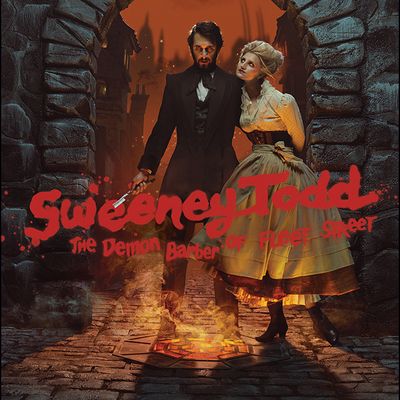
[55:46] Patrick Oliver Jones: Thank you so much for joining Dan Knechtges and me today. And be sure to check out Theater Under the Stars upcoming season with shows like Jagged Little Pill, The Share Show, and Sweeney Todd, which will be directed and choreographed by Dan.
[56:03] Patrick Oliver Jones: Alright, now let's get to this week's email, which comes from a listener across the pond. He wrote, I just wanted to thank you for your great, insightful, and inspirational podcast. I'm an actor in Ireland and would love to listen to all your bonus content within these, but I have limited funds at the moment. Thanks, Patrick.
[56:24] Patrick Oliver Jones: Well, sir, you are most welcome. And I'm so glad I was able to arrange a special subscription just for you. It's listeners like you that remind me why I do this podcast and the difference it's making in actors and artists around the world. So I hope you enjoy those bonus episodes. And remember, you too can get access to bonus content and conversations by going to why I'll never make it.com and click subscribe or just look for the link in the show notes.
[56:58] Patrick Oliver Jones: I also want to give a big shout out and thank you to Susan for her one-time donation last week through Venmo. It is so very much needed and appreciated as I continue to fund this show pretty much on my own. So it's support like that that actually helps this podcast make it.
[57:19] Patrick Oliver Jones: Well, that about does it for me. I'm your host, Patrick Oliver Jones in charge of writing, editing, and producing this podcast, which is a production of WINMI Media, with Maria Clara Ribero as co-producer. Background music used in this episode is by Blue Dot Sessions and John Bartmann. Be sure to join me next time as we talk more about why I'll never make it.
© Broadway Podcast Network, All Rights Reserved