

Black History Month: Black Women Whose Artistry Made Change. This episode shines a light on the activism and society contributions of Black female musicians, poets and actors... Read More
From the show: Women of Tomorrow with Laura Bell Bundy
Guests

Featured Shows
About
Black History Month: Black Women Whose Artistry Made Change. This episode shines a light on the activism and society contributions of Black female musicians, poets and actors. Some of our favorite people include Phyllis Wheatley Peters, Bessie Smith, Billie Holiday, Ella Fitzgerald, Maya Angelou, Jamilla Jones, Nina Simone, Motown Diana Ross, the Supremes, Martha and the Vandella’s, & Mickey Guyton.
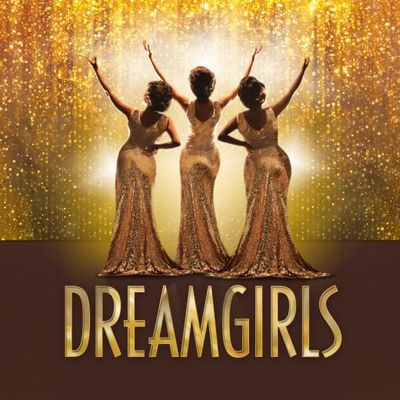
All this, followed by an interview with history maker, Anika Noni Rose, best known for voicing Tiana, Disney's first African-American princess, as seen in the The Princess and the Frog. She was named a Disney Legend in 2011. She is also known for her starring role as Lorrell Robinson in the Academy Award-winning film Dreamgirls.
Connect with us:
- Listen to Women of Tomorrow
- Insta: @womxnoftomorrow
- TikTok: @womxnoftomorrow
- Insta : @laurabellbundy
- insta : @sheasheacarter
Produced by Dori Berinstein and Alan Seales.
A proud member of the Broadway Podcast Network.
Transcript
This transcript was automatically generated and might contain errors.
[0:07] Laura Bell Bundy: I'm Laura Bell Bundy.
[0:09] Shea Carter's's: And I'm Shea Carter's.
[0:10] Laura Bell Bundy: We are partners in Feminist Crime.
[0:12] Shea Carter's's: It's Black History Month.
[0:14] Laura Bell Bundy: And since our podcast and album are about using artistry for activism and equality, today we celebrate, honor, and hold up the legacies of the black women in American history that did the same.
[0:24] Shea Carter's's: This is part two of our episode, Black Women Whose Artistry Made Change.
[0:29] Laura Bell Bundy: Now I am very excited to introduce our guest for this episode, Anika Noni Rose.
[0:35] Laura Bell Bundy: She is a Tony Award-winning actress and singer, best known for making history as the first African-American Disney princess, as Tiana in Princess and the Frog.
[0:44] Laura Bell Bundy: She has been in countless television shows and films, including For Color Girls, Power, Roots, and her award-winning performance as Lorrell Robinson in Dreamgirls, starring alongside Beyoncé and Jennifer Hudson.
[0:56] Laura Bell Bundy: And during the COVID-19 pandemic lockdown of 2020, Anika created a weekly series where she read bedtime stories to small children in order to help ease their fear during the lockdown.
[1:07] Laura Bell Bundy: Anika is a true artist, an activist, and we were so honored to have her perform on our song Get It Girl You Go for our album Women of Tomorrow.
[1:18] Laura Bell Bundy: And we're even more honored to have her as a guest on our podcast.
[1:23] Laura Bell Bundy: Anika, my friend, please welcome to our show.
[1:27] Anika Noni Rose: Thank you.
[1:28] Laura Bell Bundy: So you are a history maker. You made history as the first ever African-American Disney princess. How did it feel to be cast in that role? And did you feel a sense of responsibility?
[1:43] Anika Noni Rose: Amazing. I wanted to be a Disney voice from when I was a little itty-bitty person, and I had no idea it was acting. I just knew that I wanted to do voices, and I was that obnoxious kid who would imitate people all the time. So that's always nice. My parents were very proud of that as I walked in the mall behind people imitating them. It was always a dream of mine to be a Disney voice. And this was above and beyond the dream. You know, it was that was not my plan at all. Like I was planning to be a, I don't know, a palm tree or something, like a flea. Literally had a voice prepared for a flea or a tick, I can't remember which, when I went into the meeting with Disney. I was like, yeah, this is what it'll sound like when I bite.
Really? I was not prepared to put this to be the answer to my dream, and it was stunning to me, thrilling, and it still is actually. You know, even it's been oh my god, it's been 10 years, you know, since it came out, and you know, since then, I feel like we live in the age of teardown. So everybody's trying to find something to tear something down. This is what makes it terrible. This is why it wasn't as great as you thought it was. This is why you aren't as great as we thought you were. Just tear it down, tear it down, tear it down. In spite of all of that, I still love her and it and what it has meant to children and adults, not just in the United States, but worldwide, for brown skin children who can see their skin on screen and for their counterparts who are able to see regality bestowed upon someone that isn't usually the case to them.
They don't know it's new, they just know it's regular. So that changes the world in ways that people don't always expect and aren't looking for. You see how specific she is to a particular group of children but then how universal she is to other groups of children who see themselves in her because they recognize her spirit and her movement through the world. Because of that, Princess Tiana remains very special, and I think that the responsibility that I had towards her was to make sure that she was real, to make sure that she was a person that was recognizable not just in, you know, vocally, but also physically. I wanted to see someone who didn't look like a cookie cutter who had been painted brown, and I talked about that a lot with Ron and John and Peter, and they asked me a lot.
It wasn't like I had to be like, look you guys, you're missing such and such. They were like, Anika, what is important to you? What would you like to see? What are the things that matter to you with her personality, with her physicality even? So we got a princess who is a young black woman in the 20s, the jazz age, who is left-handed because I'm left-handed, and as a kid I never saw left-handed people. Like it was a big deal. My parents bought me a whole kit of left-handed things, scissors, everything so that I could use them, but I never saw that represented in pop culture or culture in general, or unless it was spoken of as a negativity. So that was important to me, you know, on a level that somebody might think is, you know, sort of not as important.
I was like, you know, she needs to have a booty. That's part of the etymology, and it's something that I want to see because I don't want little black girls standing in the mirror after ballet class trying to tuck their butt away, which is something that I was doing, you know. Like I had a teacher who was talking about tucking butts, and I was like, well, it's about as tough as it goes. It just happens to be a bubble. Have you ever tried to tuck a bubble? So that was something that was also important to me. And there were lots of things that went on as we went along, but it was important for me for her to be real, and that in her real reality, in her realness and her authenticity, that is something that will make her last.
You know, she was going to be a princess. That's, you know, nothing that was going to be changed within the storyline. But was she going to be authentic? Was she going to be somebody that people could recognize and say they felt and knew or wanted to know? And to know someone really is to love them. And you can't deny the likeness of the character to you, like your mannerisms and your face. It's like they, I mean, obviously, it's so nice to hear that you also like verbally told them what to do, but just that you were so inspiring in your performance and in your embodiment of her that you two kind of molded into one.
[1:44] Anika Noni Rose: I had no idea that she would look so much like me, and I cried the first time I saw her. And there were things that they took from me. Like if you watch the movie and you see that she tends to raise one eyebrow, that's my face. And it was in the first trailer that they put out, the frog wanted to kiss her and she raised her eyebrow and pulled back, and my mother was like, oh, it's you. I'm a major eyebrow speaker, so those are things that they took and they found. I just didn't know it was going to be my face, and it was such a great, great honor, and it's, you know, it still is something that blows me away when I see her.
[7:13] Laura Bell Bundy: Who do you feel paved the way for you to make history and break the glass ceiling?
[7:13] Anika Noni Rose: Well, there are lots of people, you know, there are lots of people who've done amazing things. The person that comes immediately to mind, we just lost, and that's Miss Cicely Tyson. She did so very much at a time when, you know, when we look at what was happening in our country, she shouldn't have been able to, you know, she was a dark-skinned woman. How often did you see dark-skinned black women on screen? And she was representative of beauty within her dark skin, which is another anomaly for that time period. And even, you know, we're changing, but there's still a fight for people. She was one of the first, if not the first, black woman to wear her natural hair on screen in a space of beauty, and she always, within her roles, within her interviews, within her life space, spoke up for and out for black people and black womanhood in specificity.
I most assuredly would not be here if not for the fights that she fought before me. And I'm so very, very grateful. I'm sorry. I'm really grateful to her. I loved her deeply. I loved her deeply, and I feel really honored to have been allowed by her to love her and for her to express love and care for me. It is something I will never take lightly, and we lost a great icon, we lost an amazing feminist, we lost a brilliant translator for humanity when we lost her, and she never apologized for who she was or what her views were, and it didn't really matter to her what you thought about them because she was her, she was herself. You know, I strive to move through my career and live my life in that way, and I think that I am, you know, I am one of those people who is pretty honest most of the time, and sometimes to a fault, you know.
I'm nobody who's a saint, but I'm pretty honest, and within my work, I try to be extraordinarily so. I plan to try to put my feet as much as possible in the steps that her feet, although my feet are much bigger, her feet landed in, or at the very least beside them as I move forward in my life because I think that she was an impeccable ambassador for humanity.
[10:47] Laura Bell Bundy: Oh, that was so beautifully put.
[10:50] Shea Carter's's: I'm so sorry too, because I know you have a strong personal connection with you that her loss is deeply felt with all of us, but very deeply felt for you.
[11:00] Anika Noni Rose: Yeah, I think a lot, I know a lot of people, a lot of people are going to miss her.
[11:06] Laura Bell Bundy: Um, and that speaks to, you know, who she was and how she could touch and move people. So, you know, that leads me to a question. You've been a part of so many incredible projects that amplify black voices and stories. And when you're making decisions about your career and the roles that you take, do you have a set of guidelines that you use to make those decisions?
[11:29] Anika Noni Rose: You know, it's interesting. I don't know, I don't have a written set of guidelines. It is important to me to be true to my spirit. It is important to me that nothing that I do would embarrass my grandmother. You know, and that doesn't mean that I won't play some foul ass character because I will, and I have, but I have to have an integrity about what it is that I do. That's very important to me. And I don't know how always to explain that. And I've been, you know, I've been lucky to be here in the time that I've been here because, you know, five years earlier, five years later, I wouldn't have been in the running for Princess Tiana or for Roots or for, you know, many things, but I always try to choose something that I feel that I can feel in my spirit, and the times that I haven't, they've been the times that I've just been like, well, that wasn't fun, or, you know, it didn't resonate, or, you know, and it's hard, and it sounds like such a luxury to say I don't choose to do things for the dollar value.
We all have to eat, we all have to have health insurance. So there are times that you are going to choose something because it's time to eat, but even within that, there have been times where I have just gone without some things that I've thought that I needed, and definitely things that I wanted because I felt uncomfortable with the space of a role, and I won't do something that makes me, I'll do things that make me uncomfortable as an artist that make me like, oh, I'm frightened, I'm scared, and I think I might fail.
[13:30] Anika Noni Rose: Um, but I won't do things that make me uncomfortable as a human. And I think that that is a very deep and heavy line for me. And I've recently been watching, like I've been watching something for the academy, and I've been a member of the academy for several years now, so I've been watching loads of movies. Um, the amount of time, this is not a judgment. Let me make this very clear, but the amount of times that I have seen women stripped naked on a screen, unnecessarily so it is so disappointing to me. Not, and I'm not disappointed in the woman. That woman is trying to do her job. And very often that woman is a new actor. And sometimes I feel that new actors are made to feel that you're not really acting if you're not willing to be completely naked on screen.
And then, you know, sometimes there is need for complete nakedness, not just in your art, but on your person. And sometimes it's beautiful, and sometimes it's horrifying, and sometimes it's just part of what it is. But whether it's beautiful or horrifying, or part of what it is, to me, it needs to be necessary. And I think that as women, I know that you are about and Shay, I'm just knowing you, but I think that very often we know when something is necessary. Um, you know, when we're looking at it, that some man decided this is what I that what I want to see. This is what I think will be great right here because it makes me hot, or it's you know, and then just what that perpetuates in society.
We tapped on this in um our last podcast about domestic violence and the brutality of violence against women on screen, and how it's so predominantly against women, and how that kind of romanticizes the idea of abuse and aggression toward women, and same thing with over sexualization for just sort of that need, which is a brutality, it is a violence that people don't really think about, and um, so often I think we think we don't have a choice, and that to me again if I I think that there are movies where you see complete and utter nakedness, and you're like, absolutely why that happened, I know why that character felt that way in that moment, I know why this is necessary, and then you're watching things, and you're like, why did that person have to do that?
So someone could subscribe to HBO and you know, not have to get on you porn. Well, just there you go. So, you know, I don't know, there are things for me that, and that's not to say that I'll never be naked on on screen. Yeah, who knows? But when I tell you that that story has to say to me, this is necessary. This is necessary because there was a great, great love here. This is necessary because there was a great art here, and we can't figure out another way to make it felt this is necessary because there has to be a necessity there for me, and again, this is not a judgment on the women, this is a judgment on the art form, uh yeah, and the mammon, the money that it's based on, yeah, the money, and we should not be currency talking about something we should perpetuate though.
I just watched Jingle Jangle, I was so in love with it. Your song blew me away. Also, that range was so incredible, but it felt like how the world should be. There was like no mention of race, it was like the fan, the affluent, beautiful family that the whole thing centers around is black, but there's there's never a mention of any of that in the whole thing. You see couples walking the streets and they're interracial. There's just it was this beautiful utopian almost idea. I loved it so much. And I'll hit the song first, um, Make It Work, which was written by John Ludgend, was one of the most amazing vocal experiences that I've been able to have. Um, and I was so when I heard the demo, I was like, absolutely, let's go.
And then, and I was given permission by David Talbert, who wrote and directed the movie. He was like, Oh, Anika, just get dirty with it. And I said, Oh, oh, absolutely. That's something that I get to do often. It's not, I don't even get to sing in that range very often, like to be that that deep. Oh my gosh, you should be. It was magical. And I laughed at. Um, and it was so much fun, and so I thank you for that because it really was a gift, that song. And as far as this family, it was a beautiful thing to see this family for whom, yeah, they're having problems, but the problems were not because of their race. The problems were not because of their race, they were completely broke because they were being downtrodden in society.
The problems were just problems that we all of us as human beings have: greed, lack of hope, depression, family structure, and how that goes wrong, dysfunction in families, and I was really, really glad to put that on screen for Christmas for a movie. And I think that I don't know. I feel like black people don't spend a lot of time commentating on their blackness. But for the fact that we are in a world that makes it almost impossible not to have to have some sort of conversation because our world cannot get over trying to heighten whiteness at the expense of someone else. Black people, brown people, brown-skinned people, you know, people who are not considered white. And white is a is a construct in itself.
I've been reading this book about um the Holocaust lately, and about the US ambassador to Germany in that time, and his name was Dodd, and about how that man was there, and he considered himself a great humanitarian. It's called In the Garden of Beasts, Love, Terror, and oh shoot, I lost it. Love, Terror, and an American Something by Eric Larson. And we just got past Kristalmount. And the whole time these Americans are living there saying, well, it's really not that bad. Not that bad, with you know, yeah, you know, the Jews are having a hard time, but it's not that terrible. It's not as terrible as you think. I mean, we're still able to walk through the park, and yeah, some random Americans did get beat down by Nazis in the street because they didn't hile, but it's really not that bad.
And the reason being that Germany owed America money, and America wanted their money back. So they didn't want anybody to say anything too terrible because they were afraid they weren't going to get their money back. And because even people who didn't feel that the Jewish population should be mass murdered still had a bit of anti-Semitism about them. And the whole time where they're telling there is a point where they're saying we should put out a letter and we should tell Germany that we don't agree with the way that they are treating the Jews there. And then somebody says, and I don't remember everybody's name, sorry about that, because these are historical people, these are real people. Somebody says, Well, and this is when Roosevelt was president.
We can't really do that. Because if we do, they can come back to us and talk about how we are treating the Negroes in our nation, and then what do we say? So, you know, it's wild and it's everlasting, and what we saw on January 6th, I think surprised a lot of white folks in the world, but did not surprise a lot of black folks in our world and on our shores and dirt. And the and the thing that is crazy is that we are in a loop. We're in a loop, we're in a continuous loop. And if we don't put a stick in the spoke, we will continue to be in a loop. So, you know, a lot of people talk about well, why are black people always talking about blackness? No, we're not. Uh black people are always using the race car.
The race card is not a thing. There's no such thing as a race car. And if you think you are tired of black folks talking about racial inequities, imagine how tired black folks are having to talk about racial inequity. So to have a movie where a black family just got to live and breathe and be and laugh and dance and cry and break up and come back together was such a gift to be able to be a part of because it happens. And it happens every single day. And that in I could go on, but I shan't.
[23:44] Laura Bell Bundy: Not only did you win a Tony for the first Broadway show you were ever in, I was at the Tony's when you won.
[23:51] Anika Noni Rose: Really?
[23:51] Laura Bell Bundy: I was in the audience.
[23:53] Anika Noni Rose: Wow.
[23:53] Laura Bell Bundy: I think I I think I was I what year was it?
[23:58] Anika Noni Rose: 2004.
[23:58] Laura Bell Bundy: Okay, so I I had I was doing Wicked, I think.
[24:01] Anika Noni Rose: Oh so I was there and and I remember how adorable you were and being very excited for you. And I watched your speech on YouTube, so it was like I was there, and you were so eloquent and cute.
[24:17] Anika Noni Rose: Oh, I and I felt insane. Did you felt completely wild, like that the energy moving through my body in that period, and I was in such shock. I just really that was not at all what I expected to happen, and I was just happy to be there that night. And it was amazing. It was it was one of the most amazing moments of my career still, and um I will never ever forget it.
[24:48] Laura Bell Bundy: Was that the first Tony Awards you were ever physically at?
[24:51] Anika Noni Rose: Yes, and you won.
[24:53] Laura Bell Bundy: That's awesome.
[24:56] Anika Noni Rose: Yes, it was all it all happened, you know. It was um, I don't really keep those things in my mind. I know people who like have a DNA calendar for awards, and I just don't know when those things are happening. I know the general time period when they're supposed to happen, but I'm never somebody who knows, oh, this week such and stuff just coming out that week, and I'm grateful for that because I think it would make me nuts as an artist. I think for us to keep that in our minds, like locked in our spirit, is so detrimental, but I know a lot of people who do. So everything that happened that season, also with my first season, it was the first time I had created a role and brought it to Broadway, so a lot of that stuff was new.
Everything was new to me. I was so green, I was so shocked every time an announcement came out, and I'm really grateful for that, and it and it made I think life a lot easier because I could just focus on my show and and what I was doing and how much fun I was having and how much I loved it. Now, although I don't know specific dates, you know, we all know the season. We all know around this time something's gonna happen. Um I think it's a little different after the first after your first award season, you have an awareness of it, but I still actively try not to be thinking about those things.
[26:21] Laura Bell Bundy: Why do you do what you do?
[26:23] Anika Noni Rose: I, when we're only talking about the actual doing of the thing that we do. Not all the things that come around it, which we know can be distracting and difficult and painful. I really love to do the thing that we do.
[26:39] Anika Noni Rose: I really love being able to touch people, change people, move people, explore humanity in the way that we are able to do. You know, and those of us who take what we do really seriously, you know, we're sort of armchair psychologists and sociologists and all those things because we really have to figure out the depth of humanity and what makes a person do the things that they do, the horrible things that people do, the amazing things that people do, what shakes us. Um, those are all things that I find interesting anyway, and I'm, you know, inherently I think nosy. But, uh, you know, it allows me to satisfy, I think, you know, I was very interested in sociology and psychology when I was in school.
It was something that actually really piqued my interest, and I think that it allows me to do that and really look into the fissures of humanity. And I love that. I love being able to do that. I love being able to put a child in awe. I love that we are able to sometimes only with music, with the shift of a note, bring a tear to someone's eye, bring an adult to awe, which not because, oh my god, you're so amazing, but because they weren't expecting something to touch them. They weren't expecting something to speak to them in the way that it did. And I think that, you know, plays do that. Musicals, if they're really good musicals, do that in a different way because music, music is all about wavelengths, and that's how our bodies work, that's how our systems work.
So those things sneak in, they sneak up on people, so that the people who think, oh, I hate musicals, okay. Well, you hate the one that you saw. You know what I mean? You hated the one that happened in 1933, and everybody's like that. Okay, I get it. But if you sit down and shut up for a minute, you'll be surprised because something's gonna get you on a wavelength that you didn't know operated within your system, if it's good, if it's written well. And Caroline was one of those things that was just stunningly written. So that's what I love. And you know, it's true, as actors and artists and songwriters, and empaths, we really do have to understand the human experience, which requires that we dedicate some time to understanding how people work and how our emotions work, which is what I think you do when you mix that with the wavelength, you have the impact.
[29:24] Laura Bell Bundy: What is the most exasperating thing you've come up against in regards to racism in the arts and entertainment industry?
[29:31] Anika Noni Rose: That is such a difficult question. What I find exasperating is, and I'm gonna speak on a personal level, and this is not me being a braggart, this is me being sincere. The amount of things that I have been blessed to accomplish and the places that I have been blessed to be in as an artist, the amount of dialects that I have had to tackle with joy, I say had to, but I love a dialect is like music to me. The amount of countries that I have lived in as a character as an artist. What is most frustrating to me is that I know that were I a white woman having brought my mouth, my body, my space to all of these different places, that my career would be much more vast than it even is now. That I find frustrating. Um, is that something I think about every day? No, because why? Why? But the truth of the matter is, you know, there's not the same amount of gravitas lent to my work as there is to some of my counterparts. And that's just the truth.
[30:52] Laura Bell Bundy: Not only are you an artist, we had you on also because of your activism work and the way that you've chosen to spend your time. Can you talk a little bit about things that inspire you and the things you do outside of just your art?
[31:07] Anika Noni Rose: There are people who are really they are daily activists. I think that I partake in activism, yes. Um, it is because I am unable to keep my mouth shut. It is because I cannot stand the rampant injustice. It is because I cannot stand bullies and bullying. That is why you hear me open my mouth and speak to things. I hate it, I hate a damn bully. And I feel like we've been we lived, and some of us, in particularly in the past year, died under the boot of a bully for the past four years, and it's unbearable. It's absolutely unbearable. And it's not done. It's not finished. You know, I just saw black children on the news the other day, I don't know how old they were, screaming for their mother being held down on the pavement by police.
I don't know where it was. I don't know exactly what happened. And I caught the tail end of it, and I was working and I had to do something else, and I was like, Jesus, you know, when will we stop seeing this? Will this not be okay? How many cops and military active do we have to find out we're part of the Capitol uprising, the insurrection before we decide to clean house, before we really are honest and say, wow, we have a real problem here. So I think I'm an activist by accident. I think I'm unable to be silent about things. I find it difficult to see the hell that I've seen unleashed across our country. And I'm speaking, you know, specifically of the brutality and the murders of black people, more specifically at the hands of police, not all the police, obviously, so don't at me.
Um, we know that we have some really terrible people in the police forces and a system that needs to be overhauled. But also at the hands of the health system, clearly. Um, before black children even get to breathe air, they are murdered by a health system that doesn't care, or their mothers don't make it because the health system doesn't listen and doesn't care and doesn't take our pain seriously. And this is something that has been for hundreds of years. This is not new. The fact that it's still viable and happening is stunning to me. The fact that this last administration cared nothing for the deaths of millions of brown and black people in this country due to COVID. And in fact, when it was made clear that COVID was more likely to kill black and brown people, and that is not what is supposed to be happening in 2021, and that is not what is supposed to be happening under the flag that we pretend flies for this country.
That is not what is supposed to be happening. Suppression. It is absolutely oppressive and oppressing for many, many people. And I don't want to hear, well, where do you think it's better? Where do you think I'm not talking about where I think it's better? I'm talking about my country. I'm talking about where I live. I'm talking about where my family has had blood spilled. I'm talking about the country that we have built right here.
[34:49] Anika Noni Rose: You asked me about bedtime stories for the littles and why I started doing that. And I started doing that during the pandemic because I felt I feel like kids feel everything. You know, we as artists are very often empaths, and children feel everything, and they don't always know what's happening, but they know something's happening. They know that mommy and daddy are scared. They know that the energy is wrong. They know that something is off. And I felt like, well, I want to give these kids something tender and soft. I want to give them something that when they start watching, they know that everything in that landscape is okay. And I'm gonna give these parents a break for a minute. Just for a minute, because we have all been up in the house all day, every day.
Like when has 24-7 365 ever meant what it means for the minute? We've all been up under each other, like so, you know. I wanted to give the baby something soft. I wanted to give them something to laugh about and giggle about and not have to feel tense energy coming from. And I want to give the parents a little bit of a break and something that they could not be worried about. You know, I think parents often, parents will watch things before their children watch them because they want to make sure nothing's gonna jump out at them. You know, nothing's gonna be hateful, nothing's gonna be ugly, nothing's gonna be mean. There was a monster on YouTube that people were like inserting into children's videos, so the kids were watching stuff, and this monster would come out and say terrible stuff like kill somebody or terrible, terrible things.
Somebody made that happen. I wanted them to know that that's not what they were gonna get, that they didn't have to feel like they had to watch it first. That was my goal, and it was a lot of fun, and I don't think I'm done with it, but I did have to stop for a while, especially for working. But I loved it, and I love the feedback that I got, and I love the videos of little kids watching and laughing, and I love to hear kids laugh. I it is one of the best sounds and like when they laugh so hard that they get that at the end when they get a little chunky laugh at the end of it like it gives me such joy and that was why I did that that's why a huck Huck loves some of the the ones that I played for him.
I mean he's an attention span this big but they're kind of perfect because they're you know they're shorter videos and he he's very sociable he loves like he he just loves that you have a very animated way of doing things in general so it's I think because like my spirit is five right so my spirit is five I'm gonna meet your toddler right where they are exactly and you're right kids are so intuitive and so like when you love them they know it so when they hear a voice of someone that loves them they know they do and they recognize my voice you know even though they don't always recognize my face because it's hard for kids to put together cartoon and purse but they recognize my voice and that's something that's amazing to me as well they probably wouldn't recognize this voice this this morning voice but uh it tickles me that they'll they'll say mommy that's Tiana you know they know and that's a beautiful thing.
[38:23] Laura Bell Bundy: So as we are coming to the end of our episode I guess there's a few questions that I guess I'll ask you if you're up for answering. One is, is there a black woman in history that you feel people should know about that maybe they don't know about?
[38:40] Anika Noni Rose: Well, there are a couple. There's somebody that I don't think people know enough about, um, although her name has been bandied about recently, um, and that's Shirley Chisholm. Um, and she was an amazing woman. She was the first African American candidate for a major party's nomination for president of the United States, and the first woman to run for the Democratic Party's presidential ticket, um, which became even more poignant this year with Kamala Harris. A woman that I thought there's so many. Um, you can just spill them out right now. Catherine Dunham was a dancer who created her own movement style and she protested segregation at performances. She changed the law in Brazil, and they made it a felony to be to discriminate against someone for race in public spaces because of her.
She brought the history of Africa and Haiti to dance and she standardized it in her movement. She went so far as to refuse to sign studio contracts because the studio asked her to take the darker skinned dancers out of her troupe. She was an amazing woman and she was an anthropologist. She got a degree in anthropology to be able to bring all of this into her dance from the things that she learned.
[39:58] Anika Noni Rose: And someone else that people don't know about who's not a political figure per se, um, is Alice Dunbar Nelson, who's the wife of poet Paul Lawrence Dunbar. She was a playwright, she was a poet, she was a journalist, she was an activist for the rights of the African American woman, and she spoke out in defense of the Scottsboro Boys. She was active in the NAACP, and these things started in the 19 teens. You know, this is a time where this woman could have been looched and thrown away so easily. Um she was not afraid. Um and I think that and her works have been put aside because Paul or Dunbar was so prolific. You know, that so often happens. You know, your husband was amazing, so who cares what you did.
But I don't think you would have been that amazing without that kind of a wife. You know, but she was an amazing woman and she lived a fruitful life, and she never stopped doing what she was doing. And to be able to be a journalist back then, sort of crazy. And it wasn't easy for her if she talks about that fight, but she was um no, she was she was quite uh a character in in history. Um those are just two artists who I think people probably don't know much about.
[41:23] Laura Bell Bundy: Well, that's amazing because I didn't, and now I'm gonna go look them up.
[41:28] Anika Noni Rose: I know, and I think it's so important that we like share stories about women because they're so they're left out of so many history books. And just doing this podcast and doing this album, we've done so much research on women's history, and I've these women that I've never heard of that have done incredible things, and it's so nice that now we have this dialogue that I think is is coming up in the cultural consciousness where we're where we're bringing this up and we're giving these women the accolades that they never really got when they were alive. And I think it's really important that we keep this tradition.
[42:01] Laura Bell Bundy: Well, we have it going. We have to encourage it more.
[42:05] Anika Noni Rose: I think it's it's about our education, fundamentally, you know, history, like we've spoken many times, is written by the victors and the people that won history. And so if you didn't win history, whether it's because of your sex or your race, uh or you have a lion ass president.
[42:20] Laura Bell Bundy: Yeah.
[42:20] Anika Noni Rose: Exactly. That just denies the history.
[42:23] Laura Bell Bundy: Right.
[42:24] Anika Noni Rose: And or denies the present uh you know, you know, then then it's really hard for people to get that information. You know, I some of the work uh some of the research that we've done for this and other things I was doing for women's history, this goes back thousands of years, even when there were women rulers the next rulers that would male rulers that would come into those societies would wash away all of the accomplishments and create stories to villainize the women. And so even when you get the history about the women it is tainted by the opinion of the patriarchal ruler that's came subsequently after.
[43:08] Laura Bell Bundy: And isn't that interesting the people who feel so superior have to work so hard to cheat to to change to lie so that they can stand up on something to pride itself on that person's neck.
[43:28] Anika Noni Rose: You know, on that woman and I really feel like you know because a lot of um societies were matriarchal societies for a very long time and then a flip happened but I think that and this is going to be so controversial I really think that men have been so afraid of women for so long. And I think that it started way, way, way, way, way, way, way back. I think it it petrifies them that women physically bleed for seven or eight days, and yet they were still alive. I think it petrified men. So they made it something dirty.
[44:04] Laura Bell Bundy: Yeah, that's right.
[44:08] Anika Noni Rose: I mean they made menstruation something dirty. And then women had to put away for eight days because they were dirty during the time that they menstruated. While those women were put away for those eight days, what was happening out and about and around them? What things were being changed, what things were being stripped away. Um I think it freaked men out. And I'm talking about way, way back. That after women were revered, then they were like, wait a minute, but this is scary. That you've made a human that you baked a human which you must be a witch.
[44:46] Laura Bell Bundy: Well, that you made a man inside of your own body.
[44:51] Anika Noni Rose: Yes. How did you do that? You witch.
[44:54] Laura Bell Bundy: Yeah.
[44:55] Anika Noni Rose: We must you need to be burned. You you have a birthmark, you need to be burned. What do you mean you couldn't breathe underwater? You need to be burned. You know, and I really think that a lot of it stems from the actual magic that women's bodies create. That fear and loathing, the hate that they cannot create humanity while they claim to have created humanity.
[45:26] Laura Bell Bundy: Yes.
[45:27] Anika Noni Rose: That is it right there. It's all stemming from insecurity. And if if you think about all of the injustice in the world is stemming from the insecurity, the fear of not having enough or not being enough. It is power that is stolen. And this is this is what perpetuates, this is what is still there. This is why we got to tear everything down and go, okay, look underneath every place of power and see what they've done to try to protect themselves and just sweep it all away and rebuild it. Because we are enough as we are.
[46:02] Laura Bell Bundy: You know, I think that's the thing that we really want for the women who listen to this show, um, and the men, anybody, is to know that the power that you have is inherent, that you are born with it, and no one can take it away.
[46:19] Anika Noni Rose: No, and I think that the greatest the greatest gift that we as humans have is the propensity for love, the ability to put our fear away and try to do that over and over and over again. That's that's a huge and scary thing. If you are a person who can do that over and over again, your power is so great. That's so so much greater than destroying, you know, and and we all are frightened. We all are frightened, and at the end of the day, the thing that somebody is most frightened about is not being loved, not being revered, not being held up, and that's what the ugliness and nastiness comes out of.
[47:05] Laura Bell Bundy: I totally agree. 100%.
[47:08] Anika Noni Rose: One thing I love about songwriting and and what this album is music transcends decades and cultures and races, and kids that don't even speak English know every American pop song by heart. And so there's so much power in song, and there's so um we're they're so baked in traditions. I was wondering, do you have any songs from like your family or growing up or childhood that you feel is a song that you would pass down that like would keep a cultural tradition or something alive? It could just be something that you love, it doesn't have to be like well, there's a song that you don't hear often called Lift Every Voice and Sing.
[47:53] Anika Noni Rose: And it used to, it became known as the Negro National Anthem. Um, but it was written as a poem by a man named James Weldon Johnson. James Weldon Johnson was an amazing person, and he was one of the he actually fought for the first anti-lynching bill, and I think that was in the 30s. But the lyrics were so beautiful, and it's a song that my grandmother taught to me. And it's lift every voice and sing till earth and heaven ring, ring with the harmonies of liberty. Let our rejoicings rise high as the listening skies, let it resound loud as the rolling seas. It talks about the history of our country, the history of black folks in our country and the what we have moved through and pushed through and grown through, and it puts on it at the end, it is about hope and about moving into light and um holding on to faith that the works that we have done will move us into a more positive present.
And it is a beautiful, beautiful poem and a gorgeous, gorgeous song, and it's something that I don't want to get lost to, you know, in the bowels of history. But I think that it's something that people should know because our country has been through a lot, and our people, my people, black Americans, but our people as a people, Americans have been through a lot. And I think that we spend a lot of time being embarrassed about the history of our country instead of learning it and learning from it. And I think that that's that's a reason for me that I want this song not to be forgotten, you know, to not forget that there was a woman who freed loads of enslaved people by her wits and the light of a star and belief. Those are the things that people can do when they feel the need and they have the strength to do.
[50:17] Laura Bell Bundy: Anika, I just love you. I really do. Like I genuinely love you as a human. I feel such a kinship with you. Even hearing you talk about your artistry. I'm um I'm going, oh my god, me too, me too. But I I just love you. I think you're so you have so much depth and dimension, and you speak in a way where I can really we can really all process and hear, and I just I just so appreciate you coming on and sharing your experiences and and your uh thoughts about the world. I I really do. So thank you so much for coming on our episode and and also being a part of our album.
[50:57] Anika Noni Rose: Yeah, thanks for inviting me to both of those things you know you're such a um you have such a huge heart Laura Bell and um I've known that about you for so long that but I feel like in the past year I've gotten to know it and you so much better and you are a champion for people and we mean we need more of those people and you're a champion for women and we damn sure need more of that but it has been my joy in this hell that has been 2020 to be able to get to know you more and not just the bubbly firecracker that I knew on Broadway or that people think that they know because you're so much more than that and um and I'm grateful for that I'm grateful for that person that you are and for the fact that you too cannot keep a mouth shut um I appreciate that.
[51:51] Anika Noni Rose: Shay your talents are so great you are such a wonderful songwriter and what you have done with allowing these songs that are current to evoke a different time period teach through that it's really wonderful. I I admire that greatly and I and I hope that we're able to do more together to be perfectly honest. It's been an honor having you're such a talent and I'm just such a huge fan thank you so much for your time and and for your presence of mind and your amazing ability to express really difficult topics.
[52:28] Laura Bell Bundy: I was just mesmerized at so many of your answers so thank you.
[52:33] Laura Bell Bundy: Well, that wraps up part two of our episode Black women whose Artistry made change. We'd like to thank Anika Noni Rose for being our guest today. If you like our podcast, please like and subscribe. And if you would like to check out our music from our upcoming album, Women of Tomorrow, various tracks are available everywhere on iTunes, Spotify, Amazon, and beyond. Have a good one. I'm not sure if we can make if we can make.
© Broadway Podcast Network, All Rights Reserved