

Part 1 of YOU CAN’T SAY THAT! Host Tonya Pinkins welcomes magnetic playwright of Broadway’s SLAVE PLAY, Jeremy O. Harris and captivating SLAVE PLAY star Joaquina Kalukango... Read More
From the show: You Can't Say That!
Guests

Featured Shows
About
Part 1 of YOU CAN’T SAY THAT! Host Tonya Pinkins welcomes magnetic playwright of Broadway’s SLAVE PLAY, Jeremy O. Harris and captivating SLAVE PLAY star Joaquina Kalukango.
Jeremy exploded onto the theatre scene this year with the Off-Broadway production of DADDY, starring Alan Cumming…and now with the provocative and searing SLAVE PLAY. Jeremy was the winner of the 2018 Paula Vogel Playwriting Award, given by the Vineyard Theatre. The New York Times recently said that Harris’s “ability to render subconscious trauma into provocative theatrical expression, as potentially unsettling as entertaining, has earned him a lot of attention in a very short time.”
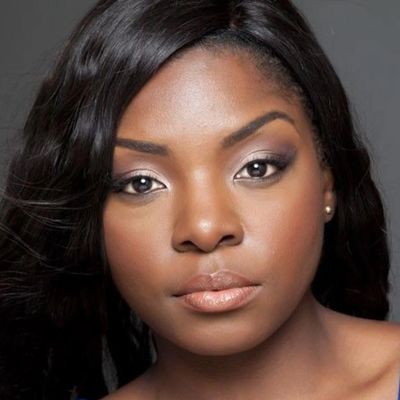
Joaquina was last seen on Broadway in THE COLOR PURPLE as Nettie. Other Broadway credits include HOLLER IF YA HEAR ME and GODSPELL. She also stars in WHEN THEY SEE US on Netflix and INSTINCT on CBS All Access.
Host Tonya Pinkins is a Tony-winning actress, author, producer, director and teacher who has received tremendous acclaim for her starring roles in CAROLINE, OR CHANGE, JELLY’S LAST JAM, THE WILD PARTY, PLAY ON….among many other productions on stage and screen. Tonya recently conceived TRUTH AND RECONCILIATION of WOMYN: Narrative Stories and Songs for the Soul in ten minutes or less”.
Produced by Dori Berinstein, edited by Alan Seales, music by Anthony Norman.
A proud member of the Broadway Podcast Network.
Transcript
This transcript was automatically generated and might contain errors.
[0:00] Tonya Pinkins: Hi, this is Tonya Pinkins, and you're listening to my podcast on the Broadway Podcast Network.
[0:05] Tonya Pinkins: You can't say that, the show where you can.
[0:11] Tonya Pinkins: I was predisposed to hate my next guest's work. First, the title, Slave Play. Most of what gets produced and raved about in New York is blacks as slaves, degenerates, murderers, or being murdered. I did not plan to say it. But my intern, Jasmine McLeish told me she loved it. I respect Jasmine. So I decided to risk it with a free artist ticket, of course. And from the minute that white man walked onto the stage, I thought, Jeremy is writing my life. I was on board for the ride. And I can still understand everybody's point of view who says it's dangerous, it's doing a disservice to black women. But all I can say is opinions are like assholes. Everybody has one.
[1:26] Tonya Pinkins: Join me in welcoming my guests on You Can't SAY THAT, Jeremy O'Harris and Joaquina Kalukango. This is the inaugural The Virgin You Can't SAY THAT podcast. My first guests are Jeremy O'Harris, playwright, um, Divo Extraordinaire, and Joaquina Kalukango, beast actress, singer.
[1:55] Tonya Pinkins: So, Jeremy, how does it feel to be um popping my cherry today? I bet you didn't think you'd ever be doing that for a woman, did you?
[2:04] Jeremy O. Harris: I never thought I'd do that. I mean, I think I we know honestly when I lost my virginity, I lost it to someone who was like already not a virgin. So I don't think I've ever had that experience.
[2:13] Tonya Pinkins: Well, today you are popping my cherry. That's just major.
[2:17] Jeremy O. Harris: That is major.
[2:18] Jeremy O. Harris: So I just think from Tonya herself, um, who I think the internet knows I am like the biggest fan of. So this is always every time I'm in your presence, I freak out.
[2:26] Tonya Pinkins: Oh, cool, cool, cool. And Jackie and I, we go way back to Hurt Village, Katori Hall's play at Signature Theater, and then we also did Holler If You Hear Me together on Broadway.
[2:38] Joaquina Kalukango: Yes.
[2:38] Jeremy O. Harris: Wait, and how many performances did Holler If You Hear Me go?
[2:42] Joaquina Kalukango: Um, yeah.
[2:45] Jeremy O. Harris: But you know what was fantastic about Holler If You Hear Me on Broadway was that those producers were the it was they were first-time producers on Broadway. They were like movie people. And so um they knew they were gonna lose money, they knew they had a great show, and so they gave away all the tickets to the sailors, to SCIU, and so every night we had a packed house.
[3:08] Joaquina Kalukango: That's amazing, even though they weren't paying.
[3:10] Jeremy O. Harris: So we played to full houses every night, screaming home. We played to the audience that should have been marketed to.
[3:17] Joaquina Kalukango: That's amazing. I don't know why that doesn't happen more often because for me, like even at our I mean, and again, like I'm not we don't you can't say that, but um, I there there was a we did our invited dress, and I was so advocating that we give as many tickets away to people as possible. I was like, we have to. Like, it's just like we had to do it. And like, I don't, I mean, the everyone who works at these theaters are so nice, they're very kind, we're there, thank you. But it is annoying that there's so much dumb red tape that everyone feels because again, it feels like being at Yale or grad school for me where everyone would be like, well, we can't go outside of that line. I'm like, the line doesn't exist.
[3:52] Jeremy O. Harris: And they'd be like, but we can't go outside of it. They said the line is there. I'm like, but I don't see a line because it doesn't exist. So I'm always someone who's just like, I'm like, this is a matrix, it's a simulation, like, we can go through it. Like, what's the worst that can happen? And I understand, like, our show is special and there's security stuff that everyone's worried about. But there were literally 75 seats still in like the area of the mezzanine I was in at our invited dress when we had like 700 people in the audience, most of whom were students under and it was the greatest audience. But there were these girls that waited for me after the show. Oh, waited for me from the they're like, oh, we ran from NYU to get here after we saw your tweet. Because I tweeted, come, you're invited.
[4:27] Joaquina Kalukango: Oh my gosh, I got in a little trouble.
[4:31] Jeremy O. Harris: Uh paper an entire house off social media. Halfway. They got upset, they got a little upset when I literally said, Don't just DM me. You're all invited.
[4:44] Joaquina Kalukango: Why not?
[4:45] Jeremy O. Harris: I don't know why you can't. We had a line down the block for invited dress.
[4:49] Joaquina Kalukango: Yes.
[4:49] Jeremy O. Harris: Yeah. You know what I mean? And I'm like, and again, I'm this is gonna sound really bougie, but since going to Yale, I've or since before I went to Yale, I've never done a show that didn't have a line going for starting. Like, I've never like made a play for a not open house, except for the play I did at Dixon Place. And I was like, never again will I have this small of an audience.
[5:09] Joaquina Kalukango: And how did that happen at Dixon Place?
[5:11] Jeremy O. Harris: Um, I didn't know enough people in New York. I've never been a New Yorker.
[5:14] Joaquina Kalukango: Okay.
[5:14] Jeremy O. Harris: Okay. So I always fly in for like a week and be like, but like this last time I was like, the when I did the play after that play at Dixon Place, I was like, oh, I'll make my friends DM everyone. And so it's social media has always been my way.
[5:26] Joaquina Kalukango: Okay, now tell me about the DM and everyone. I don't even know how to do that. What does that mean?
[5:30] Jeremy O. Harris: Like, what does that mean? DM.
[5:34] Joaquina Kalukango: You know how to DM. You've DMs.
[5:35] Jeremy O. Harris: What do you do? How do you DM people to tell them to come to something?
[5:38] Joaquina Kalukango: I mean, like, specifically on Instagram, you click on the piece person, you send a message, and you say, hey, let's reach out.
[5:44] Jeremy O. Harris: How many people can you contact? How many people are your followers? Get the information out, tell them to come to the theater to see the show. And people start posting it and put it.
[5:51] Joaquina Kalukango: Really?
[5:53] Jeremy O. Harris: People repost, hashtag slave play. That's how you get all of these people to come to see your show. And Jeremy knows everybody. And he's incredible. He's such a good kind spirit that, like, literally anybody on the show. We know this is not true. It's like just his own being just pulls people in a way that I've never seen happen. And it's beautiful to watch.
[6:16] Joaquina Kalukango: That house was ridiculous. And I think what's cool about that is there are some people who will never be able to afford what we might offer. And there are some people who don't want what they can get for free. So there's an audience that wants to pay, and there's an audience that can't pay, but that audience actually is gonna be your word of mouth that's going to be telling the people that want to pay. And I think people lose out when they think, oh no, if you can't pay to come see this, then we don't want you. That audience is important.
[6:43] Jeremy O. Harris: That's really Amanda Palmer really proved that with how she raised the money for her album. And I think that's something that I was so sad about was that like obviously like these kids had passion. These are 19, 18-year-old girls who literally had gotten down with the studio, saw one little text or one little tweet or one Instagram story, and said, you know what I'm gonna do? I'm gonna run to the inn, go to Times Square, run to 45th, and run in front of the theater to wait in line. And they did that, and like because of red tape, they wouldn't let, and I think it was like 30 kids that were still waiting outside that didn't make it past that line. They wouldn't let them go in.
[7:19] Joaquina Kalukango: And there were empty seats.
[7:20] Jeremy O. Harris: There were empty seats. And I'm just like, that's such a missed opportunity. But I think that, like, after the success of that, and like, I mean, so so something I found out last night for one of our co-producers is that uh we are now well the the the day after that invited dress, we sold more tickets than almost like any single day we had sold tickets because of the the video of me and Robert's speech. Like, I think sort of drove.
[7:46] Joaquina Kalukango: What's the video of me and Robert's speech? What's that?
[7:48] Jeremy O. Harris: Um, Robert gave, I mean, the New York Times sort of talked about it in their little article today. Like the we didn't have that. So we already had the cover of the fall theater preview uh in the New York Times, the paper of note, apparently, okay, according to some. So I mean, I'm excited about the email I'm gonna get from Miss Adrian Kennedy about it. Because she always, whenever I'm in the New York Times or Rob is the New York Times, she emails us. She's very kind.
[8:11] Joaquina Kalukango: Okay.
[8:12] Jeremy O. Harris: But um, something that he says he started our first rehearsal by being like, you know, um, by saying, talking about the responsibility um we have and like what we're doing by putting the word slave on a marquee in the middle of Times Square. Like, you have to know what that costs, it should cost people something to walk into a form of entertainment under a marquee that says slave on it.
[8:33] Joaquina Kalukango: Yes.
[8:34] Jeremy O. Harris: Um, no matter how long it's been since slavery was evolved. We have to carry that, and we had to know what we're doing, and we had to know what we're doing doing this whole thing. And it was just like it's so beautiful and it's so hard to follow up. And so I did the thing that I do, which is just sort of like try to make everyone laugh by also just being real and saying the things you're not supposed to say.
[8:52] Tonya Pinkins: What did you say?
[8:52] Jeremy O. Harris: Um, I talked about money, like the fact of money, the fact that, like, you know, late capitalism is killing theater, and late capitalism does not want and has uninvited poor people, black people, young people to the theater. Because those aren't the people that people see dollar signs for. And we had a thing at Near Theater Workshop where we opened the doors to those people in our invited dress, and it was so easy and so great. And it got a bunch of people there, and all those people who came for free. They everyone said, you know, people are always like, oh, we can't give you over. Even the people that they hire to be like diversity, whatever. Right. Like they're like, oh, well, you gotta make people say something or they won't care. And I'm like, that literally makes no sense.
[9:27] Joaquina Kalukango: Exactly.
[9:27] Jeremy O. Harris: Like if I had to pay for Facebook before I had it, I would have never used it. You know what I mean? But once I had Facebook, I bought like all this other shit that went along with it. You know, I bought an app or two, I bought this. You know, that's how it works. You know, but you you give the, you know, whatever. It's a loss leader. You give somebody something, you're like, you know, you're get feeding them, you're getting them to come into the to the to the store, and then they'll buy a lot of stuff, but you gotta get them in.
[9:47] Joaquina Kalukango: Yes, and also not to mention the fact that like when you for me, I keep saying this thing about how like engage like how we do like community engagement in theater is so reductive and so um misses the point of why black people and brown people and young people don't go to the theater. And the reason they don't go isn't because they aren't engaged, it's because because they like you can engagement is like a fallacy. You can be engaged by anything. I'm engaged by this microphone right now, and I didn't know I didn't know anything about it before I came in here.
[10:11] Jeremy O. Harris: Right. But what they haven't done is invited them. What you guys did is invited us in here. And when you invited them, when you invited me and you came in here, you asked us if we wanted water, you asked us if we wanted coffee. You have gave us a place to sit, and you didn't ask us to do anything for it. That's what an invitation is. And so the first time you invite someone to something, someone who's never been invited, you should lose something. And maybe that thing is like a ticket that night. Right. I so agree with you. But then you receive a DM from one of those kids, which I did in my Instagram, who said, thank you so much for the night. I'm saving all of my money. I told all of my classmates we're buying tickets and we're saving up our money so we can come again. I received those after this show, and it was like, yeah. There you go. That's very powerful. It's beautiful.
[10:57] Jeremy O. Harris: So I know that that first night was very, very hype. And then last night was your first preview. And I think this show is gonna air probably around your opening. But so we'll be talking about things that happened before. So night one, first night on Broadway. I know it wasn't Jackie's first night on Broadway, but it was your first night around. Tell me, was Broadway everything you thought it would be or more? Um, I it's actually like, I mean, I don't know what I thought it would be. You know what I mean? It's a little underwhelming, yeah. Yeah, I saw my first play on Broadway four years ago. I'd seen a musical on Broadway, but I didn't see my first play until four years ago when I saw Lucas Knave's play.
[11:36] Jeremy O. Harris: Which one of us? Um, Doll's House. Yes, Doll's House too. I saw Doll's House on Broadway for free because our friend from Juilliard took me. And um, I remember being it was like it was so cool to see that set and everything and that's and to be in like a mess, you know, which I'd only really done in London. Um, but uh, and also it's crazy because you can see a show and lesson in London for 30 pounds. Um, and the tickets for that show were like 200. So I would have never seen. But anyway, um, it was but I I I don't even know. I think I was more sitting there with all the notes I had for them.
[12:04] Jeremy O. Harris: Okay. Not so much the play and like the experience. And I think I was still getting shocked that like people were it was working. You know, I think that'd have been my biggest fears that like some of the things that people had said, people who've like been around the block. What did they say? Oh, there's no way this will work on Broadway. This play doesn't make sense in a house that big. It's not it's like, you know, how are you gonna maintain the intimacy that this play requires? I mean, Jeremy, it's only you you say it works, but it works for a 70 person audience at Yale and a 199 person audience at New York Theater Workshop. But is that Broadway? Like, well, how is it gonna work for the person from the Midwest or the Upper West side? Like, how is it gonna function on them? As if those people don't have sex.
[12:45] Jeremy O. Harris: I don't know. But I was, I mean, I was really nervous about what the energy was gonna be like because the first night, and uh, Joaquina can talk more about this, because it it's still something I think I'm gonna dream about and think about for the rest of my life. But having 600 kids, when she comes out and starts twerking in slave guard, be like, hey, hey, hey, and like literally, chat literally. I've I was telling me. I felt like Megan Thee Stallion or like Cardi B giving a concert, and people are like, hey, I get it, and you're like, yes, I can twerk. And I'm jerking and up there. And these people are hyping you up.
[13:18] Jeremy O. Harris: Okay, but what about when when the Massa came in? And then when Massa come in, and then you hear me speak for the first time, everybody goes, oh. And that's the fun of theater. Yeah. Literally, the atmosphere can be changed in three seconds. And they were a part of the change. Every second, I felt like they were fully invested, they were fully vocal. They were just so alive in a way that I've never experienced in a play specifically. It was like, it felt like a concert. It was crazy. And it affirms something that has been one of my biggest frustrations about criticisms from people online, which was like, he made this play for white people. I'm like, nope. When you have that many young black kids in a room, black and brown kids in a room, understanding immediately what's going on.
There's no way. Because there's never been a white audience who've been like, hey, when that's happened. Never. And that's the intended, like, that's what the performer's supposed to feel. That's what I'm supposed to feel. And I felt so, it felt so right to have 700 people getting it.
[14:19] Joaquina Kalukango: Yes. Yes. Now, night two. Yeah, that was none of that. That night two came out. I looked at myself. I said, All right, self. You're gonna have to figure this out for yourself, boom. Dance in this mirror for yourself. Okay. And for your character. It was a different atmosphere. Right. And it took them a while, I think, to warm up to the biggest thing. Right. So you had a lot more older white people, the first preview. And I think that, you know, and even older black people, I saw them in that first two roles. That's the crazy thing, too. The only people I've seen are the box office buying tickets. I'm always outside having a cigarette. I'm sorry, I smoke. Um, but I'm always outside having a cigarette, and there's always a black person buying tickets at the box office, which makes me so happy.
[15:02] Joaquina Kalukango: Okay. So I'm just like, oh yeah, I just see I saw like three three of them the other day. I was getting interviewed by NPR, and the NPR guy was like, Well, who's that? And it was like this young black kid was buying a ticket at the box office. Okay. So I feel like we are gonna see, but they are mainly older. Yeah. So who do we think were these people that wanted a petition to shut it down at New York Theater Workshop? What kind of people? I don't know. I don't know, old white people, old black people. Russian bots. We have no Russian bots. We've been some Russian bots besides they were gonna shut it down because you can't say that.
[15:31] Jeremy O. Harris: Well, you know, something my friend Casey, um Casey Gerald, who's an amazing novelist, he was there, not well, he's a novelist now, but he's a nonfiction writer. Um, he was he got a DM because he was like talking, he wrote a whole piece. He was like, seeing Slave Play the first time, I loved it. Seeing it a second time, like changed the game for me. He was like, he's like, because this is something you had to continue seeing. Agreed. He was, he's like, the second time I saw it, the first act was so much funnier than the first time. Like it was like, actually, I felt the breath of blah blah. And then he's like, he's like, I'm going to see it a third time next week. And then someone DM'd him. He was like, that's he's like, that's interesting because that's exactly how black people responded to COLOR PURPLE.
[16:06] Joaquina Kalukango: Do you remember? And he was like, no, I was like not around the girl. And he was like, he's like, well, the first time everyone was like, we need to talk about this. We're not sure how we feel about this movie, blah, blah. The second time everyone was laughing, they were into it. And that the third time, everyone was like, we love it, and now it's a classic. Right. You know, and I'm like, I think that there was, there is always going to be that journey for black audiences of especially when something's popular in white spaces or has a white gaze in and around it.
[16:30] Joaquina Kalukango: Yeah, yeah. So Jackie, the black woman's part, that I think that's the place where people focused, black women in particular, focused a lot of energy of like, you know, how can we picture a black woman like that? What you're feeling about who this black woman is and what you're bringing to it. Um, I just want to say thank you to Jeremy for writing a very complex character. She goes on this amazing journey, and there's so many colors to play. And I don't see that in a lot of uh theater work, specifically for black women like me. And so to have somebody who is completely undone, who is messy, who is dealing with some shit, who has issues, who is um extremely in love in this relationship, who is um easily triggered in the world, is exciting, honestly, to play as um as an actress, just from that standpoint.
[17:30] Joaquina Kalukango: But also, what I love about um this character specifically is that she's reclaiming her sexuality. There's an ownership that's happening, and I think for black women, since we've been in this country pretty much, we've never had ownership of our bodies. And so in this way, she's doing that in this production in a real way. And I think it's a beautiful thing to see and experience on the stage and for um other young black women to see too. And to just take the taboo out of it because our bodies have literally not been ours for so long, and we're living in the stage. We're living in this day and age of Cardi B's and Megan Thee Stallions and all of these women saying, no, here we are. Here is our body, here's Nicki Minaj. I'm fearfully and wonderfully made. And what are you gonna do about it?
[18:14] Joaquina Kalukango: Right. I think it's a hard thing, you know, because our bodies were taken and our bodies were treated like they were animals and bred in our home state. Yeah, um, and so I think it becomes this pro it's a challenge for people to feel like are we feeding into uh what they did to us? Are we feeding into their projection onto us and to be able to separate from that from no, this is me trying to express myself in my fullness? You know, I think that that is just a fine line that that we're walking because we are we are not in a post-racial or post-slave society even yet.
[18:51] Jeremy O. Harris: Did you see? Did you read Morgan? Did you see it at last? Were you able to see?
[18:55] Joaquina Kalukango: No.
[18:56] Jeremy O. Harris: See what?
[18:56] Joaquina Kalukango: Um, the play.
[18:58] Jeremy O. Harris: They didn't invite me. I hope I'm on the opening night list.
[19:01] Joaquina Kalukango: You are on the opening night list.
[19:02] Jeremy O. Harris: Very high up.
[19:03] Joaquina Kalukango: Very high up on the opening night list.
[19:06] Jeremy O. Harris: Um I mean, sitting next to Oprah or something.
[19:08] Joaquina Kalukango: I mean, if Oprah will come.
[19:11] Jeremy O. Harris: Okay. I don't know. Maybe we'll suggest how Rihanna.
[19:15] Joaquina Kalukango: I don't know.
[19:16] Jeremy O. Harris: Rihanna has texted has texted me and said she's coming.
[19:19] Joaquina Kalukango: So we'll see.
[19:19] Jeremy O. Harris: Yeah, that's true. Me and Rihanna can be hanging. I can like it.
[19:21] Joaquina Kalukango: Rihanna, can I have a selfie?
[19:23] Jeremy O. Harris: I'm gonna go fly. But no, but um, Morgan Parker, who's a black human poet that I'm obsessed with. She wrote a book called, yeah, her book is called Um, her first book was a poem in and of itself in the title, which is like There are Things More Beautiful Than Beyonce, which is like a gag of a title.
[19:39] Jeremy O. Harris: Like it's just like what? And like, you know, and then apparently that title got her in trouble. Because we were like, what are you talking about? What's more beautiful than Beyonce? And she's like, I don't know, a sunset. Like um, but uh she saw the play and loved it and was like, I think that you and I are the same person. And like I read her poems and I was like, oh fuck. Like, she wrote a better version of like this play I wrote earlier. I did and she but we we really I felt a kindred spirit in her. And so um there was one critic critic, um, one of the black female critics who wrote something that I thought was like well written. Like I did, but I did have Umbrage with a couple of her um critiques.
[20:19] Jeremy O. Harris: Well, the main critique that she had that was like the sort of because she wrote the like foo boo review, the like for us by us review. And I was like, well, that's sudden, like I mean, I know black people who liked it, so it's like it's so it's like like who is the us that you're like for if you're saying like I didn't like it, I don't know if it's for us, because I was like, well, who's the us? Like what makes a black person a us and a them? Like I'm confused. But anyway, but so that was already one intellectual conceit I wanted to like um problematize. But then the other thing was that she said she went through the program and she didn't see a black, she didn't see a black director or black um oh no, no, sorry, a black female director or black female writer.
Um, and so, and and no black female dramaturg. So that made her feel like the play was like not a safe space for like black womanhood. I and I'm misquoting her, and I don't want to, but that was ostensibly the sort of like, or what I took from what she was saying. Like it didn't feel like there was like representation of her identity inside of the playbill. Even though we had a black female stage manager, a black female assistant director, there were multiple black women in and around our black female costume designer, a black female lead, um another black female actor, whatever. There were a lot of black women that like I felt like were represented inside the place and didn't have a lot of power in our room, but that was in and of itself something.
But then she said she looked at other black women in the room and she said, like sort of telepathically, she saw in their eyes that like they also were not here for this play, and therefore it was like, you know, she had questions.
[21:48] Joaquina Kalukango: Well, I have a question, and that is are you in this play?
[21:52] Jeremy O. Harris: I am.
[21:52] Joaquina Kalukango: Who are you?
[21:53] Jeremy O. Harris: I think I'm a little bit of everyone in a very real way. Okay. Um, and I think that like in I think in especially the thing that I got that really like racked my brain in a weird way was like in and around discussions around like what happens to Kenisha. I mean, someone, someone on this on the black podcast that comes out, um God, what's it's this is Drew Shades podcast. Um, they had said like um, they had said, like, you know, I just didn't want to see her this black woman debased this way. Like they used the word, and I was just like, have you had sex? Like, I mean, like, and not in a way that's like any that again, you can't say I'm not being shady. I'm literally just saying like it was something that rubbed me the wrong way because it felt so like kink shamey and like sex negative.
Because I feel like anyone who's had sex in 2019, or even like has been on the internet in 2019 has like heard someone say, like, choke me, you know what I mean? As like a as like a part of like sexual discourse. Right. And like it's like so casual now that like 12-year-olds tweet it to Harry Styles. So I don't know that I forgot. Yeah, they do. It's like a thing. They're like, they're like, choke me, daddy, like, literally to Harry Styles. Oh my god. So it's like, I was just like, I was like, are we literally gonna allow ourselves to live in such a conservative space as black bodies inside of the theater that we're going to have this closed conversation around what's happening at the end of this play, not to mention what's happening at the beginning of this play, you know, because for me, I as someone who has a lot of different types of sex, I am not like at all nervous about saying that like I have like been in sexual situations where I've wanted to dominate someone and I've wanted to be dominated in some sit in some framework of fantasy, even if it was for three seconds, even if it was three hours. And that's like not a bad thing. It's a like natural thing.
[23:39] Joaquina Kalukango: Agreed.
[23:40] Jeremy O. Harris: So for me, when I saw the play downtown, I felt like, oh my god, he just wrote my life. I've lived this. This is my life here right now. And I have to say that um I had just taken a class with a um a woman who had been a uh a Taoist nun and one of the highest paid dominatrixes in the world. Wow. So I had been coming out of that space, so I was totally into the dominate the BDSM world. And for definition, I want to say to all of our listeners that in the same way that people who are the majority on the planet are called minorities, the the way the language gets c gets construed and things mean the exact opposite of what they are in reality. That's kind of the truth of BDSM. The Dom, the good Dom, is the servant.
The good Dom has to put all of their attention on the sub and must guide and follow and can do nothing that the sub does not allow. The sub is in control. And that is what it is to be a dom. And so I have to say that after seeing the play, I went home to the man I was seeing, who happened to be a white man. And I said, I want you to do this for me. I said, I want you to, when I come in tonight, I want you to undress me. I want you to tuck me in bed. I want you to make me a cup of tea, and I want you to leave. And it was so sensuous, so incredible. It was really probably the first time I had gotten to be the sub in the relationship, and he refused to ever do it again. Vehemently, violently began to call me a lesbian because for me that's what your play is about.
He liked me to dom all the time. He wants me to put my attention on him. And my requesting him to put the attention on me was unacceptable. And that's what I experienced of what Kenesha is doing. What every one of the people of color in your play is doing, they are saying, no, put your attention on me, serve me, make me feel good, please me. Let's switch the dynamic.
[25:53] Joaquina Kalukango: Yes.
[25:56] Jeremy O. Harris: Well, don't be speechless.
[25:58] Joaquina Kalukango: I I mean, I am a little bit. Yeah, it's exactly true. And I think even even also aside from the sex, I think just being a black person in this society, we have always been taught to please. We have always been taught to serve. We have always been taught to make you feel comfortable in this world. And we have been completely ignored in a sense. And so there was so much affirmation I felt like I received when um when a lot of the kids came during the invited dress of just hearing their responses to Act Two and them recognizing themselves in relationships, recognizing certain words and sentences that hit them in ways of where they felt affirmed, where they were like, yes, this hit me in a way of like I am worthy, I am deserving of this.
This recognizing themselves, I think is so important because we don't do that in society. And um, and honestly, this character, what I realized, I think about myself was that especially in institutions and going to Juilliard specifically, um, I was silent for a lot of my experience at that time. I could not articulate what was going on in myself, and I'm glad I had like people like Danielle and Corey in my class that I had some black people who I could talk to. But I remember we had a very uncomfortable talk about race in our um theater history class of all places, and there were white girls crying, and me and um Danielle were angry and upset, you know what I mean, by a lot of it, and there just was never a place to fully release and talk about this thing.
So when you see this and in an artwork, when you see this in a play, you're like, damn, I wish I had this. I wish I I want so many people to see this so that when you do leave your town and go to these institutions to where you really are the minority, that you have a framework and you have the ability to talk about what you're dealing with in a way that people can recognize. And I think this play is the perfect introduction to that. And I wish more people would come to see it because of that.
[28:02] Jeremy O. Harris: I mean, that's I mean, for me, like, I don't know why anyone would make a play. Like, and people would be like, you're like, I don't know. They just didn't feel like real people. They were like ideas. I'm like, yeah, it's a fucking play. We're not real people. Her name is Jakina Kalakinga. She's not Kanisha. So I don't know why you think you're seeing a real person on stage, because you're not. And like for me, like one of my favorite things that Jeannie O'Hare ever said to me. Jeannie O'Hare is one of the head dramaturg at the public theater now, but she used to run the Yale program. And one of the things she told me when I applied to school, she was like, you know why I like you, Jeremy? Because you feel like a British playwright to me.
Because you don't write in simile, you write in metaphor. She was like, and the she was like a lot of American writers write in simile. Like, this is like that. But like you write in metaphor. So you let an image speak for itself and transform and become multiple things to multiple people. So for me, it was it was always like it was sex, but it was like the nation. It was sex, but it was like it's like it's a white man, but it's also Yale School of Drama. It's also the quality of the school. It's also, you know, it was all the places where I had witnessed a lot of the times the black, specifically the black women in my life, like not have the chance to articulate exactly because of all of the pressure the society put puts on black women to behave a certain way to be a certain the fact that every black actress I know what isn't taken seriously unless she has the kind of voice where she can do this in a monologue.
The black girls who are like actually on genus, who like talk here and are also just as amazing at all the white girls who do this don't get to play Juliet very often. They don't. Um they get to play like you know, like maybe the the nurse, the nervous nurse who talks like this, but she doesn't get to be Juliet, even though she because like because all the teachers are like, well, I mean, she's never gonna work. We need an Angela, we need a real Angela out of here. You know what I mean? And like I saw that I saw those dynamics starting to form at Yale was all of my girlfriends. You know what I mean?
[30:04] Tonya Pinkins: Thank you for listening to part one of my interview with Jeremy O'Harris and Joaquina Kalukango. Part two is coming up next. This episode was produced by Dori Berinstein, edited by Alan Seales, with music by Anthony Norman. You can find more information and other great Broadway-related podcasts via Broadway Podcast Network.com/slash you can't say that.
© Broadway Podcast Network, All Rights Reserved