

Part 2 of YOU CAN’T SAY THAT! Host Tonya Pinkins welcomes magnetic playwright of Broadway’s SLAVE PLAY, Jeremy O. Harris and captivating SLAVE PLAY star Joaquina Kalukango... Read More
From the show: You Can't Say That!
Guests

About
Part 2 of YOU CAN’T SAY THAT! Host Tonya Pinkins welcomes magnetic playwright of Broadway’s SLAVE PLAY, Jeremy O. Harris and captivating SLAVE PLAY star Joaquina Kalukango.
Jeremy exploded onto the theatre scene this year with the Off-Broadway production of DADDY, starring Alan Cumming…and now with the provocative and searing SLAVE PLAY. Jeremy was the winner of the 2018 Paula Vogel Playwriting Award, given by the Vineyard Theatre. The New York Times recently said that Harris’s “ability to render subconscious trauma into provocative theatrical expression, as potentially unsettling as entertaining, has earned him a lot of attention in a very short time.”
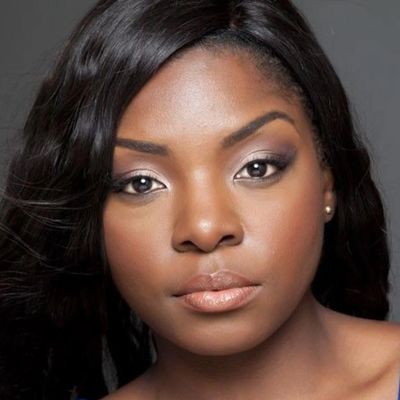
Joaquina was last seen on Broadway in THE COLOR PURPLE as Nettie. Other Broadway credits include HOLLER IF YA HEAR ME and GODSPELL. She also stars in WHEN THEY SEE US on Netflix and INSTINCT on CBS All Access.
Host Tonya Pinkins is a Tony-winning actress, author, producer, director and teacher who has received tremendous acclaim for her starring roles in CAROLINE, OR CHANGE, JELLY’S LAST JAM, THE WILD PARTY, PLAY ON….among many other productions on stage and screen. Tonya recently conceived TRUTH AND RECONCILIATION of WOMYN: Narrative Stories and Songs for the Soul in ten minutes or less”.
Produced by Dori Berinstein, edited by Alan Seales, music by Anthony Norman.
A proud member of the Broadway Podcast Network.
Transcript
This transcript was automatically generated and might contain errors.
[0:02] Tonya Pinkins: Welcome back for part two of my conversation with writer of Slave Play, Jeremy O. Harris, and his leading lady, Joaquina Kalukango. Now let's dive in for more conversation.
[0:17] Tonya Pinkins: I'm gonna ask you this. We've had this conversation before, but nobody who's heard this has what was the genesis for the writing of Slave Play?
[0:23] Jeremy O. Harris: Oh my god. I literally just told Ari Shapiro I never want to answer this question again.
[0:27] Tonya Pinkins: Oh well, but you gotta answer it again because you have to say it again for me.
[0:31] Jeremy O. Harris: Now it's all over everywhere, everyone knows. But I was at a party, but I think, you know, again, I should say this as well. I think that like me saying that was at a party, like makes it seem like it was just like all a flash of lightning. But it's like literally for months, for years I've been living in LA, wanting to write, telling people I was a writer. It's been so great also to be at all these parties recently, these fashion week parties with all my friends who were like who were already on their way to being famous and successful, who would all who would be like, oh yeah, you're a playwright in LA, like good luck, sis. And like I was like, no, I am, I promise. But I had all these like ideas and these stories that were like, you know, like screaming to come out. And I was also in the most segregated city in the country. Like people don't think about Los Angeles as segregated, but it's like deeply segregated. As is Chicago and New York.
[1:17] Joaquina Kalukango: Yes.
[1:17] Jeremy O. Harris: And but and I specifically moved to like a because also when you come to LA, you're like, what is LA? You know, and so like the only black parts of LA you know were in like Boys in the Hood, and you're like, well, I don't know that I want to move there. That looks scary. And then like, and then like, you know, and then otherwise it's like the beach, you know. So I immediately moved to Santa Monica. And I lived on the beach with all these like beachhead, like blonde, like white kids, and I was the other body there. And so I think I started thinking about my body, what my body meant as a body from the south, what my body meant as a body who like wanted to have sex and was like having sex with a lot of people, but most of those people were white.
Um, and what it meant that like I wasn't seeing myself in the like bodies I was laying with, and I wasn't seeing my histories in the bodies I was laying with, and I wasn't seeing my history affirmed by any of the people around me. Because especially in California, there's this idea that uh that slavery was so far away that like anything I felt as racism was so light. It wasn't, it didn't actually have the punch of something as crazy as like, you know, um the segregation had on people. And I'm like, no, no, no, no, no. When your mom touched my hair without my permission, it did make me have some epigenetic fitting. That's why I yelled at her. I'm sorry. I don't know what trauma that unlocked, but like I've literally seen plantations. And so it feels like you guys have all collected me. You're a little black, like, you know, the one you chose, and the way you talk to me is like the one you chose, and it's just that thing.
[2:48] Joaquina Kalukango: Yeah, totally. We are anointed, we're the anointed ones. We may know some more talented ones, but they didn't get picked.
[2:53] Jeremy O. Harris: Yes. And so I started to be like, I started to have this real thing and be like, fuck all of this. This is all psychotic. And then I started, I started in my spirit, I started knowing that I wanted to write something about my body and what my body meant in relationship to these bodies. And at that party, this person was saying this thing, this person was saying that thing, and after years of Tumblr and like, like, call me daddy, call me this, call me, you know, all of a sudden I was like, my when this guy is telling the story, and there's a person I know who like is very fiercely proud of his like identity as like a good guy. I was like, would you be telling the story if the woman was black?
And would you want to do it if you and the story was that he was talking about a BDSM relationship he was in? Yeah, where he was having rough, rough sex with a girl that was like sort of like rape fantasy sex, and he was like, I don't know, it's the weirdest thing. Like, I'm into it. And I was like, and not kink shame me, like be into it, but would you be as into it if she asked you to call call her a nigger when it happened? And he was like, What? And I was like, would you be as into it if she asked you to call call her a nigger as it happened and she was black? He was like, Oh, that would be so like what no, I don't use that word. Why would I say that word? I'm like, well, because it's part of her fantasy.
Like, what if it was part of her fantasy? And he was like, No, he's like, and he's like, would you? I was like, no. I was like, I and I was like, you know why? Because I've been asked multiple times on grinder. And that's not my kink. Like, my kink is like not that kink. Like, I actually think I can understand why I would maybe be excited by someone saying it for 45 seconds. I'd be like, hey, call me a nigger. And this is as a test. And then the minute they said it, I would be like, whoa. Like, it's over. Right. It's like, so this is a lesson to anyone out there. If I ever tell you to call me a nigger, I'm it's a test. And you will fail.
[4:34] Jeremy O. Harris: Well, I asked you that about the line in the play because I felt like nigger was the correct word for her for her fantasy, not negress. I felt negress was a kind of calming of a kind of a negress is a pretty word, like nigger, we was all niggers. So I asked you that. I said, why isn't she just calling want to be called a nigger? I mean, I don't know. We talked about this a little bit, but I was thinking that now that line in the thing sort of affirms something, the line about like, you know, the movies and the thing, like, you know, like in sort of the mythology of this this uh world they're in, I do think that there is something where like one of the major words in the vocab sheet was negress. You know what I mean? And I think that that's why, because like even like Alana says it, like it's like the nigress is like an obsession inside of the play.
[5:12] Joaquina Kalukango: Got it.
[5:13] Jeremy O. Harris: Okay, so the nigress, their obsession. So the Alana's obsessed with the nigresses and the probably the attention her husband gives to the nigresses. Do you know what I mean?
[5:21] Joaquina Kalukango: Yes, and I think it was one of their little vocab words when they were studying to get ready for the for the thing. And I think she attached something to that, because like the character is a writer, you know?
[5:31] Jeremy O. Harris: Oh, Kenisha's a writer. Okay, I didn't pick that up. I said this play is White Supremacy 101 X-rated.
[5:38] Joaquina Kalukango: I love that title.
[5:39] Jeremy O. Harris: Mm-hmm. Because to me, that it is exactly the dynamics of what any supremacy looks like. It's someone who isn't a good dom or a good sub. They don't know how to switch off with the mutuality. They want to choose which they're going to be, and you don't have any agency at all. You just must be whatever they want to be, depending on what they've decided they want to be today. And to me, the play really shows that. And I've heard lots of people say, Oh, I wish they didn't have the second act. And I'm like, the second act is why the play exists. If there was only act one, I wouldn't have cared. But the second act, like all of that psychology, that's all real stuff. He didn't like invent some psychological theory. It's real.
[6:21] Joaquina Kalukango: Well, I mean, I want to go back, I'm gonna say two things, but one of the things I want to say is that um one of my teachers literally was like, that, like, you know, and I know that word, and that word doesn't mean that. And that word doesn't mean that none of this makes sense. And like it was like really like the big the like pop off on the note section. And I was like, uh, okay, well, it's sci-fi, so like I don't know what to tell you. Like, because the play is vaguely sci-fi, right? Like it's like a little Westworld, right? It's like it's like just like just outside of where we are. This exists. Um, and I was like, so I'm not gonna really like, I was like, these words change definition all the time.
Robert O'Hara is literally married to a psychologist, and he was like, oh, everything makes sense. The only thing I have a problem with is they're saying Alexothymia wrong. Because before we were saying Alexithemia, and they're like, no, it's Alexa, he was like, it's Alexothymia. But he's like, this all basically kind of checks out. He's like, Jeremy, he's like, did Jeremy study psychology? I was like, no, I've just been crazy my whole life. Oh no, but I've been in therapy since I was like 12. Which is insane. But also, the other thing I was gonna say, uh, because I didn't finish the Morgan Parker thing, yeah. You saying that it's like white supremacy 101, um, x-rated it affirms something that she says, which is essentially that like, don't like, don't, don't act surprised.
So the note, the her piece is called A Note on Your Discomfort. And um, she says, This might hurt. This could prod open regrets and secrets, and what you find could be shock. But there's nothing in Slave Play that part of you doesn't already know. And then she goes on into this beautiful like essay about like why the play worked for her and what her experience going to see the play was. And it's it's so special.
[7:59] Jeremy O. Harris: And like now, to that to the woman who wrote the crit the piece of criticism being like, I didn't see a black woman with any sort of like stake inside of this world, like, like Morgan Morgan Parker is a major figure in the black literary community. I am not yet. You know what I mean? I'm a I'm a figure in the I don't know. You you got two, I already had two plays off, bro. You gotta play on Brock. Two more plays coming off Robin. I don't know. I think that makes major. I mean, I think I'm in the literature.
[8:27] Joaquina Kalukango: What's the movie?
[8:28] Jeremy O. Harris: I have a movie called Zola that's coming out with A24.
[8:31] Joaquina Kalukango: Okay, what's it about?
[8:32] Jeremy O. Harris: It's about a stripper who goes from like she works at Hooters and this white woman meets her at Hooters. It was a Twitter story, it went viral. But it's like she this um this woman was at Hooters, she used to be a stripper, but she's like trying to be like a Hooters girl, so she doesn't, you know, she's trying to give up the stripping life. She meets this white girl, and the white girl's like, oh my god, like, girl, you're amazing. And they become best friends overnight. And then the white girl's like, come to Florida with me. Like, I'm gonna go stripping, it'll be fun. Like, we can do that. And Zola's like, uh, you know what? I miss stripping. I'm gonna go do it, I'll make some money for my wedding. And then she goes down there, and then this white girl tries to trick her into sex slavery.
[9:03] Joaquina Kalukango: Who's playing the parts?
[9:05] Jeremy O. Harris: Um, Riley Keough is playing the white girl, and Taylor Page is playing the the lovely and talented Zola.
[9:12] Joaquina Kalukango: Wow.
[9:13] Jeremy O. Harris: Yeah.
[9:14] Joaquina Kalukango: I think that's kind of major.
[9:16] Jeremy O. Harris: No, but I mean, I think that like in the like the black literary community is still skeptical of me.
[9:20] Joaquina Kalukango: Like, are you like looking for the black literary community to give you some props?
[9:24] Jeremy O. Harris: Um, I think that I would rather not be like outside of like the I I mean, I don't I don't know that I want to be like the like the favorite of the whites. You know what I mean? And like, so I'm like, I think that like there are a lot of people in the black community that I'm like, oh yeah, like I don't want you to be skeptical of me.
[9:37] Joaquina Kalukango: What about like Hilton All's? What's his I love Hilton?
[9:38] Jeremy O. Harris: Is he what is he of you?
[9:40] Joaquina Kalukango: I have no idea.
[9:41] Jeremy O. Harris: I'm so nervous.
[9:42] Joaquina Kalukango: He hasn't written anything yet?
[9:43] Jeremy O. Harris: No, not yet. But I feel I don't know. I'm so nervous, honestly.
[9:47] Joaquina Kalukango: I am why don't you just call him up and say Hilton?
[9:50] Jeremy O. Harris: Hilton wouldn't let me take his class at um, Hilton wouldn't let me take his class at uh Yale.
[9:56] Joaquina Kalukango: Why?
[9:56] Jeremy O. Harris: Because he said he could write about me.
[9:58] Joaquina Kalukango: So he can't.
[9:59] Jeremy O. Harris: Uh, so he didn't want the um Yeah. But I'm like, I mean, I think that he I know that he I think he likes Daddy. I don't know that he likes Slave Play, because his review of White Noise, I felt like I've I read, I've read every Hilton Algebra that he's ever written in the New Yorker because he's my favorite critic.
[10:15] Joaquina Kalukango: Wow.
[10:16] Jeremy O. Harris: Yeah. Um like even when people were mad at him, I'm like, y'all, get over it, sis. Like, he's like an auntie, like, let Hilton be Hilton. Like, I'm sorry, like the man who wrote White Girls is not like a rampant misogynist.
[10:28] Jeremy O. Harris: He has like the same blind spots that any person has, the like male or female, I think sometimes. And I think the language he uses is from a language of like a different decade. So, like, I don't know. I have a lot more space for him than a lot of other people do. Um, and and like in his white noise review, which people thought was too harsh on that play, I definitely think that he was talking a bit about like maybe me and maybe Jackie without wanting to throw us under the bus. So then he likes us when we're young, and he's just and he's a good old-fashioned critic, where he's like, if I like you and you're young, I'm not gonna trash you. He's like, but like Susan's in a different space, so I can talk my talk about Susan, you know?
But like he has this line basically where he's like, I'm wondering why this academic thing and like identity thing is like becoming the obsession of young black playwrights. Like it's everywhere now. And that's the second act of Slave Play, right? You know what I mean? Like that's you know, I didn't feel that way. I mean, I don't either, but I think that I could see that being a thing. And then also he taught, he taught, my roommate was his TA at Yale. Okay. Um in his James Waldman class. And like he had this whole thing where he talked about he's like, he's like, when are young black writers gonna start writing about love again? Like, and he has this obsession with love, love, love. And I was like, oh, I wonder if there is any like interest in love in my play, or if I'm too young for love, or if love is like something that I think is inherent and not something I think is like it for me, I felt like the love was apparent in the play.
Like, like no one would do what these characters did if they didn't feel like they love their party. That's kind of the point of the play, is that these people love these people enough that they didn't just go, look, I've lost sexual interest in you, I'm moving on. I can find something else. I mean, for me, it's there. I guess for me, I feel like what I'm seeing in the young black playwrights is this please, please accept me, love me, give me some space. And it makes me think of Baldwin saying, if I keep if I wrote about how the white man was oppressing me, he would be like, Good, it's working. So I'm like tired of all these. Give me space. I need my space. Look how hard it is for me. I'm tired of it. I'm tired of it.
[12:40] Joaquina Kalukango: Like what what like it's because you do a lot of film stuff too. So I feel like you're probably in the running for a lot of things right now that are making you feel crazy. Or is it you can't say it?
[12:51] Jeremy O. Harris: You're asking Jackie.
[12:52] Joaquina Kalukango: Yes.
[12:55] Joaquina Kalukango: What am I tired of? Huh? Go ahead. I I I don't even know where to begin. Um I'm tired of um that I feel like I'm at the top of my game. I have more power, talent, experience than ever. And um, I'm just brought brought in like a prop now. You know, I probably work more than I've ever worked, and I'm so grateful for that, but I'm really just brought in to be the heavy energy, the the spine, the backbone, but not do much of anything.
[13:31] Jeremy O. Harris: So not in your new show.
[13:34] Joaquina Kalukango: Um how to make love to a black woman.
[13:37] Jeremy O. Harris: Yeah, but you're in with Amala Jahaba.
[13:39] Joaquina Kalukango: With Amanda Jehava, who also went to Yale, which is cool.
[13:41] Jeremy O. Harris: That's who I wrote Slave Play for.
[13:43] Joaquina Kalukango: Really?
[13:44] Jeremy O. Harris: Oh my god. Well, she know that.
[13:46] Joaquina Kalukango: Yeah, I was already writing it, but I was like, oh, I'm gonna tailor this so that my girl will get to play the lead. Because she had a hard time at Yale, too.
[13:55] Joaquina Kalukango: Yeah, but they wouldn't, they they would never have let her play it.
[13:59] Jeremy O. Harris: What do you mean? How did they not let her?
[14:01] Joaquina Kalukango: How could she not get cast?
[14:02] Jeremy O. Harris: You don't have say on casting of your own play?
[14:05] Joaquina Kalukango: No, and they gave it to a girl who was amazing. I didn't know her legacy, who's amazing, and like totally illuminated like an a version of the character that I didn't know was the character at first.
[14:16] Jeremy O. Harris: Right.
[14:16] Joaquina Kalukango: But in a sense, I had a very like young, like ingenue version of this character in my head that I thought could be really funny. It's like, what if like Lupita did this play instead of 12 Years a Slave? Was sort of my idea.
[14:30] Jeremy O. Harris: And like, um, and so Can we talk about 12 Years of Slave?
[14:34] Joaquina Kalukango: Oh, CC, she's rolling her eyes and not speaking.
[14:37] Jeremy O. Harris: I'm not, I'm not. I actually I think I'll have a contrarian opinion on 12 Years a Slave.
[14:41] Joaquina Kalukango: Okay, go ahead.
[14:41] Jeremy O. Harris: You have your contrarian opinion.
[14:42] Joaquina Kalukango: I don't find the man who's heroic in any way.
[14:44] Jeremy O. Harris: Yeah, I mean he was not heroic, so why do we have a movie about someone who just like abandoned all these poor black people and went on about his life? So for me, I was not having it.
[14:56] Jeremy O. Harris: I mean, is that for me it's less about the story of the movie and more so about like that film's intervention in the sort of like land because like, okay, listen, I think people overestimate how many slave narrative films there are in like the landscape of like the canon of film. Like there's like a lot, but there's not like a huge amount.
[15:14] Joaquina Kalukango: Like, there's like do we need a lot?
[15:16] Jeremy O. Harris: No, no, I'm not saying we need a lot. I think people talk about it. I mean, I think that like, because the thing that annoys me is people being like, where is black joy? Every time I turn around, it's black slavery and black trauma and black senses. I'm like, really, it's not. Like, like it's actually like a lot of black comedy, a lot of black movie. I was like, actually, there's not a lot of space for us to like dissect our psyche. So like I think that's what I'm interested in. Like, it's like, where's like the black Ingmar Bergman? Like, tell me that you don't want like black, black sadness or black trauma when we have a black Ingmar Bergman, but we like don't yet.
[15:45] Jeremy O. Harris: Are you gonna be the black Ingmar Bergman?
[15:47] Joaquina Kalukango: I don't know. I like I need to be the black Jeremy first.
[15:50] Jeremy O. Harris: Okay, I love that. I gotta go with that.
[15:52] Jeremy O. Harris: Jeremy O'Harris first and figure out what I'm gonna write next before I kill myself for no god, the dog, that's so dumb. Trigger warning. Trigger warning.
[16:00] Joaquina Kalukango: Um how old are you?
[16:03] Jeremy O. Harris: I just turned 30.
[16:03] Joaquina Kalukango: Good, so you can't be in the 27 club.
[16:05] Jeremy O. Harris: Yes, yes, yes, yes. I got hit by a car when I was 27. But anyway, but no, but I like, but yeah, like I think a lot about how there's not that many of those movies. And what was really interesting about what he did, he's like, okay, listen. I felt like he was 12 Years a Slave was him being like, listen, let me make the end all be all slave movie on an aesthetic level, on a level of cinema. Being like, he's like, he's like, all these white people have told our stories in all these different ways. We got the the um the Lorentis and his Mandinga. We got like, you know, whoever directed Roots. We have Spielberg and um and uh COLOR PURPLE. No, not COLOR PURPLE, the other one. Uh the boat. Um, uh uh I know the boat. I see the boat at eight, eight. I'm gonna stop. I'm gonna stop, I'm gonna stop.
[16:46] Joaquina Kalukango: Um, you know why he wrote that movie?
[16:49] Jeremy O. Harris: No.
[16:50] Joaquina Kalukango: Oh my god, you don't know the story?
[16:52] Jeremy O. Harris: I just found out the story too, and it's like crazy. But apparently there was like a very public thing. Do you know the story?
[16:56] Joaquina Kalukango: I don't know.
[16:57] Jeremy O. Harris: Um there was a very public like um thing that happened where Spielberg, where a group of inner city black kids got invited to see uh Schindler's List. And they were just like lol, like during the movie. Like they were just like being teenagers and not really like vibing with this like slow movie. And all these people were like, this is offensive. Like, how the could these kids act like this during this movie? It's Schindler's List, it's anti Semitic. And then Spielberg was like, whoa, whoa, whoa, calm down. He like went and hung out with these kids, and he was like, yo, like what's going on? Like, you know, like let's talk. Like, I get it, you were kids. Like, like it's totally chill. And then the kids were like, one of the kids was like, I think I just am so frustrated because I've never seen my my story be told with like that much seriousness.
He was like, Would you tell a story about us where we can be heroes and like also like tell our history? And he was like, Yeah, I'll do that. And then he did. And he also has black kids. So he was like, I'm gonna just do that.
[17:49] Joaquina Kalukango: Yeah, that's cool.
[17:50] Jeremy O. Harris: Um, it's also why the black girl was in um Jurassic Park. Um, because he wanted he wanted his daughter to have like someone to look up to, and also for his family to be represented because Jeff Goldblum has like a black daughter, and like they don't explain it, it's just like his black daughter. Um but anyway, um, I have always said that there's not enough, there there weren't enough like movies on an aesthetic level that said like that like this is a cinematic treatment of this time, this is an artist treatment of this time, and now I'm done.
[18:19] Joaquina Kalukango: I'll give you that.
[18:20] Jeremy O. Harris: That scene in the lynching tree is like actually stunning. I wanted him to say, You're gonna kill all your property, get to it. Yeah, kill all your property because I'm not gonna beat her. Okay. And so kill be poor. That was what I needed to have happening.
[18:38] Joaquina Kalukango: Okay. I love that. I love that.
[18:40] Jeremy O. Harris: So I I mean, at some point I want to rival you know Howard Stern with this, you can't say that. So will you come back and ride my Sybian?
[18:48] Joaquina Kalukango: Oh, yeah.
[18:50] Jeremy O. Harris: Do you know what that is?
[18:51] Joaquina Kalukango: I love that Jakina got to I love that Jakina got to get out of telling us what she was tired of.
[18:56] Jeremy O. Harris: Oh god.
[18:56] Joaquina Kalukango: But she didn't get to. Talk about the icky.
[18:57] Jeremy O. Harris: The icky?
[19:00] Joaquina Kalukango: Yeah, you talked about the icky of last night and not going to the party last night.
[19:04] Jeremy O. Harris: Oh, yeah because of the icky.
[19:05] Joaquina Kalukango: Yes.
[19:06] Joaquina Kalukango: Um, um so the first night, I think there was just like like you said, that great joy and that energy that happened. And then the second night, it was way more silent. Um, and I started. For me, I'm not gonna change a performance. I'm gonna, I'm gonna go there in terms of like the images that make you feel uncomfortable when you see a slave. I'm going to dig into them, I'm going to play them, and you're gonna see them. And when people started to see it, I literally heard people gasp. I heard them go, oh no, that thing of like, oh, how could she go there? Right. And uh by the time we got to maybe I think the second act, I literally felt like, what the fuck did I just do? Am I hurting people? I'm hurt right now.
I'm feeling all the things right now, right? And I couldn't shake it. And I'm like, nope, you know what? This is in the play. This is exactly what this is. You can't act like you would feel comfortable in this situation. It's gonna feel that way. And I had to embrace it fully and say, Well, how the hell does she get through it with that in mind too? Because she feels that as the character. Um, and yeah, and it it's this play is interesting. I was saying, because we just started, I haven't had the chance to fully figure out how to completely release once you stop, you know what I mean. A show. That's something I'm I'm on this journey figuring out as we go along. But uh, that's a thing for me, is it's figuring out how to not take whatever happens at the end of the play and whatever I feel from that moment and bring that into my life because I'm going home to a two-year-old, you know what I mean, who's like, Mommy, are you happy? Because I'm happy, and you're like, shit, I gotta get happy now.
[20:53] Jeremy O. Harris: Yeah, I'm happy too. So you don't bring that to them. Is the end of the play substantially different than it was at a New York Theater Workshop? You didn't see it there.
[21:02] Joaquina Kalukango: I didn't see it. To me, it stopped. Okay, yeah. And in some ways, yeah, in some ways, I think that like we've uh been able to get um by being more specific in other ways in the play. We've gotten, we've been able to make that that scene ex feel even more than it felt in that last time. I think like it feels more like macro in a sense. It feels like the cinematic version of it.
[21:26] Jeremy O. Harris: Is it more violent? I think a little bit more. You still don't get your blood.
[21:30] Joaquina Kalukango: I don't give a blood. I mean, I thought it wasn't violent enough. I felt that it needed to go way, way further.
[21:34] Jeremy O. Harris: Yeah. So what else do we have to expect from you this year?
[21:37] Joaquina Kalukango: Um me? Yeah. I'm doing a secret play.
[21:39] Jeremy O. Harris: A secret play. But we want to know what the secret play is.
[21:42] Joaquina Kalukango: Well, I mean, I think by the time this this podcast comes out, it still won't be announced yet. But um, I'm gonna do like a secret drop of a play.
[21:51] Jeremy O. Harris: That you're in.
[21:52] Joaquina Kalukango: That I'm in. A secret drop of a play. Where will it be?
[21:55] Jeremy O. Harris: I can't tell you. We have to get DMs to find out about it.
[21:57] Joaquina Kalukango: Am I like do you DM me? Do you follow me on Instagram so I can get a DM?
[22:00] Jeremy O. Harris: I'll follow you on Twitter.
[22:02] Joaquina Kalukango: Okay, so I will not get a DM. I have to look for the DM.
[22:05] Jeremy O. Harris: Yeah. Okay. And what else? Don't you have another couple plays in New York this fall?
[22:07] Joaquina Kalukango: Yeah, I have so I have that secret play in the fall, and then Daddy's going to London, which Daryl Roth says it all the time online. So I feel like I can say it now. And by opening, it should be announced. But he's going to London. It's gonna be the Almeida, which is really cool.
[22:22] Jeremy O. Harris: Yeah. Um, and then um, and then uh I come back from the so before the Almeida I have Sundance with was uh with Sola, hopefully, if we get into Sundance. Um And then um we I come back the after the Almeida and I do my play. Um I do my play what uh A Voice Company Presents, which is like this queer ballet that I've sort of written, and it's gonna be really fun.
[22:51] Joaquina Kalukango: Who's choreographing?
[22:52] Jeremy O. Harris: Jack Ferber, who I love.
[22:54] Joaquina Kalukango: Okay. Um so Jack Ferber and Dustin Wills is directing, and there's gonna be like 12-year-olds in it, which is really insane. And it's a Jacobian revenge tragedy about me and my ex-boyfriend.
[23:03] Joaquina Kalukango: Whoa!
[23:04] Jeremy O. Harris: Yeah, yeah. So um so that's coming out. And then um, and then I have a uh I'm I want to take a year off, kind of, but I sold two TV shows to HBO, so I have to do work on those.
[23:18] Joaquina Kalukango: What is it?
[23:19] Jeremy O. Harris: And I and the two movies. Two TV shows and two movies.
[23:21] Joaquina Kalukango: Yeah. What are those about?
[23:23] Jeremy O. Harris: Uh the movie, one of the movies is called Coming of Age, and it's about me and my best friend's friendship from age 12 to age 21. And how we like we're basic we were basically in love. Um, and we became in love through like um through politics and like our mutual love of politics. But in college we had this moment of splitting apart where like one of us became because he was actually studying politics and I was studying art, and one of us I became like really sort of like a socialist, and he became like a centrist. And it's like it was like the schism of our friendship that happened in and around Zuccotti Park. So I'm working on that movie, and I'm trying to make it funny. Um, and then uh I have another movie that I'm working on called uh Utopia or like whatever, and that's a party. Oh, actually, I have three movies, um, and then that's a movie about like a big uh party, a queer party in queer spaces. Then I have an adaptation of um Pygmalion called PYG.
[24:19] Joaquina Kalukango: I have a really awkward question to ask.
[24:27] Jeremy O. Harris: It's awkward, yeah.
[24:29] Joaquina Kalukango: So um I haven't seen Dave Chappelle's show.
[24:37] Jeremy O. Harris: Oh, I haven't even. But I've heard that it's really controversial and he, you know, pushes a lot of buttons. And um what how do you identify?
[24:47] Jeremy O. Harris: It's queer.
[24:48] Joaquina Kalukango: Okay.
[24:48] Jeremy O. Harris: Yeah. And tell me, can you d define for me queer from trans, from gay, from lesbian, from gay, from I, what is all that?
[24:55] Jeremy O. Harris: Well, I think this is like the LGBTQ. I think that like mainly the reason I don't identify as gay is because it's just boring. You know what I mean? And it's like very like closed. I think there's like a very like specific like group of people who like you think of and you think of gay. Whereas with queer it can be like a lot of different things and a lot of different performances, and like it it allows me to have malleability. If like one day, like you see me walking down the street with Jakina and was like, well, we're together now. Like it's like it's like it's not weird because I'm queer. You know what I mean? Like, I don't have to say like w what the thing is. Like if I was a gay man, you would be like, what are you doing? You know, so it's like it's a more closed-off thing. And like, you know, there are trans people who are queer, they're in a queer zone.
[25:33] Joaquina Kalukango: Okay, so trans and queer can go together.
[25:34] Jeremy O. Harris: Okay. Yeah, yeah, yeah. It's all can go together, you know. So it's like, you know, even gay, like some people who are just like men who sleep with men primarily are queer or identify as queer. So queer is like the catch-all and sort of academic identity of it's and a political identity for those who like see the like a boundlessness in the LGBTQ space of expression in like how families can be formed, how relationships can be formed. You know, like I think there are people who might identify as queer because they have like more than one partner at the same time. You know what I mean? I mean, I think then I think everybody would want to be queer if they get boundlessness of identity. I feel like male is not enough identity for me, female is not enough identity for me. I want a boundless identity. But people don't some people like to have boundaries, you know what I mean?
[26:19] Joaquina Kalukango: Well, that's true.
[26:20] Jeremy O. Harris: I'm not one of them.
[26:22] Joaquina Kalukango: Jackie. So all of the inner energy of this is gonna come to you. You are the focus of this play, you are the heroine. You have the pivotal monologue. You have the biggest.
[26:34] Jeremy O. Harris: Well, actually, everybody has an arc.
[26:36] Joaquina Kalukango: Yeah. Everybody has an art, but you start the play, you end the play.
[26:40] Jeremy O. Harris: She also has the most lines.
[26:41] Joaquina Kalukango: Oh. Yeah. You're number one on the call sheet. How are you gonna take care of yourself?
[26:46] Jeremy O. Harris: Man. Um spa treatments. Um I talked to a lot of my black actresses friends, and they're gonna come over a lot of the time on Sundays for like brunch and teas and just like to debrief and love on me and pray for me. Going to church and getting getting the word in. Um, but also I'm just gonna I think now, and this might seem a little weird, but like while we were in rehearsal, I would literally leave rehearsal, go home, and then watch like Mindhunters on Netflix, which is about serial killers and zone out and go to sleep and be perfectly fine, or watch King of the Hill. You know what I mean? Like just something to kind of debrief. But other than that, I'm just gonna be kind to myself. I'm gonna be uh open to everything that's around. I'm very excited about the conversations that are gonna happen. And I personally, I'm not gonna do this type of play and not want to be a part of the conversation.
[27:47] Jeremy O. Harris: Yes. I wanna, this is why I'm a part of it. This is why you do theater. I love talkbacks personally. That thing always excites me to be able to talk to people who have seen your show, and so I'm really excited to start talking to people when they come and see this and what it brings up for them. I'm not at all a therapist, I'm working out some shit too, but we can talk and see what's going on, and everything that comes up for you once you see it is valid because it's your own experience. But I think it's um, I think it's really exciting. I'm I'm excited.
[28:15] Joaquina Kalukango: It is excited, and it's something that lets you like use all of your powers and talents, right? Okay, let's just talk real about this. Cause this goes back to your question. I am so bored with uh at least for a while, I was really bored with the type of roles that I was being offered. Um, and even like this, this I mean, I can kind of say this like going to auditions, being like, Do you want to audition for a little dolly? Do you want to audition for Zero Verje? No, I don't. Even if it's the onjin, no, the hell I don't, because it's boring. And I read Jeremy's way and I was like, this is not boring. This is holy God. I was like, this is a woman who is a black woman speaking for 11 pages. What the hell?
I've never seen that shit. And I was like, how the fuck do you do that? As an artist, and this is like actors' dream. You know what I mean? What you're you're literally like, this is what you go to school for to figure out how to do that shit. This is when your training comes in, and you're like, how the fuck do I serve this? And um it's just exciting. So I want to do things, and specifically my father passed in um May. And so as an artist, no, thank you. And um, and we had long great talks because I went home and and um was with my father for the last year and a half while he was going through his stuff, and we had great conversations. My father was such an artist in his own right, and he taught me to just be fearless.
And I for me personally, I want to do things that literally terrify me that I'm gonna grow from, that I'm gonna learn from, that other people around me will grow from and learn from. And um, that's the type of work that I'm interested in. I'm not interested in Disney movies, I'm not interested in being a Disney princess. Honestly, you know what I mean? I wanna be that messy ass woman out here on the street because we exist. And I'm tired of honestly, I'm just tired of as a black woman being put in the box. I feel like a lot of it was was saying that we had to, this is gonna sound really bad, but like be like these really put together magical creatures that just didn't have any complicated feelings.
We always had our life together. We were always either very strong or very wise, but none of us were very fucked up. And a lot of the people I know and I walk around and see around here are really fucked up and messy and are still working and are in the process of figuring out who they are, and I'm interested in those characters because they deserve to be told on national stages like this. And it's beautiful to see.
[30:50] Joaquina Kalukango: Awesome. Thank you guys so much.
[30:52] Jeremy O. Harris: Thank you.
[30:54] Joaquina Kalukango: Oh my god.
[30:55] Jeremy O. Harris: Okay.
[30:58] Tonya Pinkins: Thanks for listening to You Can't SAY THAT with Tonya Pinkins, part of the Broadway Podcast Network. This episode was produced by Dori Berinstein, edited by Alan Seales with music by Anthony Norman. You can find more information and other great Broadway related podcasts via BroadwayPodcastNetwork.com slash you can't say that.
© Broadway Podcast Network, All Rights Reserved