

In this final, super-sized episode of Stagecraft: Listen in on insightful conversations with Broadway's biggest talents, recorded during Variety's annual Business of Broadway breakfast presented by City National Bank... Read More
From the show: Stagecraft with Gordon Cox
Guests




Featured Shows

About
In this final, super-sized episode of Stagecraft: Listen in on insightful conversations with Broadway's biggest talents, recorded during Variety's annual Business of Broadway breakfast presented by City National Bank. We've got Keanu Reeves and Alex Winter talking "Waiting for Godot"; Lea Michele, Aaron Tveit and Nicholas Christopher on "Chess"; Kristin Chenoweth, Stephen Schwartz, F. Murray Abraham, Lindsey Ferrentino and Michael Arden on "Queen of Versailles"; and John Clay III, Lear deBessonet, Caissie Levy and Brandon Uranowitz on "Ragtime."This is the final episode of Stagecraft as a regularly scheduled podcast, but host Gordon Cox will be contributing theater segments to Variety's daily news briefing, Daily Variety. And stay subscribed to this feed for occasional, standalone episodes of theater talk in the coming months.
Transcript
This transcript was automatically generated and might contain errors.
[0:00] Gordon Cox: In the world of Broadway, every production starts with a vision, and bringing that vision to life requires the right support behind the scenes. For over 70 years, City National Bank has proudly supported the entertainment industry, helping manage the banking needs for the theatre community. From first rehearsal to opening night, City National is here for every stage of your success. Learn more at cnb.com slash Broadway. City National is a subsidiary of the Royal National Bank of Canada, member FDIC.
[0:29] Gordon Cox: Welcome to Stagecraft, Variety's theatre podcast, your backstage pass to revealing conversations with stars, creators, and industry leaders, on Broadway, off Broadway, and beyond. I'm Gordon Cox. On this episode of Stagecraft, I'm bringing you conversations with everyone from Keanu Reeves to Kristen Chenoweth to Lea Michele. But first, some bittersweet news. After more than 250 episodes, Stagecraft will be coming to an end, at least as a regularly scheduled podcast that comes out every other week. As part of an overall evolution of Variety's podcast lineup, Stagecraft as a standalone pod will be ending. But don't fret. I plan to contribute theatre news and interviews to our new daily showbiz news briefing, Daily Variety.
In fact, in a couple of last week's episodes, you can hear me talking about our 2025 10 Broadway stars to watch list, and you could also hear an excerpt of a conversation with Waiting for Godot stars Keanu Reeves and Alex Winter, a conversation that we're presenting in full here in this episode of Stagecraft. Look out for more audio theatre content from me in Daily Variety in the coming weeks. And now on to our final supersized episode. On Monday, October 6th, Variety hosted its annual breakfast event, Business of Broadway, presented by City National Bank. Bright and early on a Monday morning, the theatre industry turned out in force to celebrate the 2025-26 Broadway season and listen in on insightful conversations with the talents behind some of the most exciting projects on Broadway this season. We bring you four of those conversations here.
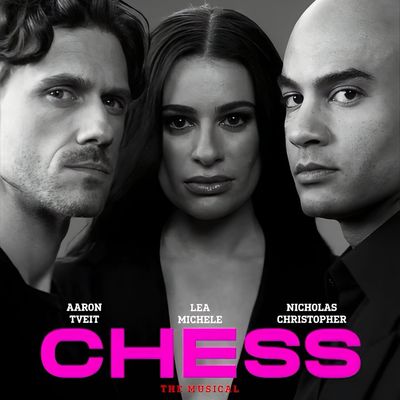
[2:04] Gordon Cox: First up, my colleague Rebecca Rubin talks with the three stars of the buzzy new revival of cult favorite musical Chess. First premiering in the West End in 1986, the musical Chess is about the globe-trotting world of competitive chess. It's about a love triangle. It's about the Cold War. It never really worked. It lasted less than three months on Broadway in 1988, but many people, including me, think it's a great, great score by ABBA hitmakers Benny Anderson and Bjorn Ulvaeus with lyricist Tim Rice. Now, Chess is coming back to Broadway with a rewritten book that hopes to make this cult fave title into an honest-to-gosh hit. Here's Rebecca talking with the trio of stars headlining this new Chess, Lea Michele, Aaron Tveit, and Nicholas Christopher.
[2:50] Rebecca Rubin: Good morning.
[2:57] Rebecca Rubin: So thank you guys for being here. I know you are in the thick of rehearsals right now. You start tech today. The show opens or it starts previews next week. So what has it been like? What is the vibe? What are rehearsals like? How are you all feeling right now?
[3:09] Lea Michele: I think we feel good. Today's will be our third day of tech. We had yesterday off, which was nice. But yeah, it's been going really well. We've been working on this show that's a revival, but it's essentially, in a way, it's a brand new show because it has a brand new book that Danny Strong wrote. And the take that Michael Mayer and Danny have given it is, I think, really new. And we're really excited to take something that people love the music and love the story of the show and kind of tell it in a new way. We got to do basically runs every day last week in the rehearsal studio, which was really amazing. I think we got to do more runs of a show in rehearsal than I've ever done before, which is great, which is nice because you go into tech and you kind of lose the show. You don't do a run for about two weeks. So it was nice for us to have that. But it's going really well, and I'm super excited. I feel very positive about it.
[4:05] Aaron Tveit: Yeah. I mean, she just said it so perfectly. We have our blinders on right now, really just focusing on what we have coming up and starting previews. I haven't been a part of a tech process in almost 20 years, but the rehearsal process was really intensive and we really just, we really focused on the script and our characters and making sure that everything felt truthful. And now we're in a, you know, tech, very technical part of the experience, which for me feels strange to not be working on like our scenes every day. So you kind of have to step back and trust the process, but yeah, we're just really focused and gearing up to next week.
[4:44] Nicholas Christopher: I mean, they said everything, but we all dove in headfirst into this process. And so in the rehearsal room, everything went very quickly because we had such a foundation from working on the script this summer and then getting it up on its feet. So much was revealed to us and we were all taken by surprise and there was definitely an intensity in the way that we worked, but we also were able to laugh. We were able to take breaks and, you know, really talk about the scenes and the songs and our characters and relationships and went by really fast.
[5:24] Rebecca Rubin: Erin and Nicholas, you were both in the Sweeney Todd revival, so there's some familiarity there, but what has it been like as a trio to get to know each other, to bond and work together in that capacity?
[5:30] Aaron Tveit: I mean, it's been amazing. Yeah, as you mentioned, Nick and I got to join him in Sweeney last year and, you know, he's just one of the best talents I've ever been on stage with. And Lea and I have known each other for a long time, but I've never worked together. But I think very quickly, all of us realized that we all work in the same way. We kind of poured ourselves in and worked really, really hard. And I think when you kind of have that kind of similarity between you, it's very easy for chemistry to happen because you kind of trust the people that you're around and you're allowed, you're really able to kind of let your own guard down in the rehearsal room. And I think that immediately all three of us bonded over that, that it was like, oh, everyone's shown up, everyone's done the work, everyone's ready to go. And I think that that's just been like such a dream way to start this process.
[6:24] Lea Michele: Yeah, I think that we were really ready to create a real intimacy amongst the three of us. We really needed, I mean, despite the fact that we spend most of the shows yelling and screaming each other's faces. But even with that, you need to have a real sense of comfortability with the person that you're working with. And from day one, I could tell that we were all ready to just dive in completely and get very, you know, connected to one another and bring a thousand percent every single day, despite the fact that we have five children amongst the three of us. So we, you know, come to work depending on however much we've been able to sleep at night. But still just we are so ready and giving as much as we can to the rehearsal process and now to staging. But building the relationship amongst the three of us was very important to give such truth to these characters and to our show.
[7:26] Nicholas Christopher: Yeah, yeah. We also have the same way of working, too. So even when we're on stage, you know, some people really like to color by number and it's very effective. But there's a real looseness once we're on the stage. You'll see when you see the show, there's not much set. We fill it with our relationships. We fill it with the music. We fill it with our emotions. So there is elasticity in the way that we play the scenes every time we go through it. And I think that will carry over for when we have audiences. And eight times a week, there's going to be a fluidity of the way that we approach the words, the way that we approach the text and the music that I think will keep the show alive. And we all silently agreed on that as we were rehearsing.
[8:13] Rebecca Rubin: Chess over the years has become a cult favorite. Great music by ABBA, lyrics by Tim Rice. But it has a reputation of being difficult to adapt. And the initial production ran on Broadway for only two months. So what made this project worth revisiting? You mentioned it's not necessarily a straight revival. It's a different take on the book. But what about this story? Why did you feel like this deserved to be back on Broadway right now?
[8:41] Lea Michele: I think it's always been undeniable that the music to Chess is incredible. So as a singer, when you hear these songs, you just say, I have to sing this material. So for me, that was the first time I had to sing this material. So for me, that was the first thing that I was just so excited about. I was like, I have to do this. I have to sing these songs. They're challenging. They're incredible. They're epic. They're everything that you want as a singer. They're challenging. And then knowing that Danny Strong came in and wrote this incredible new book that we three had the opportunity this summer to also take time to develop these characters and work close with Danny. But I think that every revival brings a history, whether for better or for worse.
And we've seen recently revivals come back, looking at Merrily We Roll Along. And sometimes it's just the right time, the right place, and the right people. And that's how I feel about. I'm not focusing so much on the history. I'm just thinking about what we are going to bring to this and what they're doing with the book and all of that together. For me, that's just where I'm focusing.
[10:06] Aaron Tveit: Yeah. I mean, they just say everything so well. But we really focused on clarity of story, clarity of character. What does this person want? How do they want to go get it? What stands in their way? And we started there, and we really hope that that spills across the orchestra pit. And I think the question for why now that I think is very interesting to me, I think, I hope that good theater, in a way, besides people going into the theater and having a good time, which they definitely will with this, by the music alone, but I hope the good theater holds a mirror up to society. And I think this show is about political turmoil between 1979 and 1983. It's about perspective on the Cold War and Cold War politics between political superpowers.
And I think we live in a very difficult political time now. And I think that hopefully, besides having a good time, this show will make people think about that we're seemingly so far away from that time and that difficult time politically, but we're a little too close to it. And so I think that what was really fascinating to me is the way that they have shown and depicted the Cold War through archival material and through real newscaster footage and things like that. And I just hope that people will leave the theater thinking about our time and about how we're closer to those things than we probably want to admit. And so I just hope people learn something too.
[11:47] Rebecca Rubin: Nobody here has seen your version of Chess yet. So what can audiences expect in terms of the staging, the costumes? I'm sure you want to leave some surprises for opening night, but if you can just hint to everyone a little bit about what this production might look like.
[11:58] Lea Michele: It's definitely quite minimal. We're really focusing on the music and the story and the message behind everything. I think that there have been lots of different versions of Chess that people have seen where they really leaned into the time and the place and others where they really stripped it back and made it more of a concert. And I think that we're probably somewhere in the middle. There's some very cool technical aspects. Kevin Adams has amazing lights. And we have also incredible, incredible dancers who are just moving their bodies in ways that I have never seen before. But it's definitely more stripped back and allowing everyone to just focus on what we're saying and what we're singing.
And I think that audiences come to Broadway right now and they want their money's worth and they should. And it has to have all of the elements. And I really feel like we are able to deliver all of that and give everyone an amazing night of theater, whether it's leaning completely into the 80s with shoulder pads or not at all.
[13:11] Aaron Tveit: I mean, we look good, right?
[13:20] Nicholas Christopher: I think it nods to the period a little bit stylistically and the wardrobe. But also, it's being presented a little bit as epic theater, like a pseudo concert version that goes in and out of being able to play these scenes a bit fast and loose. There's an 18-piece band orchestra that's on stage with us. So I think that really supports the musical element of this. It's like this kind of epic rock music and epic pop music. So I think feeling the band, for us as performers, feeling the band on stage. But whenever I see that in a musical, I feel like I can feel it in my chest in the audience. So I think it's all those things kind of together to just put this forward in a new way.
[14:03] Rebecca Rubin: Leah, you mentioned that the three of you over the summer worked very closely with Danny Strong, who wrote the book of the musical, and Michael Mayer, who is directing the show. I gather that's a unique experience to have that much time in the development process. So what was that like for the three of you? And in what ways has it informed the way that you're playing your characters?
[14:42] Lea Michele: 25 years now. I met him when I was 14 years old. Please don't do the math. But, you know, Michael really knows me very well. And I, but I didn't know Danny and, but still he was so open and taking the time for me, especially as a woman to understand who Florence is as a female in this very, you know, predominant male world of chess and making her both strong and vulnerable at the same time and, you know, be in love, but also want to be independent. Uh, you know, he was so open to putting in all of those layers and all of those different colors to who she is and really having this unbelievable love triangle amongst the three of us, but have it be so much more than just that, um, for who she is is something that I'm so grateful to have had the time to work with Danny to find who she is.
And now, you know, it's the first time that I'm really playing an adult on Broadway. Uh, every show that I've ever done, I literally played the little girl in Ragtime. And even in Funny Girl, she starts off as, you know, 16 and then, you know, ages up, but to play a woman, um, you know, and at my age now, I'm just so grateful to feel that she is fully formed and fully developed, you know, developed and whole as a person, um, with a real strong story to tell.
[16:07] Aaron Tveit: Yeah. Uh, Danny and Michael have been working on the show for seven years now. So bringing us in with new eyes and fresh takes on it, where we were able to ask questions and get even more clarity out of them. And as, uh, Leah was digging in, in trying to find out who Florence is, it illuminated certain things about each of our characters in that process as well. So that was, I mean, that was the most exciting part about this summer really was being able to find out new things about my character as I am reflected off of her in each scene.
[16:46] Nicholas Christopher: Yeah. It was just a very collaborative experience. You know, we, as Nick mentioned, Danny and Michael have been working on the show for six or seven years. And so the three of us were not a part of that. And so we were kind of stepping in to this kind of moving train that was already happening. And if they had said like, this is what the show is, and this is what we're doing, and this is what you're doing, I would have totally respected that. And we would have had to navigate our way through it, but they instead said, what do you all think? What can you bring to it that's yourself? And, you know, they were so open to our ideas and us as people, which is not always the situation. And so, um, I think we're all very, very grateful for that. And it kind of, you know, brought the show to where it is right now, which is very reflective of who each of us are.
[17:33] Nicholas Christopher: Um, and for me, you know, the thing that I was interested in is like my character, for instance, they say he's a narcissist and he has undiagnosed bipolar disorder. And I kind of thought, you know, what does that mean? And the thing that I was really interested in about reflecting on kind of like right now in our society is this idea of childhood trauma and trauma that comes from somebody that was maybe thrust into the spotlight at a very young age, right? This guy became a chess champion at 11 and didn't have the support system in his family to help this person. And I think that's what's led him to where he is now. And so I'm really interested in kind of the idea of celebrity in our society and how basically kids can go on YouTube or TikTok or whatever, and then all of a sudden they're famous and what's the fallout from that, right? So there are other things that I was really interested in that I think they were so open to, you know, addressing and thinking about. So it's just been really fun to kind of dive into that.
[18:27] Lea Michele: So I think the question everybody wants to know is, do you have to actually have an understanding of how to play chess to be part of this show and who amongst you is the best chess player, if you had to say? You know, we, we've not played really each other. And I think that's been kind of a unspoken specific thing. I played a lot when I was a little kid and then I have not played for many years. I have friends that are very, very good chess players. We have, we have a board that was in the rehearsal space that was kind of an open game that anyone could go play. And we had a little way to tell whose move it was, but yeah, no, Nick and I have not played each other. And I think that's probably unspecifically specific, but I mean, you don't, you don't have to know how to play chess to be in this, but I think it's a really fun wrinkle in it all.
[19:10] Aaron Tveit: Yeah, you, you can come, it's, it's seen through the, the, the, I guess the filter of the chess world championship, but it's really just that it's rooted in relationships, both, you know, the person that you're sitting across the table from, or, you know, the ones that sit beside the table, if that makes any sense. I'm reading Chess for Dummies.
[19:40] Nicholas Christopher: Um, can you share any tips? Well, I have two kids, so I'm trying to read as much as I can. Um, no reading jokes, please. And, but I just basically, um, all, I have a lot of, uh, chess, like jargon, like words that I just say throughout the show. I, you know, I'm, I'm Freddie's coach. Um, and maybe also spend some time with this one over here. And so I refer back to it when Danny will throw at me some crazy speech that I have to give one of them with all these wild chess moves that they should do, the Queen's Gambit and the end game and this and that. And I'll look through the guide, chess guide. I'll be like, oh, that's what that means. Great. Um, but don't ask me to play chess right now.
[20:35] Lea Michele: Same. Um, the three of you are all parents to young kids. So what is it like, how are you balancing having young ones at home with such a demanding schedule that Broadway endures? It's very hard. It's hard. I have a one year old at home. Um, you know, I mean, she's one, but still it's like, I feel like I just had her. Um, my son is five and you know, this morning it's like packing lunches and feeding my daughter and getting everybody ready and chasing kids around the house. And it's, it's certainly challenging, but I know I was just talking to Caissie Levy before coming out here and she also has two children. And I was just saying that, you know, that what you're doing is good and is right. If when you're leaving your house and you're leaving your children every day and you're like, okay, I feel like as hard as it is to leave them, you know, you feel proud of for what you're about to do and to show your children that you love what you do.
Um, but the greatest thing of all is that, you know, both Nick and Erin have children as well. And to go to work every day and for them to just have their own understanding, to know that we're bringing a whole sort of history, whether the morning was three hours or two hours, we've had a whole day before our day with our families. Um, just the fact that they have that understanding feels so great and is so wonderful. Um, it's allowed me to work harder and challenge myself more having them both by my side, but I love my kids very much. My son said, I said, do you want to come visit at work any day? And he was like, I don't need to come to checkers, mommy.
[22:22] Aaron Tveit: So he gets it. Yeah, that's good perspective.
[22:28] Nicholas Christopher: Yeah, it definitely keeps you grounded. Like, I mean, like four hours ago, I was getting my four year old ready for school and I was literally on my hands and knees pleading. I can't find the pink sweatpants, but here are the purple sweatpants. You don't understand. I have to get to Variety Business of Broadway and I can't, I don't have time for this, but they don't, they don't care at all. And it's so beautiful and refreshing. And, you know, we brought them because my face has never been that big before on the side of a building. So we brought them to see the marquee of the theater and they were like, okay, okay. Can we get French fries now? And it's just, it's, I mean, it's, it's unbelievably beautiful.
[23:18] Aaron Tveit: Yeah. I mean, this, uh, Leah and Nick each have two kids and I'm, I'm the new one to this party. I have a almost 11 month old at home and, um, it's just been amazing to kind of get to go home and see her face and no matter what happens or if you have a terrible day at work or you're going through your process of self-loathing, they don't care. Right. So it's really, it's nice. And, um, but also it's, uh, it's, it's made, it's, it's oddly made my time at work feel more special because I know that I'm away from that, which has become so special to me. So it's, um, encouraged me to just enjoy it even more, even something that I already enjoyed.
[23:57] Lea Michele: So, Leah, two of your Glee co-stars are on Broadway right now. Jonathan Groff is in Just in Time and Darren Criss is returning soon to maybe Happy Ending. Do you all get to see each other spend time together when you do all have a show on Broadway at the same time? Well, I haven't been on Broadway at the same time as Jonathan in so many years. So we're very excited. We just talked this morning. We're basically neighbors. Um, and me, John and Darren are on a text. And so we plan to get together once our show Chess is up and running and we're all on Broadway at the same time. Um, I was so proud at the Tony's this year to see the both of them and for Darren to win. I'm really proud. I have some very talented, incredible friends and it's just, yeah, it's really exciting to have us all here in New York working on shows that we're all really proud of.
[24:49] Lea Michele: Um, and I know of course the run of Chess has not begun yet, but as you're thinking of next week preview starting, how do you get into the mindset and the mentality to perform eight shows a week and, and how do you keep things fresh? Well, it's a very long process, you know, just setting up the home life first and foremost with as much support as possible and making sure that my family is okay and that we have the help that we need. And, you know, for me, I have like a very extensive, you know, process of warming up and warming up my voice and warming up my body and practicing constantly and bugging these two to go over lines with me over and over again. And, you know, my prep for the show begins the minute I wake up in the morning.
It starts with what I'm eating and everything that I'm doing is gearing up to do a show at night. And, you know, if I'm at the park and I'm running after my kids and I have to stop myself, remember that I have to conserve my energy for my show. That's what I do because I really want to be able to get there every night and give it as much as I can.
[26:07] Nicholas Christopher: Yeah. And especially being a new show as well and us coming in new, we're going to be finding out what audiences are like. We're going to be finding out what the sound in the theater is like, how much we can push it or how much we can like reserve for the end of the week. But you're constantly making adjustments because, you know, show number one might feel great, but then you've got to make it to show number eight. And then you also have to understand what it is to have that one day off with our kids and then go into the next week. So you're making adjustments for this week, but then you're also making adjustments hopefully for a very long and healthy run.
[26:45] Aaron Tveit: Yeah, it's interesting at this point of the process, because as Nick mentioned, you know, we don't know how the audience is going to respond. And I think once we get the show in front of an audience, then you say, oh, this works, this might not work. This has to be this way or this way. And you hopefully can make those adjustments. So that's one part of it. And then the other side is, yes, you know, trying to climb this eight show week mountain every week. And for me, this is, I think, the hardest show I've ever had to sing in my life, which is a crazy thing for me to say. But it's also so that that's in play. And kind of what Leah was mentioning, for me, I just try to keep my overall health baseline as high as possible.
And then if that is OK, then I find I usually can get through an eight show week. But it's a journey. It's a marathon. You're basically running a marathon every week against yourself. So it's two things happening at the same time. You're trying to make the show the best as it can and figure out what you need to do, but then also get yourself through whatever that is. So it's fun. Well, I think I speak for everyone when I say we are very excited to see your take on Chess. And let's give it up for the stars of Chess. Thank you so much for having us.
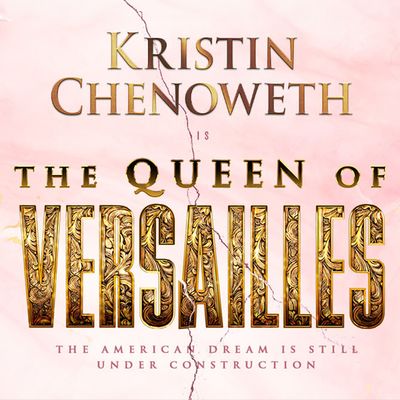
[27:59] Eric Pykush: Next up, we've got a panel of folks behind the Queen of Versailles, the new musical that reunites the original star of Wicked, Kristin Chenoweth, with Wicked composer Stephen Schwartz. Queen of Versailles is based on the documentary about one wealthy woman's seemingly quixotic quest to build a house that is the most expensive single family home in the United States. In this panel discussion, City National Bank's Eric Pykush talks to both Chenoweth and Schwartz, along with Chenoweth's co-star F. Murray Abraham, book writer Lindsey Ferrentino, and director Michael Arden.
[28:33] Eric Pykush: Good morning and thank you for joining us today. Today we're going to be discussing your new musical, The Queen of Versailles, and learning more about the development of the show and how you all came to be working together. So let's get this conversation started. Michael, I wanted to start with you. I just wanted to see if you knew why we're here today.
[28:55] Michael Arden: We put this whole thing together to celebrate your birthday. So just wish you a happy birthday.
[29:00] Eric Pykush: Thank you. Thank you. I wanted to have just a few of my closest friends here, so thank you so much. We went through a lot of trouble to put this together for you, so thanks for coming. It's great. I asked for a frittata with a candle in it. Thank you. Actually, I just wanted to check, first of all, by show of hands, how many folks in the room have seen the documentary, The Queen of Versailles? Okay, pretty good.
[29:24] Gordon Cox: Pretty good viewing, right? The Queen of Versailles, for those of you who haven't seen it, is a documentary from 2012 about David and Jackie Siegel and their journey to build the largest private home in America. It was a behind-the-scenes story of a family and the highs and lows that they go through leading up to the 2008 financial crisis. I just have to say it's a very interesting story and documentary. Michael and Lindsey, how did this come together and where did the genesis of this project start from in terms of deciding this would be a good stage product and a project and a musical?
[29:57] Lindsey Ferrentino: Yeah, sure. I mean, I saw the documentary and was obsessed with it. I love Lauren Greenfield's work and the way that she looks at American culture and wealth and the sort of critical lens in which she's always looking at the American dream. And so I felt like the characters were so larger than life that they could sing. And I happened to be seated, very luckily, next to Michael Arden at a dinner hosted by the National Theater. And we met only briefly, I think, before. And he said, Do you have any crazy ideas for a musical? And I said, Have you seen Queen of Versailles? And I said, Yes, I love it. I had just watched it with my design partner, Dane Laffrey, actually. And we started talking about how this could be a really interesting musical and fodder for a cautionary tale.
And as we began to talk about how it could be a musical, I immediately said, Well, the greatest composer there is should write this, Stephen Schwartz. And somehow we convinced him to do it, I think. We didn't think he would say yes. Yeah, we're pinching ourselves every day.
[31:07] Gordon Cox: This was all just from that dinner party, the two of you sitting there and fortuitously sitting next to each other.
[31:11] Lindsey Ferrentino: We were sort of like this, just sort of talking about it. And it just felt so exciting. It felt like there was an opportunity to make a kind of great American fable, tragic opera, musical comedy. And it just felt delicious and like something we hadn't seen on Broadway before. And a way to sort of use this one family as a microcosm of everything that's sort of good and bad and ugly about America right now. And so, and Lindsay, you know, you're known for writing several well-reviewed plays with daring, raw and contemporary themes like Ugly Lies of Bone and Aiming the Orphans. Where did the musical come from all of a sudden? How did you end up sitting there thinking that this would be a musical?
[32:00] Lindsey Ferrentino: It's a great question. I just could, I just love the story. And I felt like the only way to tell it was as a musical. And so it is my first musical I've ever written. And yeah, it's just the scale of the story and the scale of their ambition and the scale of their downfall was so huge. And they're so over the top just as human beings that it felt like they had to sing. And yeah, and luckily Michael knows how to put together a musical. And what was that call like to you, Stephen, in terms of, was it the both of them on the call that said, hey, we've got this project, do you know about it? Had you seen the documentary yourself?
[32:38] Stephen Schwartz: I had seen the documentary. Michael and I have known each other a long time. And we have been looking for something to do together with Michael as the director. And then he and Lindsay, I don't exactly remember, did you call me? Did Bill Domaschke call me? I forget who called me initially, but I had seen the documentary and I knew, not just, wasn't just an admirer of Michael's work, but I was an admirer of Lindsay's plays. And so that was a very potent combination. And then our producer, Bill Domaschke and I have been friends for a long time. We've known each other working at Disney and then DreamWorks. So it was a good group. To be honest, I was a little dubious about the idea when they first came to me because I thought, do I really want to spend five years of my life living with these people, to be honest?
[34:04] Stephen Schwartz: But as- Not us. No, I mean- Don't get us confused, please. Not the people on the stage, but the characters in the show. Because it takes five years to do a musical, at least. But something was clearly going on in our country, continues to be going on in our country that I was finding difficult to understand and felt that I needed to kind of deal with it personally. And the way I do that is through writing about things. So yeah, ultimately, I jumped on board. And then the other good thing was that this young lady and I have been looking also to do something together for a while again. And I was looking for a project that might be suitable for Kristen. And then when this idea came along and I watched the documentary again, I thought, well, Kristen should do this. So fortunately, she consented to do it.
[34:52] Gordon Cox: And Lindsay, you mentioned this character, Jackie Siegel, is kind of outrageous and over the top. Were you thinking anyone on stage in terms of Kristen or Murray coming in for these two lead characters?
[35:04] Lindsey Ferrentino: Yeah. Or is that Steven? I mean, Michael and I, in our first meeting, were after that dinner when we made the list of people that we would want to do the show. It was these three people on the stage. And I remember him suggesting it and me going like, okay, yeah, start there. They'll never say yes. And he's very bold to ask. And Kristen, do you remember that call coming in? Was that from Steven initially?
[35:33] Kristin Chenoweth: Unlike you, Steven, I'm trying to remember exactly who it was, but I just remember Steven first. And I remember thinking, yes, because he called me. But then I also had the, hmm, I saw the documentary and I loved it. And I knew it was very theatrical and I thought it was a great way to do if they were going to do it. But I wasn't really sure how to, what the concept would be. And then Michael had been threatening to make me do Shakespeare for a while. And he called me and he said, this is you. And because we'd also been wanting to work together. And then I became very familiar with Lindsay already. And it just seemed when I heard the concept and the way the approach was going to be, I thought this could be really so interesting.
And at this point in my career, why wouldn't I want to do something that's really thought provoking. And like Leah had said, she played a child. I wanted Tony for playing a cartoon. I played a girl from Oz. Thank you. I, but like Jackie, you know, she's alive and well and doing her life. And I just, it just seemed like the right move. And it was, I'm very excited to finally, finally get this show going. We have been working so hard.
[36:49] Kristin Chenoweth: Murray is my partner in crime. Oh my God, Murray, I love you so much. Murray is in another time, baby, in another time. And I have to say, there are things about Jackie that, that really interested me. I mean, we're, you know, I love playing larger than life characters, but this role is giving me the opportunity to play something also that maybe people wouldn't see. Um, you know, I'm just realizing I can't really touch the floor and what I would give to, uh, to touch the floor anyway. Um, but it's been an amazing process. It's been amazing. We're so tired. We are so tired.
[37:44] Gordon Cox: You're right. Your first rehearsals, your first preview is this Wednesday, right? So thank you for coming out for this morning. Um, this is our tech right now. This is exactly Murray. You've had an amazing career on stage, film and television, many memorable and award-winning roles and characters. The last time you were on Broadway was 10 years ago. Is that correct? Um, it's only a play.
[38:04] Murray Abraham: Yeah, it was a good show, right? It's a good show. What attracted you to this show?
[38:12] Murray Abraham: Well, take a look at these people. Exactly. What attracted me? Look at these people. You have to say thank you. And at this point in my life, at this stage, well, at any stage in your life, when you get a break like this, you say, of course, thank you to whatever gods there are, because it's, uh, it's this theater that we're performing in the St. James is where Oklahoma opened. And that was, uh, that was revolutionary. And I think this thing that we're doing is also revolutionary. Where do you see it? If you haven't seen the documentary, see it and then say, making a musical. That's an extraordinary thing. I, I keep using that word extraordinary because I've been doing this for 60 years and I got to tell you, this is one of the best things I've ever worked on in my life.
I, I, I'm so happy to be able to say that to you because I invite you all to come. You have to pay, but I invite you all to come because I think you're going to be, I really made it blown away for one thing. I'm having a wonderful time. You should see me. Cause I'm, that's one of the things I dislike so much about being on stage because I can't see my own self. And I, I mean, I'm kidding. The point is I am working with someone I consider one of the, if not the best performer in this country. And that's that woman right over there. I mean that sincerely and absolutely. But, uh, that's enough. It's going to, if I go on, it's going to sound like I'm making it up, but I'm not. I am so happy to be here to tell you this and share this with you. Thank you.
[40:08] Murray Abraham: And Oh, one thing more. I worked, I worked with Stephen a long, long, long time ago. We did children's theater for 10 bucks a show. Uh, 200 years ago. I think it was 225 years ago, but it was, that was my first job in New York. Um, was, um, yeah, playing, um, for young Abe Lincoln for, um, theater works and Murray was in the cast. So we go back a ways, you and me. And Lindsay, what was your process for writing with, with Stephen in terms of, you know, doing, putting a musical together and for the first time having a partner doing, um, you know, uh, book and lyrics or, you know, song and lyrics with you?
[40:48] Lindsey Ferrentino: Well, we, Michael, Stephen and I met regularly for a long time, um, developing the outline together and figuring out where the songs went. Um, and yeah, what would be a scene? What would be a song? And then I took the outline once we had all agreed upon it and went away and wrote the whole thing as a play, including the sections that would eventually be songs. I sort of did brainstorm ideas, some, yeah. And, uh, sent that to Stephen and then he started writing and then we, and then, and then it became much more back and forth sometimes together. We, as she said, we, we would also go on these sort of writing retreats together, um, where we'd be like working around the clock under the supervision of a producer of some kind.
And, uh, and yeah, and it's, it's just been the most amazing, um, collaboration. Cause I think he's had an opinion on every single word in the book and I think I have on every single lyric in the show. So, um, yeah, I can't, I love this man.
[41:45] Stephen Schwartz: Yeah. And Stephen, how was it writing for, you know, getting back and working with Kristen, reuniting with her and then also for Murray? Uh, for this is, I think your first time, your first musical, correct Murray?
[42:02] Murray Abraham: Oh, I've done a couple.
[42:02] Stephen Schwartz: Okay. Well, except for young Abe Lincoln. I knew Murray could sing because, because of that. Um, yeah, it's, it's really been a very, um, the, the whole collaborative process has been very much that, um, I, I love that process. Um, if you don't want to collaborate, you know, you shouldn't be in musical theater. Um, Lindsay has been constantly inspirational and, you know, whenever I get stuck, we, as she said, we, we brainstorm and, um, she usually can, can show me the way out of the, of the morass. Um, and then, you know, obviously Kristen and I know each other very well, not just from Wicked, but we've done many other concerts, et cetera, together. So I very clearly at this point have her voice in my head.
And thus that was, that made it easier to, to fashion the like 300,000 songs that you sing in the show. I mean, I don't know how many songs you have in the show, but it's a lot. It's, it's, it's a big sing as they say. Um, you know, but it made it easier for me to know what to write because I knew what, uh, what would work for Kristen. I'll, I'll say just also having Michael there from the beginning and having a director on from day one, I've found so essential to the writing process and he has brought in, I mean, some of the best one-liners in the show. I don't want to admit our Michael's sense of humor and, and also he came up with this brilliant concept, um, which we've used as a framing device for the show. So having the director's voice in on the writing process has been essential, I think.
[43:46] Gordon Cox: And Michael, what is it like working with this team? I mean, this is a powerhouse team, I'm sure with no shortage of opinions. Uh, how did you find that, you know, as director?
[44:05] Kristin Chenoweth: Because we've been workshopping it for so long to refine and rebuild and listen to criticism, and they are so, so open to rewriting and so hungry to do that. And also listening to the input of these fabulous actors we have, I mean, we have the best, the best actors in the business, you know, and who know when something is truthful and know when something is or isn't working. So throughout the process, it's really changed a lot, and it's been exacting and precise, and hopefully, you know, on Wednesday, we begin like the next process of our surgery. You know, I often say like, we have to stabilize the patient first, which is this week, you know, hoping no one falls down or puts on the wrong clothes, you know, and then it gets into this kind of beautiful fine surgery that these two do so well, kind of interrogating every word to make sure that we're not only telling the story as clearly as possible, but in the most complex and surprising way.
[45:11] Kristin Chenoweth: And Kristen, you've met Jackie Siegel, correct? So tell us what it's like meeting her and playing a person who's living right now, what that's like for your process as an actor.
[45:21] Kristin Chenoweth: It was very helpful to meet her. You know how you meet, you watch television, you see a movie, and you have an opinion of who you think someone is. And I was right in some ways and I was wrong in some ways. And it was a blessing because to make someone, I find in my work, I really, really want to find ways to love the person I'm playing, even an unbecoming one. She has a lot of beautiful qualities; she would give you the shirt off her back. She fights very hard for drug addiction, bringing naloxone into ambulances in schools; she was one of the first to do it. You know, she can afford to do anything in her life, and that was something fascinating for me to see. I did not grow up with money; neither did she.
What? There's a dichotomy with her. Did she marry somebody? Or did she work hard? And that's something that we present. And in what ways did she work hard? So meeting her and getting to know her, you know, she had on a dress; this is just an example of who Jackie can be. She had on a dress; we were at a photo shoot. You know, I would love to borrow one of her legs, just one; she's so tall. But she, she's, I said, oh, I love your dress. That looks like a certain brand. And she said, it is. And that night she sent me the dress. And she said, I couldn't find it in your size, but maybe you can alter it. So that kind of took me off guard because, like I said, I made an assumption about someone. But there are ways that I examined that she would make, maybe make decisions in her life or handle the way she raises her kids that maybe I wouldn't have made.
But that's what makes the world go round. That is what makes for a good story. She's very theatrical in her life. She's very funny and very, very, very smart. Hopefully, we have those last two things in common. So anyway, I enjoy her.
[47:40] F. Murray Abraham: You know, one thing about Jackie, excuse me for jumping in here, but I do think it's important to say that, um, cause I think it's very brave. Just any one of us here, imagine if somebody came to you and said, listen, we're going to make a show about you. It's going to be your name. A lot of the facts are going to be your life, though not all of them. We're going to make some up, but we're not going to tell people which ones we're making up and which ones are true. And you have no right to approve any of it. All you can do is say, yes, you can do that or no, you can't. And how many of us would be brave enough to say, oh yeah, sure, go ahead and do that? I wouldn't. So I feel whatever else, that kind of courage and generosity from Jackie is something that I really want to acknowledge. And we will always be very, very appreciative of that.
[48:44] Kristin Chenoweth: Eric, I just wanted to add one thing about our team and most especially Michael Arden. When we, when I saw the documentary, I thought, oh, do you have to have seen the documentary to enjoy our piece? And one thing that our team has done so beautifully is, yes, it's great to see the documentary and see the differences. I'm trying to capture her spirit more than an imitation, but Michael has designed and directed this show to where it doesn't matter if you've seen it. And I'm really, really proud of that fact. We've made a musical that stands on its own as well. We have great source material, but we have ours too.
[49:26] F. Murray Abraham: So we should mention that it's pretty funny too. Yeah, a lot of laughs.
[49:39] Gordon Cox: And Kristin, I just wanted to say too, I mean, coming back, this is your first time back on Broadway in a new show since Wicked, right? And also you have another debut in this, in this, in that you're a producer on the show, correct? So this is your first time producing. What has that experience been like with all of your experience on film, TV, and stage coming to the producer side for this? What has that been like for you?
[49:58] Kristin Chenoweth: Oh, a great learning experience. Bill Domaschke has been my mentor and leader. You know, so much happens before Dorothy comes to work, right? And also a banker at City National, so they should be very happy with what I've learned. Anyway, still learning, love it. I really have loved getting to know the people who give money; they're very sweet. But I really, really enjoy the process, and I hope to do more, not just for myself, but for other actors that I believe in.
[50:38] Gordon Cox: We'll have more from Variety's Business of Broadway Breakfast right after this break. This episode is brought to you by City National Bank, the official bank of the Tony Awards. For decades, we've been proud to stand behind Broadway's creators and innovators, providing financial solutions tailored to the unique needs of the entertainment industry. City National, here for every stage of the journey. Learn more at CNB.com slash Broadway. City National is a subsidiary of Royal Bank of Canada, member FDIC.
[51:10] Gordon Cox: For our third panel from the Business of Broadway Breakfast, my colleague Aramide Tanubu talked to four of the creatives behind the new Lincoln Center Theatre revival of Ragtime. Among the folks you'll be hearing from is Lira Debesene, the director of the production and the new artistic director of Lincoln Center Theatre. We heard from her about her new gig at LCT in our last episode. Here, she's talking about Ragtime with the production's stars, John Clay III, Caissie Levy, and Brandon Uranowitz. Here's Aramide.
[51:38] Aramide Tanubu: Thank you all so much for joining me. I'm so excited to have you here to chat about Ragtime.
[51:43] John Clay III: Thank you. We're so happy to be here and in such excellent company. I have loved these other panels so much.
[51:49] Aramide Tanubu: It's been so fun and so exciting. For you, Lira, you've called Ragtime an American masterpiece. How did you know that it was time to bring this show back, almost 25 years since it originally debuted?
[52:03] Lira Debesene: Yes, well, I had a very personal, deep relationship with the show. I grew up in Louisiana, so in Baton Rouge, I did not have access to seeing Broadway shows regularly. I saw the original production of Ragtime. It was the second time I came to New York. I was 18 years old, and I saw that production. For me, it was a genuine revelation about what was possible in a musical. The idea that that amount of emotional complexity and history could coexist with, essentially, entertainment with this music that was so stirring and mind-blowing. The level of complexity was possible. I carried that love for the show and for the score. It's interesting to me and not surprising that a number of these conversations have talked about this moment in America.
I think what you see across the projects is artists. We exist. We want to make things that will speak to people now. I think that the themes that are in Ragtime of looking at American history, looking at both what in our conversations we talk about as the promise of America, right up next to the wound of America, the very deep wound that's there too. It just felt like it felt deeply, deeply necessary to be able to do those things and the exact right time to bring the show. I know that, at least for me, every time I see it, every day I work on it, I feel things differently because of the world around us.
[53:48] Aramide Tanubu: Definitely. Now, for you all, what was it like joining? I know, Renny, you've done this before, but joining the cast. It's such a huge ensemble, but for your distinct characters, what was that like playing Mother in Booker T and Tatchett?
[54:04] Renny Lee: Oh, sure. I mean, yeah, I mean, I have a long personal history with the show. I did it as a child. I played the little boy in the world premiere in Toronto, and they brought everyone to Broadway except for me. But, you know, so just wait. It might take 28 years, but you'll get there. Yeah, but like Lear was saying, the themes are so urgent and prescient right now. I love playing Tata because it's partly my family's story. I mean, I come from a family of immigrants who came through Ellis Island, so I have very deep personal roots there. But the thing about doing it in 2025 that feels different than doing it in 1997 is I just feel like we as a culture and as a country are asking ourselves new questions about ourselves.
We are in a new state of self-reflection, and Tata represents this idealistic version of the American dream. You know, we see him go through the pain and the suffering and the strife and how that gets him to achieve his goals and achieve the dream. But the thing that I'm so curious about and that I hope other people are curious about when they come see Ragtime, especially in the context of this self-reflection that I think we're in as a culture, is, you know, why is he forced to go through this pain and suffering and is able to achieve something, but others in the story are not? Why are folks like Cole House and Sarah not offered that opportunity? And what does that mean for us as a country, and why is that?
And so I think the complexity and like Lear was saying, these dichotomies that we have, I think are very important for us right now to be asking ourselves. So, yeah, I'm learning things about the show every day and definitely more so than when I was, you know, 11.
[56:26] Caissie Levy: Now for you, Casey, playing Mother, she's such an exceptional character. She starts off fairly unassuming. She's more like a housewife; she's kind of in her own bubble, and she starts to see the world differently. What was that like for you? Was it transformative for you portraying the character that really starts to see the world as much bigger than what's right in front of them?
[56:46] Caissie Levy: Yeah, it's been a very deep experience. I saw the show. I'm from Toronto originally, so I saw the show, maybe saw Brandon; we haven't figured it out. But when I was in high school, it's one of the shows that made me want to be an actor. So to now be on the other side of it and be inside the show and getting to play this iconic role created by the late, great Marin Mazzie is a big honor and big shoes to fill. And it's been really wonderful to kind of examine it from a modern standpoint while still honoring the time it's written and the time it's written about, but knowing that it's reflecting the times we're in now. And you know, as a woman who, as a white woman in this country, who is also an immigrant and also a Jew, I have a lot of connecting points to Ragtime.
And I'm a mom to two young kids. And so I bring all of that with me into this role every day. And I guess the thing I'm so floored by Mother most about is that she starts in one very clear spot and ends in a very different spot. And she has changed so deeply by all the people that come into her life. And she allows herself to be changed and to grow. And it's how, you know, it's the wish I have for all of us. It's the wish I have for myself every day as I move through this world. And it's the wish I have for the audience at the end of the night when they leave that they examine, you know, where they're at and how are they open to those around them that aren't quite like them? And what does that mean for their life moving forward? So yeah, it's been an amazing experience. And we're only like a week into performances, so I look forward to seeing how that unfolds throughout the run.
[58:47] John Clay III: From deep insider says is possible is basically the acknowledgement that you might have been wrong and it feels like for any actual change the humility and also the courage to say I think what I thought before was wrong and I have the power to think something different and to do something different because I am learning that is so powerful. It's so important. I think it's a rare thing for people to realize that and that's part of the reason why this show is so beautiful. Now for you John portraying Booker T. Washington such a towering figure in American history, how did you approach that role and sort of standing in this person's real-life shoes? Well at first, I'm not gonna lie. It was pretty difficult because me as John I kind of vehemently disagree with like a lot of his political points.
So it was like harder for me to figure out okay, how can I truthfully portray this character who I thought was sort of, you know, a product of his time? He was born into slavery and so he has a different way of thinking and something that was more acceptable during that time and it was very much so like let's get economic power before we get social power and social equality and for me, I'm on the opposite side. I would like to get social equality as well but he wanted to basically make sure that we as a people, Black people in general, were indispensable in terms of economic prowess which our ability to, you know, have power over the land of our connection to the land back then and for me, I had to figure out a way to be an inspiration to Coalhouse and it's kind of a weird thing for me as the actor John because I'm gonna age myself right now, but I used to look up to Joshua Henry in high school.
It's like I used to watch him on YouTube all the time to try to figure out ways I could emulate his voice and figure out, you know, to be a powerful Black man on stage, which is not necessarily, you know, you don't really have those opportunities and to have this show be a vehicle that allows me to be an inspiration to my inspiration, it's like a weird mind-boggling thing for me and that's I think what allows grounds me into playing Booker truthfully is because I may not necessarily agree with his politics but he stood for something that was that we as Black people during that time could get the American dream and that it was possible.
[1:01:24] Lear deBessonet: Now for you Lear, why was it important to present this show as it has always been like same book, same lyrics, the same music? Why was it we wanted to present it in that way that it was originally written? Yes, I love working on revivals. I really deeply love directing revivals and part of it is that when material is as rich as the writing of Ragtime is, I feel like there is this opportunity to let the show reveal itself anew and I do think, you know, we were able to do a concert version of the show last year at Encores and it's been a big transition for me as well because I was the artistic director of the Encores series and now this is the first show for me as the artistic director of Lincoln Center Theatre.
So, you know, no pressure but I think from our experience of doing it at Encores part of what I loved about that was an Encores production does not have complicated tech. You have one day of tech at Encores and the focus is always on the orchestra, the actors, and the connection between the actors and the audience and I felt that that served this epic very well because by removing, there was no sort of heavy literal scenery trucking on and off for every number. We actually had to trust that a poetic or an interpretation where the performances were incredibly precise and vibrant and where every word could be heard, that was really for me has always been what I want for this production. I want every word to be heard and it's a way that I approach revivals in general, you know, when I was working on Into the Woods, I felt like I just wanted every word to be heard because I felt like if it was, people would in their own ways have the opportunity to see the show afresh and find something new with it and I very much hope and believe that that's what we're doing. I hope you all will find that when you come see the show.
[1:03:43] Caissie Levy: Definitely, definitely. Now for you all working together on this as an ensemble, how are you? I know that rehearsals are very quick. You're in the middle of previews and opening night is looming. Can you talk about sort of the relationships that you've created with one another, entrusting each other? And I know you talked about John sort of like looking up to Joshua and then sort of being in conversation with him on stage. Like how does that work for you? Well for me, it's truly like these are like I said before, these are all people I admire and it's in this show. We all have like our moments in a way where we all have moments where we're able to put like say what we need to say what our character needs to do and I definitely feel throughout felt throughout this entire process supported by everyone and that doesn't necessarily happen in certain companies per se and so to have such a giant show like this that and have a giant responsibility that we have to tell the story to have that community behind it at the same time, it just makes it all worthwhile.
[1:05:03] Brandon Uranowitz: Yeah, you know we've had almost the entire cast return from last year and even in those quick two weeks that we had together to perform it and what it how much rehearsal did we have? Ten days maybe? We bonded so deeply because of the pure stress of doing Encores, it was my first Encores and it was terrifying, but also the material, you know, bonds you with one another in such a deep way. And so the fact that all of us essentially came back to do it again, I think is a testament to the peace and to the connection that we have and it's been integral because there's some dark stuff, you know, there's a lot of dark stuff in the show and there is some joy and some beauty as well and you know you go from one end of the spectrum to the other scene to scene to scene and it really requires like a whole bunch of grace and trust from the company and we really do have that.
[1:06:43] Caissie Levy: Yeah, I mean, I think the connections that we've made as a company are like so deeply rooted in this collective feeling of urgency to tell this story right now. I think we all come to work every day knowing that this is important. This is an important story to be told and we all feel very passionately about that and therefore because it is a wildly heavy lift for every single person on stage, we all feel this like collective support system for each other. It just feels like a big trust fall every night and like I know that I can step on stage and go through what I go through knowing that I have everybody behind me and everybody has my back and it's not even just like the cast. It's the cast, it's the crew, it's everybody at Lincoln Center Theater, it's everybody at City Center, like we all feel that we are doing work, you know, like cultural work, I guess right now and that is sort of rooting us in this like family system that we've created and that's like it's a beautiful thing and I get to fall in love with Casey again, which I got to do. I don't want to do shows where you get married and love each other. So thank you. So cast us again.
[1:07:57] John Clay III: Yeah, there is radical love in this company. The rehearsal room every day has had it and has had joy and I think when you have a show that has that goes to places of such pain in the way that this does, you know, that's only gonna go two ways, right? Either people are gonna hold that pain in a way that essentially isolates them from each other or you're gonna love each other, really love each other and I think that's what it has been and you know, we felt the marathon of it because you know for those who know the show when you're rehearsing it and you're thinking well let's get to the hour and a half block of rehearsal, we're just doing something simple where it's just gonna be easy and that block never comes. It is relentless every single moment and yeah, I think it's been an incredible experience because of that.
[1:08:55] Caissie Levy: Well speaking of joys, can you guys talk about your favorite musical numbers that you love performing? I know it's hard. I know how many of them are very difficult. Sophie's choice. I mean, yeah, it changes every day. I will say I stalk a lot of people from the wings when I meant to be doing a change. I just kind of like lurk out there and that's the amazing thing about Ragtime is you get to do your piece and then you get to step aside and watch the next story come into focus. So I mean, "Wheels of a Dream," forget it. I cry harder, way harder at the joy in the show than at any of the pain. Watching this man do "Gliding" every night is a master class and also as a parent, it just wrecks you.
It's just a disaster, a great disaster you should come and see it and also the, it's hard to pick a favorite, you know, I love seeing Shana, I love seeing Ben Ross each like step into their moments to shine, there's so many good actors doing such good work and we've been given the space to really like play around with the traditional approach to Ragtime, so it's still very much Ragtime, but I feel like everyone's really bringing themselves to it so it's really fun every day. It changes for me. It's a non-answer for you, but there you have it.
[1:09:23] Brandon Uranowitz: Where are you, Brandon John? Um, I'd say it's a tie between "Back to Before" and "Coalhouse Soliloquy," but for a completely different reason because you get to see this Black man be human, like actually go through emotions unapologetically and given the space to process grief, to process what it means to lose a loved one or something like that or just what in what his place is in society and so how does he want to move it forward? And what does he want to do in this moment? And just to that split, like it's not even that long, it's like two minutes, but in that two minutes you get to see so much humanity and I just think that's not necessarily, you're not really given the opportunity to see that that often.
[1:10:07] Caissie Levy: Right, I think it's an impossible question. I mean anytime I'm offstage, I'm watching the monitor. I mean, I'll like go backstage and I'll start relaxing and I'll be like, oh my god, "Back to Before," right? And I'll get up and go and watch but right now I'm, I think it was Sondheim who said that like, you know, the opening number is sort of the most important element in your show. You have to tell the audience what world they're about to crawl into and something I'm so deeply in love with with our production is that the prologue of Ragtime is so brilliantly written. It's like a flawless introduction into the world of our show and in our production, there is no scenery. It is just a spoiler, there's like no scenery.
It is just us actors in our bodies telling the story and it remains so thrilling and it like it sort of gets your heart racing and like primes all of us, I think, into holding hands with the audience and crawling into this space together and it feels like a communal experience and like right now I'm just really digging doing the prologue. Honestly, what is beautiful?
[1:11:28] John Clay III: I know that you said Brandon that the show is interesting because we're asking ourselves as a country, as a society very different questions than what we had been asking ourselves in the 90s. Now for all of you, when the final curtain drops, what do you want audiences to leave with? Like as they exit the theater, what do you want people to feel after seeing the show? I hope they go home and talk to each other. I hope they talk to people they're not used to talking to. I feel like without giving away too much of the ending beat of our show, I think we're sending people out with, it's like at a Jewish wedding under the chuppah, but you break the glass after you get married and it's because in moments of intense joy, you have to also remember the tragedy and the destruction and I feel like that's how we're sending people out at the end, that you can't really have one without the other and what that means to everybody is going to be so different and so I hope they speak to one another and maybe call up someone that they have previously not agreed with and have a conversation.
[1:12:42] Caissie Levy: My biggest hope is that people leave with like a deep sense of curiosity, like leaving to ask questions. My biggest hope with our production is that we ask more questions than we answer and so, you know, I think it is hopeful. I think there is a deep amount of resilience in the show and these characters, but I do hope people go and ask themselves questions. Why? Why is this relevant rather than just being like, wow, this is so prescient right now that they leave and ask themselves why and talk to each other and ask why?
[1:13:28] John Clay III: Yes, I, to speak on the numbness, I would like for people to walk out and just pay attention to like signs because history sort of has a way of repeating itself. And although this isn't like a documentary or anything like that, there are some elements that it leans on that are truthful to this society that we live in today. And sometimes systems can outlive people and democracy has a way of, we would hope that can prevail most of the time. But I just would love people to walk out of the theater and just pay attention to certain signs of, are we going backwards? Are we moving forward? And how, what part are we actually playing in that? Wonderful. I want to thank all of you so much for chatting with me about Ragtime. It's an exceptional production. I hope that you all see it. Thank you.
[1:15:40] Gordon Cox: And finally, we've got the full conversation with Keanu Reeves and Alex Winter, two actors who've been friends since they starred together in the 80s in Bill and Ted's Excellent Adventure, and who are now headlining Jamie Lloyd's new Broadway revival of Samuel Beckett's Waiting for Godot. Or is it Godot? Reeves and Winter weigh in on how to pronounce the title of this iconic play and on a lot more in this conversation with my colleague, Brent Lange.
[1:16:06] Brent Lange: I guess to begin with, for years, I think I've been kind of like a vulgarian and I thought it was Waiting for Godot. But it is not. What is the—
[1:16:12] Alex Winter: Only for vulgarians. It's whatever. It's however you— I mean, Beckett did not like being dragged into the debate. It just made him irritated. So people asked him how he pronounced it. He told them to pronounce it however they felt like it. But it's notable that in every production he directed, whether it was here or Germany or Ireland or in England, it was always Godot.
[1:16:39] Brent Lange: And how did this come about? How did the idea of appearing on stage and reviving the show come about?
[1:16:46] Keanu Reeves: I was in a hotel room around 1 a.m. with jet lag in London. And I was in the fugue state. And then something came from the universe and said, do Waiting. And I said, Godot back then. Waiting for Godot with Alex. And so then I FaceTimed him. And then this part I'm about to make up. He said, no, it's Waiting for Godot. And I was like, cool. Do you want to do that play? And he was like, yes. And then we went on the journey to kind of make the dream real. And Alex kind of spearheaded. He was, of course, being experienced with Broadway. And he was like, great idea. We need a director. And Alex went on that. And, you know, gratefully, we connected with Jamie Lloyd and who's amazing.
[1:17:51] Brent Lange: So what made you think of Jamie Lloyd for this, Alex?
[1:17:51] Alex Winter: He's great. He had done a lot of work with Pinter, who was kind of the natural successor to Beckett. But it also is a real visionary. And Keanu and I had spoken early on about wanting to do a version of this that was sort of approached Vladimir and Estragon in a grounded way. So they felt like human beings and not like kind of academic caricatures and a revered historical document. And Jamie's work is very, very good at both being visionary, but also being very true to human emotion and character. And that's really been true. It's been really a joy to work with him.
[1:18:36] Brent Lange: What were your initial meetings with Jamie like?
[1:18:43] Keanu Reeves: We met in Manhattan and well, we had dinner first.
[1:18:52] Alex Winter: Yeah. Yeah. So we had dinner first. I think we had a nice time, right, Jamie?
[1:18:59] Jamie Lloyd: We had a nice dinner.
[1:19:06] Alex Winter: And then we met at the Bowery Hotel, right? Isn't that the next time?
[1:19:12] Jamie Lloyd: Yeah. We all sat in. We had a room there and we would meet every day for a couple of days or three days, I guess. And Keanu and I would sit on a couch and Jamie sat on a chair across from us and we would just read the play. This is in 2022.
[1:19:26] Keanu Reeves: Yeah. Early 23. Right. Yeah. It's just over three years ago.
[1:19:32] Alex Winter: Yeah.
[1:19:32] Brent Lange: And during the initial dinner, Keanu, did you start to act out scenes from the play? Is that?
[1:19:37] Keanu Reeves: No.
[1:19:37] Alex Winter: No, that's not.
[1:19:37] Keanu Reeves: Yes, he did.
[1:19:45] Alex Winter: And yeah, no, I mean, it was a wonderful kind of, you know, getting to creatively meet each other. And I think even from that meeting, we got a sense of Jamie's kind of like, well, just read it like, let's just go. There's not like, you know, and I read I read Vladimir first and then I read Estragon and vice versa just to see who would play who. And we did that in one day. Poor Jamie had to hear that reading of the play twice. But anyway, and we learned a lot that day, I think. And what really came across was and this is something Jamie remarked upon, was that our friendship, our history together really suits the play because of the friendship and connection in the history that the two characters have.
[1:20:33] Brent Lange: So let's talk a little bit about that history. When did you two meet?
[1:20:33] Alex Winter: Nineteen eighty seven.
[1:20:41] Keanu Reeves: Sure. Let's pick a date. We know it's Saturday.
[1:20:45] Alex Winter: Yes, it's Saturday. It was a balmy Saturday in Los Angeles. We met auditioning for Bill and Ted, which for some unknown reason took like half a year for them to figure out who they wanted. It was like being in They Shoot Horses, don't they? Bedraggled, exhausted actors just wanting to know it was like casting Scarlett O'Hara.
[1:21:03] Keanu Reeves: Sure. A national search.
[1:21:03] Alex Winter: Yeah, there I was at the counter at Strauss just having my milkshake. But yeah, so we became friends along the way of that process and had a lot of similarities and they both kind of arrived in L.A. from the East Coast and both kind of came up in theater and kind of the arts and so both rode motorcycles and were goofballs.
[1:21:32] Brent Lange: Did you feel like a connection pretty early on or did it develop as the filming happened on the first film?
[1:21:39] Alex Winter: I think it was friends at first sight. We were pretty connected early on. By the time we got to Phoenix and started shooting Bill and Ted, we were sort of like on in a groove. I mean, to do with the film, obviously, and engaging with it. But it was helpful to that film that there was kind of a natural affinity. But it kind of works in a physical way as well. There's like a sort of liken it to being in a band with someone or in a rhythm section with someone because we just have because we're very different people in a lot of ways. We have a way of kind of interconnecting with text, but also physically. That's like if you're in a band and you're playing with a drummer or a bassist that you just kind of flow with. That's applied itself, like Keanu said here. It's been an asset for us in this play, which is very challenging to have that kind of shorthand.
[1:22:32] Brent Lange: You guys have stayed in touch over the years from that first film. How have you stayed connected?
[1:22:38] Keanu Reeves: Three films.
[1:22:38] Alex Winter: Yeah, I mean, we like each other. What are you doing, man? You want to come over? What are you doing for Thanksgiving? You want to go for a motorcycle ride? What are you doing in London, Alex? How's it going? Oh, you're back.
[1:22:57] Keanu Reeves: That's about right. Are you moving again? Again? Again?
[1:23:02] Alex Winter: You've moved me like four times. I'm really sorry about that.
[1:23:07] Keanu Reeves: No, man. That's what friends are for.
[1:23:13] Alex Winter: Yeah, we have kind of a fraternal relationship. It's a nice thing because this industry is very transitory. I have a few consistent relationships in the business, but I'd say Keanu is the strongest in terms of someone who I just feel is the same person that I knew back then. We've sort of grown up and gone through stuff.
[1:23:31] Brent Lange: You guys reunited on Face the Music. Were you looking for something to do together again, acting-wise? Have you been kind of looking for it?
[1:23:38] Keanu Reeves: Yeah, that was part of that feud stage in London of just trying to like, how can we creatively work together?
[1:23:47] Alex Winter: Yeah.
[1:23:51] Brent Lange: Having worked on Bill & Ted, are there similarities between Bill & Ted and Beckett? In what ways was your experience of those films helpful when it came to doing this production?
[1:24:04] Keanu Reeves: Gosh, which one do you want? Rudolf, speak about the physical. When we did Bill & Ted, we both kind of fell into like a classical approach in terms of panto or commedia dell'arte, you know, and making these characters flesh and blood, but then how do they interact? And I think some of that's gone into Waiting for Godot. And then as characters, Alex, take it away in terms of Kylie.
[1:24:34] Alex Winter: We have found some similarities. I think they grow out of our natural sort of personality types anyway, which came out of when we were working with Jamie and reading the play back and forth and doing the different characters. And it isn't, I'm not sure if it's Bill & Ted as much as a consistency between Keanu and I and Bill & Ted and these guys. But I always say that the only real difference between Bill & Ted is that Bill thinks he knows everything and has absolutely no idea about anything. And Ted doesn't think he knows anything, but actually always knows what's going on. And Vladimir and Estragon are very similar. I mean, the play's arc, such as there is one, is sort of Vladimir coming around to understanding Estragon's point of view, which in the case of this play is quite tragic. Uh, but that is, there's a lot of Keanu and Estragon and there's a fair amount of me and Vladimir. So, and that carries through the Bill & Ted movies.
[1:25:32] Brent Lange: So I know it took, um, over three years for this to come to this stage. What kind of preparation were you doing over that time? What, what work did you do to get ready to do this?
[1:25:42] Keanu Reeves: Do you, uh,
[1:25:45] Alex Winter: Fair amount.
[1:25:45] Keanu Reeves: Fair amount. I mean, I'll, I'll, we, we did together, we did some, um, some Butoh classes and we did some, worked with some clown workshop and not a workshop, but we met with a clown.
[1:26:00] Alex Winter: That was a workshop.
[1:26:01] Keanu Reeves: It was, yeah.
[1:26:02] Alex Winter: For an hour.
[1:26:03] Keanu Reeves: Pretty rigorous, actually.
[1:26:04] Alex Winter: It was pretty rigorous.
[1:26:05] Keanu Reeves: Yeah.
[1:26:06] Alex Winter: So we did some classic clown status investigation, um, Butoh movement, internalization, um, and, uh, and then in terms, I mean, you read the biography. We went to Redding to the Beckett archive with Jamie and, uh,
[1:26:26] Keanu Reeves: We went to the archive at UCLA.
[1:26:29] Alex Winter: Um, and then the actors that we've met.
[1:26:32] Keanu Reeves: Yeah. Alan Mandel and Barry McGovern and other actors that have worked with Beckett and done the play. So, but we were able to work with Jamie. I mean, the upside for us was because this thing got hatched over three years ago, as busy as we all were with other things, we could kind of convene and meet and discuss.
[1:26:51] Alex Winter: Um, and leading into the rehearsal period, that was, for me, it was extremely helpful. Uh, Keanu and I both live in LA, so we would meet at my office or at his house and like read the play every month and just do script analysis and spend several hours going through that. Uh, it wasn't about trying to form anything that concrete, it was staying pretty loose, but it was very, very informative for when we got to working on it.
[1:27:15] Brent Lange: Um, how difficult is it to learn the lines because it, you know, the, the, the dialogue is kind of elliptical. It sort of comes back around. I mean, is it complicated to learn the dialogue?
[1:27:21] Keanu Reeves: Yes, it is. It's, it's a monster. I mean, it's, it's a monster of memorization because it, it defies Beckett is a cheeky bugger and it defies logic intentionally. Like there are sand traps in every line, almost like, no, you think it's going this way. No, it's going to invert. And I found for myself that the way I ended up memorizing was almost more like memorizing a piece of music. Like it's this rhythm. It's that's how, for me, that's why God made so much sense. Cause God, Oh, pot. So go, go all of those rhyme. And I would keep hitting a brick wall. If it was like pot. So go, go get dough. I was like, well, that doesn't work. You know? Um, so it's a lot of, it was alliteration and rhythm.
[1:28:11] Keanu Reeves: And a consonant starts here and then it repeats there. It's bananas.
[1:28:16] Alex Winter: Do you find yourself just thinking about the lines constantly even now?
[1:28:20] Keanu Reeves: Oh yeah. This for me, I mean, I think for you as well, Alex, if I can speak for you. Um, the life and art intersectionalization of this play is, um, quite strong and, and it's also fun. I mean, part of the process is trying to get comfortable, internalize lines. What do they mean? And so I know for me, you'll, you'll be in a moment and you'll just come up to like, nothing to be done or off we go or yeah. So there's tons of Godot in the world and we have fun riffing the lines. Yeah. I mean, you kind of end up living, dreaming, sleeping, reciting the dialogue all the time, all day, every day. We're just kind of in Godot, man.
[1:29:13] Alex Winter: Where does this rank in terms of like, uh, you both have had very, uh, distinguished careers, but in terms of acting challenges, where would you say this doing this production ranks?
[1:29:24] Keanu Reeves: Where do you want to go? Uh, it's a little harder than playing evil Bill and Ted.
[1:29:28] Alex Winter: A little bit. A little bit. Not as hard as playing my granny. No. Yeah. Less time in the makeup chair. That was harder. Yeah. That was harder. Or your makeup for free. Holy fuck. Um, um, uh, it's up there. You know, the thing is it's, we've all come, Brandon Dearden and Michael Patrick Thornton, um, and Alex and I, before the play, we kind of huddle up and just kind of, okay, here we go. And, um, one of the things that's come up is just the idea that the play doesn't want to be, is it owned? Is it like, it's almost like, I remember I, I, and I said this in the circle, I was like, so we did two shows on Wednesday. We're about to do the show on Thursday. And I turned everyone and go, I feel like I've never fucking done this play.
And then Brandon's like, what? I feel the same way, this thing. And like, and it's just, which is so it's exciting, but it's like, it's almost like you, you get birthed and you get going to it. You just go. And, and, and, um, so there's an immediacy to it. There's like, okay, this is going to be alive on this day. And it, it's almost, um, what is that? Like, you know, like how, um, Schrodinger, it's almost like it doesn't, it doesn't concretize until it exists. Yeah. And before then it can be anything. It's really hard to convey in that way, because it's unlike anything I've ever done and, uh, or even read or, or encountered. And there's a reason why the play is so revered that you realize once you're inside it, especially with the set that Jamie and Sutra have created.
And the whole concept is it's, it's kind of a time slip and there is a mastery of structure that Beckett achieved with this thing. Um, that is amazing to be in and to play, but also defies, uh, any kind of, uh, ownership as Canada is that any kind of feeling like, oh, I got this tonight. You don't end up doing the play every time I find you do each act is almost two plays. Like I'm going to go do act one and okay, that's done. Now I'm going to go do act two. Okay. Now that's done. And you go, you walk out on stage and it's like your brain has been wiped and you just know the dialogue is in there and you know what your basic blocking is, but you are just starting fresh. Um, which is, it's can be terrifying, but it is also quite exciting.
And Jamie, you know, was saying in rehearsal, like it's a play of 3000 moments. Yeah. So he kind of gave us the heads up. He's like, it's going to be this moment and this moment and this moment, then this moment, this moment, and you must be precise, confident and commit. The upside of that is it doesn't get rote. You know, I grew up doing long running Broadway shows and you would have shows where you're on stage every night, eight shows a week for like three years and you get bored. You were in Peter Pan and King and I, and, um, you'd be like, gosh, I've done this so many flipping times. Like, how do I find a way into this? That's not rote. That is so not going to happen on this show. It's just not, it's just every night it's like, Oh God. Okay. Let's go. Boom. You know, you let's God. Oh, let's God. Oh, let's God. Oh.
[1:33:03] Alex Winter: You mentioned the set and it's very striking and not what you typically see for this production. How would you describe this?
[1:33:09] Keanu Reeves: Typically, typically, typically never, no rock, no road, no tree, no basket, no whip. So no do Dean, no vegetables, no vegetables, no carrots, no turnips, no radishes. It's fantastic. This play has never been done like this in the history of the play.
[1:33:32] Alex Winter: Typically. Sorry, I went into AstroGod.
[1:33:38] Keanu Reeves: So how would you describe this kind of contraption that you're, you're in?
[1:33:43] Alex Winter: Oh, new word. The contraption. Yeah. He's got a running list. I'm at like 30 and you just added another one. Another one. The contraption. So what are some of the words? The lens, the eye, the sewer, the portal, the circuits of time, the eye, the subwoofer. It is, it's incredible. I mean, it's really additive to doing the play. When we first did it, it was Keanu and I sitting on a little love seat at the Bowery hotel with Jamie sitting a foot across from us. And there was a point in rehearsal, he was just, just do that. Just come sit on the edge of the stage and just talk. And we, you do the show in the Hudson, which is such an intimate theater. And the, the first few rows are, are right. They're even closer than where you are.
And it's very intimate. And there's, you know, theater is, is lovely and the best because you have this interaction with, with human beings every night and the show changes based on who they are and how they interact with you. So it's Keanu and I sitting on the edge of the stage, having a chat. It's quite deep and quite emotional and intense, but, and the audience is right there. And the set, it, it focuses that. And, and the people have talked to you after you've seen the show, we're like, oh, it wasn't, I was impressed by it, but I wasn't quite sure what it would do to the play. Some of whom had done the play before some of the actors I know who had done Godot before, and they were just, they were so immersed.
They just said, it just pulls you in to these four or five characters. So I love the set. I find that it's just circular set made out of wiggle. What is it? Wiggle wood and plywood with a kind of platform coming down the center, quite small. I mean, it's quite small. Yeah. We're not running around all over a stage. We're kind of in a, in a trap in a way. And the play is designed as a trap for the characters and the audience. And it feels that way, but it doesn't feel oppressive to act in. Yeah, it's interesting. It's a, it's a brilliant design. I have to say. Come see the show where you run from till January 4th, two shows on Wednesday and Saturday. I don't want to spoil anything, but there are two moments in the show where you kind of allude to your, what's the other one? You keep saying there's more than one. I thought there was one.
[1:36:13] Keanu Reeves: There's one. What is the other one? Air guitar and something about the nineties.
[1:36:17] Alex Winter: Oh, well that's at the play. I just say the line that Beckett wrote. I didn't.
[1:36:21] Keanu Reeves: Well, it gets a big laugh. It's a big laugh. Yes. But it is supposed to be the 1890s because we're at top of the Eiffel tower and that's turn of the century, but it does get a laugh, but it's not a, it's not like I do that or that there, but we do have one straight up allusion to Bill and Ted. And how did, how did you decide to do that? And were you worried about it at all doing that too?
[1:36:41] Alex Winter: It was Alex's idea. And, and it's a great idea. No, because we wanted to, like, you know, when we thought about it, there are kind of, you can extract from the text that they were performers in the past. And so, you know, what was that? And so we, you know, we were in these films and, you know, that's our friendship and creatively and personally. And so we thought it would be weird not to do it. Like, you know, and it's such a wonderful moment. I mean, literally the line is back to back, like in the good old days. How can you not do air guitar there? I mean, it's literally, that's literally the line we're back to back, like in the good old days, you've got to do. I mean, it suits the text is why I wasn't worried about it.
You know, the, the bowler hats, the things come out of like, you know, the Abbey theater and in Ireland, where Becca grew up and everyone had bowler hats and meets TC vaudeville. And, you know, Jamie has talked about the circular set sort of representing many things, including like a vaudeville clamshell on a proscenium. And so the idea of sort of saying to the audience, yes, we know we're performers from other things and across time, that's very much the play. So it felt like in a way just sort of underlined that idea and let the audience understand, yes, we know we're performers who, you know, from other things. The play is very funny, but it is, you know, it's at some level about refugees and some unseen conflict. I mean, did it feel kind of more topical than, than you'd remembered in a way?
[1:38:29] Keanu Reeves: Yes. No, I mean, I think part of the timeless work is that it is timeless and it's talking about the human condition and human experience. And so that doesn't seem to change much. Yeah. I mean, he even has the line in the play. Let's not talk of the past generations. No, let's not talk about the present. Let's not talk about it at all. But what that intimates to me is also that the conflicts, the questions, the relationships, our friendships are universal and through time. And so the play, to me, is one of those classics that can always be topical and finds itself quite topical today. Yeah. Yeah. I mean, it's heavy. You know what I mean? Sure. There's funny moments in it, but the play is, you know, came out of Beckett on the run from the Nazis during World War II and he was in the French resistance.
And, you know, we're obviously refugees and we're obviously in some autocratic or fascist environment that's dangerous. And, you know, to Keanu's point, that's a timeless thing. You know, we kind of have existed through time. We're in kind of a time slip. We talk a lot about time being stopped and wanting to unmoor ourselves from time. So the idea is very universal, but it is very timely.
[1:40:07] Alex Winter: I mean, I know you're just starting your run, but are you hopeful that you'll collaborate again? And would you do another Bill and Ted movie together?
[1:40:18] Keanu Reeves: Yes and yes. Yeah, we like working together. It's fun. It's satisfying. And this play, you know, I knew when Keanu FaceTimed me while it was done in a whimsical way, I knew he meant it and I knew what it meant to embark on, to say yes to doing this play. It was no joke. And I'm glad we had three years to get prepared for it. You know, it's like climbing Mount Everest every night.
[1:40:48] Alex Winter: Were there ever moments where you thought, what have I signed up for?
[1:40:52] Keanu Reeves: No. No, really? Yeah. I mean, it's challenging. I certainly was like, oh, this will be a breeze. But, you know, I knew that we were up for something that was going to take a lot of, was going to take everything that we had. But it's been a really, it's been a very gratifying experience to work with Keanu in this way. And just to be on some nights, I'm just on stage, living it and in it and sort of looking at him going like, holy shit, we're doing Beckett. It's really satisfying. Very grateful for it.
[1:41:30] Gordon Cox: Well, will you join me in thanking Keanu and Alex? Thank you.
[1:41:36] Gordon Cox: That's a wrap on Variety's 2025 Business of Broadway presented by Citi National Bank. And that's a wrap on StageCraft, at least for now and in this form. We may be releasing some one-off standalone episodes of StageCraft on this feed in the future. So stay subscribed so you don't miss out on any of those. And as I mentioned, you can find me talking theater in the coming weeks on the Daily Variety podcast. You can also find me on Instagram at Gordon B. Cox, or check out my newsletter about international theater. It's called JQEES, and it's at gordoncox.substack.com. It's been a genuine pleasure talking theater with you all for the last 250 plus episodes. Thanks for being here over the years. Thanks for being fans.
Thanks for listening, and see you at the theater. This episode of StageCraft is presented by Citi National Bank, proudly serving the Broadway and entertainment industry for the last 70 years. At Citi National, we're committed to helping you manage your finances so you can focus on the creative process and standing ovations. Visit cnb.com slash Broadway to learn more. Citi National Bank, here for every stage of your journey. Citi National is a subsidiary of Royal Bank of Canada, member FDIC.
© Broadway Podcast Network, All Rights Reserved