

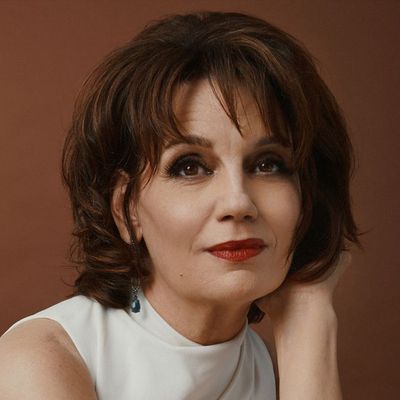
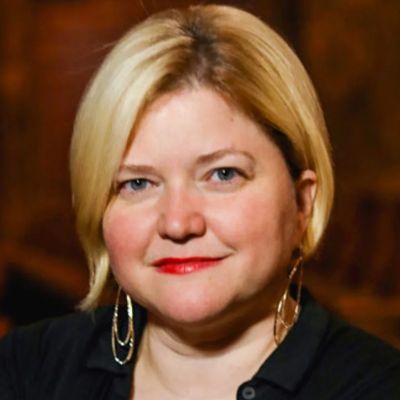
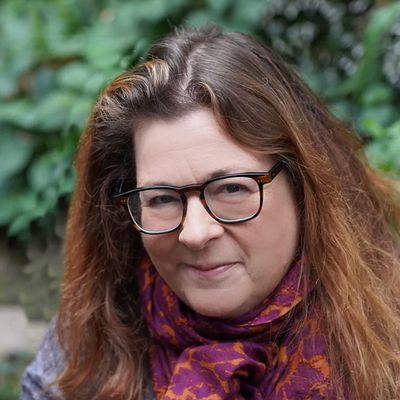
Donna welcomes comic genius Beth Leavel, brilliant playwright Theresa Rebeck and maestro music supervisor and philanthropist Mary-Mitchell Campbell to Sardis. These powerhouse women lunch while lost in riveting insider conversation about their careers and their lives... Read More
From the show: The Ladies Who Lunch with Donna McKechnie
Guests
Featured Shows



Videos
About
Donna welcomes comic genius Beth Leavel, brilliant playwright Theresa Rebeck and maestro music supervisor and philanthropist Mary-Mitchell Campbell to Sardis. These powerhouse women lunch while lost in riveting insider conversation about their careers and their lives.
Triple theatre Tony winner Beth Leavel was most recently seen on Broadway in "The Prom". Other unforgettable roles include: the title role in "The Drowsy Chaperone", Florence Greenberg in "Baby It's You", Mrs. June Adams in "Bandstand" and Emily in "Elf".
Renown playwright Theresa Rebeck's most recent work, "Seared Ends", played Off-Broadway in 2019. She has been celebrated for her Broadway plays "Bernhardt/Hamlet", "Dead Accounts", "Seminar" and "Mauritius".
Mary-Mitchell Campbell is unstoppable as a brilliant artist and formidable philanthropist for her organization ASTEP. Her Broadway work as Musical Director, Supervisor, Arranger... includes: "The Prom", "Mean Girls", "Finding Neverland", "The Addams Family" and the 2006 "Company".
Produced by Dori Berinstein and Alan Seales, music composed by Matthew Sklar.
Part of the Broadway Podcast Network.
Every episode is recorded live at the legendary Sardi's restaurant, 234 W 44th St, New York, NY 10036. Thank you so very much to Max Klimavicius, Sean Ricketts, Beth Shafeman and the entire Sardi’s family for your tremendous kindness and delicious cuisine!
Transcript
This transcript was automatically generated and might contain errors.
[0:27] Donna McKechnie: I am sitting here so excited. I'm sitting with three of the most talented women I have ever met, and I'm not kidding. So welcome. Uh and thank you for being the ladies who lunched today. Because we don't do it that often, do we?
[0:40] Beth Leavel: You do not ask.
[0:42] Donna McKechnie: It's kind of an old world thing, right? I love it. So um the well, this first of all, thank you for being here. Um this is the first time that I've had to have notes because of just the the the powerhouses that I'm you know, the work you've done. It's just I'm a little uh palpitating right now, but um Mary-Mitchell Campbell. Uh this is kind of a reunion of sorts for us.
[1:07] Mary-Mitchell Campbell: Yes.
[1:08] Donna McKechnie: Because I haven't seen you in a while, but um, but certainly since uh Ten Cents a Dance with John Doyle.
[1:15] Mary-Mitchell Campbell: Yes.
[1:16] Donna McKechnie: Where you played saxophone.
[1:18] Mary-Mitchell Campbell: Yeah.
[1:20] Donna McKechnie: They sent me to Juilliard to learn how to play. So I always play the saxophone. I always respected horn players, but now I really do to learn how to and uh Juilliard, that's excellent.
[1:30] Mary-Mitchell Campbell: Wow, yeah.
[1:33] Donna McKechnie: No, that's Mary and and John Doyle, who if you've ever worked with him, it's just an incredible thing. Um because you're working on For the Girls with Kristen Shaw with Ryan. And uh The Prom, which a show I loved. Beth, you uh Mean Girls Conducting Tuck Everlasting, Finding Neverland, Big Fish, Company. Now, when I first saw you, um did you see Company, the John Doyle version?
[2:10] Beth Leavel: Well, and and Raul.
[2:12] Donna McKechnie: Wow, fantastic. Yeah, fabulous. Um I was very subjective, you know, uh being in the original, I went, how are they gonna do this? Because it's you know, it's not 25 musicians anymore, most of the time, right?
[2:24] Beth Leavel: No, sometimes, yeah.
[2:26] Donna McKechnie: But it was eight musicians in Company.
[2:29] Beth Leavel: In Company when you nine.
[2:30] Donna McKechnie: Uh well we had like 12 cast members and they all had to play different things.
[2:34] Beth Leavel: Right.
[2:35] Donna McKechnie: They switched all around.
[2:37] Beth Leavel: Yes, I didn't know.
[2:38] Donna McKechnie: It was very but you had a group of musicians on the side, right?
[2:41] Beth Leavel: No, just the actors.
[2:42] Donna McKechnie: What?
[2:44] Beth Leavel: Okay.
[2:45] Donna McKechnie: And then this was the arrangements, because I didn't know you then, and and when I heard those arrangements, I went, this is fantastic. The feeling tone, the what you brought to that score, and uh and I know it so well, and it was just award for that, of course. I'd like to see it again. Sometimes I hear I saw it the first time and I went, you know what? What let's go see that again. But then you can't. Because it's gone.
[3:11] Beth Leavel: But it's coming back.
[3:13] Donna McKechnie: I know, but it'll be different.
[3:14] Beth Leavel: Yes, that's right.
[3:15] Donna McKechnie: Exactly. Very different. Um, okay, so I'm gonna Beth, yeah. One of the things I love about uh doing this is that I can say to you in person, congratulations, and what a year you've had.
[3:28] Beth Leavel: Thank you so much.
[3:30] Donna McKechnie: And uh It's really special. And coming out, I mean, uh, for all the things you've done. I mean, I was right there just cheering you on like everybody else, because your presence, this fantastic voice, and you seize the stage and the character, and it's just it's just wonderful. And to see that kind of, even though we kind of downplay if you've been in show business more than five years, you try to downplay the awards so that you can keep be the worker bee that you called yourself, which I relate to. Uh, but sometimes it's really great to see, you know, that and uh was 42nd Street your first show?
[4:11] Beth Leavel: The original company, and not the original cast, but the original company. And then I wonder how many other people have done this, have had the privilege to be old enough to do the revival and to play the old roles as I made my Broadway debut as Anytime Annie, and I wish they sent me to Juilliard to learn to tap. Because I had to learn it kind of all by myself, and it's a skill that I'm really glad I did learn because thank you.
[4:34] Donna McKechnie: You'll never forget it.
[4:35] Beth Leavel: I will never forget it. My mother sent me to Betty Kovac's School of Dance in Raleigh, North Carolina.
[4:40] Donna McKechnie: Yes, North Carolina.
[4:41] Beth Leavel: And that's yeah, and I took four years of tap at a very young age, so I kind of knew the vocabulary.
[4:45] Donna McKechnie: Right, right. But then I had to and work your ass off too. Now I'm really glad I I I can tap. I'd rather not do it right now. But if I had to, I could pull back across the Sardi's floor. And then um Mama Mia, I mean, all I mean, I'm just see, I have to I have to refer to this. Um and just every what what whether I see chaperones?
[5:11] Beth Leavel: Oh my god, yes.
[5:12] Donna McKechnie: That's okay, that's the one I'm really proud of. Yeah, and when I saw you in The Prom, it's like, did you see The Prom, Theresa? And then I loved it.
[5:17] Theresa Rebeck: Thank you.
[5:18] Donna McKechnie: I came backstage and you didn't know me, but I'm I'm friends with uh with Brooks, and so I was like telling everybody as an anonymous person how great it was. I just thought it was great.
[5:27] Beth Leavel: Thank you.
[5:29] Theresa Rebeck: Thank you.
[5:30] Donna McKechnie: You you're a friend with Brooks.
[5:32] Theresa Rebeck: I am a friend.
[5:33] Donna McKechnie: I'm friends with Brooks.
[5:35] Theresa Rebeck: And watch and everybody was great. And seeing it, I I couldn't help but think, um, what was that room like in rehearsal?
[5:42] Theresa Rebeck: Oh my gosh. And did you laugh?
[5:43] Beth Leavel: It was a lot of fun. It's really hard. And that was part of the the what was so great about the show and its passion and how close we were together. But how we all felt so safe in the room that we could literally come in with the creative team and the cast and throw everything we had up against the wall and see what stuck and not be afraid of anything and trust each other. And it's really, really challenging to be in a room with Brooks and Chris and Angie and Josh Lehman and all our castmen and not laugh most of the day, which I also think served the storytelling as well. It was probably the happiest year of my life.
[6:21] Donna McKechnie: Yeah. Well, you know what? That emanated from the stage. The love backstage. You can't you can't uh it comes it comes through, yeah.
[6:29] Mary-Mitchell Campbell: Right, Mary imagine?
[6:30] Theresa Rebeck: I thought it was yeah, we had a lot of fun. Sometimes we just have to go, okay, people stop, stop laughing. Everybody, let's just get on task and see if we can figure out how to end this number. Now, Theresa, so I'm I'm just so honored that you're here.
[6:44] Donna McKechnie: Thank you. The work that you have done. I mean, you are uh the major voice for our theater and and not just this country but the world. I I honestly believe that.
[6:55] Theresa Rebeck: Awesome.
[6:56] Donna McKechnie: I honestly believe that I do believe it. And then, you know, it's like I'm I'm Googling very superficially, and then I had no idea because I've seen some of the plays and I've loved it. I mean, uh Alan Rickman is one of my favorite actors, and Janet McTeer, and and then I read about all all of the plays. I mean, what now over what?
[7:18] Theresa Rebeck: Five.
[7:20] Donna McKechnie: This one actually every now and then I count them. How many are there?
[7:25] Theresa Rebeck: Um so I don't know actually how many in general there are, but this one that we're doing uh up at MCC Seared with Raul uh Sparza uh and Krista Rodriguez is the nineteenth one I've had off Broadway or on Broadway.
[7:40] Donna McKechnie: Wow So I know it's a lot that's amazing.
[7:42] Theresa Rebeck: It's a lot of that's amazing. I'm like, bring it on, man. What else? Yes.
[7:46] Donna McKechnie: Yeah, so it's amazing. So I'm I do feel honored by that in a way, you know, like it's a body of work and I'm now when let me ask you a question, because I was reading some comments and everything. You are the most Broadway produced female playwright.
[8:03] Theresa Rebeck: Now Yeah, this is it's a a weird I used really specific and weird. It's like straight plays. I you know, everybody always goes, because you guys are all musical theater. People look at me and go, have you ever done a musical? And I'm like, you know, not really.
[8:17] Theresa Rebeck: Um I mean I wrote one that's that we're still trying to figure out how to get it done. It's I think it's very beautiful with Kim Sherman. Do you guys know Kim Sherman? The great Kim Sherman. But um it's big, and so we haven't had any luck getting that done. But that's the only one I've ever other than that, I write straight plays. I mean I've always that was my dream was to write plays. I wanted to like be Chekhov or Arthur Miller. That's just what what my and my instruments were.
[8:43] Donna McKechnie: Yeah, yeah. I just never I don't know, I just never moved into every now and then someone says, You should write a musical, and I'm like, Oh, really? It seems like a lot of work. Um and also the hype high part of the the moments.
[8:57] Theresa Rebeck: Yeah, I'm always like Neil Simon didn't like that. I know. I was like, wait a minute. So like my best stuff you're gonna hand over to a composer, and someone's gonna turn it over to the book. That doesn't yeah, right? So uh so I have I've had four plays on Broadway, and I'm a woman and their plays. I think that's what the deal is. And then nobody's done that since like Lillian Hellman. So that's why it's such a weird So it's a deal. It's like, yes, that's great. I'm really proud. But but it's a pretty weird, yeah.
[9:27] Donna McKechnie: Is there a part of you that goes, do we have to do the gender thing? Can't we just you know?
[9:31] Theresa Rebeck: Well, you know, I'm so important, I guess, right now. Well, listen, like you you know how it is, you like live with it your whole life, and at a certain point you just go, Okay, whatever. You know, yeah, I kind of feel that way. And I'm really grateful that me too happened. It did change the discussion because I, you know, I got some really crazy reviews over the years where it was like, what did they think they saw? And meanwhile, everybody else saw the play that was you know what I mean.
[9:56] Donna McKechnie: So now I think that there is a more of a sense of like trying to understand, you know. I've always tried to speak from like the my point of view, you know, sort of, which is a different point of view than other points of views in the now is Spike Heels your first play?
[10:12] Theresa Rebeck: It was my first play in New York.
[10:14] Donna McKechnie: Okay.
[10:14] Theresa Rebeck: Yeah.
[10:15] Donna McKechnie: And then and I mean I had to stop writing the the awards.
[10:21] Theresa Rebeck: Let's hear all those 19.
[10:26] Donna McKechnie: Right. Well, yeah, like I have five brothers and sisters, and my mom used to go, we're just about I do. I call my children, my dogs' names. It's like, Louie, Tony, what what the hell is your name? Sam, get in here.
[10:36] Theresa Rebeck: What was what what we're up against?
[10:40] Donna McKechnie: When was that?
[10:41] Theresa Rebeck: That was a couple years ago. I actually wrote that back when I wrote Spike Heels. It was, you know, like 1992. Um, and and nobody ever did it. Um, and then they just did it. And it was, it did happen like during he, you know, it was one of those things where it was about women in the workplace and what happens. And nobody would touch it. And then all of a sudden they decided they wanted to do it up there at the women's project. Jenna Siegel, who's a wonderful advocate for female artists, she's a producer who really wants to stand, you know, and get women's stories out there told by female uh creators, you know, because a lot of times, like they go, I'm always like, wait a minute, there, you know, there are no women on the creative team of women on the verge of a nervous break and comment on.
And you know, and like Tootsie, I was like, wait a minute. I mean, that's not to say anything about these wonderful artists, but it does feel like that there's still a there's still plenty of room to grow in terms of.
[11:40] Donna McKechnie: Yeah, they need to make an effort now to make sure that it's a good thing.
[11:42] Theresa Rebeck: But they're more anyway, so uh that's um so that actually happened with what we're up against that. Nobody they were all kind of like, I don't know, I couldn't figure out what the problem was. I think they thought I was making it up or something, and so then uh then they we were in the middle of producing it when me too like hit, and everybody went, Oh, you're not making it. I was like, no, I know no, no, none of us are making this up. This is actually accurate. It's cinema verite. You know, yep.
[12:09] Theresa Rebeck: You know when um one of the shows we were talking about being a uh a girl growing up in the 50s, midwestern, I came to New York with you know, observing and realizing that I had to survive by not being forthright, but my way was because of the way I was raised, that I had to kind of maneuver, negotiate things to protect myself. And I never liked it. I you know, but it was a it I just thought that's the way it is, and I I don't like it, but you know, but I kept myself safe.
[12:41] Donna McKechnie: I'm I admire you deeply.
[12:42] Theresa Rebeck: I'm direct to a fault. You know, I'm like when it's just the it's just my DNA. I don't know.
[12:48] Donna McKechnie: That is anyway.
[12:50] Theresa Rebeck: I do it my own. And also speaking of that, you were like another award that jumped out at me was here we go.
[12:57] Donna McKechnie: Oh my goodness.
[12:58] Theresa Rebeck: Wow.
[13:00] Donna McKechnie: Thank you so much.
[13:01] Theresa Rebeck: Newsweek.
[13:01] Donna McKechnie: Look at that, isn't that nice?
[13:03] Theresa Rebeck: Thank you.
[13:04] Donna McKechnie: Wow. I know, right? I think my look what you did.
[13:09] Theresa Rebeck: Thank you so much.
[13:11] Donna McKechnie: They look amazing.
[13:13] Theresa Rebeck: I know.
[13:14] Donna McKechnie: So both tea. Um you know, uh Newsweek.
[13:20] Theresa Rebeck: Yes, yes.
[13:21] Donna McKechnie: Oh my gosh, yes, the I mean I hadn't heard of this before, but uh 150. You were one of the uh uh uh 150 most fearless women in the world.
[13:30] Theresa Rebeck: Whoa, wow, it was like a while ago too, though. I'm like I want it again. That's I'm gonna I'm the one who goes, I'm greedy, I want to see Company again. I'm like that award again. You know what I mean? Because it was a while ago, but yeah.
[13:42] Donna McKechnie: Yeah, that's amazing.
[13:44] Beth Leavel: Yeah, it was sort of great when that happened.
[13:47] Donna McKechnie: Um, okay, I want to ask about, oh, so I want to kind of throw something in the middle of the table, not the food, uh, kind of a question, but to do it, I want to illustrate by this.
[14:01] Theresa Rebeck: I was thinking about when I was interviewing Jerry Mitchell once, who was a wonderful director, as you know, and he was generous to give me this interview, and I said, so when did you really know that you wanted to do what you do? Because that's endlessly fascinating, really, why we do what we do, and it doesn't always happen at the same time for people's journey. You know, it goes all over the place, or it starts later, whatever, you know, the connection you make with yourself. And he said, I remember the day very well. I was sitting in Pawpaw, Michigan, at my kitchen table with my mother, and I said, I'm gonna be on Broadway, and nobody's gonna stop me.
[14:49] Donna McKechnie: Wow, how long?
[14:50] Theresa Rebeck: Five.
[14:51] Donna McKechnie: Five? Wow.
[14:49] Theresa Rebeck: And I love that. I mean, I couldn't speak. Amazing. Yeah, and I just thought, and you know, when I thought about it, the fact that he was there making that pronouncement with his mother in Pawpaw, that supportive home base, the support he, you know, was assertive that way as a kid, you know, it makes sense to me now, but that's impressive. Does anyone metaphorically have that moment where you recognized, okay, well, I had a moment when I was 16 because I had always wanted to be a writer. I sort of, I was the one who was like, I'm six years old, I'm gonna be a writer.
[14:49] Beth Leavel: Can I ask when you were born?
[14:49] Theresa Rebeck: Cincinnati, since it's Ohio. And then, so you were like 10? I read that when you started writing that I was six.
[14:49] Beth Leavel: Six? I was like a reconstruction.
[15:47] Theresa Rebeck: You know, they actually, my aunt had a story that I wrote when I was six. She saved it. When she died, we found it in our things, this little story I wrote when I was six. She was my mother's twin sister, so she was like my second mother. And I had this kind of precognitive idea that I'm a writer, right? And then I was improbably good at chemistry. So everybody went, you should be a doctor or a chemist. And I was like, I think that I get it because I actually, I really like it. Sometimes I just read books about the periodic table and stuff because I find it really interesting.
[16:22] Beth Leavel: Oh yes, it's very relaxing.
[16:25] Theresa Rebeck: Okay, but I was still going, well, but you're a writer. And then I got involved in theater in high school. I started acting in plays, and so then I wanted to be an actor, and then I thought, no, then I was just deeply confused. And then there was this moment where I thought you could put acting and writing together and be a playwright. It seemed like ABC, you know, A plus B equals C. So I said to my mother, I was 16, and I said to my mother, I think I'd like to be a playwright. And she went pale. There was this kind of like, what are you anyway?
[16:54] Donna McKechnie: So then the clarity all left again for years and years and years.
[16:58] Theresa Rebeck: But it would come back in moments like, well, if you're gonna be a playwright, you better start writing some plays. You know, it was sort of like sitting there.
[17:07] Donna McKechnie: What'd you study in school?
[17:07] Theresa Rebeck: At undergraduate, English. I was an English major.
[17:12] Beth Leavel: No, everybody says don't let your kids major in the humanities.
[17:14] Theresa Rebeck: And I'm like, what do you mean? It's an education.
[17:17] Donna McKechnie: Yeah.
[17:18] Theresa Rebeck: So, but you kept writing.
[17:20] Beth Leavel: I did.
[17:21] Theresa Rebeck: I did. I did. It was always kind of just something. Because it was always there then.
[17:24] Donna McKechnie: And your mother was worried that that might not be the right thing.
[17:28] Theresa Rebeck: I know. There was no, you know, it was Cincinnati, Ohio. My parents are Catholic Republicans, or my mother's a Democrat now, but there was like no container for this idea. It was like it was just madness. It was an insane thing to say. Like Jerry Mitchell. I mean, I was 16, so it wasn't as insane as Jerry Mitchell going, I'm gonna go to Broadway at five.
[17:47] Beth Leavel: Oh, it's a good one.
[17:48] Theresa Rebeck: But it was still, it was utterly peculiar. I didn't know what Broadway was.
[17:53] Donna McKechnie: Yes, how did you discover?
[17:54] Theresa Rebeck: I had no, I have no idea.
[17:56] Beth Leavel: You do now.
[17:57] Theresa Rebeck: Movie.
[17:58] Beth Leavel: Yeah, I think so.
[17:59] Theresa Rebeck: I mean, there was no, we didn't ever go to theater. We didn't ever have theater to go to.
[18:06] Donna McKechnie: That's changed now.
[18:07] Theresa Rebeck: Well, thank God.
[18:08] Donna McKechnie: You're both from the same state. Where are you from?
[18:10] Beth Leavel: North Carolina.
[18:11] Theresa Rebeck: North Carolina.
[18:12] Beth Leavel: So, and my parents weren't into the arts at all. You know, my father worked at a Coca-Cola company and then the TV station. And my mother was a florist and a stay-at-home mom. So I honestly have no idea.
[18:25] Theresa Rebeck: Television?
[18:26] Beth Leavel: Where the curiosity, not really, but I remember Raleigh.
[18:30] Theresa Rebeck: My sister lives there.
[18:31] Beth Leavel: Really?
[18:32] Theresa Rebeck: Mm-hmm.
[18:33] Beth Leavel: Like I said, now it has so much, there's a lot on now.
[18:37] Theresa Rebeck: Well, when did you go to dance school?
[18:39] Beth Leavel: She made me go in elementary school.
[18:41] Theresa Rebeck: Oh, okay.
[18:41] Beth Leavel: And then I had to go to Cotillion.
[18:43] Theresa Rebeck: Oh, of course.
[18:44] Beth Leavel: She didn't.
[18:44] Theresa Rebeck: Oh, wow.
[18:46] Beth Leavel: Because it's the coming out party.
[18:48] Theresa Rebeck: I didn't have a coming out party, but I did have a little bit of a couple of things. No, but my friends did.
[18:51] Beth Leavel: It was a thing.
[18:52] Theresa Rebeck: I remember sometime in middle school, we very rarely went to movies, but we went and saw Music Man with Robert Preston and Shirley Jones, and I remembered disappearing into the film. Literally don't remember sitting anymore. And but I didn't, like I said, I didn't know what to do with it until my senior year in high school, and my best friend asked me to audition for the senior spring musical.
[19:17] Beth Leavel: Were you singing yet?
[19:18] Theresa Rebeck: No.
[19:18] Beth Leavel: What was it?
[19:19] Theresa Rebeck: It was Brigadoon, and I got the third lead.
[19:22] Beth Leavel: And what song did you sing?
[19:24] Theresa Rebeck: I'm not sure I had a solo.
[19:26] Beth Leavel: Where'd you go, Bonnie?
[19:30] Theresa Rebeck: Something like that.
[19:30] Beth Leavel: But I love it when musical people do this.
[19:33] Theresa Rebeck: I know.
[19:35] Beth Leavel: Playwright singing.
[19:37] Theresa Rebeck: But again, my parents, I went and they were, they thought it was just kind of precious that I was doing a musical. But I was supposed to get married and have children and a real job. So I went to undergraduate school and I have a degree in social work counseling, which has come in enormously.
[19:55] Beth Leavel: So it's a Meredith.
[19:56] Theresa Rebeck: And that's what you majored in?
[19:57] Beth Leavel: I majored in social work in the country.
[19:59] Theresa Rebeck: I don't think I've ever known counseling.
[20:00] Beth Leavel: As long as I've known you.
[20:03] Theresa Rebeck: Because it wasn't.
[20:04] Beth Leavel: No, no, no, I really did.
[20:05] Theresa Rebeck: I mean, in terms of it being so useful.
[20:07] Beth Leavel: Oh, absolutely.
[20:08] Theresa Rebeck: You know, counseling is about listening and responding, listening, and so that's what acting is. And but I did every, I had a theater minor because it was no theater major, and I had a teacher, I had a mentor who pushed and suggested and made me uncomfortable and made me happy. And I did everything I could get my hands on until the very end when I graduated, and she said, you need to see what happens with this. And I said, I'm not moving to New York. I'm terrified. Terrified.
[20:38] Beth Leavel: So I went and got an MFA from the University of North Carolina, and those two years changed my life.
[20:42] Theresa Rebeck: And then I knew at Broadway West.
[20:46] Beth Leavel: Wow.
[20:48] Theresa Rebeck: So when did you go?
[20:48] Beth Leavel: Then I went after I got my equity card. I got it, I did an internship at a theater in Pennsylvania for eight months and answered the phone and made costumes and struck sets and was the third sword carrier from the left in Taming of the Shrew.
[20:59] Theresa Rebeck: Wait, which theater?
[21:00] Beth Leavel: It was Allentown, Pennsylvania Stage Company in Allentown.
[21:00] Theresa Rebeck: In Allentown.
[21:06] Beth Leavel: Allentown!
[21:07] Theresa Rebeck: No, Allen Town.
[21:08] Beth Leavel: And my first musical I did in college was Applause.
[21:13] Theresa Rebeck: Remember that?
[21:14] Beth Leavel: Yes, very well.
[21:15] Theresa Rebeck: I choreographed it, which is so.
[21:17] Beth Leavel: Oh my goodness.
[21:18] Theresa Rebeck: Is there a place?
[21:20] Beth Leavel: I choreographed it and was in the ensemble.
[21:23] Theresa Rebeck: I tried out for Bonnie and didn't get it.
[21:27] Beth Leavel: I'm trying to get you to sing again.
[21:30] Theresa Rebeck: You didn't wait when I finish my salad.
[21:32] Beth Leavel: But nine months of doing all, you know, just doing everything. I feel like I paid my dues. You know, it was one of those moments. I when I teach a master class, I go eat for musicals. I'm like, have you worked at a theme park? Have you done dinner theater? Have you done, you know, there's like a show. Have you done a cruise thing?
[21:51] Theresa Rebeck: I have not.
[21:52] Beth Leavel: See now that wasn't really that trendy when I moved to New York.
[21:55] Theresa Rebeck: We should do that.
[21:59] Beth Leavel: Oh, yeah.
[22:00] Theresa Rebeck: You've gone on the cruise and gone on a cruise.
[22:03] Beth Leavel: It was really fun.
[22:04] Theresa Rebeck: Was it fun? Did you go with other people?
[22:06] Beth Leavel: Like you were like your friends.
[22:08] Theresa Rebeck: No, the theater guild before.
[22:10] Beth Leavel: I have a fantasy about this. That you guys all go on cruises together and sing beautiful, you know, like the best singers we've got. You know, you and Brian Stokes Mitchell and you know, everybody on Brooks, and that you're out there on the high seas singing show tunes, changing minds.
[22:29] Theresa Rebeck: This particular ship I was on, not very many people spoke English, so it was kind of like, oh, note to self.
[22:34] Beth Leavel: Where did you go?
[22:35] Theresa Rebeck: To Rome.
[22:36] Beth Leavel: Oh, I mean, who cares?
[22:37] Theresa Rebeck: I mean, they could feel the place I love.
[22:40] Beth Leavel: No, it's called Crystal Cruises.
[22:42] Theresa Rebeck: Oh, sure.
[22:43] Beth Leavel: Yeah. It was really, really, really spectacular.
[22:46] Theresa Rebeck: Okay, so did you leave from New York and flew across the ocean?
[22:50] Beth Leavel: Oh, you flew to Rome and then we assisted.
[22:53] Theresa Rebeck: And it took a cruise from there.
[22:54] Beth Leavel: Took the cruise from there.
[22:55] Theresa Rebeck: It was a couple of things.
[22:55] Beth Leavel: Okay, and then where did the cruise go?
[22:57] Theresa Rebeck: All the way up. We went to Barcelona, um, where's the place with the races?
[23:02] Beth Leavel: The famous?
[23:03] Theresa Rebeck: Oh yes, that famous.
[23:06] Beth Leavel: Sebastian?
[23:07] Theresa Rebeck: No, not famous.
[23:08] Beth Leavel: Monte Carlo.
[23:09] Theresa Rebeck: Monte Carlo.
[23:10] Beth Leavel: But you know, that said, I knew I had two shows to do, so until I got through with those shows.
[23:16] Theresa Rebeck: Sure, you were really a vacation.
[23:18] Beth Leavel: When that was done, it was like, whoa!
[23:20] Theresa Rebeck: Right, right.
[23:21] Beth Leavel: Then you're like, we're yeah.
[23:22] Theresa Rebeck: Yeah, so you could go on one of those.
[23:24] Beth Leavel: I could not.
[23:25] Theresa Rebeck: Come on, sure.
[23:25] Beth Leavel: What am I gonna do?
[23:27] Theresa Rebeck: No, I mean, what am I gonna do? Stand up there and have a question?
[23:30] Beth Leavel: No, no, no, because they have, it's different now. But there's, they still do them.
[23:33] Theresa Rebeck: You would, yeah, you'd have one afternoon where you would sit and do a Q&A.
[23:39] Beth Leavel: There were artists.
[23:42] Theresa Rebeck: I think you're making this up.
[23:43] Beth Leavel: No, I'm not.
[23:43] Theresa Rebeck: We're gonna find you a cruiser.
[23:44] Beth Leavel: No, I'm not.
[23:45] Theresa Rebeck: It's the goal, I think.
[23:46] Beth Leavel: Absolutely goes on the cruise.
[23:48] Theresa Rebeck: I love that book.
[23:51] Beth Leavel: So yeah, that's it.
[23:53] Theresa Rebeck: That's possible. That's real.
[23:54] Beth Leavel: But I used to tour with the theater guild, and it was the Langners before they no longer do it.
[24:01] Theresa Rebeck: Right.
[24:01] Beth Leavel: But we would take, we'd have Patricia Monzel, Pat Monzel, um, Brian Bedford would do his evening of Shakespeare.
[24:11] Theresa Rebeck: Oh wow, really?
[24:12] Beth Leavel: We would take one musical comedy singer dancer, and we would, and Leroy Reims would do it, and we'd have our own audience, and there'd be like seven of us, and we each, we'd have dinner. Judy Kay did it one, we would sit around, have dinner and watch someone else's show.
[24:30] Theresa Rebeck: We'd have a two-week vacation, um, everything was paid for. The only thing we didn't get a fee.
[24:37] Beth Leavel: Right, but you had a vacation trip, right?
[24:39] Theresa Rebeck: And watched everybody else's show, and then feeling of when you have a show, you can't drink the night before, you know.
[24:46] Beth Leavel: But after you do your show, then it's yeah.
[24:49] Theresa Rebeck: Then we, it's a great way to see the world.
[24:51] Beth Leavel: It really is.
[24:52] Theresa Rebeck: I wish I'd done a national tour.
[24:54] Beth Leavel: Oh, you know, when I was really young to go see the world that way.
[24:58] Theresa Rebeck: I just hear of people's experiences, but I didn't.
[25:05] Beth Leavel: I might.
[25:05] Theresa Rebeck: I mean, uh, you know, never say never.
[25:07] Beth Leavel: Never say never.
[25:09] Theresa Rebeck: Never say never.
[25:09] Beth Leavel: Yeah, national tours do seem kind of, I just, we just were the Mean Girls national tour.
[25:13] Theresa Rebeck: Oh, right.
[25:13] Beth Leavel: I just came back from Buffalo, and the whole time I was like, maybe I should do a national tour just to see the country and just...
[25:17] Theresa Rebeck: I know.
[25:20] Beth Leavel: You've never done a national tour either.
[25:22] Theresa Rebeck: I did, um, I did like a really short-lived non-equity tour of Greece when I was very young.
[25:28] Beth Leavel: And so you like ran around in music.
[25:31] Theresa Rebeck: Well, it was like one, yeah, it was like one-nighters across Canada.
[25:34] Beth Leavel: You know, the middle-nighters in the middle part of Canada.
[25:38] Theresa Rebeck: There's a middle part between, you know, Toronto, you have Toronto, Montreal, you have Vancouver, the middle.
[25:45] Beth Leavel: That was our one years.
[25:46] Theresa Rebeck: It was very interesting.
[25:47] Beth Leavel: I mean, you have to be young when you do that.
[25:49] Theresa Rebeck: It was really pretty, actually.
[25:50] Beth Leavel: Yeah, but the one-letter thing was really hard.
[25:53] Theresa Rebeck: Yes, bamf.
[25:54] Beth Leavel: Yeah, bamf.
[25:55] Theresa Rebeck: Everyone should go to Banff.
[25:57] Beth Leavel: Oh yeah, highly, highly recommended.
[25:59] Theresa Rebeck: Well, I could figure out my tour.
[26:00] Beth Leavel: We done has to go to Banff.
[26:03] Theresa Rebeck: Oh, you can go on your own.
[26:04] Beth Leavel: God forbid.
[26:05] Theresa Rebeck: But a national tour is like you, uh, I'm glad I did it in my twenties because I never have to do it again.
[26:13] Beth Leavel: Did you do it for how long?
[26:14] Theresa Rebeck: Um, a year, a full year.
[26:16] Beth Leavel: Yeah, well funny thing.
[26:18] Theresa Rebeck: Yeah.
[26:19] Beth Leavel: Oh.
[26:19] Theresa Rebeck: That's amazing.
[26:20] Beth Leavel: Where did you go?
[26:21] Theresa Rebeck: Oh, all over. I mean, uh, did you all the big cities for like Chicago?
[26:25] Beth Leavel: She went, how long were you in Chicago?
[26:27] Theresa Rebeck: Uh, they, that's those are the days when they used to do like maybe six weeks.
[26:32] Beth Leavel: Six-week sit-downs in different big cities.
[26:33] Theresa Rebeck: In different, different big cities.
[26:35] Beth Leavel: Yeah.
[26:35] Theresa Rebeck: That see, that's a great education.
[26:37] Beth Leavel: Could you go to Marshall Fields and get the chocolate?
[26:42] Theresa Rebeck: Yeah, it was great. I saw a lot, and I, you know, and I love New York. I love just the more I can stay here, but I still travel a lot doing it.
[26:50] Beth Leavel: And you were young when you came to New York, right?
[26:52] Theresa Rebeck: Yeah.
[26:52] Beth Leavel: And so were you.
[26:53] Theresa Rebeck: Yeah, I was.
[26:54] Beth Leavel: But you were, I feel like you were.
[26:55] Theresa Rebeck: Well, mine is a cautionary tale.
[26:57] Beth Leavel: I ran away.
[26:58] Theresa Rebeck: I mean, you were there as a young teen.
[27:00] Beth Leavel: Oh yeah.
[27:02] Theresa Rebeck: So do you know what I mean?
[27:02] Beth Leavel: I want to hear a cautionary tale.
[27:04] Theresa Rebeck: I was then, what happened?
[27:05] Beth Leavel: She was fifteen.
[27:07] Theresa Rebeck: Oh gosh.
[27:08] Beth Leavel: Yeah.
[27:08] Theresa Rebeck: But then, oh, I wrote, I wrote it about it. But then my father came and took me home, and then they let me go again, and I never knew why.
[27:17] Beth Leavel: I had a job.
[27:19] Theresa Rebeck: But I think my dance teacher said, let her go and then don't send her any money, and she'll come back soon. You know, she has a job, you know.
[27:27] Beth Leavel: And that fueled my desire to not go back and to keep working.
[27:35] Theresa Rebeck: Yeah, yeah, to prove them wrong, yeah.
[27:36] Beth Leavel: I'll bet.
[27:37] Theresa Rebeck: So, but that's a very, that's a strong thing to do.
[27:40] Beth Leavel: And I, uh, the guilt, uh, you sent me to therapy, uh, for so you never went back.
[27:45] Theresa Rebeck: No, I never did because I was, I had good ballet training, so I was able to keep working, you know.
[27:52] Beth Leavel: Um, but you know, when I teach now, if I do master classes, I don't encourage that.
[27:58] Theresa Rebeck: Right, you know, because it was hard.
[28:00] Beth Leavel: It is hard to do.
[28:01] Theresa Rebeck: But I loved it. I mean, I was like, when you're that young, you're so omnipotent, you think you know, I thought I was almost too innocent.
[28:09] Beth Leavel: Yeah.
[28:10] Theresa Rebeck: So that people, I scared people that they stayed away from me, you know. Um, but I love New York, the New York experience.
[28:17] Donna McKechnie: Now you're, you're, you're, are you from Ohio?
[28:20] Beth Leavel: Okay, Midwestern.
[28:22] Theresa Rebeck: Yes.
[28:22] Donna McKechnie: So what was it like, the New York experience when, when, and you're from North Carolina.
[28:27] Beth Leavel: Beth and I are from close to the same place.
[28:29] Theresa Rebeck: But m, I came from a big city compared to what, yeah, I came from the farm.
[28:33] Beth Leavel: Like literally all the time.
[28:34] Theresa Rebeck: And you really, pigs and tobacco and what I moved out.
[28:44] Beth Leavel: I moved right after college.
[28:45] Theresa Rebeck: But, uh, my story was like, I was always interested in piano. Um, and I started, I asked for piano for Christmas when I was three.
[28:52] Beth Leavel: Now how did you know that's what you wanted?
[28:54] Theresa Rebeck: I don't know. I just was always, did you hear music?
[28:57] Beth Leavel: I, yeah, I got, I mean, I could always, it was weird, I could always play the piano. Like I could, I played in church mostly, but I would, I could walk up to a piano and play it. It was like a language I understood.
[29:09] Theresa Rebeck: And, um, because I played by ear, and it just sort of made sense to me. Um, and then I started formal lessons when I was eight and I started playing in restaurants when I was ten.
[29:18] Beth Leavel: Ten.
[29:19] Theresa Rebeck: Yeah. It was, it was called Abrams. And then it was in downtown Wilson. So it was like further away, but it, but they had a seafood buffet on Friday and Saturday nights, so I was the pianist for that.
[29:33] Beth Leavel: Um, yeah. Uh, it was great though. I was, it made me really think about repertoire. I had to like listen to the radio more. And I like, you know, and I would, I got really good. I got really good at getting tips.
[29:45] Theresa Rebeck: And so, yeah, that.
[29:47] Beth Leavel: Yeah.
[29:47] Theresa Rebeck: So I would.
[29:48] Beth Leavel: Boy, I'd like to see.
[29:49] Theresa Rebeck: Right, I know.
[29:49] Beth Leavel: I saw a 10-year-old kid might give it away.
[29:51] Theresa Rebeck: Yeah, well, did you sing along?
[29:52] Beth Leavel: When I didn't, no, but I would remember I would, you know, it was small town, so it was regular, so I just remember everybody's favorite songs. And I would just do a medley of their favorite songs when they walked in.
[30:02] Theresa Rebeck: Oh my god.
[30:04] Beth Leavel: They would feel obligated.
[30:05] Theresa Rebeck: So smart.
[30:08] Beth Leavel: So yeah, that was a good one. So what prompted New York?
[30:11] Theresa Rebeck: Um, when I was, I went away to, I went away to, I sort of ran away, I was 16 to, um, Winston Salem, North Carolina, to the governor's school. Um, I did governor's school in the summer, and then I decided to go to North Carolina School of the Arts for a high school, which is like a high school and a college.
[30:27] Beth Leavel: Um, and I went there for high school, but because it's a high school and a college, you're basically living as a college student, really. Because you're in classes with college students, and all my music classes were with college students. Some of them are who I work with now on Broadway, which I find very funny. We have a lot of, they remember me at 16. It's highly amusing.
[30:44] Theresa Rebeck: Um, T. Oliver Reed.
[30:46] Beth Leavel: Oh yeah.
[30:46] Theresa Rebeck: T was in my, he was in my German class.
[30:48] Beth Leavel: You did a reading with him last week.
[30:49] Theresa Rebeck: Yeah, yeah. He was, yeah, so we laugh about that. But, um, but yeah, so I saw a production of Baby. Um, that, that Lauren Ward started in, actually. Um, if you know Lauren, and, uh, and I was 16 and I was like, I want to do that. I want to tell sort of what your epiphany of like putting it to.
[31:08] Beth Leavel: Yeah, for me, it was like music and storytelling. Yeah, this makes sense to me.
[31:12] Theresa Rebeck: And then your first year in New York.
[31:15] Beth Leavel: I got to, I worked with you in my first year in Europe. With, with the Sweet Charity.
[31:20] Theresa Rebeck: Wow.
[31:21] Beth Leavel: There was a Sai Coleman was, I think.
[31:26] Theresa Rebeck: I love Sy so much. Did you know?
[31:28] Beth Leavel: I didn't. I mean, we had met, but we never had the opportunity to work with.
[31:31] Theresa Rebeck: Um, he, uh, what was that? It was at Lincoln Center or what was it?
[31:35] Beth Leavel: It was at Lincoln Center, it was Avery Fisher, it was, um, a big care, a big Brady Care's benefit.
[31:39] Theresa Rebeck: Yes, yeah. And we had five charities, and Donna was one of them.
[31:43] Beth Leavel: Gwen.
[31:43] Theresa Rebeck: Yes.
[31:44] Beth Leavel: Oh, yes.
[31:44] Theresa Rebeck: It was you, Gwen, Cheetah, Debbie, Debbie Allen, and BB.
[31:48] Beth Leavel: Oh my gosh.
[31:49] Theresa Rebeck: Yes. I had just moved to New York. And my goals, I was not Jerry Mitchell. I was not like, I'm gonna take over Broadway, nothing's gonna stop me. I was like, I'm gonna move from my farmlands to New York and try and get one good credit and move back down to North Carolina.
[32:06] Beth Leavel: Really?
[32:07] Theresa Rebeck: Yes, that was my big goal was to get a credit and that I could like have a career in North Carolina because I had done something in New York.
[32:15] Beth Leavel: Um, that was my big goal.
[32:18] Theresa Rebeck: But you succeeded, but you have achieved your goal.
[32:21] Beth Leavel: Well, the thing, do you know this about her that she met, uh, Paul Newman right through Sai?
[32:27] Theresa Rebeck: Yeah, for side.
[32:28] Beth Leavel: And you, I didn't know this. You, uh, you stuck worked administratively with, uh, Newman's own.
[32:34] Theresa Rebeck: Yeah, with Newman's own. Did that prep you for your wonderful nonprofit?
[32:38] Beth Leavel: And then I started a nonprofit.
[32:39] Theresa Rebeck: Yes, it was largely because of Paul Newman.
[32:41] Beth Leavel: Because largely I didn't know that you had that, you know, yeah.
[32:46] Theresa Rebeck: Well, he, like, um, I got to spend a lot of time with him.
[32:49] Beth Leavel: Oh well.
[32:50] Theresa Rebeck: Wow. Fantastic.
[32:52] Beth Leavel: Yeah.
[32:52] Theresa Rebeck: I don't think it's ever come back.
[32:54] Beth Leavel: Okay, well, thank you, Donna. Things we learned at the ladies who, um, he, yeah, he, he was just like my favorite thing about him is that he had this really quirky odd sense of humor. It was very off, like he would, he, it was his favorite thing to take his name tag and scratch out his name and write Robert Bradford over it, which was hilarious. Um, and he would tell really funny, like sort of witty jokes. But he, but he was so passionate about, um, leveraging his success for, um, he basically just said, I feel like I've been given, I've had so much luck and it is my job to share that luck with people who did not get that lucky. And so he really focused on children who had been given like a life threatening illness and so that was his big mission and I got really passionate about kids and I was, I loved how he leveraged everything he was doing for the greater good.
[33:17] Beth Leavel: Yeah, that is that kind of a stepping stone for you to go to India?
[33:17] Theresa Rebeck: It was. I went to India for, I started a nonprofit and then went to India.
[33:17] Beth Leavel: Tell us about it because.
[33:17] Theresa Rebeck: Yeah, it's called A Step. It's, um, I know I'm around it, but it's almost 15 years now.
[33:17] Beth Leavel: You have two careers.
[33:17] Theresa Rebeck: I sort of have two careers, yeah.
[33:17] Beth Leavel: Okay, well this is so fascinating. So what is the, is it in India the nonprofit?
[33:17] Theresa Rebeck: We work in India, we work in India, Africa, and the US and it's, you, it's like creating individualized arts programming for specific groups of children that are in really dire situations. So like in India we have two major programs, one is in an orphanage slash boarding school for children who are lowest caste. Uh-huh, and it's a pretty high level English medium education that they're getting and then we work with Teach for India. We wrote a musical, um, called Maya which is about a girl saving the world and teaching courage, compassion, and wisdom that's toured around the country but we took 35 kids from slum areas outside of Pune and basically give them a two and a half year musical theater school which is really quite amazing and you bring people over.
[34:27] Beth Leavel: We bring New York artists over, um, and we work in Africa with Dick Stanley who runs our program there. You know Dick Stanley?
[35:02] Theresa Rebeck: I do, I love him.
[35:02] Beth Leavel: And then, um, and then we have a ton of programming here in the city with refugee children, with kids in, uh, homeless shelters, with kids with incarcerated parents, with, and everything's sort of built around what they're up against. But you know it's a major organization now that you cover all getting there, yeah.
[35:17] Theresa Rebeck: Wow, fantastic.
[35:19] Beth Leavel: It's been around a while.
[35:20] Theresa Rebeck: Yeah, it's, it's, it's, it's an interesting, it's like having a lot of children. That's my view.
[35:24] Beth Leavel: Because I admire the fact that I, I have no children, I don't even have two cats. I said, you know, kind of, uh, but you to negotiate a life to have a life to have a family life, it's something that it that's eluded me, but I admire it so much, especially in my women friends who are able to raise and when Angie Schwar was on was, you know, your friend, your different girl, um, you know, she said it was kind of she married into a family, a family family. I mean they were like ten and almost teenagers, right?
[36:01] Theresa Rebeck: Right.
[36:02] Beth Leavel: That was kind of shocking. Can you imagine?
[36:02] Theresa Rebeck: She does, she's amazing.
[36:03] Beth Leavel: And she is amazing. It's an amazing family.
[36:05] Theresa Rebeck: So how was that, was that ever, uh, that's that was just a given that you went, well, the work will take care of, you know, the family's life. The family life is here, and the work and, uh.
[36:15] Beth Leavel: Oh, you mean that balance?
[36:18] Theresa Rebeck: Um, you know, I have to say, I, you know, m, I don't come from money, and my husband doesn't either, and we were pretty broke. And I started getting some work in television like in the early 90s, and I got offered NYPD Blue in the second season, and I, and I had just had a kid, I that was, and I had my son, and I was like, I'm not doing another tea, you know, because I had done a very little bit of television show in my h, uh, television work. My husband who's a stage manager, he was like, You need to think about this. I mean, it was a great offer, and I learned a lot, and I'm really glad I did it. But I was confused because I had just had this baby, and he said, I'll stay home with the kid. You should go. And actually, it wasn't, and then he never went back to work. You know, so I really have always had a stay, you know.
[37:03] Beth Leavel: So you both worked it out where you could do your work.
[37:06] Theresa Rebeck: He just turned into a stay-at-home dad.
[37:08] Beth Leavel: Yeah.
[37:08] Theresa Rebeck: And so, you know, every now and then someone says to me, 'How do you get all so much work done?' I'm like, you know, I got the deal.
[37:16] Beth Leavel: That's pretty great.
[37:16] Theresa Rebeck: Yeah, I got the deal. Uh, because my husband is a really well, you know, raised, stayed at home, raised the kids. I did too, you know, you should, but it's like I think that for, are you, do you have kids?
[37:28] Beth Leavel: I have two kids.
[37:28] Theresa Rebeck: And does your husband have a?
[37:28] Beth Leavel: My ex-husband?
[37:32] Theresa Rebeck: You're right.
[37:33] Beth Leavel: Yeah. Um, he, I became the breadwinner.
[37:36] Theresa Rebeck: We could see that's what I did.
[37:38] Beth Leavel: Whose path was going to support, and I was getting work. And so John decided that he would stay home, and we moved and got a house in Jersey, and um, I was doing Crazy for You in Showboat and breastfeeding at the same time. But I wouldn't have it any other way. We just, you just make it work.
[37:55] Theresa Rebeck: Yeah, you just make it work. There's times when I can't be at the soccer game, but there's times when I can, and you know, there was always a parent, there was always someone representing and, uh, you know, loving our kids at all times.
[38:10] Beth Leavel: Right, and that's how our family works.
[38:13] Theresa Rebeck: And I didn't, that I did, there were a lot of things I didn't miss because, uh, when you're a writer, you're at home writing, and you're like, Oh, it's Halloween day at the school, and I just run down to the street, and that's the other thing I wanted to ask you about. What interests me about, um, I, I'm kind of in awe of people who do that for a living, that write that, that artistry, that talent. Um, because it is, you are with yourself alone, and you can do now.
[38:42] Beth Leavel: When you did television, see the facility to be able to go from theater to television and then film, and which is a whole other animal back and do it, yeah.
[38:54] Theresa Rebeck: I mean, that did you always have that ability just to write when and when you needed to, or because tell isn't that really fast? I mean, Neil Simon, I have great conversation with him because I loved him, uh, where he's where I learned something he said for him, he could make changes, whole scenes, as I read a director said that about you, because of his TV writing, he said I had the same ritual every morning. I would get up from nine to twelve, I would sit in front of the typewriter, uh, no computers. Sure. Uh, and whether I wrote one word or you know, 170 words, I would just nine to twelve every day. And, and he said, and I was able to, uh, be fat develop that, and then when I did plays, I could just, you know, nothing was precious to me.
[39:46] Beth Leavel: That's true.
[39:47] Theresa Rebeck: If we were out of town and he needed a whole scene, he would just go back to the hotel, write it, and come back. Did that, did you always have that ability to change style or was that?
[39:56] Beth Leavel: I actually like, I like that, that idea of not being, I'm always like, you can lose that. When you reach a point where you go, Oh, if there's enough good stuff, then you can kind of cut anything because there'll be plenty of good stuff left. And so you don't have to get like this is my best line I've ever written, I can't cut it. You like go, yeah, maybe it's not the best line, and maybe it's just blonde. And you know, and a lot of times I'm like, I love cutting because it sort of energizes everything really quickly. And so I'm always like, maybe we should cut act two. And people go, okay, Theresa. I mean, uh, because, and I'm actually that's the big warning on me when I'm in rehearsal. I'm like, you guys don't let you know stop me if be if I cut too deeply because I, I tend to go, hey, look, you know, they're going, maybe we could cut these two lines, and I'm like, you've got to cut the whole page. And they go, no, no, no, no, no, no, no.
[40:45] Beth Leavel: Um, so, uh, so I'm, I, I'm interested, I've always been interested in writing. I like every bit of it. Somebody asked me about it one time, they, they were like, I don't want to do the Mingy stuff. I was like, there is no Mingy stuff. I like every comma. I like when I finish, I like everything. I like punctuation, I like semicolons. I like, please bring it back.
[41:07] Theresa Rebeck: Right.
[41:07] Beth Leavel: Punctuation.
[41:09] Theresa Rebeck: I like, yeah, I'm not as good on internet stuff, but I do this thing like when I finish a play, I'm not allowed to make a title page until I get to the end, and then I go and I find a font. I, I get to like pick fonts and how big do you want it? It's, you know, I like all of it.
[41:24] Beth Leavel: You make it fun.
[41:25] Theresa Rebeck: Oh, it's really, I love it. Um, but, uh, yeah, which most people, they're like, you like writing, you know, but most people or a lot of people feel more like Dorothy Parker, who's famously said, I hate writing, but I love having written.
[41:37] Theresa Rebeck: And I'm like, I don't know, I think it's kind of fun. I will say, however, I've gotten to a point in my career because I started directing. Yeah, and I'm like, I really don't want to go back to like just being at home writing and then handing off the thing and just showing up whilst everybody else is having all the fun. I really know about the film The Trouble. I saw bits of it. And was that your first direction? Uh I had directly I had I had a I made a short movie, and then I also made a movie, like we shot it in eight days. That was fun. Um, on based on one of my plays, and it's very it's poor behavior, and I like that a lot. I think that one came out really well. Uh so uh yeah, I'm interested in filmmaking, sure for sure.
But if you're writing, if you're writing, it's wonderful to be able to, but not so much with plays. I you know, exactly. I still I've been directing a lot for the theater, and I direct my own plays, and people you know, and it always comes out great. I get great reviews. I mean, I you should get reviews this good for it, you know, and people are still flipped out by it. I'm like when you know it's unusual. A lot of people are stepping out of their lanes right now, as we should. It's like, you know, and I think that partially because I wrote this play about Sarah Bernhardt, who did everything, you know. She like she starred, she like uh she owned the theater, she directed that I mean she was one of those people like Henry Irving, you know, they were like actor managers, and they did everything.
And this idea that playwrights cannot also direct, I think was invented at some point. I don't know who invented it, but it's I do I I don't, you know, there are a lot there's a lot of really interesting work coming along now from many different ways of creating work. And I think that we should all relax and let be direct.
[43:15] Beth Leavel: Yes. That's what I think totally uh because I I don't want to direct everything. I mean it's a but I I'm just like uh you know sometimes But that was historically, you know, I always heard that. I always Shakespeare directed his own stuff. Shakespeare would star it and Molière too. They wrote it, they started it, they'd write I mean there's some great stuff, great historic stuff that was written by playwrights who were acting and directing at the same time.
[43:40] Mary-Mitchell Campbell: Yeah.
[43:40] Theresa Rebeck: So I just don't I and I I it's been, you know, look, we're women in the theater, it's a complicated road, you know, and like I there I there was always like moments when I would find like, well, what are you gonna do now? And it's some and honestly, part of the reason I started directing is because there's such a limited pool of directors, and it became sort of I feel like it was a way of disempowering playwrights where you gotta wait for what you know, and you have to like for say free and you know how do they I mean I just thought I I don't I'm not interested in relating. I'll do it.
[44:13] Beth Leavel: Yeah, it was a little bit more. The perfect director.
[44:17] Theresa Rebeck: Right now, it's great, and you love it. You love it.
[44:20] Beth Leavel: I do because it's it took your point of view, and you can it cuts through a lot of, you know, there's a lot of politics that you like sort of just shove aside.
[44:30] Theresa Rebeck: But also you you seem like, I mean, as an artist, you have objectivity about your work, so you're not gonna shoot yourself in the foot because of the city.
[44:39] Beth Leavel: Yeah, I wouldn't. I wouldn't recommend it for everybody. I mean, I know some writers who the idea of talking to an actor like makes them go because you really do. I would say for me, there's a very it's very careful, you have to be very specific and clear and respectful when you talk to your actors. And you need to listen to them and you know, and be in collaboration with that, you know. I mean, and not every act not everybody's I've had a lot, I I really did get a lot of training. I went to Brandeis where they had you do everything, you know, we were doing all these crazy. It was like what you said about that nine months. I'm so glad. I know that's like so fun. Um, but I do feel like a lot of writers don't have that training where it's like, no, no, no, no, no, you can't say that to that actor right now. You have to let them, you know, there and every now and then there's a bump and there, you know, but mostly there are always bumps.
[45:28] Theresa Rebeck: Yeah. Congratulations. That's great.
[45:30] Beth Leavel: Thanks.
[45:32] Theresa Rebeck: I learned something.
[45:33] Beth Leavel: Absolutely. What that we should all be doing what I'll be sharing these joys.
[45:38] Theresa Rebeck: Yeah, absolutely. So I want to be we're are we good? I'm having so much fun. I have to continue. Because there's something I wanted to, because I want to ask about, you know, I just saw an interview, and I and I don't want to bring up any negativity, but I got a review in the Times once that devastated me so much that I I was in a depression for a whole year. And I just watched one interview that you did. You you mentioned something like that, and I thought, we're this was a while ago, but it was already. And you know, uh a play could close on just one person's subjective feeling, and or a person's performance could be, you know, a person's psyche could be damaged.
[46:30] Beth Leavel: Um, but it's changing though. I mean, it's not the same as it was, right? I mean, we we're we're being reviewed, but we're being I don't read them, but it's more words.
[46:42] Theresa Rebeck: Uh but yeah, but word of mouth spreads more on the internet everywhere. And so it is finally, you know, the thing that we've all been yearning for is that it's more of a discussion, like as goes on in England in London, where there are like 10 critics and it's like things are in discussion. I feel like that's starting really starting to take hold. And uh I mean I do feel like people still clutch around that Times review. Um, and I I'm glad when people get less clutchy around it because it really is still they're doing their job, we're doing our job. It shouldn't be so like Nero like right that's just never that's not an unhealthy business model.
[47:23] Theresa Rebeck: So my friend John Walker, um well, he he's a producer, but he produced the Incredibles movie. I was like, Who's wrong with produced the Incredibles? Um but before that, he was the um managing director of Victory Gardens in Chicago, and he told me one time, he was like, you know, you can sit anytime because he saw so much theater, he did it for 17 years. He said, We the lights come up every single show. Like one person over here thinks this thing, one thing over here thinks something else, that there is never a uniform response ever. In 17 years, he never saw a uniform response. And so he said, the idea that one voice has that much power is like just inaccurate. And that, you know, and I'm like, I don't know, man. We've all we've all sat around and tried to figure out how to come up with a better business model or something that more accurately supports and celebrates what we do.
[48:13] Theresa Rebeck: Um a story sometimes that I I when I tell my students when I when I was teaching, um I use it as a kind of a tool for for exactly this subject. Uh, when I was doing the the workshop of Chorus Line, um I loved it because it was protect, it was safe, it was insular. Uh we were just putting on this show, and it was very I didn't even nobody knew that it would be commercial at all. But when it started growing and and there was interest, I had a panic attack because the year before that's when I got the bad review. And I remember going to Michael Bennett and saying, um, and I was trembling and on the verge of tears, and I said, I can't do this. I have to, I have to, I can't do this because I'm gonna ruin the show for you.
Because the the the uh Clive Barnes at the New York Times hates me, and it's just I it I just can't do it. He said, What? What are you talking about? He said, Hold on, get in the other room, get on this phone. He got on the phone and he called Clive Bye.
[49:15] Beth Leavel: Oh my gosh.
[49:16] Theresa Rebeck: And I'm listening.
[49:17] Beth Leavel: Oh my gosh.
[49:18] Theresa Rebeck: And he said, Um, I have a girl here, a dancer in my show, who says uh that she wants to pull out because um you hate her and she's afraid that she's gonna ruin the show. Uh is that true? And I thought, yes, and the answer is, and he said, Well, who are you talking about? He mentioned my name, and he said, Oh no, no, I love her, I love her. Uh I just thought that that uh she wasn't up to par in that show, that's all. Oh, it's fine.
[49:50] Beth Leavel: Wow.
[49:51] Theresa Rebeck: And I'm listening to this, and I had been torturing myself for a year, and it meant nothing. I love Michael Bennett, and I love that story.
[50:00] Beth Leavel: And that's a good idea.
[50:02] Theresa Rebeck: Yeah, no, that's amazing. But it was, and then it was fine, it was all fine. But he Yeah, you need it kind of diffused for your imagination or something.
[50:11] Beth Leavel: I like because I can't read them. But there was one critic who's like been rough on me, and who I finally had a friend of mine go, because they and I was like, Okay, can you read this thing? Because I can't. And she was like, No, it's kind of good, it's good.
[50:24] Theresa Rebeck: He's saying like good things, and then he went, okay, it's a little snarky.
[50:28] Beth Leavel: I was like, sorry, and I went, Don't tell me what it's. I mean, it was totally neurotic. And then she went, Okay, he's a little snarky about the second act. And I said, Okay, what does he say? Because I just thought, just get it over with, stop acting like this. And she said, overly ambitious. And I was like, Oh, whoa. Overly ambitious, but you know, and that's really also though where you go, and that's something you throw at a woman. I mean, I'm like, nobody ever said that Angels in America was overly ambitious, which it is, because as magnificent as it is, there's big chunks of it that actually don't work, and nobody talks about that because they just acknowledge that it's the master, but they do, they kind of like when a woman's overly ambitious, you hear you're a little overly ambitious, makes it into print. So then you have to translate all those. But I liked it. I was sort of like overly ambitious. I'm over. I am overly ambitious. I like that.
[51:16] Beth Leavel: It's good.
[51:17] Theresa Rebeck: I'm I'm ambitious now.
[51:19] Beth Leavel: Nothing over I'm inspired.
[51:21] Mary-Mitchell Campbell: Are you overly ambitious?
[51:22] Beth Leavel: I would hope so.
[51:24] Theresa Rebeck: Yeah, these days I think you're the most ambitious.
[51:26] Beth Leavel: So you haven't eaten the thing, but you're gonna get that to go.
[51:28] Mary-Mitchell Campbell: I am so getting this to go.
[51:29] Beth Leavel: Thank you.
[51:30] Mary-Mitchell Campbell: So easy.
[51:32] Beth Leavel: But what's around the foreign wrap?
[51:33] Mary-Mitchell Campbell: I know. I just want to before we leave each other. I just want to, you know, um talk about your do it seared.
[51:39] Theresa Rebeck: I have a play that's um that's gonna start previews in two days up at uh Manhattan Class Company. That's called Seared, and it's starring Raul Esparza and Krista Rodriguez, and then two lesser-known but equally like wonderful actors, uh, Dave Mason and Trey Davis.
[51:57] Beth Leavel: Right.
[51:57] Theresa Rebeck: So and it's directed by uh Maritz von Stultnogel, who I also did Bernhard Hamlet with. We work well together. I actually if I'm gonna have somebody else direct my plays, I prefer it to be him.
[52:09] Beth Leavel: That's great.
[52:09] Theresa Rebeck: Yep. Those relationships are like, yeah, those relationships are great. You build them over over time.
[52:15] Mary-Mitchell Campbell: And for you, Mary Mitchell, you're gonna be able to do that.
[52:16] Theresa Rebeck: Um Kristen Genworth and I are about to do a Broadway run at the Niederlander in November for her new album, which we've been doing press for for the last couple days.
[52:25] Beth Leavel: So we've had the early morning TV shows like yesterday and today, which is that's exciting.
[52:30] Mary-Mitchell Campbell: It's fun, yeah.
[52:31] Beth Leavel: It's fun.
[52:32] Mary-Mitchell Campbell: Um can I come, sure.
[52:34] Beth Leavel: How do you get in?
[52:35] Mary-Mitchell Campbell: Do you we just buy a ticket?
[52:36] Beth Leavel: Or is it's like to the to the Nederlander thing?
[52:39] Mary-Mitchell Campbell: Yeah.
[52:39] Beth Leavel: Oh, yeah, you just buy a ticket.
[52:40] Mary-Mitchell Campbell: Just buy a ticket.
[52:40] Beth Leavel: Well, you know, I didn't know if it a lot of people.
[52:42] Mary-Mitchell Campbell: So we have to do it.
[52:42] Beth Leavel: Yeah, but I didn't know if it was like it sounded like maybe it's No, it's not a private thing.
[52:46] Mary-Mitchell Campbell: Okay.
[52:46] Beth Leavel: It's a limited engagement thing.
[52:47] Mary-Mitchell Campbell: It's a limited engagement thing.
[52:48] Beth Leavel: How long is it?
[52:49] Mary-Mitchell Campbell: Two weeks.
[52:50] Beth Leavel: Over two weeks, yeah.
[52:51] Mary-Mitchell Campbell: And then um, what else am I doing?
[52:52] Beth Leavel: I'm doing Syrano down at far away at the at the Darrell Roth with Peter Dinklich.
[52:59] Mary-Mitchell Campbell: And the band The National wrote the city.
[53:01] Beth Leavel: Oh fabulous.
[53:02] Mary-Mitchell Campbell: Yeah.
[53:03] Beth Leavel: So that's cool.
[53:05] Theresa Rebeck: Now I will.
[53:06] Beth Leavel: But now you will.
[53:06] Mary-Mitchell Campbell: You're from Ohio.
[53:08] Beth Leavel: And now you're singing and dancing every day again to get ready for what?
[53:14] Theresa Rebeck: You have a show coming up at 54 below.
[53:17] Beth Leavel: I do. I do. I have a new show. Um 13 and counting. I don't know. I haven't decided on the title yet. Because I, you know, it's in January. So until then I'm going to New Orleans next week to do a concert. Then I'm going to San Francisco. And then I'm doing a master class, and then I'm going to Virginia to do a traveling. I'm just traveling and then traveling. We'll see what happens next.
[53:37] Mary-Mitchell Campbell: Sounds great.
[53:39] Beth Leavel: I love them.
[53:39] Mary-Mitchell Campbell: I love.
[53:40] Beth Leavel: I don't know about you, but when I teach or do master classes, it just fills my soul.
[53:44] Mary-Mitchell Campbell: It's like, oh yes.
[53:45] Beth Leavel: To be in an oxygen.
[53:47] Mary-Mitchell Campbell: I love it.
[53:47] Beth Leavel: Oh, yeah.
[53:49] Mary-Mitchell Campbell: I never had all the mothering, you know, the nurturing goes into an important place.
[53:55] Beth Leavel: And you too, right?
[53:56] Mary-Mitchell Campbell: Yeah.
[53:56] Beth Leavel: Some related.
[53:57] Mary-Mitchell Campbell: Yeah, exactly.
[53:58] Beth Leavel: The children I did not have.
[54:00] Mary-Mitchell Campbell: Well, thank you again for being here.
[54:03] Beth Leavel: Wow.
[54:03] Mary-Mitchell Campbell: This was just a great meeting.
[54:07] Beth Leavel: I know.
[54:08] Mary-Mitchell Campbell: I know it's really fun.
[54:09] Beth Leavel: So we're just waked up with each other now.
[54:12] Mary-Mitchell Campbell: I know exactly.
[54:13] Beth Leavel: But I I also I think I never get to meet the musical people because we get to meet the play people.
[54:19] Mary-Mitchell Campbell: Yeah.
[54:20] Beth Leavel: So it's great.
[54:20] Mary-Mitchell Campbell: Thank you, Donna, for bringing it up.
[54:21] Beth Leavel: Oh, my gosh.
[54:22] Mary-Mitchell Campbell: Thank you.
[54:22] Beth Leavel: Thank you.
[54:23] Mary-Mitchell Campbell: And you've got two music.
[54:24] Beth Leavel: Dori Berinstein, our wonderful producer.
[54:26] Mary-Mitchell Campbell: Yay, Dory.
[54:29] Beth Leavel: And a great crew, I just want to thank them.
[54:31] Mary-Mitchell Campbell: So um I I like to pretend this is Champagne.
[54:35] Beth Leavel: Great.
[54:35] Mary-Mitchell Campbell: And cheers to you.
[54:36] Beth Leavel: Good luck and best to everybody.
[54:38] Mary-Mitchell Campbell: Lots of love.
[54:39] Beth Leavel: Cheers.
[54:39] Mary-Mitchell Campbell: Cheers.
[54:39] Beth Leavel: Good luck.
[54:40] Mary-Mitchell Campbell: Thanks for bringing us together.
[54:41] Beth Leavel: Yeah.
[54:42] Mary-Mitchell Campbell: Cheers.
[54:42] Beth Leavel: Cheers.
[54:43] Mary-Mitchell Campbell: Ladies who lunch.
[54:44] Beth Leavel: Cheers.
[54:45] Mary-Mitchell Campbell: And who storytell?
© Broadway Podcast Network, All Rights Reserved