

Please join us in celebrating the life and creations of Stephen Sondheim. He's an incredible talent, who has inspired so many, and will continue to do so. Stephen Joshua Sondheim. March 22, 1930 - November 26, 2021... Read More
From the show: Theatre Geeks Anonymous Podcast by Ebony Vines and Pamela Shandrow
Featured Artists

Featured Shows


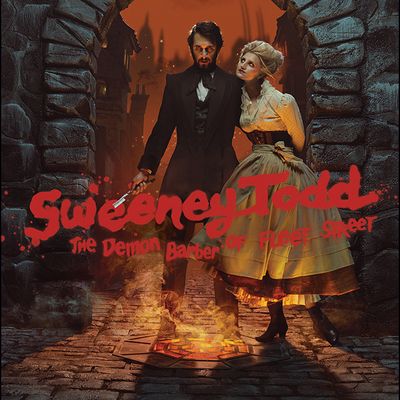
About
Please join us in celebrating the life and creations of Stephen Sondheim. He's an incredible talent, who has inspired so many, and will continue to do so.
Stephen Joshua Sondheim
March 22, 1930 - November 26, 2021
Transcript
This transcript was automatically generated and might contain errors.
[0:05] Ebony Vines: The Theatre Geeks Anonymous Podcast.
[0:07] Pamela Shandrow: The podcast about Broadway flops, scandals, and new work.
[0:11] Ebony Vines: Now we'll take a break from our usual episodes to bring you this intermission sode.
[0:17] Pamela Shandrow: There are two people that you think will never die. Stephen Sondheim will never die.
[0:23] Ebony Vines: And so like on the face of it, he was 91. So of course, you know, he's got every right to die. He's lived a good long life.
[0:30] Pamela Shandrow: But you just don't think it's ever gonna happen. No, but I will say too, what's kind of really amazing about it is that, well, you mentioned it that he's leaving behind all of these people who have this great appreciation.
[0:46] Ebony Vines: And I'm saying great with all capital letters, this great appreciation for everything that he's given us.
[0:53] Pamela Shandrow: Yeah. Every song, every lyric that he has gifted to us as actors, as people, as just human beings. Let's just say blanket statement, as human beings that he's these things to us.
[1:06] Ebony Vines: But you've also the actual songs and lyrics themselves, he's left those behind. And I think hundreds of years from now, they'll be talking about that. You know what I mean?
[1:19] Pamela Shandrow: Like he'll still have this kind of fixation, not a fixation, this uh this fixative quality in the atmosphere in this in the great grand scheme of artistic things.
[1:36] Ebony Vines: Yeah, um I've I I don't know why I've been thinking about this for honestly months. It's just like keeps randomly popping in my head.
[1:48] Pamela Shandrow: Um, but probably a couple of years ago. I so I'd gone, I've gone to Oscar Hammerstein's house out in Doylestown twice.
[2:02] Ebony Vines: Yeah. Um, yeah.
[2:03] Pamela Shandrow: And that's the house that Stephen Sondheim talked about all the time going to because his when his parents got divorced, his mother bought a house in Doylestown.
[2:15] Ebony Vines: He said she was something of a um, she liked to sort of follow famous people around.
[2:23] Pamela Shandrow: And he said at the time there were a lot of well-known people who lived in Doylestown, Pennsylvania. So she bought a house there, and then he said his father uh bought a house in Connecticut.
[2:37] Ebony Vines: And so on the summers, he'd be sort of shuttled between the two families. Um, and his mother was actually horrible to him.
[2:49] Pamela Shandrow: Oh, and um, and she would say things like all her, you know, she never accomplished what she thought she wanted to accomplish in life because he was born.
[3:02] Ebony Vines: She would just blame him for um anything that went wrong in her life. And I thought about this a lot because especially the last couple of days since he's passed, I thought, well, turns out he was the best thing she ever created.
[3:21] Pamela Shandrow: Yeah.
[3:23] Ebony Vines: As I watch all of the videos of people standing at the Bethesda Fountain singing Sunday, literally in the park.
[3:33] Pamela Shandrow: Yeah.
[3:35] Ebony Vines: And Times Square is filled with people reading his words, quoting him, and singing his songs.
[3:42] Pamela Shandrow: Yeah.
[3:43] Ebony Vines: I mean, the millions of people that this one human being touched and the mountains he had to overcome to be able to be a creative person, like the psychological mountains to overcome, the constant fear we have as creatives that like, is our work good enough? Is it okay? Is it ever going to matter?
[4:04] Pamela Shandrow: And it's like if he didn't push through all of that and still choose to create, we wouldn't have literally all the words to say goodbye to him.
[4:14] Ebony Vines: He gave us every word we'd ever possibly need to say goodbye to him. Um so I've just been thinking a lot about past and and words that people say to us that can sometimes inhibit us, and what happens to young people who don't have an Oscar Hammerstein to run to.
[4:42] Pamela Shandrow: Yeah.
[4:43] Ebony Vines: Um, who they have, you know, he said if he used to say in some of his interviews, he was like, if Oscar Hammerstein had been a shoemaker, I would have been a shoemaker. If he would have been a welder, I would have been a welder.
[4:57] Pamela Shandrow: You know, he just, you know, he that was his um, you know, that was his sort of adoptive father. And I think about would he have ever gone to Oscar's house and befriended his son Jimmy if his mother hadn't been horrible.
[5:15] Ebony Vines: Yeah.
[5:16] Pamela Shandrow: Would any of that have happened? Would we have Sondheim the way that we have him if any of that wouldn't have happened?
[5:23] Ebony Vines: I don't know why I've been thinking about this at least once a week for months.
[5:28] Pamela Shandrow: And then while I don't know why you've been thinking about it so much.
[5:32] Ebony Vines: Yeah, or or so for so long, but it is something that is really.
[5:37] Pamela Shandrow: I mean, it's even if you're not thinking about it for someone's particular life, if you if you just think those thoughts about yourself, it's like you know, there are so many things, so many little tiny miracles that had to have happened for you to be in a place at a certain time for a certain thing.
[5:57] Ebony Vines: Yeah.
[5:57] Pamela Shandrow: And we never get to see what that is, except in hindsight, which is always so fascinating to me.
[5:57] Ebony Vines: So fascinating.
[6:08] Pamela Shandrow: Because it's like you could be going through the worst time in your life, and then you discover why.
[6:15] Ebony Vines: Or maybe you don't discover why, but like those times that you do, when that moment comes, you're like, oh, oh, and I feel like that is kind of the miracle of these great people who have left us with amazing attributes.
[6:37] Pamela Shandrow: You look back and like you can, you can pinpoint every little single detail of what happened in that person's life that led them to that specific place that then created this opportunity for for him or her to create whatever it is that we then can enjoy forever and ever and ever.
[6:56] Ebony Vines: Like it is really important, and we will that that chain will never break.
[7:01] Pamela Shandrow: And I think that's what the cool part about this is too, because people that have listened to his music since he started writing it, grew up to then create their own music, who then will then other people will listen to their music and then grow up to create their own music.
[7:20] Ebony Vines: And that cycle will never break. That cycle will never change.
[7:24] Pamela Shandrow: It'll just keep getting better and better and better.
[7:26] Ebony Vines: And you can each of those people, generations to come, can say, I was inspired by Stephen Sondheim.
[7:26] Pamela Shandrow: I was inspired by Oscar Hammerstein. I was inspired by Cole Porter or you know, fill in the blank great artist who in who, you know, who never knows the full extent of their inspiration because they're not gonna be privy to it.
[7:51] Ebony Vines: When I I was watching literally I think it was like Monday, either Sunday or Monday, I was watching a series of Ava Duvernay interviews.
[8:06] Pamela Shandrow: And she was on um, she was with Ben Mankowitz, and they had done like The Essentials. Do you know what that is on TCM?
[8:16] Ebony Vines: It's basically like he'll sit down with one filmmaker or comedian or somebody of note, and they'll go through about eight or ten of their the movies that were most influential to them.
[8:30] Pamela Shandrow: Cool.
[8:30] Ebony Vines: I don't know it. I might have seen some clips, but that sounds interesting.
[8:34] Pamela Shandrow: It's really, really cool.
[8:35] Ebony Vines: Um, and if you go on letterboxed, um, there's a list of all the movies she picked. So I like wrote down the ones I hadn't seen, but it's funny because when she she picked West Side Story as one of her movies, wow, and she said, I know I must have seen movies before I saw West Side Story, but I feel like I never saw a movie before I saw West Side Story.
[9:02] Pamela Shandrow: Sure.
[9:03] Ebony Vines: That makes total sense.
[9:05] Pamela Shandrow: Doesn't it?
[9:06] Ebony Vines: It totally makes sense. I was like, I strangely feel similarly because it's so ingrained on my mind.
[9:14] Pamela Shandrow: The day, the circumstances under which I saw that movie.
[9:19] Ebony Vines: You've told that story before.
[9:21] Pamela Shandrow: Yeah.
[9:22] Ebony Vines: And like, you know, and that's why I got so upset when Hal died. And it's why, you know, I'm upset with Steven's passing.
[9:30] Pamela Shandrow: Yeah.
[9:31] Ebony Vines: It had such a colossal effect on me. And uh, you know, Ava doesn't do musicals, she does movies, and it it was like she didn't say it was necessarily the movie that um made her think about becoming a filmmaker, but just to say that the first time you saw that, it felt like you'd never seen a movie before.
[9:56] Pamela Shandrow: You saw that film just speaks to the influence it has, and um man, you know, and then he he just narrowly missed the opening of the new one directed by Steven Spielberg.
[10:15] Ebony Vines: Um but yeah, so uh we're gonna talk about um Stephen Sondheim and um our feelings about him as two theater geeks, and um just so that there's no mistake, this is a celebration of him.
[10:34] Pamela Shandrow: Oh, totally glad that he has passed, but like the things that he's left behind and the feelings that he has created in people is really the most impactful part.
[10:43] Ebony Vines: So that's what we're doing. That's what we're talking about today.
[10:46] Pamela Shandrow: Totally.
[10:47] Ebony Vines: And um we're we're gonna talk uh about also like how we define success, because you know, we've talked about him a lot on this podcast, and I looked at our list and realized it's so funny we haven't actually done that many episodes of Stephen Sondheim musicals.
[11:06] Pamela Shandrow: But like Pamela and I saw Pacific Overtures off Broadway together.
[11:12] Ebony Vines: I went and saw the Assassin's concert um like one Saturday or Sunday before we were and so in my brain we had done yeah all those shows.
[11:24] Pamela Shandrow: Yeah, and then I looked in our list and I was like, we didn't do those shows.
[11:27] Ebony Vines: We didn't done merrily.
[11:29] Pamela Shandrow: We merely we just done Marrily, and I was like, how come we didn't do Pacific Overtures?
[11:33] Ebony Vines: Well, here's the thing, because I feel like we talk about Stephen Sondheim and Hal Prince so often.
[11:40] Pamela Shandrow: So often that it really does feel like we have done him or them more often than we have.
[11:46] Ebony Vines: And there are plenty of shows, but I think, well, I mean, as I don't know if this is the way that you feel. I don't I don't wanna put him in the category of flops.
[11:55] Pamela Shandrow: And perhaps actually for the reason that we're gonna discuss today.
[11:59] Ebony Vines: Yeah, because even though those shows flopped, yeah, it's Stephen Sondheim and Hal Prince.
[12:06] Pamela Shandrow: Like it's such a weird, like you can't it's such a weird concept to think that he flopped, but he did so many times.
[12:06] Ebony Vines: So many times.
[12:17] Pamela Shandrow: So many.
[12:18] Ebony Vines: So many. He did the he did more flopping than, you know, yeah, flying.
[12:24] Ebony Vines: And it's really, it's really wild. Um, because you have this whole Google Drive document that you put into my eyesight. And one of the things that you list here is also the thing that I was gonna bring up as well. And that is that people who are ahead of their time are never fully appreciated in the moments. It's never until that hindsight hits that they're like, oh my gosh, he really had something going there.
[12:51] Pamela Shandrow: Yeah.
[12:51] Ebony Vines: So I think a lot of those quote-unquote flops were simply because people were never, we're not used to seeing what he had to offer us yet. And so it took some time for us to catch up as audience members.
[13:04] Pamela Shandrow: Yeah, that's a hundred percent. That's a hundred percent correct.
[13:08] Ebony Vines: So, um, Stephen Sondheim was born on March 22nd, 1930, in New York City and died on November 26th of 2021 at his home in Roxbury, Connecticut. He was a composer lyricist, best known for shows like Sweeney Todd and Into the Woods, which you'll hear a lot about on other podcasts, news programs, and all other types of media. A few things you probably won't hear much about are his play Getting Away with Murder and the television musical Evening Primrose, which starred Anthony Perkins on ABC in 1966. And you probably won't hear about the play or much about Evening Primrose because those two are not necessarily, um, seen as especially the play, like he sort of tried to hide it because he wasn't very proud of it. Um, and then Evening Primrose just sort of recently has been, uh, one of these quote-unquote lost musicals that, um, has been performed on stage a few times.
[14:17] Uh, people also won't say much about the fact that many of his musicals weren't well received when they first premiered, nor were many of them box office hits. And why won't people talk about this? Because we often have a revisionist history about the individuals we see as quote unquote the greats. Sondheim's best friend and frequent collaborator Hal Prince said, the idea is to work and to experiment. Some things will be creatively successful, some things will succeed at the box office, and some things will only, which is the biggest only, teach you things that see the future. And they'll probably be as valuable as any of your successes.
[14:56] And I believe I also quoted this when we did the Hal Prince tribute. I feel like instead of spending this tribute episode talking about how Sondheim changed musical theater, I thought it was important to talk about how he redefined the word success. His success came through perseverance and believing in his voice, even when others doubted and naysayed his work. Some would argue that his vision was so ahead of its time. Works such as Sunday in the Park with George predated the technology even needed to execute his vision until 2017, although the musical was first produced on Broadway in 1984. The same may be said of the movie that is being made over a span of 20 years of his beloved musical Merrily We Roll Along, which was the last show he and Hal made together, though they remained best friends. They were both, they both loved that show, but its demise hurt them both so much that they never worked together again.
[15:57] So basically, as Pamela stated, like we're gonna talk about Steven was amazing. We all love him. All of his work is gorgeous. I mean, the shows like everyone says what you know was a box office flop. Anyone Can Whistle, the music's amazing.
[16:16] Pamela Shandrow: Yeah, we all love that show, you know.
[16:19] Ebony Vines: Merrily We Roll Along. I love that show. That's why there's literally a film being made right now as we speak over a 20-year span because people love that musical, even though it was like the most difficult flop for him.
[16:34] Pamela Shandrow: Yeah, it's, it's, I did write down, I put in how, um, the word success is actually defined. And so dictionary.com defines it as the favorable or prosperous termination of attempts or endeavors, the accomplishment of one's goals. Merriam-Webster's dictionary defines it as the fact of getting or achieving wealth, respect, or fame.
[17:03] Ebony Vines: Now he did, he did both seem a little short-sighted to me, right? I do say though, what I love though is the accomplishment of one's goals.
[17:13] Pamela Shandrow: Yeah, goals, yes, I will absolutely agree with that.
[17:16] Ebony Vines: But the Merriam-Webster, the fact of getting or achieving wealth, respect, or fame, like that's the, that is society's way of estimating someone's success. And I think that's what most of us as millennials and Gen Z are fighting against right now.
[17:34] Pamela Shandrow: That's really true.
[17:35] Ebony Vines: That's really true. And you're right. I mean, that's why I put that definition in there because I feel like that's how society so often defines it. You know, and that's listen, we, Steven had a house in Manhattan, right? And he had a house in Roxbury, Connecticut. So he was not, he did not die penniless, right? A few days ago, right? Um, but his shows were not financial successes, most of them. I mean, you know, they, uh, the average was that they'd close after about six months.
[18:16] Pamela Shandrow: After years of work being put into them.
[18:20] Ebony Vines: So many years.
[18:21] Pamela Shandrow: Yeah.
[18:22] Ebony Vines: I don't think there's any, uh, um, equivocating the fact that he was a successful person, yeah, with or without his shows being quote unquote successful. It's not necessarily that we're talking about, well, okay, let's say this. It's not that we're looking at how many houses he has, how much money he had in the bank, what his net worth was, uh, how many, you know, successful relationships he had. Like that's not, we're not looking at that.
[18:52] Pamela Shandrow: Right.
[18:52] Ebony Vines: But I think what we're trying to say is that in the course of what he wanted, what his goals were, yeah, you could argue that none of those goals were truly met in the way that society would expect them to be, and yet he was still incredibly successful.
[19:14] Pamela Shandrow: He was very successful because the thing that he, I was watching an interview today, and one of the things that he said, because he was so, he was so heartily trying to emulate Oscar, and Oscar told him one time he was like, Steven, you have to find your own voice. You have to speak truth from who you are. It can't be, you can't write Oklahoma, that's mine. That's my truth, that's my words, and that's how I create. There's a whole other way that you'll create. And that he did that, right? He was true to that. He was true to himself. Yeah, he was true to his spirit. He was true to who he was. He was true to what felt right to him and what felt best to him. And he stayed with knowing that if he stayed true to himself and stayed true to what he knew needed to be said and could only come from him, right? What is that line? Uh, it can only come from you and it will be new. That's actually one of his, I think that's one of, I think that's a line from one of his shows.
[19:14] Pamela Shandrow: Um, I don't recognize it, but that doesn't mean it. Can you Google it one day?
[19:14] Ebony Vines: Yeah, I think, um, and so that, that is success is being completely authentic because in his authenticity, in him being true to himself and who he knew he was and who he knew he was creatively, it has changed the face of musical theater. It has changed our lives.
[21:02] Pamela Shandrow: We now have a new language by which to express ourselves.
[21:10] Ebony Vines: We have songs and words to express ourselves that were not in the lexicon before he existed in this world. And I love that the way that we have revered somebody because of their authenticity and them staying true to who they are.
[21:33] Pamela Shandrow: I mean, this is like one of my favorite tributes to do because of the reasons we love him.
[21:43] Ebony Vines: They're like the best reasons to love somebody.
[21:49] Ebony Vines: Well, it's, and it's that uniqueness that every, you don't, if everyone did the same thing and had the same voice and had the same ideas, it would be a very boring world.
[21:53] Pamela Shandrow: Yeah, totally.
[22:00] So yeah, as human beings, look to the uniqueness, look to that individuality, to that weirdness, that quote unquote weirdness, uh, to discover in another human being that that's what draws us.
[22:17] Pamela Shandrow: So I did find something. I'm not, it's not exactly what you said, but it's okay.
[22:22] Ebony Vines: Yeah.
[22:23] Pamela Shandrow: Um, one of Dot's lines is stop worrying if your vision is new, let others make that decision. They usually do.
[22:31] Ebony Vines: And there's, that's good.
[22:32] Pamela Shandrow: Yeah, that is good.
[22:33] Ebony Vines: I mean, that's pretty similar to what you said.
[22:36] Pamela Shandrow: Yeah, uh-huh.
[22:37] Ebony Vines: Um, nothing, nothing came up perfectly in the quote that you gave me, but that was pretty good.
[22:43] Pamela Shandrow: Yeah, that's perfect.
[22:46] Ebony Vines: Um, you said you had, you had also a list of just like other individuals that, yeah.
[22:53] Pamela Shandrow: So we were talking before we started recording and, um, thinking about just people that have been hugely successful but that may never have had that kind of success in their actual lives or when they were living. I was thinking obviously like Vincent Van Gogh is the first person that came to mind because he had sold one painting his entire life and he died absolutely in poverty, right?
[23:18] Ebony Vines: And he had, but now everyone knows Vincent Van Gogh. I mean, there's not, you can look at any of his paintings, and even if you've never seen it before, you know that that's a Van Gogh or Van Gogh, I think is how you pronounce it.
[23:30] Pamela Shandrow: But I'm gonna still say Van Gogh because that's how I learned it.
[23:33] Ebony Vines: Uh, but I went and like just looked up a list on the internet. So like Emily Dickinson, the works of Emily Dickinson that described her personal thoughts on death, mortality, and nature only came to light after her death in 1886. So there's another example. Uh, Franz Kafka is a German language writer who never lived to enjoy fame, as publishers wouldn't accept his work and no one took him seriously during his lifetime.
[23:59] Pamela Shandrow: This one surprised me because I didn't remember that this was the case.
[24:02] Ebony Vines: But Edgar Allan Poe was an American writer, poet. Everyone knows his work. Um, Raven, uh, kind of the cask of Amontillado. Um, he was a writer who died in 1849. He never made enough money to support himself during his lifetime.
[24:18] Pamela Shandrow: He didn't, yeah.
[24:19] Ebony Vines: Henry David Thoreau, everyone knows that name. He's a famous philosopher and writer who inspired huge leaders like Leo Tolstoy and Mahatma Gandhi. Uh, Henry Darger, who I'd never heard of before, but he was another artist who died in 1973, but he became popular only when his fantasy manuscript was discovered in the 1990s, which that was called The Story of the Vivian Girls.
[24:43] Pamela Shandrow: But I'm not familiar with that.
[24:46] Ebony Vines: But that was, I mean, there's all of these stories about people like this.
[24:50] Ebony Vines: Galileo, um, just gonna say the names.
[24:53] Pamela Shandrow: Alfred uh Wegener, who's a meteorologist, um Vermeer, who's another artist, uh, John Keats, poet, uh, Steve Larsen, journalist, Oscar Wilde, who I think inspired quite a few of our classic musical theater uh writers.
[25:16] Ebony Vines: Yes. You know, these are these are names that we all have heard, even if we don't know who they are, and the fact that they never had that quote unquote success when they were living, yeah, doesn't really mean anything because they still kind of fought through, created what they created, and then they left this world, but they left us those gifts, and I do call them gifts because I believe that any creative endeavor that we give, small or large, is a gift that we've been given and now we're giving to the world.
[25:50] Pamela Shandrow: I uh that's something that I truly believe.
[25:52] Ebony Vines: I know that you do as well.
[25:54] Pamela Shandrow: Yeah. But it's you know, these these are things that I think can give us nothing but a sense of excitement and inspiration.
[26:06] Ebony Vines: Some of these things can make us go back like this all of Stephen Sondheim I can remember at a very young age, yeah.
[26:15] Pamela Shandrow: And singing along with Into the Woods.
[26:20] Ebony Vines: Into the Woods was the first CD that I ever bought.
[26:24] Pamela Shandrow: Okay, that's how old I am.
[26:28] Ebony Vines: But I also had it on a double cassette disc.
[26:31] Pamela Shandrow: Yeah.
[26:32] Ebony Vines: And I remember singing along. And I also, oh, because I had I had the American version, obviously, with Bernadette Peters, but I also had the London version, which has a song in it that was sung by uh with Rapunzel and the Witch.
[26:45] Pamela Shandrow: It's a great song.
[26:47] Ebony Vines: Uh so if you get a chance, like look that up. I think it might be in the newer Broadway versions, but I can't recall that exactly.
[26:53] Pamela Shandrow: So I'm not gonna say it with confidence, but I will say it maybe happened.
[26:57] Ebony Vines: I remember one day talking on the phone with my friend Jennifer Rusk on the landline. We didn't have cell phones at this point, and because the cord could reach, I reached around into my room and I said, You have to listen to this.
[27:11] Pamela Shandrow: And I put on Little Red Riding Hood's song, and I sang it to her through the phone along with the cassette tape.
[27:18] Ebony Vines: Okay, that was how obsessed I was with it because it was like there's everything in here.
[27:23] Pamela Shandrow: Now, obviously, I still wanted to be the witch, but I was young.
[27:26] Ebony Vines: So I was like, here's a role for me right now because I'm young. I could play little red riding hood. Like it was such a cool concept to me, too. It was like, wait, these are these are creatures, these are fairy tale creatures that and stories that we all know, but he flipped the script on us and telling us this.
[27:45] Pamela Shandrow: That was the beginning of my love for like the psychological side of musical theater of like of the soon to be wicked story where the story of the wicked witch of the west who was the villain, and you flip it 180 degrees, and actually she was not as much a villain as we thought.
[28:03] Ebony Vines: And this is the story that I'm gonna tell. Like that stuff is fascinating to me.
[28:06] Pamela Shandrow: And so and he did it.
[28:08] Ebony Vines: He did.
[28:09] Pamela Shandrow: He did it.
[28:10] Ebony Vines: He put all of these fairy tale stories together into one show.
[28:14] Pamela Shandrow: And he made it work.
[28:16] Ebony Vines: And it was the coolest thing. Like it just blew my mind as a kid.
[28:20] Pamela Shandrow: I think I must have been 12 or 13 when I started listening to it. Like that blew my mind.
[28:27] Ebony Vines: Yeah.
[28:29] Pamela Shandrow: And then I would go and I would like to tell people. And it was like, no, okay. So it's about like little Red Riding Hood is in it, and and um, the witch is the witch in every story, but she's just one witch.
[28:39] Ebony Vines: And then like it was the coolest Cinderella's in it.
[28:42] Pamela Shandrow: It's so neat. I just loved it.
[28:46] Ebony Vines: Um I love that.
[28:48] Pamela Shandrow: I love every time you tell stories about little you and your obsession with the Stephen Sondheim musical.
[28:57] Ebony Vines: I just so wonderful.
[29:00] Pamela Shandrow: I'm like, I knew every word, and I remember too, like um on long road trips, like on vacations as the family, we'd be in the station wagon, and I would I would bring my walkman and my headphones, and I'd be listening to my musical theater cassette tapes.
[29:17] Ebony Vines: And I remember once also I was listening also to Into the Woods, and I was listening to um Jack and the Jack's song, uh Giants in the Sky.
[29:27] Pamela Shandrow: They're a giant song.
[29:28] Ebony Vines: Oh my gosh, I love that song.
[29:30] Pamela Shandrow: Me too.
[29:31] Ebony Vines: And I remember going, Oh, Jennifer, and I rewinded it and I let her listen to the one section that I was like, listen to this.
[29:37] Pamela Shandrow: I don't even remember what the section was, but I remember her going, Yeah.
[29:42] Ebony Vines: And I was like, No, it's amazing.
[29:47] Pamela Shandrow: It's the language.
[29:48] Ebony Vines: Every time I wish I I wish we were friends when we were little. Because we both would have been in the car on the walkmans geeking out about and everybody would have been yelling at us because we would have been squealing and loudly whispering after they told us to be quiet.
[30:06] Pamela Shandrow: We still would have been too loud.
[30:07] Ebony Vines: They would have put us in the back of the station wagon with the seats at Asia's back.
[30:14] Pamela Shandrow: Which is where I was usually sat.
[30:17] Ebony Vines: But you know, like that, that and newsies.
[30:19] Pamela Shandrow: I remember listening to newsies and like try sing trying to sing C's of the day, but like switching vocal parts because you can't just sing one.
[30:26] Ebony Vines: And like, you know, that kind of stuff is super exciting and lovely and wonderful.
[30:30] Pamela Shandrow: But there's something about Sondheim lyrics.
[30:33] Ebony Vines: Yeah, yeah.
[30:35] Pamela Shandrow: That you I never got in one listening.
[30:38] Ebony Vines: I never got, you know, listen because it's so deep.
[30:41] Pamela Shandrow: So it's so deep and complicated, you know.
[30:44] Ebony Vines: It's like it's like a really good game of.
[30:49] Pamela Shandrow: I don't know.
[30:50] Ebony Vines: I don't play chess.
[30:52] Pamela Shandrow: I don't know. Some I don't know, some really complicated just like board game, or it's it's like a really hard math puzzle, you know.
[31:02] Ebony Vines: It's like you just every single time you go through it, you find another nugget of beauty that you just didn't discover.
[31:11] Pamela Shandrow: And and because he was ahead of his time, the older you get.
[31:15] Ebony Vines: Yes, I was just gonna say that.
[31:17] Pamela Shandrow: Things me have a whole new meaning.
[31:22] Ebony Vines: It was so I love that musical, and then the movie came out when like right after my mom died.
[31:32] Pamela Shandrow: Oh, and so Cinderella had a whole new meaning.
[31:38] Ebony Vines: Yeah, and I found myself like listening to her, wanting so desperately to talk to her mother in the tree.
[31:46] Pamela Shandrow: And I was getting choked up.
[31:48] Ebony Vines: And that was not an experience I'd ever had before, you know, listening to that show.
[31:55] Pamela Shandrow: I loved that show.
[31:56] Ebony Vines: Yeah.
[31:57] Pamela Shandrow: Um, but that's just another thing about his work is just as you grow, it grows with you and it and it stretches and it expands, and you have new meanings for things, and there are lines you you thought you got, but you didn't completely.
[32:18] Ebony Vines: Or or that maybe you did, but because it's so malleable, yeah, changes context.
[32:26] Pamela Shandrow: I feel like that, because I'm I've always been more aligned with the villains in stories, and I think that comes because it's always been about the psychology of acting for me, even as a kid, about the why.
[32:42] Ebony Vines: Like what why did she make that decision?
[32:44] Pamela Shandrow: What was her motivation in that?
[32:46] Ebony Vines: Like, how why did that happen that way?
[32:48] Pamela Shandrow: Yeah.
[32:48] Ebony Vines: That was always though that was the question that I was always asking was why from young until even now.
[32:55] Pamela Shandrow: And there's also this super strong need for justice that I've always had.
[33:03] Ebony Vines: And so, you know, my the character of the witch in Into the Woods was always, and of course it was Bernadette Peters as well.
[33:11] Pamela Shandrow: But even besides that, her storyline, she probably at first wanted nothing more than to help.
[33:23] Ebony Vines: Yeah.
[33:24] Pamela Shandrow: You know, like she's like, I mean, listen, I'm not supposed to, but yeah, you can have some of my greens, but she was taken advantage of.
[33:32] Ebony Vines: And I what like my my imagination would always say, Well, like, I wonder how many times she had been taken advantage of before she finally became what she became at the very end of the show.
[33:42] Pamela Shandrow: Where she was finally like, you know what?
[33:44] Ebony Vines: This isn't my fault, it's your fault.
[33:45] Pamela Shandrow: But you know what? Fine. If you want it to be my fault, I'll take the blame.
[33:50] Ebony Vines: Oh, it's me, I'm the witch.
[33:52] Pamela Shandrow: Yeah, I get I'm in.
[33:54] Ebony Vines: Well, you know, this that kind of thing is like, fine, kill me, then send me to the giant.
[33:58] Pamela Shandrow: I'll take your I'll take the dirty side of things for you.
[34:04] Ebony Vines: You were gonna do it anyway.
[34:06] Pamela Shandrow: And I loved that.
[34:07] Ebony Vines: It spoke to me.
[34:08] Pamela Shandrow: It spoke to my little emo heart when I was younger, right?
[34:12] Ebony Vines: Because that's hard. I was the third out of four children.
[34:14] Pamela Shandrow: That's a difficult idea.
[34:17] Ebony Vines: Yeah, nothing, nothing is fair, you know.
[34:20] Pamela Shandrow: So that just on a very, you know, very um shallow level, that was where it was when I was younger.
[34:26] Ebony Vines: But as I got older, that too was like, you know, there has to be something within us that either lets it just roll off our back, or that can accept the what what the world is throwing at us with a grace and forgiveness that none of us is able to accomplish on our own.
[34:47] Pamela Shandrow: Or we turn into something like that.
[34:51] Ebony Vines: We turn into somebody that we don't want to be, that we never wanted to be.
[34:56] Pamela Shandrow: Yeah, yeah.
[34:57] Ebony Vines: And that was said, oh, I just loved it.
[34:59] Pamela Shandrow: I loved it so much.
[35:00] Ebony Vines: And even like in the relationships that she had with Rapunzel, she loved Rapunzel.
[35:07] Pamela Shandrow: She did.
[35:08] Ebony Vines: She raised Rapunzel.
[35:09] Pamela Shandrow: She wanted to keep Rapunzel.
[35:11] Ebony Vines: And then at the end, Rapunzel decided she didn't want her anymore.
[35:14] Pamela Shandrow: She wanted this fly by night prince who happened to show up one night and show him her his pretty face, and then all of a sudden, great.
[35:23] Ebony Vines: So I'm not good enough for you.
[35:25] Pamela Shandrow: Like there's so much of her in her character that just really speaks to me.
[35:32] Ebony Vines: And that's true.
[35:33] Pamela Shandrow: I mean, that's true of a lot of the other shows.
[35:35] Ebony Vines: Like I love Mrs. Lovett.
[35:37] Pamela Shandrow: Mrs. Lovett also has a really special place to me.
[35:41] Ebony Vines: And I played her when I was 21 years old, right?
[35:44] Pamela Shandrow: I had no reason to be playing this role at age 21.
[35:50] Ebony Vines: But the experiences that I had in the 21 years of my life were still able to inform that character because of how he wrote them.
[36:01] Pamela Shandrow: Yeah.
[36:03] Ebony Vines: Yeah.
[36:08] Pamela Shandrow: Do you have a favorite?
[36:11] Ebony Vines: I mean, I also love Into the Woods.
[36:13] Pamela Shandrow: Um, I've been feeling merrily a lot recently, because I just been I've been thinking about it a lot because I've been thinking a lot about um as I come up on Miles a milestone age.
[36:29] Ebony Vines: And um just how we have an expectation of what our life is gonna be like when we're younger, yeah, and then to see what it turns out to be when we're older, and um, you know, I just I think about myself and a lot of my friends, and you know, I don't think anybody's life has turned out the way they thought it would, or wanted it to.
[37:01] Pamela Shandrow: Um, and that's not to say that they're bad or unhappy, it's just different, yeah.
[37:09] Ebony Vines: And you know, that's the beauty and sadness of that musical, yeah.
[37:16] Ebony Vines: Um, it's just so I feel like it's so honest about what gets in the way, um, and you know how each of us internalizes that path, and um, who it ultimately makes us to be in the end, and um so right now that's the one I'm really feeling, I think just because of where where where I am uh in my in my life, yeah.
[37:56] Pamela Shandrow: Um it's and I made it sound so sad, but it's not, it's just it's introspective, yeah.
[38:04] Ebony Vines: It really is that's it.
[38:06] Pamela Shandrow: I think some of it can be sad, which is okay.
[38:09] Ebony Vines: I think with with anything sweet, a little salt will make it sweeter, yeah, yeah.
[38:16] Pamela Shandrow: Um, and what you were describing also kind of goes to this whole definition of success.
[38:23] Ebony Vines: I can speak personally. When I was 10 years old, I decided that I wanted to be on Broadway, and from that moment on, I did everything in my power to get there. And then I did have success. I did, but because it wasn't Broadway, and because I had made my expectations so loudly, because I had told everybody what I was going to accomplish. It suddenly felt that I I hadn't succeeded at all. It suddenly felt that then leaving the business in the way that I did. It suddenly felt like, oh, well, she's a failure then, which is completely untrue. But I almost had to convince myself that that was the case. I almost had to like list it all out, list all of the things that I've done in the last 30 years to convince myself that I I was successful. And that the successes that I did have then informed my later successes, which didn't have anything to do with the expectations that I set for myself or the goals that I set for myself 30 years ago.
[39:32] Pamela Shandrow: Yeah.
[39:32] Ebony Vines: Yeah. But that is that is the sadness. I think there I did grieve. I still grieve not pursuing that, not pursuing musical theater, not pursuing Broadway. And it's not too late, obviously. I know that, but it's it's not in the cards this moment. And so there is a sadness there. But I can also look back and be like, Phantom of the Opera, Wicked, all of the regional shows that I've done. Sweeney Todd at 21 years old in Eureka, Illinois, you know, and and just finding my love of musical theater and my and my voice. I found my freaking voice. You know, that's I think the most exciting thing. And that's something that I think a lot of of young kids have pro have trouble with, right? You're kind of it's the hardest time to live.
And what do they do? They stick you in this like Lord of the Flies environment where literally one person that may have more friends than everybody else says one thing negatively against you, and then suddenly everyone's against you. It's it's awful. It's the worst.
[40:50] Pamela Shandrow: Well, and now they have social media, so you can also get bullied there.
[40:54] Ebony Vines: So it's like 247 bullying. Bully by adults who live in Germany. Like they don't even have to be your age or your demograp or like in the area that you're in. It's it's an awful time to live. And if I had not had musical theater, and if I had not had, and I will go one step further as well. I am a white woman, girl at the time, who lived in a demographically very white community surrounded by white people in my school. And if I hadn't had theater, I would never have had the diversity or the or the inclusion that I had at such a young age to make me much more empathetic to those those marginalized now.
[41:38] Pamela Shandrow: Yeah, yeah.
[41:39] Ebony Vines: And that's huge.
[41:41] Pamela Shandrow: It really is.
[41:42] Ebony Vines: It is. You know, you think about you know, some of the shows that um that Steven did, like West Side Story and Pacific Overtures, um, which were about other cultures outside of his own.
[41:57] Pamela Shandrow: Yeah.
[41:58] Ebony Vines: Um that he wanted to shine a light on, and you know, the power that theater has to bring all of those uh communities together and all of us to see ourselves in every lyric that he wrote.
[42:14] Pamela Shandrow: Yeah.
[42:15] Ebony Vines: Um there was this woman in that I used to work for, and I used like I don't know why, I but I just always wanted her to sing, Children Will Listen. And one of my friends said, because she she actually was a um retired Broadway performer, and she would do this cabaret, and she would take it around. And uh one of my friends who worked for her said, she does do this, like you know, she does it in her cabaret, and I'd seen it one time, and she didn't do it that time, and then it was my birthday. My birthday had passed, and she would usually sing for somebody if they wanted it. And I was like, you didn't sing for me, and so she did sing it for me, right then and there. I love it, and then um the next cabaret that she did, it was how she closed the show, too. And I was like, that song is the perfect example of one of Stephen Sondheim's genius, yeah.
[43:26] Pamela Shandrow: And it's because the way that he wrote meant multiple things, yeah.
[43:33] Ebony Vines: Same word meant something different. Careful the tales you tell, children will listen. Children will listen. Careful the tales you tell, children will listen. Those two ideas spoken and or sung in that one line meant so many different things to each of those characters within the show, but then also in an audience of different people and different experiences, it means something completely different too. And he was so brilliant at that.
[44:04] Pamela Shandrow: Yeah.
[44:13] Ebony Vines: Well, um, oh, I I just the last thing I want to close with is um I never got to meet him, but I did get to see him at a show.
[44:25] Pamela Shandrow: Oh, that's cool.
[44:27] Ebony Vines: So this one, this one day, actually, it was like not many months after my mom passed. My friend Robbie and I, and you all will know Robbie because he was on one of our episodes. He did the Pretty Bell episode with us. Um we went to see this one man musical called the Lion, and it was great. Um, we we walked in, got our playbills, sat down, and he and I were just kind of you know chit-chatting a little bit before the show starts. And then we got quiet and we're just looking around, and all of a sudden he taps me and he has this like energy where I could immediately feel a shift in his energy, and I was like, something he's something exciting is happening, but he's trying very hard to like contain it so that he doesn't get loud because he's just really excited, and so I could I could feel it when he tapped me and he was like, Ebony, Ebony, look okay.
I don't want to point. Look, look, look, look over at like the second door. Do you see that old man? And and I and I was like, wait, where? Oh my god. And so I was like, it's Demon. We were just like, oh my gosh. And so to try to keep I you again, you all know Robbie because he was on the podcast. So if you can just imagine that energy of theater geekdom just coursing through our veins because Stephen Sondheim had just walked into this small theater, because this was like an off Broadway show. So this is not a Broadway house. So it's not like he's where you're like far. You're 10 seats away from him wherever you're sitting. Right. You know? And so he's over there, and we were just like, oh my god.
And so we're just excited the whole show. And all we really did was we'd pay attention to the play. We'd laugh at something, and we immediately look over to see if Steven liked it too. Like we were, we were just every time there was something, we just were so interested to see if Stephen Sondheim also liked the show as much as we did. The whole show. Um and so that's I I love that memory. I have loved it always, and now I will just cherish it always because that was the only time that I got to see him in person. And uh just bless bless his heart. I mean, until he he'd he'd gone like a day or two before he passed to see two more shows. Like he just yeah that's amazing. And he was so excited about going to see to see shows and see new work.
[47:30] Pamela Shandrow: That's awesome.
[47:32] Ebony Vines: Yeah. So um with that, I'm gonna close with that uh little anecdote. And um I I asked uh Pamela just to close us out with one short little stanza um that she's gonna do uh from Into the Woods and um and then we're just gonna say goodbye immediately after.
[47:56] Pamela Shandrow: Yes. Thank you all for listening, and um I know that we're all sort of we're all sad, but like man, are we lucky? Ugh. We got to be alive at the same time as him.
[48:16] Ebony Vines: Absolutely. We're really blessed.
[48:19] Pamela Shandrow: Yeah. Sometimes people leave you halfway through the wood.
[48:30] Ebony Vines: Do not let it grieve you.
[48:34] Pamela Shandrow: No one leaves for good.
[48:38] Ebony Vines: You are not alone.
[48:43] Pamela Shandrow: No one is alone.
[48:48] Ebony Vines: Oh, so gorgeous.
[48:50] Pamela Shandrow: He's so brilliant.
[48:52] Ebony Vines: So brilliant.
[48:54] Pamela Shandrow: Thanks, guys.
[48:55] Ebony Vines: Thanks for listening.
[48:56] Pamela Shandrow: Thanks so much for listening.
[48:58] Ebony Vines: Till next time.
[48:59] Pamela Shandrow: Bye.
[49:00] Ebony Vines: Bye.
[49:03] Pamela Shandrow: Thank you for listening to our podcast, Theater Geeks Anonymous.
[49:08] Ebony Vines: You can follow us on Instagram and Twitter at T G A B Way and on Facebook at Theater Geeks Anonymous.
[49:17] Pamela Shandrow: Don't forget to rate, review, and subscribe to the Theater Geeks Anonymous Podcast.
[49:23] Ebony Vines: On the Broadway Podcast Network and all your favorite podcast listening apps.
[49:28] Pamela Shandrow: Your intermission sode has now concluded.
[49:31] Ebony Vines: Shut up, sit down, and turn off your cell phones.
[49:34] Pamela Shandrow: Or we'll tell Patty Lapone.
© Broadway Podcast Network, All Rights Reserved